15 Best Minor Sorcerers And Why They Matter Later

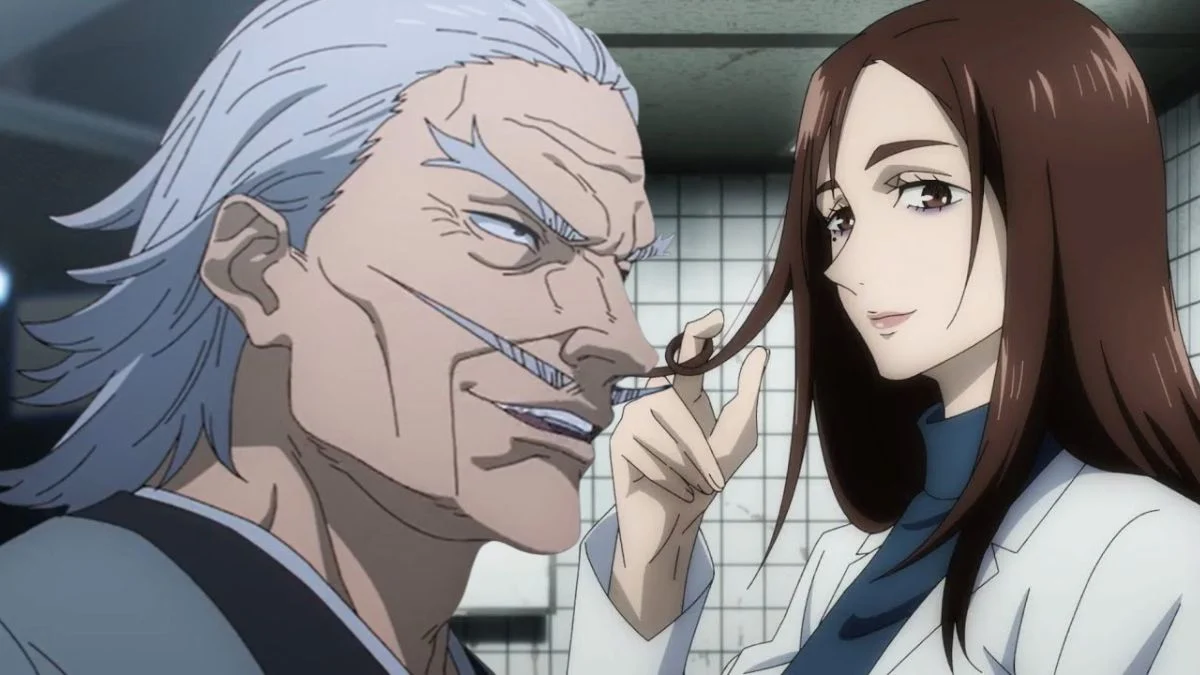

Some faces in ‘Jujutsu Kaisen’ barely share the spotlight at first, but they end up steering key decisions and outcomes when the stakes rise. These supporting sorcerers handle logistics, intel, healing, and clutch interventions that keep the frontliners alive. Watching how they move during ‘Hidden Inventory’, the ‘Exchange Event’, and the ‘Shibuya Incident’ reveals how much groundwork happens off the main battlefield. Here are the quiet difference-makers whose roles grow more important as the anime pushes forward.
Akari Nitta
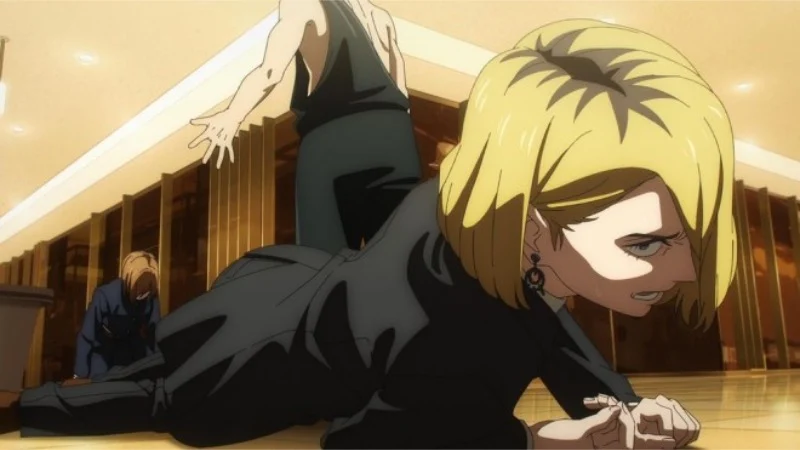
Akari serves as field support for the Tokyo school, handling transport, schedules, and safe routes during missions. She coordinates movements between teams and keeps noncombat operations running when battles erupt. During the ‘Shibuya Incident’ she assists evacuations and maintains communication so fighters can reposition. Her reliability frees higher-grade sorcerers to focus on threats while she keeps civilians and students moving to safety.
Arata Nitta
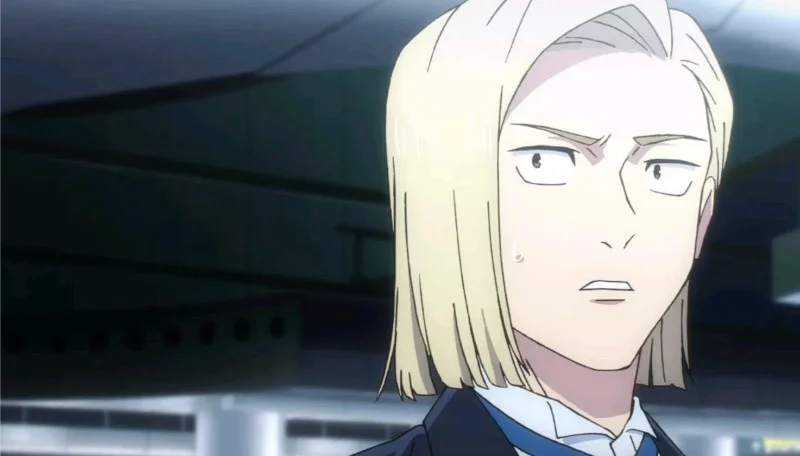
Arata is a noncombat sorcerer whose technique focuses on stabilizing injured allies. He arrives on scenes after clashes to reduce pain and prevent conditions from worsening until full treatment is possible. In the chaos of the ‘Shibuya Incident’ he becomes essential triage, keeping battered sorcerers functional enough to withdraw. His presence raises survival odds and preserves key fighters for later phases of the conflict.
Kiyotaka Ijichi

Ijichi handles mission briefings, barrier access, and on-site coordination for Jujutsu High operations. He guides students to assignments and manages the practical steps that get teams into and out of combat zones. His attack during the ‘Shibuya Incident’ exposes how vulnerable logistics staff are and how much their work underpins the frontline. Even so, his planning and barrier know-how continue to shape how teams navigate dense urban veils.
Utahime Iori
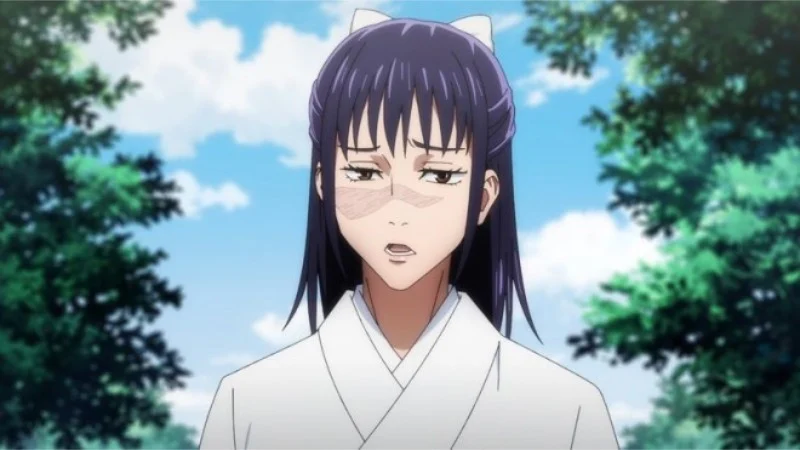
Utahime leads training and oversight for students while serving as a dependable mid-level combatant. She compiles suspicious activity around cursed users and keeps attention on irregular patterns that hint at larger plots. In the lead-up to Shibuya she helps coordinate teachers and students across campuses, which proves valuable when barriers fall. Her investigative work and classroom authority help the faculty respond as a unified unit when crises break.
Mei Mei
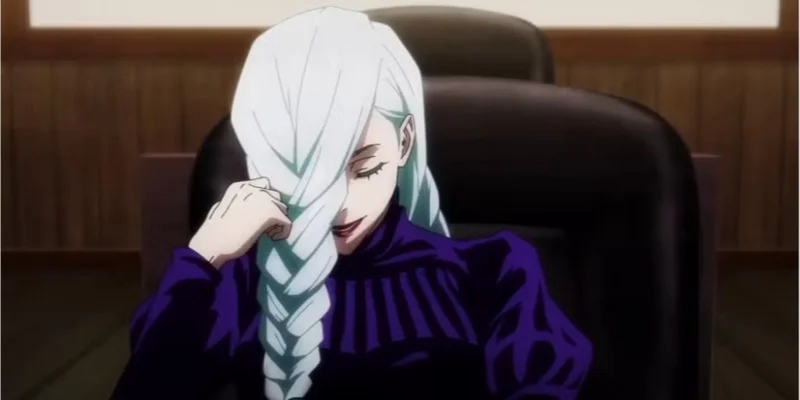
Mei Mei is an independent sorcerer who contracts with the school for pay and takes high-risk assignments. She demonstrates elite situational analysis and clears a lethal curse during the ‘Shibuya Incident’ to reopen routes for others. Her choices signal where safe corridors exist and where teams should not engage. By moving on her own terms, she reshapes the battlefield without drawing resources from the schools.
Ui Ui
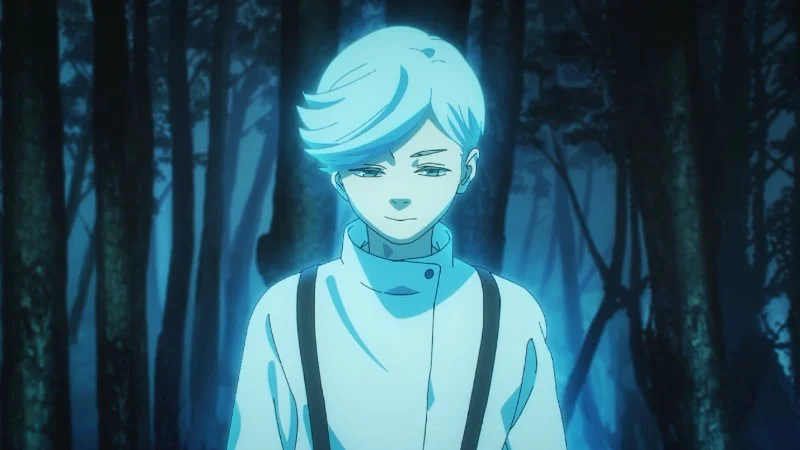
Ui Ui supports Mei Mei as a dedicated aide who moves exactly as she commands. He assists with rapid repositioning and tight operational timing that lets Mei Mei finish targets and extract quickly. His calm execution during the ‘Shibuya Incident’ keeps their duo mobile while other teams are pinned. That mobility ends up freeing pressure on trapped allies and shifts curses away from key chokepoints.
Kasumi Miwa
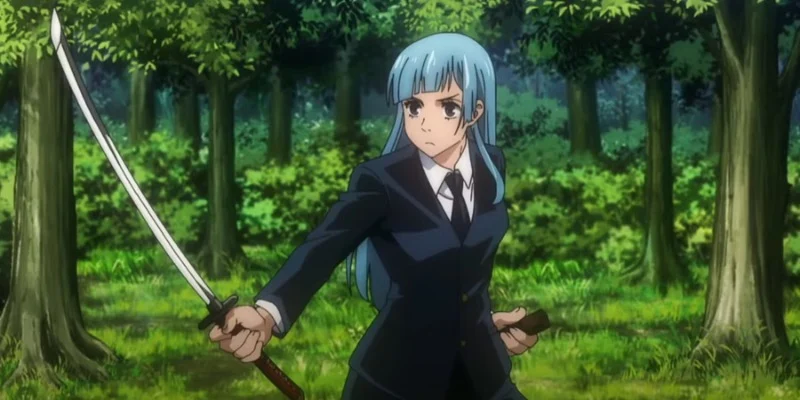
Miwa begins as a Kyoto student focused on basic sword work and clear instructions from her seniors. Her experience during the ‘Exchange Event’ teaches her how easily tactics collapse when conditions change. Later, messages left by an ally shape her movements and keep her clear of traps that would have erased backup options. Her arc shows how communication safeguards set earlier can protect students when everything goes wrong.
Momo Nishimiya
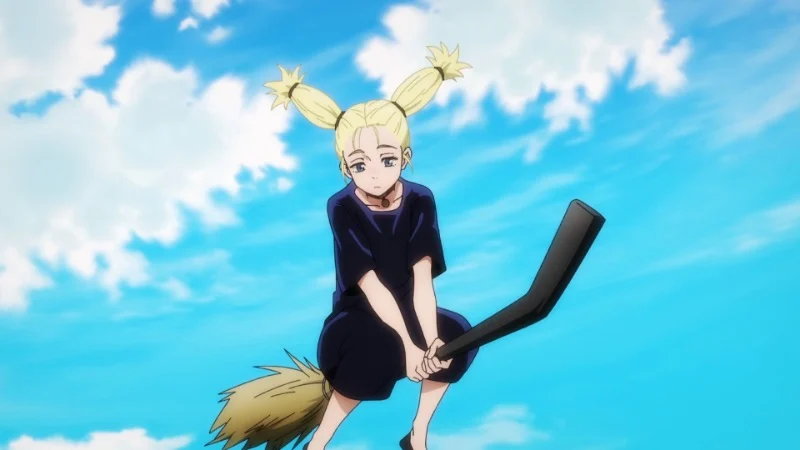
Momo provides aerial scouting and rapid messaging for the Kyoto team using her broom for sustained overwatch. She tracks student positions during the ‘Exchange Event’ and reports changes fast enough for instructors to adjust plans. When the situation escalates in Shibuya she helps with transport and keeps students aligned with faculty instructions. Her reconnaissance role plugs information gaps so stronger fighters do not stumble into unseen threats.
Noritoshi Kamo
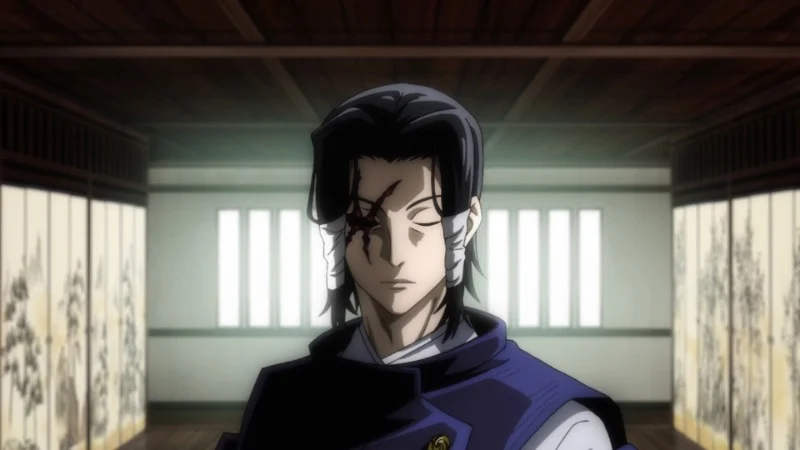
Noritoshi is a disciplined archer whose blood manipulation gives his team mid-range control during group missions. His conduct in the ‘Exchange Event’ shows he follows rules while still protecting opponents from excess harm. Those habits carry into later emergencies where he becomes a stabilizing voice among Kyoto students. His clan ties also keep attention on power shifts that affect which teams receive orders and resources.
Takuma Ino
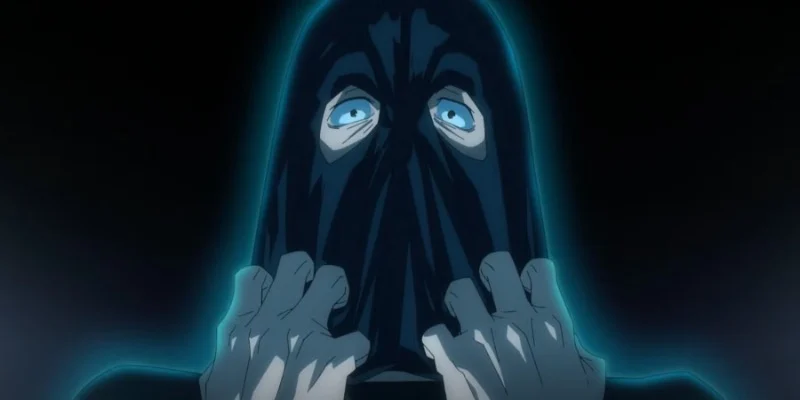
Ino works under a veteran mentor and aims to earn promotion through clean, team-first execution. He holds lines and buys time during the ‘Shibuya Incident’ until a surprise intrusion takes him out of position. His willingness to absorb risk allows senior sorcerers to pursue priority targets. Surviving that night turns him into steady reinforcement for future joint operations.
Atsuya Kusakabe
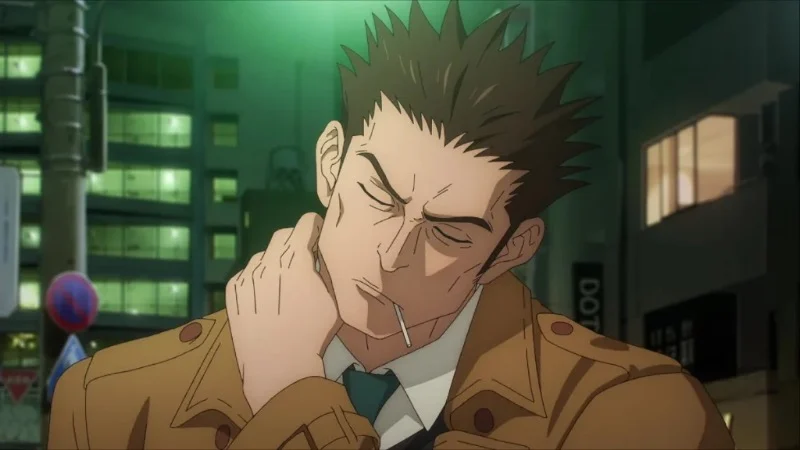
Kusakabe is a pragmatic instructor who escorts students and prioritizes survival over reckless heroics. In Shibuya he manages evacuations, covers retreats, and makes conservative calls that keep non-special grades alive. His choices ensure there are enough trained sorcerers left to respond after the immediate crisis. By valuing preservation, he maintains a functional staff when leadership and assets are suddenly limited.
Kokichi Muta ‘Mechamaru’
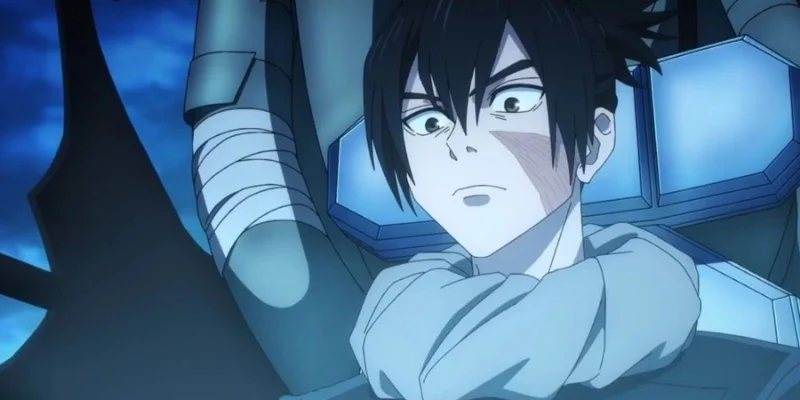
Muta operates remote puppets as ‘Mechamaru’ while his true body remains hidden, giving Kyoto rare long-range reach. His secret deal with enemies sets up a desperate solo fight that ends with contingency plans already in place. Those preparations provide messages and guidance to allies that affect where students go and who gets pulled into traps. The information he leaves behind shapes movements during Shibuya even after he is gone.
Shoko Ieiri
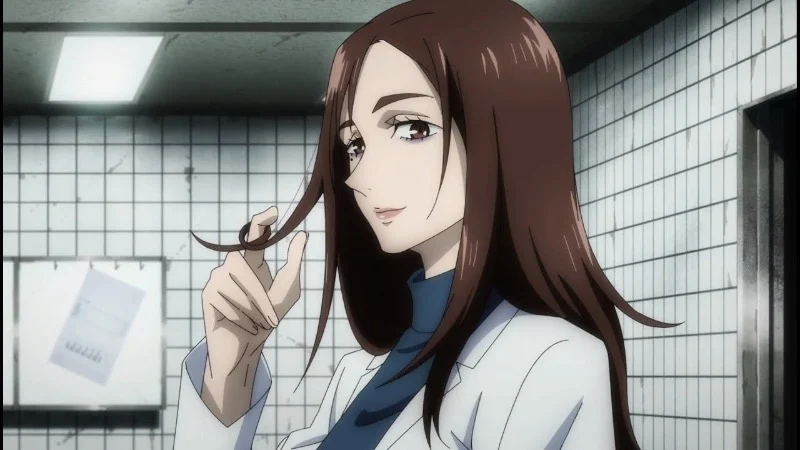
Shoko is the school’s top medical sorcerer, using reverse cursed technique to treat grievous injuries. She supports students and teachers after battles and manages recovery when regular hospitals cannot help. Following Shibuya she becomes the hub for stabilizing survivors whose injuries would have been fatal without sorcery. Her work brings fighters back for later stages and preserves institutional knowledge that might otherwise be lost.
Yoshinobu Gakuganji
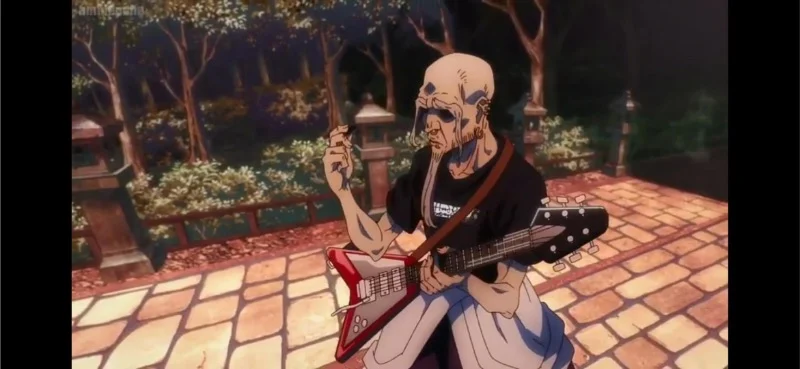
Gakuganji is the Kyoto principal who enforces policy and deploys students according to school directives. His actions during the ‘Exchange Event’ reveal how administrative decisions can target or protect specific students. In Shibuya he participates in combat and eliminates transfigured humans with his instrument technique to clear corridors. His authority influences who is allowed to act and how the schools respond once public order breaks.
Naobito Zenin
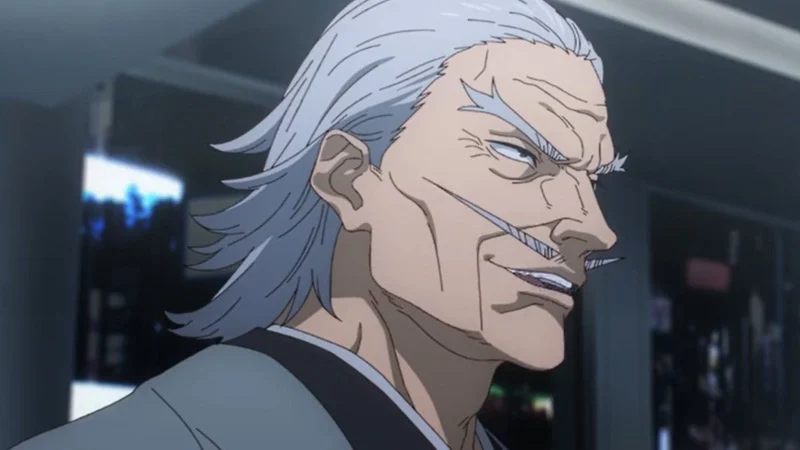
Naobito leads the Zenin clan during the Shibuya fighting and displays advanced projection sorcery in close quarters. He teams with veterans to corner a special grade inside a domain and pushes the battle toward a narrow escape. The injuries he sustains and what follows inside the clan ripple through succession and resource control. Those shifts affect which sorcerers receive support later and how family politics collide with school priorities.
Tell us which minor sorcerer you think had the biggest impact and why in the comments.