10 Most Tense “Office Politics” Moments In Chainsaw Man


Work in Public Safety is not just about devils in ‘Chainsaw Man’. It is also a maze of hierarchy, favors, and quiet power plays that shape who survives to clock in tomorrow. From awkward team dinners to career ending ultimatums, the agency runs on rules that matter as much as any contract. These moments show how promotions, transfers, and silence can be as deadly as a curse. Here are the scenes where workplace maneuvering puts as much pressure on the hunters as the job itself.
Makima’s car ride sets the hierarchy

On the drive after Denji’s first rescue, Makima explains Public Safety expectations in plain terms and makes him confirm loyalty. She tells him what to call her at work and makes it clear that disobedience means elimination. She promises better food and a place on the team if he behaves. The exchange puts a formal chain of command in place before Denji even reaches the office.
Denji and Power assigned to Aki’s unit and apartment

Makima places Denji and Power under Aki, then orders them to live at his place for oversight. Aki becomes responsible for reports on their conduct along with daily training and mission readiness. The arrangement gives the division a way to control two unpredictable agents without a formal reprimand. It also lets management test whether Aki can manage risk while hitting mission targets.
Division 4 welcome party becomes a work audit in disguise
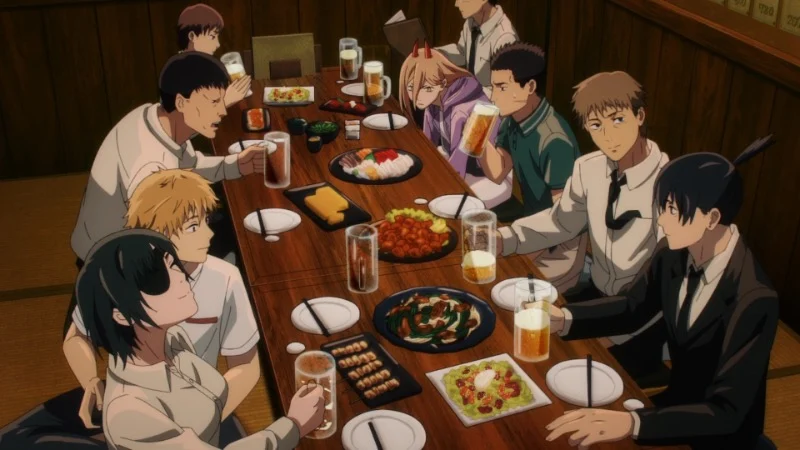
At the drinking party with multiple teams, ages are checked and seating reflects seniority. Himeno probes Aki and Denji about motivation while coworkers fish for details on the Gun Devil case. Makima observes quietly and gathers information on team dynamics. The night functions as an informal review of morale, discretion, and who can be trusted on sensitive assignments.
Eternity Devil hotel standoff turns into a vote on sacrifice
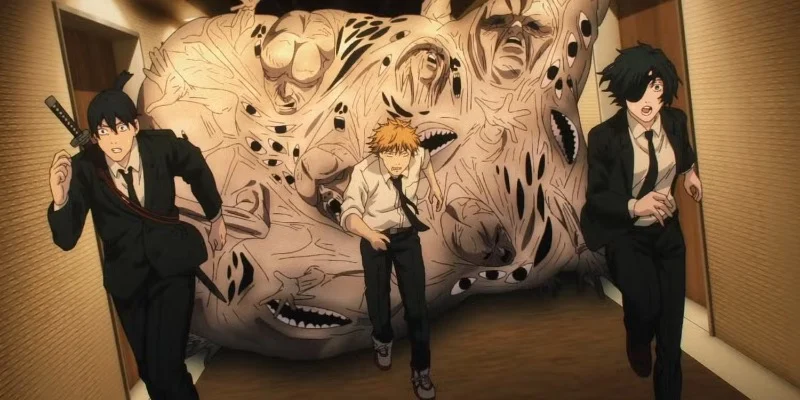
Inside the trapped hotel floor, the group argues over giving Denji to the devil for release. Arai and Kobeni push for a handover while Himeno and Aki try to keep procedure. The debate exposes how stress can flip colleagues from support to self protection in minutes. It also shows how field teams try to resolve policy gaps when command is out of reach.
Authorization pressures around Aki’s weapon use
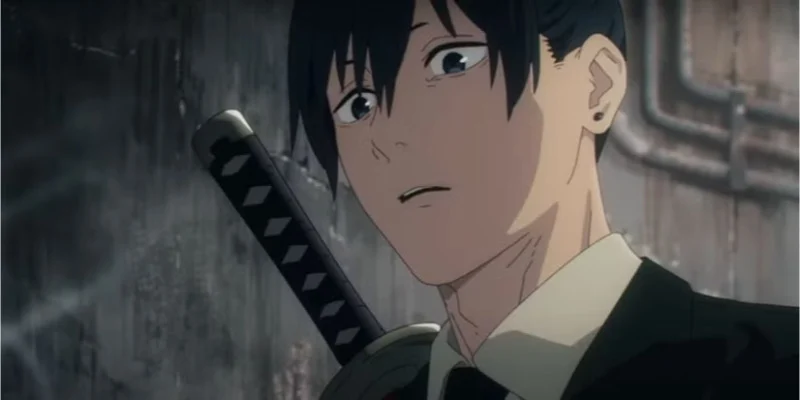
When the situation escalates, Aki resorts to a contracted weapon with life shortening costs. Coworkers assist and witness the toll while knowing repeated use will end his career early. The act highlights how Public Safety treats personal health as expendable when a mission is on the line. It also shows how consent and documentation around special gear can be blurred by urgency.
Nationwide ambush aftermath leads to a restructure
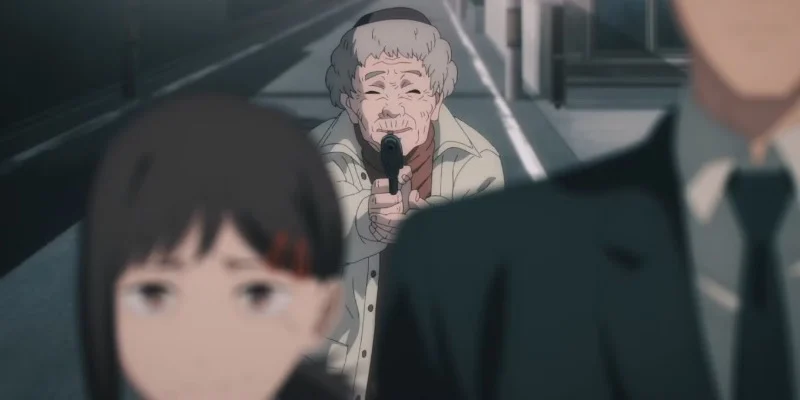
After coordinated attacks on Tokyo teams, Makima briefs survivors and announces a consolidation under Special Division 4. The move folds remaining personnel and assets into one command for tighter control. Survivors are told to prepare for expanded duties and new protocols. The change secures Makima broader authority while preventing outside units from challenging decisions.
Information control after the attacks

Makima withholds specifics of her countermeasures from most staff and external agencies. She requests resources with minimal explanation and limits the distribution of reports. The approach keeps enemies from reading their playbook while keeping rank and file in the dark. It also reinforces that critical operations are compartmentalized on a need to know basis.
Kobeni’s bonus talk reveals why people stay
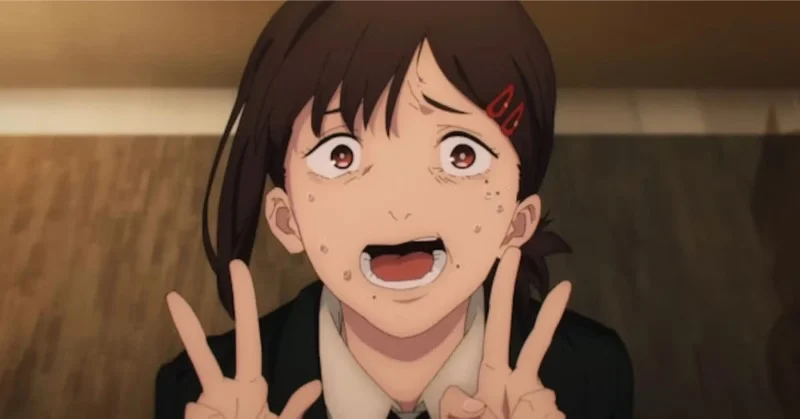
Kobeni admits she joined Public Safety because her family pushed her and the job pays allowances. She talks about transfer plans after the ambush but stays when the bonus becomes real. Her decision shows how hazard pay and benefits can outweigh fear for many employees. It also explains why turnover and retention hinge on money more than mission.
Kishibe’s training program for Denji and Power
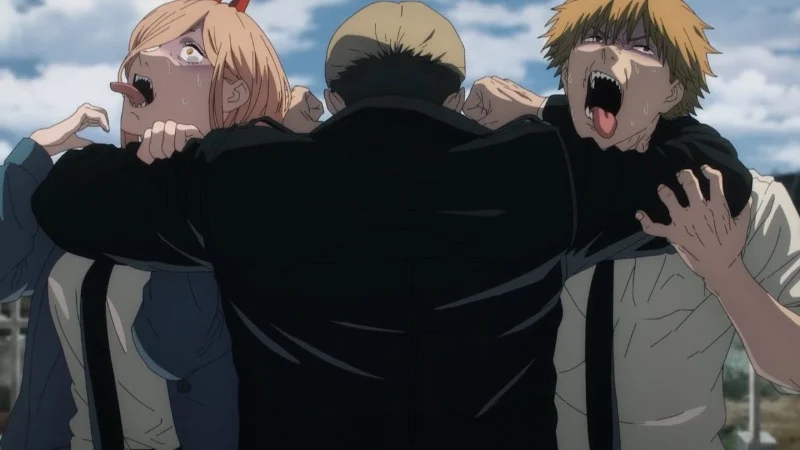
Makima assigns Denji and Power to Kishibe for an open ended training regimen with lethal sparring. Kishibe evaluates them like assets and reports progress directly to leadership. The sessions function as performance reviews with immediate consequences. The setup bypasses normal instruction to produce results for Special Division 4 only.
Aki’s new contract process with the Future Devil
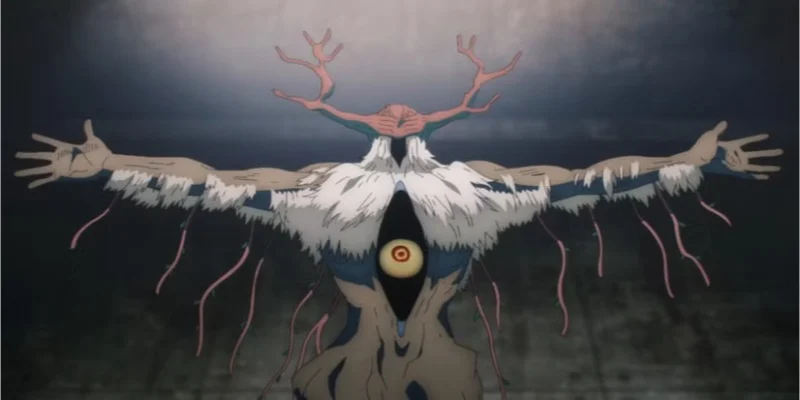
After losing a previous pact, Aki is escorted to an agency facility to negotiate a fresh contract. Staff catalog the costs paid by other hunters and supervise the terms for compliance. The procedure formalizes a high risk agreement under government oversight. It treats supernatural bargaining like paperwork needed to keep a case officer in the field.
Share your picks for the most uncomfortable workplace maneuvers in ‘Chainsaw Man’ in the comments.