15 Anime Characters Who Were Nerfed Just So The Hero Could Win

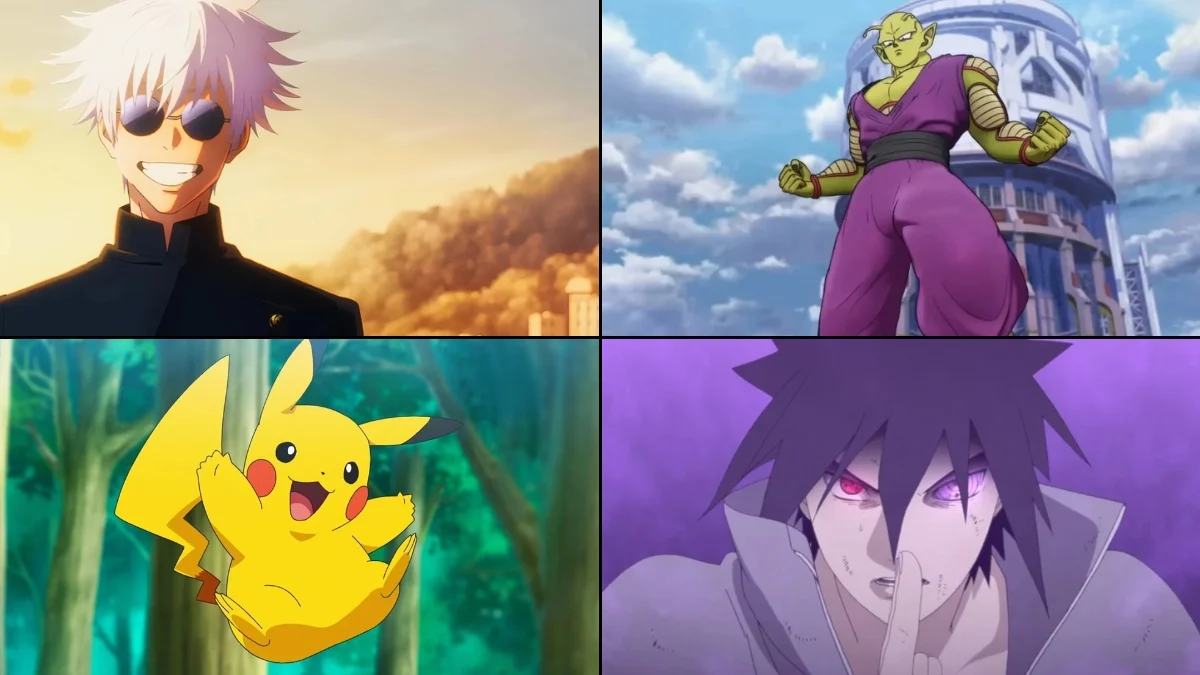

Power ceilings in long-running series shift all the time, but some characters take conspicuous dips right when the story needs the lead to shine. Below are cases where in-world events, rules, or sudden setbacks cut a powerhouse down to size at exactly the moment a protagonist had to prevail. Each entry explains the concrete mechanism of the nerf – sealing, injuries, resource limits, or rules – plus when it happened and what it allowed the hero to do next. No hype, just the plot details that changed the balance.
Satoru Gojo – ‘Jujutsu Kaisen’

Gojo is removed from play when Kenjaku traps him in the Prison Realm during the Shibuya Incident, a special-grade cursed object that seals targets in stasis with no external rescue method available. The seal specifically requires the victim to be held stationary for one minute in Gojo’s perception, exploiting the crowded station to trigger it. With Gojo sealed, the series shifts to Yuji Itadori, Megumi Fushiguro, and other sorcerers, who must handle disaster-level threats without the strongest sorcerer present. The unsealing later hinges on acquiring the right items and conditions, but the initial seal is what opens the runway for the younger cast to carry the conflict.
Madara Uchiha – ‘Naruto Shippuden’

At the height of his power as the Ten-Tails’ jinchūriki, Madara is abruptly undercut when Black Zetsu betrays him and forcibly resurrects Kaguya Ōtsutsuki using his body. This twist removes Madara from the battlefield without a decisive duel against Naruto Uzumaki and Sasuke Uchiha. The shift also resets the win conditions, since sealing Kaguya with Six Paths techniques becomes the new objective. By replacing an established final boss with a different foe, the story sidesteps Madara’s built-up advantages and pivots to a threat designed to be sealed by the protagonists’ newly granted powers.
Charlotte Linlin (Big Mom) – ‘One Piece’

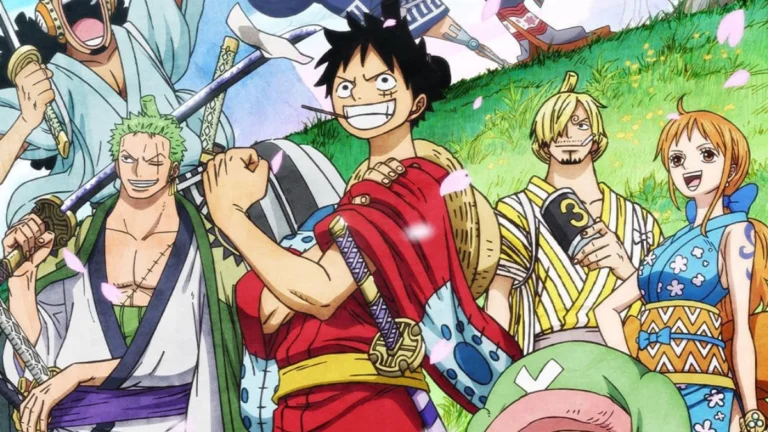
During the Wano arc, Big Mom suffers amnesia after a shipwreck near Kuri, forgetting her crew, ambitions, and combat protocols. In this state she bonds with Tama and is manipulated away from immediate rampage, which delays confrontations the Straw Hats couldn’t win at that point. The memory loss breaks established behaviors like coordinated homie usage and tactical decision-making, temporarily lowering the danger she poses to the alliance. Once her memory returns, she resumes top-tier combat – but the earlier impairment buys the protagonists critical time and positioning.
Pikachu – ‘Pokémon’
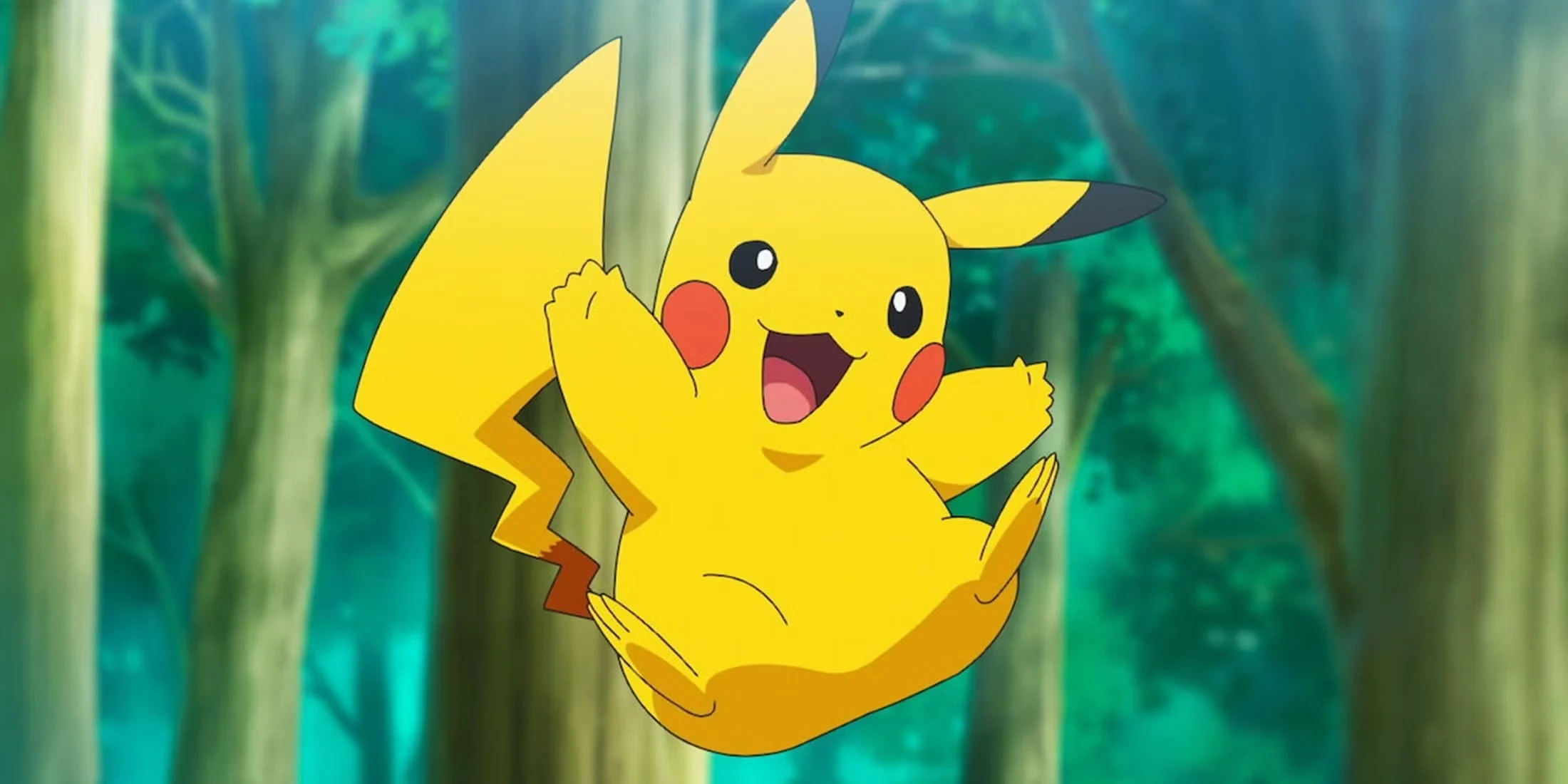
At the start of the Unova journey, Pikachu experiences a sudden malfunction of Electric-type moves due to interference from a legendary’s energy discharge near Nuvema Town. This condition persists into Ash’s first gym-style battle with Trip, where Pikachu loses to a newly obtained Snivy despite vast prior experience. The reset levels the playing field for the new region’s introduction and reframes early matches as uphill climbs. After the disturbance resolves, Pikachu’s output normalizes, but the initial handicap cements Ash’s underdog arc for Unova.
Jotaro Kujo – ‘JoJo’s Bizarre Adventure’
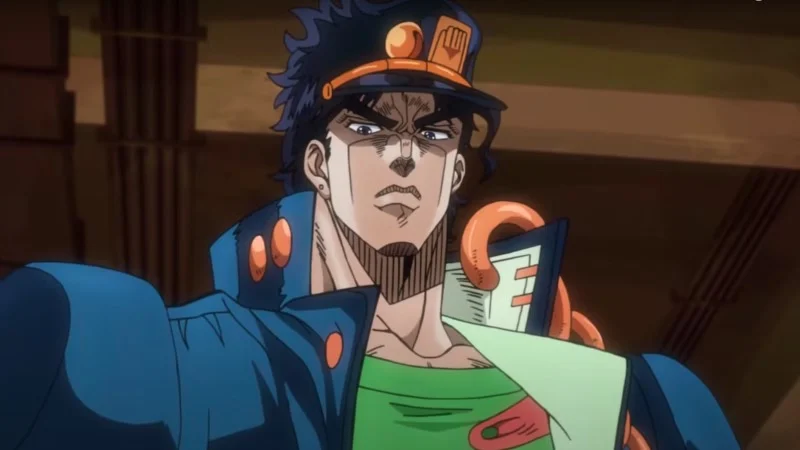
After the events of ‘Stardust Crusaders,’ Jotaro’s Star Platinum: The World retains time stop but only in brief, stamina-draining bursts that are shorter than Dio’s peak windows. In ‘Stone Ocean,’ his combat presence is further curtailed when Whitesnake steals his Stand and memories by extracting discs, leaving him comatose. These constraints keep Jolyne Cujoh at the center of the conflict and force her to mount a rescue and retrieval operation. The limited time stop and disc theft are explicit mechanical downgrades that move Jotaro out of the problem-solving role he previously dominated.
Sasuke Uchiha – ‘Boruto: Naruto Next Generations’
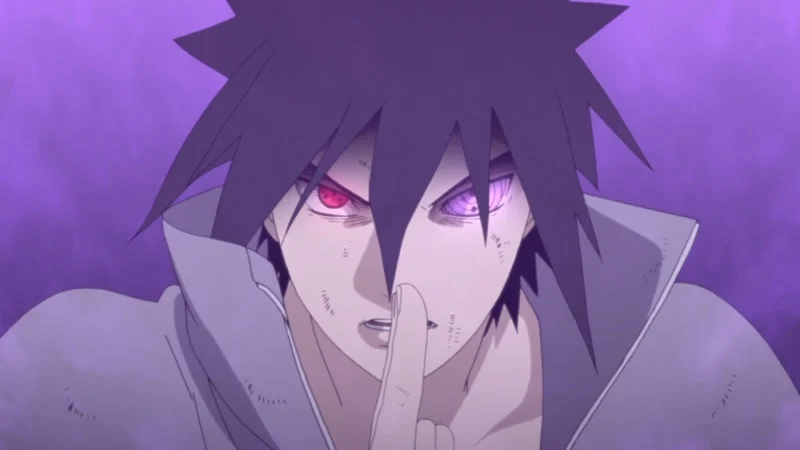
Sasuke loses the Rinnegan when Boruto, possessed by Momoshiki, stabs his left eye during the battle in the ruins near the Ten-Tails’ dimension. Without space-time ninjutsu, Amenotejikara swaps, and other Rinnegan techniques, Sasuke can no longer serve as the series’ tactical teleporter and hard counter to god-tier foes. This loss also prevents easy extraction or pursuit against Ōtsutsuki targets, narrowing the heroes’ options in subsequent crises. The change explicitly shifts battlefield mobility and problem-solving back to the younger generation.
Levi Ackerman – ‘Attack on Titan’

Following a string of decisive wins against the Beast Titan, Levi is critically injured in a thunder spear blast during the Marley – Paradis conflict, sustaining damage that sidelines his unmatched anti-Titan prowess. His recovery is prolonged, and he participates with reduced capacity while still providing leadership. The injury removes the most reliable answer to Zeke Yeager for a significant stretch, forcing alternate plans and risks by other scouts. This limits surgical takedowns and increases narrative dependence on Eren and the broader alliance.
Yasutora “Chad” Sado – ‘Bleach’

Despite unlocking Brazo Derecha de Gigante and later Brazo Izquierda del Diablo, Chad repeatedly faces opponents whose Hierro and release levels outscale his growth, especially in Hueco Mundo. He is defeated by Nnoitra and then sidelined in several arcs where captains or Ichigo handle finishing blows. The power gap is explained in-story by his Fullbring-adjacent abilities developing differently from Shinigami or Arrancar evolutions. This positioning keeps Chad as crucial support while ensuring Ichigo and higher-ranked allies conclude the major fights.
Son Gohan – ‘Dragon Ball Super’
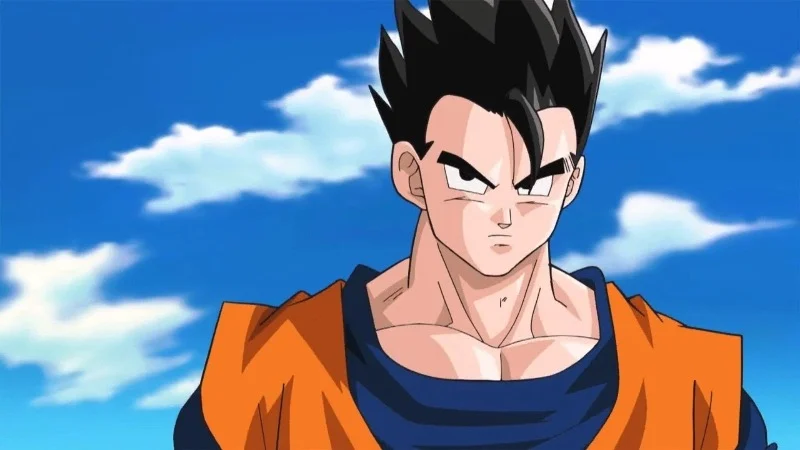
Years after the Cell Games, Gohan deprioritizes combat training for academics and family, leading to diminished base performance when new threats arrive. During the ‘Resurrection F’ crisis, he requires borrowed power and team support rather than solo solutions he once delivered. The narrative later addresses this with targeted training to regain his edge, but the initial rust is a clear, stated limitation. The downturn ensures Goku and Vegeta remain the frontline against contemporary god-tier enemies.
Piccolo – ‘Dragon Ball Z’
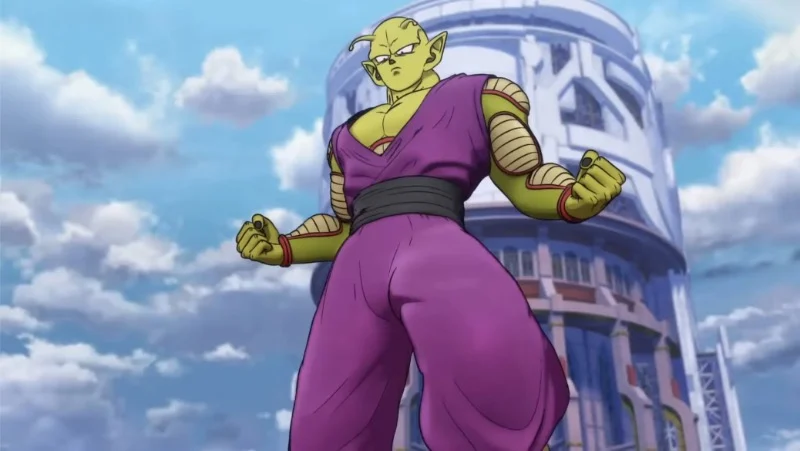
In the Android and early Cell sagas, Piccolo’s trajectory spikes after fusing with Kami, but subsequent escalations quickly outpace Namekian ceilings. As Super Saiyans ascend and Cell evolves, Piccolo transitions into strategist and trainer, often evacuating civilians and coaching Gohan instead of deciding fights. The shift is grounded in power-scaling logic – fusion gains plateau while Saiyan forms multiply. This places Piccolo in a vital but secondary role as the story funnels climactic victories to the Saiyan leads.
Genos – ‘One-Punch Man’
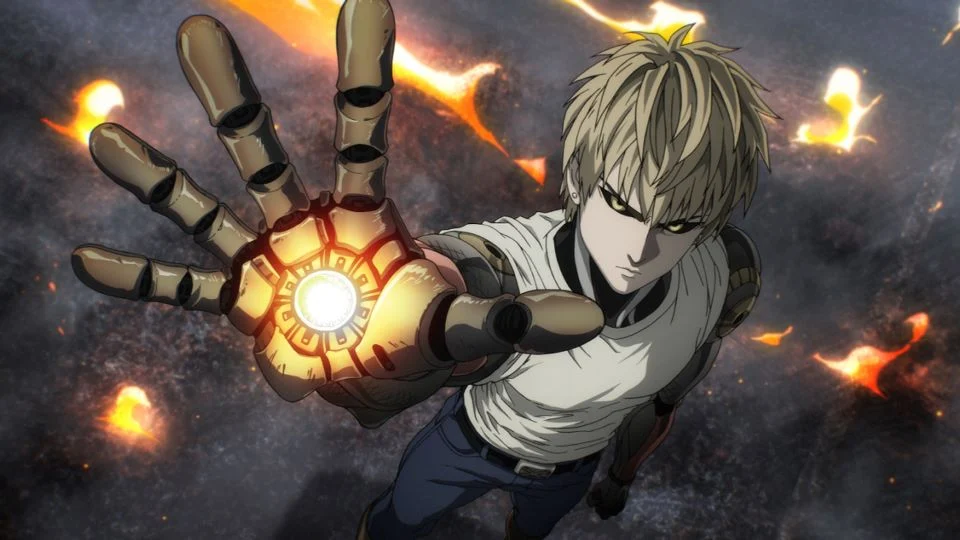
Genos enters successive battles with cutting-edge upgrades from Dr. Kuseno, only to encounter threats calibrated to crush his new limits. He is frequently dismantled by Dragon-level monsters, requiring emergency rescues and rebuilds. The cycle is explicit: each enhancement is impressive but still short of the series’ apex. This dynamic keeps Saitama’s interventions necessary while giving Genos investigative and reconnaissance importance.
Saber (Artoria Pendragon) – ‘Fate/stay night’

Saber’s stats and Noble Phantasm usage are gated by her Master’s mana capacity; bonded to Shirou Emiya, she operates under severe prana constraints. This limits Excalibur activations, endurance in extended duels, and resistance to anti-unit countermeasures relative to a properly supplied Servant. Command Seals and tactical positioning partially compensate, but resource scarcity defines her engagements. The rule set makes Shirou’s growth, planning, and alliances essential for victories that brute force alone would not secure.
Mirio Togata – ‘My Hero Academia’

During the Shie Hassaikai raid, Mirio loses his Quirk, Permeation, after taking a direct hit from a Quirk-erasing bullet while protecting Eri. The loss is immediate and total, removing a top student whose skill could have ended the fight quickly. In the aftermath, Deku must adapt and carry the confrontation with Overhaul while safeguarding Eri. Later developments address Mirio’s status, but the erasure is the concrete event that shifts the arc’s resolution onto the protagonist.
Rock Lee – ‘Naruto’

Following life-saving surgery after the Gaara fight, Lee returns with strict medical limits on opening the higher Gates, the very technique that made him a giant-killer. His usage is rationed to avoid permanent damage, and he’s assigned missions aligned with recovery. This curtails repeat spectacles like his Chūnin Exam breakthroughs and moves him into a supporting slot. The health-based cap is explicit, reducing the likelihood he resolves late-series boss battles himself.
Sesshomaru – ‘Inuyasha’
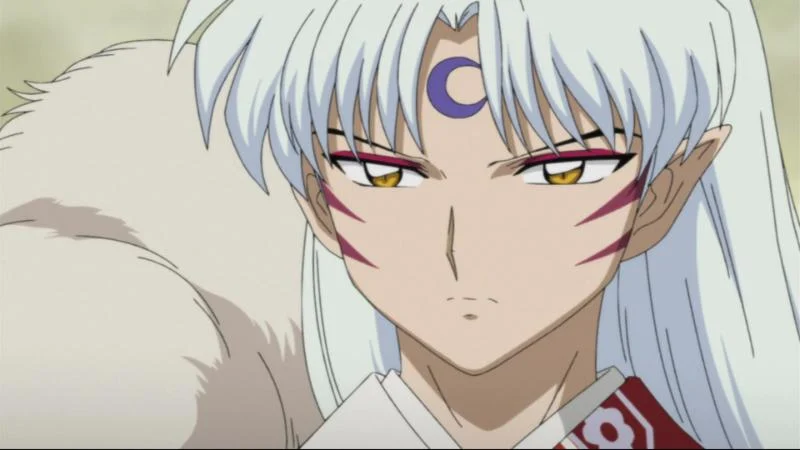
Early in the series, Sesshomaru fights for an extended period missing his left arm after Inuyasha severs it, which affects weapon handling and certain tactics. He experiments with alternatives like Tōkijin and later Bakusaiga, but the handicap shapes several confrontations while he adapts. The long-term injury means he often withdraws or observes while the main party advances critical plot points. This persistent limitation helps keep Inuyasha at the center of decisive clashes until Sesshomaru’s toolkit evolves.
Share which other “plot-timed power drops” you’ve noticed in your favorite shows in the comments!