TV Shows That Mastered the “Previously On” Recap


The best recap segments do more than jog your memory—they set context, refresh character dynamics, and prime you for shifts in plot or tone. The shows below use smart editing, voiceover, music cues, and selective flashbacks to reframe ongoing storylines without spoiling new turns. You’ll see tactics like timeline flagging, season-specific motifs, and clip choices that highlight cause-and-effect across episodes. Each entry explains how the series structures its “Previously on” to make complex arcs easier to follow.
‘Lost’ (2004–2010)
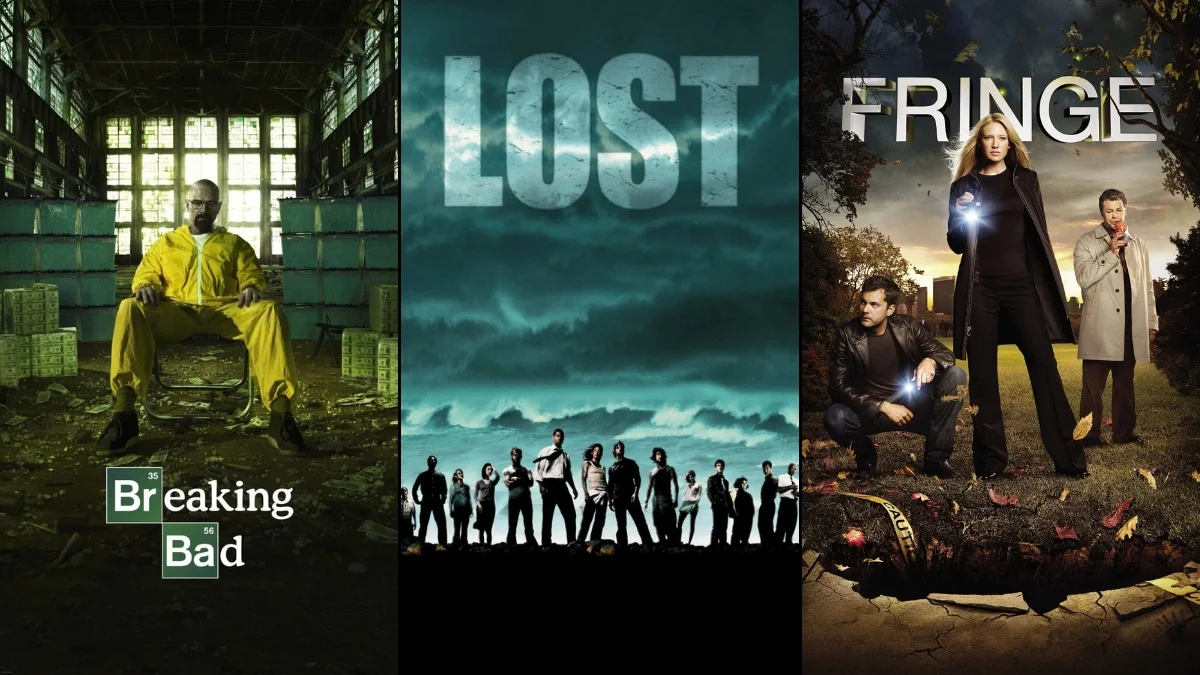
‘Lost’ uses character-centric clip groupings to re-establish motives and relationships before introducing new mysteries. The recaps often stitch island and flashback or flash-forward material together so viewers track parallel timelines. Editors emphasize objects and phrases—like the hatch, numbers, or “We have to go back”—that will matter in the next hour. The approach helps the audience map cause and effect across sprawling ensemble threads.
‘Battlestar Galactica’ (2004–2009)
‘Battlestar Galactica’ condenses prior events into high-tempo montages that foreground military stakes and political fractures. Recaps frequently align with the show’s episode prologues, reinforcing key facts about the Cylons, fleet survival, and command decisions. Rapid cuts and dialogue snippets spotlight alliances or betrayals that will be tested again. This structure keeps long-running arcs legible without slowing the story’s momentum.
‘Breaking Bad’ (2008–2013)
‘Breaking Bad’ builds recaps around Walt and Jesse’s shifting leverage, highlighting steps in their business, family conflicts, and law-enforcement pressure. Editors place short exchanges and visual markers—like cash stacks or the RV—to connect prior choices to upcoming consequences. The selections often foreshadow a prop or location that becomes central in the new episode. This method ensures viewers track how small details escalate into larger plot turns.
‘Better Call Saul’ (2015–2022)

‘Better Call Saul’ uses tightly curated clips to align legal cases with Jimmy’s personal evolution and Kim’s decision points. Recaps frequently pair quiet character beats with procedural developments so the emotional stakes are clear. When episodes jump across time, the montage orders scenes to signal where we’re landing in the timeline. The result is a reliable map of motivations, schemes, and rules that are about to collide.
‘Game of Thrones’ (2011–2019)

‘Game of Thrones’ organizes recaps by regions and houses, surfacing alliances, prophecies, and claims that drive the new chapter. The montage will reintroduce an item—like a blade, letter, or sigil—right before it matters again. Dialogue snippets are chosen to refresh succession lines, oaths, or betrayals relevant to the next scene. This keeps a large cast and scattered geography coherent from week to week.
‘Westworld’ (2016–2022)
‘Westworld’ uses recaps to flag timeline layers and identity reveals that might otherwise blur together. Editors often juxtapose a memory with a present-day scene to signal continuity of a character’s loop or arc. Visual motifs—lab corridors, control tablets, park signage—are placed to orient viewers inside or outside the simulation. The selections prepare you for perspective shifts and puzzle-box structure ahead.
‘Mad Men’ (2007–2015)
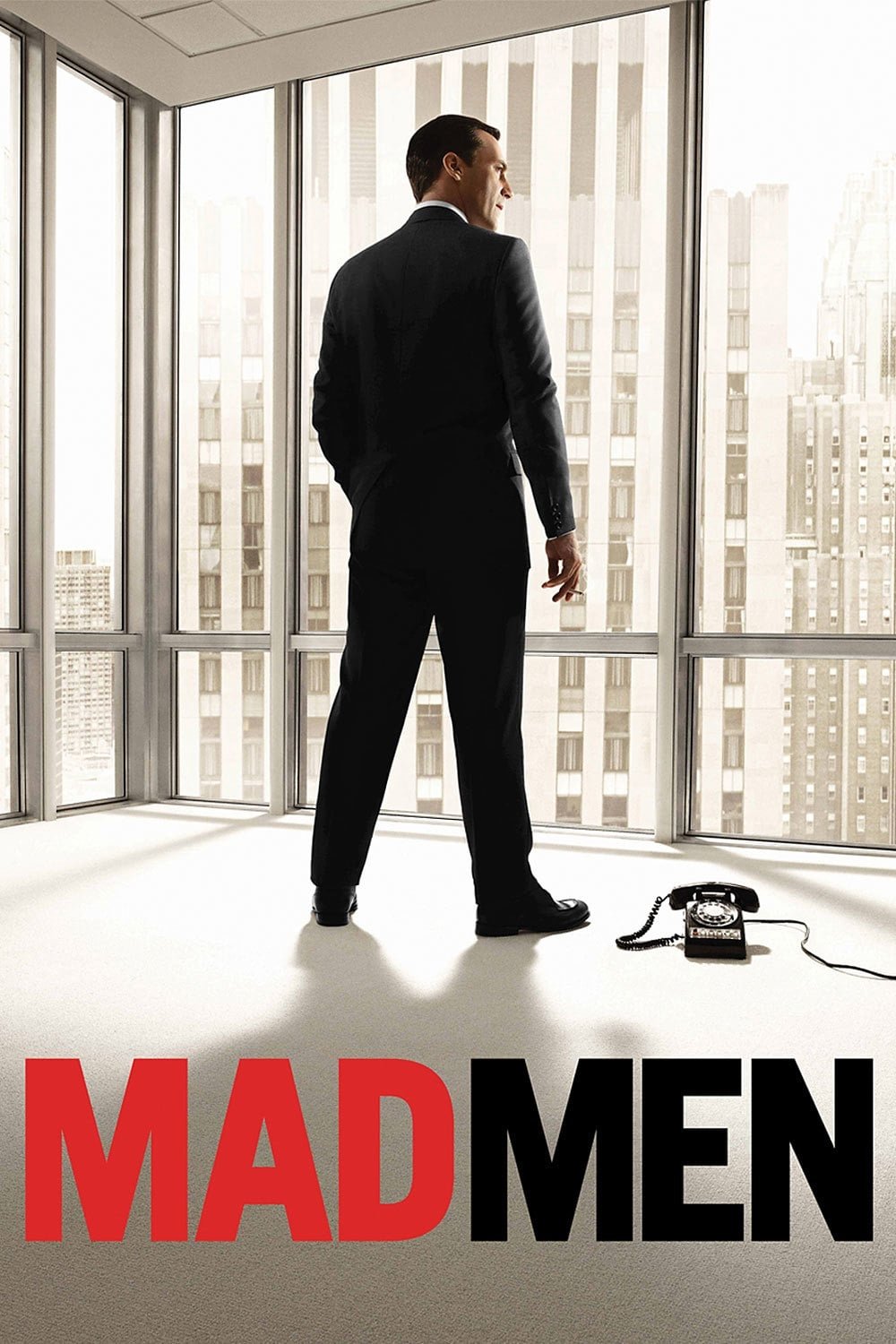
‘Mad Men’ anchors its recaps in workplace pivots, client shifts, and personal reinventions. The clips foreground who reports to whom, which accounts are at risk, and where relationships stand. Short exchanges about contracts, pitches, or office reshuffles are prioritized over broad summaries. This approach ensures the next episode’s business stakes and interpersonal dynamics are immediately clear.
‘The Sopranos’ (1999–2007)
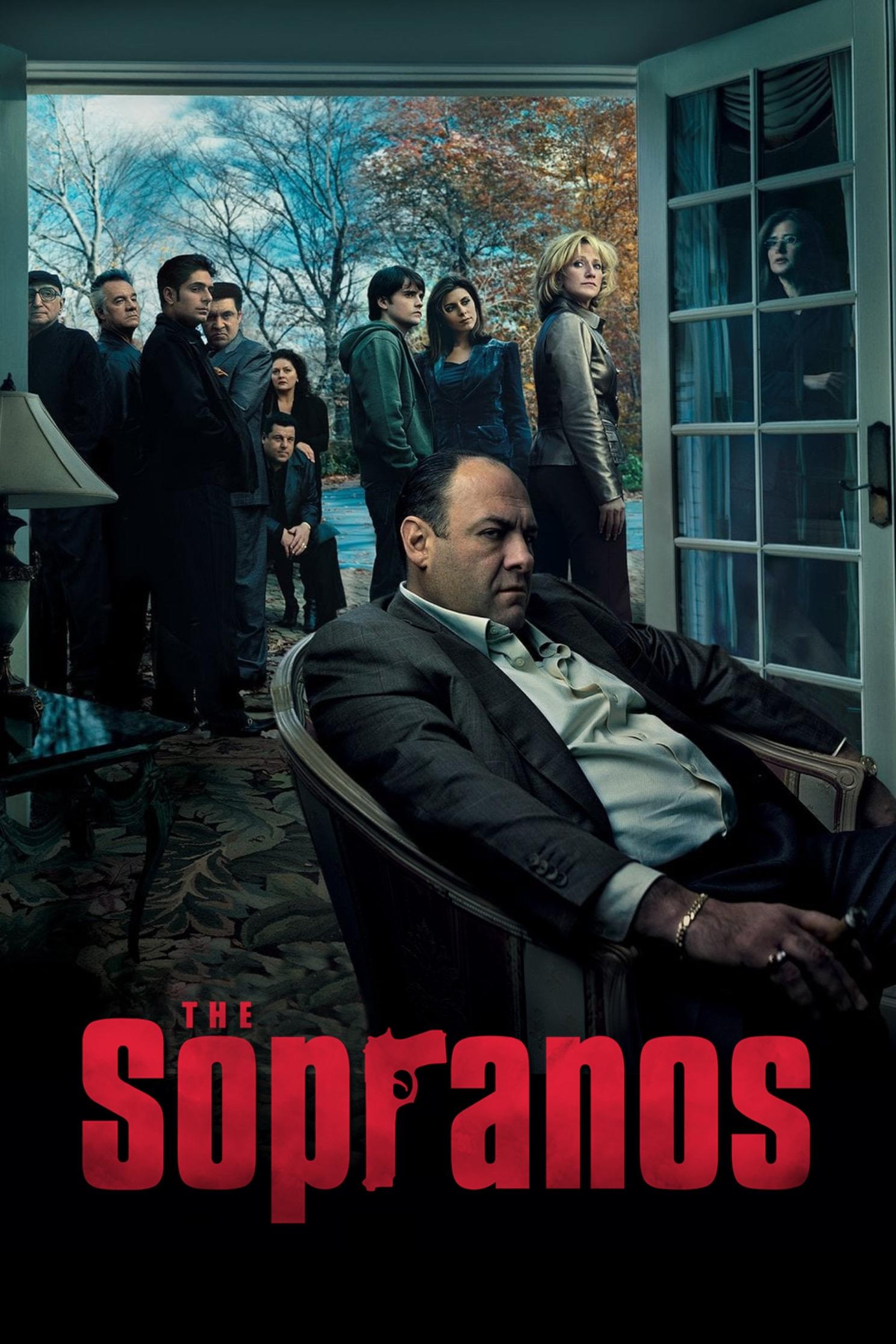
‘The Sopranos’ leans on brief, dialogue-heavy clips to refresh family tensions, therapy breakthroughs, and crew politics. Recaps surface debts, grudges, and prior violence that will inform new decisions. Editors also reuse small gestures or locations—like the Bing or the driveway—to link past actions with current consequences. Viewers get a concise ledger of obligations before the story moves forward.
‘Alias’ (2001–2006)
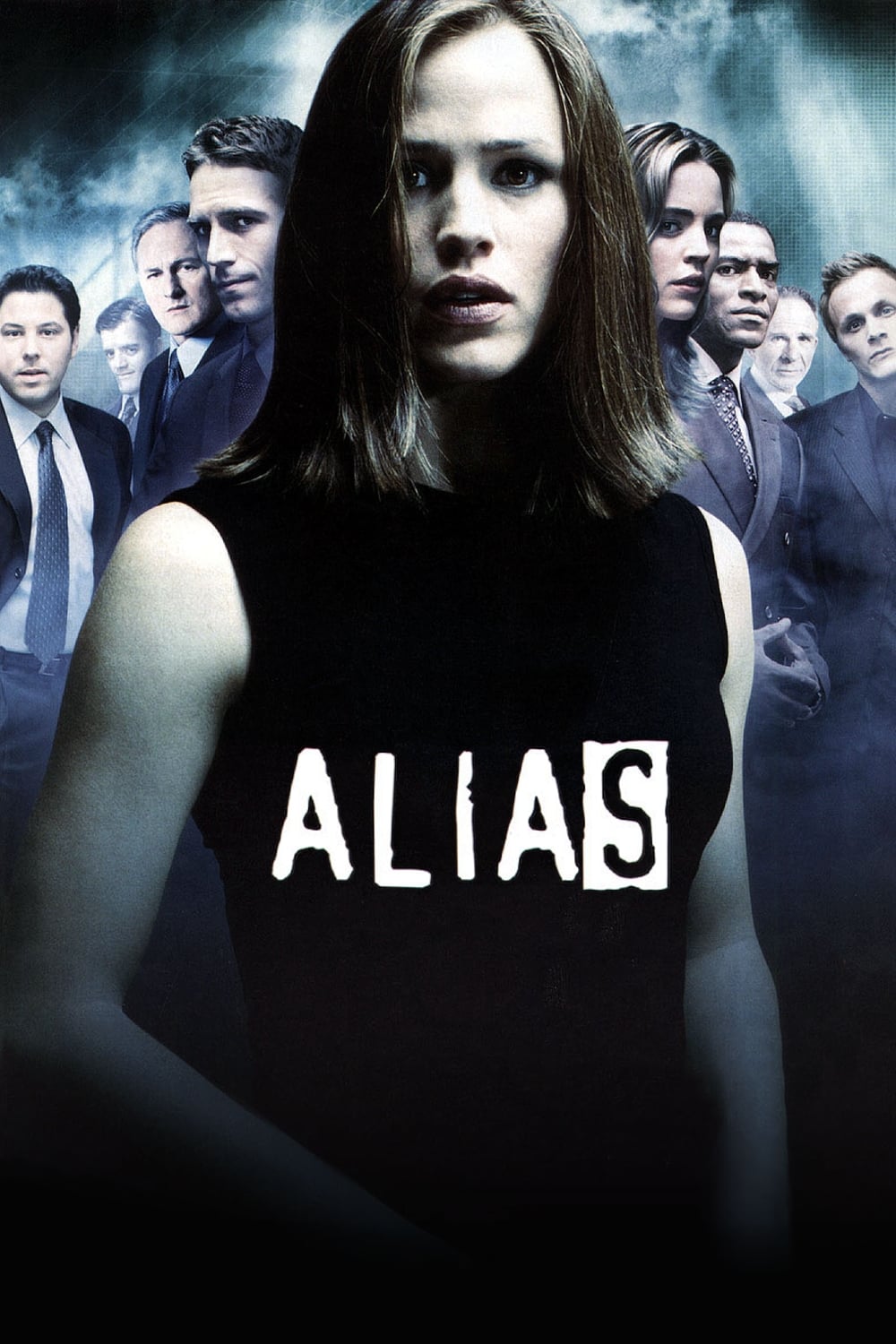
‘Alias’ structures recaps to track double lives, codenames, and agency loyalties. The montage identifies who knows what, what cover is in play, and which Rambaldi thread is active. Fast intercutting between mission outcomes and personal fallout makes the next operation’s stakes legible. The format keeps shifting allegiances and operational details easy to follow.
’24’ (2001–2014)
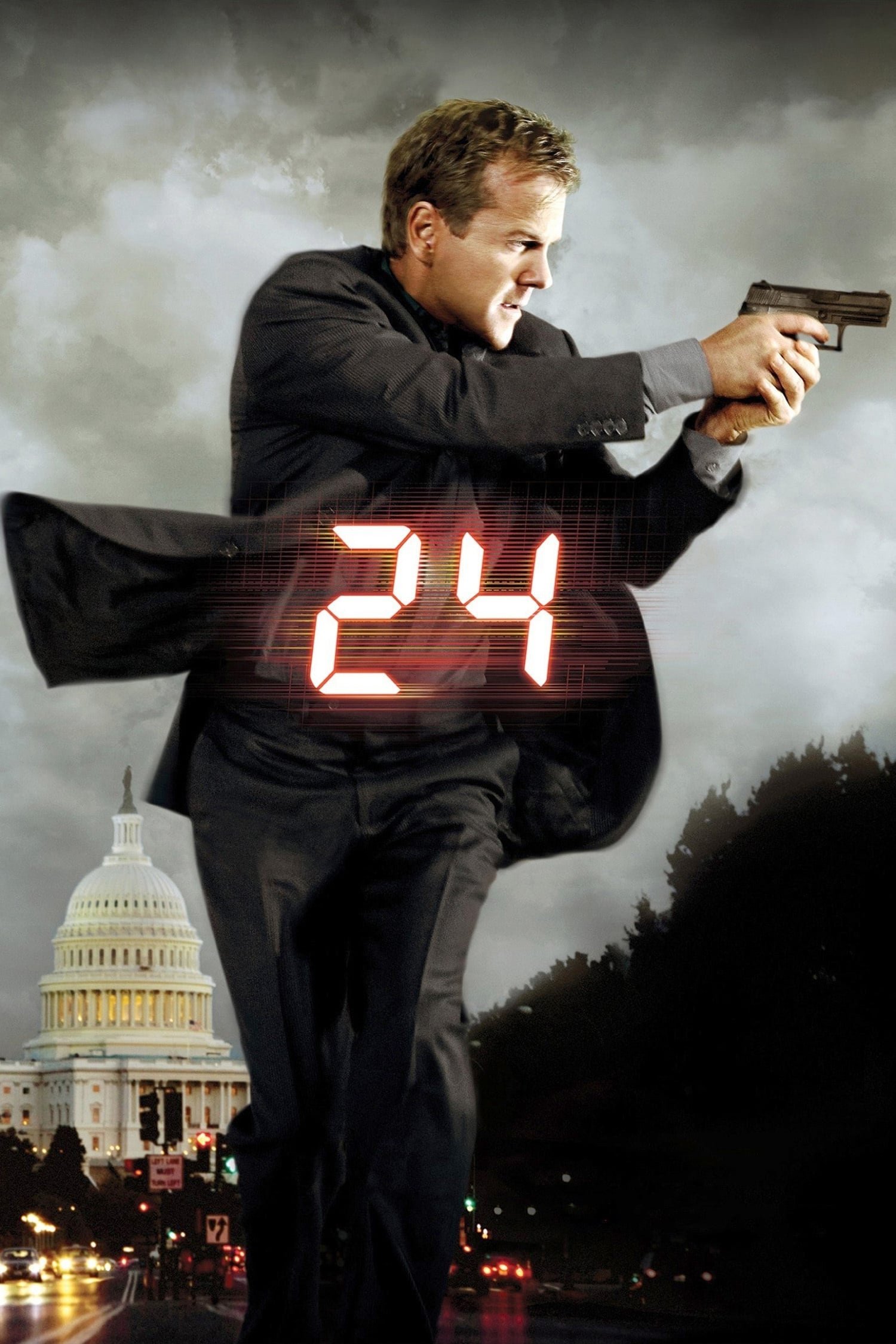
’24’ syncs its recaps to the real-time conceit, emphasizing the immediate chain of events from the last hour. Editors highlight ticking-clock threats, compromised assets, and location handoffs. Faces, call logs, and tactical gear reappear to signal continuity across squads and agencies. This keeps the plot’s logistics and deadlines front and center before the new segment starts.
‘Fringe’ (2008–2013)
‘Fringe’ uses recaps to differentiate universes, timelines, and versions of core characters. Clips are arranged to clarify whether we’re dealing with prime, alternate, or rewritten history. Scientific constructs—like the amber, the machine, or cortexiphan—are reintroduced just before they recur. The sequence helps viewers track rules of the world the episode will apply.
‘Supernatural’ (2005–2020)

‘Supernatural’ builds recaps around monster lore, family history, and season-long myth arcs. The montage surfaces which rules, sigils, or weapons will matter in the case of the week. Editors often include prior encounters with the same entity type to frame patterns and weaknesses. This gives viewers a quick field guide to the episode’s threats and tools.
‘Doctor Who’ (2005– )

‘Doctor Who’ recaps pivot on companion perspective, restating the Doctor’s promises, rules, or warnings relevant to the next trip. When storylines span multiple parts, the sequence clarifies cliffhanger positions and gadget functions. Visual anchors—TARDIS interiors, sonic devices, and alien emblems—orient the viewer instantly. The format supports quick reentry into new settings without lengthy exposition.
‘Arrested Development’ (2003–2019)
‘Arrested Development’ employs a narrator-driven “Previously on” that tracks running gags and cause-and-effect setups. The voiceover identifies character schemes, misunderstandings, and props that will pay off again. Recaps frequently cite exact wording from earlier scenes to maintain continuity of jokes and plot mechanics. This lets viewers follow intricate callbacks across episodes and seasons.
‘Veronica Mars’ (2004–2019)
‘Veronica Mars’ structures recaps around case files, suspects, and evidence flow. The clips connect personal stakes—school, family, work—with the active investigation. Editors emphasize questions asked, clues recovered, and alibis challenged so viewers remember the logic chain. The segment positions the next episode’s reveals within an ongoing puzzle.
‘Stranger Things’ (2016– )
‘Stranger Things’ recaps re-establish the threat level from the Upside Down and the status of the kids’ alliances. The montage usually reintroduces portals, creatures, or lab experiments that will return. Short dialogue beats flag who trusts whom and which adults are in on the truth. This keeps supernatural rules and character groupings clear before the new chapter opens.
‘The Leftovers’ (2014–2017)
‘The Leftovers’ often tailors recaps to the episode’s focus, highlighting either family dynamics, belief systems, or a specific town. Editors pull clips that clarify the show’s time jumps and relocations. Visual markers—white clothing, signs, and ritual spaces—are reused to orient viewers to group identities. The approach primes themes and plot mechanics without revealing new content.
‘The Walking Dead’ (2010–2022)
‘The Walking Dead’ organizes recaps around community status, supply levels, and recent territorial disputes. The selections remind viewers who controls which outpost and what rules govern the current truce or conflict. Weapons, maps, and gates recur in the montage to signal logistics and vulnerabilities. This structure prepares the audience for immediate tactical and character decisions.
‘Avatar: The Last Airbender’ (2005–2008)

‘Avatar: The Last Airbender’ uses concise voiceover and targeted clips to restate bending rules, team roles, and current destinations. The sequence often reminds viewers of cultural customs or prior training relevant to the next test. Symbols—nation emblems, scrolls, and landmarks—help situate the episode’s setting quickly. This ensures both action and lore remain accessible across serialized arcs.
‘Prison Break’ (2005–2017)

‘Prison Break’ designs recaps to track plans, blueprints, and shifting alliances across institutions and seasons. Editors surface key steps, obstacles, and betrayals from the previous chapter to clarify the plan’s status. Props like tattoos, maps, and coded messages are highlighted before they reappear. The layout keeps complex operations and character motives easy to parse.
Share your favorite “Previously on” moments in the comments and tell us which show you think uses them best!