15 Best Cary-Hiroyuki Tagawa Movies, Ranked

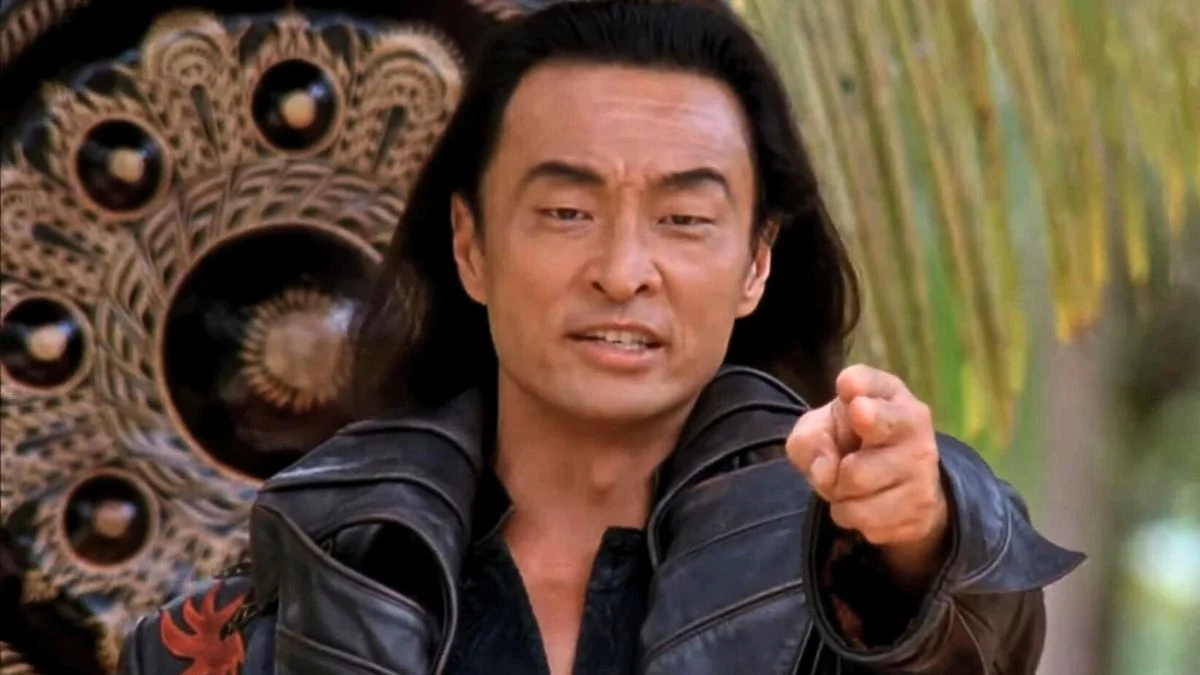

Cary-Hiroyuki Tagawa has built a prolific career defined by his commanding screen presence and versatility in both villainous and sympathetic roles. The Japanese-American actor gained widespread recognition for his portrayal of intense antagonists in action films during the late twentieth century while also delivering nuanced performances in historical dramas. His filmography spans diverse genres ranging from martial arts blockbusters to animated features and heartfelt family narratives. The following list explores his most significant motion pictures based on critical reception and narrative quality.
‘Mortal Kombat’ (1995)
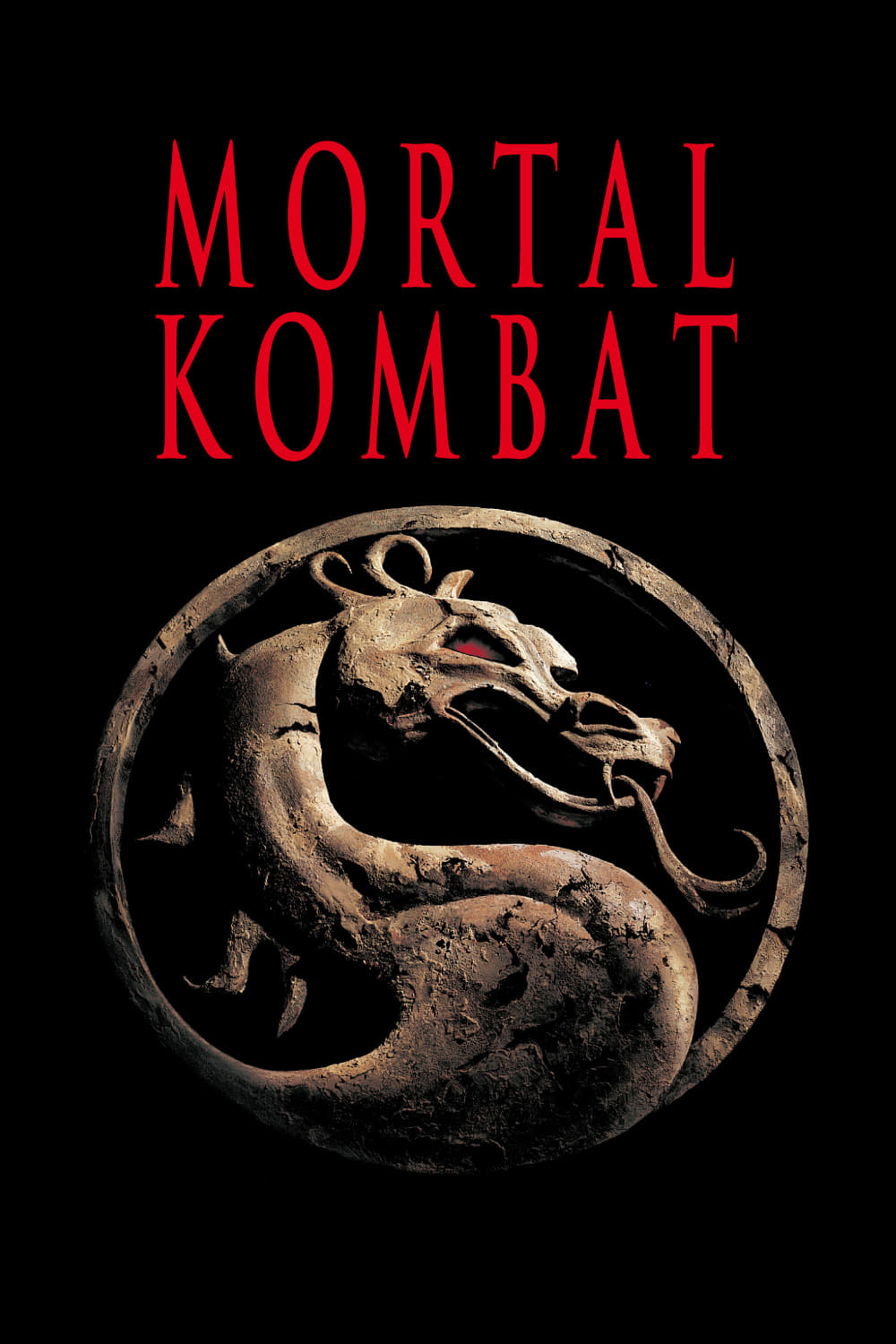
Shang Tsung organizes an interdimensional martial arts tournament that determines the fate of Earthrealm. The sorcerer manipulates various fighters into combat while serving the interests of the Outworld emperor. Tagawa delivers a signature performance as the soul-stealing antagonist who challenges the defenders of Earth. This adaptation of the popular video game franchise focuses heavily on hand-to-hand combat sequences and supernatural elements.
‘Showdown in Little Tokyo’ (1991)
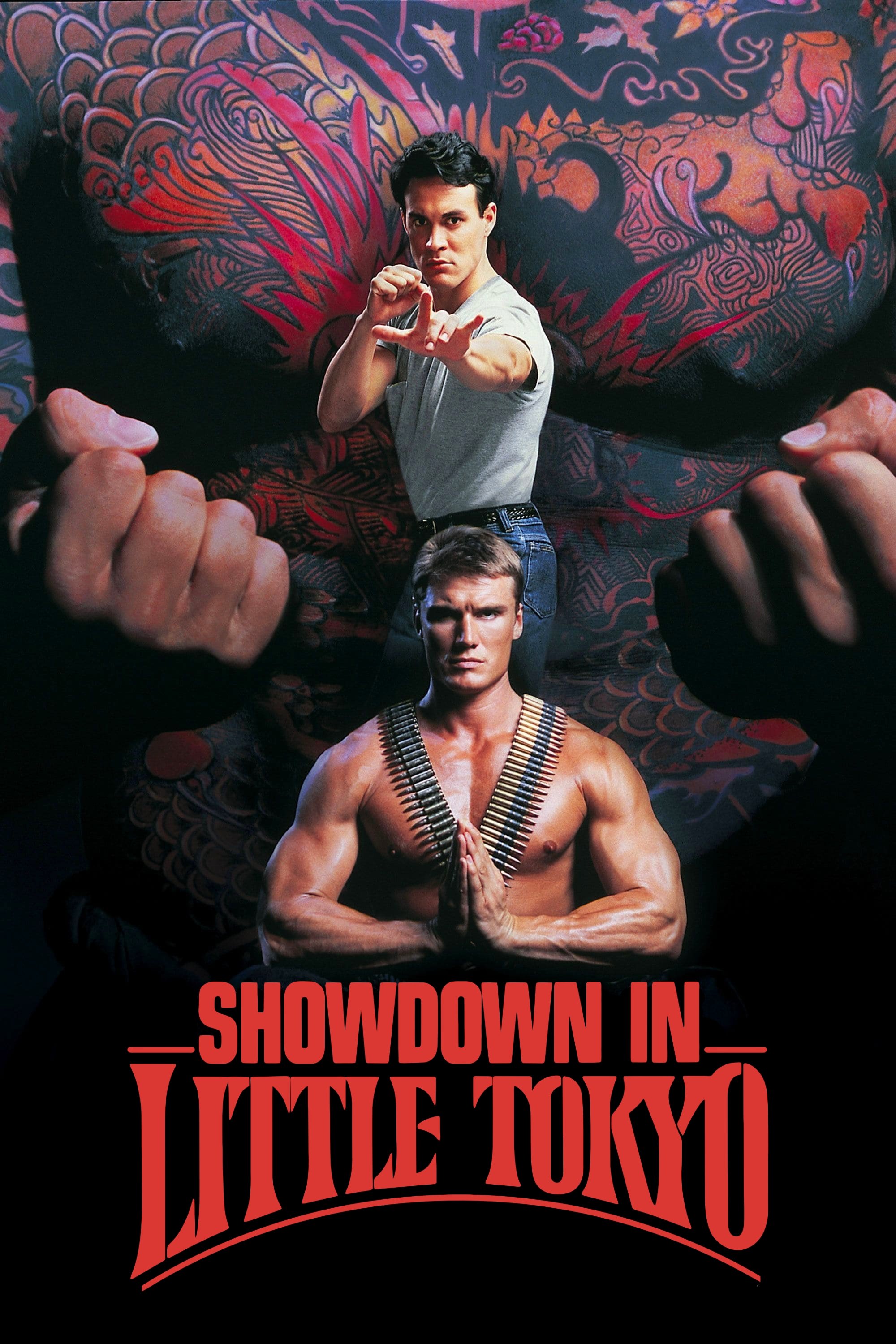
Two police officers with contrasting styles team up to dismantle a powerful Yakuza organization operating in Los Angeles. Tagawa plays the ruthless crime lord Funekei Yoshida who seeks to expand his drug distribution network. The action film features intense martial arts choreography and gunfights throughout the city. The plot culminates in a violent confrontation during a traditional Japanese parade.
‘Vampires’ (1998)

A team of vampire hunters funded by the Vatican attempts to stop a master vampire from obtaining an ancient relic. Tagawa portrays David Deyo who is a member of the ruling council of watchers observing the hunters. The group must prevent the antagonists from performing a ritual that would allow vampires to walk in sunlight. The film combines elements of the western genre with supernatural horror tropes.
’47 Ronin’ (2013)
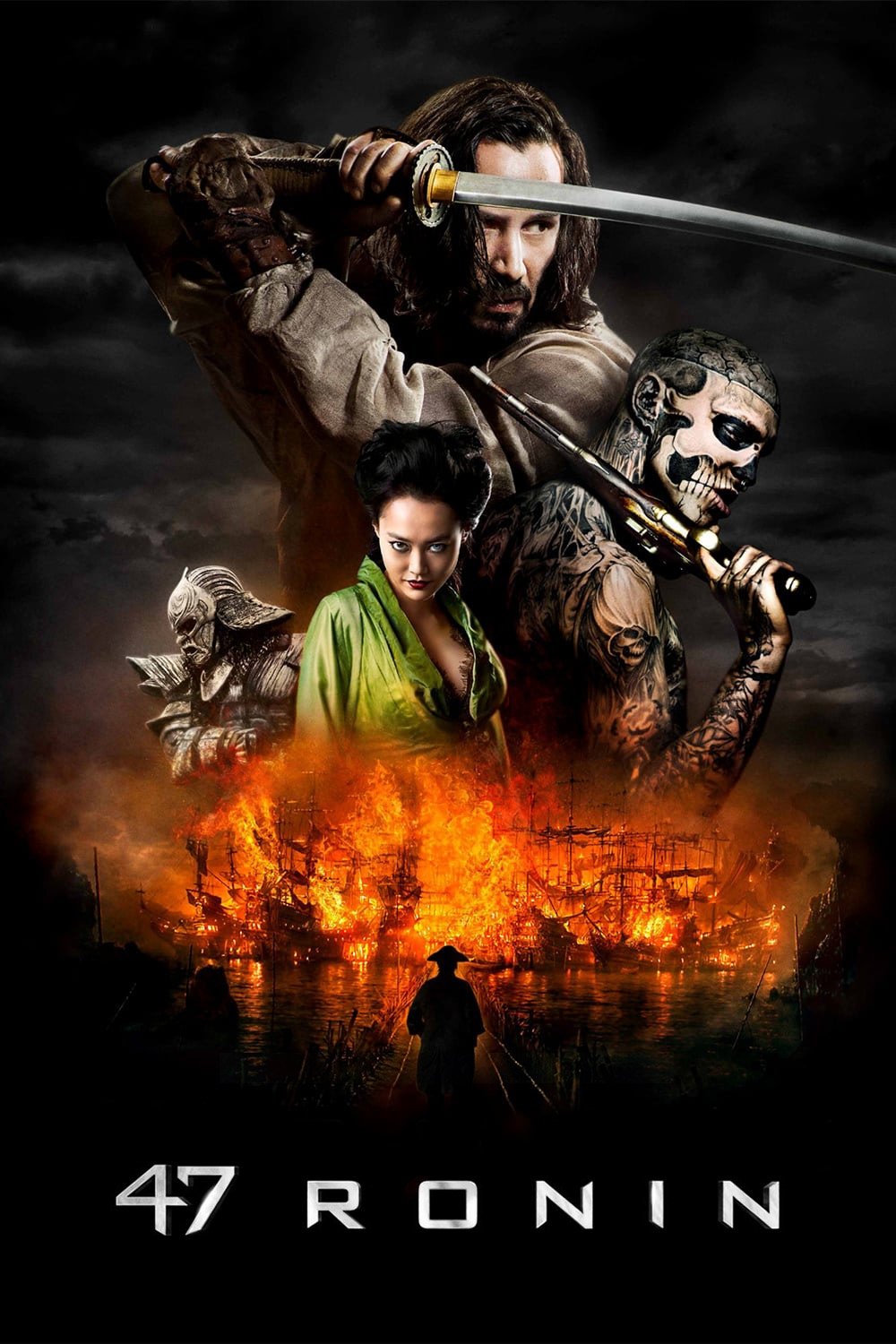
A band of leaderless samurai seeks vengeance for the death of their master at the hands of a treacherous official. Tagawa appears as Shogun Tsunayoshi who enforces the strict codes of honor that govern the samurai class. The outcasts navigate a world filled with mythical beasts and sorcery to restore their clan’s honor. The visual style blends historical Japanese settings with high-fantasy concepts.
‘Rising Sun’ (1993)
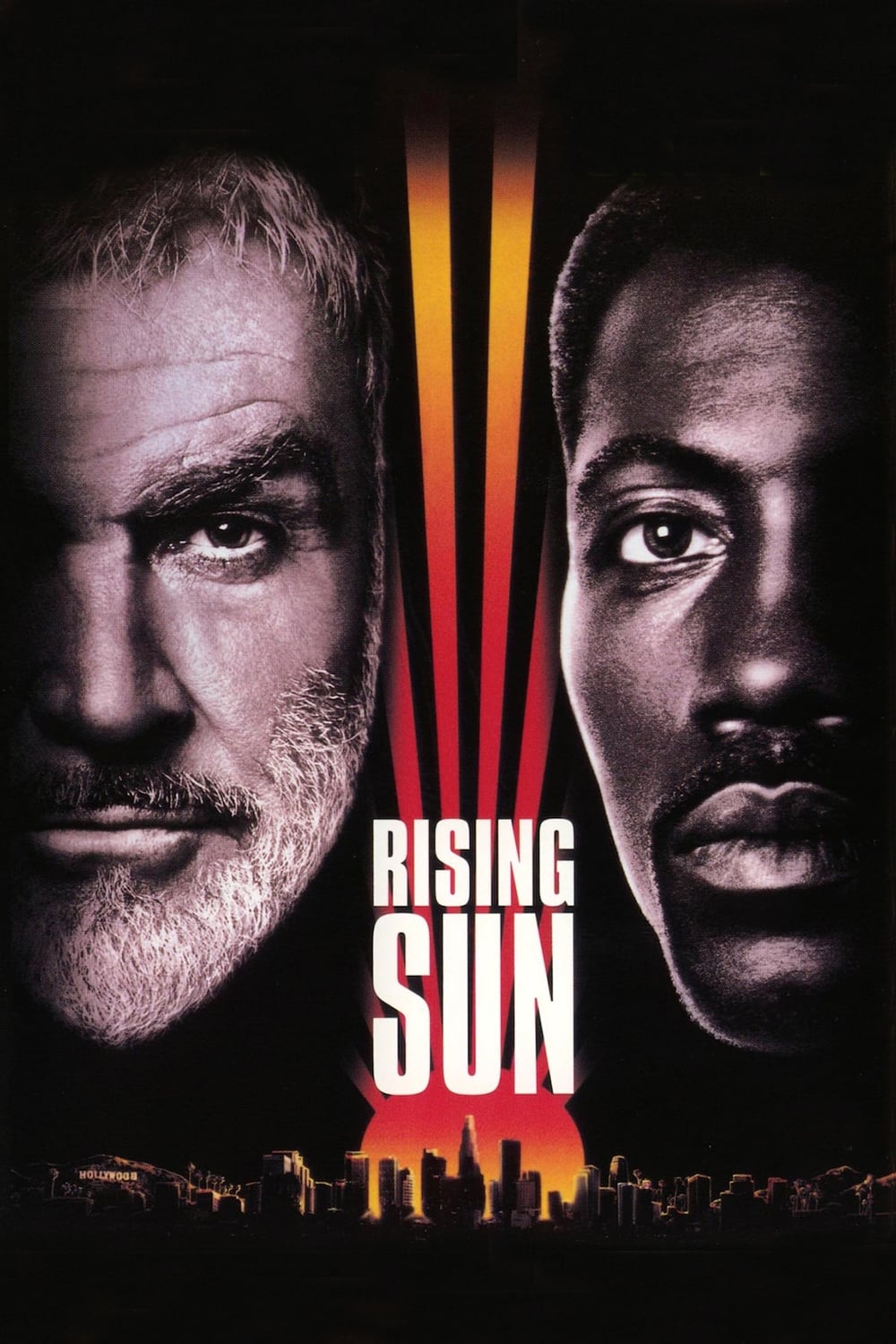
Two police detectives investigate the murder of a call girl during a gala at a Japanese corporation in Los Angeles. Tagawa plays Eddie Sakamura who becomes a primary suspect due to his connection with the victim. The investigation uncovers corporate espionage and cultural misunderstandings that complicate the search for the truth. The thriller examines the economic tensions between the United States and Japan during the early nineties.
‘Johnny Tsunami’ (1999)
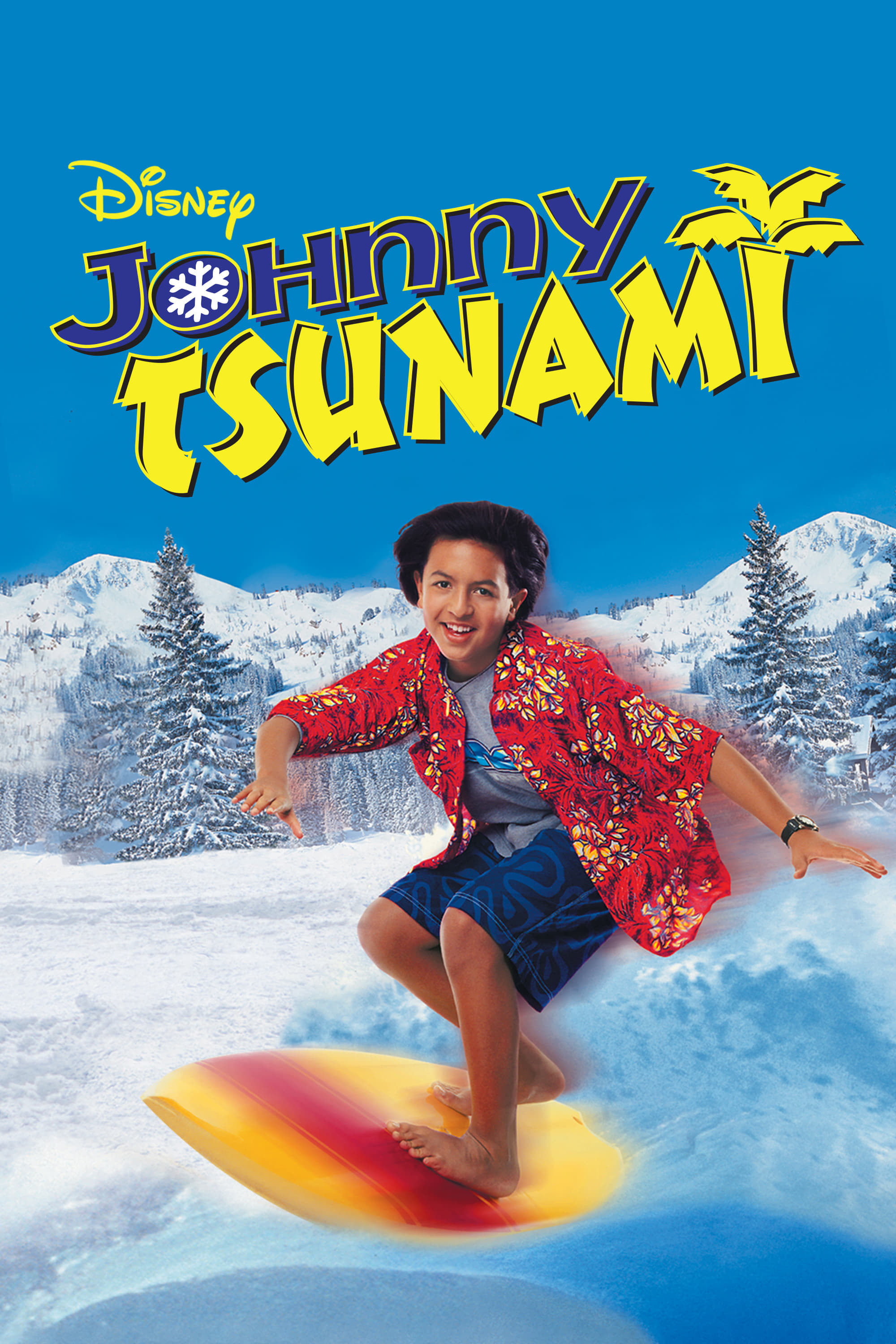
A young surfer from Hawaii struggles to adapt after his father moves the family to a ski town in Vermont. Tagawa plays the grandfather Johnny Tsunami who is a surfing legend and offers wisdom to his displaced grandson. The story follows the protagonist as he learns to snowboard and navigates the rivalry between skiers and boarders. This coming-of-age movie highlights themes of family heritage and embracing new environments.
‘License to Kill’ (1989)
James Bond goes rogue to seek revenge against a drug lord who maimed his friend Felix Leiter. Tagawa portrays Kwang who is a Hong Kong narcotics agent operating undercover to infiltrate the criminal organization. The plot takes the British secret agent through Mexico and the fictional Republic of Isthmus. This installment in the franchise is noted for its darker tone and focus on realistic espionage tactics.
‘Picture Bride’ (1994)
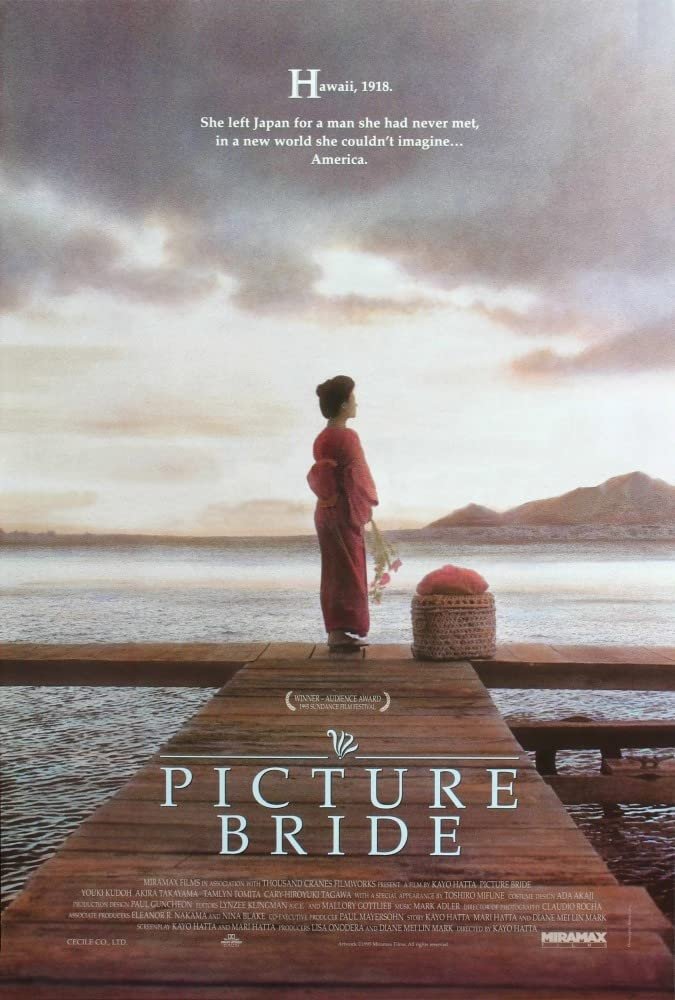
A young Japanese woman travels to Hawaii in 1918 to marry a sugarcane plantation worker she has never met. Tagawa plays Kanzaki who is an antagonistic overseer on the plantation where the immigrants labor. The film depicts the harsh working conditions and the cultural struggles faced by the picture brides. The narrative highlights the formation of a community amidst poverty and hard labor.
‘Snow Falling on Cedars’ (1999)

A Japanese-American man stands trial for the murder of a fisherman in a post-World War II community in Washington state. Tagawa plays Zenhichi Miyamoto who is the father of the accused and represents the stoicism of the older generation. A local journalist covers the trial while recalling his past romance with the defendant’s wife. The courtroom drama explores lingering racial prejudice and the impact of Japanese internment camps.
‘American Me’ (1992)
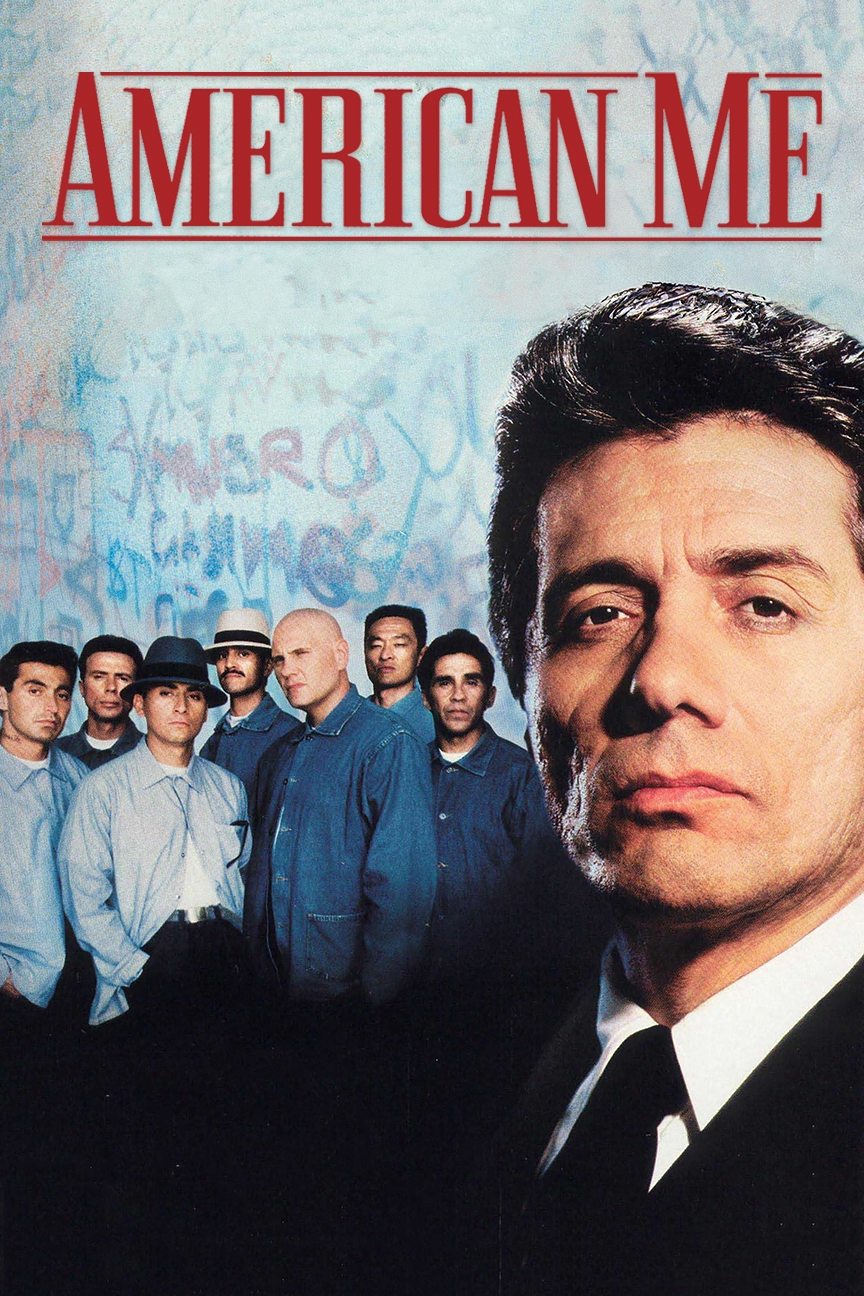
A Mexican Mafia leader attempts to run his criminal empire from within Folsom State Prison while dealing with external threats. Tagawa plays El Japo who is a key figure within the prison gang hierarchy. The film spans thirty years to show the generational cycle of violence and incarceration in East Los Angeles. The narrative offers a gritty look at the brutal realities of prison life and organized crime.
‘Little Boy’ (2015)
A seven-year-old boy attempts to bring his father home from World War II through the power of faith. Tagawa plays Hashimoto who is a Japanese man facing hostility from the townspeople due to the ongoing war. The protagonist forms an unlikely friendship with Hashimoto after initially targeting him with prejudice. The story addresses themes of tolerance and the emotional toll of war on families.
‘Memoirs of a Geisha’ (2005)
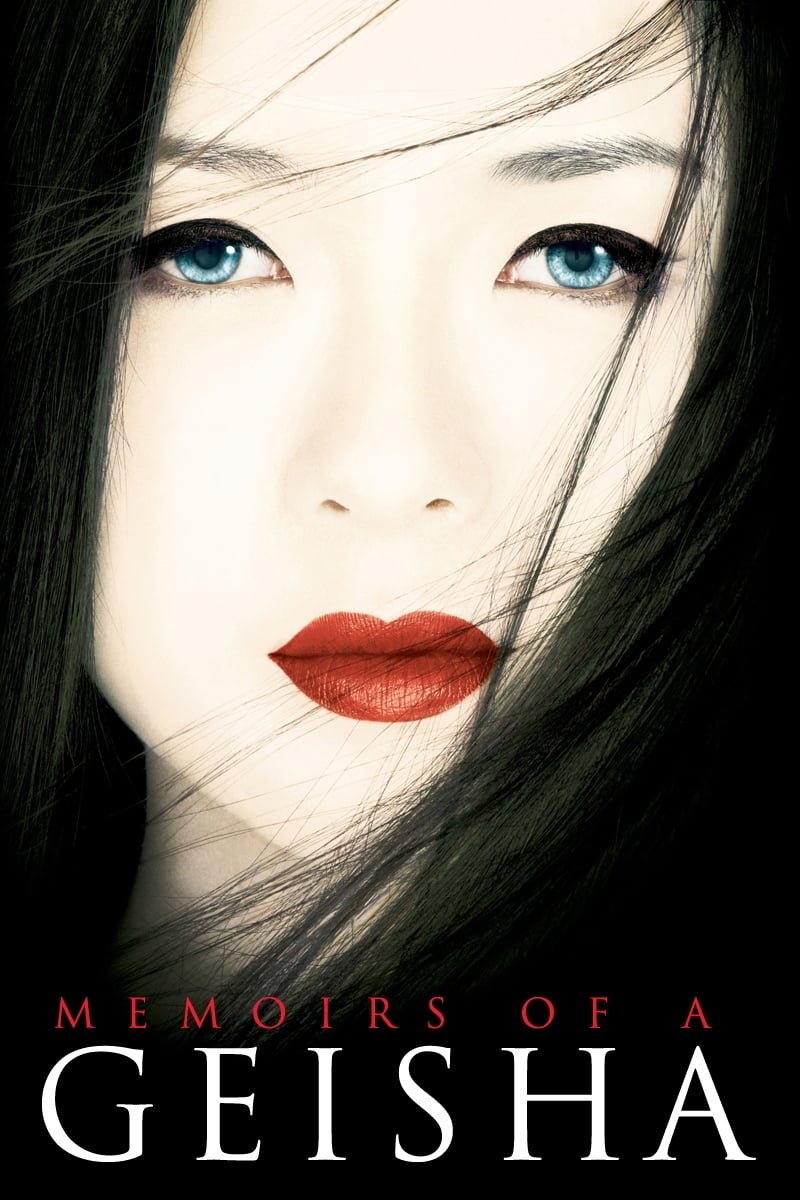
A young girl from a fishing village is sold into a geisha house in Kyoto where she learns the complex arts of the profession. Tagawa appears as The Baron who is a wealthy patron and plays a role in the protagonist’s journey. The film visualizes the pre-war era of Japan and the strict social hierarchy within the geisha district. The narrative follows the main character as she navigates rivalry and unrequited love over several decades.
‘The Last Emperor’ (1987)
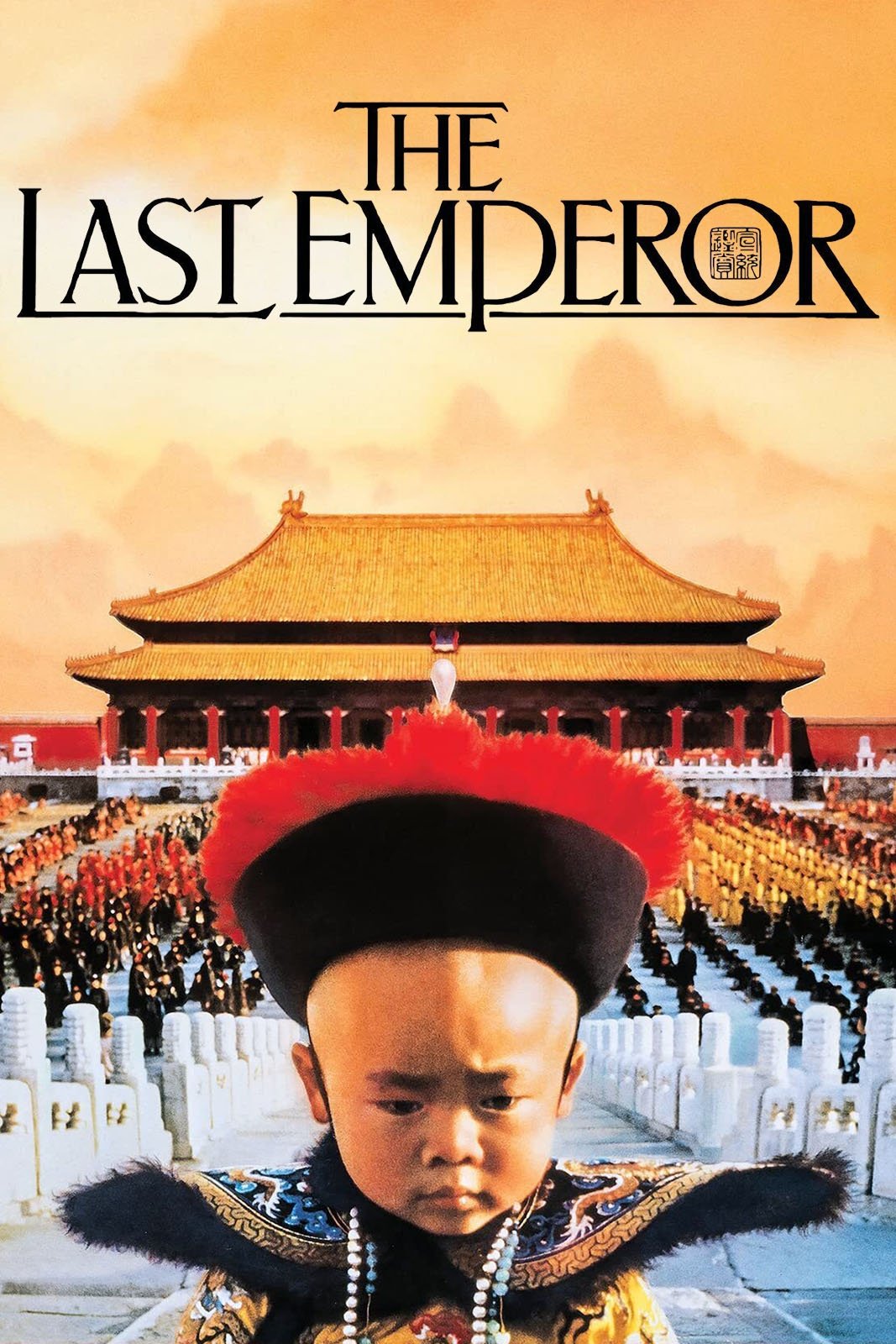
The film chronicles the life of Pu Yi from his ascension to the throne as a child to his imprisonment and eventual political rehabilitation. Tagawa plays Chang who serves as a specialized guard and interrogator during the emperor’s later years. The biographical drama sweeps through the fall of the Qing Dynasty and the establishment of the People’s Republic of China. The production is renowned for its elaborate costume design and location shooting within the Forbidden City.
‘Kubo and the Two Strings’ (2016)
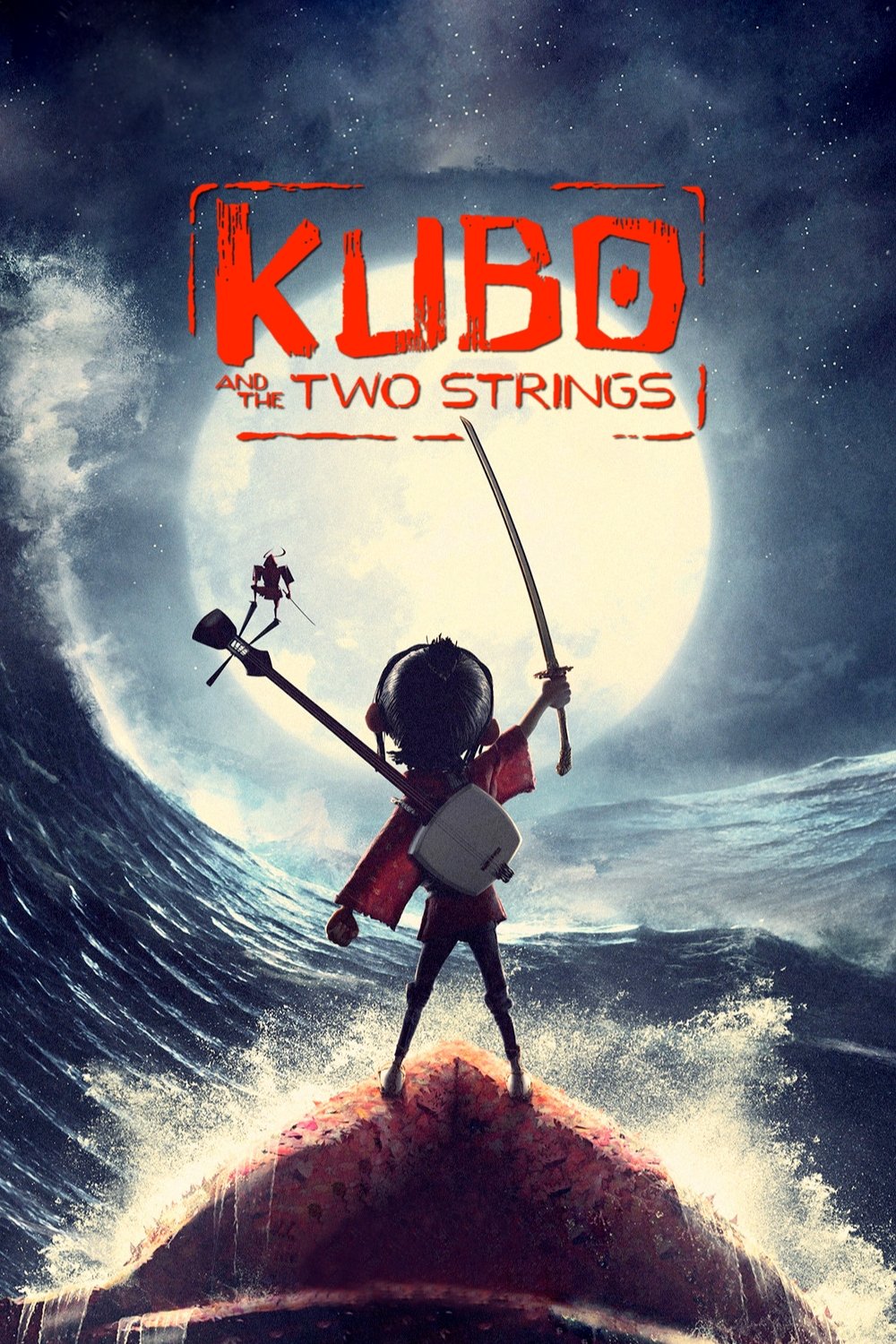
A young boy with magical musical abilities embarks on a quest to find a mystical suit of armor. Tagawa provides the voice for the Moon King who is the grandfather of the protagonist and the primary antagonist. The stop-motion animated film incorporates elements of Japanese folklore and origami into its visual storytelling. The plot explores grief and the importance of memory in shaping identity.
‘Hachi: A Dog’s Tale’ (2009)
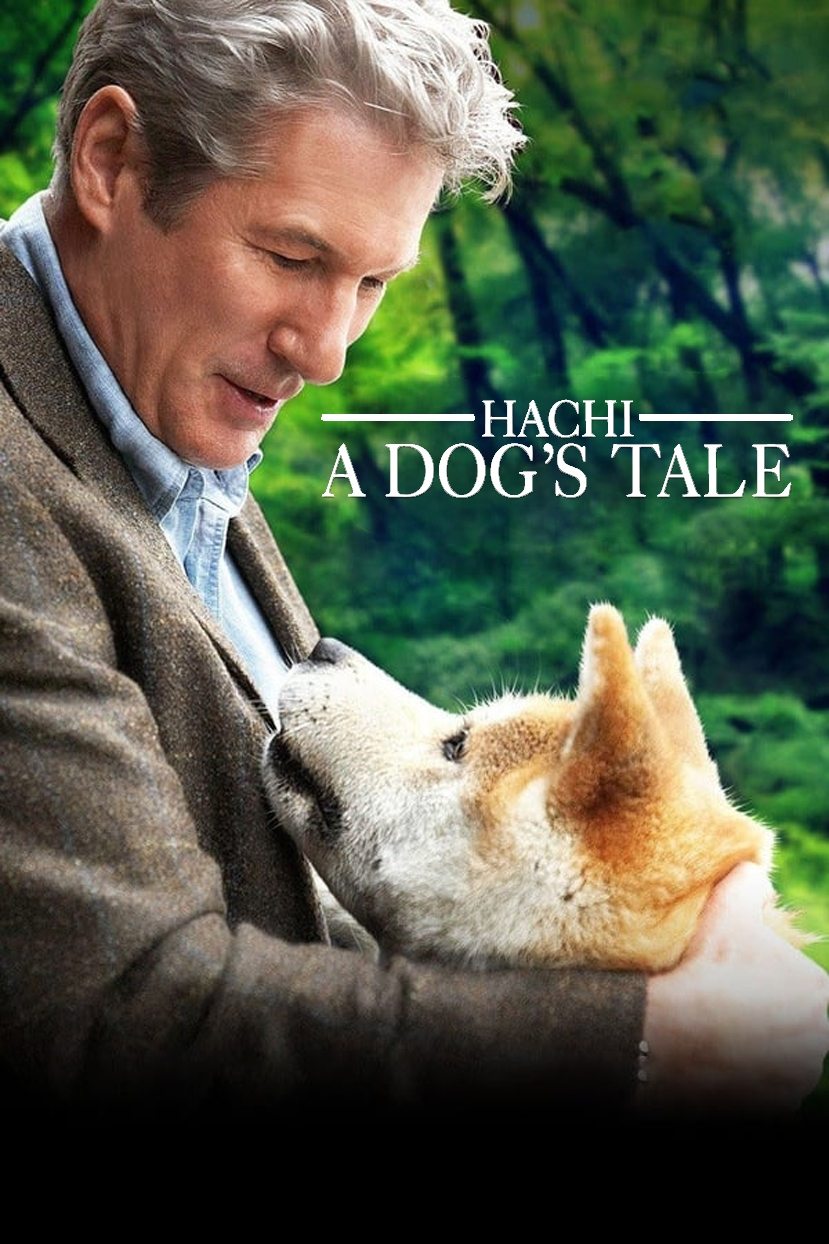
A college professor finds an abandoned Akita puppy at a train station and forms an unbreakable bond with the animal. Tagawa plays Ken who is a friend of the professor and understands the historical significance of the dog’s breed. The story follows the dog’s daily routine of waiting for his master at the station for ten years after a tragedy. This drama serves as a testament to loyalty and the enduring connection between humans and dogs.
Share your favorite Cary-Hiroyuki Tagawa performance in the comments.