15 Mecha Anime Where the Pilot Is Canonically Trans


The mecha genre has long served as a canvas for exploring the relationship between the human body and the technological self. While giant robots are often associated with hyper-masculine power fantasies, the medium has a rich history of challenging gender norms through its diverse cast of pilots. Anime creators frequently utilize the concept of piloting a machine to metaphorically represent the fluidity of identity and the transformation of the self. From classic space operas to modern deconstructions, these stories feature characters who transcend biological limitations and societal expectations. The following series showcase pilots who are canonically trans, intersex, or gender-fluid, proving that heroism is not defined by a binary.
‘Knights of Sidonia’ (2014–2015)
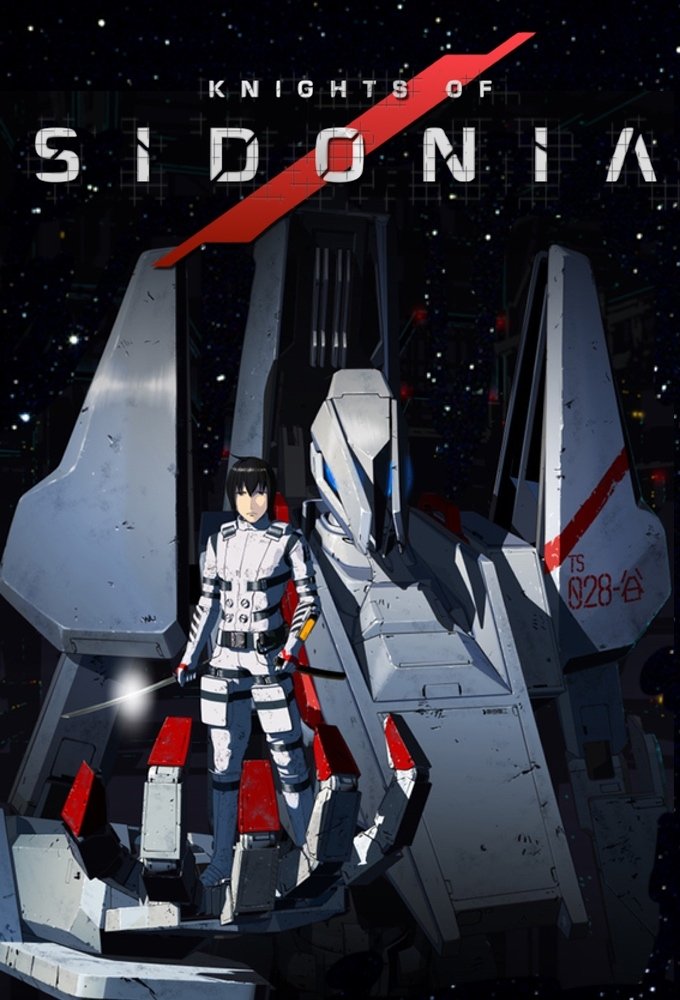
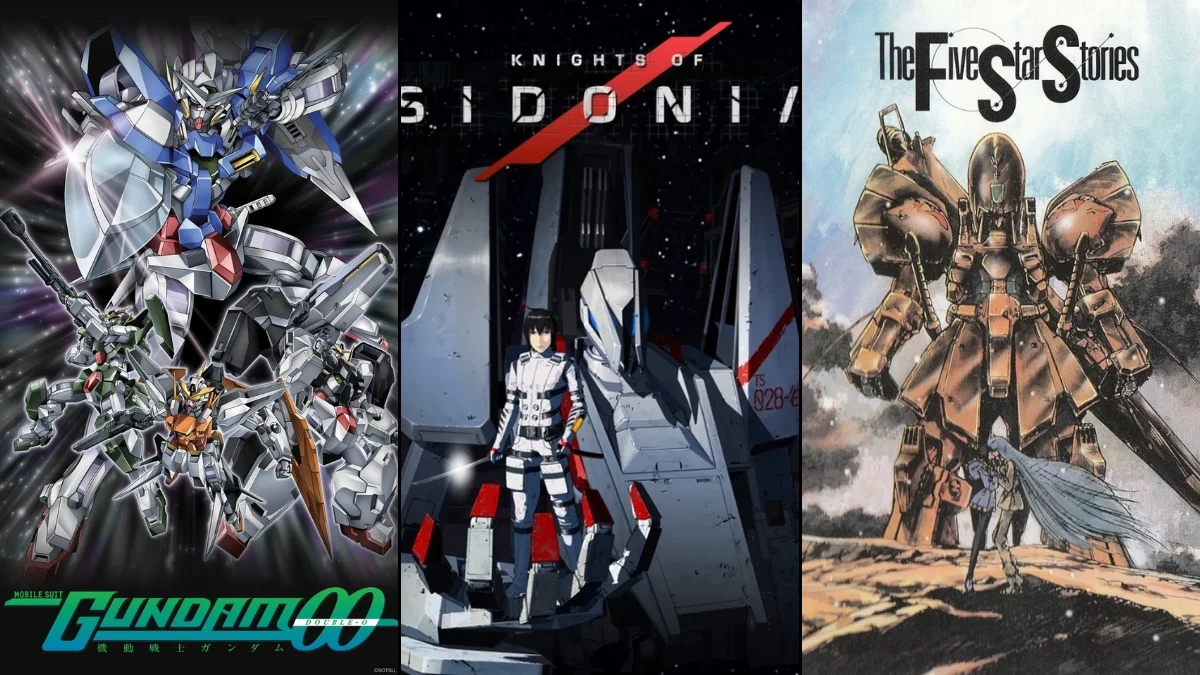
In this hard science fiction series, humanity has fled Earth and survives on massive seed ships like Sidonia, where genetic engineering has created a third gender to ensure population stability. The character Izana Shinatose is born as this third gender, neither male nor female, and serves as a skilled pilot of the Garde mecha. Izana’s physiology allows them to transition into a specific sex based on their partner choice, a process that unfolds naturally throughout the series. As Izana falls in love with the protagonist Nagate, they undergo a biological transition to become female while continuing to defend the ship from the alien Gauna. This portrayal offers a unique, biological take on gender fluidity within a high-stakes military mecha setting.
‘Mobile Suit Gundam 00’ (2007–2009)
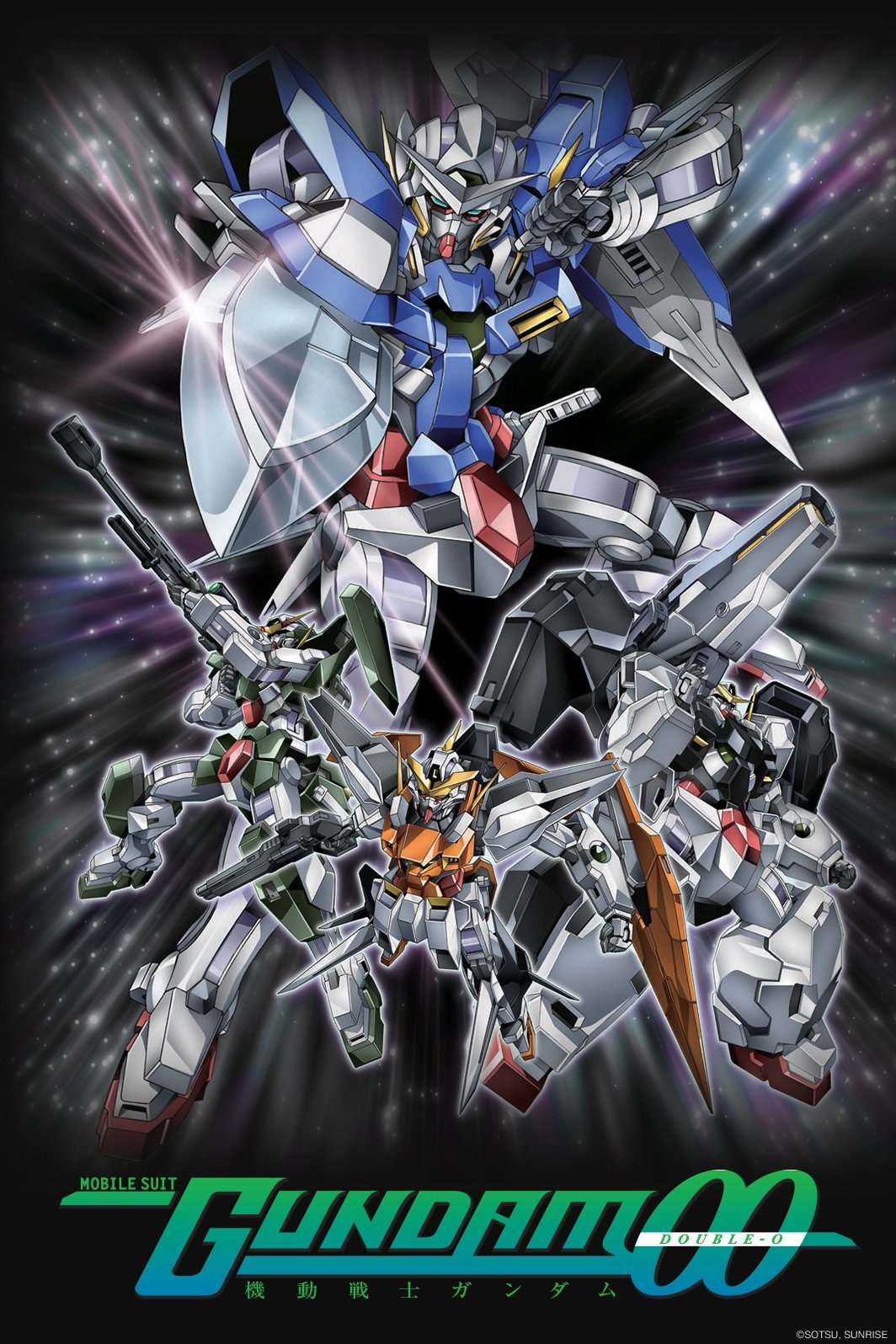
The character Tieria Erde serves as a Gundam Meister for the paramilitary organization Celestial Being, piloting heavy-assault units like Gundam Virtue. Tieria is an Innovade, a synthetically created human designed by the supercomputer Veda to be completely gender-neutral and biologically agender. While Tieria generally presents with a masculine persona and voice, he possesses the ability to adopt a female appearance and persona when necessary for espionage missions. The series explores Tieria’s struggle with his identity as an artificial being and his evolving understanding of humanity beyond binary gender concepts. His connection to the genderless Nadleeh mobile suit further reinforces the themes of fluidity and hidden true natures.
‘Simoun’ (2006)
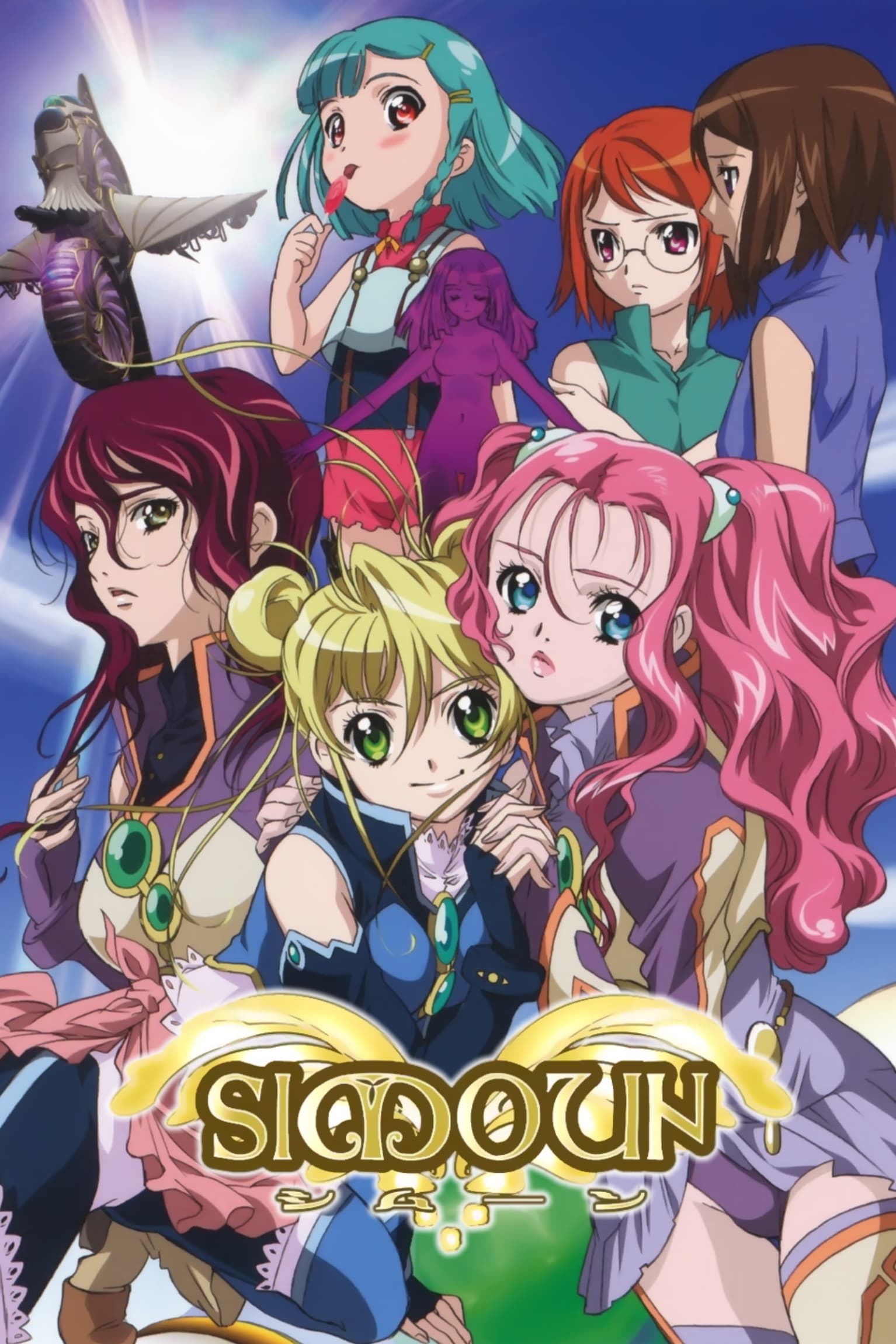
Set in the theocracy of Simulacrum, everyone is born female and must eventually visit a sacred spring to choose a permanent sex. The nation is defended by ancient flying machines called Simoun, which can only be piloted by “Sibyllae,” young priestesses who have not yet chosen their gender. The protagonist Aaeru joins the Chor Tempest squadron and rejects the societal pressure to choose a permanent sex, preferring to remain in a state of gender flux to continue piloting. The narrative uses the mechanics of the mecha and the war to explore themes of gender determination, societal roles, and the transition into adulthood. The pilots’ ability to fly is directly tied to their temporary non-binary status, making gender identity a central plot device.
‘Maze Megaburst Space’ (1997)

This series features a protagonist named Maze who wakes up in a strange fantasy world with amnesia and the ability to pilot a giant mecha called Dulgar. Maze is distinct because they physically transform between a female body during the day and a male body at night, with each form having a slightly different personality and power set. The female Maze is a powerful summoner, while the male Maze excels in physical combat and piloting the mecha efficiently. The story revolves around the two alters learning to cooperate and understand their shared existence while battling the Jaina Holy Group. This literal day-and-night gender swap is the core gimmick of the show and drives the character dynamics.
‘The Five Star Stories’ (1989)
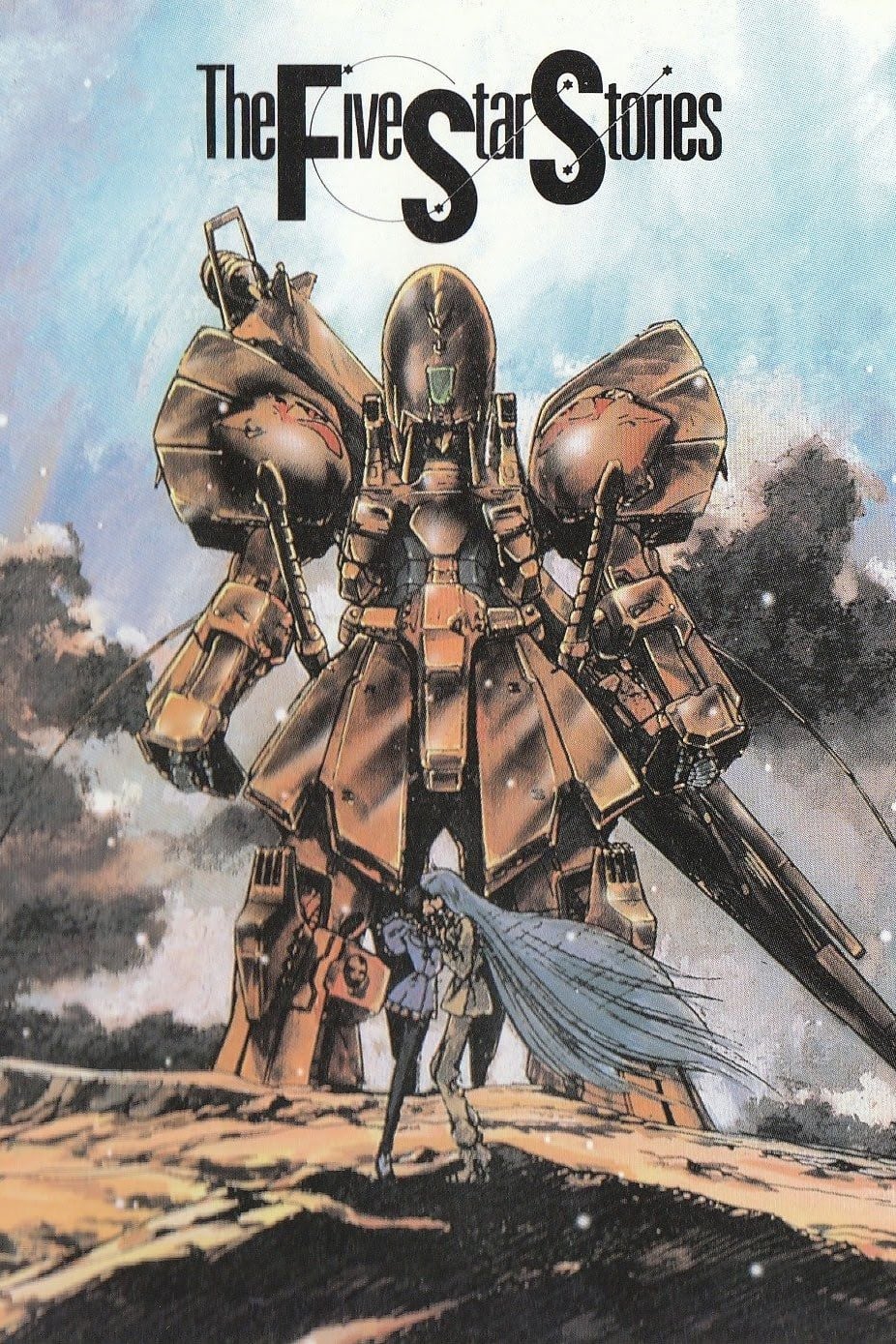
Based on the long-running manga by Mamoru Nagano, this film introduces the god-like protagonist Amaterasu, the Emperor of the Delta Belun system. Amaterasu is an immortal being who transcends human limitations, including gender, and is capable of altering his physical form at will. He pilots the Knight of Gold, a stunningly ornate Mortar Headd mecha that represents the pinnacle of technology in the Joker Star Cluster. Throughout the overarching lore, Amaterasu appears in various forms, including female personas, reflecting a fluid divine nature. The series is renowned for its complex mythology where biological sex and gender roles are often fluid among the genetic elite and artificial life forms known as Fatimas.
‘Genesis Climber MOSPEADA’ (1983–1984)

Yellow Belmont is a resistance fighter who pilots a transformable AFC-01 Legioss Armo-Fighter to battle the alien Inbit invasion. While a male soldier by former trade, Yellow spends his downtime living and performing as a female pop singer, maintaining this identity so convincingly that it becomes a second life rather than just a disguise. Yellow expresses comfort and pride in his female persona, using it to inspire hope among the survivors on Earth. This character was one of the earliest examples of a gender-blending pilot in anime, treating his dual existence with surprising dignity for the era. His narrative arc concludes with him performing a concert in his female guise while revealing his identity as a male pilot to his fans.
‘Cowboy Bebop’ (1998–1999)

In the episodes “Jupiter Jazz Part 1” and “Part 2,” the crew of the Bebop encounters Grencia Mars Elijah Guo Eckener, a veteran of the Titan War. Gren pilots a customized mono-racer spacecraft and is a former comrade of the antagonist Vicious. Due to experimental drug treatments forced upon him during the war, Gren developed a hormonal imbalance that resulted in an intersex body with female secondary sex characteristics. Gren identifies as neither strictly male nor female, stating that he is “both at once and neither one,” and lives a melancholic existence isolated on Callisto. His story is a tragic exploration of how military exploitation can forcibly alter one’s body and identity.
‘Gatchaman Crowds’ (2013–2015)

Rui Ninomiya is an idealistic genius who uses the NOTE system to transform into the Gatchaman designated as “Load” to protect society. Rui is biologically male but dresses in high-fashion feminine clothing and presents as a cross-dressing or non-binary figure in public and online. Rui believes that the current world is bored and seeks to “update” it using the power of the Crowds and the GALAX social media app. The character explicitly rejects traditional gender norms, using his appearance to challenge societal expectations while piloting his digital avatar suit. Rui’s narrative focuses on the power of self-expression and the modernization of heroism.
‘Gundam Build Divers’ (2018)

Magee is a veteran diver in the Gunpla Battle Nexus Online (GBN) who pilots the Gundam Love Phantom. In the real world, Magee is a man, but within the virtual reality of the game, he utilizes a feminine avatar and asks to be referred to as “big sister” (onee-san). Magee mentors the main characters and is a prominent figure in the Force “Adam’s Apple,” which consists of other gender-non-conforming players. The series treats Magee’s gender expression with respect, framing it as a valid and celebrated part of his online identity. Magee represents the freedom of the metaverse, where pilots can choose the form that best reflects their inner self.
‘Tiger & Bunny’ (2011)
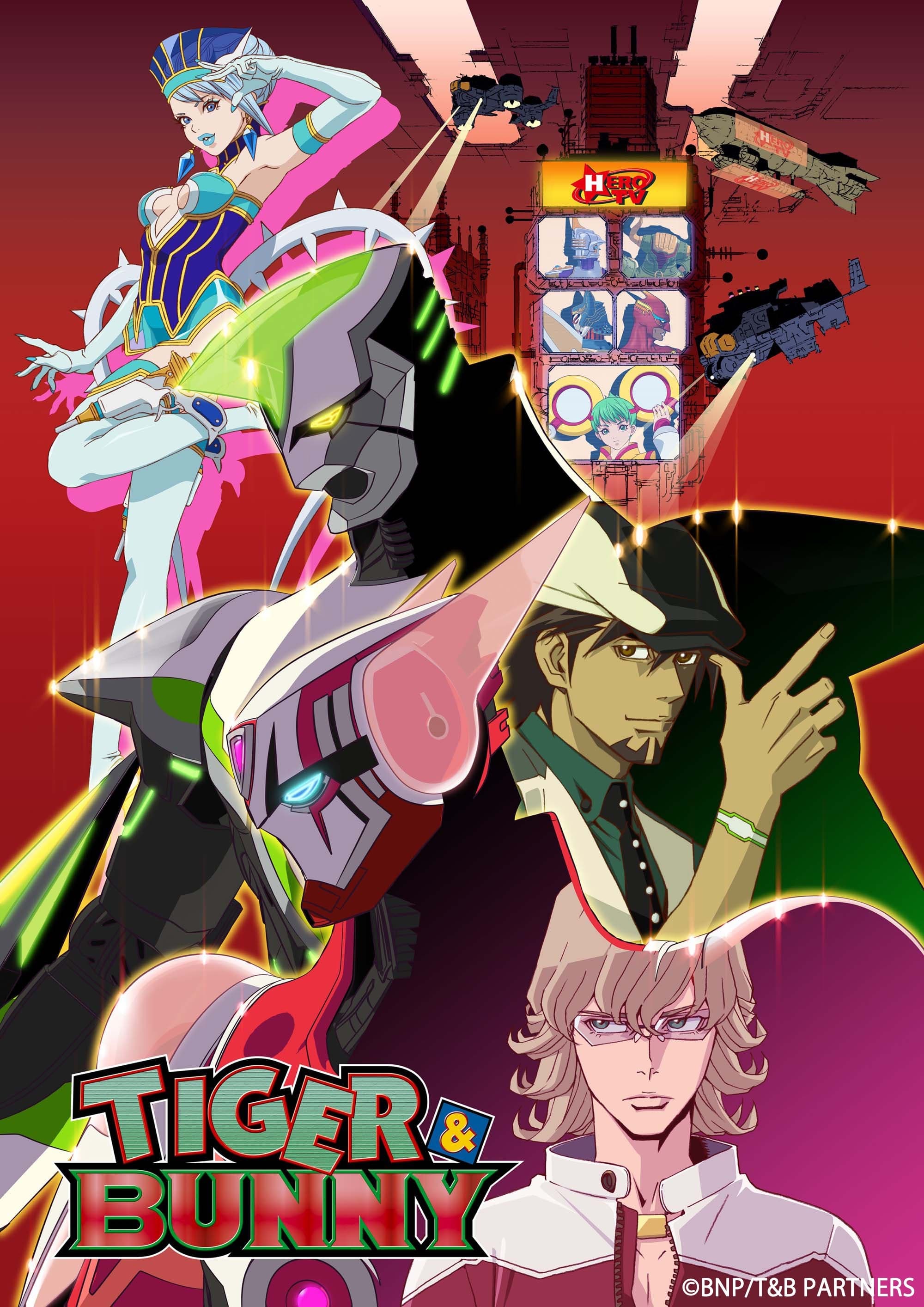
Nathan Seymour, known by the hero alias Fire Emblem, pilots a high-tech suit of armor to fight crime on a reality TV show. Nathan is an openly gay and genderqueer character who uses feminine speech patterns and gestures, often referring to himself as “one of the girls.” Despite facing prejudice from the public and even his corporate sponsors, Nathan remains apologetically authentic and extremely competent in combat. The series delves into his backstory, revealing the bullying he faced for his gender expression and his eventual triumph as a top-tier hero. Fire Emblem stands as a powerful symbol of queer resilience within the “suit-as-mecha” subgenre.
‘Aquarion Evol’ (2012)
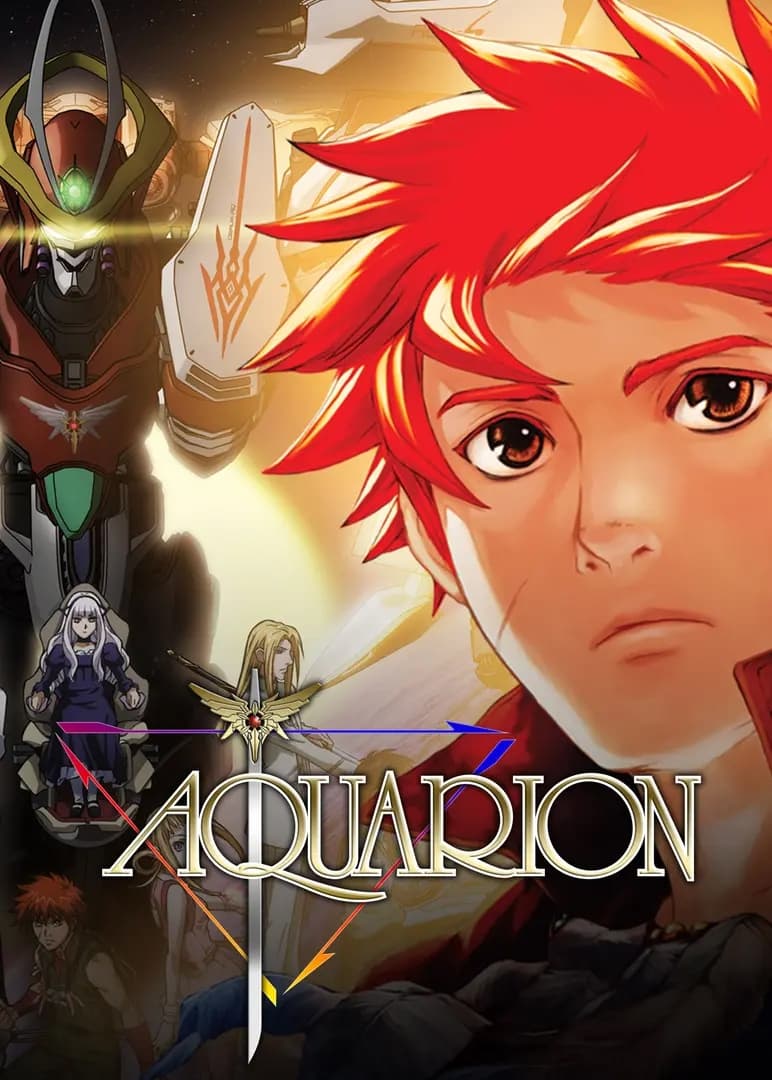
The character Mix acts as a pilot for the Neo-DEAVA organization, operating one of the Vectors that combine to form the giant robot Aquarion. Originally a girl who detests men, a dimensional event and the antagonist’s powers cause her to physically transform into a male body. This forced transition causes Mix significant distress, leading to a complex arc where she must navigate her new reality as a man named “XY” in the credits. While the transformation is initially a curse, the character’s journey explores the rigidity of the gender divide that plagues their world. The mecha combinations in the series often serve as metaphors for sexual and gender union.
‘Mazinger Z’ (1972–1974)
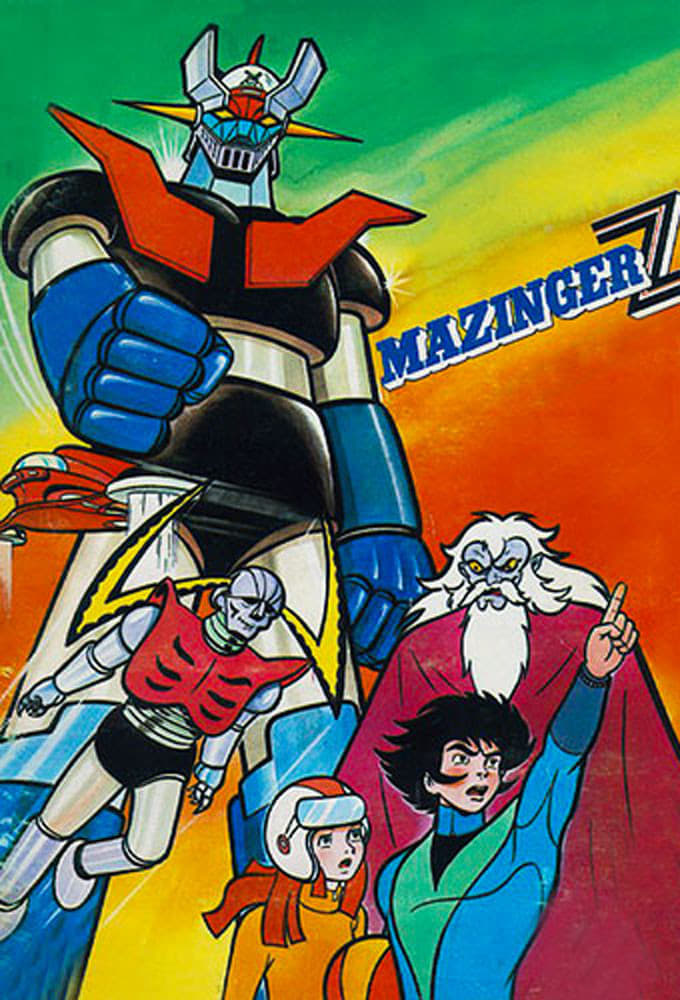
Baron Ashura is one of the primary antagonists and commanders of the Mechanical Beasts that fight against Mazinger Z. Ashura is a canonically intersex being created by Dr. Hell, who stitched together the left half of a man and the right half of a woman. Both halves retain their distinct voices and personalities, often bickering with one another, yet they function as a single entity piloting various fortresses and mecha. As one of the earliest examples of a non-binary character in mecha history, Ashura represents a literal fusion of genders. Their existence is tragic and monstrous, but they are a distinct and unforgettable pilot in the super robot genre.
‘Ixion Saga: Dimension Transfer’ (2012–2013)
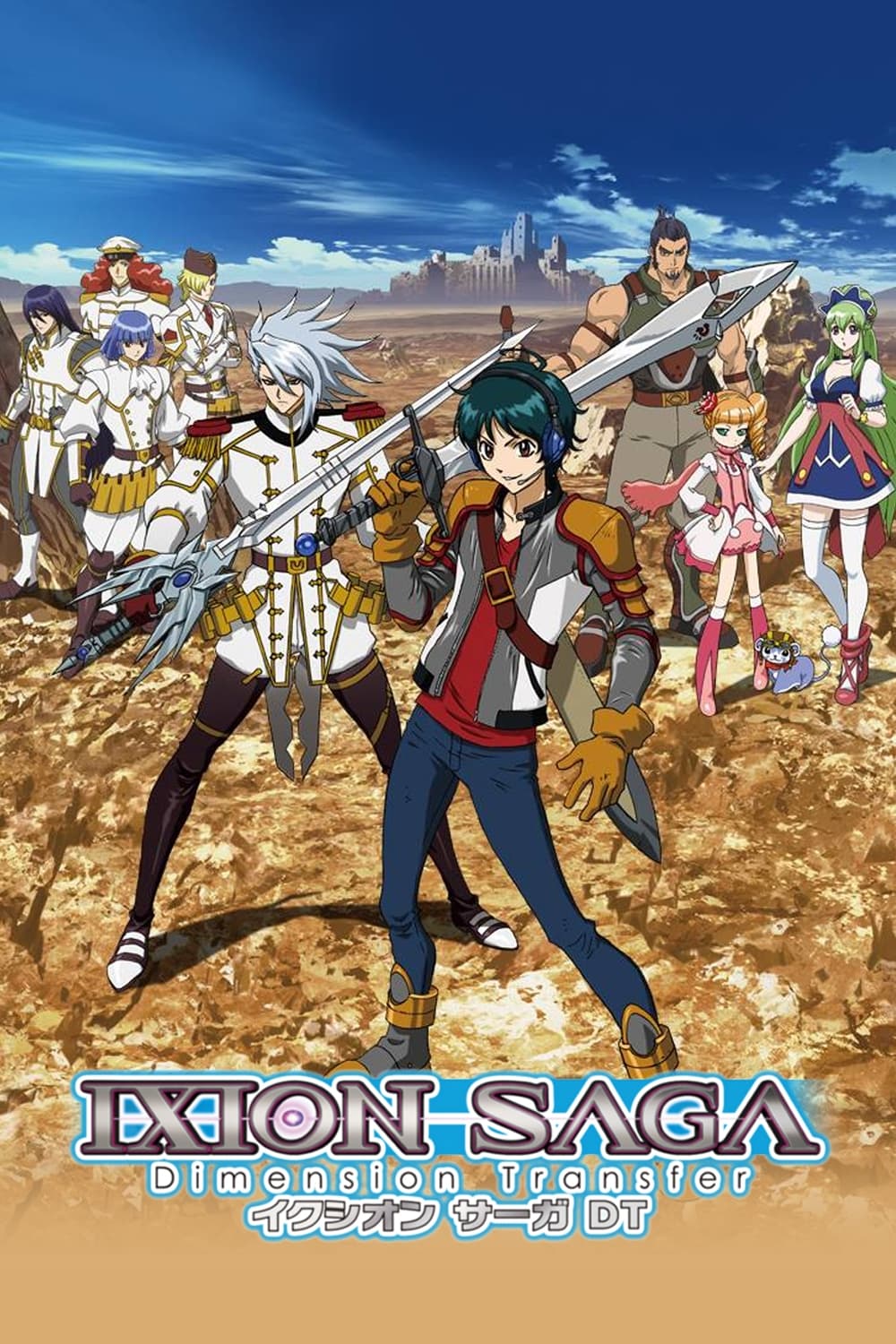
Mariandale is a maid and bodyguard to Princess Ecarlate, capable of wielding heavy weaponry and “Alma Gear” in combat. She is a transgender woman who is open about her identity, though the protagonist Kon is initially surprised by her deep voice. Mariandale is portrayed as one of the most competent, mature, and level-headed members of the party, often protecting the more erratic characters. The series, while a comedy that parodies fantasy tropes, treats Mariandale’s transition and identity as a factual part of her character rather than just a punchline. She fights on the front lines, utilizing her physical strength and dual pistols to dispatch enemies.
‘Turn A Gundam’ (1999–2000)
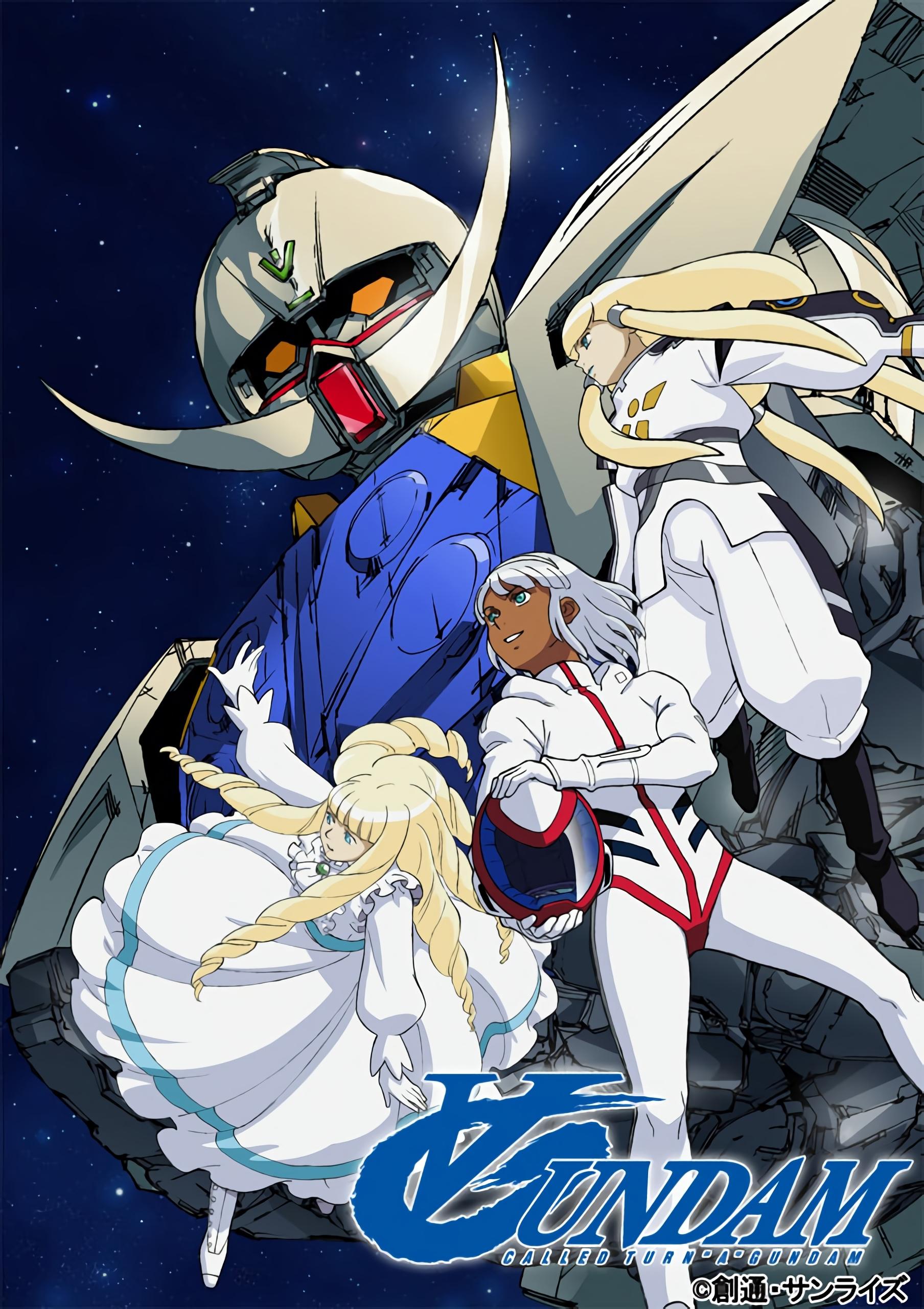
Loran Cehack is the pilot of the titular Turn A Gundam, but for a significant portion of the series, he assumes the female persona of “Laura Rolla.” This disguise is initially a political necessity, but “Laura” becomes a celebrated figure and a symbol of the Moonrace’s power, with the Gundam even being referred to as “Laura’s machine.” Loran performs this gender-fluid role with grace, never treating the femininity as degrading, and effectively lives as a woman in the public eye while piloting the most powerful machine in history. The distinction between Loran and Laura blurs, creating a pilot identity that transcends traditional gender boundaries. This portrayal aligns with the series’ themes of breaking down barriers between Earth and Moon.
‘Darling in the FranXX’ (2018)

9 Alpha is the leader of the Nines, an elite special forces unit of Parasites who pilot FranXX units without the need for traditional male-female partners. 9 Alpha and his unit are clones who possess androgynous appearances and fluid gender expressions, setting them apart from the strictly gender-segregated main squads. They are capable of switching between the “pistil” (female) and “stamen” (male) piloting roles, effectively functioning as genderless or non-binary pilots. Their existence challenges the show’s heavy heteronormative dogma regarding piloting mechanics. 9 Alpha’s character design and role highlight the artificial nature of the gender roles enforced by the ruling APE organization.
Share your favorite mecha pilots who break the mold in the comments.