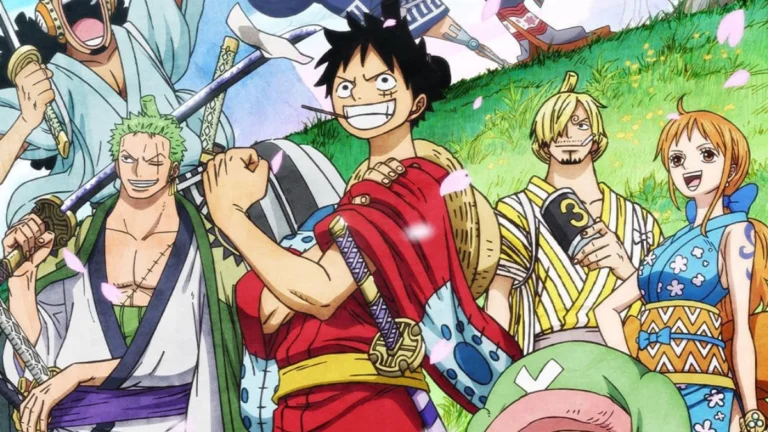
Anime Worlds Where Seasons and Weather Influence Power


In many anime universes, the strength of a character is not determined solely by training or willpower but by the state of the natural world around them. Environmental factors like the time of day, the current season, or the prevailing weather conditions can drastically alter how magic and abilities function. Some series feature entire species that must hibernate during winter, while others showcase warriors who draw their energy directly from the sun or the rain. These mechanics add a layer of strategy and realism to the fantastical elements of the story. Here are anime worlds where the power systems are intricately tied to the seasons and the elements.
‘Land of the Lustrous’ (2017)
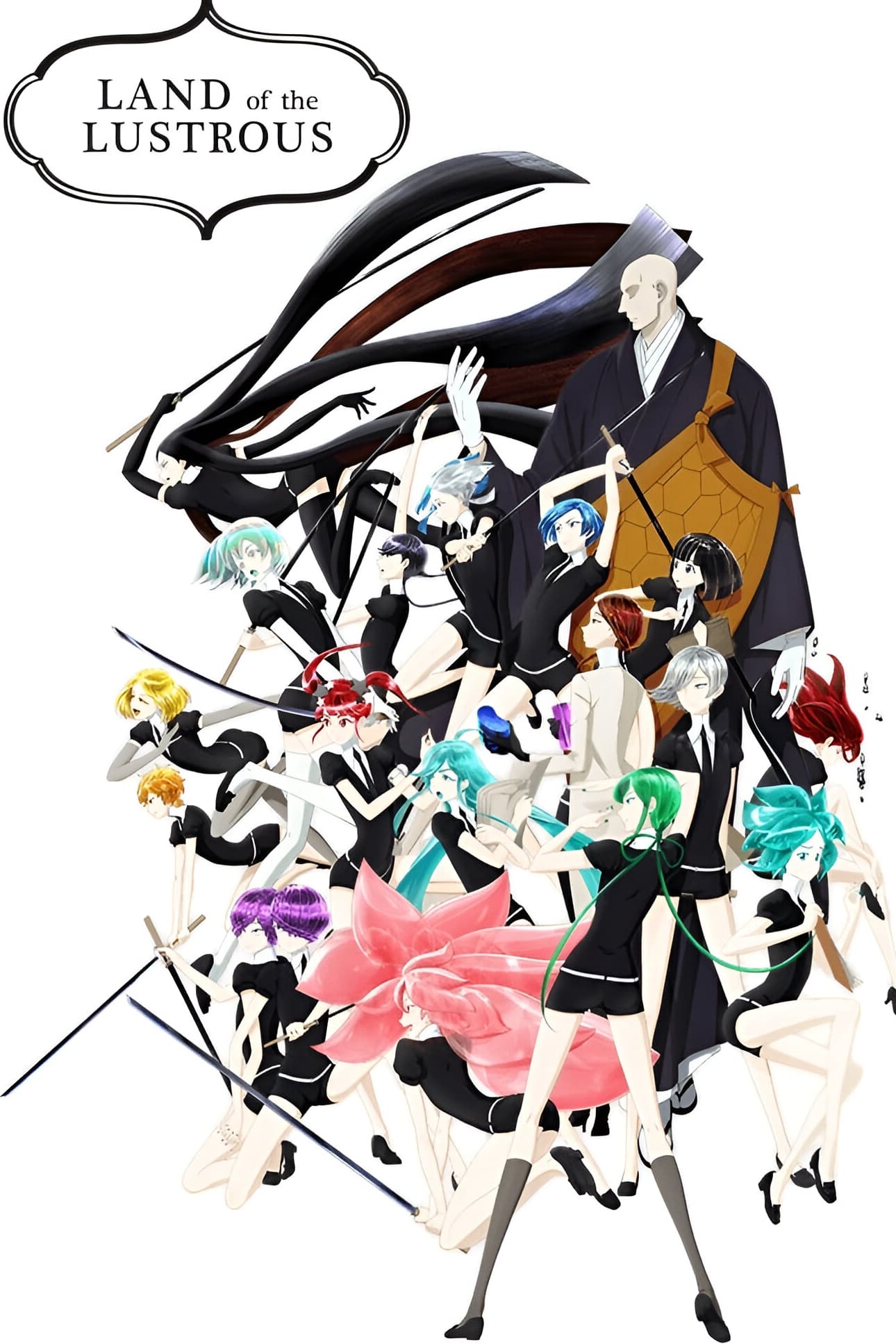
The Gem people in this series rely entirely on sunlight to function and maintain their energy levels. During the winter season, the sunlight becomes too weak to sustain them, forcing the majority of the population into a deep hibernation to conserve energy. Only specific Gems with unique constitutions or liquid-based bodies can remain active to patrol the frozen landscape. This seasonal shift drastically changes the defensive capabilities of the group and leaves them vulnerable to attacks from the Lunarians. The arrival of winter fundamentally alters the dynamics of their society and the distribution of power among the characters.
‘Weathering with You’ (2019)
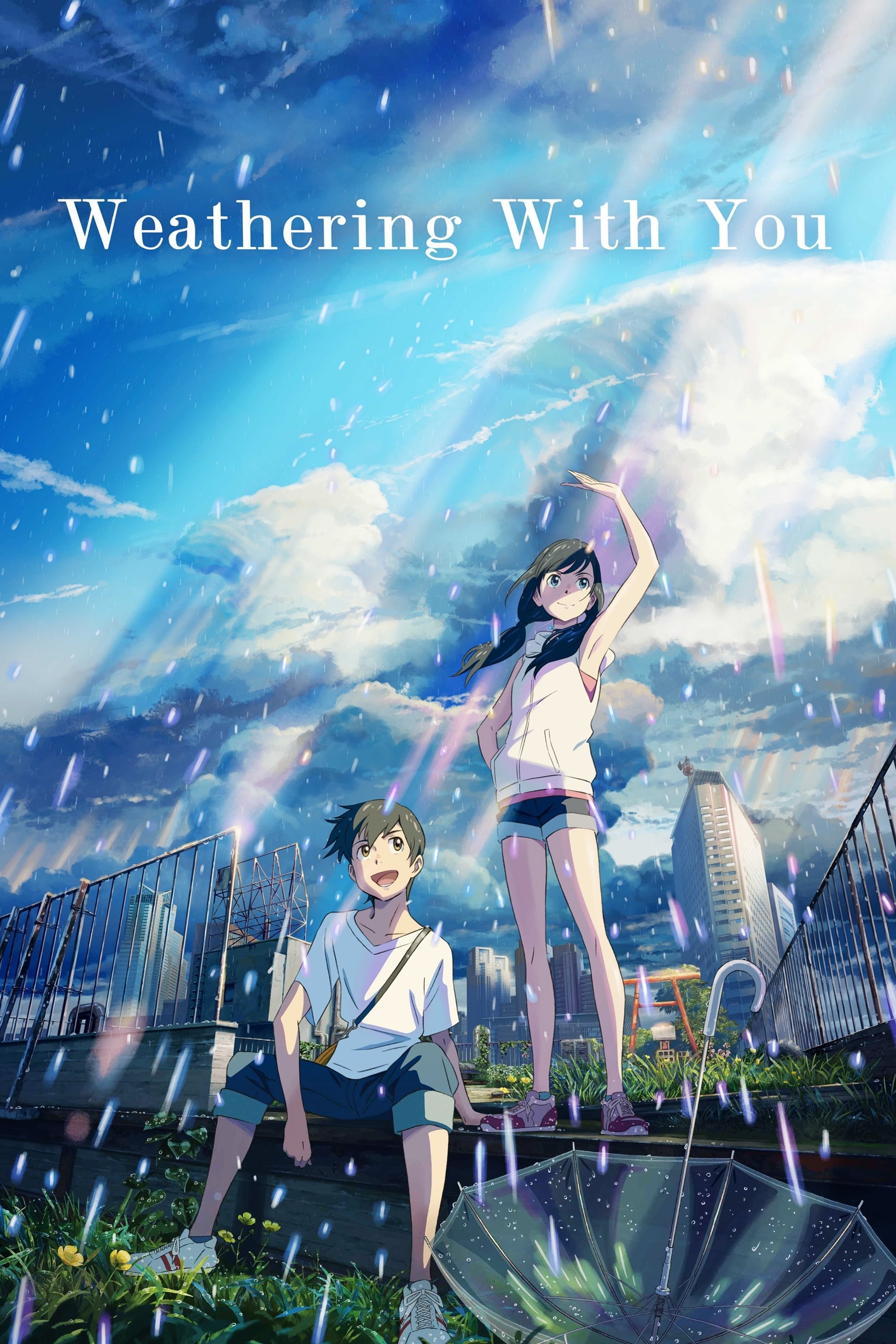
The narrative centers on the concept of Weather Maidens who possess the supernatural ability to manipulate the sky through prayer. Hina Amano can temporarily clear the rain and summon sunshine, but this power comes at a severe physical and metaphysical cost. The weather in Tokyo acts as a pervasive force that reacts to the emotional state and the sacrifices of the main characters. Using these abilities disrupts the natural balance of the world and eventually threatens to submerge the entire city. The film treats weather not just as a backdrop but as a responsive magic system that dictates the fate of the protagonists.
‘Attack on Titan’ (2013–2023)
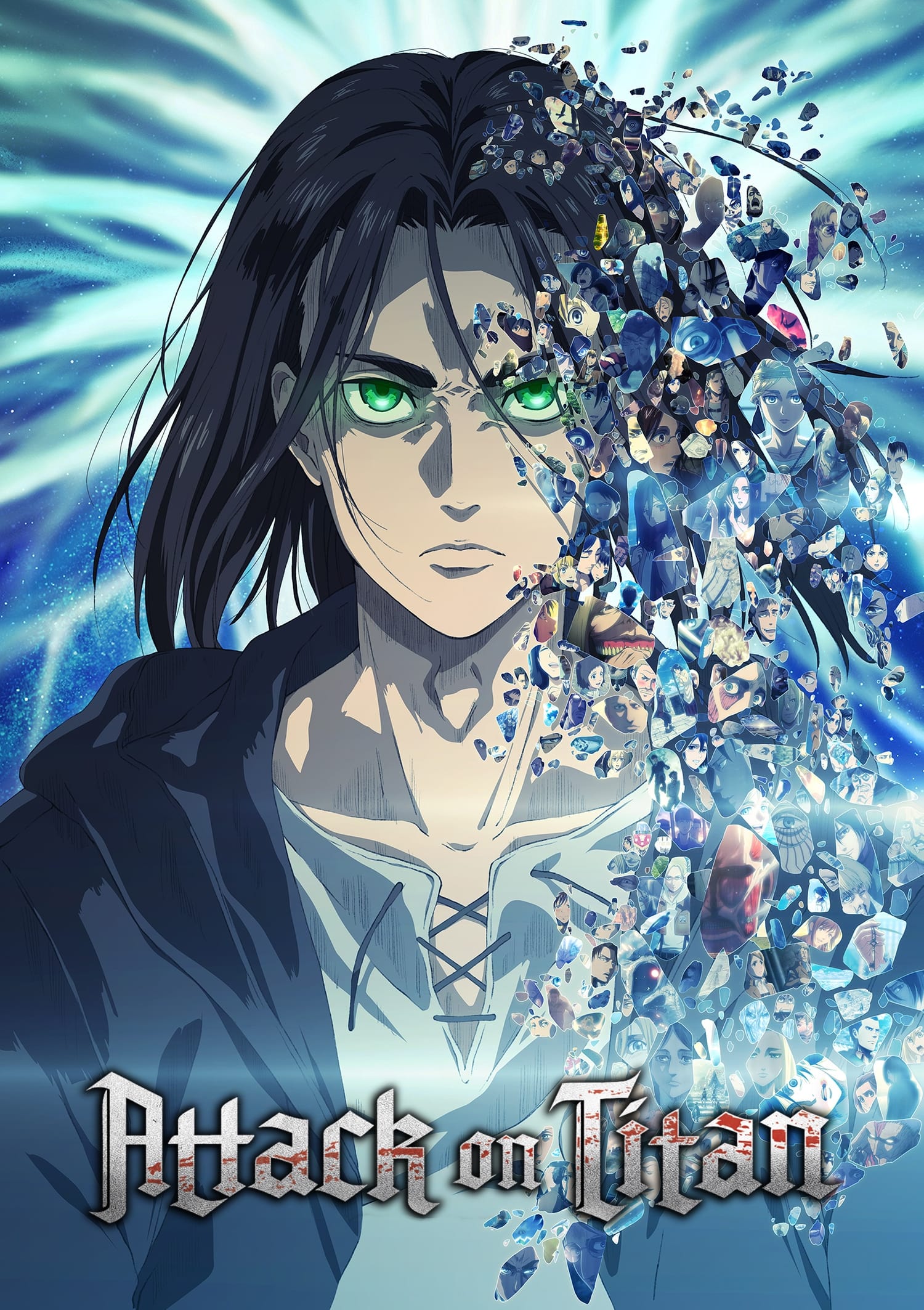
The Titans that roam the world outside the walls are biologically dependent on sunlight to remain active and dangerous. During the day, they possess immense strength and regenerative abilities that make them nearly unstoppable predators. When the sun sets and night falls, most Titans become lethargic or completely dormant, allowing the Survey Corps to conduct safer operations. This diurnal cycle is a critical tactical element that humanity uses to plan their expeditions and survival strategies. The presence of cloud cover or rain can also slightly dampen the activity levels of these massive creatures.
‘Pokémon’ (1997–)

Battle mechanics in this world are heavily influenced by the current weather conditions on the field. Moves like Sunny Day or Rain Dance can be used by trainers to summon harsh sunlight or torrential downpours that boost specific elemental attacks. Fire-type moves become significantly more destructive in the sun, while Water-type attacks gain power during the rain. Certain abilities possessed by the creatures are only activated during hail or sandstorms, granting them speed boosts or passive healing. Mastery of these weather effects is often the deciding factor in high-level competitive matches.
‘One Piece’ (1999–)
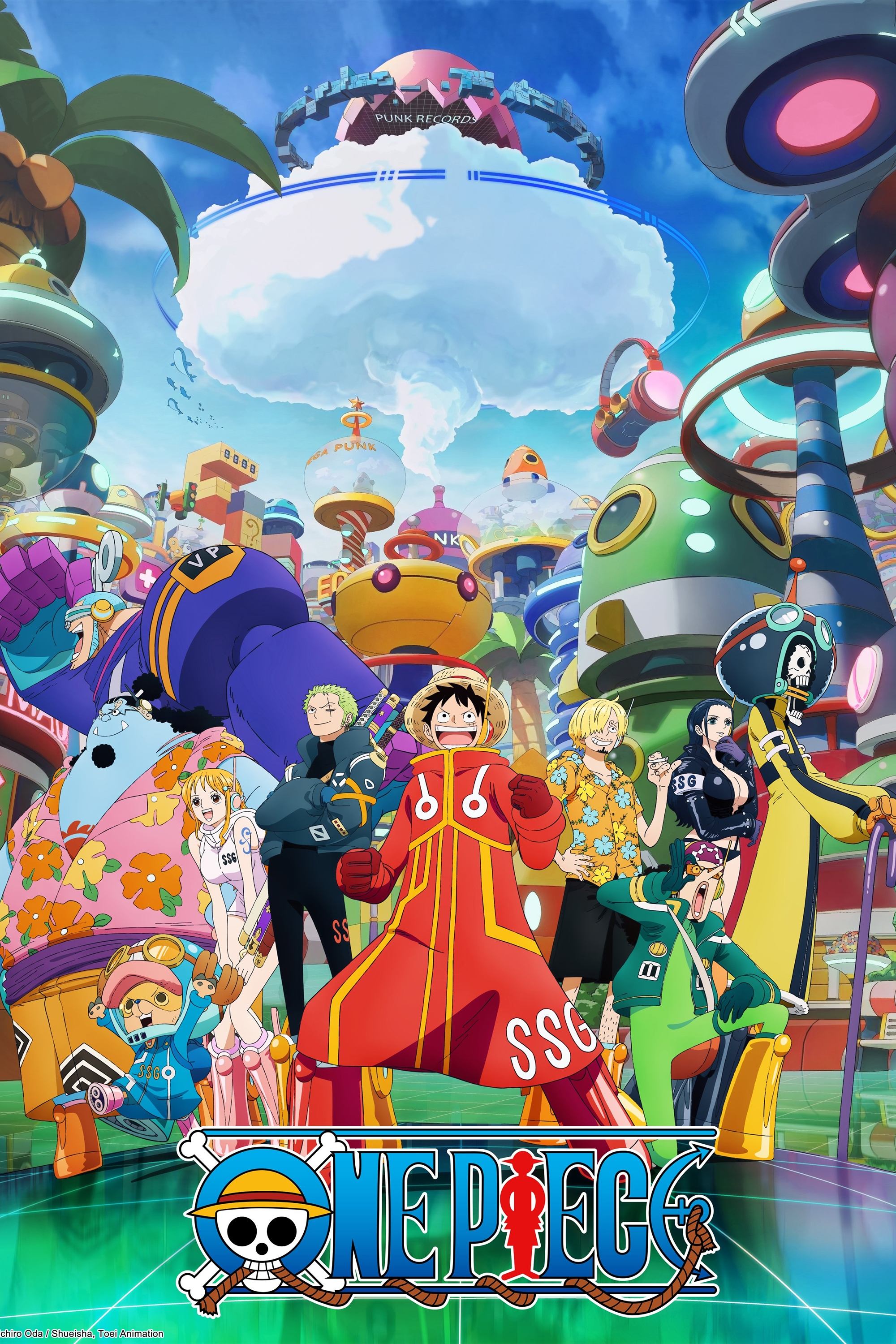
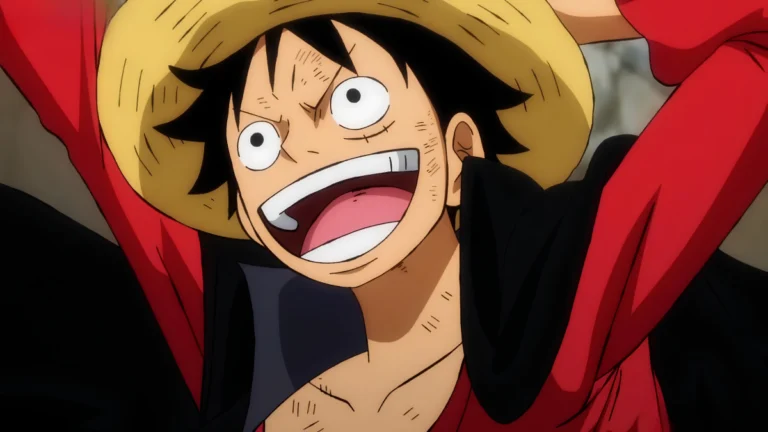
The Grand Line is a chaotic ocean where unpredictable weather patterns act as both a hazard and a weapon. Nami utilizes the Clima-Tact to manipulate atmospheric pressure and create localized mirages, thunderclouds, and rainstorms to defeat her enemies. The Emperor Big Mom elevates this concept by using her Soul-Soul Fruit to animate the weather itself, creating sentient suns and clouds like Prometheus and Zeus. These homies allow her to wield the raw destructive power of fire and lightning on a massive scale. Navigation and combat in this world require an intimate understanding of meteorology and the ability to weaponize the elements.
‘Bleach’ (2004–2012)
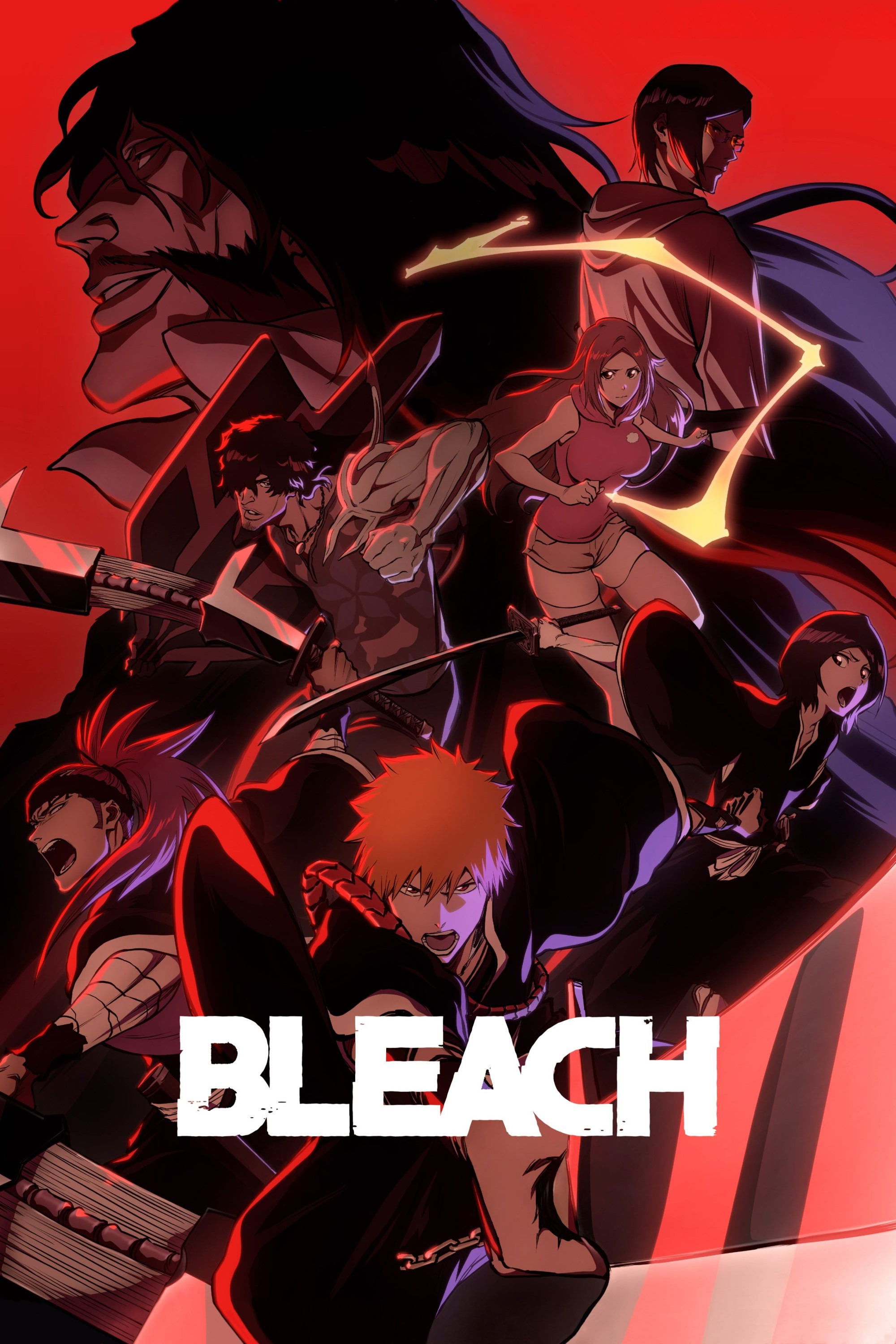
Soul Reapers in this series wield Zanpakuto that often command elemental forces linked to weather and temperature. Captain Toshiro Hitsugaya possesses the strongest ice-element sword, Hyorinmaru, which allows him to control the weather and summon moisture from the atmosphere to freeze his opponents. His abilities are potent enough to alter the skyline and drop the temperature of the entire battlefield. Rukia Kuchiki also wields a sword that lowers her body temperature to absolute zero, requiring her to carefully manage the thawing process to avoid shattering. These powers demonstrate how spiritual pressure can manifest as tangible meteorological phenomena.
‘Fairy Tail’ (2009–2019)

Magic in Earth-land encompasses a wide variety of elemental styles that can be amplified or nullified by the environment. Juvia Lockser is a water mage whose emotional state originally caused constant rainfall wherever she went, boosting her own power while dampening fire magic. The Dragon Slayers can consume their respective elements to regain stamina, meaning a Fire Dragon Slayer is stronger in a burning environment or a heatwave. Weather patterns can be artificially induced by powerful wizards to create advantageous fields for combat. This interplay between the mage and their surroundings is a core component of the magical combat system.
‘JoJo’s Bizarre Adventure: Stone Ocean’ (2021–2022)

The Stand known as Weather Report grants its user the ability to manipulate the atmosphere on a terrifyingly precise level. This power allows for the creation of localized weather phenomena, ranging from simple rain and wind to the manipulation of the ozone layer. The user can alter air pressure to ignite objects or summon poisonous frogs by manipulating air currents in the upper atmosphere. In extreme cases, the ability can create subliminal effects through light refraction that physically alter the bodies of those who witness them. It stands as one of the most versatile and dangerous abilities in the franchise due to its control over the natural environment.
‘Demon Slayer: Kimetsu no Yaiba’ (2019–)
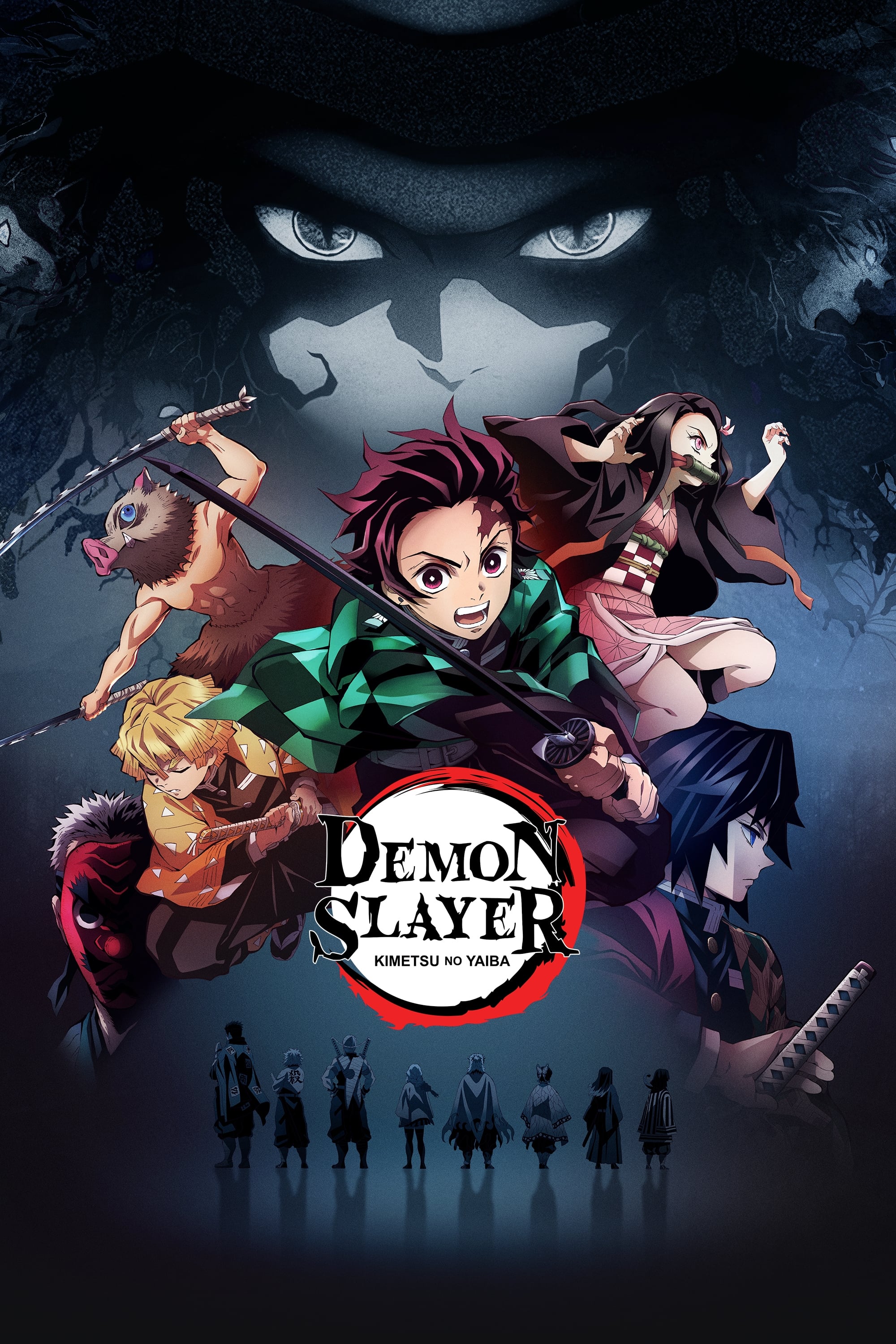
Demons in this universe are biologically cursed to disintegrate instantly upon contact with direct sunlight. This weakness restricts their activity entirely to the nighttime, forcing the Demon Slayer Corps to hunt them under the cover of darkness. The breathing styles used by the swordsmen are derived from nature, such as Water, Thunder, and eventually Sun Breathing, mimicking the flow and power of these elements. The entire conflict is dictated by the solar cycle, as the rising sun is the ultimate weapon that humanity possesses against the demon threat. Battles often become races against time as demons attempt to flee before dawn breaks.
‘Toriko’ (2011–2014)
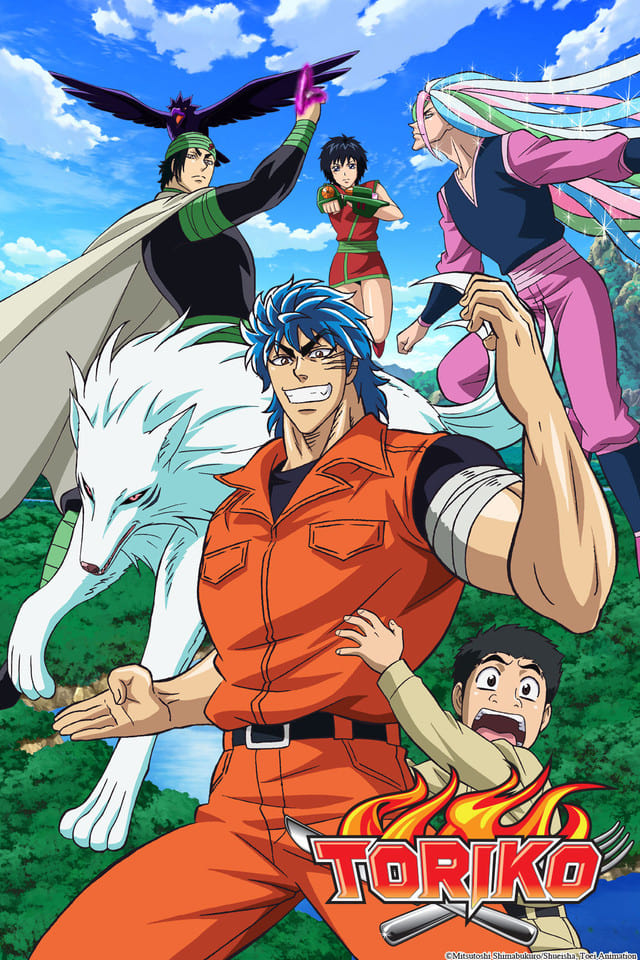
The Gourmet World features extreme and deadly weather patterns that serve as the primary barrier to exploration. Ingredients and beasts in this world often have specific capture levels that change based on the season or the current atmospheric conditions. Hunters must navigate storms of poison, thorns, and magma that would instantly kill an unprepared human. The legendary ingredients sought by the protagonists often only appear during specific rare weather events or seasonal alignments. Mastering the environment and adapting to these harsh cycles is essential for any Gourmet Hunter.
‘The Ancient Magus’ Bride’ (2017–)
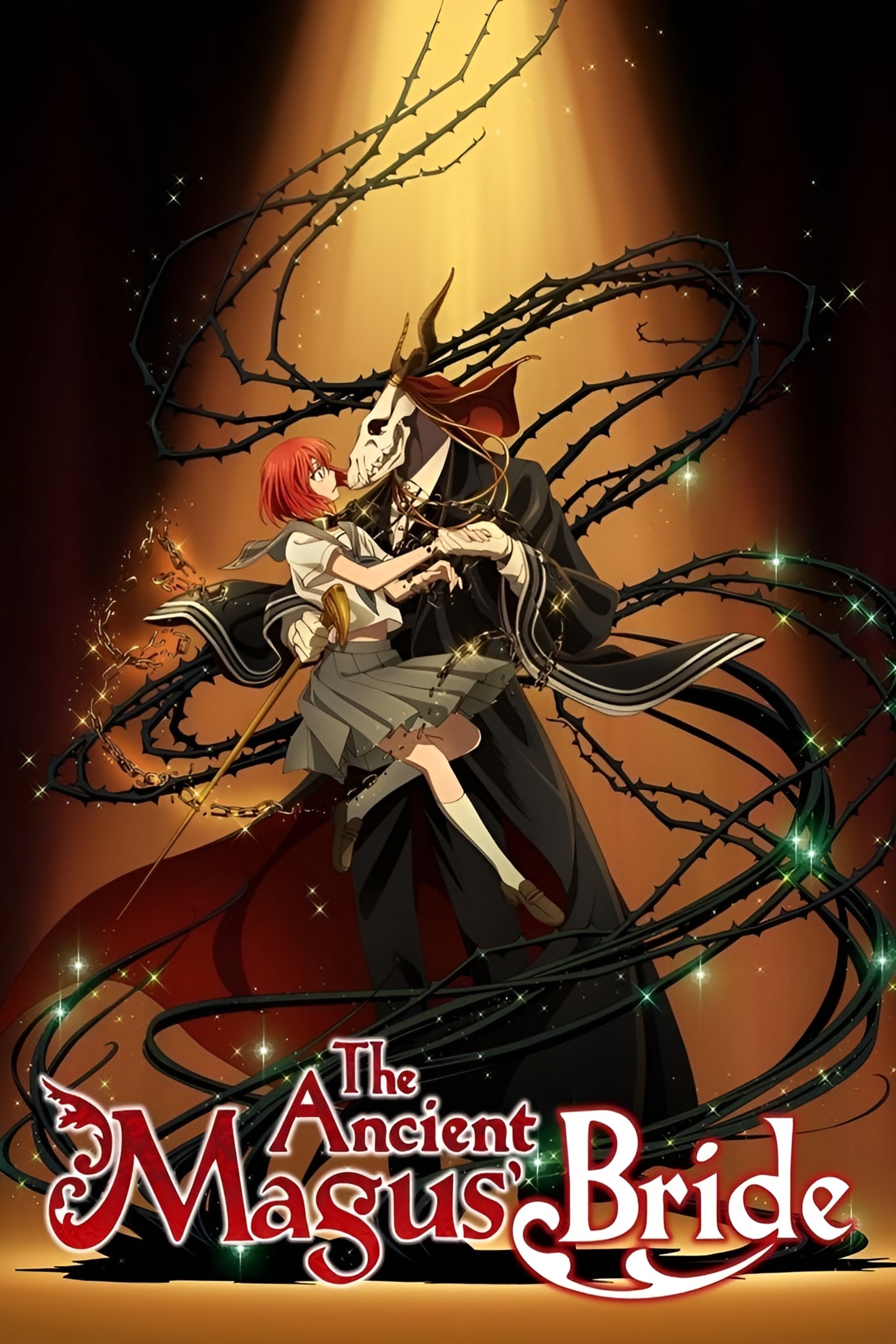
The world is inhabited by fae and spirits who are deeply connected to the cycle of the seasons. The fae courts are divided into Summer and Winter, with their respective rulers holding power over the life and death of the natural world. Magic used by the protagonists often involves communicating with these seasonal spirits or utilizing materials that are potent only at certain times of the year. The transition between seasons is depicted as a physical journey or a transfer of power that affects the magical density of the land. Chise must learn to navigate these ancient laws to perform her magecraft safely.
‘Re:Zero -Starting Life in Another World-‘ (2016–)

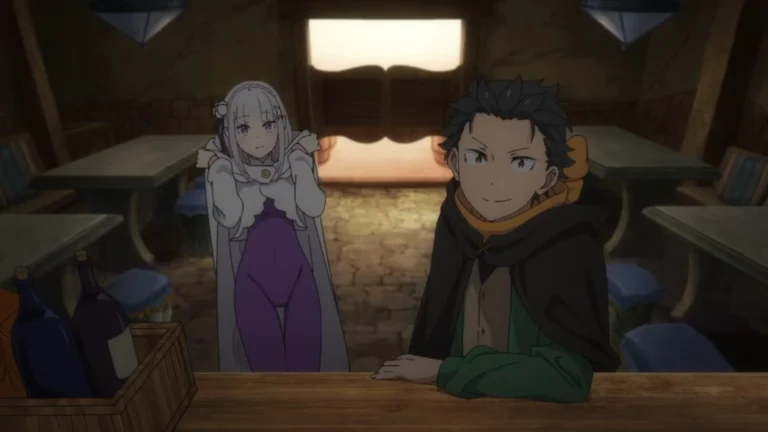
Great Spirits in this fantasy world possess mana reserves massive enough to alter the climate of their surroundings. Puck, the artificial spirit contracted to Emilia, naturally emits cold energy that can freeze everything in his vicinity if he does not consciously suppress it. Upon his death or emotional breaking point, he begins to siphon all mana from the area to manifest his true form, creating an apocalyptic winter that freezes the world. This mechanic ties the emotional stability of the spirit directly to the survival of the ecosystem. The weather becomes a lethal byproduct of unchecked magical power.
‘Flying Witch’ (2016)
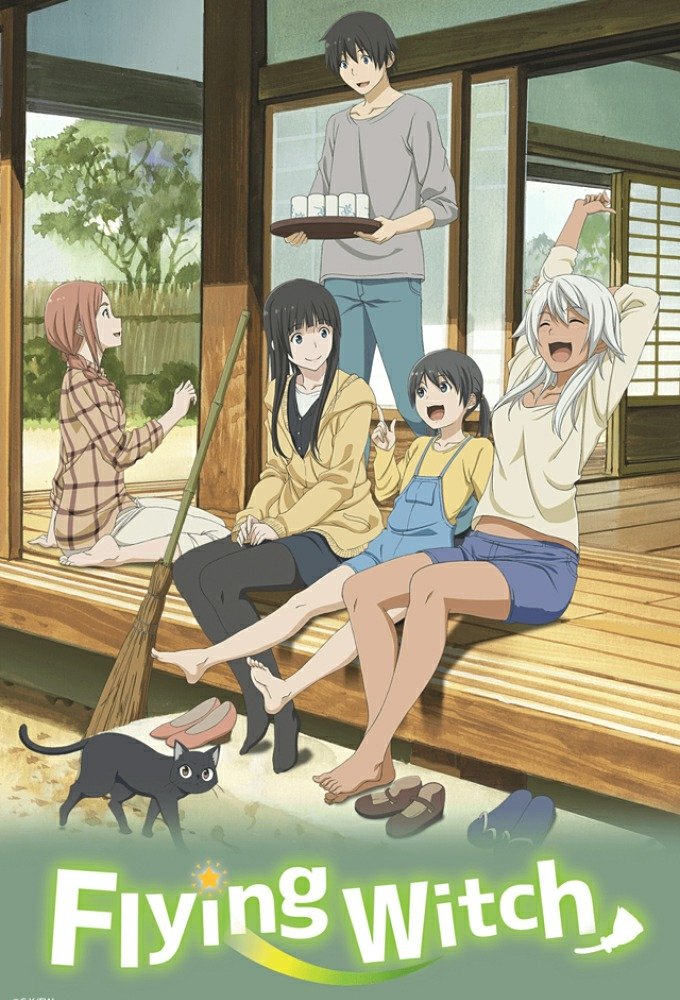
Magic in this slice-of-life series is subtle and often involves interacting with the supernatural entities that govern nature. The changing of the seasons is managed by massive, magical whales known as the Harbingers of Spring and Winter. Witches and knowledgeable humans can interact with these beings to facilitate or observe the transition of the environment. The potency of herbal ingredients and the behavior of mandrakes are strictly regulated by the time of year and the weather. It portrays a world where magic is a method of gardening and coexisting with the inevitable cycles of nature.
‘Mushi-shi’ (2005–2006)
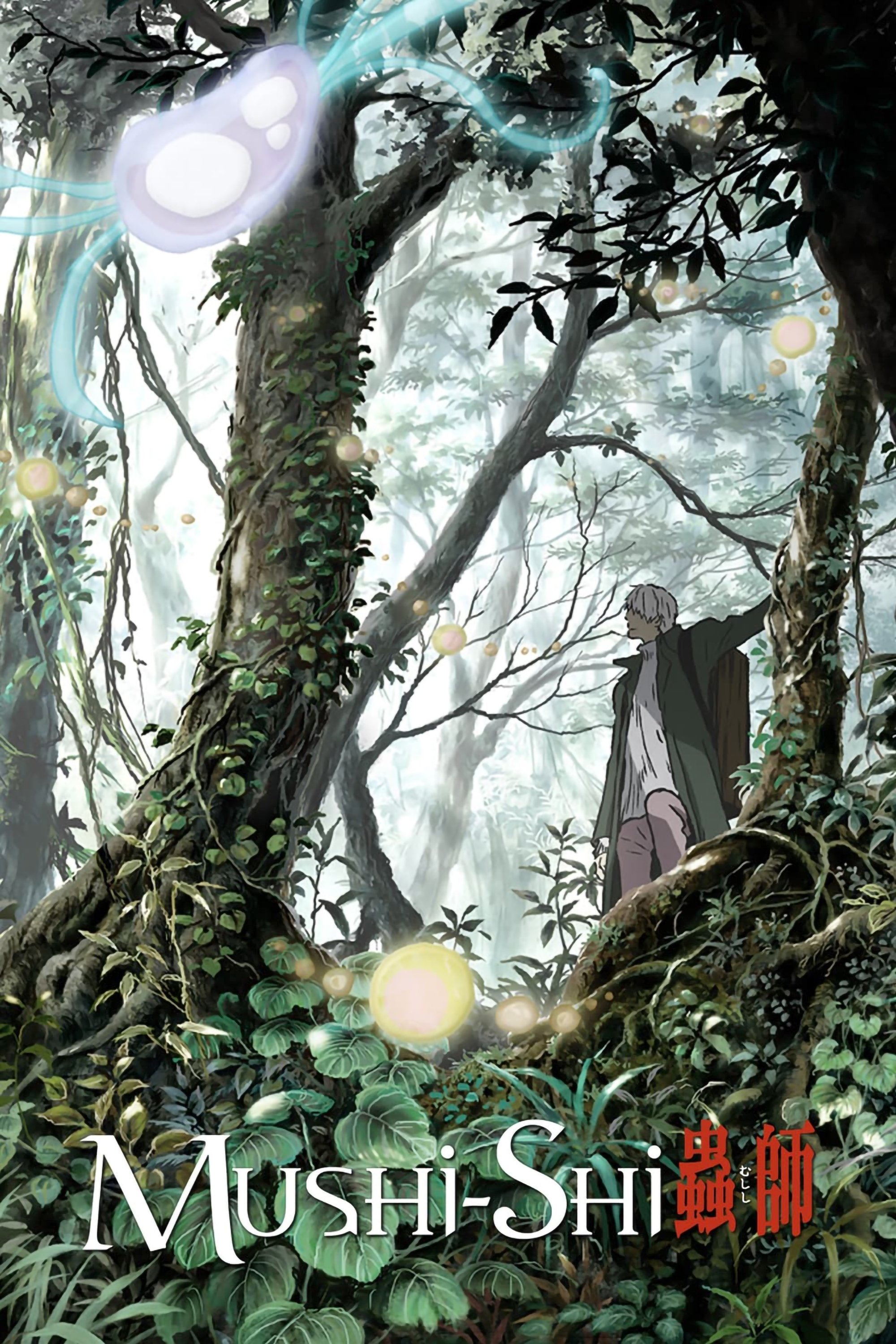
Mushi are primitive lifeforms that exist unseen by most humans and follow their own biological and seasonal rhythms. Certain types of Mushi only emerge during specific weather conditions, such as rainbows, or thrive during the cold darkness of winter. Ginko, the protagonist, must often wait for seasons to change or weather patterns to shift before he can solve the problems caused by these creatures. The interaction between human settlements and Mushi is dictated by the natural flow of the environment. Knowledge of these seasonal behaviors is the primary tool of a Mushishi.
‘Cardcaptor Sakura’ (1998–2000)
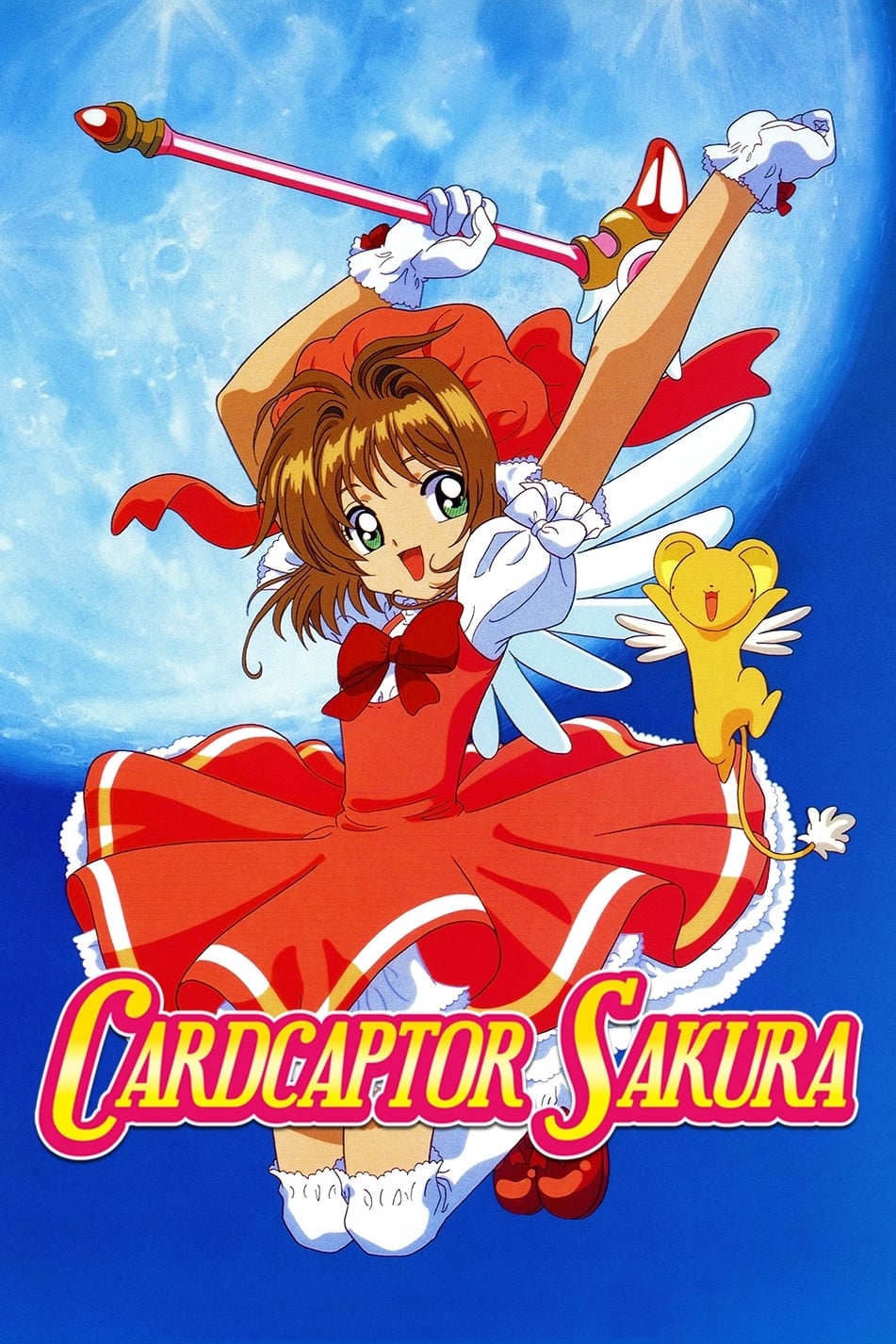
The Clow Cards are magical entities that each embody a specific concept or element of nature. Sakura must capture and command cards like The Snow, The Rain, The Storm, and The Cloud, which grant her direct control over these meteorological forces. Using these cards allows her to alter the local weather to douse fires or create defensive blizzards during combat. The guardians of the cards, Cerberus and Yue, draw their power from the sun and the moon respectively, affecting their strength based on celestial alignment. The magic system is a blend of western and eastern elemental philosophy.
‘Nagi-Asu: A Lull in the Sea’ (2013–2014)
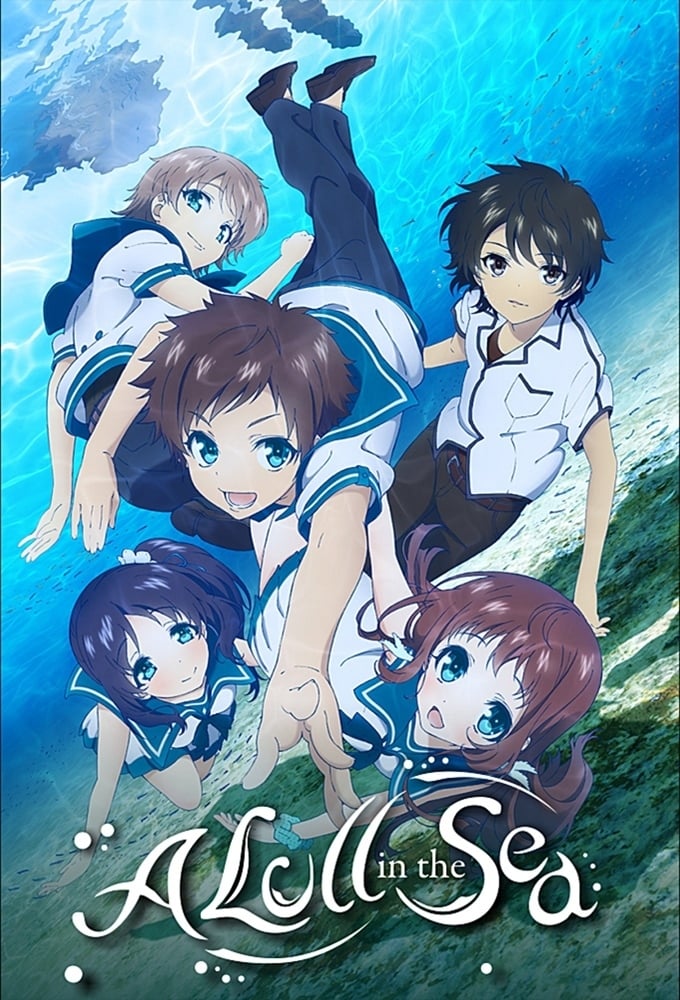
The population is divided between those who live on the surface and those who live underwater with the aid of a magical skin layer called Ena. The underwater civilization undergoes a long hibernation period, similar to winter sleep, to survive the cooling of the oceans. This hibernation is a biological imperative that shuts down their society and separates them from the surface world for years. The plot is driven by the environmental changes that threaten the ability of the sea people to maintain their way of life. The effectiveness of the Ena relies on hydration and the health of the ocean environment.
‘Spice and Wolf’ (2008–2009)
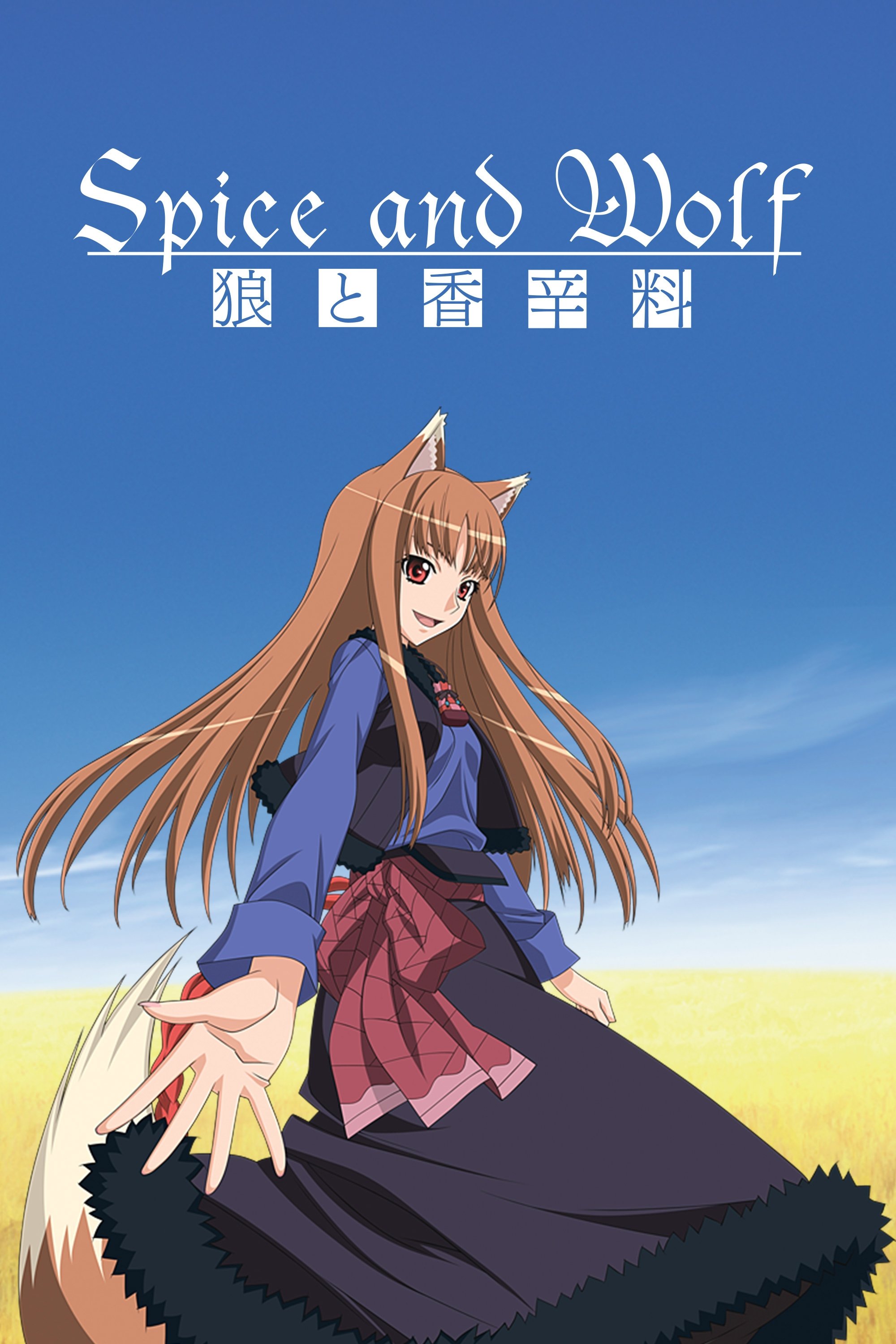
Holo is a wolf harvest deity whose very existence and power are tied to the wheat crop of the town she protects. Her size and strength fluctuate based on the quantity and health of the wheat grains she inhabits or carries in her pouch. The economic systems in the anime revolve around seasonal yields, and Holo’s powers are effectively a manifestation of the agricultural cycle. She can ensure a bountiful harvest or allow the soil to fallow, directly impacting the wealth and survival of the human population. Her immortality is linked to the continued reverence and cultivation of the grain.
‘Ranma ½’ (1989–1992)
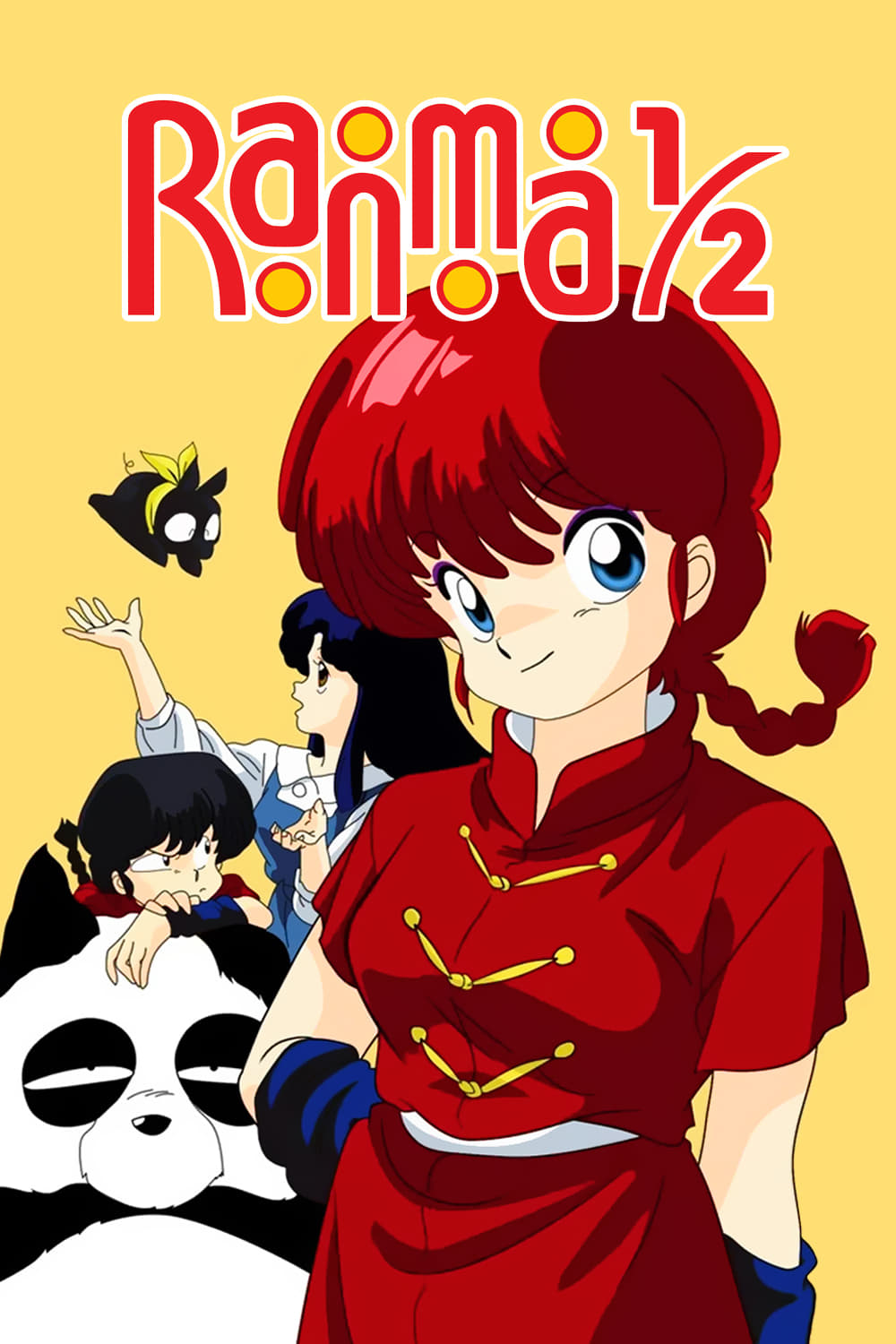
The central curse mechanic of this martial arts comedy is dictated by the temperature of the water the characters interact with. Cold water triggers a transformation into a different form, such as a girl, a panda, or a cat, while hot water reverses the effect. This makes weather conditions like rain or snow a constant source of anxiety and chaotic potential for the cast. Fighting outdoors becomes a strategic hazard where a simple bucket of water or a sudden downpour can completely alter a character’s physical stats and abilities. The curse turns the environment into a minefield of transformation triggers.
‘Hetalia’ (2009–)

Nations are personified as characters, and Russia is constantly accompanied by a dark entity known as General Winter. This personification of the brutal Russian winter is a formidable force that has historically defeated invading armies when military might failed. General Winter descends annually to inflict freezing punishment on Russia and his enemies alike, acting as a seasonal weapon of mass destruction. It represents how the harsh climate is an intrinsic part of the nation’s defensive power. The character’s strength is essentially bolstered by the severity of the season.
‘KONOSUBA – God’s blessing on this wonderful world!’ (2016–)
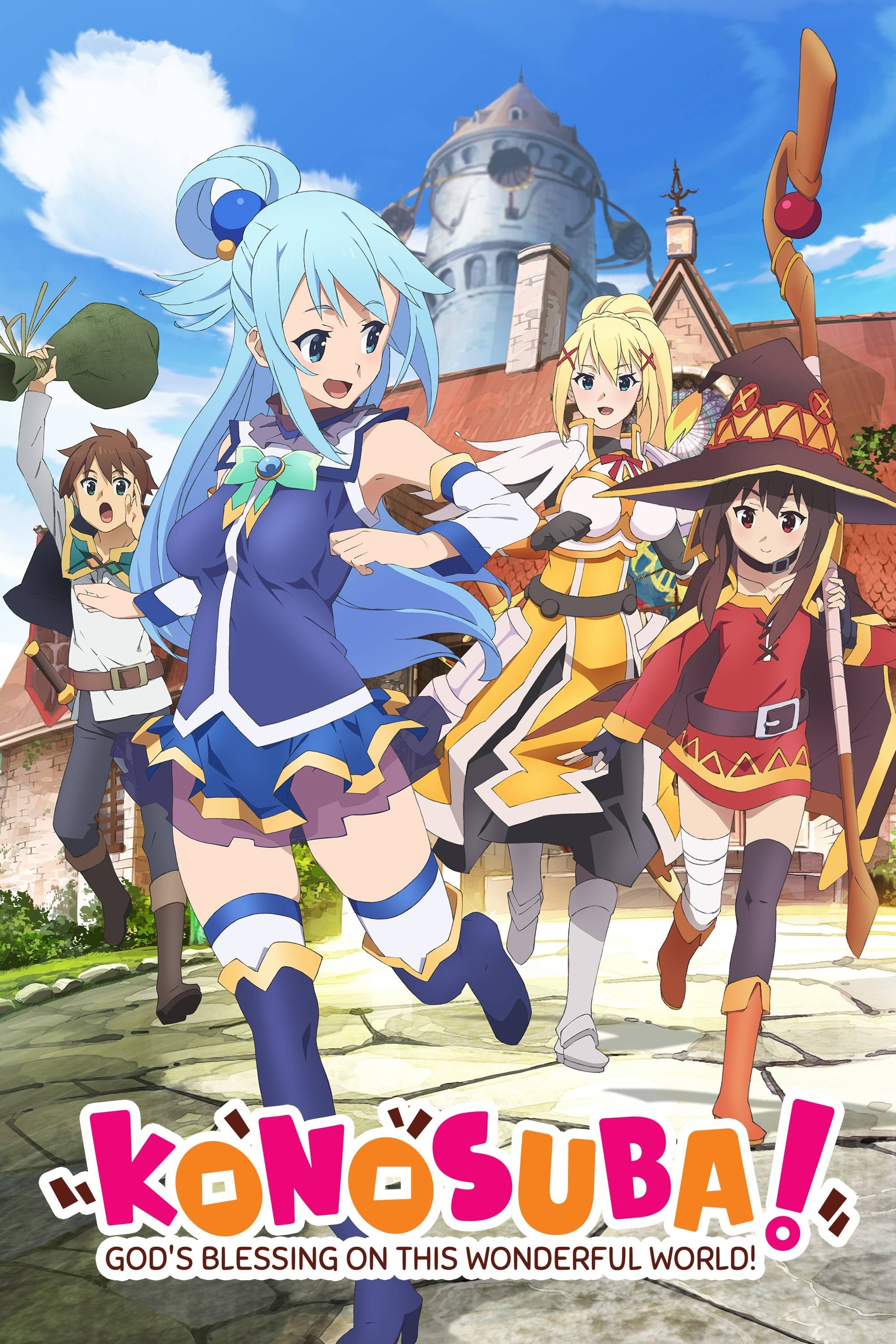
The fantasy world operates on video game logic where seasonal bosses are a tangible reality. The Winter Shogun is a powerful spirit that manifests during the winter months to punish anyone who disrespects the season or wastes food. He possesses the power to instantly kill adventurers, forcing them to bow in submission to survive his presence. This entity enforces a seasonal behavior code that overrides the usual power scaling of the protagonists. The arrival of winter is not just a climate shift but a spawn event for a high-level threat.
‘Naruto’ (2002–2007)

Chakra natures in this ninja world include elemental releases that can be amplified by existing environmental conditions. Techniques like Sasuke’s Kirin utilize natural lightning from thunderclouds to produce attacks far stronger than what a ninja could generate with their own energy. Haku’s Ice Release allows for the creation of crystal ice mirrors, a bloodline limit that combines wind and water natures. Characters from the Hidden Mist Village often use the dense fog of their homeland to perform silent assassinations. The environment acts as a force multiplier for those who know how to synchronize their jutsu with nature.
‘My Hero Academia’ (2016–)
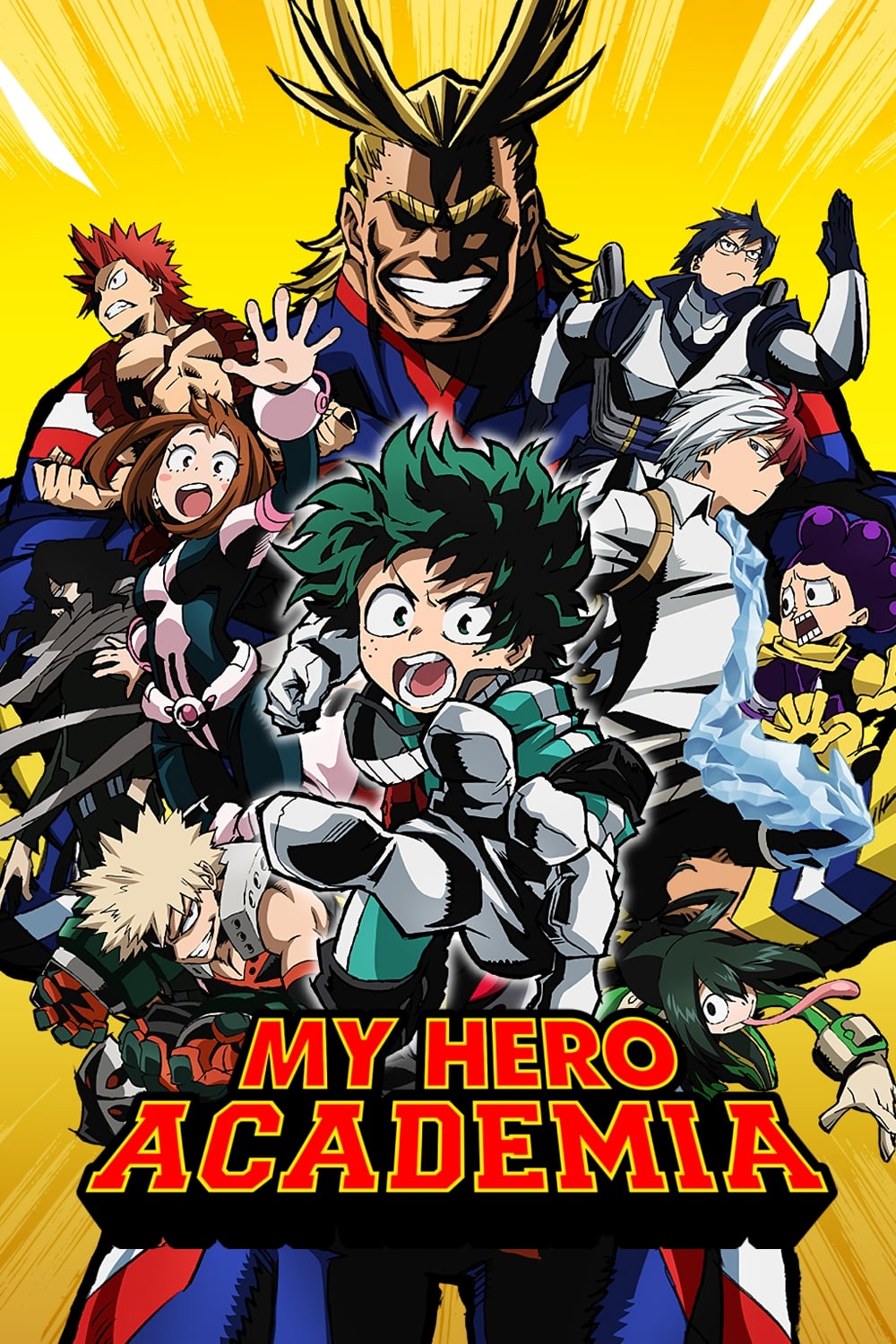
Quirks are biological abilities that often grant the user control over elemental forces similar to weather phenomena. Shoto Todoroki can generate massive amounts of ice and fire, but his body temperature must be regulated to prevent frostbite or overheating. Inasa Yoarashi utilizes a whirlwind quirk to control air currents with fine precision, acting as a human storm. These abilities can change the local weather, creating updrafts or freezing rain that affects everyone on the battlefield. The power system treats these elemental abilities as physical extensions of the body that interact with the laws of physics.
‘Black Clover’ (2017–2021)

Mages in the Clover Kingdom utilize grimoires to cast spells, many of which are derived from natural elements. Yuno is chosen by the Wind Spirit, Sylph, who grows and evolves, eventually granting him the power of the Spirit of Boreas, a reference to the North Wind. The Heart Kingdom utilizes a unique technique called Mana Method which draws power from the natural mana in the environment to create massive spells. This reliance on natural mana means that the strength of a mage can depend on the richness of nature around them. Seasonal motifs are also present in the designs and powers of various kingdoms.
‘Date A Live’ (2013–)
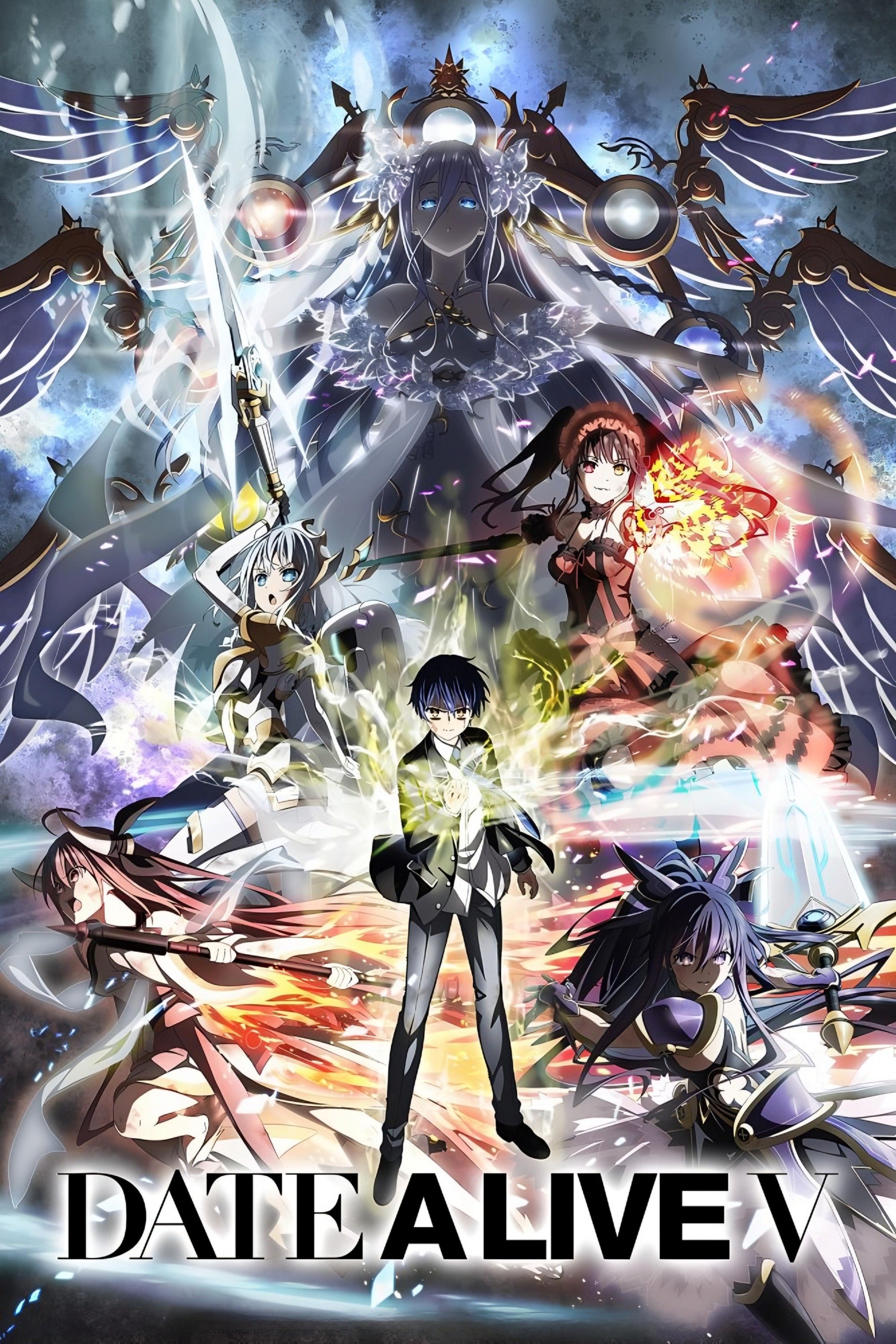
The Spirits in this series cause massive spatial quakes and environmental shifts when they manifest in the human world. Yoshino, the Hermit, controls water and ice, and her emotional distress can cause the temperature to plummet and snow to fall even in warmer seasons. Her angel, Zadkiel, takes the form of a massive puppet that can manipulate freezing storms for defense and offense. The Spirits’ powers are often so great that they inadvertently alter the weather of the city they occupy. Shido’s goal to date them is essentially a method of disaster prevention.
‘Rosario + Vampire’ (2008)
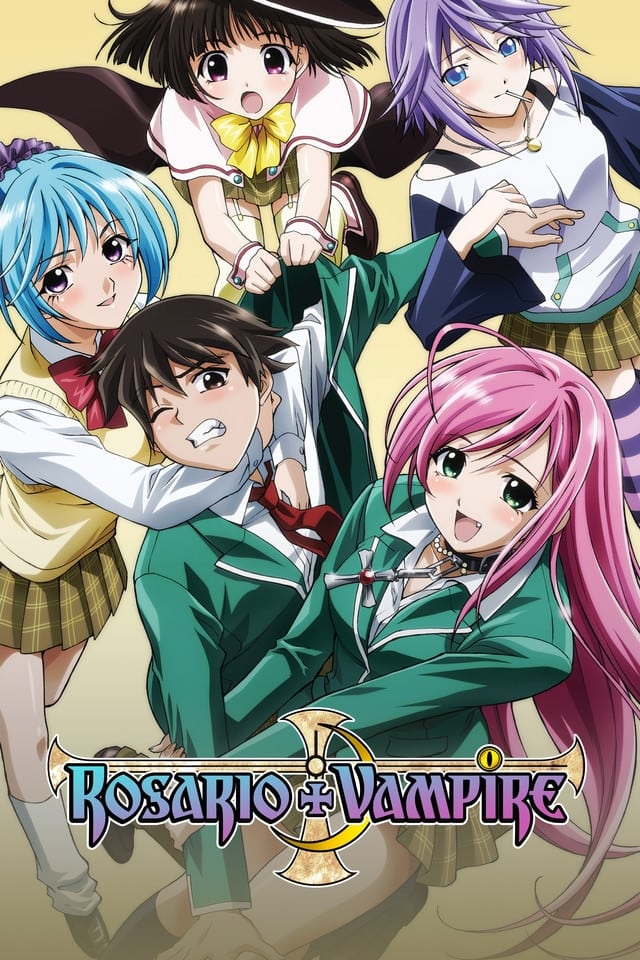
Monsters attend a high school disguised as humans, and their true forms are often mythical creatures with elemental affinities. Mizore Shirayuki is a Yuki-Onna, or Snow Woman, whose powers are entirely ice-based and strongest in cold environments. She creates claws of ice and can freeze objects solid, but she is susceptible to heat and often keeps a lollipop in her mouth to maintain her body temperature. Her stalking behavior is a play on the relentless nature of a winter storm. The lore stays true to the Japanese mythology that links her existence to the winter season.
‘Yu Yu Hakusho’ (1992–1994)
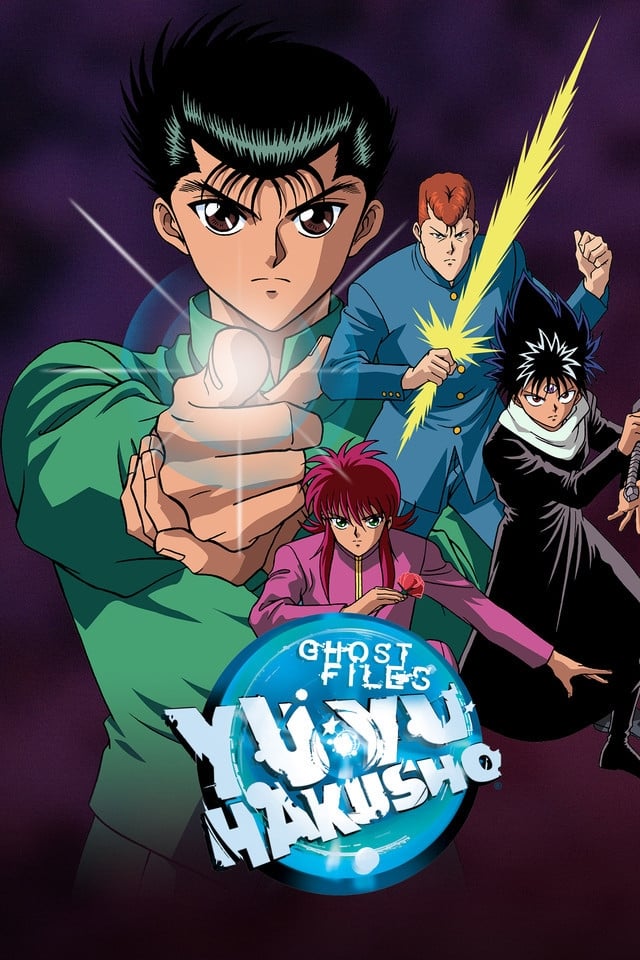
The Spirit World and Demon World are home to various apparitions with biology linked to their elemental habitats. The Ice Maidens, such as Yukina, live in a floating glacial land and possess the ability to manipulate freezing air and heal others. Their tears harden into valuable jewels, a trait developed in their harsh, isolated environment. Hiei, a fire demon, had to undergo surgery to implant the Jagan Eye to survive in the human world and control his own heat. The contrast between the ice and fire demons highlights how their powers are products of their native environments.
‘Witchy Precure!’ (2016–2017)
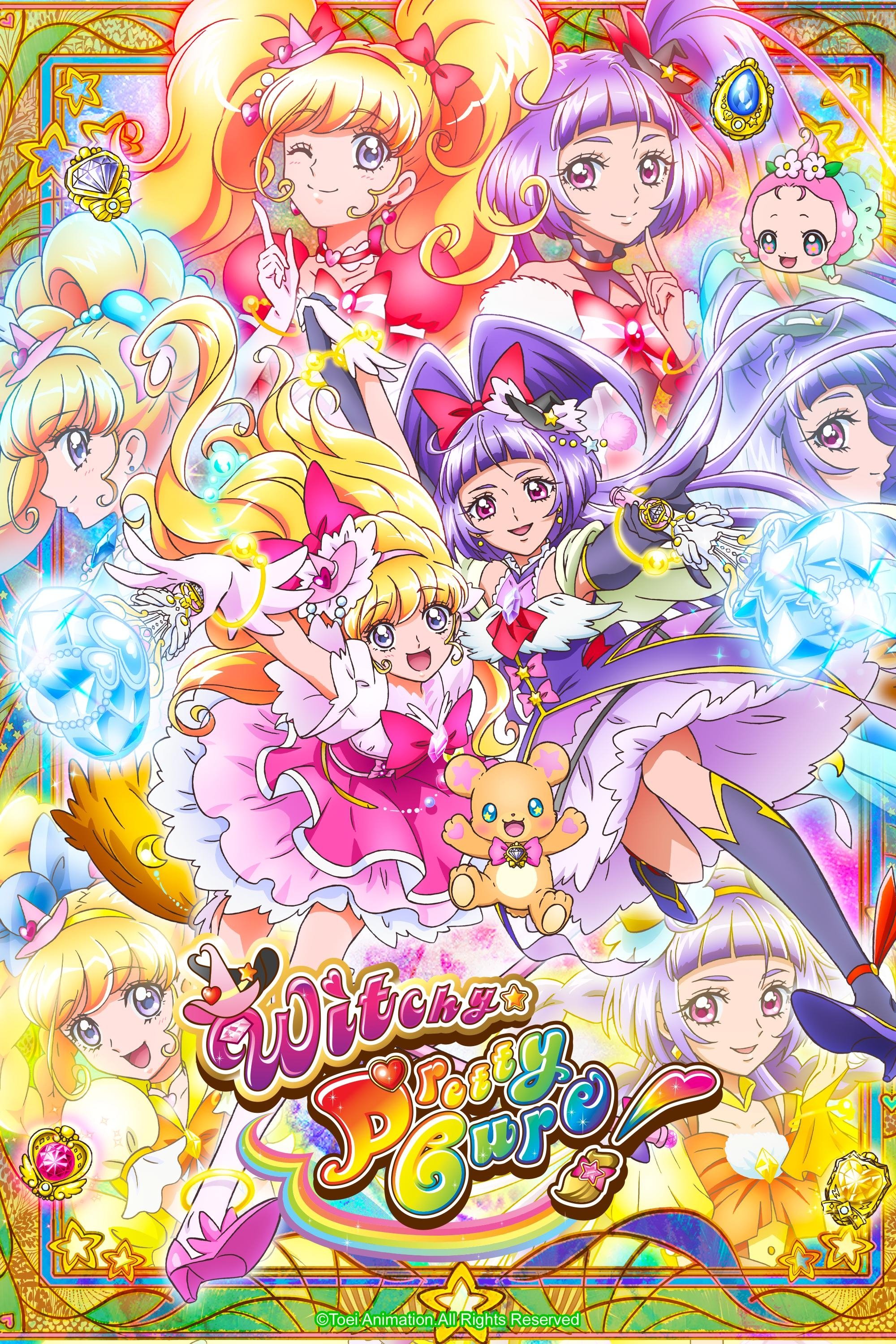
The protagonists in this iteration of the magical girl franchise use Linkle Stones to transform into different styles. These styles—Diamond, Ruby, Sapphire, and Topaz—grant them powers and outfits that correspond to different elemental themes and emotions often associated with seasons. The Ruby style harnesses the passion of fire and heat, while the Sapphire style utilizes the calmness of water and intelligence. The villains also utilize dark magic that corrupts the environment and the weather. The transformation sequence itself emphasizes the connection between the stones and the elemental forces of the world.
‘Fruits Basket’ (2019–2021)
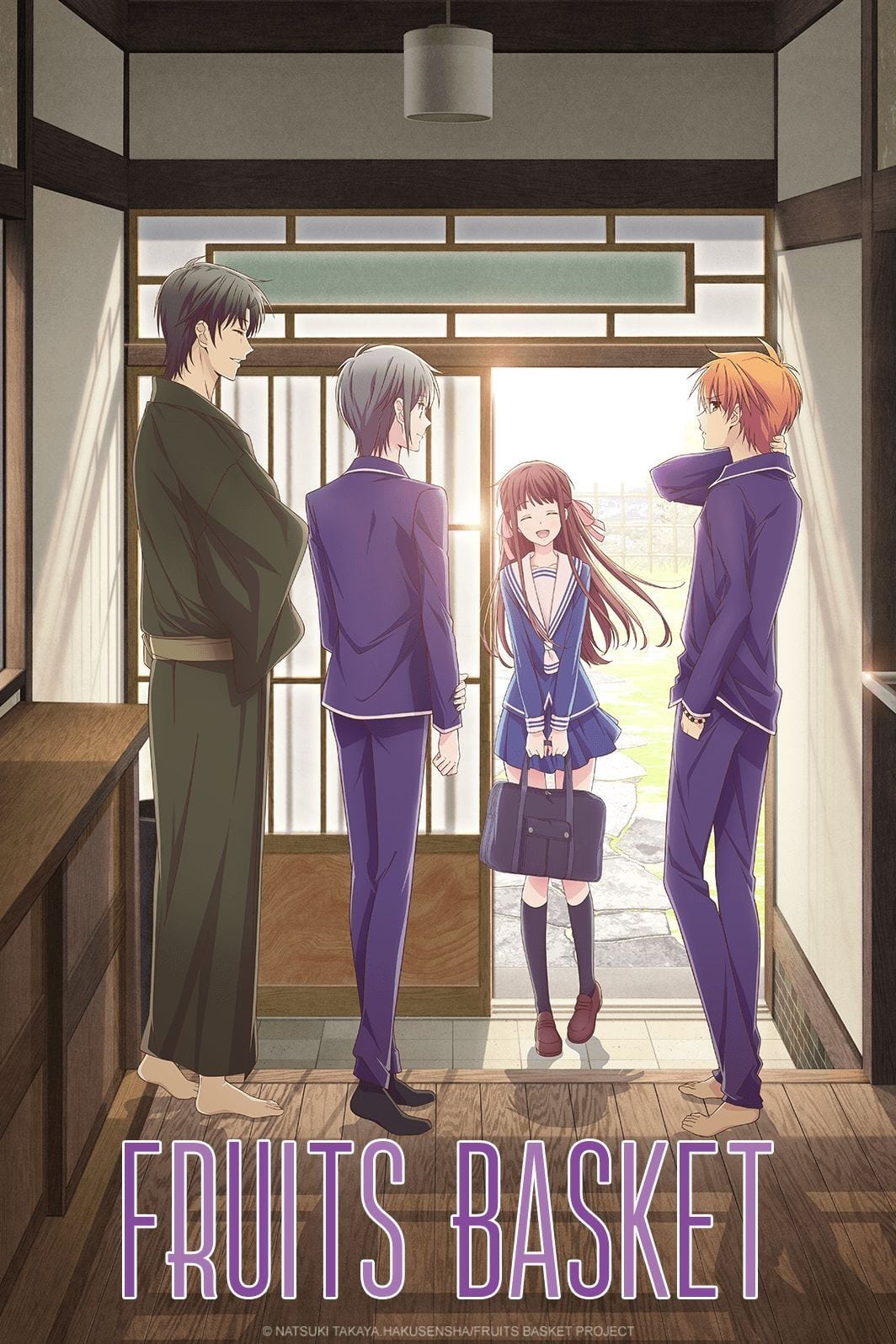
The Sohma family is cursed to turn into animals of the Chinese Zodiac when hugged by the opposite sex or when their bodies are under stress. Kyo Sohma, possessed by the Cat spirit, is particularly sensitive to the weather, as rain causes his body to weaken and ache. During heavy rain, his mood worsens, and he becomes physically lethargic, reflecting the dislike cats have for water. The curse is not just a transformation mechanic but a physical burden that reacts to the atmospheric pressure and humidity. The characters must navigate social interactions while constantly monitoring the weather forecast.
‘The Seven Deadly Sins’ (2014–2021)
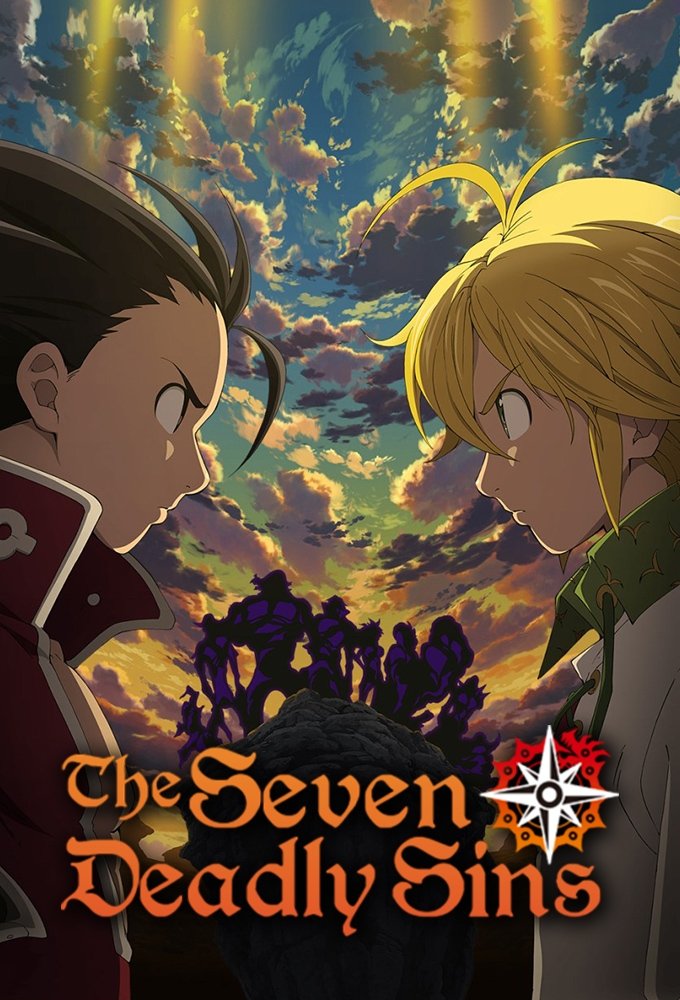
Escanor, the Lion’s Sin of Pride, possesses a power called Sunshine that fluctuates strictly according to the position of the sun. At night, he is a frail and timid man with no combat ability, but as the sun rises, his power and muscle mass grow exponentially. At high noon, he enters his peak form, “The One,” becoming the strongest character in the series for exactly one minute. This mechanic forces his team to plan their battles around the time of day and the availability of sunlight. His power is a direct tether to the celestial cycle of the day.
‘Nura: Rise of the Yokai Clan’ (2010–2011)
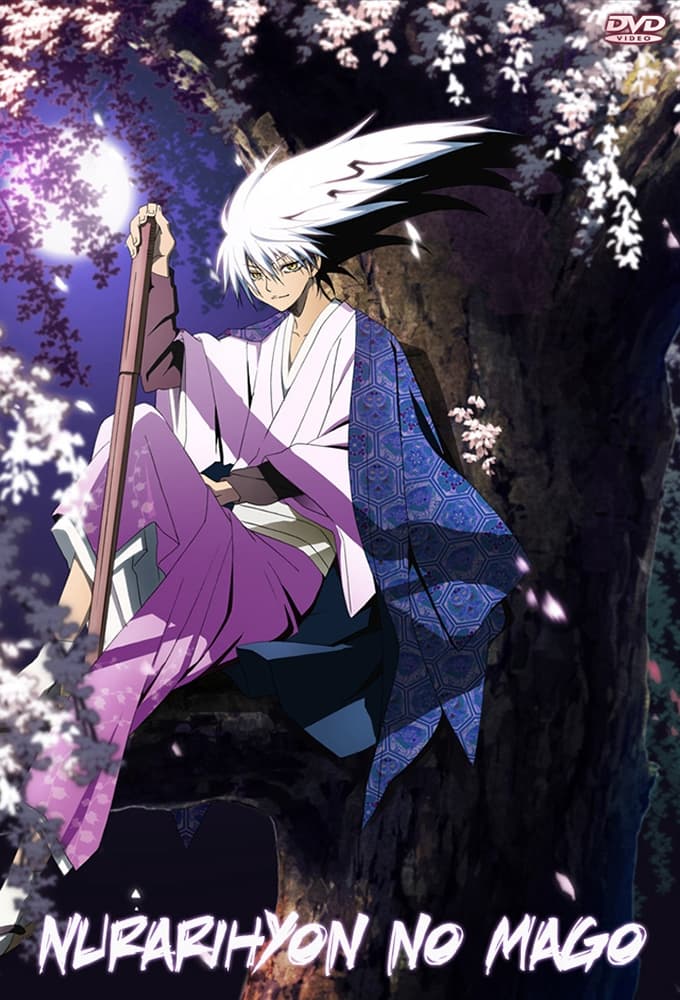
The world is populated by Yokai who draw their strength from fear and their specific mythologies. Tsurara Oikawa is a Yuki-Onna who serves the Nura clan and utilizes fear related to the cold and blizzards. She can create ice pillars, freeze enemies with her breath, and summon snowstorms to obscure vision. Her powers are conceptually linked to the winter season, and she often fears that her affection might freeze the human she loves. The Yokai in this series are living embodiments of the legends that often explained natural phenomena in ancient Japan.
Which of these weather-wielding worlds would you want to live in, or would you prefer to stay dry? Share your thoughts in the comments.