Anime That Drew Inspiration from Street Food Cultures


Anime frequently utilizes food as a narrative device to establish setting and character relationships. Street food culture in particular appears often to showcase the vibrant atmosphere of festivals or the daily lives of urban residents. These series range from cooking competitions to fantasy adventures that highlight the universal appeal of affordable outdoor dining. Viewers often find themselves hungry after watching characters enjoy steaming bowls of noodles or savory snacks from roadside stalls.
‘Naruto’ (2002–2007)

Naruto Uzumaki frequently visits Ichiraku Ramen to celebrate his victories or recover from difficult training sessions. The small stand represents the comfort of traditional Japanese yatai culture found in bustling cities. Teuchi serves affordable bowls of noodles that provide sustenance and emotional support to the young ninja. This setting highlights how street food acts as a communal hub for characters to bond over a hot meal.
‘Spirited Away’ (2001)

Chihiro and her parents discover an abandoned amusement park filled with unattended food stalls in the opening sequence. The parents gorge themselves on Taiwanese-inspired street dishes like ba-wan and roast poultry. This gluttonous scene sets the plot in motion when they transform into pigs for eating spirit food without permission. The detailed animation captures the steaming allure and danger of mysterious market cuisine.
‘Food Wars! Shokugeki no Soma’ (2015–2020)

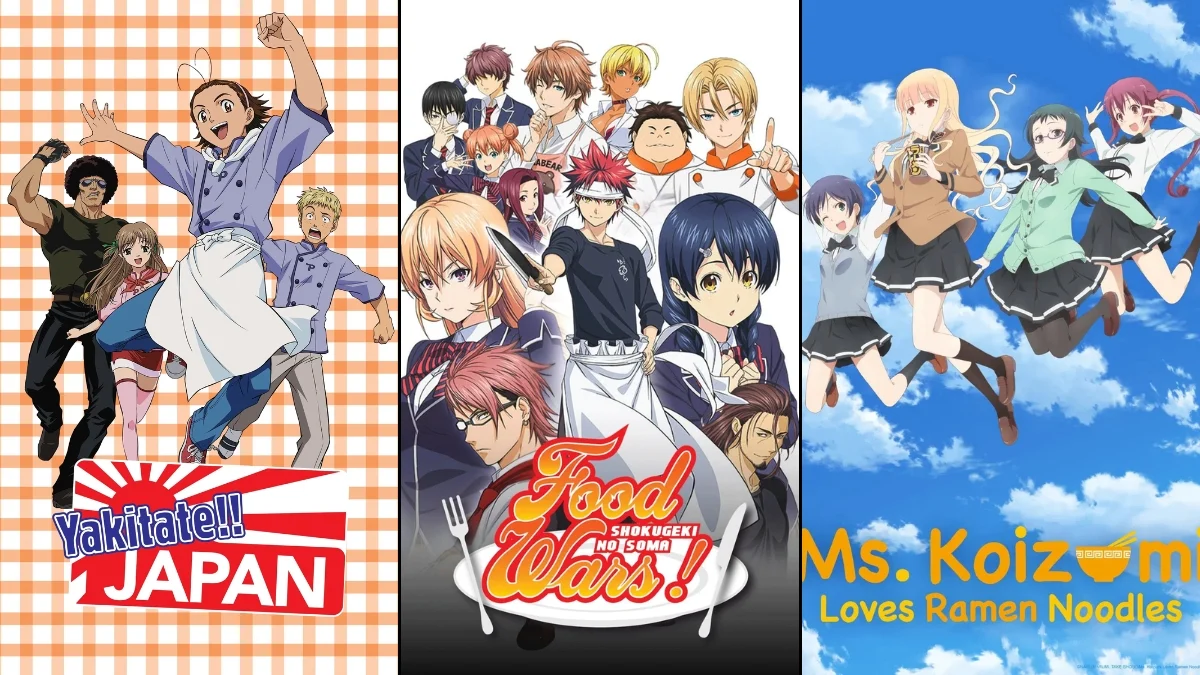
Soma Yukihira applies his background in diner cooking to create innovative dishes that often mimic street food styles. The series features arcs where students must run their own festival stalls and maximize profit through fast service. One notable storyline involves a battle centered on karaage where portable packaging becomes a key strategy. The show emphasizes the intense competition and culinary creativity found in food stall management.
‘Ranma ½’ (1989–1992)

Ukyo Kuonji operates a mobile okonomiyaki cart and battles her rivals using oversized cooking spatulas. Her character design and fighting style are entirely themed around the preparation of this savory Japanese pancake. The series uses her business to showcase the roaming nature of traditional food vendors. Ukyo often sets up her grill in public parks or school grounds to feed the main cast.
‘Ms. Koizumi Loves Ramen Noodles’ (2018)

The protagonist is a stoic high school girl who travels across Tokyo to sample different varieties of ramen. Many episodes feature her visiting small counters and ticket-machine shops that define urban noodle culture. The show educates viewers on the specific etiquettes of eating at these fast-paced establishments. It highlights the immense variety of regional flavors available to pedestrians in the city.
‘Samurai Champloo’ (2004–2005)

Mugen, Jin, and Fuu often stop at roadside tea houses and dango stalls during their travels across Edo-period Japan. These open-air dining spots serve as critical locations for gathering information or encountering new enemies. The series depicts the historical importance of street food for travelers on the long roads between towns. Simple meals like dumplings and soba act as fuel for their dynamic sword fights.
‘Crayon Shin-chan: Very Tasty! B-class Gourmet Survival!!’ (2013)

Shin-chan and his friends are tasked with transporting a legendary sauce to a culinary carnival. The movie focuses on the battle between pretentious A-class cuisine and the humble B-class street food loved by common people. Characters fight to protect the culture of yakisoba and other simple delights from being eradicated. The film celebrates the messy and flavorful joy of eating festival foods.
‘Demon Slayer: Kimetsu no Yaiba’ (2019–Present)

Tanjiro Kamado encounters the villain Muzan Kibutsuji while visiting a busy district in Tokyo. The scene begins with Tanjiro enjoying a bowl of yamakake udon from a small wooden cart vendor. This moment illustrates the contrast between the warmth of human street culture and the cold darkness of the demons. The humble cart represents the peace Tanjiro is fighting to protect.
‘Wakakozake’ (2015)

Wakako is a young office worker who enjoys solo dining at various bars and food stalls after work. The short episodes often focus on her finding hidden gems that serve grilled skewers or fried snacks. Her internal monologue describes the perfect pairing of street snacks with different types of alcohol. The anime captures the relaxation of unwinding at a lantern-lit yatai.
‘Cooking Master Boy’ (1997–1998)

Mao travels across China to learn new techniques and often participates in street market cooking duels. The series exaggerates the preparation of traditional dishes found in open-air bazaars. Visual metaphors accompany the tasting scenes to emphasize the explosive flavors of the cuisine. It showcases the vibrant and chaotic energy of historical Chinese food markets.
‘Yakitate!! Japan’ (2004–2006)

Kazuma Azuma seeks to create a national bread for Japan and often demonstrates his skills in public spaces. Several arcs involve baking competitions held outdoors where the reaction of the crowd is essential. The show treats baking with the same immediacy and flair usually reserved for stir-fry or grilling. These public tastings mirror the way street vendors draw customers with the scent of fresh food.
‘Silver Spoon’ (2013–2014)

Students at an agricultural high school learn the value of farm-to-table cooking through hard work. The school festival arc features the main characters setting up a pizza stall to serve the public. They construct a stone oven and use fresh ingredients to create a rustic dining experience. This storyline highlights the logistical challenges and rewards of running a food stand.
‘Dagashi Kashi’ (2016–2018)

The story revolves around a small shop selling cheap snacks and candies known as dagashi. These affordable treats are culturally adjacent to street food and often sold in similar neighborhood environments. The characters discuss the history and proper way to consume these nostalgic items. It serves as a love letter to the inexpensive snacks that children buy with pocket money.
‘Toriko’ (2011–2014)

Toriko explores a world where flavor is the most important currency and markets are the center of civilization. The Gourmet World features massive bazaars selling ingredients and prepared dishes from exotic monsters. Chefs cook on the street using superhuman abilities to feed massive crowds of hungry citizens. The scale of the food culture is exaggerated to match the shonen action elements.
‘Cowboy Bebop’ (1998–1999)

Spike Spiegel and his crew often eat at multicultural food stalls on various terraformed planets. The setting blends futuristic sci-fi elements with the gritty reality of street ramen and kebabs. These scenes ground the space opera in a relatable reality where people still need cheap meals. The steaming bowls of noodles serve as a visual anchor in the chaotic cyberpunk cities.
‘Oishinbo’ (1988–1992)

Journalists Yamaoka and Kurita explore the depth of Japanese cuisine from high-end restaurants to humble street vendors. The series often argues that the most authentic flavors are found in simple dishes like takoyaki or yakitori. Yamaoka frequently challenges snobbish gourmets by proving the quality of common street food. It treats every form of cooking with academic seriousness and respect.
‘Ben-To’ (2011)

High school students engage in physical brawls to secure half-priced bento boxes at local supermarkets. While set in a store, the chaotic scramble for affordable pre-made meals mirrors the rush of a night market. The characters treat the acquisition of discount fried chicken and rice balls as a matter of honor. It satirizes the intense desire for cheap and convenient food.
‘Campfire Cooking in Another World with My Absurd Skill’ (2023)

Mukoda uses his ability to order modern groceries to cook delicious meals while traveling in a fantasy world. He prepares dishes like grilled meat sandwiches and pasta in an outdoor camping style that resembles street vending. The smell of his cooking attracts powerful mythical beasts who demand to be fed. The series focuses on the joy of cooking simple comfort food in the open air.
‘Isekai Izakaya: Japanese Food From Another World’ (2018)
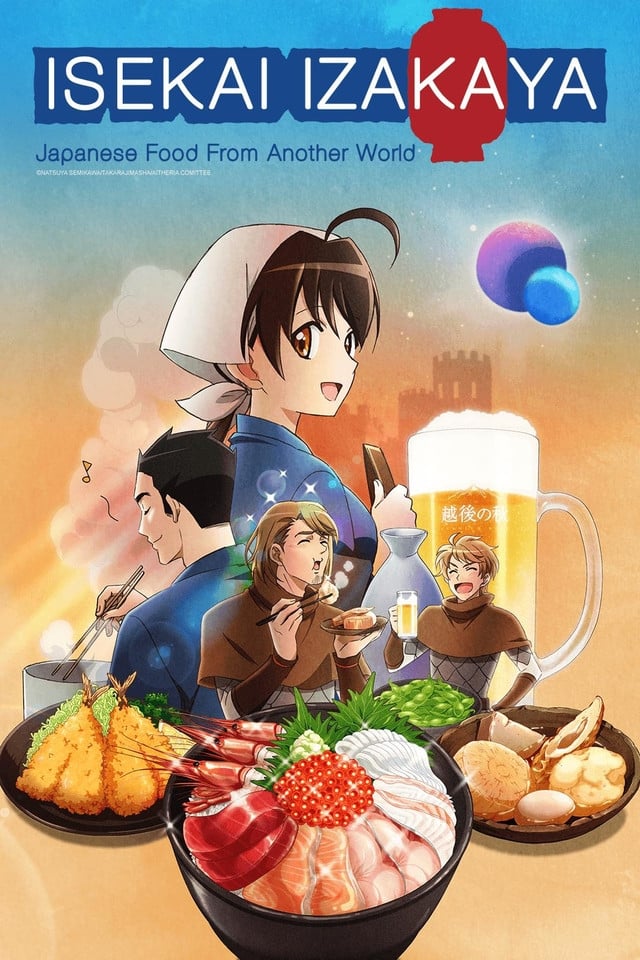
A traditional Japanese pub connects to a fantasy world and serves patrons unfamiliar with the cuisine. The informal atmosphere and counter seating resemble the intimacy of yatai dining. Knights and guards discover common street staples like fried chicken and draft beer for the first time. The show includes live-action segments that explore real-world restaurants and recipes.
‘Ramen Fighter Miki’ (2006)

Miki works as a delivery girl for her family’s Chinese noodle shop and constantly gets into fights. The anime focuses on the daily hustle of a neighborhood eatery that serves the local community. Miki runs through the streets to deliver hot food while battling rivals and eccentric customers. It captures the frantic energy of the food service industry in a comedic tone.
Tell us which anime street food scene made your mouth water the most in the comments.