Romantic Comedies From the 2000s That Are Actually Toxic



The 2000s represented a golden era for the romantic comedy genre with blockbuster hits dominating the box office and defining pop culture. Audiences flocked to theaters to watch grand gestures and improbable love stories that often prioritized dramatic climaxes over healthy relationship dynamics. Many of these beloved films rely on plot devices that normalize manipulation or deceit in the pursuit of romance. Revisiting these movies today reveals how often harassment or toxic behaviors were framed as charming quirks. The following list examines twenty-five films from that decade featuring relationship dynamics that raise serious red flags.
‘Love Actually’ (2003)

The film weaves together multiple storylines of love and heartbreak leading up to Christmas in London. One particular narrative involves Mark secretly filming close-ups of his best friend’s wife Juliet during her wedding. He later shows up at her door to silently profess his love using cue cards while her husband sits inside. This gesture forces Juliet into a position of keeping secrets from her partner to protect Mark’s feelings. The movie frames this betrayal of friendship and boundary crossing as a bittersweet romantic moment.
‘The Ugly Truth’ (2009)

A morning show producer named Abby is forced to work with Mike who is a cynical television personality. Mike coaches Abby on how to manipulate men by changing her personality and physical appearance to fit male fantasies. The film suggests that women must suppress their intelligence and authentic selves to secure a romantic partner. His advice relies heavily on misogynistic stereotypes that reduce relationships to power games. The narrative ultimately rewards Mike for his crude behavior by having Abby fall in love with him.
‘How to Lose a Guy in 10 Days’ (2003)
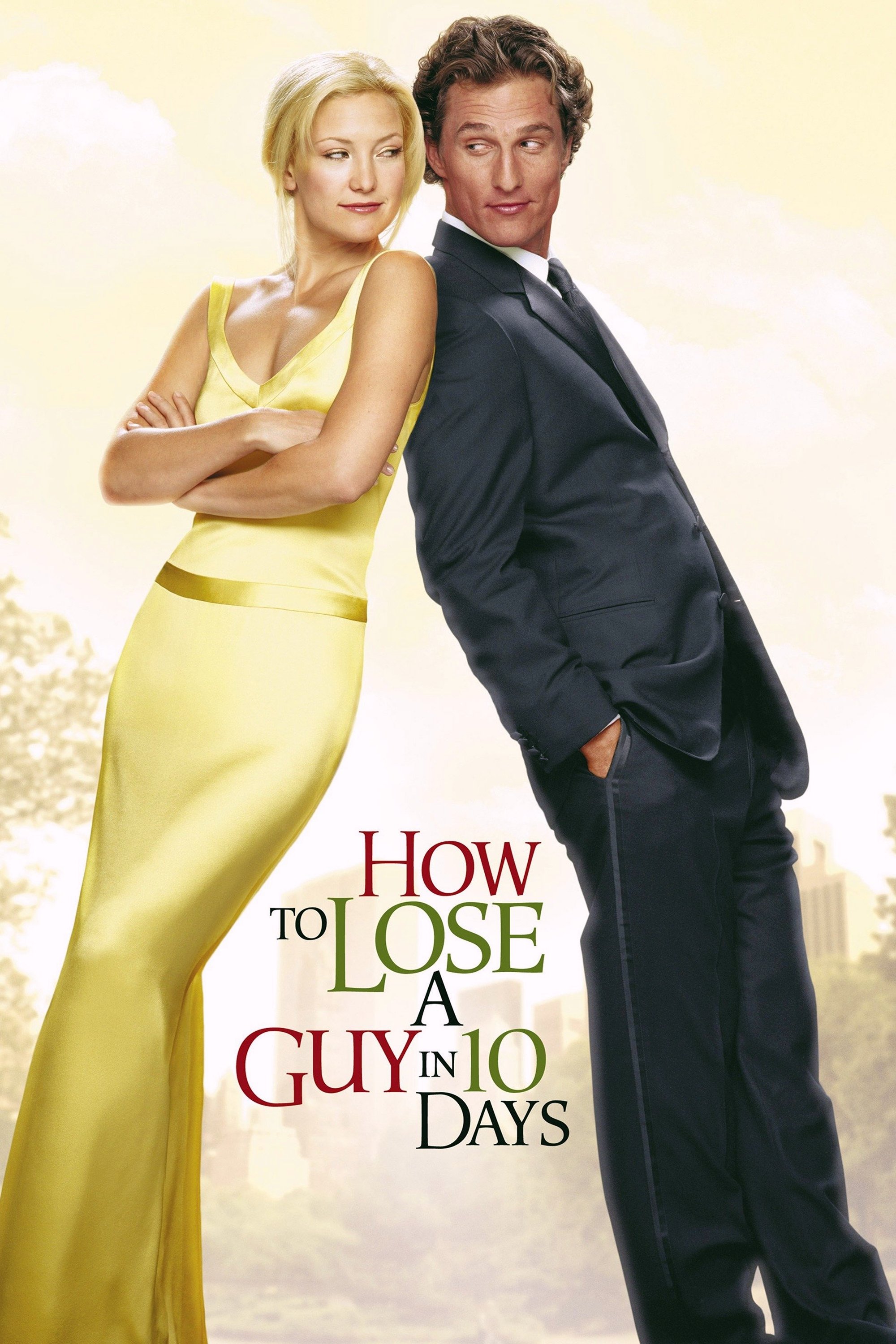
Andie is a journalist who writes an article about driving a man away while Ben is an executive betting he can make a woman fall in love. The entire premise relies on mutual deception where neither party consents to the actual terms of the relationship. Andie engages in erratic and emotionally abusive behaviors to intentionally cause distress to her partner. Ben refuses to respect her desire to break up because he has financial stakes riding on her submission. Their eventual romance is built on a foundation of lies and manipulation rather than trust.
‘Wedding Crashers’ (2005)

John and Jeremy act as divorce mediators who spend their free time crashing weddings to sleep with vulnerable women. They create elaborate fake identities to manipulate guests into trusting them for one-night stands. The film treats their predatory deception as a fun hobby until one of them falls for a politician’s daughter. John continues his lie to get closer to Claire despite her having a boyfriend and trusting his fabricated persona. The narrative minimizes the violation of consent involved in sleeping with people under false pretenses.
’50 First Dates’ (2004)

Henry falls for an art teacher named Lucy who suffers from short-term memory loss and forgets him every single day. He decides to stage encounters to make her fall in love with him repeatedly without her knowing she is part of a routine. Her father and brother eventually allow Henry to manipulate her environment and reality daily. The romance relies on Henry having total control over the information Lucy receives about her own life. This dynamic removes her agency as she cannot make informed long-term decisions about her relationship.
‘My Super Ex-Girlfriend’ (2006)

Matt breaks up with Jenny after discovering she is a superhero named G-Girl with controlling tendencies. Jenny responds to the rejection by using her superpowers to torment Matt and destroy his property. The film plays her abusive retaliation for laughs despite the clear danger she poses to Matt and his new partner. She throws a shark into his apartment and uses her strength to physically intimidate him. The story trivializes intimate partner violence by masking it with comic book fantasy elements.
‘Monster-in-Law’ (2005)

Viola Fields is a disgraced news anchor who decides to sabotage her son’s relationship with a temp worker named Charlie. Viola engages in psychological warfare by faking anxiety attacks and poisoning Charlie on the day of the wedding rehearsal. The mother intentionally tries to drive a wedge between the couple to maintain control over her son. Charlie eventually retaliates by drugging Viola and destroying her dress in a tit-for-tat escalation. The film presents this toxic family dysfunction as a comedic battle of wills.
‘Failure to Launch’ (2006)

Tripp is a thirty-five-year-old man still living with his parents who want him to move out. His parents hire a professional interventionist named Paula to pretend to date him and motivate him to leave the nest. Paula manipulates Tripp emotionally by feigning interest and creating a fake relationship based on his parents’ payroll. The entire romance is orchestrated without Tripp’s knowledge or consent regarding the transaction. He is the victim of a conspiracy by the people he trusts most in his life.
‘Shallow Hal’ (2001)

Hal is a superficial man who only dates conventionally attractive women until he is hypnotized to see inner beauty. The film relies on visual jokes that mock the bodies of overweight people while claiming to deliver a message about personality. Hal only treats Rosemary with kindness because he hallucinates that she looks like a supermodel. The premise suggests a man must be literally brainwashed to find a plus-size woman attractive. Rosemary is subjected to a relationship where her partner does not see her physical reality.
‘Just Friends’ (2005)
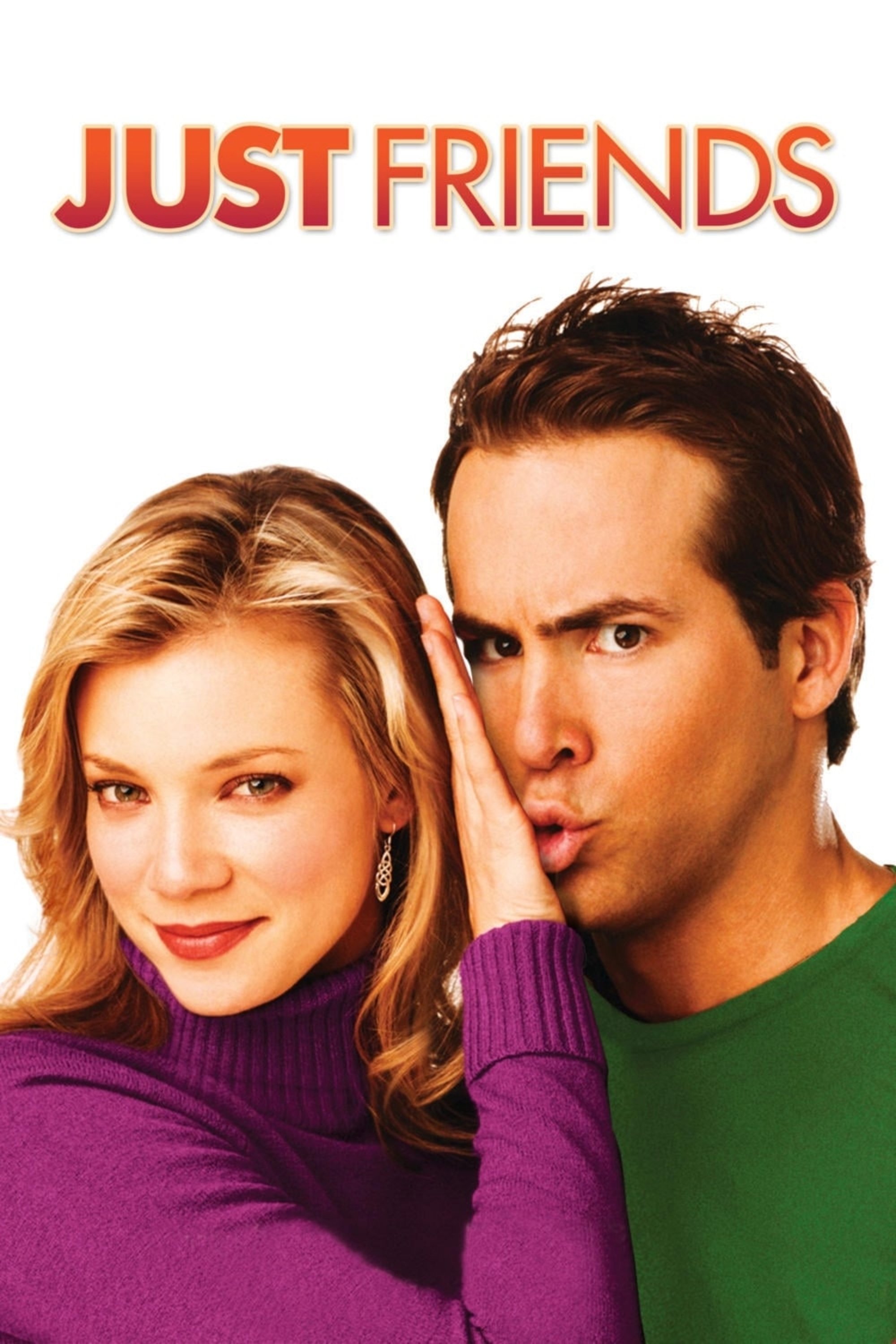
Chris is a successful music executive who returns to his hometown to woo his high school crush Jamie. He approaches the relationship with a sense of entitlement because he lost weight and gained money. Chris attempts to sabotage Jamie’s potential suitors and manipulates situations to force romantic moments. The film frames his nice guy persona as a cover for his anger over being rejected as a teenager. His aggressive pursuit ignores Jamie’s agency and feelings throughout the story.
‘The Proposal’ (2009)
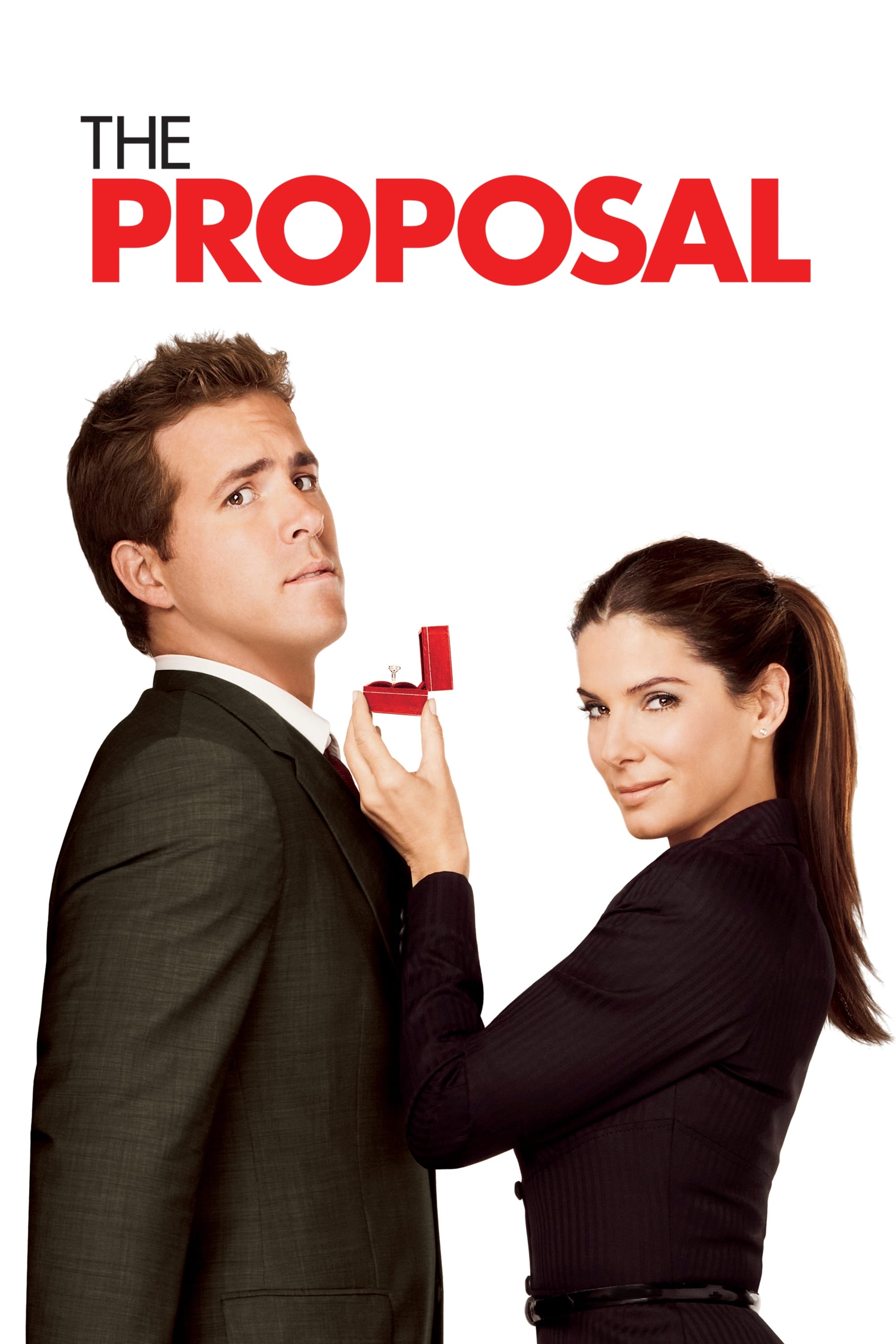
Margaret creates a fraudulent engagement with her assistant Andrew to avoid deportation to Canada. She leverages her position of power as his boss to coerce him into a felony. Andrew is forced to introduce her to his family and maintain the lie or risk losing his career. The workplace power imbalance makes his consent to the scheme impossible to freely give. Their eventual marriage implies that coercion is an acceptable way to start a lifelong partnership.
‘Sweet Home Alabama’ (2002)

Melanie becomes engaged to the mayor’s son in New York without legally divorcing her husband Jake in Alabama. She returns home to demand a divorce while insulting Jake and the life she left behind. Melanie outs her husband’s secrets and humiliates him in front of their community to get what she wants. She maintains a relationship with her fiancé while emotionally reconnecting with her spouse. The film romanticizes her indecision and the deception she maintains with both men.
‘Made of Honor’ (2008)
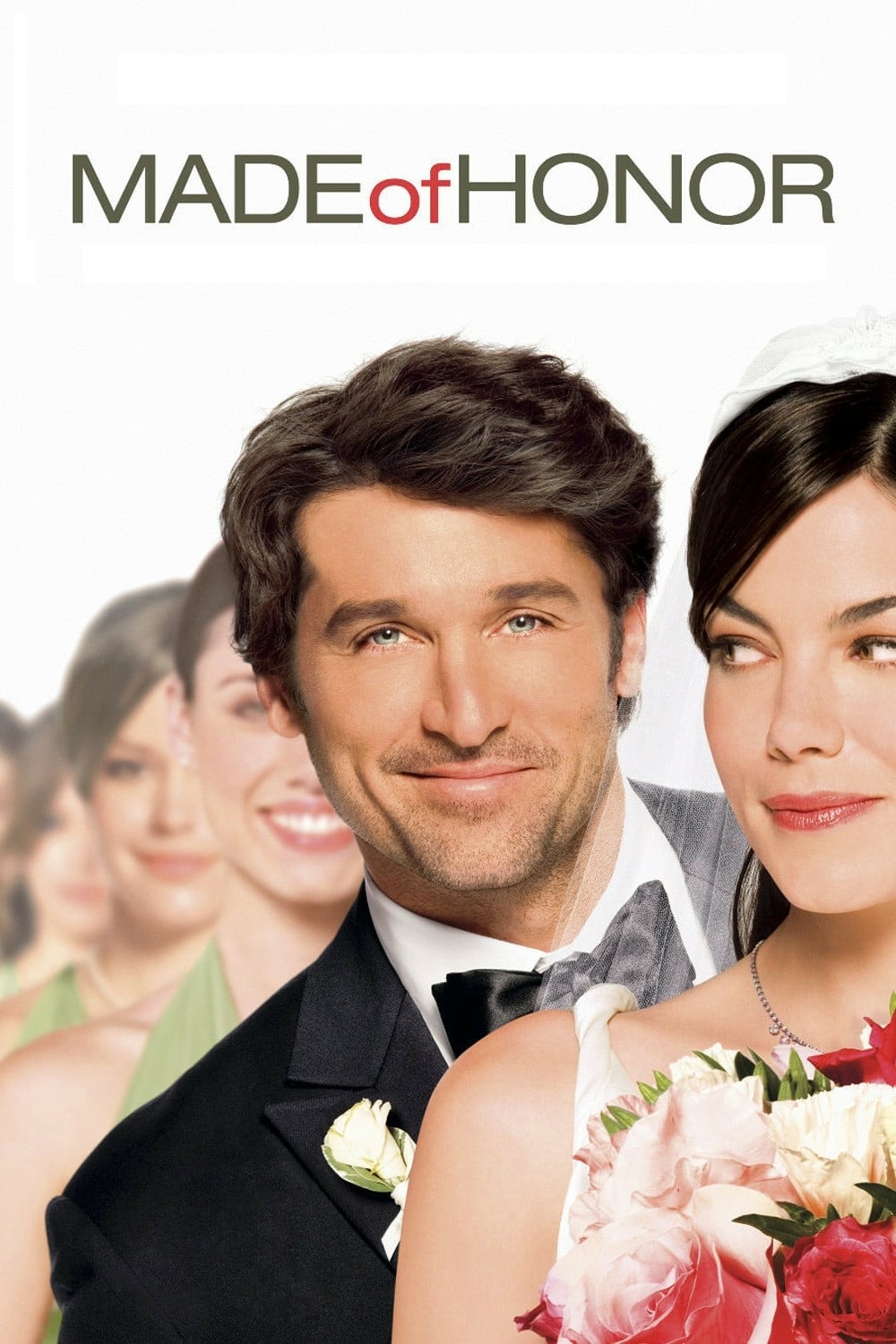
Tom realizes he is in love with his best friend Hannah only after she gets engaged to a wealthy Scotsman. He agrees to be her maid of honor with the specific intention of sabotaging her wedding from the inside. Tom uses his intimate knowledge of Hannah to undermine her fiancé and cause friction in their relationship. His actions display a total lack of respect for her choices and autonomy. The movie rewards his selfish interference by having Hannah leave her groom at the altar.
‘What Happens in Vegas’ (2008)

Jack and Joy get married during a drunken night in Las Vegas and win a massive jackpot. A judge freezes the money and forces them to live together for six months to prove they are trying to make the marriage work. Both characters spend the majority of the film actively trying to make each other miserable to secure the divorce settlement. They sabotage job opportunities and living arrangements in a display of mutual malice. The transition from hating each other to loving each other glosses over the toxic abuse.
‘Good Luck Chuck’ (2007)

Chuck discovers that women find their true love immediately after sleeping with him. He becomes obsessed with Cam and decides to stalk her to ensure he does not lose her to this curse. His behavior involves tracking her movements and engineering situations to keep her isolated from other men. Chuck treats Cam like a prize to be won rather than a human being with free will. The film presents his obsessive monitoring as a quirky side effect of his infatuation.
‘Hitch’ (2005)

Alex Hitchens works as a professional date doctor who teaches men how to trick women into falling for them. He creates scripted scenarios that give men an unfair advantage over their unsuspecting targets. The philosophy of the film suggests that women are puzzles to be solved through calculated maneuvers rather than honest connection. Hitch manipulates a gossip columnist while hiding his profession from her. The premise validates the idea that deception is a necessary tool for romantic success.
‘Serendipity’ (2001)

Jonathan and Sara meet briefly and decide to let fate determine if they should be together. Years later they are both engaged to other people but proceed to hunt each other down days before their respective weddings. They emotionally cheat on their loyal partners who are depicted as obstacles to their destiny. The film romanticizes the abandonment of commitment in favor of a superstitious hunch. Their fiancés are left heartbroken as collateral damage in their pursuit of a magical connection.
’27 Dresses’ (2008)

Jane is a perpetual bridesmaid who is secretly in love with her boss George. Her sister Tess comes to town and lies about her interests to trick George into proposing to her. Jane enables this behavior for most of the film before vindictively exposing Tess at her engagement party. The story features two sisters who are willing to manipulate and humiliate each other over a man. George is treated as a trophy to be stolen rather than a participant in the relationship.
‘Bride Wars’ (2009)

Liv and Emma are best friends who turn into bitter enemies when their weddings are scheduled on the same day. They engage in sabotage that includes tampering with spray tans and hair dye to ruin the other’s appearance. The film suggests that a single day is more important than a lifetime of friendship. Their partners are largely ignored as the women focus entirely on destroying one another. The toxicity of their rivalry is played for laughs despite the deep emotional scars they inflict.
‘Ghosts of Girlfriends Past’ (2009)

Connor Mead is a celebrity photographer who treats women as disposable objects and breaks up with them via conference call. He attends his brother’s wedding and actively tries to convince the groom that marriage is a mistake. The film reveals he has been manipulating women for decades to protect himself from heartbreak. His redemption arc attempts to excuse years of misogyny and emotional abuse because he was sad about a childhood crush. The narrative forgives his predatory behavior too easily.
‘Confessions of a Shopaholic’ (2009)
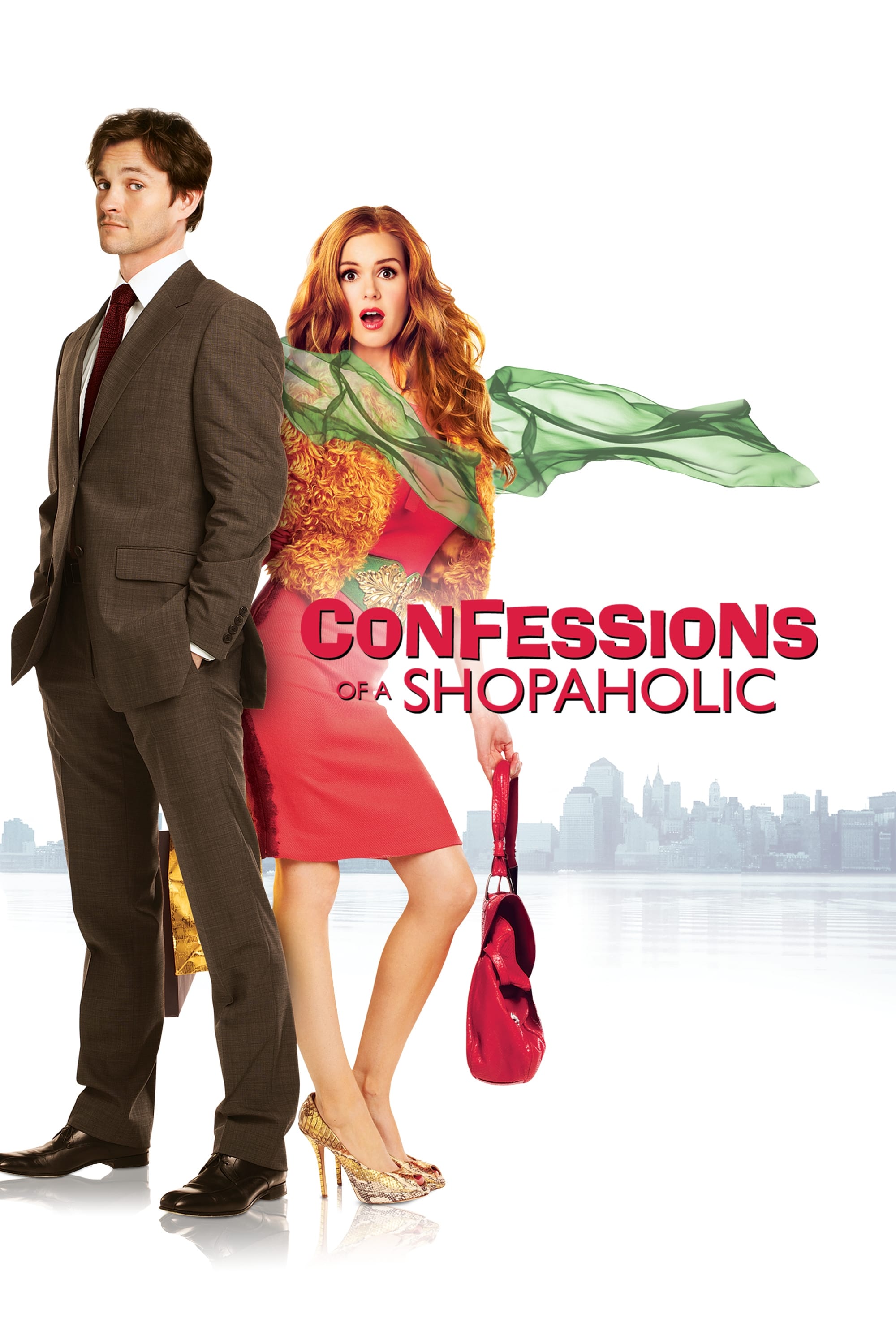
Becky Bloomwood is drowning in debt but lands a job at a financial magazine by lying about her expertise. She constantly deceives her boss Luke about her financial situation and her stalker who is actually a debt collector. Her entire career and relationship are built on a pyramid of falsehoods that she struggles to maintain. Becky puts Luke’s reputation at risk by publishing advice she does not follow or understand. The film treats her pathological lying and financial irresponsibility as endearing quirks.
‘He’s Just Not That Into You’ (2009)

This ensemble film reinforces the idea that men who treat women poorly are secretly in love with them. Characters repeatedly interpret clear rejection or lack of effort as a sign of hidden affection. One storyline involves a woman stalking a man she met once while another normalizes a husband’s infidelity. The script tells women to scrutinize every interaction rather than accepting a man’s behavior at face value. It promotes an anxious attachment style disguised as romantic pursuit.
‘The Sweetest Thing’ (2002)

Christina meets Peter at a club and decides to track him down after he leaves town the next morning. She and her friend drive hours to crash his brother’s wedding based on a single brief conversation. The behavior borders on stalking as she inserts herself into a private family event uninvited. The film frames this invasion of privacy as a spontaneous and adventurous act of love. Peter accepts this boundary crossing without question because the script demands a happy ending.
‘Two Weeks Notice’ (2002)
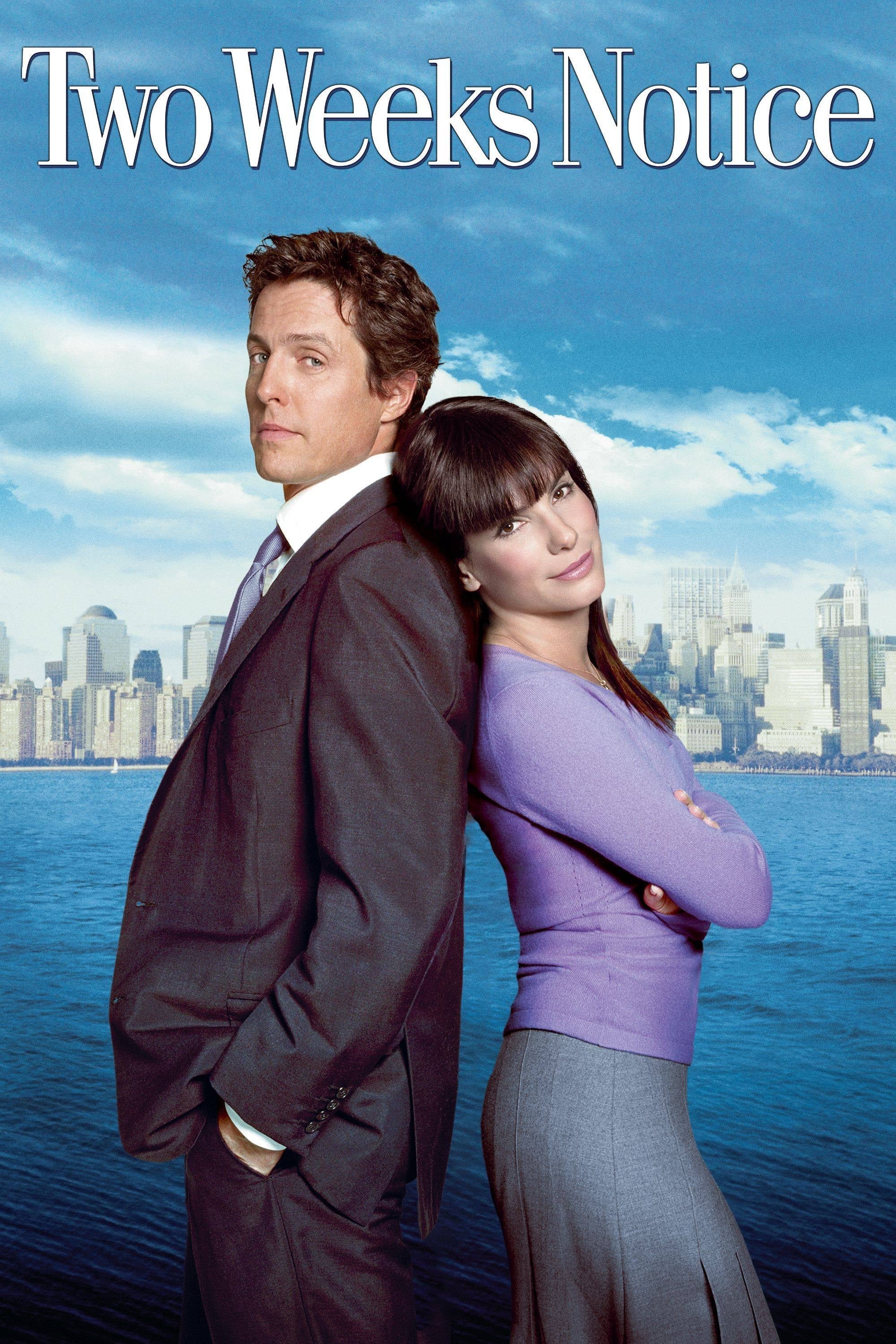
George is a billionaire developer who hires Lucy as his legal counsel but treats her like a personal servant. He calls her at all hours for advice on his wardrobe and personal life rather than utilizing her legal skills. This workplace harassment prevents Lucy from having a personal life or pursuing her own goals. George only values her presence when she attempts to resign to preserve her sanity. The romantic resolution ignores the years of professional disrespect Lucy endured.
‘Along Came Polly’ (2004)

Reuben is a risk analyst who creates a computer program to decide if he should date Polly. He treats relationships as data points and invades Polly’s privacy by analyzing her life without her input. Polly is chaotic and refuses to compromise on basic hygiene or living standards which causes Reuben distress. The relationship is built on one person trying to change the other completely. Their compatibility is nonexistent yet the film insists they belong together.
Share your thoughts on which 2000s rom-com you think has aged the worst in the comments.