Anime That Critiqued Campaign Finance With One Arc


Political systems across the globe are often defined by the financial interests that support them and anime is no exception to exploring these complex themes. Many series dedicate specific story arcs to investigating how money influences elections and policy decisions through the lens of speculative fiction. These narratives provide a critical look at the ethics of lobbying and the concentration of power within the hands of a wealthy few. By examining the intersection of capital and governance these shows offer viewers a chance to reflect on the real world implications of campaign finance.
‘Gatchaman Crowds Insight’ (2015)

In the second season of this series the narrative explores the dangers of a digital democracy where public sentiment is easily manipulated by technology. A new political figure named Gelsadra gains popularity by promising a world without conflict which is facilitated by an app that simplifies complex political decisions. The story highlights how the cost of such a campaign is not just monetary but involves the surrender of individual critical thinking to a collective hive mind. This arc serves as a critique of how modern political movements can be funded and accelerated through social media platforms that prioritize engagement over substance.
‘Psycho-Pass 3’ (2019)

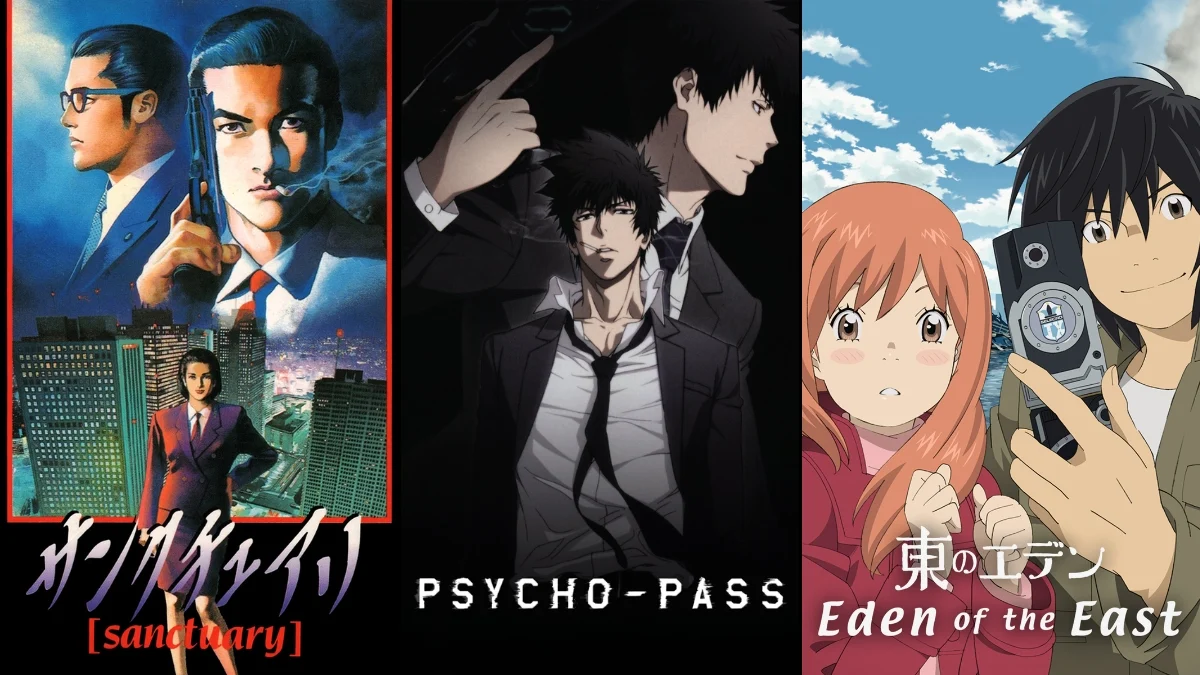
The third installment focuses on two new Inspectors who investigate the shadowy organization known as Bifrost during a high stakes gubernatorial election. Candidates in the race are manipulated by a betting system called Roundrobin which treats the political future of Tokyo like a controlled stock market. The plot reveals how corporate interests and hidden investors can steer the outcome of an election by pouring resources into specific social outcomes. It examines the intersection of automated governance and the corrupting influence of dark money in the pursuit of power.
‘Mobile Suit Gundam: Iron-Blooded Orphans’ (2015–2017)

During the second season the series introduces a political arc involving the election of the Prime Minister for the Arbrau region. The protagonist group Tekkadan finds themselves entangled in the struggle between rival candidates who use military force and corporate backing to secure their positions. The narrative critiques the way that wealthy entities fund political proxies to ensure that favorable economic policies are maintained across the solar system. This arc emphasizes the reality of how campaign support from private military companies can destabilize an entire government.
‘The Legend of the Galactic Heroes: Die Neue These’ (2018–2022)
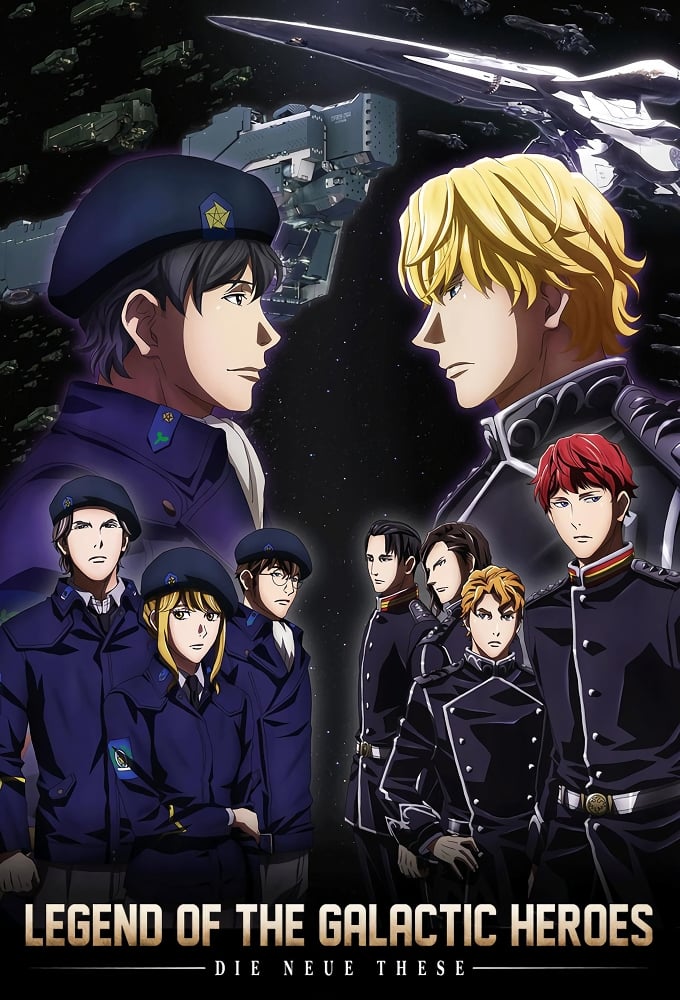
This series delves into the internal politics of the Free Planets Alliance where a leader named Job Trunicht uses specific rhetoric to maintain his authority. The story illustrates how the ruling class utilizes war funding and military contracts to keep themselves in power during a time of crisis. It portrays the manipulation of democratic processes by groups that prioritize defense spending over other social programs. The political machinations shown in this arc demonstrate how political campaigns are sustained through the exploitation of national issues.
‘Eden of the East’ (2009)

The series revolves around twelve individuals who are given ten billion yen and a specialized phone to save Japan from a national crisis. These participants are essentially running a private campaign to reshape the country using their massive financial resources for various social experiments. The narrative examines the ethical implications of allowing a few wealthy individuals to dictate the direction of a nation without any public oversight. It critiques the idea that money can solve deep seated structural problems when it is concentrated in the hands of the elite.
‘Sanctuary’ (1996)

This story follows two childhood friends who seek to reform Japan by infiltrating the government and the criminal underworld simultaneously. One friend runs for political office while the other becomes a powerful yakuza leader to provide the necessary funding for the campaign. The series focuses on the connection between financial backing in the political arena and the methods required to secure it. It portrays the process of how political power is maintained through specific economic relationships and the acquisition of capital.
‘[C] The Money of Soul and Possibility Control’ (2011)
!['[C] The Money of Soul and Possibility Control' (2011)](https://image.tmdb.org/t/p/original/qtJi38lUQut2USuI07A1dX4KJ3D.jpg)
Set in a world where the financial future of a country can be traded in a hidden dimension the series focuses on the consequences of economic manipulation. The government makes deals with a mysterious entity to inject capital into the Japanese economy to prevent a total collapse. This plotline explores the hidden costs of such financial interventions and how they affect the political stability of the nation. The series critiques the short sighted nature of using borrowed wealth to maintain the appearance of prosperity while sacrificing the future of the citizens.
‘Log Horizon’ (2013–2021)
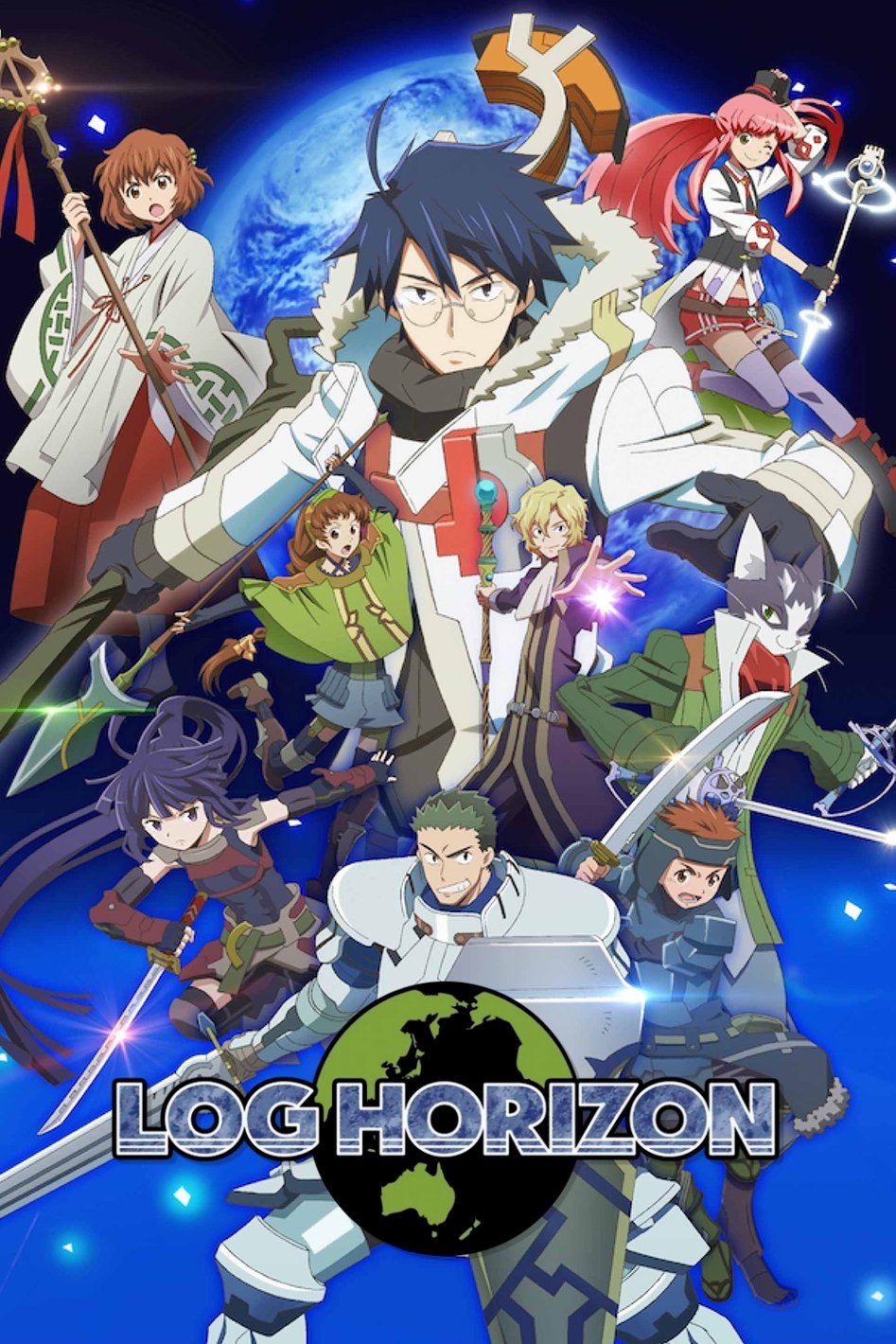
In the third season the story focuses on the election process for the leadership of Akiba and the competing visions for how the city should be managed. The protagonist Shiroe must navigate the complex web of interests involving the various guilds and their financial resources. This arc highlights the importance of fair resource distribution and the dangers of allowing certain factions to dominate the political landscape through wealth. It serves as a study on the foundational elements of political organization and the necessity of transparency in public funding.
‘Magi: The Labyrinth of Magic’ (2012–2014)

The Balbadd arc focuses on a kingdom that has fallen into a debt trap set by a powerful foreign trade federation. The prince of the nation struggles to reclaim his sovereignty while the corrupt monarchy sells the rights of its people to maintain their lavish lifestyle. The narrative critiques the way that international financial entities can effectively buy out a government and dictate its laws. This story illustrates the impact of corporate influence on the political autonomy of a nation.
‘Ghost in the Shell: Stand Alone Complex’ (2002–2003)
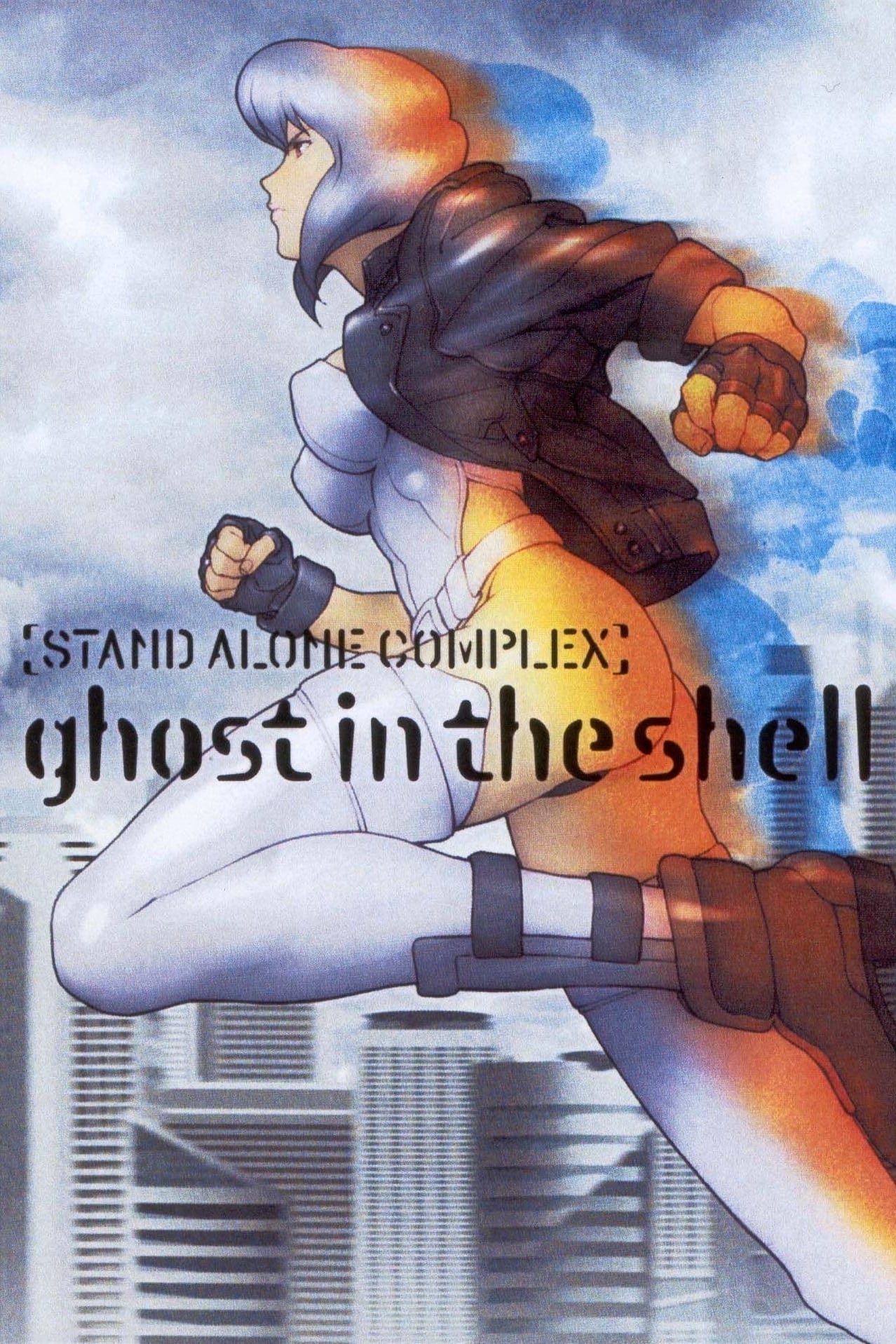
The series explores the corruption within the Japanese government regarding the development of a miracle drug for cyberbrain sclerosis. It reveals how political campaigns and high ranking officials are funded by pharmaceutical companies that suppress cheaper alternatives to maximize profit. The investigation uncovers the deep ties between corporate donations and the legislation that protects these specific industries. This arc provides a detailed critique of how lobbyist funding can undermine public health and safety for political gain.
‘Monster’ (2004–2005)

In this psychological thriller the plot uncovers a network of extremists who are funding a political movement to establish a new leader for Germany. These organizations use their resources to conduct secret experiments and manipulate public figures to achieve their specific goals. The series illustrates the methods that groups use to influence the political trajectory of a country through hidden funding. It provides an investigation into the intersection of private wealth and the management of political campaigns.
‘The Millionaire Detective – Balance: UNLIMITED’ (2020)

The series follows a detective with nearly infinite wealth who solves crimes by using his money to buy information and equipment. While the show is a procedural it also addresses the corruption of the police force and the political leaders who are connected to the Kambe family fortune. The story examines the influence that a single wealthy individual can have on the legal and political systems of a country. The narrative depicts a world where political and legal outcomes are significantly impacted by financial resources.
Please share your thoughts on these political storylines in the comments.