Anime Remakes That Erased Fat Characters Completely


Anime remakes often strive to modernize older properties by updating the animation and character designs for contemporary audiences. This process frequently results in significant changes to the visual diversity of the cast including the removal or redesign of characters with heavier body types. Studios sometimes prioritize a sleek and idealized aesthetic that favors slender silhouettes over the more varied proportions found in original source materials or earlier adaptations. These modifications can alter the presence of fat characters who once provided distinct visual representation or comic relief in the original versions.
‘Sailor Moon Crystal’ (2014–2016)
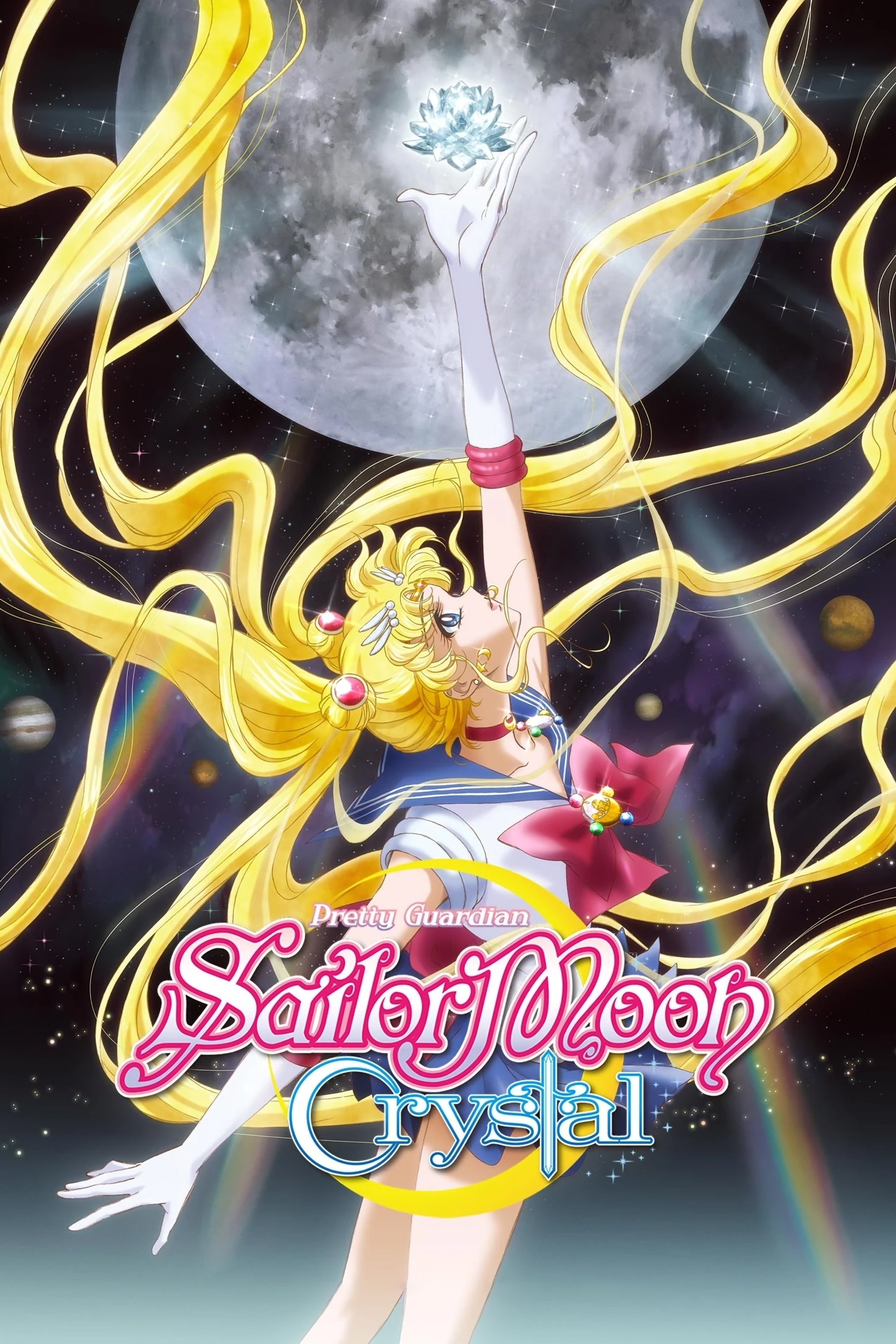
This reboot aimed for a more faithful adaptation of the original manga art style which featured extremely thin and elongated character designs. In the process many of the softer or rounder background characters from the 1990s anime were omitted to match this high fashion aesthetic. The transformation sequences and everyday scenes emphasize lean proportions across the entire cast of guardians and villains alike. This shift removed the occasional body diversity that appeared during the filler episodes of the first television series.
‘Urusei Yatsura’ (2022–2024)
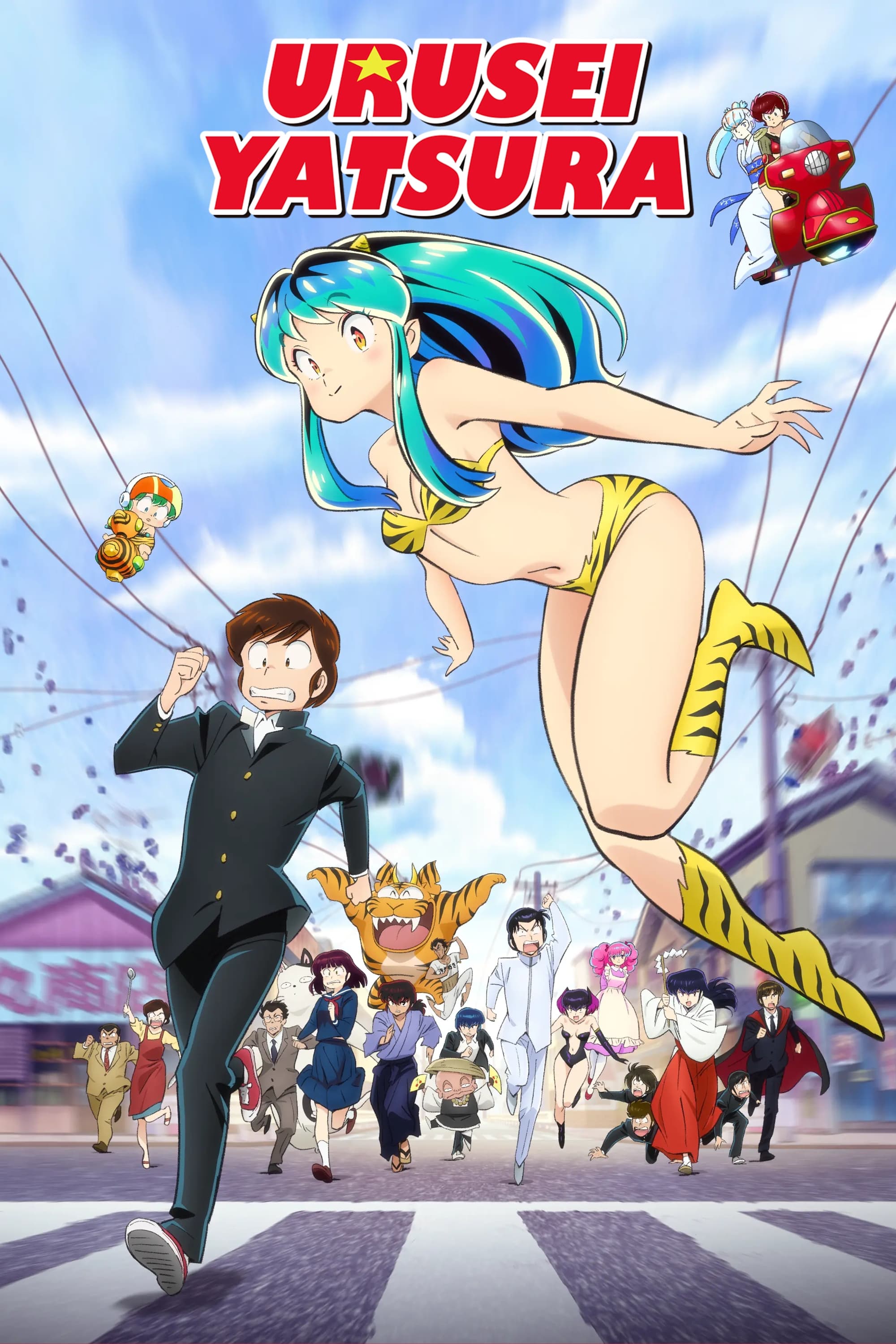
The recent revival of this classic series updated the character designs to fit a bright and modern moe aesthetic. While the core cast remains recognizable many of the unique background students who possessed diverse body shapes were simplified or removed. The original 1981 production featured many sight gags involving various body types that do not appear in this streamlined version. The focus on a cleaner visual style results in a more uniform look for the students of Tomobiki High School.
‘Hunter x Hunter’ (2011–2014)
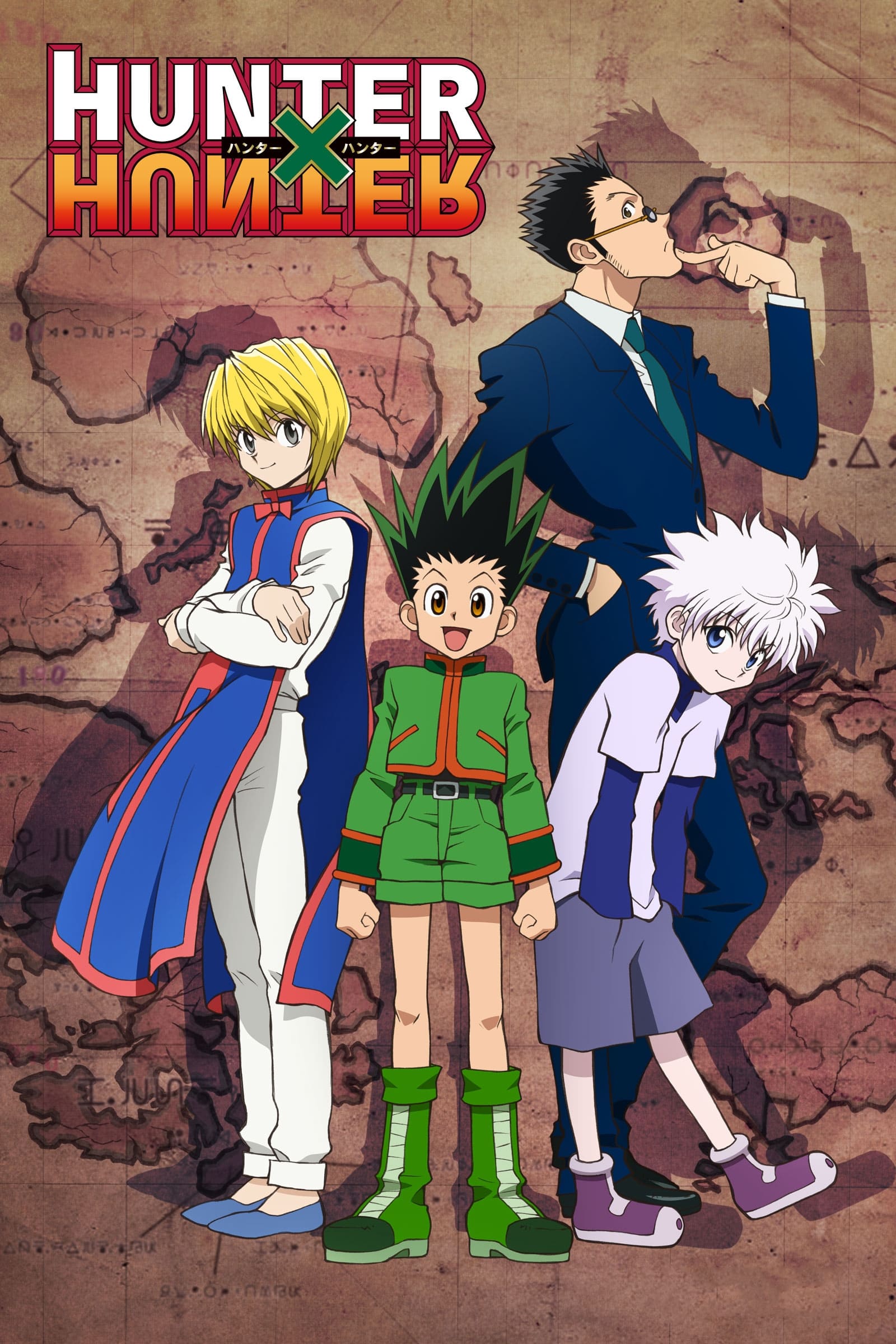
This second adaptation of the popular manga series removed several anime original characters who appeared during the Hunter Exam arc of the 1999 version. Some of these excluded candidates included rounder or more portly designs that added flavor to the background of the early episodes. By following the manga more strictly the 2011 production bypassed these filler characters in favor of a faster pace. The resulting cast appears more physically standardized as the series focuses on the central protagonists.
‘Fruits Basket’ (2019–2021)
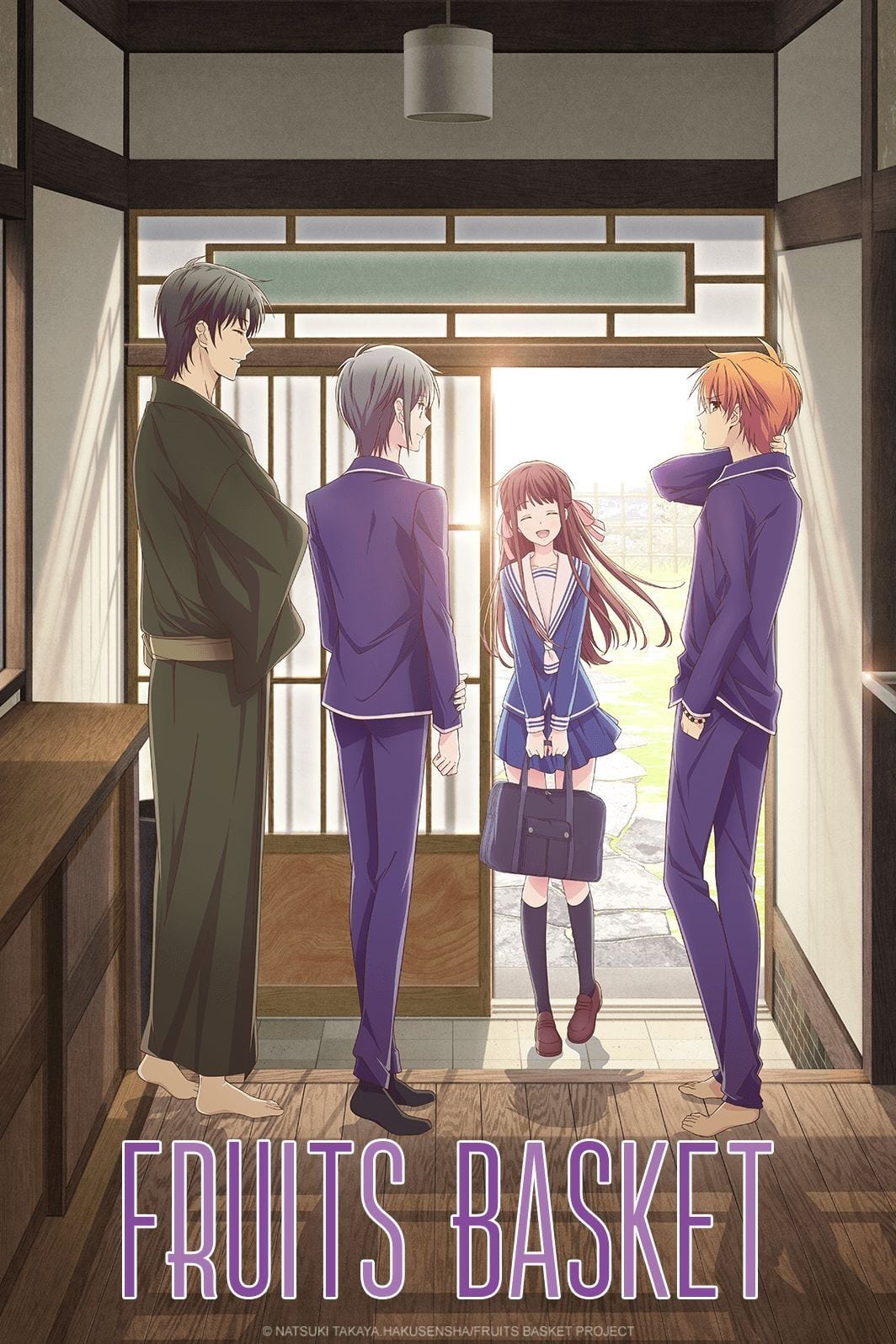
The modern retelling of this beloved shojo series updated the art style to reflect the later volumes of the manga. This transition involved slimming down many of the characters and removing some of the rounder facial features seen in the 2001 adaptation. Minor classmates and background characters with larger frames were often replaced with more generic and slender models. This change aligns the series with contemporary beauty standards often seen in modern romance anime.
‘Devilman Crybaby’ (2018)
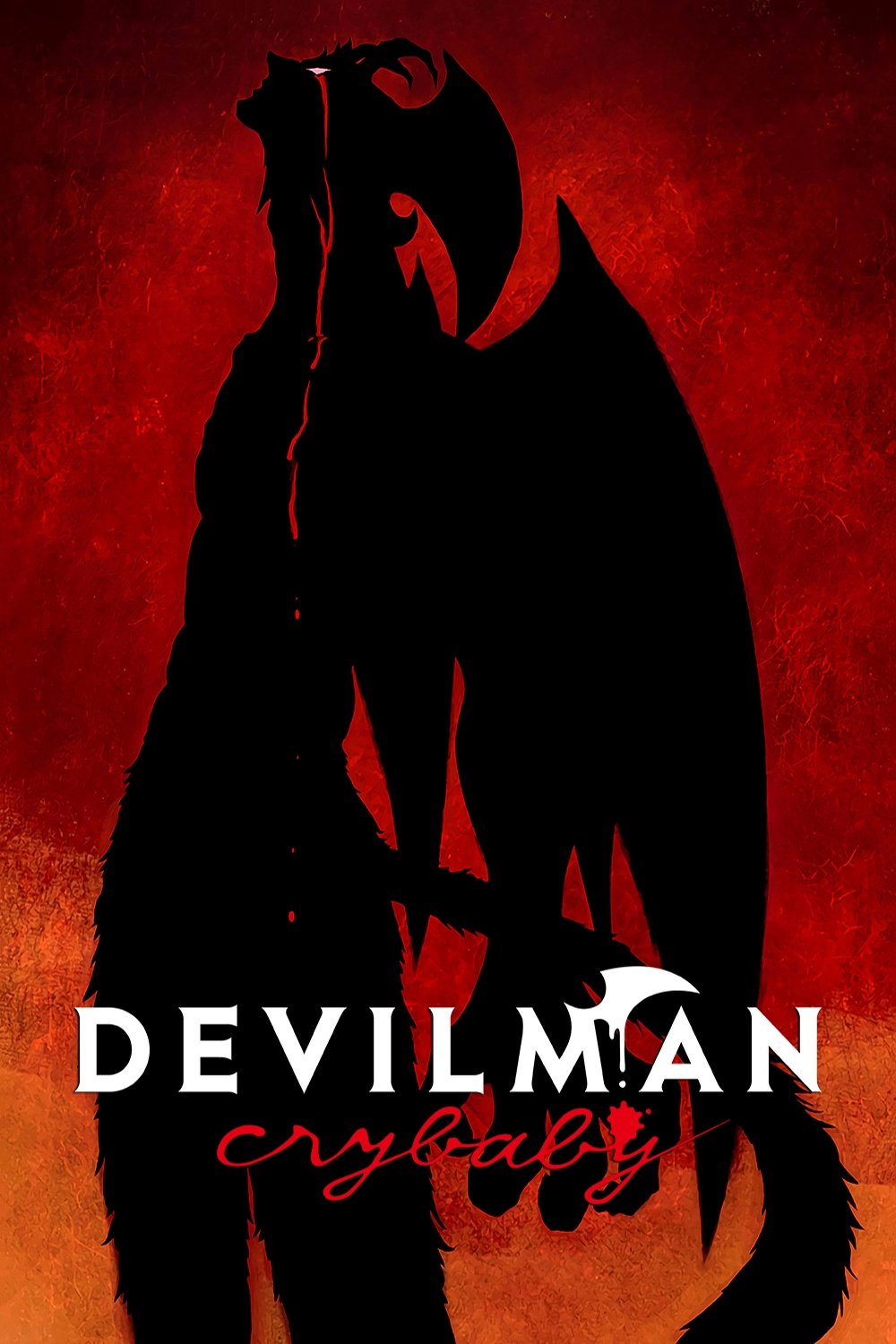
Masaaki Yuasa reimagining of the classic franchise utilizes a fluid and highly stylized art direction. This approach transformed many of the original series bulkier or fat characters into more abstract and elongated shapes. Some minor antagonists and human background characters who were portrayed as heavy in the 1970s version were completely redesigned or omitted. The result is a cast that looks more like modern athletes or stylized sketches than the varied body types of the past.
‘Trigun Stampede’ (2023)
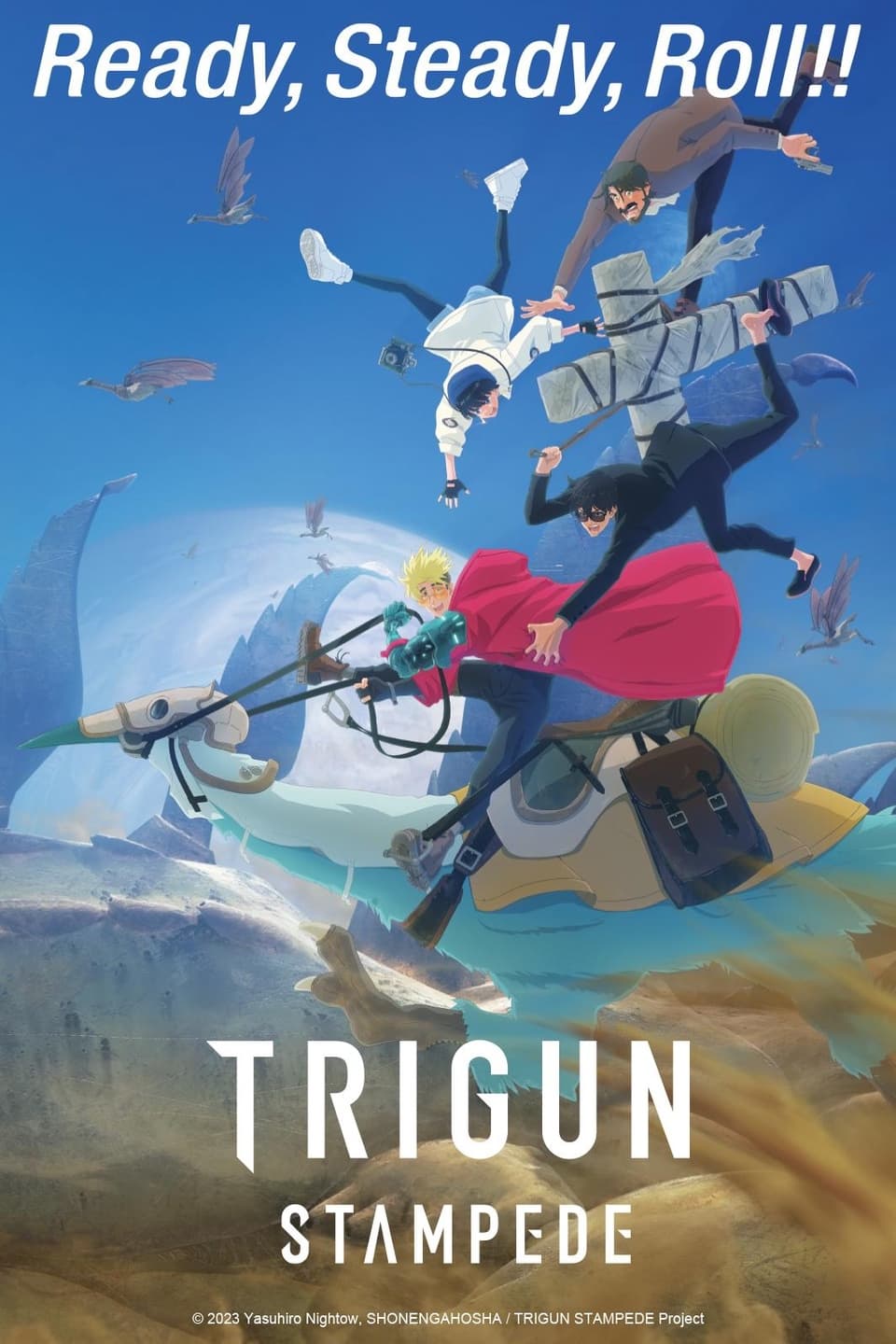
This reimagining of the Vash the Stampede story introduced a radical new visual identity for the world of Gunsmoke. Many of the rugged and often overweight bounty hunters who appeared in the 1998 series were replaced with sleeker or more robotic designs. The character models for the townspeople and secondary villains are notably thinner and more uniform in this high definition production. This design philosophy emphasizes a futuristic and polished look over the dusty grit of the original series.
‘Shaman King’ (2021–2022)
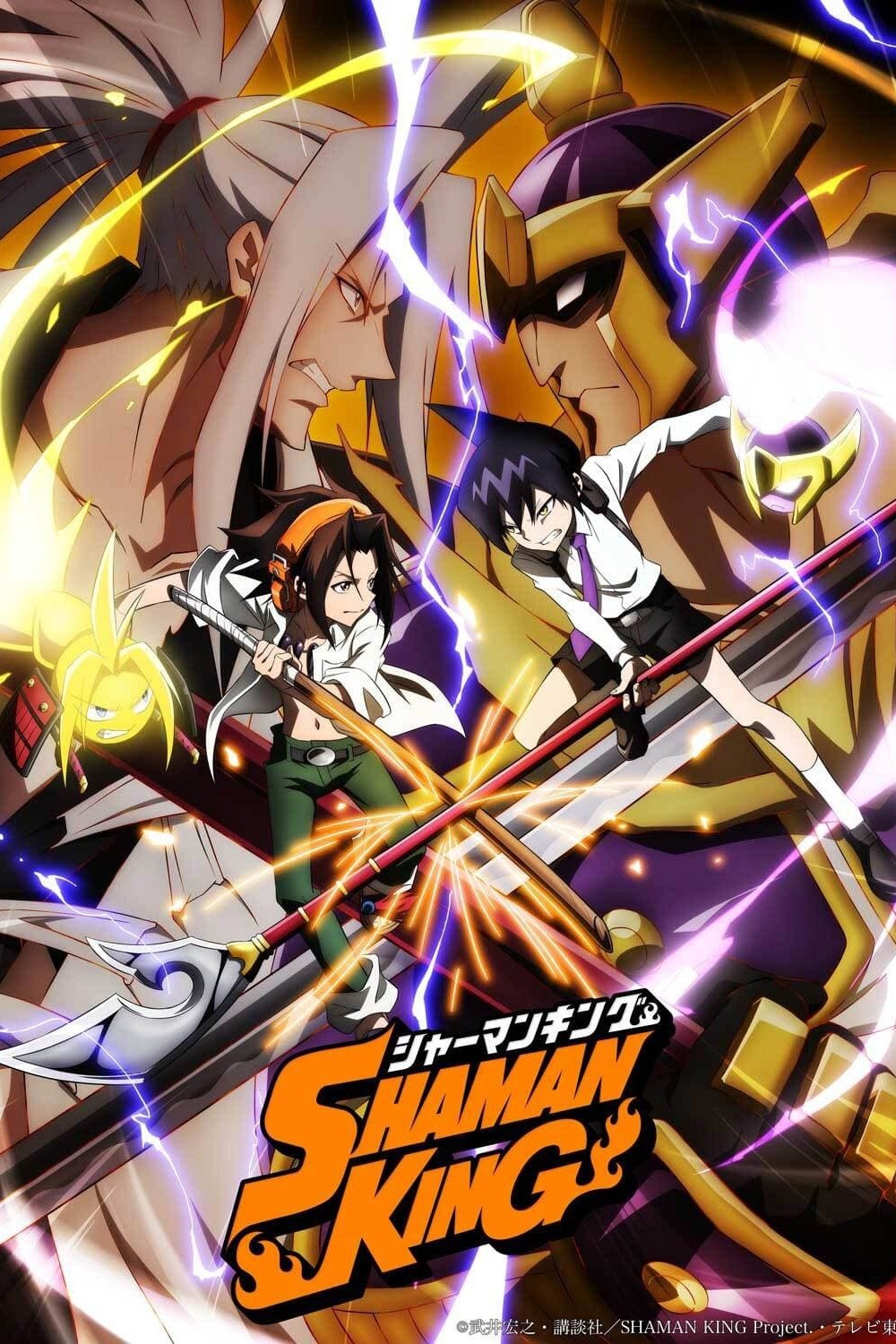
The 2021 reboot follows the manga ending more closely but also updates the overall character proportions for a modern audience. Several minor spirit users and background competitors who had larger physical presence in the 2001 version were slimmed down or removed. The animation style favors sharp lines and slender figures which minimizes the physical variety seen in the earlier tournament arcs. These changes help the series maintain a consistent visual tone throughout its rapid pacing.
‘Dororo’ (2019)
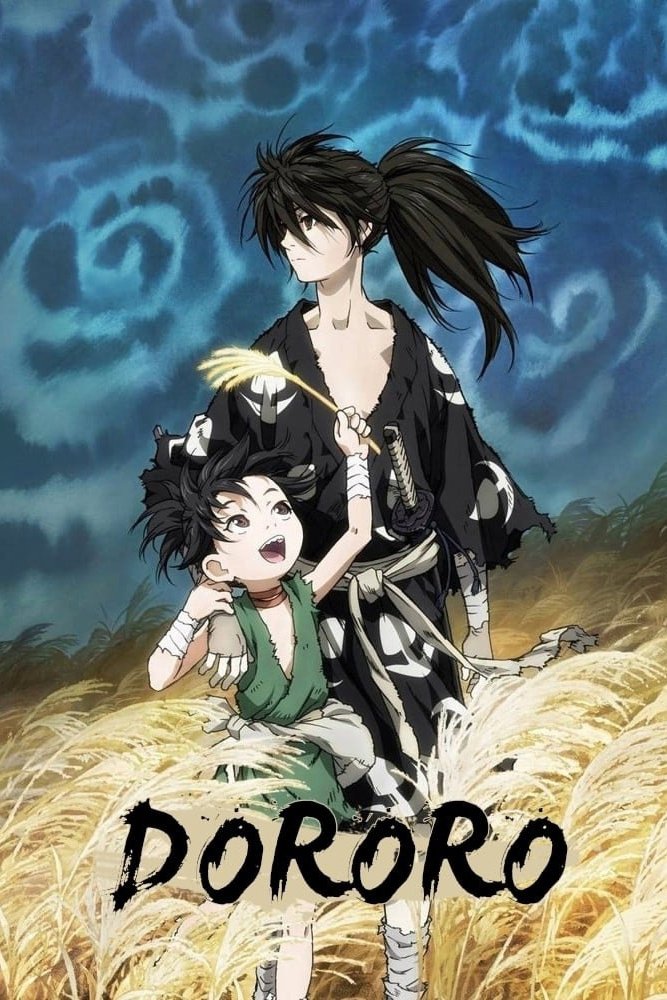
Based on the legendary work by Osamu Tezuka this remake moved away from the signature round and cartoonish art style of the creator. The original 1969 anime featured many supporting characters with the soft and circular proportions characteristic of that era. In the 2019 version these characters were redesigned to look more realistic and battle hardened with leaner physiques. This erasure of the original bulbous designs creates a much darker and more grounded atmosphere for the story.
‘Fullmetal Alchemist: Brotherhood’ (2009–2010)
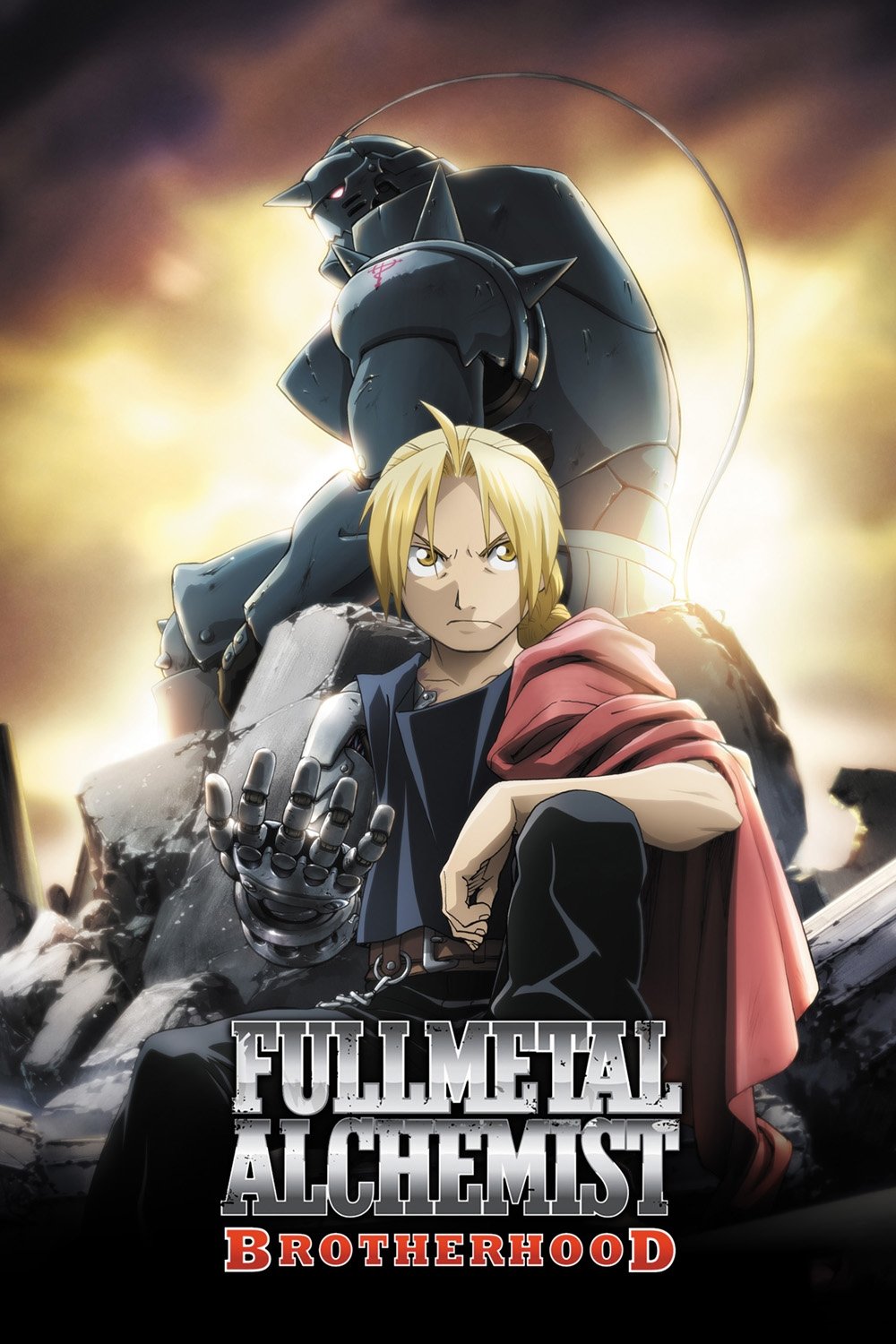
Because this series focuses on a direct adaptation of the manga it removes many filler characters created for the 2003 television series. Some of these omitted characters included corrupt officials and townspeople who were depicted with larger frames to emphasize their greed or sloth. The 2009 version maintains a very consistent and athletic look for its main and supporting cast members. This streamlines the visual narrative while focusing on the core alchemical conflicts of the story.
‘Rurouni Kenshin’ (2023–2024)
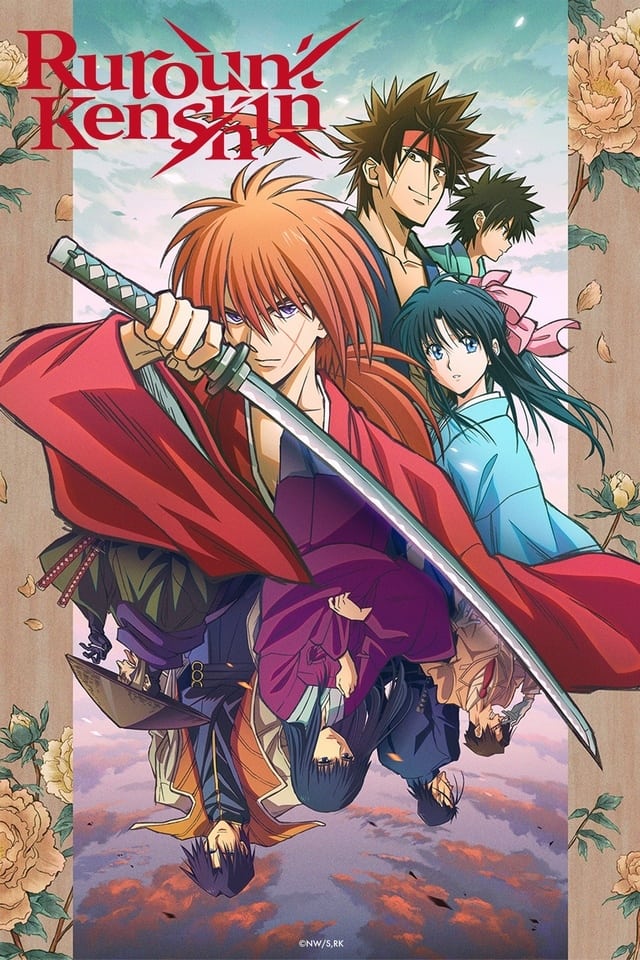
The latest adaptation of the wandering samurai tale utilizes modern digital animation that favors clean and sharp character models. Several minor thugs and corrupt merchants who were depicted as portly or physically large in the 1996 anime have been redesigned with more standard builds. This change moves away from the more caricatured designs often found in 1990s shonen adaptations. The result is a series where the physical differences between characters are less pronounced.
‘GeGeGe no Kitaro’ (2018–2020)
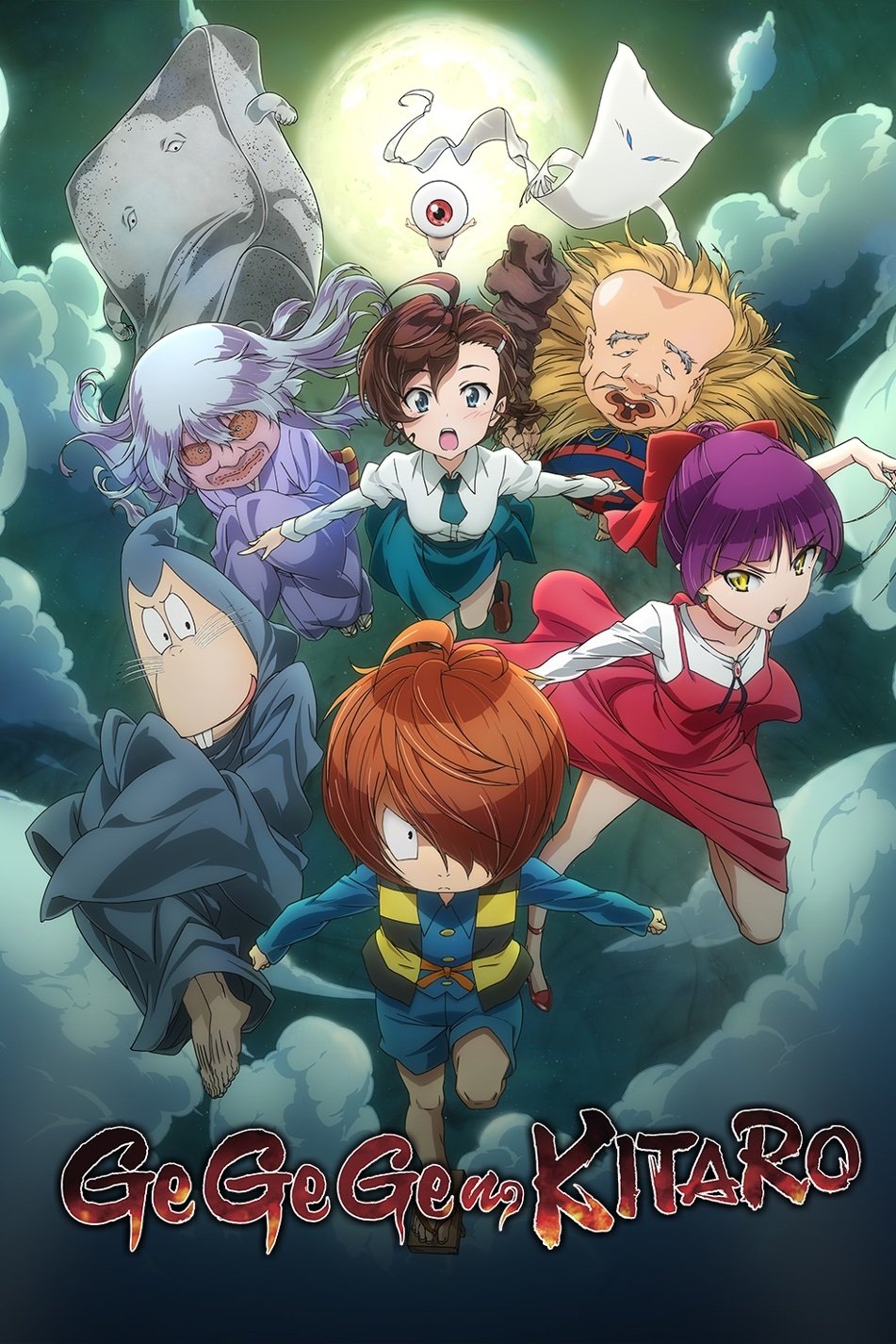
As the sixth major television adaptation this series modernized the classic yokai designs for a twenty first century audience. Many of the traditional spirits and humans who were previously portrayed with round or stout proportions were redesigned as slender or more conventionally attractive. This includes major updates to characters like Neko Musume who became much taller and thinner than in any previous version. The show prioritizes a more contemporary look that often excludes the varied body types of earlier eras.
‘Captain Tsubasa’ (2018–2019)
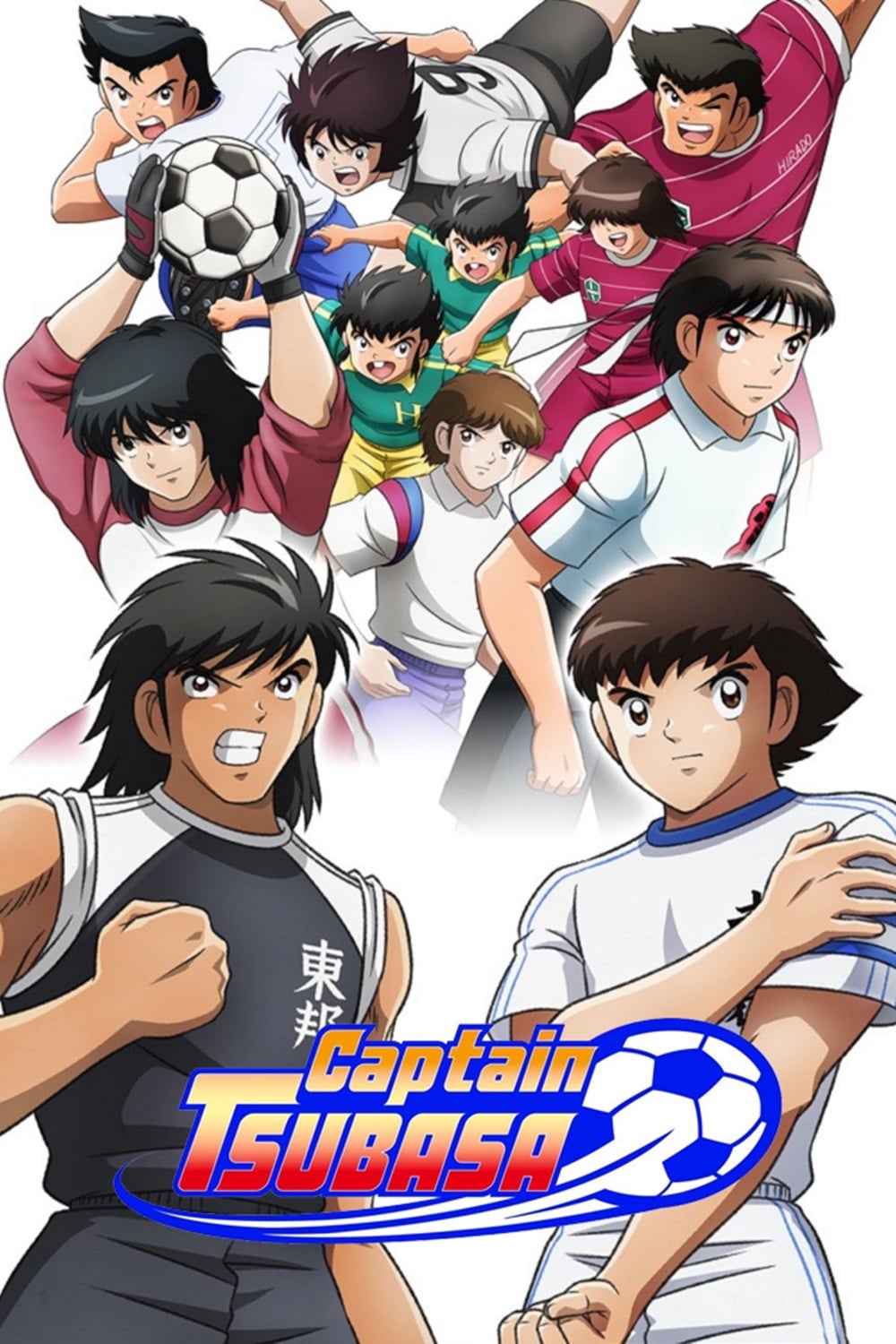
The 2018 remake of the legendary soccer series features character designs that are much leaner than those in the 1983 or 1994 versions. Players who were previously shown with more physical bulk or broader chests were streamlined to look like modern professional athletes. This visual update ensures that every character on the field has a similar athletic silhouette regardless of their position. The exaggerated physical diversity of the older series is replaced by a more uniform and polished appearance.
‘Saint Seiya: Knights of the Zodiac’ (2019–2024)
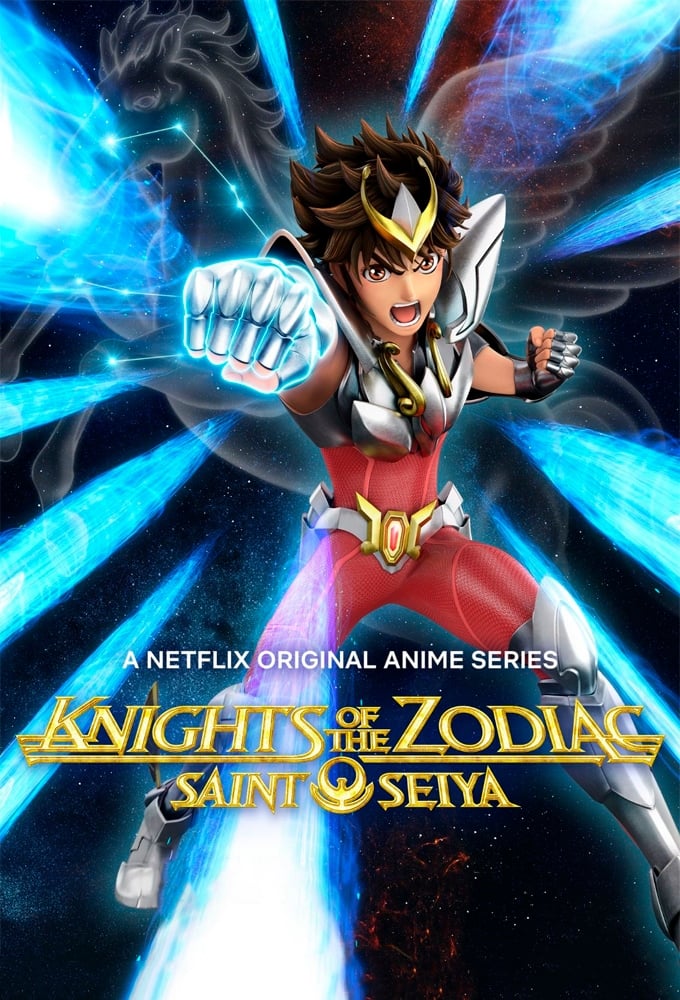
This computer generated remake of the classic franchise uses an animation style that relies on highly standardized character models. Many of the unique background soldiers and minor opponents who had larger physical statures in the 1986 anime were removed or made much thinner. The armor designs are also more streamlined which contributes to a more uniform look across the different factions of warriors. This shift towards a leaner cast reflects the broader trends in modern 3D anime production.
‘Ushio and Tora’ (2015–2016)
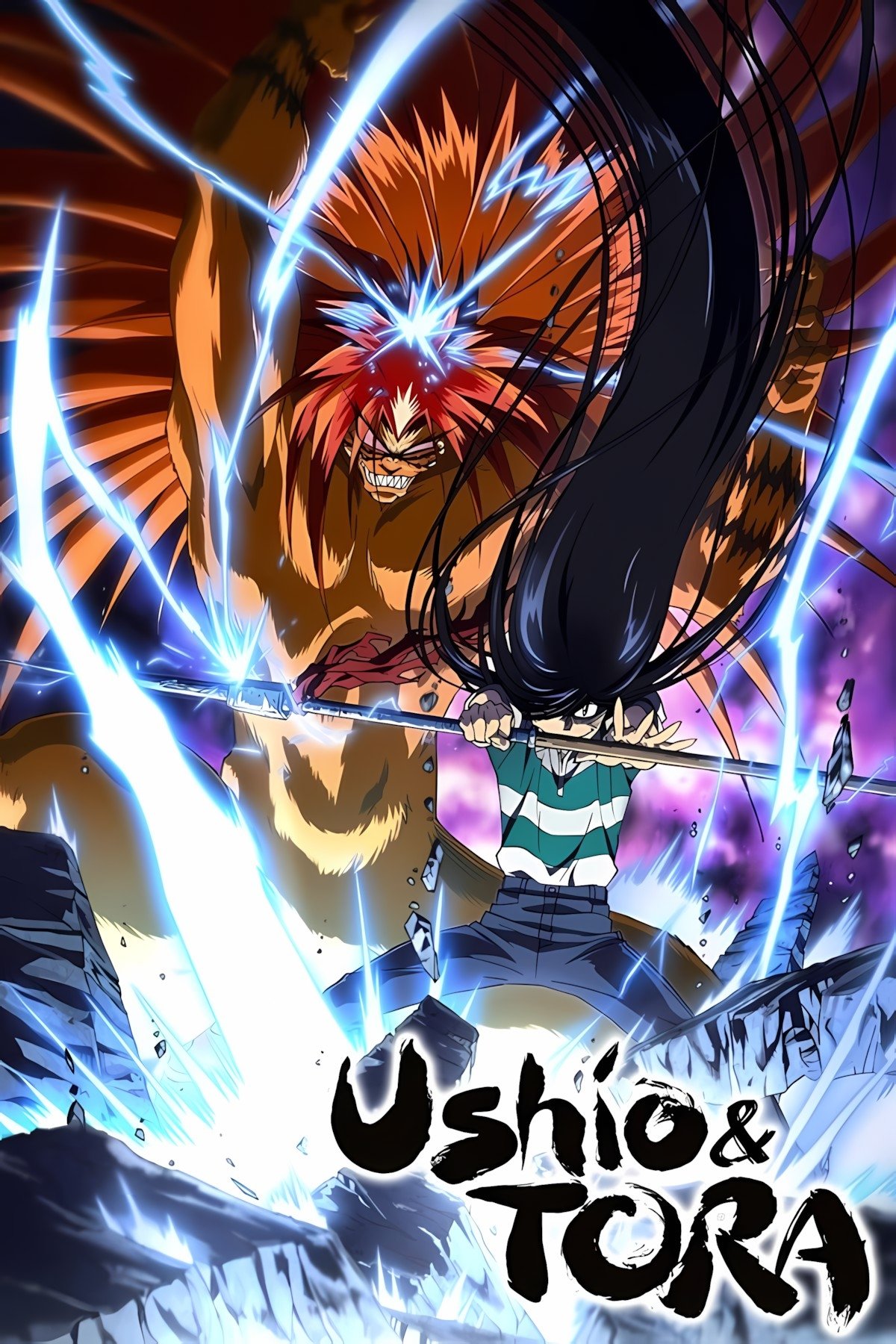
This modern adaptation of the 1990s manga condensed a long story into a shorter number of episodes. In doing so it removed many minor encounters with humans and demons who possessed more varied or larger body types. The character designs were also updated to be sharper and more athletic compared to the original video animation series. This creates a more intense and fast paced experience that prioritizes lean and agile fighters.
‘Baki Hanma’ (2021–2023)
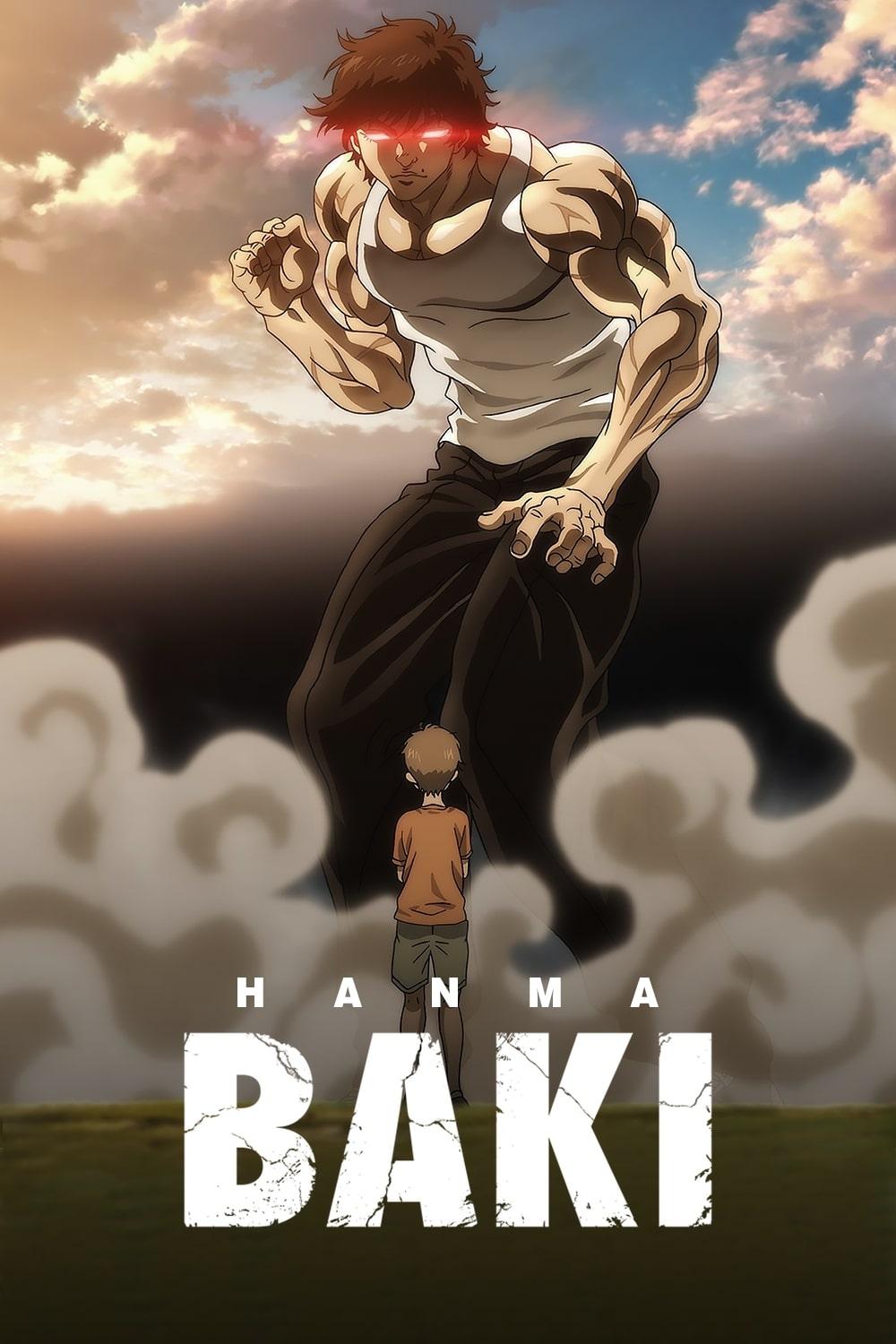
While the series is known for its extreme muscularity the newer Netflix adaptations have streamlined the look of background characters. Older versions of the series often featured a wider variety of physical builds including many heavy and overweight fighters or henchmen. The modern production focuses almost exclusively on highly defined and low body fat physiques even for minor characters. This shift emphasizes the hyper athletic nature of the world while reducing the presence of different body shapes.
‘Spriggan’ (2022)
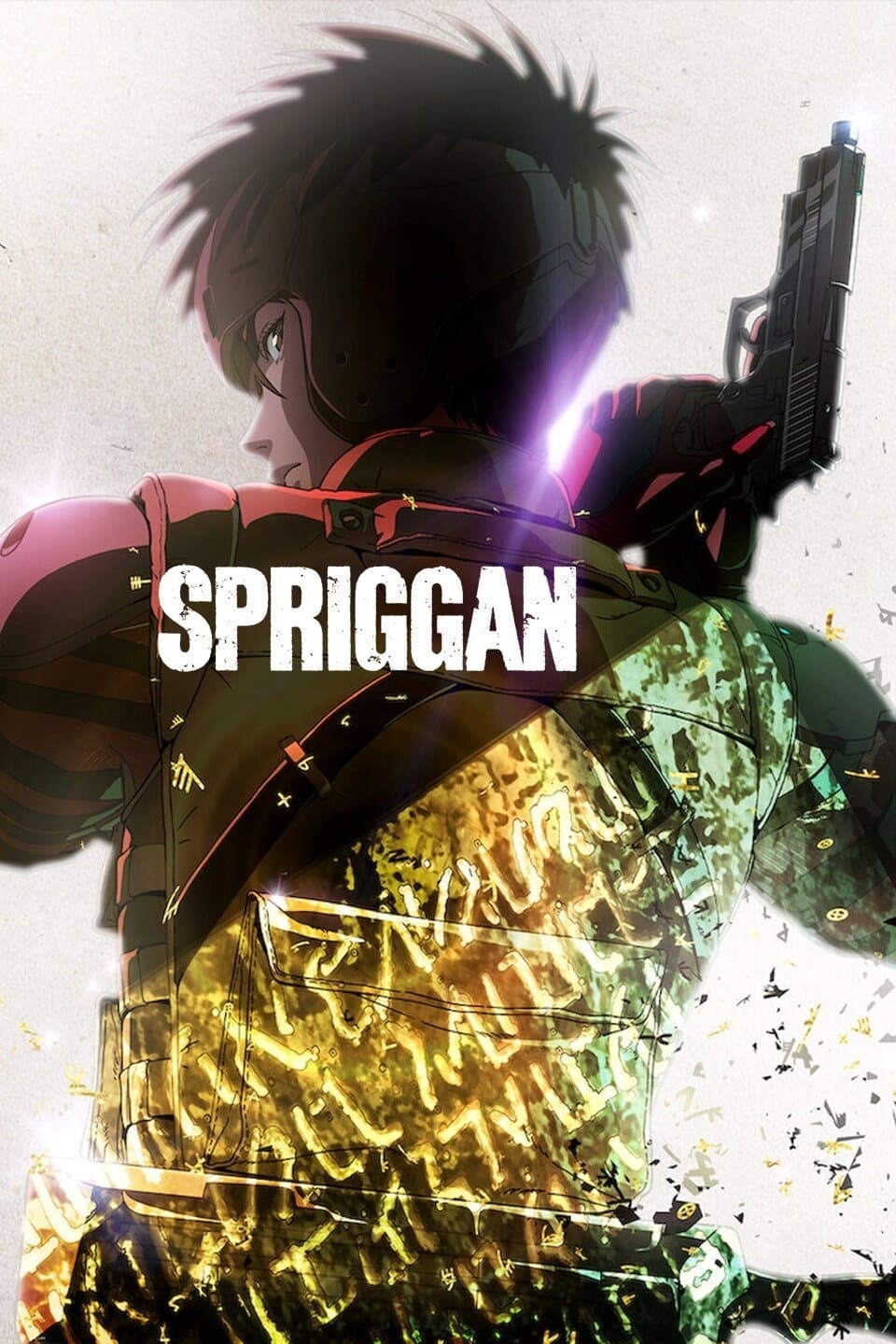
The Netflix original remake of this classic action series features a very distinct and realistic animation style. Many of the mercenaries and villains who were portrayed with more cartoonish or bulky proportions in the 1998 movie were redesigned as lean soldiers. The high tech aesthetic of the series favors characters with slim and tactical builds to fit the modern science fiction tone. This results in a cast that looks more uniform in their physical capabilities.
‘Cutie Honey Universe’ (2018)
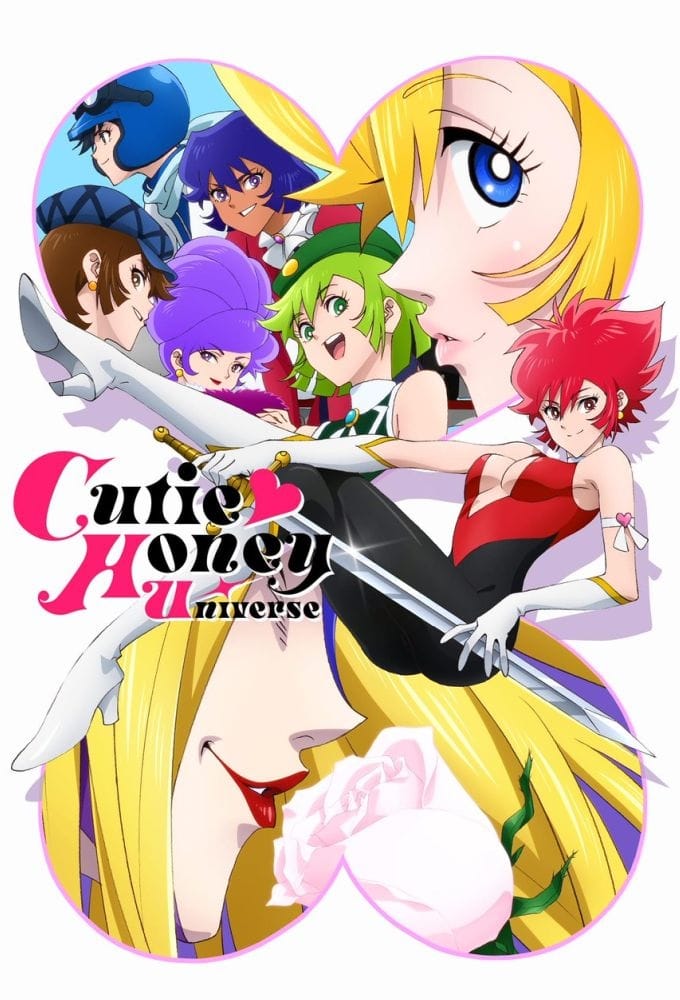
This modern reimagining of the iconic Go Nagai franchise features a very sleek and stylized aesthetic. Many of the more caricatured and round characters from the original 1970s anime were omitted in favor of a more consistent and slender cast. The transformation sequences and general character models emphasize a very thin silhouette for almost all the female characters. This shift away from the diverse and often strange proportions of the original series creates a more uniform visual experience.
‘Blade of the Immortal’ (2019–2020)
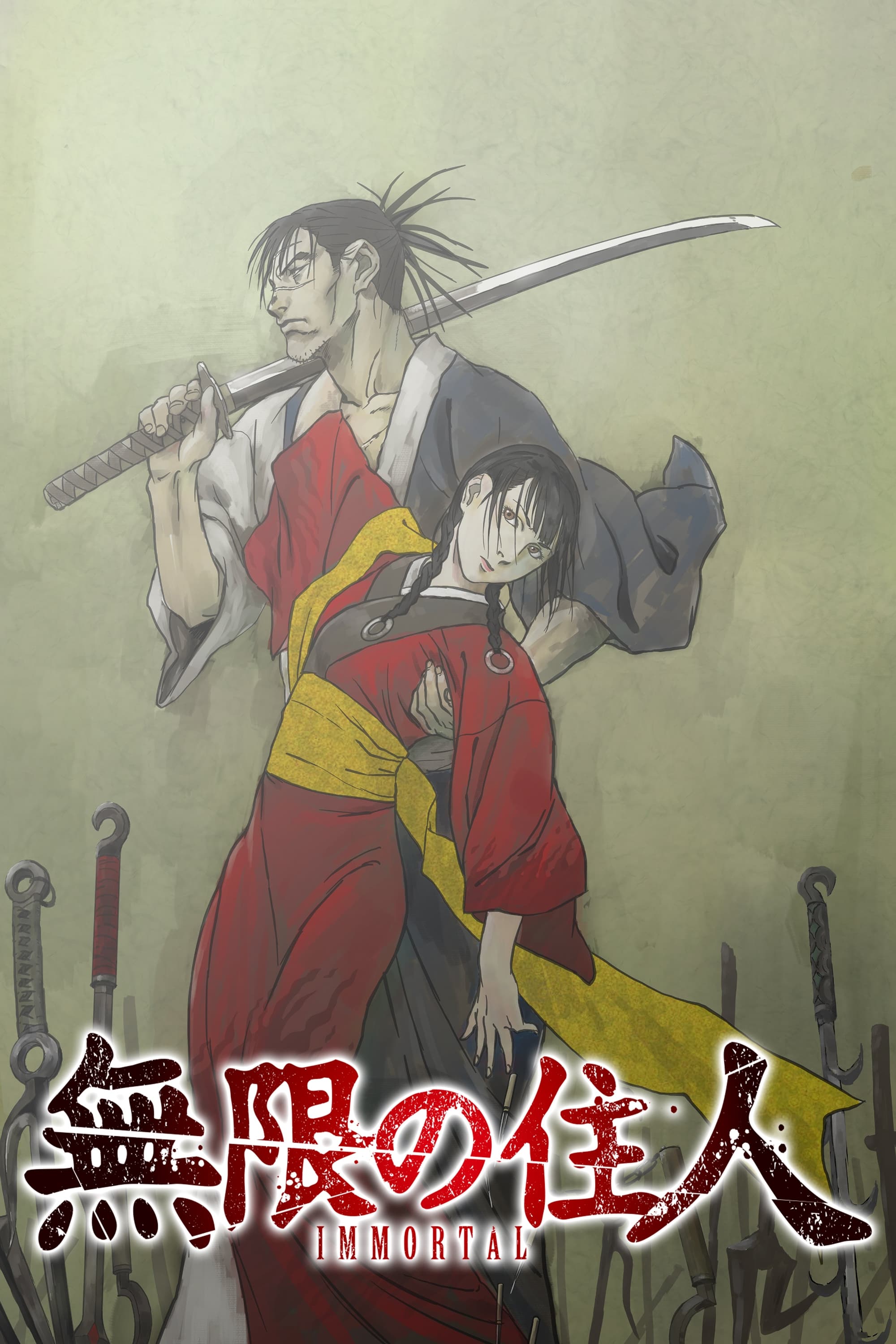
The 2019 adaptation of this samurai epic aims for a gritty and realistic tone that matches the original manga. Several of the more exaggerated or portly character designs found in the 2008 anime were changed to be more lean and sinewy. This shift reflects a move away from the more varied character models often found in older television productions. The focus on a more grounded aesthetic often results in a cast that is physically very similar.
‘Berserk’ (2016–2017)
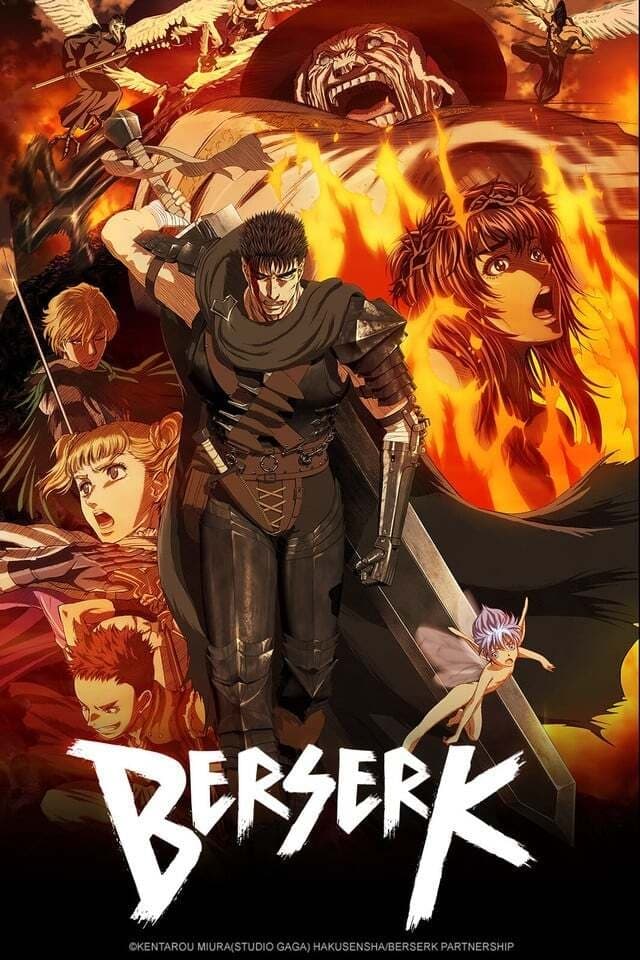
The sequels to the classic 1997 anime utilized 3D models that were much more standardized than the hand drawn original. Many of the diverse background characters and minor soldiers with heavier builds were replaced with repeating thin models. The animation style struggled to replicate the detailed and varied body types seen in the manga and original series. This led to a world that felt visually more uniform and less populated by unique individuals.
‘Kinnikuman Perfect Origin Arc’ (2024)
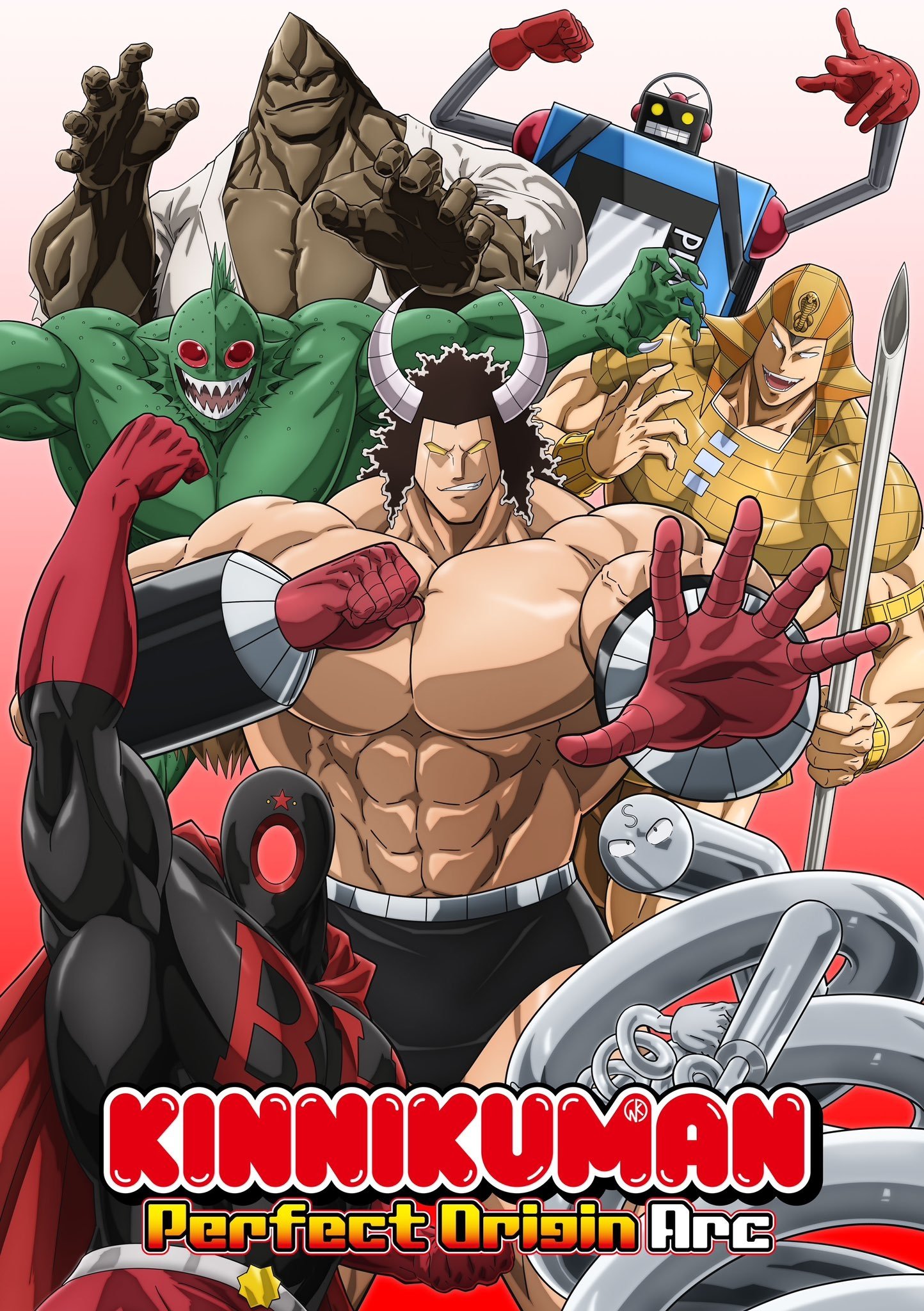
The latest installment of this wrestling franchise updates the designs of classic characters to look more like modern athletes. While the series is famous for its bizarre and varied character designs the newest version slims down many of the background wrestlers. Some of the more cartoonish and portly fighters from the original 1983 run have been updated with much more defined musculature and lower body fat. This shift aligns the series with the modern expectations for high level sports and action anime.
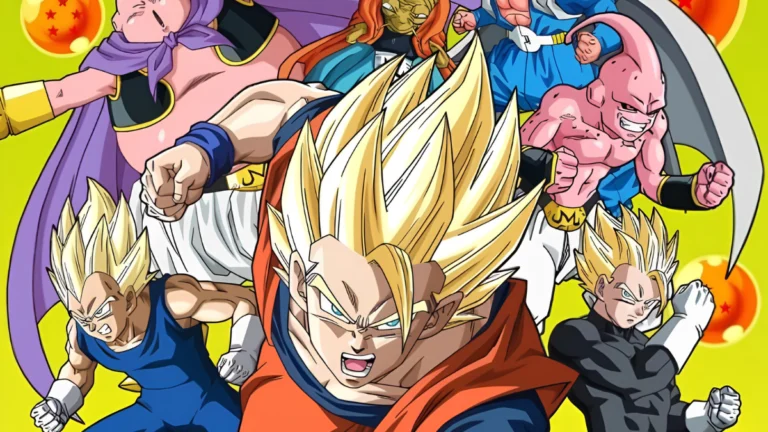
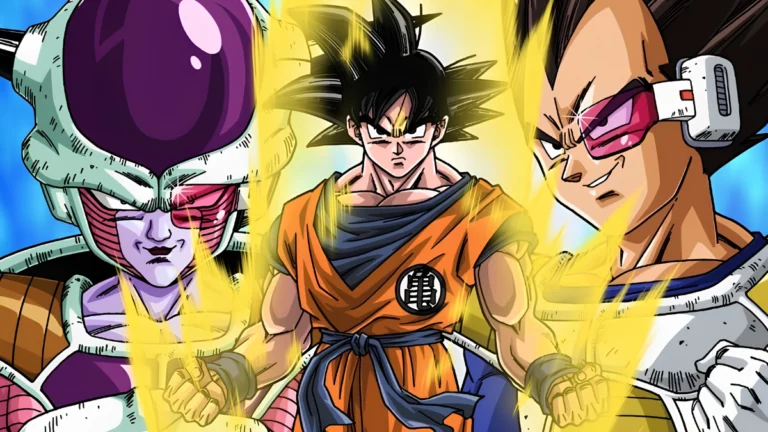
‘Dragon Ball Z Kai’ (2009–2011)
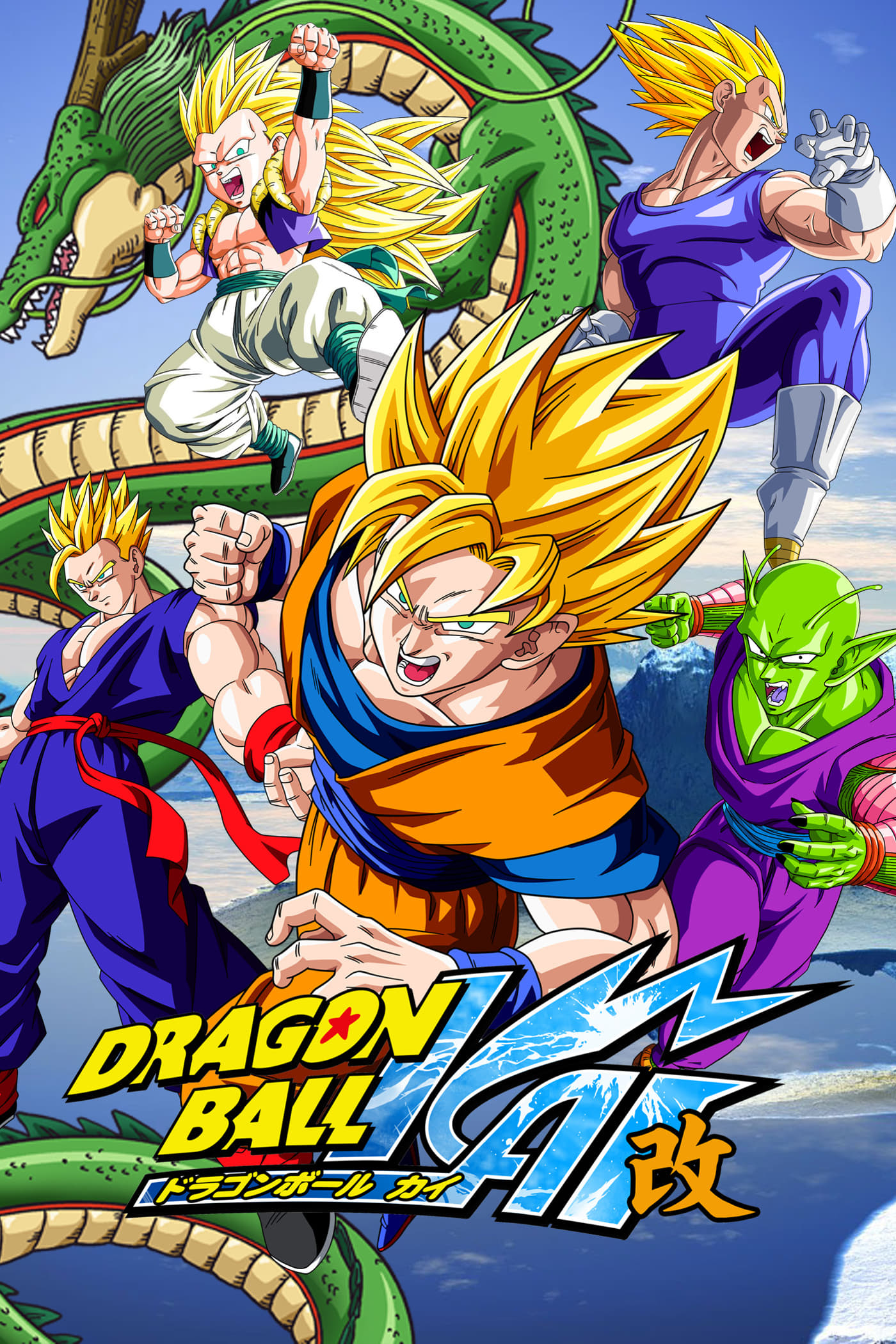
By removing most of the filler episodes from the original series this remaster effectively erased dozens of unique background characters. Many of these characters who appeared in side stories or tournament crowds were depicted with diverse body types including several fat or portly designs. Because these scenes were not in the original manga they were cut to create a more faithful and fast paced experience. This removal reduced the overall physical diversity of the background world in this universe.
‘Hellsing Ultimate’ (2006–2012)

This series was created to be a more faithful adaptation of the manga compared to the 2001 television series. In the process several characters and subplots from the original anime that featured more varied body types were removed. The art style of the adaptation is much more focused on sharp and angular designs for both heroes and villains. This results in a cast that feels more physically consistent and often more slender than the characters in the first adaptation.
‘Moominvalley’ (2019–2022)
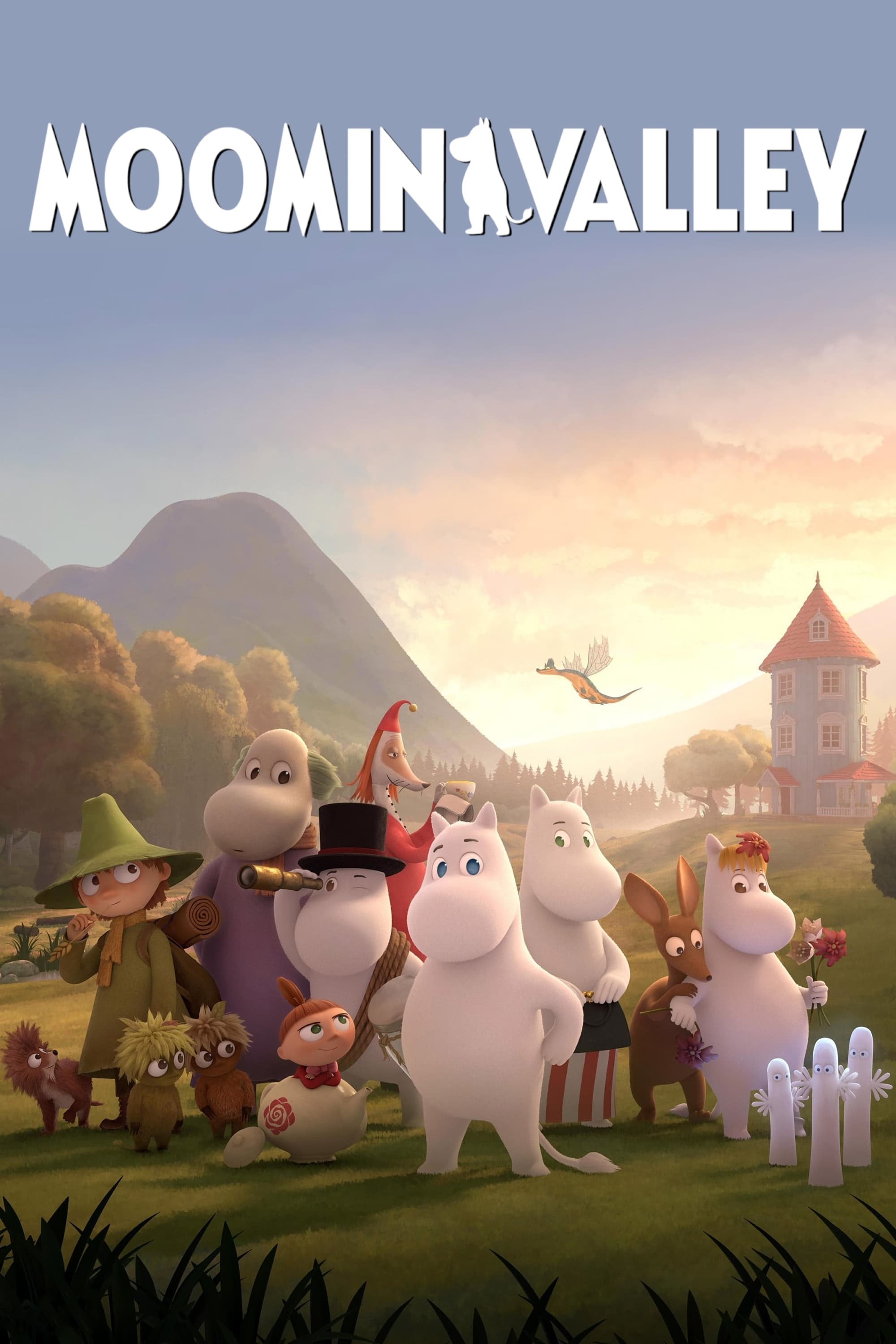
While the central characters remain round the human and humanoid background characters were often made thinner in this modern 3D version. The original 1990 anime featured many guest characters and side figures with a wide range of soft and varied proportions. The new production uses a more streamlined aesthetic that often removes the more exaggerated and heavy designs of the past. This gives the valley a more modern and uniform feel compared to the older adaptations.
‘Astro Boy’ (2003)
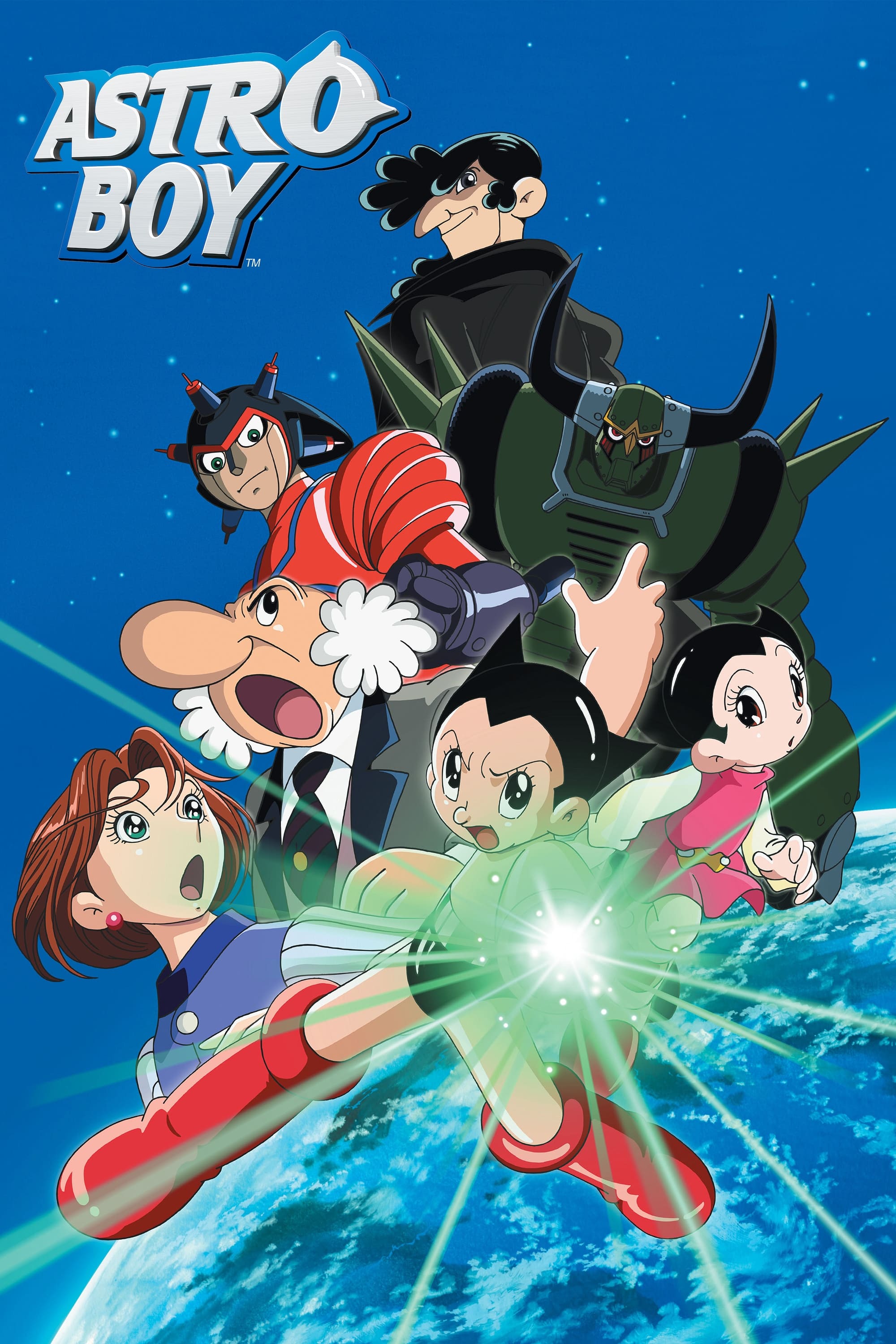
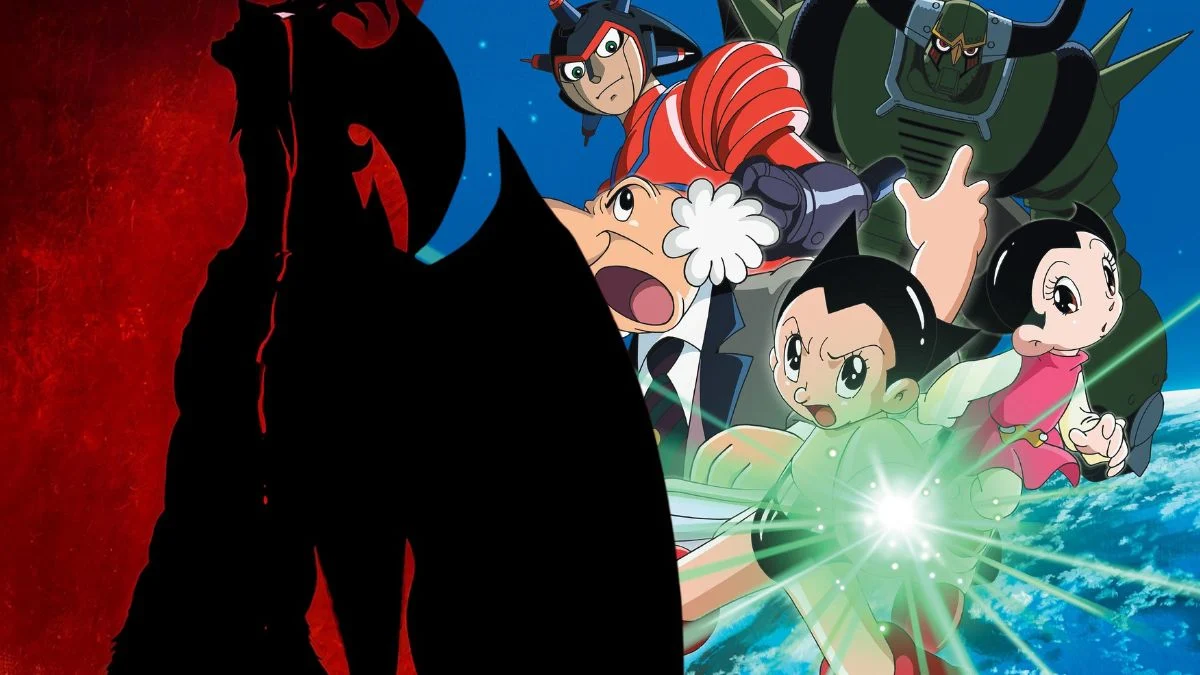
The 2003 remake of this classic work moved away from the very round and caricatured designs of the 1960s and 1980s series. While many iconic characters returned their proportions were often updated to be more slender and modern. Several minor robots and humans who were previously depicted with large or bulbous shapes were omitted or redesigned with sharper lines. This transition reflects the evolving standards of character design in the early 2000s anime industry.
‘The Heroic Legend of Arslan’ (2015–2016)
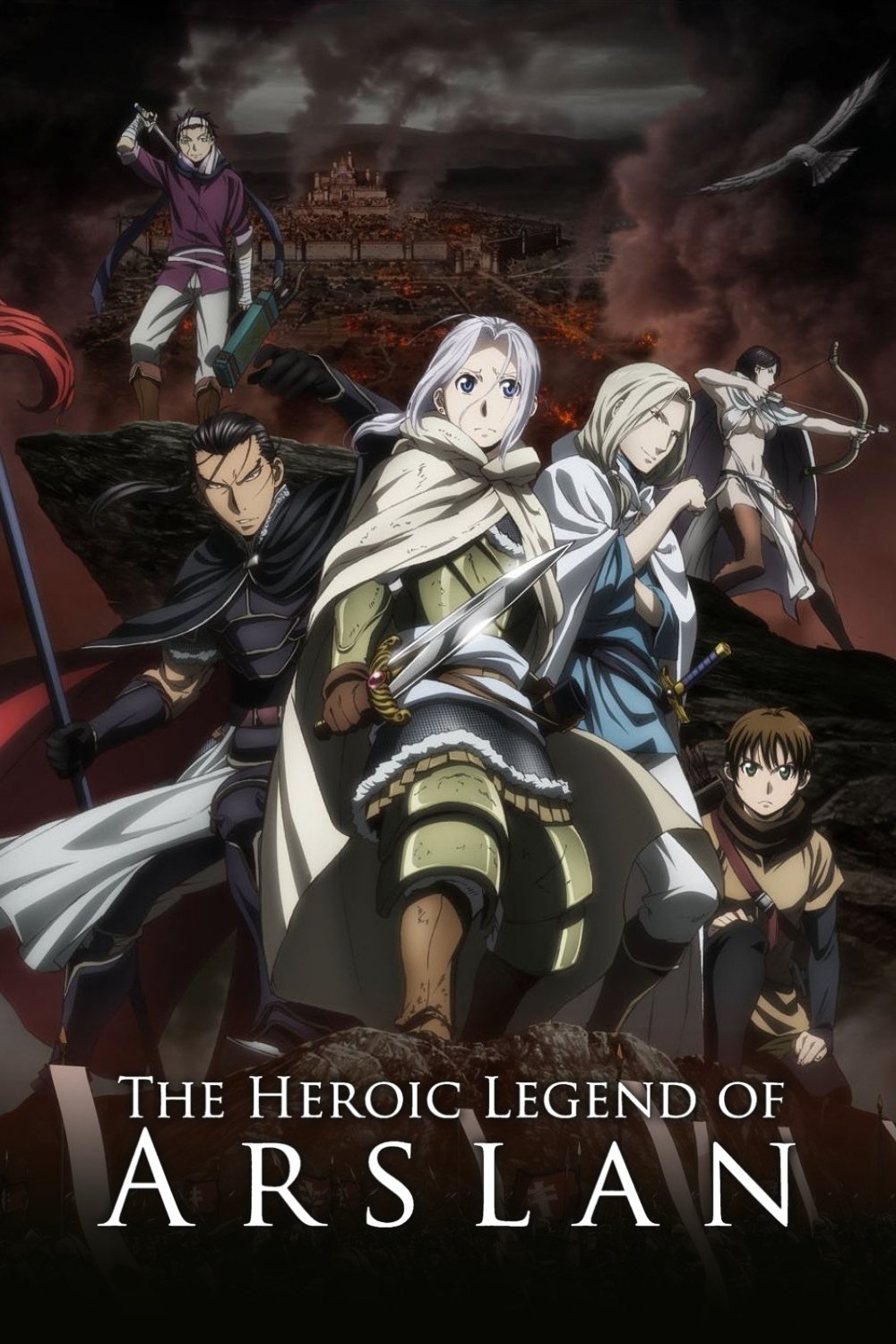
The original 1991 adaptation included various minor characters with broader silhouettes and rounder features. In this modern remake the character designs were overhauled to favor a more athletic look. Many of the stout background figures and secondary villains were removed or replaced with leaner counterparts. This shift reflects a move toward a more standardized and modern aesthetic in high fantasy anime productions.
‘Tiger Mask W’ (2016–2017)
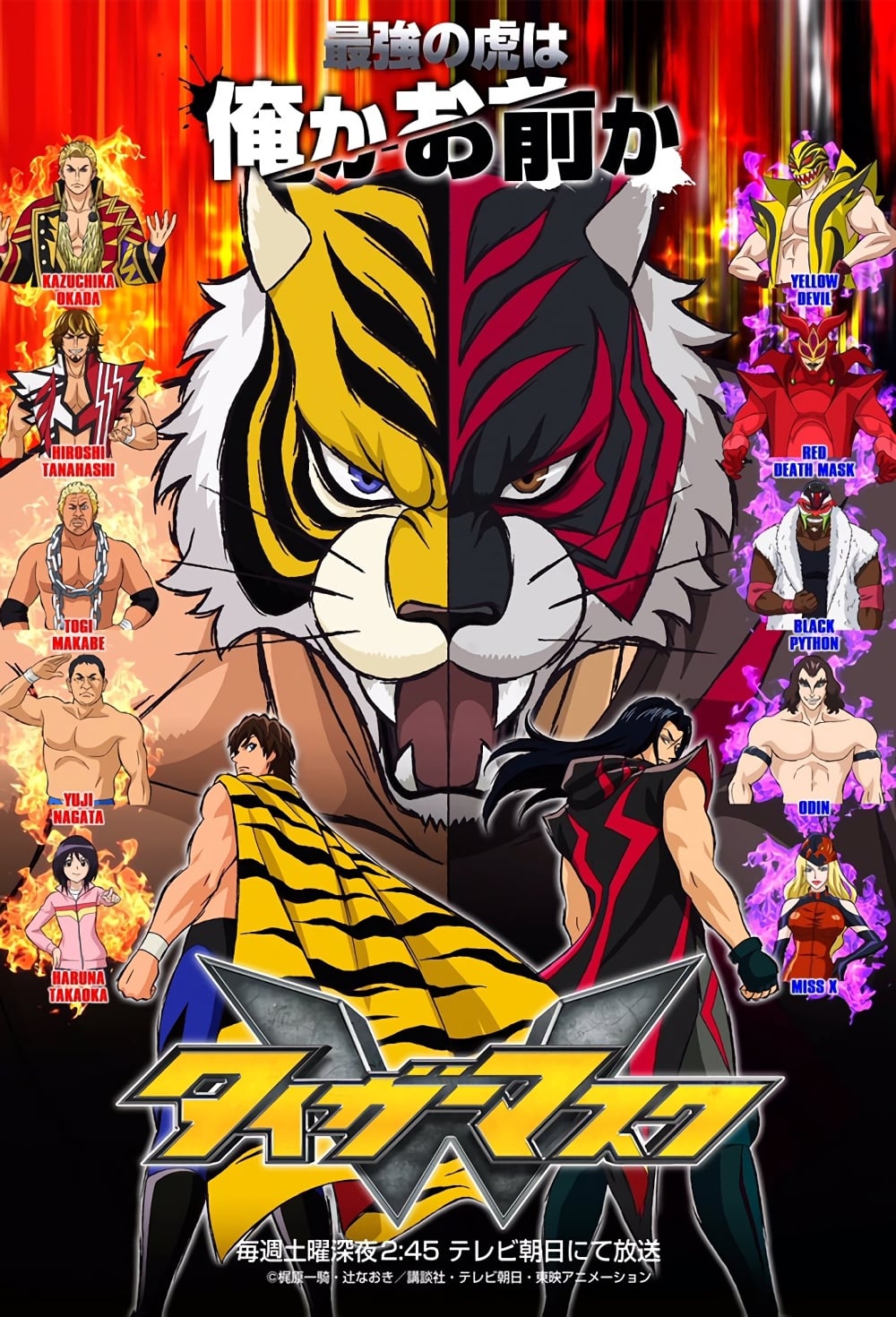
Serving as a sequel and soft reboot this series updated the look of the legendary wrestling world. The original 1969 series featured many wrestlers with massive and often overweight physiques to emphasize their power. In the modern version most of the fighters are depicted with lean and highly defined muscles. This change reflects the shift in how professional athletes are portrayed in modern media.
‘Muteking the Dancing Hero’ (2021)
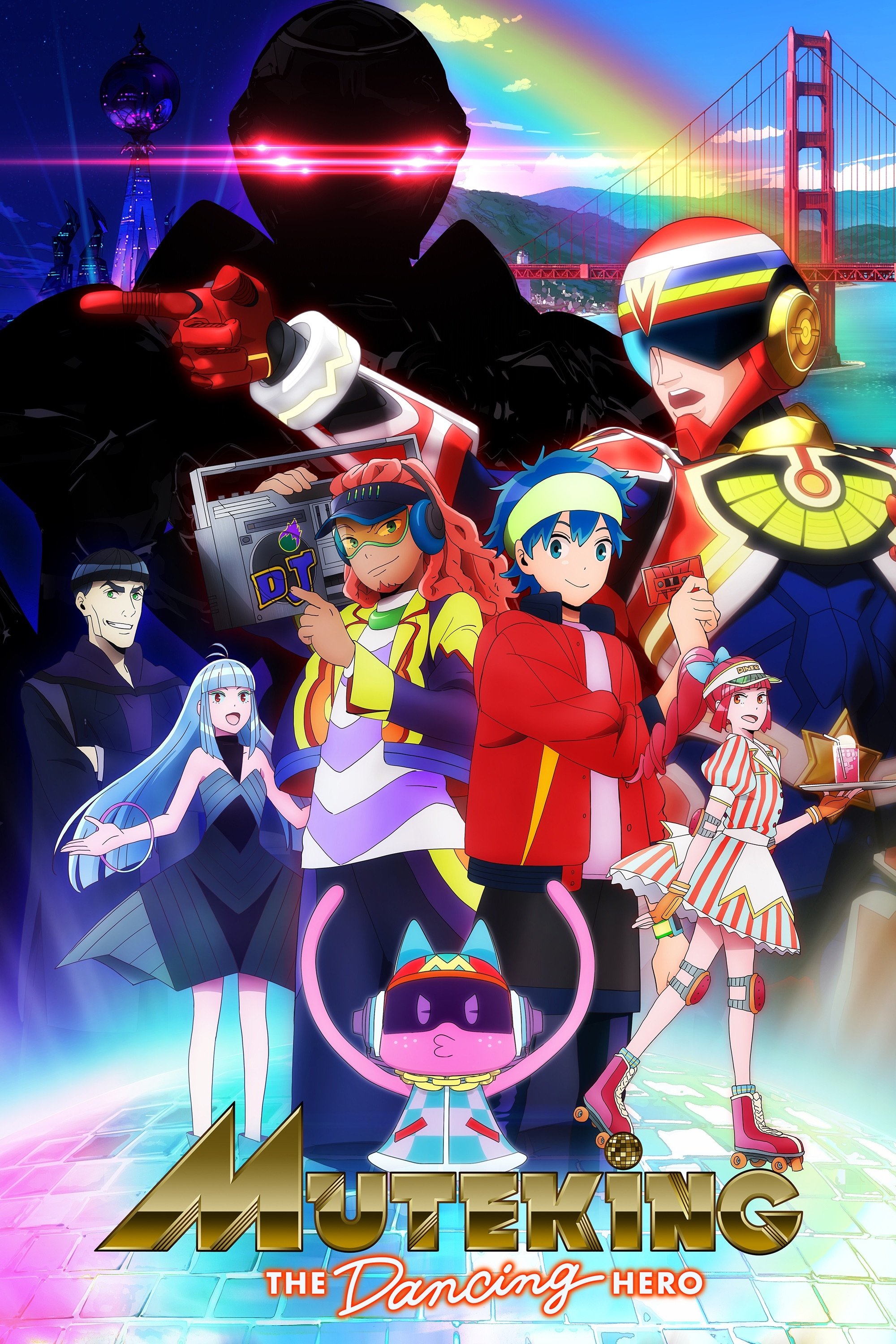
This reboot of a cult classic completely transformed the visual style into a neon drenched modern aesthetic. The original series featured a cast of characters with soft and circular shapes that were common in 1980s gag anime. The new version replaces these with slender and more stylized models that fit a pop art sensibility. This erasure of the original rounder designs helps the show achieve a unique and contemporary look.
Please share your thoughts on these animation changes in the comments.