Actors Who Developed Difficult Reputations After Their Breakout Roles


Following a massive career breakthrough, some actors struggle to manage their newfound leverage within the entertainment industry. This shift often leads to reports of demanding behavior, clashes with directors, or public criticism of the projects that made them famous. While many maintain professional relationships, these individuals became known for their complex onset presence during or after their first major franchise success. These documented instances of friction often impact the trajectory of an actor’s career and their standing with major studios.
Katherine Heigl

After finding immense success on ‘Grey’s Anatomy’, Heigl famously withdrew her name from Emmy consideration, citing the quality of the writing. This public move led to a strained relationship with showrunner Shonda Rhimes and the eventual departure of her character. She also voiced criticism of the film ‘Knocked Up’ during its promotional cycle, calling it sexist. These combined actions led to a long-standing reputation for being difficult to work with in Hollywood. Her career in major studio films saw a significant decline following these public disputes.
Megan Fox
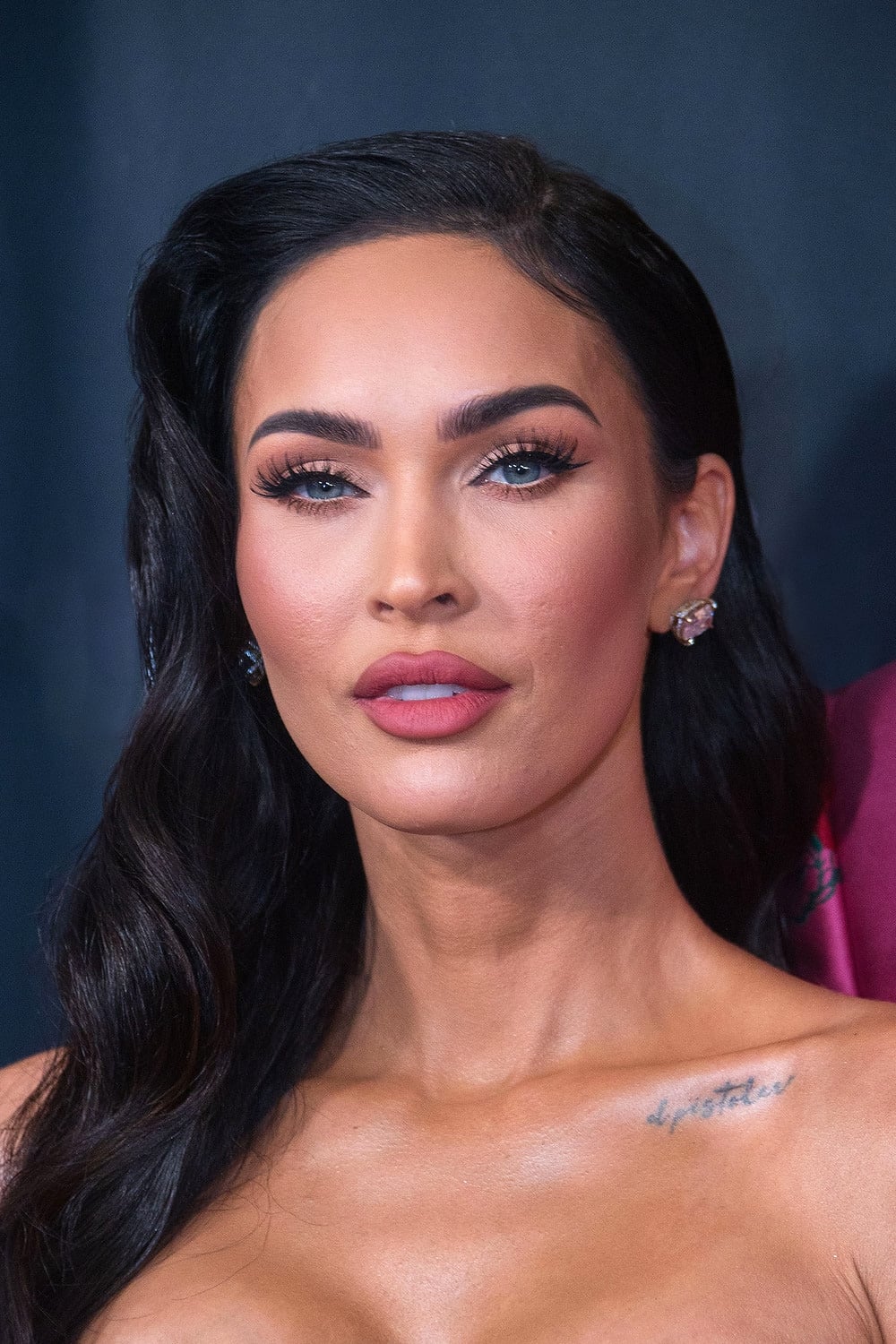
Megan Fox became a global superstar through the ‘Transformers’ franchise but was replaced after the second installment. She compared director Michael Bay to Hitler in a high-profile magazine interview, which led to her immediate dismissal. Executive producer Steven Spielberg reportedly insisted on her removal following the comments. Fox later admitted that her headstrong attitude during that period contributed to the professional fallout. She has since reflected on how the experience served as a major learning moment in her career.
Shia LaBeouf
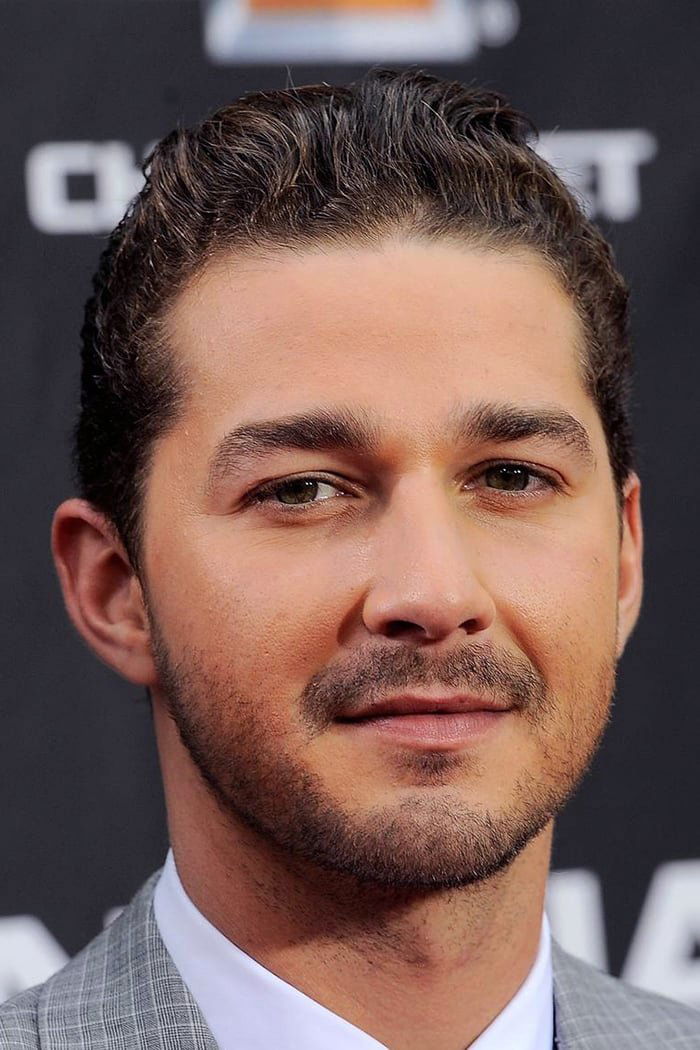
Following his rise to fame in ‘Transformers’ and ‘Indiana Jones and the Kingdom of the Crystal Skull’, LaBeouf began to publicly distance himself from the projects. He frequently disparaged the quality of the scripts and the directing style of his major franchise films. His behavior on subsequent sets, including the film ‘Fury’, reportedly involved intense method acting that made some co-stars uncomfortable. Legal issues and public outbursts further complicated his standing with major studios. He eventually pivoted away from blockbuster cinema to focus on independent art house projects.
Shannen Doherty
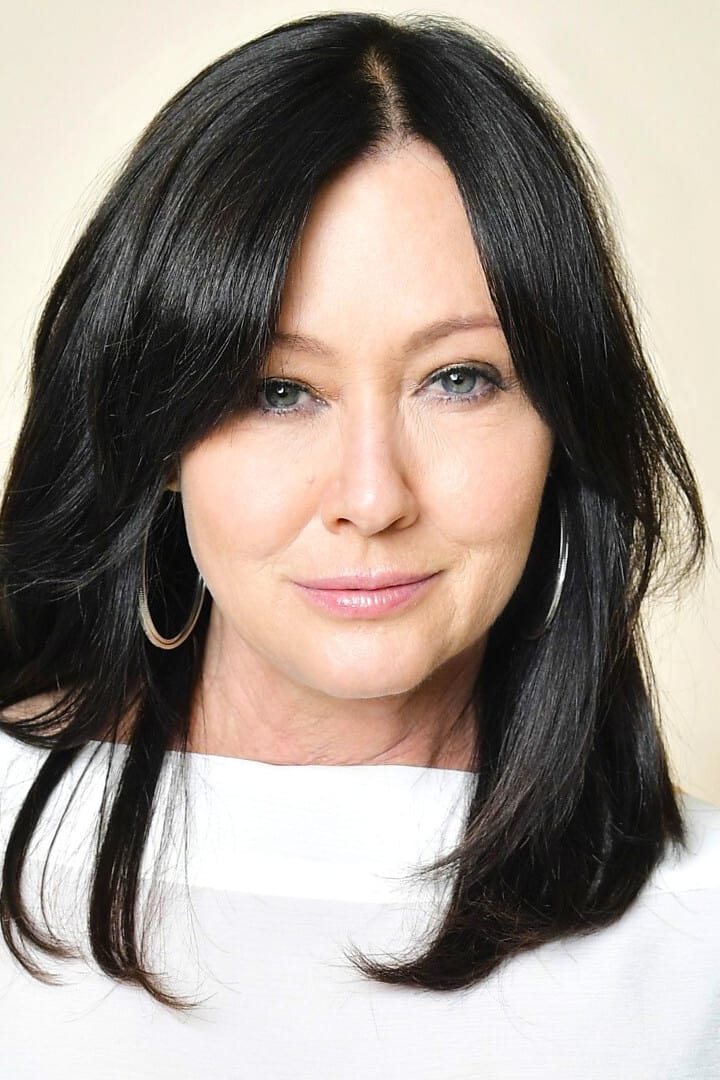
Doherty achieved immense popularity on ‘Beverly Hills, 90210’ before being written off the show due to reported onset friction. Cast members and producers cited chronic lateness and heated arguments as the primary reasons for her exit. A similar situation occurred during her tenure on ‘Charmed’, where she reportedly clashed with co-star Alyssa Milano. These incidents cemented a reputation for being a “bad girl” of television during the 1990s. In recent years, she has reconciled with many former colleagues and spoken openly about her past behavior.
Mischa Barton

As the breakout star of the hit teen drama ‘The O.C.’, Barton became a staple of early 2000s pop culture. Reports from the set suggested she struggled with the grueling production schedule and expressed dissatisfaction with the show’s direction. Her character was eventually killed off, and Barton later admitted she did not feel protected by the production team. Her reputation for being difficult to manage during the height of her fame impacted her transition into adult roles. She has since focused on smaller projects and reality television appearances.
Terrence Howard
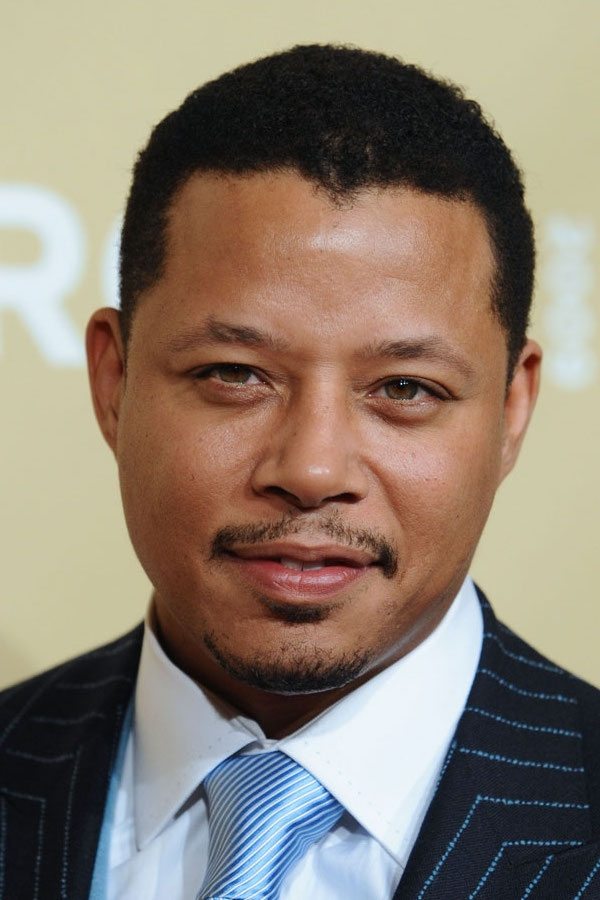
Terrence Howard played James Rhodes in the first ‘Iron Man’ film but was replaced by Don Cheadle for the sequels. Reports indicated that Howard demanded a salary increase that far exceeded the studio’s budget for the role. Director Jon Favreau also reportedly found his performance style difficult to integrate into the film’s collaborative environment. The fallout resulted in a public dispute between the actor and Marvel Studios regarding his contract. Howard has frequently discussed his frustration with the situation in various interviews over the years.
Lea Michele

Michele rose to international fame as Rachel Berry on the hit musical series ‘Glee’. Years after the show concluded, former cast members came forward with allegations of microaggressions and bullying behavior on set. These reports suggested she created a hostile environment for background actors and guest stars throughout the production. Several brands ended their partnerships with her following the public revelation of these allegations. She eventually issued a public apology, acknowledging that she had behaved in ways that were perceived as insensitive.
Edward Norton
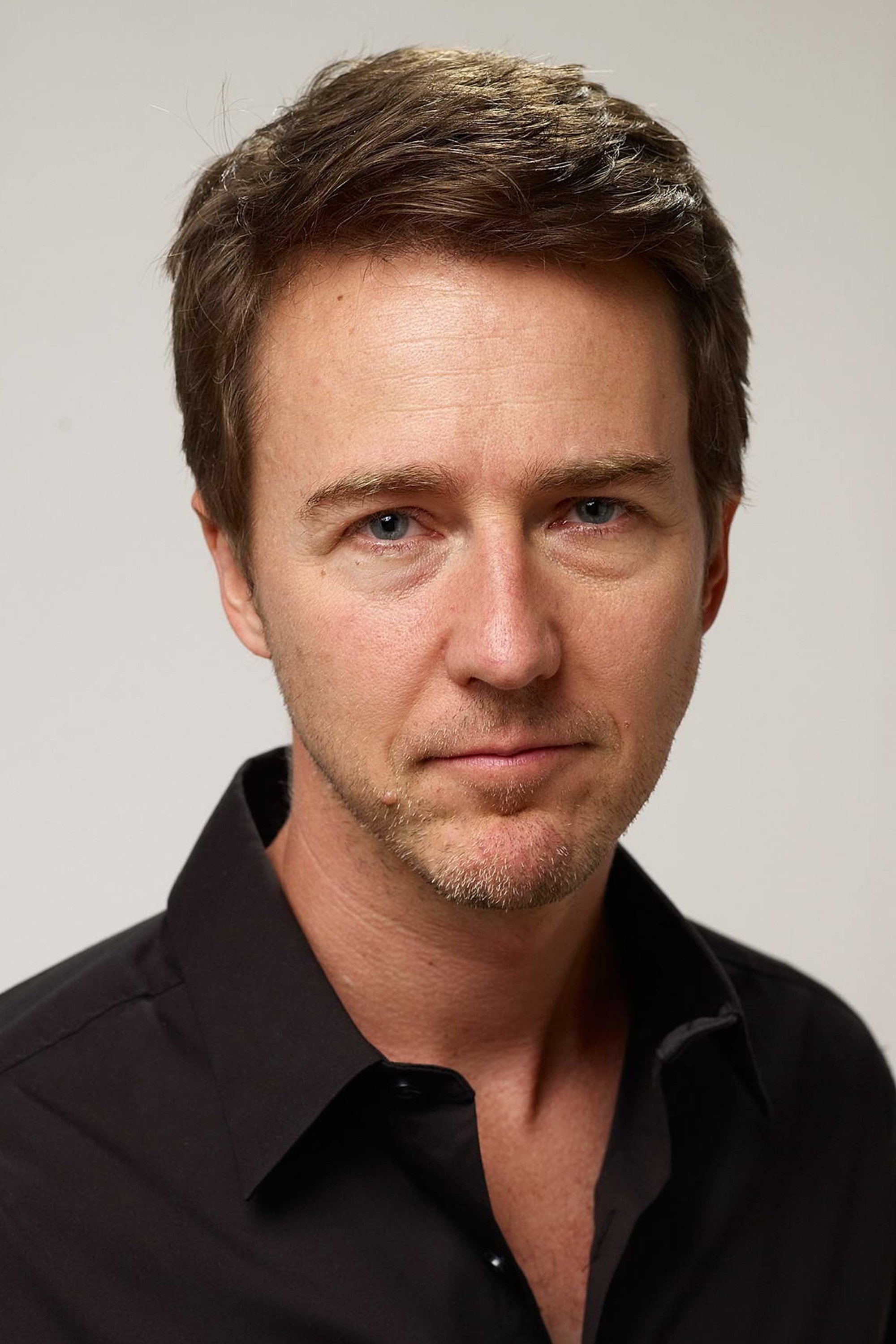
Known for his immense talent, Norton took on the role of Bruce Banner in ‘The Incredible Hulk’ but clashed with Marvel executives. He reportedly insisted on significant script rewrites and creative control during the editing process. His refusal to participate in the traditional promotional cycle for the film further strained the relationship with the studio. Marvel eventually released a statement citing the need for an actor who embodies the collaborative spirit, leading to his replacement by Mark Ruffalo. Norton has continued to work in acclaimed films but is often described as a meticulous and demanding collaborator.
Charlie Sheen
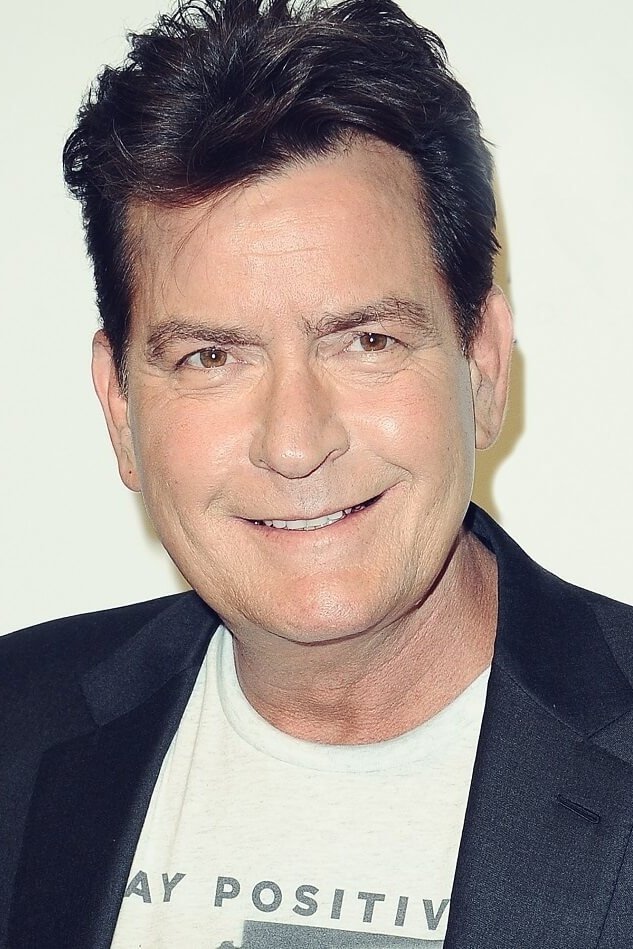
During his tenure on ‘Two and a Half Men’, Sheen became the highest-paid actor on television. His public feud with creator Chuck Lorre resulted in a highly publicized firing and a series of erratic media appearances. Sheen’s demands for higher pay and his behavior behind the scenes eventually overshadowed the success of the sitcom. The production was forced to shut down temporarily before being retooled with a new lead actor. This period marked a significant turning point in his career and his public image.
Lindsay Lohan

After a string of hits like ‘Mean Girls’ and ‘Freaky Friday’, Lohan’s reputation for unreliability began to grow. Producers on films like ‘Georgia Rule’ and ‘The Canyons’ noted frequent delays and professional lapses during filming. Her behavior led to increased insurance costs for productions, making it difficult for studios to hire her for lead roles. These professional challenges were often tied to her highly publicized personal struggles during the mid-2000s. She has recently attempted a career comeback with several holiday-themed streaming projects.
Chevy Chase
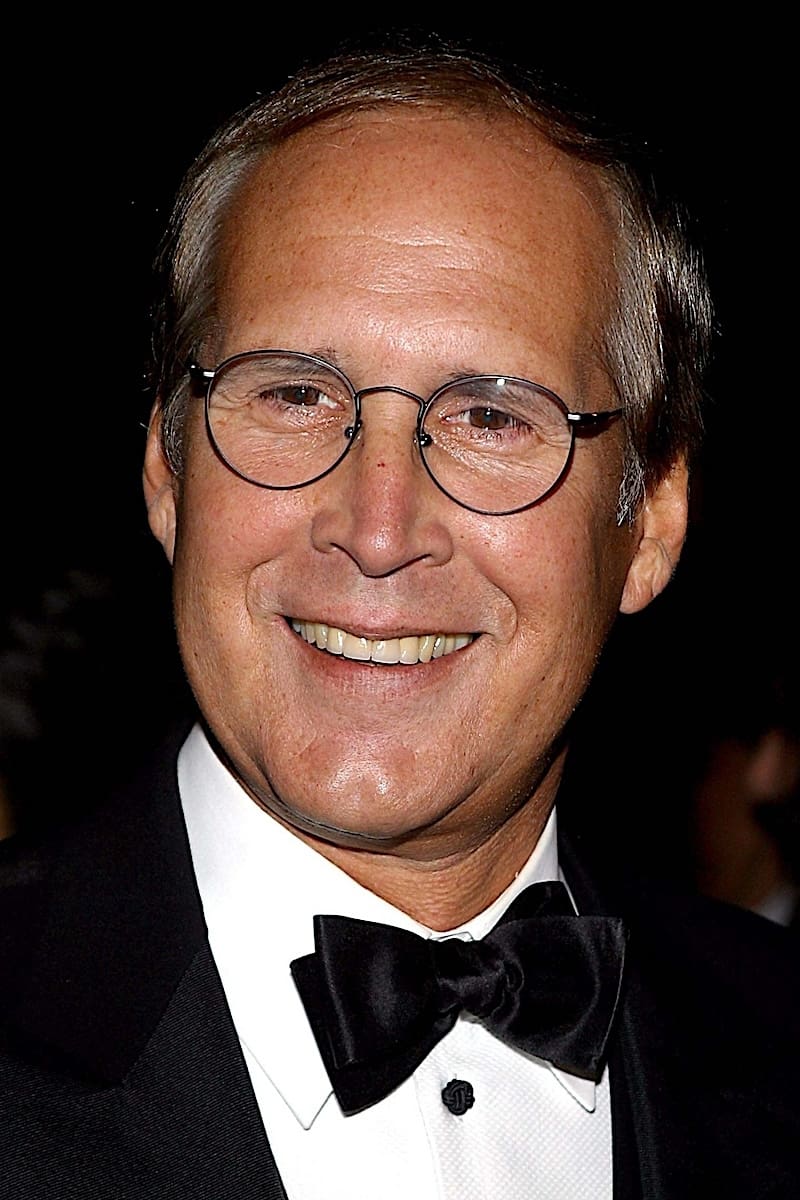
Chase gained fame as the breakout star of ‘Saturday Night Live’ but left after only one season to pursue a film career. He developed a reputation for being difficult to work with on the sets of movies like ‘Christmas Vacation’. This pattern continued decades later during his time on the series ‘Community’, where he frequently clashed with creator Dan Harmon. Co-stars reported that his behavior often created a tense atmosphere during long filming days. His departure from the show followed a series of documented disputes and professional disagreements.
Mike Myers
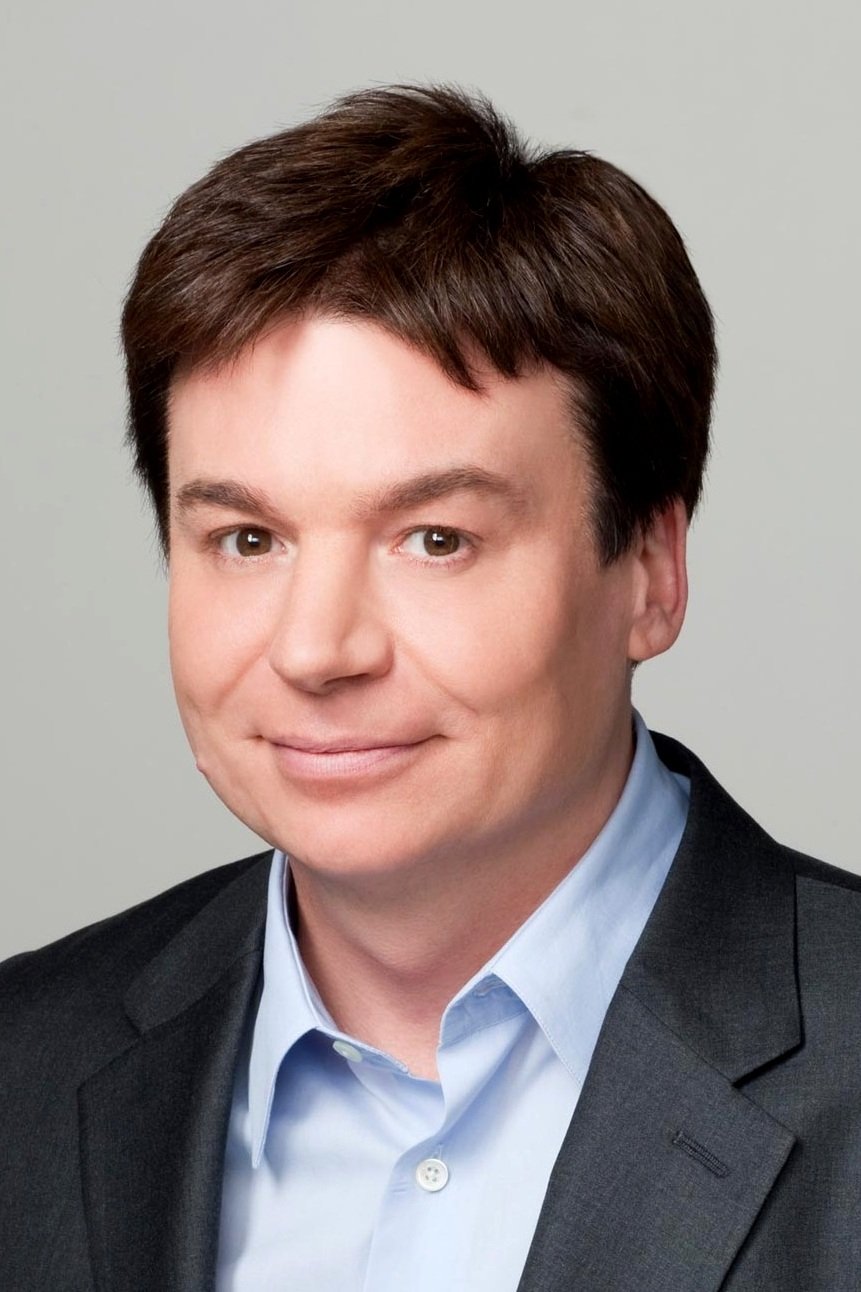
Myers solidified his status as a comedy icon with ‘Wayne’s World’ and the ‘Austin Powers’ franchise. Reports from various sets suggested he exercised extreme control over every aspect of production, often at the expense of his collaborators. Director Penelope Spheeris noted significant tension during the filming of their first major hit together. These perfectionist tendencies reportedly made collaboration difficult for many of his peers in the industry. While his films were highly successful, his reputation for being an exacting and difficult lead persisted.
Jared Leto
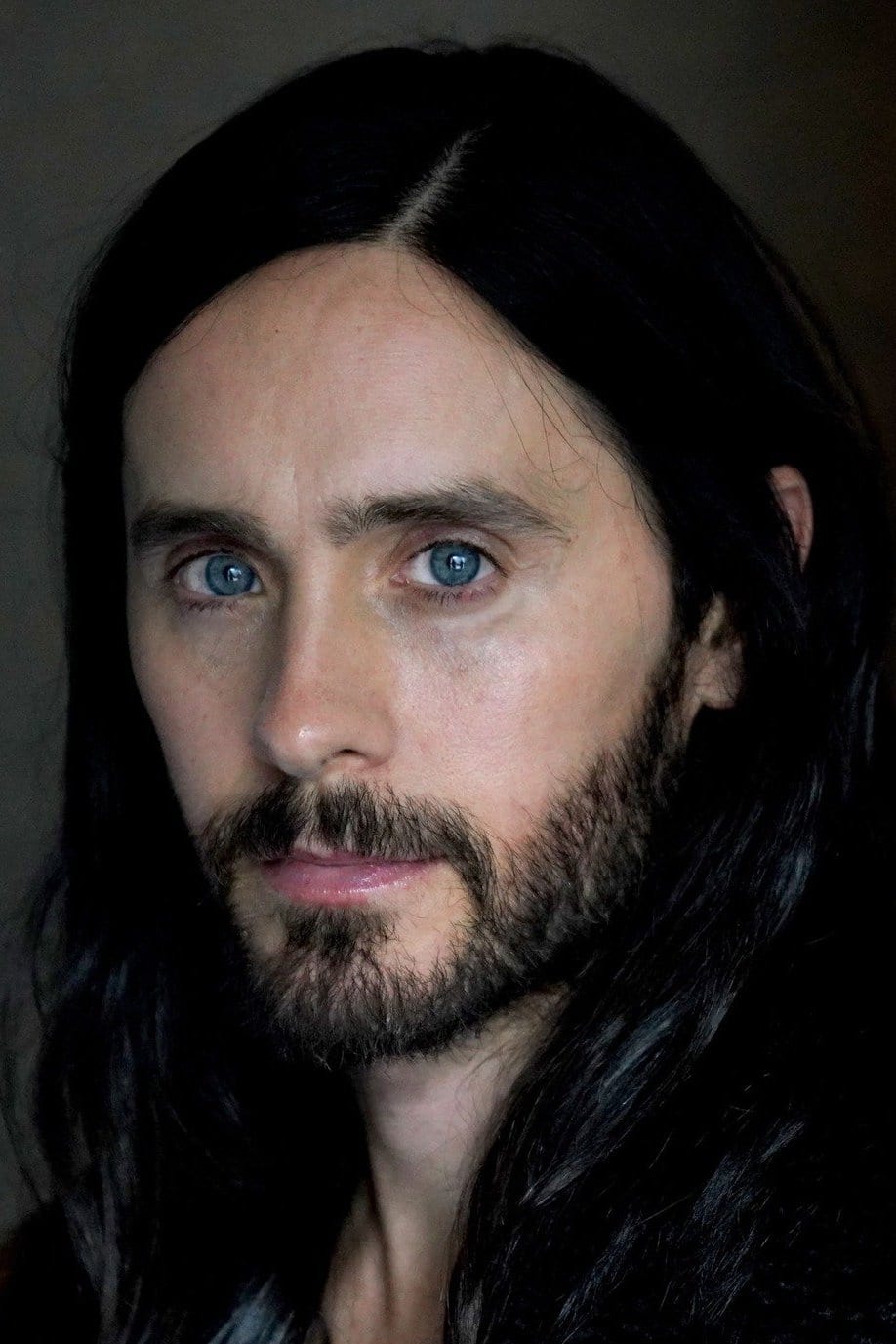
Leto gained a new level of franchise visibility as the Joker in ‘Suicide Squad’ and became famous for his method acting. Reports surfaced regarding his intense preparation, which included sending disturbing gifts to his fellow cast members. While Leto viewed this as a way to enhance the character’s presence, some co-stars found it disruptive to the workplace. He has also been involved in reports of onset tension during the production of ‘Morbius’. His approach remains a polarizing topic among directors and actors who have worked alongside him.
Wesley Snipes
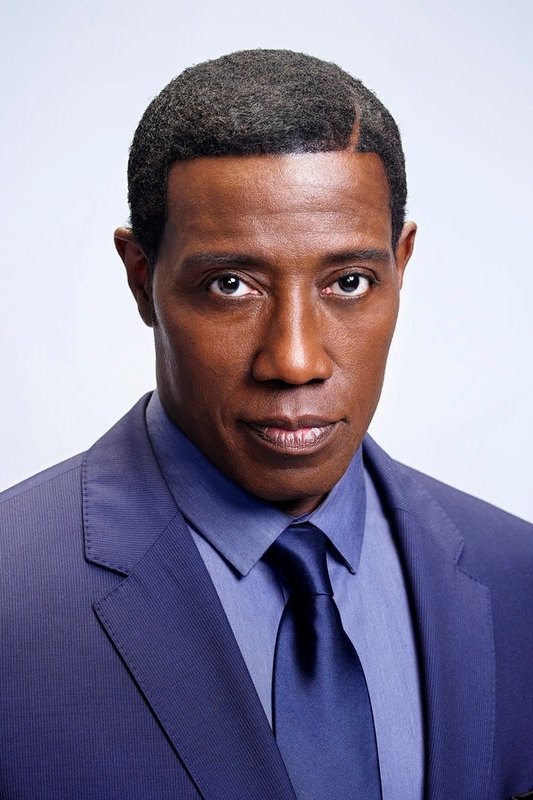
Snipes led the successful ‘Blade’ trilogy, which helped pave the way for the modern era of superhero cinema. During the filming of ‘Blade: Trinity’, co-star Patton Oswalt alleged that Snipes remained in his trailer and communicated only via Post-it notes. He also reportedly attempted to choke director David Goyer during a heated dispute on set. These events became part of industry lore regarding difficult onset experiences with franchise leads. Despite the film’s success, the franchise ended after the third installment amidst these reported tensions.
Val Kilmer
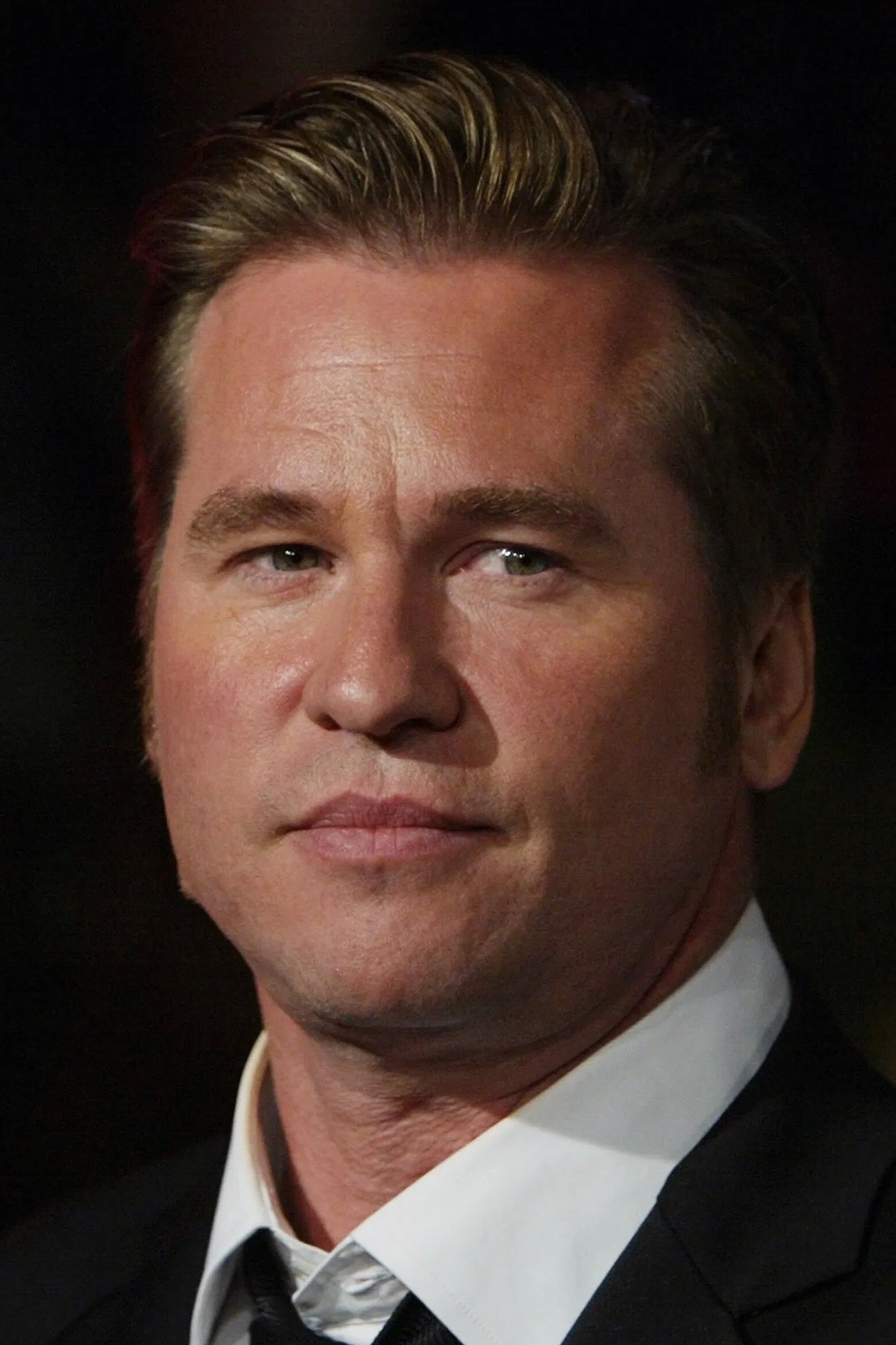
Kilmer reached a career peak with roles in ‘Top Gun’ and ‘Batman Forever’, but his reputation for being difficult grew. Director Joel Schumacher famously called him “childish and impossible” after their collaboration on the superhero sequel. Kilmer was known for challenging directors and demanding specific changes to scripts during production. His insistence on creative autonomy often put him at odds with the studio system. His reputation reportedly led to a decrease in major studio offers during the late 1990s and early 2000s.
Jennifer Lopez

Achieved massive success with ‘Selena’ and a burgeoning music career, but early reports of a “diva” attitude followed her rise. Various sources claimed she had extensive rider demands and maintained a detached attitude toward onset staff. These stories contributed to a public image that was often at odds with her professional achievements. While she remains a major star, her early transition to fame was marked by persistent rumors of demanding behavior. She has since focused on maintaining a highly curated public persona and professional brand.
Julia Roberts
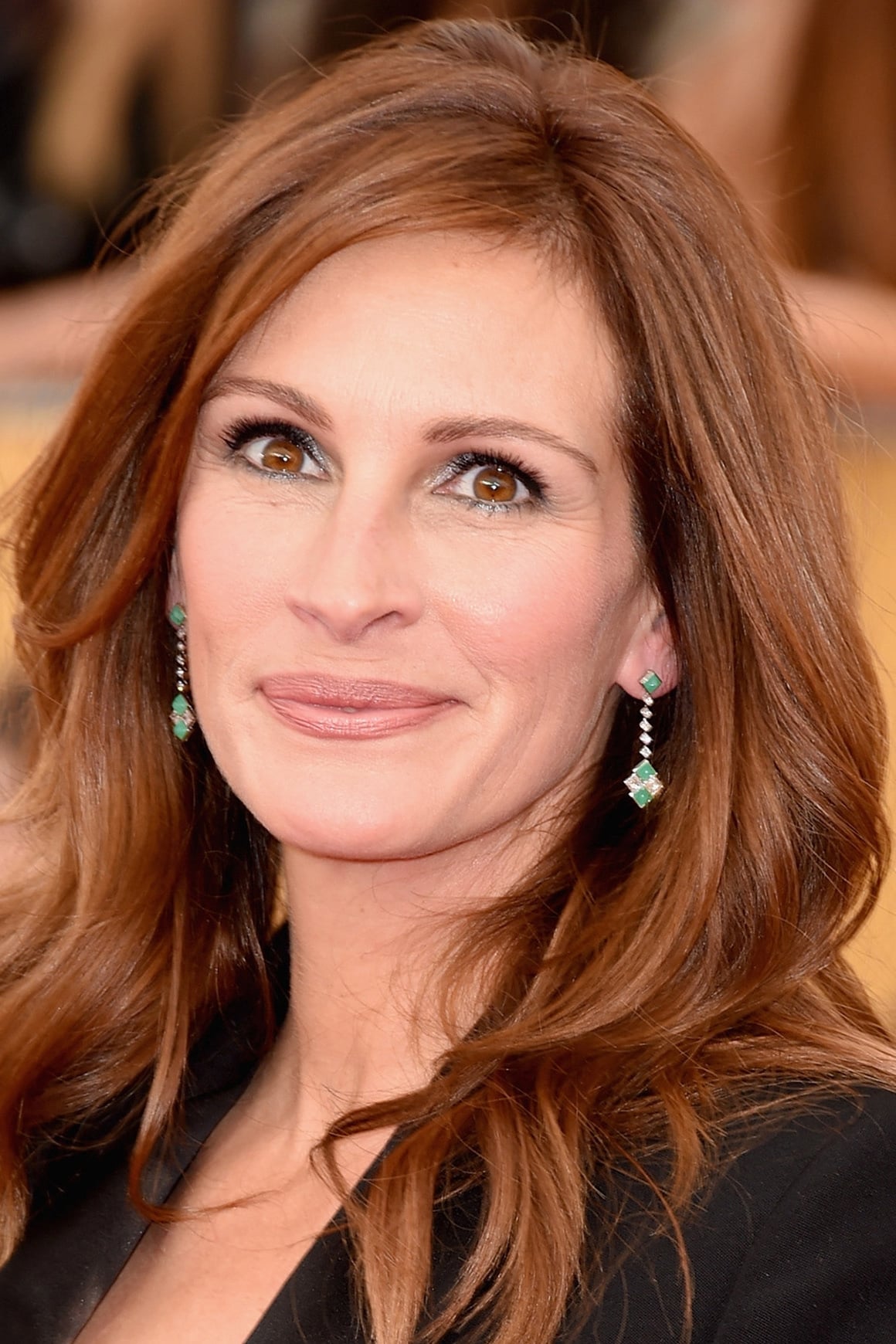
Roberts became a household name after ‘Pretty Woman’, but faced significant criticism during the filming of ‘Hook’. Director Steven Spielberg admitted in interviews that it was not a good time for them to work together. Crew members reportedly nicknamed her “Tinkerhell” due to her alleged behavior on the set of the fantasy film. She later acknowledged that she was dealing with personal challenges during that period of her life. Roberts eventually rehabilitated her image and remained one of the most successful actresses in the industry.
Gwyneth Paltrow
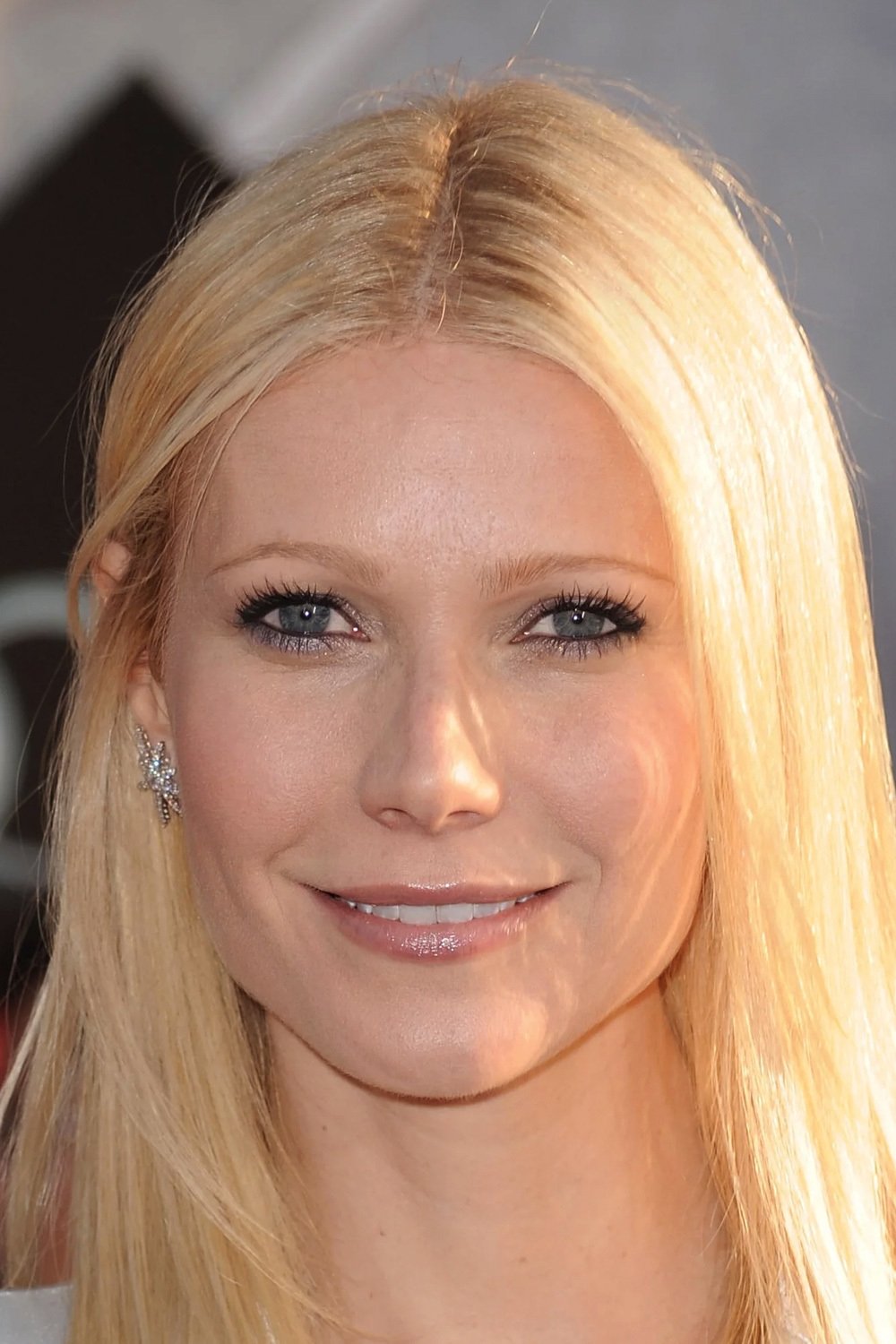
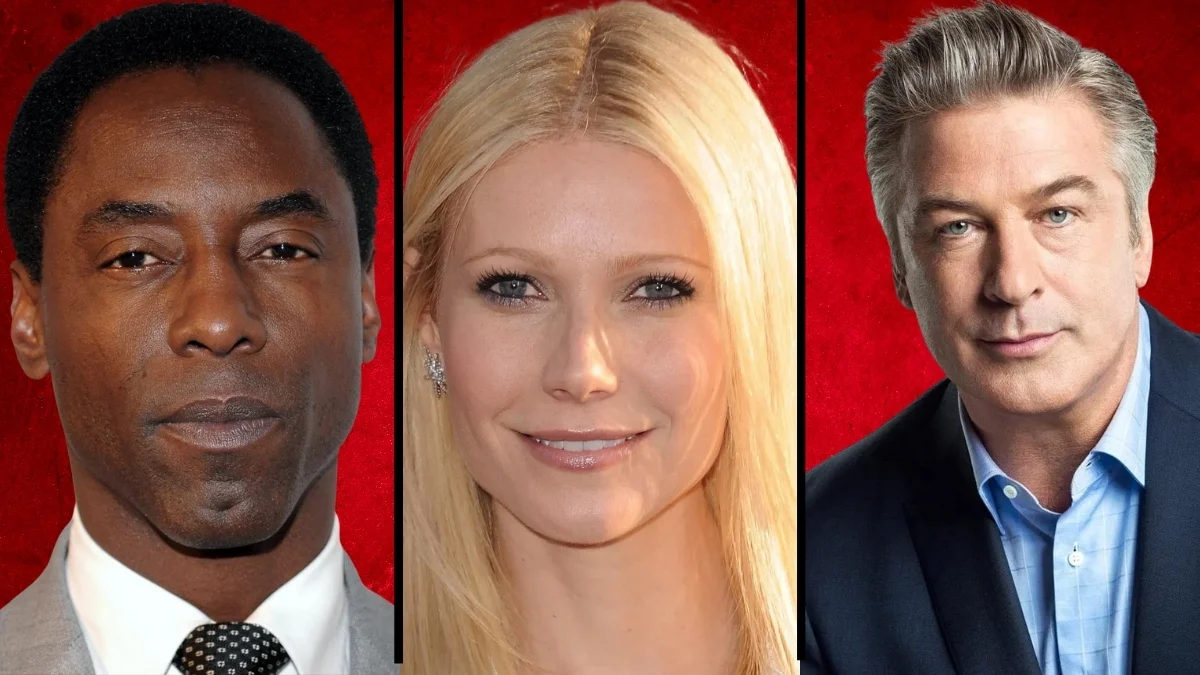
Paltrow established herself as an A-list star after ‘Shakespeare in Love’ and later joined the ‘Iron Man’ series. Reports of her demanding lifestyle requirements and detached demeanor often circulated in industry trades. She was rumored to request that gym showers be dried before she entered them to avoid contact with used water. Her focus eventually shifted toward her lifestyle brand, Goop, while she maintained a selective acting career. Despite the rumors, she remained a key part of the Marvel Cinematic Universe for over a decade.
Russell Crowe
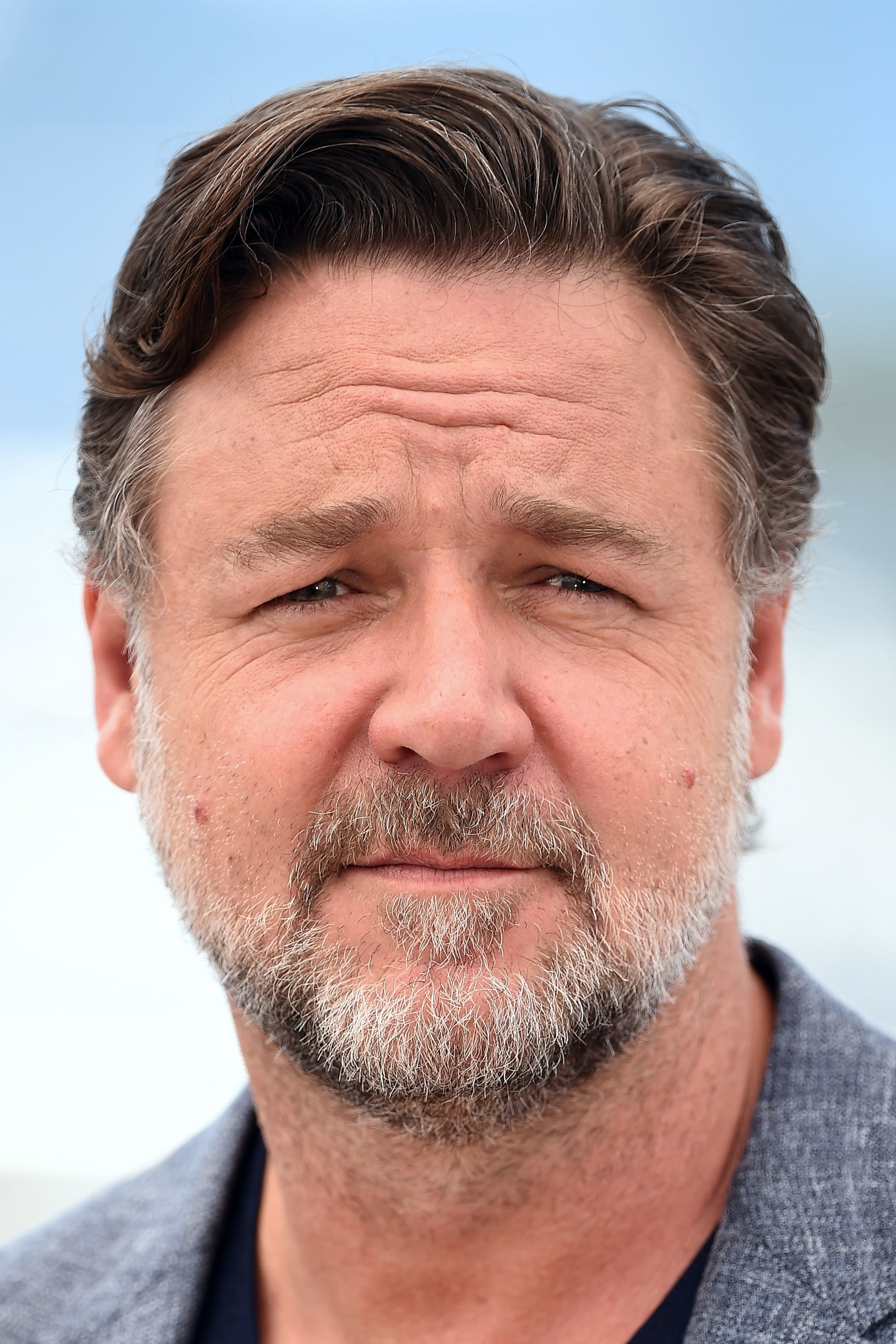
Crowe won an Academy Award for ‘Gladiator’ but became known for a volatile temperament shortly after his win. He reportedly made threatening phone calls to a producer and engaged in several public altercations during the height of his fame. His demands for script revisions and his intense on-set presence were frequently documented by collaborators. Despite his undeniable talent, his reputation for being difficult preceded him for much of the 2000s. In recent years, he has taken on more diverse roles and maintained a lower public profile.
Alec Baldwin
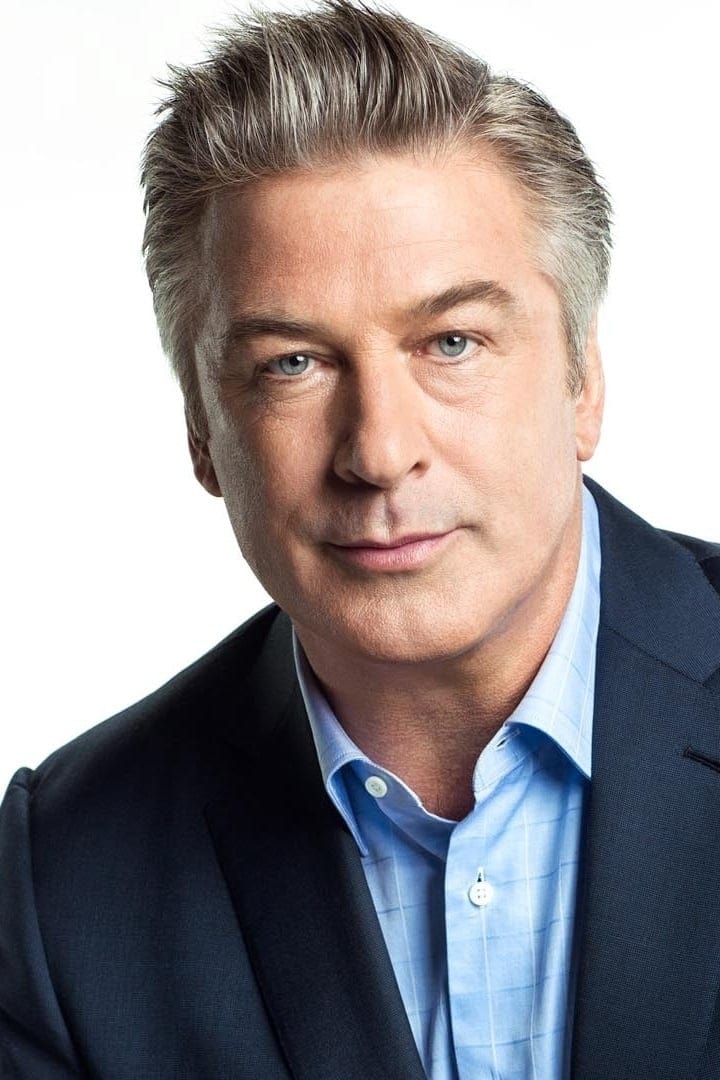
Baldwin found franchise success in ‘The Hunt for Red October’ but did not return for the sequel, ‘Patriot Games’. Reports suggested his demands and attitude during contract negotiations led the studio to replace him with Harrison Ford. Throughout his career, including his long run on ’30 Rock’, he faced headlines regarding his temper and interpersonal conflicts. These incidents often overshadowed his professional achievements and led to public apologies. He has remained a prominent figure in the industry despite these recurring controversies.
William Shatner
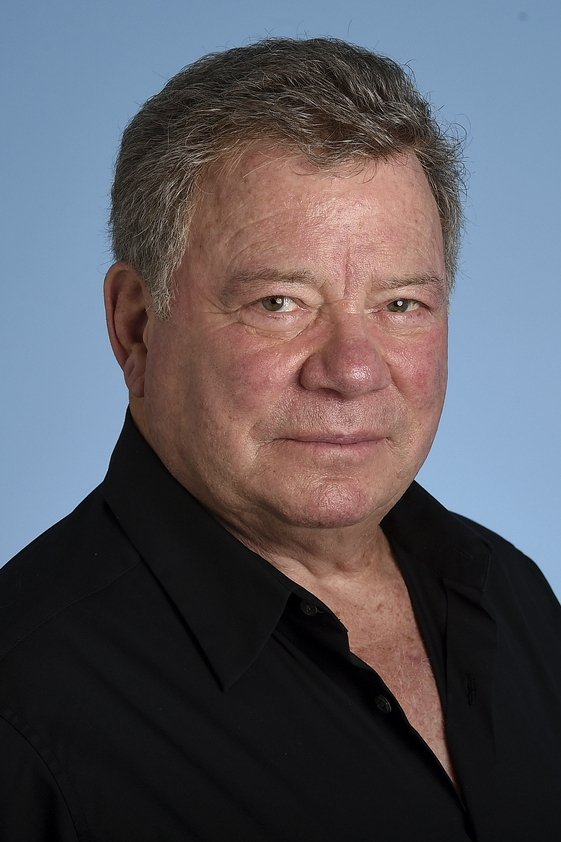
Shatner became a cultural icon through ‘Star Trek’, yet his co-stars frequently voiced their frustrations with his behavior. George Takei and Nichelle Nichols described him as self-centered and unwilling to share the spotlight during production. He reportedly used his influence as the lead actor to reduce the screen time of other cast members. These tensions persisted for decades after the original series ended, often becoming a topic of public debate. Shatner has largely leaned into his persona while acknowledging the friction with his former colleagues.
Faye Dunaway

Dunaway rose to fame in ‘Bonnie and Clyde’ and ‘Chinatown’, becoming one of the most respected actresses of her generation. She was notorious for her demanding nature and frequent clashes with directors like Roman Polanski. On the set of ‘Mommie Dearest’, her behavior was reportedly so intense that it alienated much of the cast and crew. She remains one of Hollywood’s most famously exacting performers, with many industry veterans sharing stories of her onset demands. Her career remains defined by both her incredible talent and her difficult reputation.
Sharon Stone

Stone became a household name after ‘Basic Instinct’ and was frequently associated with high-profile demands on set. Producers on various projects noted her insistence on specific luxury accommodations and significant creative control. She reportedly had a “diva” reputation that made some major studios hesitant to cast her in ensemble pieces. Her outspoken nature often put her at odds with industry executives during the peak of her stardom. She has continued to work in both film and television while maintaining a strong public presence.
January Jones
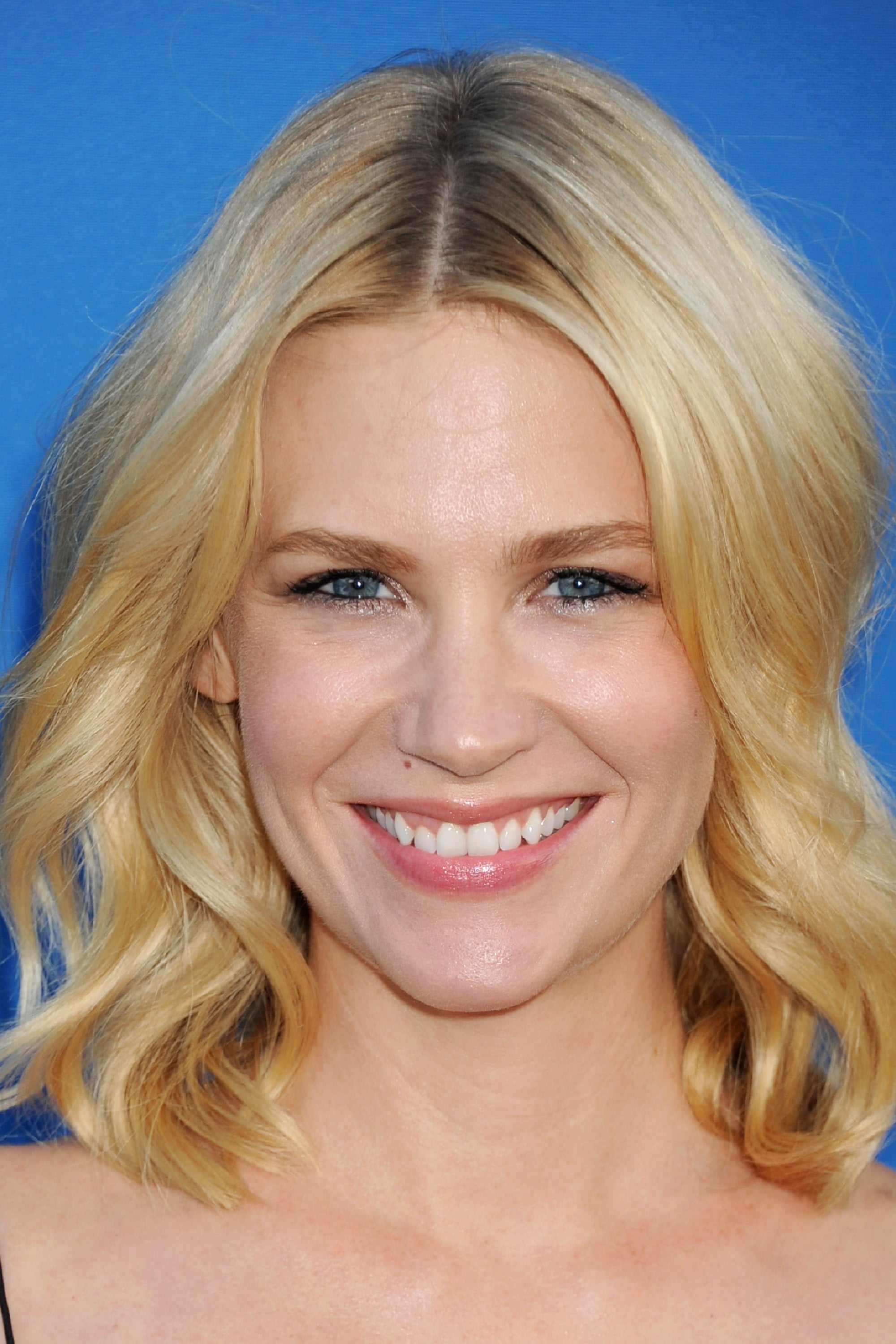
Jones earned critical acclaim for her role as Betty Draper in the hit series ‘Mad Men’ but faced reports of a cold demeanor. Child actor Jared Gilmore, who played her son on the show, publicly stated that she was not approachable on set. Other reports suggested a detached attitude toward guest stars and crew members during the show’s successful run. These comments contributed to a public perception of her being difficult to work with in a collaborative environment. Jones has largely ignored the criticism while continuing her career in various film and television projects.
T.J. Miller
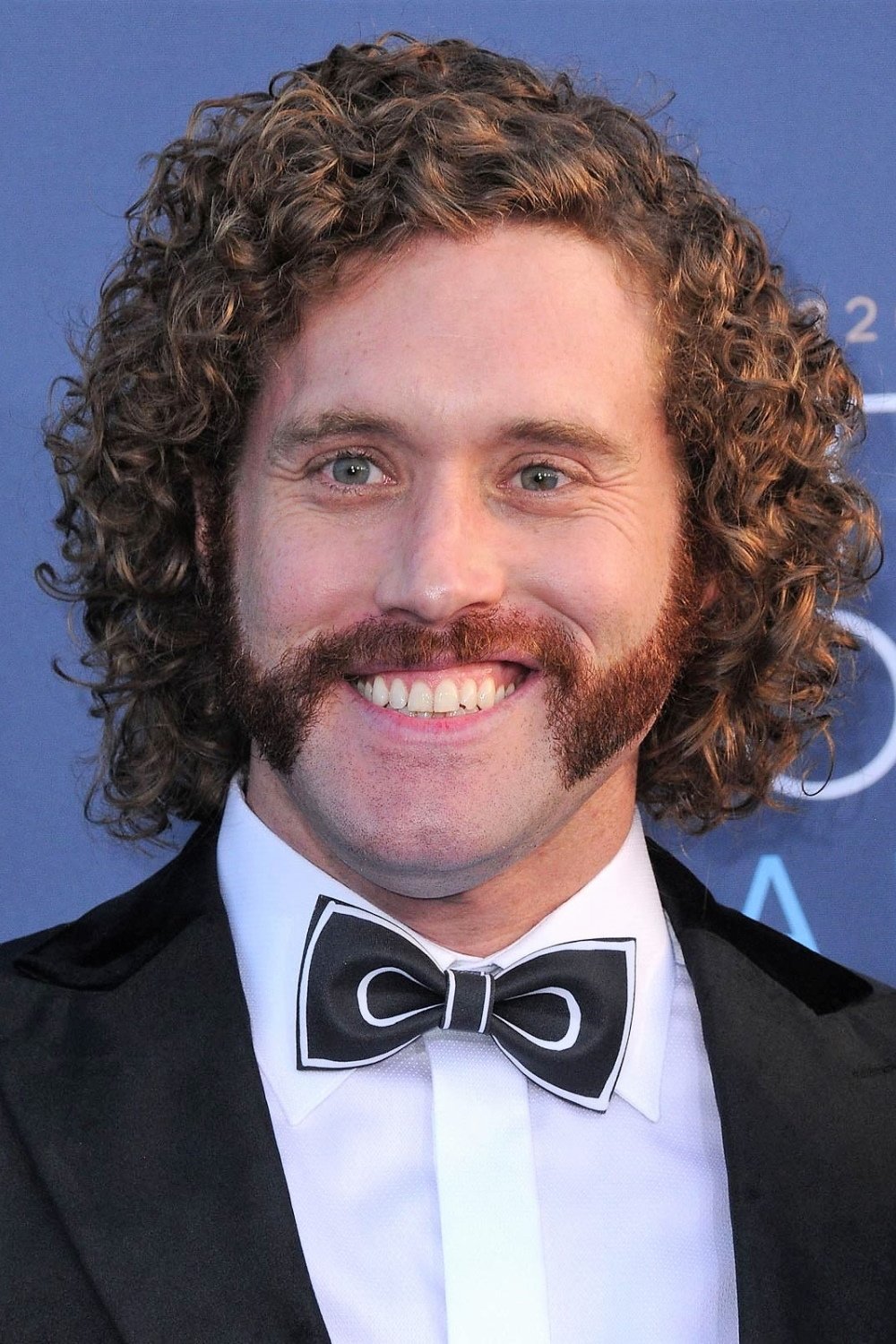
Miller gained significant popularity on the HBO series ‘Silicon Valley’ before being written out of the show. Co-stars and creators cited his unprofessionalism and tendency to show up late or unprepared as major disruptions to the production. His exit followed reports of a hostile environment and several legal controversies that impacted his public standing. The show’s producers eventually decided to move forward without his character to ensure a more stable working environment. His career has struggled to regain its former momentum following these reports.
Isaiah Washington
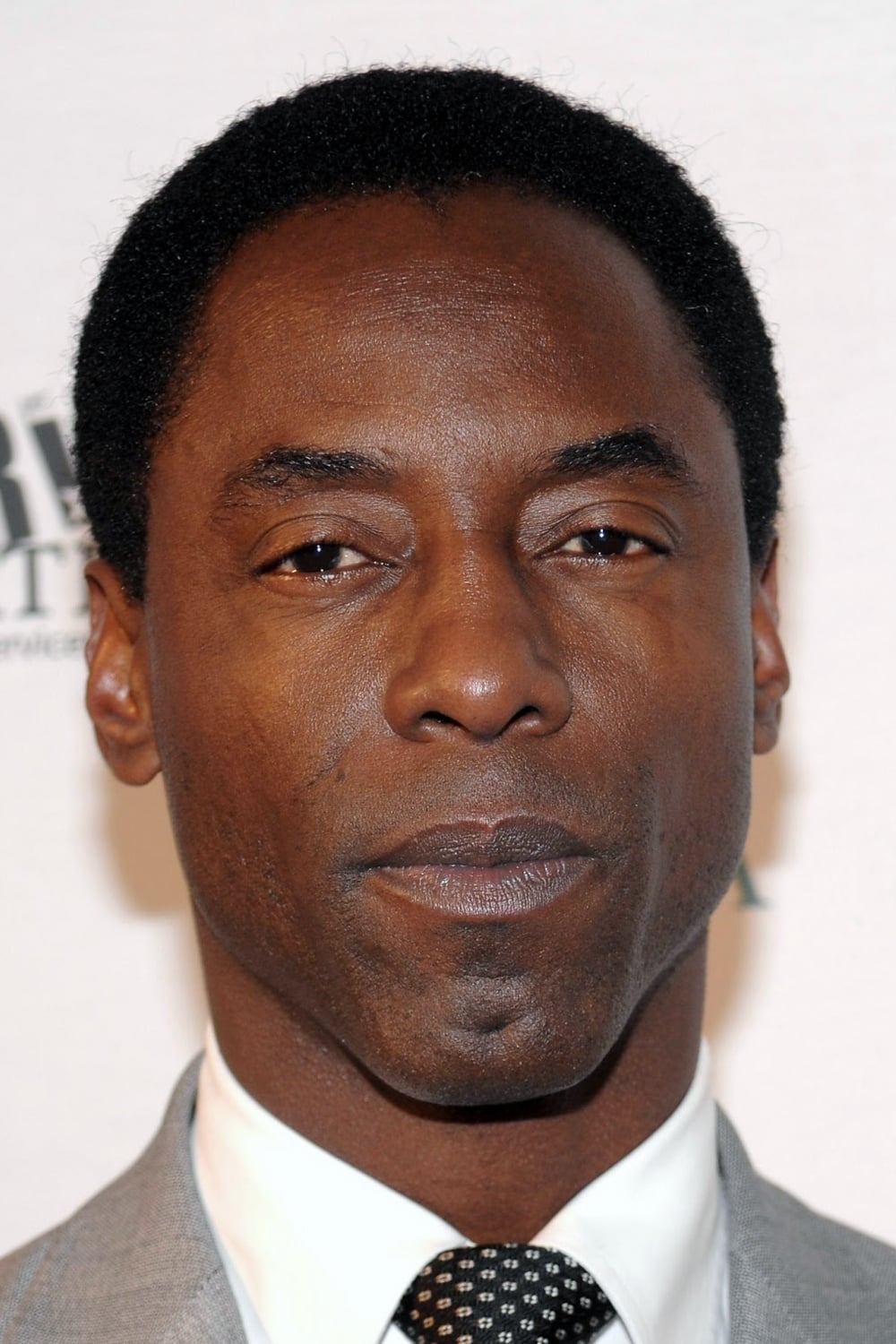
Washington was a central cast member on ‘Grey’s Anatomy’ during its early years of massive success. He was fired from the show after using a homophobic slur directed at a co-star during an on-set argument. The incident highlighted a history of friction between him and other members of the production staff. His departure served as a high-profile example of industry consequences for workplace misconduct and difficult behavior. Although he eventually returned for a guest appearance, the event significantly altered his career path.
Taylor Momsen

Momsen grew up in the spotlight but became a series regular on the hit franchise ‘Gossip Girl’. Project mentors and guest stars, including Tim Gunn, publicly criticized her unprofessionalism and lack of focus on set. She was eventually placed on an indefinite hiatus before leaving the show entirely to pursue a career in music. Her transition from a child star to a teen idol was marked by these reported behavioral shifts and a change in her public image. She has since found success as the lead singer of a rock band.
Mandy Patinkin

Patinkin had major roles in franchises like ‘Chicago Hope’ and ‘Criminal Minds’ but left both shows abruptly. He cited creative differences or personal distress regarding the violent content of the programs as his reasons for departing. In later years, he admitted to being “obnoxious” and difficult to work with during those periods of his career. He expressed deep regret for how he handled his departures and the impact his behavior had on his colleagues. He has since enjoyed a successful run on the series ‘Homeland’.
Steven Seagal
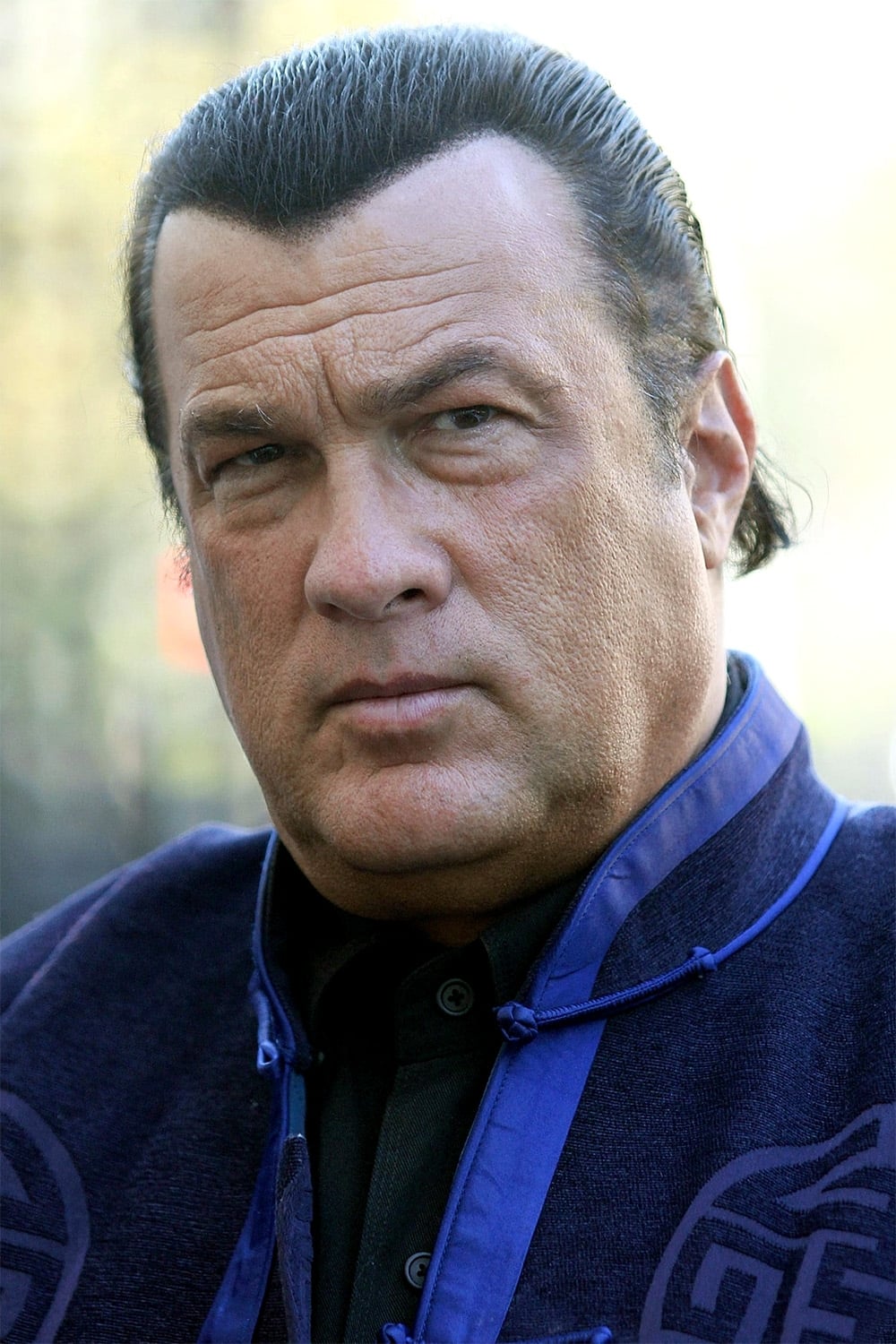
Seagal became an action star with the ‘Under Siege’ franchise but was frequently accused of being difficult on set. Stories of him bullying stunt performers and demanding excessive changes to scripts became common in the industry. He was also known for making grand claims about his personal history that were often disputed by others. His reputation for being unprofessional led to a decline in his work with major studios and a move toward direct-to-video projects. He remains a polarizing figure within the action cinema community.
Dustin Hoffman
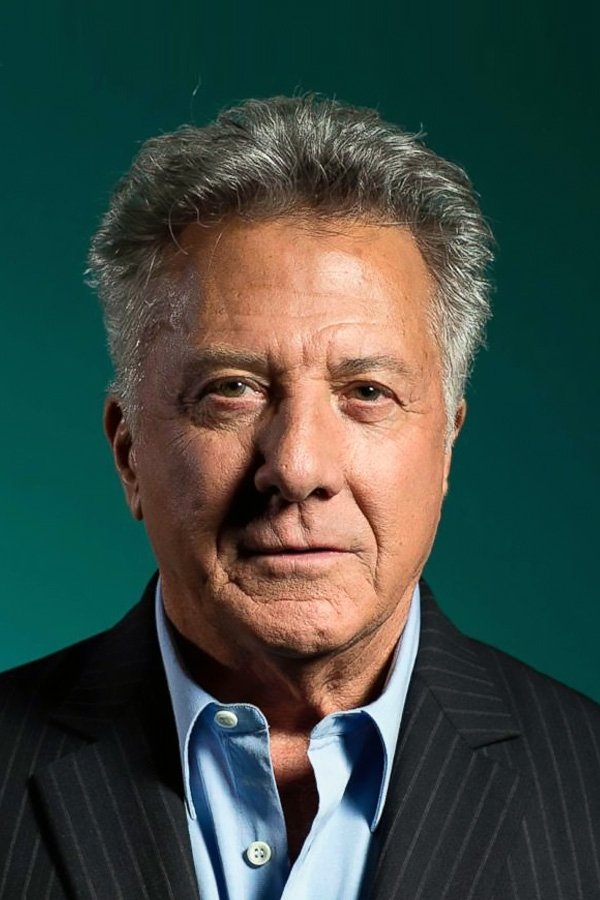
Hoffman achieved legendary status with ‘The Graduate’ but was known for his grueling demands during production. He frequently questioned directors and insisted on countless retakes to achieve his specific vision for a scene. While this often resulted in iconic performances, it created significant tension with collaborators like Meryl Streep on ‘Kramer vs. Kramer’. His perfectionism was often viewed as a form of difficult behavior by those who had to manage the production schedule. He remains one of the most decorated actors in history despite his challenging onset reputation.
Share your thoughts on these reported celebrity behaviors in the comments.