Celebrities Who Don’t Support Diversity Initiatives


Hollywood has increasingly embraced mandates and quotas aimed at improving representation across the entertainment industry. While many figures celebrate these changes as long-overdue progress, a distinct group of celebrities has voiced opposition to enforced diversity measures. These individuals often argue that meritocracy should take precedence over identity politics or that such initiatives stifle creative freedom. The following list explores various actors and public figures who have criticized or rejected specific diversity and inclusion strategies.
Richard Dreyfuss
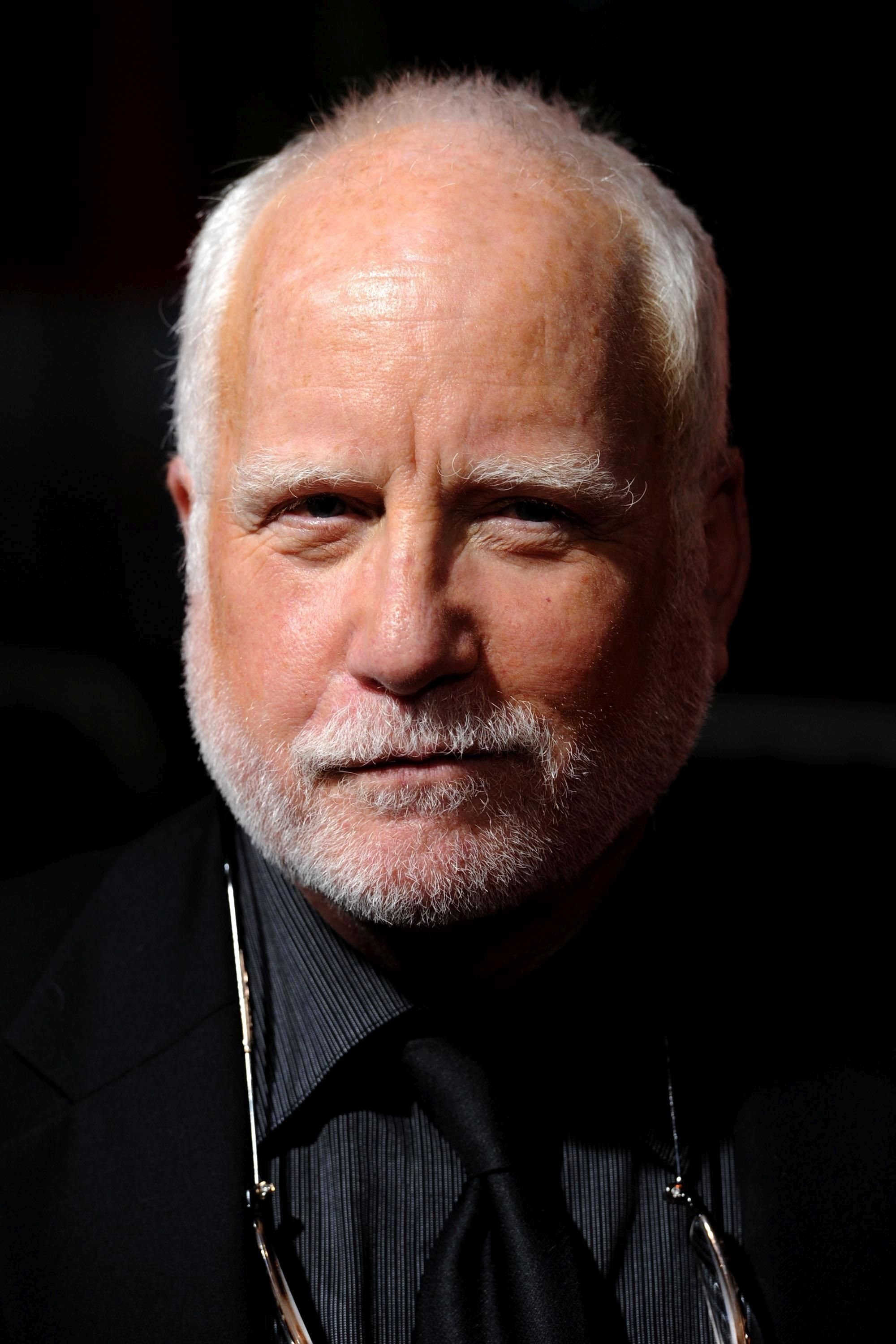
The Oscar-winning actor has been one of the most vocal critics of the Academy of Motion Picture Arts and Sciences’ new inclusion standards. Dreyfuss explicitly stated that the new diversity requirements for Best Picture eligibility made him want to vomit. He argues that art should not be subjected to moral legislation or codes that dictate creative decisions. His stance is that artists should have the absolute freedom to tell their stories without adhering to a checklist of demographic requirements.
John Cleese
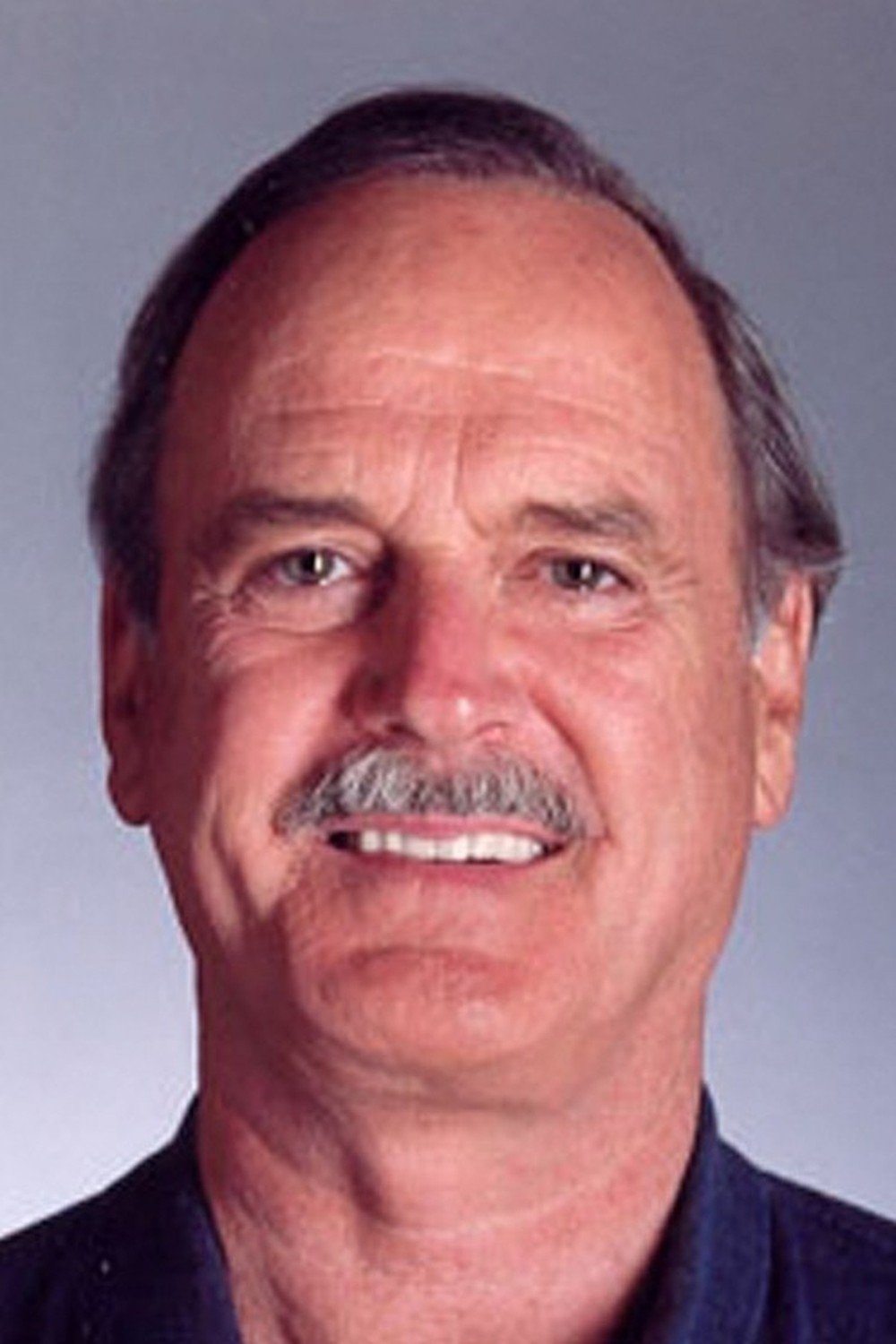
The ‘Monty Python’ legend has frequently criticized what he views as the stifling nature of “woke” culture on comedy and creativity. Cleese publicly mocked the BBC’s diversity targets and questioned whether the network’s decisions were driven by talent or box-ticking. He has expressed concern that comedy is being destroyed by political correctness and the fear of offending specific groups. Cleese maintains that humor requires the freedom to be subversive without the constraints of modern sensitivity standards.
Stephen King
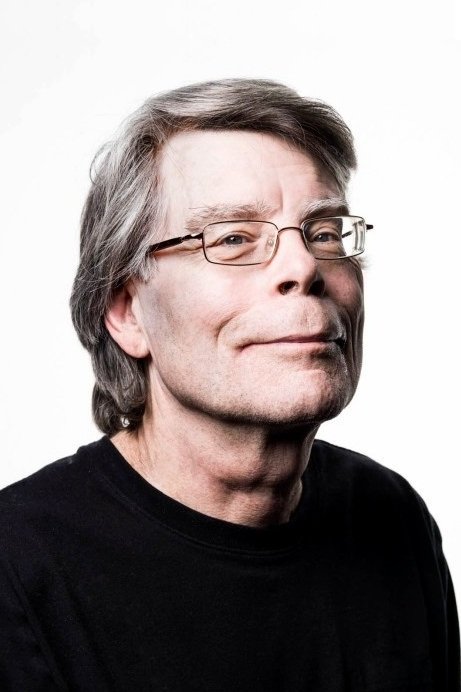
The acclaimed horror author faced backlash after commenting on the lack of diversity in the 2020 Oscar nominations. King tweeted that he would never consider diversity in matters of art and that only quality should matter. He argued that judging creative work by any standard other than excellence is fundamentally wrong. Although he later clarified his position to say the game is rigged, his initial comments were seen as a rejection of affirmative action in awards recognition.
Morgan Freeman
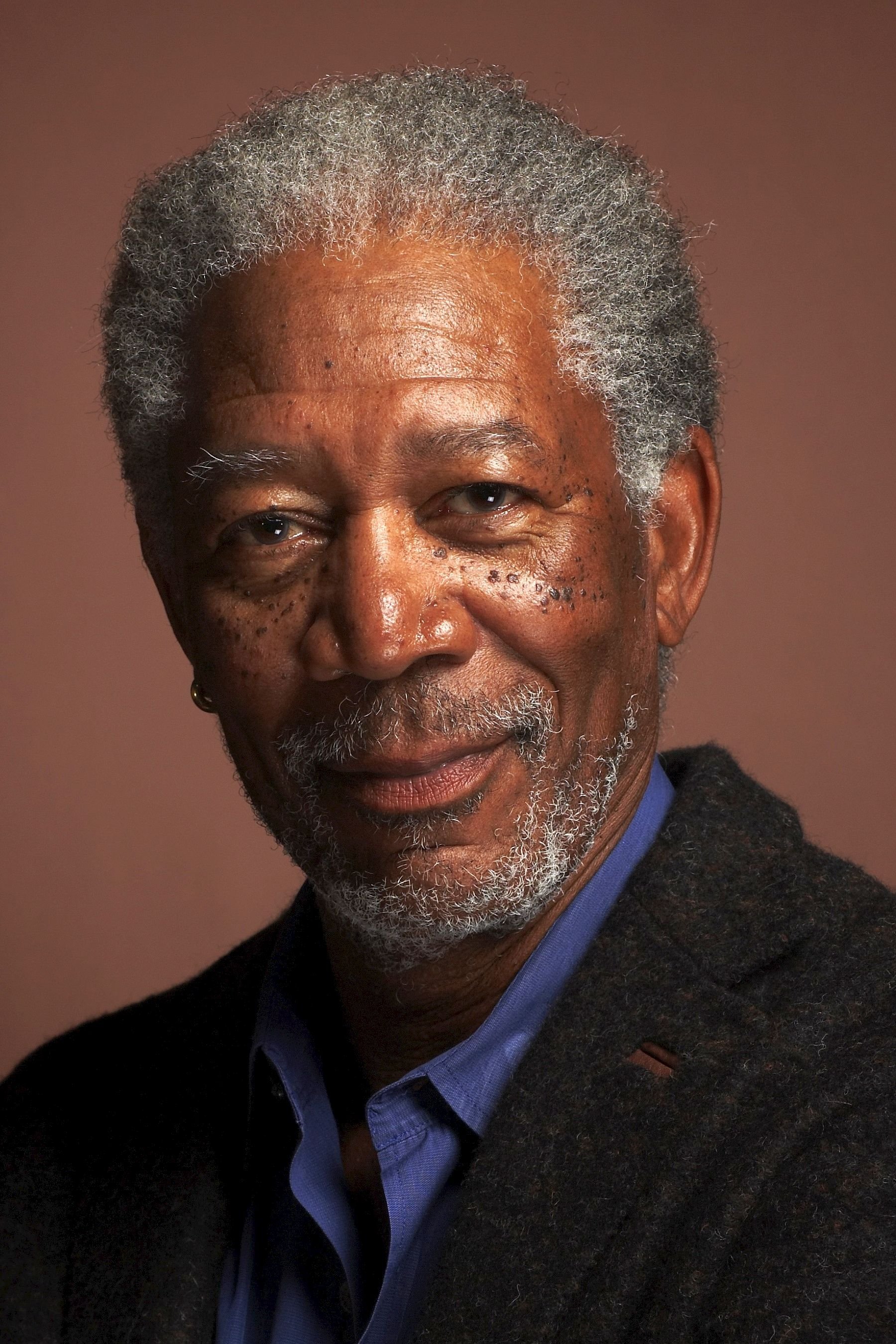
This legendary actor has consistently opposed the concept of Black History Month and other initiatives that he believes separate history based on race. Freeman famously stated in a ’60 Minutes’ interview that the way to stop racism is to stop talking about it. He argues that black history is American history and should not be relegated to a single month or specific label. His philosophy emphasizes integration and individualism rather than focusing on group identity labels.
Anthony Mackie
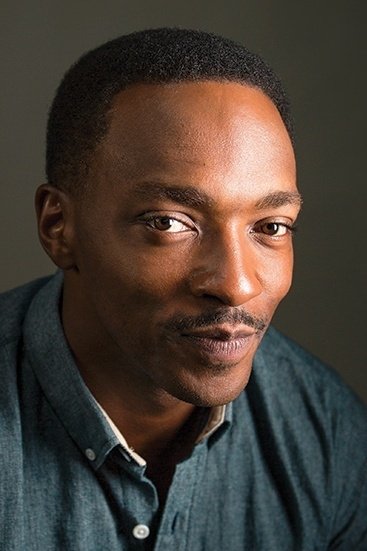
While starring in the Marvel Cinematic Universe, Mackie offered a nuanced critique of the hiring practices used for ‘Black Panther’. He pointed out that hiring an all-black crew for a black movie actually reinforces segregation rather than fixing it. Mackie argued that diversity initiatives should mean the best person gets the job regardless of race in every film. He expressed frustration that black crews were not being hired for movies with white leads.
Terry Gilliam
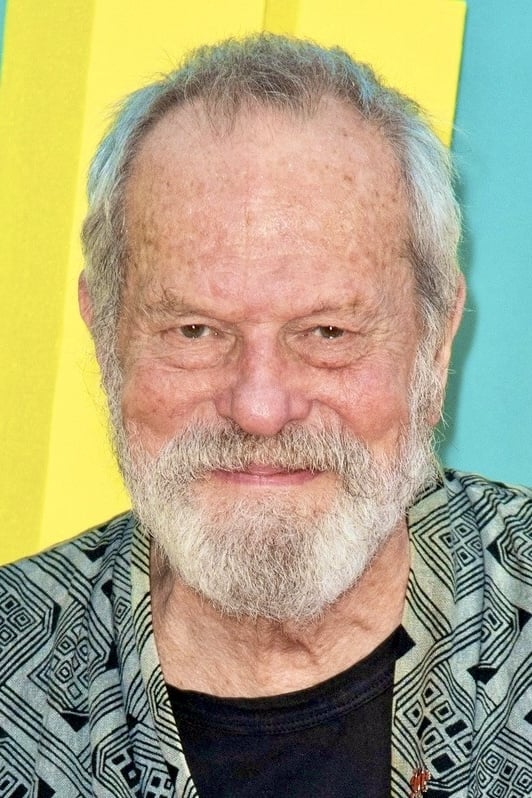
The director and former ‘Monty Python’ member has ridiculed the BBC’s push for diversity quotas in television programming. Gilliam sarcastically remarked that he would identify as a black lesbian to fit into the new cultural mandates. He compared the current climate of forced representation to the restrictive oversight of the Spanish Inquisition. Gilliam believes that these initiatives prioritize identity politics over the genuine artistic vision of creators.
Clint Eastwood
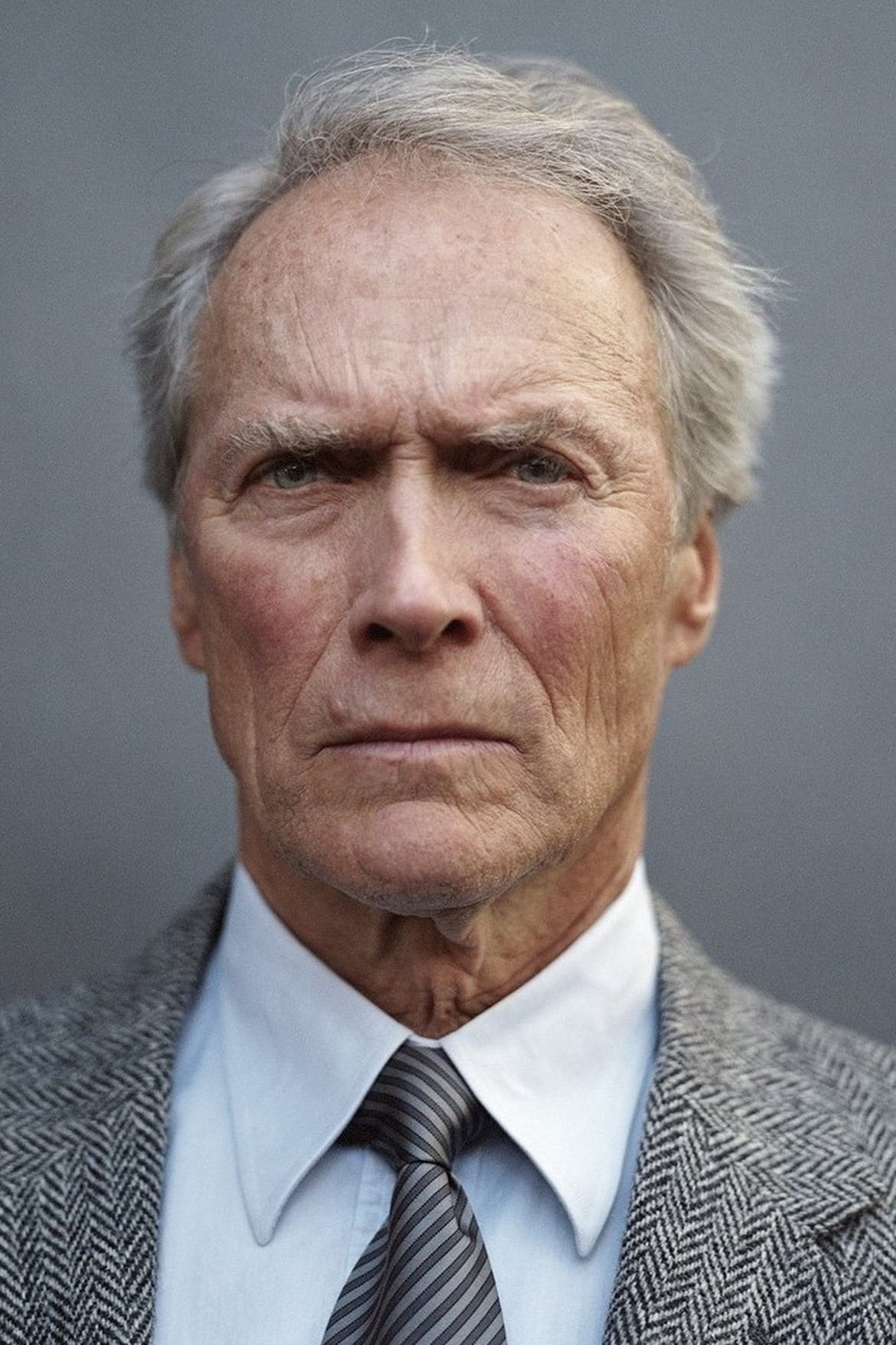
Eastwood has long lamented what he calls the “pussy generation” of people walking on eggshells to avoid offending others. The director and actor disregards modern political correctness and focuses on storytelling that often defies contemporary diversity sensibilities. He has suggested that society has become too obsessed with labeling and accusations of racism. Eastwood continues to cast and direct his films based on his personal vision rather than external industry pressure.
Ridley Scott
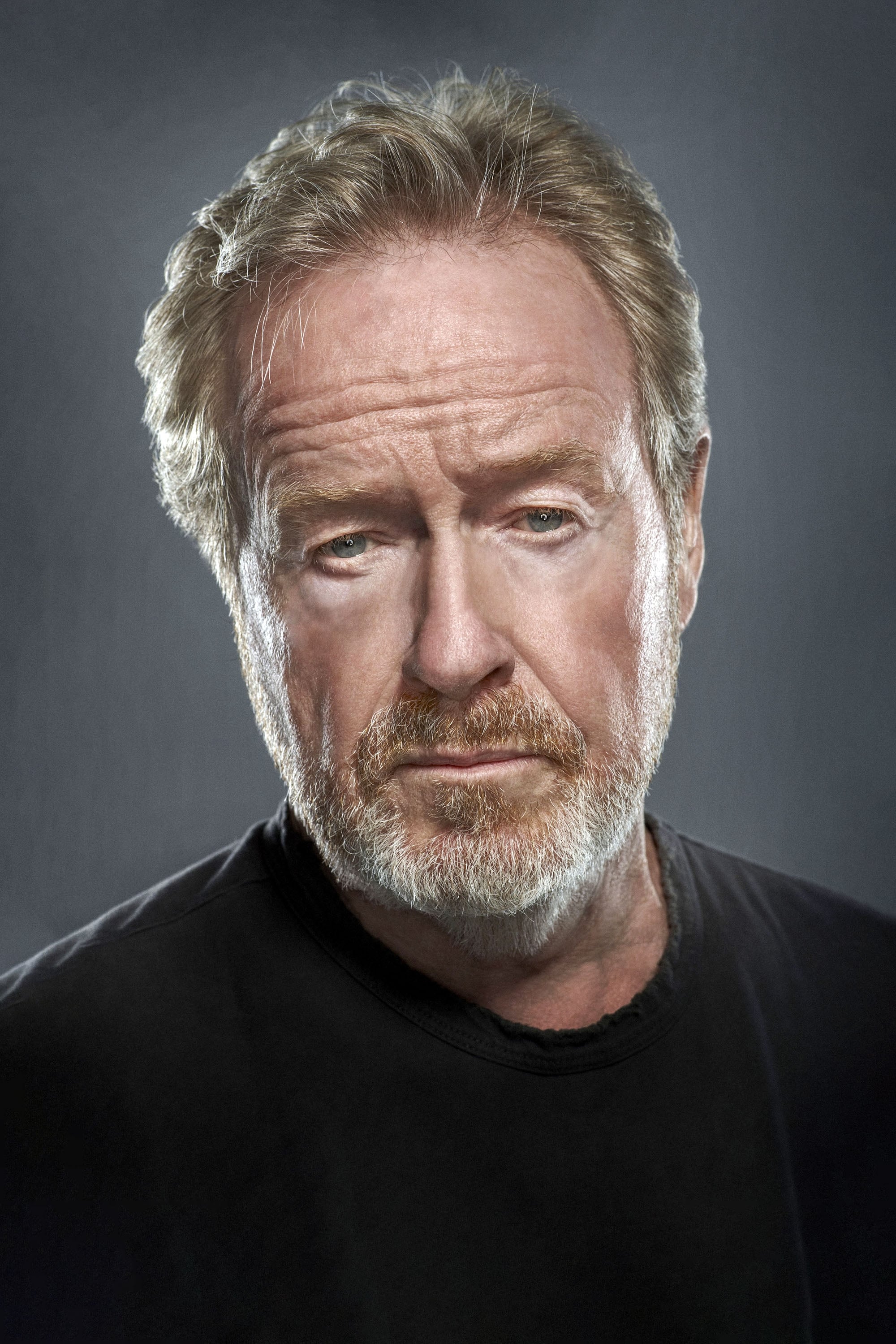
Director Ridley Scott faced intense scrutiny for casting white actors in lead roles for his biblical epic ‘Exodus: Gods and Kings’. He defended his decision by stating that he could not get the film financed if the lead actor was unknown or Mohammed so-and-so from such-and-such. Scott prioritized the economic realities of blockbuster filmmaking over historical or demographic accuracy. His comments highlighted the tension between business models and calls for diverse representation.
Gina Carano
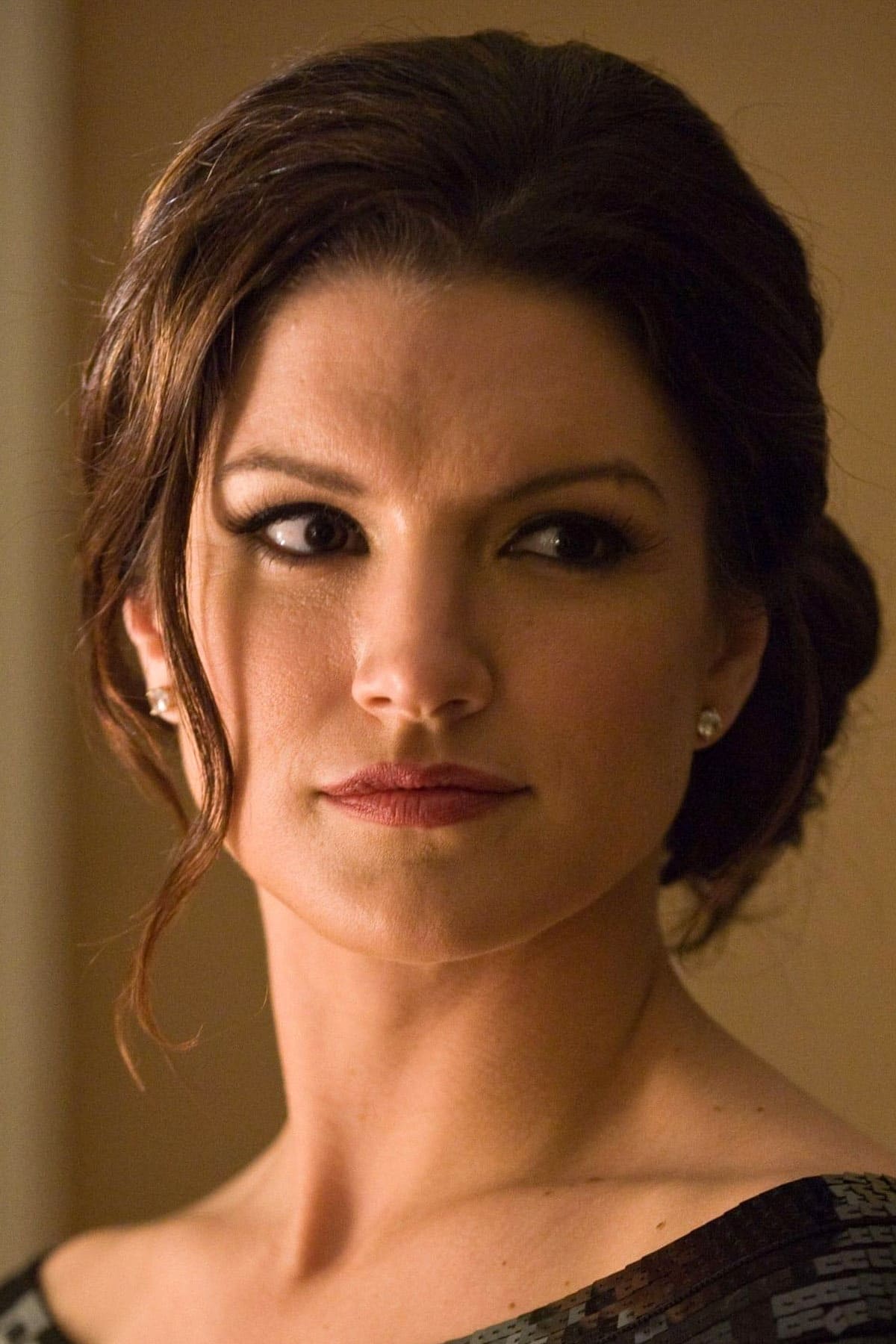
The former MMA fighter and actress was ousted from ‘The Mandalorian’ after a series of controversial social media posts. Carano refused to conform to the use of preferred pronouns in her bio and criticized the political climate in Hollywood. She has since partnered with conservative media outlets that actively oppose DEI initiatives in entertainment. Carano views the push for conformity in speech and politics as a form of totalitarian control.
James Woods
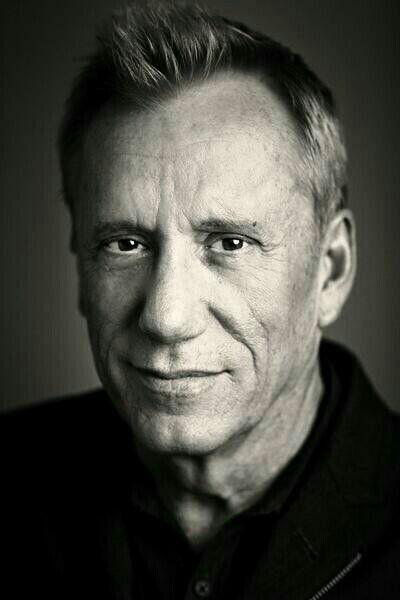
James Woods is one of the most outspoken conservative voices in Hollywood and frequently attacks liberal agendas. He uses his social media platform to mock diversity initiatives and what he describes as the “woke” mind virus. Woods argues that the industry has abandoned talent in favor of checking boxes for political signaling. He claims that his political views and opposition to these trends have led to him being blacklisted by mainstream studios.
Kevin Sorbo
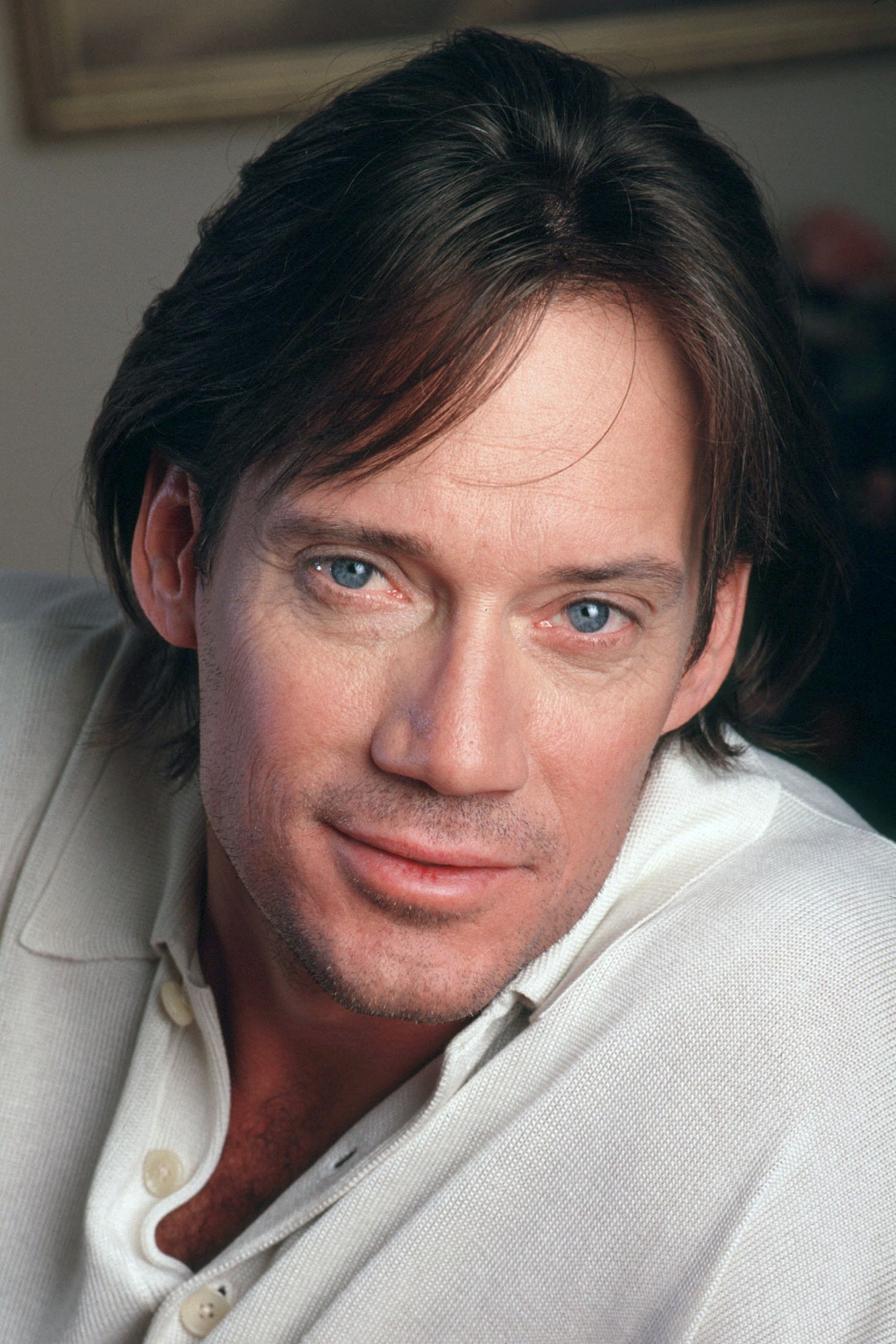
Known for his role as Hercules, Sorbo has built a second career in faith-based films while criticizing mainstream Hollywood. He claims that the industry discriminates against conservatives and Christians under the guise of tolerance. Sorbo frequently speaks out against forced diversity in casting and the injection of liberal themes into children’s programming. He believes that modern entertainment prioritizes agendas over storytelling and traditional values.
Dean Cain
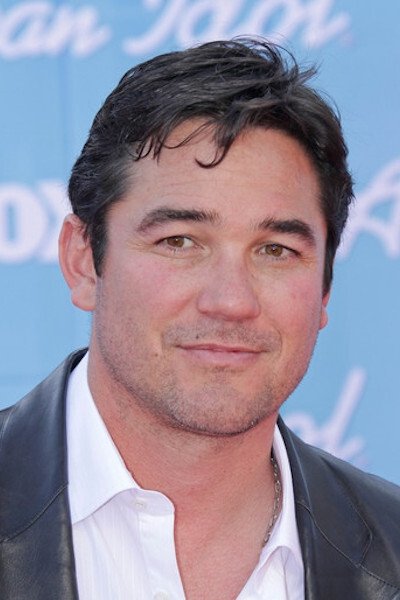
The former Superman actor has criticized the direction of modern comic book adaptations and their focus on identity politics. Cain publicly disapproved of the decision to make Superman bisexual and labeled it as bandwagoning rather than bold storytelling. He argues that these changes are performative and do not serve the character’s legacy. Cain often appears on news programs to voice his opposition to the “woke” direction of the entertainment industry.
Tim Allen
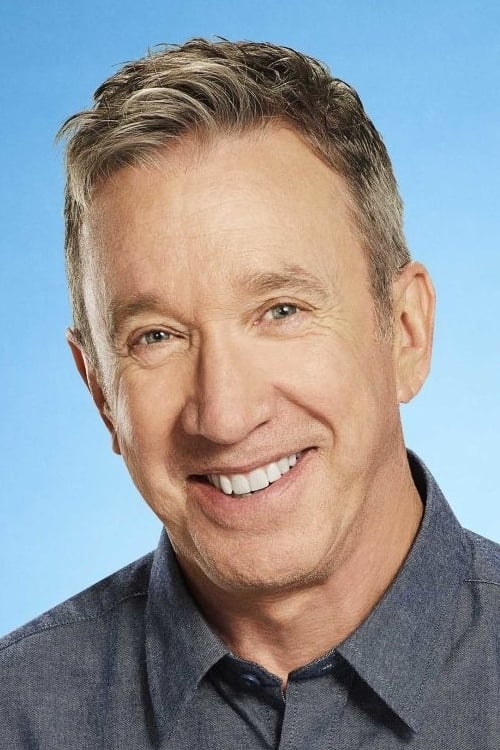
Comedian Tim Allen has expressed frustration with the “thought police” that he believes currently patrol the comedy landscape. He has compared the pressure to conform to liberal social standards in Hollywood to living in 1930s Germany. Allen argues that comedians are now required to navigate a minefield of potential offenses related to diversity and inclusion. He advocates for the right to offend and questions the effectiveness of enforced social sensitivity.
Roseanne Barr
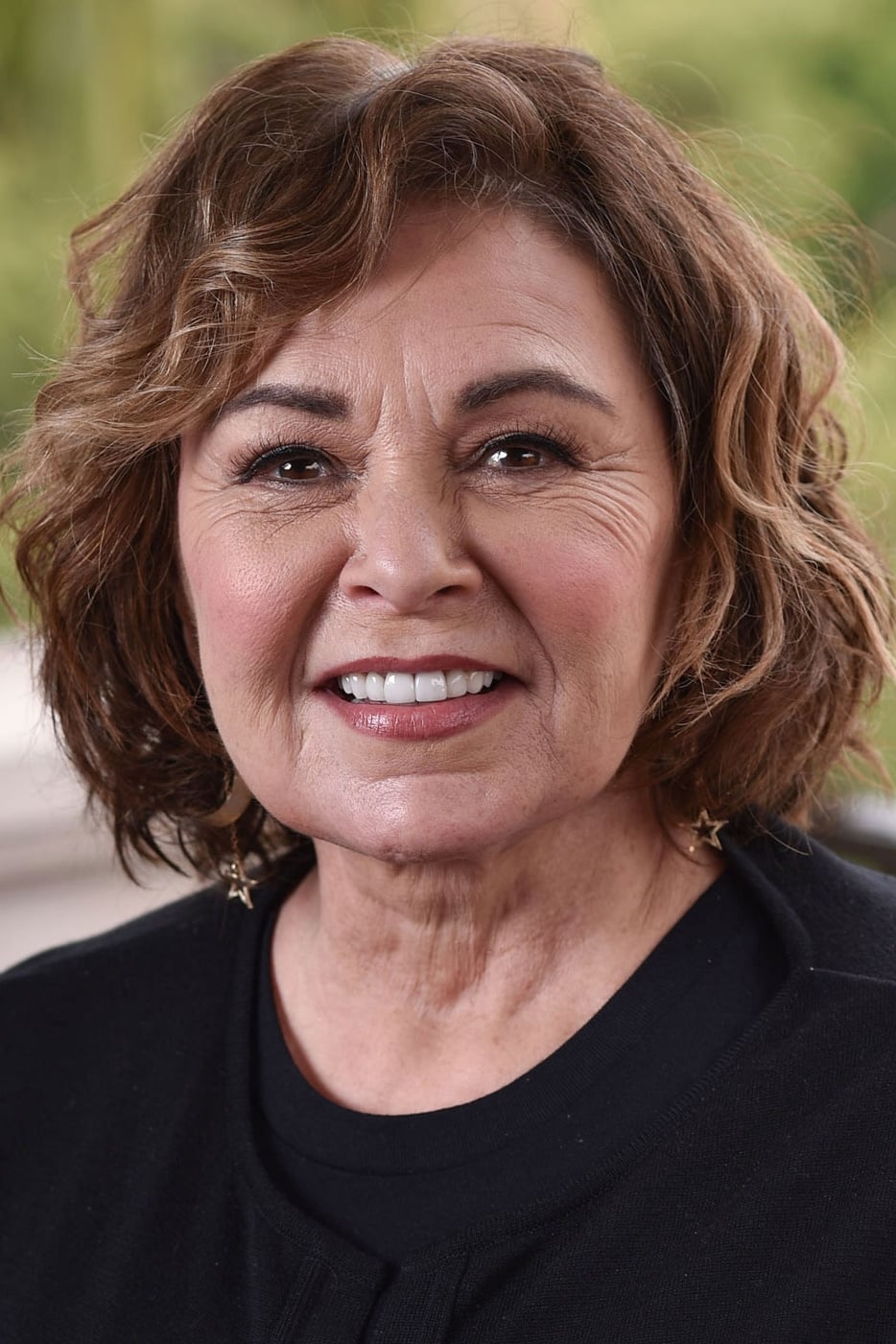
Barr blames the “woke” mind virus for the decline of comedy and the quality of television writing. She asserts that diversity initiatives and political correctness have created an environment of fear for comedians. Barr argues that the industry is more concerned with virtue signaling than making people laugh. Her career imploded following a racially charged tweet which she claimed was a bad joke rather than an expression of racism.
Rob Schneider
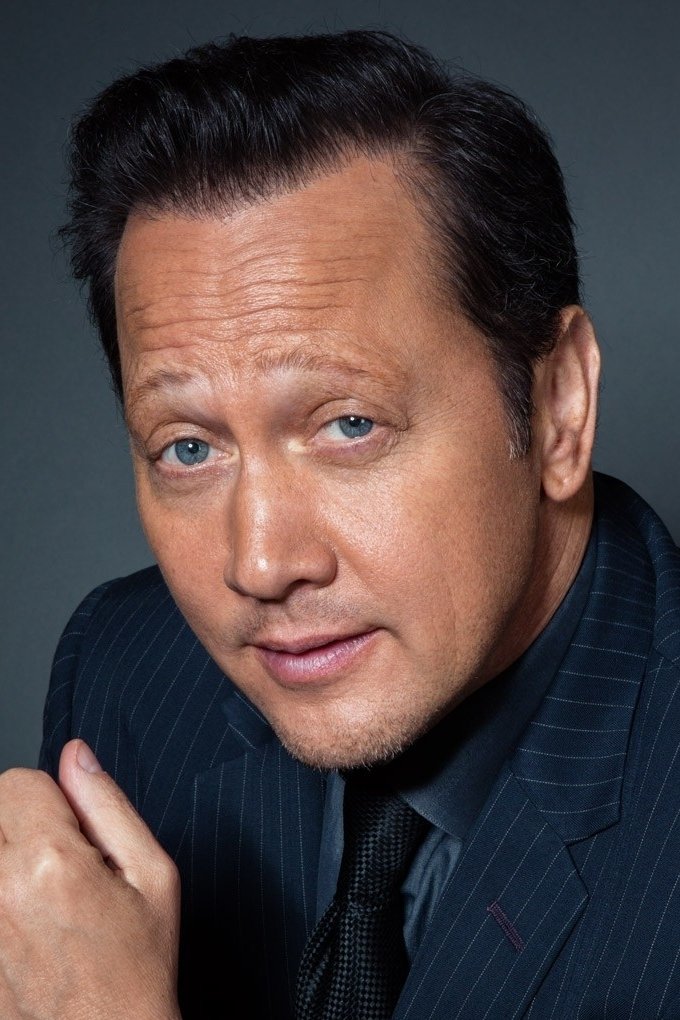
This ‘Saturday Night Live’ alum has become a fierce critic of “woke” ideology in public schools and the entertainment industry. Schneider argues that diversity and inclusion mandates are ruining comedy by placing boundaries on what can be said. He has stated that the primary job of a comedian is to be funny rather than to preach or adhere to social quotas. Schneider believes that audiences are tired of being lectured to by Hollywood elites.
Stacey Dash
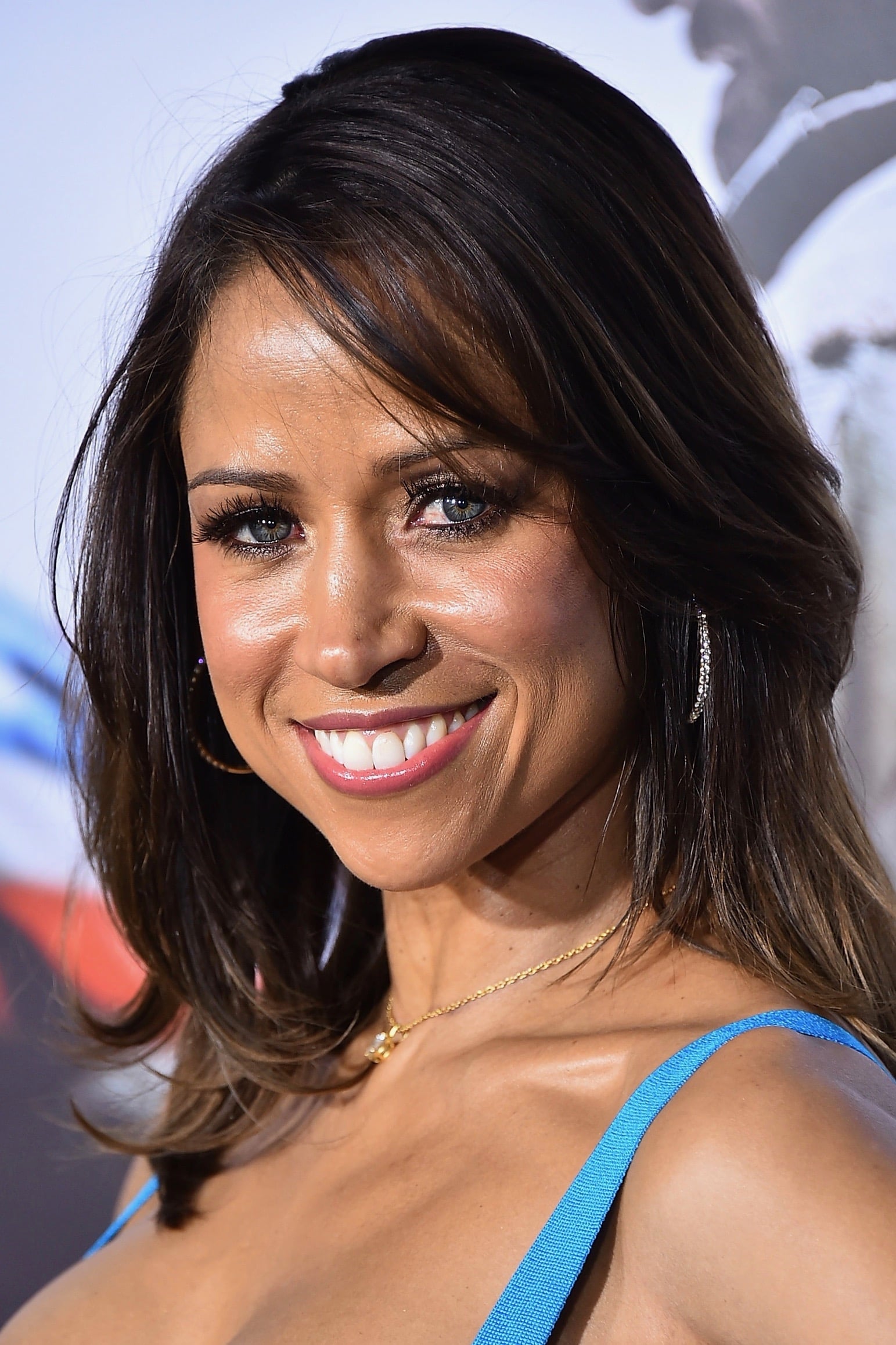
The ‘Clueless’ actress sparked controversy during her time as a Fox News contributor by calling for the elimination of BET and Black History Month. Dash argued that if the goal is integration and equality then institutions that segregate based on race should not exist. She stated that there is a double standard in having channels specifically for black audiences while opposing white-only spaces. Dash believes that true diversity means eliminating all race-based distinctions.
Yaphet Kotto
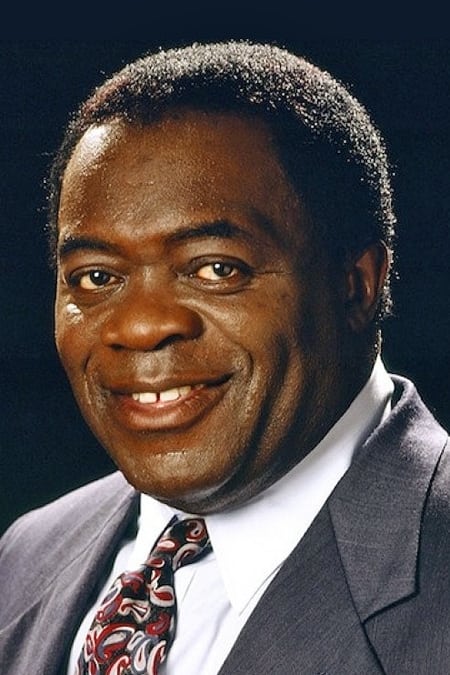
Before his death, the ‘Alien’ and ‘Live and Let Die’ actor spoke out against the idea of casting a black actor as James Bond. Kotto argued that James Bond was written as a white Scottish character and should remain that way. He believed that actors should create their own iconic black heroes rather than taking over roles established for white characters. Kotto viewed race-swapping established characters as a silly and unnecessary trend.
Michelle Rodriguez
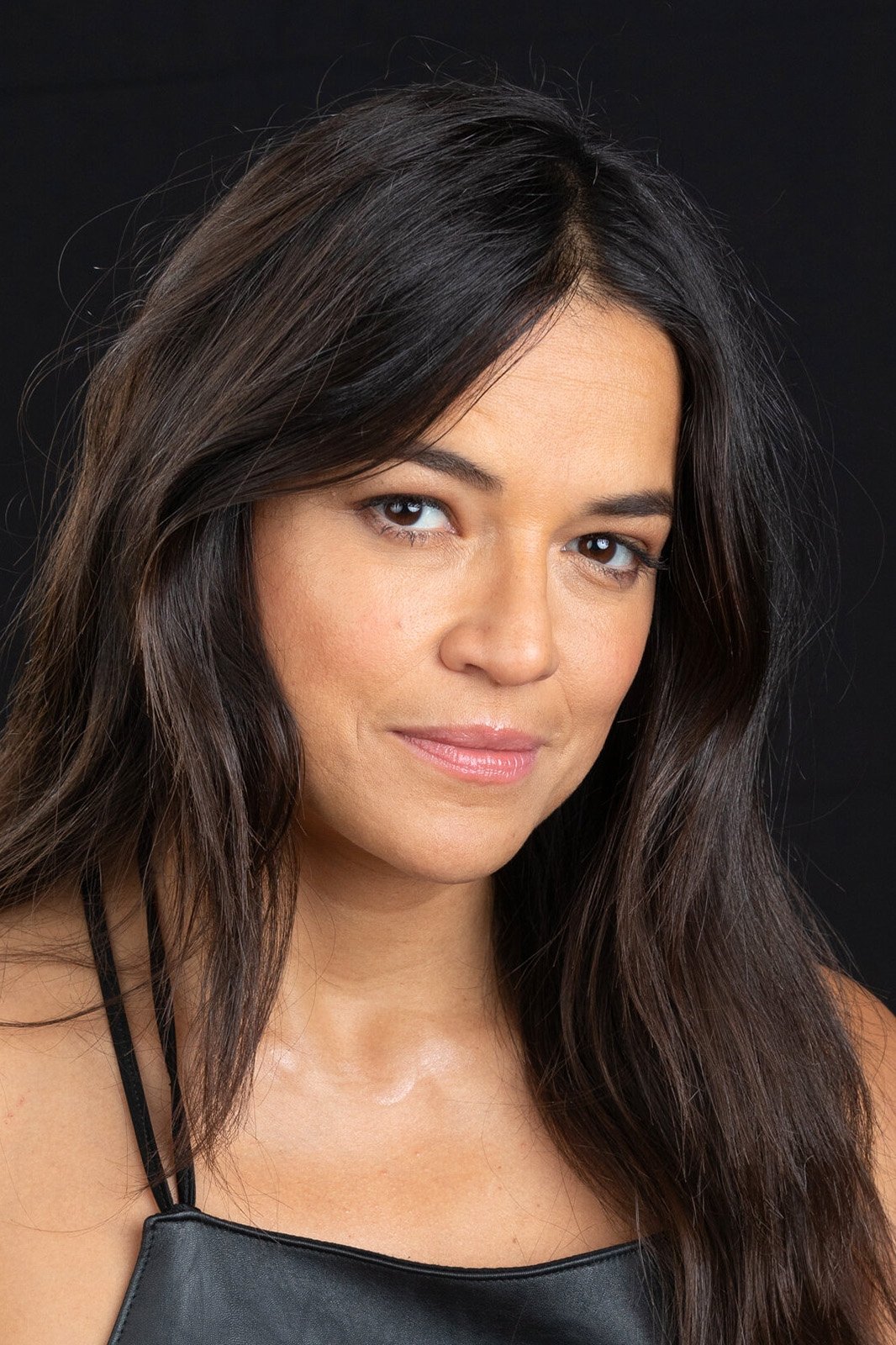
Rodriguez faced backlash for comments she made regarding minorities playing white superheroes. She stated that minorities should stop stealing white people’s superheroes and instead create their own mythologies. The actress later clarified that her words were about the lack of creativity in Hollywood rather than an attack on diversity. She believes the industry uses race-swapping as a lazy shortcut instead of investing in original diverse stories.
William Shatner
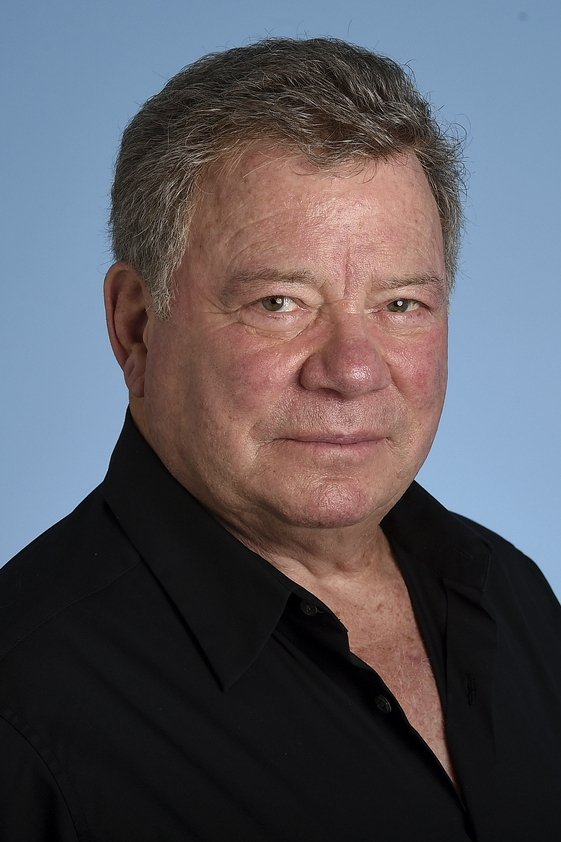
The ‘Star Trek’ icon has engaged in numerous online debates regarding modern inclusive language and labels. Shatner famously rejected the label “cis” and argued that he should not be forced to adopt new terminology. He views the push for changing language to accommodate gender theories as a form of harassment. Shatner maintains that he supports individuals but rejects the imposition of political labels by activists.
Laurence Fox
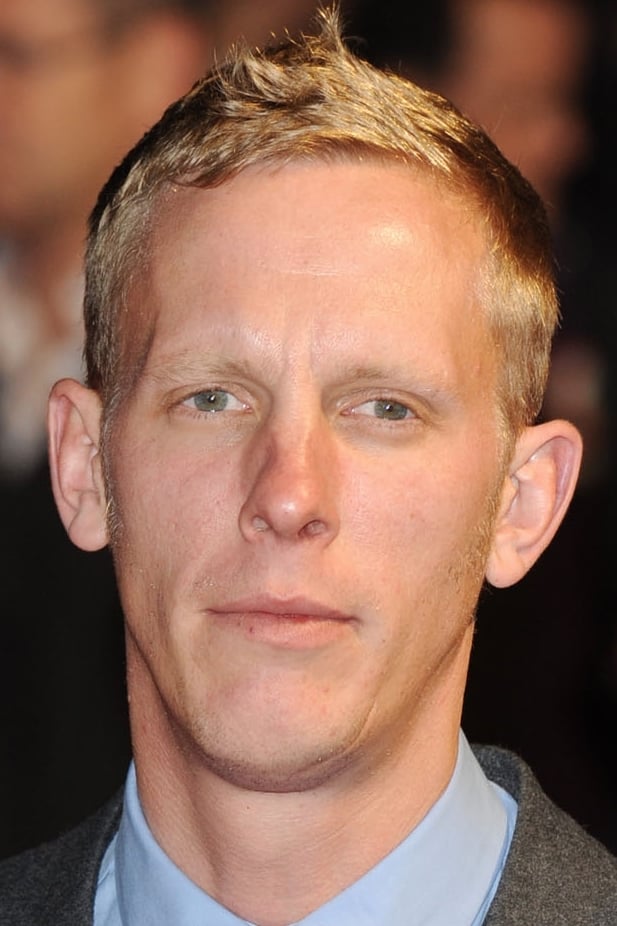
British actor Laurence Fox founded the Reclaim Party to fight what he considers the culture wars and the “woke” agenda. Fox has been a fierce critic of the inclusion of forced diversity in historical dramas and the concept of white privilege. He argues that the entertainment industry is brainwashing audiences with self-loathing narratives. Fox has effectively left mainstream acting to focus on his political campaign against these cultural shifts.
Bill Maher
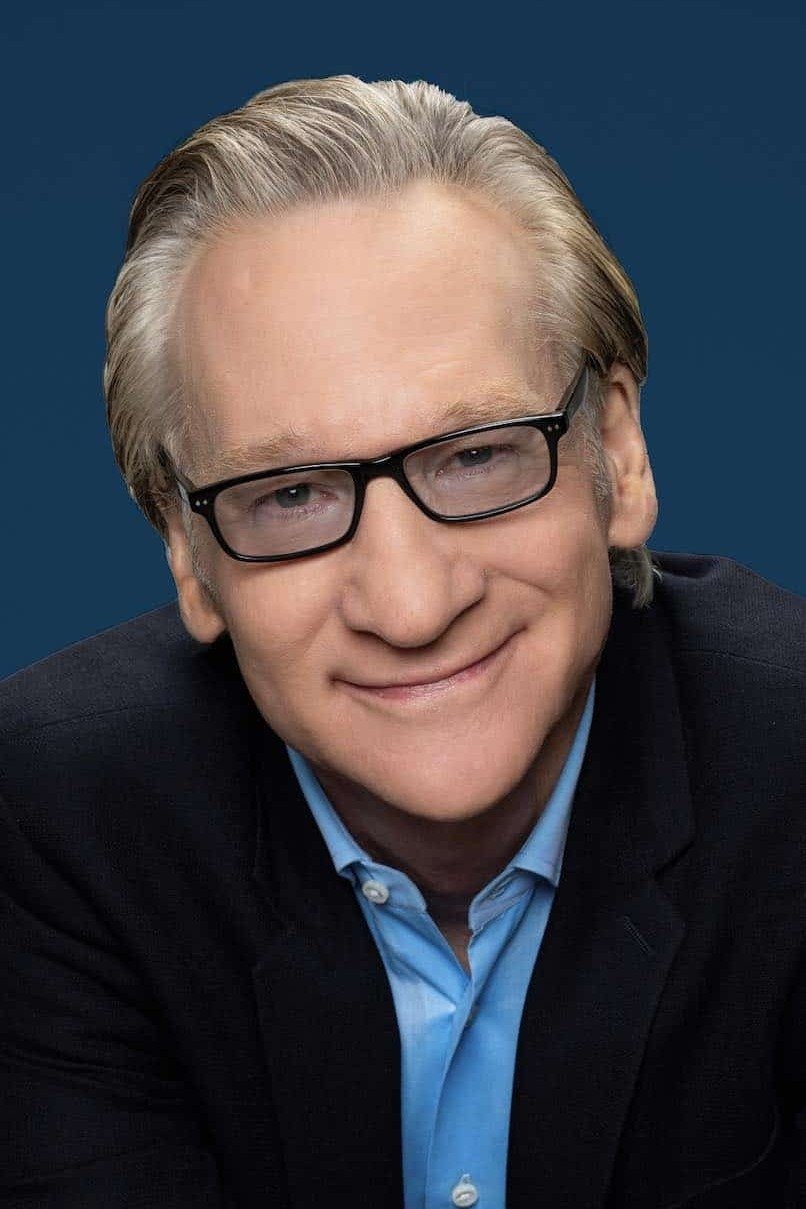
While a liberal, comedian Bill Maher frequently dedicates segments of his show to criticizing the excesses of the diversity and inclusion movement. He argues that the obsession with equity of outcome rather than equality of opportunity is detrimental to society. Maher mocks the constant redefining of language and the hypersensitivity of the younger generation. He believes that merit should always be the primary factor in hiring and admissions.
Dave Chappelle
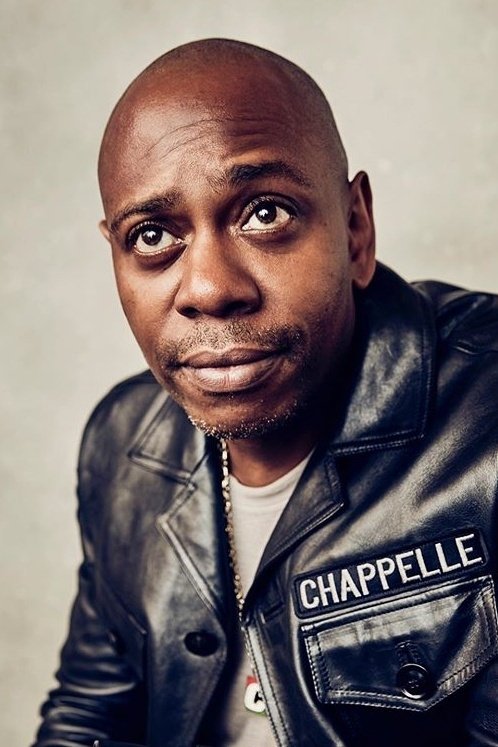
Chappelle has faced massive protests for his comedy specials that critique the hierarchy of marginalized groups. He argues that the LGBTQ+ community and other diversity advocacy groups act as bullies who cannot take a joke. Chappelle questions the logic of cancel culture and the corporate enforcement of inclusion standards. He maintains that he is an artistic truth-teller who refuses to bow to pressure groups.
Ricky Gervais
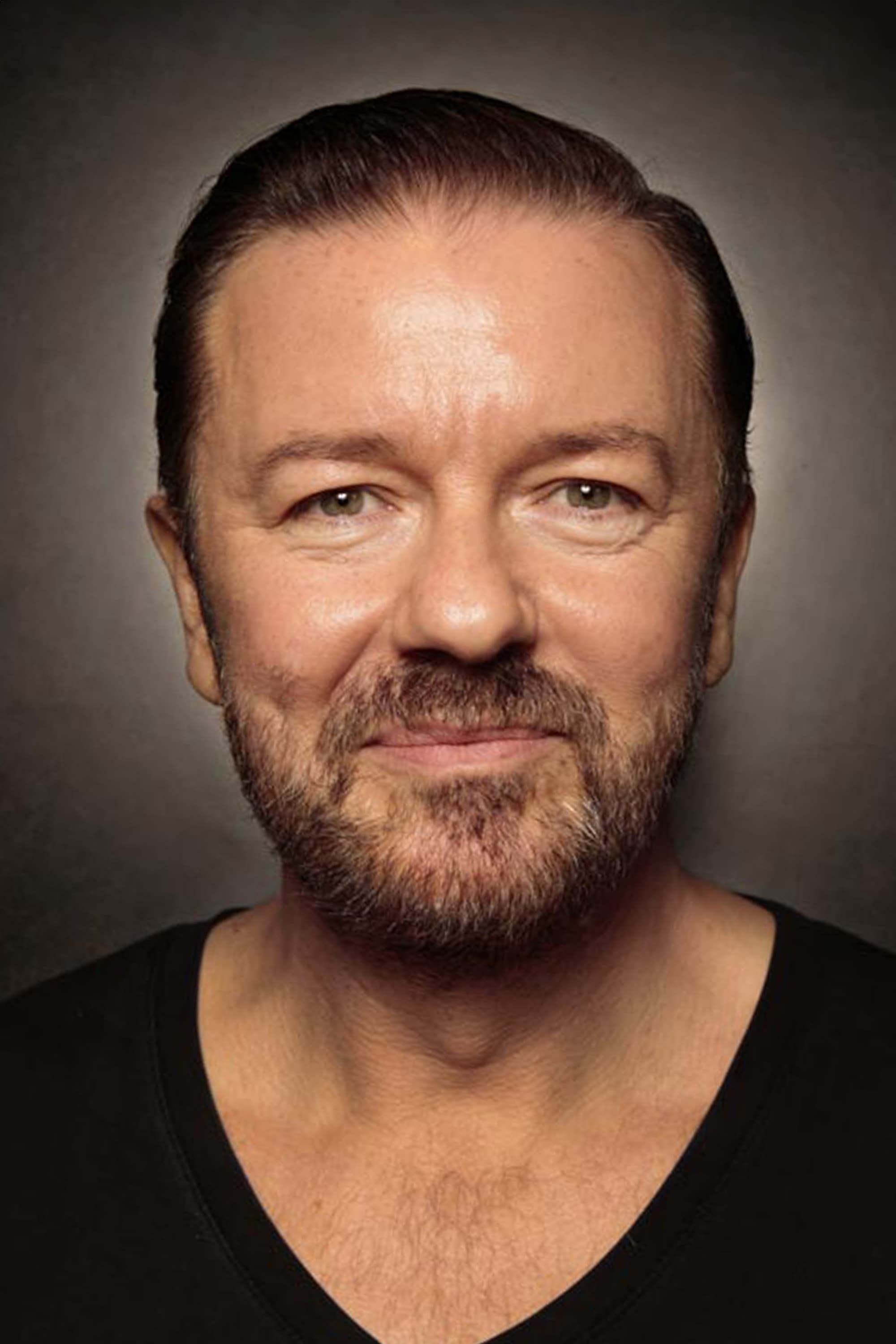
Gervais famously used his Golden Globes hosting monologue to mock the hypocrisy of Hollywood’s “woke” virtue signaling. He told the audience of A-listers that they were in no position to lecture the public on morality or politics. Gervais criticizes the performative nature of diversity initiatives where corporations pretend to care about social justice for profit. He believes comedy should be an equal opportunity offender without protected classes.
Idris Elba
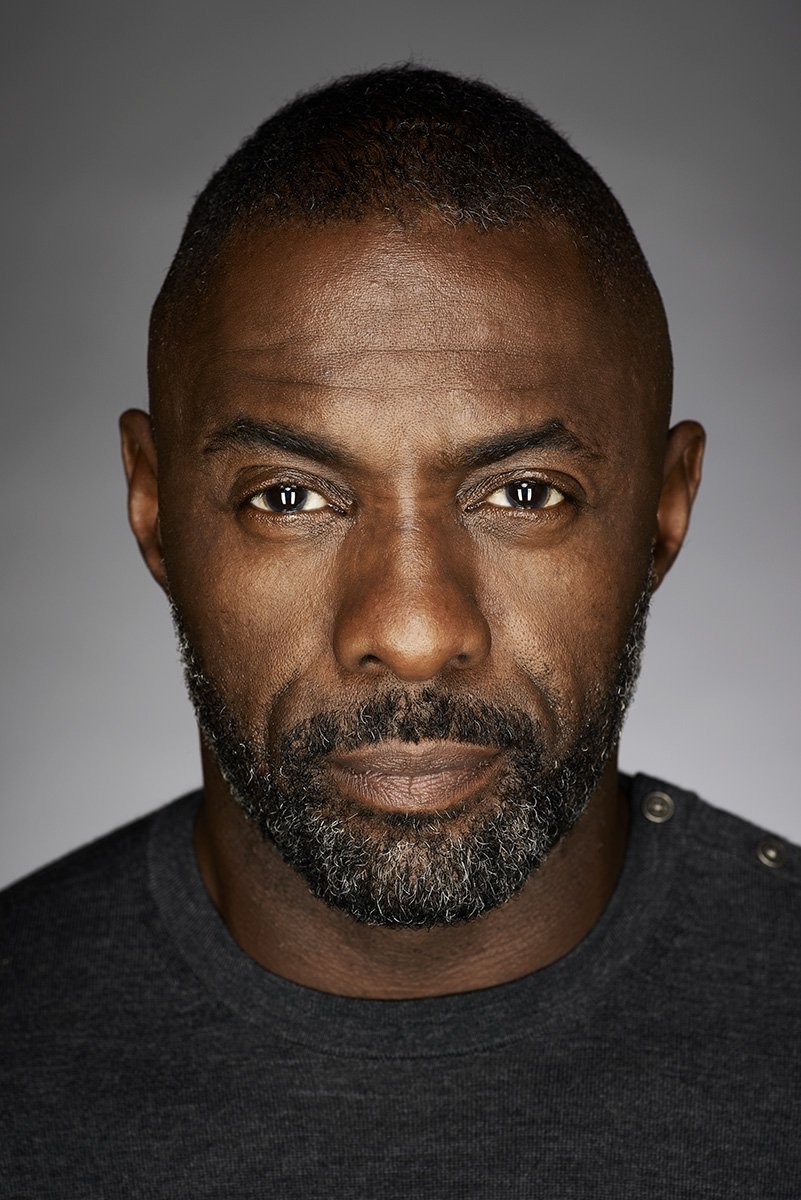
The British star recently stated that he stopped describing himself as a “black actor” because the label put him in a box. Elba argued that the obsession with race can be a hindrance to personal growth and artistic freedom. While he supports the general idea of fairness, he rejects the fixation on racial categorization. He wants to be judged solely on his acting ability rather than his contribution to diversity statistics.
Terry Crews
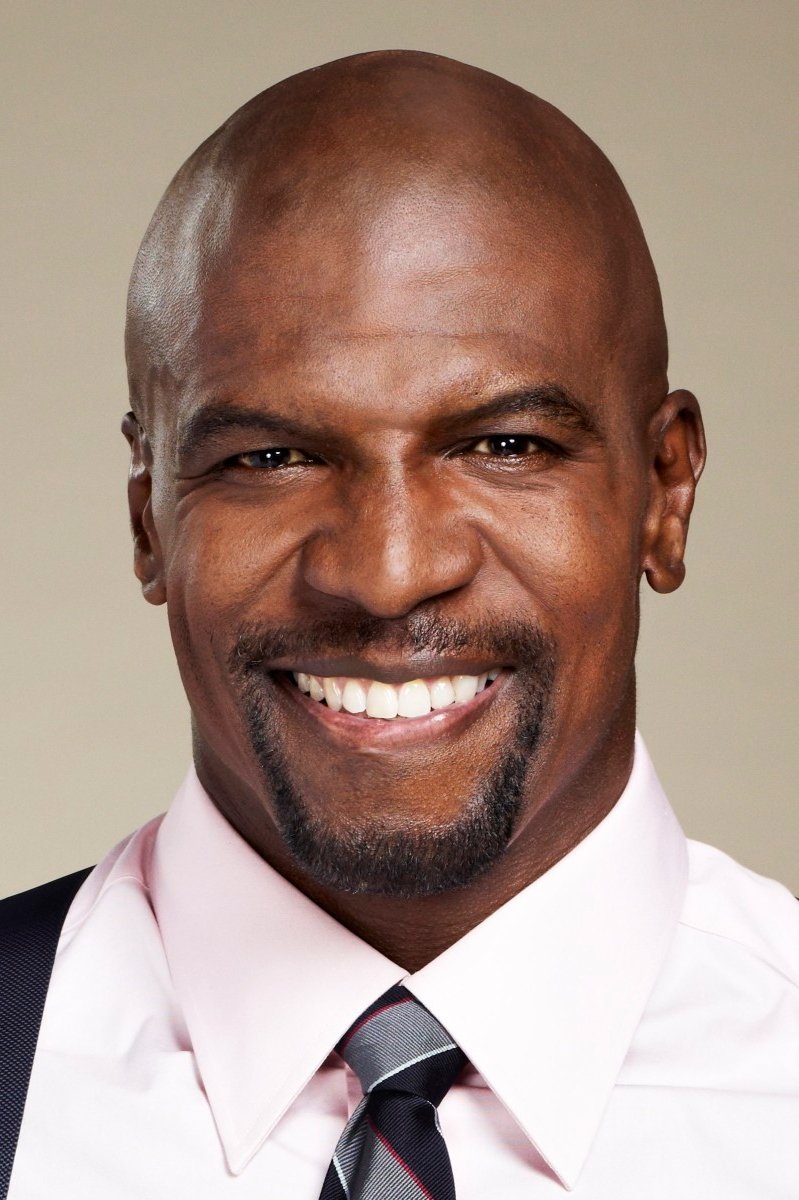
Crews faced a wave of criticism after tweeting a warning about “black supremacy” during the height of the Black Lives Matter movement. He argued that defeating white supremacy without white people creates black supremacy and that equality is the truth. Crews stood by his comments despite backlash from co-stars and activists who felt he was undermining the movement. He advocates for a unity-based approach rather than one that breeds resentment between groups.
Lil Wayne
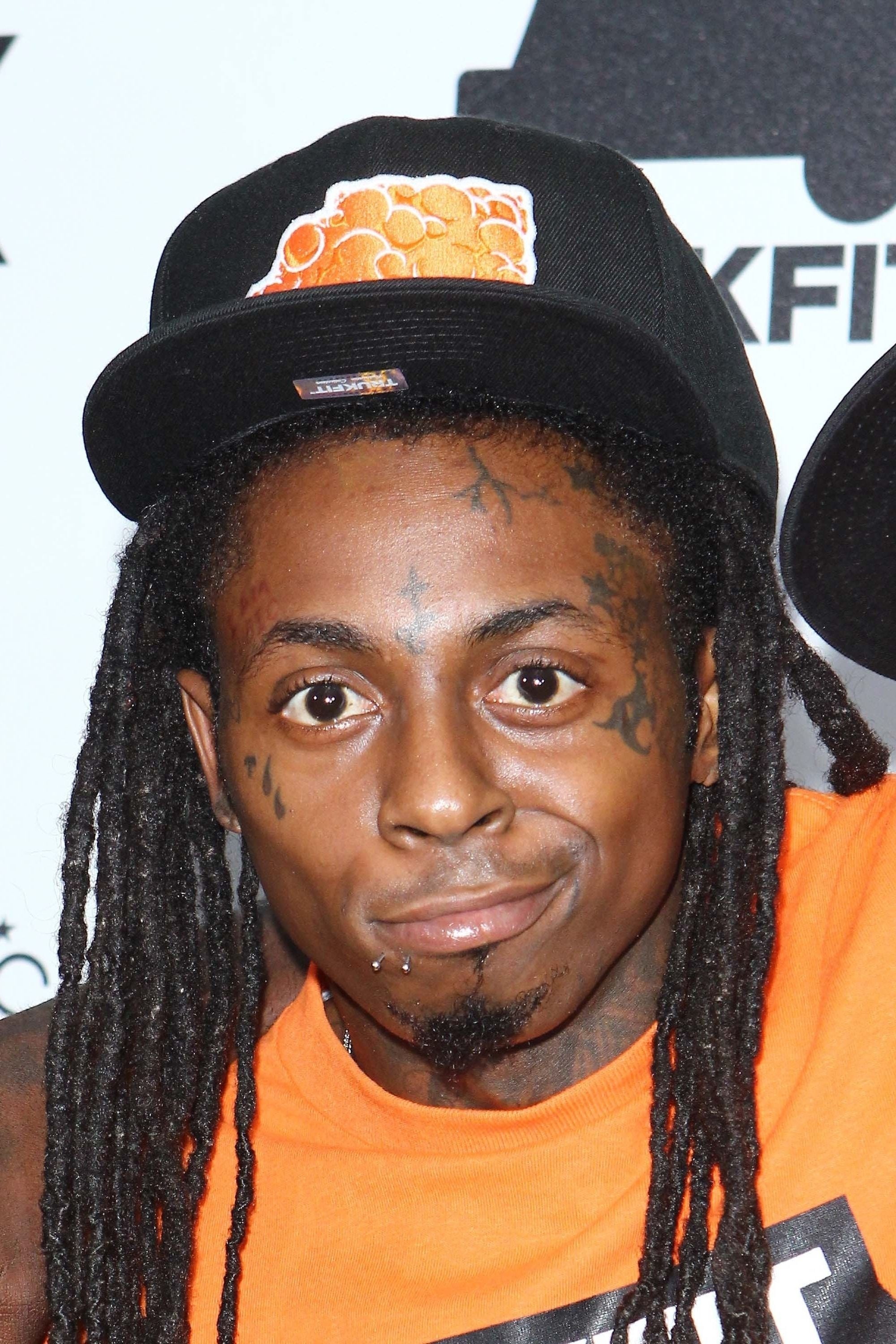
The rapper has dismissed the importance of movements like Black Lives Matter by pointing to his own success as a young, rich, black man. He stated in an interview that he does not feel connected to the movement because his life does not reflect those struggles. Lil Wayne has questioned the existence of systemic racism based on his personal experiences and the white fan base at his shows. His views prioritize individual experience over collective racial narratives.
Ye
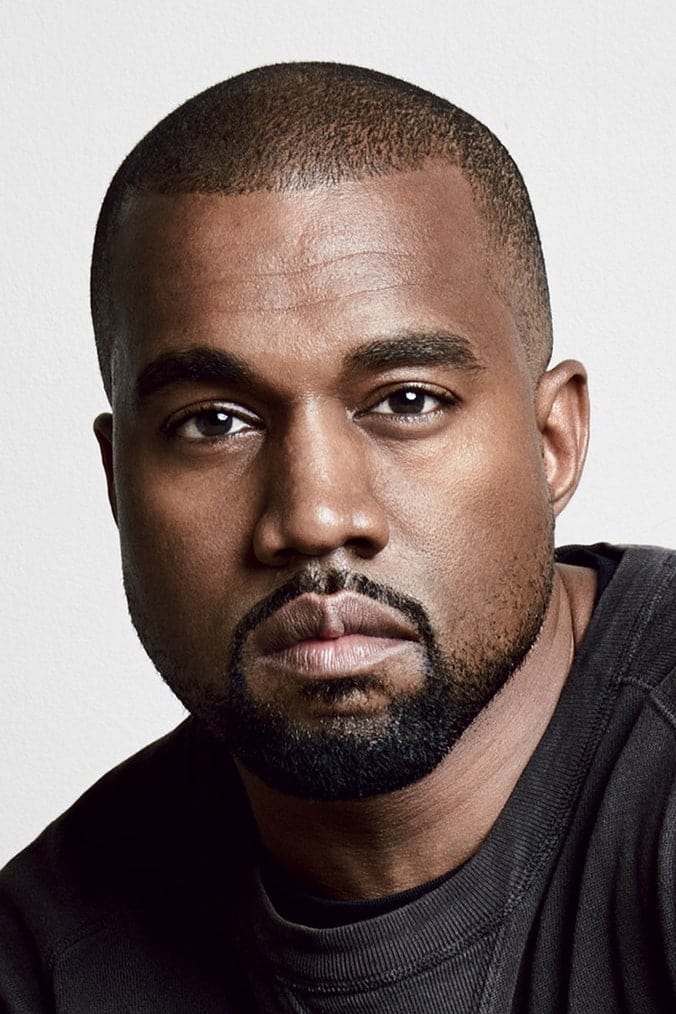
West has repeatedly challenged the liberal consensus in the entertainment industry regarding race and politics. He has criticized the idea that black people must vote for Democrats or support specific social initiatives. West sparked global outrage by wearing a “White Lives Matter” shirt to challenge the exclusivity of the BLM narrative. He argues that he refuses to be enslaved by public opinion or the expectations of his race.
Kirstie Alley
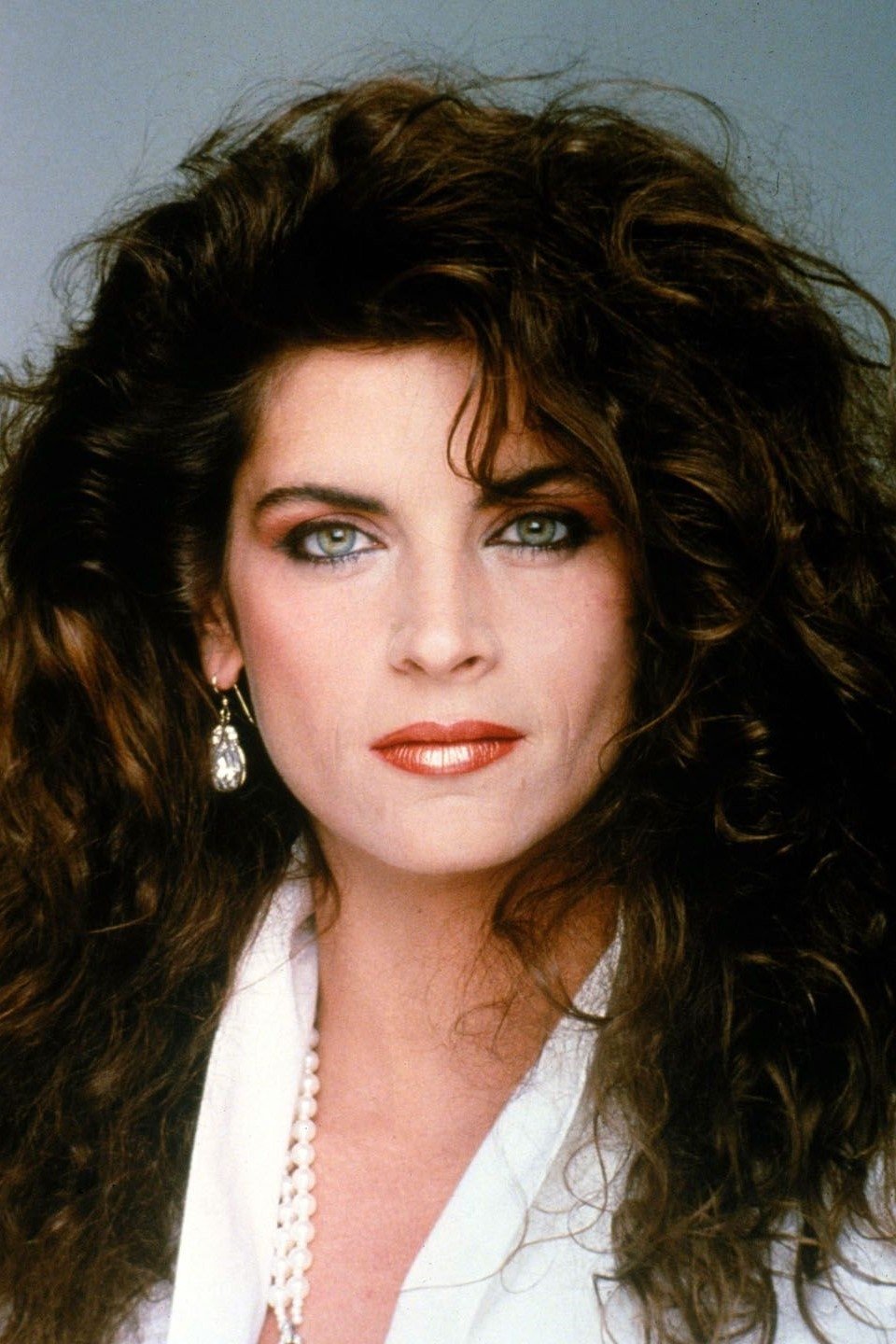
The late actress was a vocal critic of the Academy’s inclusion standards for Best Picture contenders. Alley tweeted that the new rules were a disgrace to artists and equated them to dictatorial control. She argued that you can not tell an artist what to write or who to cast in their creation. Alley believed the mandates were an overreach that prioritized politics over the quality of the motion picture.
Jon Voight
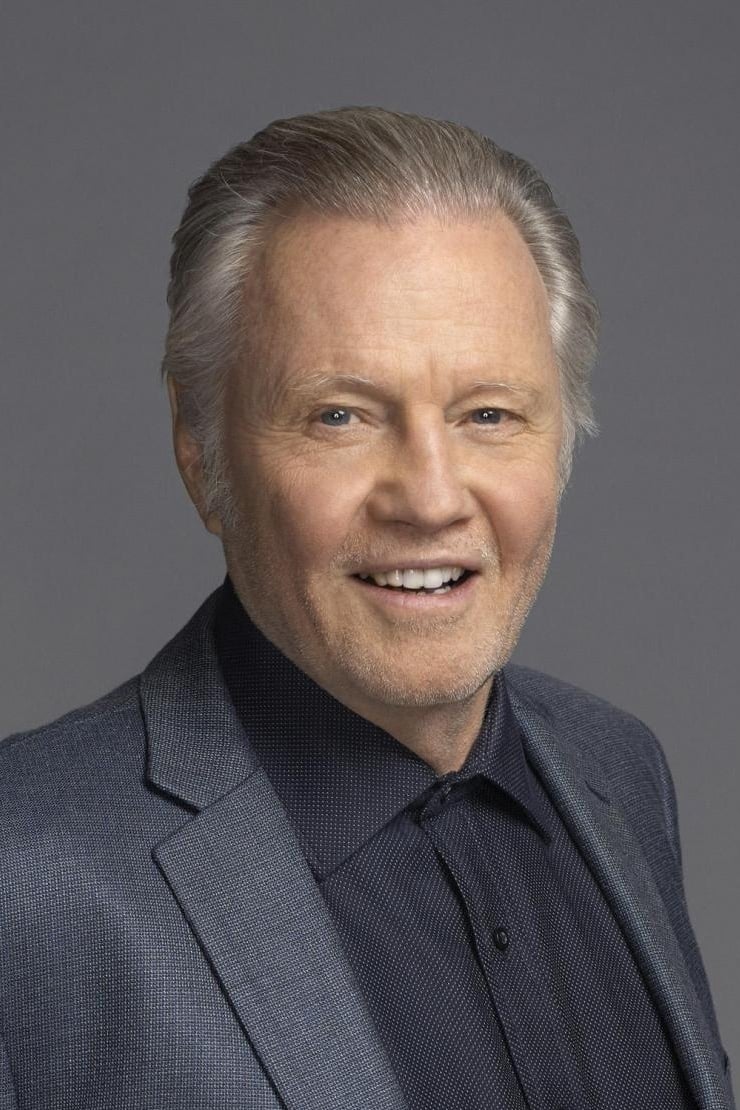
Voight is a staunch conservative who believes that the political left is destroying the moral fabric of America. He has released videos claiming that liberal Hollywood is damaging the country with its propaganda. Voight opposes the social justice narratives pushed by the industry and supports politicians who fight against them. He argues that true patriotism is being erased by the current cultural agenda.
Morrissey

The former frontman of The Smiths has alienated many fans with his far-right views on immigration and national identity. Morrissey has criticized the changing demographics of Britain and the loss of traditional culture. He has expressed support for political figures who oppose multiculturalism and diversity mandates. His comments often suggest a preference for preserving a specific cultural homogeneity over inclusivity.
Kid Rock
Musician Kid Rock has made his opposition to “woke” corporate partnerships explicitly clear with dramatic public displays. He famously shot up cases of Bud Light to protest the company’s partnership with a transgender influencer. Kid Rock’s brand is built on a rejection of political correctness and an embrace of traditional conservative values. He views corporate diversity initiatives as a betrayal of his core audience.
Helena Bonham Carter
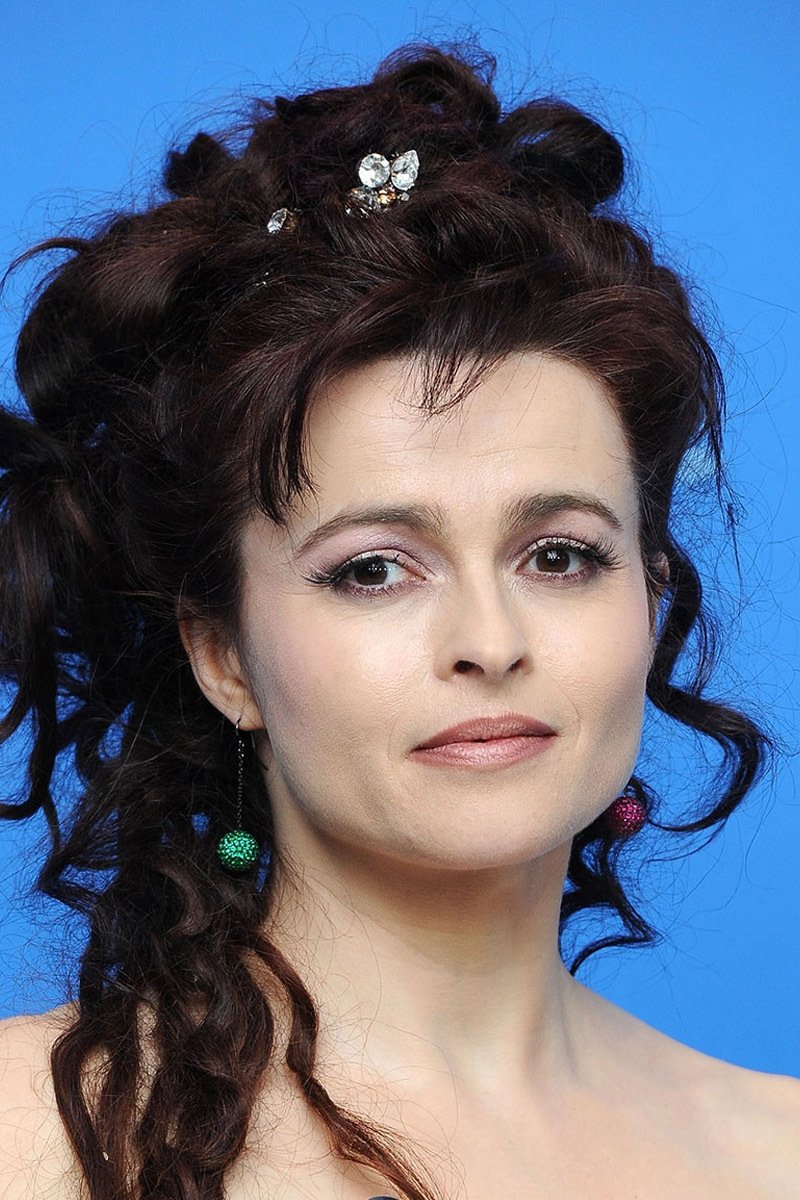
The actress has defended J.K. Rowling and Johnny Depp against what she views as the excesses of cancel culture. She stated in an interview that she hates cancel culture and described it as a witch hunt and a lack of understanding. Bonham Carter questioned the logic of judging people’s careers based on their personal lives or opinions. She suggests that the pendulum of social justice has swung too far towards persecution.
Goldie Hawn
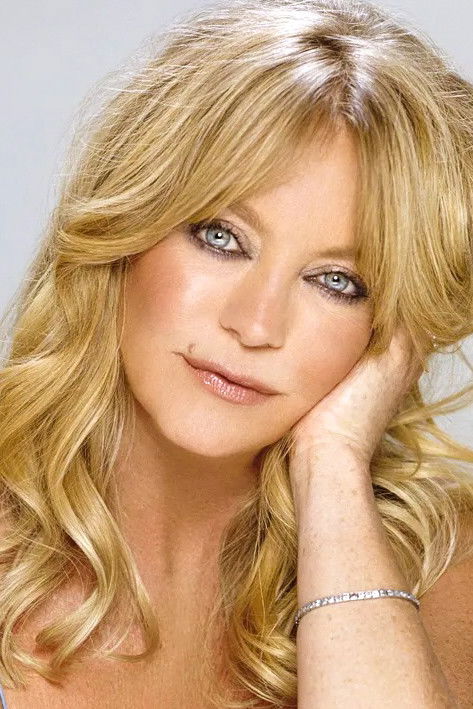
Hawn has questioned the necessity of constantly labeling and categorizing people in the name of diversity. She asked in an interview why people cannot just be people without the heavy emphasis on their demographic boxes. Hawn worries that the focus on differences is actually creating more division than unity. She advocates for a colorblind approach where human connection is valued over political identity.
Isaiah Washington
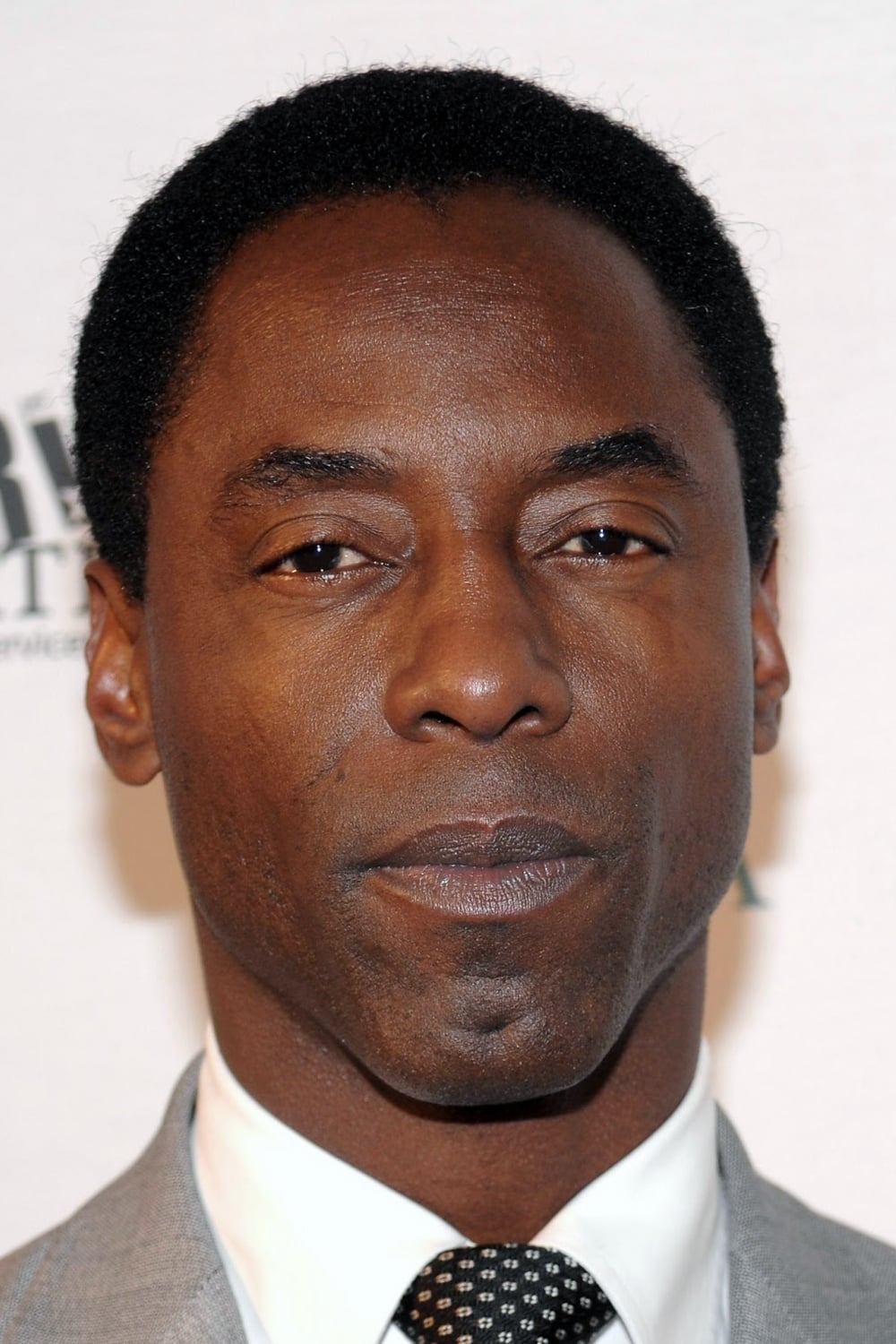
After being fired from ‘Grey’s Anatomy’, Washington became a vocal critic of the Hollywood establishment. He has claimed that he was targeted for refusing to stay on the “plantation” of liberal thought expected of black actors. Washington argues that the industry punishes those who step outside of the approved political narratives. He has since aligned himself with conservative media and critics of DEI initiatives.
Adam Carolla
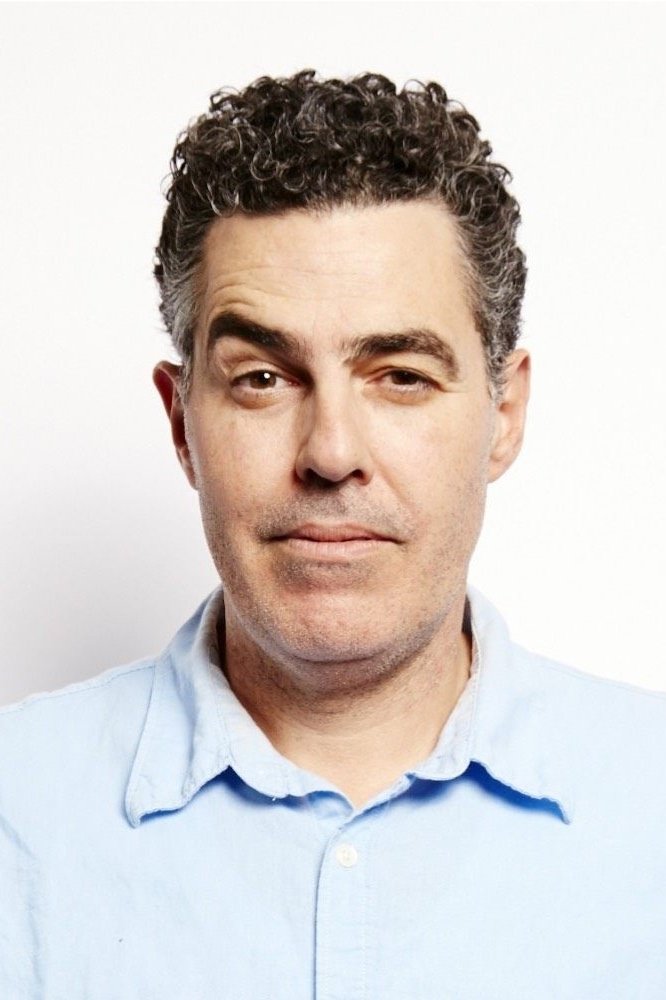
Carolla hosts a popular podcast where he frequently complains that diversity hires are ruining the quality of television writing rooms. He argues that when you hire based on race or gender rather than humor the product inevitably suffers. Carolla believes that comedy is a meritocracy that is being dismantled by social engineering. He openly mocks the concept of “unconscious bias” training and other corporate diversity tools.
Jim Breuer
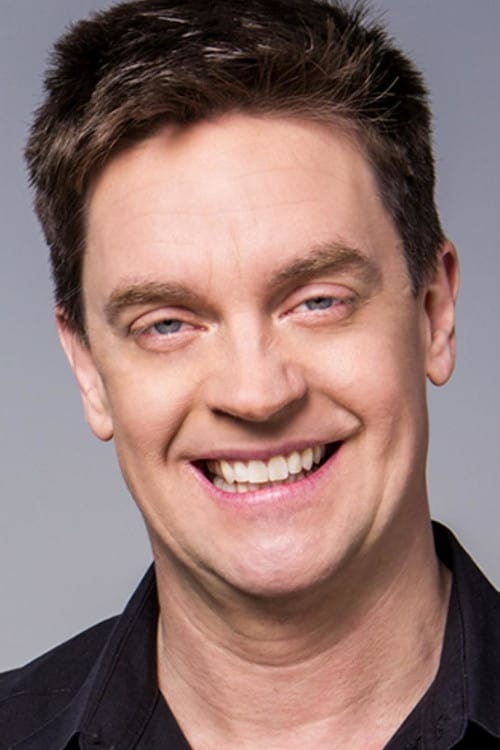
The comedian has pivoted his career to focus on anti-woke stand-up comedy that targets liberal social initiatives. Breuer mocks the seriousness of modern identity politics and the compliance demanded by the media. He refuses to perform at venues that require vaccination or enforce specific social mandates. His act is centered on the idea that society has lost its mind in the pursuit of political correctness.
Victoria Jackson
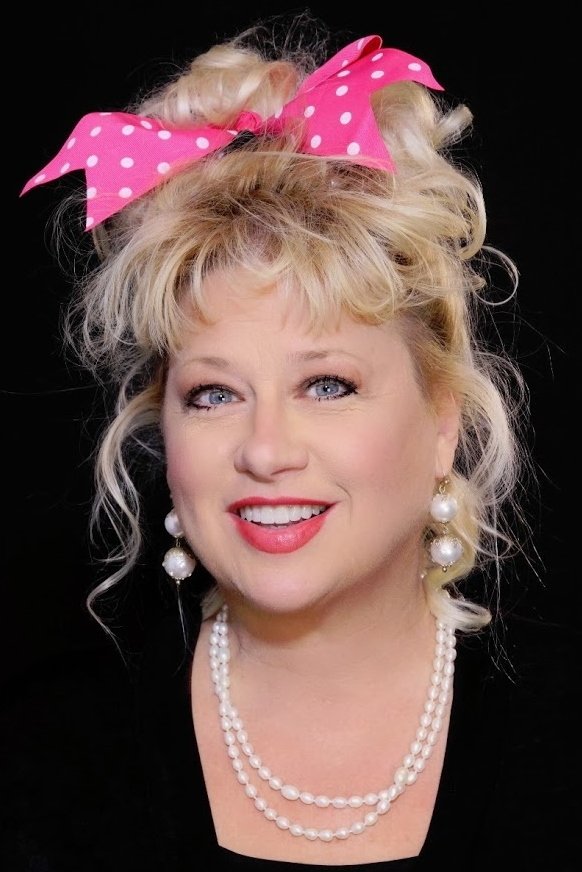
Another ‘SNL’ alumna, Jackson has become a Tea Party activist who fiercely opposes LGBTQ+ representation in media. She has criticized television shows like ‘Glee’ for promoting what she views as a sinful lifestyle to children. Jackson argues that Hollywood is waging a spiritual war against traditional values through its programming. She believes that diversity initiatives are often a cover for an anti-religious agenda.
Nick Searcy
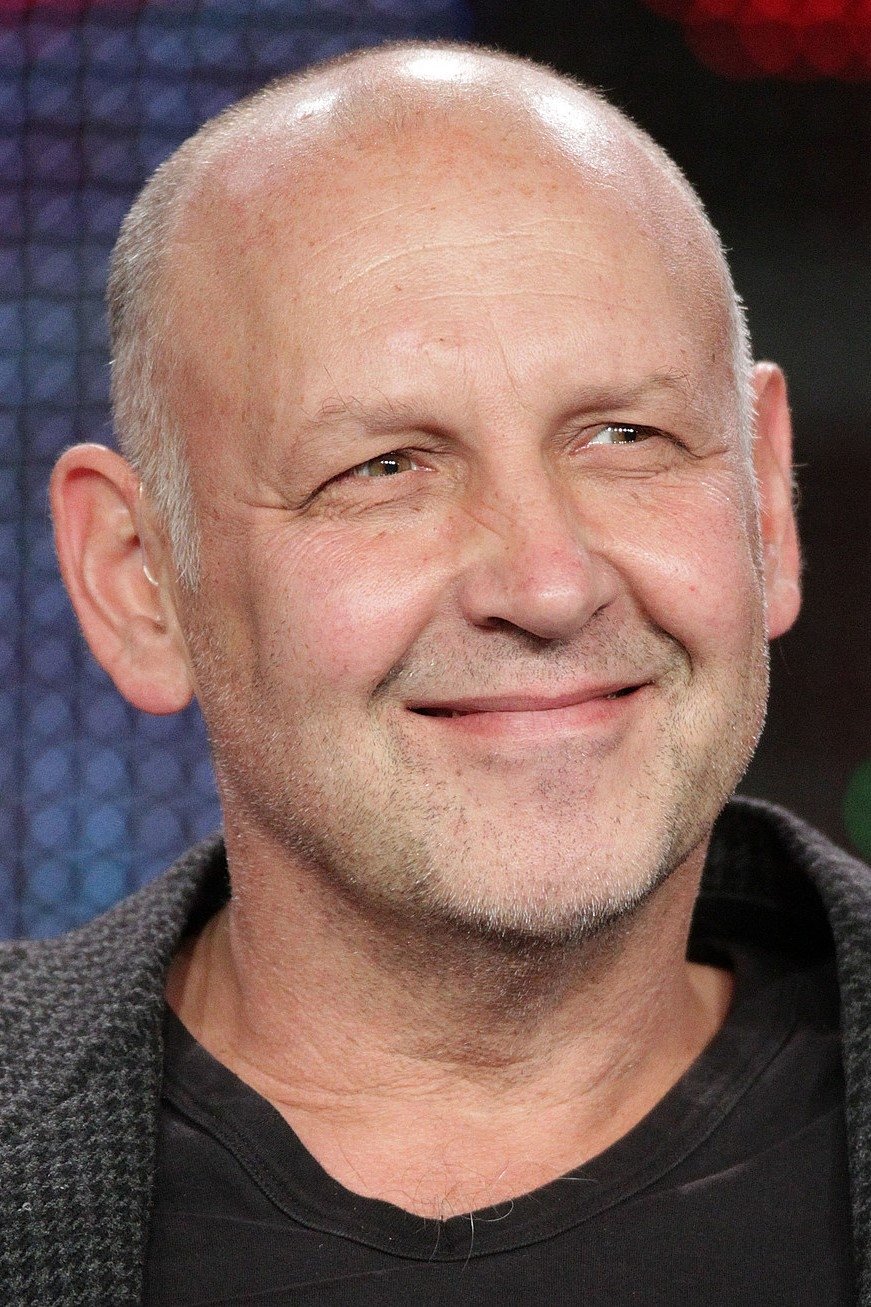
Character actor Nick Searcy is one of the few open conservatives working in Hollywood and frequently critiques the industry’s monoculture. He argues that Hollywood blacklists those who do not conform to the dominant liberal worldview. Searcy has produced documentaries exposing what he sees as the hypocrisy of the political left. He believes that true diversity should include diversity of thought which he claims is absent in the industry.
Vincent Gallo
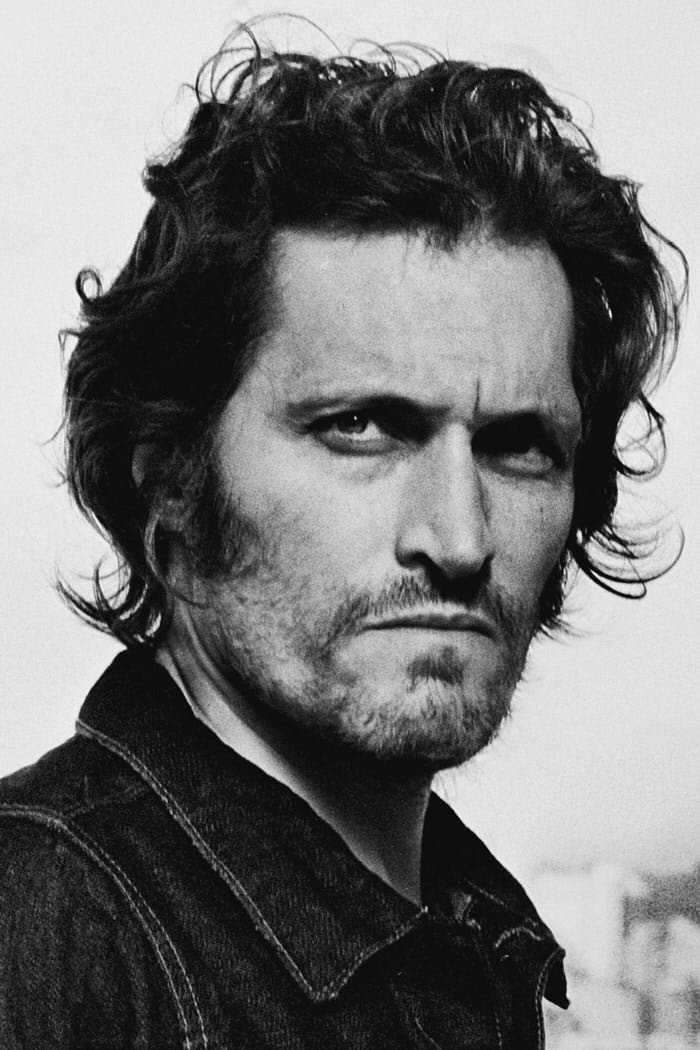
Gallo is known for his extreme provocation and explicitly anti-woke views that alienate him from the mainstream. He has made numerous derogatory comments about diversity and social justice movements. Gallo prides himself on being an outsider who refuses to play by the industry’s moral rules. His work and public persona are a direct rejection of modern sensitivity and inclusion standards.
Jennifer Saunders
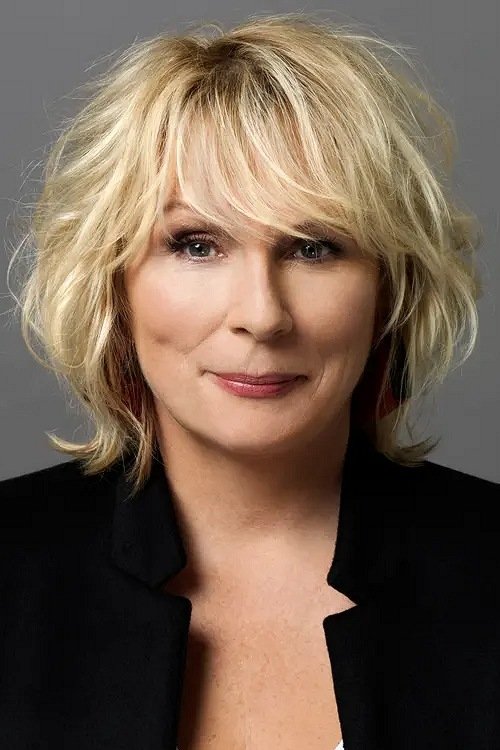
The ‘Absolutely Fabulous’ creator has lamented that she could not make her hit show today due to the “woke” police. Saunders argues that the current climate of small “p” political correctness prevents comedians from being truly funny. She believes that comedy requires a jagged edge that is being smoothed over by the fear of offending. Saunders worries that the next generation of writers is too afraid to take risks.
Rowan Atkinson
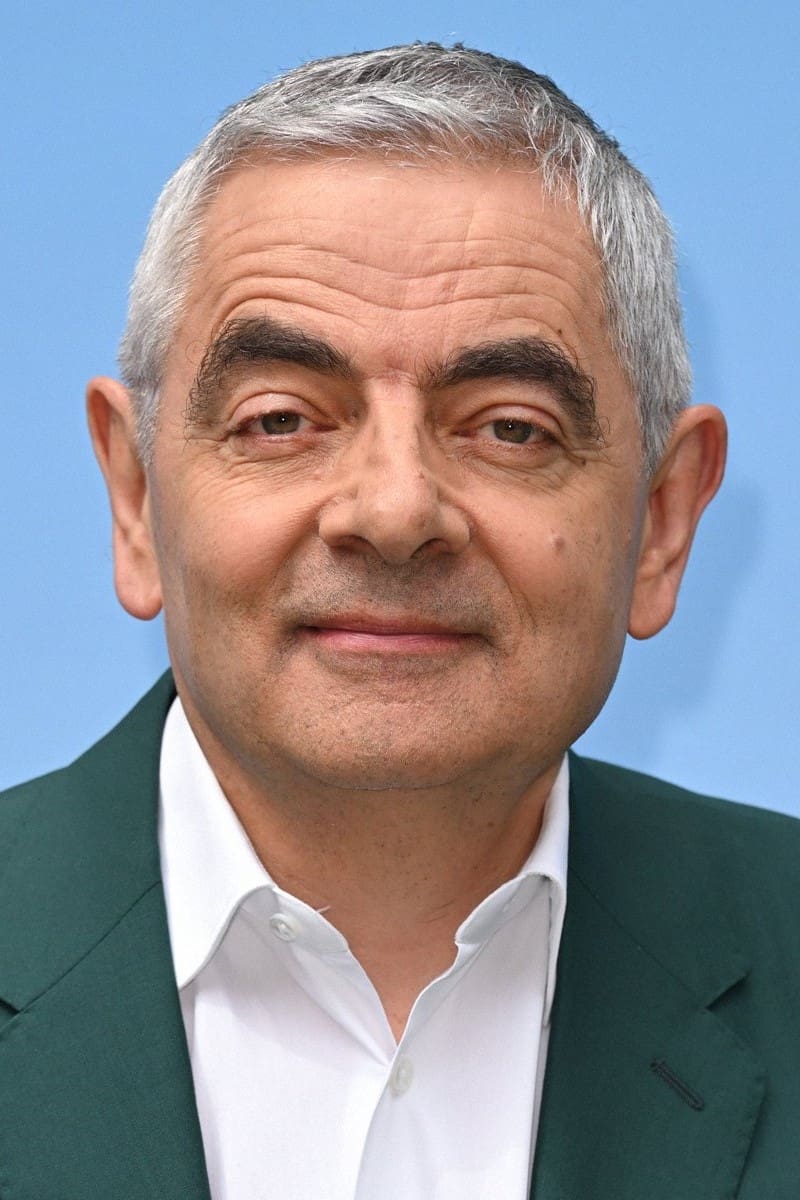
Atkinson has campaigned vigorously against legislation that he believes restricts free speech in the name of protecting groups from offense. He argues that the right to offend is far more important than the right not to be offended. The ‘Mr. Bean’ actor views the expansion of hate speech laws and social censorship as a danger to artistic expression. He maintains that robust debate and satire are essential for a free society.
Please share your thoughts on these celebrities and their stances in the comments.