Positive Asian Family Dynamics in Western Animated Series


Western animation has increasingly embraced diverse cultural narratives, offering nuanced portrayals of Asian family life. These series often move beyond stereotypes to explore themes of generational wisdom, cultural preservation, and emotional support. From intergenerational bonds to modern immigrant experiences, these shows highlight the strength found in familial connections. The following list features various series that showcase positive and complex Asian family dynamics.
‘Avatar: The Last Airbender’ (2005–2008)
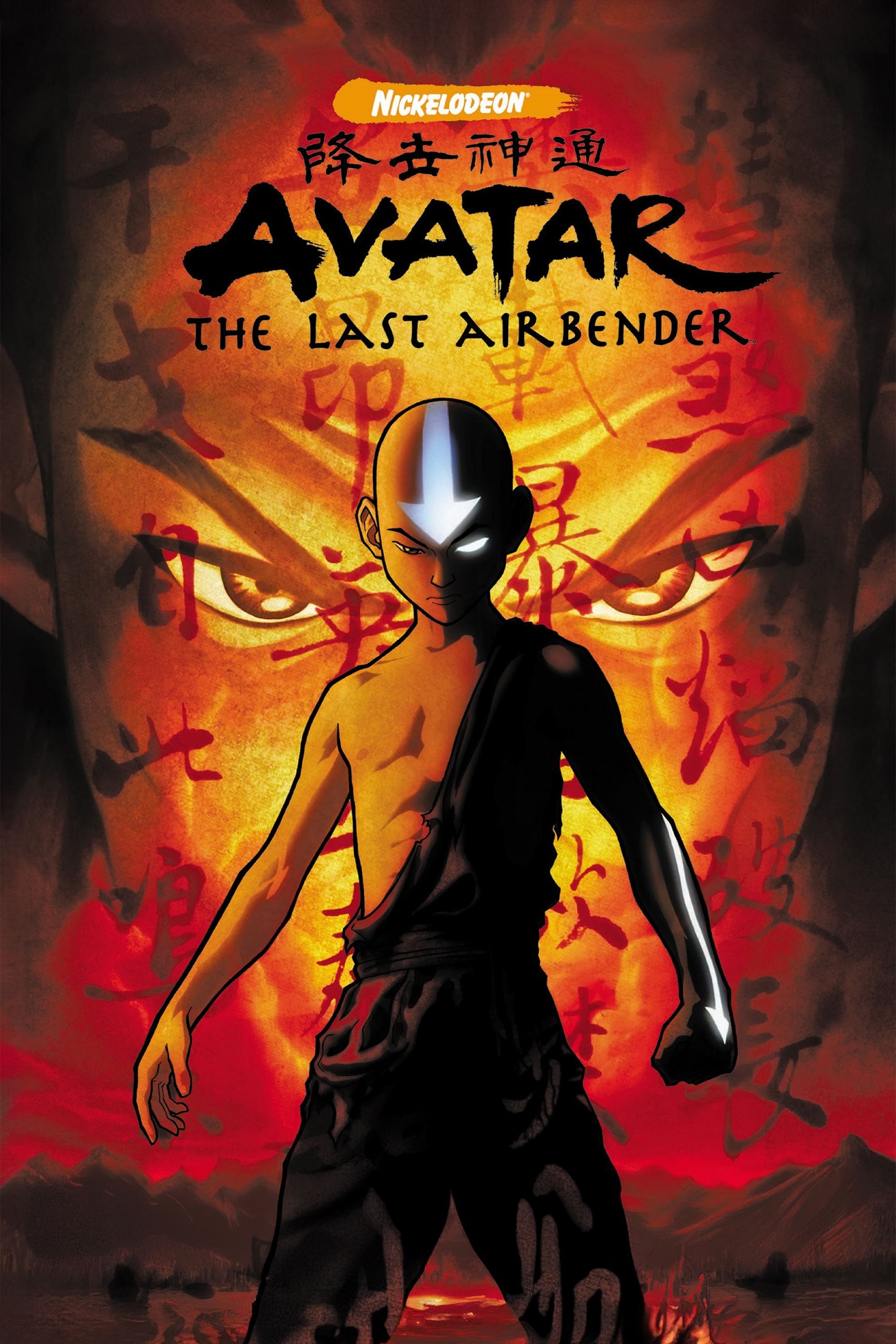
Prince Zuko and his uncle Iroh share a bond that serves as a central emotional pillar of the series. While Zuko initially struggles with his sense of honor and exile, Iroh provides unwavering patience and wisdom to guide him. Their relationship evolves from a standard mentorship into a deep familial love that transcends their royal obligations. This dynamic highlights the importance of redemption and the influence of a compassionate parental figure. Iroh’s guidance eventually helps Zuko find his own path and reconcile with his identity.
‘The Legend of Korra’ (2012–2014)

Tenzin and his wife Pema raise their four children, Jinora, Ikki, Meelo, and Rohan, within the bustling environment of Air Temple Island. The series portrays their family life as a blend of traditional Air Nomad teachings and the chaotic realities of modern parenting. Tenzin often balances his duties as a political leader and spiritual teacher with his role as a dedicated father. The children support one another during various conflicts, demonstrating a strong sense of unity and shared heritage. Their household remains a place of stability and affection throughout the show’s high-stakes adventures.
‘Amphibia’ (2019–2022)
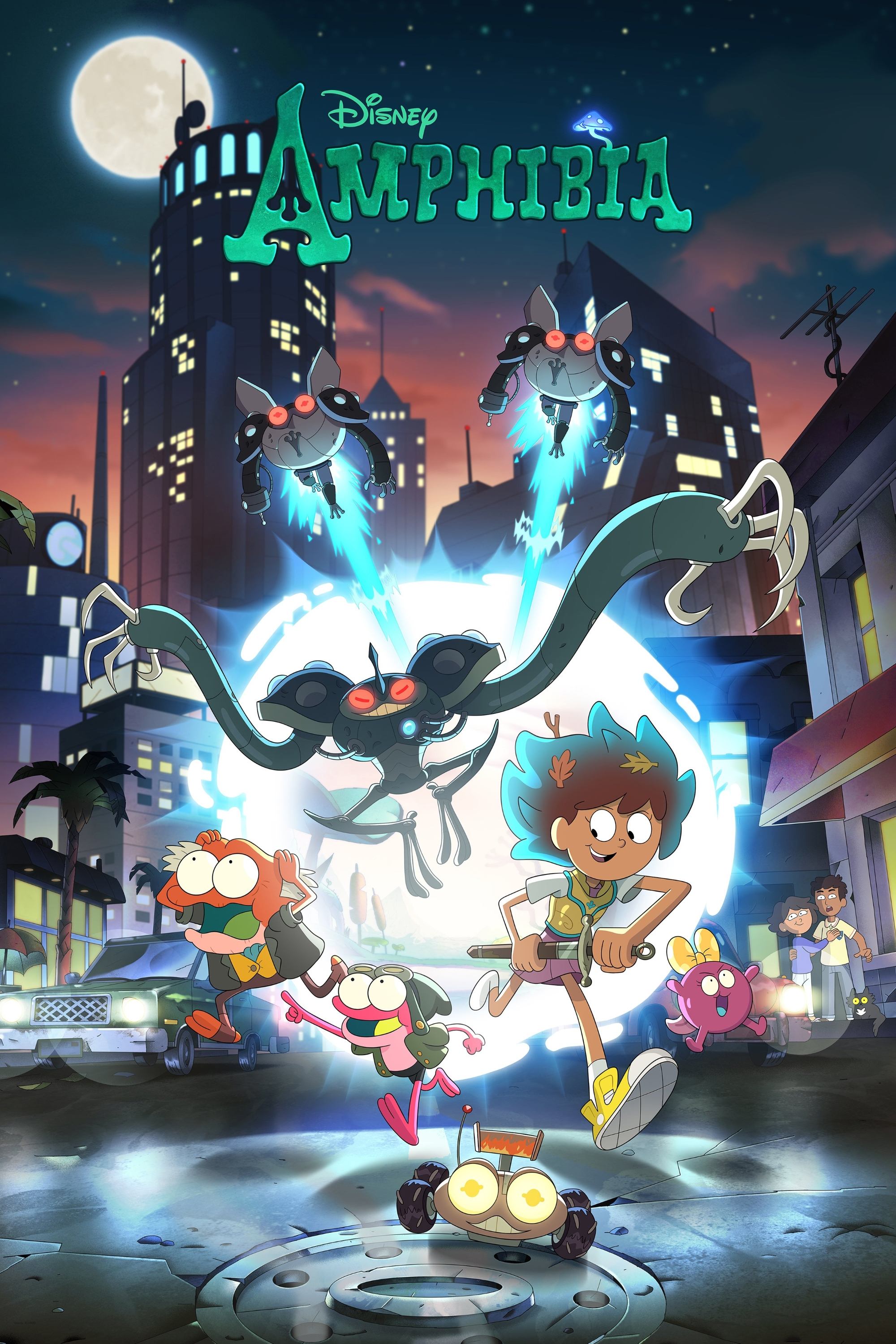
Anne Boonchuy maintains a strong connection with her parents, who operate a Thai restaurant in Los Angeles. When Anne is transported to another world, her memories of her family’s love and Thai culture provide her with emotional strength. Once reunited, her parents, Bee and Oum, are shown to be incredibly supportive and protective of their daughter. The series emphasizes the importance of Anne’s Thai heritage through food, language, and community traditions. Their relationship is defined by mutual respect and the growth they experience as a family unit.
‘The Ghost and Molly McGee’ (2021–2024)
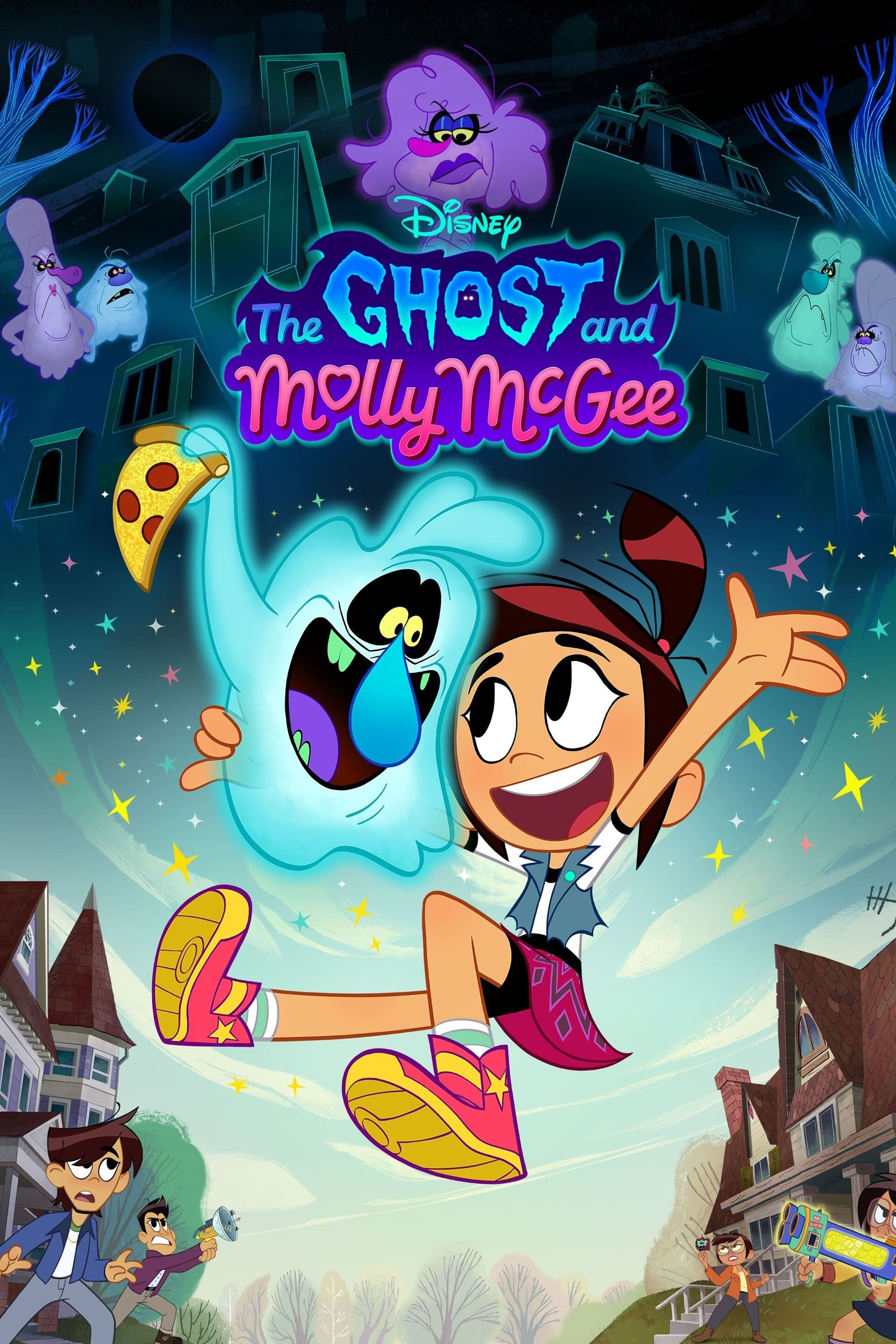
Molly McGee lives with her Thai-American mother, Sharon, and her father, Pete, along with her brother and grandmother. The McGee-Chen household is characterized by optimism and a collaborative spirit in the face of financial and supernatural challenges. Molly’s grandmother, Nin, plays a significant role in passing down Thai traditions and folklore to her grandchildren. The series often explores the balance of maintaining cultural roots while navigating life in a small Midwestern town. The family members consistently validate Molly’s energetic personality and support her community-driven goals.
‘Jackie Chan Adventures’ (2000–2005)
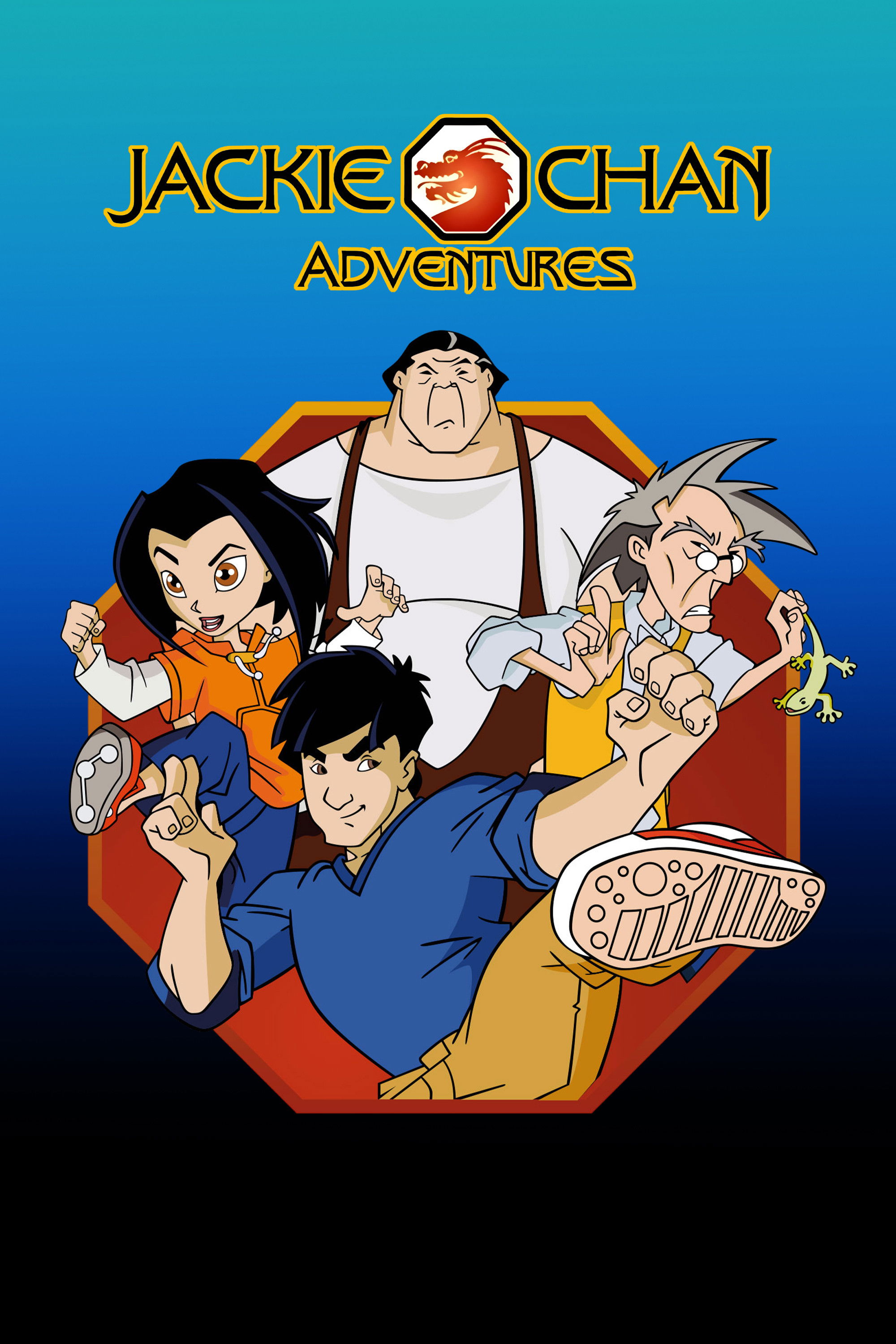
The series centers on the relationship between Jackie, his adventurous niece Jade, and their wise but crotchety Uncle. Despite their frequent disagreements, the trio operates as a highly effective team to protect the world from magical threats. Uncle provides essential knowledge and discipline, while Jade offers youthful energy and creative solutions. Their bond is rooted in deep trust and the shared responsibility of preserving their family’s legacy. This dynamic showcases how different generations can collaborate by valuing each other’s unique strengths.
‘Steven Universe’ (2013–2019)
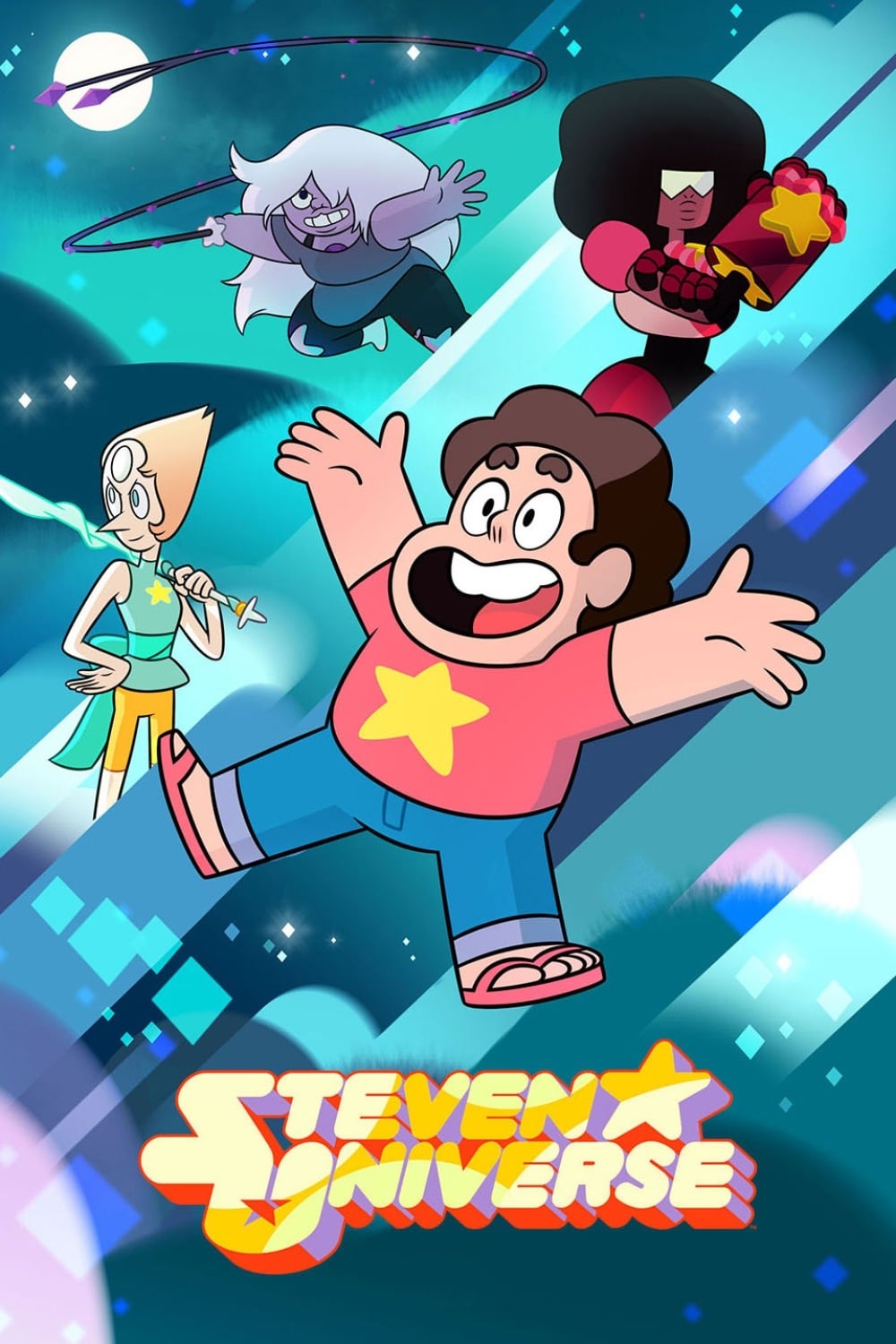
Connie Maheswaran’s relationship with her parents, Priyanka and Doug, evolves from one of strict supervision to mutual understanding. Initially, the Maheswarans have high expectations for Connie, which creates tension as she becomes a sword-wielding hero. However, the series depicts the parents learning to trust Connie’s judgment and eventually supporting her unconventional lifestyle. They provide a stable, loving home environment that contrasts with the magical chaos of Steven’s life. Their growth as a family emphasizes the power of honest communication and the adaptation of parental roles.
‘American Dragon: Jake Long’ (2005–2007)
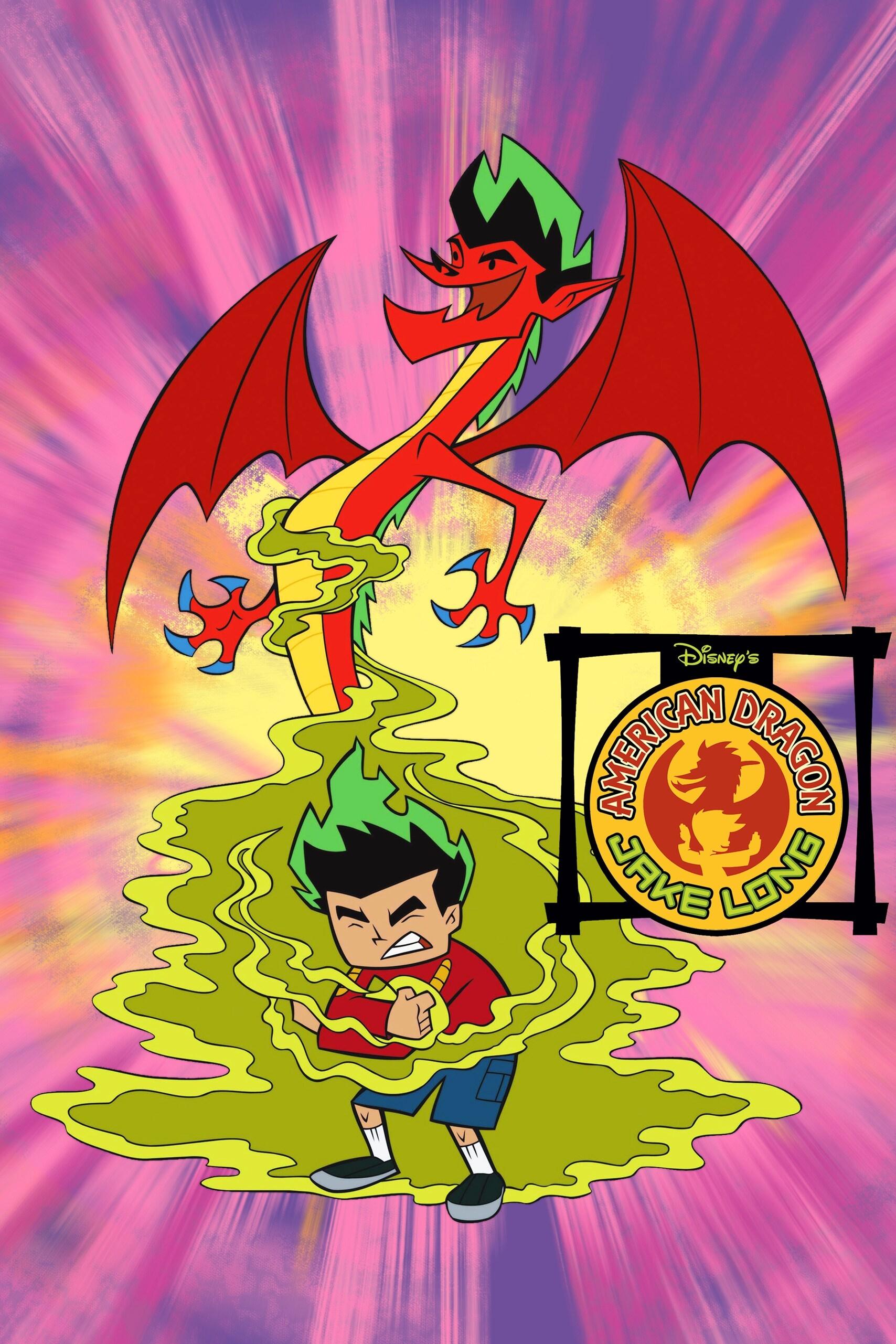
Jake Long navigates his life as a teenager and a magical protector under the tutelage of his grandfather, Lao Shi. Their relationship is built on the transmission of ancient dragon traditions and the discipline required to master magical abilities. Lao Shi acts as a bridge between Jake’s modern American life and his Chinese heritage. Jake’s mother, Susan, also plays a supportive role, having chosen a different path while still respecting the family legacy. This intergenerational dynamic focuses on the pride and responsibility associated with cultural inheritance.
‘Ni Hao, Kai-Lan’ (2008–2011)
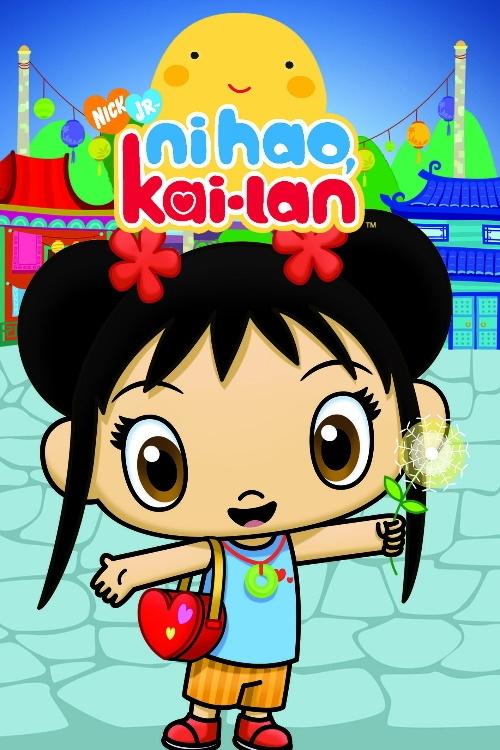
Kai-Lan Chow shares a heartwarming relationship with her grandfather, Ye-Ye, who serves as her primary caregiver and mentor. Ye-Ye encourages Kai-Lan to explore her emotions and solve problems using patience and empathy. The show highlights traditional Chinese values such as respect for elders and the importance of community harmony. Each episode showcases their daily interactions, which are filled with mutual affection and cultural celebrations. Their bond serves as a model for healthy, intergenerational communication in early childhood education.
‘Sanjay and Craig’ (2013–2016)
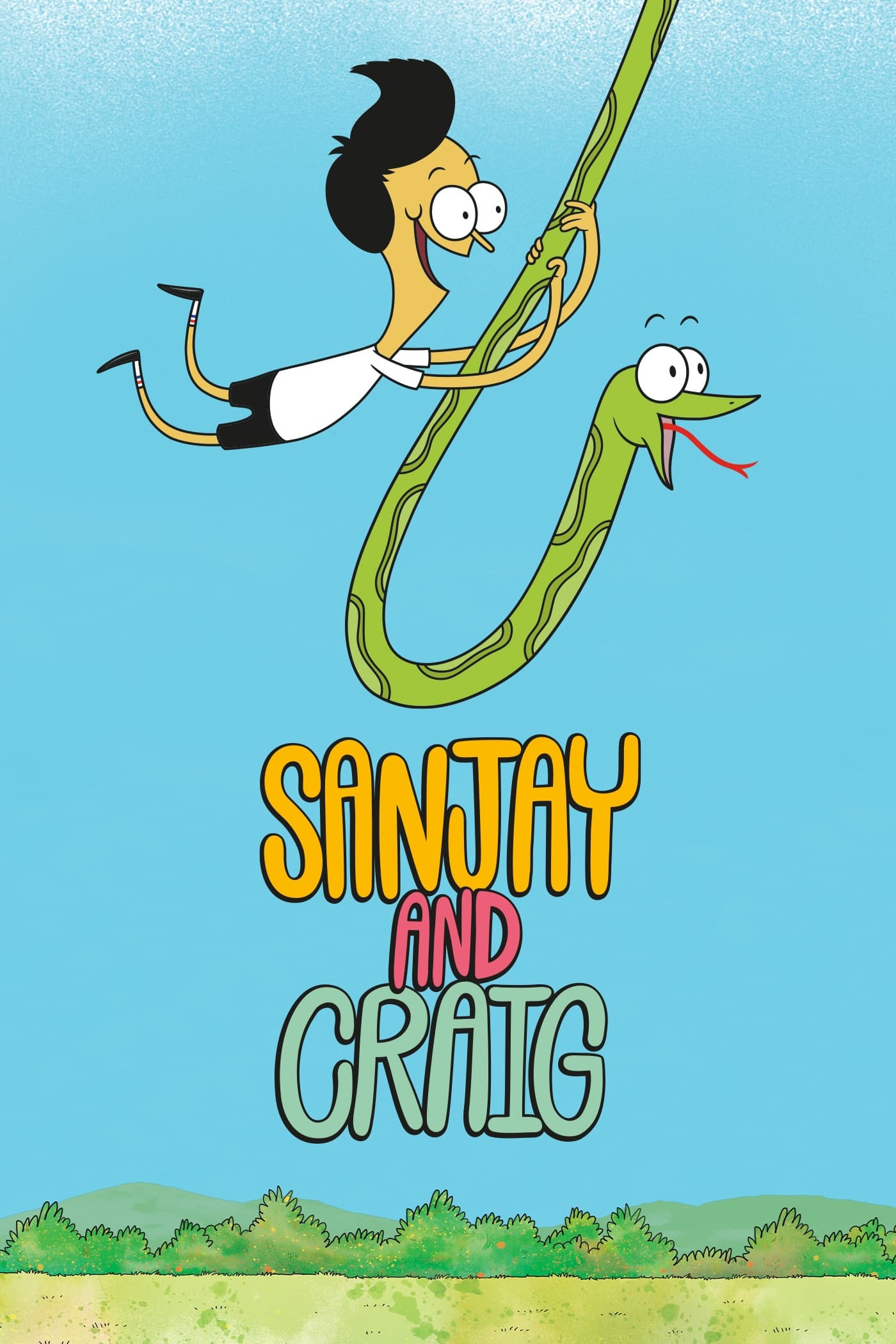
Sanjay Patel lives in a supportive suburban household with his mother, Nita, and his father, Vijay. Both parents are depicted as professional, capable individuals who encourage Sanjay’s imagination and adventurous spirit. Nita works as a nurse and Vijay as a businessman, providing a grounded reality to Sanjay’s surreal escapades with his pet snake. The family dynamic is consistently positive, with the parents often participating in or facilitating Sanjay’s hobbies. Their home life reflects a modern Indian-American experience where tradition and contemporary interests coexist peacefully.
‘The Casagrandes’ (2019–2022)
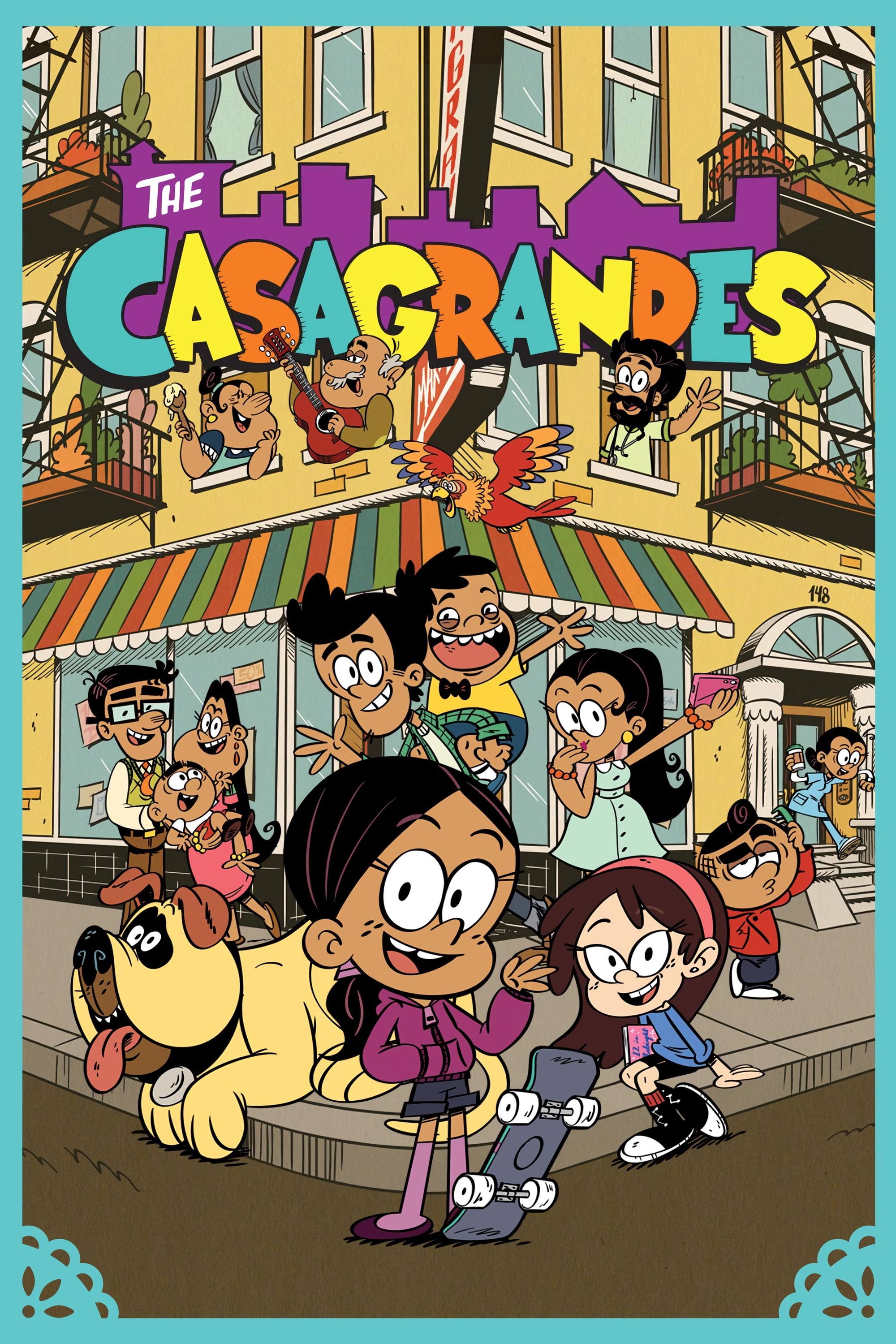
The Chang family, consisting of Sid, Adelaide, Becca, and Stanley, are central characters who live in the same apartment building as the main cast. Sid and her younger sister Adelaide share a close, playful bond while their parents support their diverse interests in zoology and art. Becca and Stanley are depicted as attentive and hardworking parents who prioritize their children’s happiness. The family’s presence in the series highlights a vibrant and integrated Asian-American family within a multicultural urban setting. Their interactions with their neighbors reinforce themes of community and friendship.
‘Kipo and the Age of Wonderbeasts’ (2020)
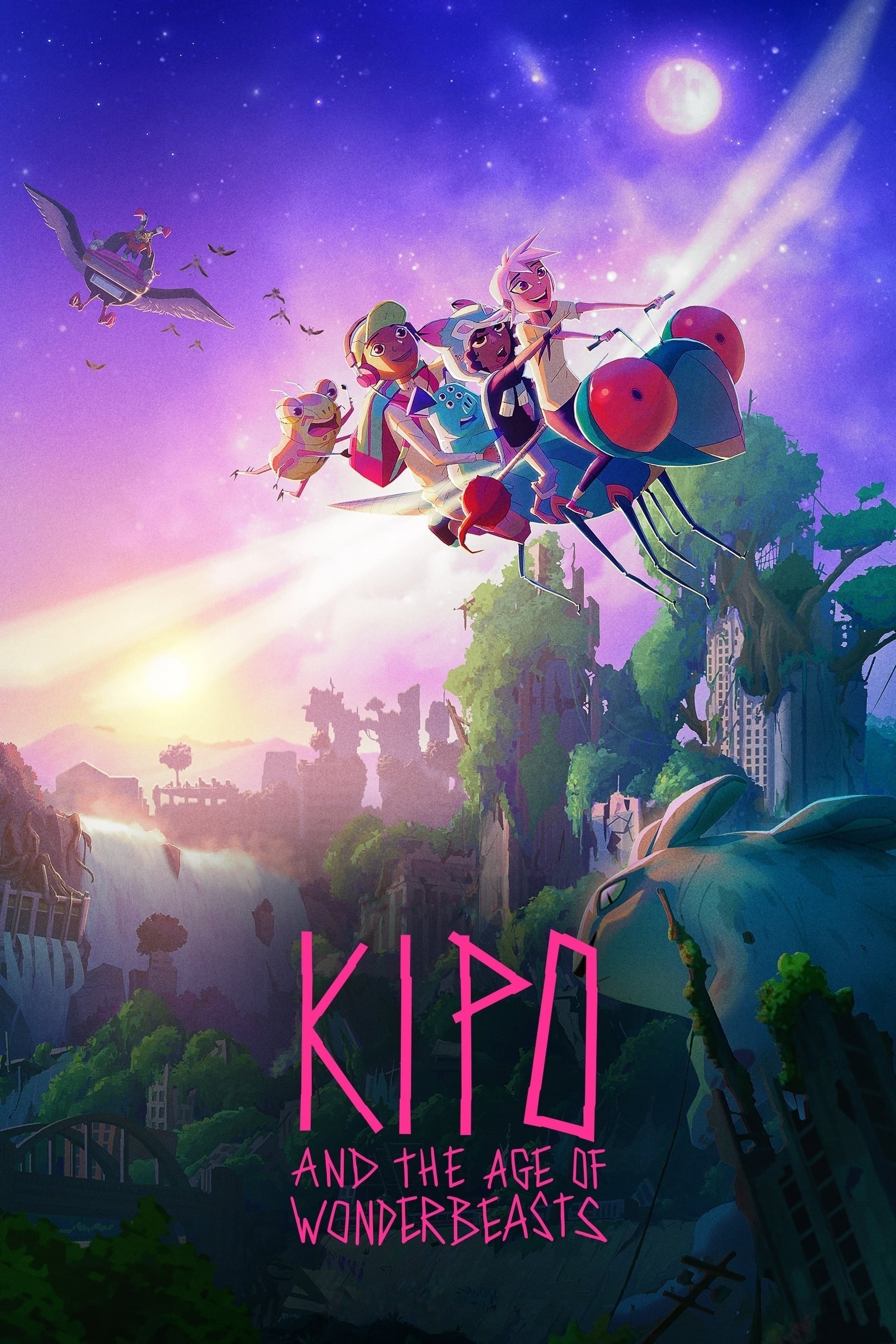
Kipo Oak’s journey is driven by her desire to reunite with her father, Lio, after they are separated in a post-apocalyptic world. Lio is portrayed as a brilliant scientist and a deeply affectionate father who instilled a love for music and science in Kipo. Their relationship is defined by a shared moral compass and a belief in the power of diplomacy over violence. Even when faced with extreme danger, Kipo uses the lessons her father taught her to build alliances. Their eventual reunion underscores the enduring strength of the parent-child bond.
‘Phineas and Ferb’ (2007–2015)

Stacy and Ginger Hirano are recurring characters who share a close-knit family life with their mother, Mrs. Hirano. Stacy is portrayed as a loyal friend and a fashion-conscious teenager, while Ginger is a dedicated member of the Fireside Girls. Their mother is shown to be a supportive figure who participates in neighborhood activities and maintains a friendship with Linda Flynn-Fletcher. The Hirano sisters exhibit a supportive sibling dynamic, often helping each other with various social and personal goals. Their family life is presented as a stable and integrated part of the Danville community.
‘Mira, Royal Detective’ (2020–2022)
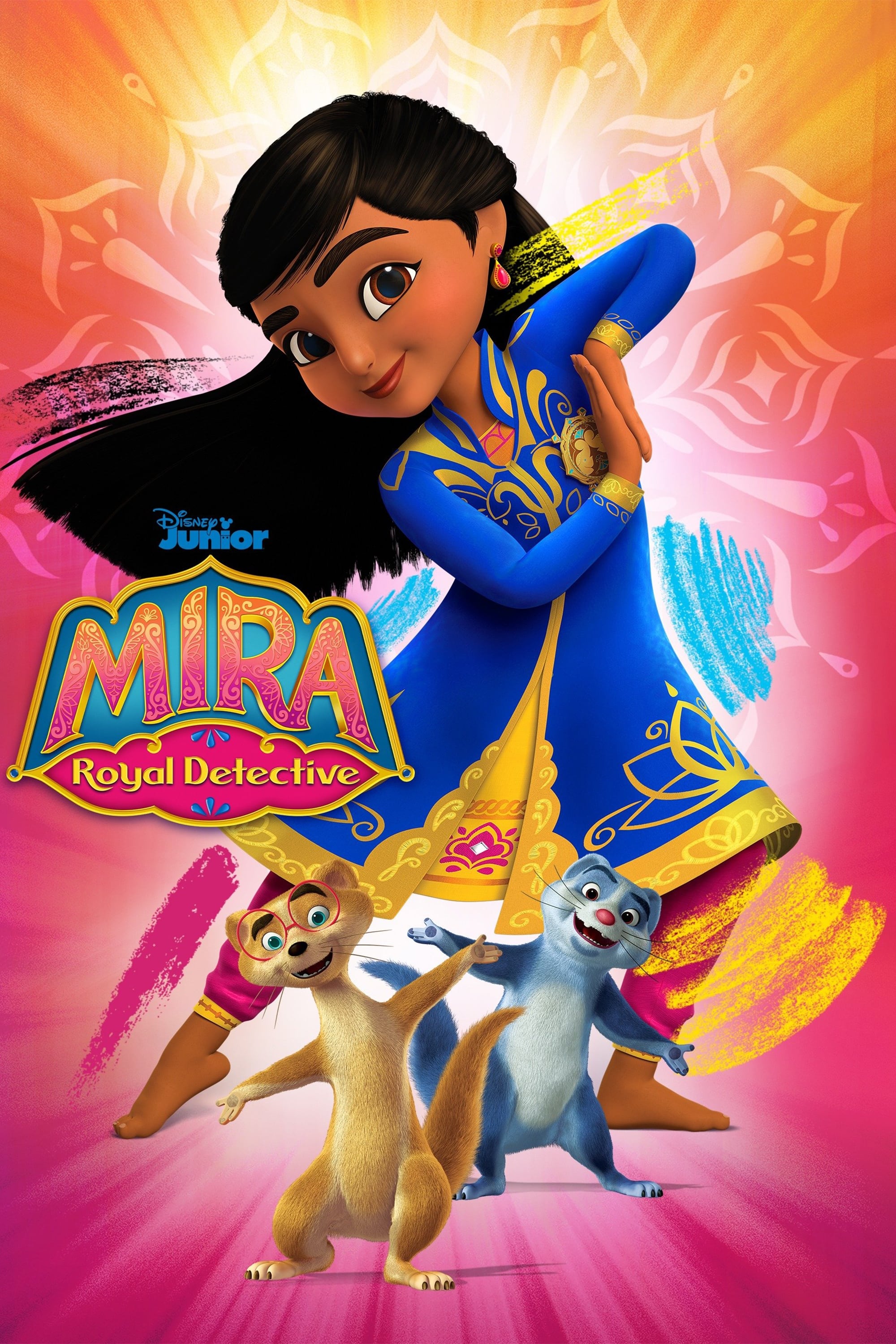
Mira lives in the fictional kingdom of Jalpur with her father, Sahil, who supports her role as the kingdom’s detective. The series focuses on Mira using her observational skills to solve mysteries, often with the help of her family and friends. Sahil is depicted as a proud father who encourages Mira’s independence and critical thinking. The show frequently highlights South Asian cultural elements, including festivals, traditional clothing, and food, through the family’s activities. Their dynamic is rooted in mutual respect and a shared commitment to helping their community.
‘Big Hero 6: The Series’ (2017–2021)
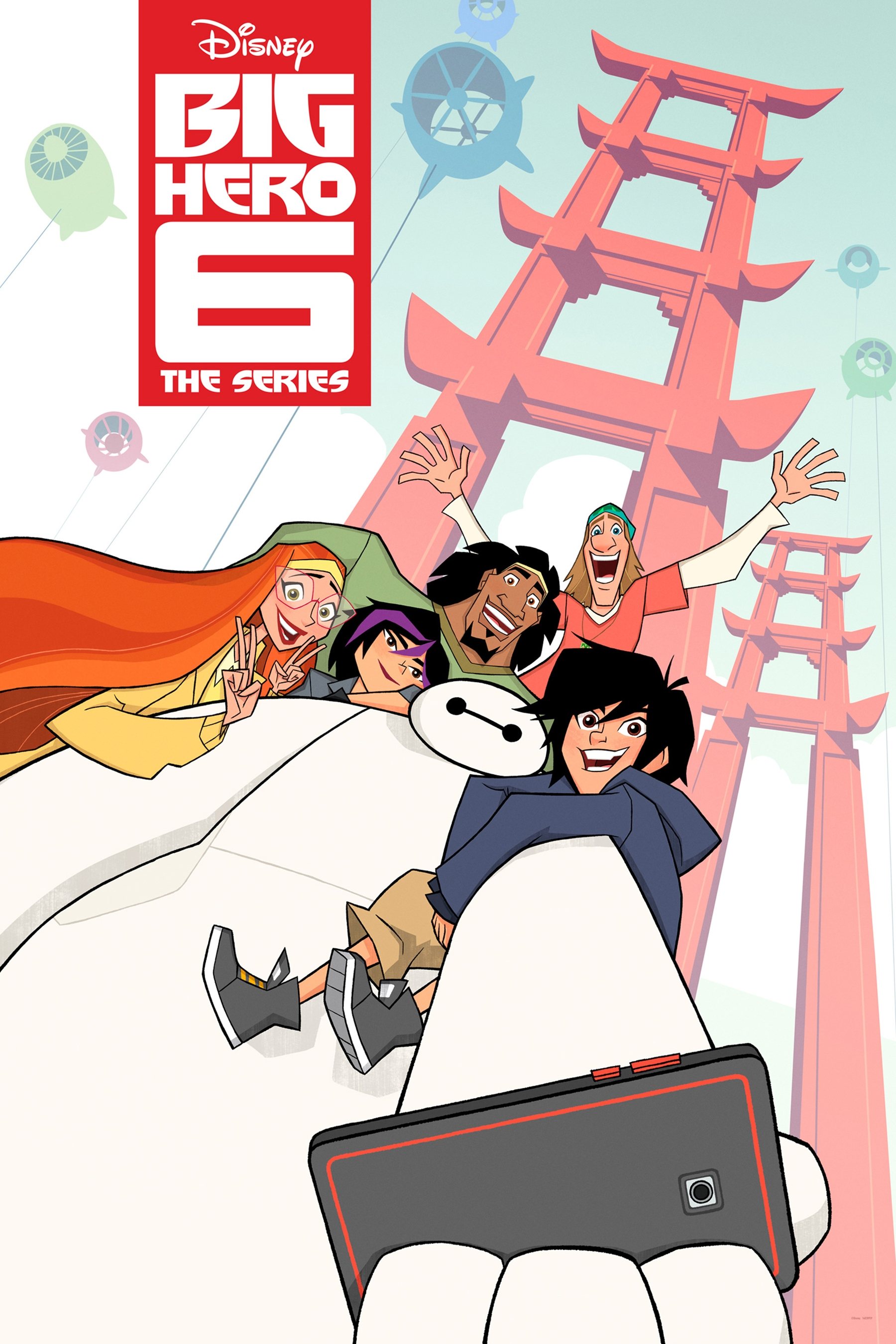
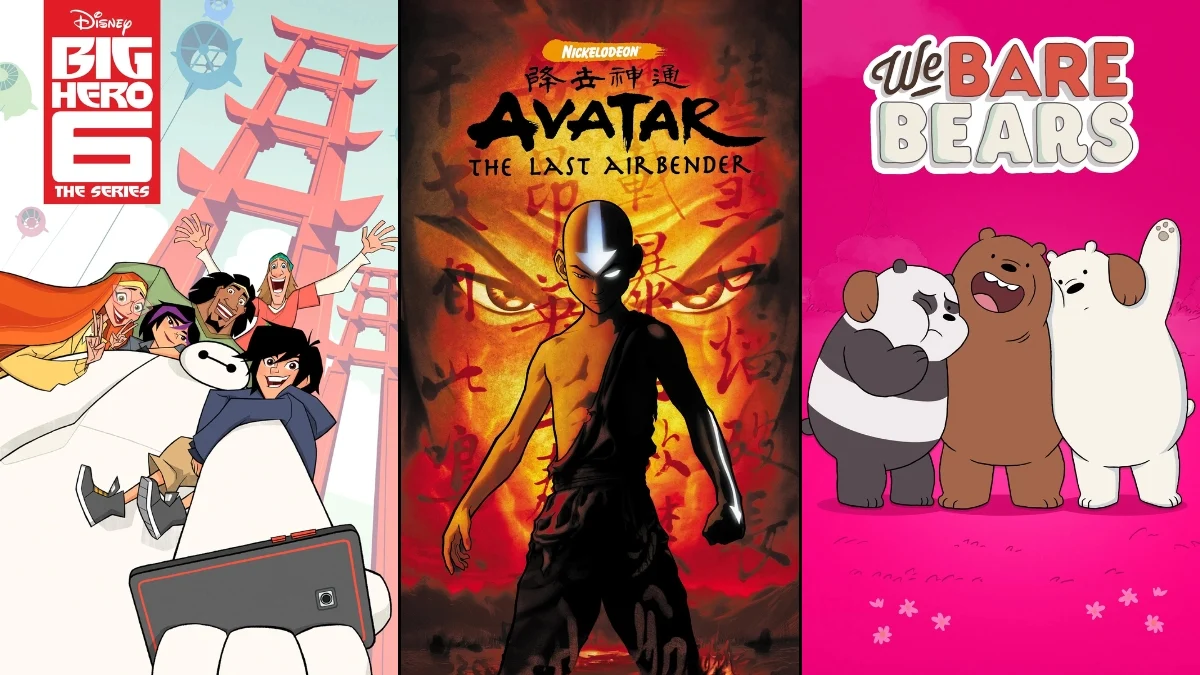
Following the loss of his brother Tadashi, Hiro Hamada is raised by his loving and energetic Aunt Cass. Cass provides a nurturing home environment and manages a cafe while supporting Hiro’s academic pursuits at the San Fransokyo Institute of Technology. She is portrayed as a relatable parental figure who balances discipline with a deep concern for Hiro’s emotional well-being. Hiro’s memories of Tadashi continue to influence his moral choices, showing the lasting impact of a positive sibling bond. Together, they form a resilient family unit that thrives despite past tragedy.
‘We Bare Bears’ (2015–2019)

Chloe Park is a young prodigy whose Korean-American parents provide a grounding influence on her life. Her parents are shown to be immensely proud of her academic achievements while also encouraging her to build social connections. They welcome the three bear brothers into their home, demonstrating hospitality and an open-minded attitude. Episodes featuring the Park family often explore the nuances of Korean culture and the immigrant experience in America. Their support allows Chloe to navigate the challenges of being a young student in a high-pressure environment.
‘King of the Hill’ (1997–2010)
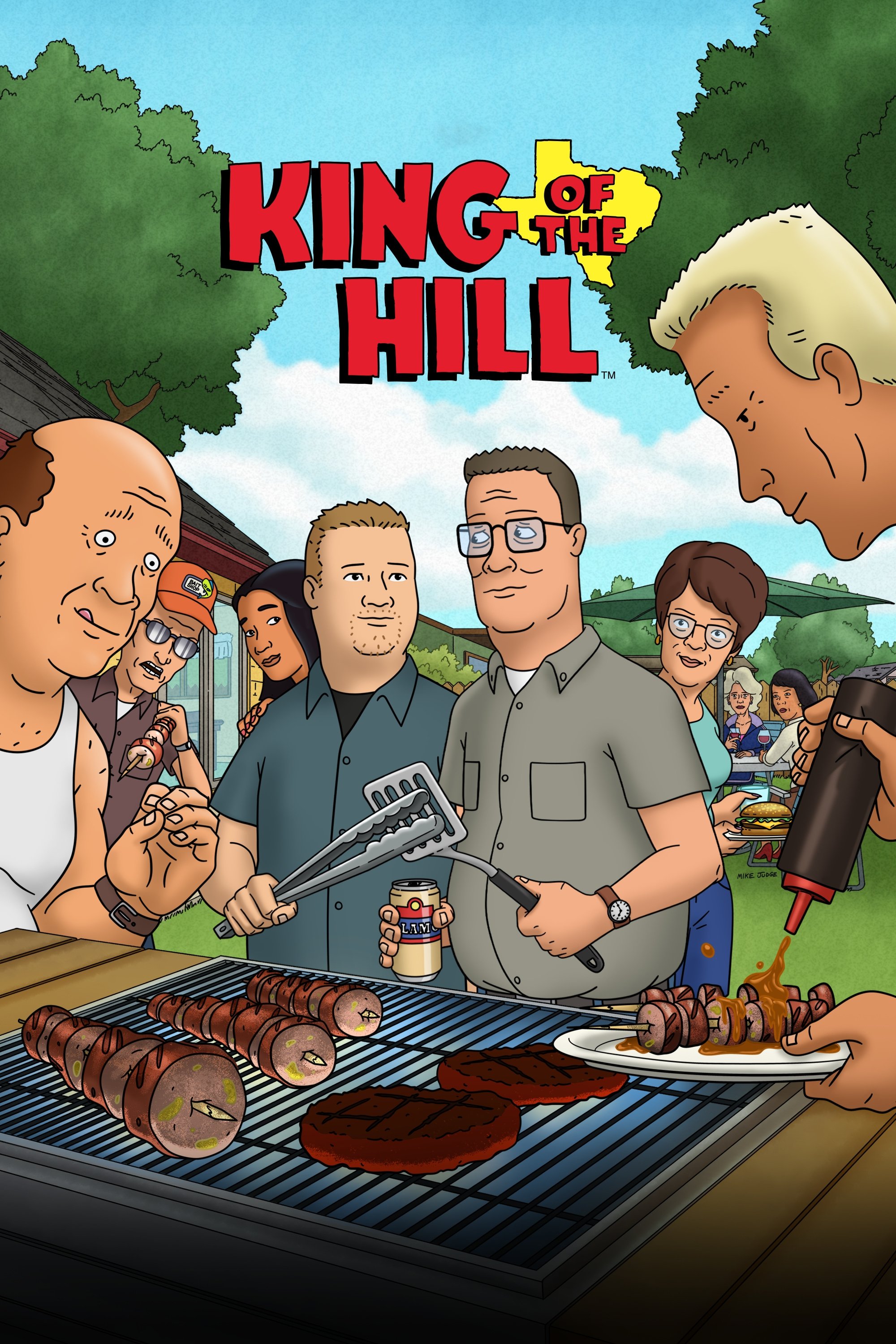
The Souphanousinphone family, consisting of Kahn, Minh, and their daughter Connie, offers a complex look at a Laotian-American family. Kahn and Minh are often portrayed as ambitious and competitive, yet they are deeply devoted to Connie’s success and well-being. Connie is a high-achieving student who maintains a strong sense of self while navigating her parents’ high expectations. Despite their frequent clashes with their neighbors, the family remains a tight-knit unit that fiercely protects one another. Their dynamic explores themes of assimilation, cultural pride, and the pressures of the American Dream.
‘Sagwa, the Chinese Siamese Cat’ (2001–2002)
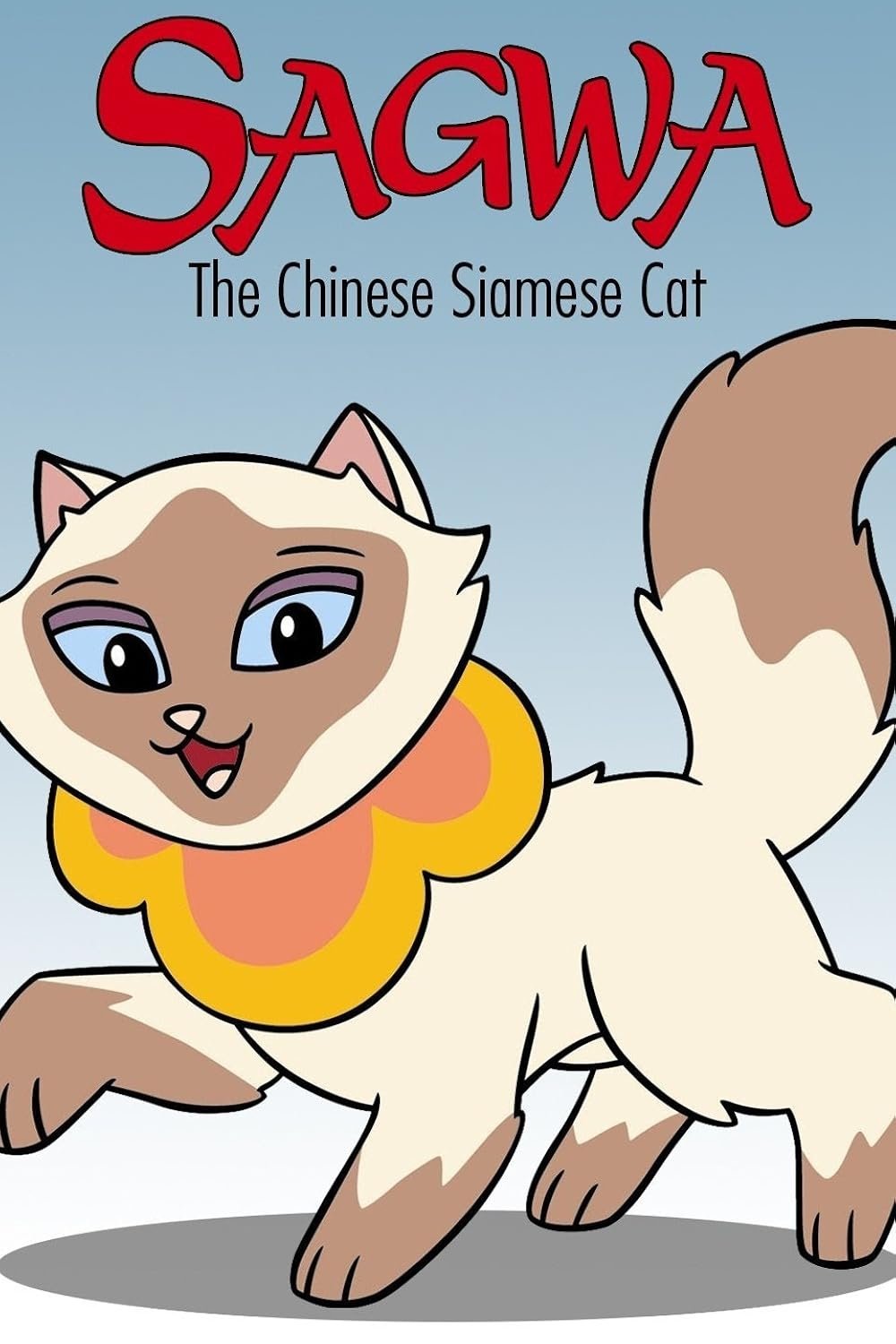
The series follows the daily lives of a family of cats living in the palace of a magistrate in historical China. Sagwa, her siblings Dongwa and Sheegwa, and their parents Baba and Mama Miao, navigate various social and moral dilemmas. The parents act as teachers, passing down life lessons and cultural traditions to their kittens. Their household reflects the values of the larger human society they inhabit, emphasizing duty, honesty, and family loyalty. The feline perspective provides a unique way to explore traditional Chinese family structures and intergenerational storytelling.
‘The Proud Family: Louder and Prouder’ (2022–Present)
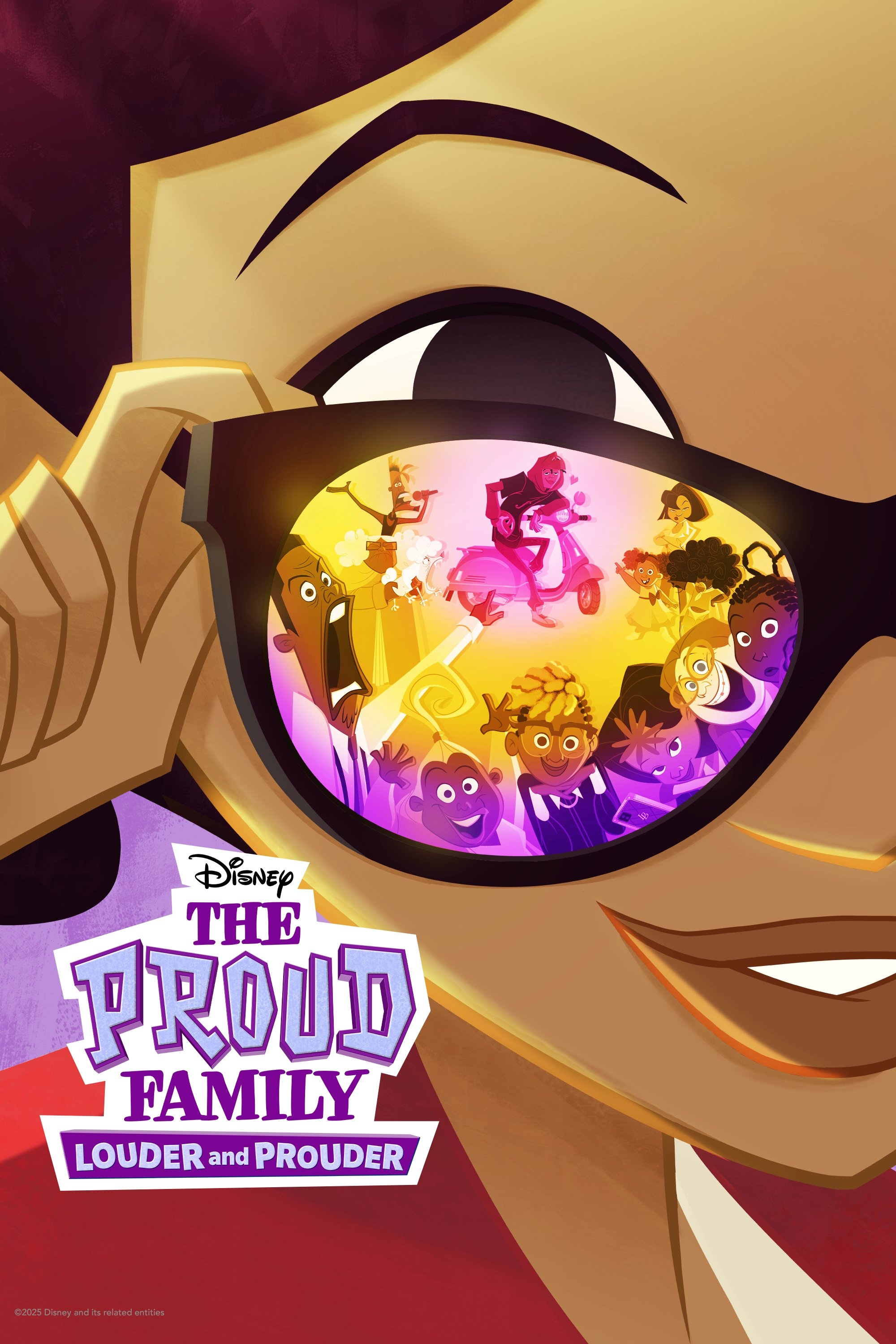
The Chang family is introduced as neighbors to the Prouds, featuring parents who are shown to be high-achieving and involved in their community. Their children are depicted as talented and well-adjusted, occasionally interacting with Penny Proud and her friends. The series uses the Changs to represent a modern, successful Asian-American family that contributes to the show’s diverse social landscape. While they face their own set of challenges, their family dynamic is consistently shown to be one of stability and mutual support. Their inclusion enriches the multicultural narrative of the series.
‘Glitch Techs’ (2020)
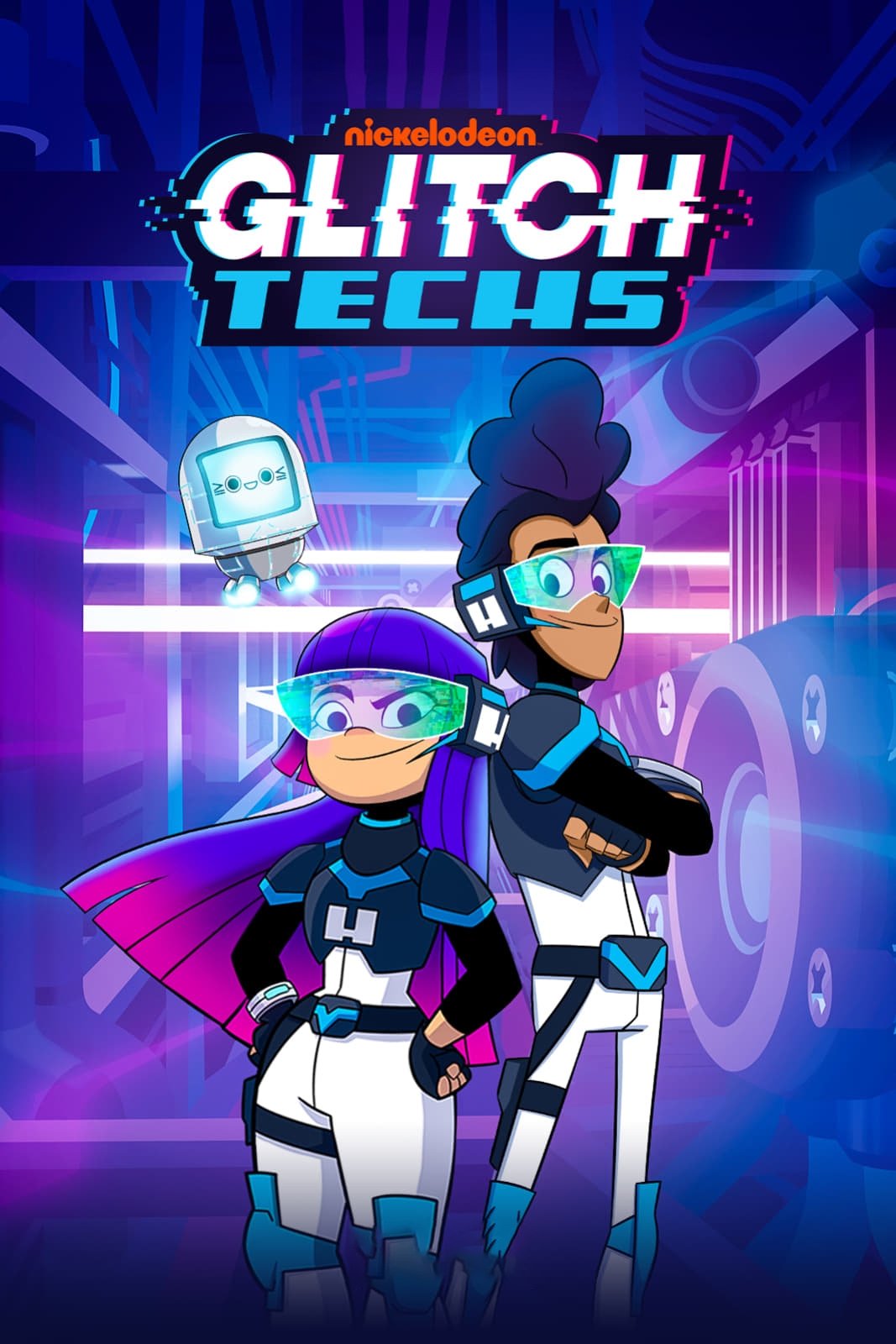
Miko Kubota comes from a large, vibrant Japanese-American family that is depicted as boisterous and supportive. Her mother, Nika, and father, Hugh, manage a busy household while encouraging Miko’s interests in gaming and technology. Miko’s grandmother also lives with them, contributing to the family’s multi-generational energy. The family dynamic is portrayed as chaotic but loving, with siblings frequently interacting and helping each other. This portrayal provides a realistic and positive look at a modern, tech-savvy Asian-American family.
‘Jade Armor’ (2022–Present)
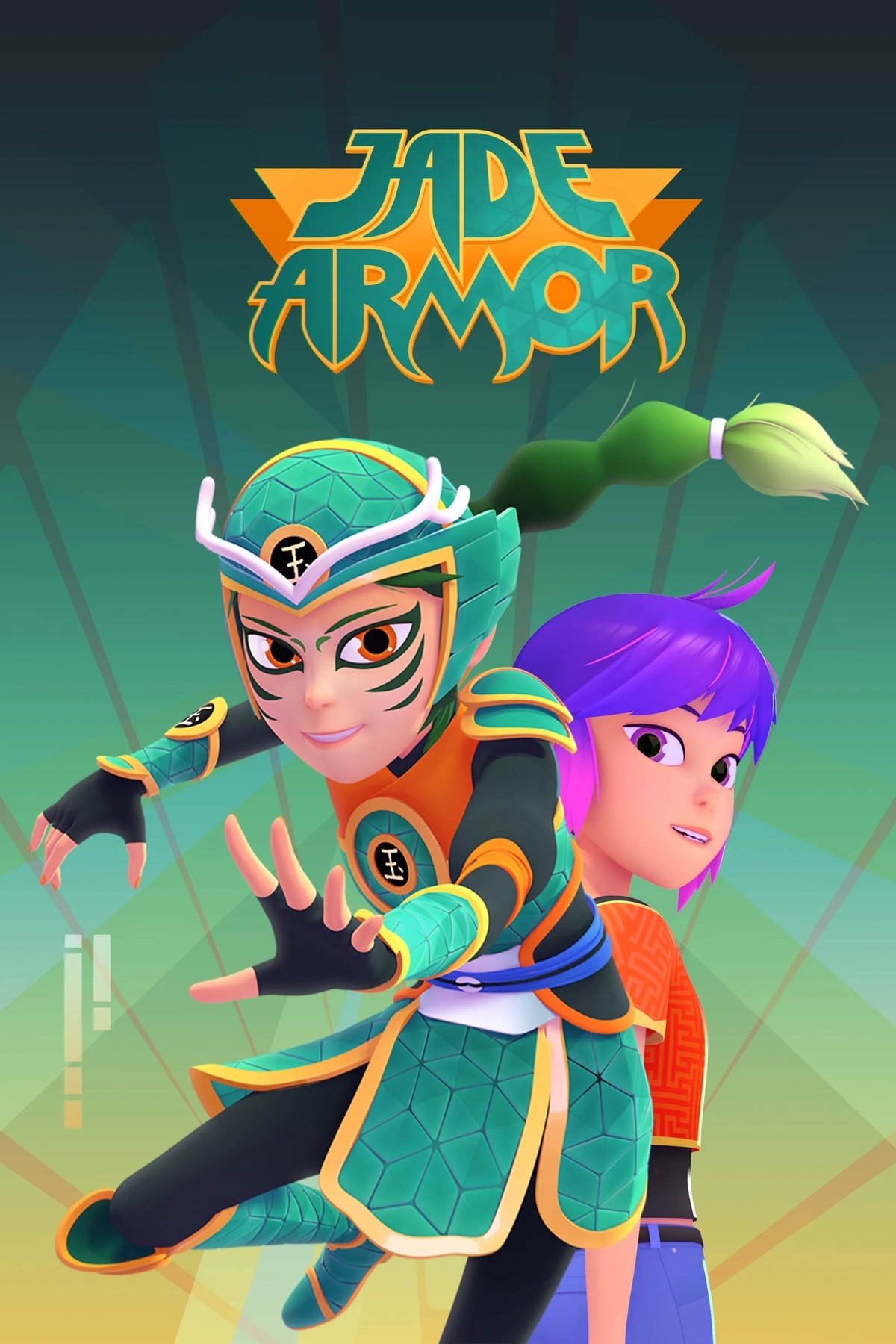
Lan Jun is a teenager who discovers she is the latest in a long line of heroes known as Jade Armor. She lives with her two grandmothers, who are both aware of her secret and provide her with training and moral guidance. This unique family structure emphasizes the wisdom of female elders and the importance of matrilineal heritage. The grandmothers offer a blend of traditional mystical knowledge and modern practical advice. Their supportive relationship is essential to Lan Jun’s growth as she learns to balance her normal life with her heroic responsibilities.
Please share your thoughts on your favorite animated family dynamics in the comments.