Actors Advocating for Better Roles for Aging Asian Stars

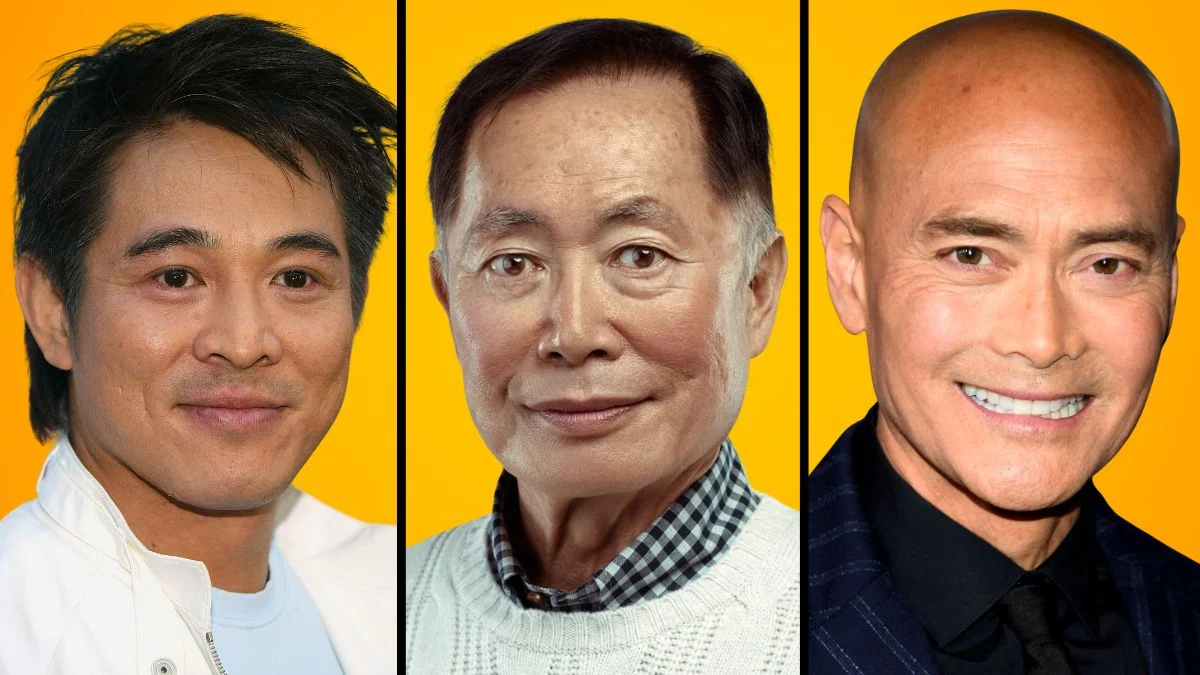

For decades, Asian actors in Hollywood faced a limited landscape defined by martial arts caricatures or silent background roles. A shift has occurred recently as veteran performers and rising stars alike demand multidimensional characters that reflect the complexity of the human experience. These men have used their platforms to critique ageism and racial stereotyping while pushing for stories that allow them to age with dignity on screen. Their advocacy has paved the way for a new era where Asian men can be romantic leads, complex villains, and weary heroes. The following actors have been instrumental in fighting for better representation and substantial roles for aging stars.
James Hong
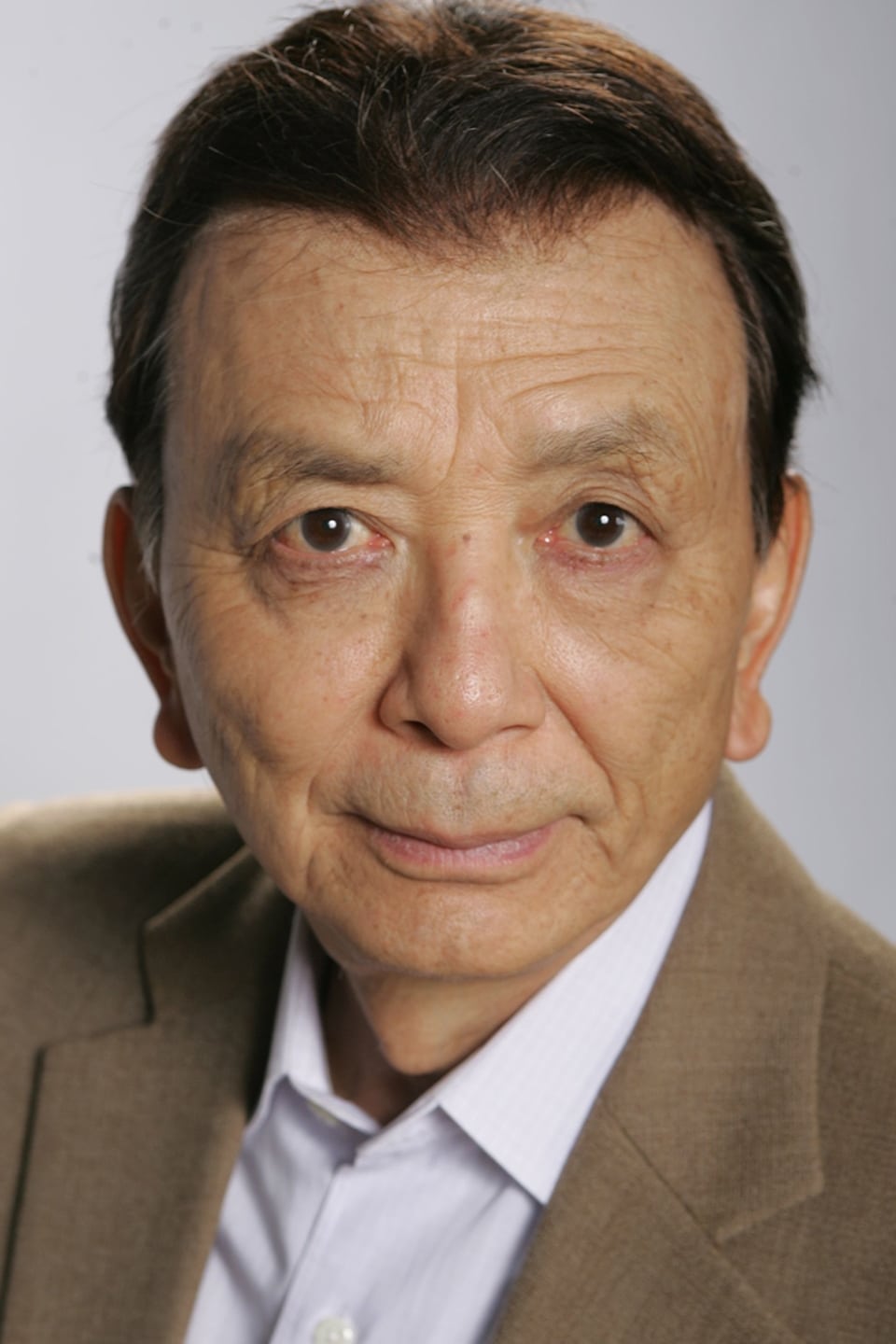
James Hong has spent over seven decades in the industry fighting for visibility and respect for Asian performers. He co-founded the East West Players to create a space where Asian actors could perform roles denied to them by mainstream Hollywood. The actor frequently speaks about the early days of his career when he was relegated to playing laundrymen or villains. His recent career resurgence serves as a testament to the fact that audiences crave diverse stories from actors of all ages. Hong remains a vocal critic of the industry’s past while celebrating its current progress.
Ke Huy Quan
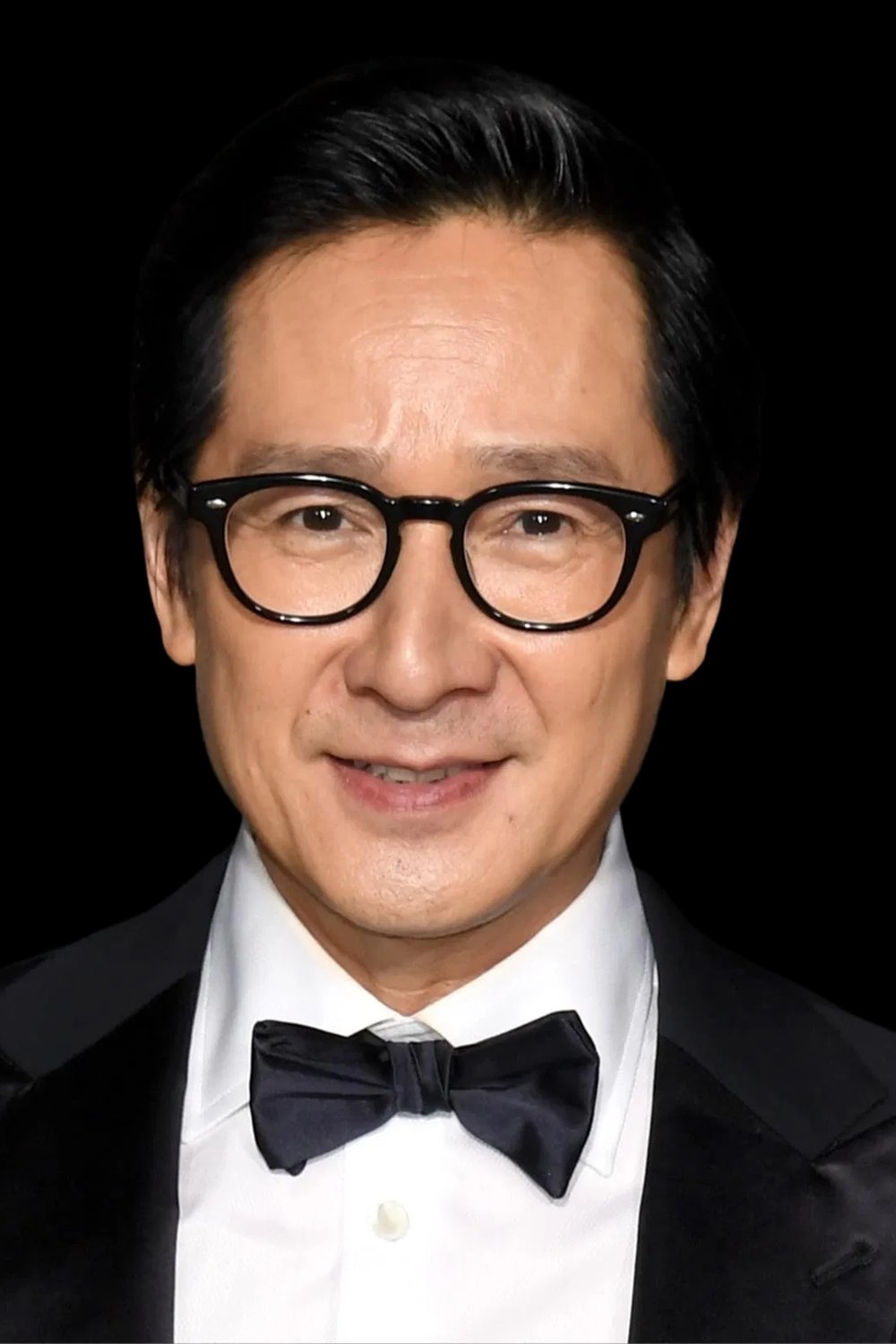
Ke Huy Quan left acting for decades because the industry offered no viable opportunities for him as he matured. His triumphant return highlights the tragedy of lost potential when actors are boxed into specific stereotypes. He has spoken emotionally about his fear that he would never match his childhood success due to a lack of substantive roles. His Academy Award win proved that Asian actors can deliver powerful performances given the right material. Quan now advocates for persistent casting that looks beyond age and type.
George Takei
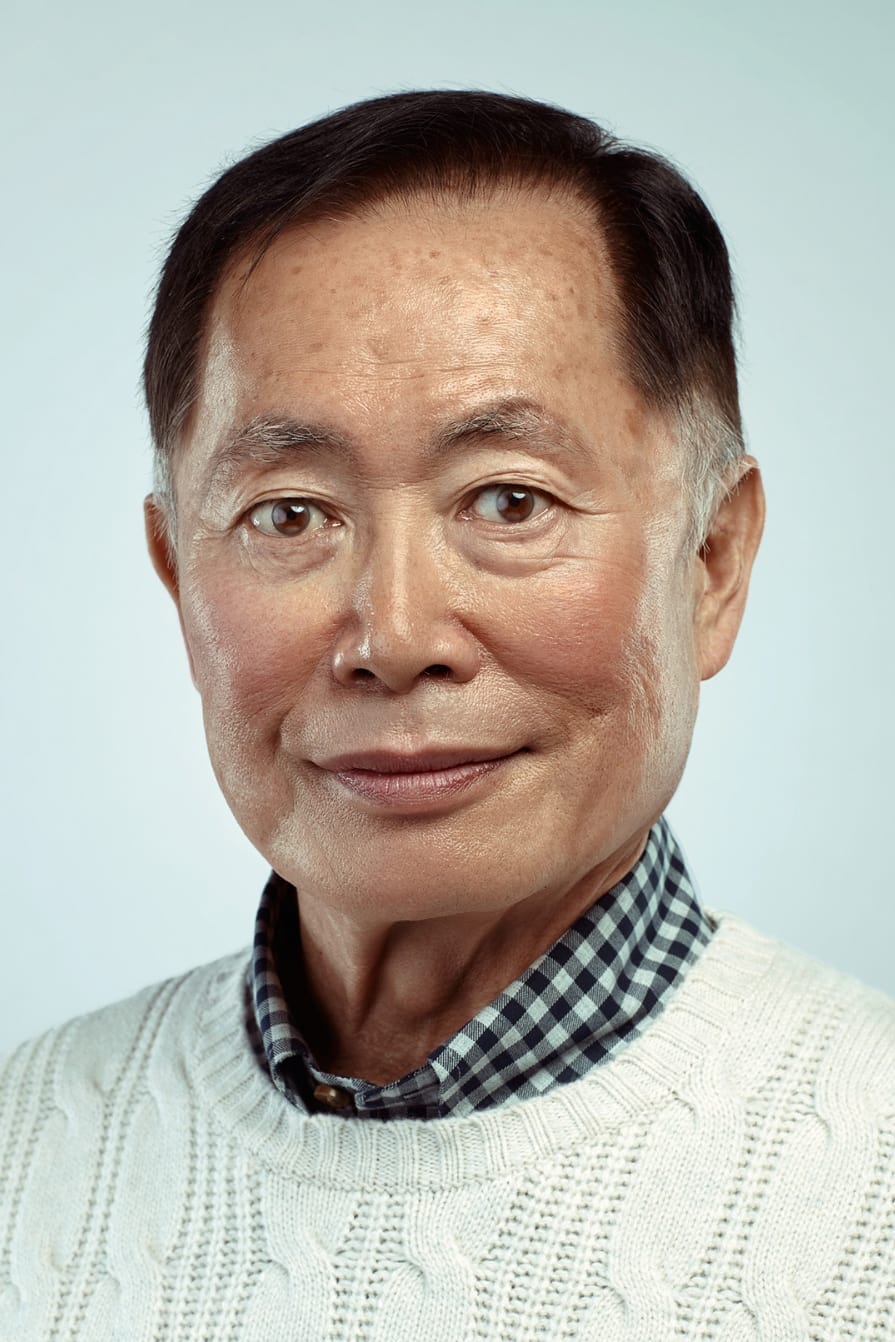
George Takei has used his legacy as a science fiction icon to champion social justice and better representation in media. He consistently critiques the whitewashing of Asian stories and the lack of opportunities for older Asian actors. Takei emphasizes that Asian men have historically been desexualized or villainized in American cinema. He has successfully transitioned into theater and voice work to find the depth that film often denied him. His career stands as a bridge between the struggles of the past and the possibilities of the future.
Hiroyuki Sanada
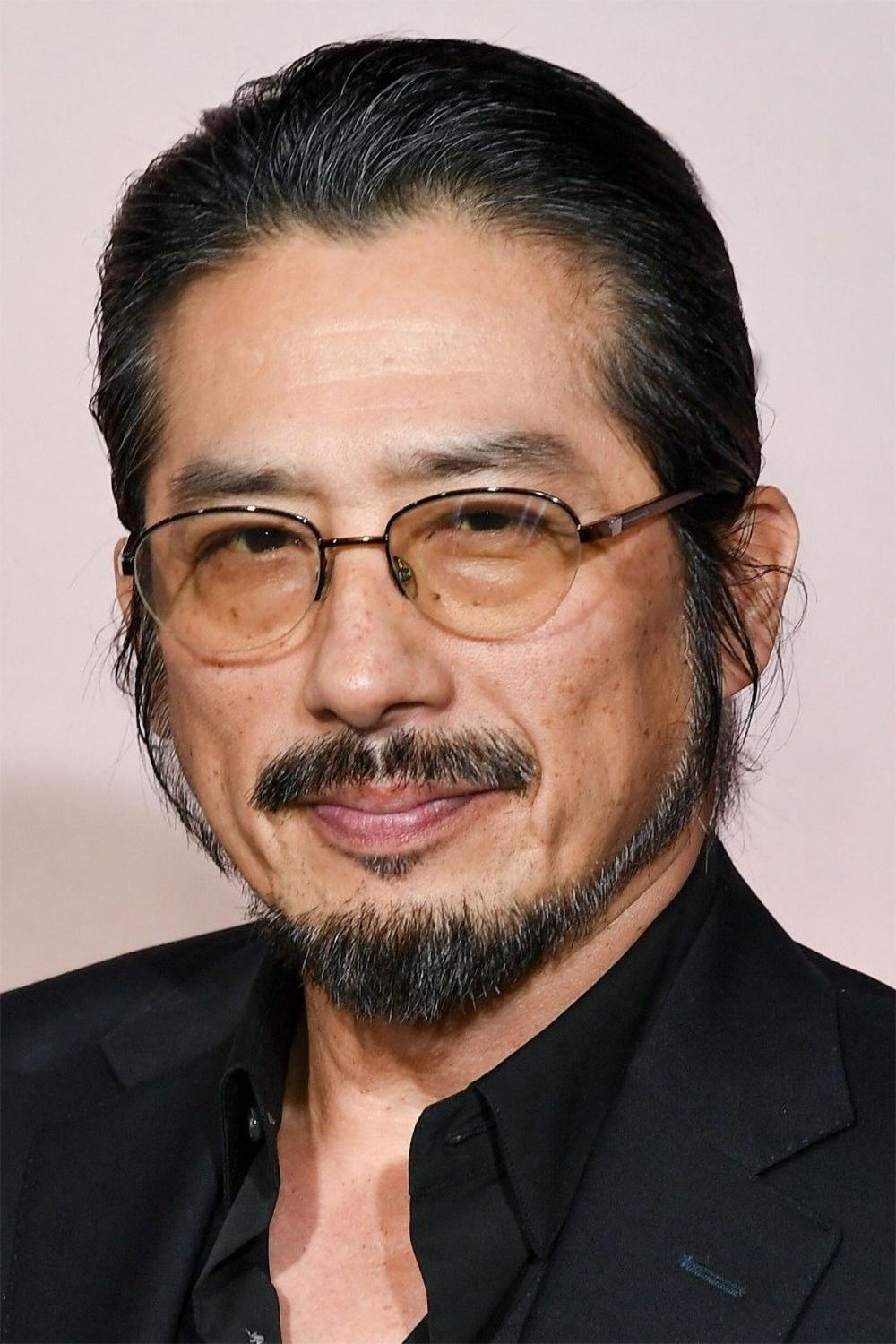
Hiroyuki Sanada has worked tirelessly to ensure that Japanese culture is portrayed accurately in Western productions. He often takes on roles that serve as mentors or seasoned warriors to showcase the dignity of aging characters. Sanada is known for consulting on scripts to correct cultural inaccuracies that diminish the quality of the storytelling. The actor pushes for roles that allow him to display emotional range rather than just martial arts prowess. His recent success proves that veteran actors bring a necessary gravitas to major franchises.
Ken Watanabe
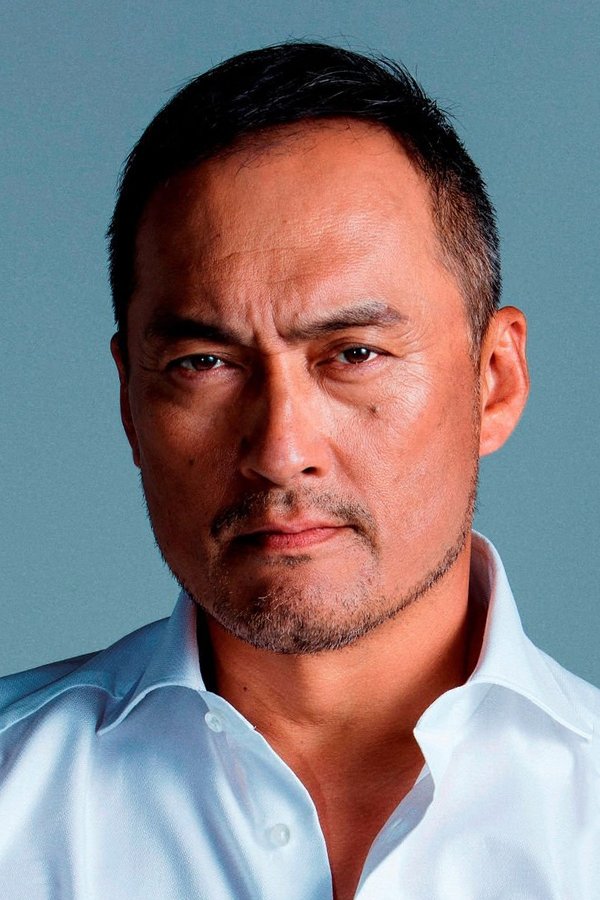
Ken Watanabe broke barriers by becoming a romantic lead and a dramatic force in American cinema. He actively seeks out projects that challenge Western perceptions of Asian masculinity and history. The actor has discussed the importance of playing characters who possess wisdom and vulnerability. Watanabe refuses to accept roles that rely on cheap stereotypes or mockery of his heritage. His distinguished career demonstrates that Asian actors can command the screen in serious dramatic roles well into their later years.
Tzi Ma
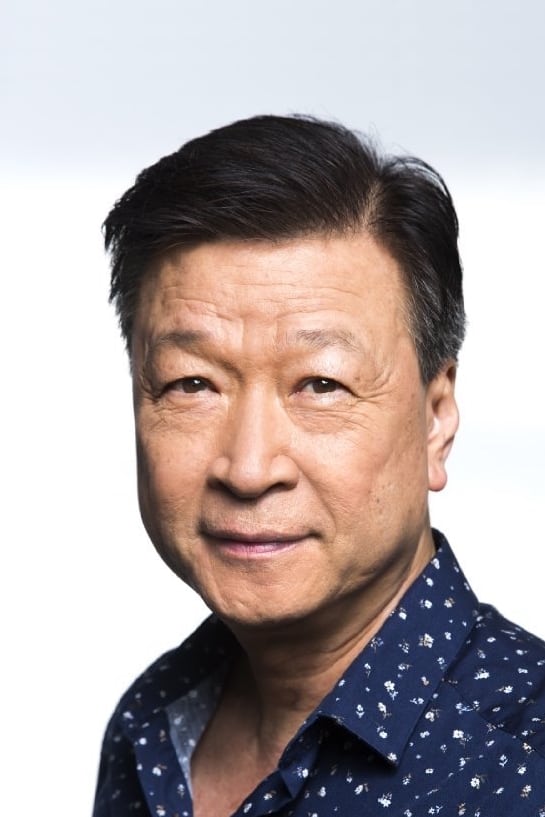
Tzi Ma is often referred to as Hollywood’s favorite dad due to his ability to bring nuance to patriarchal figures. He vocally opposes the one-dimensional portrayal of Asian parents and fights to give his characters unique backstories. Ma argues that older actors provide a necessary anchor for stories about immigrant families and generational divides. He actively supports independent filmmakers who prioritize authentic Asian American narratives. His work humanizes characters that scriptwriters used to treat as mere plot devices.
John Cho
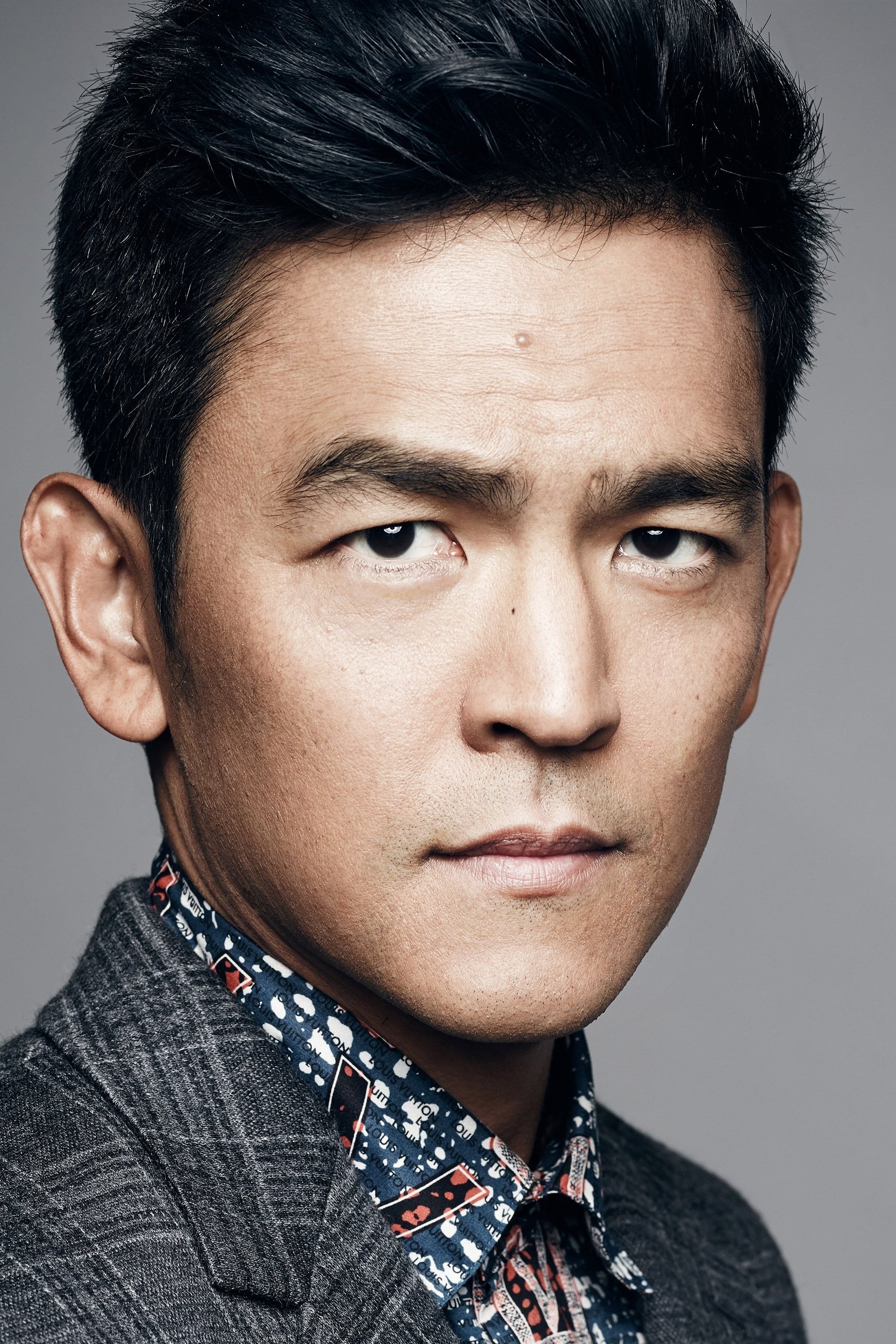
John Cho has battled against the limited scope of roles available to Asian men by constantly reinventing his career. He famously refused to do the accent required for comedic roles that sought to mock his background. Cho advocates for Asian men to be seen as leading men capable of carrying thrillers, dramas, and romances. As he has matured, he has taken on roles that explore fatherhood and grief with profound depth. He continues to push for normalizing the presence of Asian faces in every genre of film.
Daniel Dae Kim
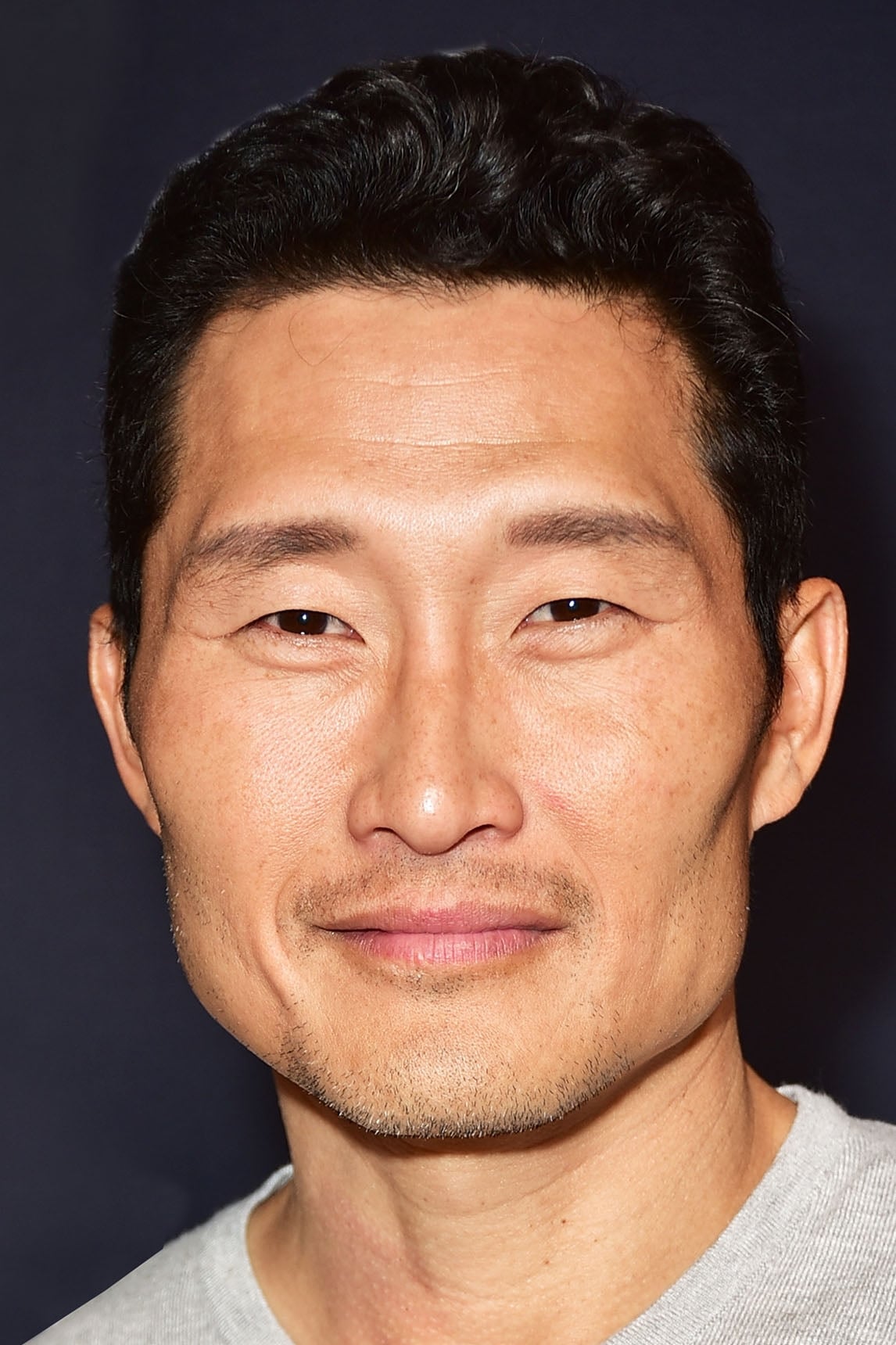
Daniel Dae Kim has been a staunch advocate for pay equity and equal billing for Asian actors in television. He famously left a hit show to take a stand against being paid less than his white co-stars. Kim started his own production company to create the kinds of complex roles for Asian men that he rarely saw available. He emphasizes the need for Asian characters to have romantic lives and professional competence. His advocacy focuses on systemic changes that allow actors to sustain long and respectful careers.
BD Wong
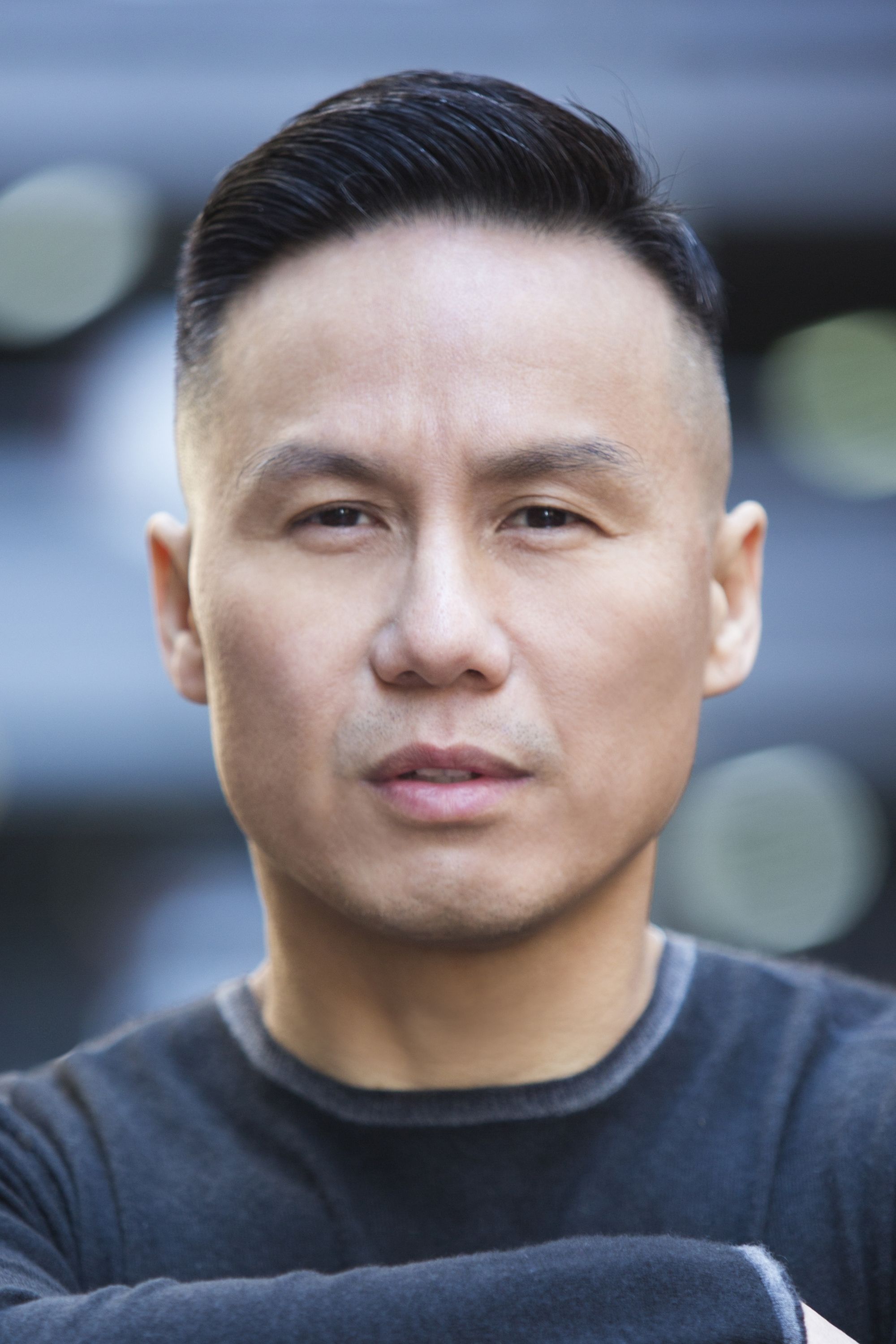
BD Wong consistently challenges the industry to look past the surface when casting Asian actors. He has spoken about the frustration of playing technical experts or doctors without personal lives. Wong uses his stage background to demand roles that require high-caliber acting and emotional intelligence. He mentors younger actors to help them navigate the industry without compromising their dignity. His career longevity is a result of his refusal to be pigeonholed into insignificant parts.
Cary-Hiroyuki Tagawa
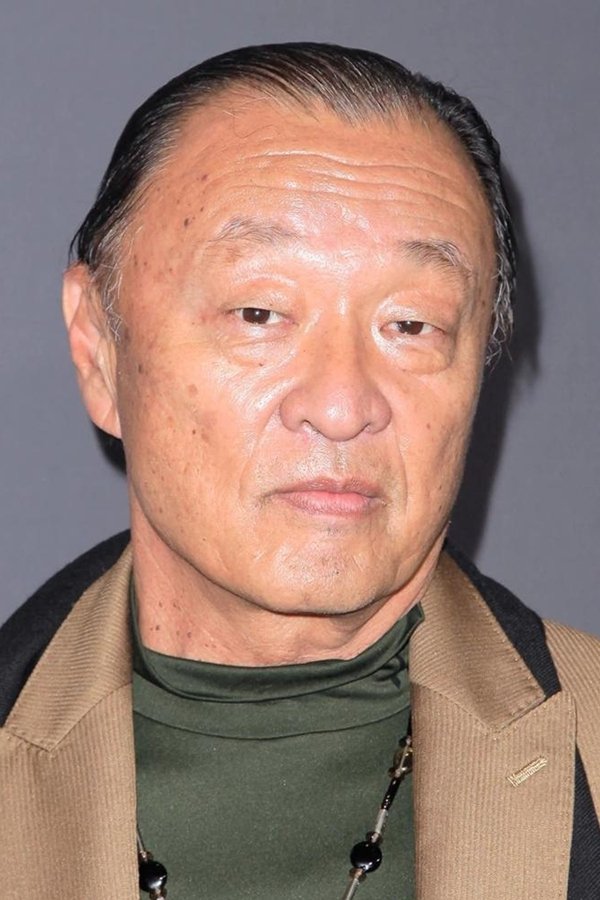
Cary-Hiroyuki Tagawa has spent years actively trying to break away from the villainous tropes that defined his early career. He speaks about the spiritual and physical discipline required to maintain a career in a demanding industry. Tagawa advocates for roles that showcase the softer and more philosophical sides of Asian culture. He believes that older actors have a responsibility to show the wisdom that comes with age. His recent work reflects a desire to play characters with redemption arcs and moral complexity.
Jackie Chan
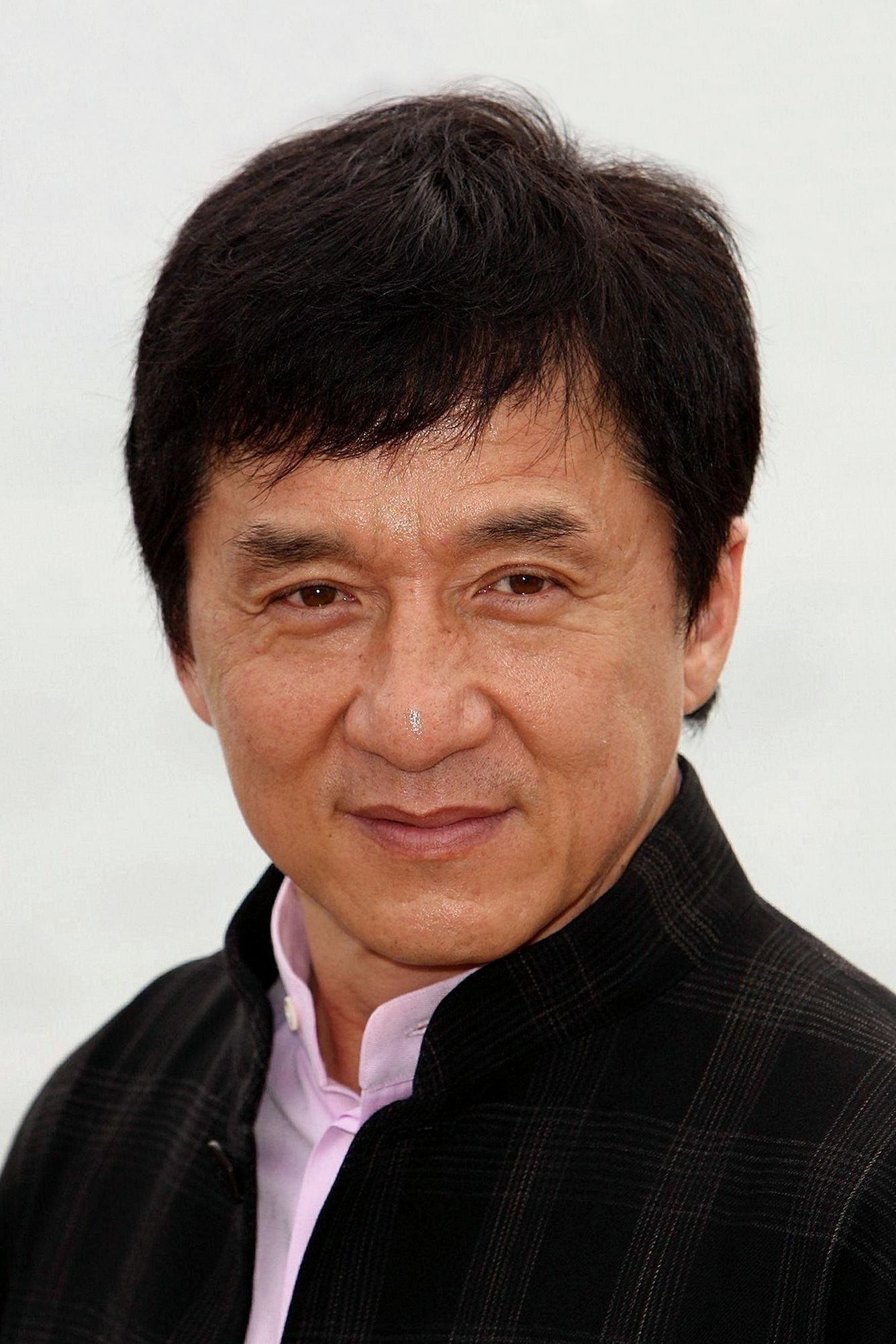
Jackie Chan has publicly stated his desire to move away from action-heavy roles as his body ages. He has pivoted toward dramatic films that allow him to act rather than just perform stunts. Chan speaks candidly about the need for audiences to accept him as an actor who can cry and emote. He uses his global influence to fund projects that display different facets of Chinese cinema. His transition signals to the industry that action stars deserve the chance to evolve into dramatic actors.
Chow Yun-fat
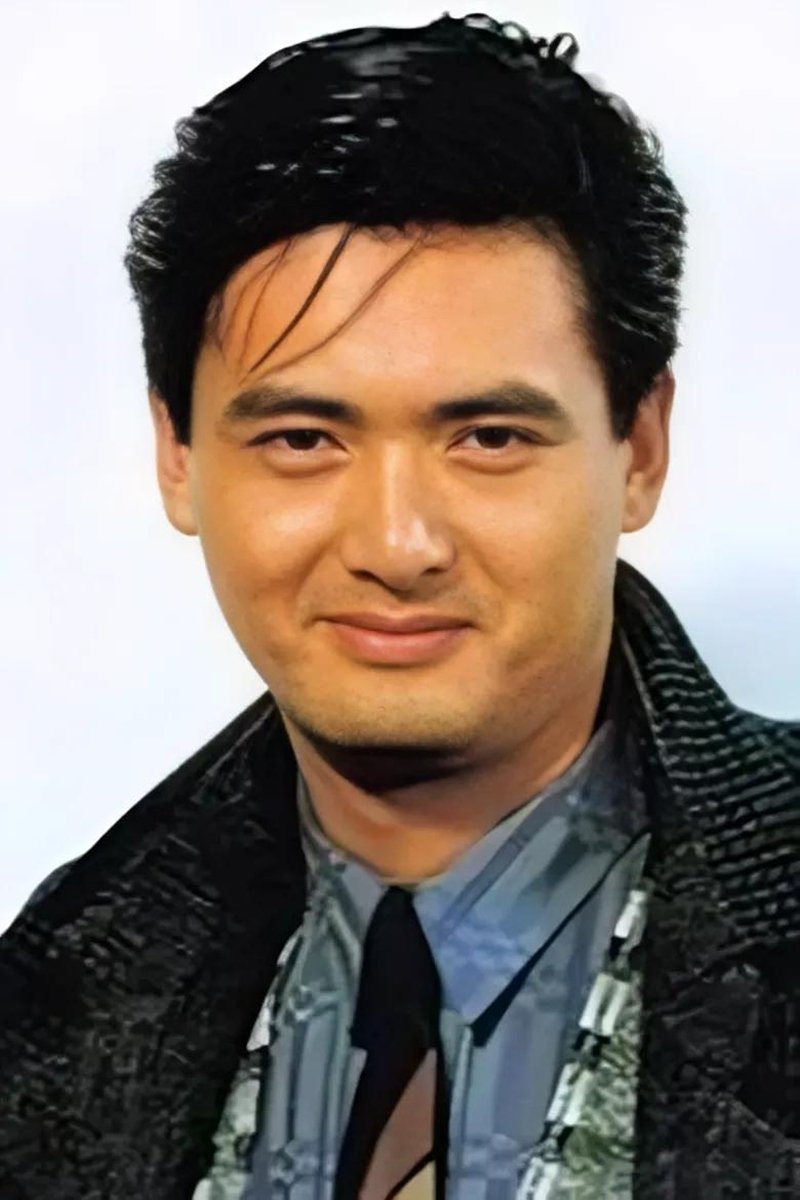
Chow Yun-fat successfully transitioned from action hero to dramatic heavyweight by selecting roles with gravitas. He advocates for maintaining a humble lifestyle while commanding respect on set for veteran performers. The actor often discusses the importance of dignity and elegance in the portrayal of older men. Chow refuses to participate in projects that demean his cultural background or legacy. His career path offers a blueprint for how to age gracefully while remaining a top box office draw.
Jet Li
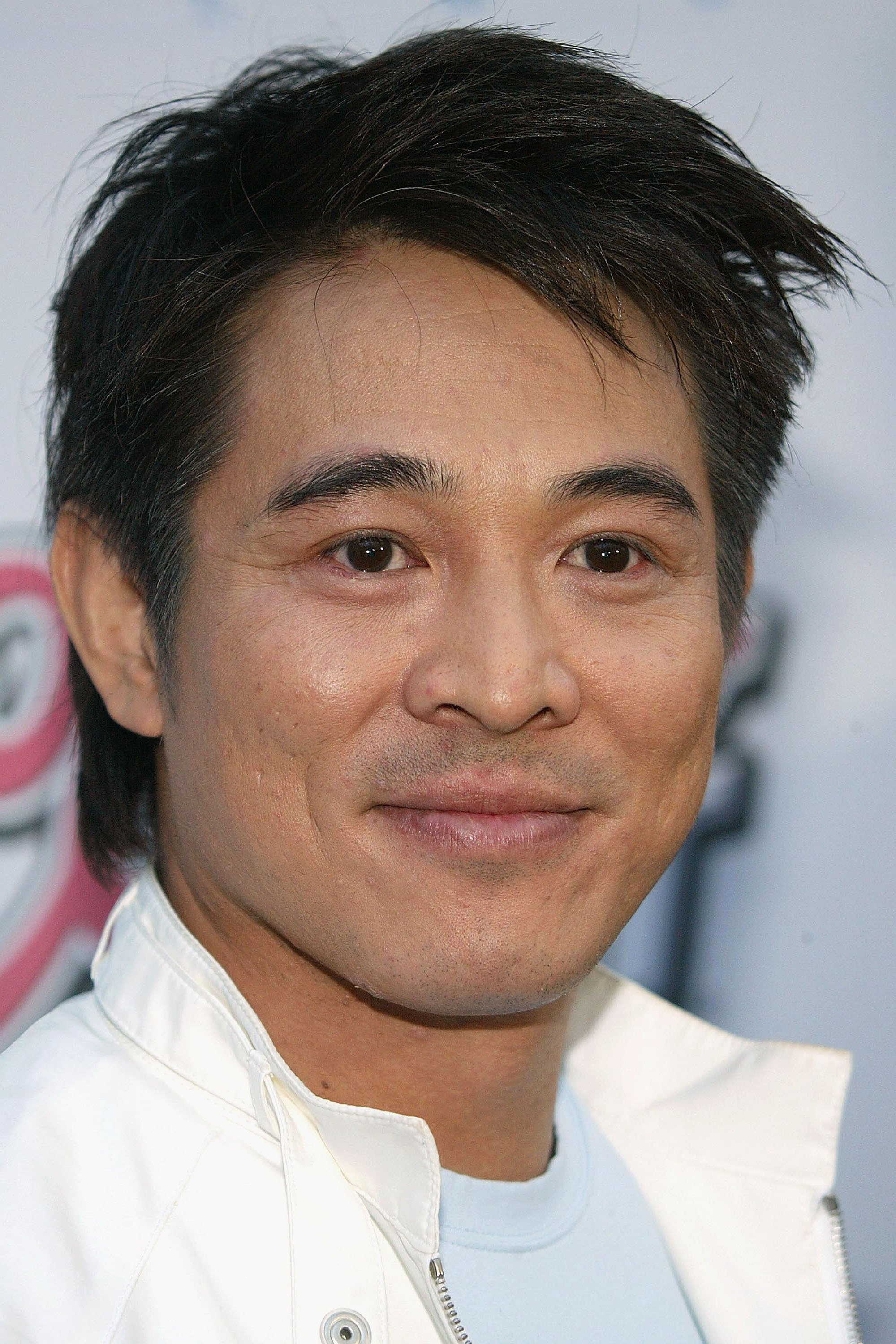
Jet Li has shifted his focus from martial arts to philanthropy and roles that require less physical strain. He has been open about his health challenges and the need for the industry to accommodate aging action stars. Li advocates for stories that focus on philosophy and internal conflict rather than violence. He believes that cinema should be used to spread messages of peace and understanding. His advocacy reminds the industry that an actor’s value extends far beyond their physical agility.
Donnie Yen
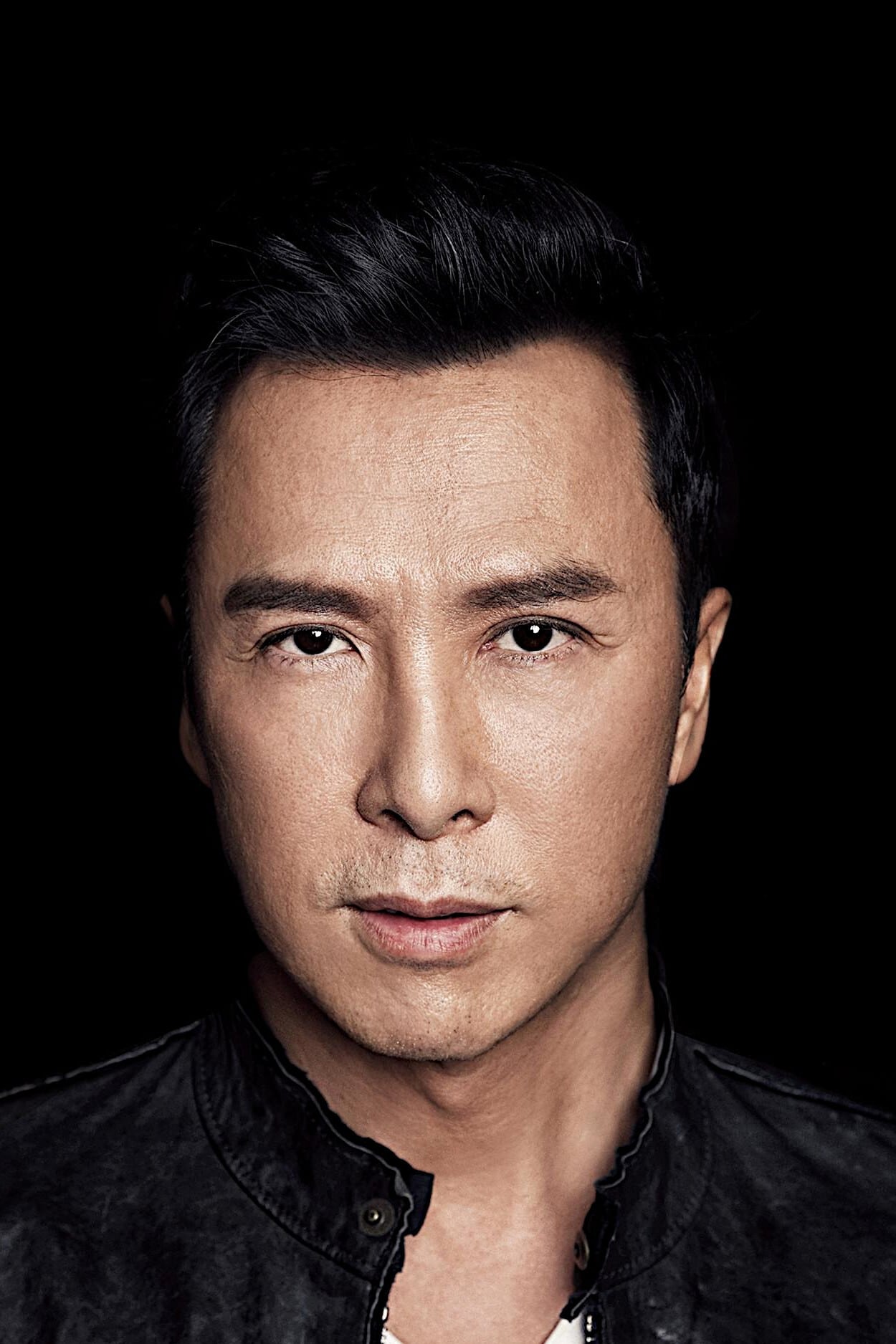
Donnie Yen fought hard to ensure his characters in major franchises were not just generic martial artists. He often suggests changes to scripts to give his characters distinct personalities and motivations. Yen argues that Asian actors must be given the same character development as their Western counterparts. He pushes for roles that allow him to display paternal warmth and leadership qualities. His work in recent years emphasizes the importance of legacy and passing the torch.
Benedict Wong
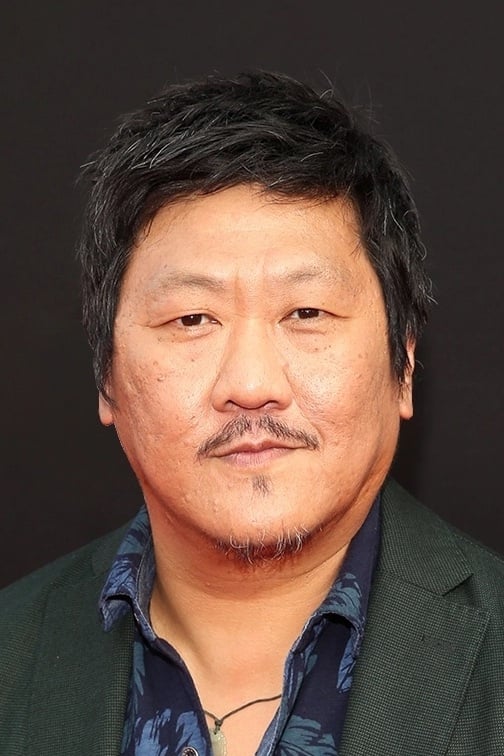
Benedict Wong has worked to transform sidekick roles into essential parts of the narrative fabric. He is vocal about the need for British Asian representation in both television and film. Wong brings a dry wit and intelligence to his roles that defies the subservient stereotype. He advocates for color-blind casting that allows Asian actors to inhabit any space in a story. His presence in major blockbusters ensures that Asian characters are seen as powerful and indispensable.
Chin Han

Chin Han has built a career playing global leaders and powerful figures to counter the subservient Asian narrative. He selects roles that place Asian men in positions of authority and high status. Han discusses the importance of international co-productions in creating better opportunities for actors. He believes that aging actors should be portrayed as sophisticated and worldly rather than frail. His choices consistently elevate the perception of Asian men in Western media.
Gedde Watanabe
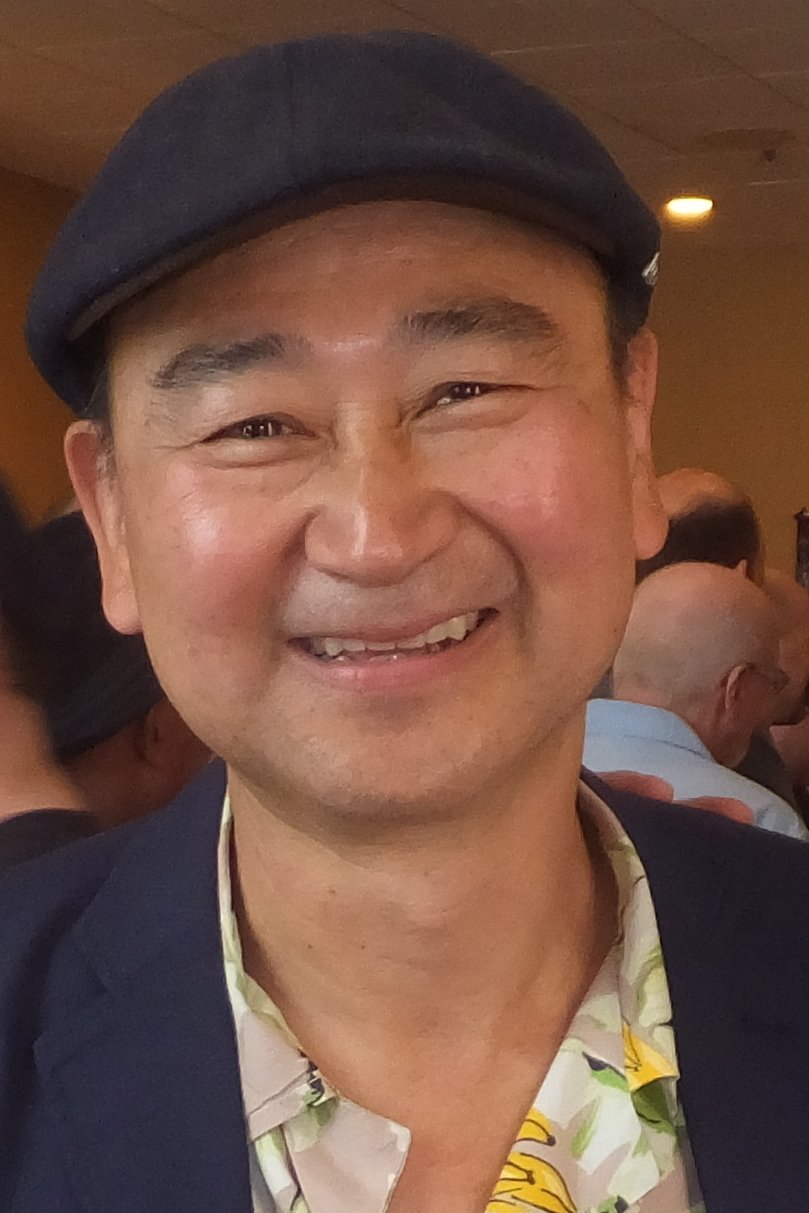
Gedde Watanabe has faced intense scrutiny for his early roles and now works to reclaim his narrative. He discusses the difficulty of finding work that does not rely on offensive accents or mannerisms. Watanabe advocates for second chances and the ability for actors to grow past their early typecasting. He brings a sense of melancholy and resilience to his recent performances. His journey highlights the industry’s slow but necessary evolution regarding racial sensitivity.
Clyde Kusatsu
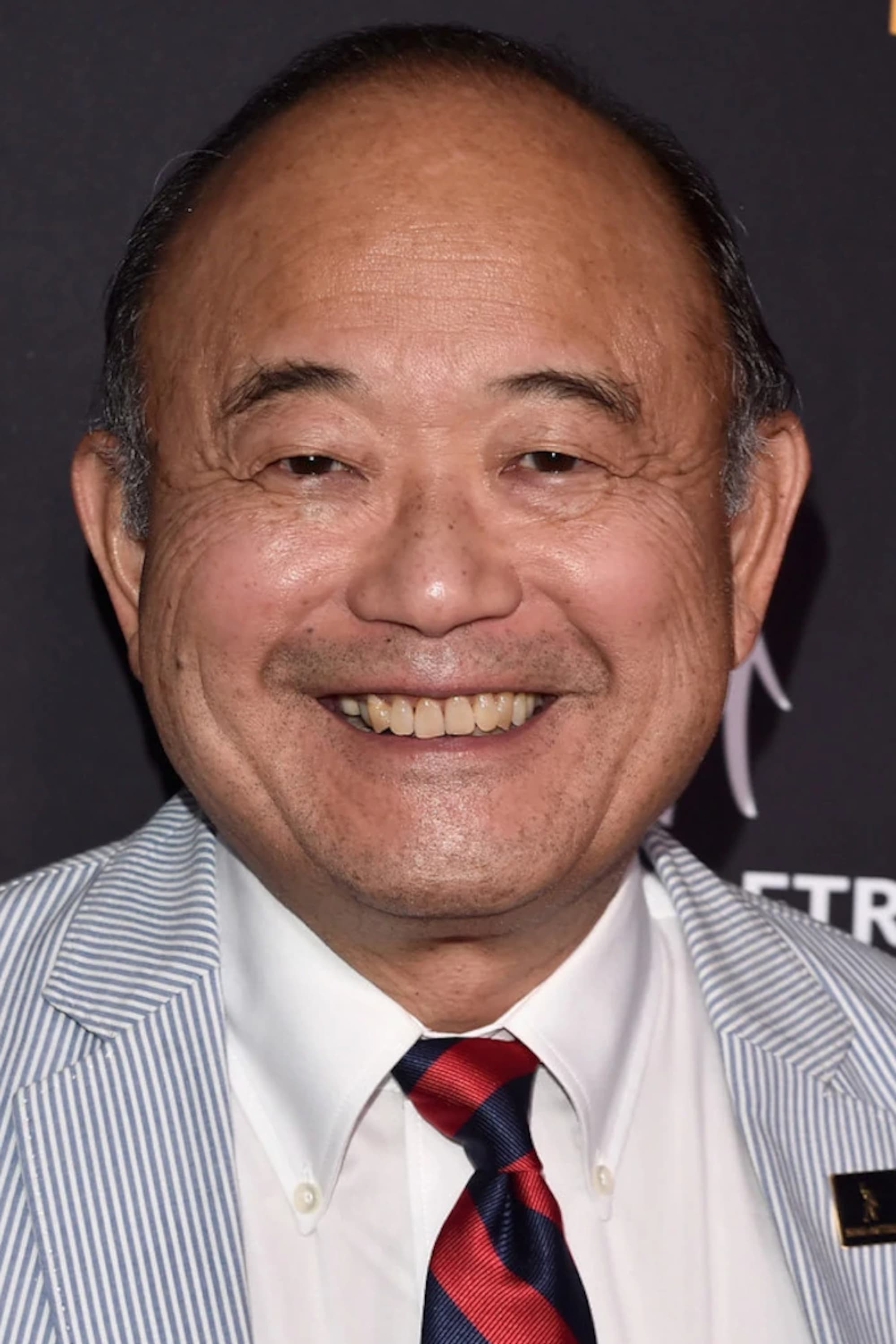
Clyde Kusatsu has been a working actor for decades and advocates for the rights of union members and background performers. He emphasizes the importance of reliability and professionalism for creating a long-lasting career. Kusatsu pushes for Asian faces to be seen in everyday roles like judges or shopkeepers to normalize their presence. He believes that visibility in mundane roles is just as important as starring roles. His advocacy is rooted in the practical realities of making a living as an actor.
Sab Shimono
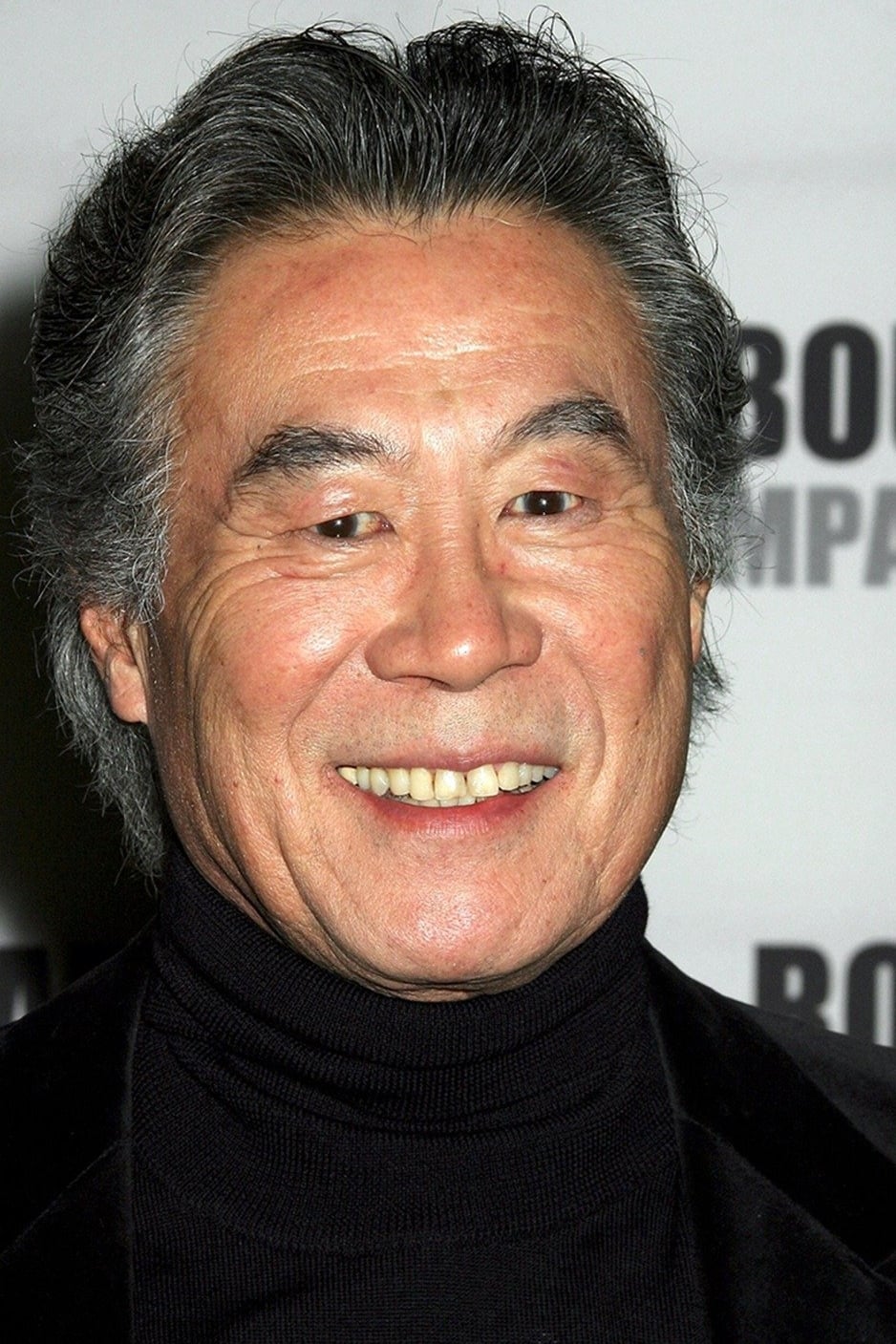
Sab Shimono has lent his voice and talent to projects that explore the Asian American historical experience. He is dedicated to telling stories about the internment camps and the immigrant struggle. Shimono advocates for preserving history through the arts to ensure future generations understand the past. He believes that older actors are the keepers of these essential stories. His work ensures that the pain and triumph of his generation are not forgotten.
Yuji Okumoto
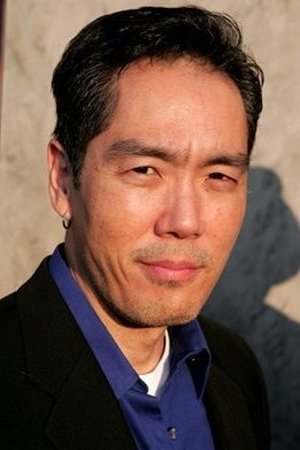
Yuji Okumoto experienced a career renaissance by revisiting a character he played decades ago with a fresh perspective. He advocates for writing that allows villains to grow and find redemption as they age. Okumoto runs a business outside of acting which gives him the freedom to choose roles he actually wants. He speaks about the importance of mentorship and guiding the next generation of talent. His return to the screen was a victory for actors who felt discarded by the industry.
Jason Scott Lee
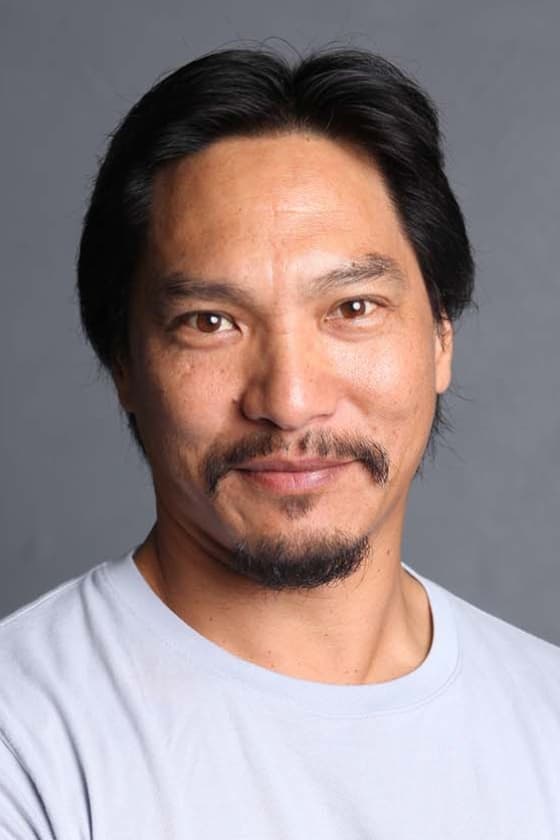
Jason Scott Lee has stepped away from the limelight at times to focus on roles that connect with his heritage. He advocates for storytelling that respects indigenous and Polynesian cultures alongside Asian narratives. Lee chooses projects that allow him to be physically robust yet emotionally available. He believes in the importance of connecting with nature and bringing that grounding to his performances. His career choices reflect a desire for authenticity over commercial fame.
Russell Wong
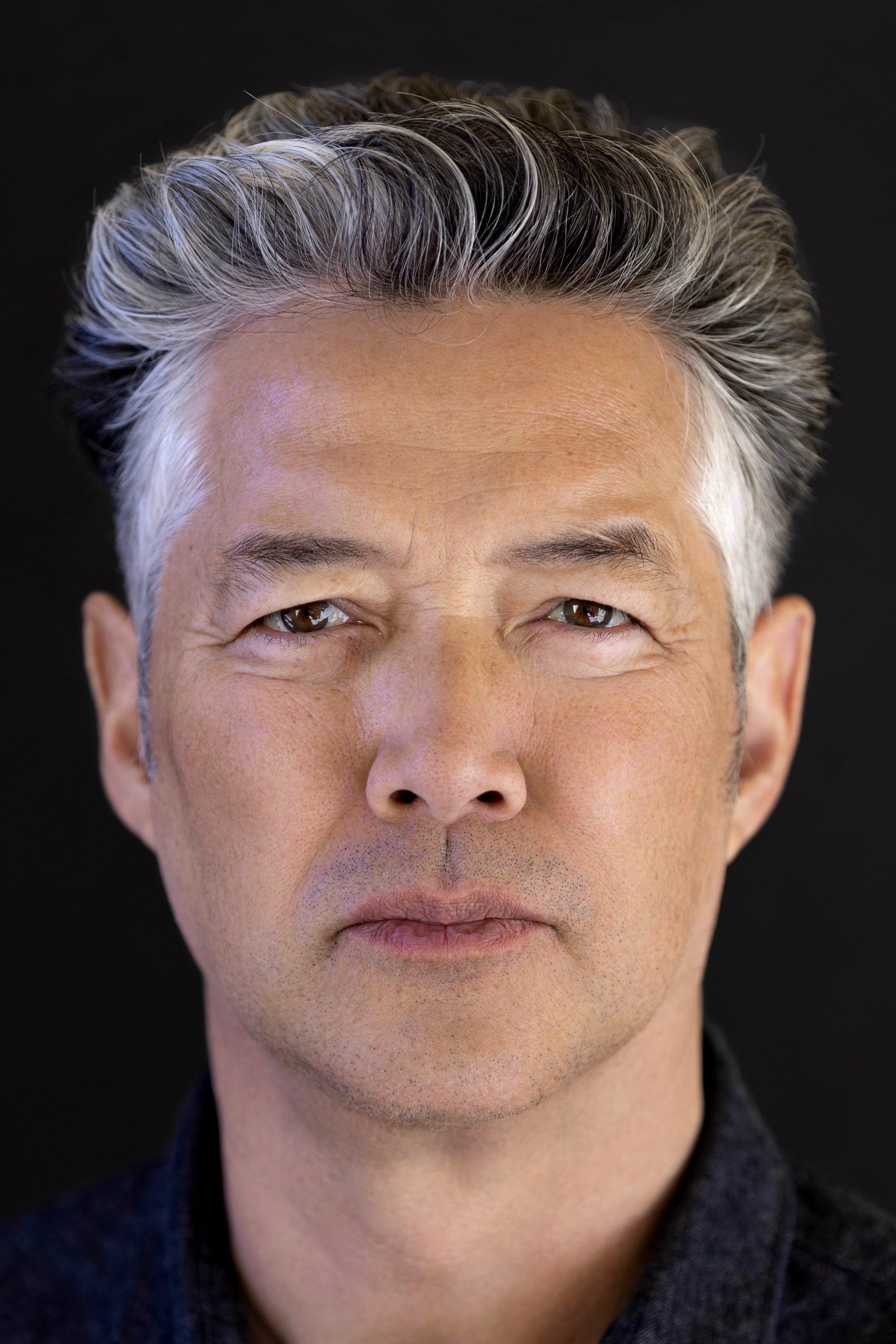
Russell Wong was one of the first Asian American actors to be marketed as a romantic lead. He continues to advocate for Asian men to be seen as desirable and masculine on screen. Wong critiques the industry’s tendency to desexualize Asian male characters. He pushes for roles that allow for romance and complex interpersonal relationships. His presence serves as a reminder that Asian men can carry romantic storylines effectively.
Byron Mann
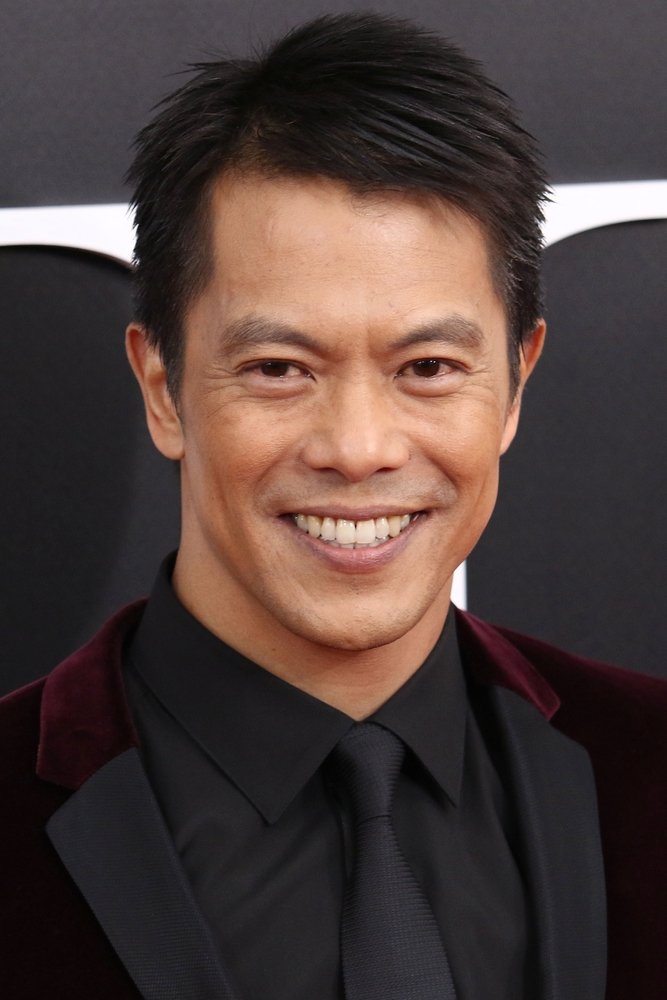
Byron Mann works globally to find the best roles and refuses to be limited by geography. He advocates for the cross-pollination of talent between Hollywood and Asia. Mann believes that veteran actors bring a level of professionalism that elevates any production. He often plays characters who are charming and dangerous to show range. His strategy involves constantly staying active to prove his versatility.
Will Yun Lee
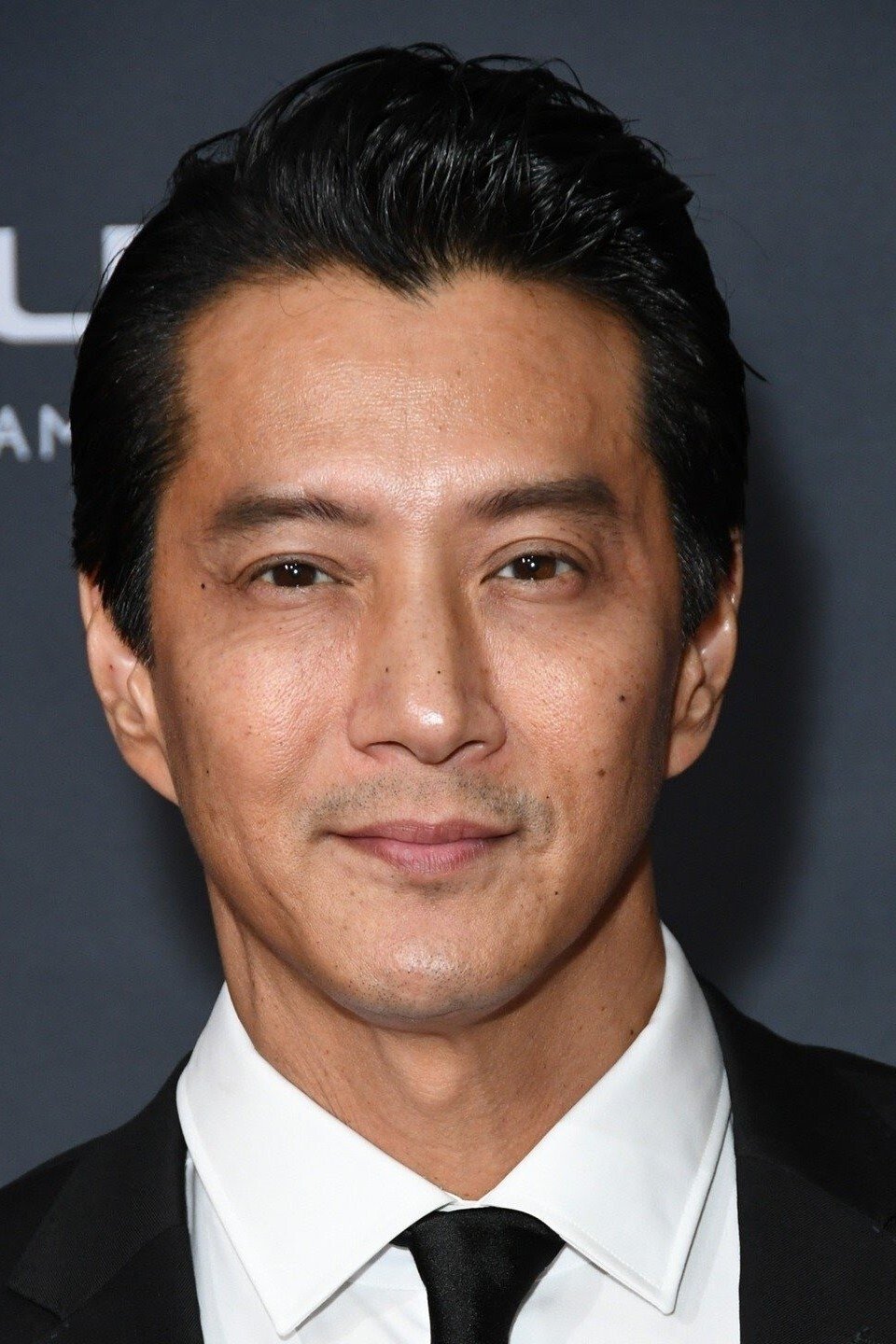
Will Yun Lee uses his platform to discuss the importance of family and fatherhood in storytelling. He advocates for roles that show Asian men as protective and loving parents. Lee has overcome health challenges and uses his experiences to add depth to his characters. He believes that vulnerability is a strength that Asian male characters are rarely allowed to show. His work often centers on themes of sacrifice and loyalty.
Rick Yune

Rick Yune has consistently turned down roles that he felt were demeaning or poorly written. He advocates for quality over quantity and is willing to wait for the right part. Yune pushes for characters that are intelligent and formidable rather than just physical threats. He believes that saying no is the most powerful tool an actor has. His career is defined by a refusal to compromise his standards.
Mark Dacascos
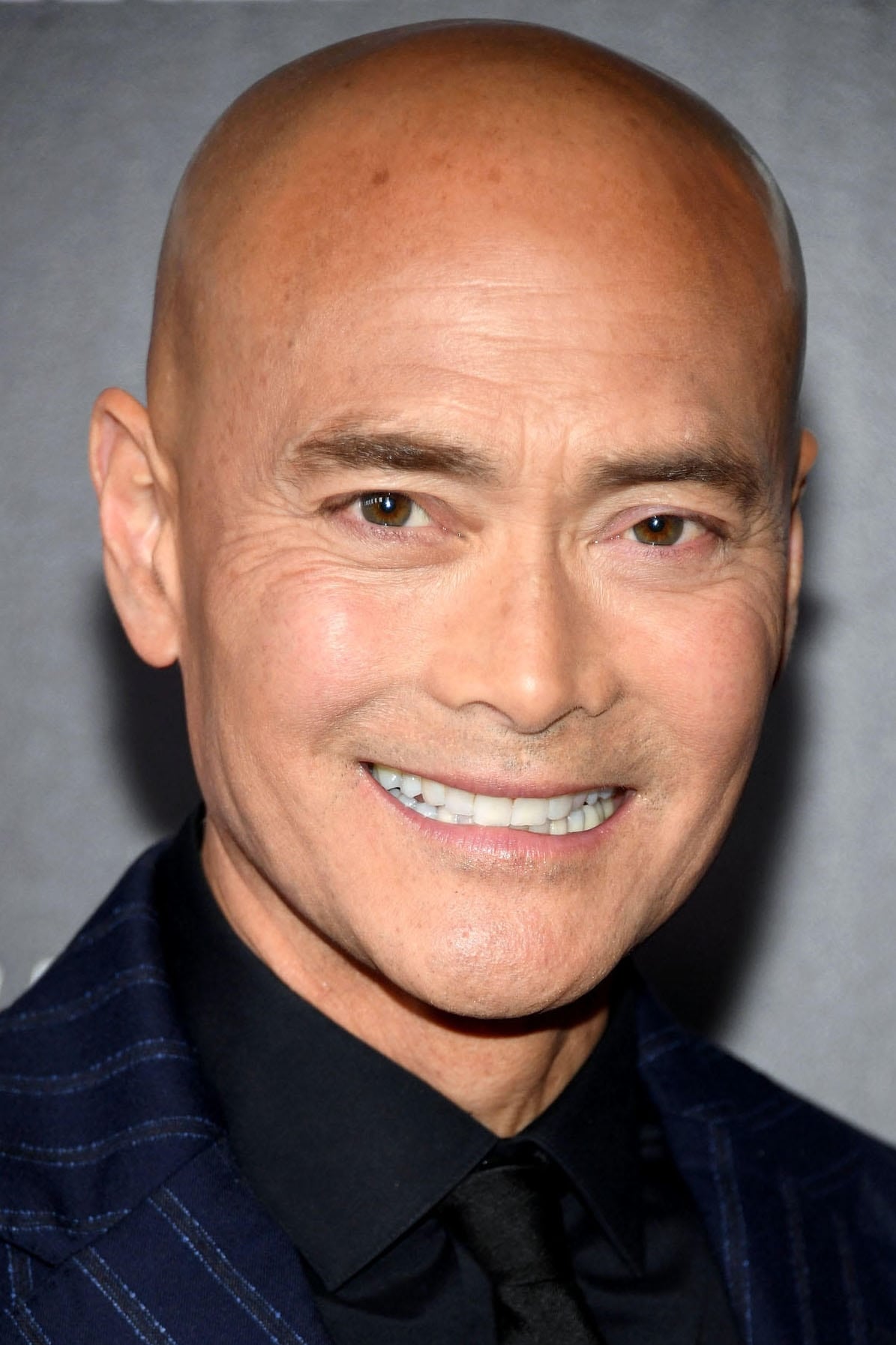
Mark Dacascos champions the inclusion of mixed-race actors in the conversation about Asian representation. He advocates for roles that embrace the complexity of having a multi-ethnic background. Dacascos combines physical agility with a charming screen presence to defy age. He believes that action stars can age into roles that require wisdom and wit. His enthusiasm for the craft has kept him relevant in both television and film.
Lou Diamond Phillips
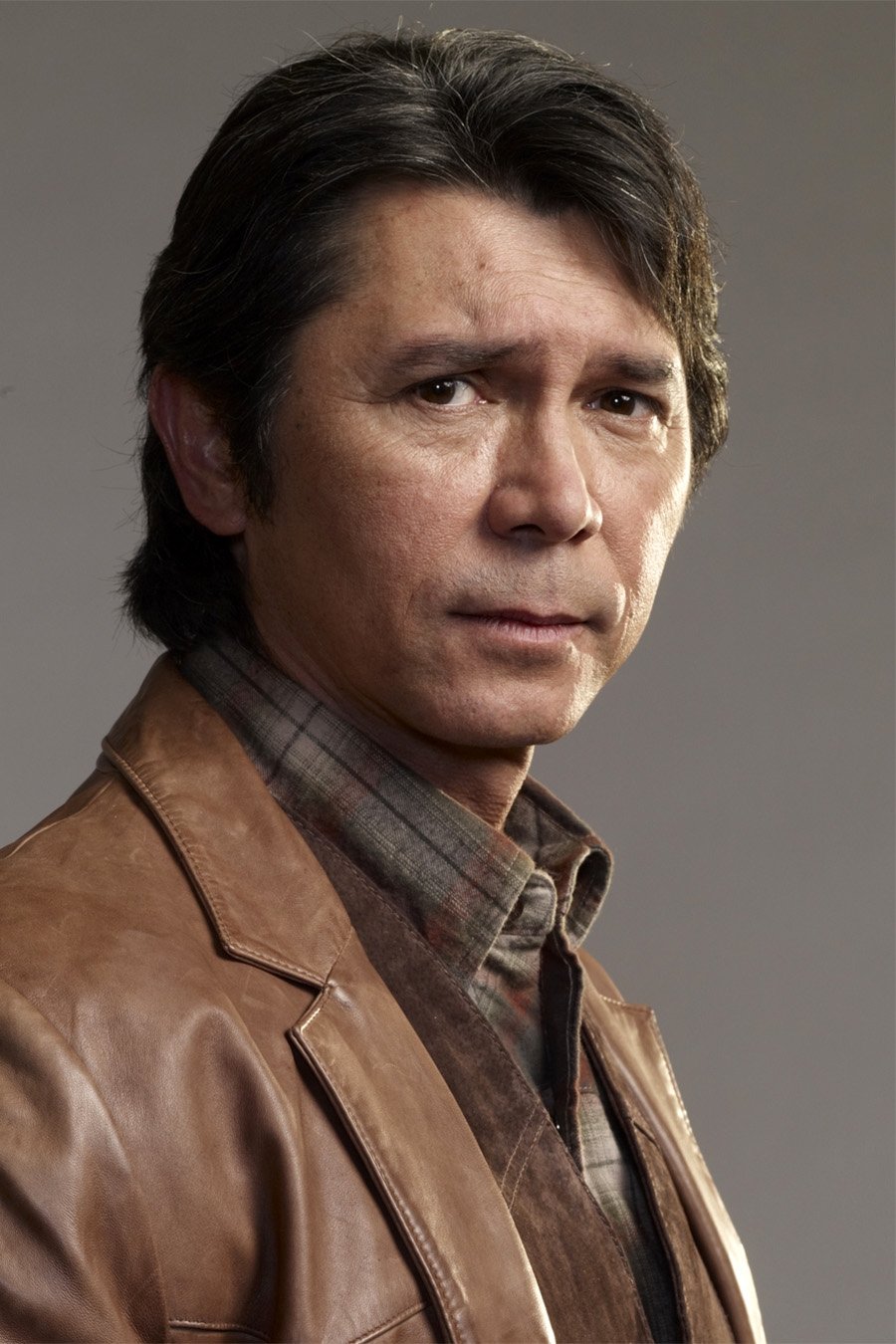
Lou Diamond Phillips has played a vast array of ethnicities and advocates for blind casting when appropriate. He speaks about the struggle of being ethnically ambiguous in an industry that likes labels. Phillips pushes for roles that allow him to be a character actor rather than a token minority. He mentors young actors on how to sustain a career through longevity and adaptability. His extensive resume is proof that talent can transcend typecasting.
Sung Kang
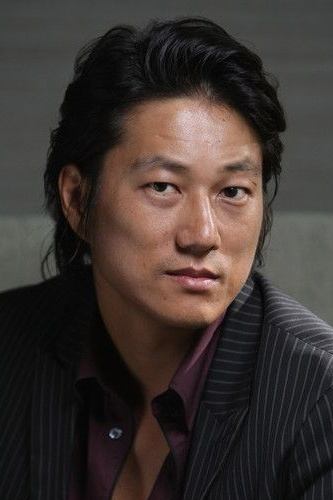
Sung Kang advocates for the “everyman” quality in Asian characters that allows them to be relatable to all audiences. He famously fought to keep his character eating snacks to add a casual and cool layer to the performance. Kang pushes for stories where Asian men can be cool without being martial arts masters. He believes in the power of subtle acting to make a lasting impression. His characters often exude a quiet confidence that challenges loud stereotypes.
Randall Park

Randall Park writes and produces content to ensure that he and his peers have funny and human roles to play. He advocates for Asian Americans to be seen in mundane comedic situations. Park believes that normalizing Asian existence in suburbs and offices is a radical act of representation. He creates vehicles for other actors to shine alongside him. His work proves that Asian men can be hilarious romantic leads.
Steven Yeun
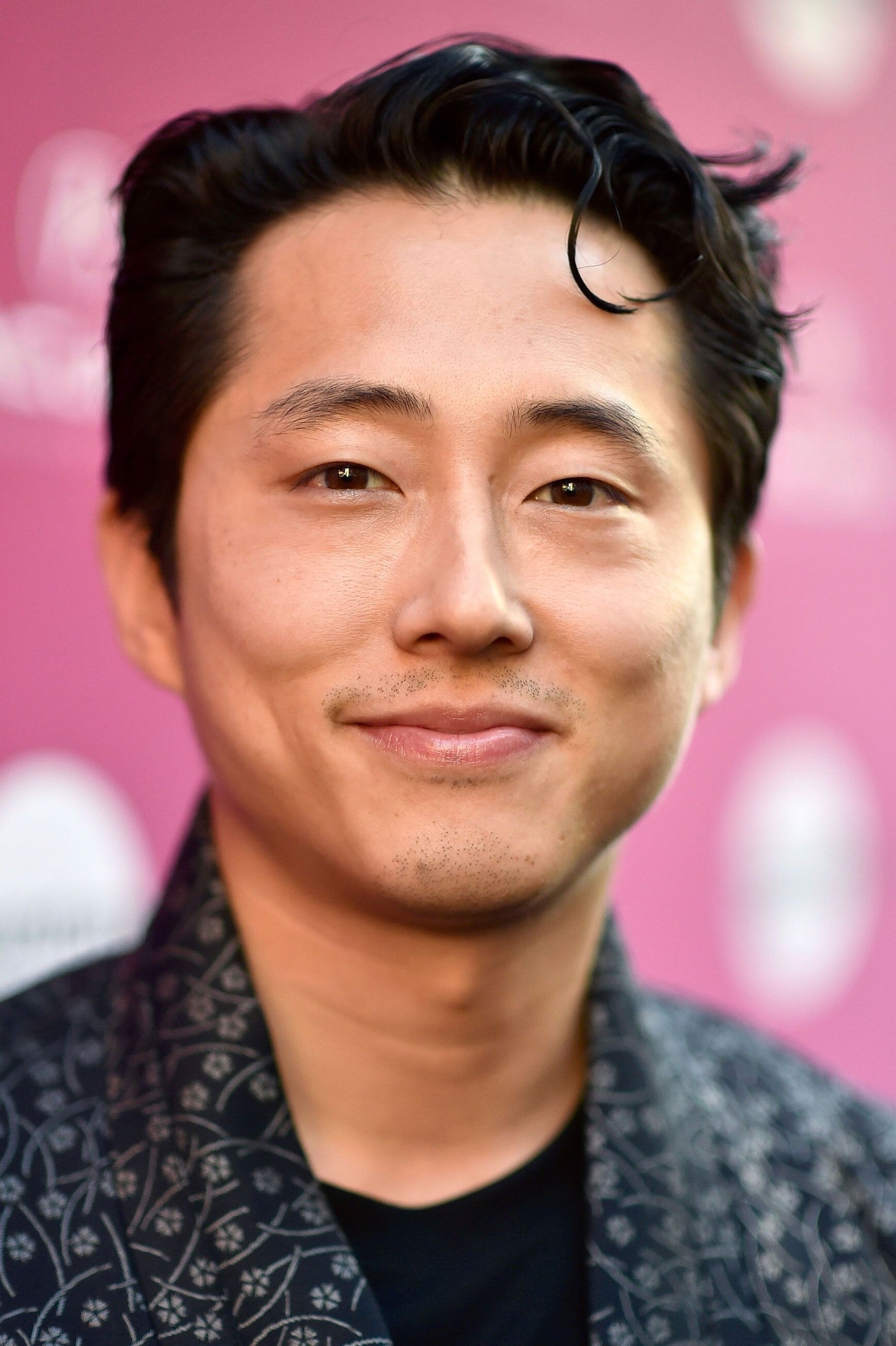
Steven Yeun left a secure role on a massive hit show to pursue challenging and artistic films. He advocates for taking risks and working with auteurs to expand the perception of Asian actors. Yeun refuses to be defined by a single role and constantly seeks out uncomfortable territory. He believes that American cinema needs to embrace the Asian American experience as a distinctly American story. His critical acclaim has opened doors for more nuanced storytelling.
Riz Ahmed
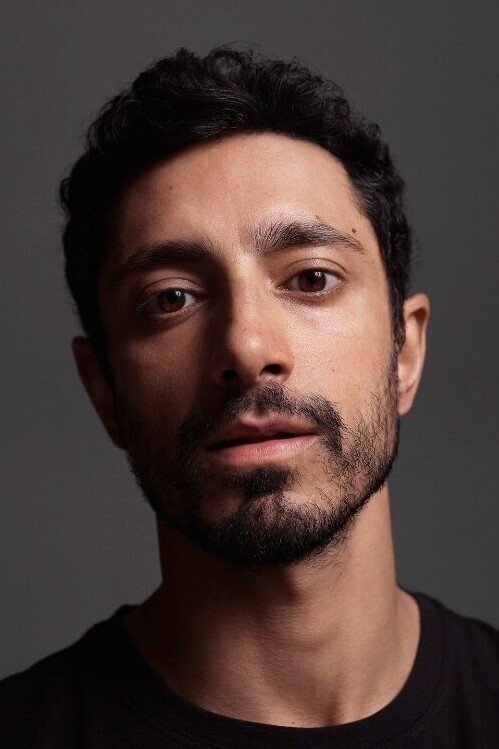
Riz Ahmed is a fierce advocate for the accurate representation of Muslims and South Asians in media. He created the “Riz Test” to measure how Muslim characters are portrayed on screen. Ahmed pushes for roles where his ethnicity is incidental to the plot rather than the focus. He believes that storytelling has the power to shift cultural narratives and reduce prejudice. His speeches often highlight the systemic barriers that keep actors of color from aging into legacy stars.
Kal Penn
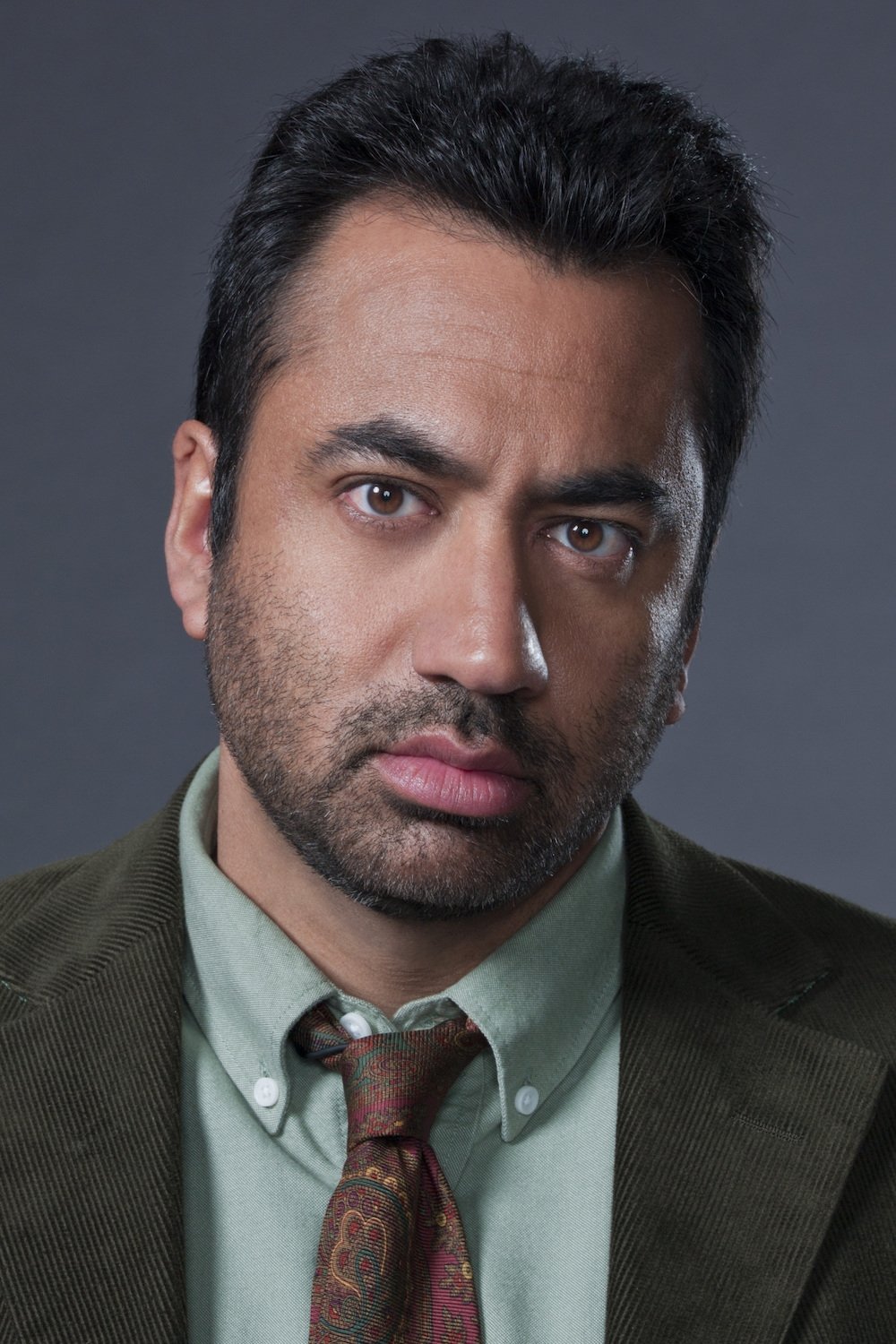
Kal Penn has transitioned between acting and public service to advocate for arts funding and representation. He speaks about the need for producers to take chances on diverse names for lead roles. Penn pushes for comedy that punches up rather than relying on lazy stereotypes. He believes that diverse writers rooms are essential for creating better roles for actors. His career demonstrates that actors can have a significant impact on policy and society.
Cliff Curtis
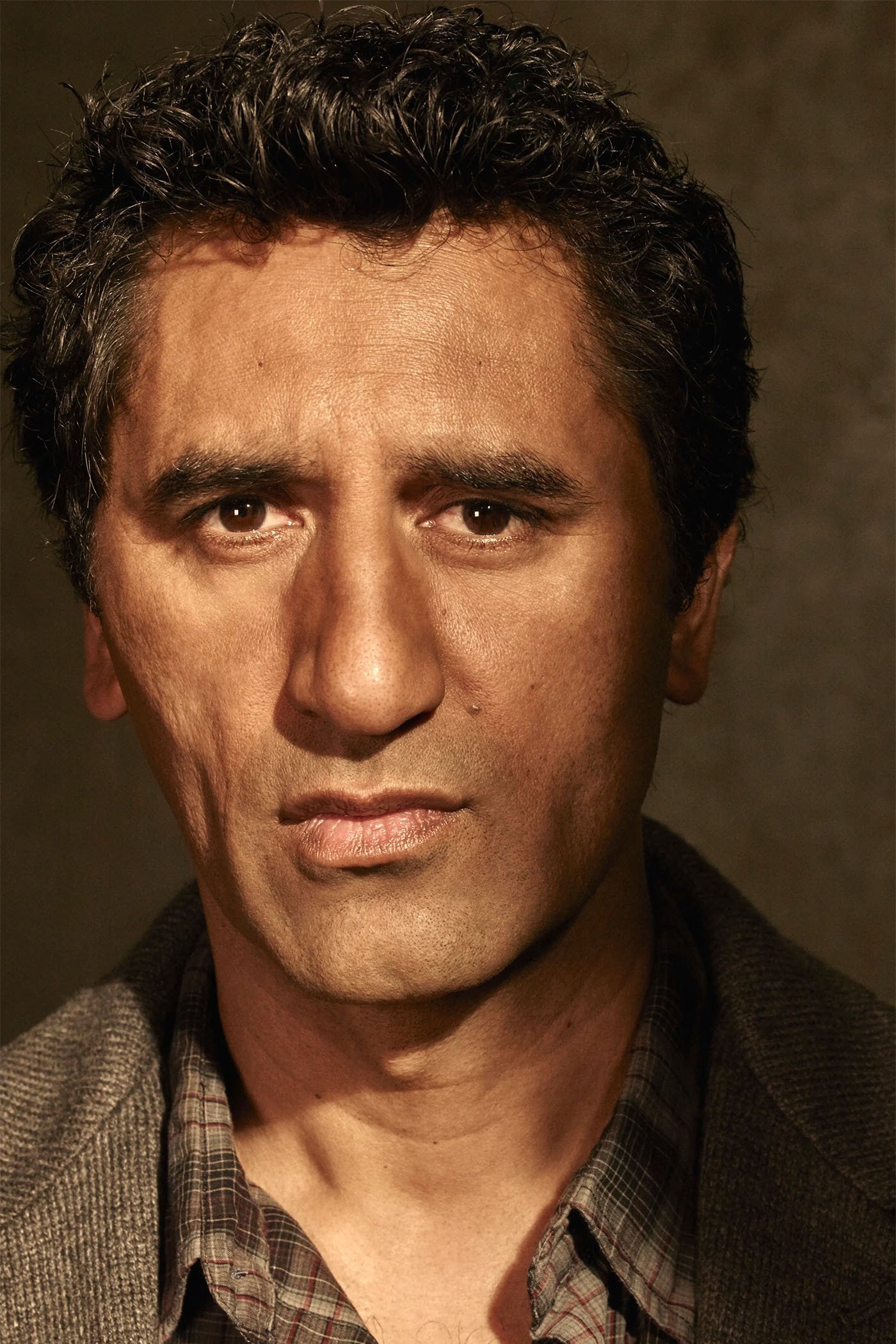
Cliff Curtis has played a vast number of ethnicities and advocates for the respectful portrayal of indigenous and brown characters. He works to ensure that the cultural specifics of his characters are handled with care. Curtis pushes for roles that allow him to be a patriarch and a leader. He believes in the power of cinema to preserve culture and history. His versatility has allowed him to work consistently for decades.
Sendhil Ramamurthy
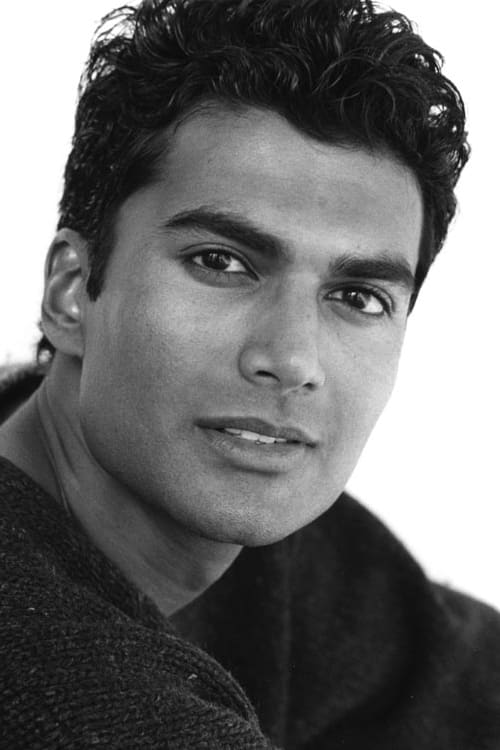
Sendhil Ramamurthy advocates for South Asian men to be seen as heartthrobs and complex individuals. He refuses to play roles that require an exaggerated accent for comedic effect. Ramamurthy pushes for casting that places South Asians in sci-fi and fantasy settings. He believes that representation in genre television is crucial for changing public perception. His work challenges the desexualization of South Asian men in media.
Parry Shen
Parry Shen has written extensively about the unspoken rules of being an Asian background actor in Hollywood. He advocates for the recognition of the working class actor who sustains the industry. Shen pushes for horror and genre films to include Asian characters who survive until the end. He believes that every role contributes to the larger picture of representation. His candid discussions demystify the struggle of the journeyman actor.
Brian Tee
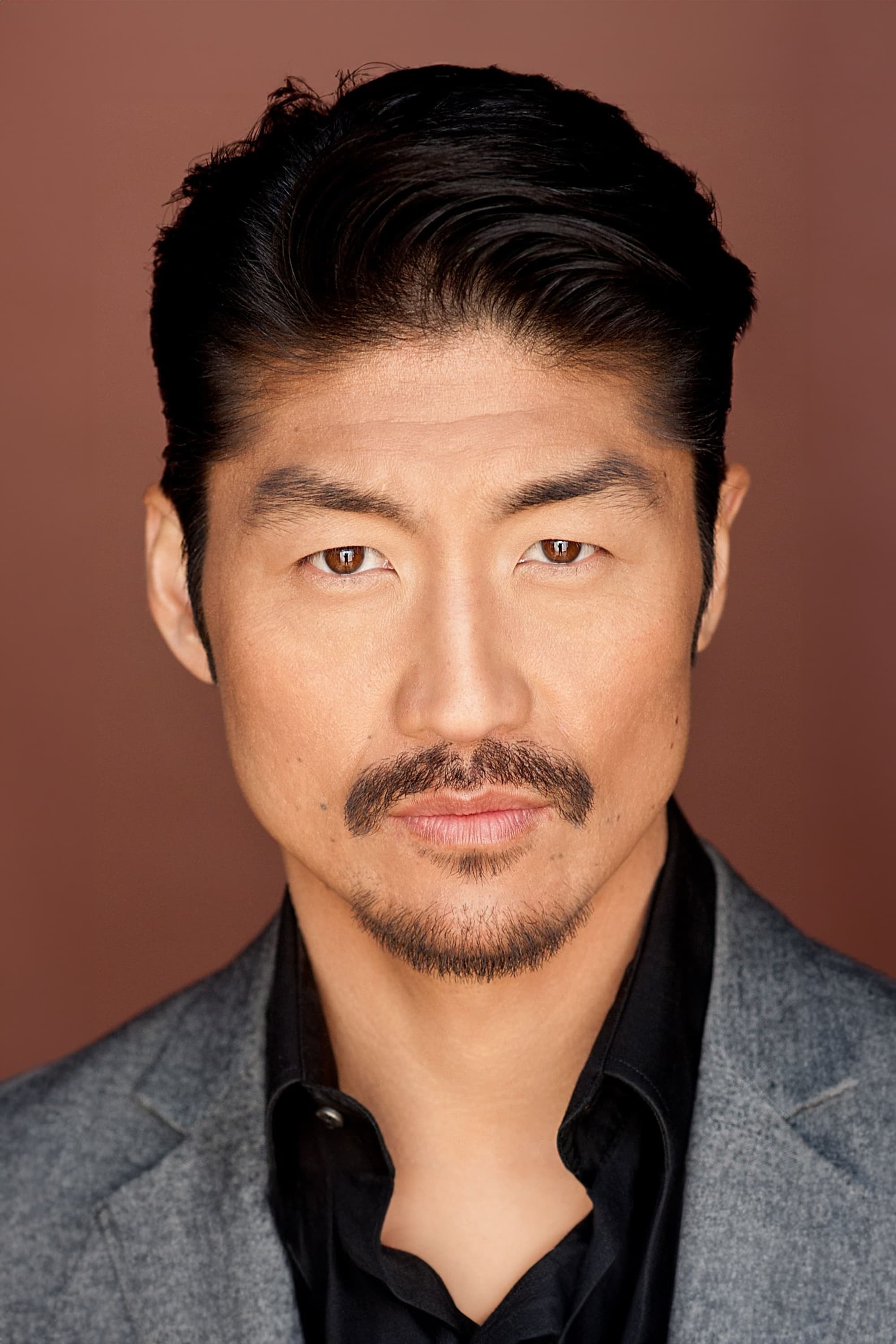
Brian Tee advocates for villains to have understandable motivations and emotional depth. He works to ensure that his characters are not just plot devices for the white protagonist. Tee pushes for Asian men to be seen in roles of military and professional leadership. He believes that strength comes from vulnerability and nuance. His performances often bring a sense of tragic nobility to the screen.
Jimmy O. Yang
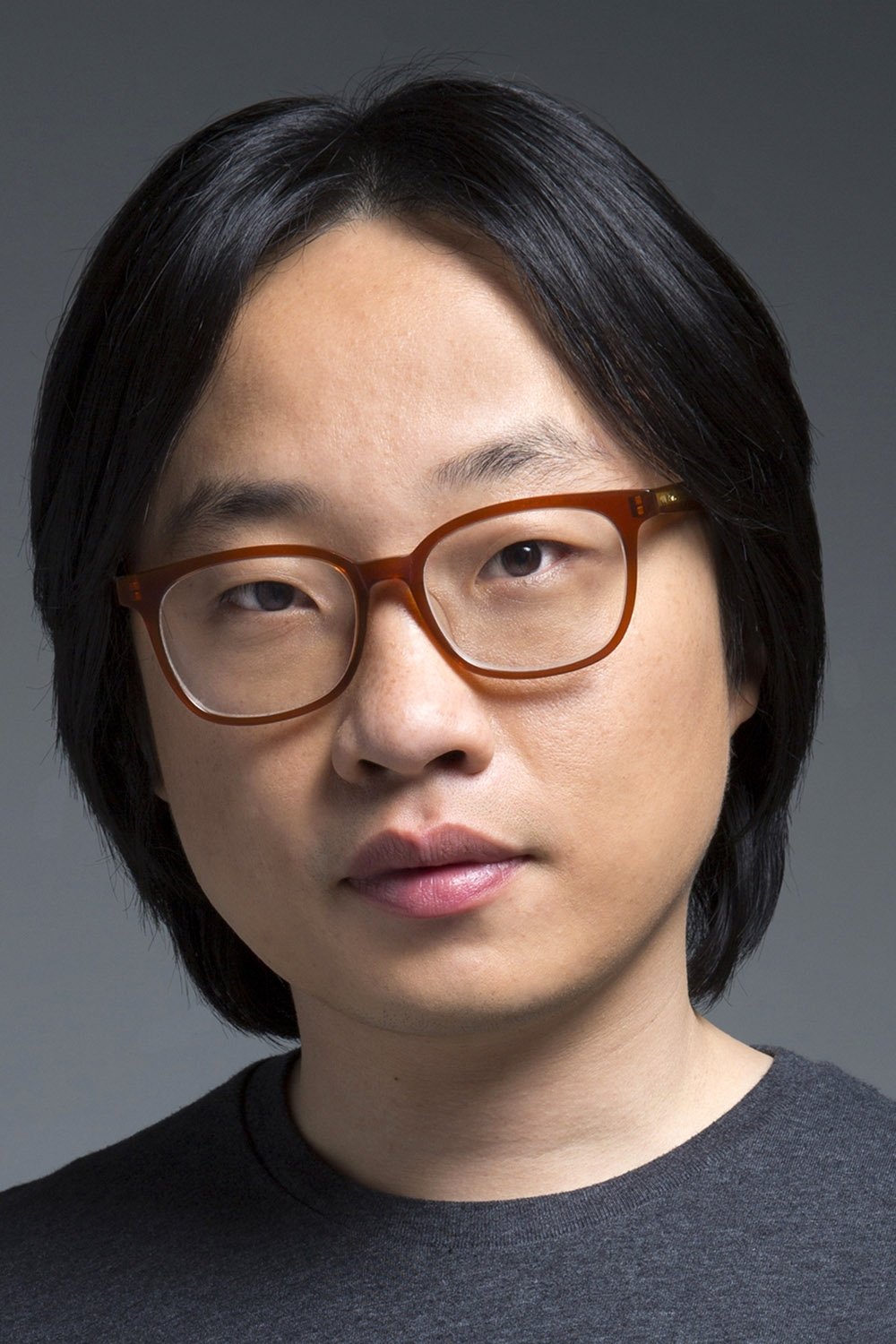
Jimmy O. Yang uses stand-up comedy and writing to address the stereotypes he faced early in his acting career. He advocates for Asian immigrants to own their accents and their stories without shame. Yang pushes for roles that explore the friction between traditional values and modern life. He believes that humor is the best way to disarm prejudice and connect with audiences. His success allows him to create opportunities for others.
Ronny Chieng
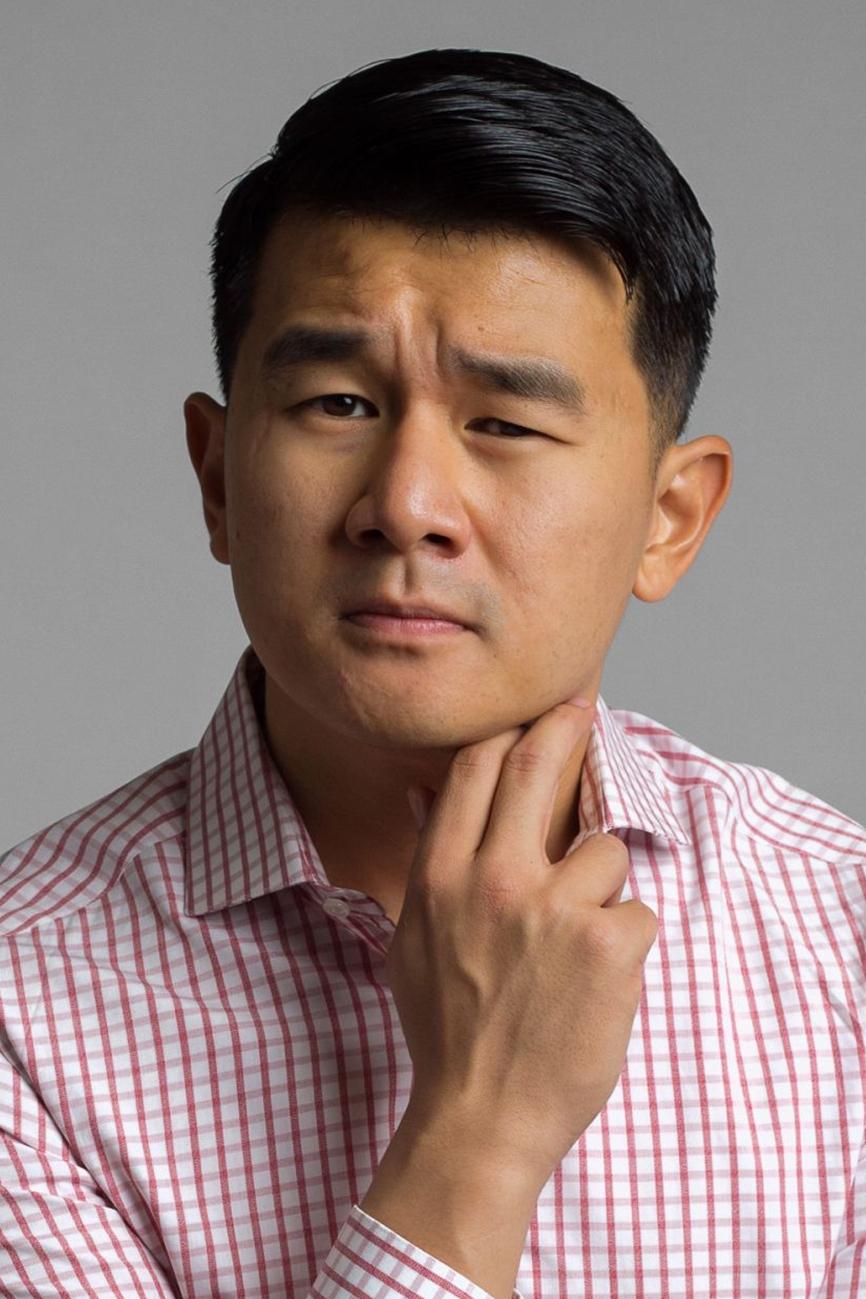
Ronny Chieng uses his platform to aggressively dismantle stereotypes with sharp satire and wit. He advocates for a global perspective that does not cater to Western ignorance. Chieng pushes for Asian characters to be confident, successful, and unapologetic. He believes that anger can be a productive emotion when channeled into art. His work demands respect for the Asian experience on a global scale.
Ma Dong-seok
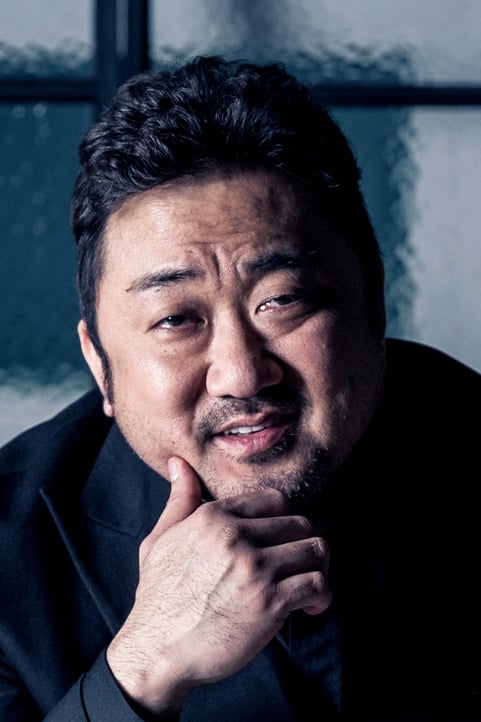
Ma Dong-seok, also known as Don Lee, advocates for the inclusion of different body types in action cinema. He brings a physical presence that defies the typical lean martial artist trope. Lee pushes for roles that combine immense physical power with a gentle and protective nature. He believes that action films can transcend language barriers through emotion and choreography. His crossover success proves that charisma is a universal language.
Please share which of these actors you believe has made the biggest impact on the industry in the comments.