Games Whose Sequels Never Lived Up to the Hype


The anticipation surrounding a video game sequel often eclipses the excitement for the original release. Fans spend years speculating about plot developments and gameplay improvements while developers promise revolutionary changes. This immense buildup can create an impossible standard that even competent games struggle to reach. When a highly awaited title arrives with technical issues or questionable design choices the backlash is often immediate and severe.
‘Duke Nukem Forever’ (2011)
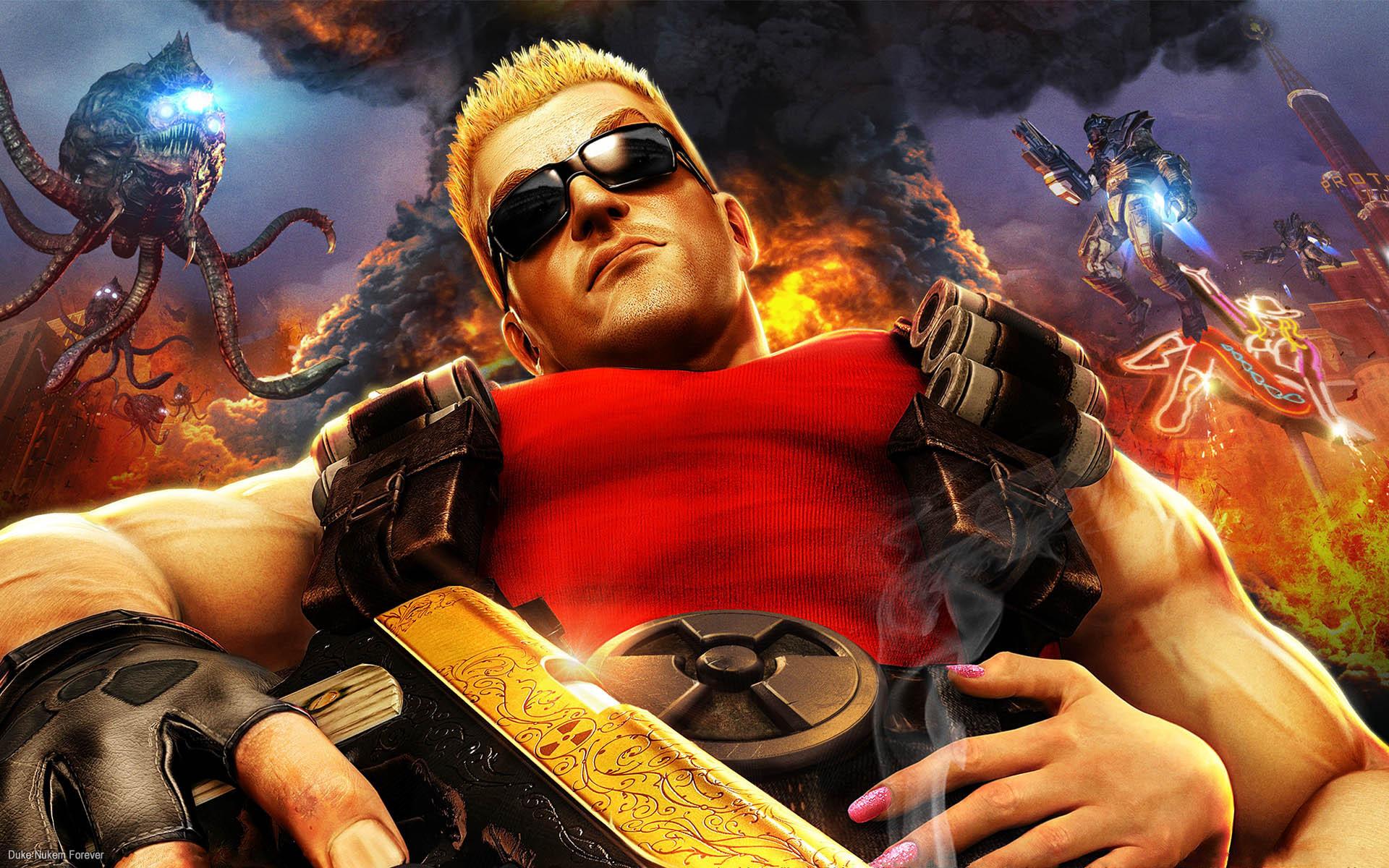
The development cycle for this first-person shooter spanned nearly fourteen years and became a running joke in the industry. Gearbox Software eventually finished the project after original developer 3D Realms could not complete it. Players found the humor dated and the gameplay mechanics archaic compared to modern genre standards. The linear level design and long loading times frustrated fans who waited over a decade for the return of the protagonist. Most critics agreed that the final product was a disjointed mess that failed to justify its legendary development hell.
‘Aliens: Colonial Marines’ (2013)
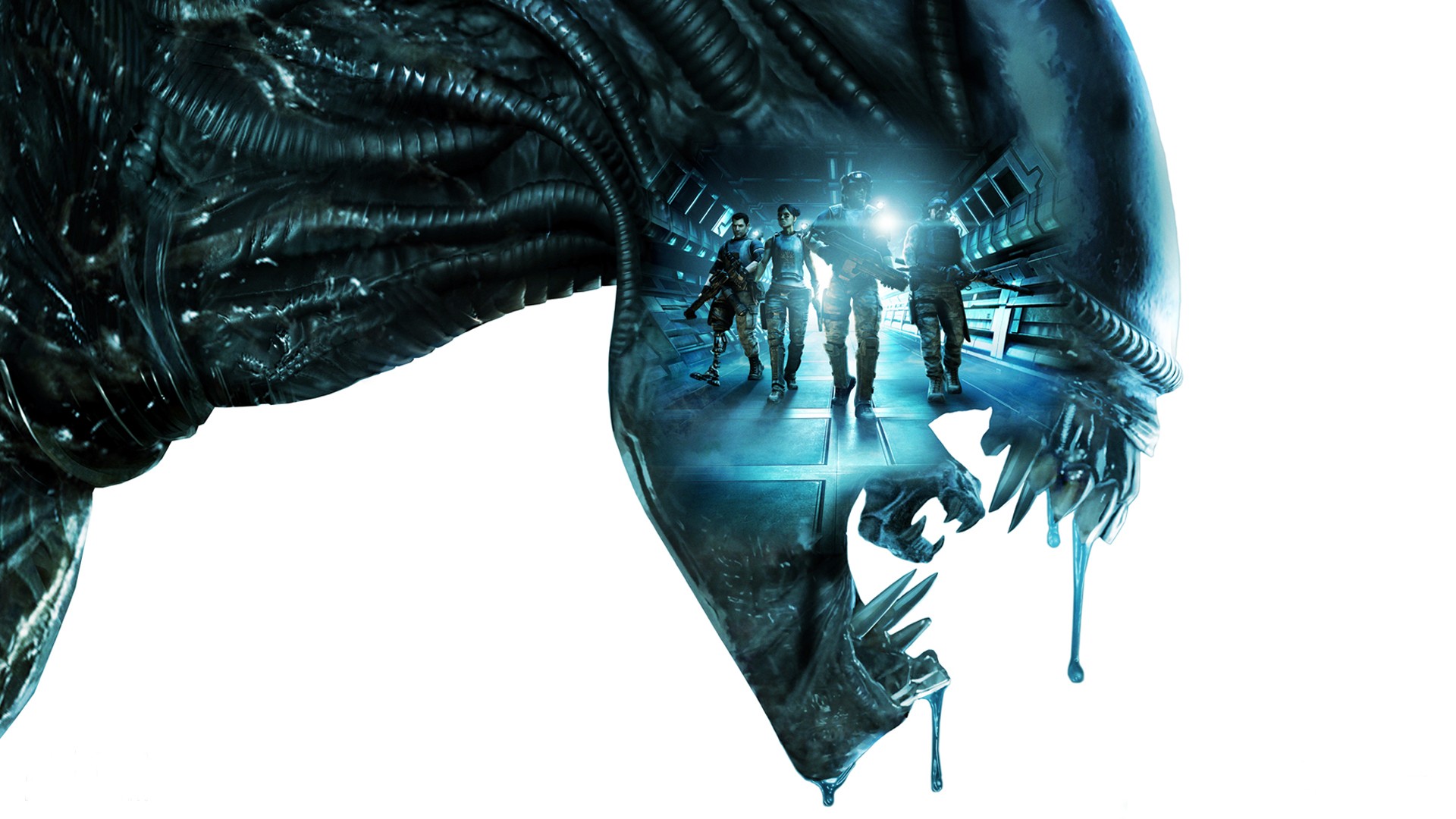
Gearbox Software and Sega marketed this title as a canonical sequel to the beloved James Cameron film. Pre-release demonstrations showed impressive lighting and intelligent enemy AI that fueled massive hype among the fanbase. The retail release featured significantly downgraded graphics and enemies that frequently glitched or ignored the player. A class-action lawsuit was eventually filed regarding the discrepancies between the marketing materials and the final game. It remains one of the most controversial launches in gaming history due to the misleading promotional campaign.
‘Mass Effect: Andromeda’ (2017)
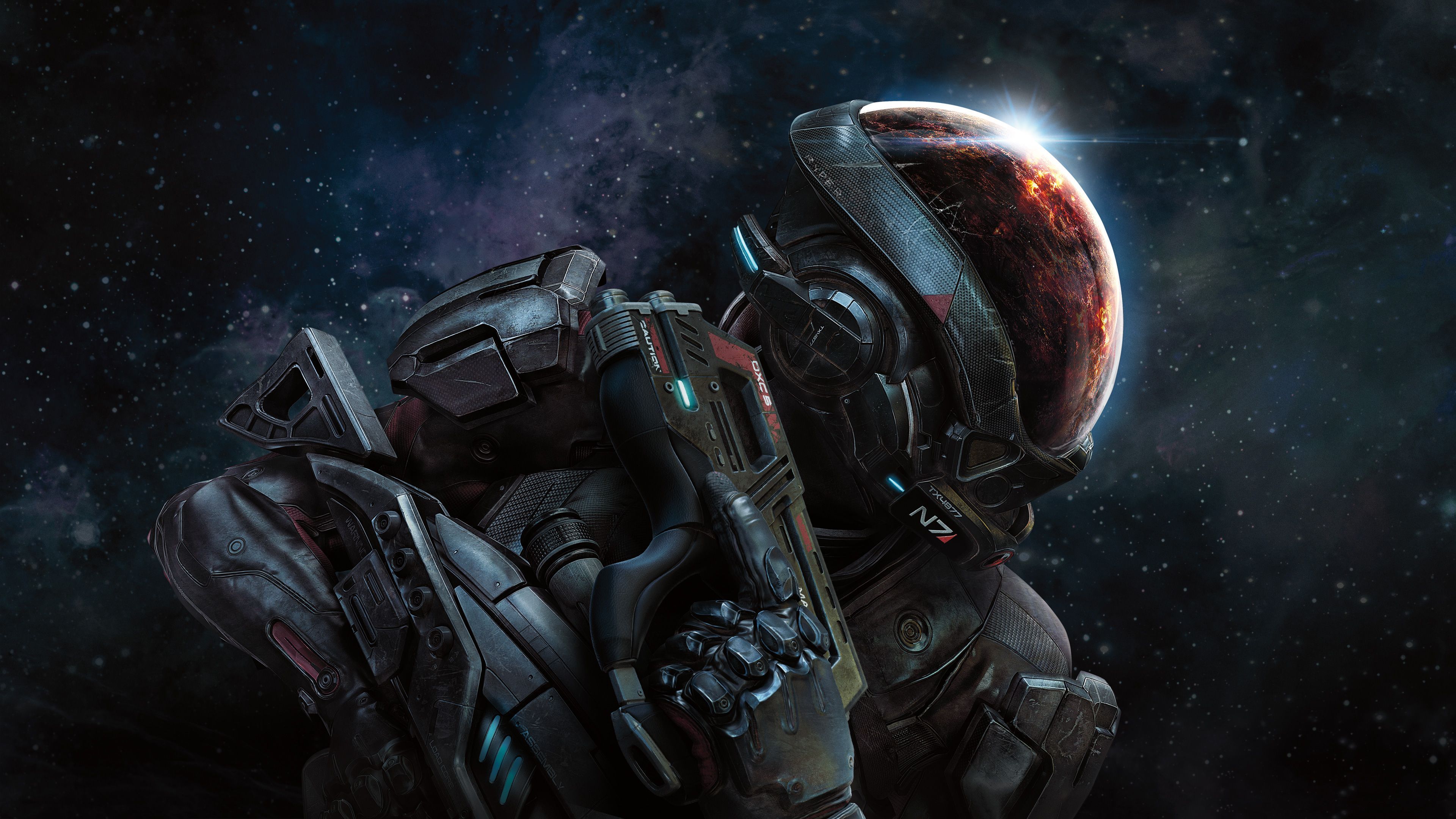
BioWare attempted to launch a new saga within their celebrated science fiction universe with this standalone sequel. Technical issues plagued the launch as players mocked the stiff facial animations and numerous glitches. The writing and character development failed to resonate with fans who loved the original trilogy. The open-world design felt empty to many explorers who preferred the tighter narrative focus of previous entries. Electronic Arts eventually put the series on hiatus following the lukewarm critical and commercial reception.
‘Tony Hawk’s Pro Skater 5’ (2015)

Activision rushed this title to market shortly before their licensing deal with the famous skateboarder was set to expire. The game launched with game-breaking bugs that caused physics errors and frequent crashes. The level design lacked the flow and creativity that defined the earlier entries in the franchise. A mandated day-one patch was larger than the actual game data on the disc. This disastrous release effectively killed the franchise until the remaster of the first two games arrived years later.
‘SimCity’ (2013)
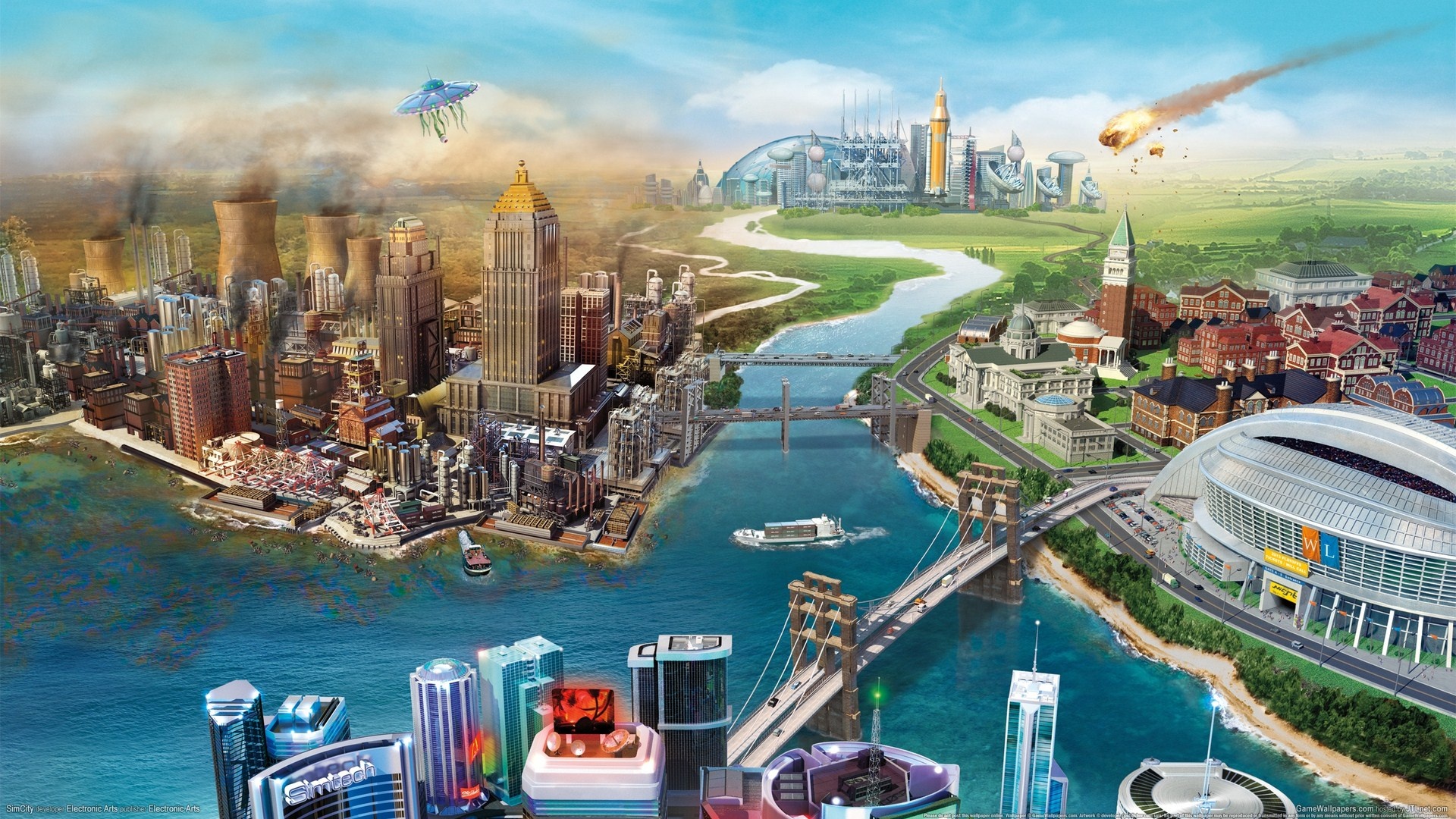
Maxis rebooted the classic city-building franchise with a requirement for an always-online internet connection. The launch servers collapsed under the traffic and locked legitimate buyers out of their games for days. Players discovered that the simulation engine faked population data rather than tracking individual citizens as promised. The forced multiplayer features limited city sizes and prevented users from building the sprawling metropolises they desired. Electronic Arts eventually added an offline mode but the reputational damage had already been done.
‘Resident Evil 6’ (2012)
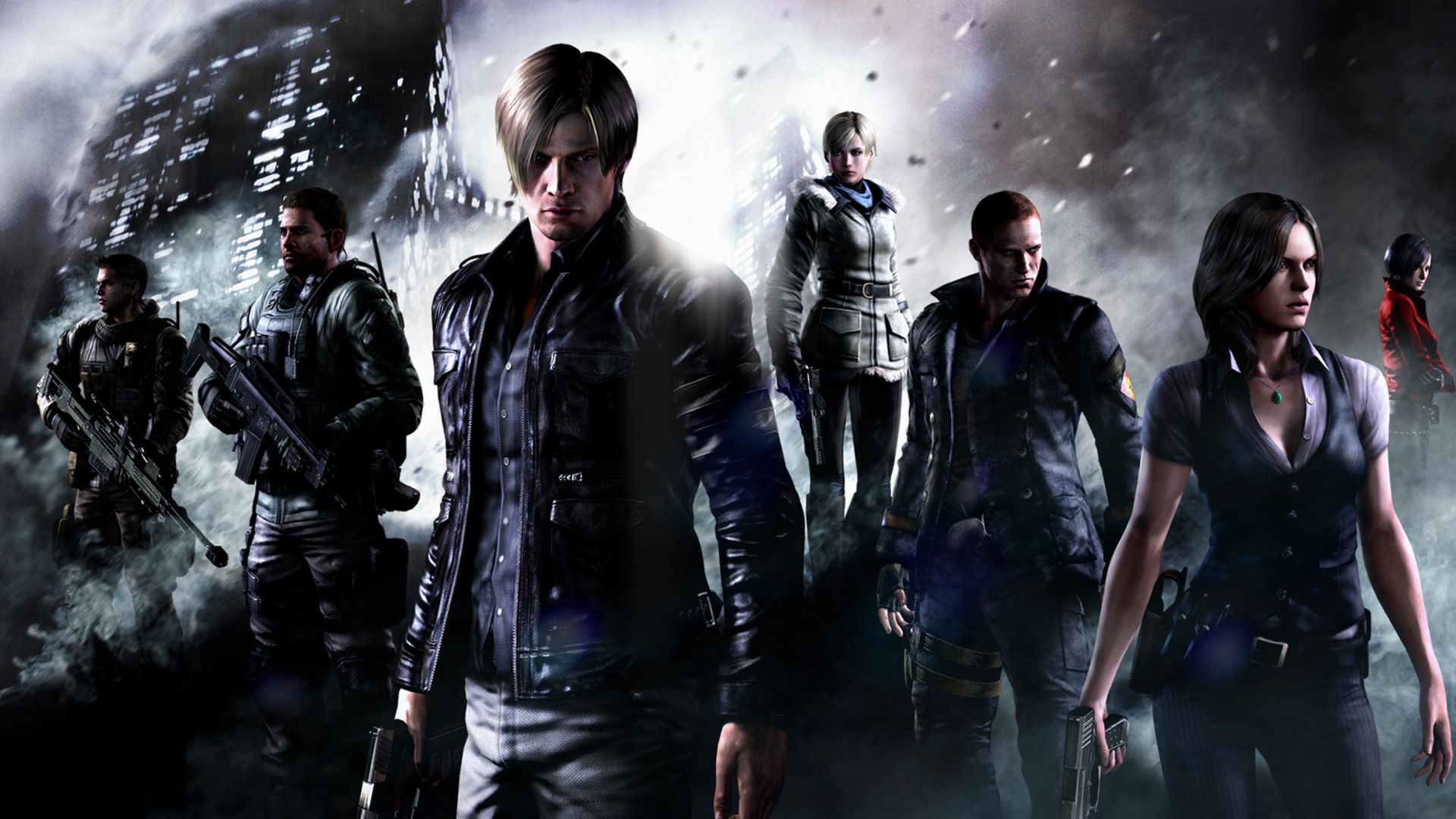
Capcom attempted to appeal to a wider audience by shifting the franchise fully toward action rather than survival horror. The game featured four interwoven campaigns that varied wildly in quality and tone. Longtime fans criticized the removal of resource management and tension in favor of explosions and quick-time events. The narrative became overly convoluted and relied heavily on absurd set pieces. This negative reception prompted the developers to return to the series’ horror roots with the next main entry.
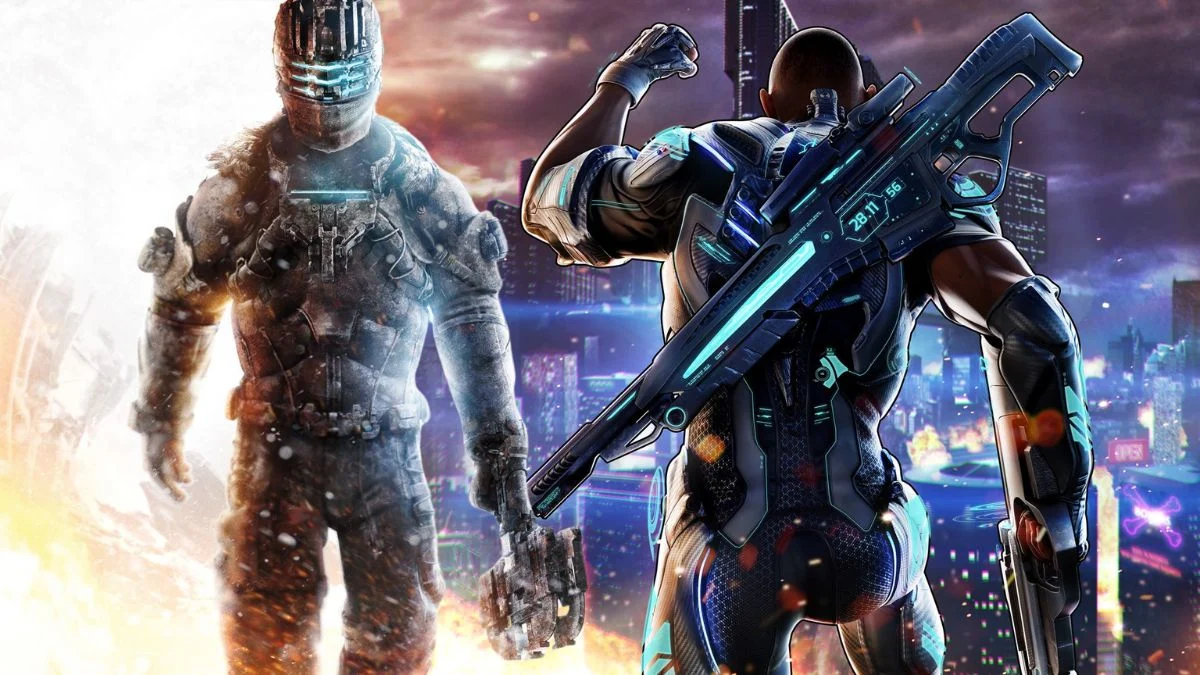
‘Crackdown 3’ (2019)
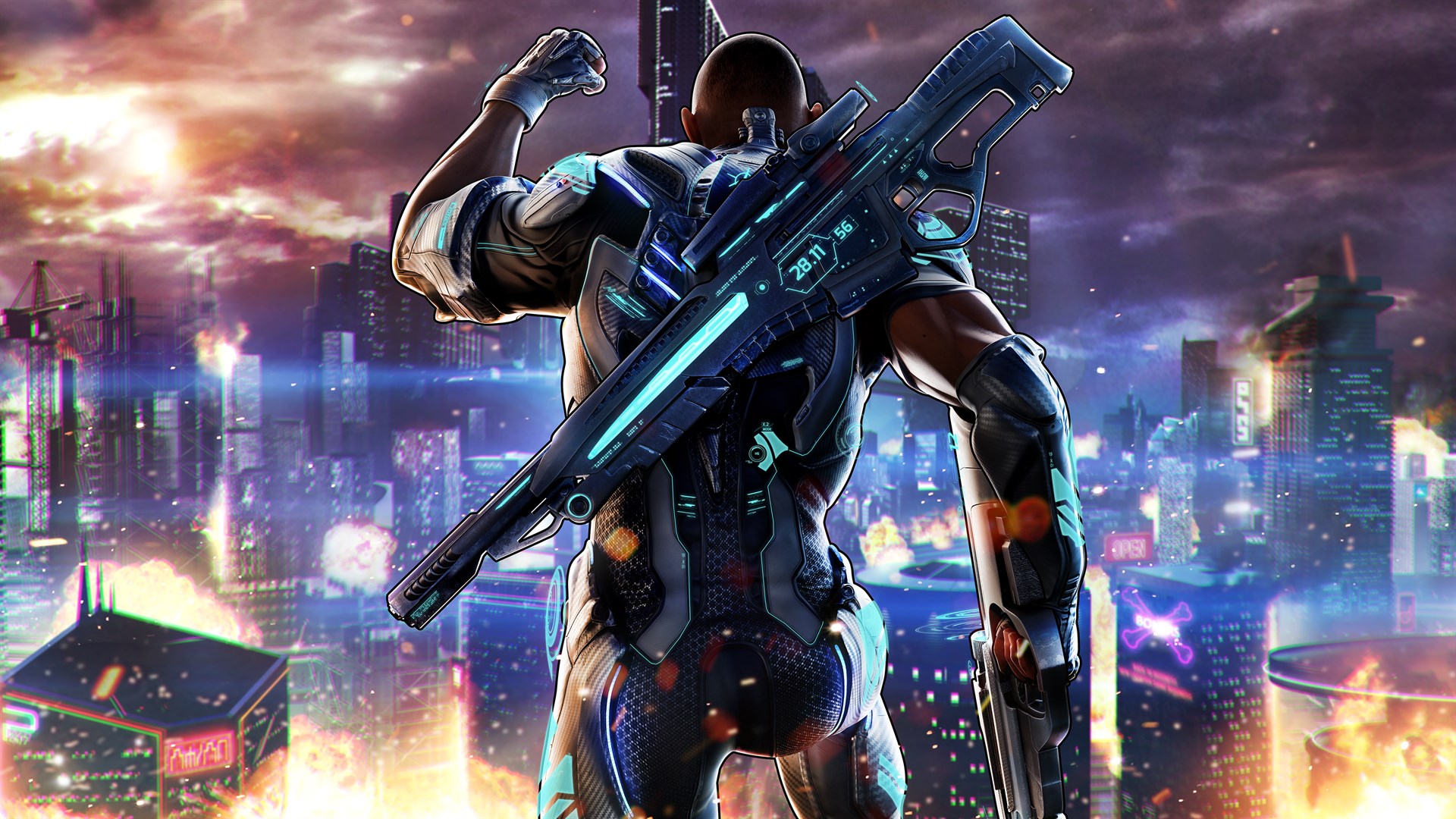
Microsoft announced this title years before release with promises of fully destructible environments powered by cloud computing. The final game scaled back these destruction features significantly and limited them to a specific multiplayer mode. The campaign felt outdated and offered little innovation over the original game from a decade prior. Development changed hands multiple times which resulted in a lack of cohesive vision. Fans felt the long wait was unjustified for a game that felt like a relic of a past generation.
‘Fallout 76’ (2018)
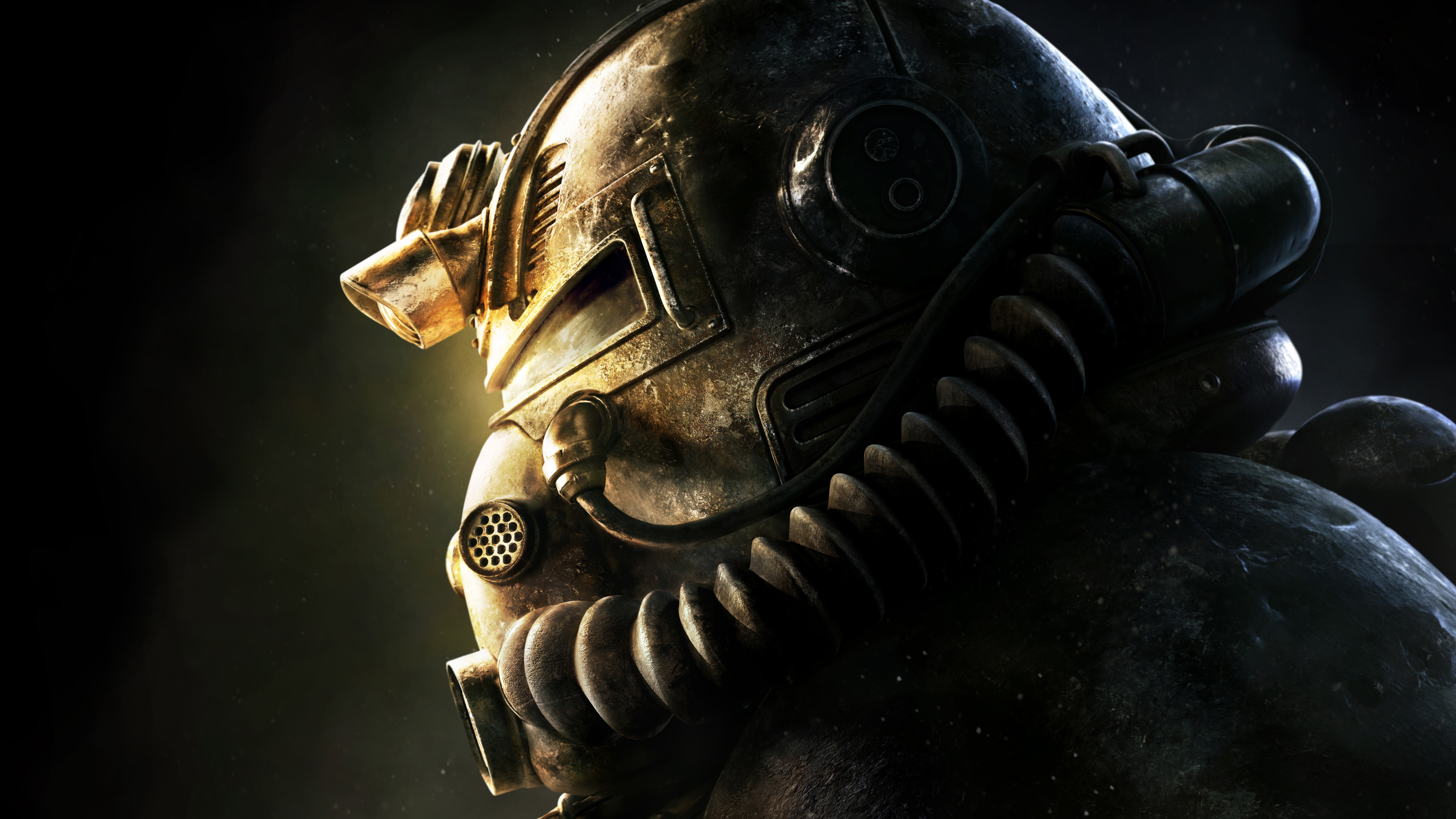
Bethesda Game Studios took their post-apocalyptic role-playing series into the online multiplayer space for the first time. The launch version lacked human non-player characters and relied entirely on environmental storytelling and audio logs. Technical performance was abysmal with frequent server crashes and visual bugs hindering the experience. The expensive collector’s edition caused further scandal when promised canvas bags were replaced with cheap nylon materials. While updates eventually improved the game the initial release tarnished the reputation of the studio.
‘Devil May Cry 2’ (2003)
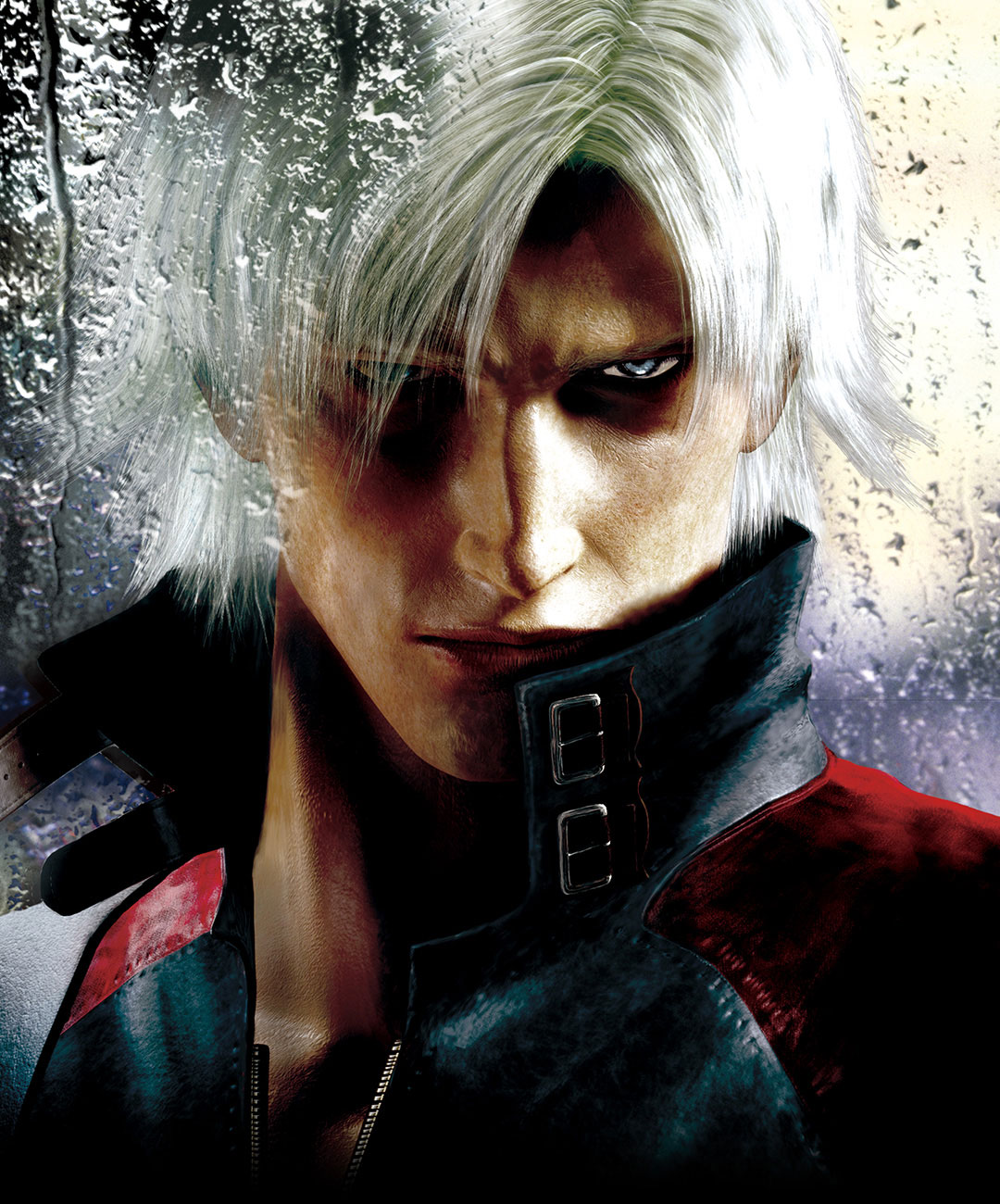
Capcom released this sequel shortly after the success of the first game but changed the development team. The combat system was simplified and made the game significantly easier than its challenging predecessor. Dante had a sullen personality that contrasted sharply with the cocky attitude fans loved in the original. The environments were large but empty and required tedious backtracking to navigate. This misstep nearly ended the franchise before the third entry revitalized the series.
‘Mafia III’ (2016)
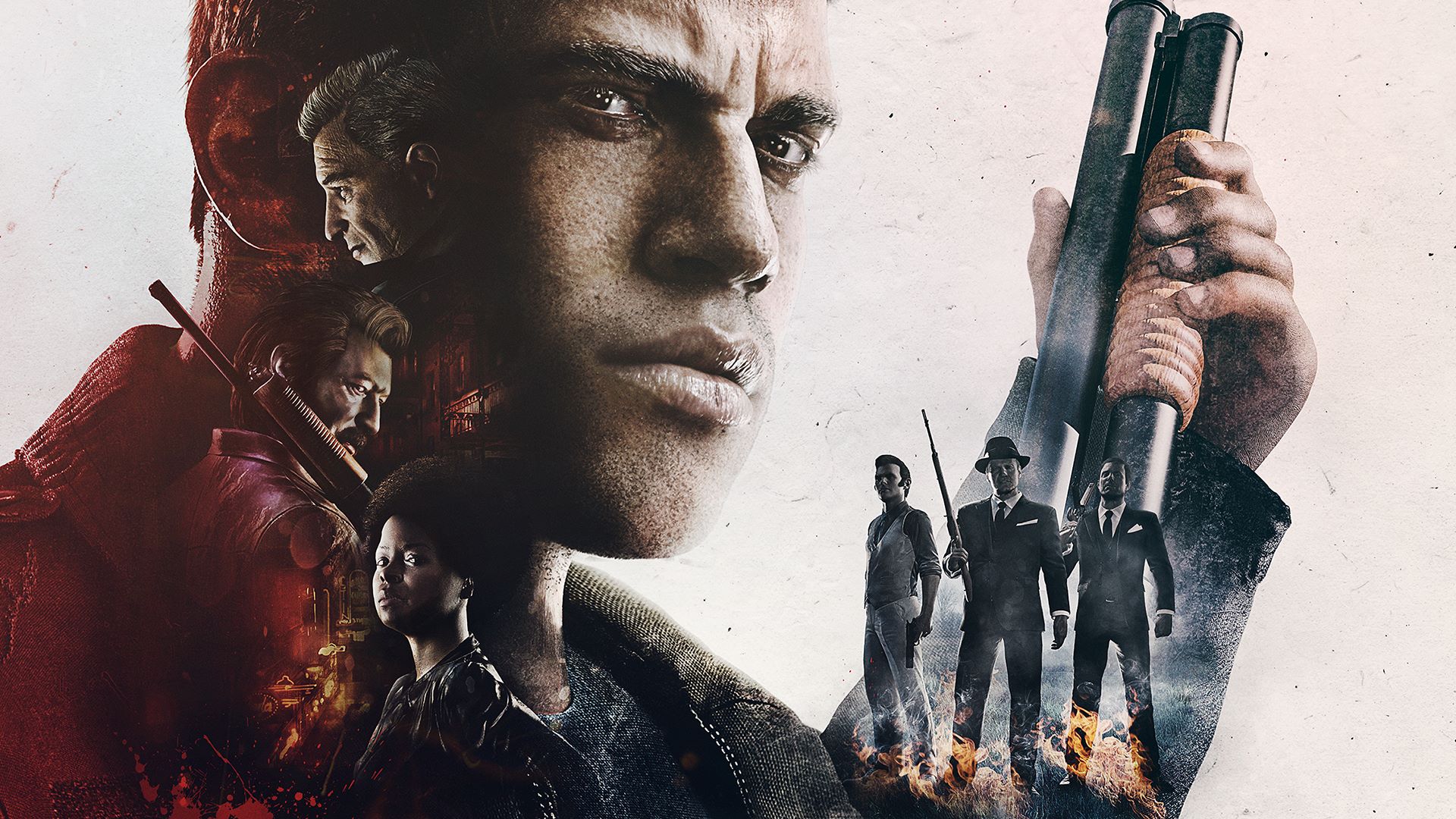
Hangar 13 created a compelling narrative set in a fictionalized version of New Orleans during the late 1960s. The gameplay loop relied heavily on repetitive territory control missions that bored players after a few hours. Technical glitches and lighting issues were prevalent at launch and detracted from the serious tone of the story. The open world felt lifeless despite the excellent soundtrack and strong voice acting performances. Critics praised the storytelling but felt the game design was padded and uninspired.
‘Mirror’s Edge Catalyst’ (2016)

Fans clamored for a sequel to the cult classic parkour game for years before DICE finally delivered this reboot. The shift to an open-world structure diluted the tight level design that made the original special. The narrative was widely considered generic and failed to make the protagonist Faith a compelling character. Combat was often forced upon the player despite the focus on movement and evasion. The game failed to meet sales expectations and the franchise has remained dormant since.
‘Dragon Age II’ (2011)
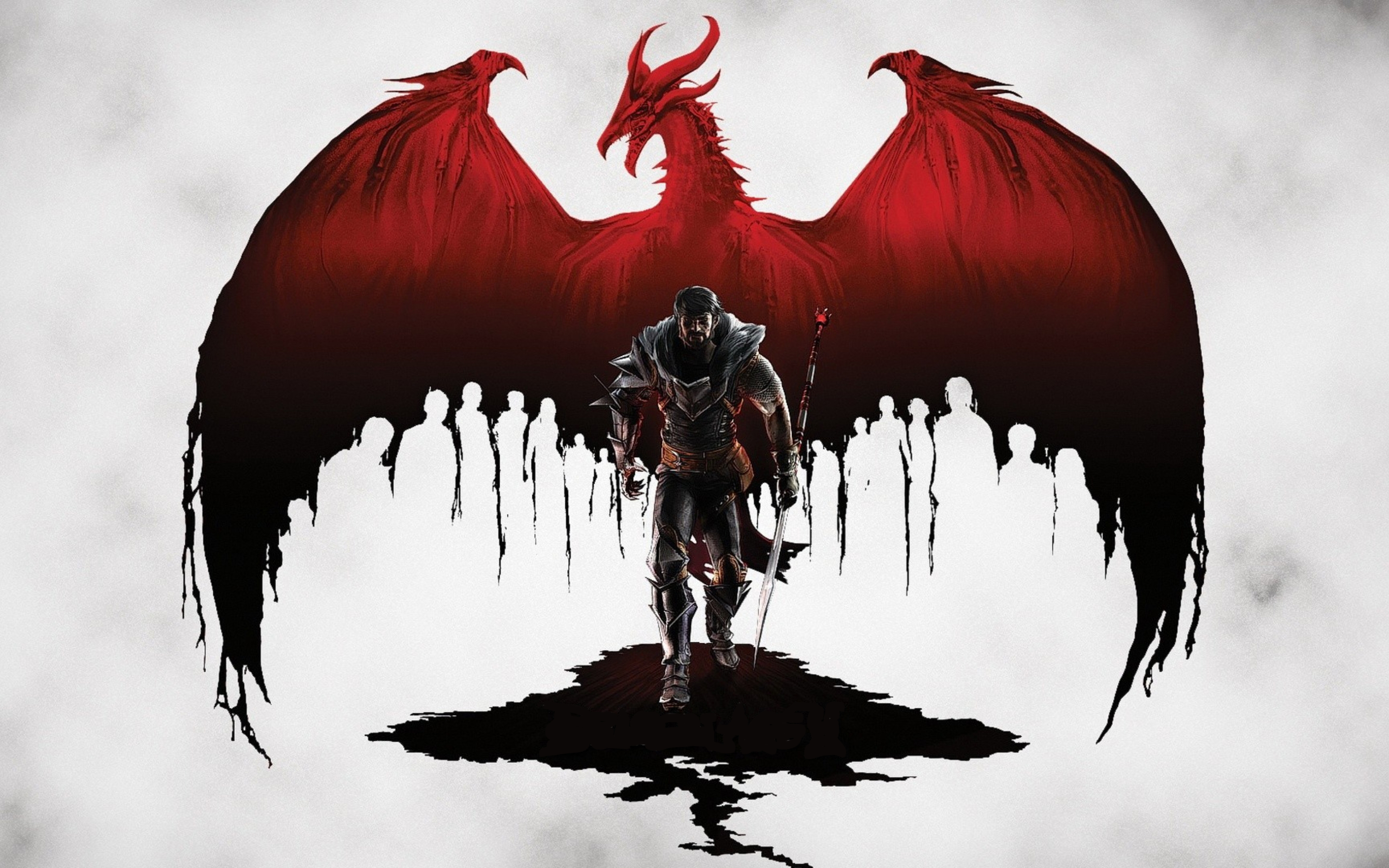
BioWare rushed this sequel into production to capitalize on the massive success of ‘Dragon Age: Origins’. The game reused the same few dungeon environments for different quests throughout the entire campaign. The combat became more action-oriented and moved away from the tactical depth of the first game. The scope of the story was reduced to a single city rather than an epic kingdom-spanning adventure. Many RPG fans felt betrayed by the simplified mechanics and repetitive assets.
‘Command & Conquer 4: Tiberian Twilight’ (2010)
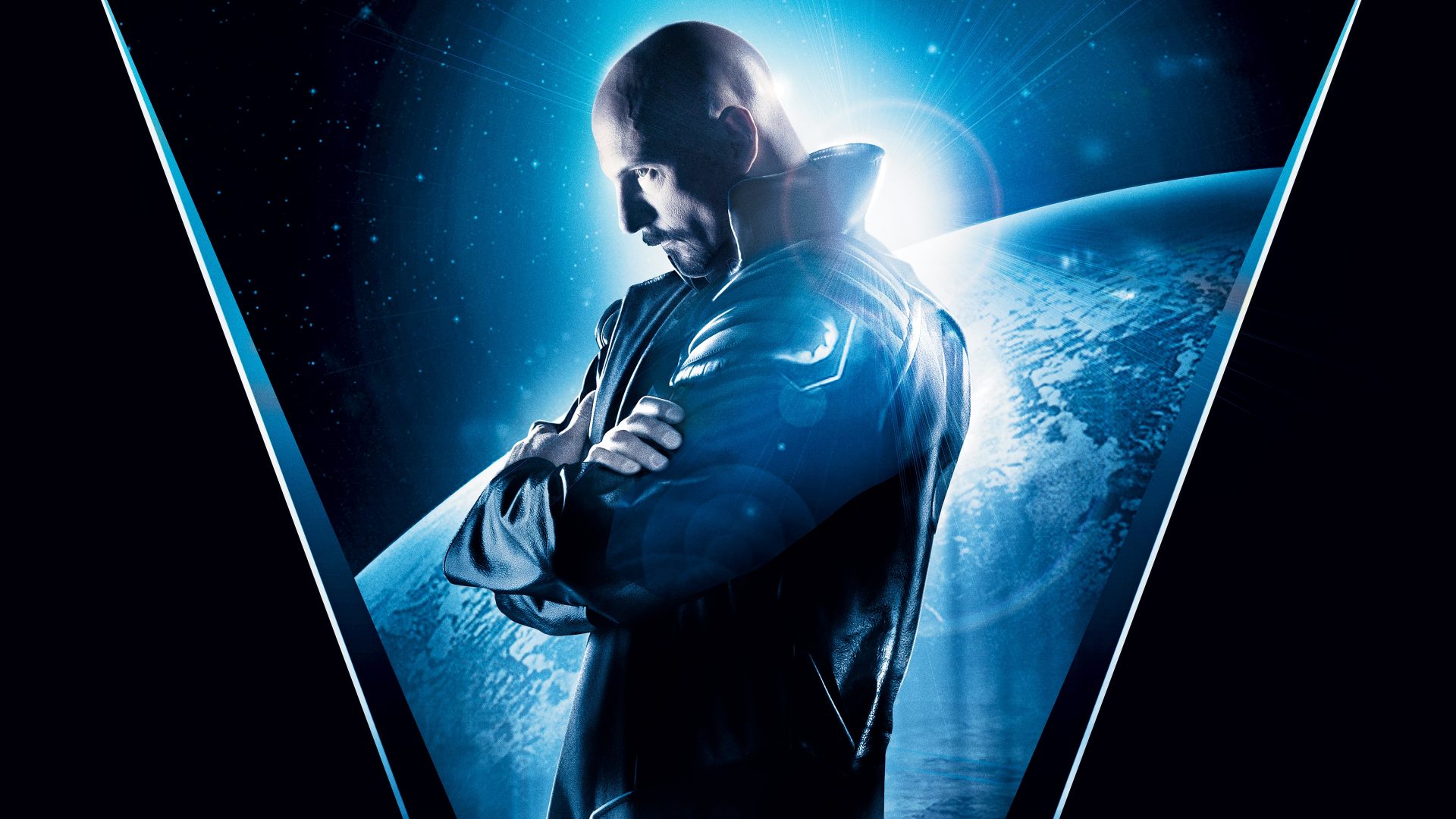
Electronic Arts attempted to radically change the formula of this legendary real-time strategy series. The traditional base-building mechanics were removed in favor of a mobile crawler unit and population caps. The story concluded the Tiberium saga in a way that many longtime fans found unsatisfying and rushed. The requirement for an always-online connection to progress in the campaign angered players with unstable internet. This title is often cited as the game that killed the franchise.
‘Dead Space 3’ (2013)
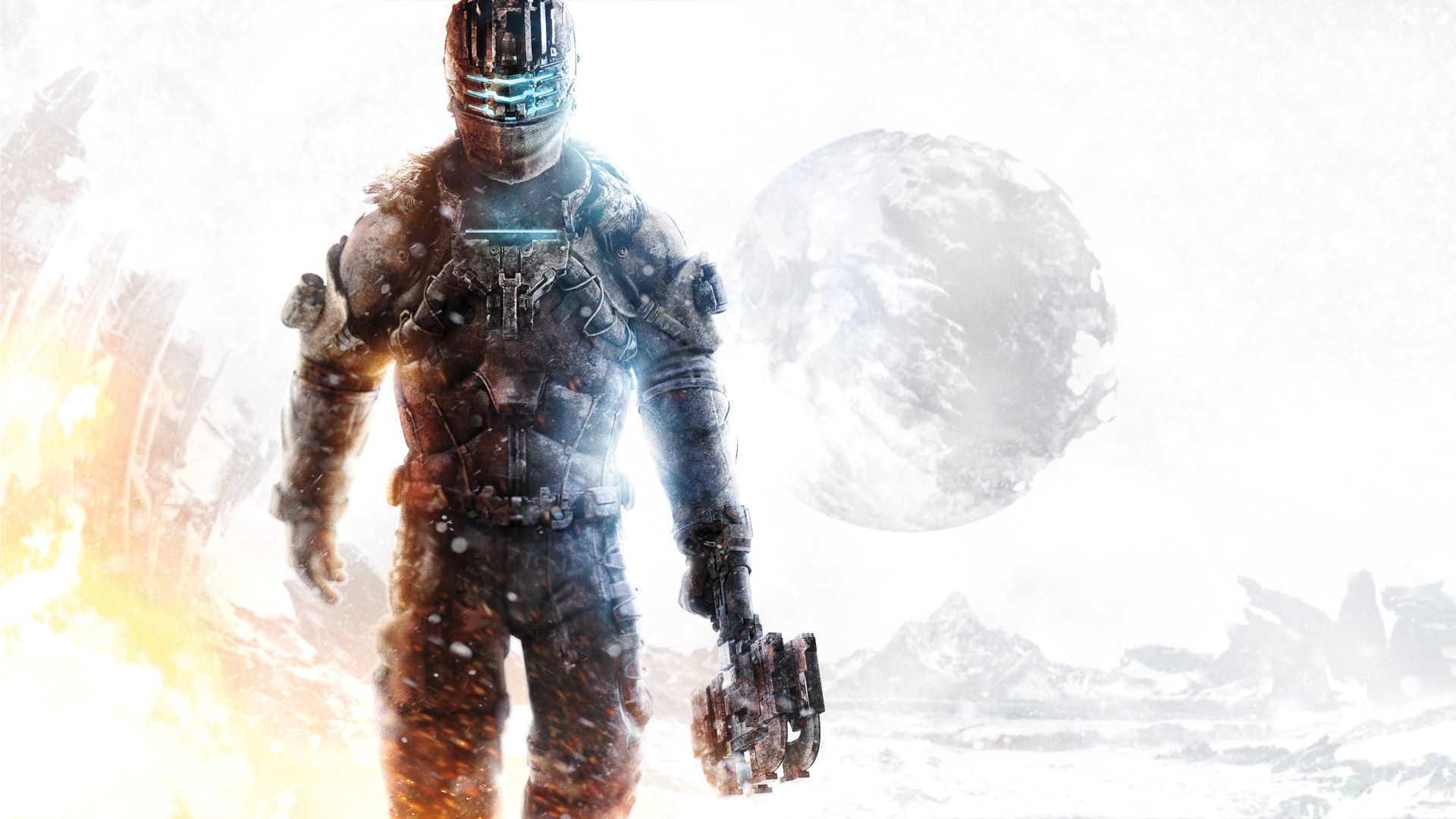
Visceral Games added cooperative multiplayer and universal ammo to a series previously known for isolation and resource scarcity. The horror elements were toned down significantly to accommodate more action set pieces and shootouts. A controversial microtransaction system allowed players to craft better weapons by paying real money. The narrative took the story in a bizarre direction that involved giant moons and alien civilizations. Sales failed to meet the high targets set by the publisher and led to the closure of the studio.
‘F.E.A.R. 3’ (2011)
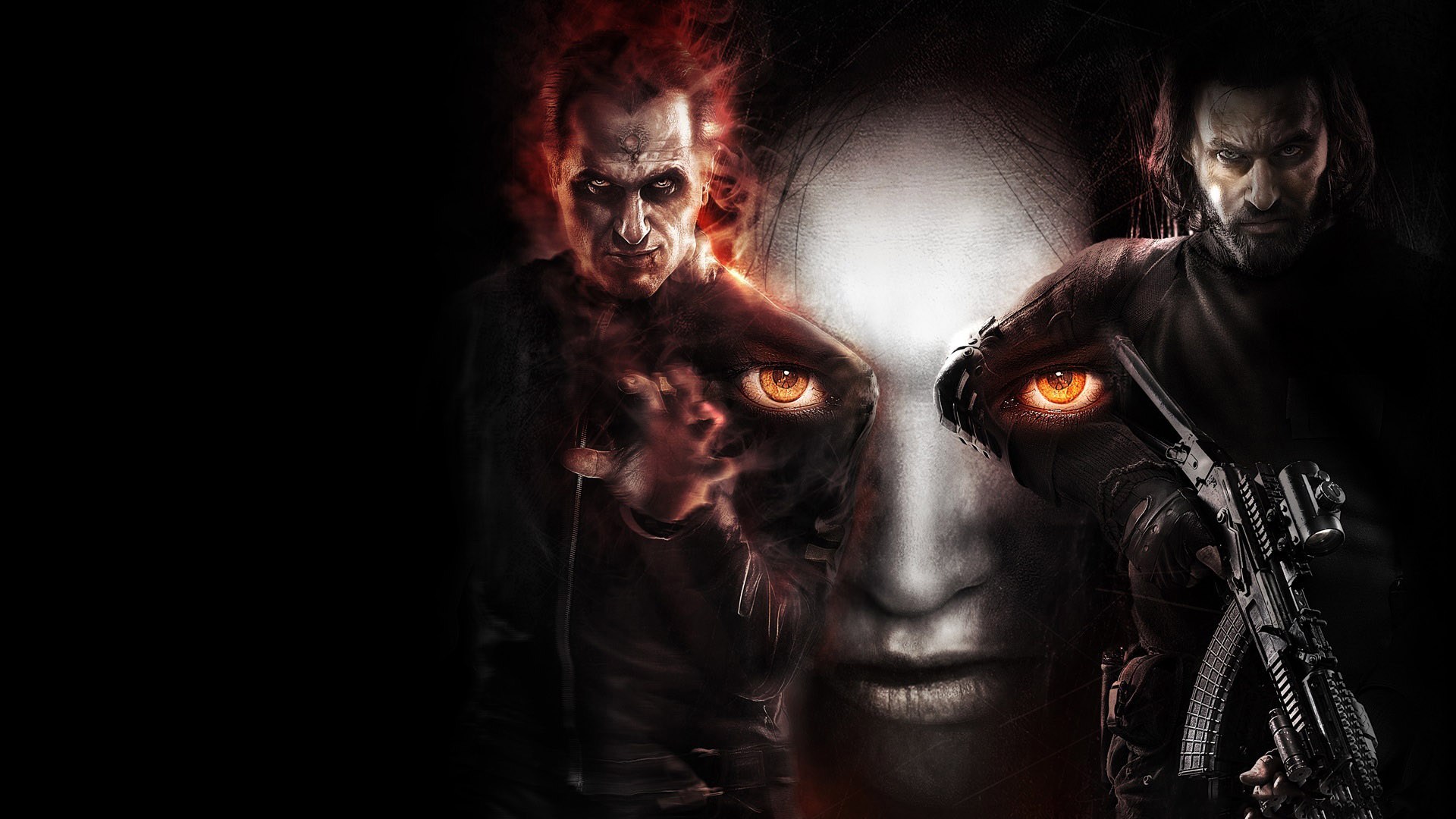
The third entry in the horror shooter franchise focused heavily on cooperative multiplayer between two distinct characters. This shift removed the tension and scares that defined the first game and its expansions. The level design became more linear and generic compared to the dynamic encounters of the past. The story became increasingly convoluted and lost the mystery surrounding the antagonist Alma. Fans of the original tactical shooter felt this sequel chased market trends rather than maintaining its identity.
‘Deus Ex: Invisible War’ (2003)
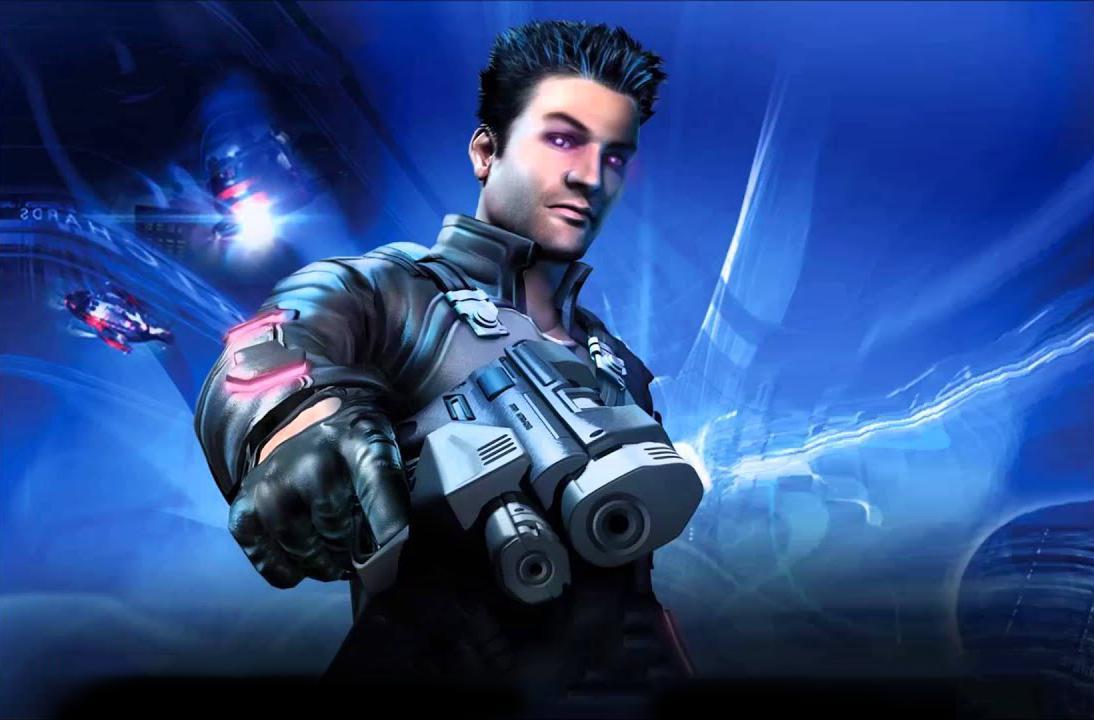
The sequel to one of the most acclaimed PC games of all time was designed with console limitations in mind. The levels were significantly smaller and required frequent loading screens that broke immersion. The complex role-playing systems and inventory management were streamlined to the point of oversimplification. Universal ammo for all weapons removed the tactical need to conserve specific resources. While not a terrible game on its own it failed to live up to the towering legacy of its predecessor.
‘Thief’ (2014)
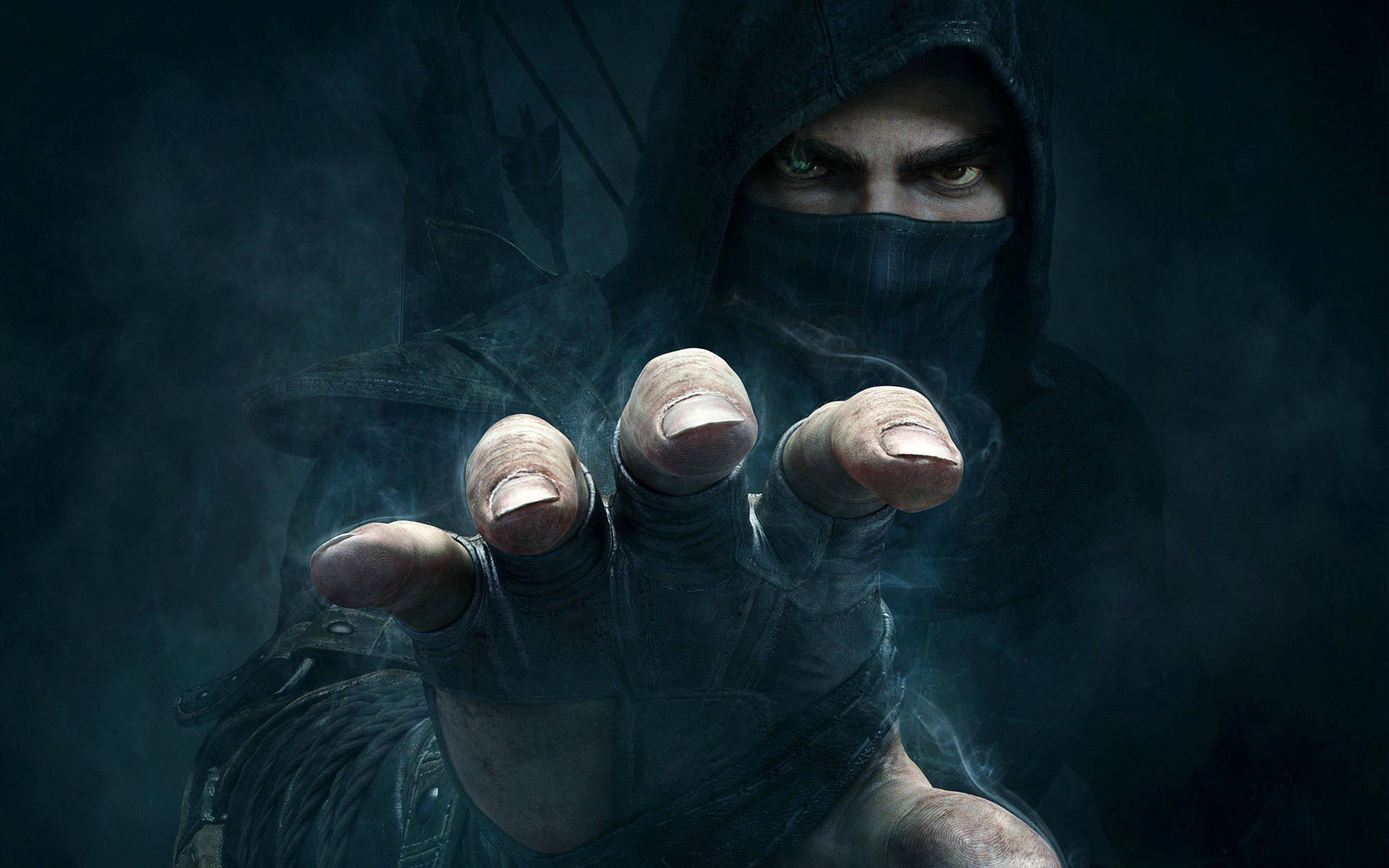
Eidos-Montréal rebooted the stealth classics with a new tone and a different voice actor for the protagonist Garrett. The levels were linear and restricted player freedom compared to the sprawling maps of the original trilogy. Contextual jumping mechanics replaced the manual jumping that allowed for creative traversal in previous games. The audio design lacked the spatial precision that was crucial for gameplay in the earlier entries. Stealth purists rejected the game for holding the player’s hand too much.
‘Banjo-Kazooie: Nuts & Bolts’ (2008)
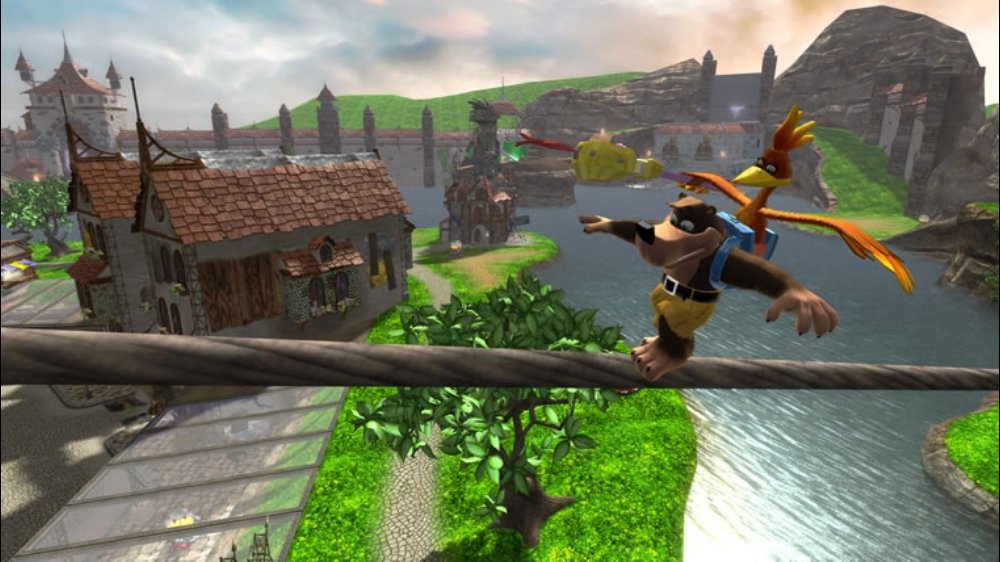
Rare brought back the famous bird and bear duo but completely changed the genre of the game. Instead of a 3D platformer the game focused on vehicle construction and racing challenges. The visual style was distinct and the physics engine was impressive for the time. However fans who wanted a traditional platforming adventure were bitterly disappointed by the sudden shift. The game even featured jokes that mocked the collection mechanics of the previous titles.
‘Star Fox Zero’ (2016)
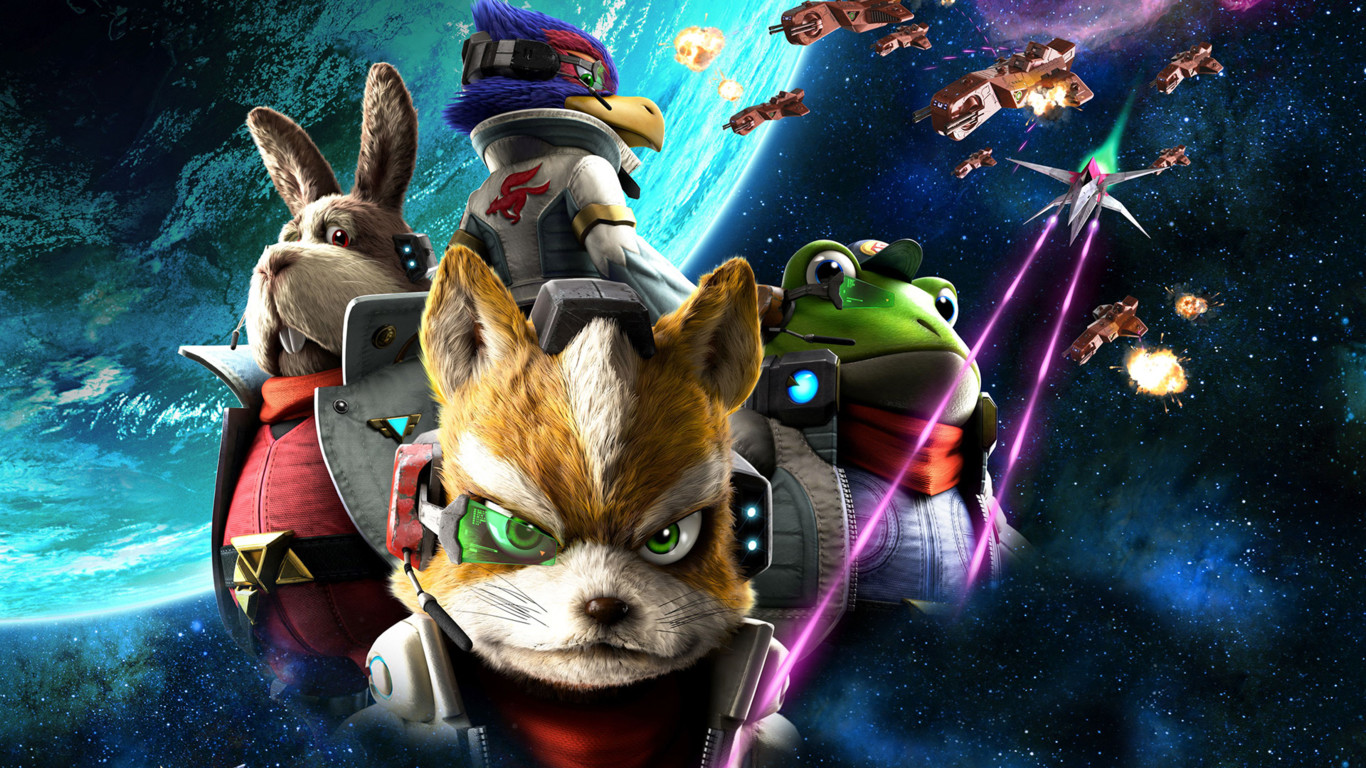
Nintendo partnered with PlatinumGames to create a new entry in the space combat series for the Wii U. The game forced players to use a dual-screen control scheme that required looking at the GamePad for aiming. This awkward setup made piloting the Arwing confusing and frustrating for many users. The game was essentially a retelling of ‘Star Fox 64’ rather than a new story with fresh ideas. The motion controls proved to be a barrier that prevented the game from achieving mainstream success.
‘Metroid: Other M’ (2010)
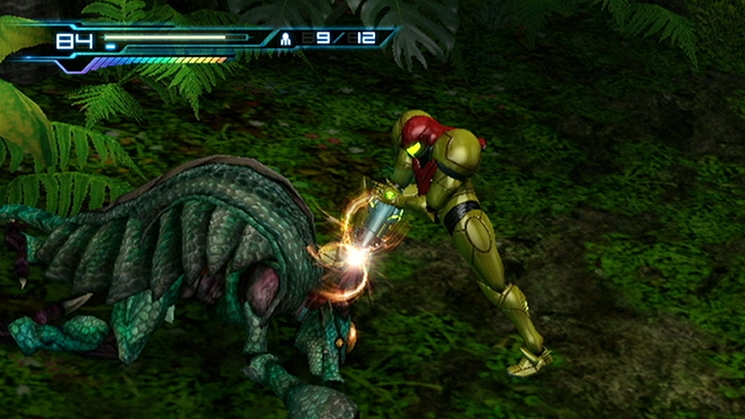
Team Ninja developed this action-heavy entry that gave the protagonist Samus Aran a voice and a detailed backstory. The narrative portrayed the bounty hunter as submissive and unsure of herself which contradicted her previous characterization. Players were forced to wait for authorization from a commanding officer to use weapons they already possessed. The gameplay shifted between 2D and 3D perspectives in a way that often felt clunky. The backlash against the story was so severe that the series went on hiatus for several years.
‘Paper Mario: Sticker Star’ (2012)
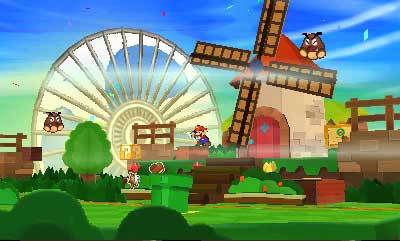
Nintendo removed the role-playing elements that made the first two ‘Paper Mario’ games beloved classics. Experience points and partners were eliminated in favor of a consumable sticker combat system. Using stickers for every attack discouraged players from engaging in battles since they wasted resources. The story was stripped of original characters and focused only on generic Toads. Fans of the series continue to cite this game as the point where the franchise lost its soul.
‘Sonic the Hedgehog’ (2006)
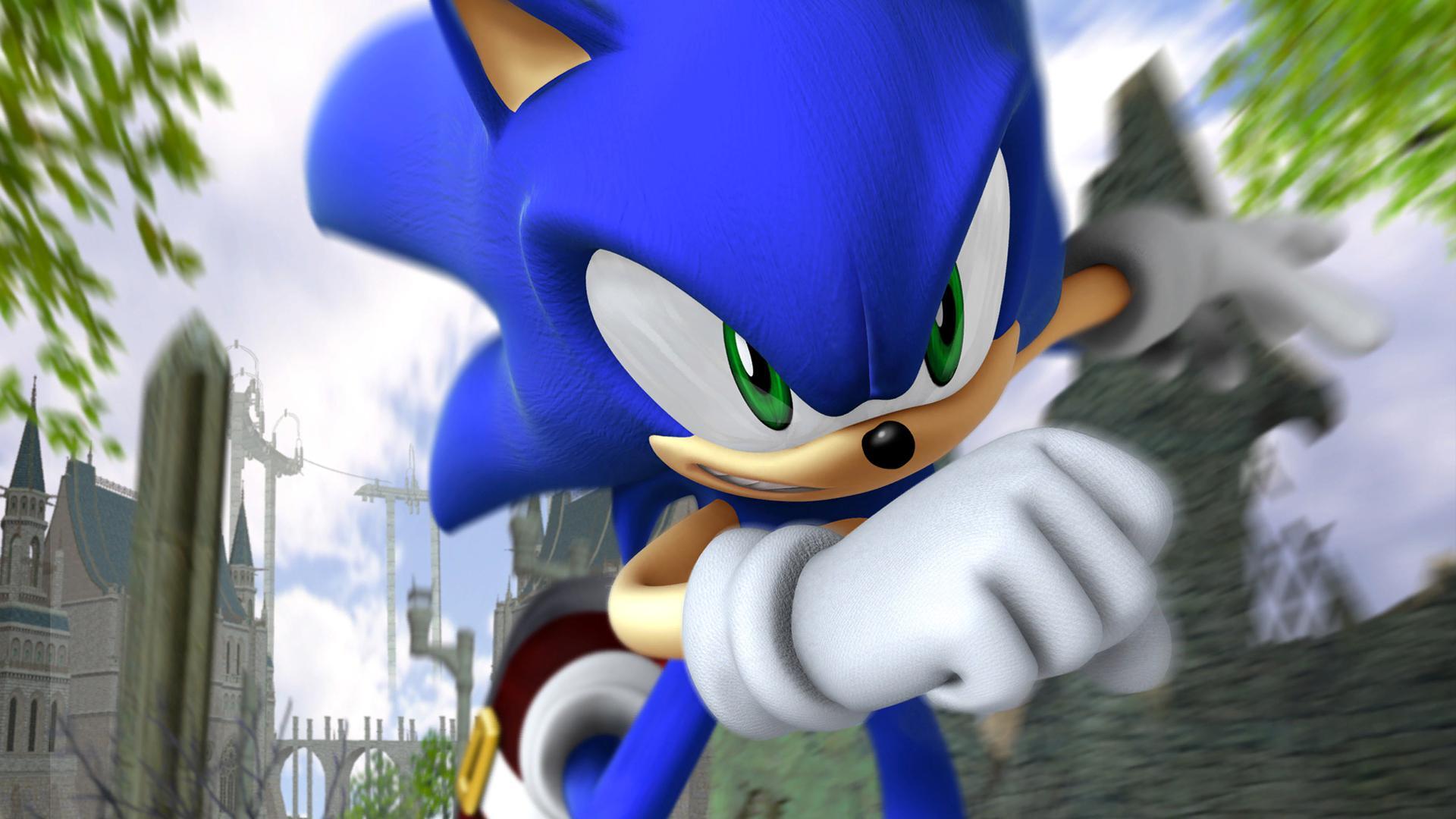
Sega intended to reboot the franchise for the high-definition era with a serious story and realistic art style. The game was released in an unfinished state with extremely long loading times and game-breaking bugs. The romantic subplot between Sonic and a human princess was widely mocked by critics and fans alike. The controls were imprecise and made fast platforming sections nearly unplayable. It stands as one of the lowest-rated major releases in the history of the platforming genre.
‘Metal Gear Survive’ (2018)
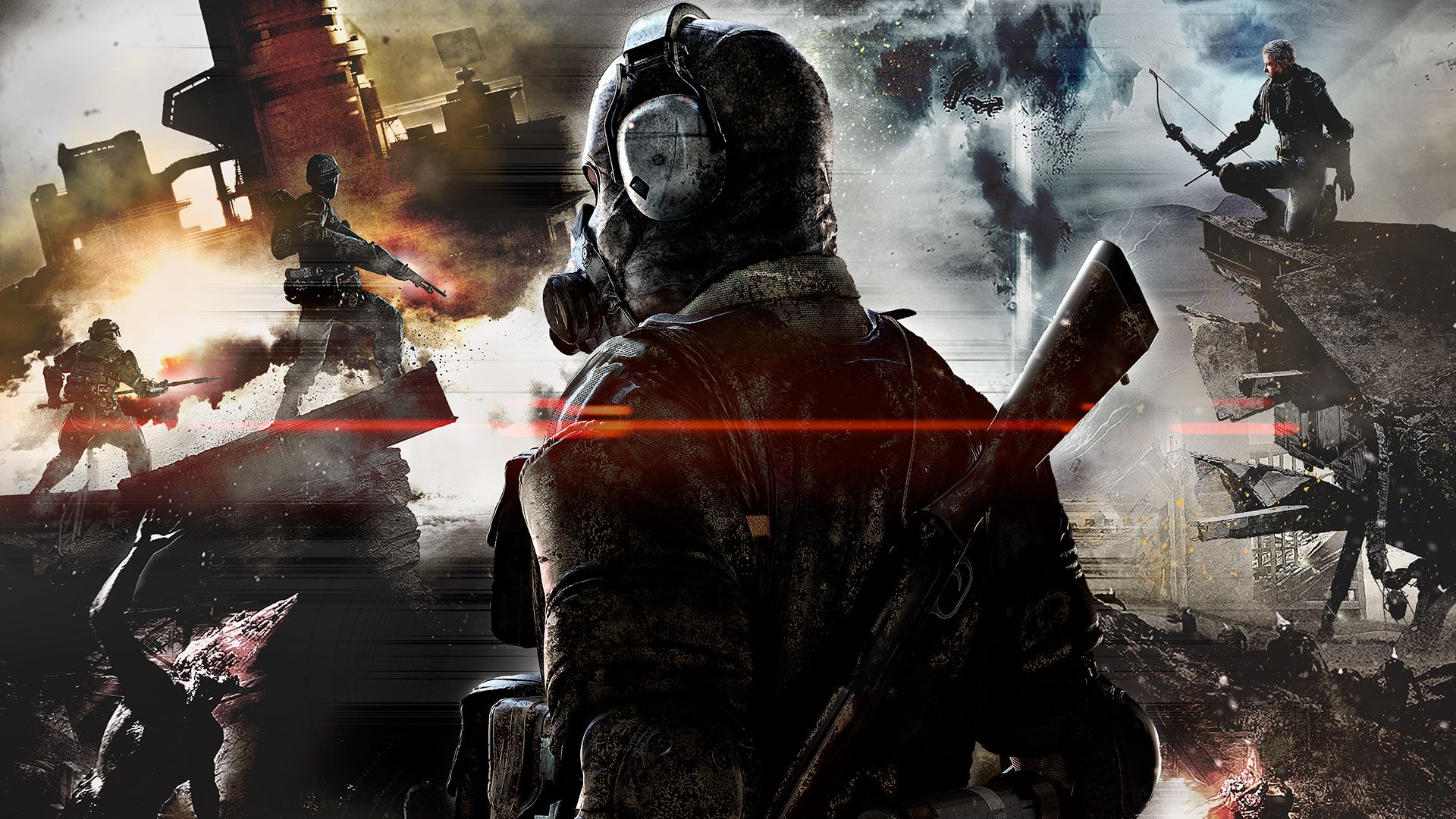
Konami released this survival spin-off shortly after the acrimonious departure of series creator Hideo Kojima. The game reused assets from ‘Metal Gear Solid V’ but introduced zombies and hunger mechanics. Players were required to pay for extra save slots which caused a significant controversy. The tone and gameplay had almost nothing in common with the tactical espionage action of the main series. It was viewed by many as a cynical attempt to cash in on the brand name.
‘Contra: Rogue Corps’ (2019)
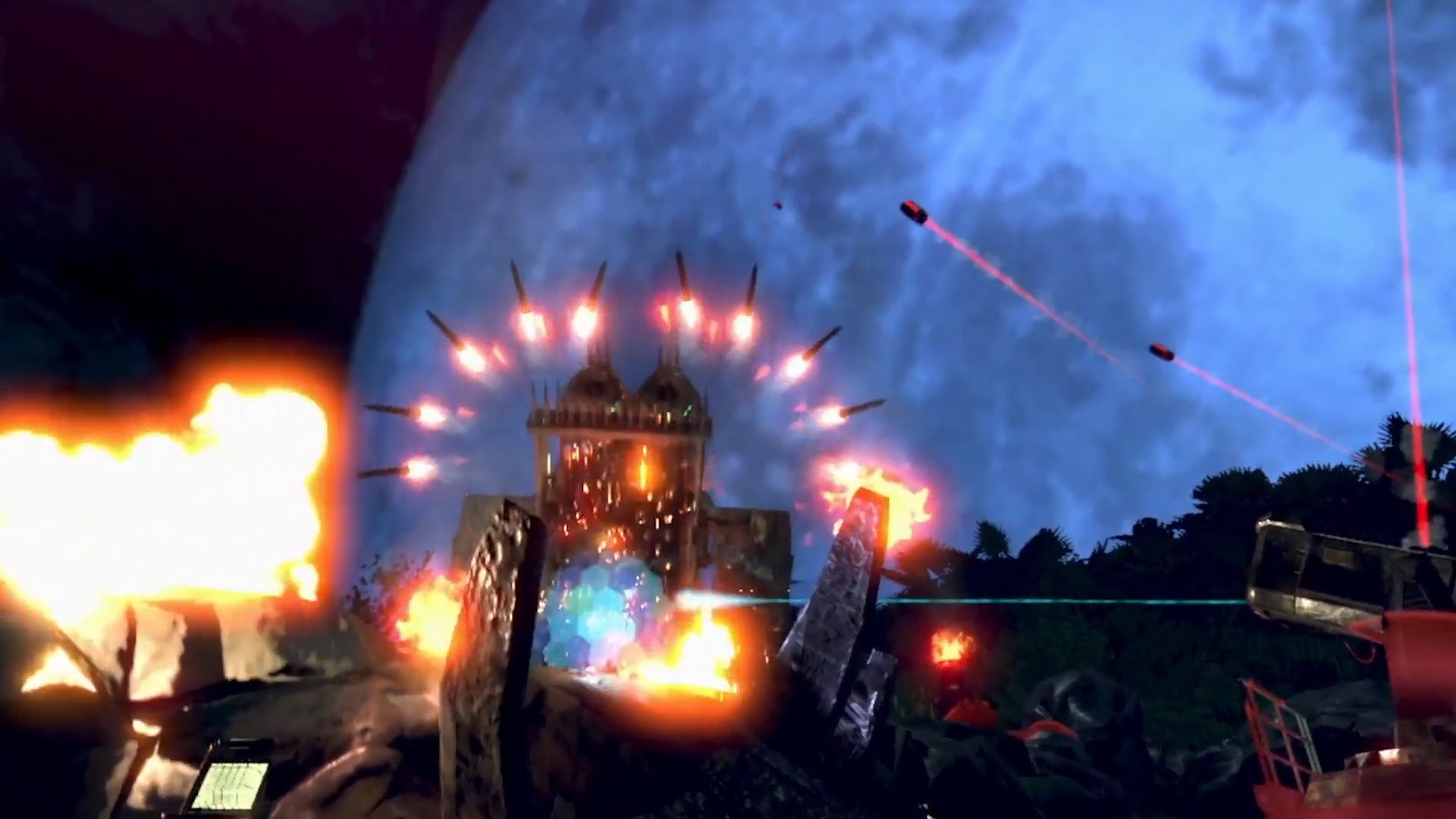
Konami attempted to revive the classic run-and-gun series with a twin-stick shooter featuring a cooldown mechanic for weapons. The weapon overheating system slowed down the fast-paced action that defined the franchise. The graphics looked muddy and outdated even at the time of release. Humor in the game was juvenile and missed the mark for the intended audience. Fans ignored the release and returned to the classic entries or the collection compilations.
‘Marvel vs. Capcom: Infinite’ (2017)
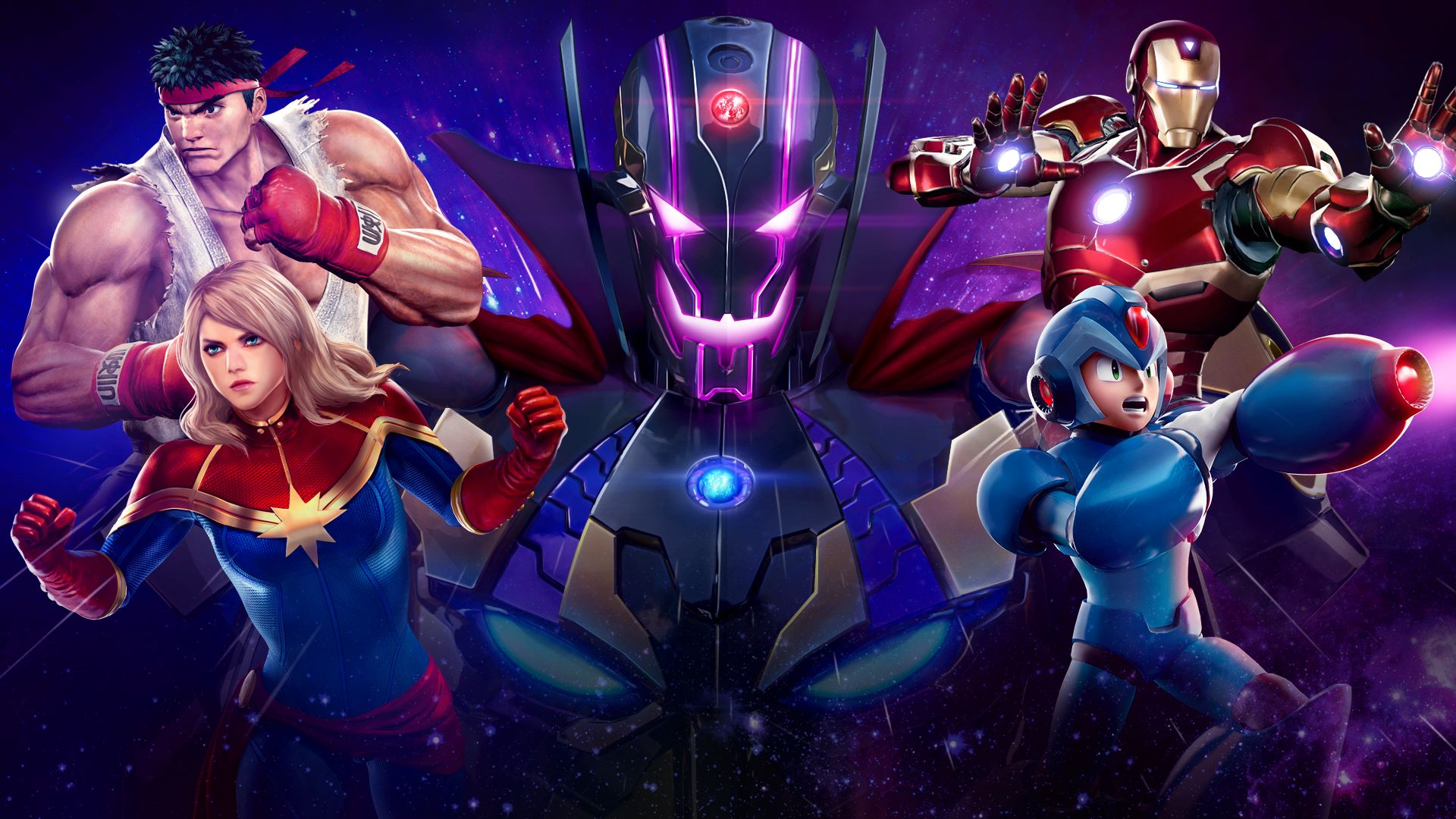
This fighting game launched with a roster that excluded fan-favorite characters like the X-Men due to licensing issues. The art style was criticized for looking drab and the character models appeared odd in motion. The 2v2 tag system replaced the chaotic 3v3 battles that competitive players preferred. The story mode was cheesy and failed to utilize the crossover potential effectively. It was quickly dropped from the main lineup of major fighting game tournaments.
‘Shenmue III’ (2019)
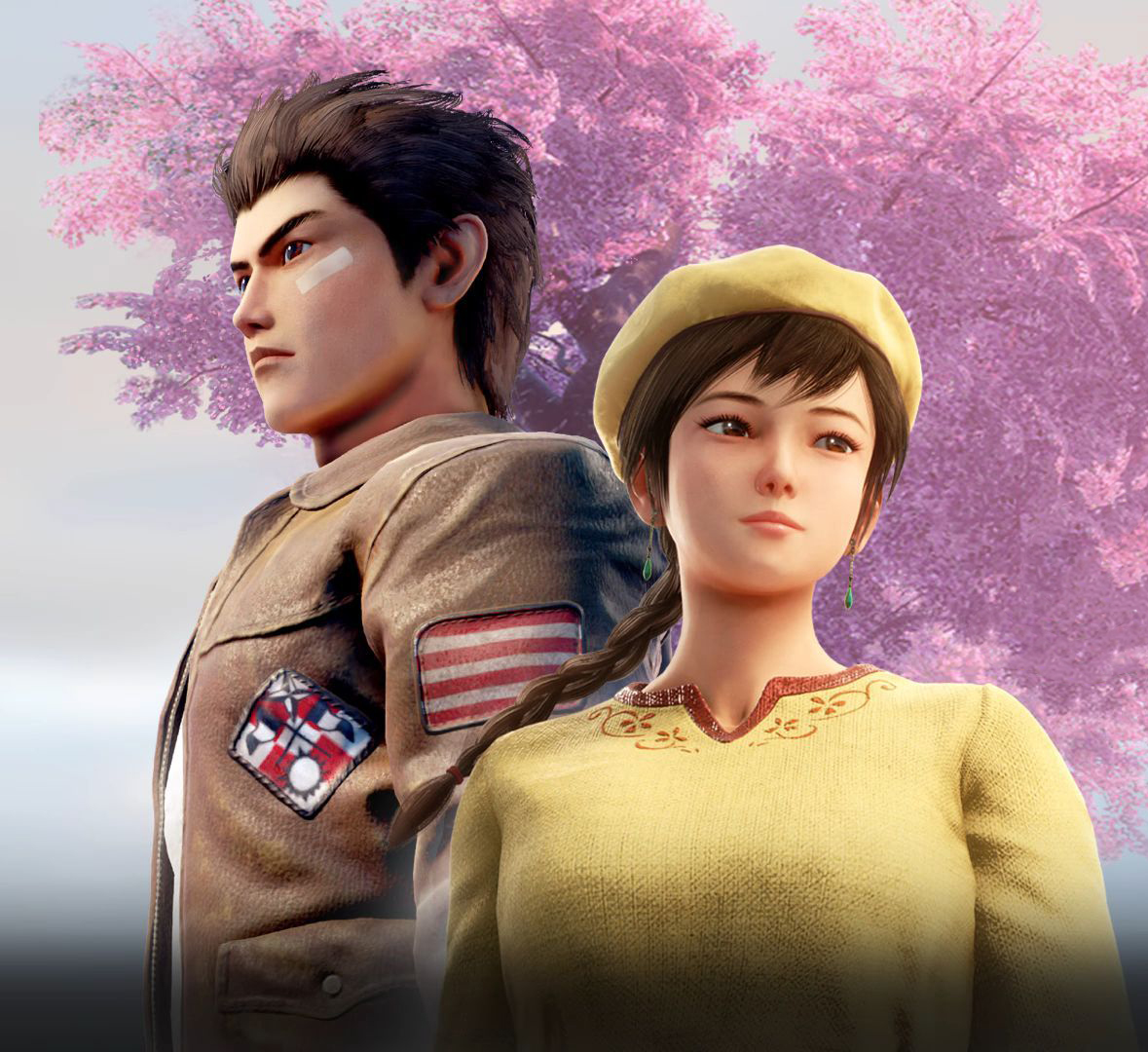
Yu Suzuki finally released the third chapter of his saga eighteen years after the second game. The gameplay mechanics remained faithfully stuck in the early 2000s which felt jarring to modern players. The plot made very little progress regarding the central revenge story that drives the protagonist. Dialogue was stiff and the voice acting retained the awkward charm of the originals to a fault. It pleased a niche group of backers but failed to attract a new audience or justify the wait.
‘Dungeon Siege III’ (2011)
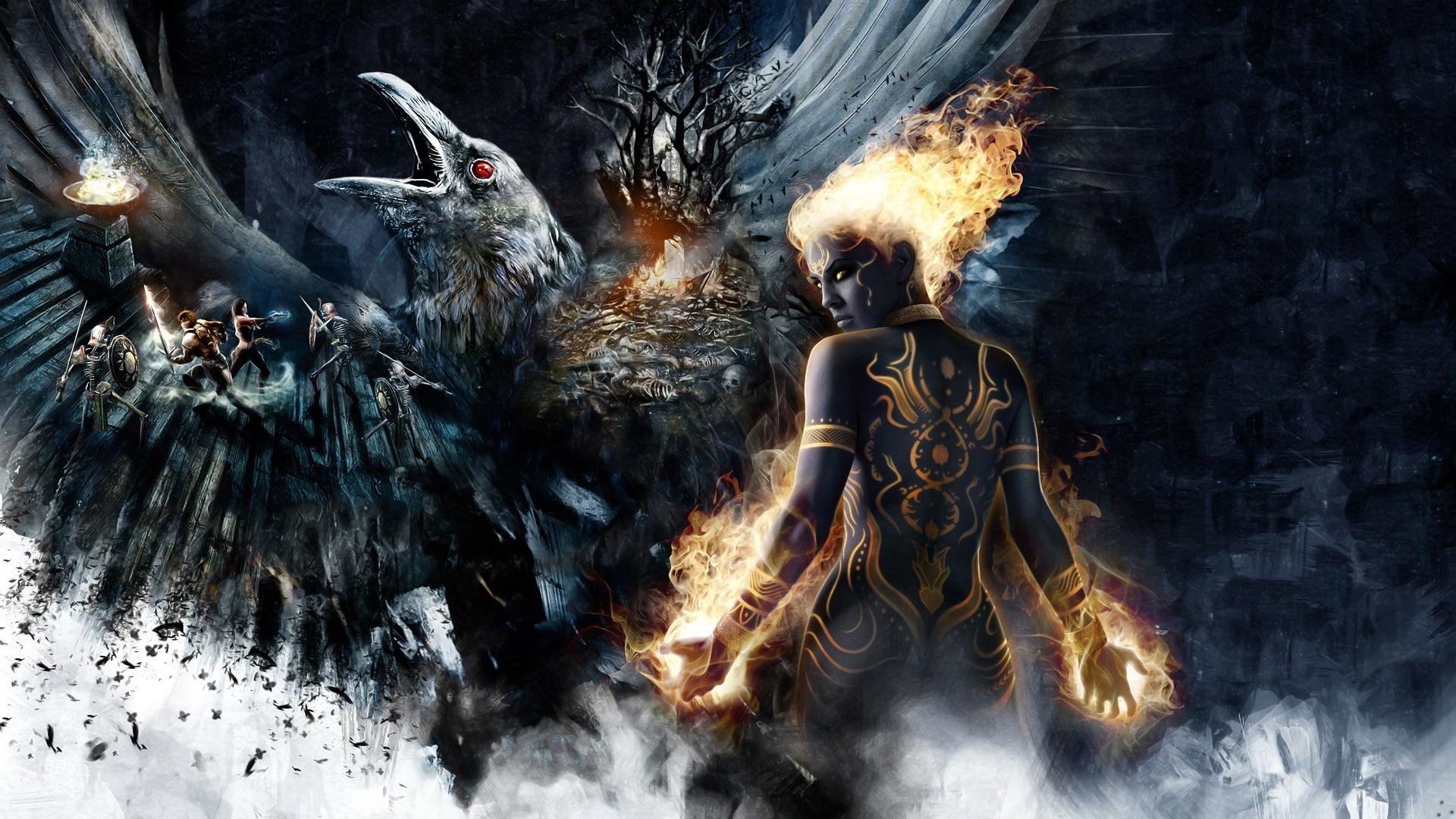
Obsidian Entertainment took over the franchise and streamlined the experience for console players. The party size was reduced and the customization options were limited compared to the first two PC games. The camera was locked to a specific angle which made navigation and combat feel restrictive. Cooperative play was handled poorly and gave guest players no progress or loot retention. It lost the grand scale and tactical freedom that made the original games popular on PC.
‘Sacred 3’ (2014)
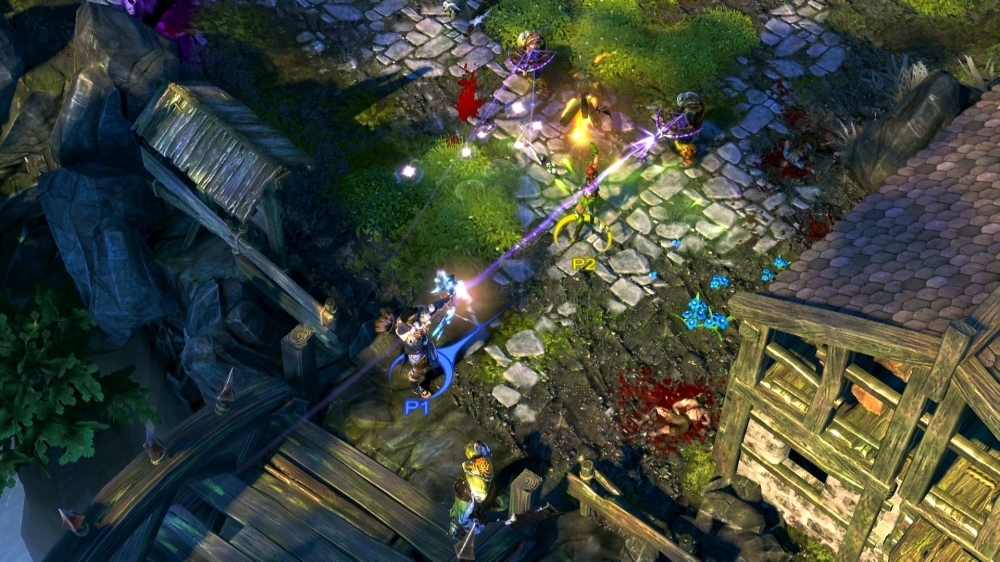
The developers changed the genre from an open-world action RPG to a linear arcade brawler. Loot drops and character customization were virtually non-existent in this installment. The tone shifted from serious fantasy to a comedy with constant banter from annoying weapon spirits. Fans of the previous games were insulted by the complete abandonment of the series’ mechanics. The game was panned for being a generic hack-and-slash title with the wrong name attached.
‘Warhammer 40,000: Dawn of War III’ (2017)
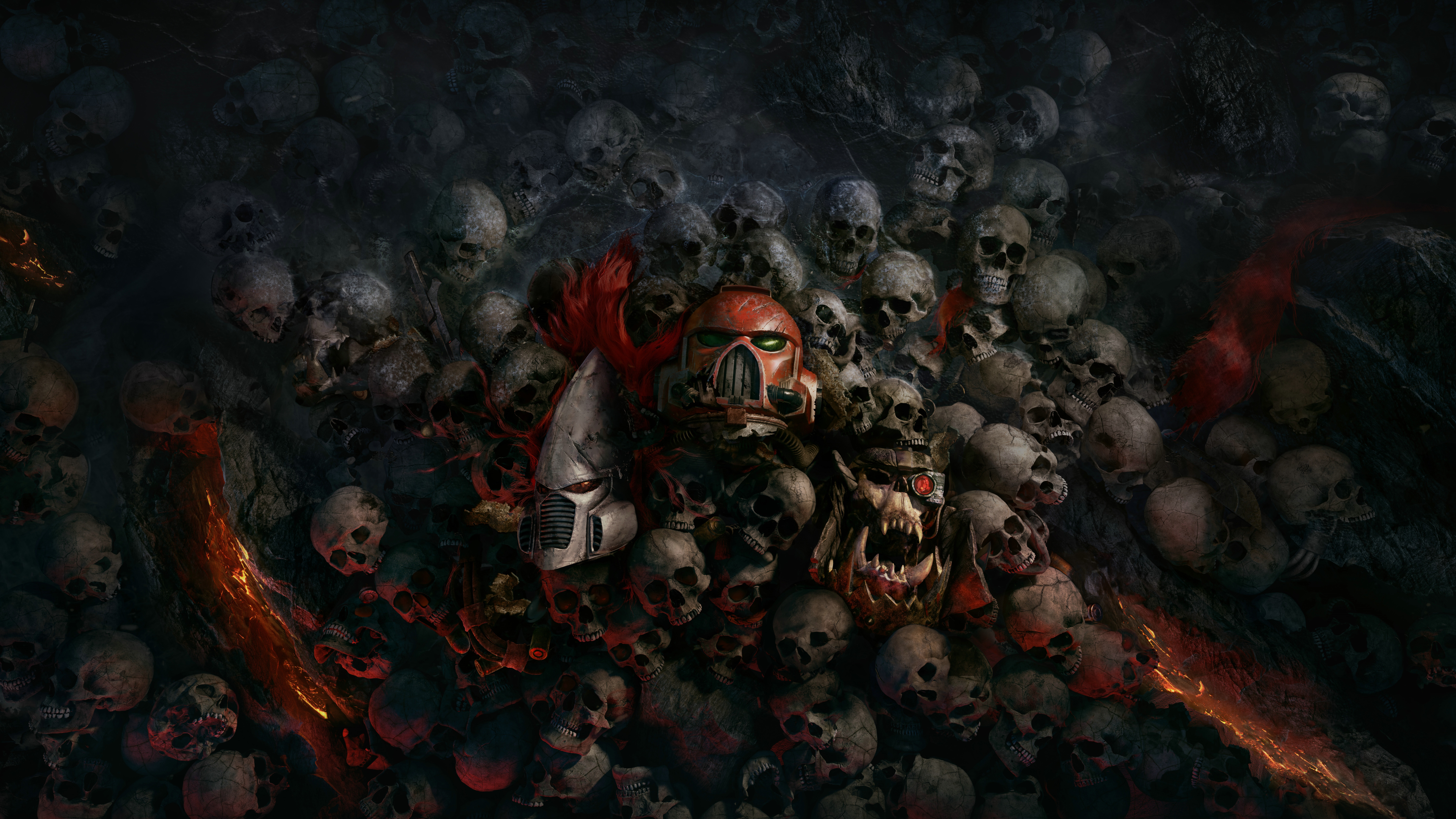
Relic Entertainment tried to blend the base building of the first game with the hero focus of the second. The result was a hybrid that failed to satisfy fans of either style. The art style was criticized for being too colorful and cartoonish for the grim setting. The cover system from the second game was removed which simplified tactical engagements. Support for the game was ended less than a year after launch due to the poor player retention.
‘Wolfenstein: Youngblood’ (2019)
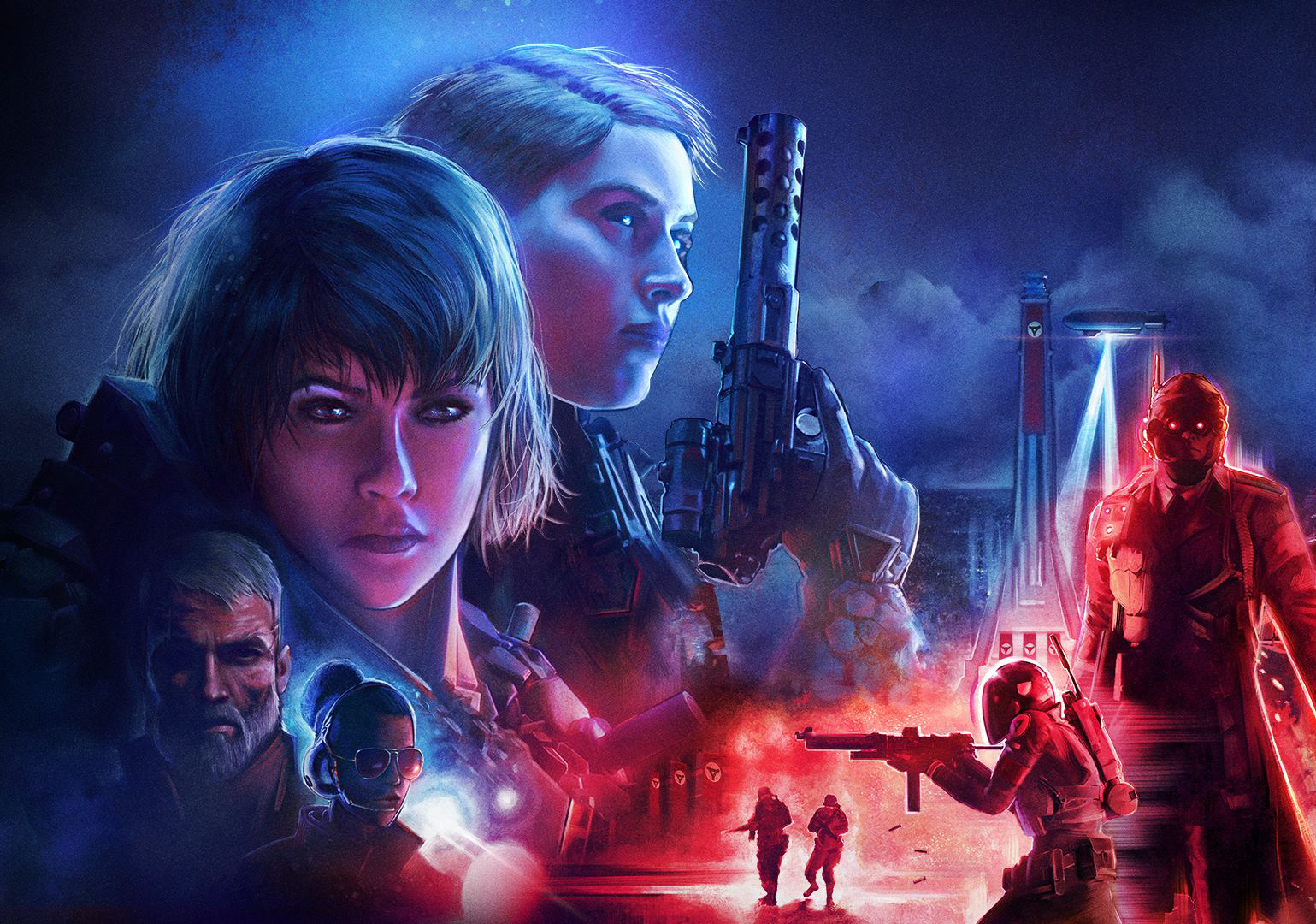
MachineGames introduced a cooperative shooter starring the twin daughters of B.J. Blazkowicz. The game introduced RPG-style health bars and level-gating that made enemies feel like bullet sponges. The tone was lighter and more juvenile than the heavy narratives of the main entries. Players found the dialogue between the sisters repetitive and grating during long sessions. The open-ended level design required tedious backtracking through areas that constantly respawned enemies.
‘Just Cause 4’ (2018)
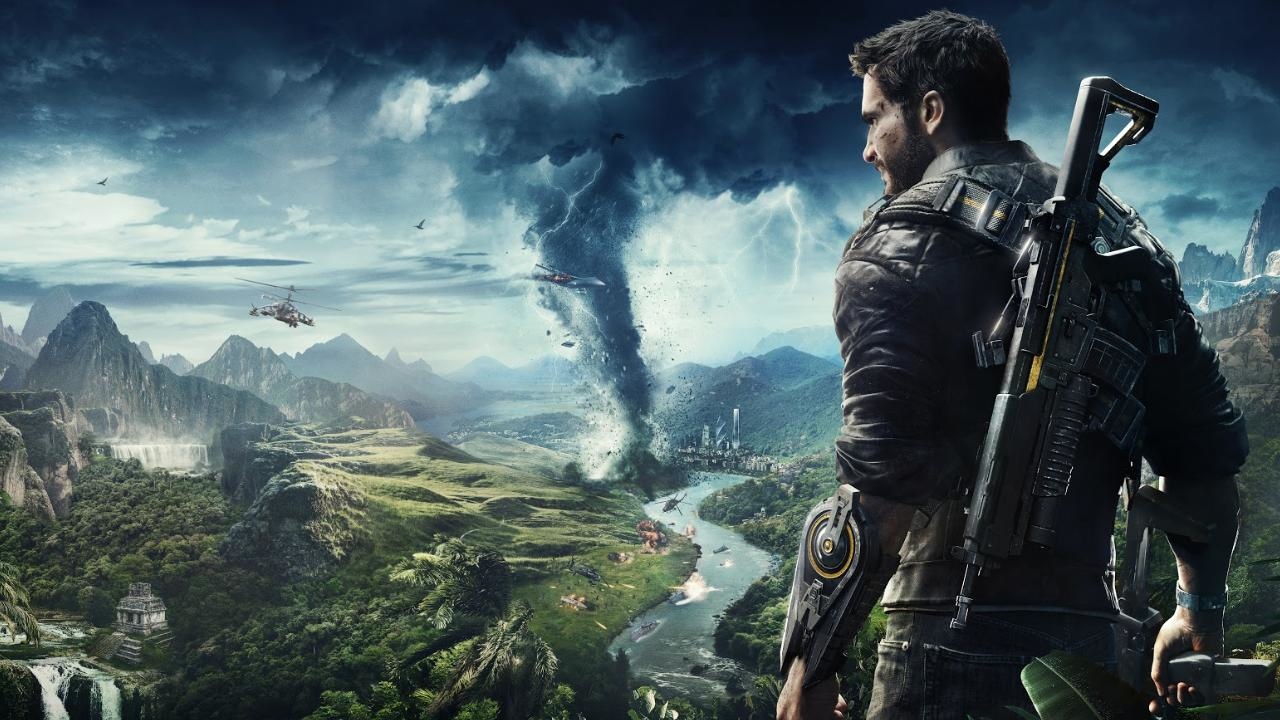
Avalanche Studios released this sequel with a new engine that promised extreme weather effects like tornadoes. The graphical fidelity was surprisingly lower than the previous game particularly regarding water and textures. Mission design remained repetitive and often forced players to defend consoles or escort vehicles. The chaos system was less rewarding and the removal of side arm weapons limited combat options. It felt like a step backward from the destructive fun of the third game.
‘Driver 3’ (2004)
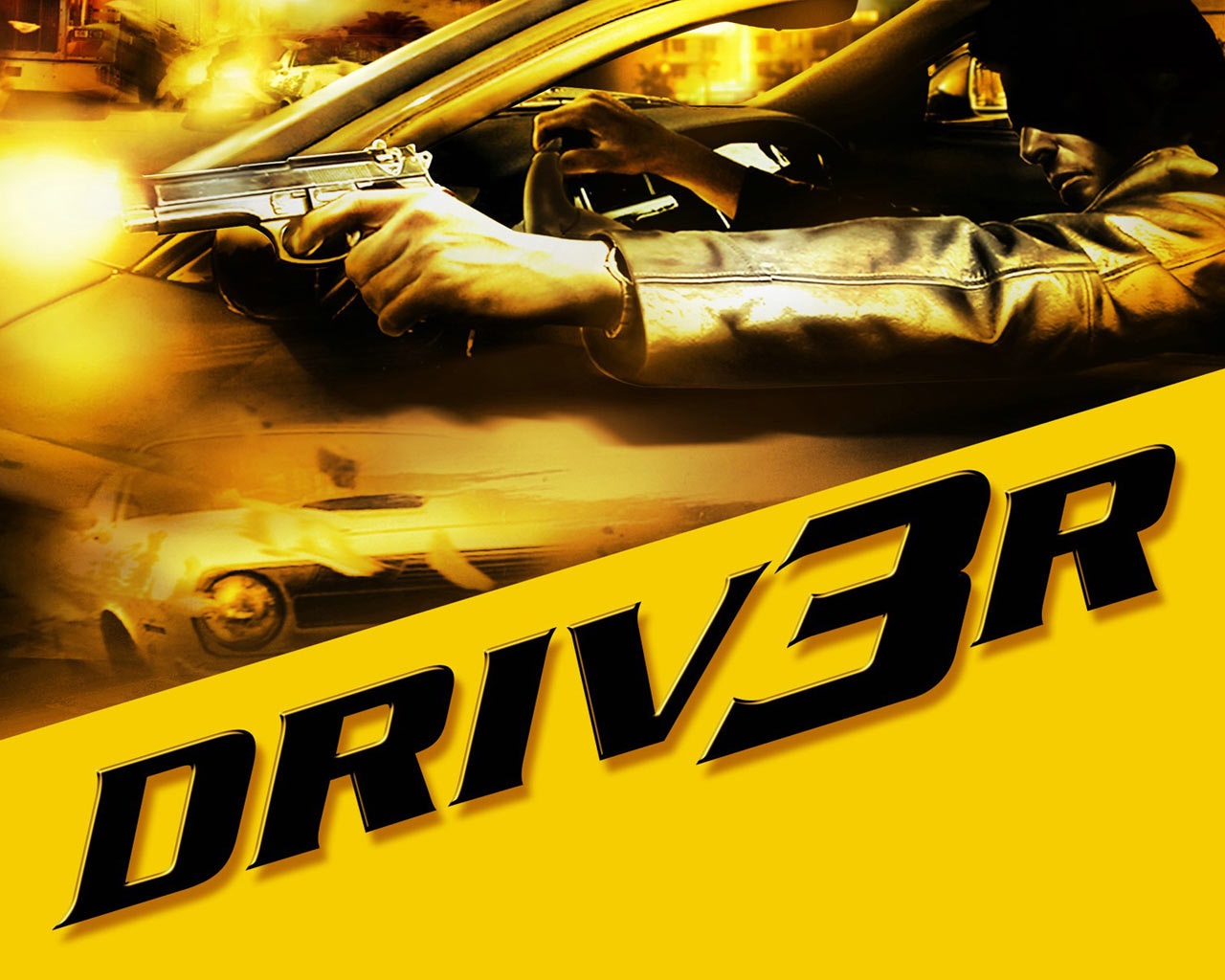
Atari marketed this game heavily as a competitor to ‘Grand Theft Auto’ with on-foot shooting sections. The on-foot controls were clunky and the shooting mechanics were imprecise. The game was released in a buggy state with frequent glitches and poor AI behavior. A scandal emerged involving allegations that the publisher paid for positive reviews in magazines. The damage to the brand allowed competitors to completely dominate the open-world crime genre.
‘Perfect Dark Zero’ (2005)
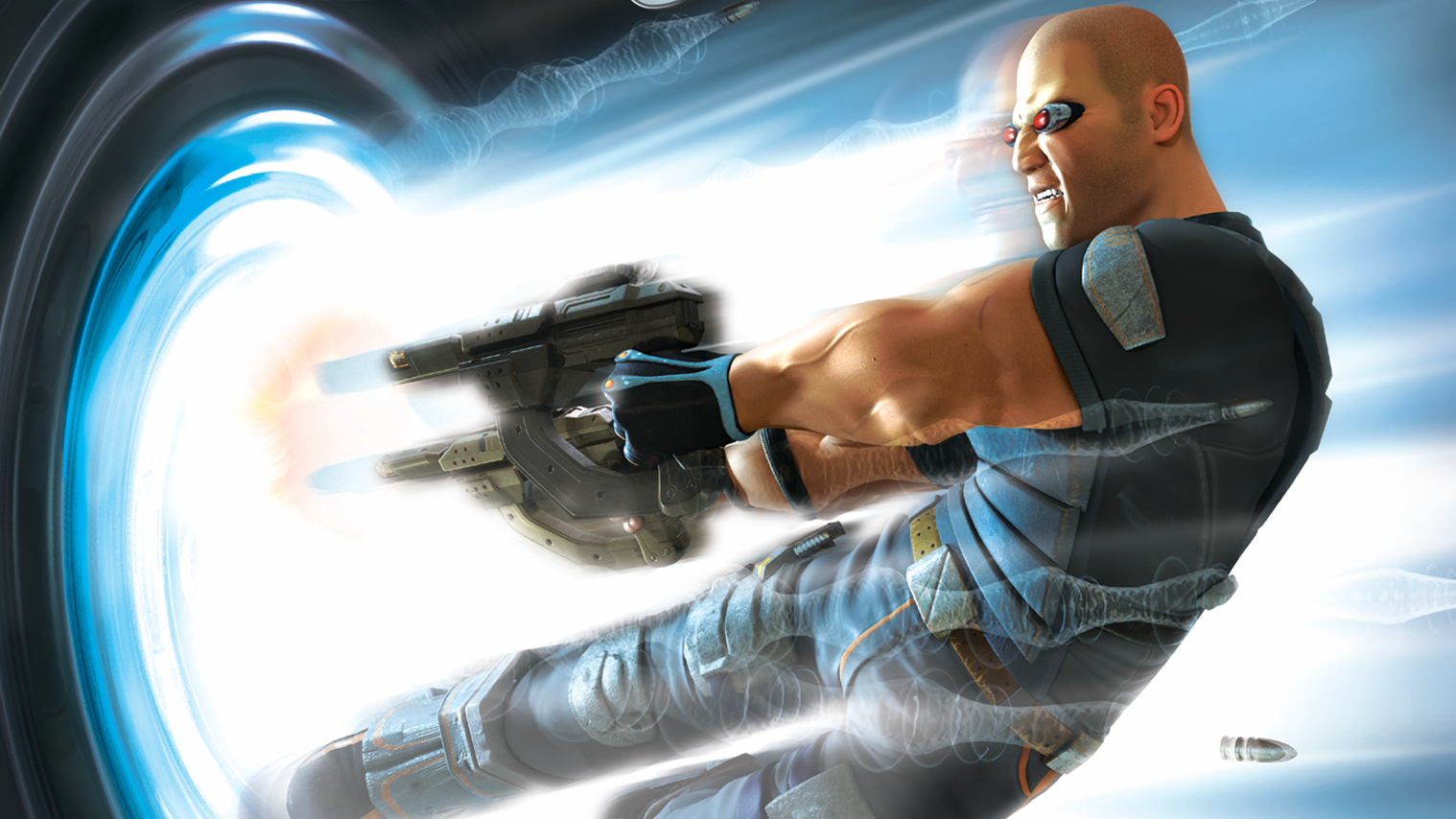
Rare developed this prequel as a launch title for the Xbox 360 with high expectations. The aiming controls felt heavy and sluggish compared to other shooters of the era. The character design was criticized for looking plastic and the dialogue was cheesy. Level design was confusing and lacked the intricate objectives of the Nintendo 64 classic. While it sold well initially it is rarely remembered fondly by fans of the original.
‘Dino Crisis 3’ (2003)
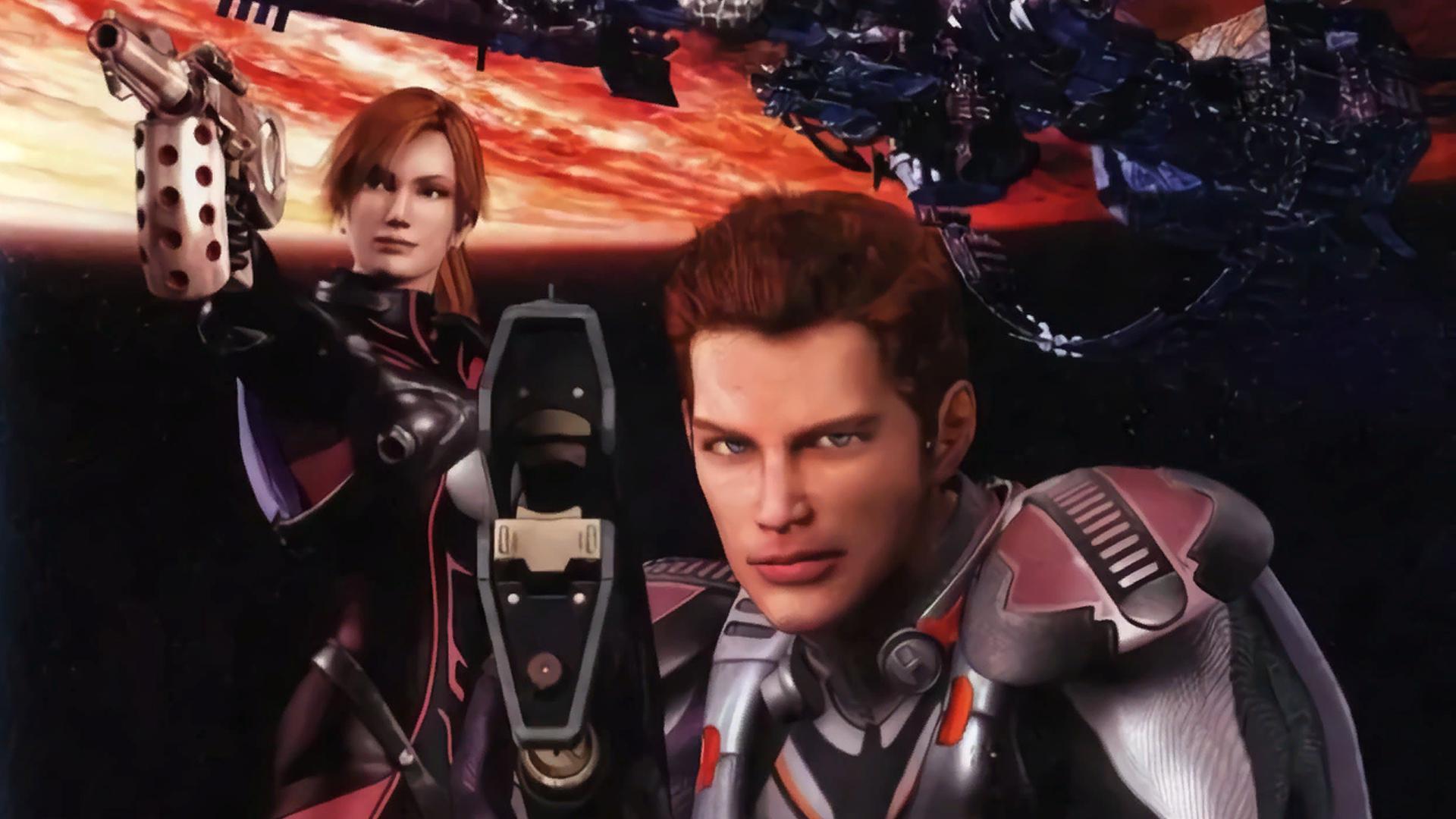
Capcom moved the dinosaur survival series into space and set it on a giant colony ship. The dinosaurs were actually genetic mutations that looked nothing like real prehistoric creatures. The camera system was dynamic but often obscured the player’s view during combat. Jetpacks allowed for flight but made the controls chaotic and difficult to manage. The complete detachment from the story and characters of the first two games alienated the fanbase.
‘Syberia 3’ (2017)
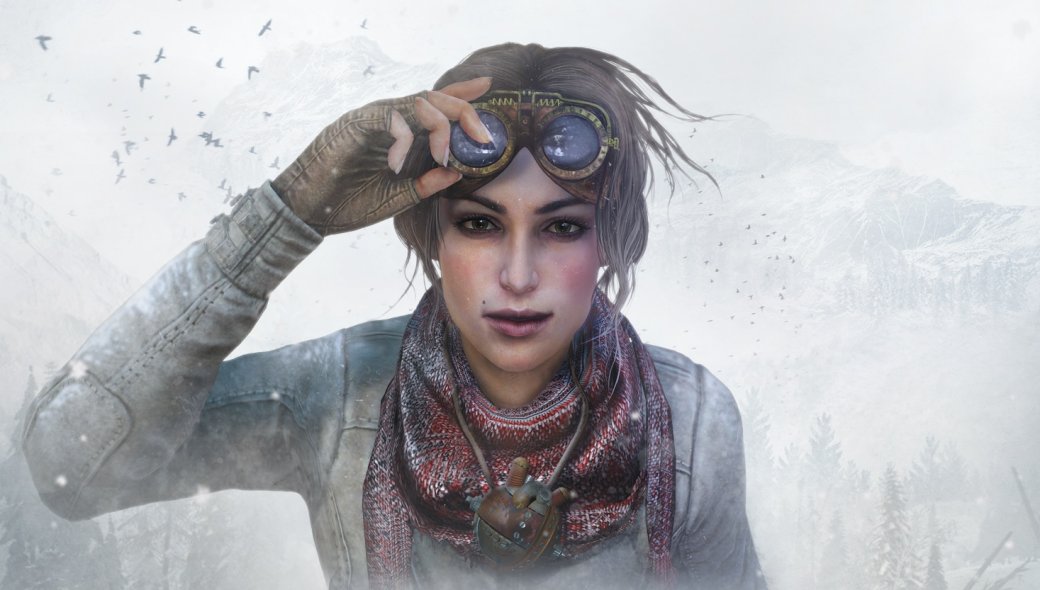
The long-awaited third entry in the adventure series arrived over a decade after the second game. The switch to full 3D environments resulted in technical issues and awkward character animations. Puzzle design was often illogical and required pixel hunting in the new perspective. The voice acting was poorly directed and did not match the lip movements of the characters. It failed to capture the magical atmosphere that made the original duology classics of the genre.
‘Unlimited SaGa’ (2002)
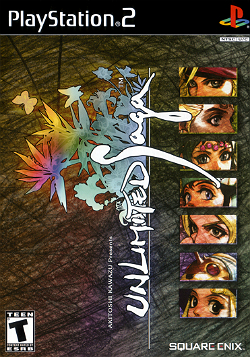
Square Enix released this experimental RPG that featured a board game-like movement system. Actions in combat and exploration were determined by a spinning reel slot machine mechanic. The difficulty curve was punishing and the game explained very few of its complex systems. Players found the dungeon exploration tedious and the reliance on luck frustrating. It is often cited as the most inaccessible entry in the long-running SaGa franchise.
‘Empire Earth III’ (2007)
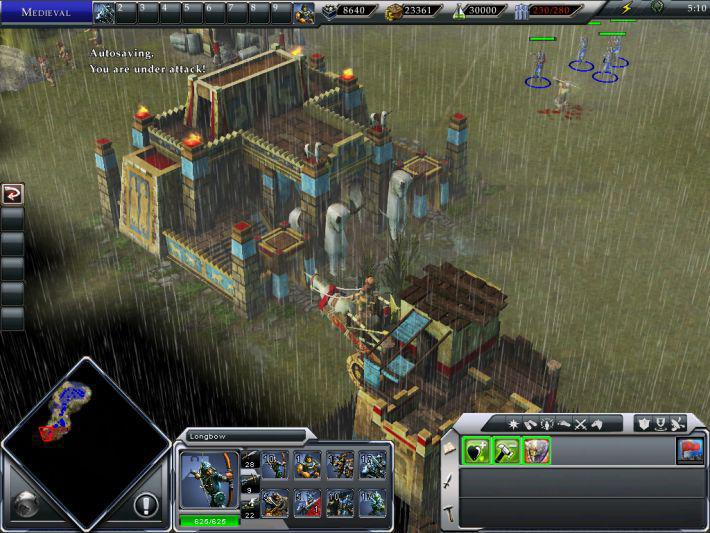
The developers streamlined this real-time strategy game to the point where it lost all depth. The number of civilizations was reduced and the timeline was condensed significantly. The humor was juvenile and inappropriate for a series that previously focused on historical accuracy. AI pathfinding was broken and units would frequently get stuck on terrain. Fans of the genre consider it one of the worst strategy sequels ever made.
‘Master of Orion 3’ (2003)
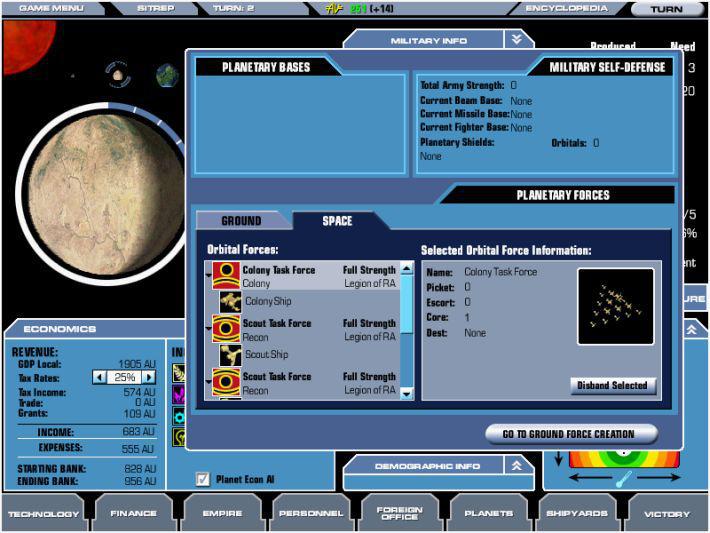
This space strategy game attempted to reduce micromanagement by automating the administration of planets. The automation was so extensive that players felt the game was playing itself without their input. The user interface was cluttered with spreadsheets and confusing data points. It lacked the charm and accessibility of the second game which is considered a masterpiece. The disappointment was so great that the IP remained dormant for over a decade.
‘FlatOut 3: Chaos & Destruction’ (2011)
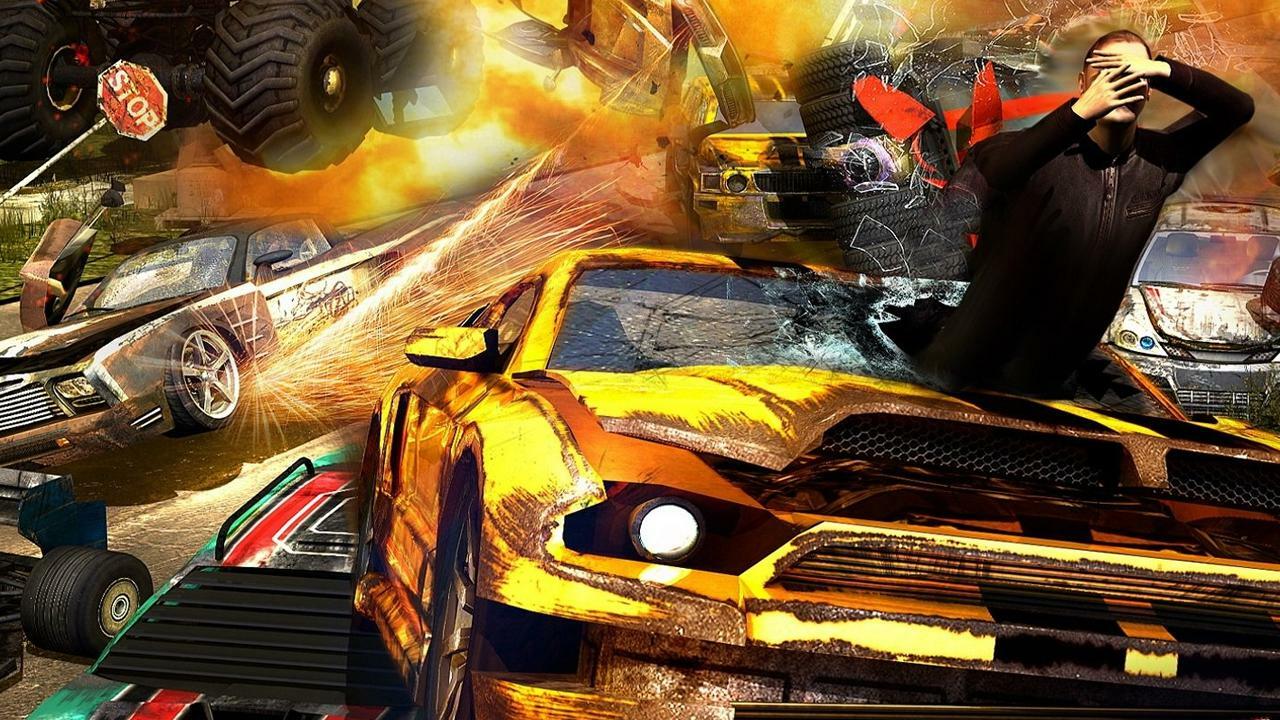
Team6 Game Studios took over the development from Bugbear Entertainment and delivered a disaster. The physics engine was broken and cars reacted unpredictably to collisions. Graphics were poor and the environments lacked the detail of the previous games. The AI opponents were either unfairly difficult or completely incompetent. It holds one of the lowest user scores on Steam for a racing game.
‘Postal III’ (2011)
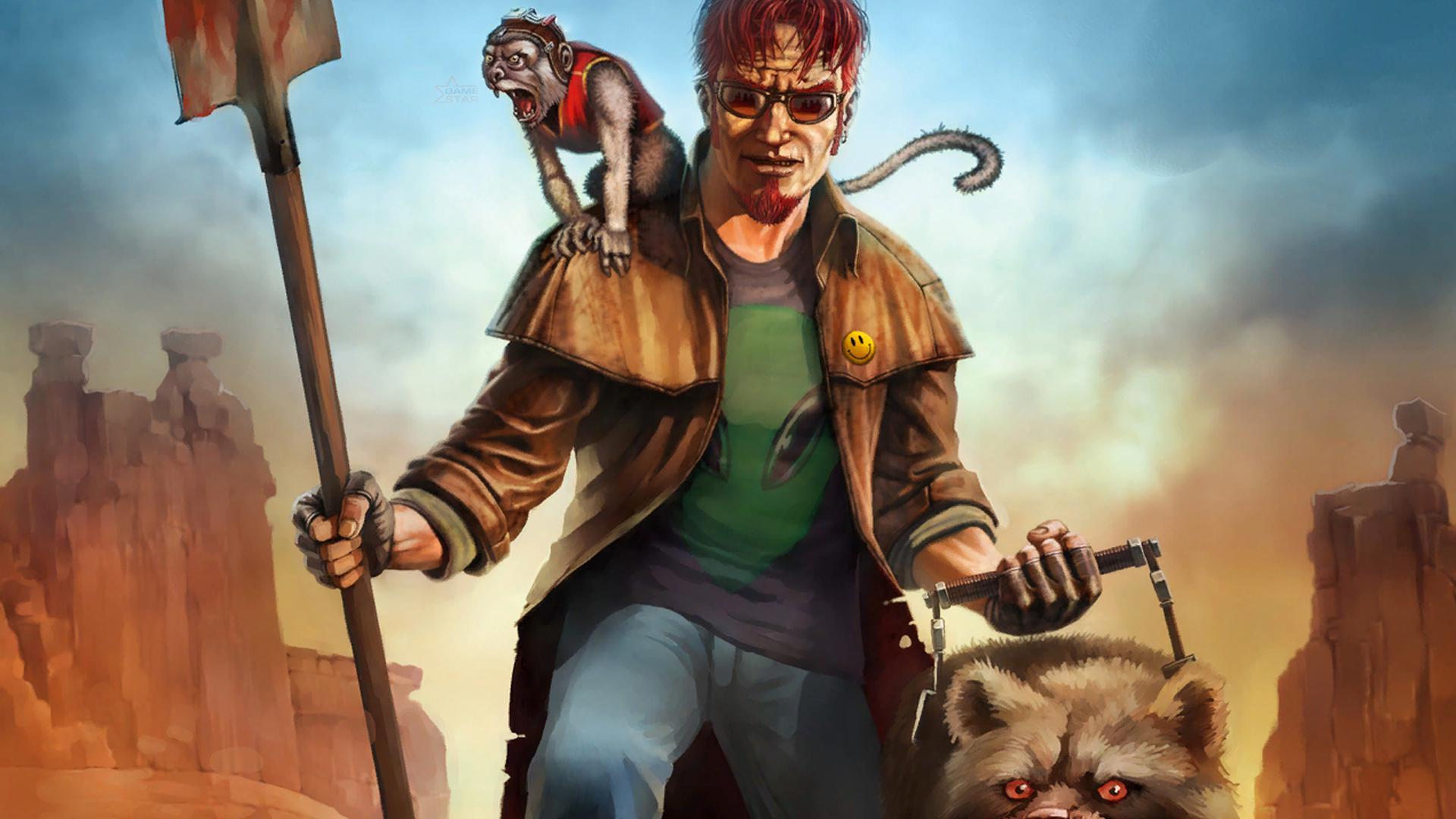
The series shifted to a third-person perspective and outsourced development to a Russian studio. The game was riddled with bugs and crashed frequently on most systems. The satire and humor were poorly written and failed to land even with fans of the edgy previous titles. Gameplay was repetitive and the linear levels removed the open sandbox fun. The original creators eventually disowned the game and made their own expansion to retcon it out of existence.
‘Golden Axe: Beast Rider’ (2008)
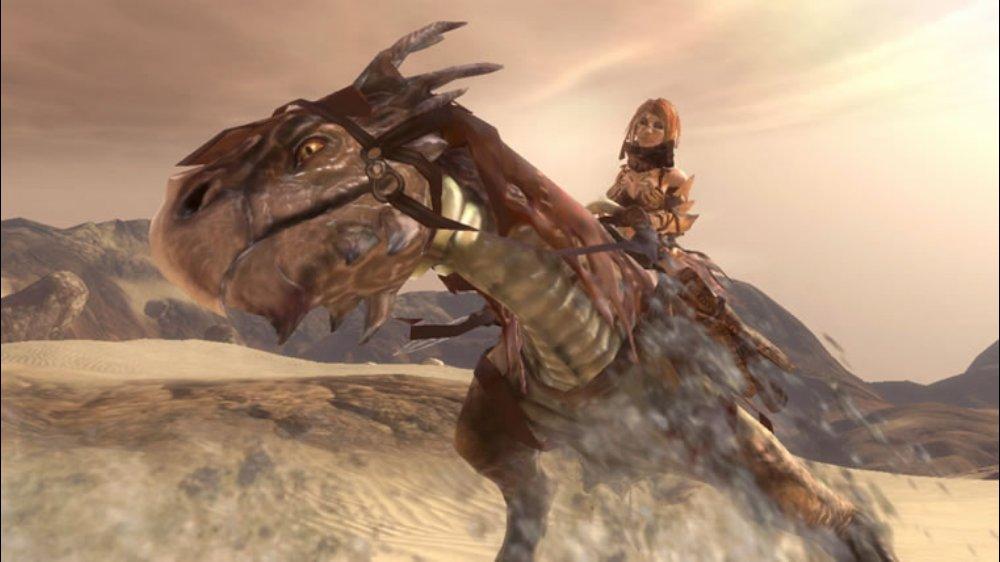
Sega attempted to bring the classic side-scrolling beat ’em up into the 3D era. The game focused solely on Tyris Flare and excluded the other iconic characters from the original. Combat was clunky and the beast riding mechanics were difficult to control. The visual style was generic dark fantasy that lacked the vibrant color of the arcade games. It failed to capture the simple cooperative fun that made the franchise a hit.
‘Alone in the Dark’ (2008)
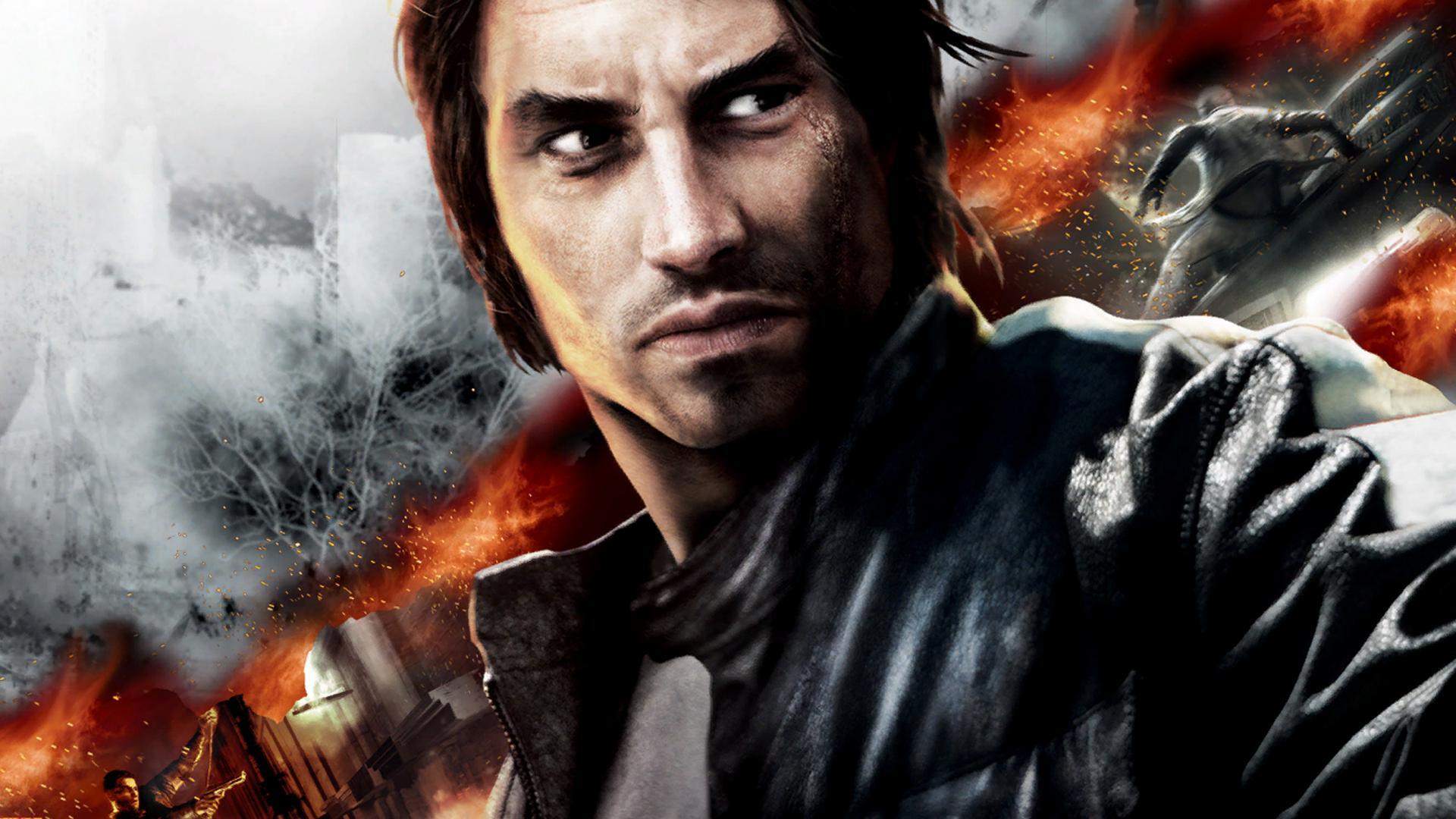
Atari tried to reinvent the survival horror grandfather with an episodic structure and fire physics. The inventory system required the player to look down at their jacket in real-time which was cumbersome. Controls were complex and non-intuitive for basic movement and combat. Glitches were rampant and often halted progress completely. The ambitious ideas were buried under a lack of polish and poor execution.
‘Turok: Evolution’ (2002)

This prequel attempted to explain the origins of the dinosaur hunter but suffered from poor design. The levels were long and linear with little room for exploration. Enemy AI was simplistic and the weapons lacked the impact of the Nintendo 64 games. Flight sections were notoriously difficult due to sensitive controls. It marked the beginning of the decline for the once-popular franchise.
‘Spyro: Enter the Dragonfly’ (2002)
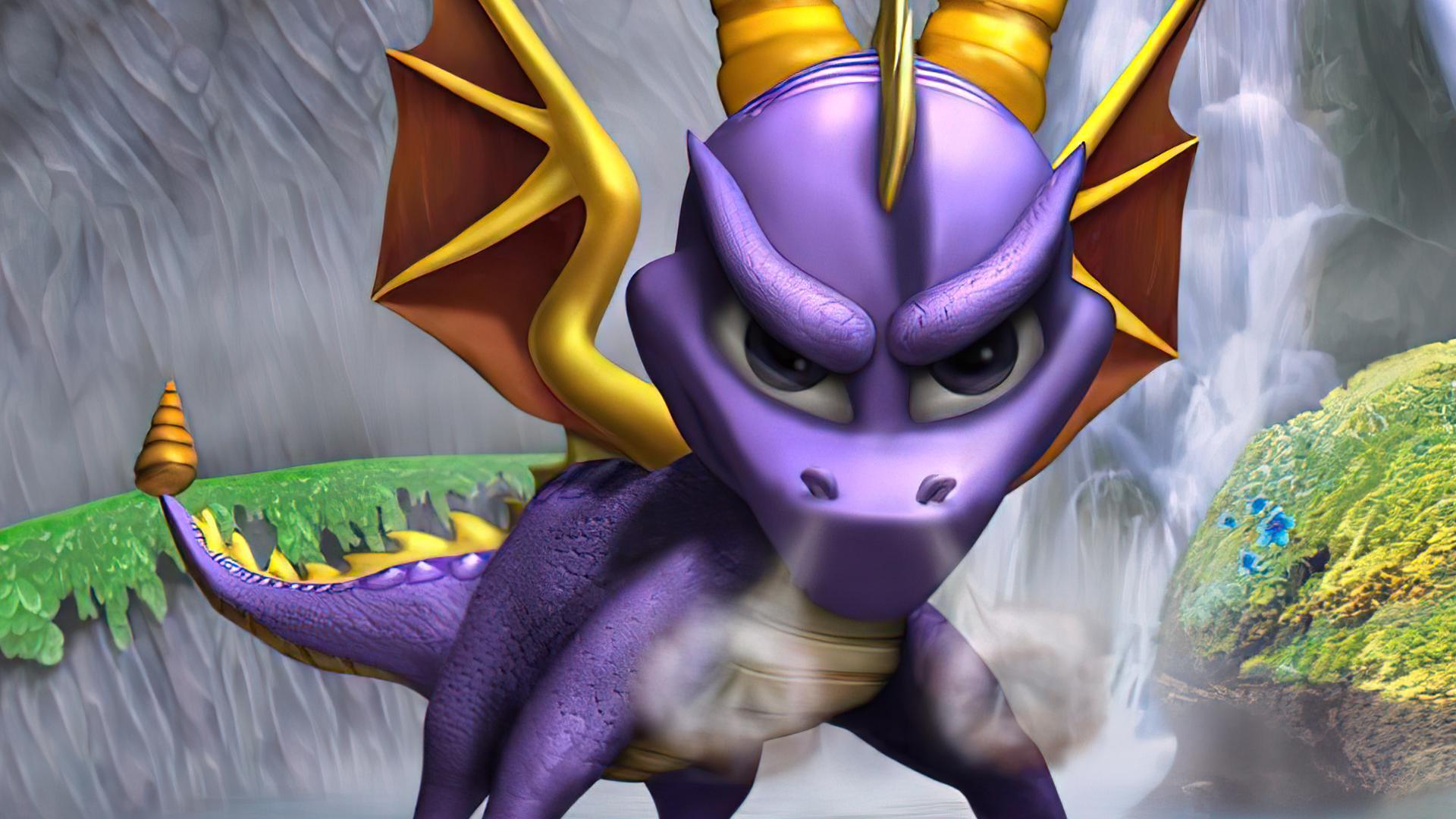
The first console entry not developed by Insomniac Games was rushed to meet a holiday deadline. It suffered from severe framerate drops and long loading times. The game had only one boss battle and a very short campaign length. Glitches allowed players to skip large portions of the game accidentally. It is widely considered the lowest point in the purple dragon’s history.
‘Star Wars: The Force Unleashed II’ (2010)
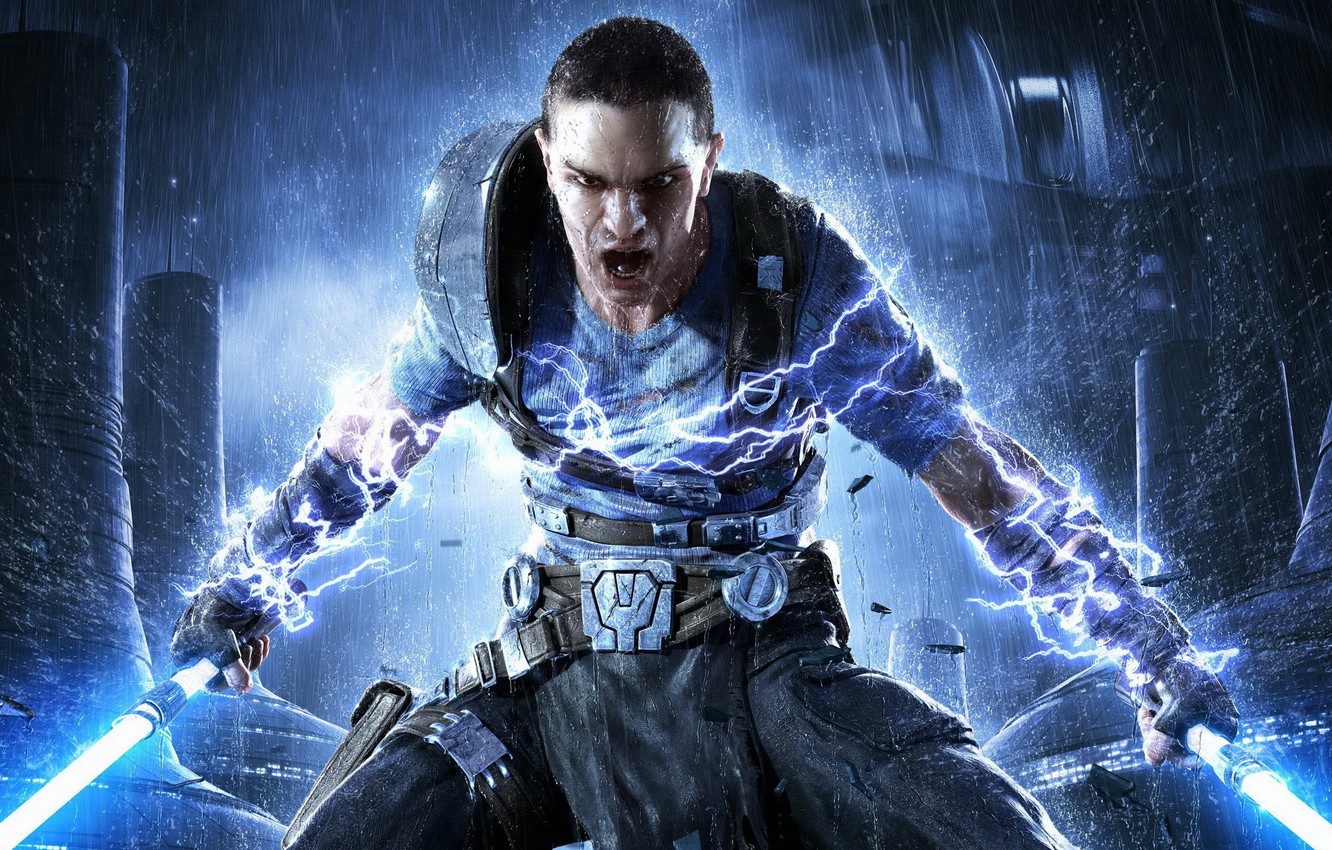
LucasArts released this sequel with a campaign that could be beaten in roughly four hours. The story felt like filler and undid the emotional sacrifice of the first game’s ending. Gameplay remained largely unchanged with few new force powers introduced. Repetitive enemy types and environments made the short experience feel padded. Fans felt shortchanged by a full-priced release that offered so little content.
‘Medal of Honor: Warfighter’ (2012)
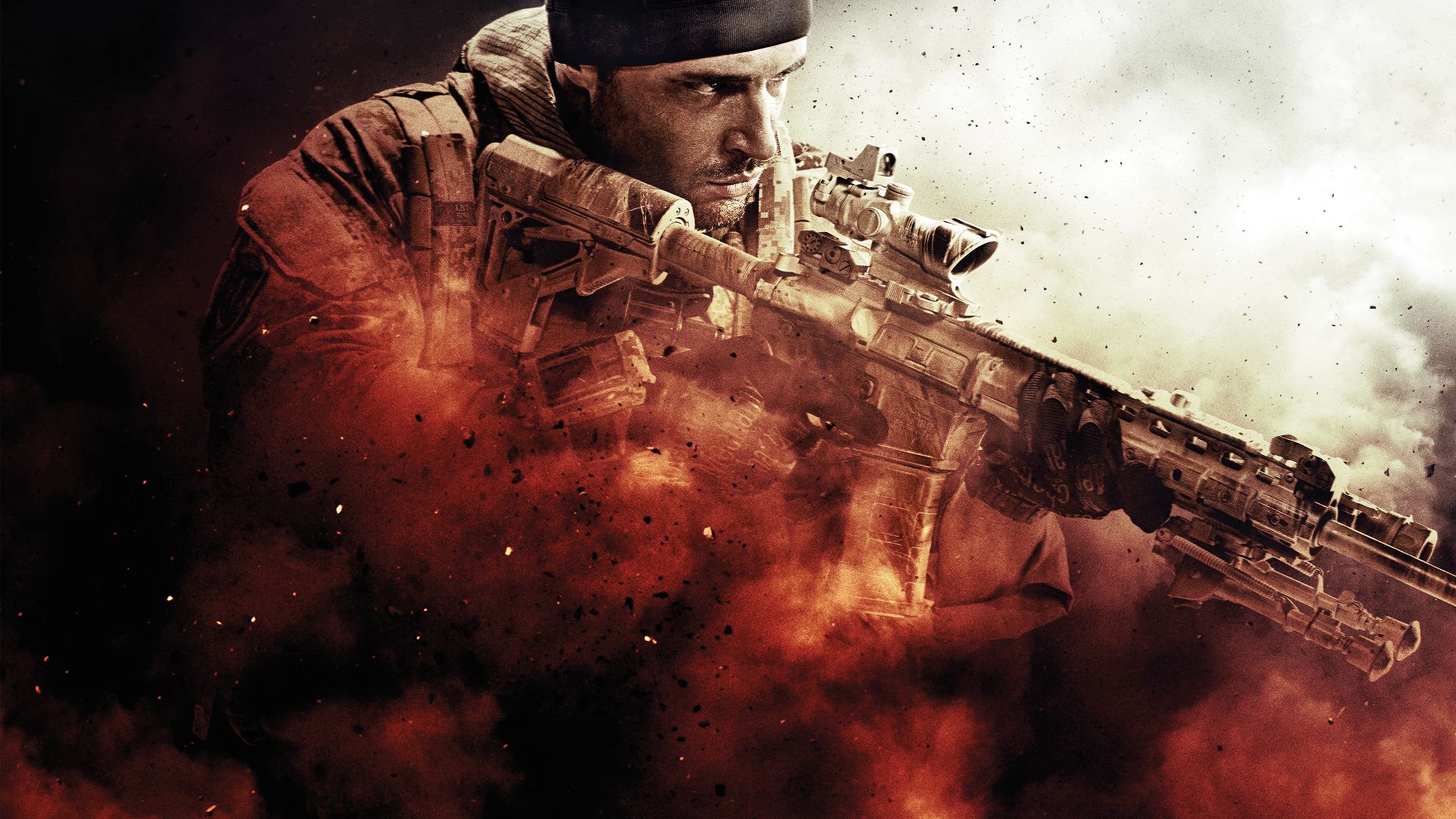
Electronic Arts tried to compete with Call of Duty by focusing on global Tier 1 operators. The campaign was a disjointed collection of missions that lacked narrative cohesion. The multiplayer was riddled with bugs and balance issues at launch. It failed to distinguish itself in a saturated market of modern military shooters. Critical reception was so poor that the franchise was effectively retired.
‘Army of Two: The Devil’s Cartel’ (2013)
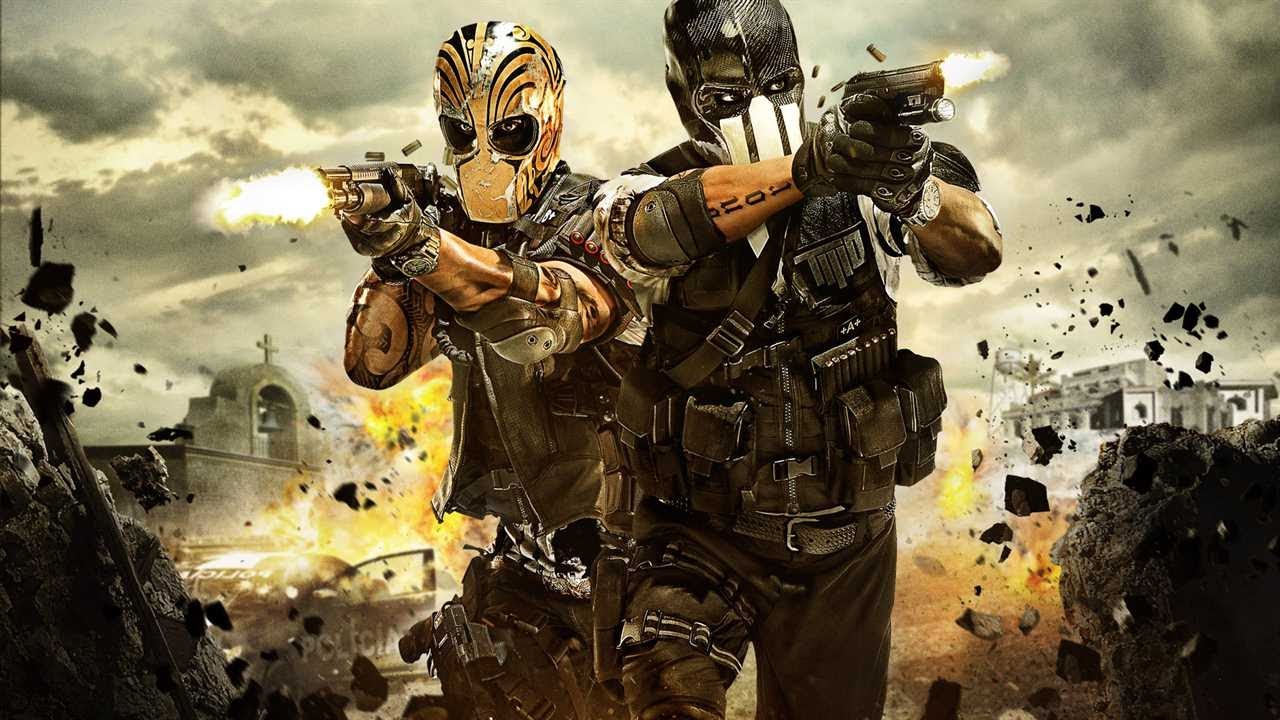
Visceral Games removed the unique “aggro” mechanic that defined the cooperative gameplay of the series. The two main characters were replaced with generic masked soldiers with zero personality. The plot was a standard action movie trope involving drug cartels. It stripped away the charm and brotherhood that fans of the first two games enjoyed. The game ended up being a generic third-person cover shooter.
‘Kane & Lynch 2: Dog Days’ (2010)
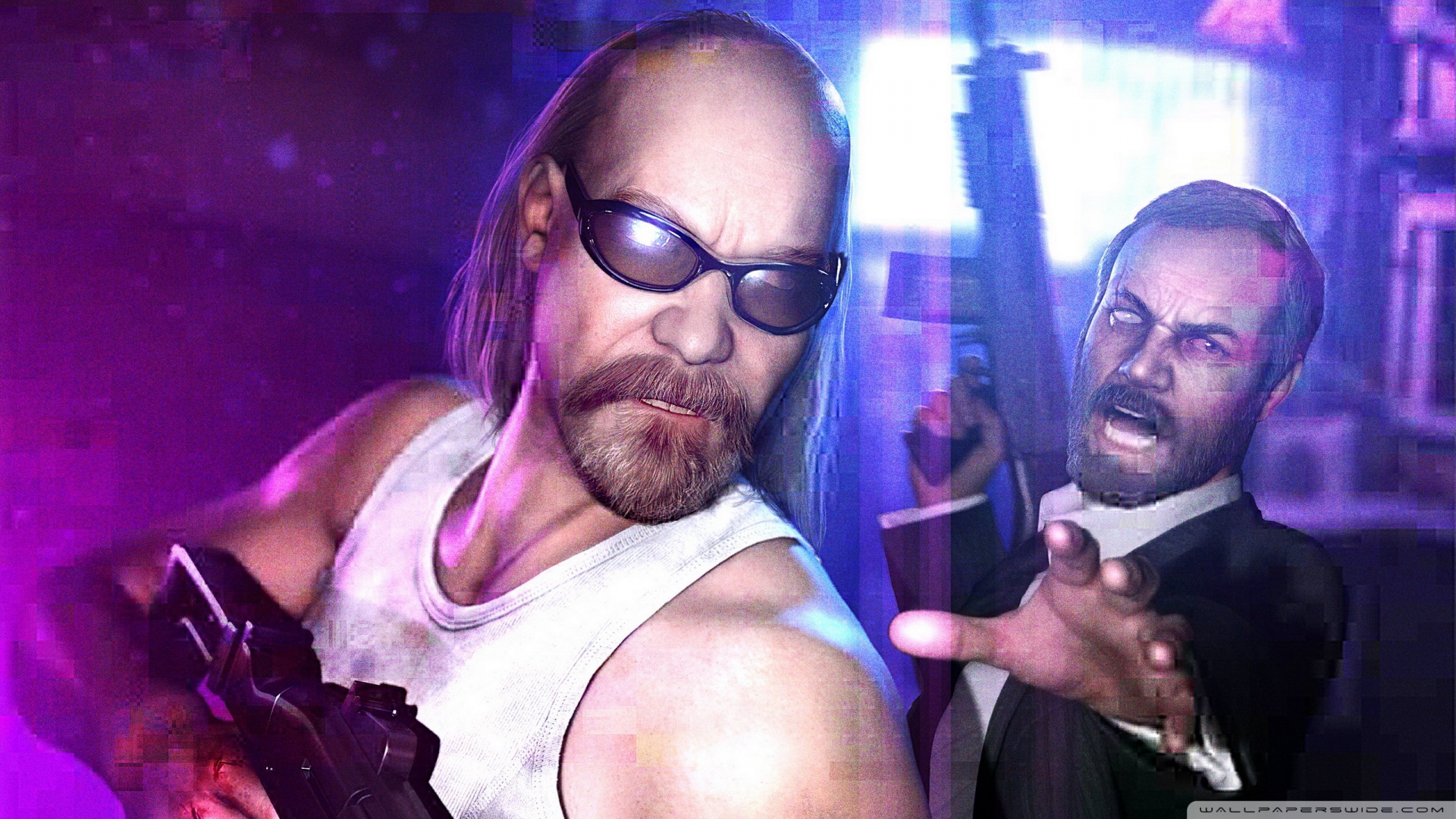
IO Interactive used a visual style that mimicked low-quality handheld camera footage. This shaky-cam effect caused motion sickness for many players and made the game ugly to look at. The campaign was extremely short and could be finished in under five hours. The characters were unlikable and the story was unrelentingly grim without purpose. It failed to improve on the flaws of the first game.
‘Lost Planet 3’ (2013)
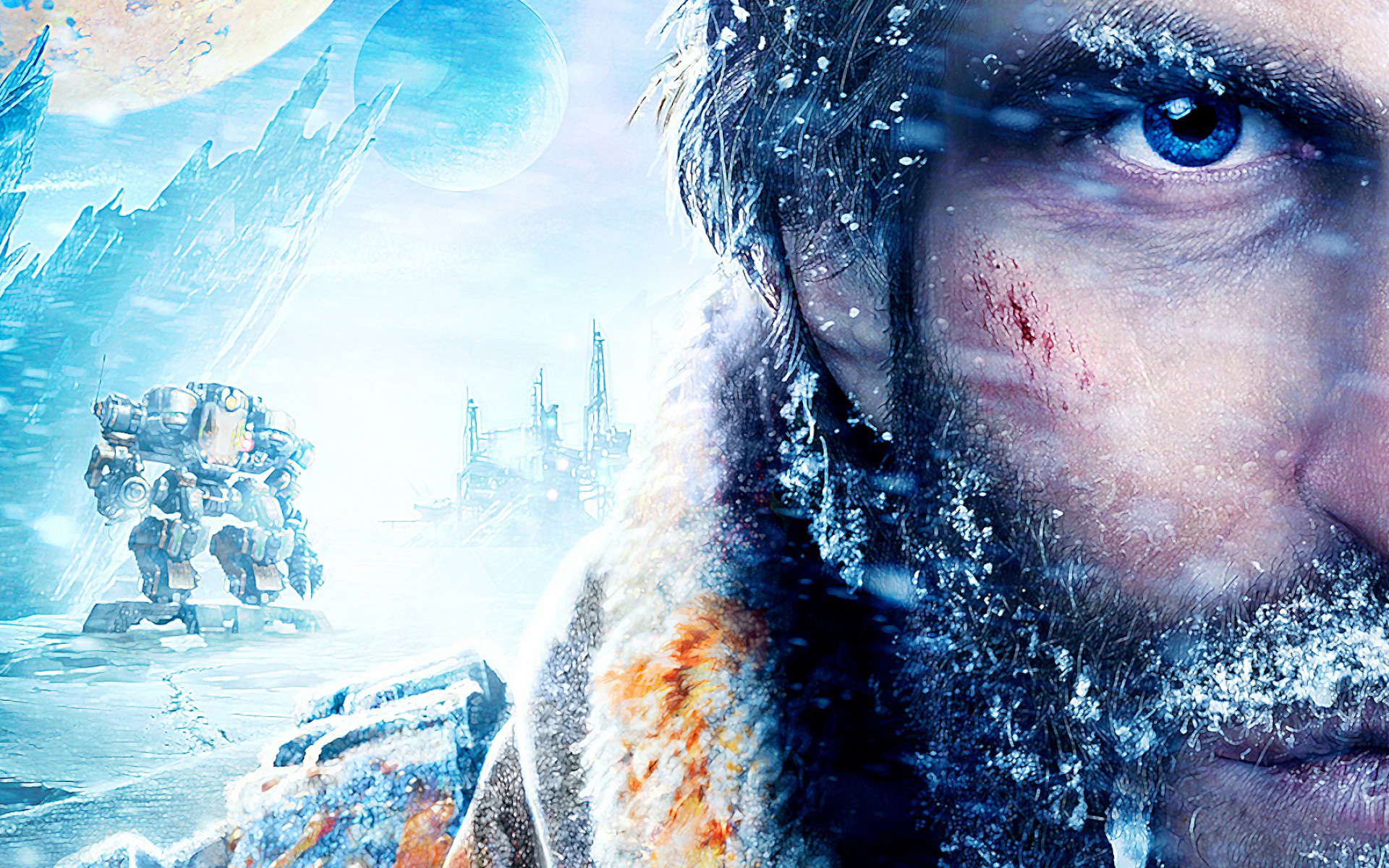
Spark Unlimited took the series in a narrative-driven direction that slowed down the pace. The giant mechs were turned into slow utility rigs rather than combat machines. The unique thermal energy mechanics of the previous games were largely removed. Environments were repetitive and the combat felt generic compared to the arcade action of the predecessors. Sales were poor and the franchise has not seen a new entry since.
‘Umbrella Corps’ (2016)
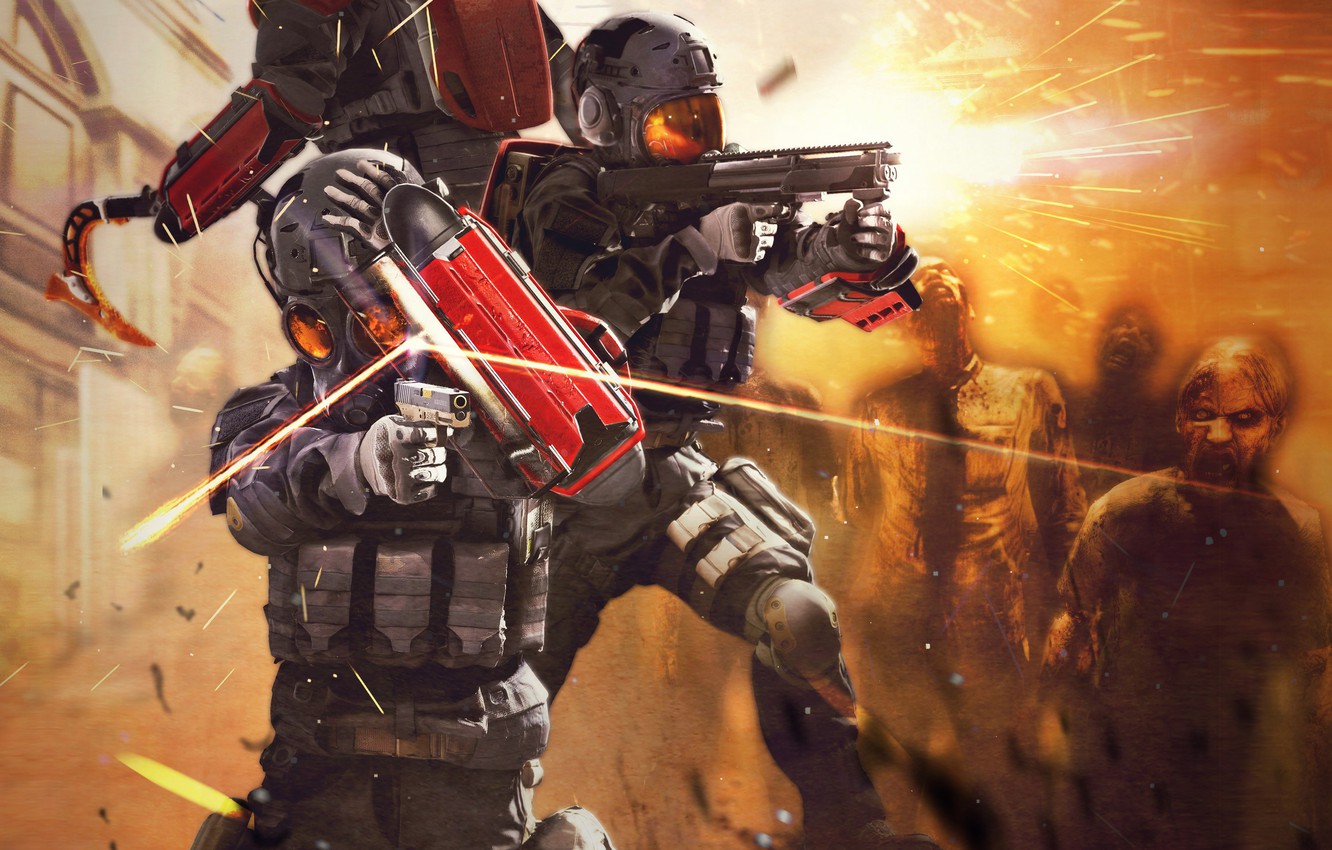
Capcom released this competitive multiplayer shooter as a celebration of the Resident Evil anniversary. The camera was zoomed in too close to the character which obscured vision. Maps were small and the gameplay was chaotic in a bad way. The single-player content was virtually non-existent and served only as a tutorial. It is universally regarded as one of the worst spin-offs in the Resident Evil franchise.
Tell us which game sequel disappointed you the most in the comments.