Dead Actors Who Influenced Generations of Performers

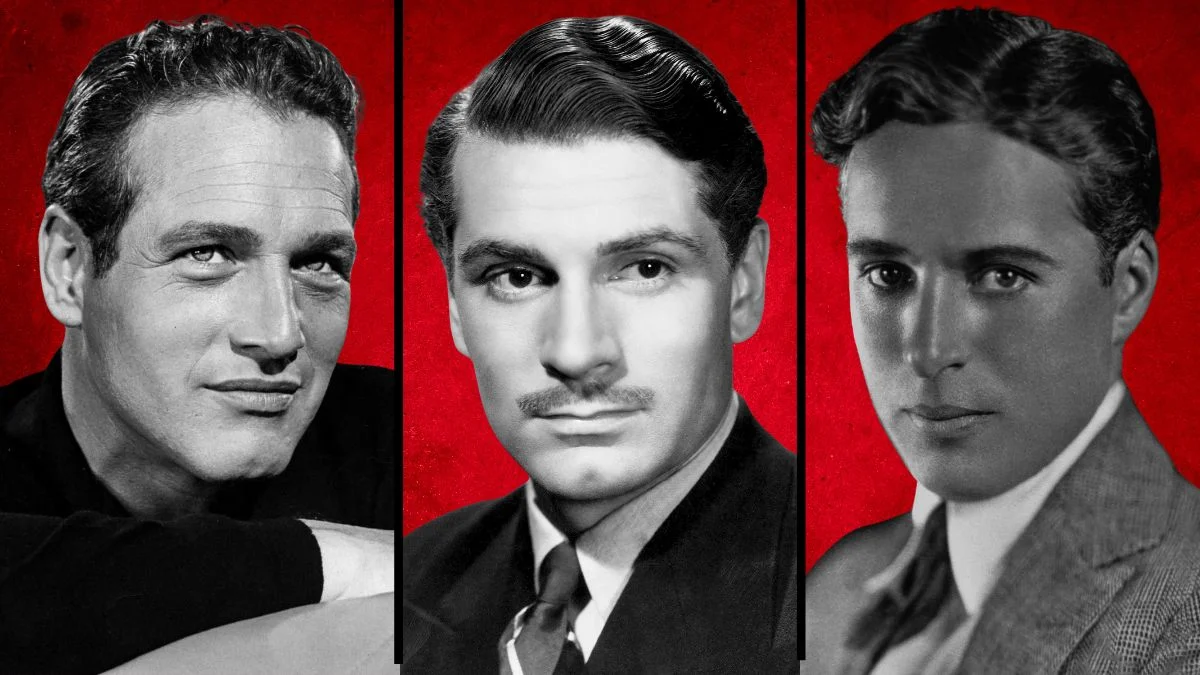

The history of cinema is paved with the contributions of legendary actors who fundamentally changed the art of performance. These men introduced new techniques and styles that shifted the trajectory of acting from theatrical presentation to profound realism. Their legacies continue to shape how modern actors approach character development and emotional expression on screen.
Marlon Brando
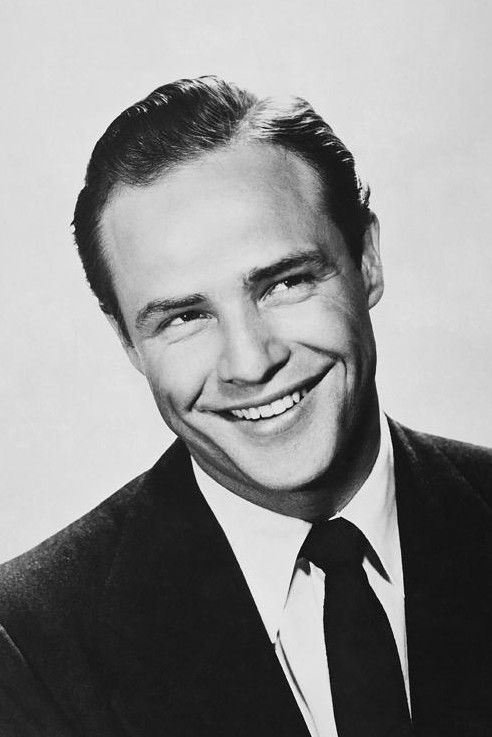
Marlon Brando is widely considered the most influential actor of the twentieth century for popularizing the Method acting technique. His raw and naturalistic performances in films like ‘A Streetcar Named Desire’ and ‘On the Waterfront’ shattered the polished style of the classical era. He brought a brooding intensity and emotional vulnerability that male leads had rarely shown before. Actors today still study his ability to convey complex internal conflicts with minimal dialogue.
Laurence Olivier
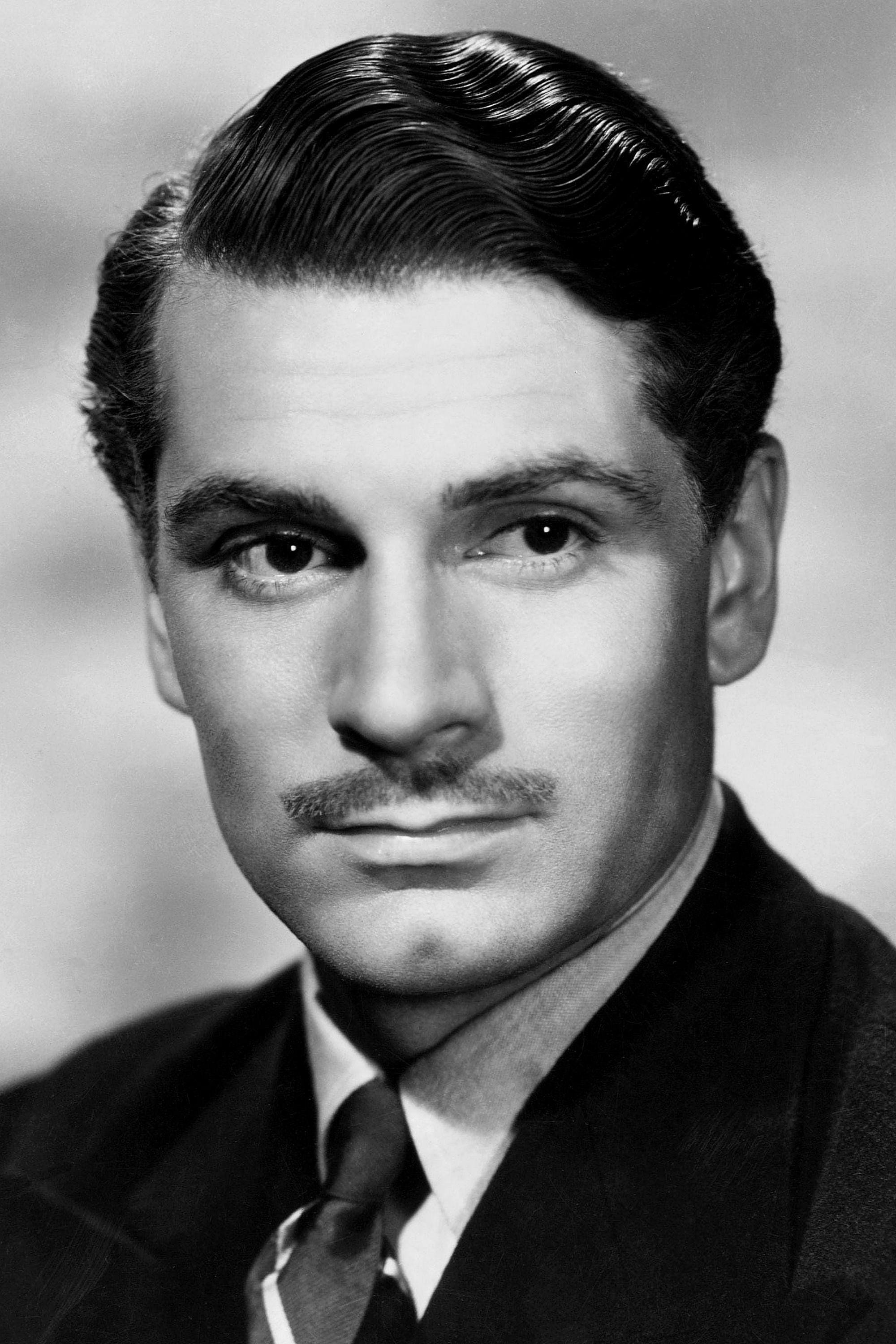
Laurence Olivier dominated both the stage and screen with a technical proficiency that set the standard for classical acting. He successfully adapted Shakespearean works for cinema with films such as ‘Henry V’ and ‘Hamlet’. His approach relied on external transformation and precise voice control to build distinct characters. Many thespians view his career as the benchmark for bridging the gap between theater traditions and film acting.
James Dean
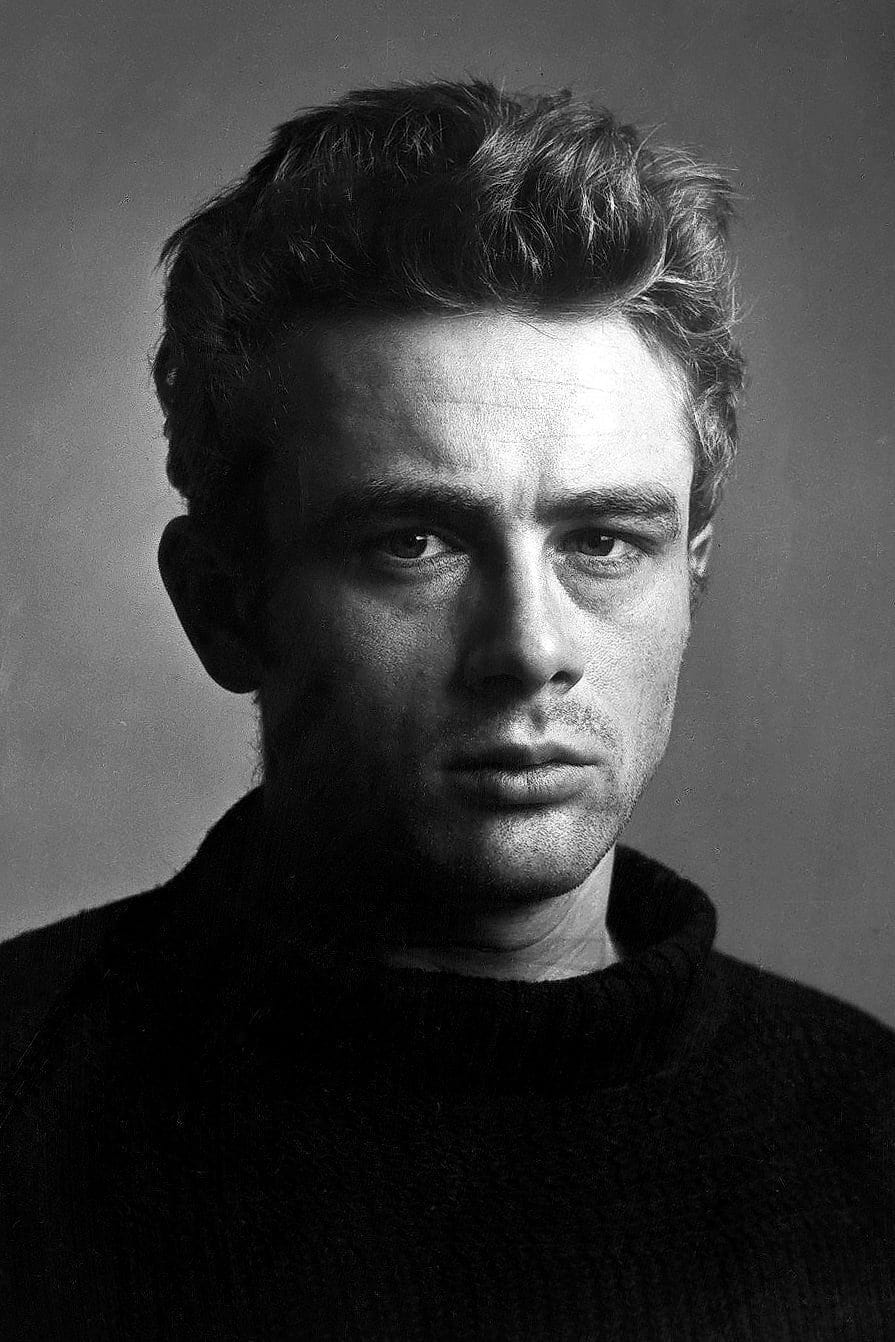
James Dean became a cultural icon of teenage disillusionment and social estrangement during his brief career. His improvisational style in ‘Rebel Without a Cause’ and ‘East of Eden’ captured a raw and unpolished angst that resonated deeply with young audiences. He influenced future generations to embrace emotional spontaneity and vulnerability. His premature death solidified his status as a symbol of eternal youth and artistic potential.
Charlie Chaplin
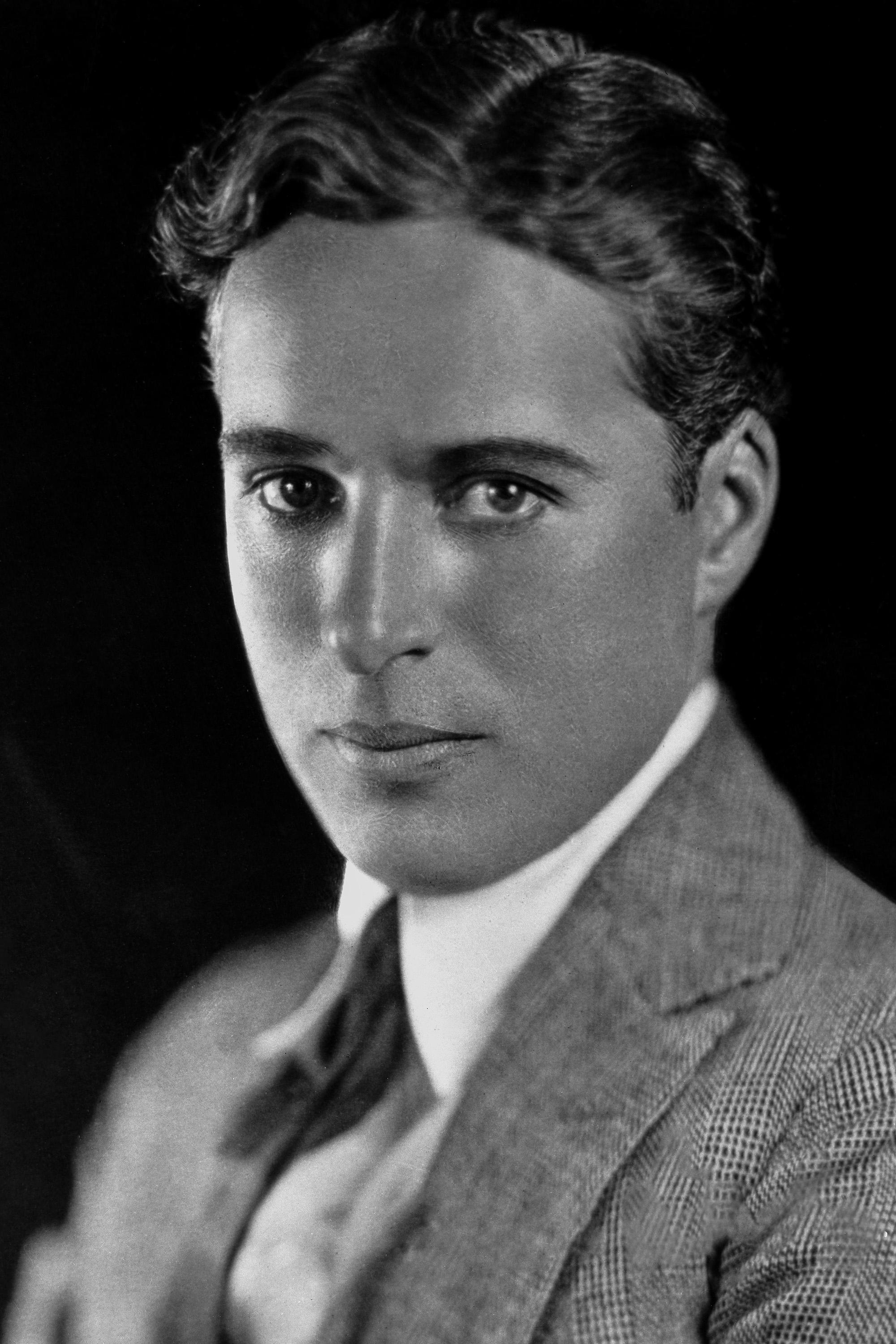
Charlie Chaplin pioneered the art of screen comedy and physical acting during the silent film era. He used his persona of the Tramp to combine slapstick humor with deep pathos and social commentary in masterpieces like ‘City Lights’. His ability to evoke laughter and tears without speaking demonstrated the universal language of physical expression. Comedians and dramatic actors alike continue to cite his timing and emotional range as a primary inspiration.
Humphrey Bogart
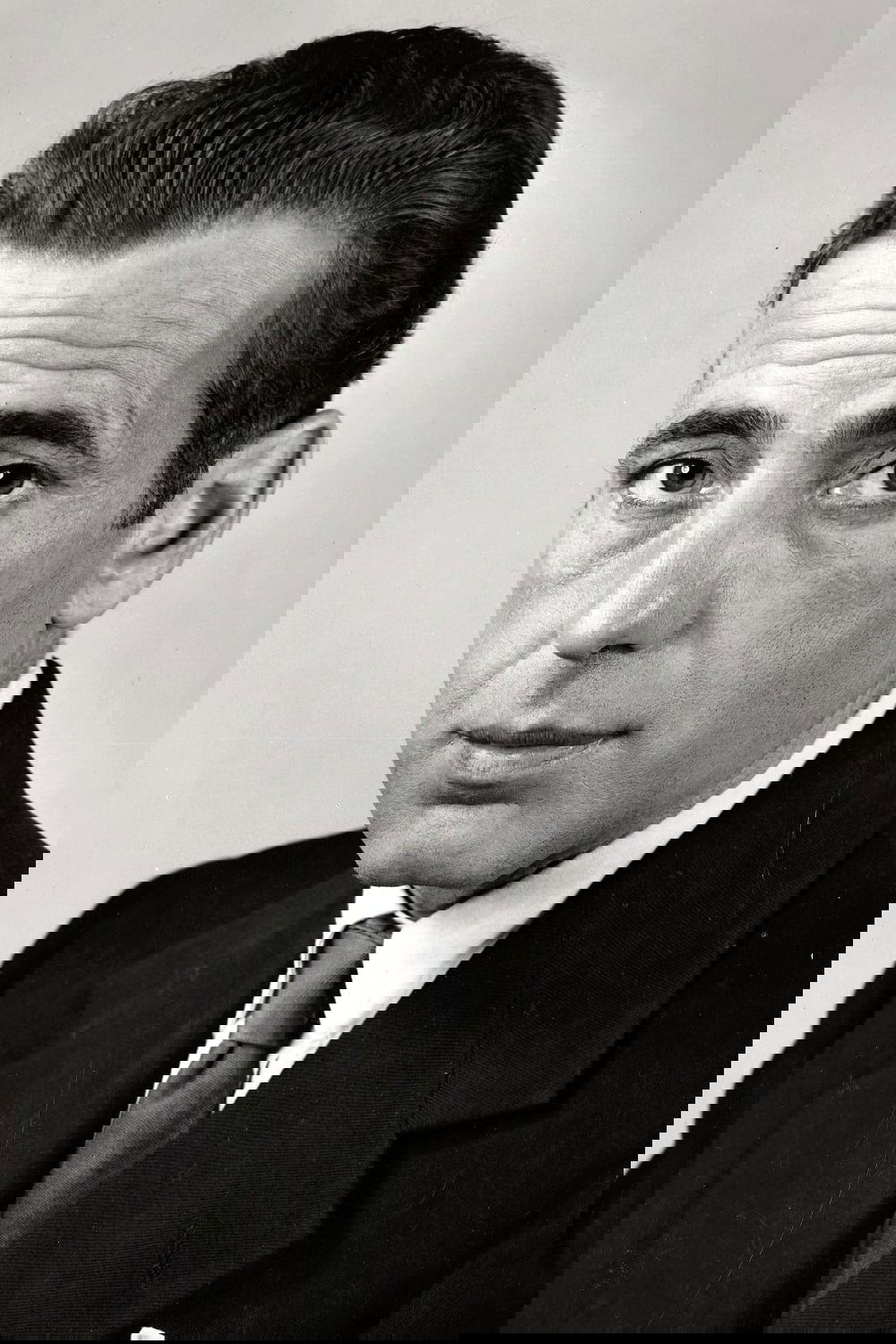
Humphrey Bogart defined the archetype of the cynical yet moral anti-hero in the film noir genre. His performances in ‘Casablanca’ and ‘The Maltese Falcon’ established a cool and understated style of acting that relied on presence rather than theatricality. He proved that a leading man could be weary and flawed while remaining sympathetic. This grounded approach paved the way for the gritty realism seen in modern action and crime dramas.
Cary Grant
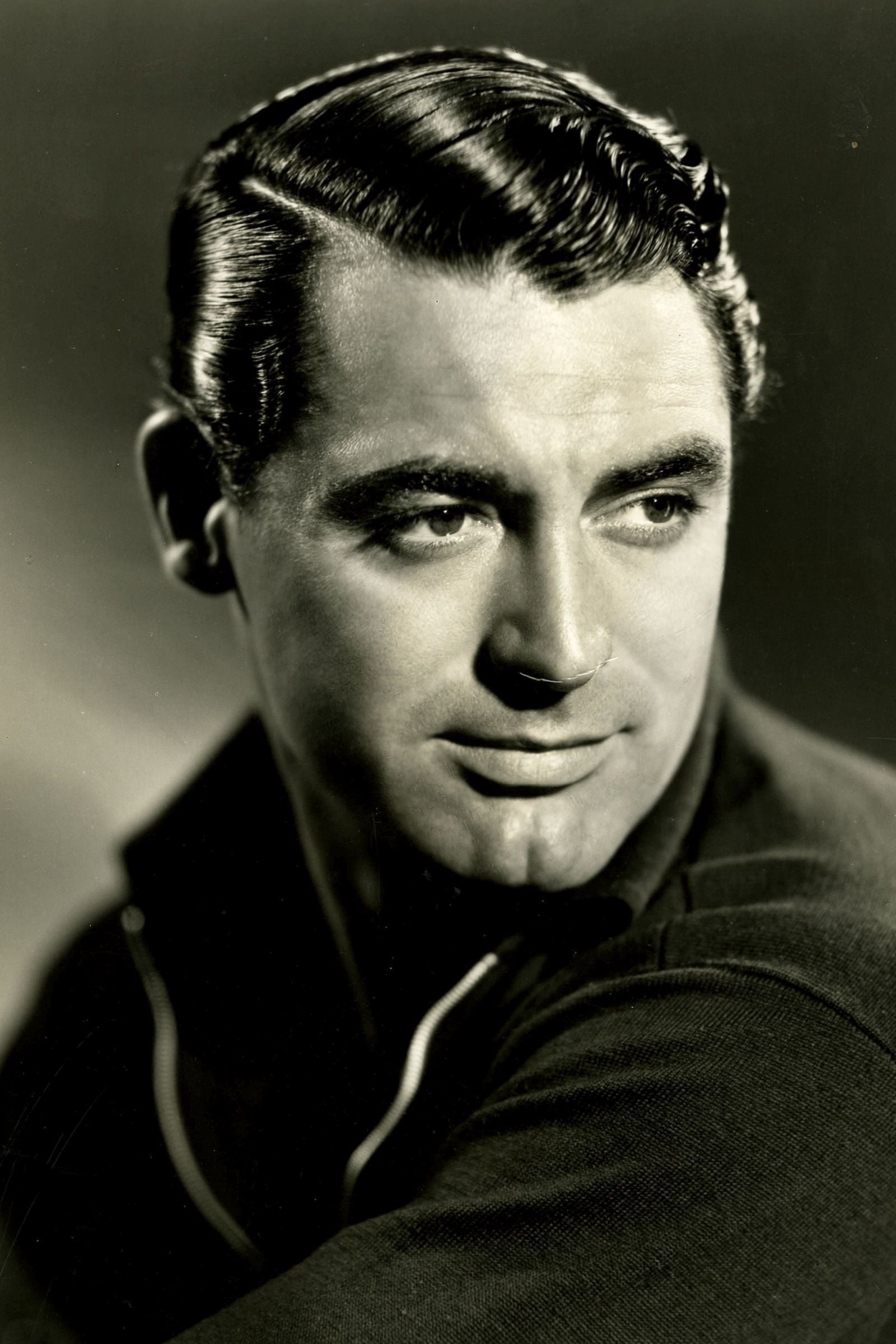
Cary Grant epitomized the trans-Atlantic charm and sophisticated wit that defined the Golden Age of Hollywood. His impeccable timing in screwball comedies like ‘Bringing Up Baby’ and his suspenseful turns in ‘North by Northwest’ showcased incredible versatility. He created a persona of effortless elegance that actors still attempt to emulate when playing suave protagonists. His mastery of light comedy and romantic tension remains unmatched in cinema history.
Spencer Tracy
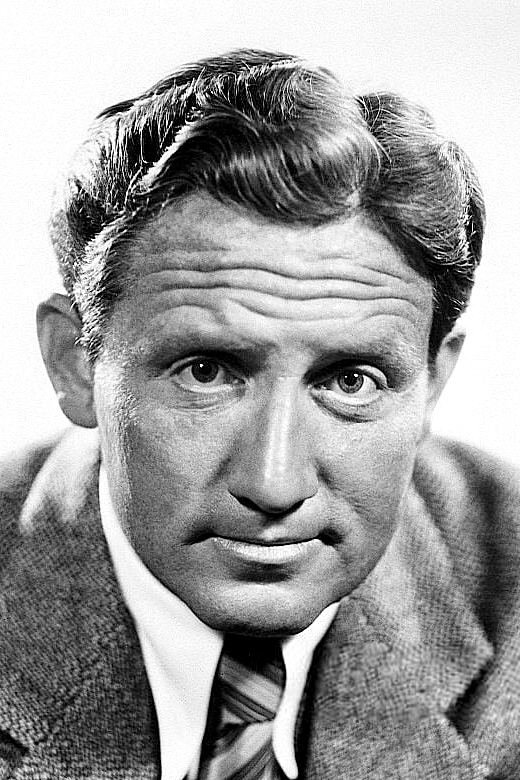
Spencer Tracy was known for his incredible naturalism and the ability to listen actively on camera. His performances in films like ‘Guess Who’s Coming to Dinner’ appeared entirely unforced and devoid of visible acting mechanics. He taught generations of performers that the most powerful acting often involves doing very little and simply being present in the moment. Peers revered him as the ultimate actor’s actor for his authenticity.
Sidney Poitier
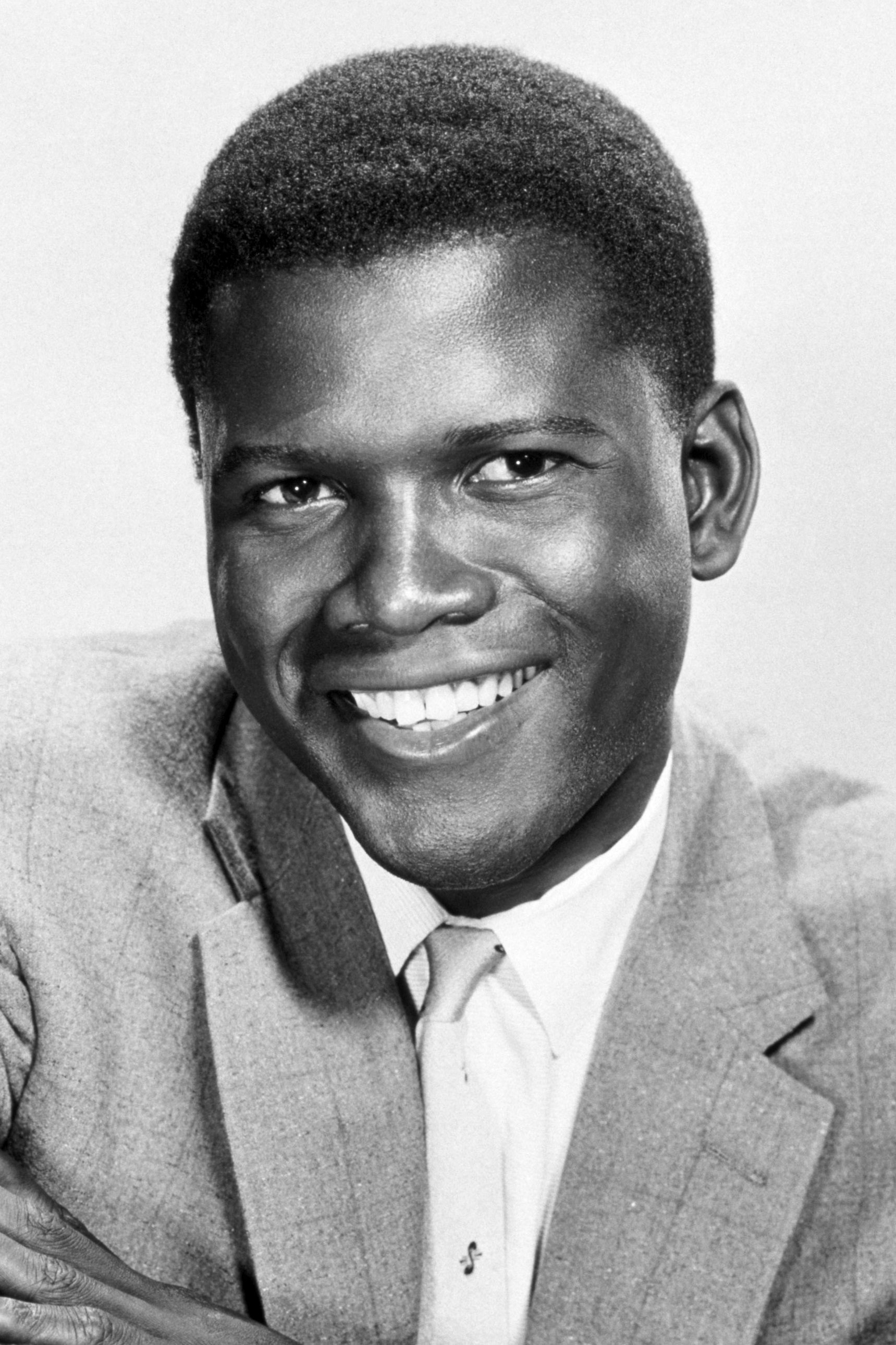
Sidney Poitier broke racial barriers and redefined the image of African American men in cinema. He brought immense dignity and intelligence to roles in ‘In the Heat of the Night’ and ‘Lilies of the Field’. His commanding screen presence challenged audiences to confront social prejudices during the civil rights movement. He paved the way for minority actors to demand leading roles that possessed depth and authority.
Paul Newman
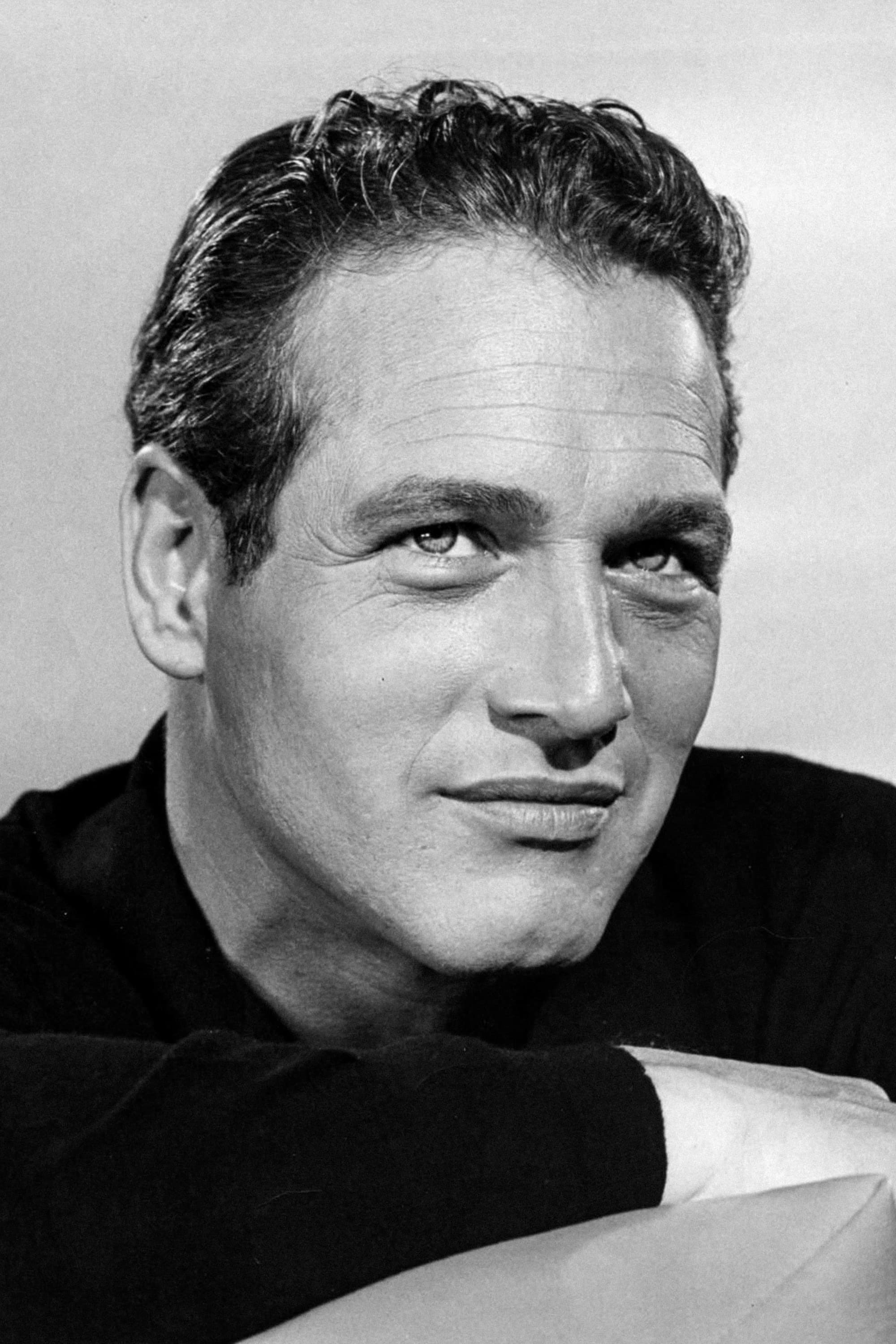
Paul Newman combined the intensity of Method acting with the charisma of a classic movie star. His roles in ‘The Hustler’ and ‘Cool Hand Luke’ featured anti-authoritarian characters who were simultaneously charming and self-destructive. He maintained a long career by transitioning seamlessly from a heartthrob to a complex character actor. His dedication to his craft and philanthropy set a high bar for how celebrities navigate fame.
Gregory Peck

Gregory Peck projected a sense of moral authority and decency that made him the ideal choice for heroes and leaders. His portrayal of Atticus Finch in ‘To Kill a Mockingbird’ remains the definitive performance of integrity and justice. He used his deep voice and stature to command attention while maintaining a gentle demeanor. Actors often look to his work when they need to portray characters with unshakeable conviction.
Henry Fonda
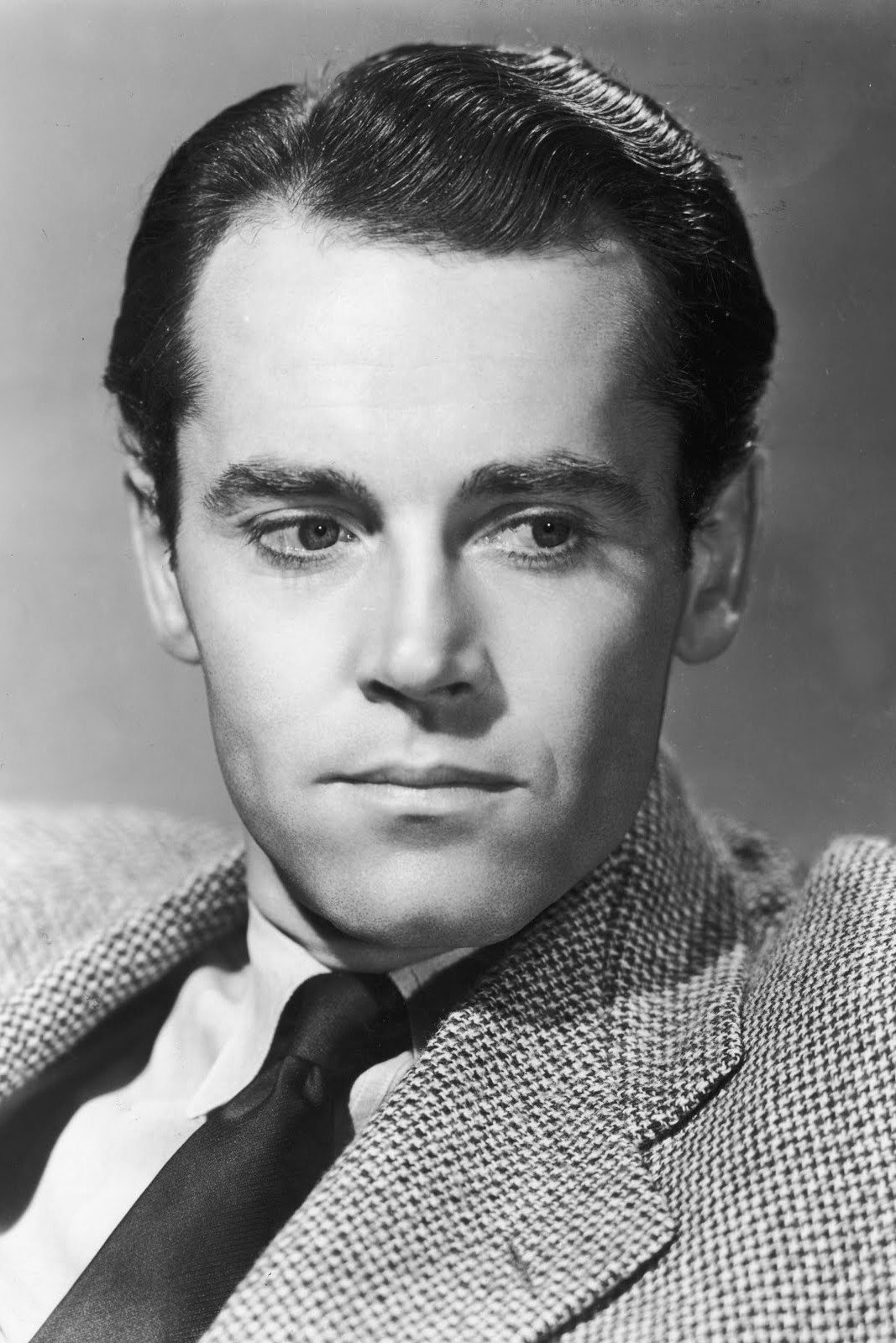
Henry Fonda mastered the role of the relatable everyman who represents the heartland of America. His work in ‘The Grapes of Wrath’ and ’12 Angry Men’ showcased a quiet strength and an unwavering moral compass. He could also subvert this image effectively as seen in his villainous turn in ‘Once Upon a Time in the West’. His understated style allowed the audience to project their own hopes and fears onto his characters.
James Stewart
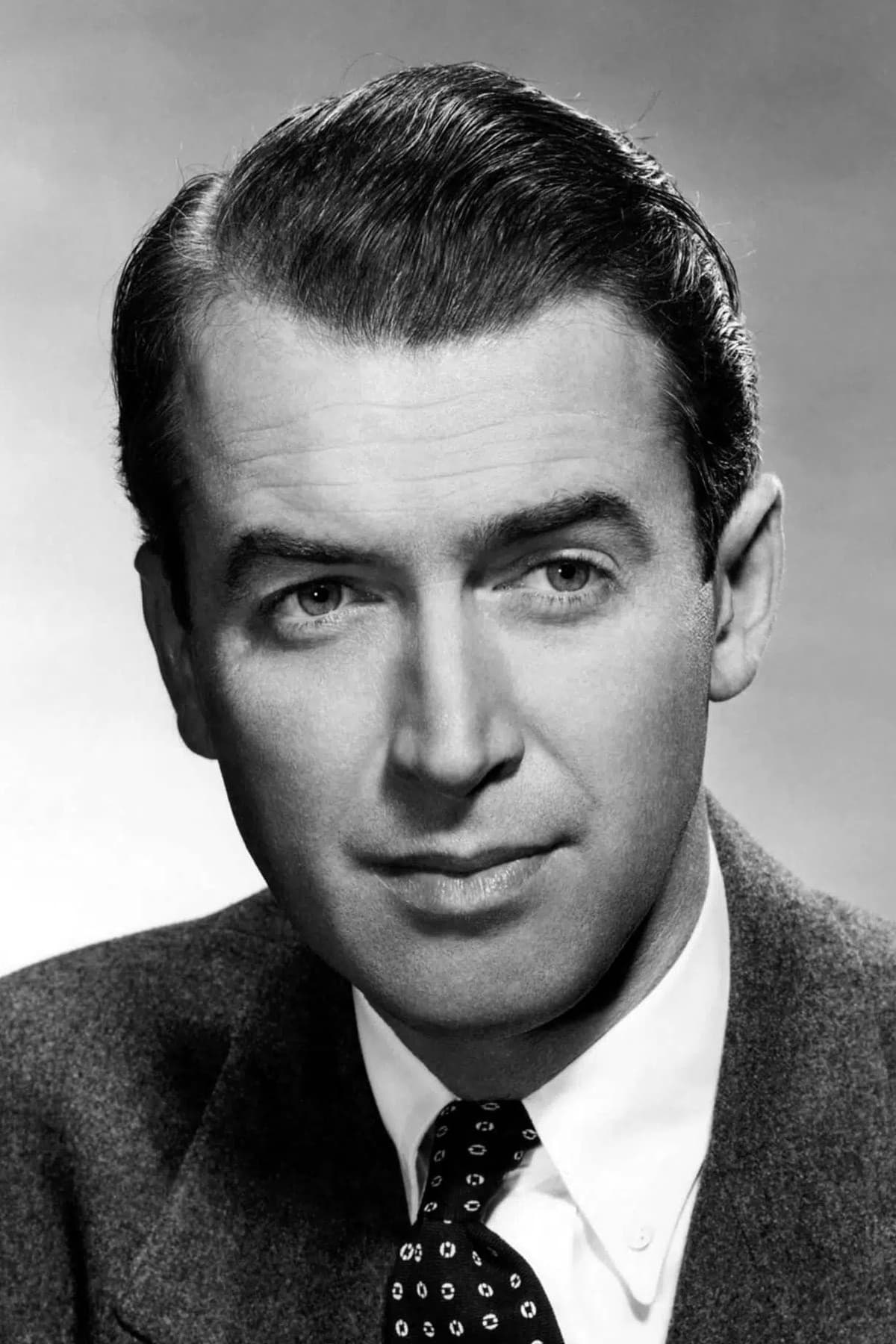
James Stewart brought a unique stuttering sincerity and emotional vulnerability to the screen that endeared him to millions. He frequently collaborated with directors like Frank Capra and Alfred Hitchcock in films such as ‘It’s a Wonderful Life’ and ‘Vertigo’. His ability to portray ordinary men facing extraordinary circumstances grounded high-concept stories in reality. He showed that a male lead could express fear and neuroticism without losing the audience’s support.
Orson Welles
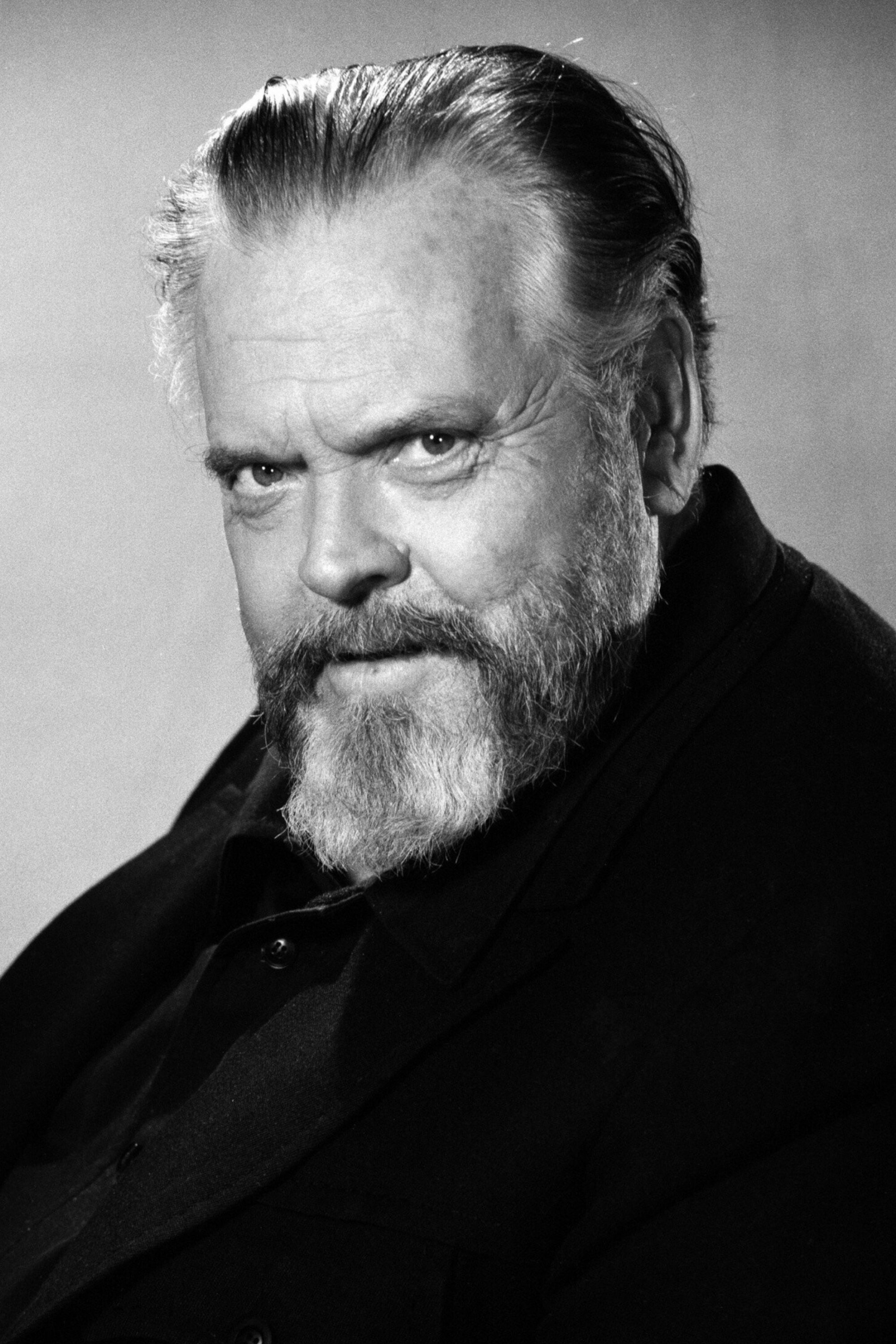
Orson Welles revolutionized filmmaking and acting with his debut in ‘Citizen Kane’. He utilized his background in radio to use his voice as a powerful instrument of manipulation and authority. His larger-than-life presence allowed him to dominate scenes and portray tragic figures of Shakespearean proportions. Filmmakers and actors study his work to understand how performance intertwines with camera angles and lighting.
Buster Keaton
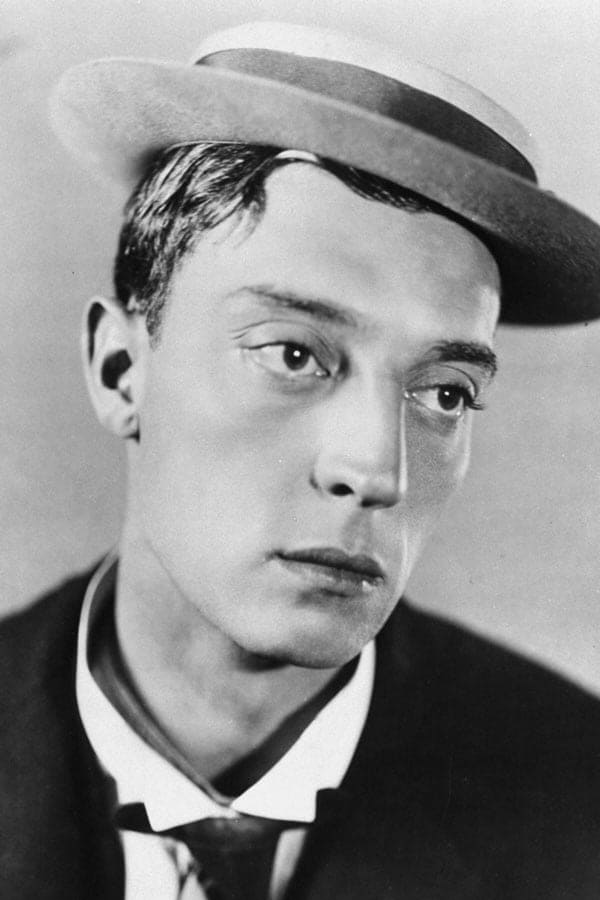
Buster Keaton was a master of deadpan comedy and dangerous stunt work that pushed the boundaries of physical performance. His stoic expression in films like ‘The General’ provided a hilarious contrast to the chaos erupting around him. He performed his own stunts with a precision that influenced modern action stars and physical comedians. His visual storytelling techniques remain a vital part of cinematic education.
Gene Kelly
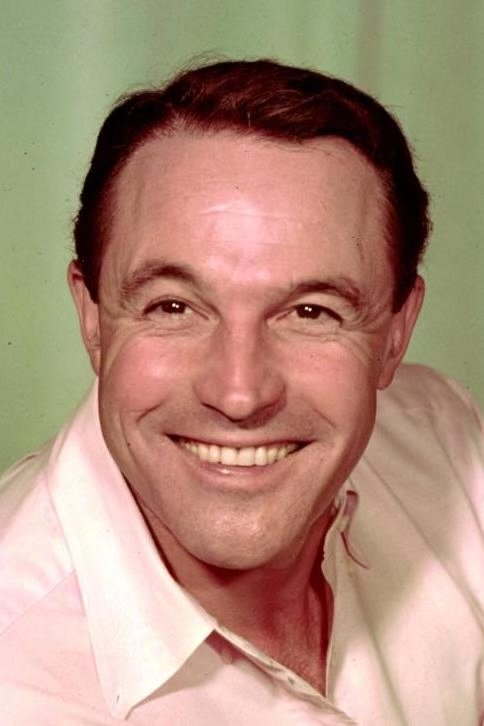
Gene Kelly transformed the Hollywood musical by introducing an athletic and energetic style of dance. His performances in ‘Singin’ in the Rain’ and ‘An American in Paris’ made dance accessible and masculine. He often directed or choreographed his own numbers to ensure the camera captured the movement perfectly. His legacy lives on in every actor who performs their own stunts or dance numbers.
Fred Astaire
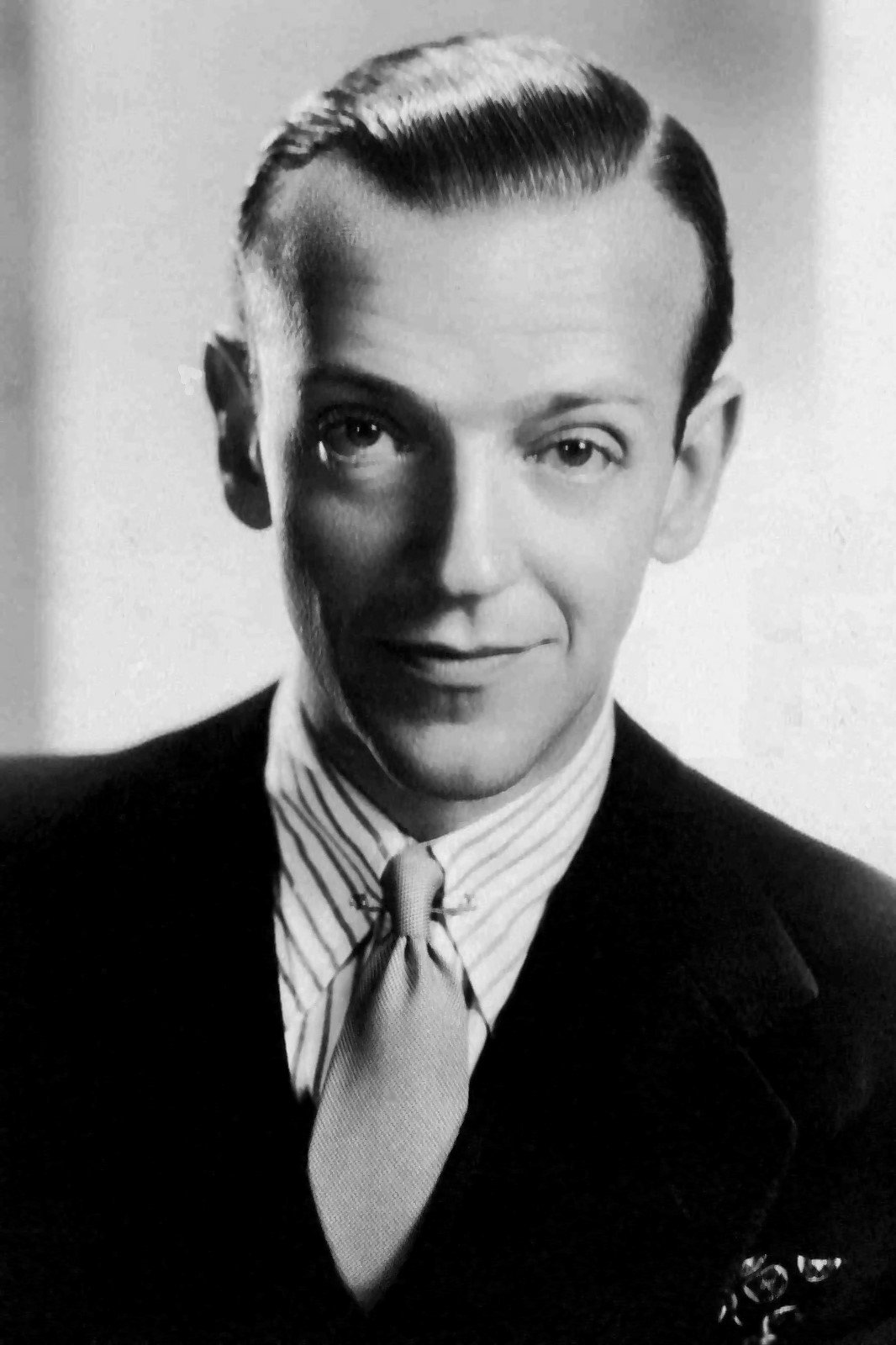
Fred Astaire brought unprecedented elegance and perfectionism to the musical genre. His partnership with Ginger Rogers produced classics like ‘Top Hat’ where he made complex routines look effortless. He insisted that dance numbers be filmed in long takes to prove the performers were not relying on editing tricks. His work established the standard for grace and rhythm in motion pictures.
John Wayne
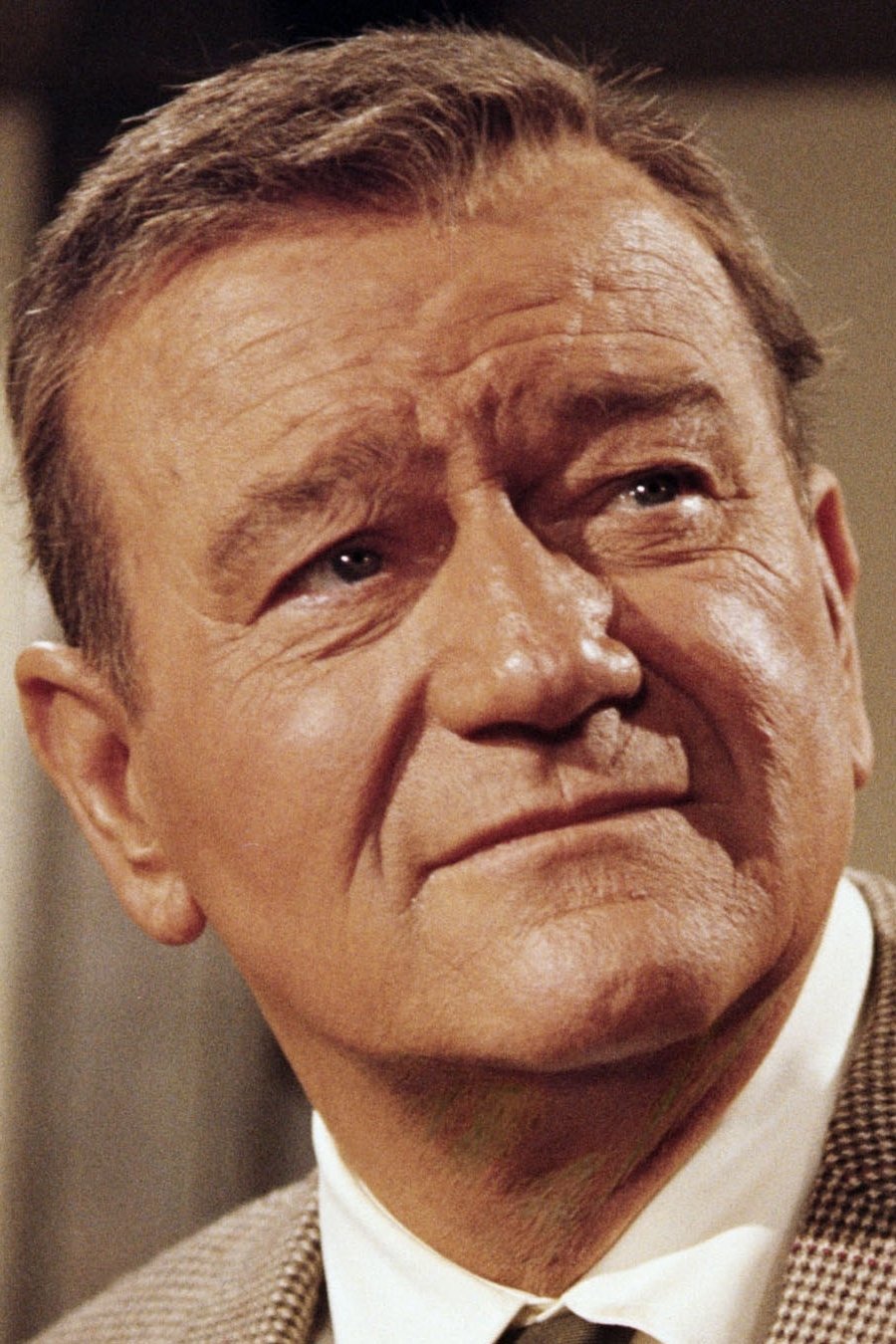
John Wayne constructed the enduring image of the American cowboy and the rugged individualist. His distinct walk and cadence in movies like ‘The Searchers’ and ‘True Grit’ became synonymous with the Western genre. He projected a sense of unyielding strength that defined American masculinity for decades. While his range was specific, his ability to anchor a film with sheer presence was undeniable.
Marcello Mastroianni
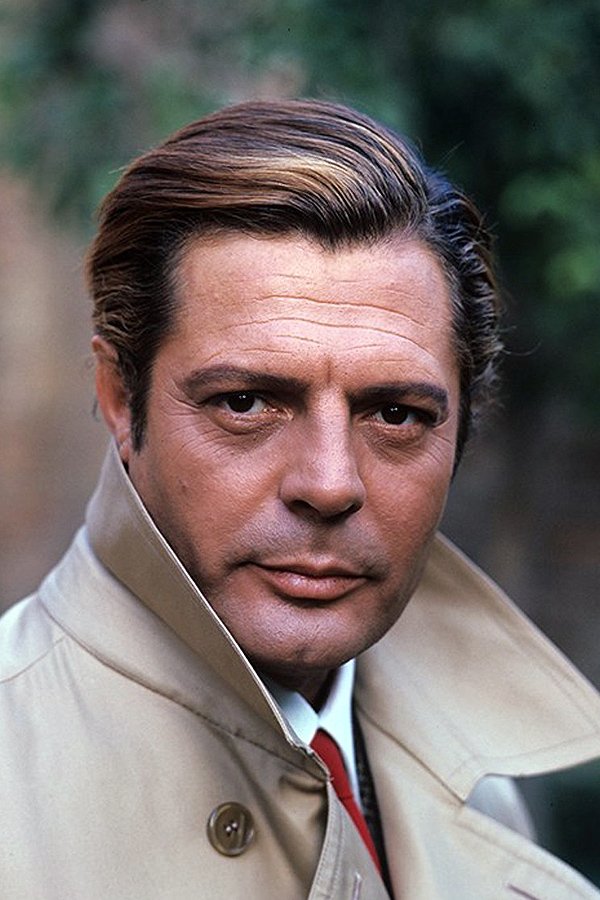
Marcello Mastroianni was the face of Italian cinema and a frequent collaborator with Federico Fellini. He embodied the sophisticated yet weary European lover in films like ‘La Dolce Vita’ and ‘8½’. His acting style was characterized by a relaxed charm and a willingness to look foolish or vulnerable. He showed actors how to be charismatic while playing characters who were often passive observers.
Montgomery Clift

Montgomery Clift was one of the first actors to bring the Method technique to Hollywood before Brando or Dean. His performances in ‘A Place in the Sun’ and ‘From Here to Eternity’ were marked by a sensitive and neurotic intensity. He rejected the traditional confident leading man persona in favor of characters with deep psychological scars. His career was tragic and short, but his influence on introspective acting was profound.
Peter Sellers
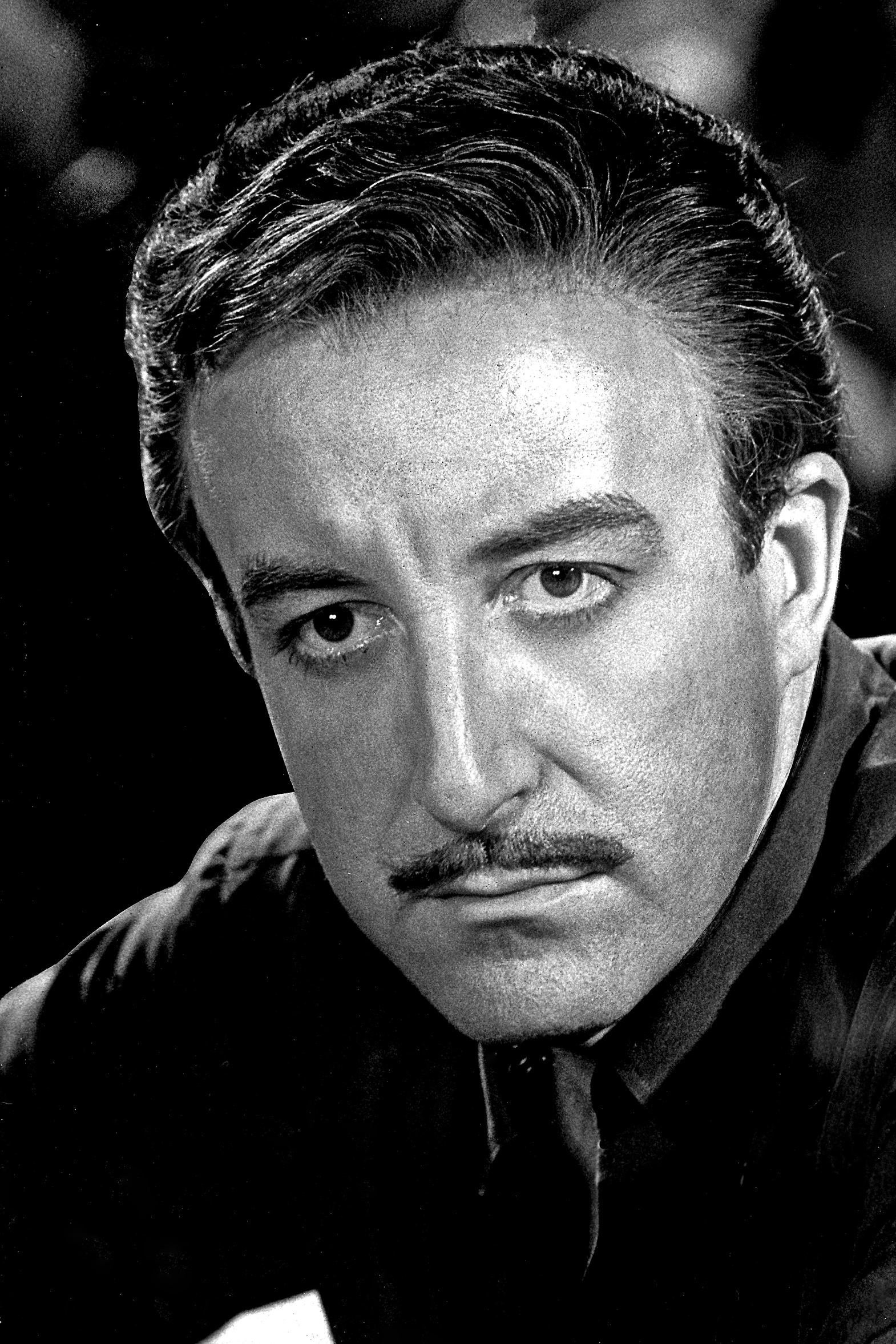
Peter Sellers was a comedic chameleon who could disappear entirely into multiple characters within a single film. His work in ‘Dr. Strangelove’ and the ‘The Pink Panther’ series demonstrated an uncanny ability to alter his voice and physicality. He relied on improvisation and radical transformation rather than a consistent star persona. Comedians today revere him for his commitment to the absurdity of his characters.
Alec Guinness
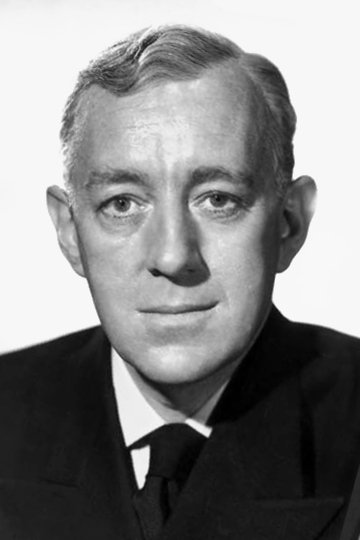
Alec Guinness was known for his range and his ability to play vastly different characters with equal conviction. He portrayed everything from a rigid military officer in ‘The Bridge on the River Kwai’ to the wise Obi-Wan Kenobi in ‘Star Wars’. His subtle approach allowed him to convey intelligence and mystery with minimal dialogue. He proved that a character actor could anchor massive blockbusters.
Richard Burton

Richard Burton possessed one of the most distinctive and powerful voices in theater and film history. His tempestuous performances in ‘Who’s Afraid of Virginia Woolf?’ and ‘Beckett’ showcased a raw and explosive talent. He brought a Shakespearean grandeur to modern roles that demanded high emotion and rhetorical skill. His intensity on screen was often mirrored by his turbulent personal life.
Peter O’Toole
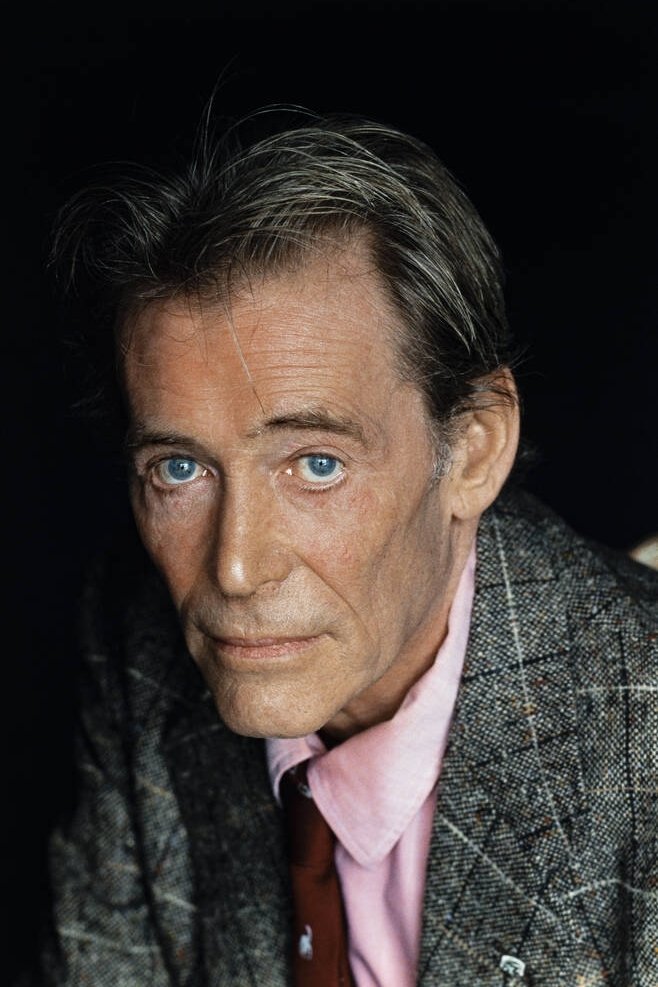
Peter O’Toole burst onto the scene with his mesmerizing performance in ‘Lawrence of Arabia’. He was known for his piercing blue eyes and his ability to convey madness and obsession. His theatrical background allowed him to deliver grand monologues while maintaining cinematic intimacy. He remained a vital and eccentric force in acting until the end of his life.
Robin Williams
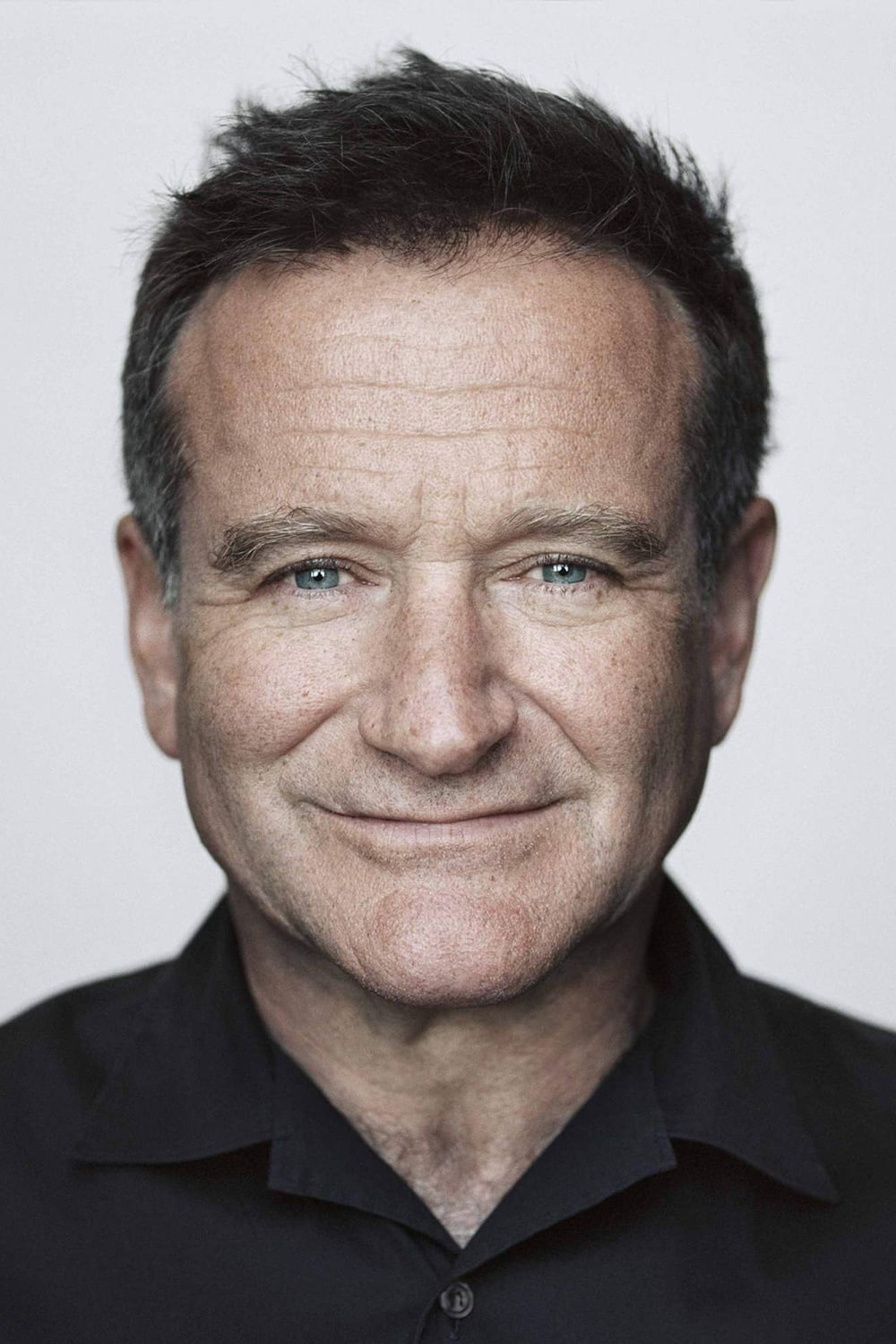
Robin Williams began as a manic stand-up comedian and evolved into an Academy Award-winning dramatic actor. His improvisation skills in ‘Aladdin’ and ‘Good Morning, Vietnam’ changed how scripts were written for comedic talents. He later revealed immense depth in films like ‘Dead Poets Society’ and ‘Good Will Hunting’. He taught a generation that comedy and tragedy are often two sides of the same coin.
Philip Seymour Hoffman
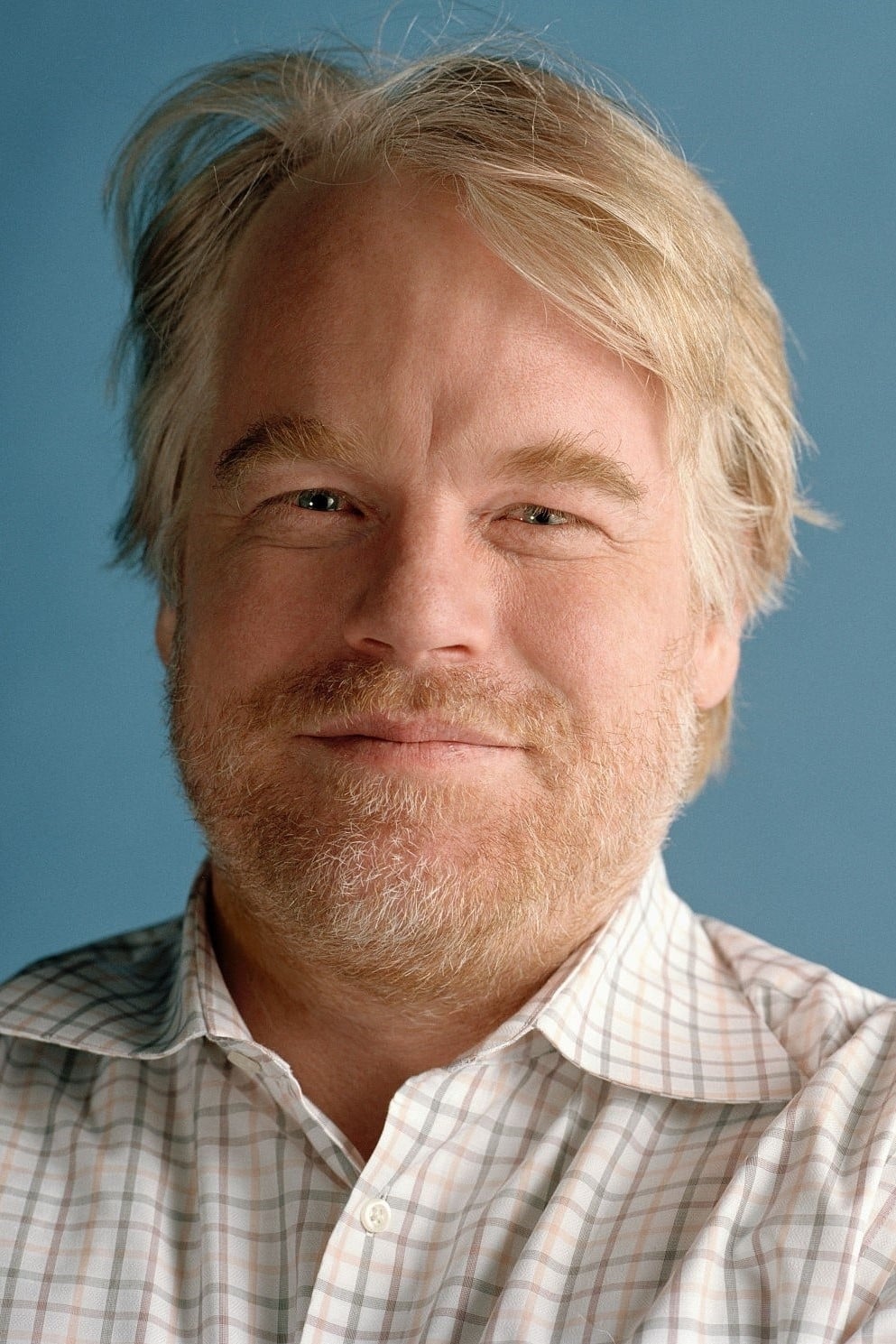
Philip Seymour Hoffman was a master of playing flawed and uncomfortable characters with empathy and precision. He immersed himself completely in roles for films like ‘Capote’ and ‘The Master’. His ability to illuminate the humanity in lonely or unlikable people made him one of the most respected actors of his time. He proved that character actors could command the screen just as effectively as traditional leading men.
Heath Ledger
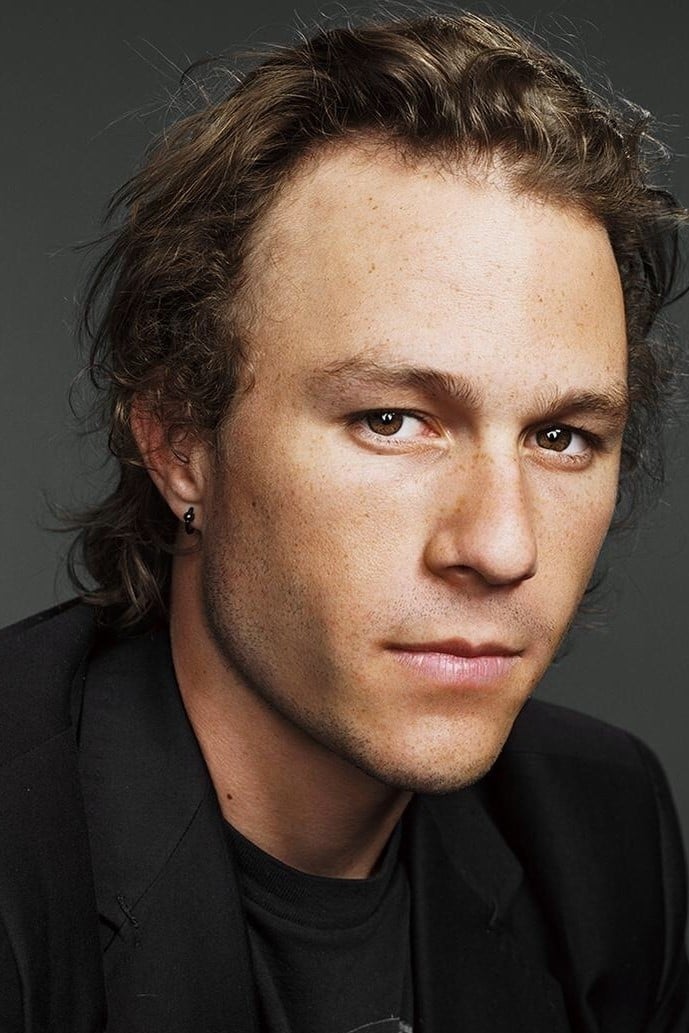
Heath Ledger left an indelible mark on cinema with his fearless commitment to character transformation. His portrayal of the Joker in ‘The Dark Knight’ set a new benchmark for villainy and method acting in genre films. He disappeared into his roles physically and vocally to the point where he was unrecognizable. His tragic death cut short a career that was reshaping the potential of modern blockbusters.
Bruce Lee
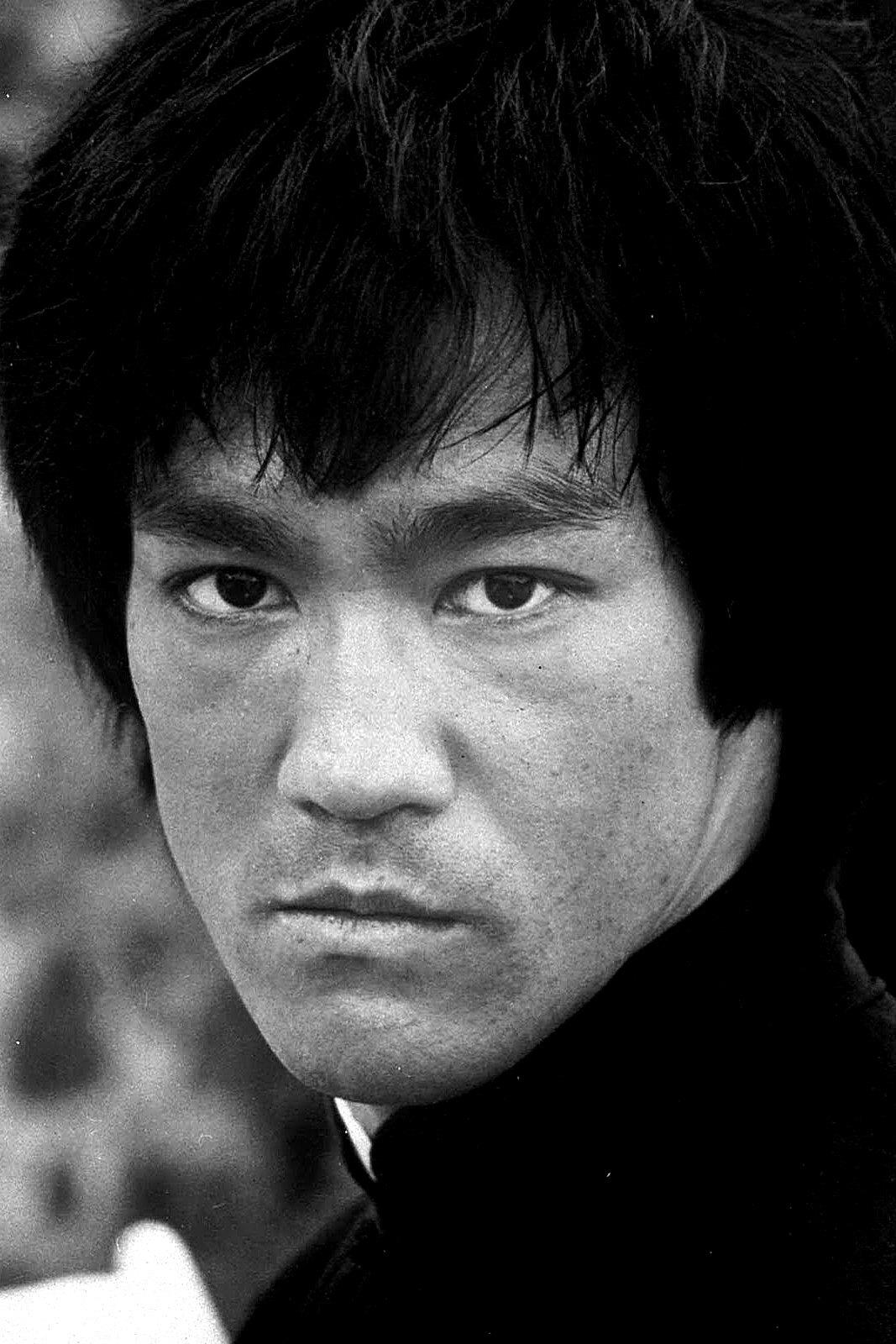
Bruce Lee revolutionized action cinema by introducing genuine martial arts skill and philosophy to Hollywood. His physical charisma in ‘Enter the Dragon’ helped bridge the gap between Eastern and Western cinema. He developed a unique acting style that used combat as a form of emotional expression. Action stars today still mimic his combat noises and intense facial expressions.
Steve McQueen
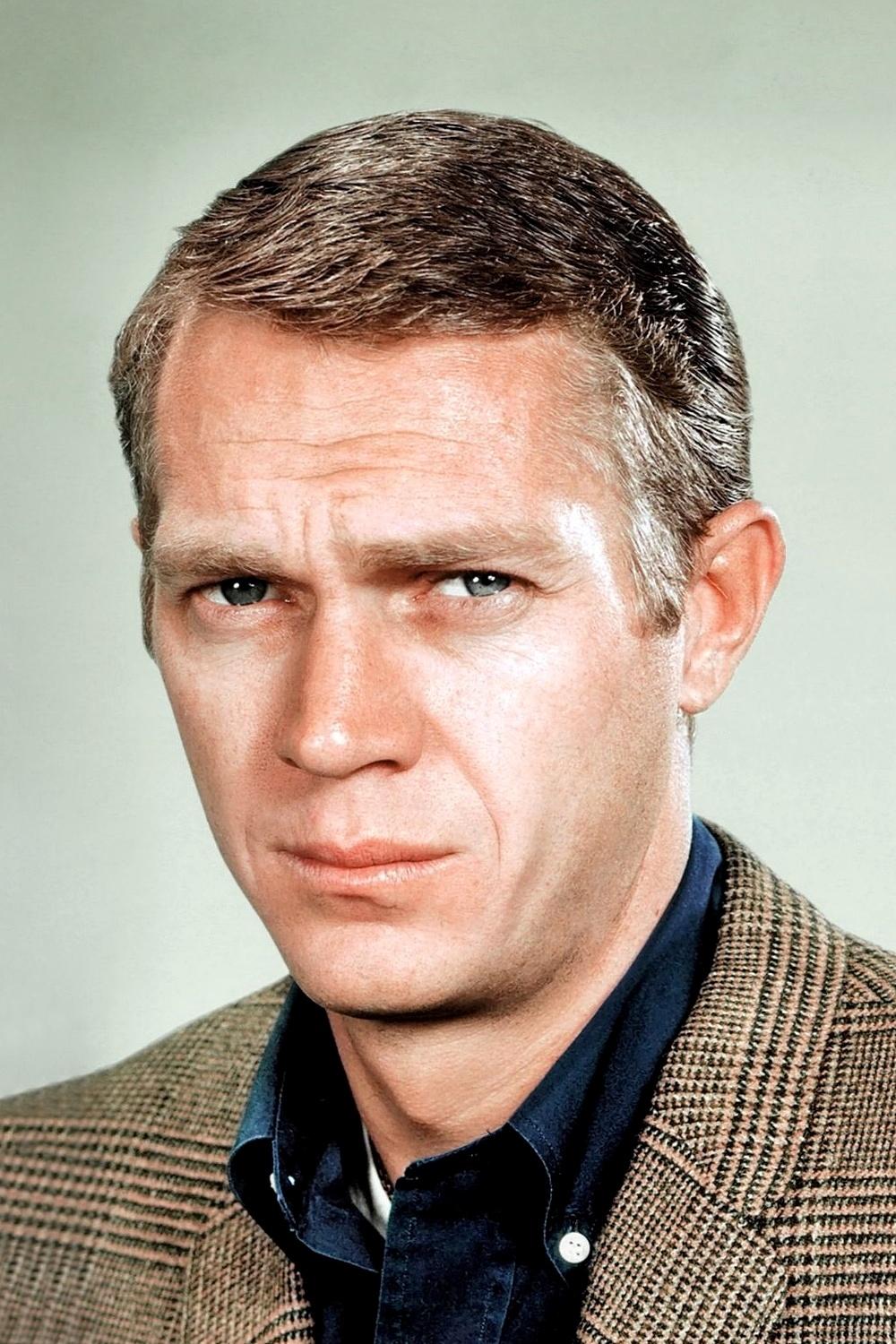
Steve McQueen was dubbed the King of Cool for his stoic and anti-heroic screen presence. He relied on physical action rather than dialogue in films like ‘Bullitt’ and ‘The Great Escape’. His understated style created a sense of mystery that drew audiences in without him having to explain his motivations. He established the template for the modern action hero who speaks through his deeds.
Sean Connery
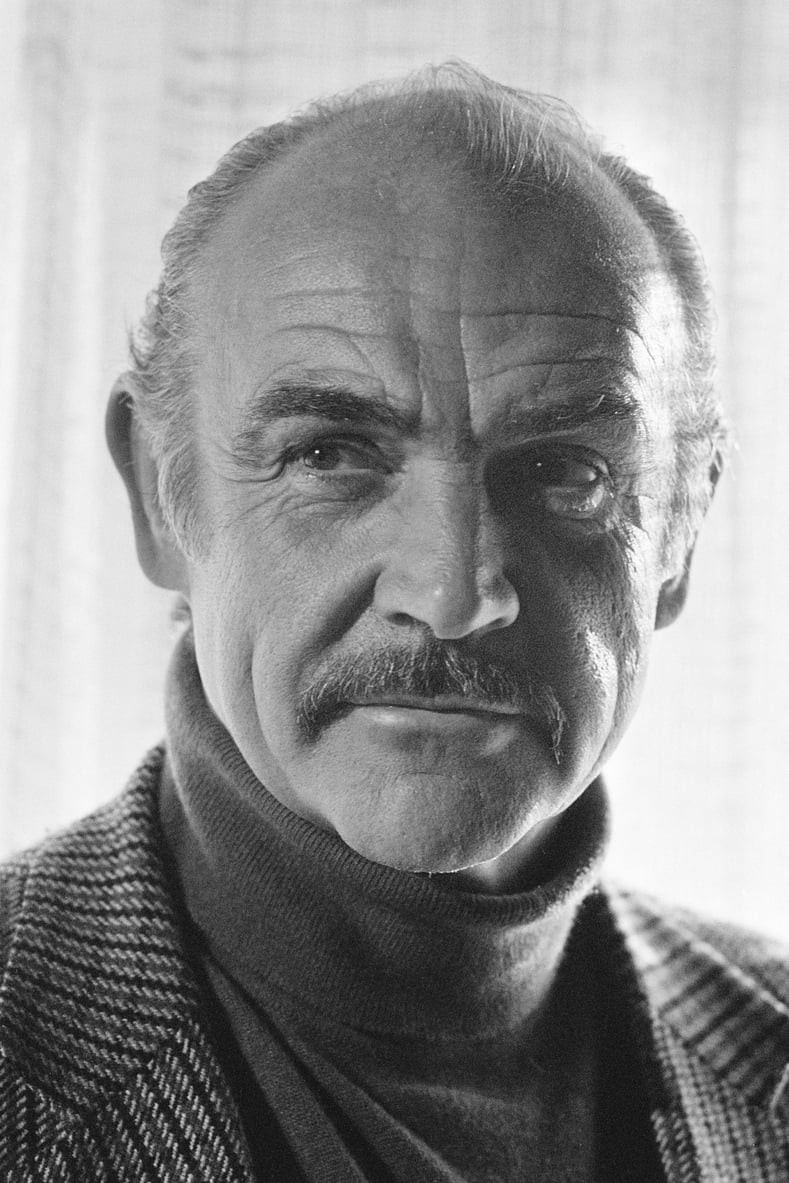
Sean Connery defined the role of James Bond and set the standard for the suave secret agent. His performance in ‘Dr. No’ and ‘Goldfinger’ combined danger with sophistication and wit. He later successfully transitioned into a respected character actor in films like ‘The Untouchables’. His masculine charisma and distinctive voice made him a global icon for over fifty years.
Christopher Plummer
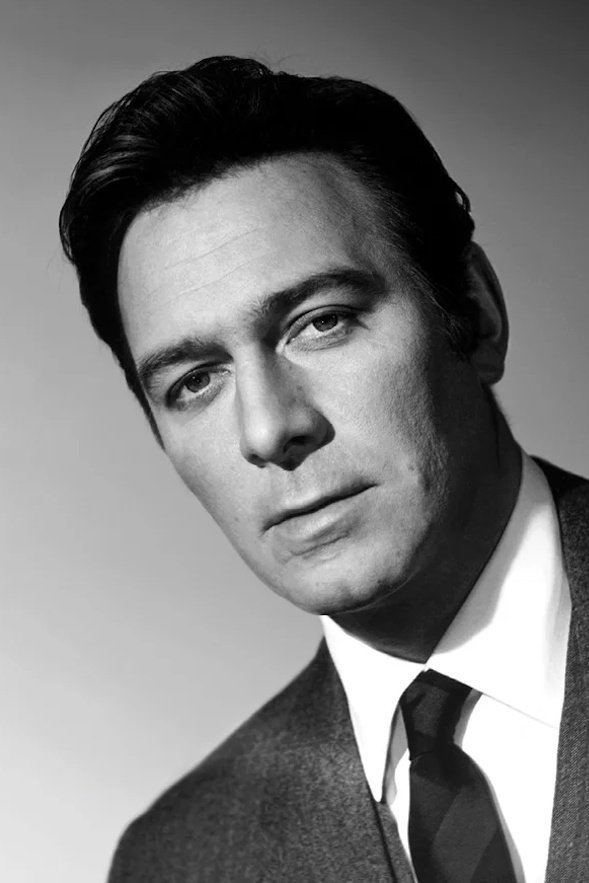
Christopher Plummer enjoyed a seven-decade career that saw him excel in everything from ‘The Sound of Music’ to ‘Knives Out’. He was a classically trained stage actor who brought gravitas and sharp wit to every role he inhabited. He famously replaced another actor in ‘All the Money in the World’ on short notice and delivered an Oscar-nominated performance. His longevity and adaptability served as a lesson in endurance for fellow actors.
Max von Sydow
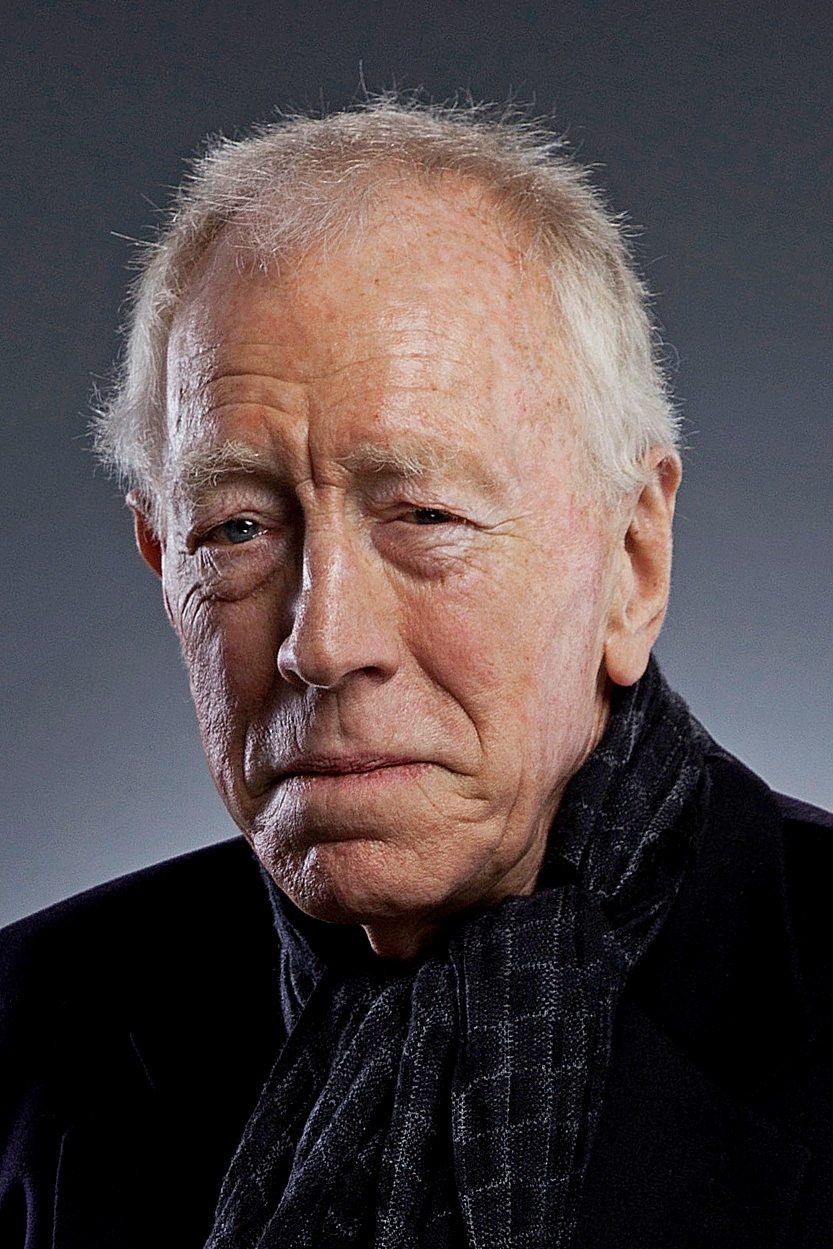
Max von Sydow was a towering figure in world cinema who frequently collaborated with Ingmar Bergman. His role in ‘The Seventh Seal’ created iconic imagery that is still referenced today. He brought a solemn weight to genre films like ‘The Exorcist’ and ‘Flash Gordon’. He demonstrated that an actor could maintain artistic integrity while working across vastly different genres and languages.
Kirk Douglas
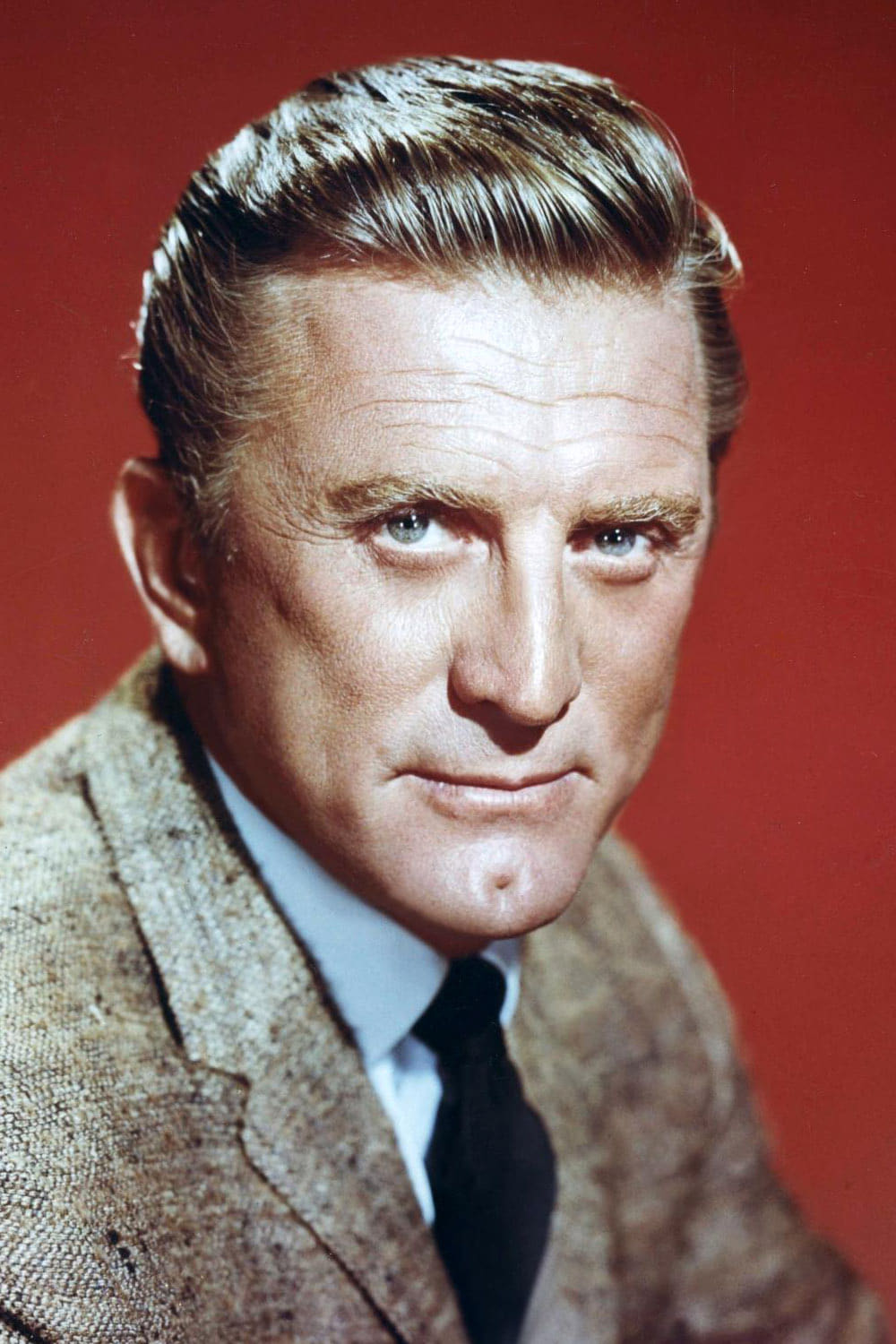
Kirk Douglas was known for his dimpled chin and his intense and explosive acting style. He played driven and often unscrupulous men in films like ‘Champion’ and ‘Ace in the Hole’. As a producer for ‘Spartacus’, he helped break the Hollywood blacklist by hiring a banned screenwriter. His ferocity on screen was matched by his determination to control his own career.
Burt Lancaster
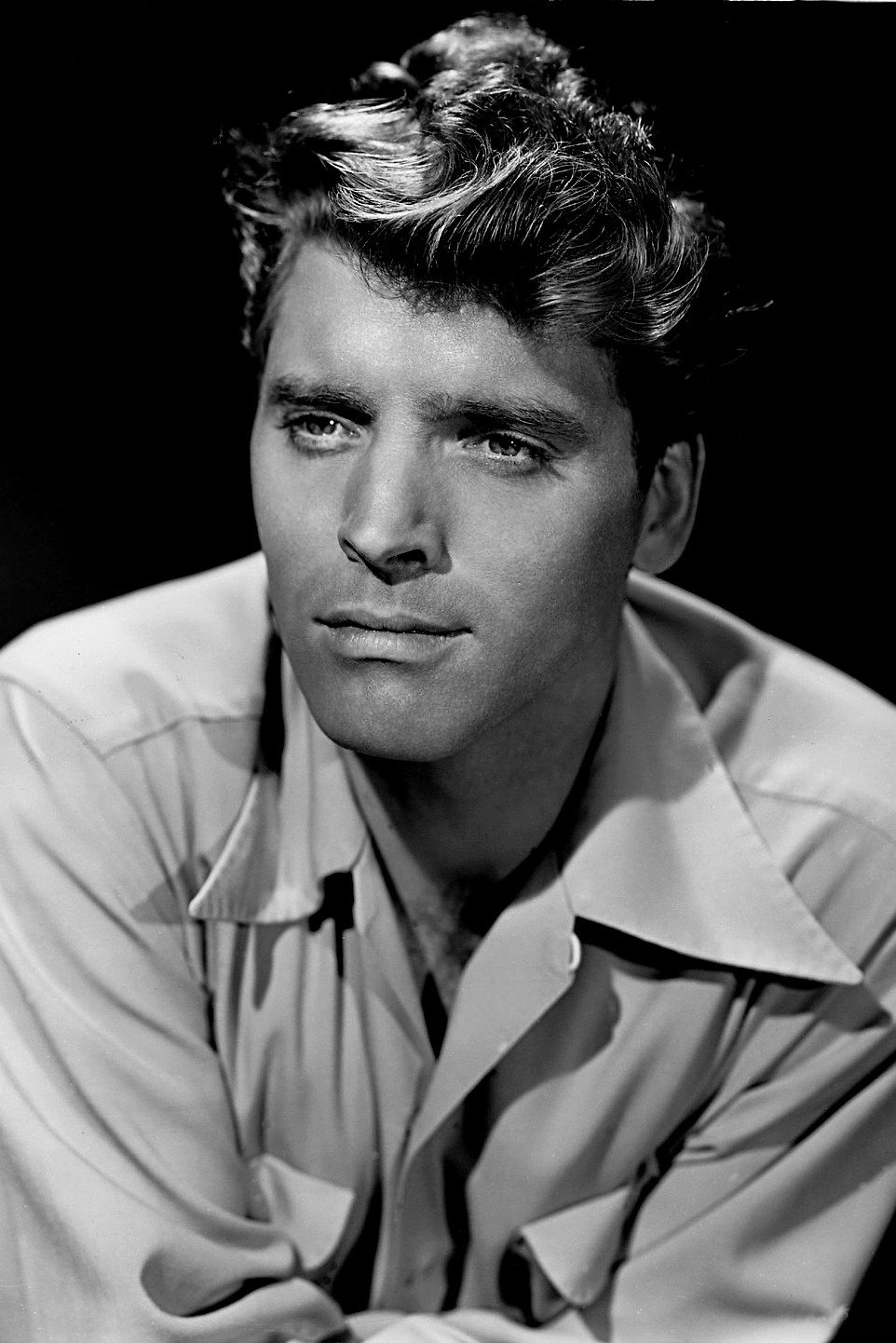
Burt Lancaster began as a circus acrobat and used his imposing physicality to become a major star. He moved from film noir roles in ‘The Killers’ to complex dramatic parts in ‘The Leopard’. He was one of the first independent producers to successfully challenge the studio system. His career proved that a physical performer could also be a subtle and intellectual actor.
Robert Mitchum
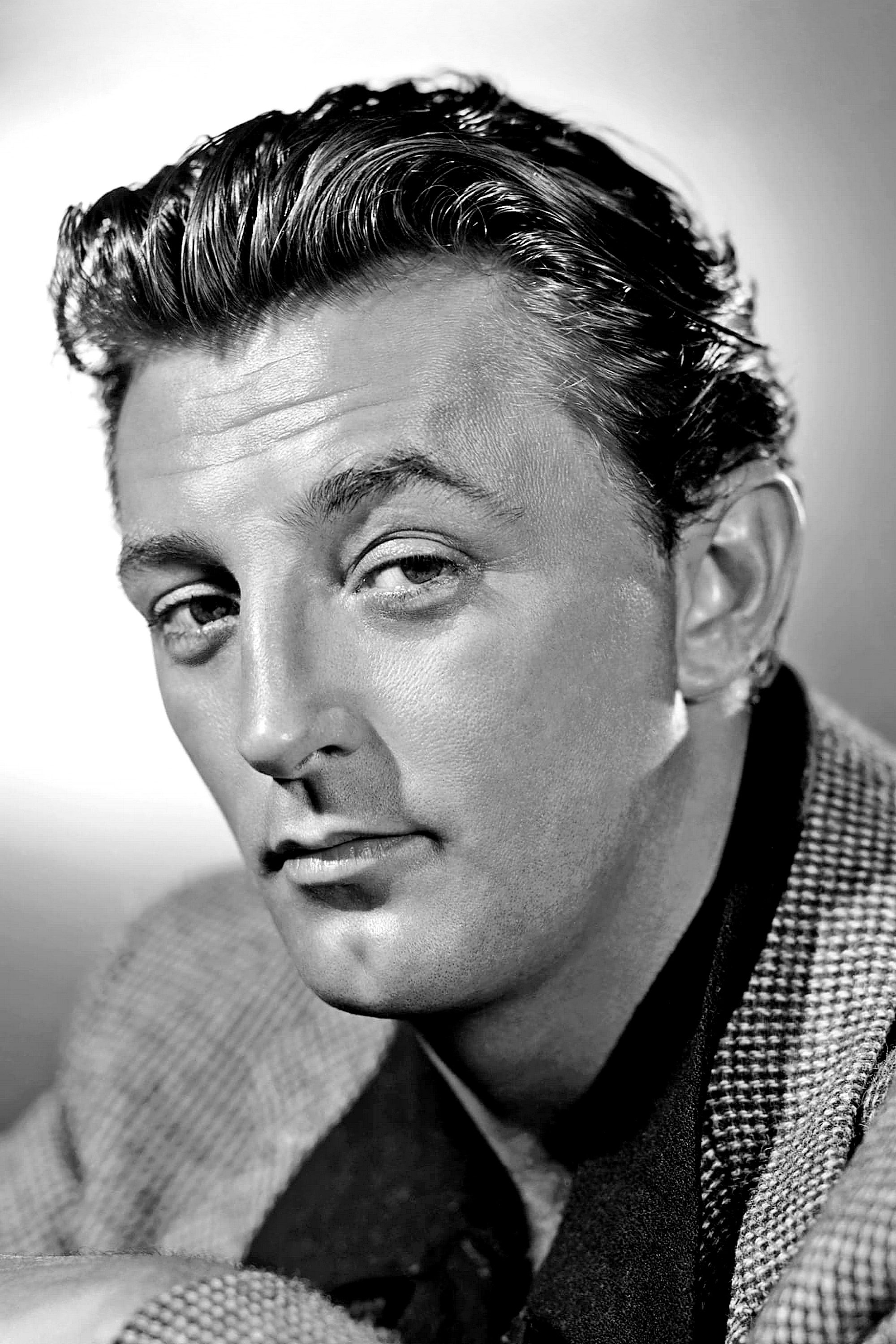
Robert Mitchum cultivated a sleepy-eyed indifference that masked a dangerous intelligence on screen. His performances in ‘Out of the Past’ and ‘The Night of the Hunter’ are masterclasses in understated villainy and cool detachment. He famously claimed to not care about acting but delivered some of the most natural performances of the era. He influenced the minimalist acting style of many future anti-heroes.
Edward G. Robinson
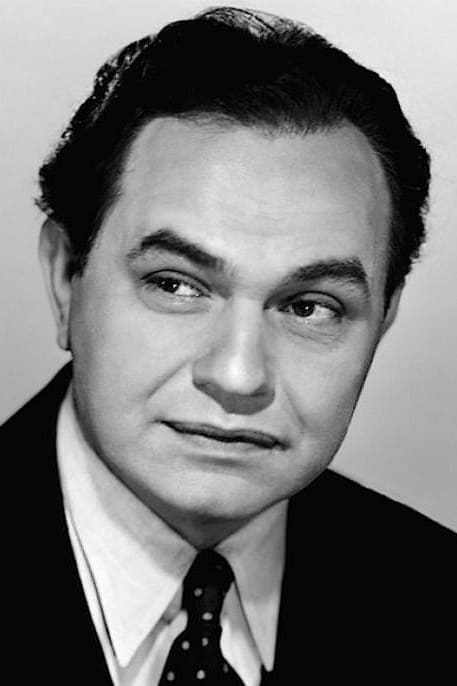
Edward G. Robinson created the prototype for the movie gangster with his role in ‘Little Caesar’. Despite his tough screen persona, he was a cultured man who brought depth and tragedy to his criminal characters. He avoided being typecast by delivering poignant performances in films like ‘Double Indemnity’. His distinctive voice and mannerisms have been imitated in pop culture for nearly a century.
James Cagney
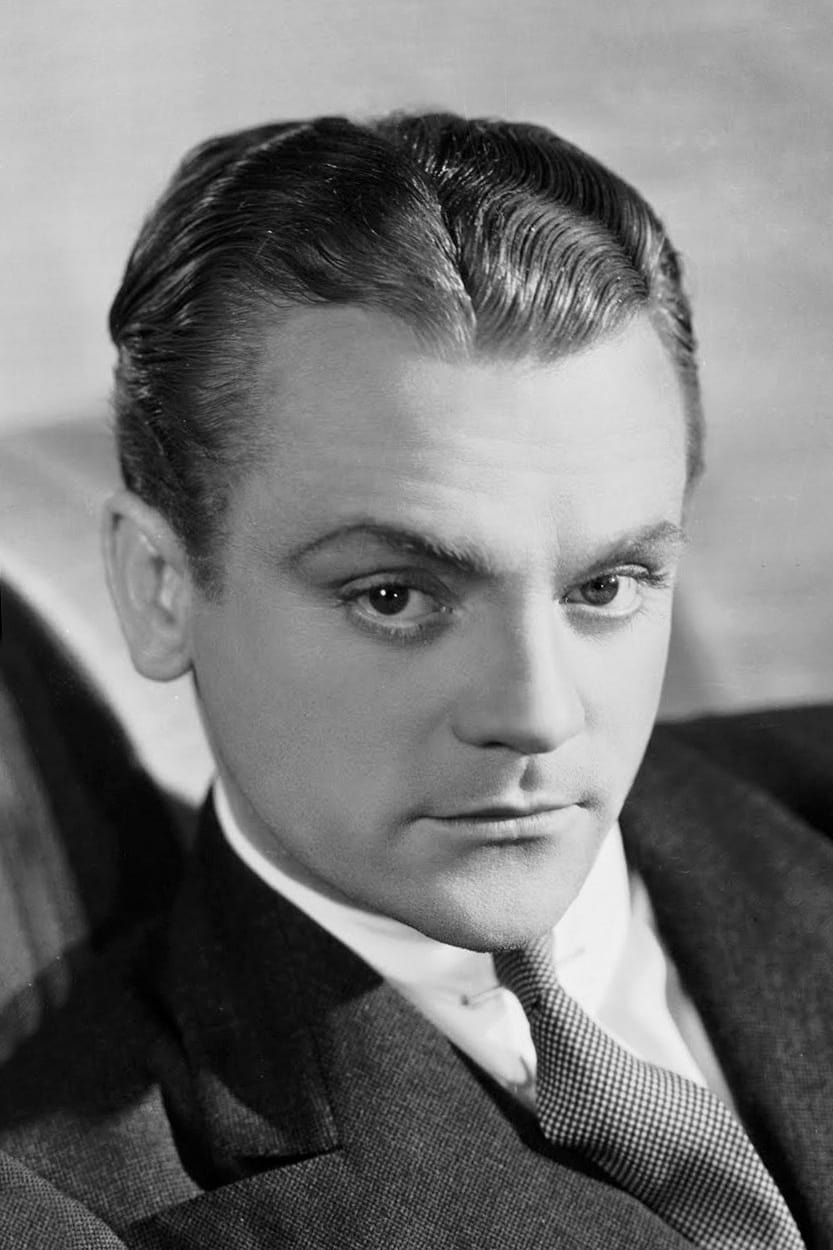
James Cagney brought an electric energy to the screen that made him impossible to ignore. His gangster roles in ‘The Public Enemy’ and ‘White Heat’ were terrifying yet oddly charismatic. He was also a gifted dancer who showcased his softer side in ‘Yankee Doodle Dandy’. He introduced a fast-talking and aggressive rhythm to film dialogue that changed the pacing of movies.
Lon Chaney
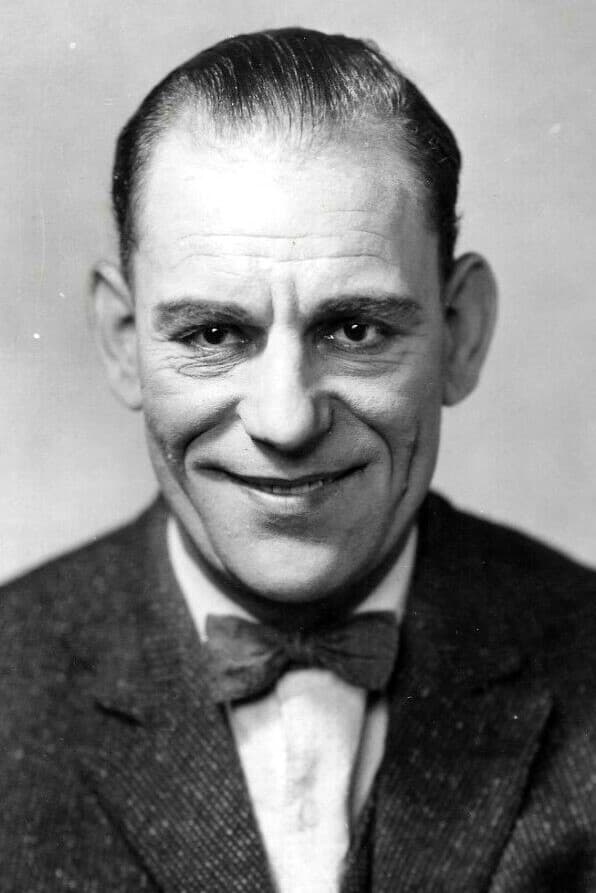
Lon Chaney was known as the Man of a Thousand Faces for his groundbreaking work with makeup. He physically transformed himself for roles in silent horror classics like ‘The Phantom of the Opera’. He endured physical pain to achieve the necessary looks for his grotesque but sympathetic characters. His dedication to the craft of physical transformation laid the groundwork for modern special effects makeup.
Boris Karloff
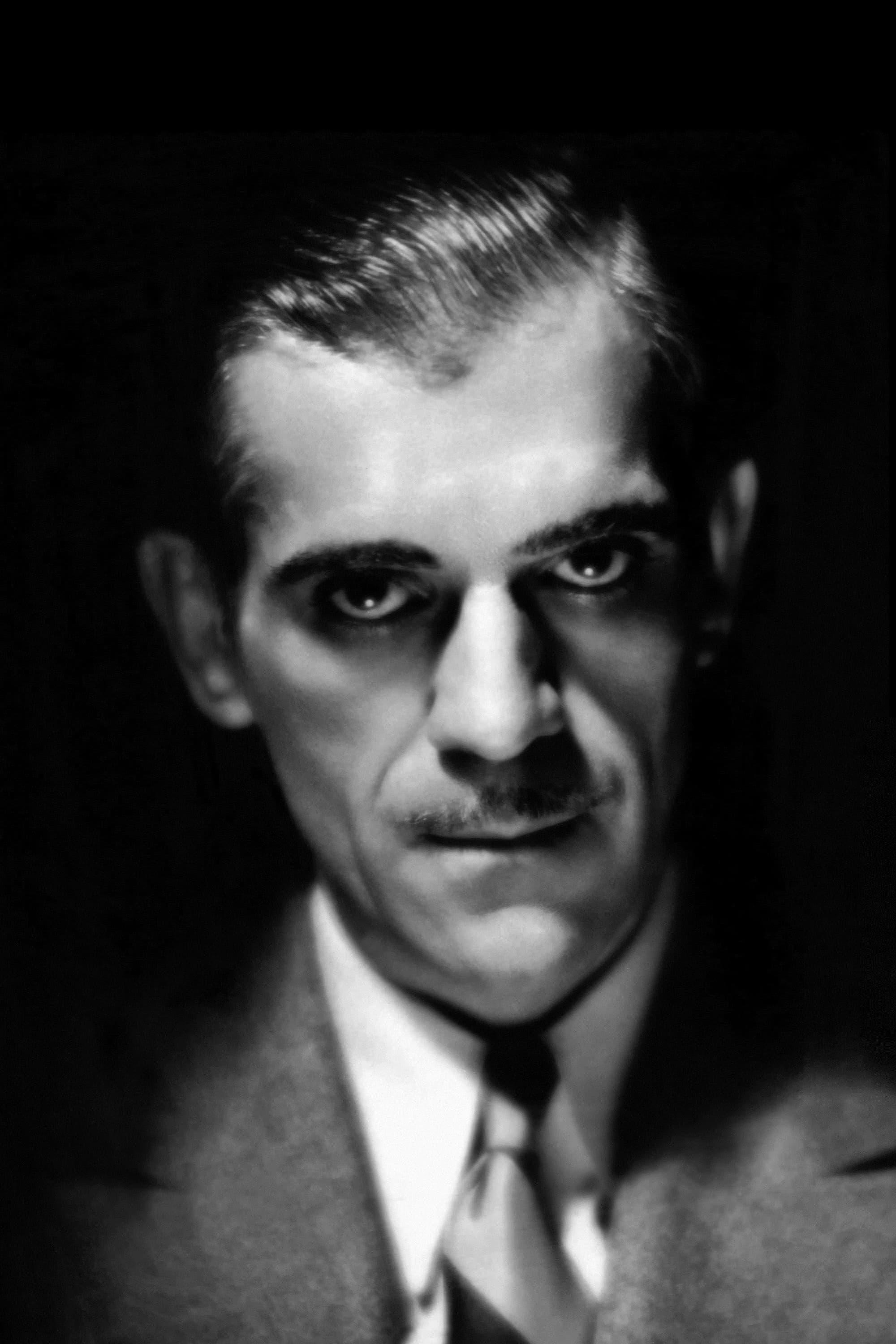
Boris Karloff gave a soulful and tragic performance as the monster in ‘Frankenstein’ that defined the horror genre. He managed to convey deep emotion and longing through heavy makeup and without speaking a word. He spent the rest of his career as a horror icon but always brought dignity to his roles. His work ensured that movie monsters could be seen as victims rather than just villains.
Groucho Marx
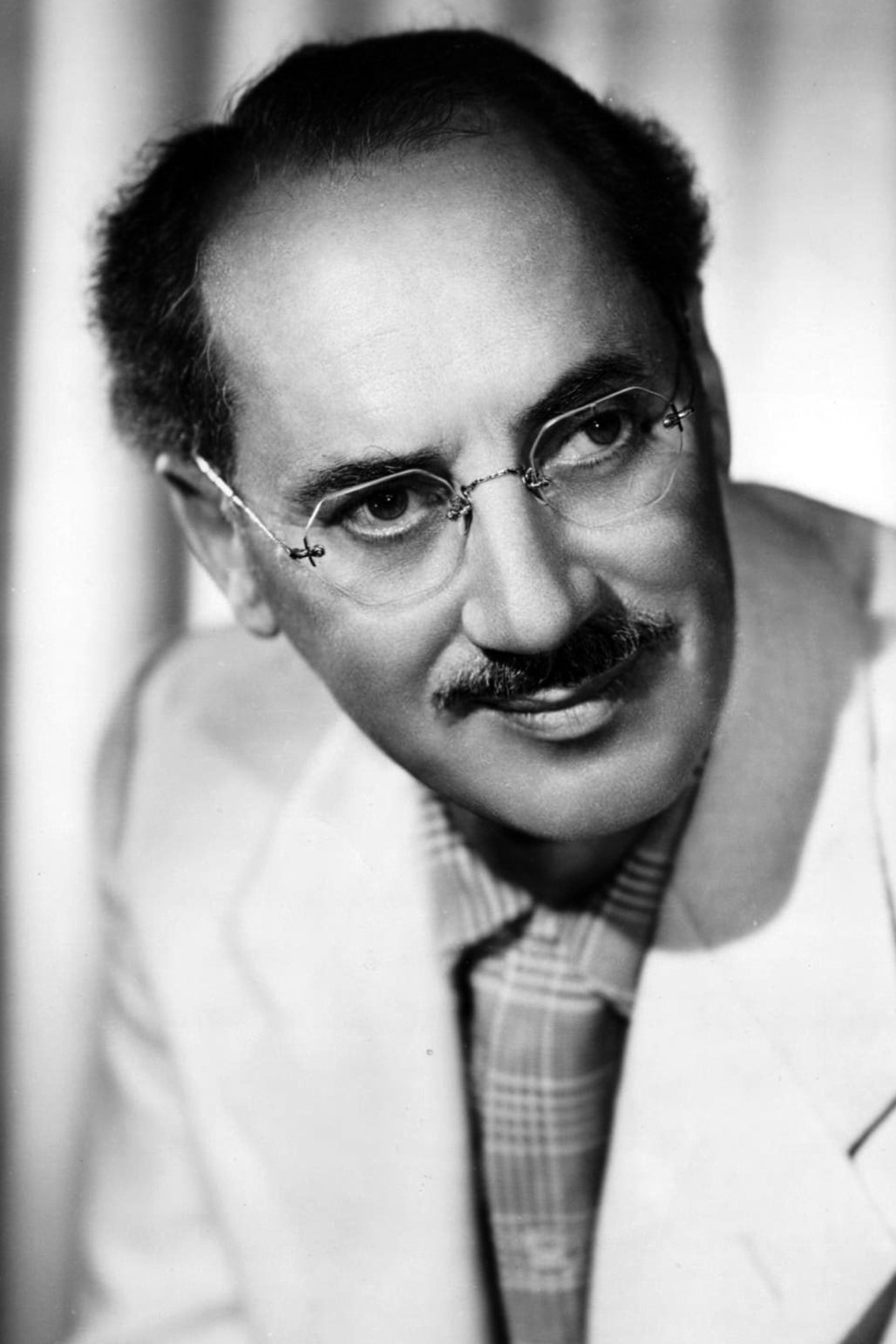
Groucho Marx was the master of the quick wit and the verbal pun. As the leader of the Marx Brothers, he turned anarchy into an art form in films like ‘Duck Soup’. His rapid-fire delivery and greasepaint mustache became symbols of comedy itself. Modern stand-up comedians and writers still study his wordplay and timing.
Jack Lemmon
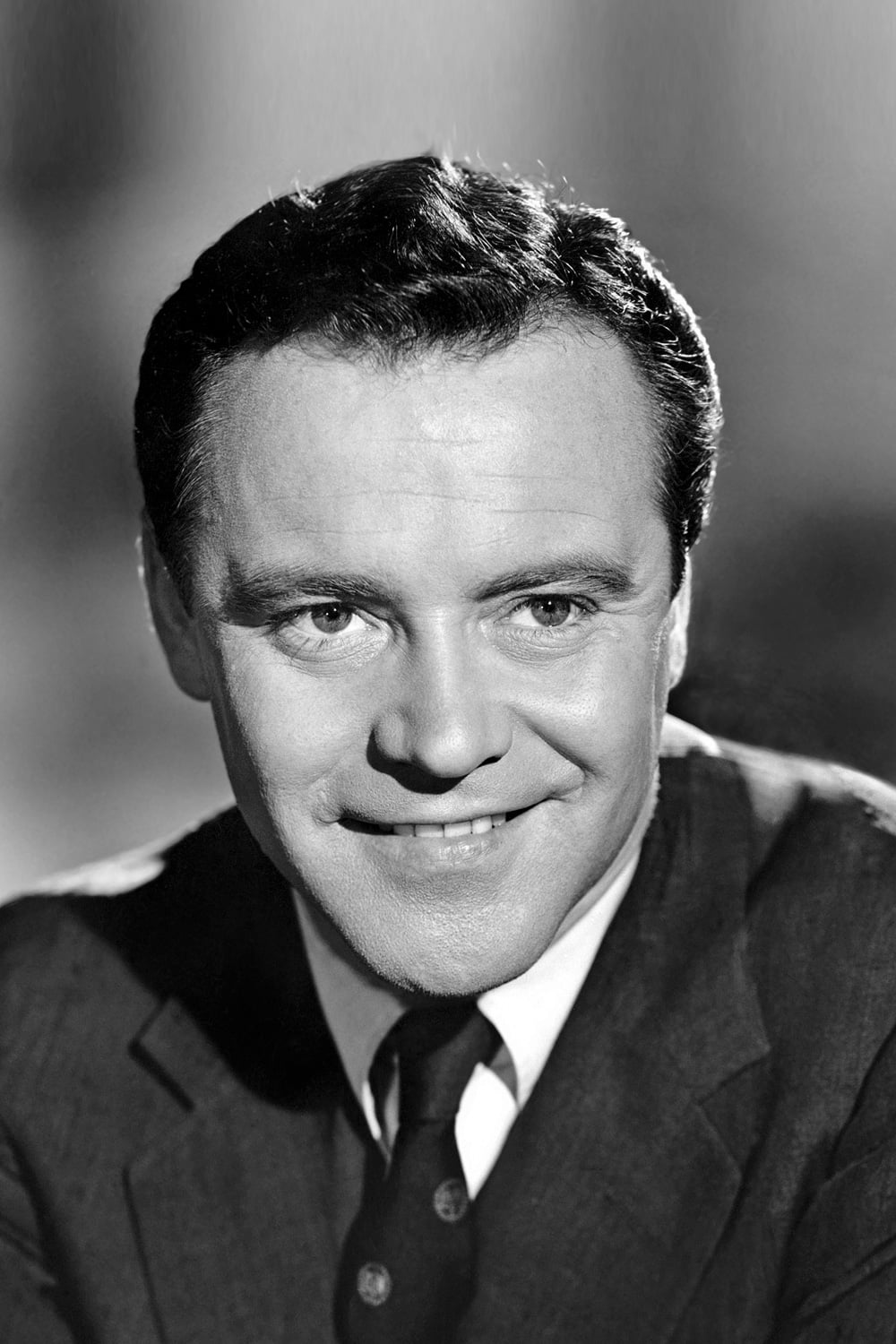
Jack Lemmon was the ultimate everyman who could switch effortlessly between comedy and drama. His performances in ‘The Apartment’ and ‘Some Like It Hot’ showed a rare vulnerability and neurotic energy. He was not afraid to appear weak or desperate on camera. His ability to find the humor in tragedy influenced a generation of dramedy actors.
Alan Rickman
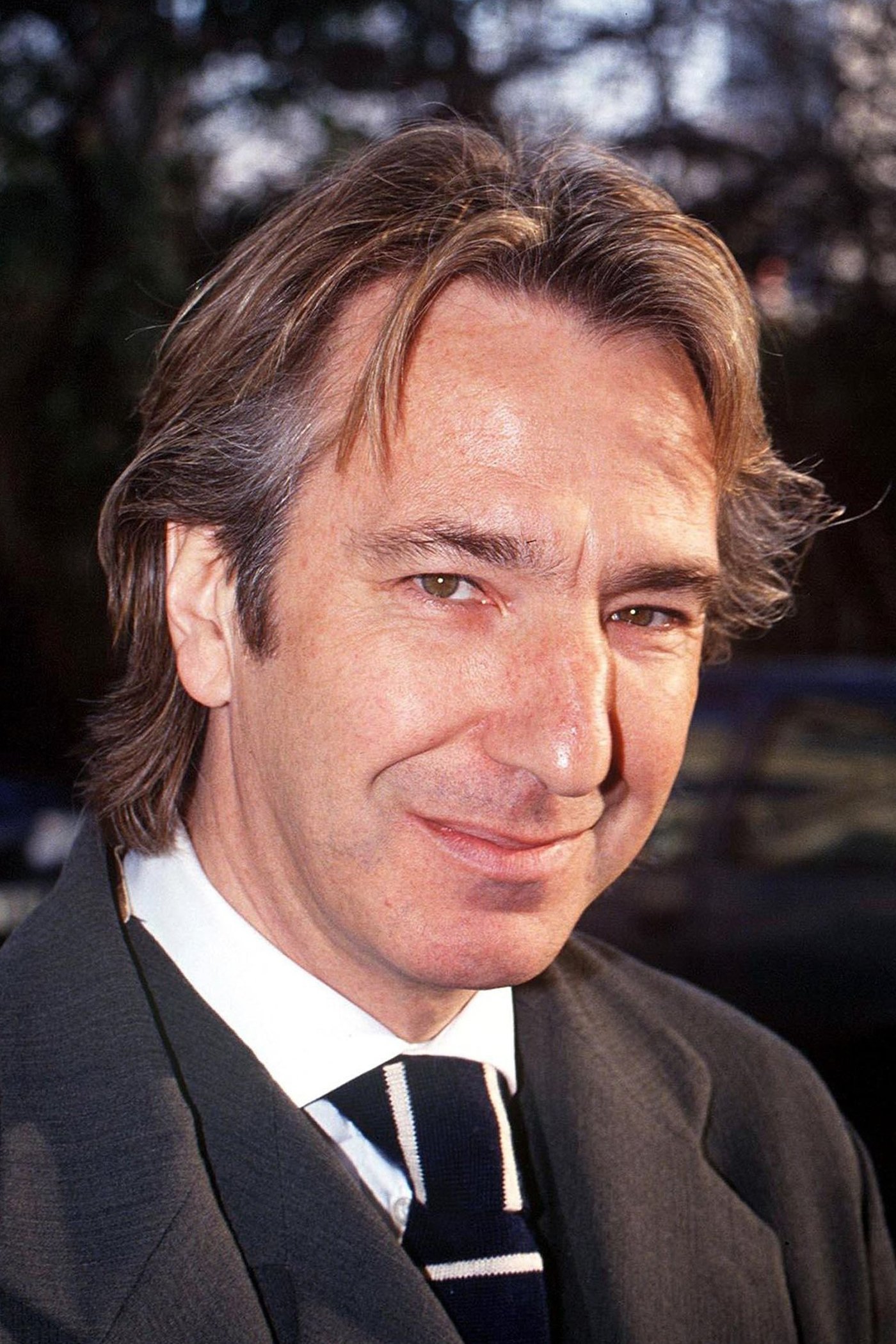
Alan Rickman possessed a languid voice and a dry wit that made him an unforgettable screen presence. He redefined the action villain in ‘Die Hard’ by playing the antagonist as bored and intellectual rather than physically imposing. His role as Severus Snape in the ‘Harry Potter’ series introduced him to a new generation of fans. He demonstrated how vocal cadence and silence could be more intimidating than shouting.
Christopher Lee
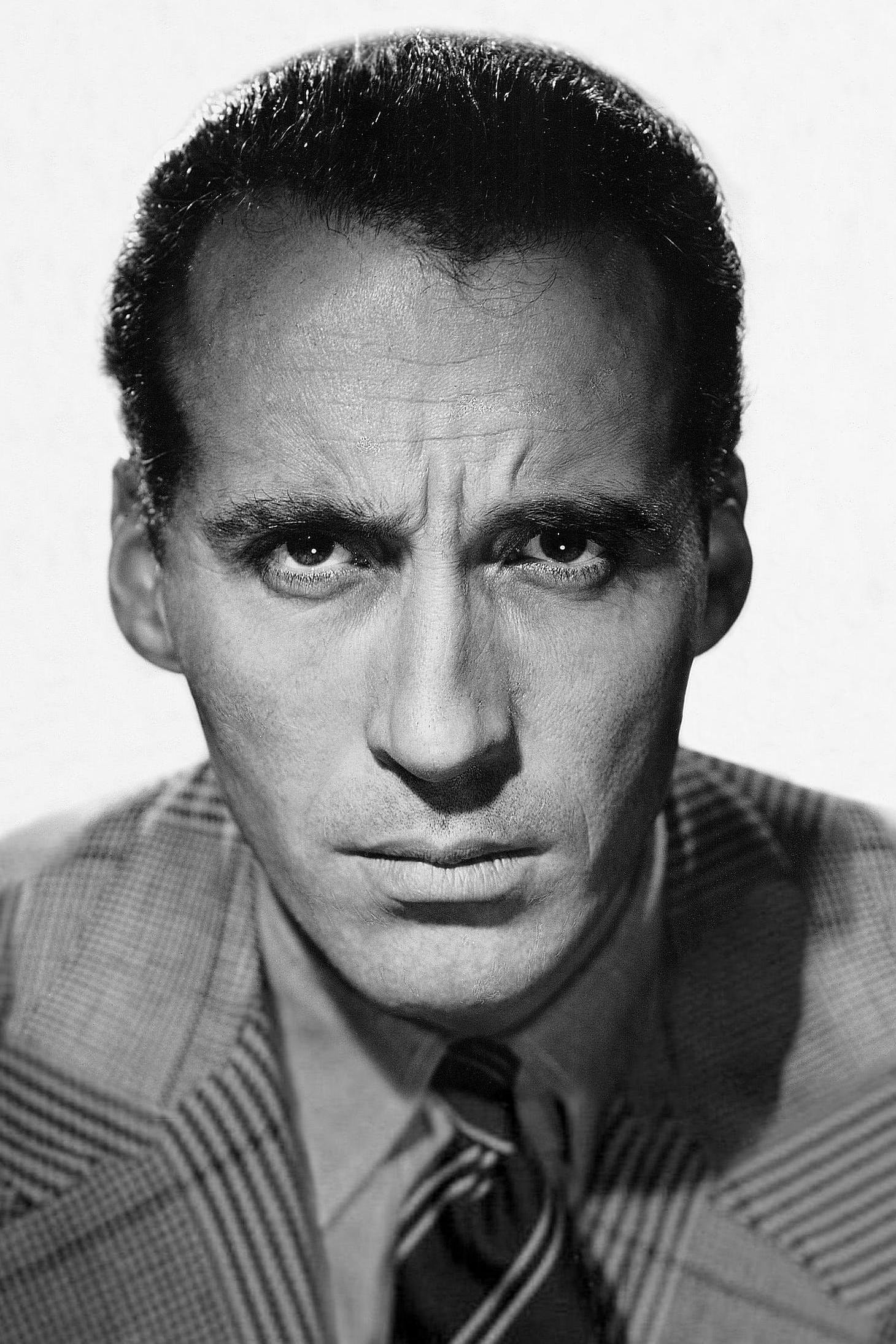
Christopher Lee played iconic villains ranging from Dracula to Saruman with an imposing height and deep voice. He appeared in hundreds of films and brought a sense of aristocratic menace to horror and fantasy roles. He was instrumental in making the Hammer Horror films a global phenomenon. His career longevity and work ethic were legendary in the industry.
River Phoenix
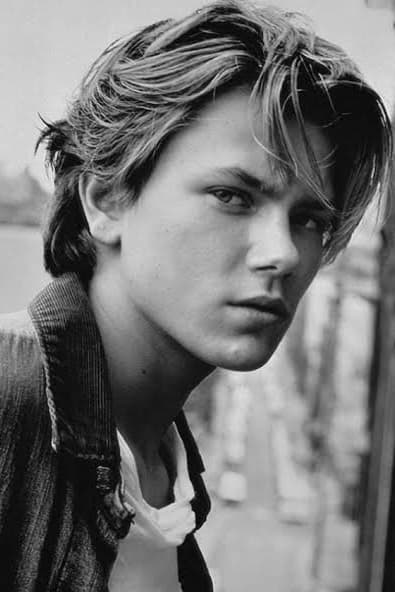
River Phoenix was considered one of the most talented actors of his generation before his untimely death. His raw performance in ‘Stand by Me’ and his Oscar-nominated turn in ‘Running on Empty’ displayed a maturity beyond his years. He brought a sensitivity to male roles that challenged traditional gender norms. Young actors continue to cite him as a primary influence on their approach to emotional honesty.
Rudolph Valentino
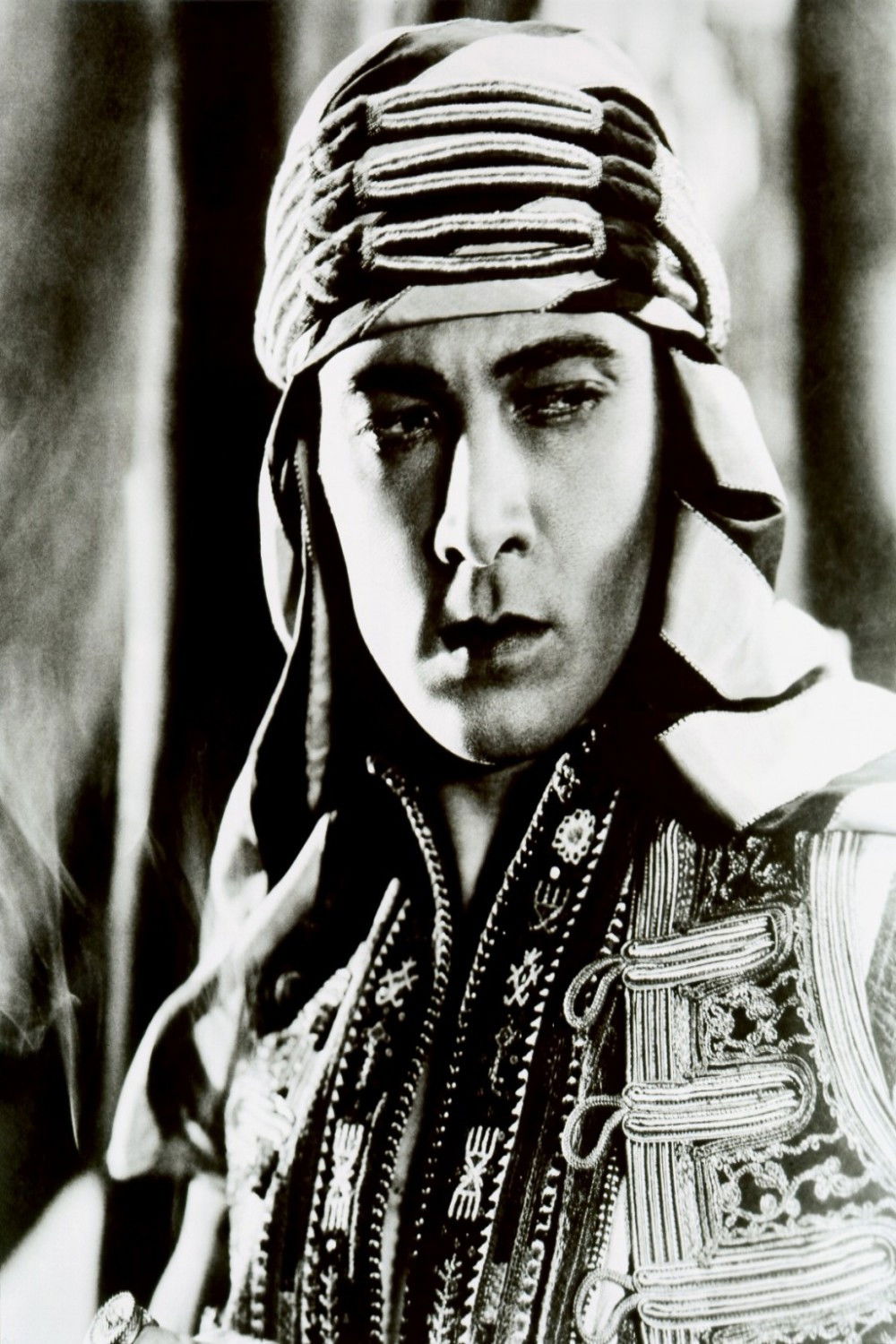
Rudolph Valentino was the first true male sex symbol of the silver screen. His roles in ‘The Sheik’ and ‘Blood and Sand’ caused mass hysteria among female audiences. He introduced a more exotic and passionate style of romance to Hollywood. His sudden death at a young age created the template for the tragic celebrity legend.
Clark Gable
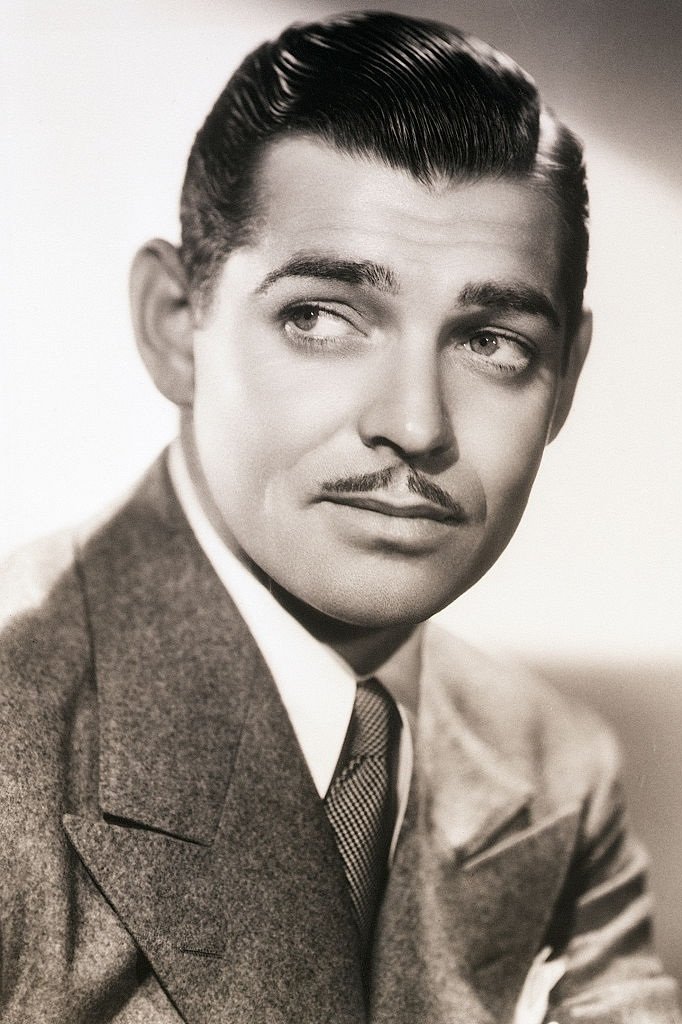
Clark Gable was known as the King of Hollywood and the ultimate masculine lead. His rogue charm in ‘It Happened One Night’ and ‘Gone with the Wind’ set the standard for romantic leads. He combined a rough-hewn exterior with a twinkle in his eye that audiences loved. He represented a confident and uniquely American style of stardom.
Chadwick Boseman
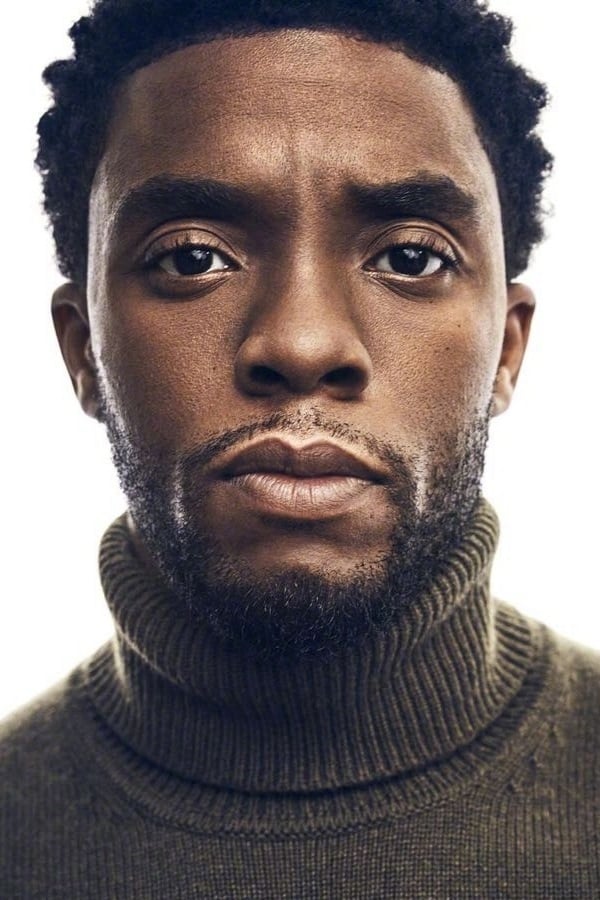
Chadwick Boseman made a profound impact during his short career by portraying Black icons with grace and power. He brought James Brown, Jackie Robinson, and the superhero Black Panther to life with intense dedication. His work became a symbol of cultural pride and representation for millions. He showed immense resilience by delivering career-defining performances while battling illness.
Share your thoughts on which of these legendary actors had the biggest impact on cinema in the comments.