Mecha Anime That Are Rip-Offs Of Gundam

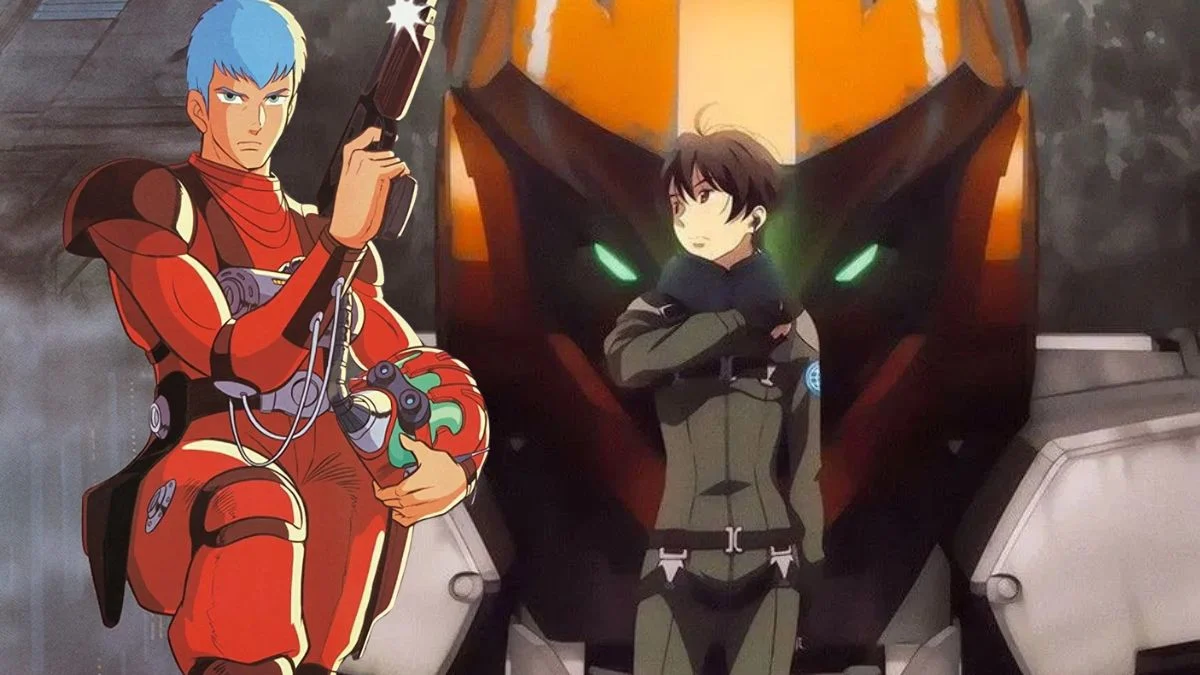

The impact of ‘Mobile Suit Gundam’ on the anime industry cannot be overstated as it single-handedly created the Real Robot genre. Countless studios sought to replicate its success by producing series that featured political war dramas and mechanical designs grounded in pseudo-realism. These shows often borrow specific tropes such as the masked antagonist or the teenage civilian stumbling into a prototype machine. While some of these titles are blatant clones intended to sell toys, others evolved the formula into something unique. This list explores the vast landscape of mecha anime that exist because of the path forged by the white mobile suit.
‘Metal Armor Dragonar’ (1987–1988)
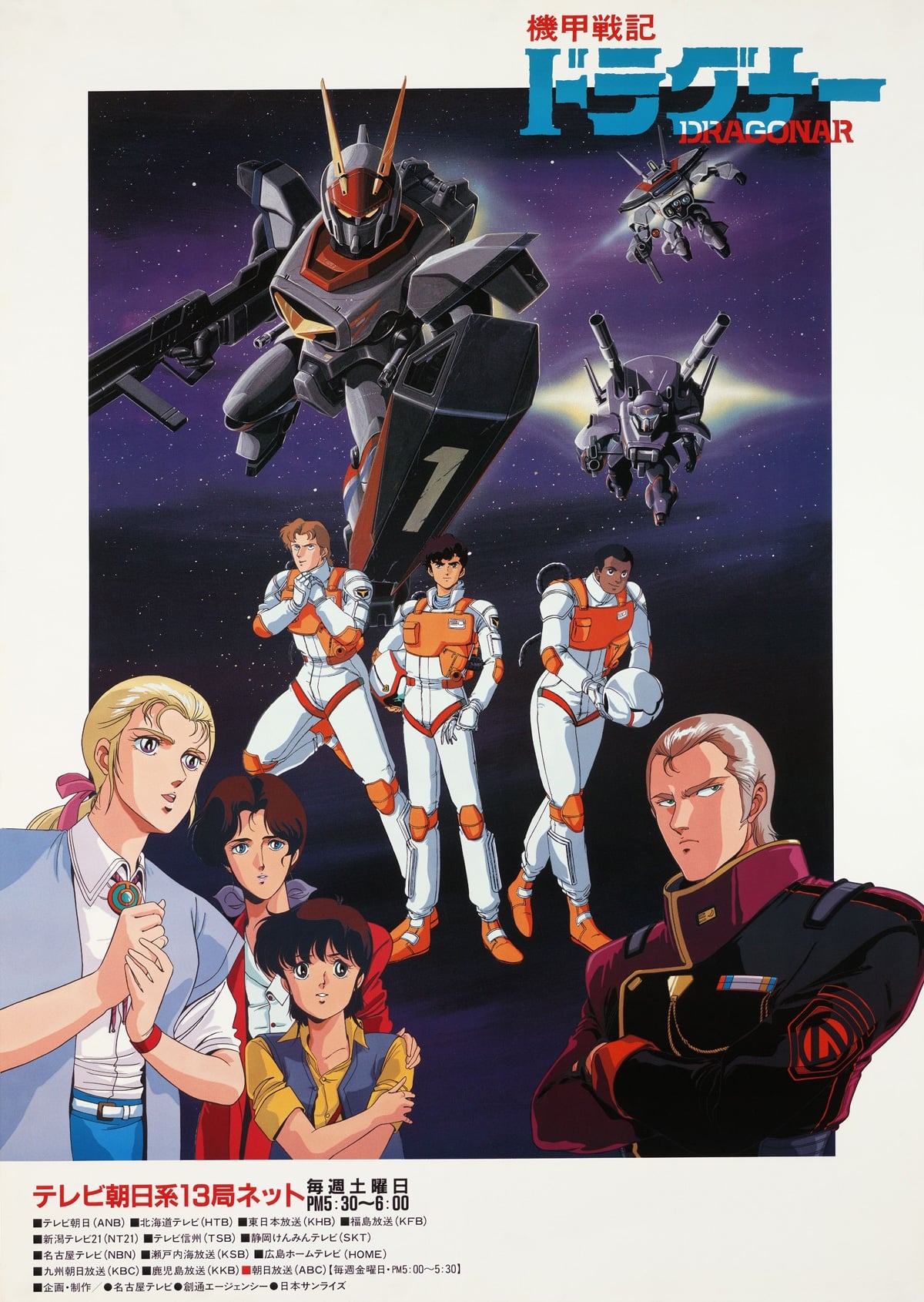
This series was explicitly produced to be a modern successor to the original Gundam franchise. The story follows three friends who stumble upon secret military mecha and are forced to pilot them against a lunar empire. The narrative beats closely mirror the original 1979 series with a focus on a warship crew fleeing from enemy territory. It features mechanical designs by Kunio Okawara who also designed the original Gundam.
‘Blue Comet SPT Layzner’ (1985–1986)
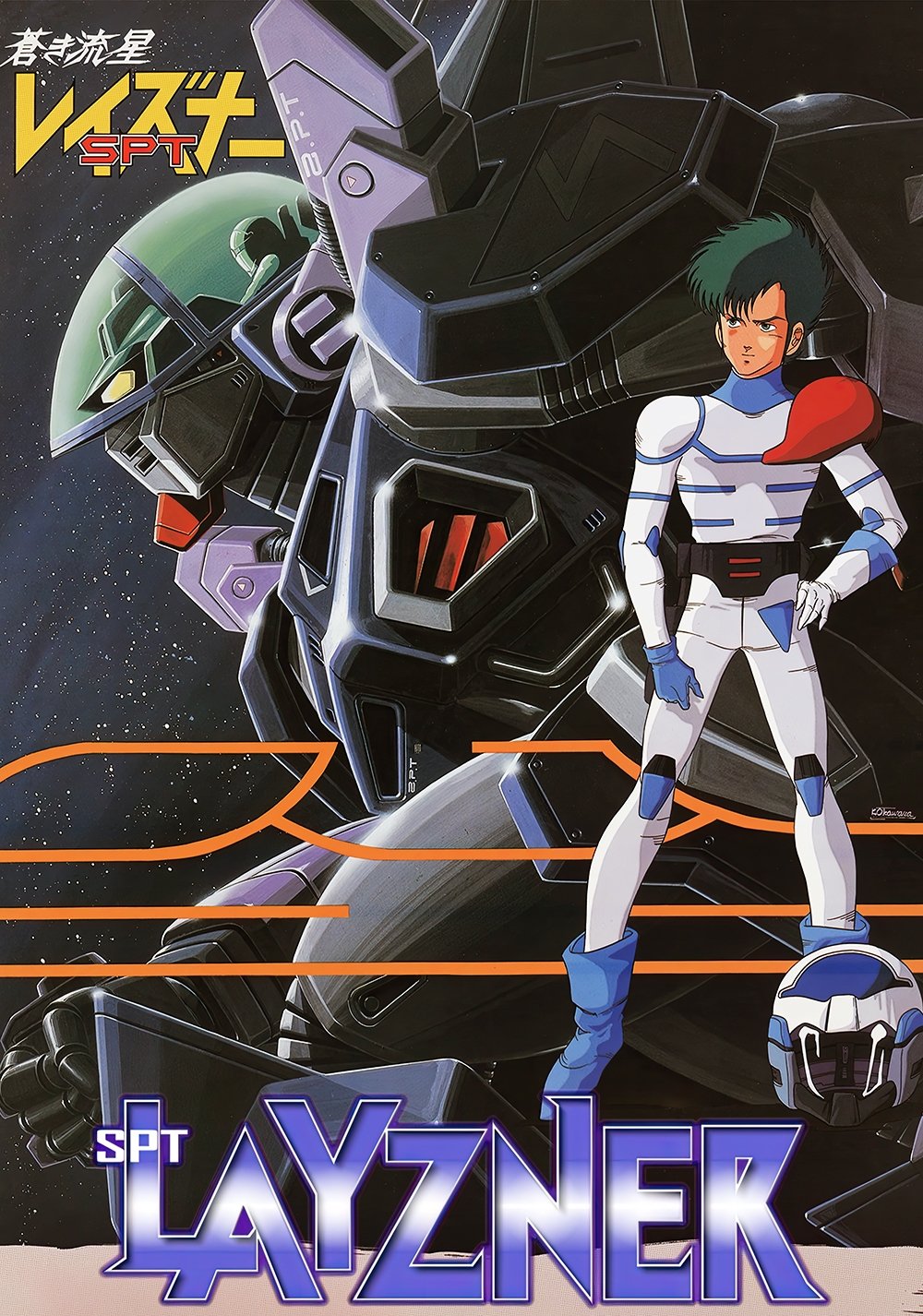
The show focuses on an alien invasion plot where the protagonist pilots a highly advanced mecha with an AI interface. The series incorporates Cold War themes and features a gritty atmosphere typical of the Real Robot boom. Viewers often point out similarities between the main character and typical Gundam protagonists who are reluctant soldiers. The mechanical designs emphasize functional realism over superhero aesthetics.
‘Heavy Metal L-Gaim’ (1984–1985)
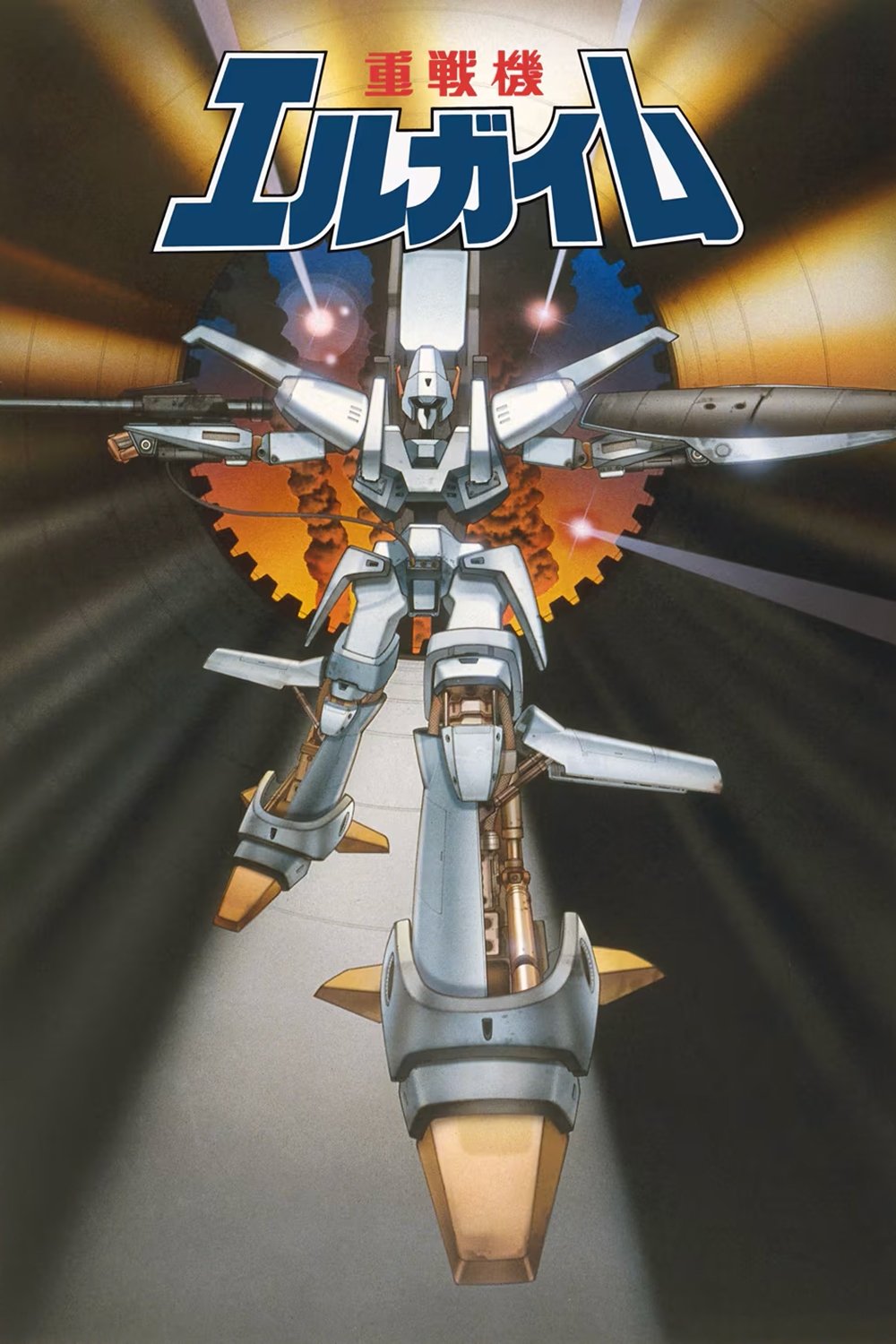
Directed by Yoshiyuki Tomino himself, this show served as a testing ground for concepts later used in ‘Mobile Suit Zeta Gundam’. The narrative involves a rebellion against a tyrannical ruler in a solar system with dual suns. Its mecha designs feature an internal skeletal frame that influenced future model kits. The storyline explores political intrigue and the burden of leadership on a young pilot.
‘Combat Mecha Xabungle’ (1982–1983)
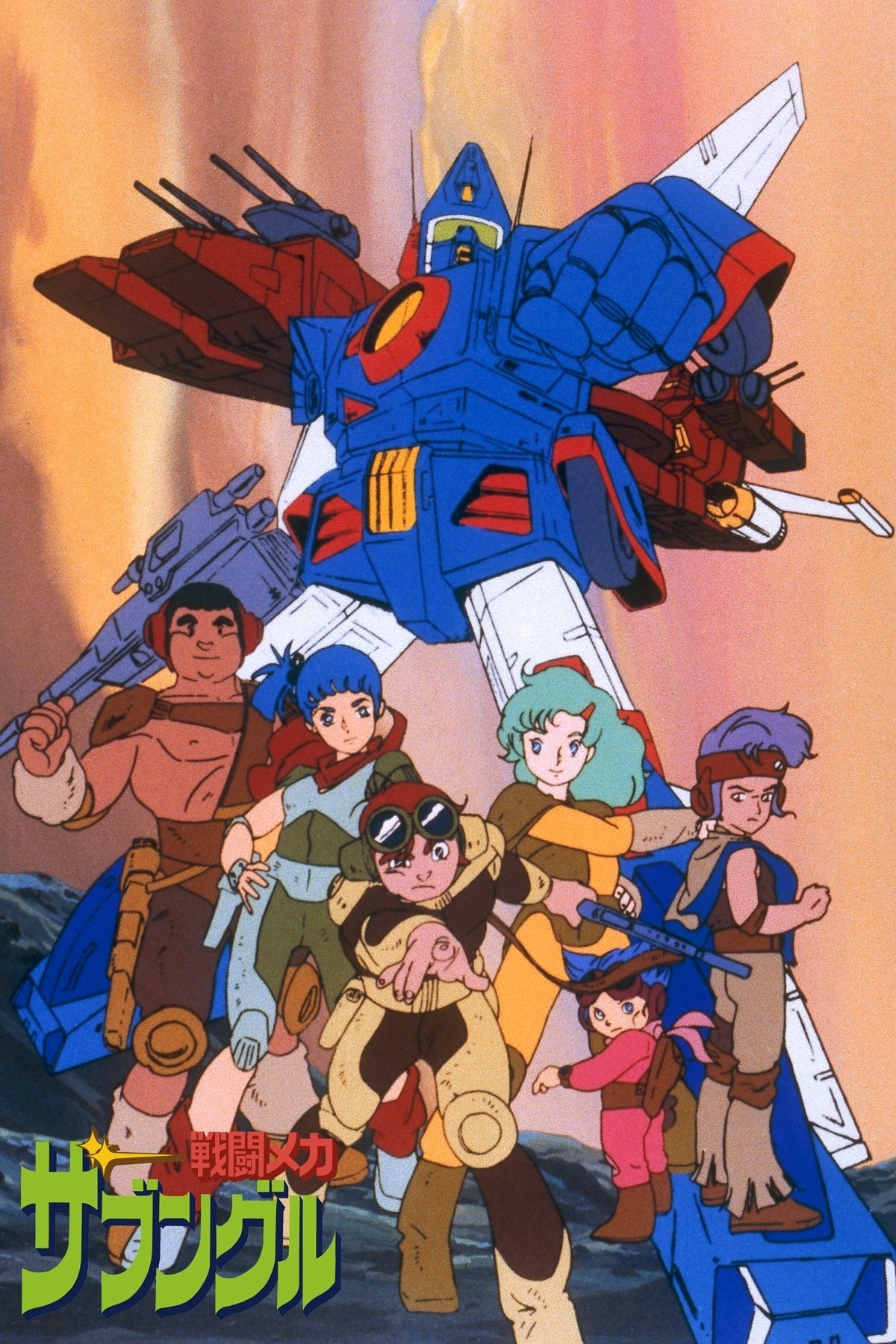
This series presents a dusty and western-inspired take on the Real Robot genre. The protagonist seeks revenge in a lawless world where giant machines are the primary mode of transport and combat. It balances serious war themes with a unique comedic tone that sets it apart from its grim contemporaries. The show remains a cult classic for its distinct visual style and world-building.
‘Fang of the Sun Dougram’ (1981–1983)
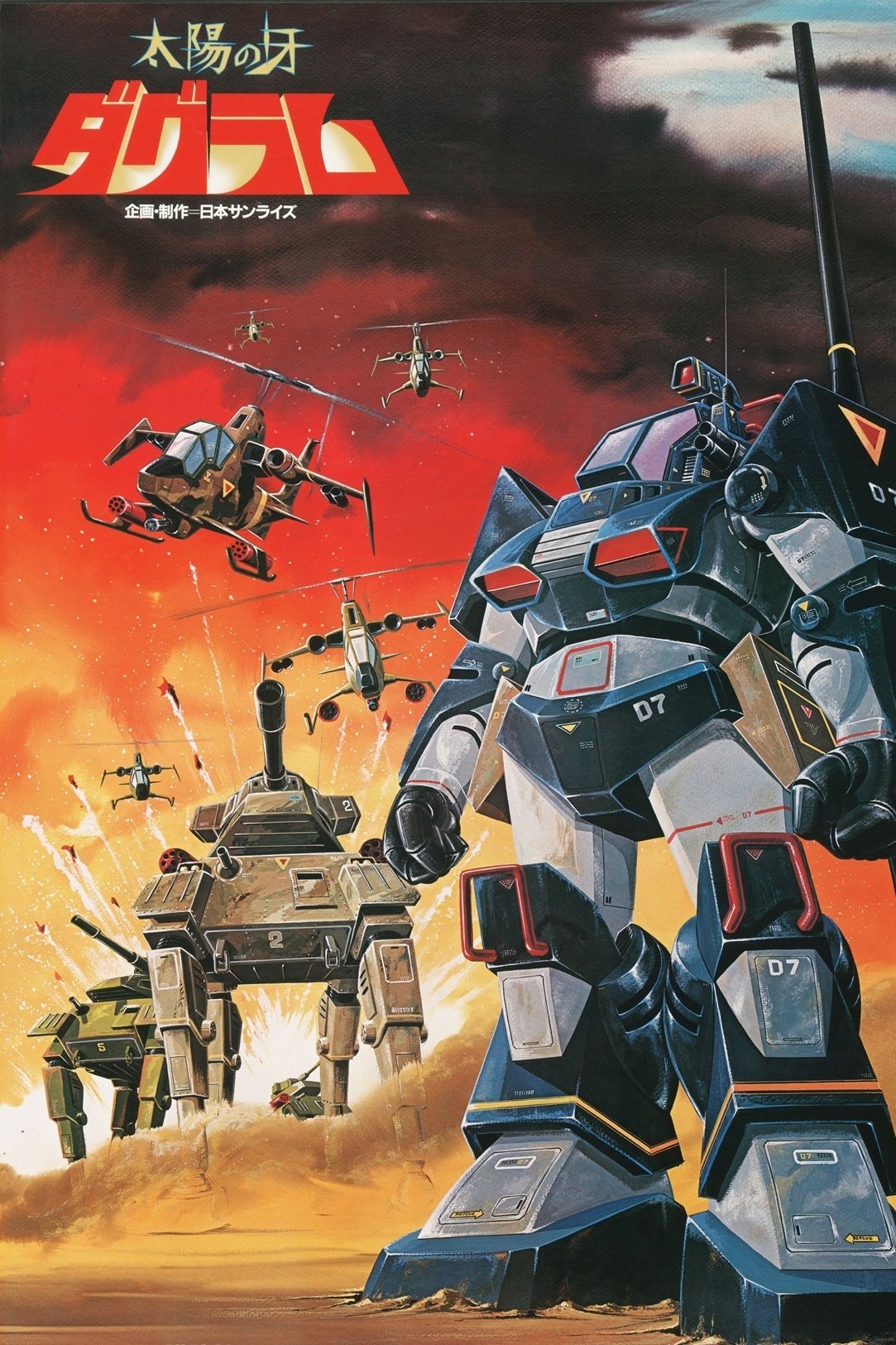
The series is known for its incredibly grounded approach to guerrilla warfare and political maneuvering. A group of freedom fighters battles against a repressive federation using mass-produced combat armors. The mecha are depicted as slow and heavy tanks with legs rather than agile superheroes. It explores the complexities of revolution and the moral ambiguity of war.
‘Armored Trooper Votoms’ (1983–1984)
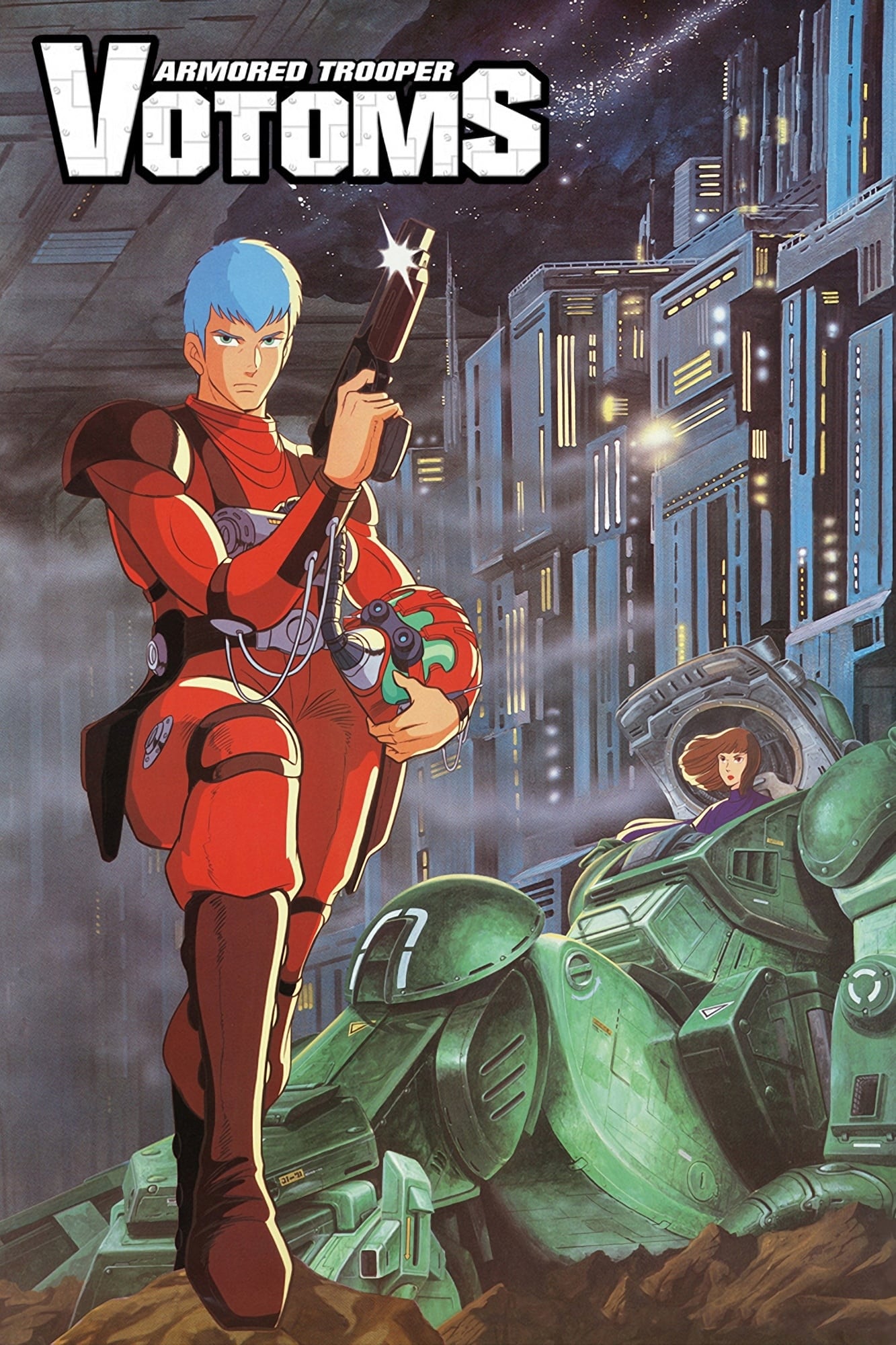
This show takes the Real Robot concept to its logical extreme by treating mecha as disposable hardware. The protagonist Chirico Cuvie is a soldier on the run who pilots mass-produced units known as Scopedogs. The series avoids giving the main character a unique prototype and focuses on his survival skills. It remains highly regarded for its gritty atmosphere and hard science fiction elements.
‘Round Vernian Vifam’ (1983–1984)
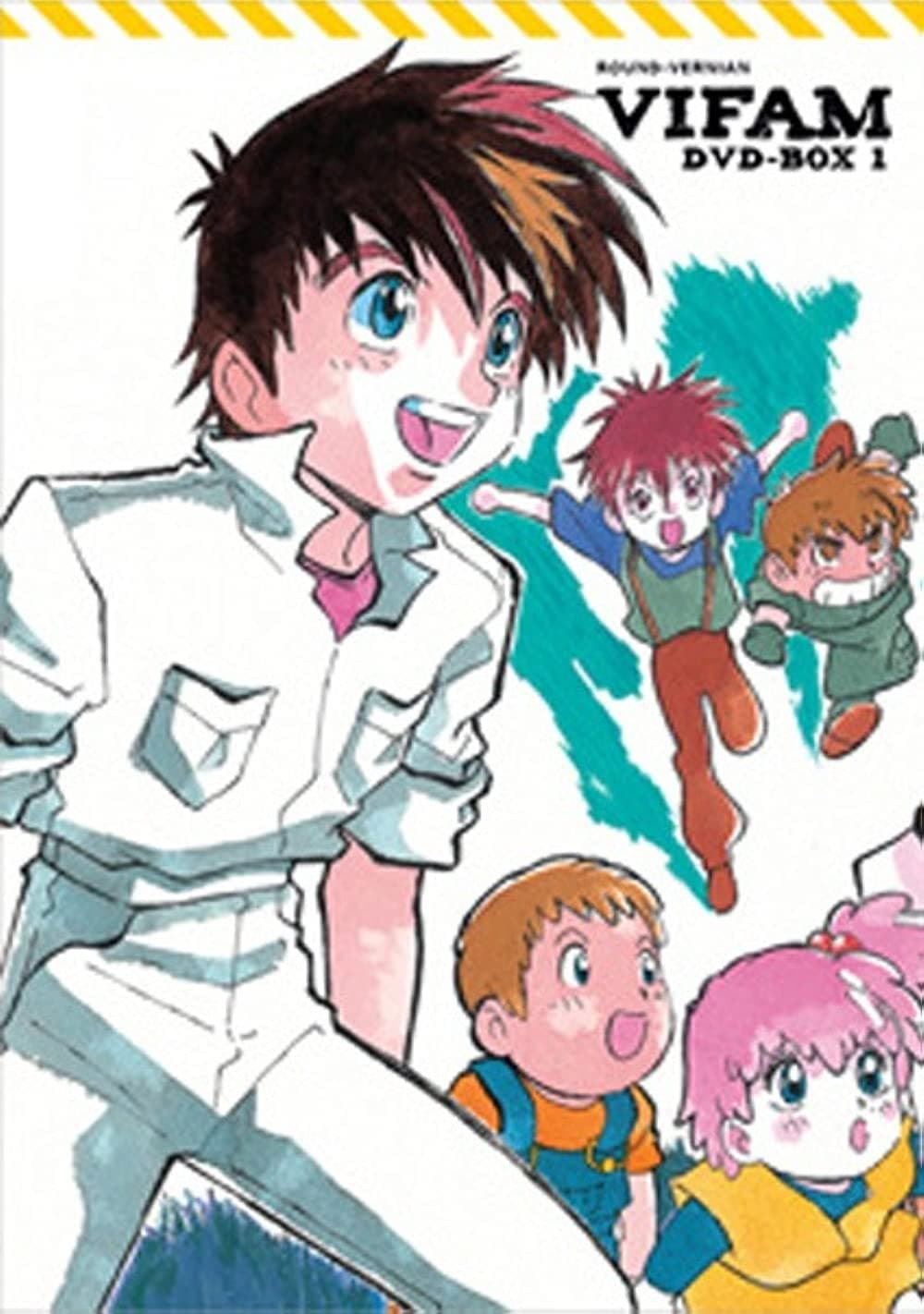
The story centers on a group of children who are stranded on a warship after an alien attack. They must learn to operate the ship and its mecha to survive their journey home. The series emphasizes the psychological toll of war on youth much like the original Gundam. It creates a tense atmosphere as the young cast is forced to grow up quickly.
‘Aura Battler Dunbine’ (1983–1984)

This series transports the mecha formula to a fantasy world known as Byston Well. The protagonist is an ordinary human summoned to pilot insect-like robots powered by his aura energy. It pioneered the fusion of fantasy and mecha that would inspire later isekai titles. The narrative deals with the consequences of bringing advanced technology into a primitive society.
‘Space Runaway Ideon’ (1980–1981)
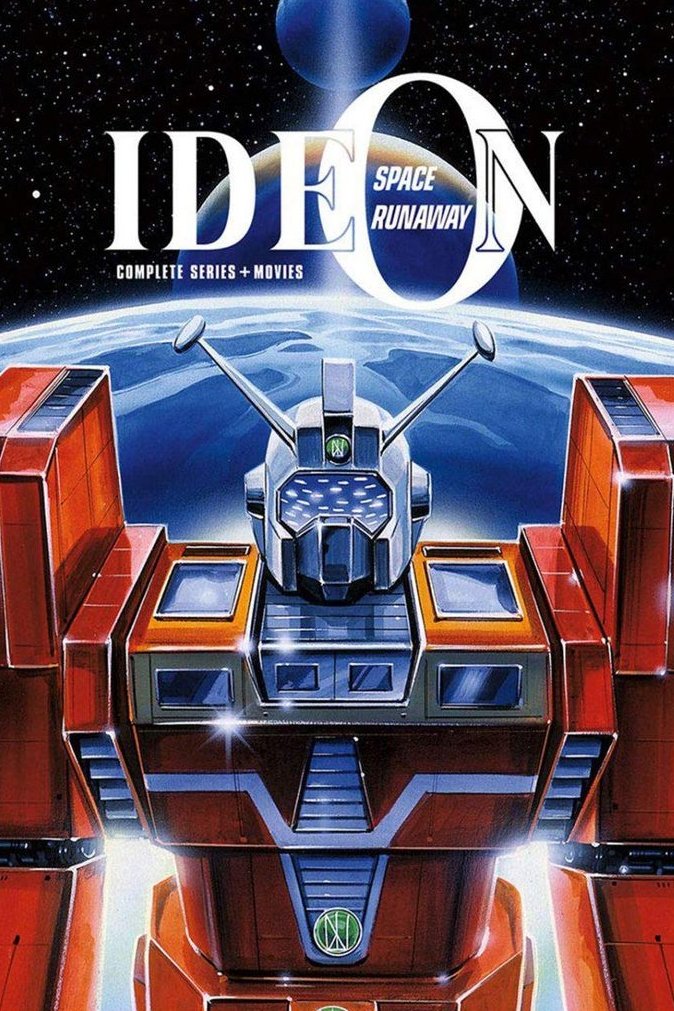
Often considered a darker parallel to Gundam, this series features a powerful ancient robot discovered by humans. The conflict escalates into a war of annihilation between humanity and an alien race. The narrative explores themes of misunderstanding and the destructive nature of fear. Its ending is infamous for its bleak and cosmic scale.
‘Panzer World Galient’ (1984–1985)
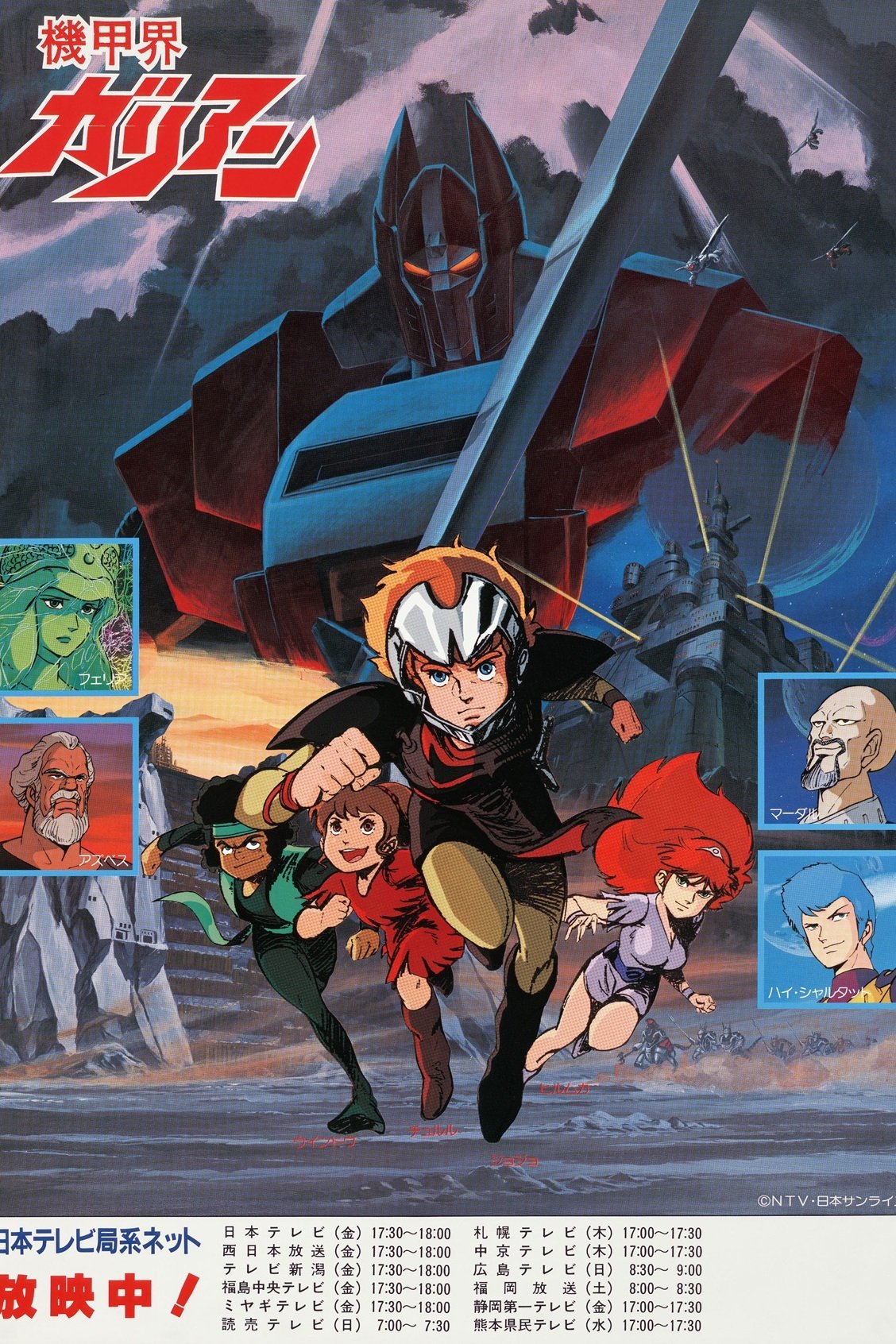
The show combines medieval fantasy settings with science fiction technology. A prince fights to reclaim his kingdom using a legendary iron giant discovered in ancient ruins. The series blends sword and sorcery tropes with the mechanical detail of the Real Robot genre. It features distinct designs that resemble knights in armor.
‘Giant Gorg’ (1984)
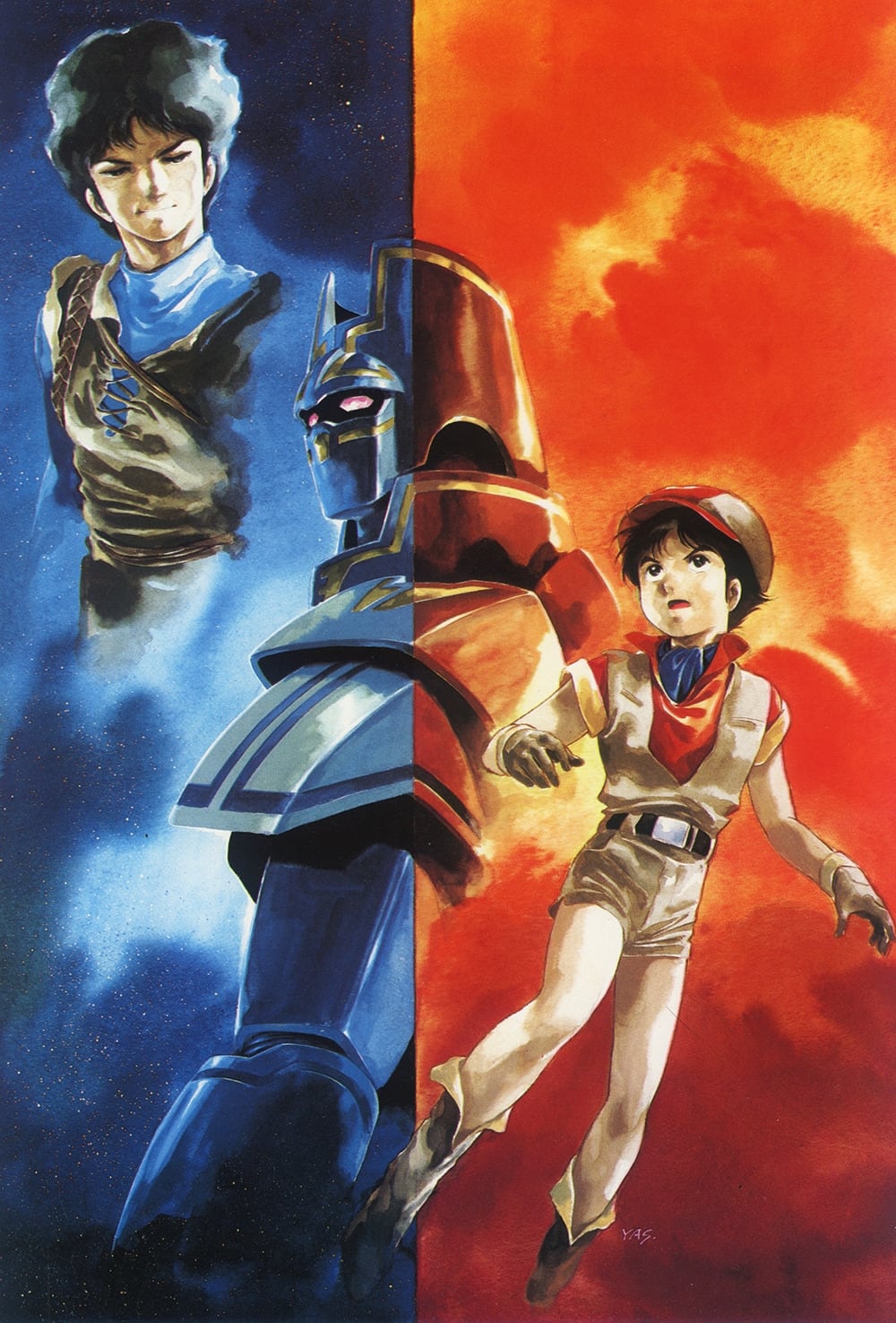
The plot follows a young boy who befriends a mysterious blue giant robot on a remote island. The series focuses more on adventure and mystery than on large-scale military conflict. The relationship between the pilot and the machine is central to the emotional core of the story. It features fluid animation and character designs by Yoshikazu Yasuhiko.
‘Genesis Climber MOSPEADA’ (1983–1984)

Soldiers travel across an Earth occupied by alien invaders in an attempt to reclaim the planet. The series is famous for its transforming motorcycles that become powered armor suits for the pilots. It focuses on the camaraderie of a small band of resistance fighters on a long journey. The show was later adapted as the third segment of the ‘Robotech’ franchise.
‘Super Dimension Cavalry Southern Cross’ (1984)
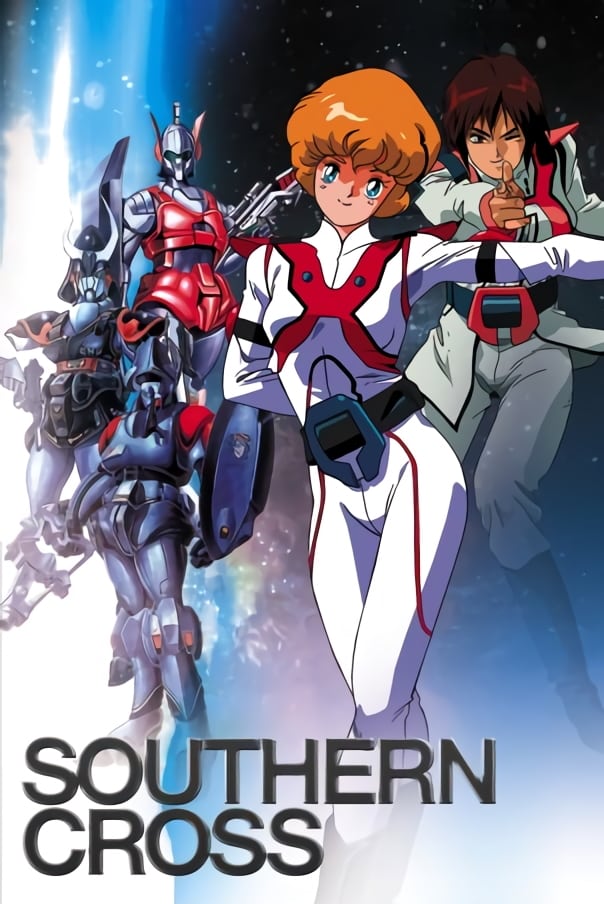
This series depicts a three-way war between human colonists and two alien factions on the planet Glorie. It focuses on three distinct military branches each with their own specialized mecha units. The show emphasizes the tactical aspects of squad-based combat and military hierarchy. It served as the basis for the second segment of ‘Robotech’.
‘Special Armored Battalion Dorvack’ (1983–1984)

The story involves a special military unit equipped with variable machines that fight an alien invasion. The mecha can transform between vehicle and robot modes to adapt to different combat situations. It is primarily remembered for its toy line which featured intricate transformation gimmicks. The anime delivers standard Real Robot action with a focus on team dynamics.
‘Valvrave the Liberator’ (2013)

Students at a neutral space colony declare independence after finding powerful ancient mecha buried beneath their school. The show is known for its frantic pacing and blend of supernatural elements with political war drama. It features a mechanism where piloting the machine requires the user to give up their humanity. The series attempts to modernize the Real Robot formula with shocking plot twists.
‘Aldnoah.Zero’ (2014–2015)
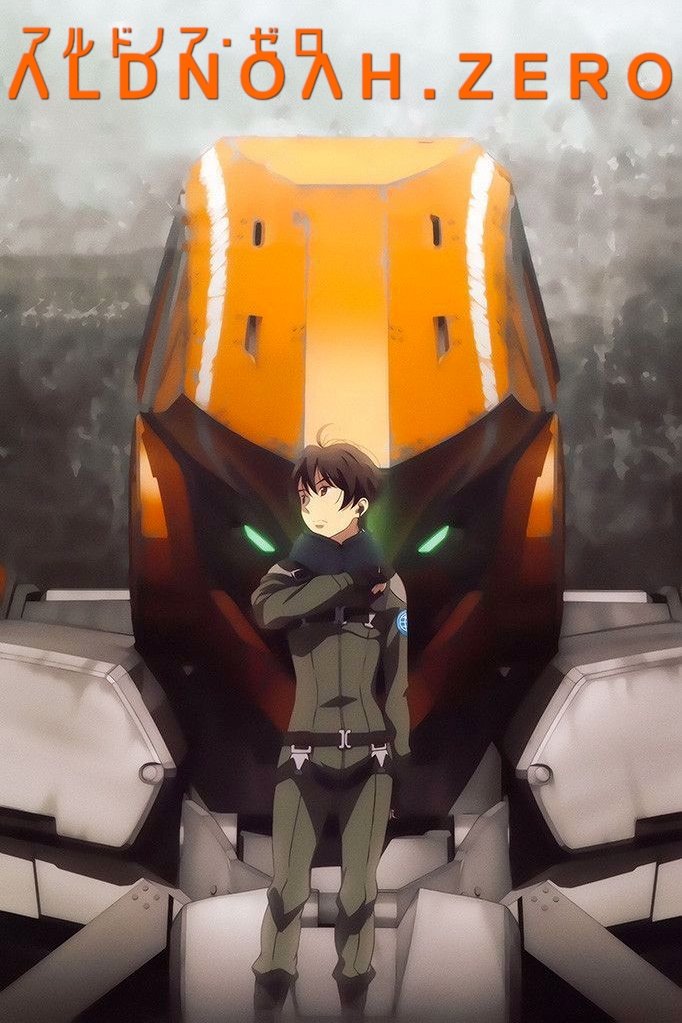
The story depicts a war between Earth and a technologically superior Martian empire. The protagonist is a tactician who uses a training mech to defeat advanced enemy units through strategy rather than raw power. The conflict arises from the assassination of a princess which mirrors classic historical dramas. It highlights the disparity between the two civilizations through their mechanical designs.
‘Majestic Prince’ (2013)
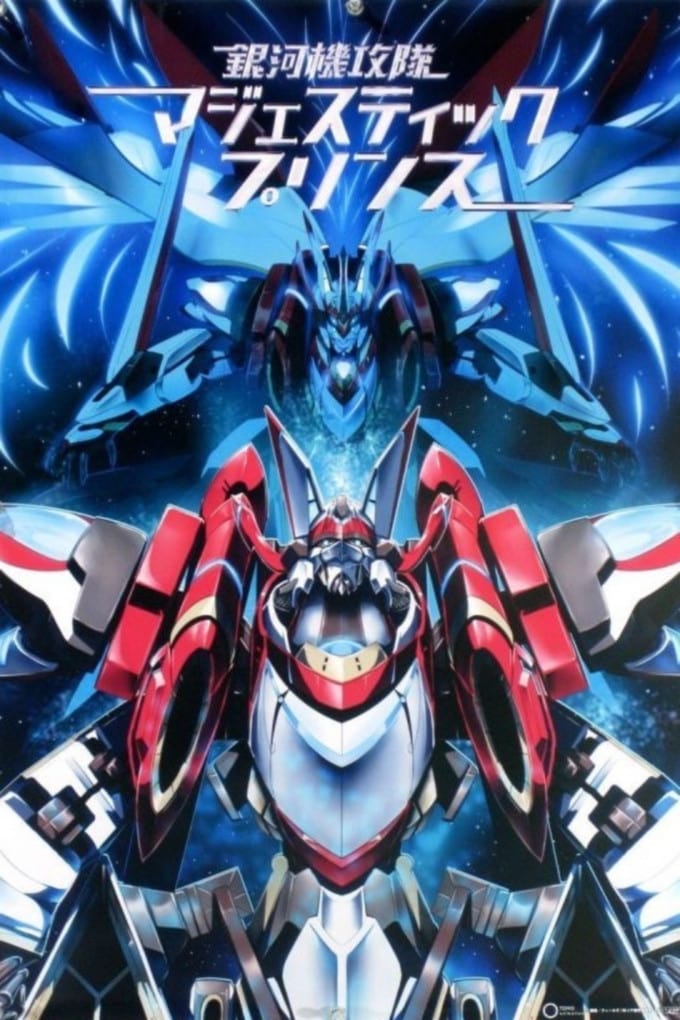
Genetically modified children are raised to pilot advanced mecha in a war against an alien species. The show focuses on a squad of underachievers who must learn to work together to utilize their machines effectively. It features high-speed combat and detailed mechanical animation. The narrative explores the ethics of creating soldiers for the sole purpose of war.
‘Argento Soma’ (2000–2001)
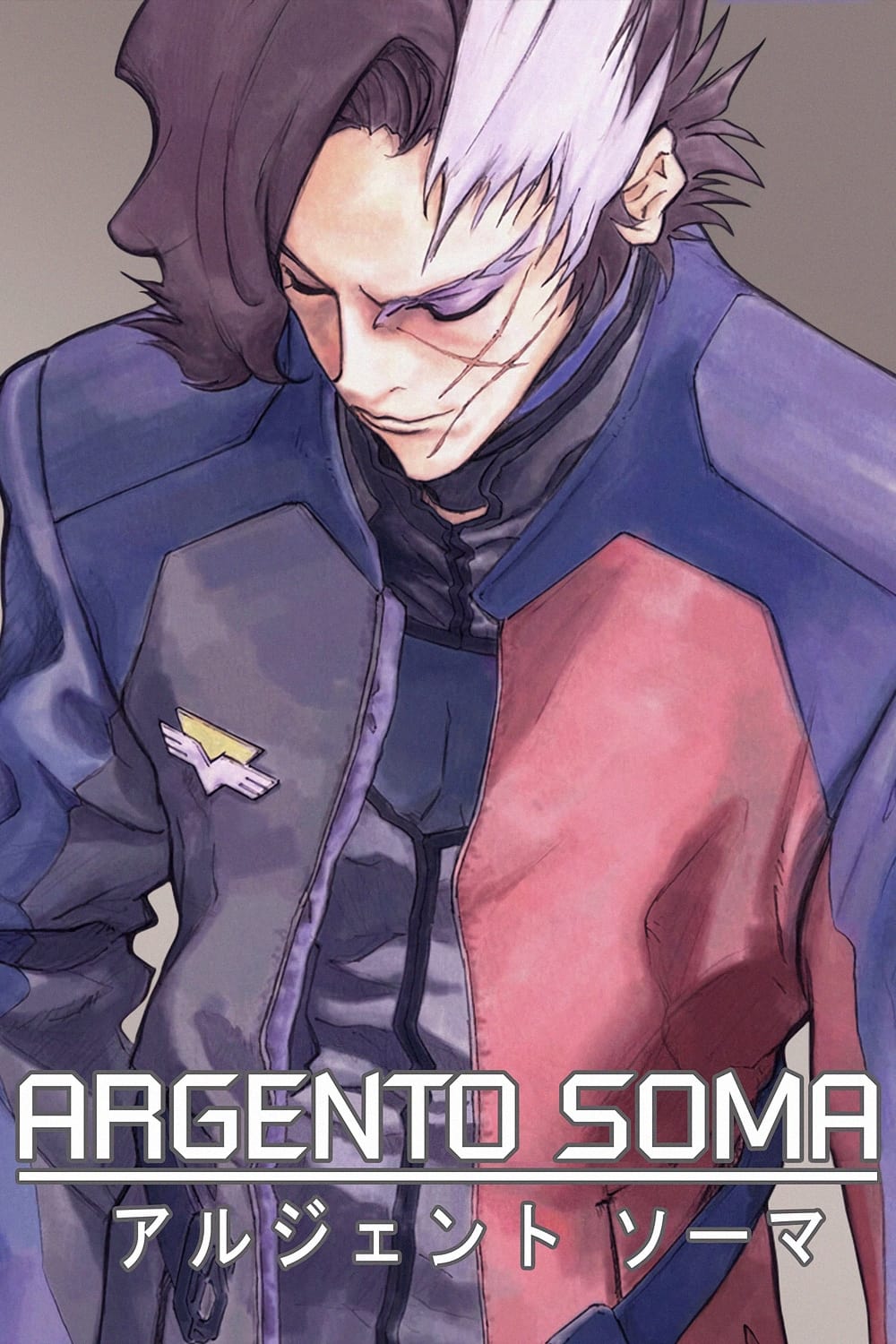
The series follows a grieving man who joins a special unit to exact revenge against the aliens that killed his girlfriend. He becomes the pilot of a pieced-together alien construct rather than a traditional robot. The tone is somber and focuses heavily on the psychological state of the protagonist. It deconstructs the hero archetype found in many mecha shows.
‘Fafner in the Azure’ (2004)
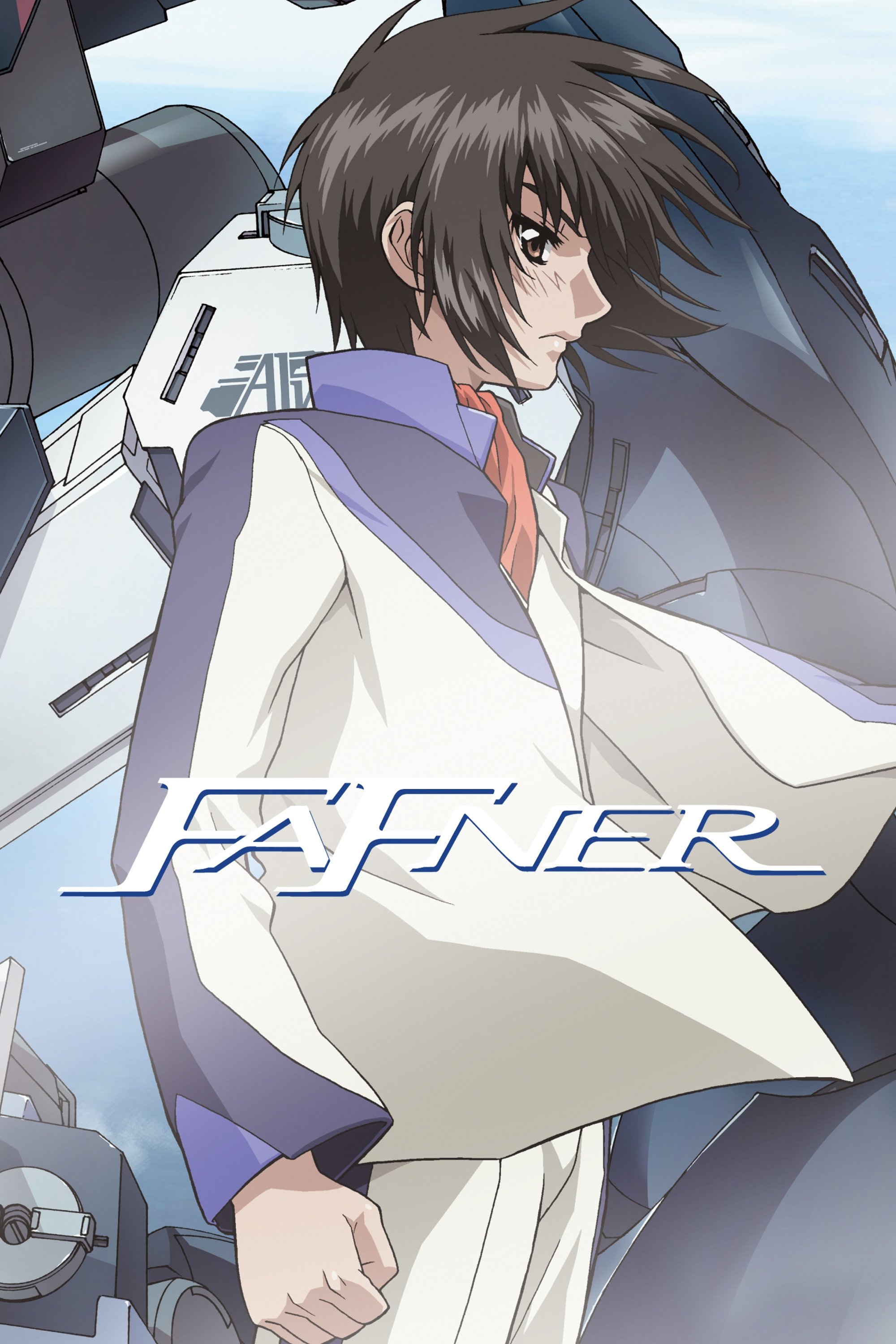
Children on a peaceful island discover that their home is actually a fortress designed to protect them from a silicon-based alien lifeform. The pilots must sync with their mecha in a process that slowly degrades their bodies and minds. The character designs by Hisashi Hirai bear a strong resemblance to ‘Mobile Suit Gundam SEED’. The story is known for its despairing tone and high stakes.
‘Heroic Age’ (2007)
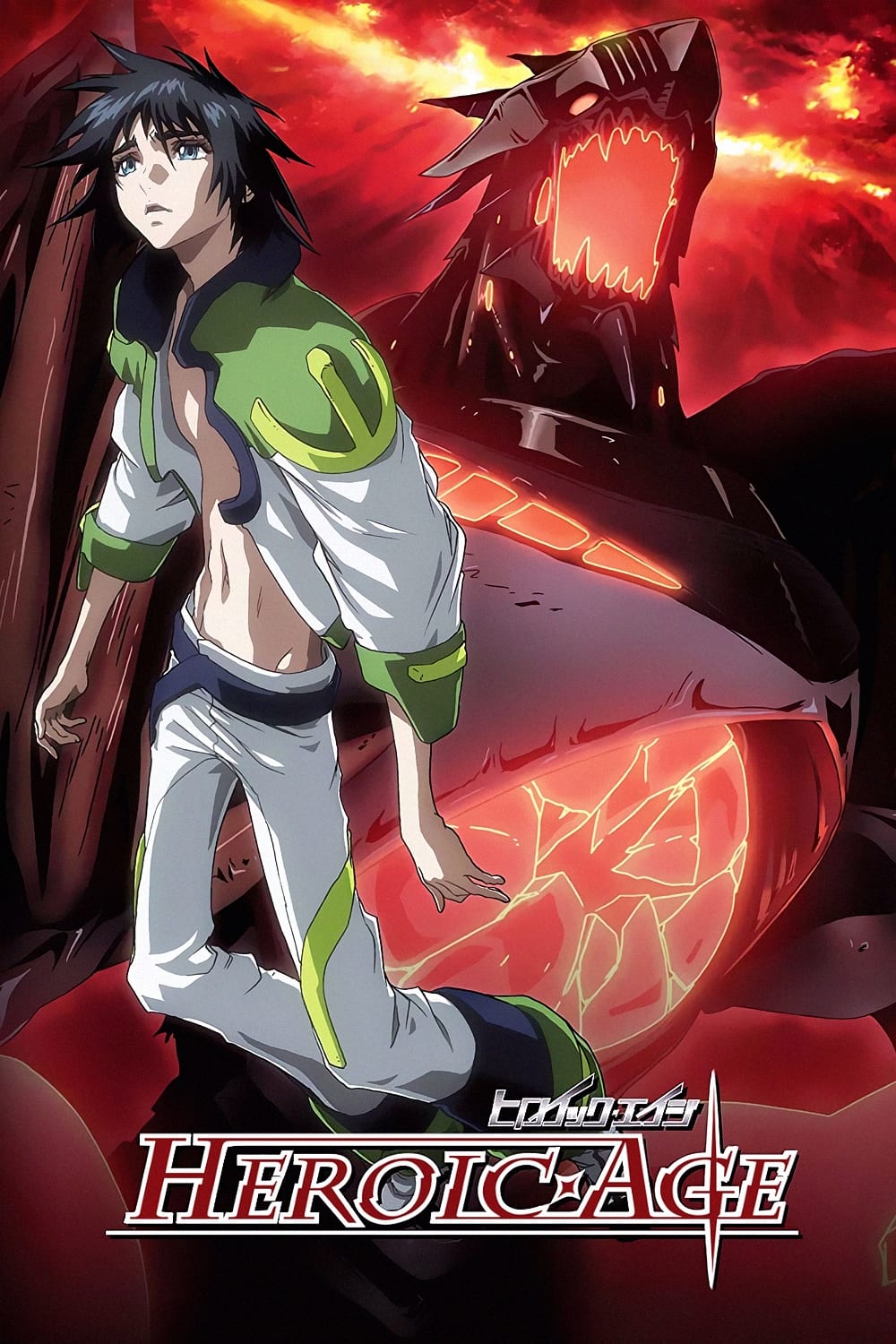
The anime is a space opera that retells the Greek myth of the Twelve Labors of Hercules. Humanity is on the brink of extinction and relies on a wild boy who can transform into a giant bio-mechanical entity. It features large-scale space battles and ancient prophecies that guide the factions. The show blends mecha action with mythological storytelling.
‘Linebarrels of Iron’ (2008–2009)
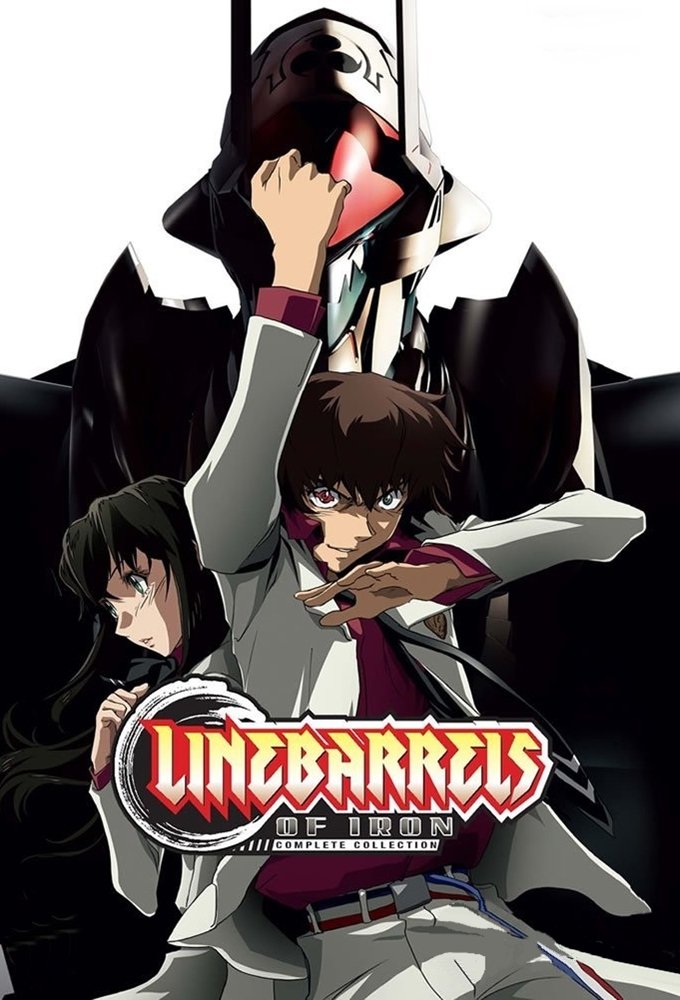
A bullied teenager accidentally activates a massive robot and gains incredible power. The series subverts expectations by making the protagonist arrogant and selfish rather than heroic. It combines Real Robot politics with Super Robot energy attacks. The plot involves secret organizations and alternate dimensions.
‘AMAIM Warrior at the Borderline’ (2021–2022)
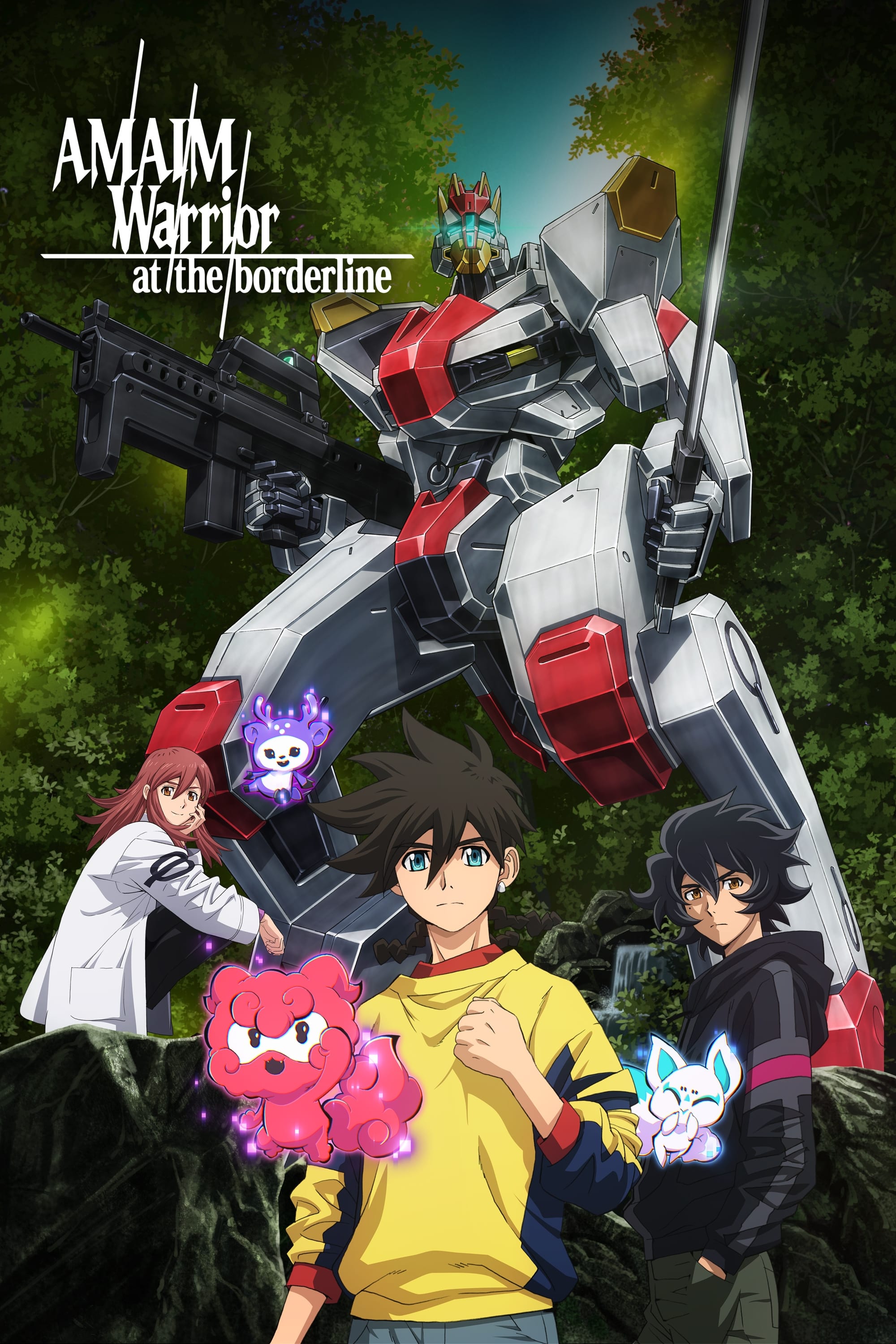
Japan is occupied by foreign powers and a young boy discovers an AI that allows him to fight back. The show deals with themes of economic oppression and resistance in a futuristic setting. The mechanical designs feature unique joint structures that differ from standard humanoids. It closely follows the formula of a boy and his robot changing the course of a war.
‘Muv-Luv Alternative: Total Eclipse’ (2012)
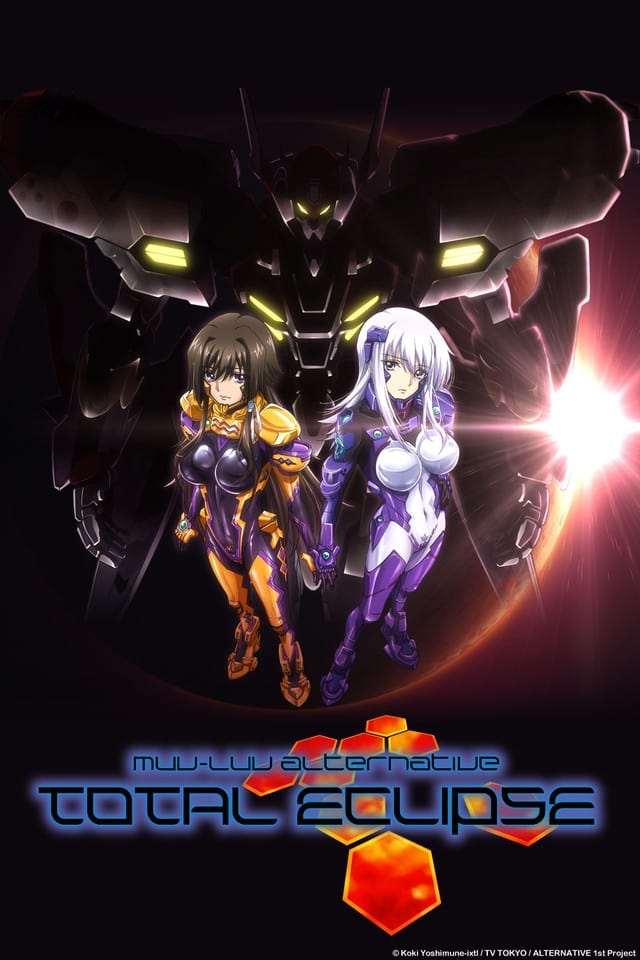
This spin-off series focuses on test pilots developing new tactical surface fighters to combat an alien threat known as the BETA. The show emphasizes the political friction between different nations even in the face of human extinction. The mecha designs are heavily inspired by real-world fighter jets. It balances harem elements with gruesome military combat.
‘Knights of Sidonia’ (2014–2015)
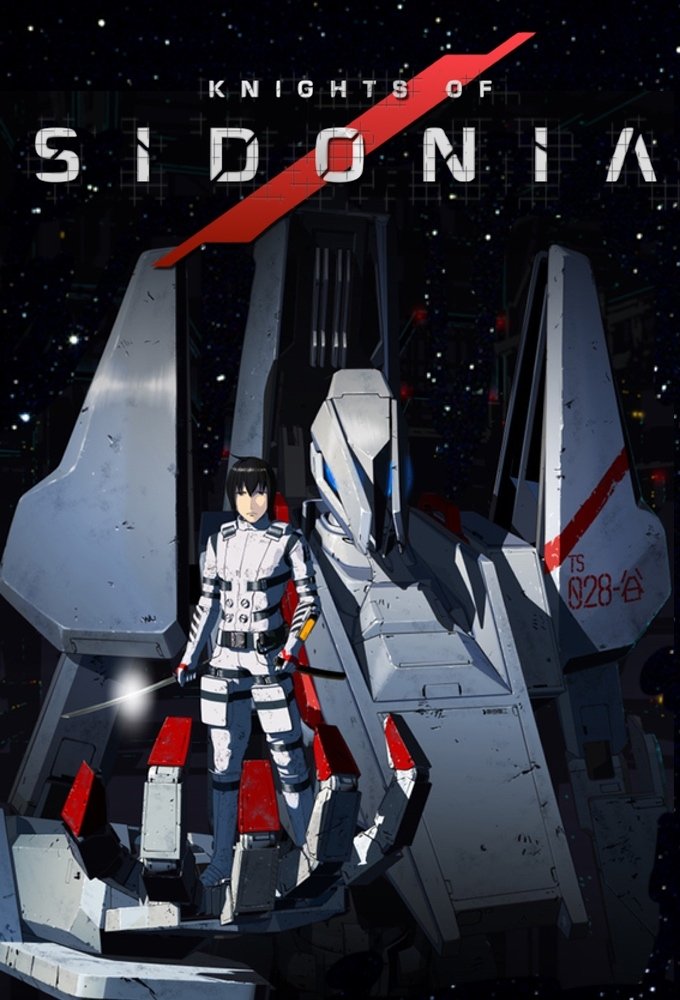
Humanity lives on a massive seed ship drifting through space while being hunted by shapeshifting aliens. The pilots use mecha known as Gardes to defend the ship in high-stakes zero-gravity battles. The series is noted for its hard science fiction approach to space travel and combat physics. It utilizes 3D CGI animation to create detailed mechanical movements.
‘Captain Earth’ (2014)
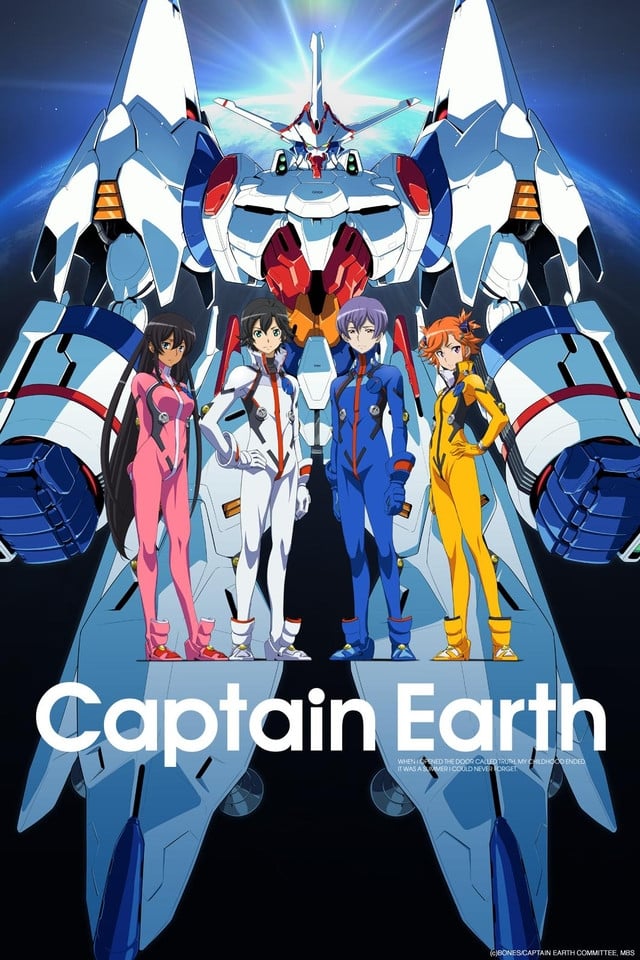
A high school student enters a secret base and becomes the pilot of a distinct robot called the Earth Engine. The show revolves around a team of young pilots defending the planet from immortal alien invaders. It features a transformation sequence where the mecha combines with multiple train-like components. The themes involve growing up and understanding one’s desires.
‘Star Driver’ (2010–2011)
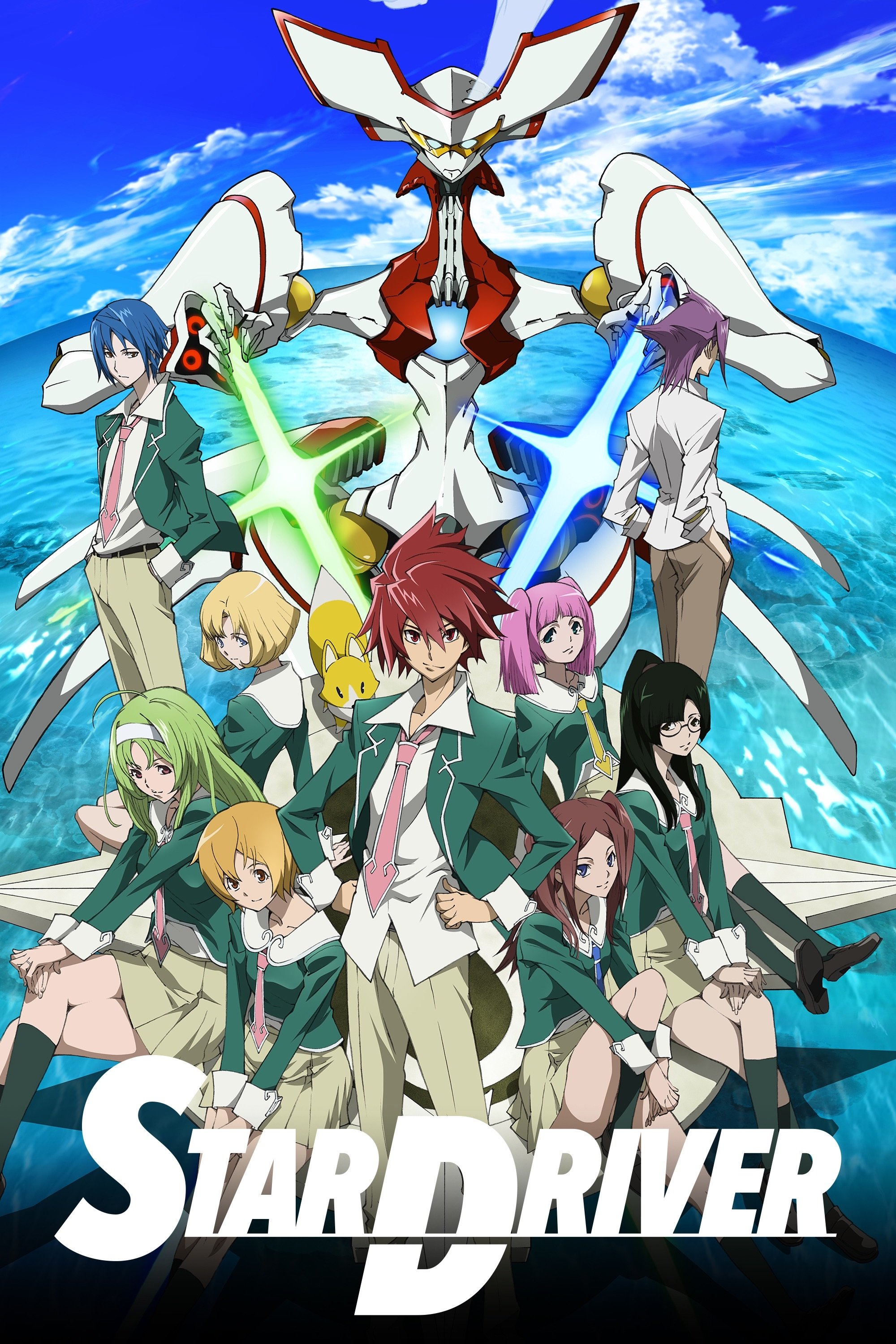
A boy washes ashore on an island and discovers a secret society that battles in a pocket dimension. The mecha are sleek and elegant designs known as Cybodies. The show is known for its fabulous aesthetic and theatrical character interactions. It focuses on breaking free from the roles that society imposes on young people.
‘Dual! Parallel Trouble Adventure’ (1999)
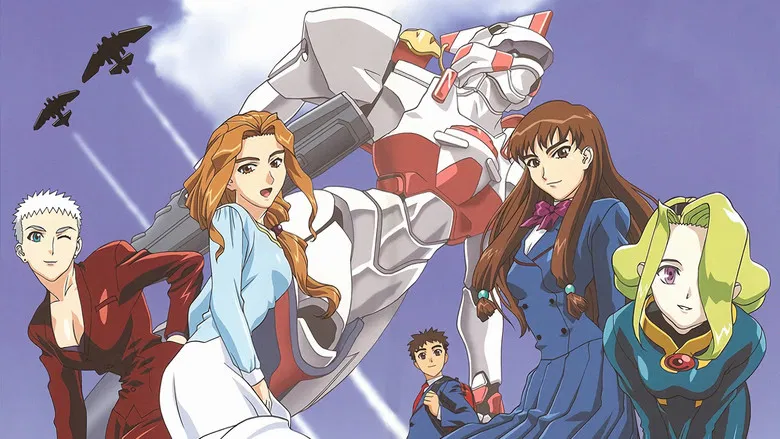
This series is a comedic parody that riffs on the tropes of ‘Neon Genesis Evangelion’ and various Gundam shows. The protagonist is shifted to a parallel world where he pilots a robot in structured combat tournaments. It features references to other mecha works and maintains a lighthearted tone. The show serves as a love letter to the genre’s history.
‘Martian Successor Nadesico’ (1996–1997)

The story follows a cook who is a reluctant pilot aboard a private battleship full of misfits. It deconstructs the genre by contrasting the harsh reality of war with the idealized version seen in anime within the anime. The show balances comedy with sudden tragic moments. It questions the glory of being a mecha pilot.
‘Full Metal Panic!’ (2002)

A teenage mercenary is tasked with protecting a high school girl who holds subconscious knowledge of advanced technology. The series mixes school life comedy with serious military action involving mecha called Arm Slaves. It features grounded mechanical designs and tactical combat scenarios. The narrative bridges the gap between shonen action and real robot drama.
‘Code Geass: Lelouch of the Rebellion’ (2006–2007)
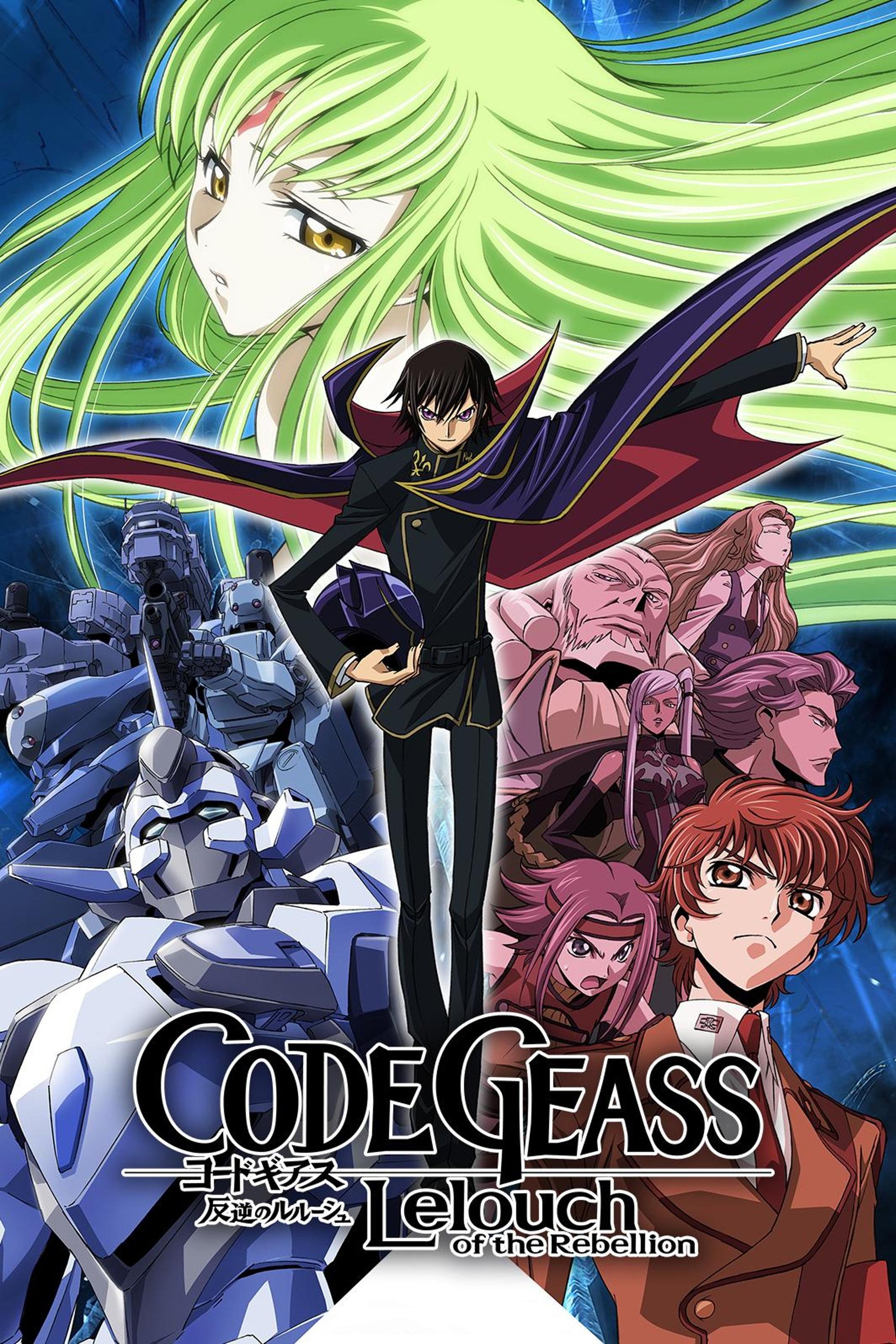
An exiled prince obtains a power that allows him to command anyone and leads a rebellion against a global empire. The series features fast-paced mecha battles using roller-skating robots called Knightmare Frames. It is famous for its intricate plot twists and morally ambiguous protagonist. The show combines political strategy with high-school drama.
‘Eureka Seven’ (2005–2006)
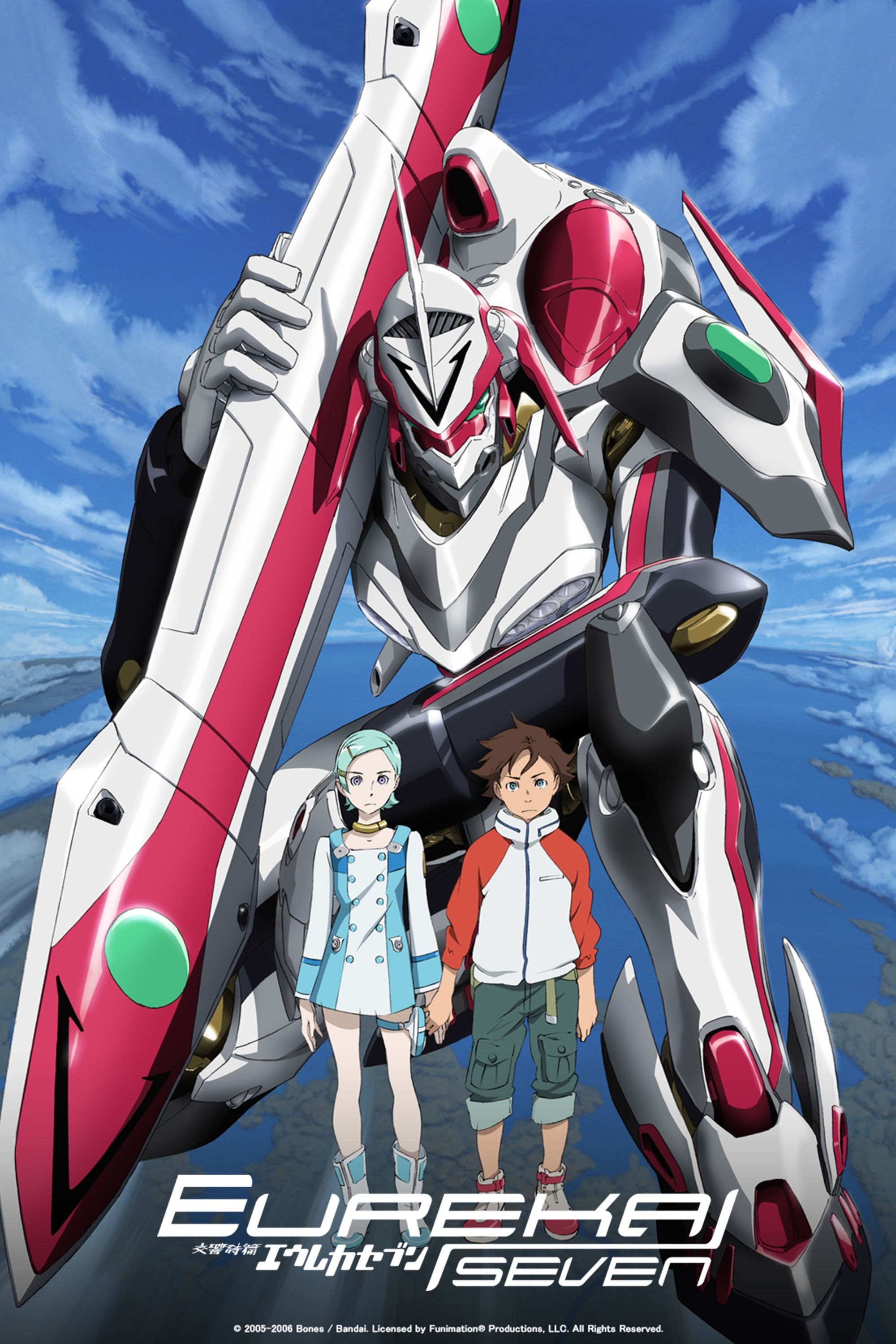
A young boy joins a counter-culture group of mercenaries who surf the sky in their mecha. The series is heavily influenced by music and youth culture. It focuses on the romance between the protagonist and a mysterious girl who pilots the main robot. The narrative explores themes of tolerance and environmentalism.
‘Gargantia on the Verdurous Planet’ (2013)
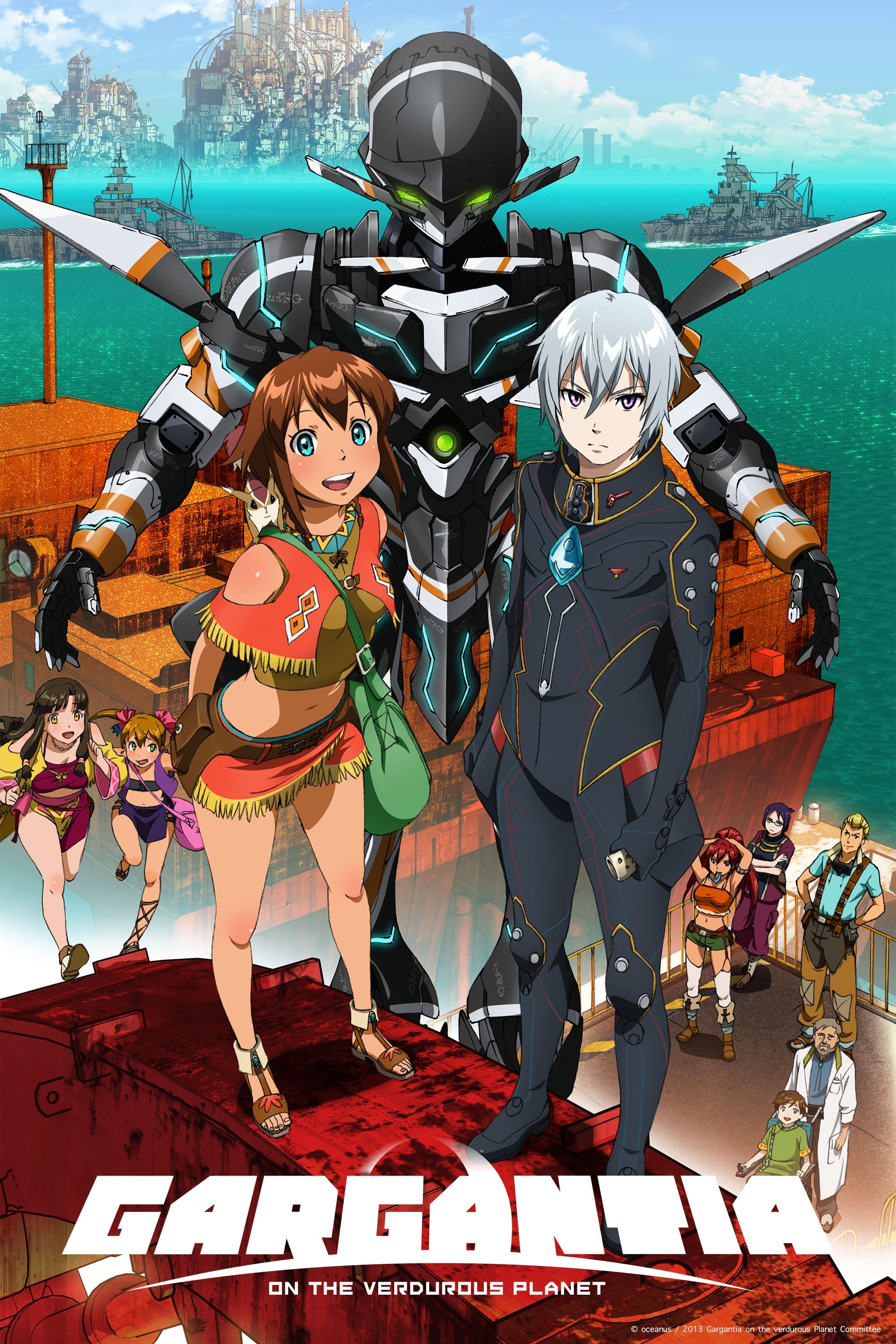
A soldier from a galactic war is stranded on a water-covered Earth that has lost its advanced technology. He must learn to live among the peaceful scavenging fleet while hiding the power of his mecha. The show contrasts the militaristic upbringing of the protagonist with a simpler way of life. It questions the necessity of perpetual war.
‘Kuromukuro’ (2016)
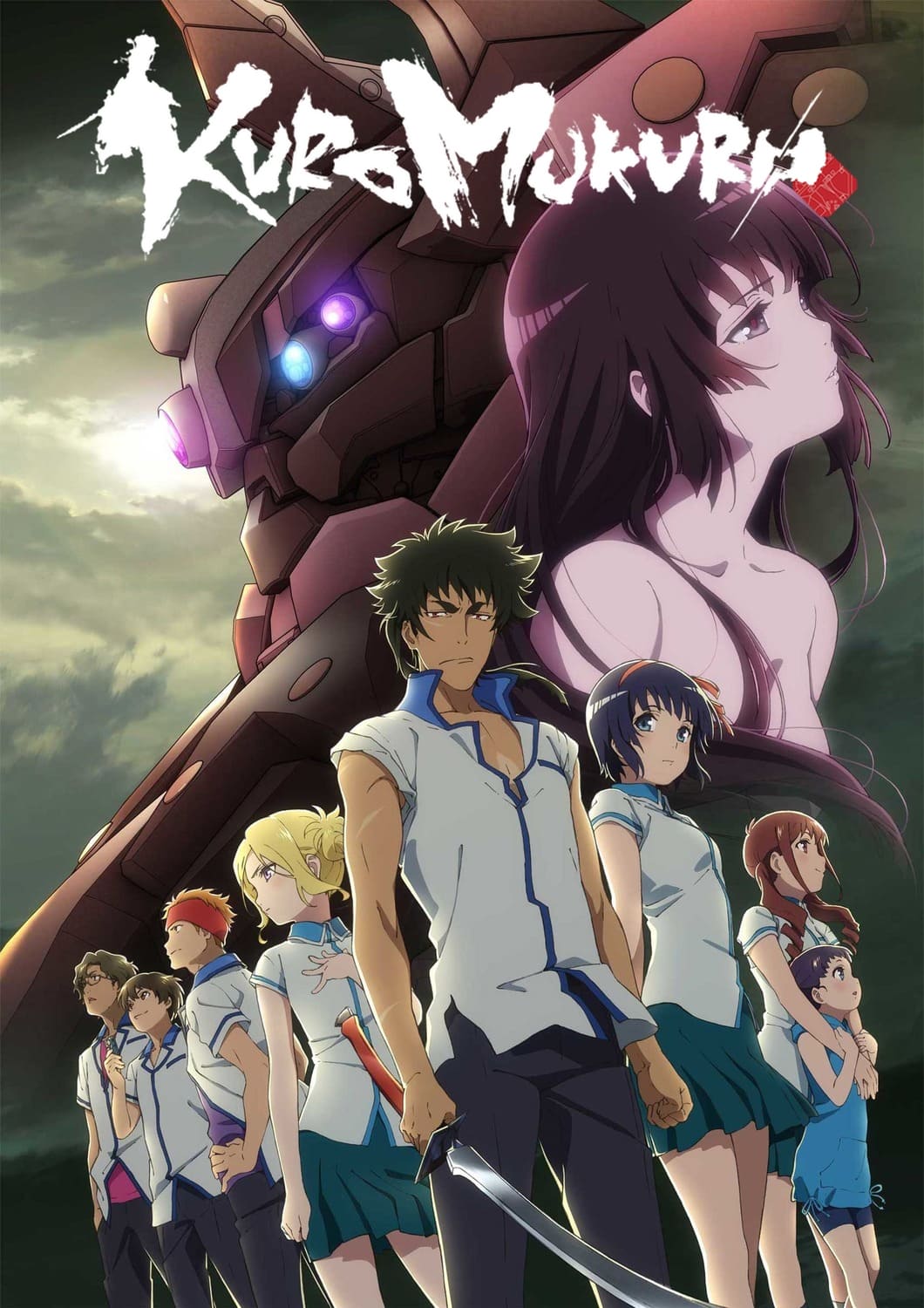
A samurai from the past is awakened in the present day to fight demons using a mysterious cube mecha. The series is set in a UN research facility and blends school life with alien invasions. It features mecha that require two pilots to operate effectively. The story bridges historical drama with modern sci-fi settings.
‘Back Arrow’ (2021)
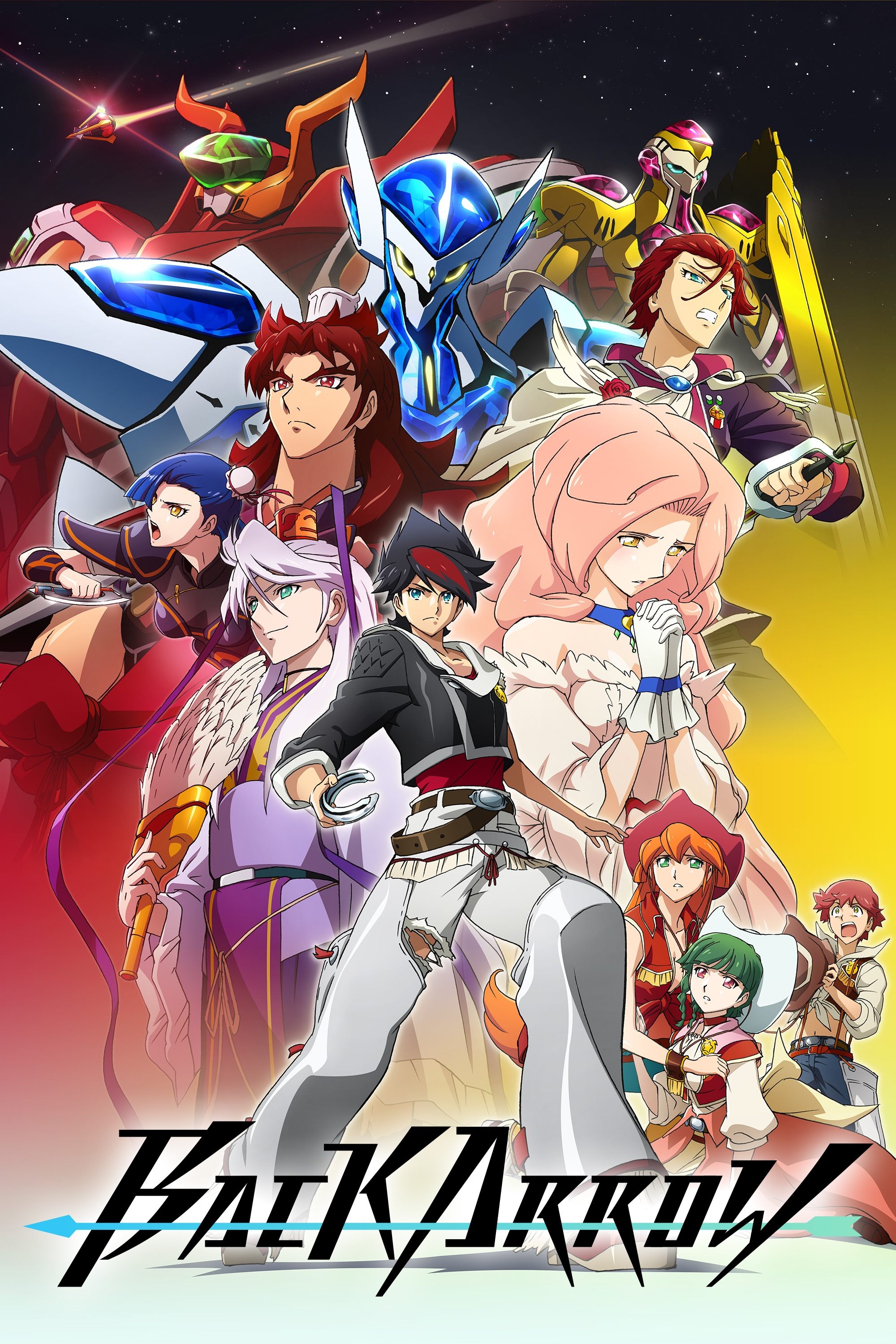
A man with no memories arrives in a walled world and claims to come from beyond the wall. The inhabitants summon mecha manifested from their own conviction and willpower. The show features a unique visual style where the robots represent the user’s personality. It explores the idea of predetermined fate versus free will.
‘Revisions’ (2019)
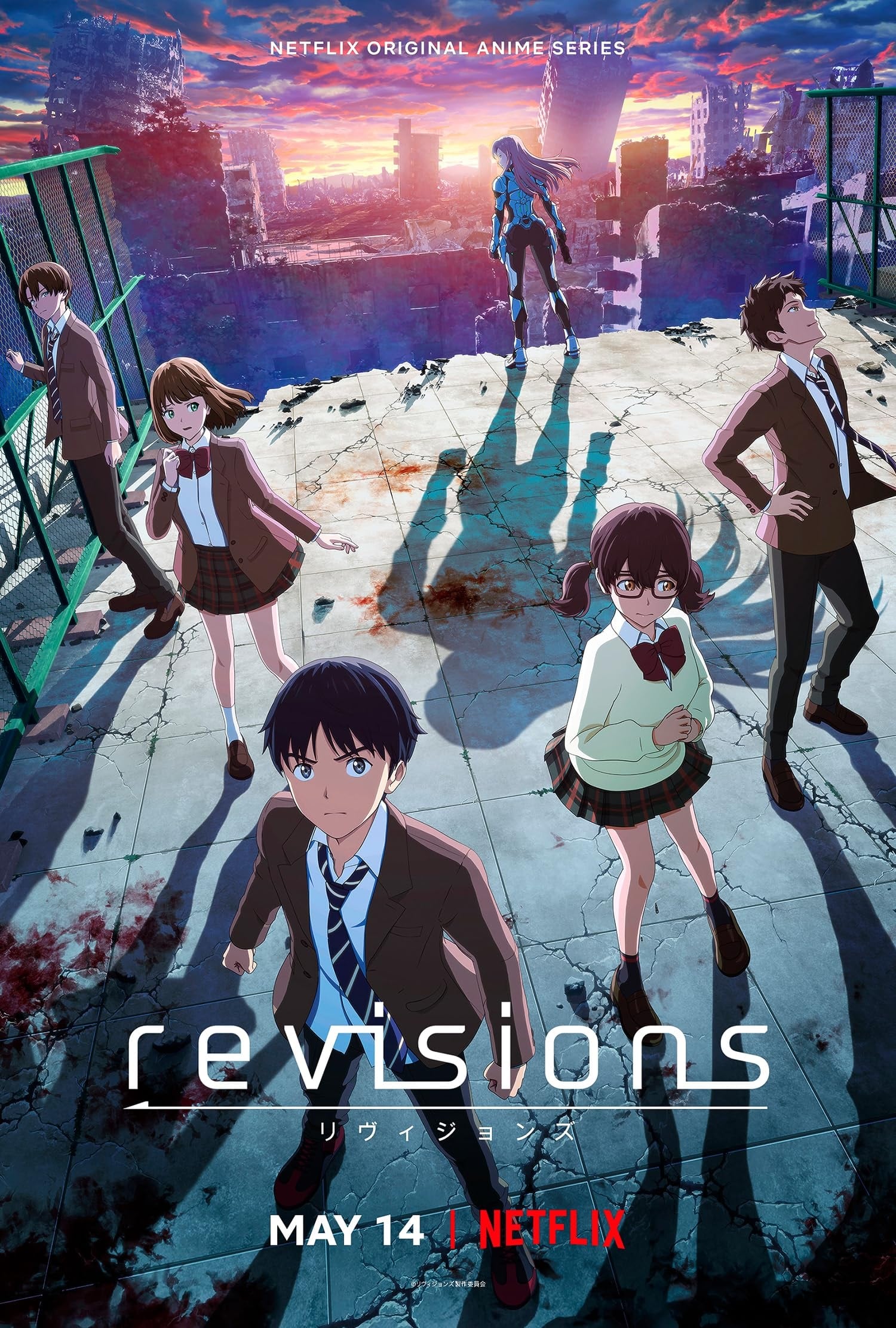
A section of Shibuya is transported hundreds of years into the future where a hostile mechanical enemy awaits. A group of high schoolers is drafted to pilot mecha called String Puppets to protect the civilians. The series uses 3D animation to depict fluid combat and complex mechanical details. It focuses on the leader’s obsession with being a hero.
‘Zegapain’ (2006)
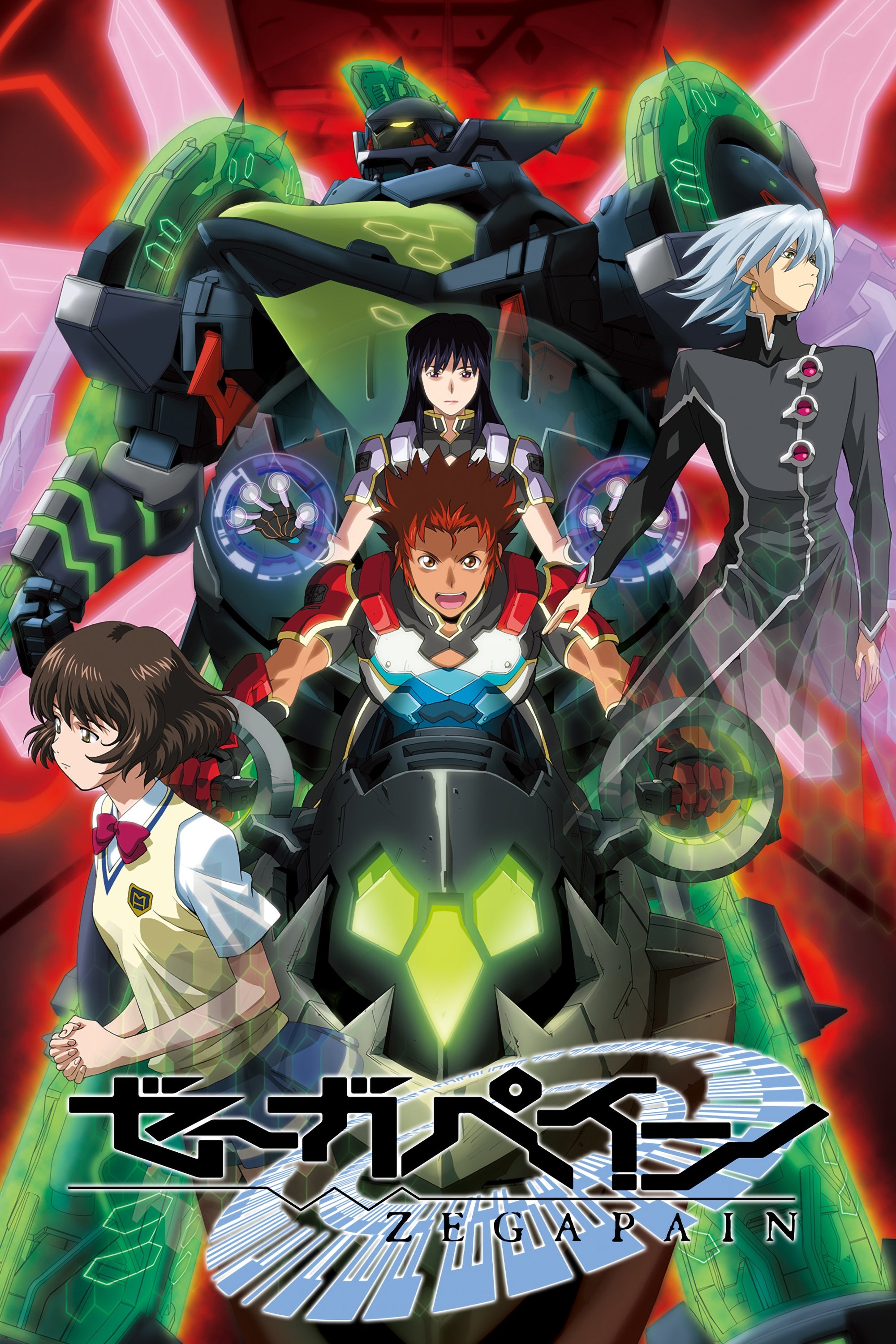
A swimmer discovers that his world is a virtual reality and he must pilot a mecha in the real world to save humanity. The series deals with data, memory, and what it means to be alive. The mecha are powered by light and feature translucent armor designs. It is known for its philosophical plot twists and melancholic tone.
‘Gasaraki’ (1998–1999)
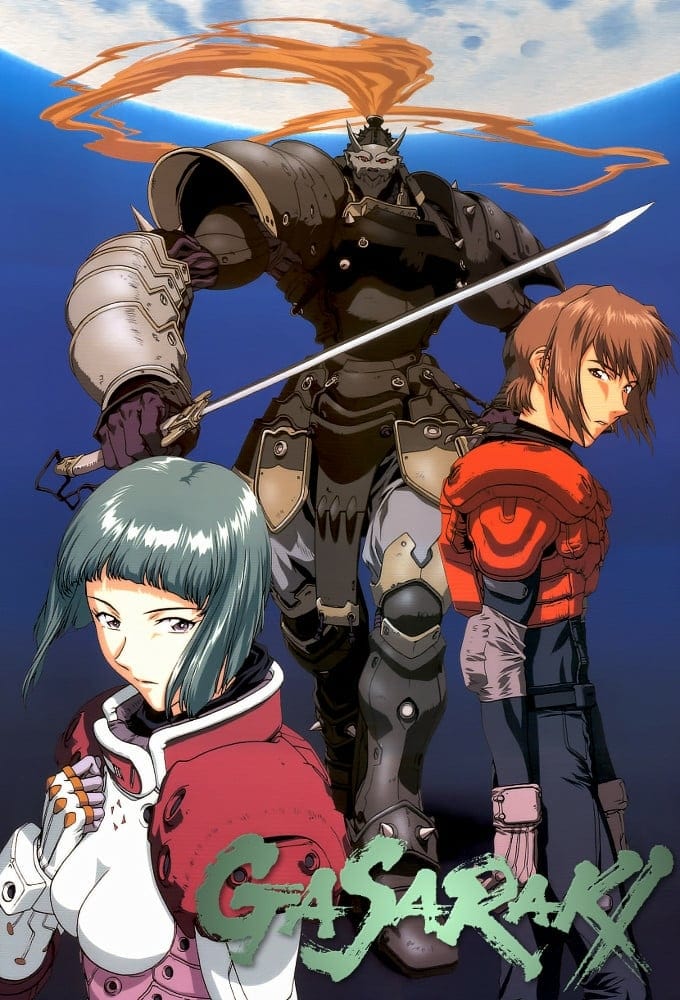
The show integrates traditional Japanese Noh theater elements with modern tactical warfare. The mecha are realistic bipeds developed by a powerful corporation for military use. It explores political intrigue and the manipulation of the economy through war. The narrative is slow-burning and focuses heavily on dialogue and atmosphere.
‘Flag’ (2006–2007)
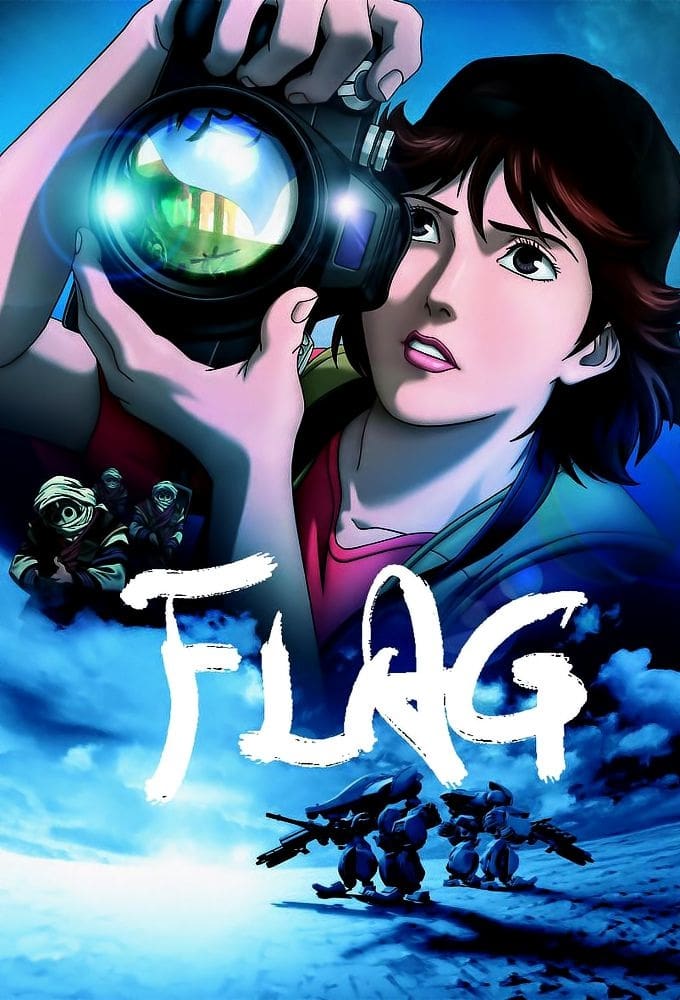
Presented as a documentary, this series follows a war photographer documenting a conflict involving mecha. The entire show is viewed through camera lenses giving it a unique voyeuristic style. It focuses on the peacekeeping efforts and the human cost of the conflict. The mecha are depicted as military hardware rather than heroic machines.
‘Blue Gender’ (1999–2000)

A man wakes from cryogenic sleep to find Earth overrun by giant insectoid creatures called the Blue. He joins a military unit that uses mecha to fight for survival and reach a space station. The show is gritty and often violent with a focus on the horror of the situation. It explores the psychological trauma of constant battle.
‘Gun x Sword’ (2005)
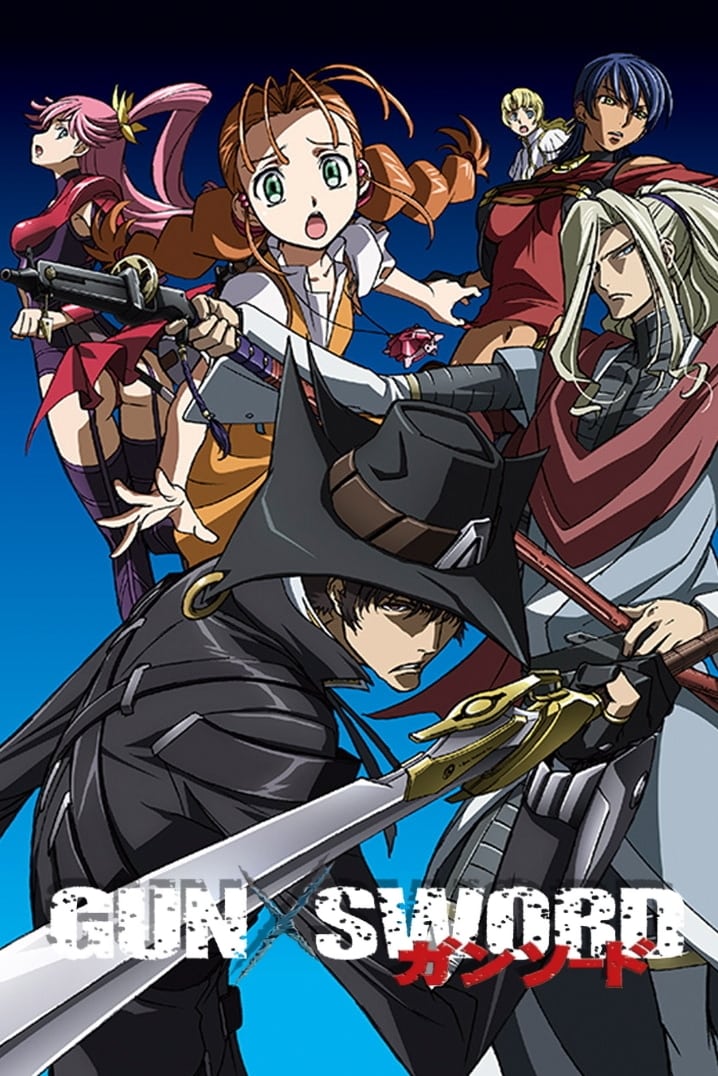
The protagonist travels a desert planet in a tuxedo piloting a unique mecha to find the man who killed his bride. The series is a revenge story that pays homage to various mecha styles from different eras. It features a diverse cast of characters each with their own distinct robot designs. The tone shifts between comedic character interactions and serious dramatic confrontations.
‘RahXephon’ (2002)
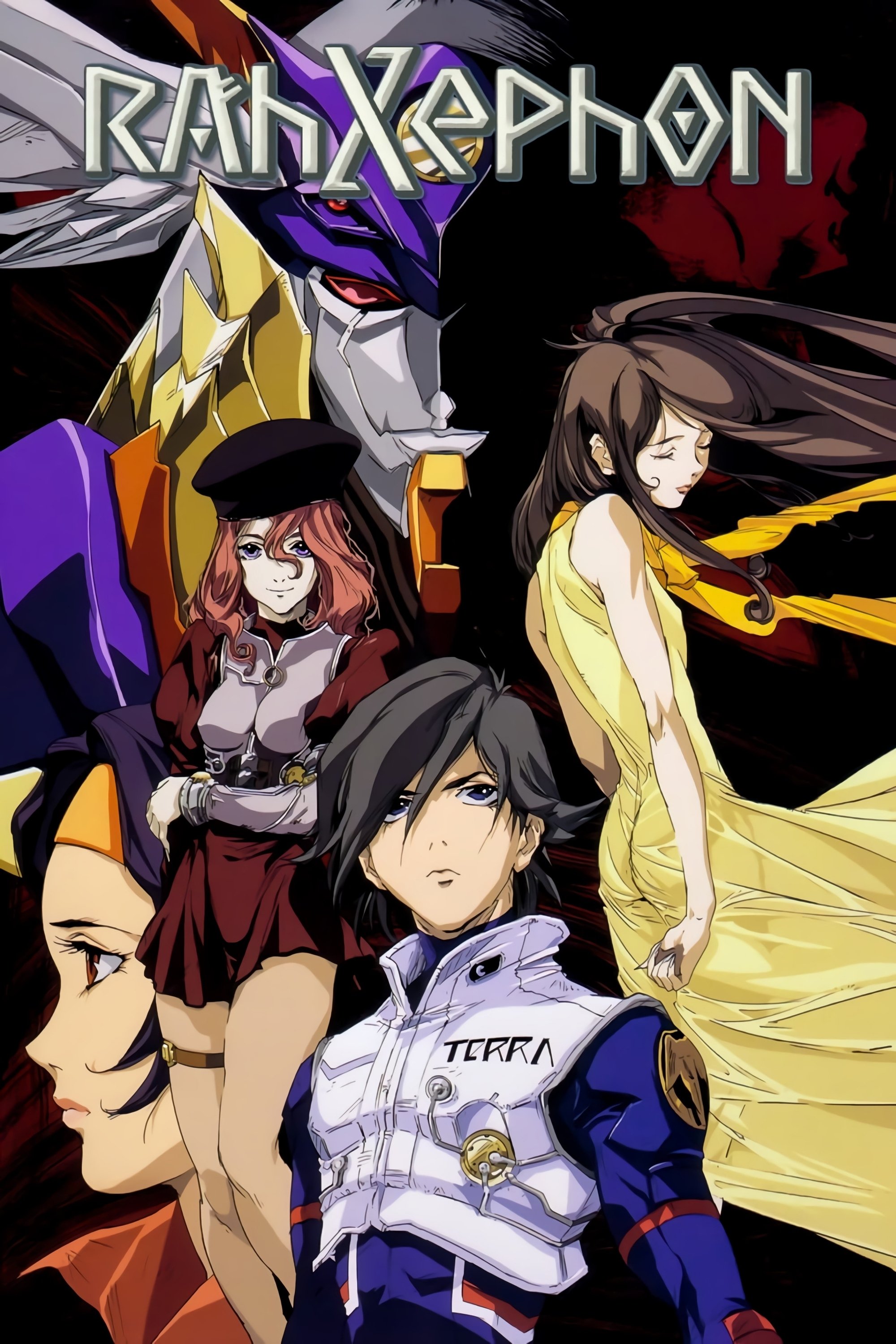
A student discovers his reality is a fabrication and escapes to the outside world in a god-like mecha. The series is often compared to other psychological mecha shows but focuses heavily on music and romance. The design of the robot is organic and elegant. It explores themes of identity and the power of sound.
‘Overman King Gainer’ (2002–2003)

In a future where humanity lives in dome cities, a young gamer is framed and forced to escape using an ancient machine. The show is known for its energetic opening and vibrant visual style. It features unconventional mecha designs and kinetic animation. The narrative is an upbeat adventure about seeking freedom.
‘Brain Powerd’ (1998)
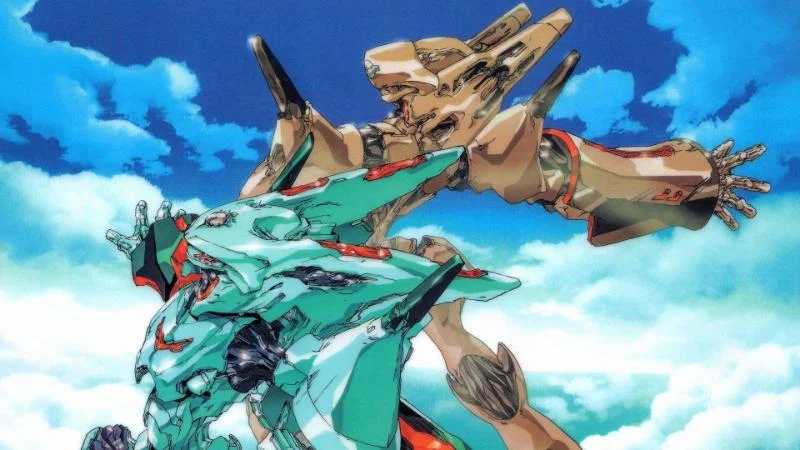
The Earth is threatened by an alien entity and humanity uses living organic mecha to fight back. The series focuses on the emotional connections between the pilots and their machines. It features complex family dynamics and environmental themes typical of its director. The designs are distinct for their biological appearance.
‘Granbelm’ (2019)
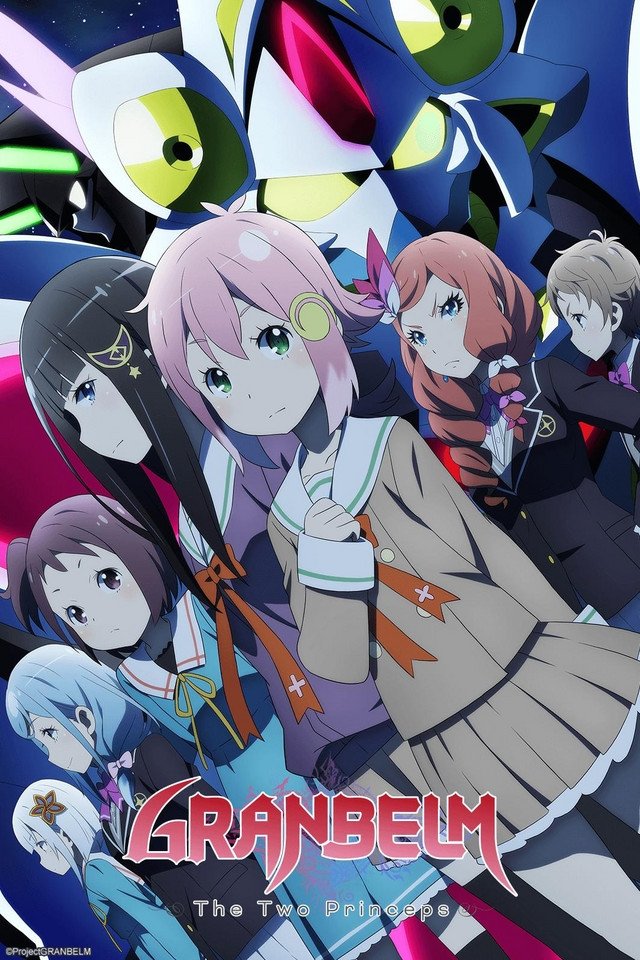
Magical girls pilot super-deformed mecha in a battle royale to become the sole mage. The series mixes the magical girl genre with heavy mecha combat mechanics. The robots are manifestations of the user’s magic and feature distinct tactical abilities. It explores the dark side of competition and the cost of wish fulfillment.
Share your favorite Gundam-inspired series or let us know which clone did it best in the comments.