Post-Apocalyptic TV Shows That Are Unrealistic

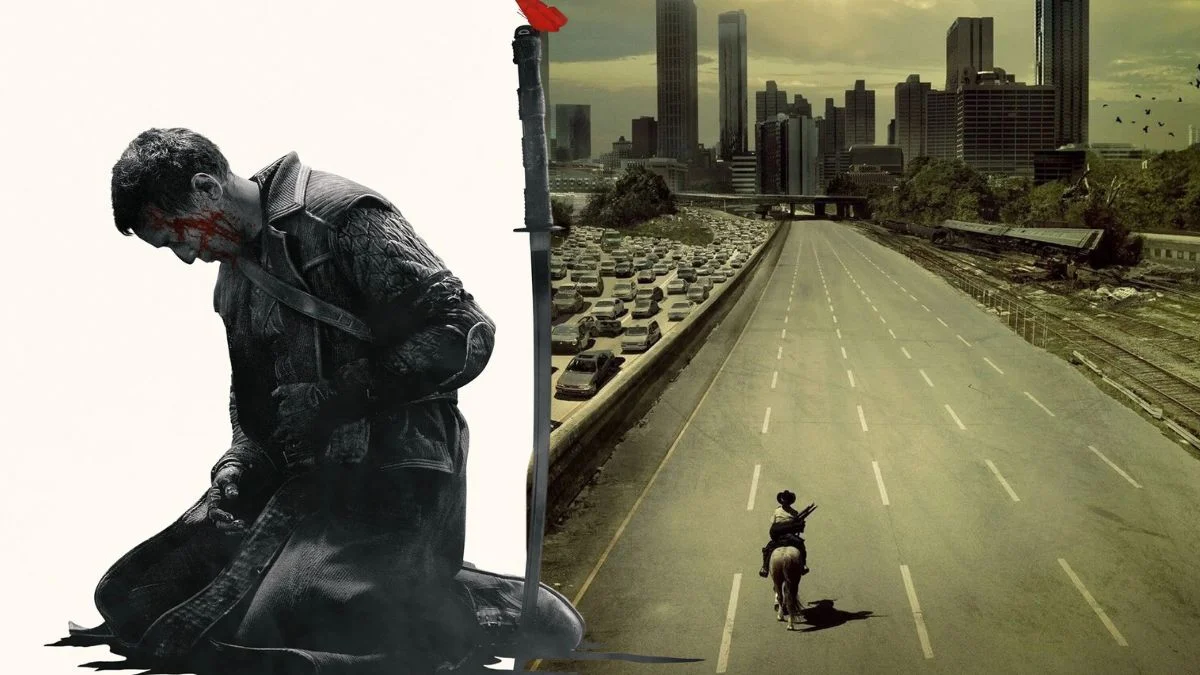

The post-apocalyptic genre allows creators to explore how humanity survives when civilization collapses, but factual accuracy is often the first casualty. Many series prioritize high-concept science fiction, supernatural elements, or dramatic flair over scientific realism or logical survival mechanics. Viewers often have to suspend their disbelief to enjoy stories about zombies, alien invasions, or sudden inexplicable global events. While these shows may lack realism, they often make up for it with entertaining characters and imaginative world-building.
‘Revolution’ (2012–2014)
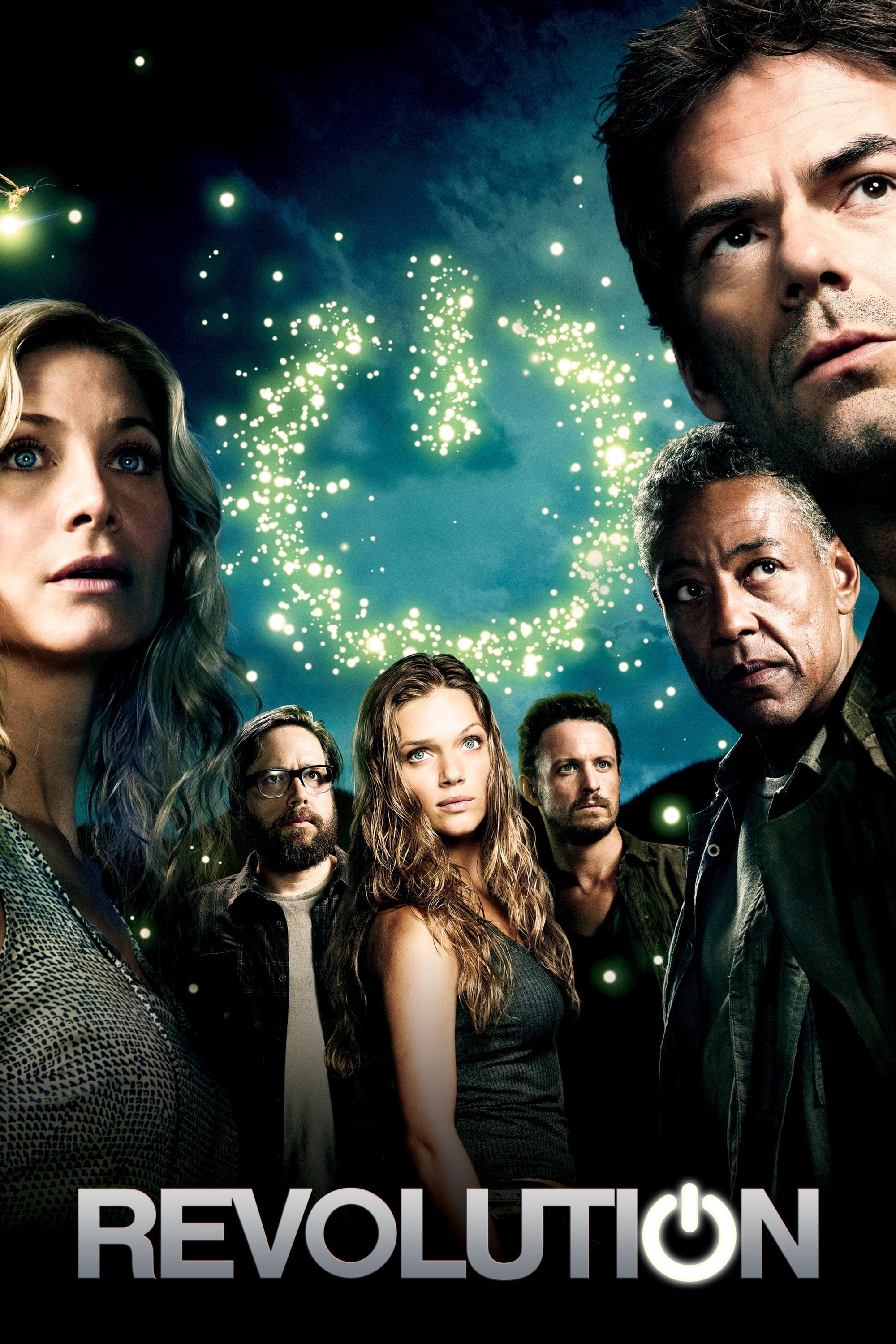
This series presents a world where all electricity suddenly ceases to function due to a global blackout caused by nanobots. Society collapses instantly, and fifteen years later, people have reverted to an agrarian lifestyle governed by militias. The central premise that physics would fundamentally change to prevent electricity generation is scientifically impossible. Sword fighting becomes the primary form of combat despite the existence of gunpowder and firearms.
‘The 100’ (2014–2020)
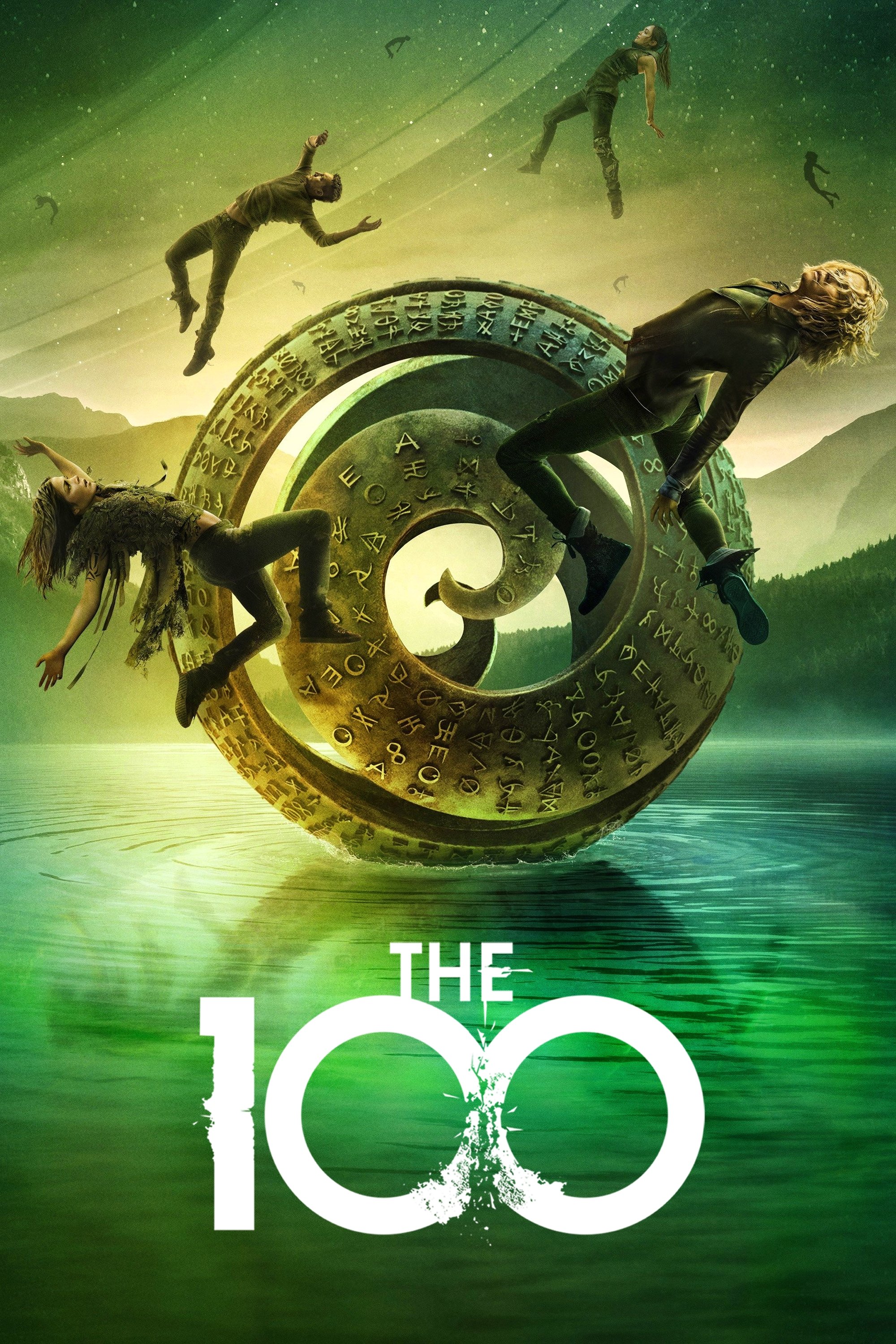
Ninety-seven years after a nuclear apocalypse, a space station sends one hundred juvenile delinquents back to Earth to test its habitability. The show features wildly inaccurate depictions of radiation science and how quickly the human body can adapt to it. Grounders, the descendants of survivors, devolve into a tribal warrior culture with an entirely new language in less than a century. Later seasons introduce artificial intelligence and mind-uploading technology that stretches the bounds of plausibility even further.
‘Z Nation’ (2014–2018)
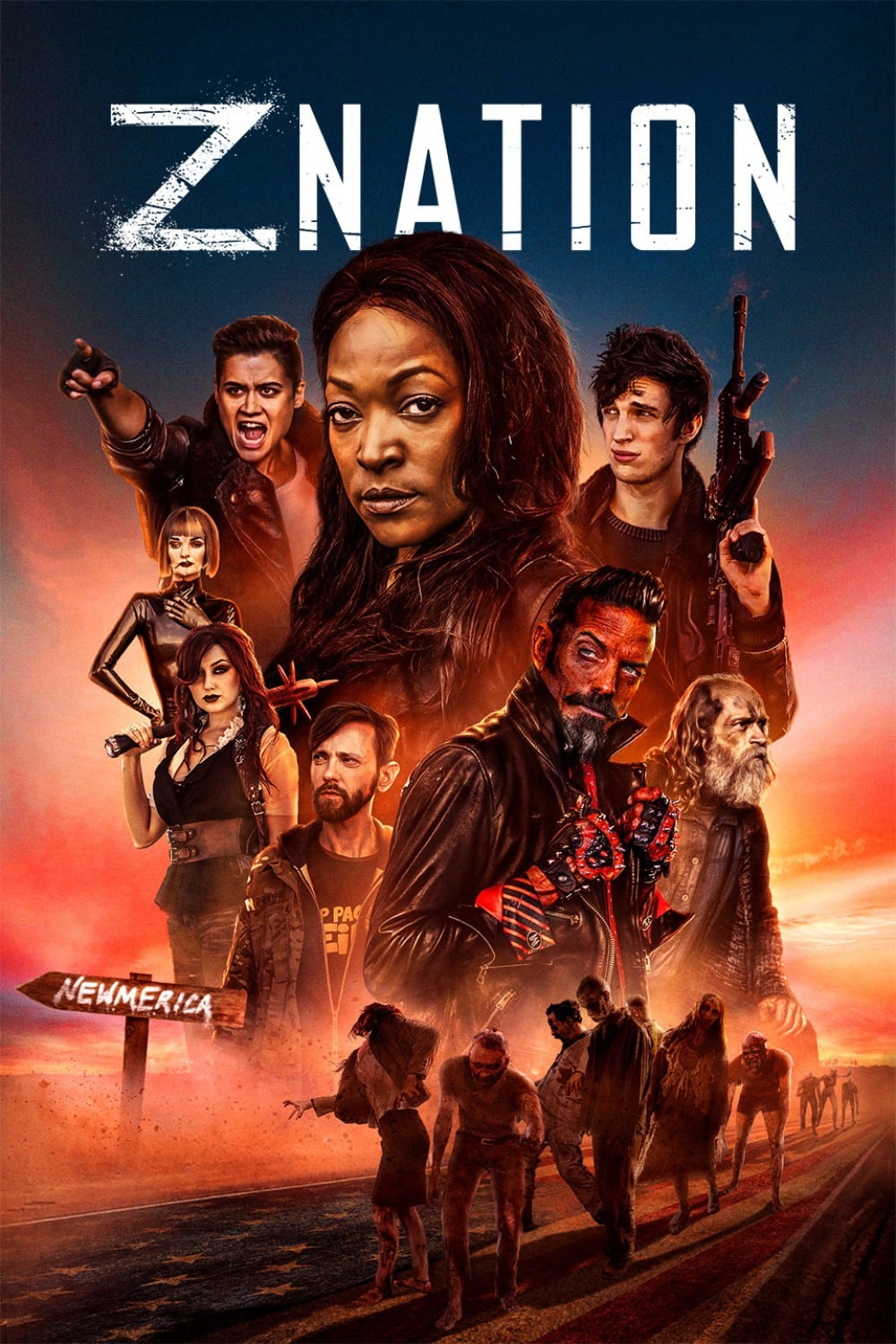
This zombie drama intentionally leans into absurdity rather than attempting gritty realism like its peers. Survivors transport the only known immune human across the country while encountering radioactive zombies and even a zombie tornado. The show prioritizes campy humor and over-the-top action sequences over logical survival tactics. It creates a universe where the laws of physics and biology are constantly bent for the sake of entertainment.
‘Under the Dome’ (2013–2015)

Based on a Stephen King novel, this series focuses on a small town suddenly cut off from the rest of the world by an indestructible invisible barrier. The residents must deal with dwindling resources and rising tensions within the sealed environment. The origin of the dome and the subsequent supernatural events defy all scientific explanation. As the series progresses, the plot introduces alien conspiracies and alternate realities that detach it completely from reality.
‘Terra Nova’ (2011)
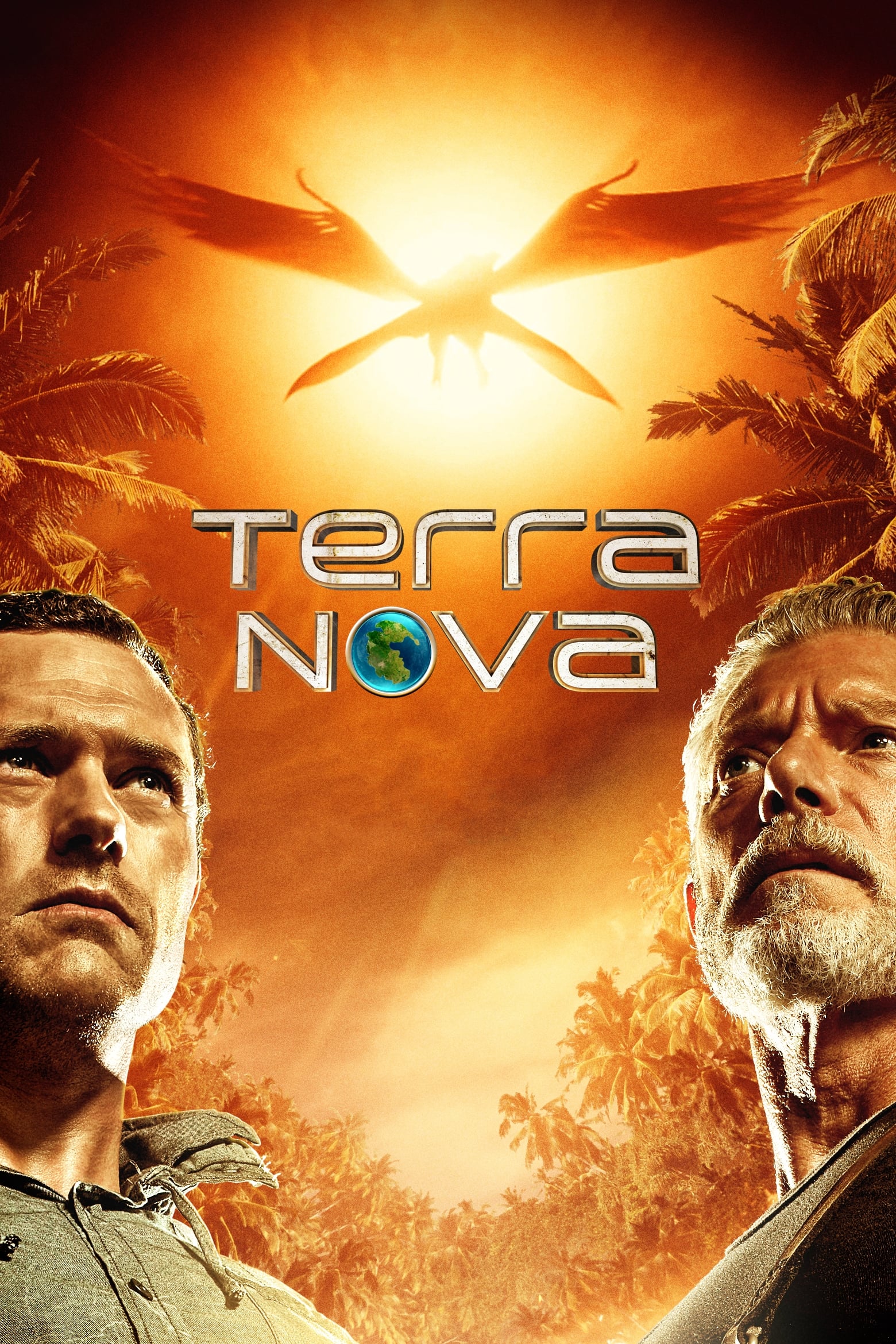
Humanity faces extinction in the mid-22nd century due to overpopulation and declining air quality. The solution involves a fracture in time that allows scientists to send a colony back 85 million years to the Cretaceous period. The show ignores the massive paradoxes of time travel and the “butterfly effect” risks of settling in the past. Surviving alongside dinosaurs while maintaining high-tech weaponry creates a fun but highly improbable dynamic.
‘Zoo’ (2015–2017)

Animals around the world suddenly stop fearing humans and begin coordinating sophisticated attacks on civilization. A team of experts races to find a cure for the mysterious mutation causing this aggressive behavior. The idea that different species could communicate and strategize on a global scale is biologically unfounded. The science becomes increasingly bizarre as the series introduces hybrid monsters and sterilization gas.
‘The Last Man on Earth’ (2015–2018)

A deadly virus wipes out the entire population, leaving one man who believes he is the sole survivor. While the show is a comedy, the survival mechanics are treated with extreme negligence. Gasoline, food, and utilities remain surprisingly functional long after they should have degraded. The premise of being the “last” man is quickly abandoned as a growing cast of survivors magically finds one another.
‘Daybreak’ (2019)

A biological weapon blasts the world and turns all adults into flesh-eating creatures known as Ghoulies. High school students survive and form factions reminiscent of ‘Mad Max’ but with a pop-punk aesthetic. The biological selectivity of the weapon affecting only those over eighteen is a pure narrative convenience. The show embraces a comic book style that ignores the grim realities of nuclear fallout and starvation.
‘Into the Badlands’ (2015–2019)
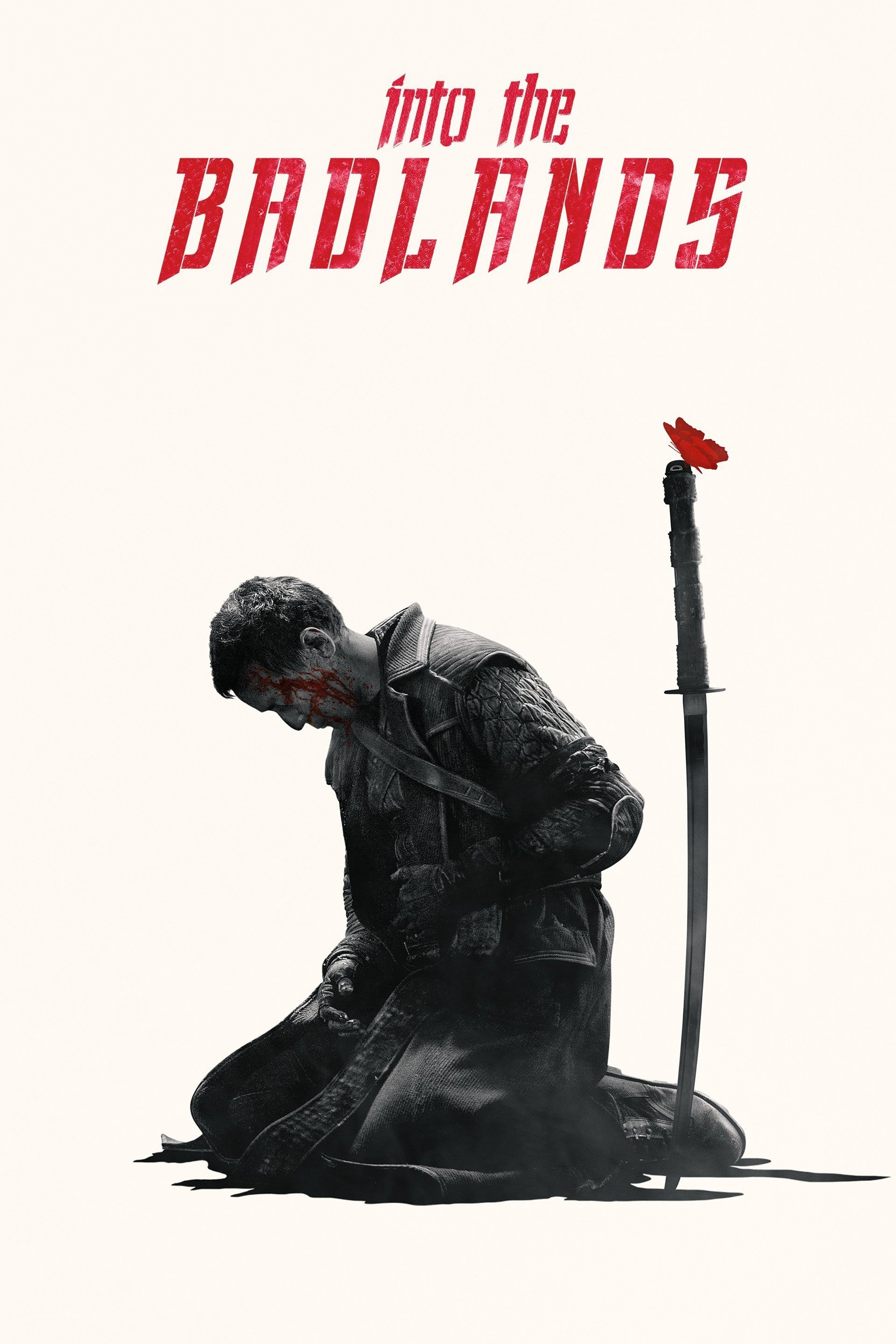
Civilization has been replaced by a feudal society in the former United States ruled by powerful Barons. Guns have been outlawed and destroyed, forcing everyone to rely on martial arts and melee weapons for combat. It is highly unrealistic that knowledge of firearms manufacturing would completely vanish or be successfully suppressed forever. The beautifully choreographed fights rely on “wire-fu” physics that allow characters to leap impossible distances.
‘See’ (2019–2022)

A virus decimates humanity and leaves the survivors completely blind, a trait passed down for centuries. Society reverts to a tribal state where vision is considered a heresy and a myth. The idea that blind warriors could fight with such precision and navigate complex environments without sight is a massive stretch. The sudden return of sight in certain children drives the conflict but underscores the genetic improbability of the premise.
‘Snowpiercer’ (2020–2024)
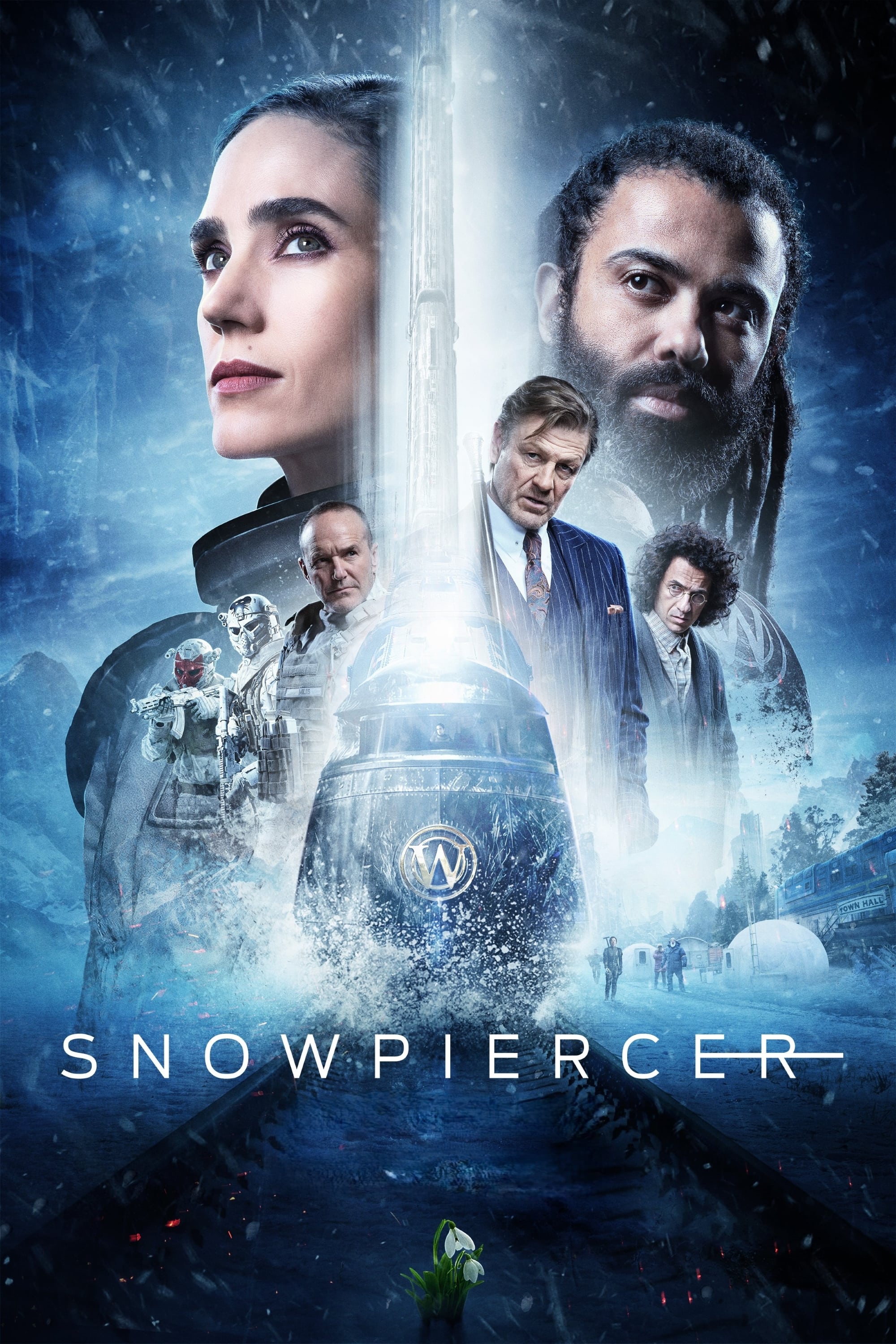
After a failed climate change experiment freezes the Earth, the remnants of humanity circle the globe on a perpetual-motion train. The train contains a strict class system and entire ecosystems within its cars. The concept of a perpetual motion engine violates the laws of thermodynamics. Maintaining a closed ecosystem for years on a moving vehicle without resource depletion is logistically impossible.
‘The Rain’ (2018–2020)
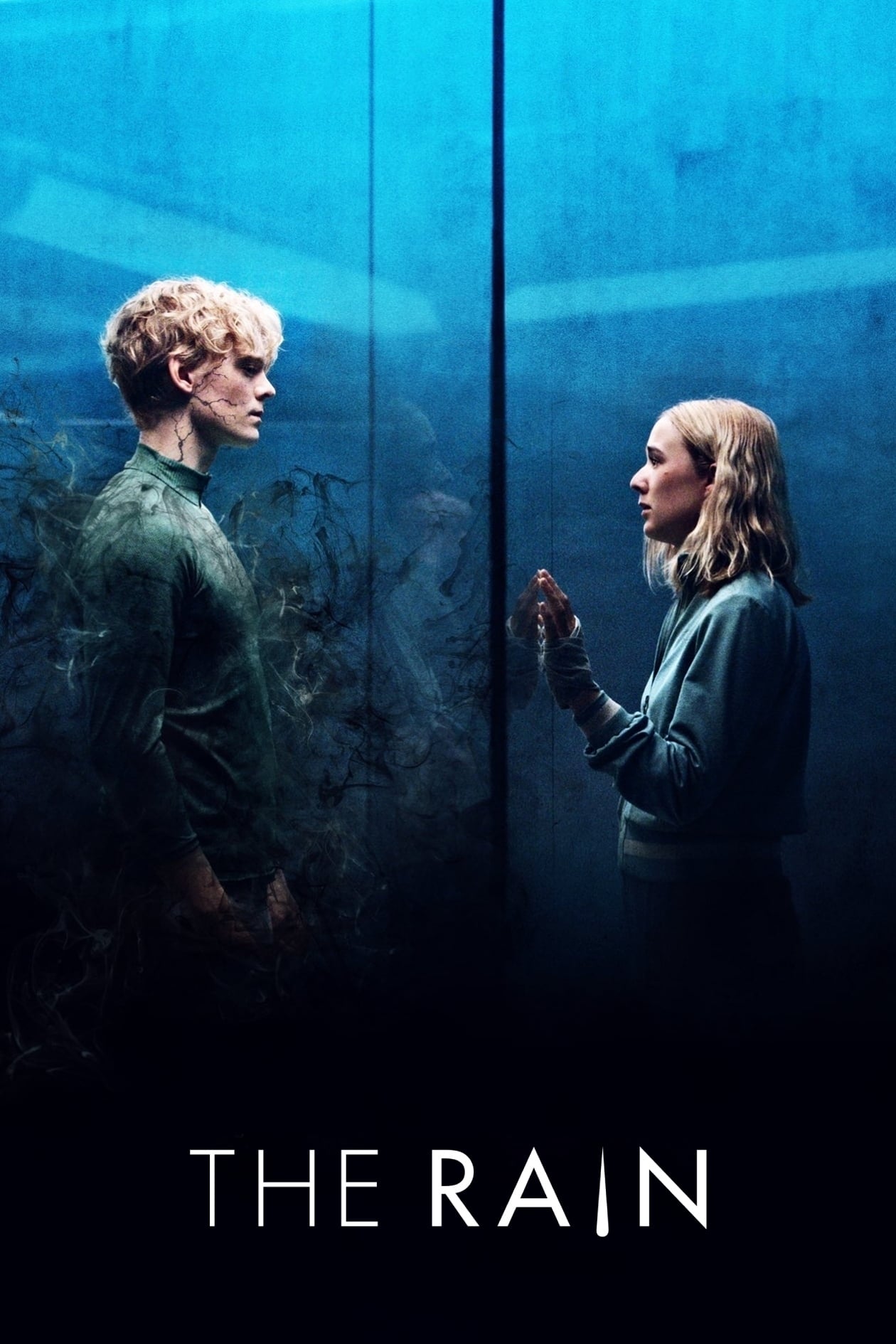
A virus carried by rainfall wipes out almost all humans in Scandinavia. Siblings emerge from a bunker years later to navigate a dangerous new world. The meteorology of a rain-borne virus that remains deadly only when wet presents numerous logical holes. The show later pivots to sci-fi elements involving nanites and super-powered virus hosts that depart from the initial survival premise.
‘La Brea’ (2021–2024)
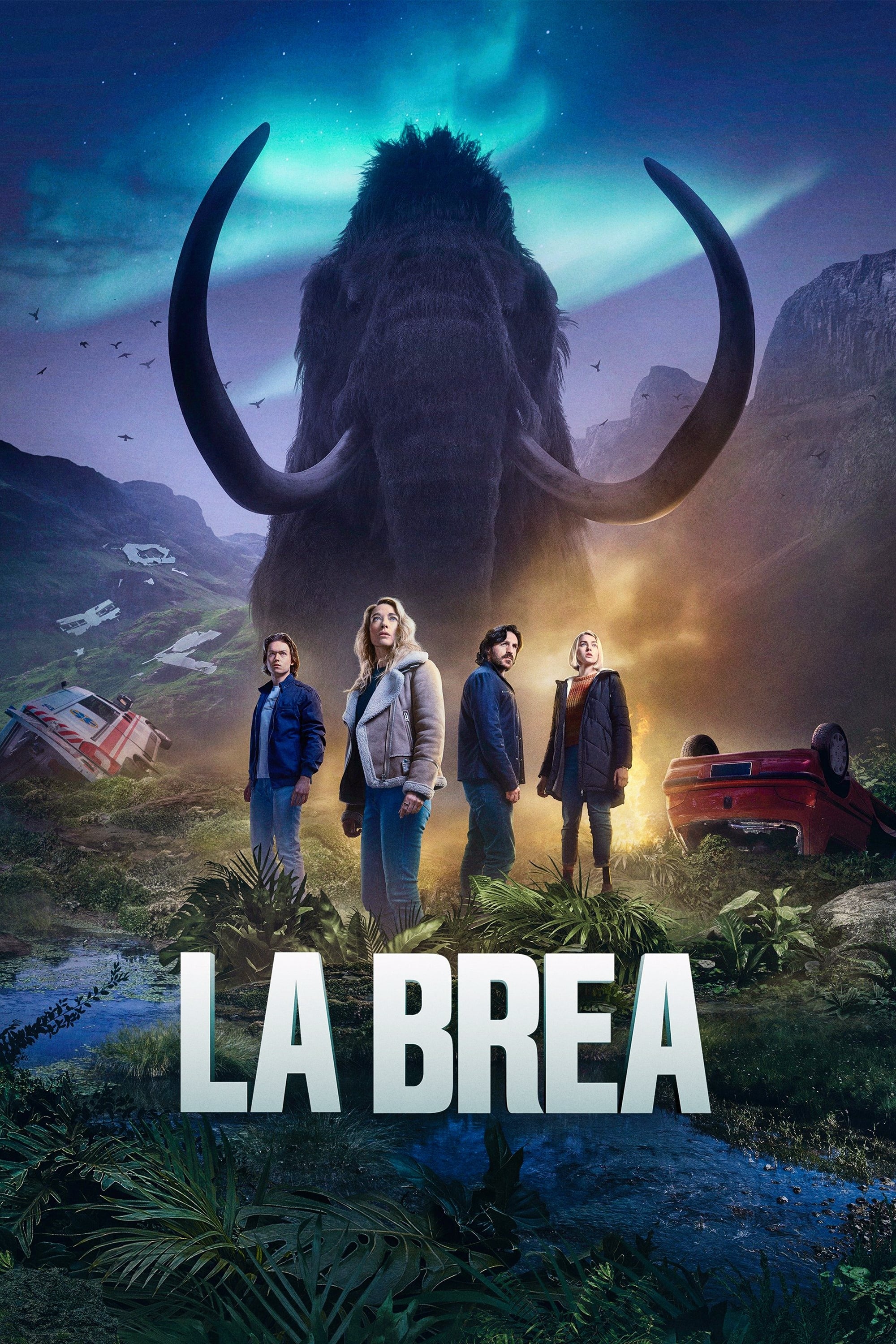
A massive sinkhole opens in the middle of Los Angeles, pulling people and buildings into a primeval land. The survivors discover they have fallen through a time portal to 10,000 BC. The geology and physics required for such a specific time rift are pure fantasy. The coexistence of prehistoric creatures and modern humans creates a pulp adventure atmosphere devoid of scientific grounding.
‘Wayward Pines’ (2015–2016)

A Secret Service agent investigates the disappearance of two colleagues and winds up in a mysterious small town he cannot leave. It is revealed that the residents are actually in the distant future, protected from mutated humans outside the walls. The rapid evolution of humanity into feral “Abbies” over just 2,000 years contradicts evolutionary biology. The cryopreservation technology used to transport the townspeople to the future is also well beyond current scientific capabilities.
‘The Shannara Chronicles’ (2016–2017)
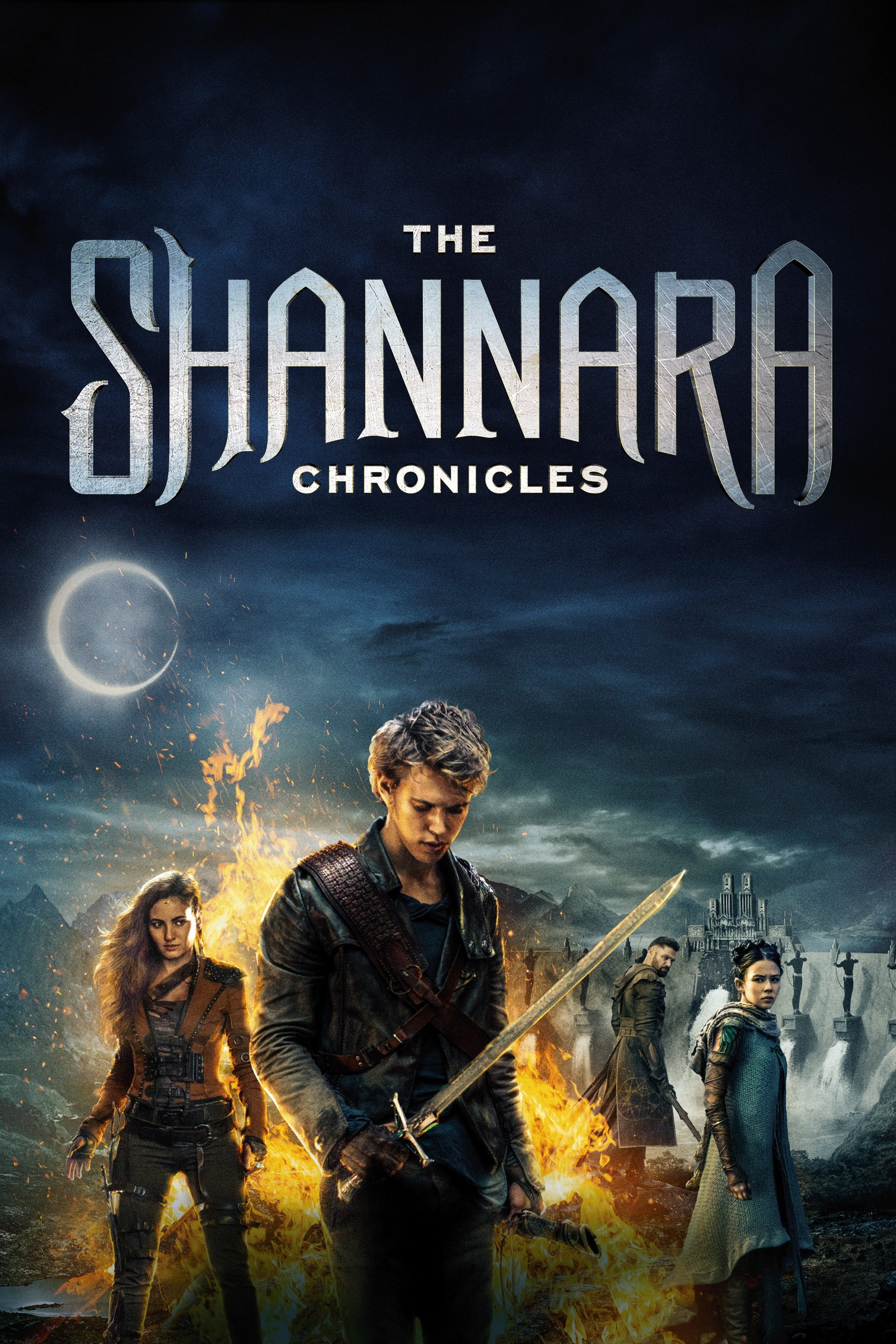
Set thousands of years after the destruction of our current civilization, this series introduces magic and fantasy races. Elves, dwarves, and trolls populate the Pacific Northwest alongside the ruins of human technology like the Space Needle. The re-emergence of magic as a tangible force shifts the genre from sci-fi to high fantasy. It is a unique post-apocalyptic take but completely abandons realism for magical storytelling.
‘Defiance’ (2013–2015)
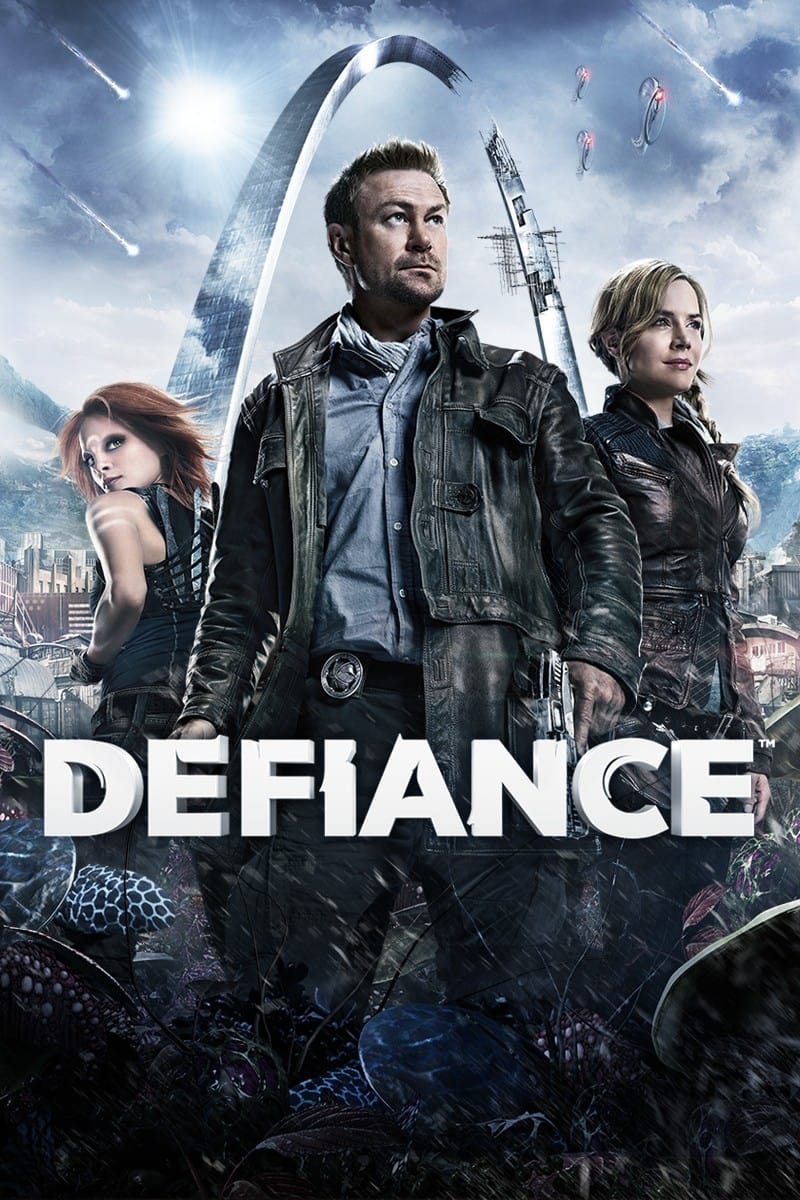
Seven alien races arrive on Earth and their terraforming technology accidentally transforms the planet’s landscape and biosphere. Humans and aliens must learn to coexist in a frontier town built over the ruins of St. Louis. The erratic terraforming creates new species and geography that defy ecological norms. The show functions as a space western where advanced alien tech solves most survival problems.
‘Falling Skies’ (2011–2015)
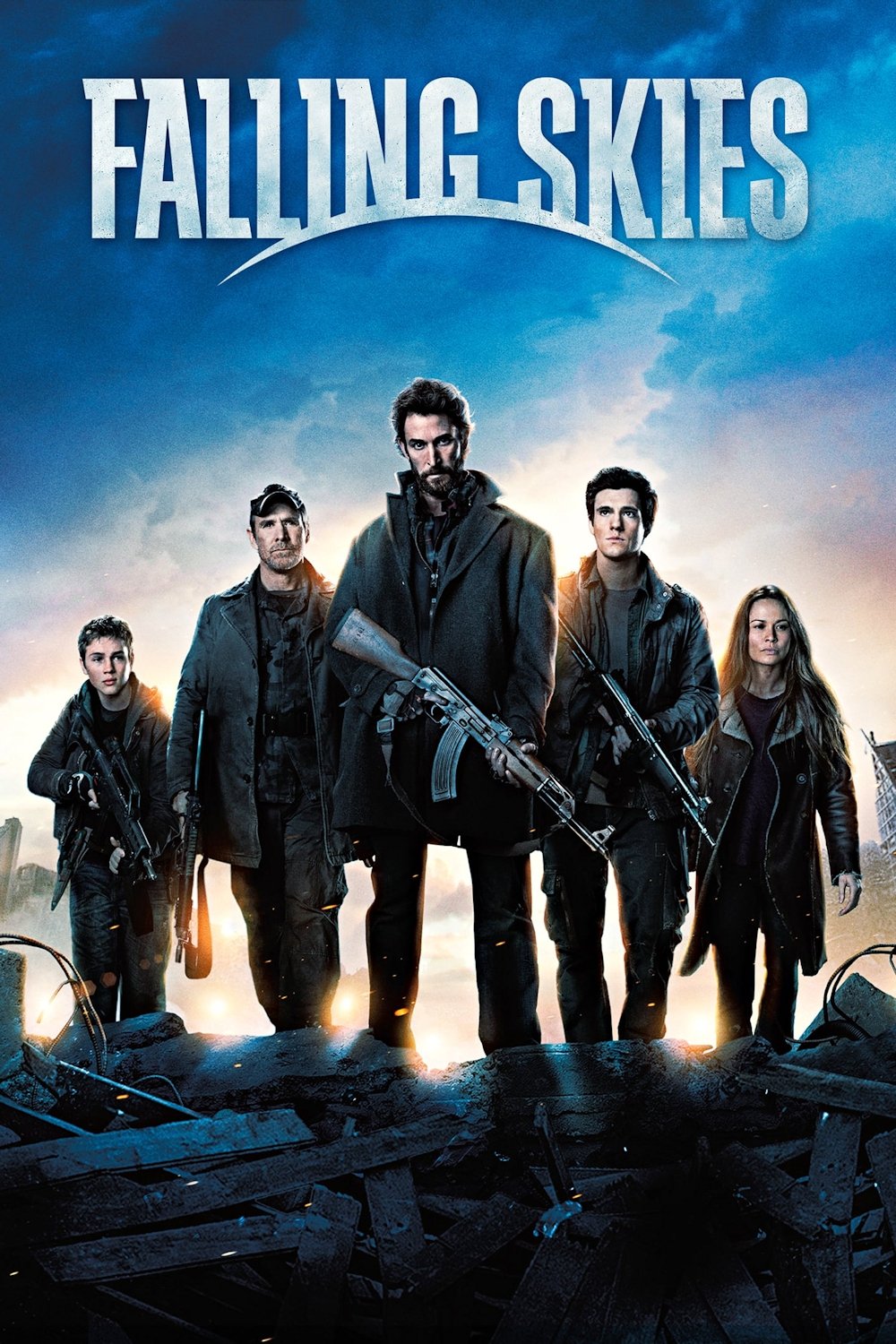
Survivors band together to fight back after an extraterrestrial invasion neutralizes the world’s power grids and military. The resistance uses guerrilla tactics against a vastly superior technological enemy. The aliens use harness devices to mind-control children, a horrifying but scientifically vague concept. The resistance’s ability to manufacture ammo and maintain vehicles years into the war often stretches credibility.
‘Van Helsing’ (2016–2021)

The eruption of the Yellowstone Caldera covers the world in ash, blocking the sun and allowing vampires to rise to power. Vanessa Van Helsing awakens from a coma to find she has a unique blood composition that can turn vampires human again. The premise relies on supernatural biology and the convenient timing of a geological disaster. The vampires organization and ability to sustain a population without wiping out their food source is questionable.
‘Dominion’ (2014–2015)
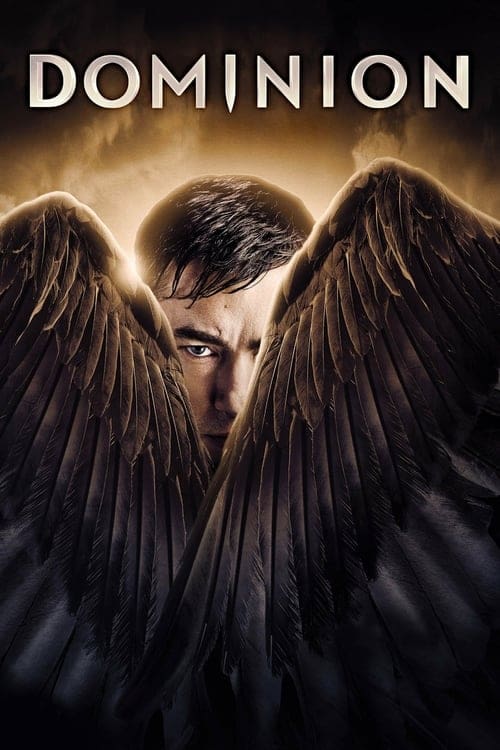
God vanishes, prompting the archangel Gabriel to lead an army of lower angels against mankind. Twenty-five years later, humans survive in fortified cities using modern weaponry to fight off the divine entities. The theological implications mixed with machine-gun warfare create a bizarre tonal mashup. The series treats angels as physical monsters rather than spiritual beings, ignoring traditional lore.
‘Twisted Metal’ (2023–Present)
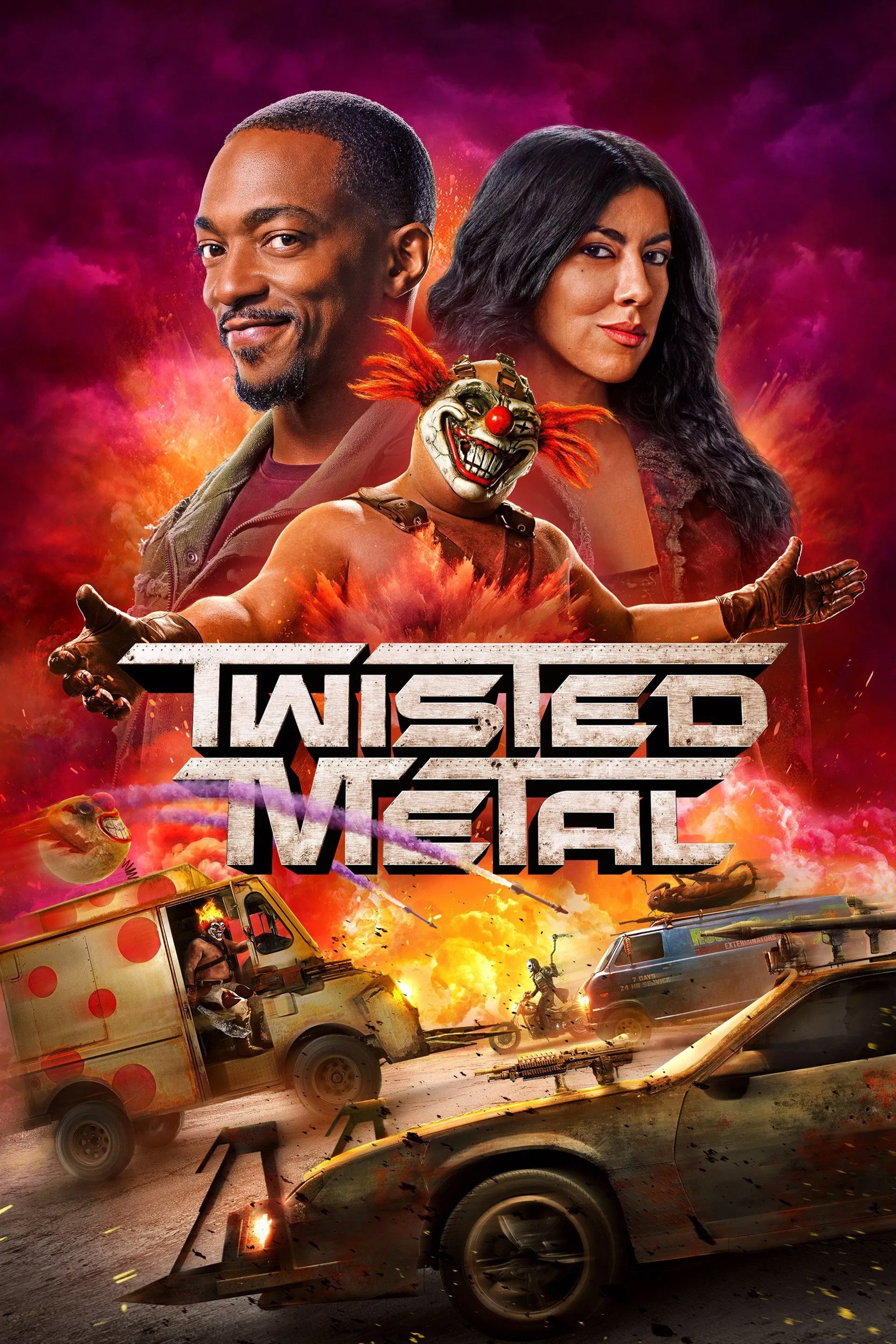
Based on the vehicular combat video game, this show features a wasteland where cities have walled themselves off. “Milkmen” drive weaponized cars between settlements to deliver goods while dodging marauders. The durability of the vehicles and the abundance of fuel and missiles are purely for spectacle. It captures the chaotic energy of the game by sacrificing any pretense of realistic logistics.
‘Sweet Tooth’ (2021–2024)
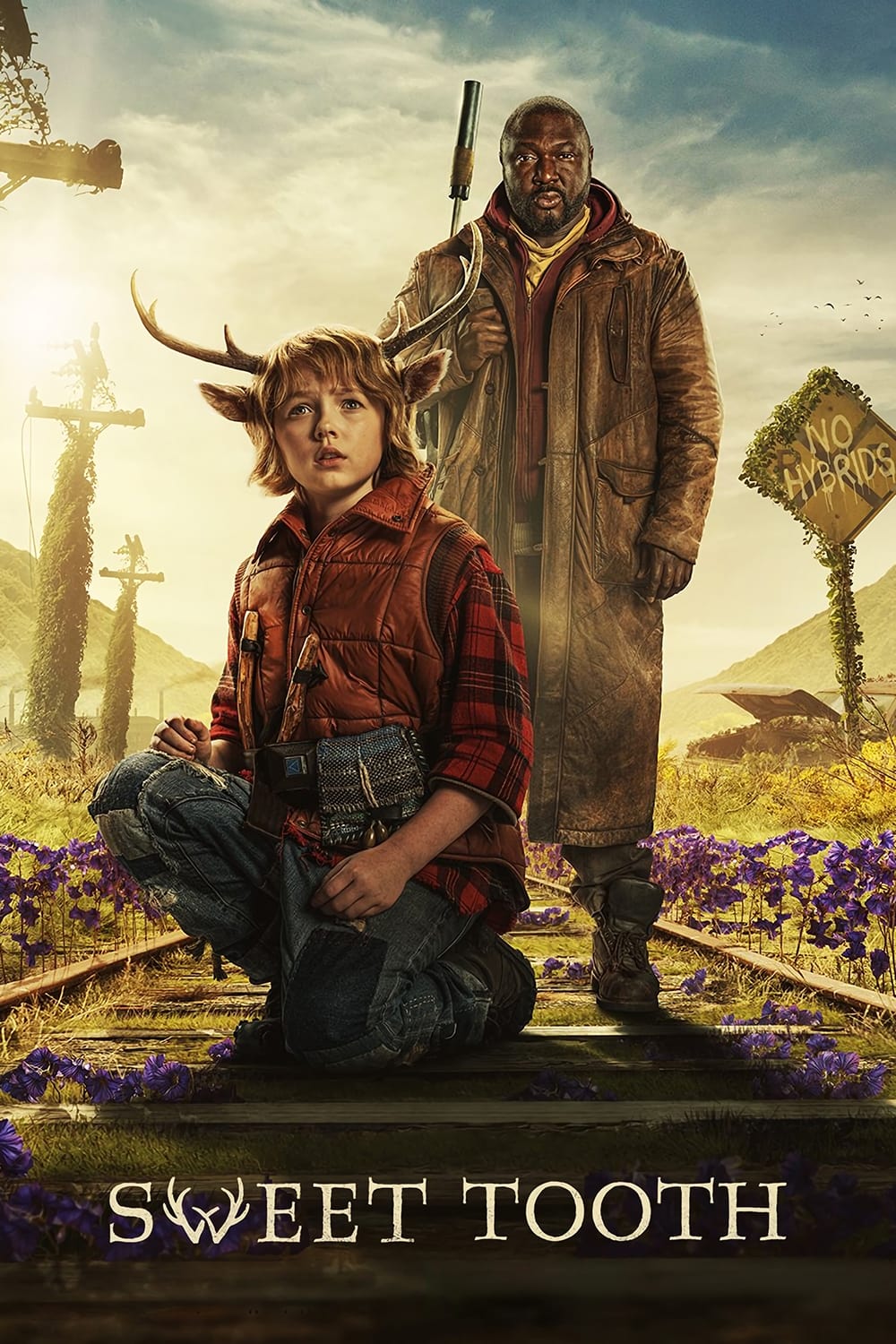
A virus known as “The Sick” wipes out most of the world’s population at the same time hybrid animal-human babies begin to be born. The protagonist is a deer-boy named Gus who searches for his mother across a lush, overgrown America. The biological mechanism that would cause human DNA to splice perfectly with various animals is unexplained fantasy. The show focuses on a fairy-tale tone rather than the gritty details of societal collapse.
‘Resident Evil’ (2022)
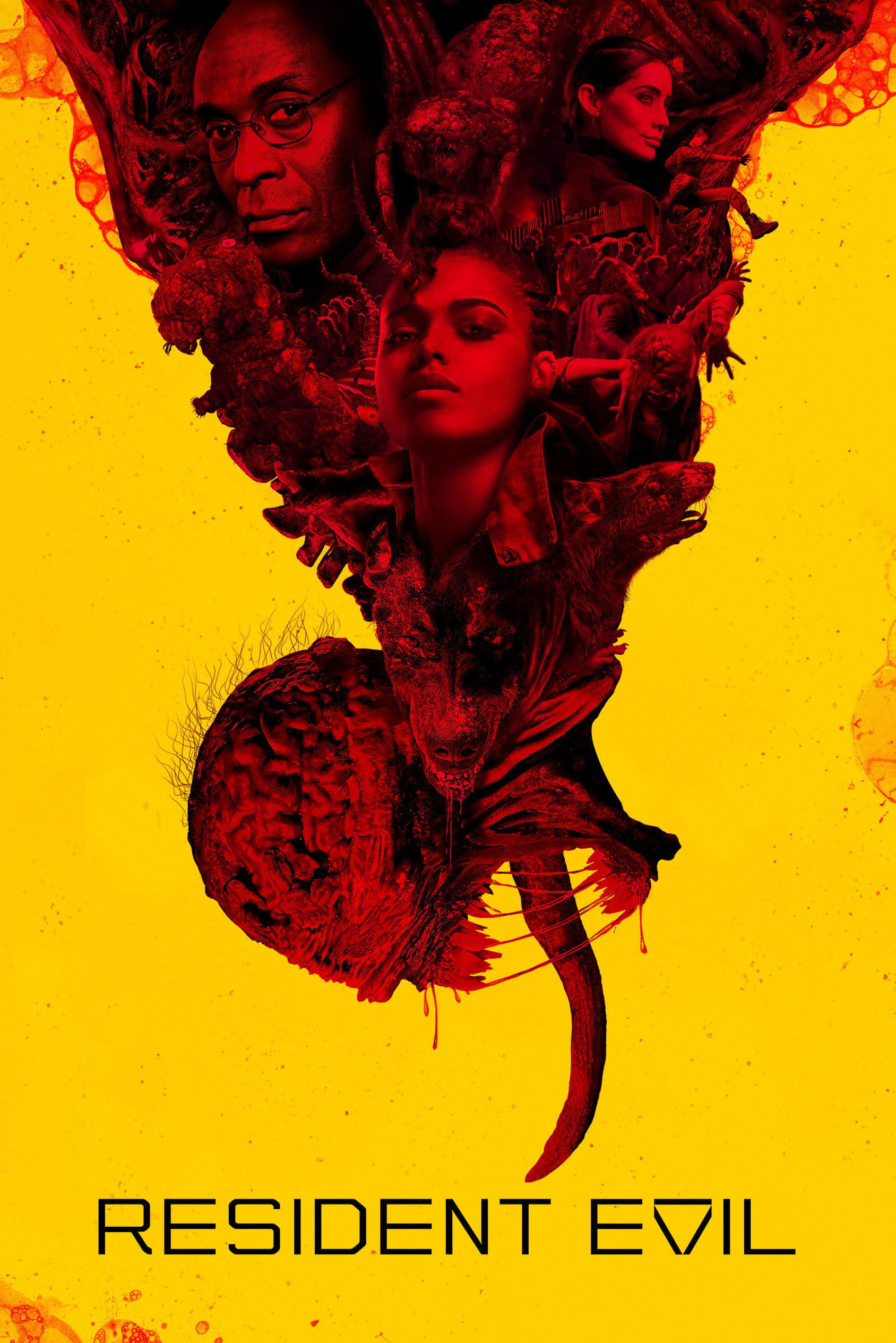
This adaptation splits its timeline between the initial outbreak and a future world overrun by the T-virus. The future timeline features giant mutated spiders and massive hordes of “Zeroes.” The creature sizes violate the square-cube law of biology. The Umbrella Corporation’s ability to continue operating high-tech facilities in a ruined world is a recurring franchise trope that lacks logic.
‘The Walking Dead’ (2010–2022)
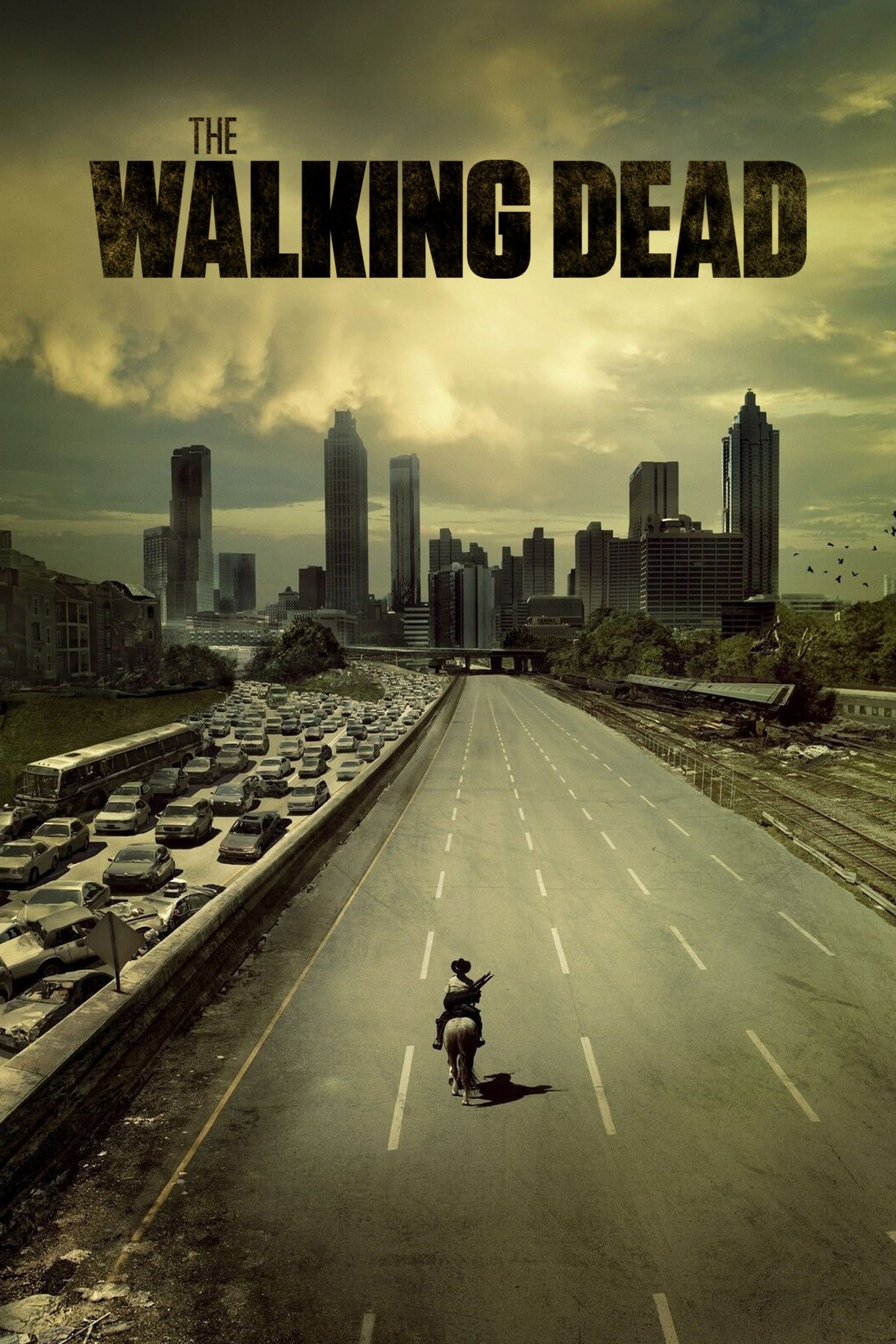
While grounded in emotional character drama, the show’s zombie logic fluctuates constantly. The zombies’ bodies do not decay at a realistic rate, allowing them to remain a threat for over a decade. Survivors frequently find gasoline that works perfectly years after it should have degraded into useless varnish. The abundance of ammunition and working vehicles contradicts the scarcity established in earlier seasons.
‘Fear the Walking Dead’ (2015–2023)
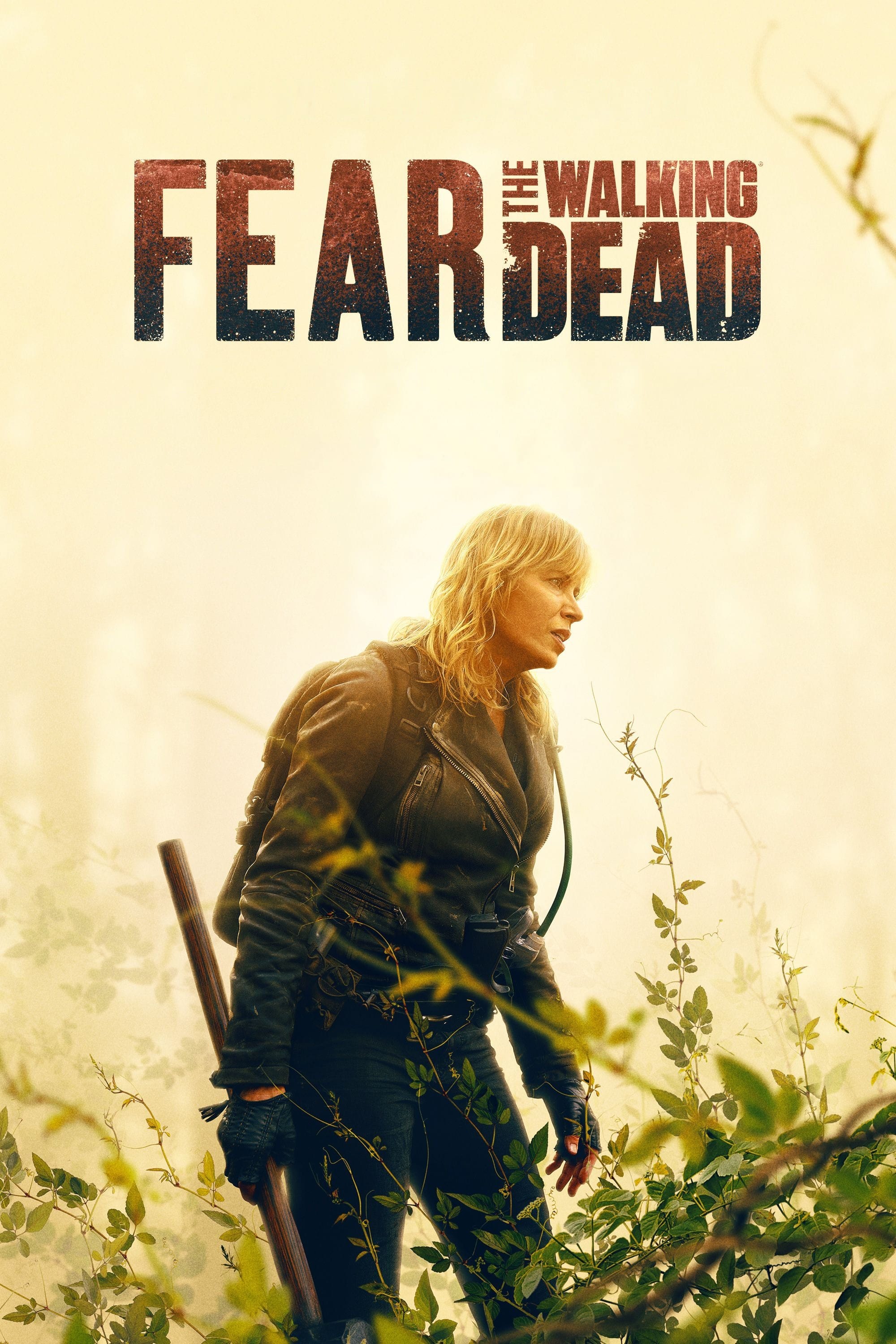
A spin-off that explores the onset of the apocalypse and eventually merges with the main timeline. Later seasons involve nuclear warheads detonating in Texas, creating a radioactive wasteland survivors walk through with minimal protection. The depiction of radiation poisoning and fallout is highly stylized and medically inaccurate. Characters frequently survive situations that should be instantly fatal.
‘All of Us Are Dead’ (2022–Present)
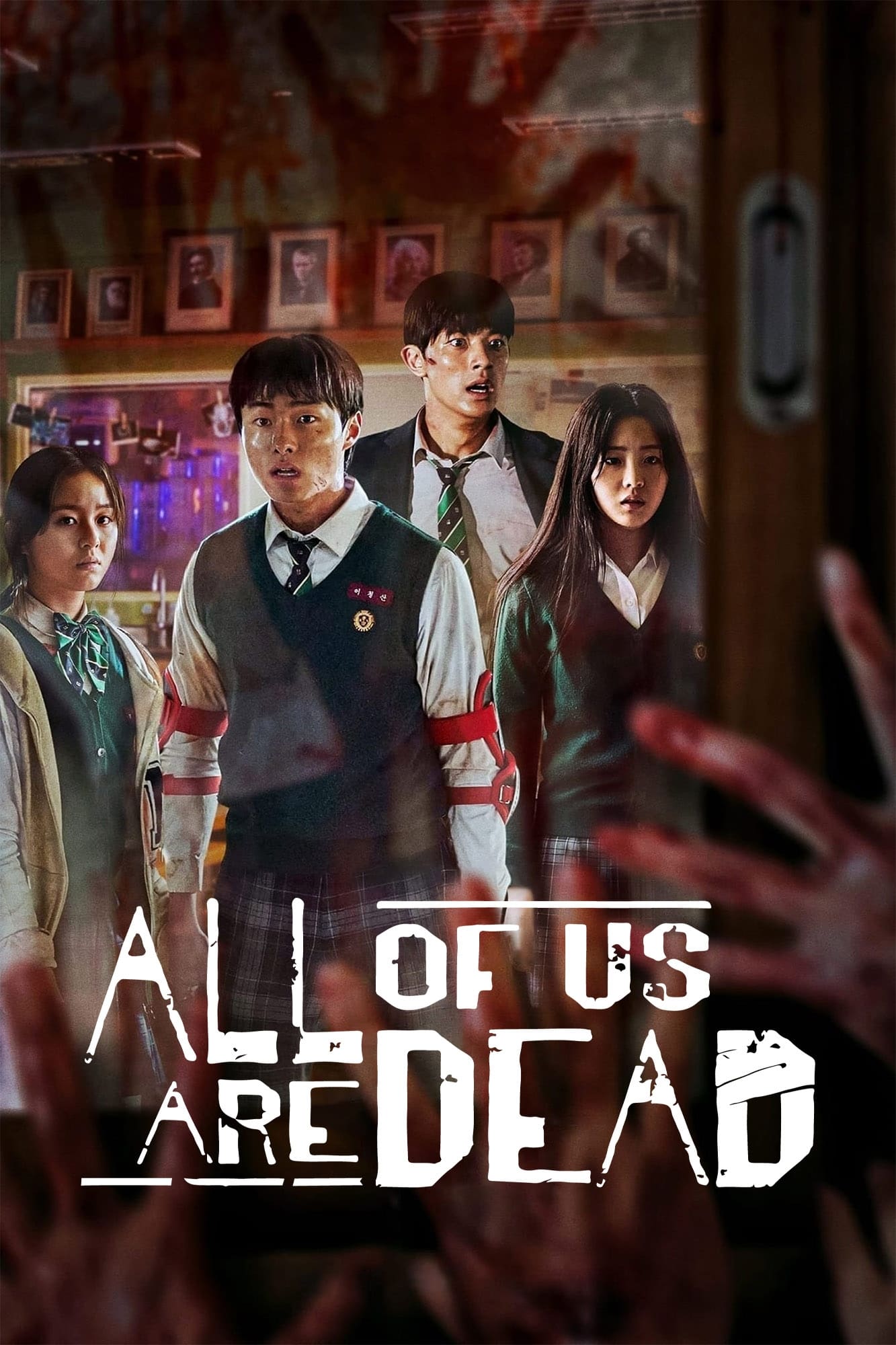
A high school science teacher creates a virus that turns the students into fast-moving zombies. The infection spreads with impossible speed, turning victims in seconds or minutes. Some characters become “half-bies,” retaining their human consciousness while gaining zombie strength and immortality. The rapid mutation rates and selective immunity serve the plot rather than virology.
‘Kingdom’ (2019–Present)
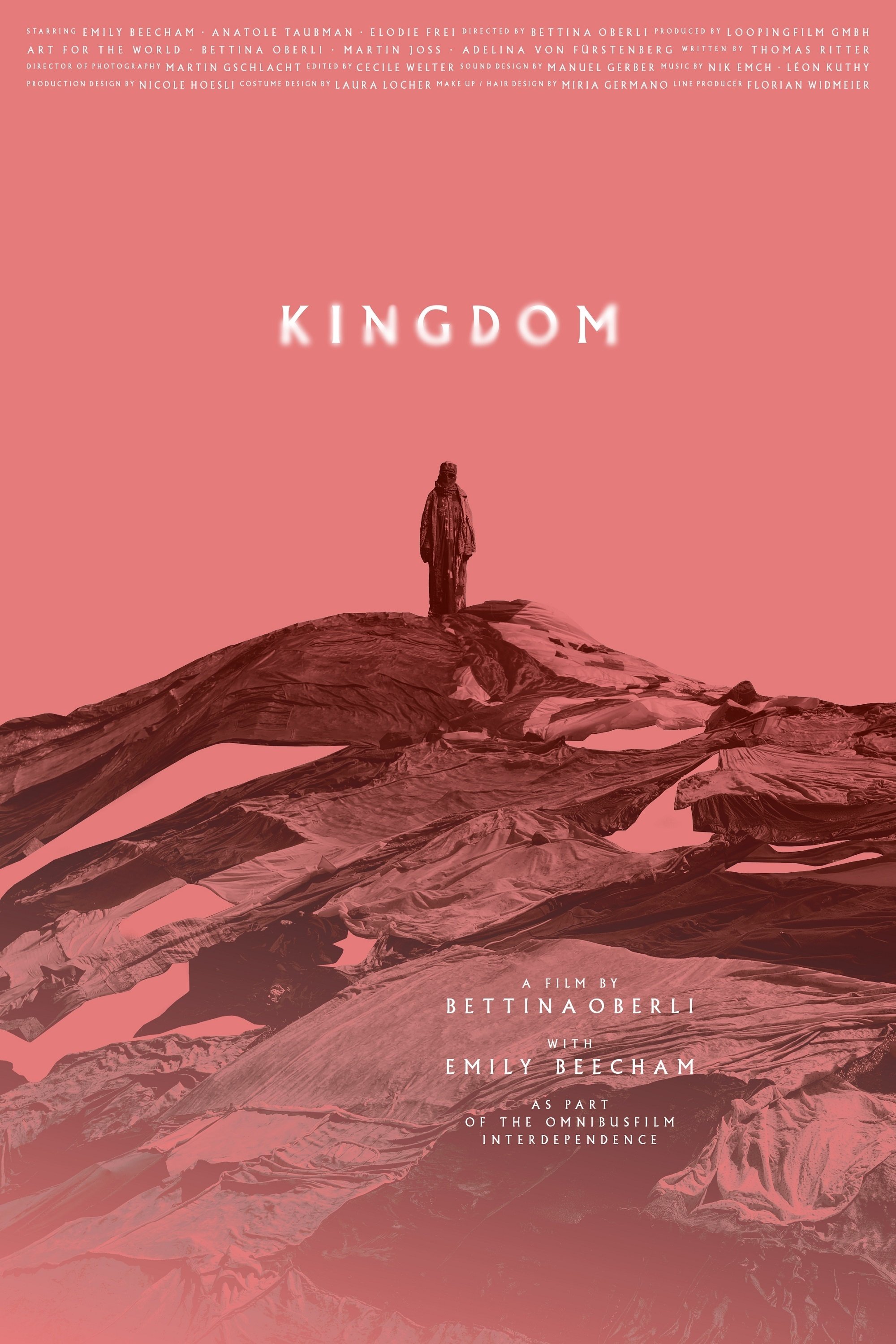
This South Korean series sets the zombie apocalypse in the Joseon period. The undead are created by a resurrection plant and originally only awake at night, though this rule evolves. The biological rules involving temperature and water are unique but scientifically fantastical. Mixing historical political drama with supernatural horror creates a heightened reality.
‘Sweet Home’ (2020–Present)

Residents of an apartment block are trapped inside as people outside turn into monsters. The transformation is not viral but driven by a person’s deepest desires, resulting in unique creature designs. This metaphysical cause removes the show from the realm of science fiction entirely. The monsters’ abilities range from super speed to shapeshifting, defying conservation of mass.
‘Alice in Borderland’ (2020–Present)
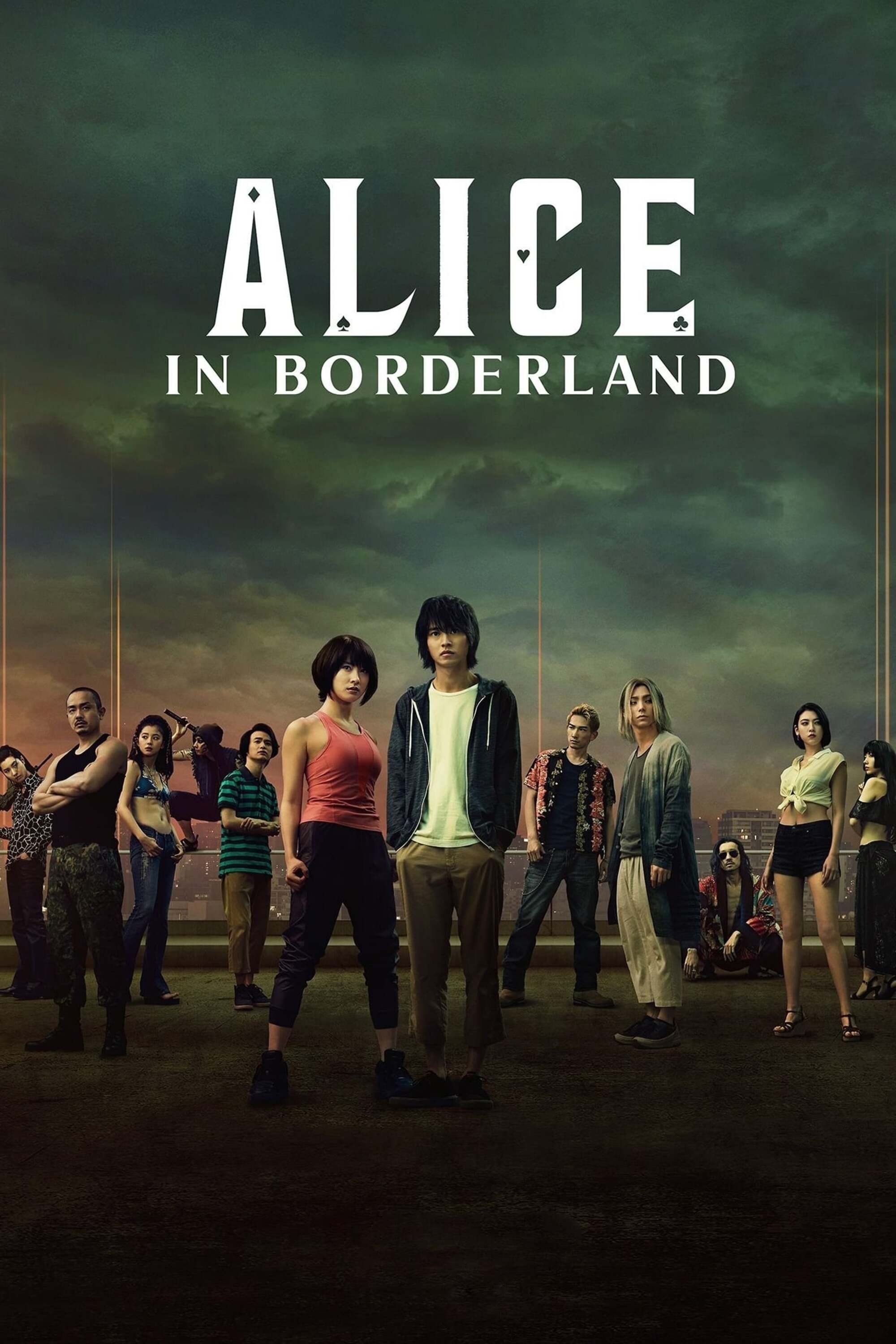
People in Tokyo suddenly find the city completely abandoned and are forced to compete in deadly games. The games are controlled by mysterious technology including lasers from the sky. The logistics of emptying a metropolis instantly and setting up elaborate death traps are impossible. It operates on video game logic where the rules of the world are artificial and controlled by a gamemaster.
‘Tribes of Europa’ (2021)
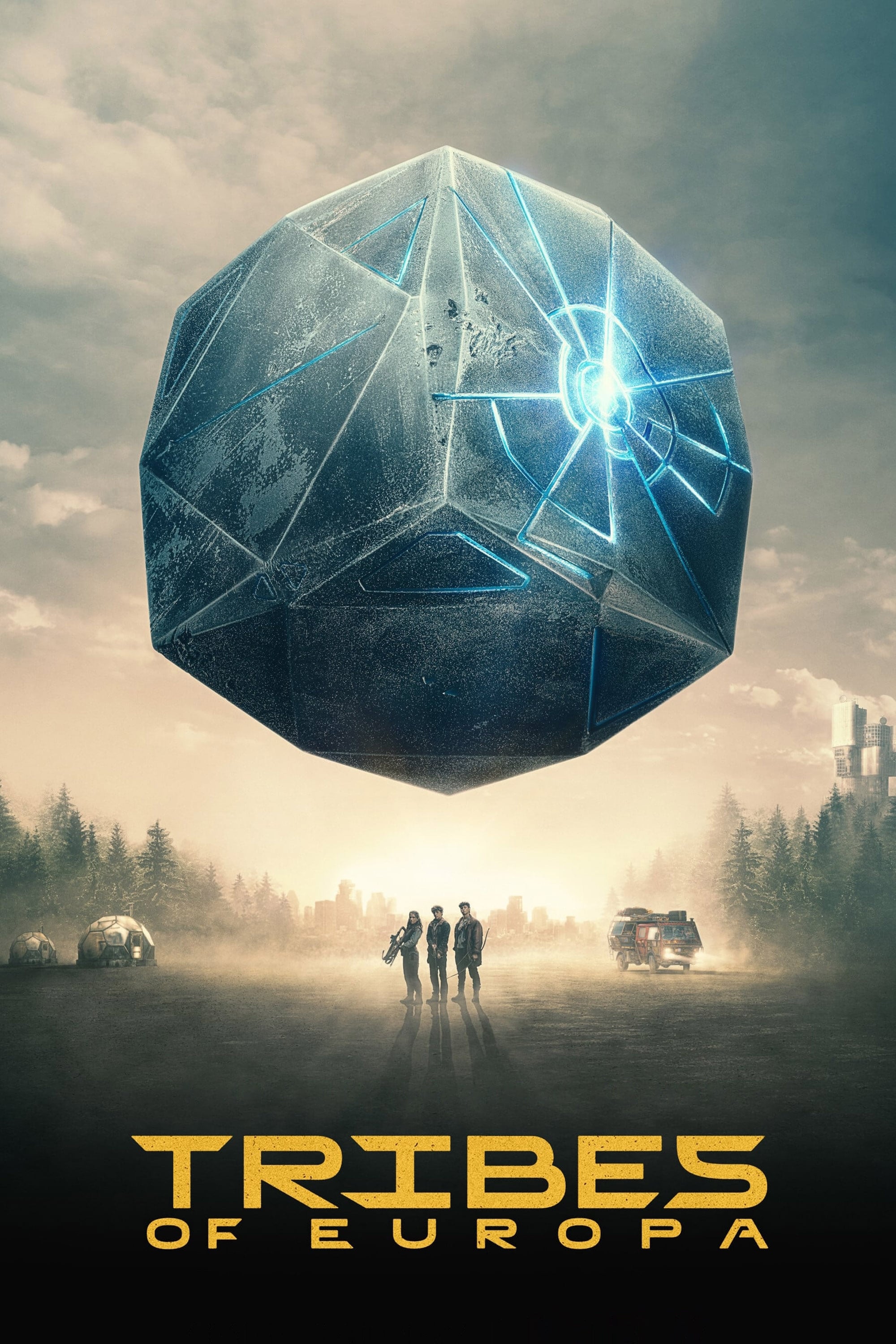
A mysterious global blackout in 2029 causes nations to disintegrate into warring micro-states. By 2074, technology is rare, and tribes fight over mysterious “Atlantean” cubes that hold advanced power. The tech serves as a magic “MacGuffin” rather than a grounded piece of engineering. The social regression of Europe into stereotypical sci-fi tribes feels rushed for the timeline.
‘3%’ (2016–2020)
Society is divided between an impoverished Inland and an advanced paradise known as the Offshore. Every year, 20-year-olds undergo “The Process” where only three percent are selected to join the elite. The social experiment is maintained with rigorous precision that seems unsustainable given the disparity. The technology used in the tests often appears magical rather than practical.
‘Dark Angel’ (2000–2002)

Terrorists detonate an electromagnetic pulse that destroys the U.S. economy and turns the country into a police state. A genetically enhanced super-soldier escapes a government lab and works as a bike messenger. Her DNA is spliced with feline genetics, giving her night vision and reflexes. The genetic engineering portrayed is far beyond what was or is currently possible.
‘Colony’ (2016–2018)
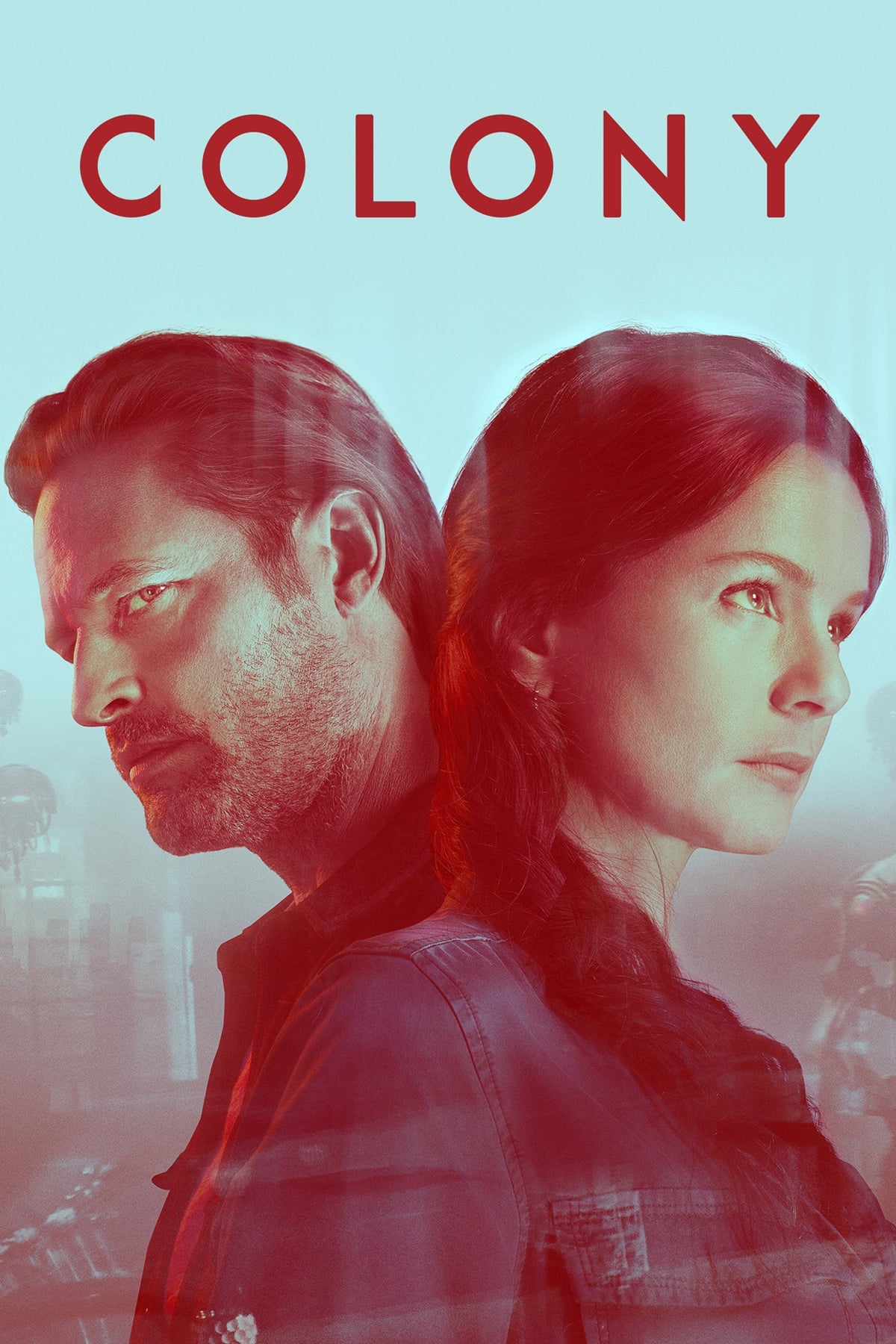
Alien hosts occupy Los Angeles and surround the city with a massive, metallic wall. A collaborative human government polices the citizens while the resistance fights back. The physics of the wall and the aliens’ ability to transport the entire city into space are pure sci-fi spectacle. The show focuses on occupation politics but relies on unexplained alien magic for the setting.
‘War of the Worlds’ (2019–2022)
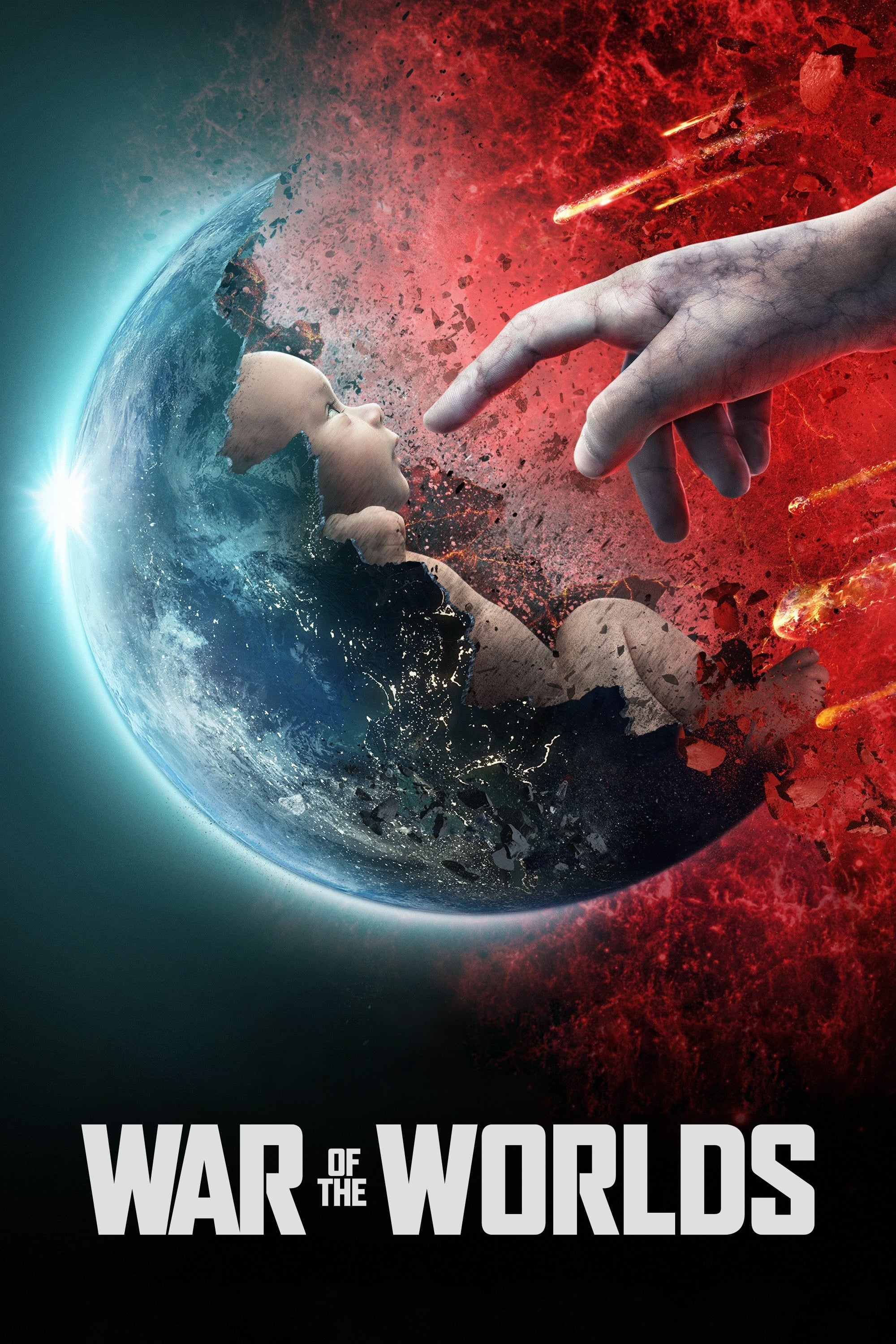
Astronomers detect a transmission from another star, and shortly after, an alien attack wipes out most of humanity. The survivors are hunted by mechanical quadruped robots that are relentlessly efficient. The aliens themselves are revealed to be genetically connected to humans in a twist that strains credibility. The timeline of the invasion and the nature of the enemy shift confusingly across seasons.
‘Aftermath’ (2016)
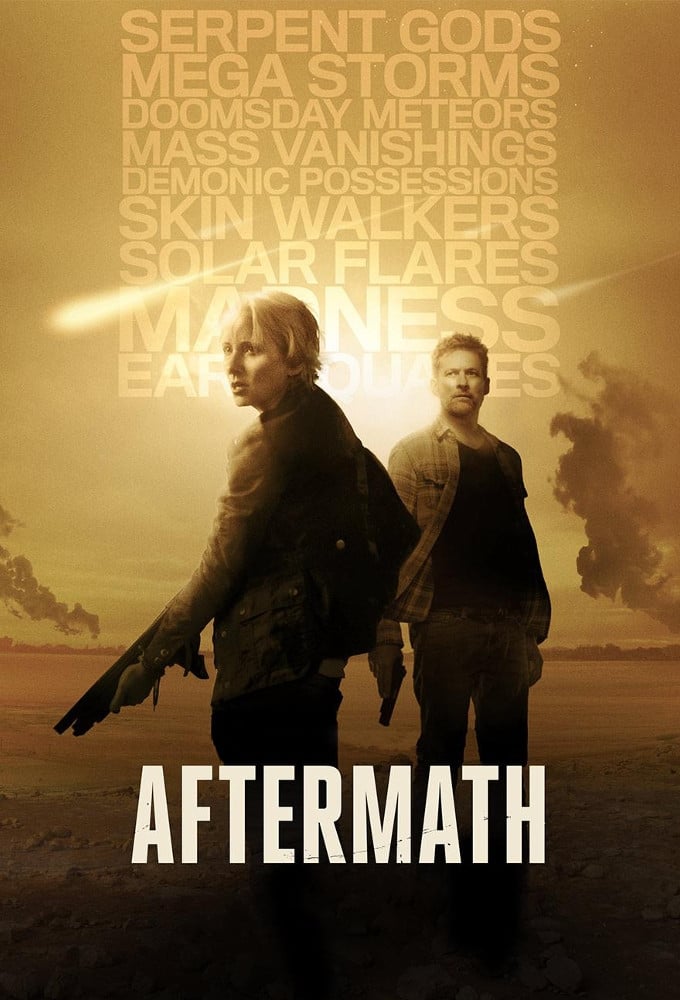
The Copeland family faces the end of the world caused by massive storms, meteors, and the rise of supernatural creatures. They encounter skinwalkers, dragons, and other mythological beasts alongside natural disasters. The kitchen-sink approach throws every possible apocalyptic scenario at the screen simultaneously. It abandons any attempt at scientific coherence for pure chaos.
‘Y: The Last Man’ (2021)
A mysterious event simultaneously kills every mammal on Earth with a Y chromosome, except for one man and his monkey. The suddenness and specificity of the genetic targeting is scientifically inexplicable. Society collapses immediately as essential infrastructure, largely maintained by men, fails. The show explores gender politics but relies on a magical inciting incident.
‘The Stand’ (2020–2021)
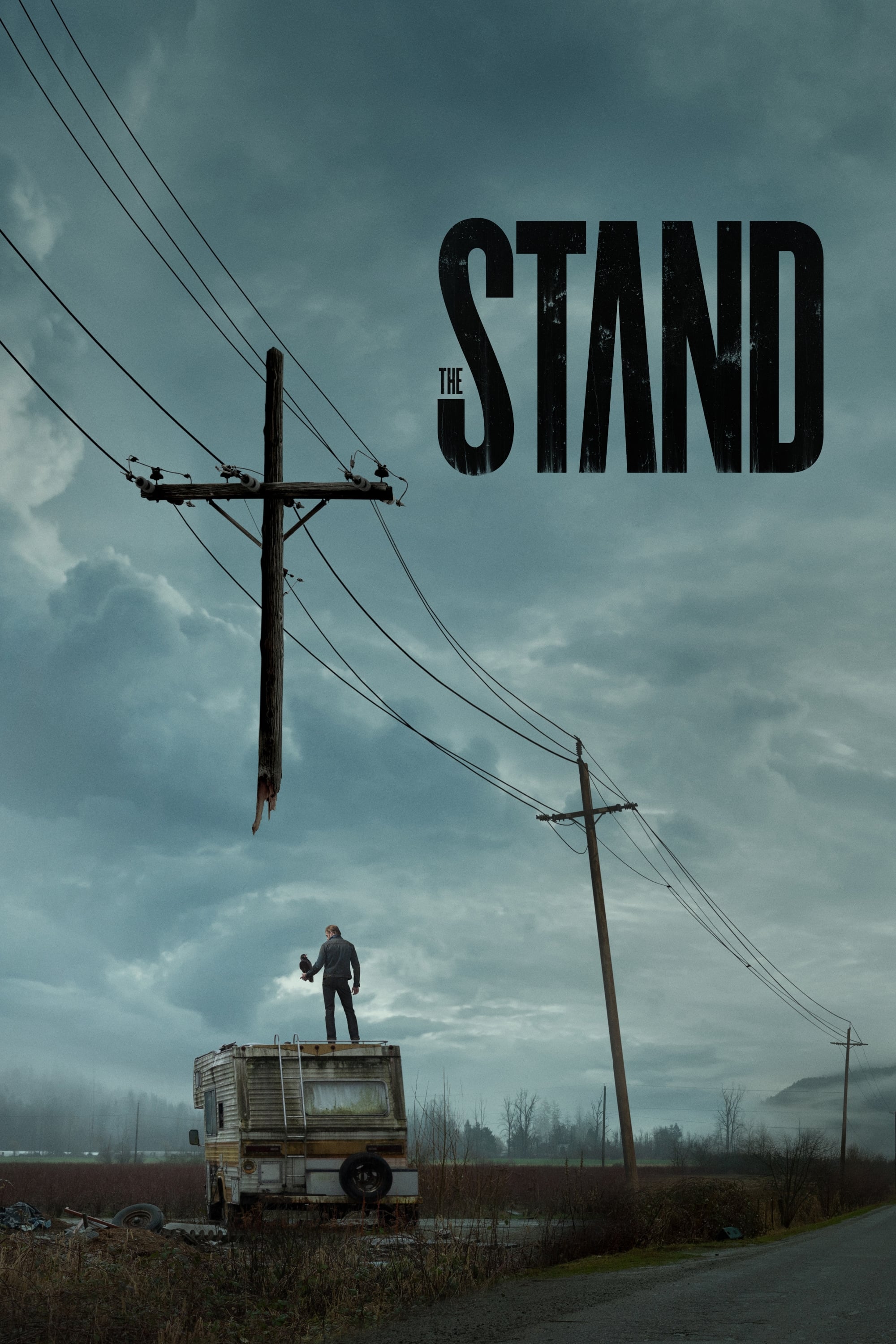
A weaponized strain of influenza kills 99% of the world’s population. The survivors are drawn via dreams to either a benevolent elder in Colorado or a dark entity in Las Vegas. The struggle is fundamentally supernatural, involving divine intervention and demonic powers. While the virus depicts a realistic pandemic initially, the resolution is entirely mystical.
‘Fallout’ (2024–Present)
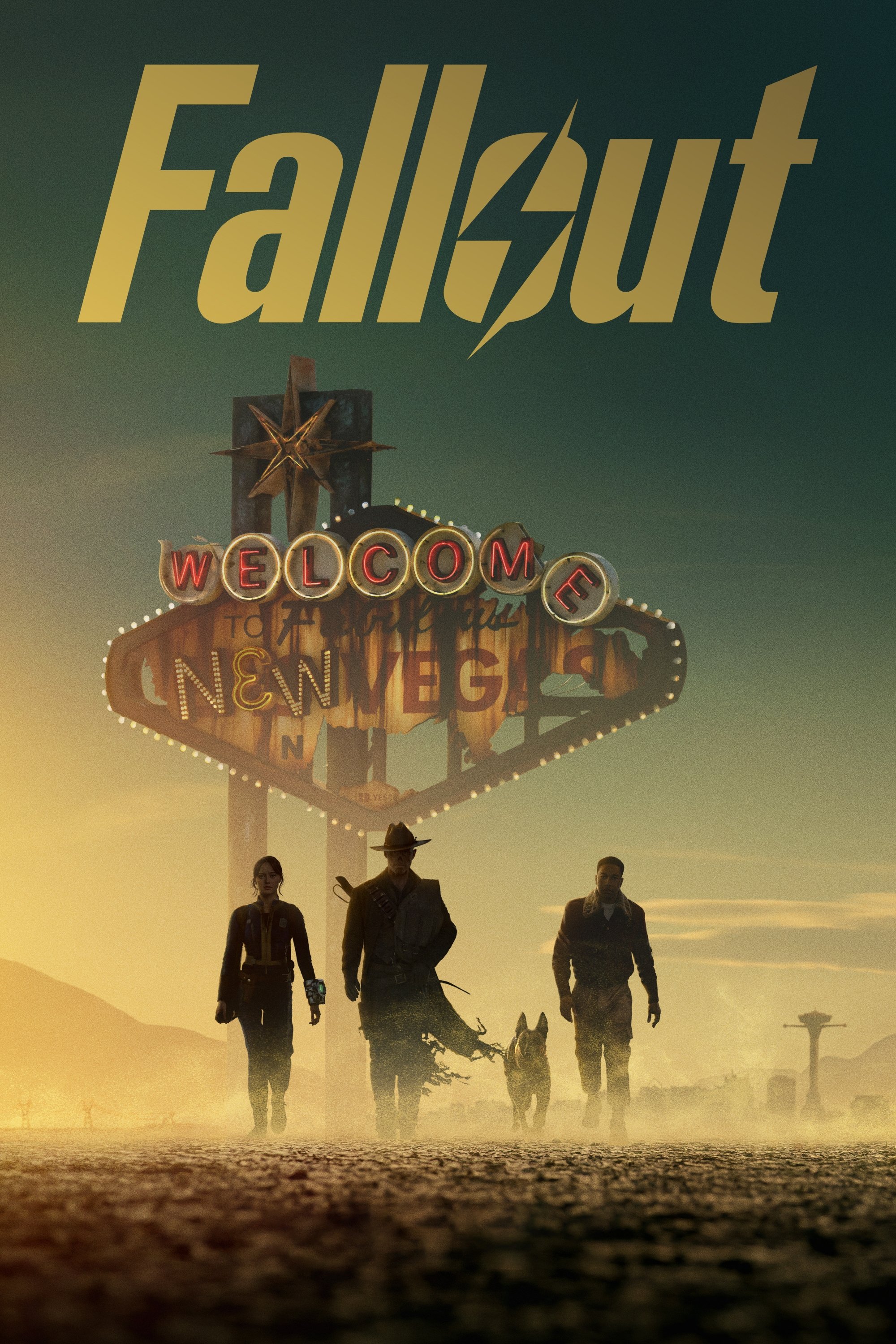
Based on the game series, this show depicts a retro-futuristic wasteland 200 years after a nuclear exchange. Survivors include Vault Dwellers, militaristic factions in power armor, and mutated Ghouls who can live for centuries. The science of the vaults and the radiation mutations are stylized and satirical. It adheres to the “Rule of Cool” rather than the rules of physics.
‘Raised by Wolves’ (2020–2022)
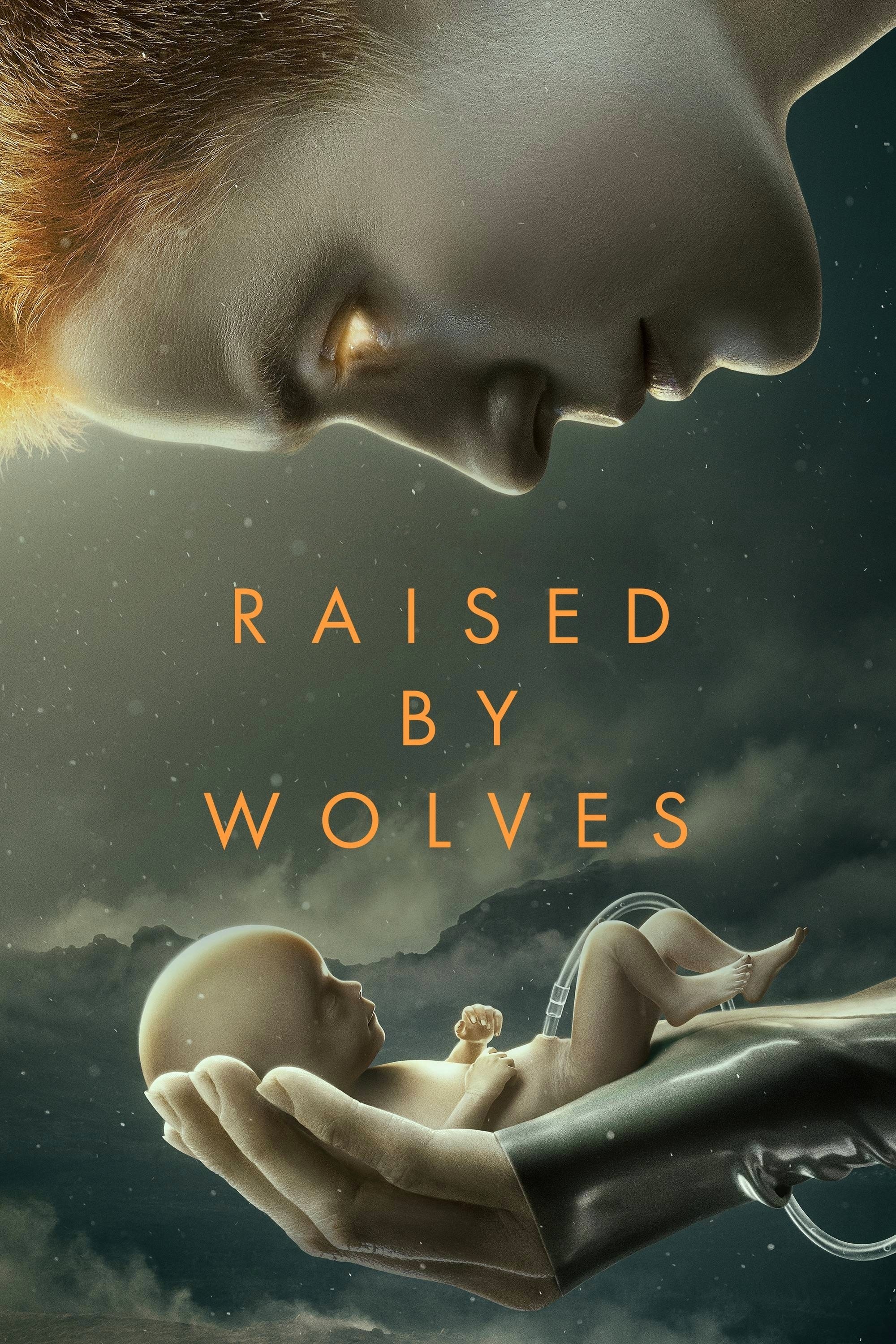
Two androids are tasked with raising human children on the planet Kepler-22b after Earth is destroyed by a religious war. The planet harbors giant flying serpents and radioactive pits that de-evolve humans. The biotechnology of the androids and the planetary evolution are surreal and dreamlike. It operates as a high-concept allegory rather than a realistic colonization story.
‘The Strain’ (2014–2017)

A viral outbreak creates a new breed of vampire that spreads through parasitic worms. The “Master” controls the infected through a hive mind and plots to blot out the sun. The biology of the strain is detailed but completely fictitious. The heroes’ ability to fight an ancient supernatural force with swords and UV lamps requires significant suspension of disbelief.
’12 Monkeys’ (2015–2018)
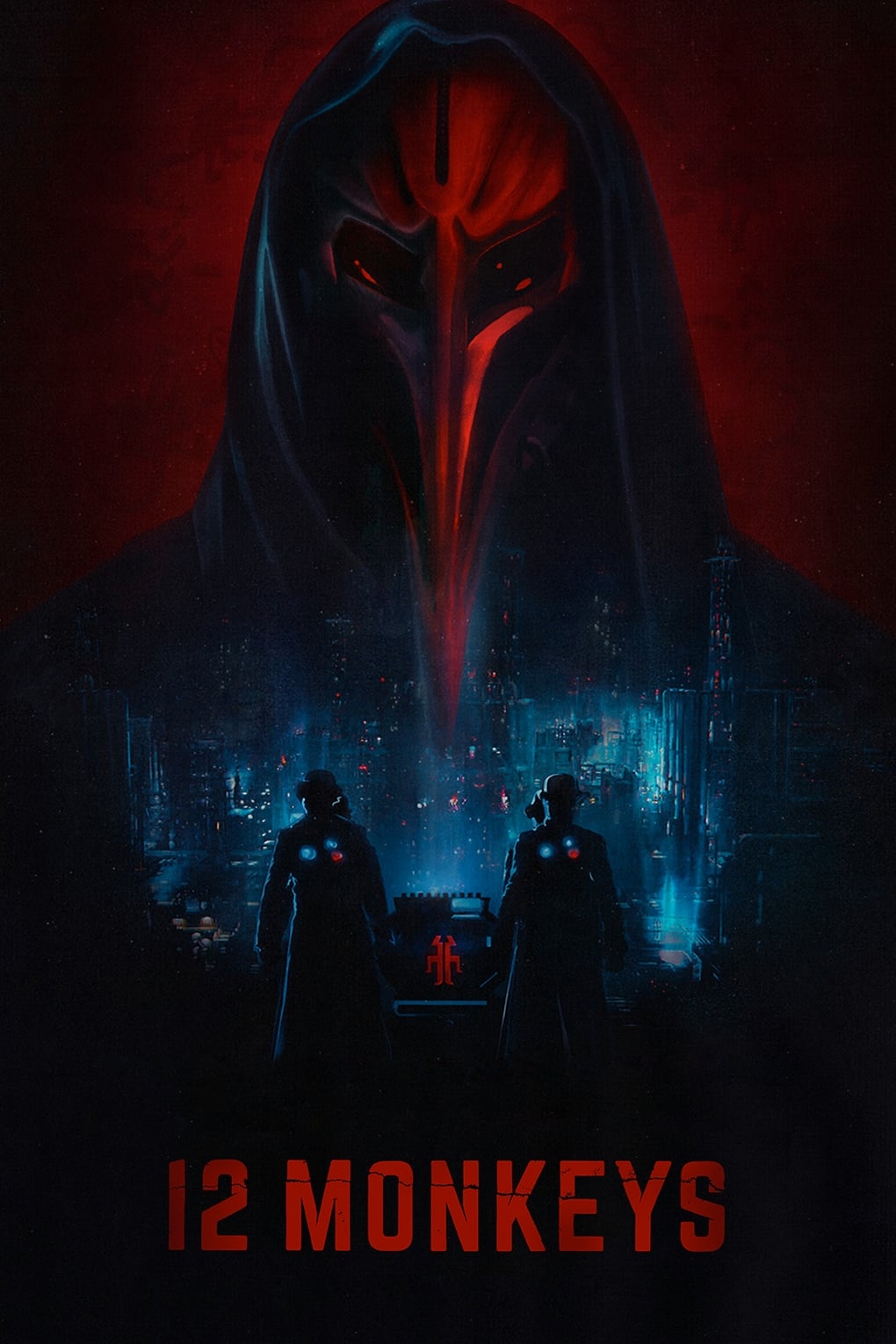
A time traveler from a plague-ravaged future arrives in the present to stop the release of a deadly virus. The show expands into a complex web of causality loops and paradoxes that defy linear time. A secret society known as the Army of the 12 Monkeys manipulates history in impossible ways. The intricate time travel mechanics eventually overshadow the initial apocalyptic premise.
Share your favorite unrealistic post-apocalyptic show and why you love it in the comments.