Video Games That Were Banned In Australia And Germany

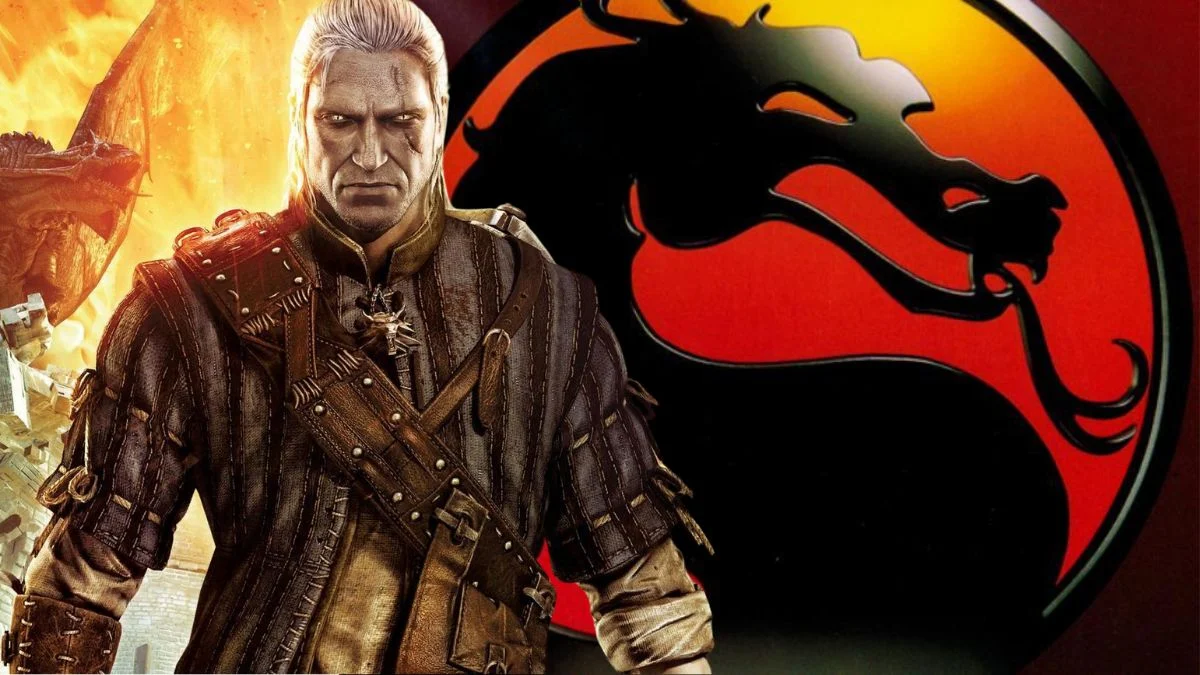

The global landscape of interactive entertainment often clashes with regional classification laws and cultural sensitivities. Australia and Germany have historically maintained some of the strictest censorship standards for video games in the world. Regulatory bodies in these nations frequently refuse classification for titles that contain excessive violence or prohibited iconography. This has resulted in numerous high profile releases being banned or heavily censored before they could reach local shelves. Understanding these bans provides insight into the evolving legal definitions of media and artistic expression.
‘Wolfenstein 3D’ (1992)
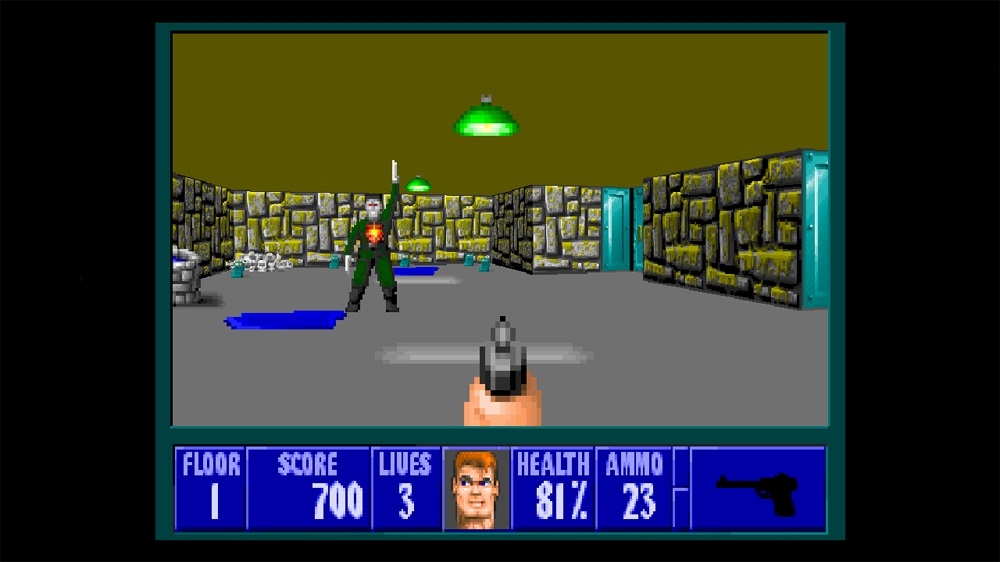
The German government banned this early shooter because it included imagery associated with unconstitutional organizations. While the game was a technical breakthrough for the industry it could not be legally sold due to the use of swastikas and Nazi themes. These restrictions were part of strict laws regarding the depiction of symbols from the national socialist era in media. The title remained unavailable in its original form for decades until legal shifts allowed for artistic exemptions in gaming. Fans eventually accessed the game only through imports or later modified versions that removed the prohibited icons.
‘Mortal Kombat’ (1992)
This fighting game became a lightning rod for controversy in Australia due to its realistic depictions of blood and gore. The Australian Classification Board refused to grant the title a rating because of the high impact violence featured in the signature finishing moves. At the time the country lacked an adult rating for video games which meant any content exceeding a certain threshold was effectively prohibited. This ban prompted significant public debate about the need for more specialized classification systems for interactive media. Gamers in the region were unable to purchase the title legally until significant changes were made to the distribution laws.
‘Doom’ (1993)
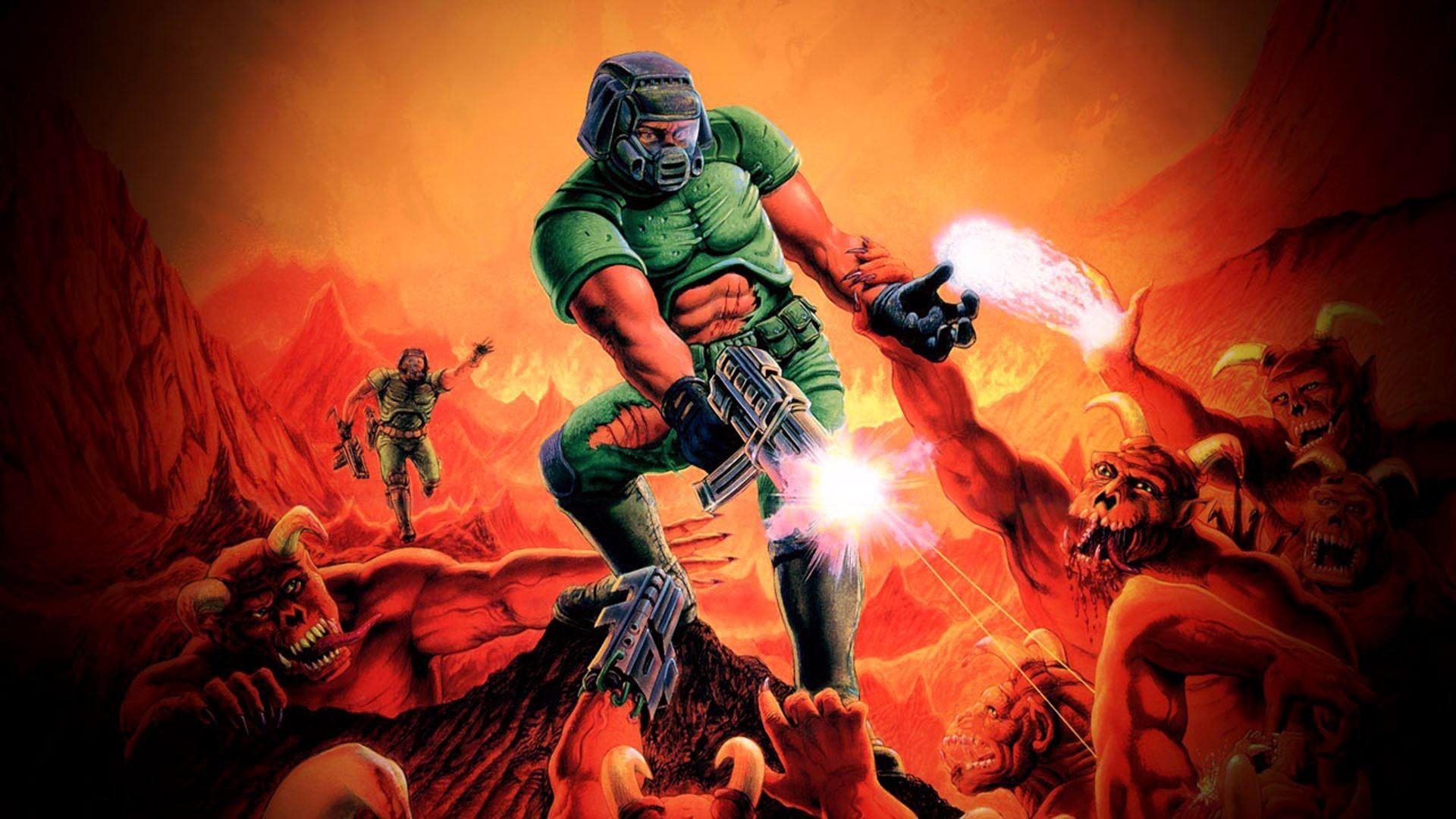
German authorities placed this classic title on a restricted list because they believed the intense violence could harm younger players. The federal department responsible for media classification argued that the fast paced combat and demonic imagery were too extreme for the general public. This decision prevented the game from being advertised or sold to minors across the country for many years. It was not until much later that the restriction was lifted following a successful appeal by the developers. The incident remains a key moment in the history of international gaming censorship and regulation.
‘Phantasmagoria’ (1995)
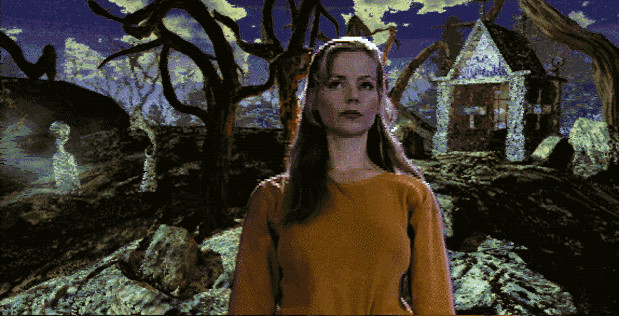
Australian regulators refused to classify this horror adventure game because of its disturbing live action sequences and sexual violence. The use of real actors in pre-rendered environments made the graphic content feel too realistic for the standards of the time. Because the game could not receive a rating it was legally banned from sale and distribution throughout the country. This title is often cited as one of the most significant examples of adult content being blocked by the Australian Classification Board. Collectors and horror fans often sought out international versions to experience the full original narrative.
‘Duke Nukem 3D’ (1996)
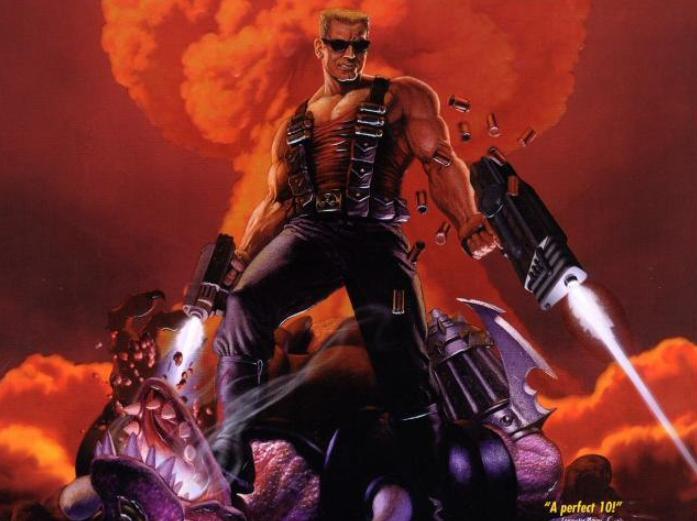
This popular action title faced immediate legal challenges in Australia because of its mature themes and depictions of adult services. The classification board took issue with interactive elements that allowed players to interact with non-player characters in a sexualized manner. This led to an initial ban that forced the developers to produce a censored version specifically for the local market. Even with these changes the title remained a controversial subject for years among parents and politicians. It stands as a testament to the differing cultural standards regarding humor and sexuality in gaming.
‘Quake’ (1996)
Germany subjected this influential first person shooter to an indexing process that restricted its public availability for many years. The authorities determined that the dark atmosphere and intense combat were potentially harmful to the development of adolescents. Being placed on the index meant the game could not be displayed in shops or advertised in public magazines. This effectively acted as a soft ban that limited the reach of the game within the German market. The restriction was eventually lifted as the industry matured and social perceptions of digital violence evolved.
‘Carmageddon’ (1997)
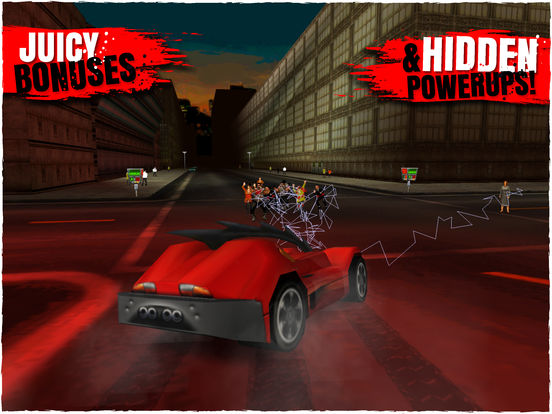
The German version of this racing game was famously censored to replace human pedestrians with green blooded zombies or robots. Regulators were concerned that the core mechanic of earning points by hitting people encouraged dangerous antisocial behavior. By changing the victims into non-human entities the developers were able to bypass the strict local laws against glorifying violence. Australia also scrutinized the title and forced similar changes to ensure the game met local classification requirements. This remains one of the most well known examples of regional content modification in the late nineties.
‘Soldier of Fortune’ (2000)
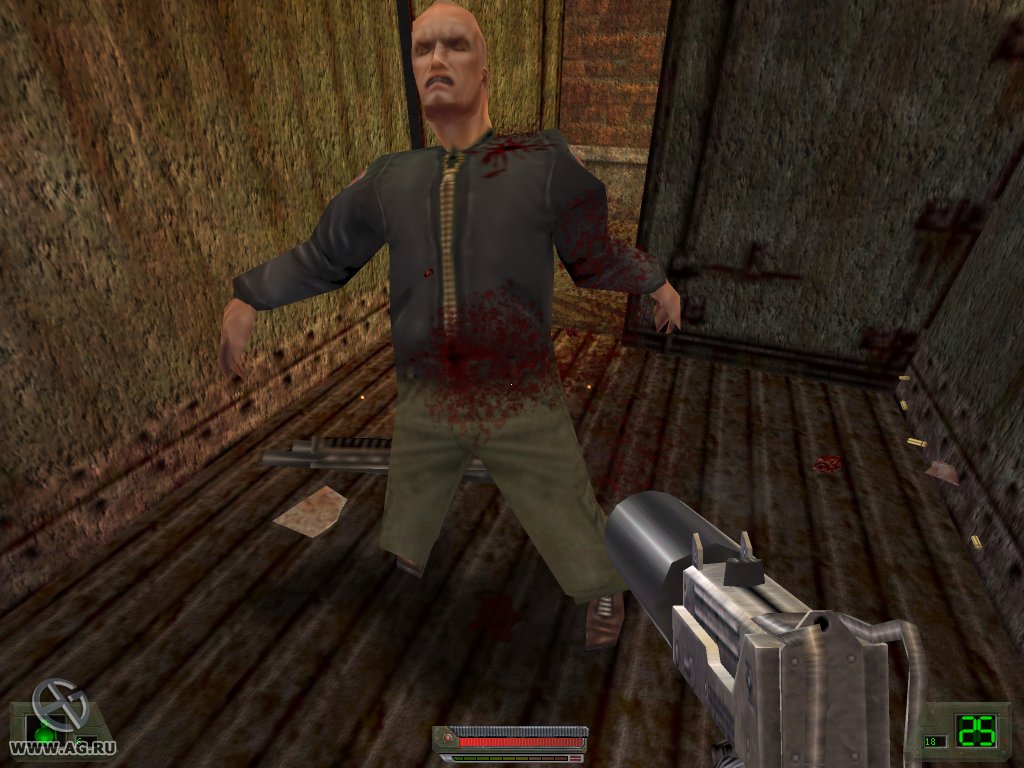
This shooter was banned in several German states due to its advanced gore system which allowed for realistic dismemberment. The level of graphic detail was considered far beyond what was acceptable for general entertainment products at the time. German officials argued that the game focused too heavily on the suffering of enemies and served no artistic purpose. This led to the game being indexed and removed from store shelves to prevent access by minors. The controversy surrounding its release highlighted the growing gap between American development trends and European regulatory standards.
‘Grand Theft Auto III’ (2001)
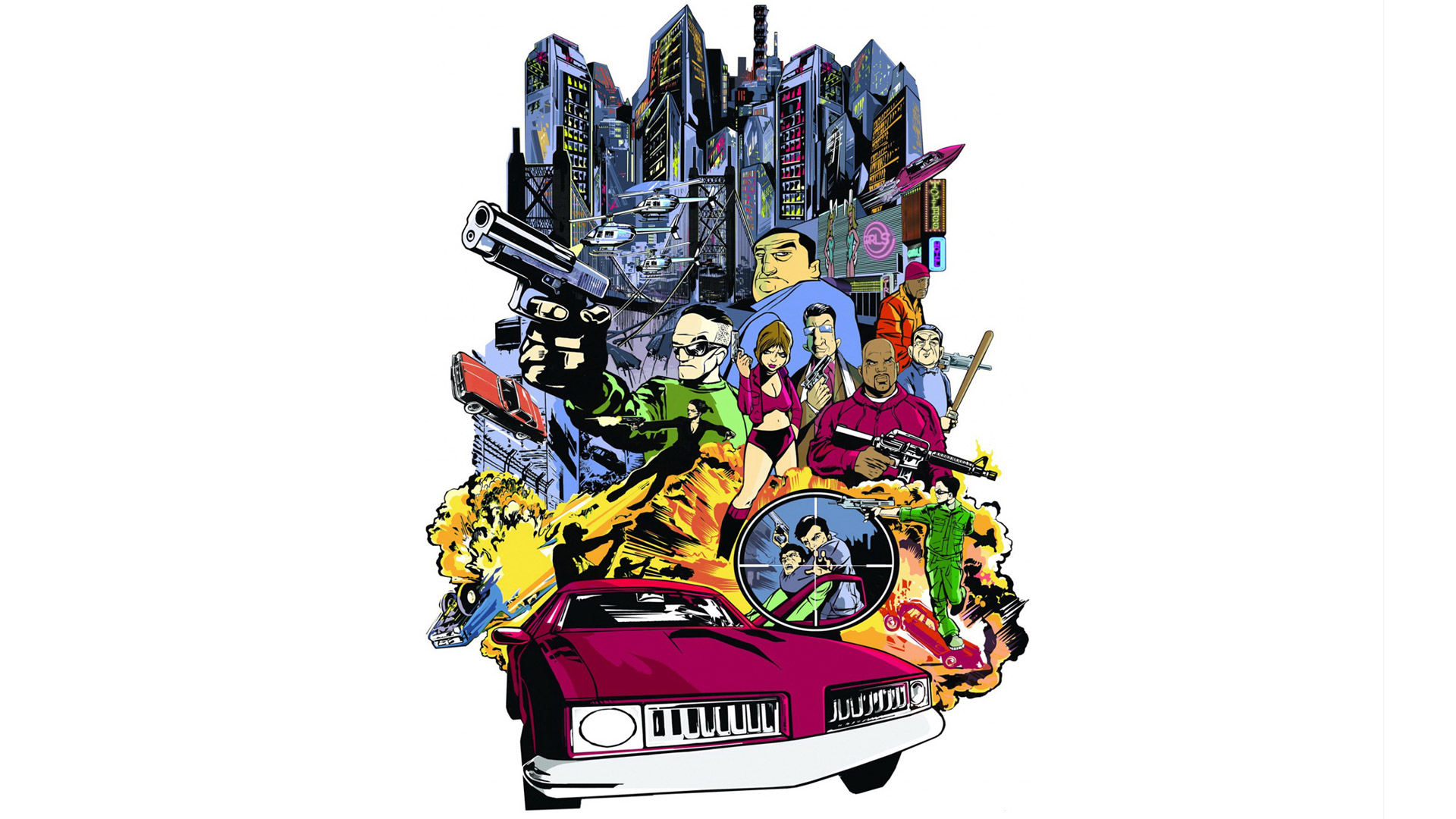
The Australian Classification Board initially refused to rate this groundbreaking open world title because of its depictions of criminal activities. Regulators were specifically concerned with the ability of players to engage with sex workers and then commit acts of violence against them. Because the game exceeded the limits of the existing rating categories it was prohibited from being sold in its original state. The developers eventually released a modified version that removed some of the most controversial interactions to secure a legal release. This event intensified the national conversation regarding the implementation of an adult rating for video games.
‘Command & Conquer: Generals’ (2003)
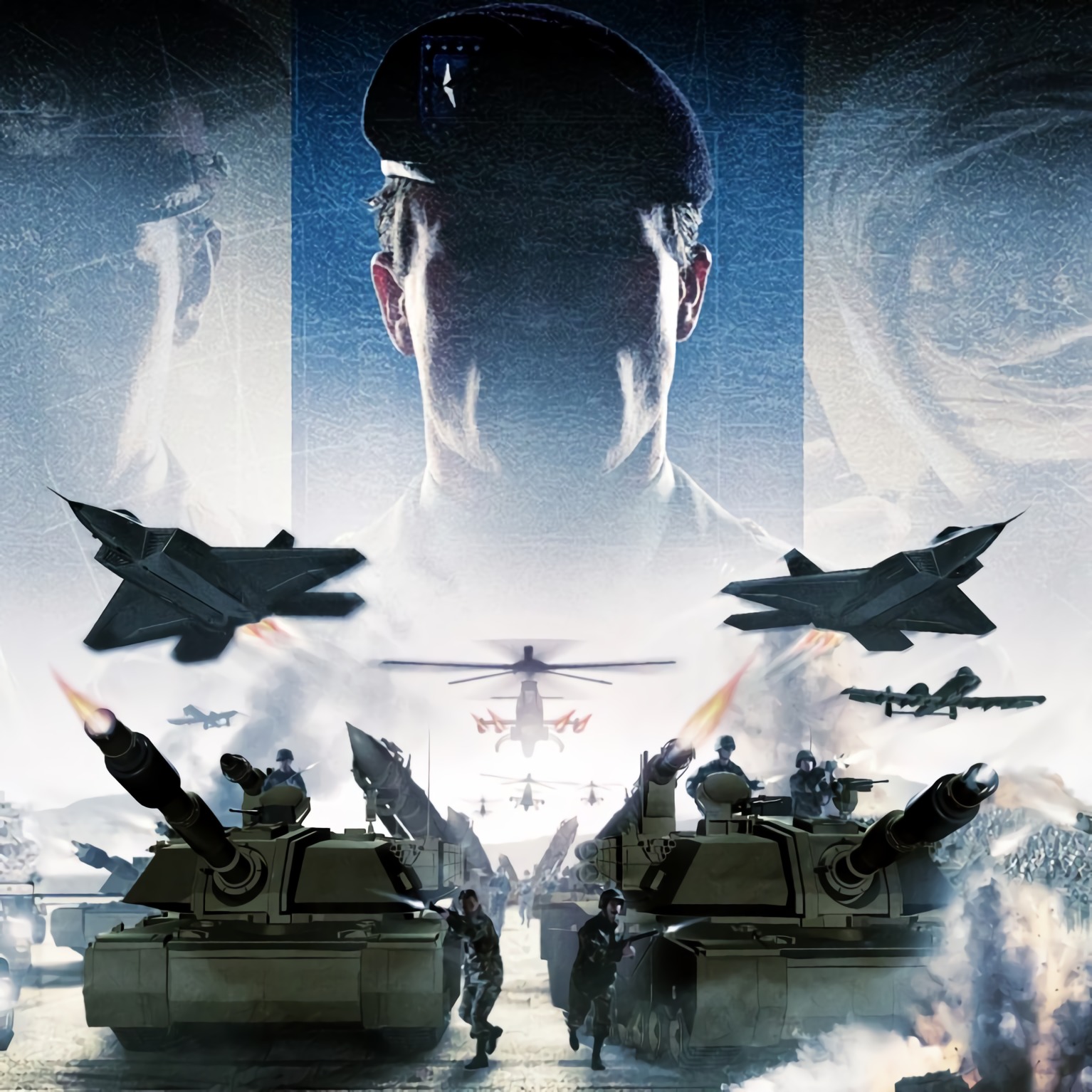
Germany banned this strategy game shortly after its release due to its depiction of modern warfare and similarities to real world events. The government was concerned that the game glorified war and allowed players to engage in acts of terrorism within a digital setting. This led to a full ban on the original version of the game across the entire country. To resolve the issue the developers created a specialized version called ‘Command & Conquer: Generäle’ that replaced human units with cyborgs. This change transformed the context of the conflict into a sci-fi scenario that satisfied German legal requirements.
‘Postal 2’ (2003)
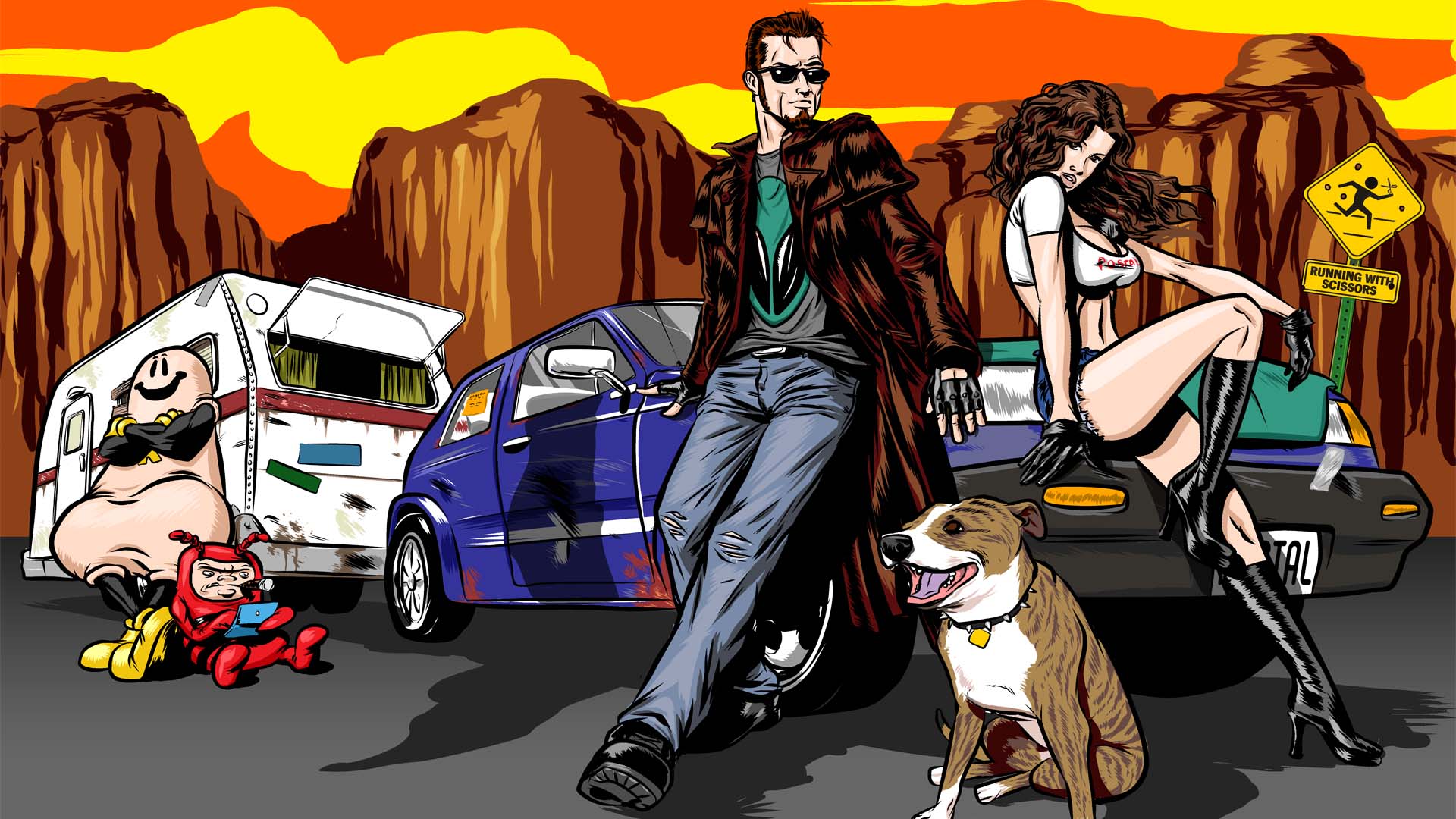
Both Australia and Germany banned this game due to its extreme levels of violence and controversial humor. Regulators in both nations found the content to be offensive and lacking any redeeming social or artistic value. The game allowed players to commit senseless acts of cruelty against innocent civilians and animals. These actions were deemed too transgressive for the public and led to the title being refused classification entirely. It remains one of the most frequently cited examples of a game that pushed the boundaries of acceptable content too far for many global markets.
‘Manhunt’ (2003)
This stealth based horror game was banned in Australia and Germany for its focus on brutal and sadistic executions. The core gameplay loop involved stalking enemies and killing them in increasingly graphic ways for the enjoyment of an in-game audience. Australian officials refused classification because they believed the game promoted high levels of cruelty. In Germany the title was confiscated by courts because it was seen as a glorification of violence that violated human dignity. The game remains a controversial piece of media history that challenged the limits of free expression in gaming.
‘Leisure Suit Larry: Magna Cum Laude’ (2004)
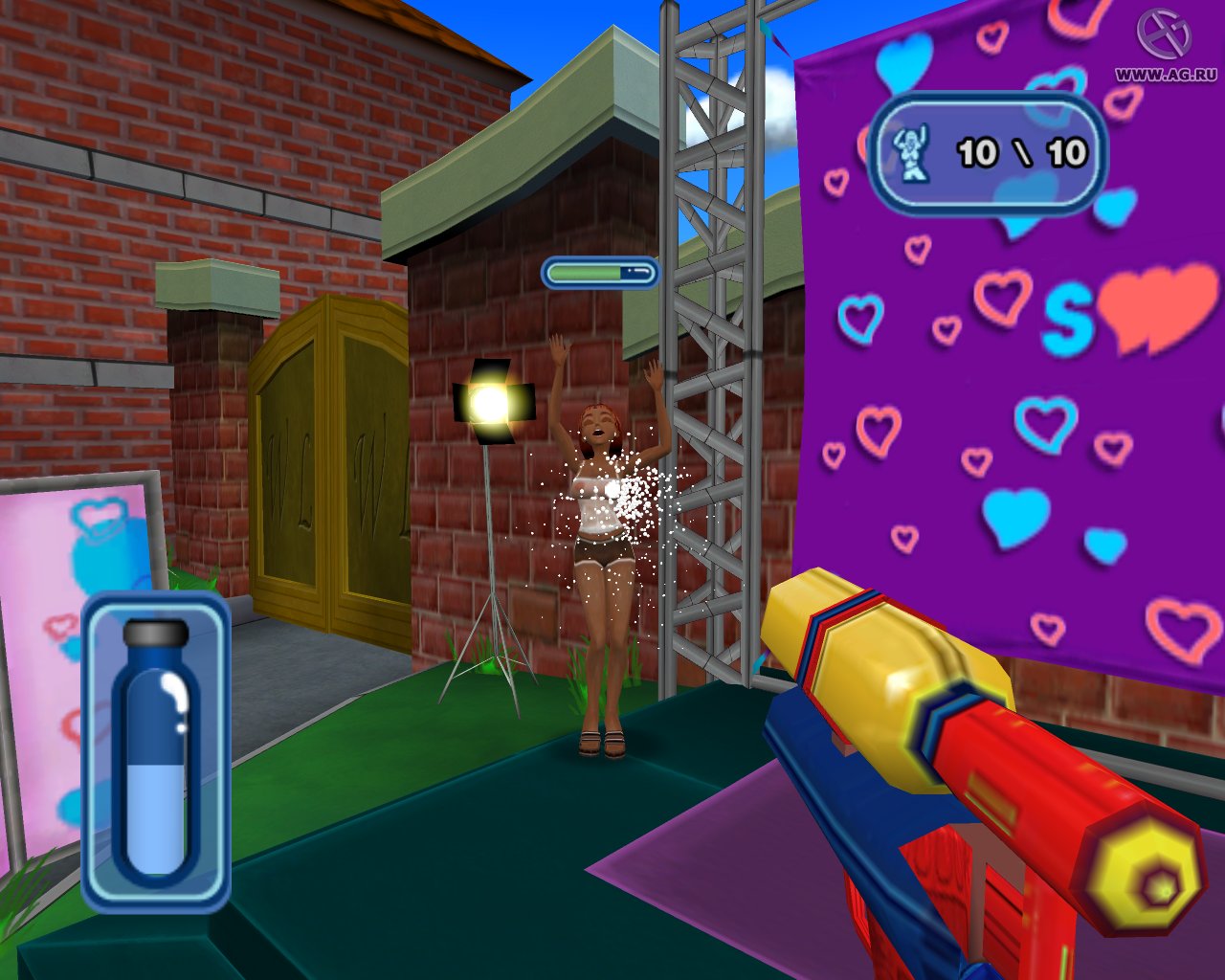
Australian regulators refused to classify this adult themed adventure game due to its explicit sexual content and nudity. The board determined that the interactive nature of the sexual themes went beyond the limits of what could be allowed for public sale. At the time Australia still lacked a classification for adult games which left the board with no choice but to ban the title. The ban prevented the game from being stocked by local retailers or legally imported by fans. It highlighted the ongoing struggle for mature games to find a legal place in the Australian market.
‘Shellshock: Nam ’67’ (2004)
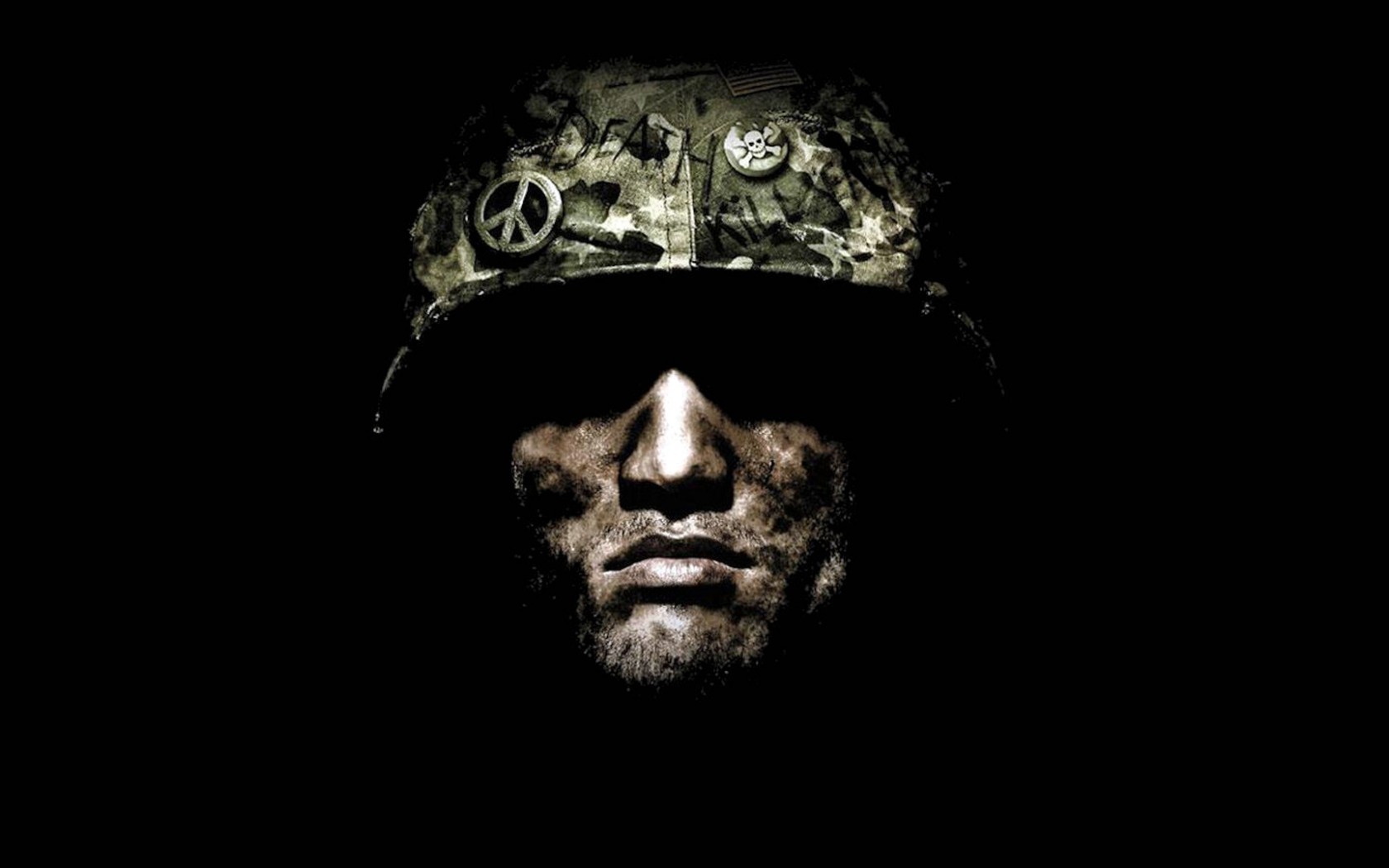
This gritty depiction of the Vietnam War was refused classification in Australia for its portrayal of war crimes and extreme violence. The board took issue with specific scenes involving torture and the mutilation of enemy combatants. Regulators felt that these elements were presented in a way that was gratuitous and did not serve the narrative or historical context. As a result the game could not be sold in its original form to the Australian public. This decision reflected the board’s strict stance on the depiction of real world atrocities in interactive media.
’50 Cent: Bulletproof’ (2005)

This action game featuring the famous rapper was initially banned in Australia due to its high impact violence. The classification board found that the level of blood and the frequency of graphic kills exceeded the standards for a mature rating. Because the game was refused classification it became illegal to sell or distribute the title within the country. The developers had to make several adjustments to the gore effects to finally secure a rating for a secondary release. This case demonstrated how even celebrity driven titles were not immune to strict local censorship laws.
‘Narc’ (2005)
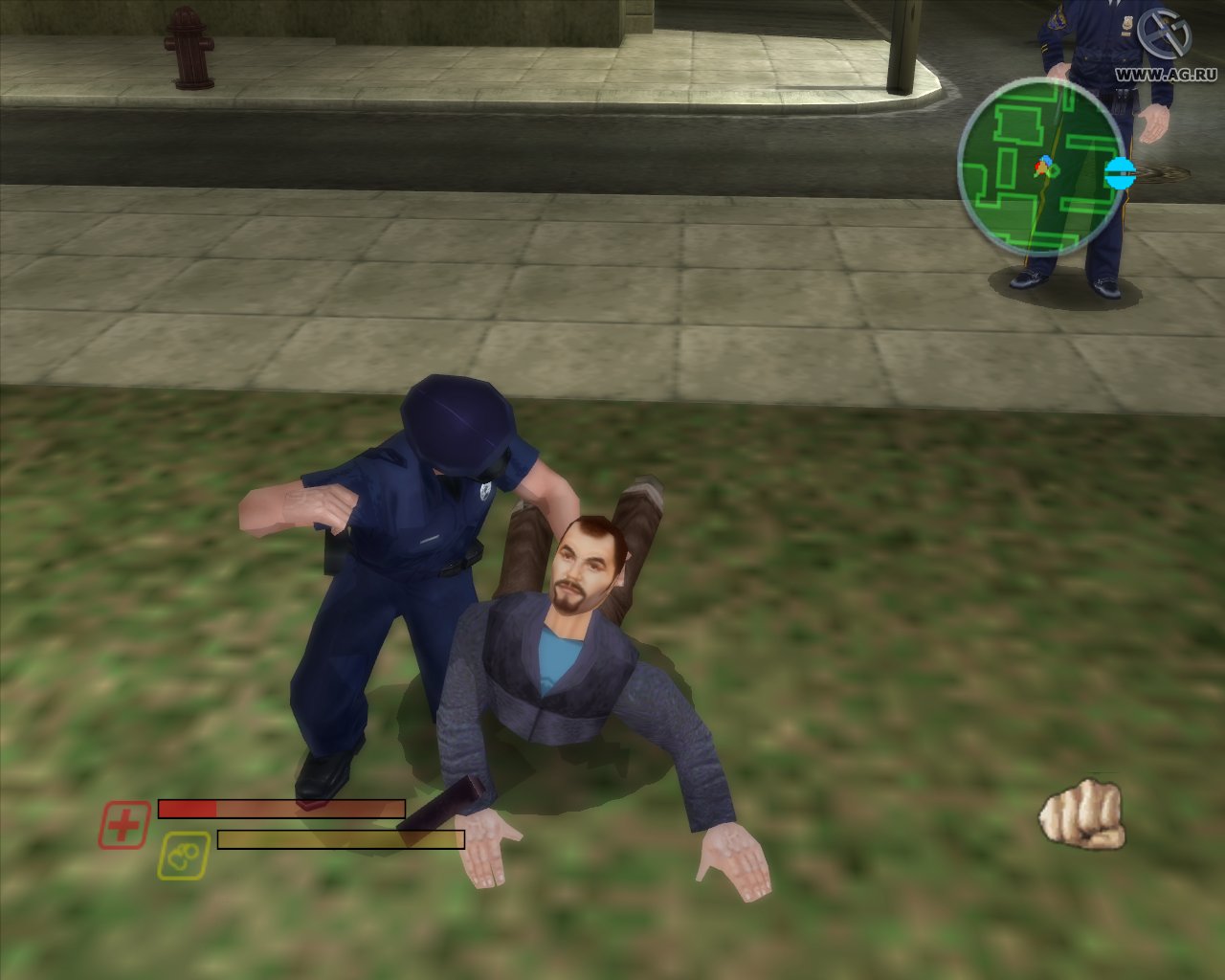
Australian authorities banned this update of the classic arcade title because it featured the use of illicit drugs as a gameplay mechanic. The game allowed players to consume various narcotics to gain temporary power ups or abilities. Under Australian law any game that depicts drug use as providing an incentive or reward must be refused classification. This strict policy led to an immediate ban on the title and prevented it from entering the local market. The ban served as a reminder of the unique hurdles that drug related content faces in certain jurisdictions.
‘The Punisher’ (2005)

The German version of this comic book adaptation was heavily censored to remove graphic interrogation scenes. These sequences allowed players to use environmental objects to torture and execute criminals in brutal ways. German regulators considered these elements to be an unacceptable glorification of violence and vigilante justice. While a modified version was released the original uncut version was placed on the restricted index. This ensured that only a sanitized experience was available to the general public in the region.
‘Condemned: Criminal Origins’ (2005)
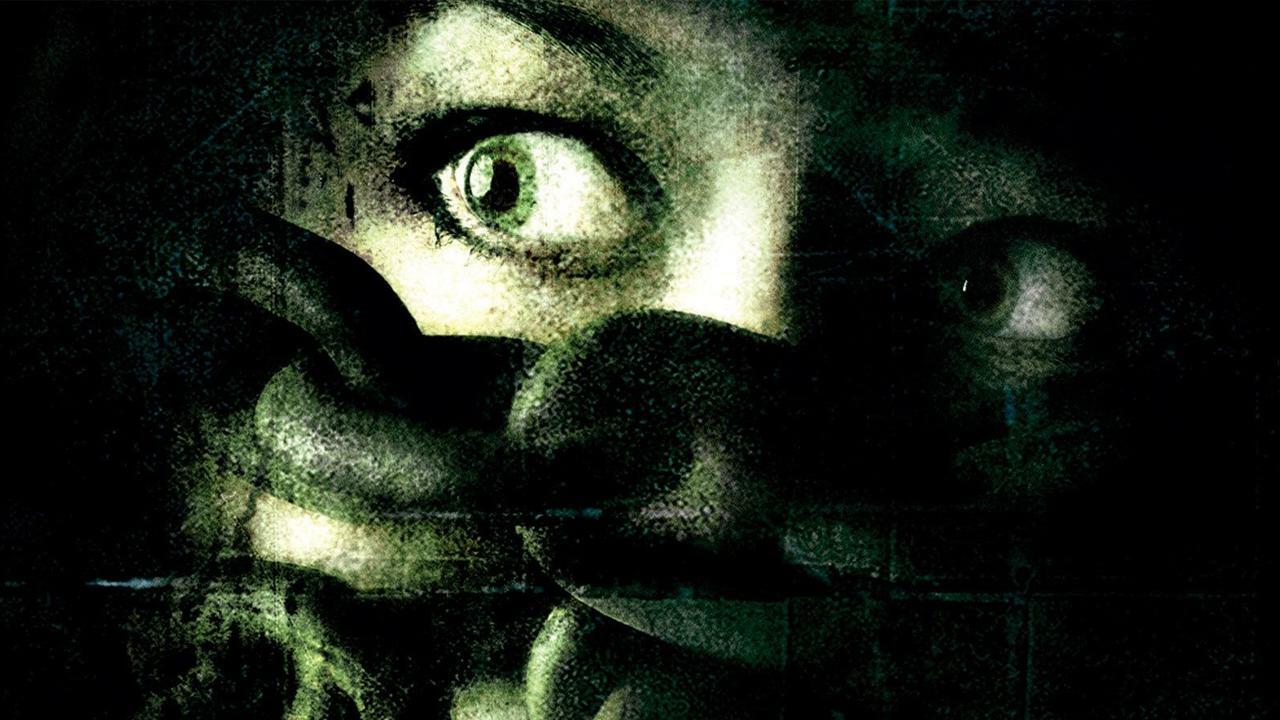
This dark psychological thriller was banned in Germany due to its focus on brutal melee combat and realistic injuries. The German authorities felt the game placed too much emphasis on physical cruelty and the suffering of the human body. This led to the game being confiscated by the state which effectively prohibited its sale and possession for distribution purposes. Australian regulators also scrutinised the title but eventually allowed it with a high age rating. In Germany the game remains a notable example of the government taking a hard line against survival horror violence.
‘Marc Eckō’s Getting Up: Contents Under Pressure’ (2006)
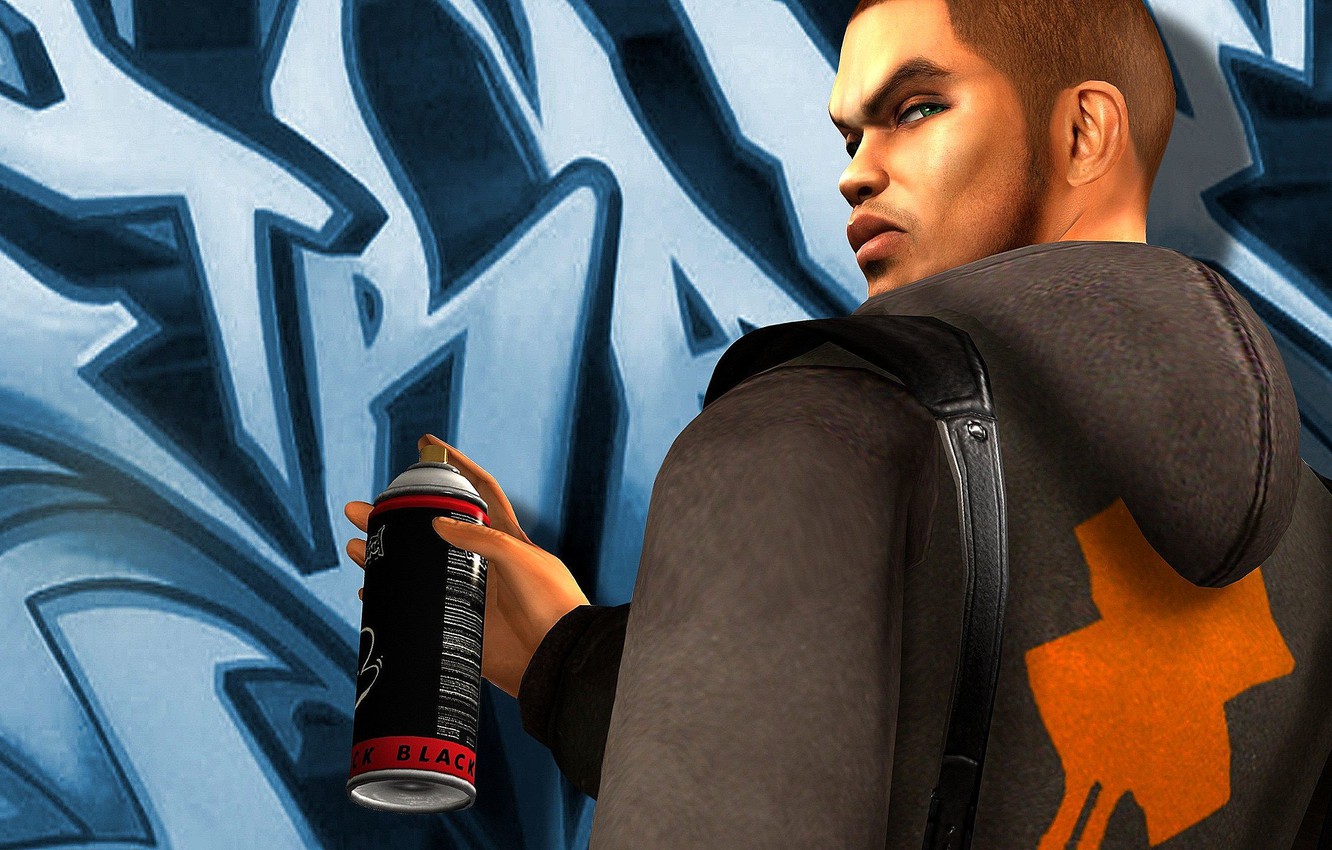
This game focused on graffiti culture and was banned in Australia because it was seen as encouraging illegal activities. The classification board argued that the game provided instructions on how to commit vandalism in real world urban environments. While the developers maintained it was a work of fiction the government remained firm on its stance against promoting crime. This decision led to a total ban on the title which sparked a debate about the difference between artistic expression and public safety. The ban was eventually overturned after a legal challenge but the incident remains a significant moment in Australian gaming history.
‘Reservoir Dogs’ (2006)
Based on the famous film this game was refused classification in Australia and Germany for its depictions of torture. Regulators were particularly concerned with a mechanic that allowed players to cut off the ears of non-player characters during interrogations. This level of interactive cruelty was deemed to exceed the limits of acceptable media content in both nations. Because the core mechanics were central to the experience the game could not easily be edited for a local release. Both countries maintained their bans to prevent the distribution of what they considered to be gratuitous violence.
‘Dead Rising’ (2006)
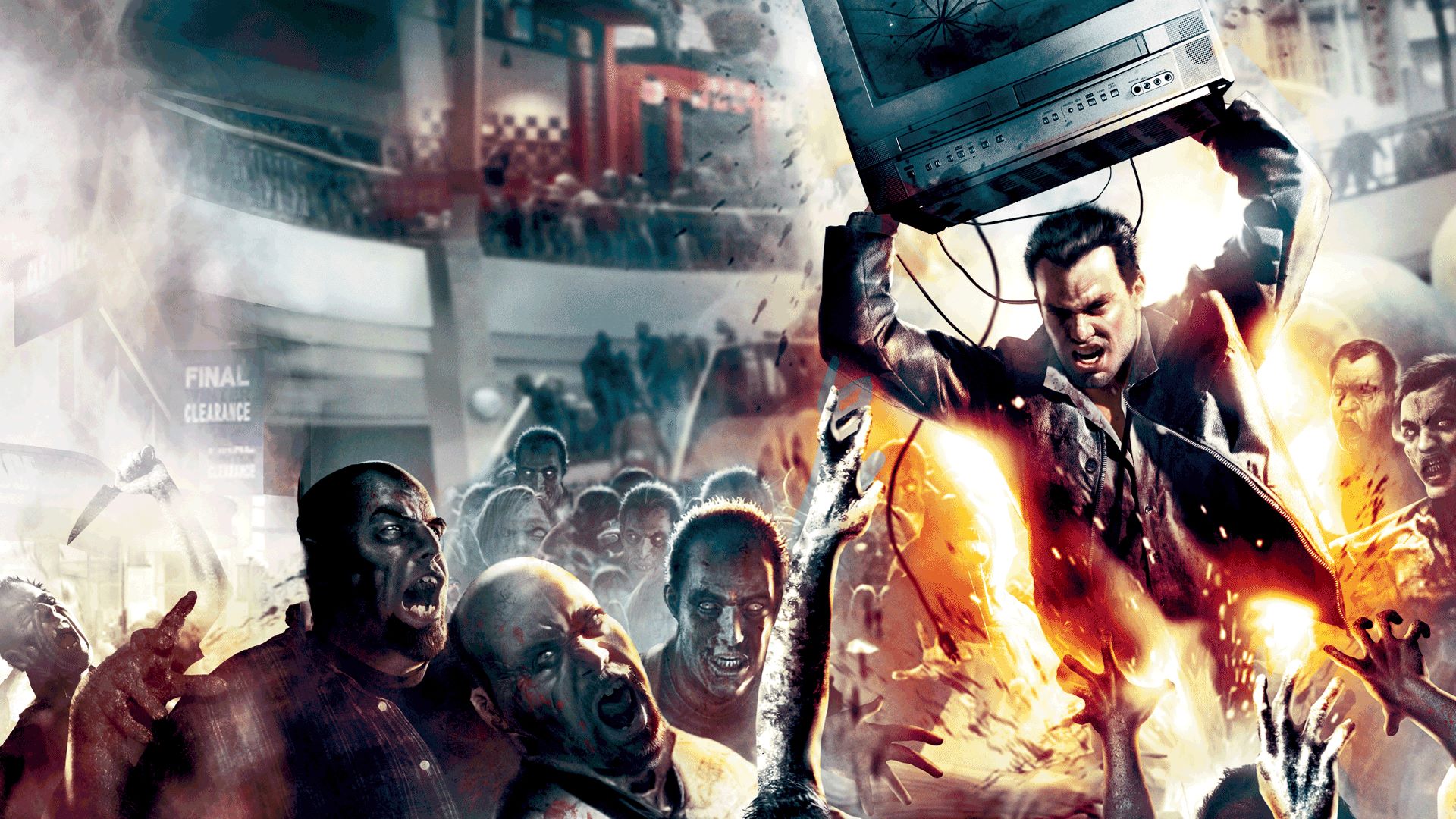
This zombie survival game was famously banned in Germany because of the sheer volume of dismemberment and gore. The authorities determined that the game treated the destruction of human like figures as a source of entertainment in a way that violated local standards. As a result the game was confiscated and could not be sold in physical stores throughout the country. This ban extended to several sequels as the series continued to lean into its trademark graphic style. Fans in Germany often had to resort to importing the game from neighboring countries to play the original version.
=’Left 4 Dead 2′ (2009)
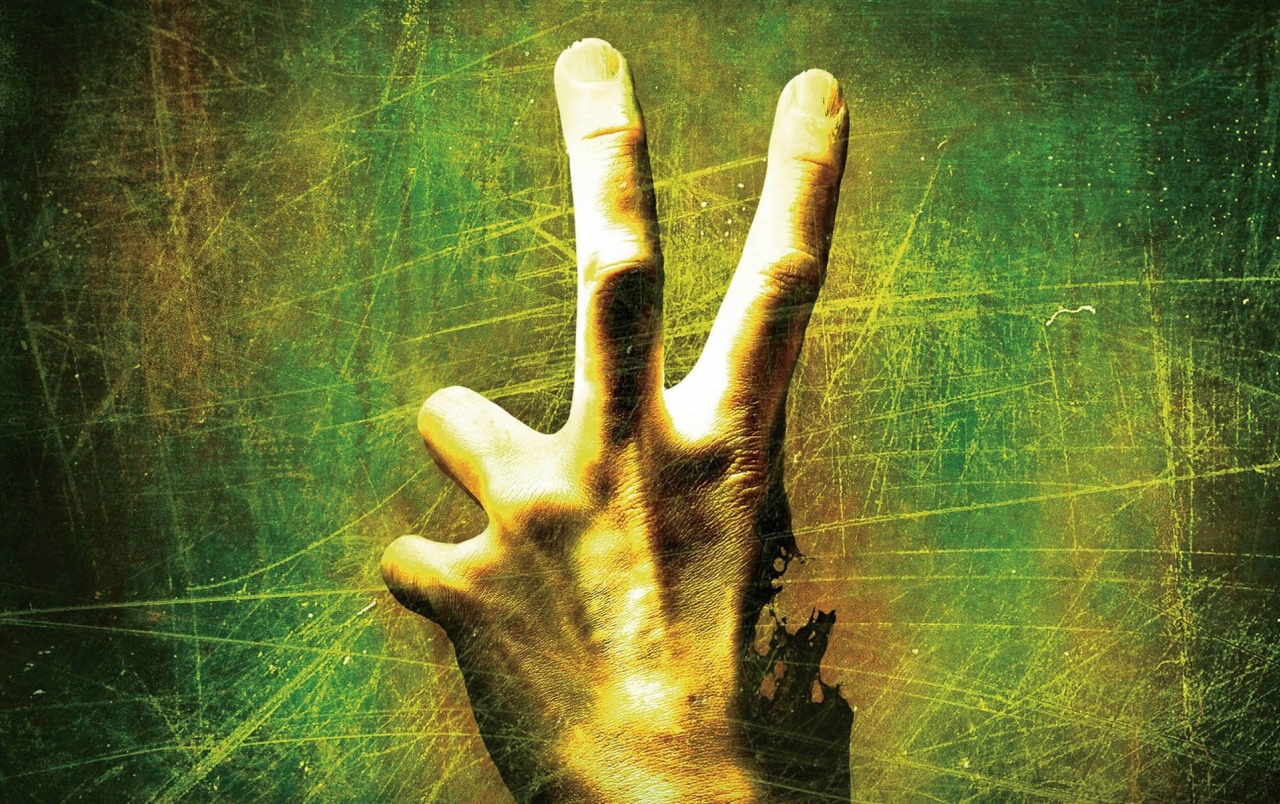
The Australian and German versions of this cooperative shooter were heavily censored to remove realistic gore and dismemberment. In Australia the game was initially refused classification because the board found the violence to be too intense for the available ratings. German authorities also required the removal of blood effects and the ability to blow limbs off zombie characters. This led to a version of the game where enemies simply disappeared after being killed instead of falling apart. It took several years and changes in legislation before the original uncut version was finally allowed in Australia.
‘House of the Dead: Overkill’ (2009)
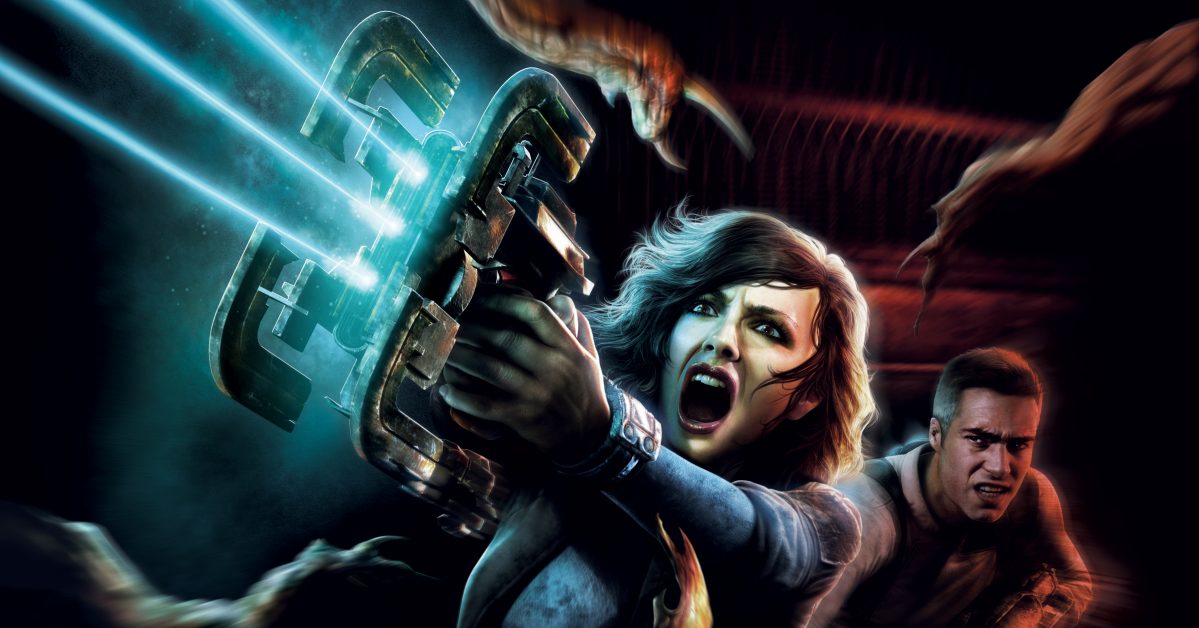
This light gun shooter was banned in Germany due to its excessive gore and deliberate use of offensive language. The game was designed as a parody of grindhouse cinema and featured extreme violence that the German authorities found unacceptable. Because the title was placed on the restricted index it could not be advertised or sold in a way that was accessible to minors. The developers leaned into the controversy as part of their marketing in other regions where the game was praised for its style. In Germany however the title remained a restricted product for a significant period.
‘Dead Rising 2’ (2010)
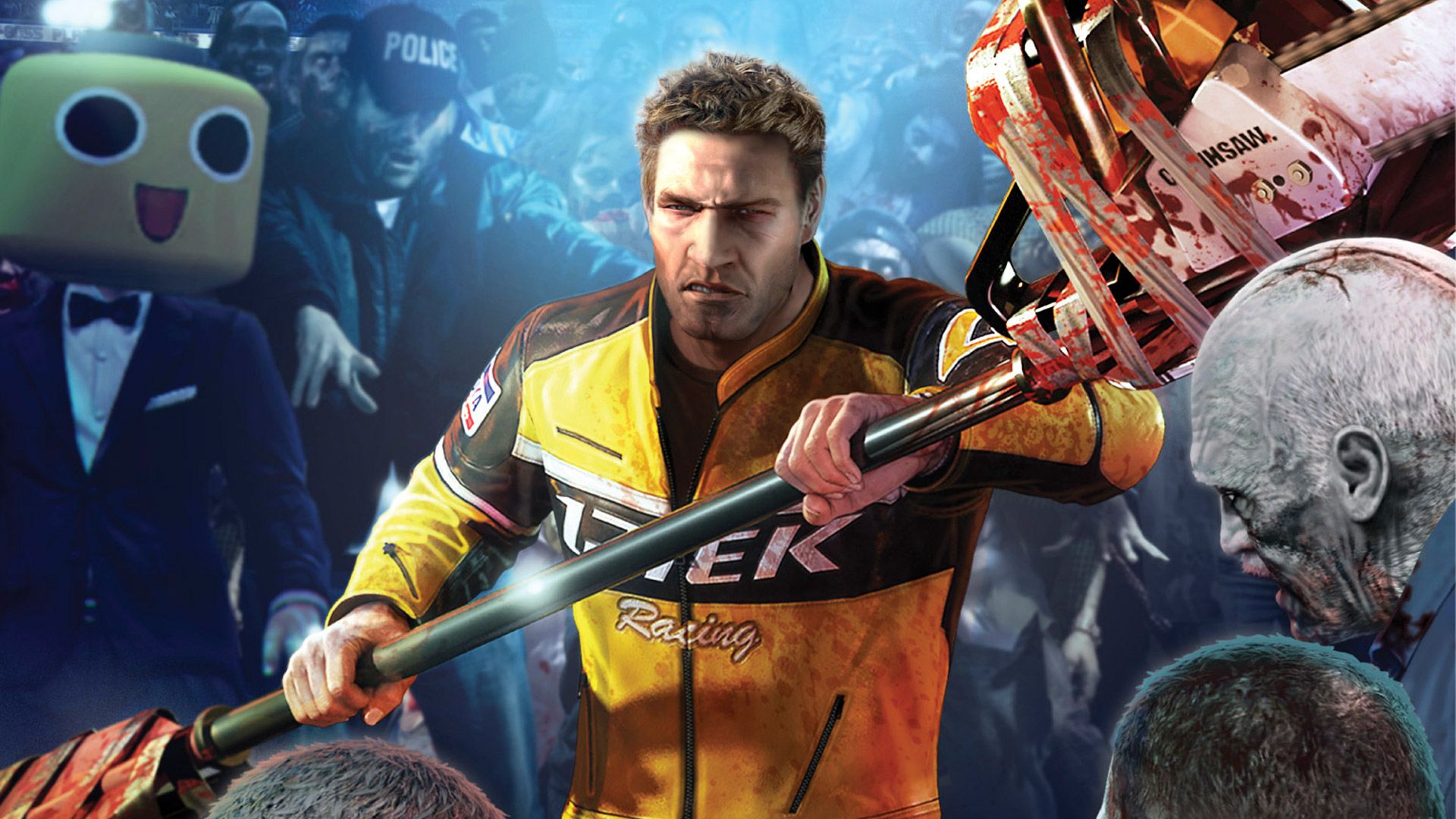
Continuing the trend of the series this sequel was banned in Germany for its focus on the creative killing of human like zombies. The German government maintained that the game glorified violence and could lead to the desensitization of players. As with the first game the title was confiscated and banned from all retail distribution within the nation. The interactive nature of the weapon crafting system was seen as a way to encourage more brutal and graphic combat. This ban remained a point of frustration for German horror fans who had to seek the game through international channels.
‘Dead Island’ (2011)
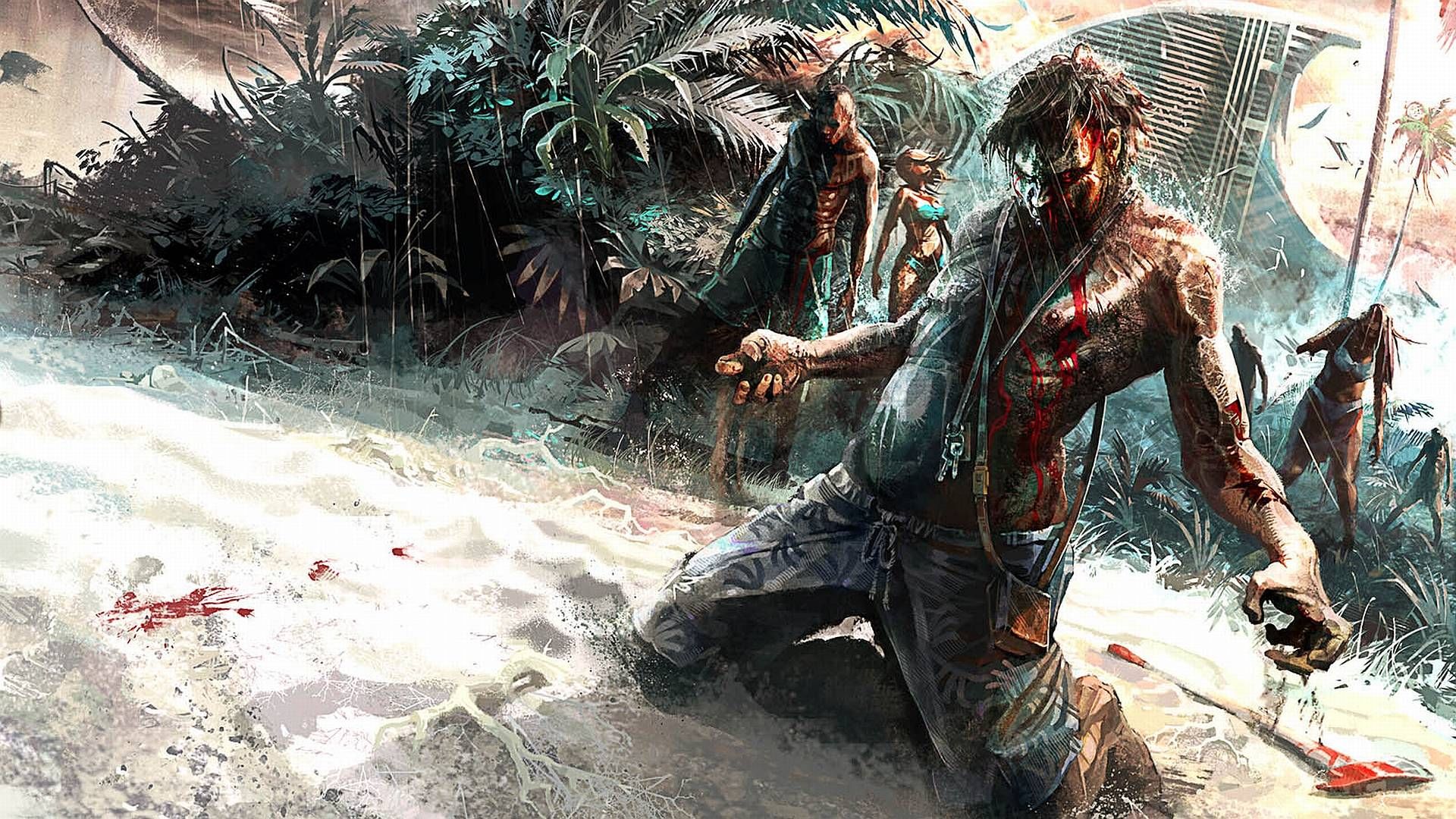
This open world zombie game was banned in Germany shortly after its release because of its graphic dismemberment system. The German authorities determined that the level of violence against human like enemies was too high for public distribution. This led to the game being indexed and effectively removed from the legal market for many years. It was not until 2019 that the ban was finally lifted after a re-evaluation of the game’s content. This shift reflected a growing tolerance for horror themes in the German classification system.
‘Bulletstorm’ (2011)
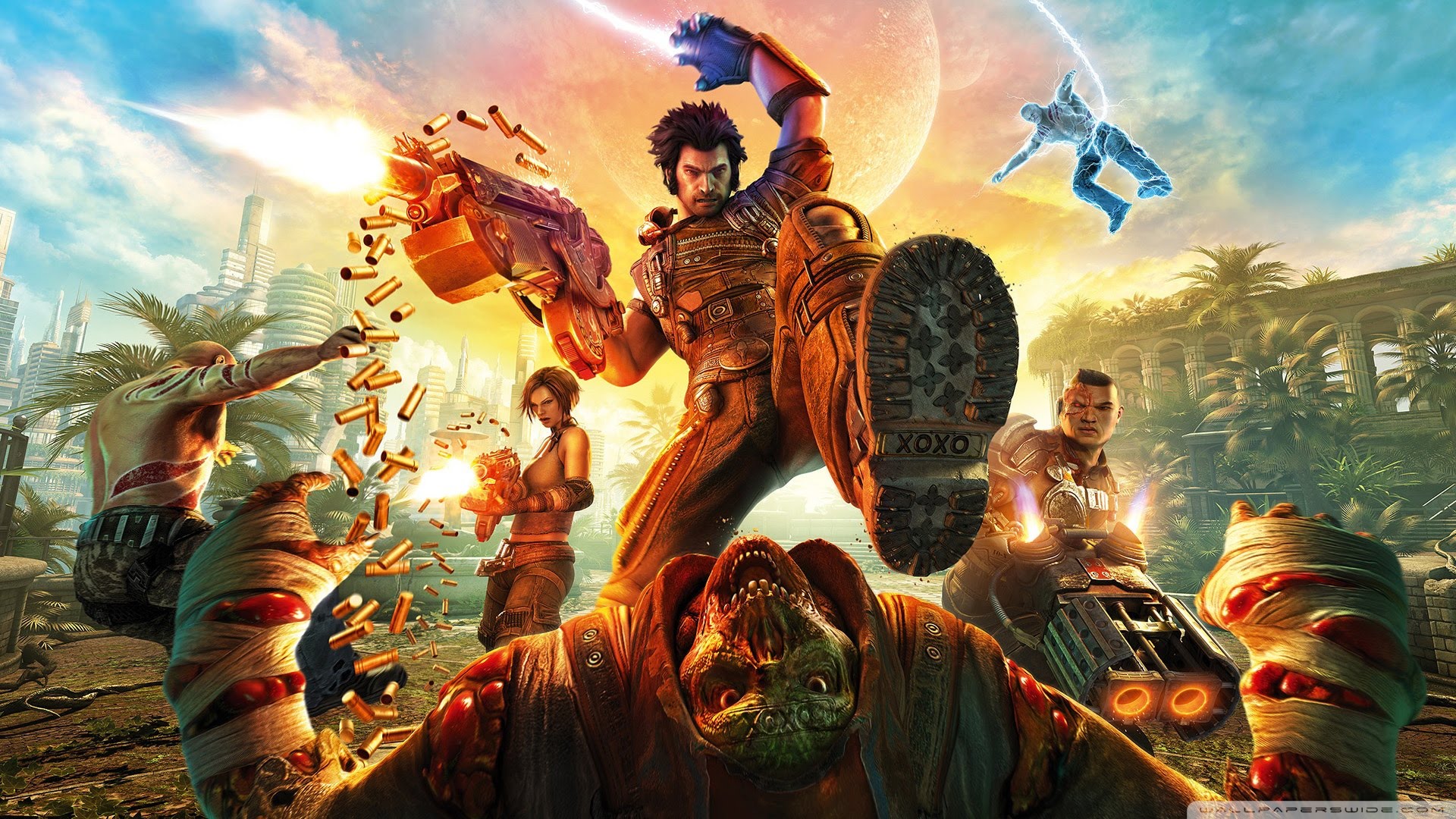
The German version of this creative shooter was heavily censored to remove all blood and dismemberment effects. The core gimmick of the game was to perform stylish kills but the German authorities found the original depictions to be too cruel. This led to a sterilized version where enemies simply slumped over without any visible injuries. The developers expressed frustration with these changes as they felt the censorship damaged the intentional tone of the game. Fans in the region often preferred the uncut versions which could only be found through grey market imports.
‘The Witcher 2: Assassins of Kings’ (2011)
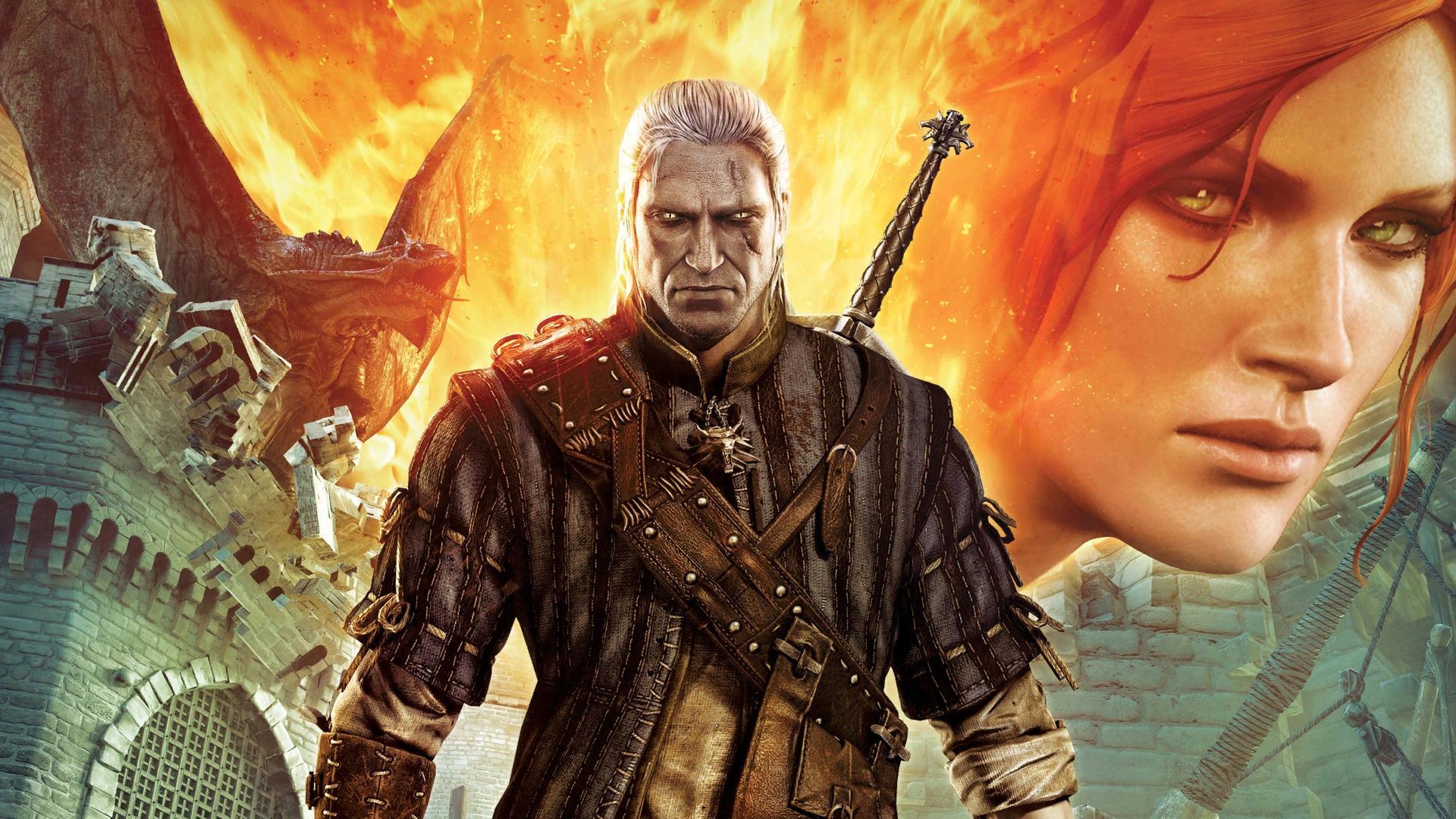
Australia initially refused to classify this acclaimed role playing game due to a specific quest reward involving a sexual encounter. The board found that the game presented sex as an incentive or reward for a task which violated their strict guidelines. To secure a legal release the developers had to modify the scene so that the encounter was not a direct result of the player’s choices. This minor adjustment allowed the game to pass through the classification process and reach the local audience. It remains a famous example of the unique sexual content rules in the Australian rating system.
‘Syndicate’ (2012)
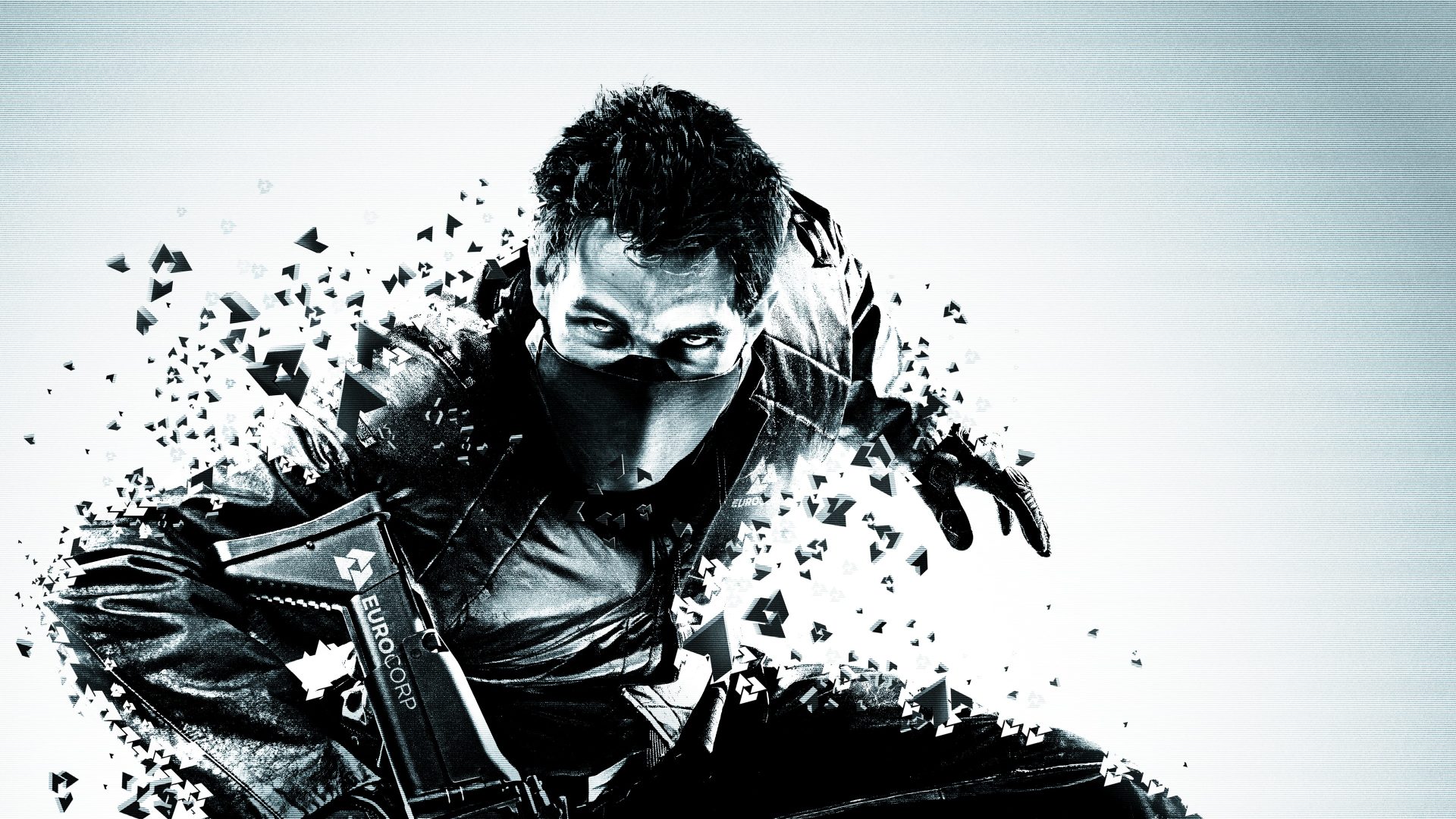
This reboot of the classic strategy series was refused classification in Australia for its high levels of graphic violence. The board pointed to scenes of dismemberment and excessive blood as reasons for the ban. Because the game was a fast paced shooter these elements were seen as frequent and unavoidable. The developers decided not to create a censored version for the region which meant the game was never officially sold in Australia. This decision disappointed many fans who were looking forward to the revival of the franchise.
‘Sleeping Dogs’ (2012)
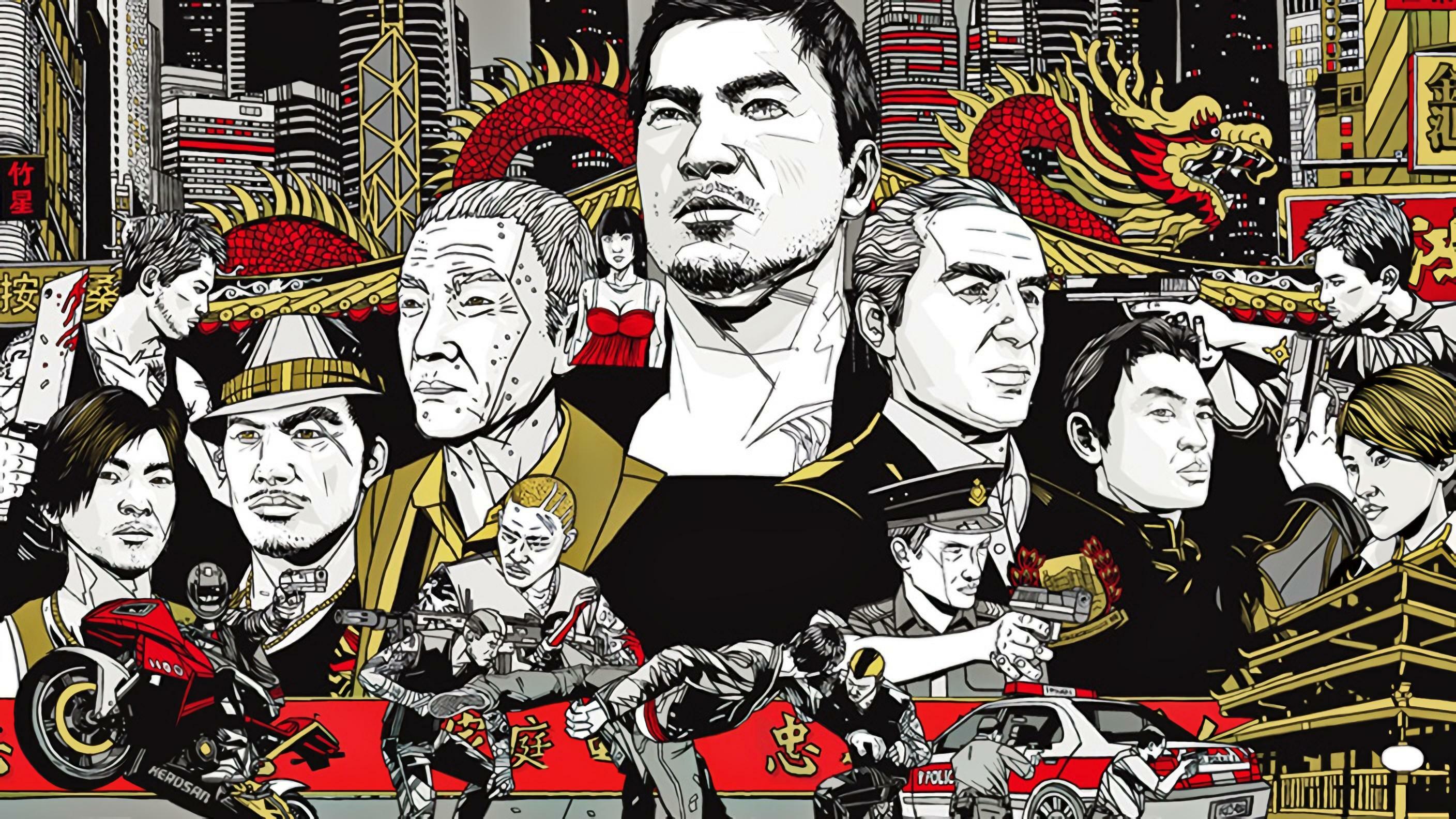
The German version of this open world action game was censored to remove several brutal environmental kills. German regulators found that using objects like meat grinders or industrial fans to execute enemies was too graphic. The developers had to remove these specific animations and reduce the overall blood effects to get the game into German stores. Even with these changes the game still faced intense scrutiny due to its focus on organized crime and street violence. The uncut version of the title remained officially prohibited for many years within the country.
‘Saints Row IV’ (2013)
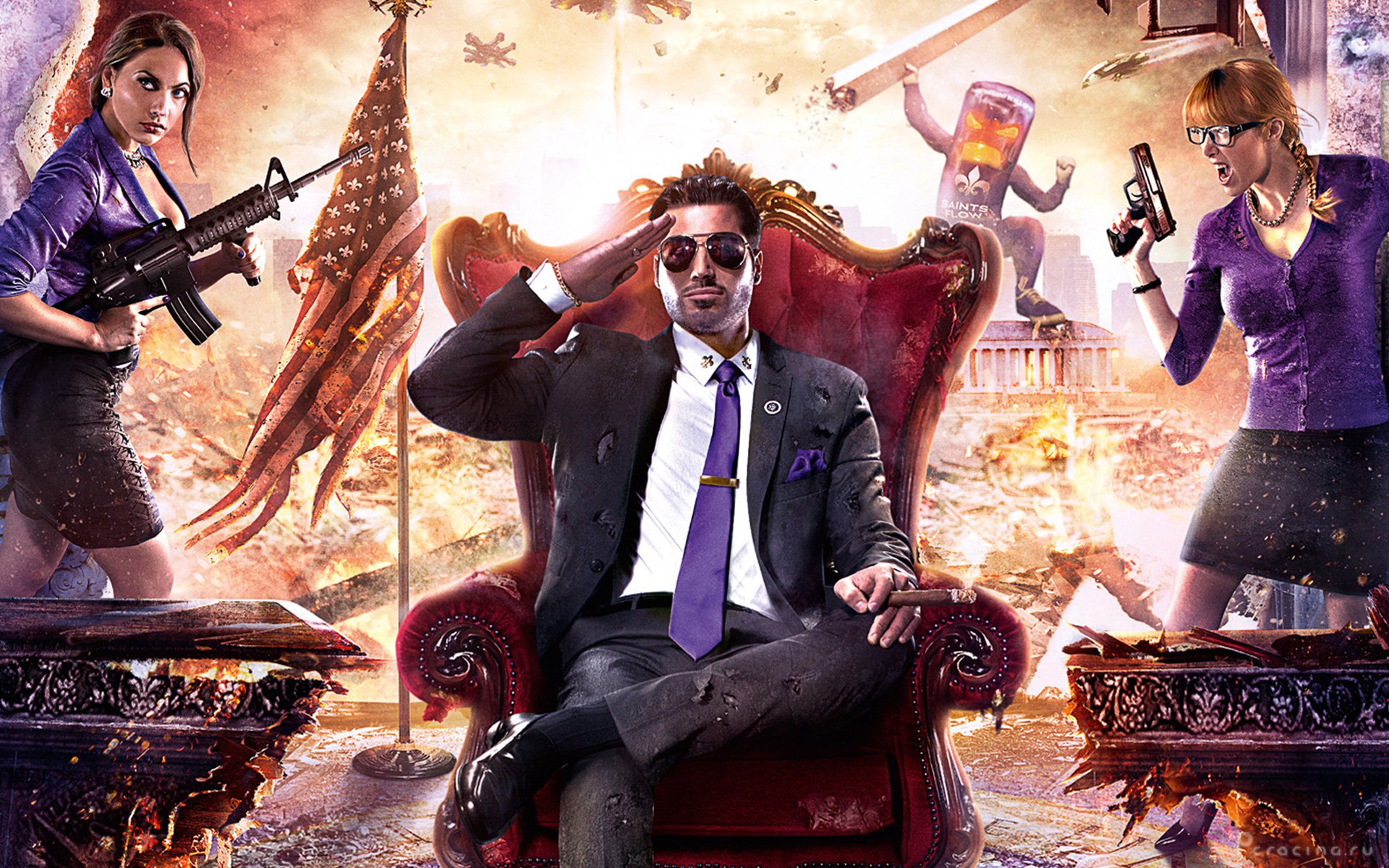
This over the top action game was initially refused classification in Australia for two specific reasons. The board took issue with an alien weapon that was used in a way they deemed sexually violent. Additionally the presence of a drug called alien narcotics which gave the player powers violated the rules against rewarding drug use. The developers had to remove the problematic weapon and rename the drugs to secure an adult rating. This case showed that even satirical games could fall foul of the strict Australian classification laws.
‘State of Decay’ (2013)
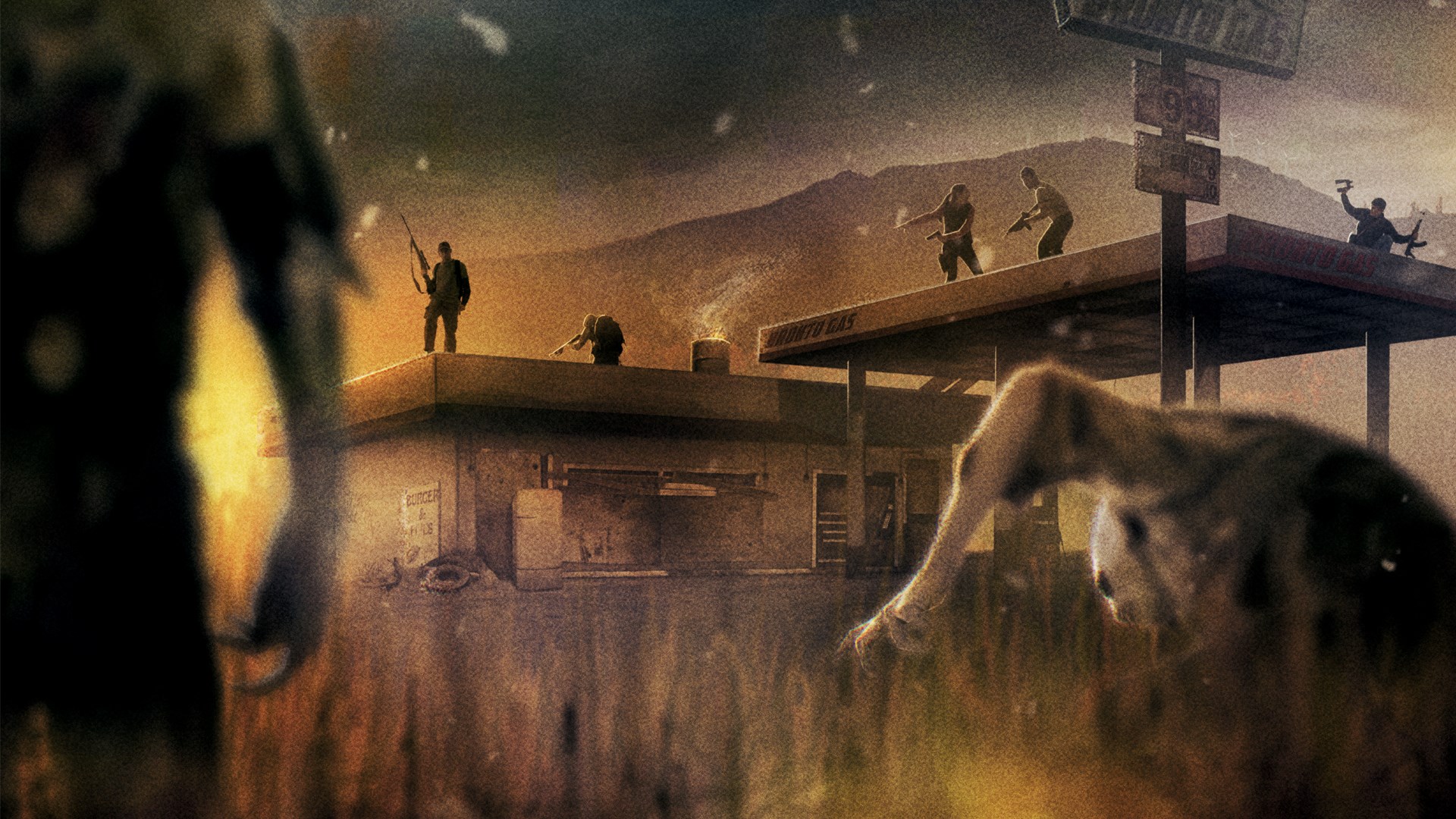
Australia banned this zombie survival game because it included medicinal items that could be used as stimulants. The classification board argued that the game depicted drug use as providing a positive gameplay benefit which was strictly forbidden. The developers were surprised by the decision as the items were intended to be realistic medical supplies. To resolve the issue they had to change the names and icons of the offending items to something more fictional. This allowed the game to finally receive a rating and launch on digital platforms in the country.
‘South Park: The Stick of Truth’ (2014)
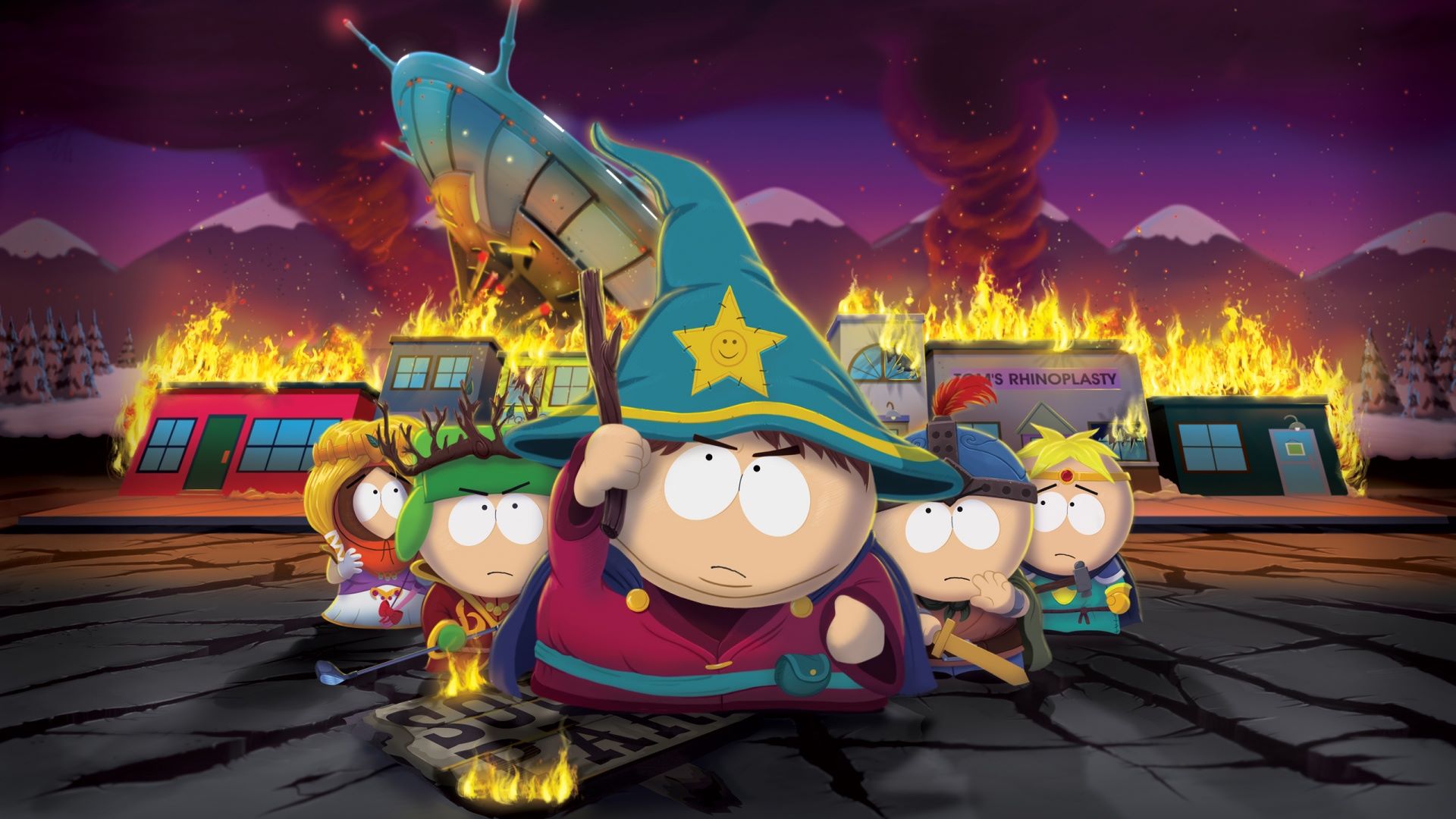
Both Australia and Germany saw censored versions of this game due to its highly controversial content. In Australia the board forced the removal of several scenes involving abortion and probes which were replaced by humorous text descriptions. In Germany the game was initially held back because it included Nazi symbols during a specific segment of the story. The developers had to edit these icons out to comply with the legal requirements of the German government. Despite these changes the game was still a massive success in both regions.
‘Hotline Miami 2: Wrong Number’ (2015)
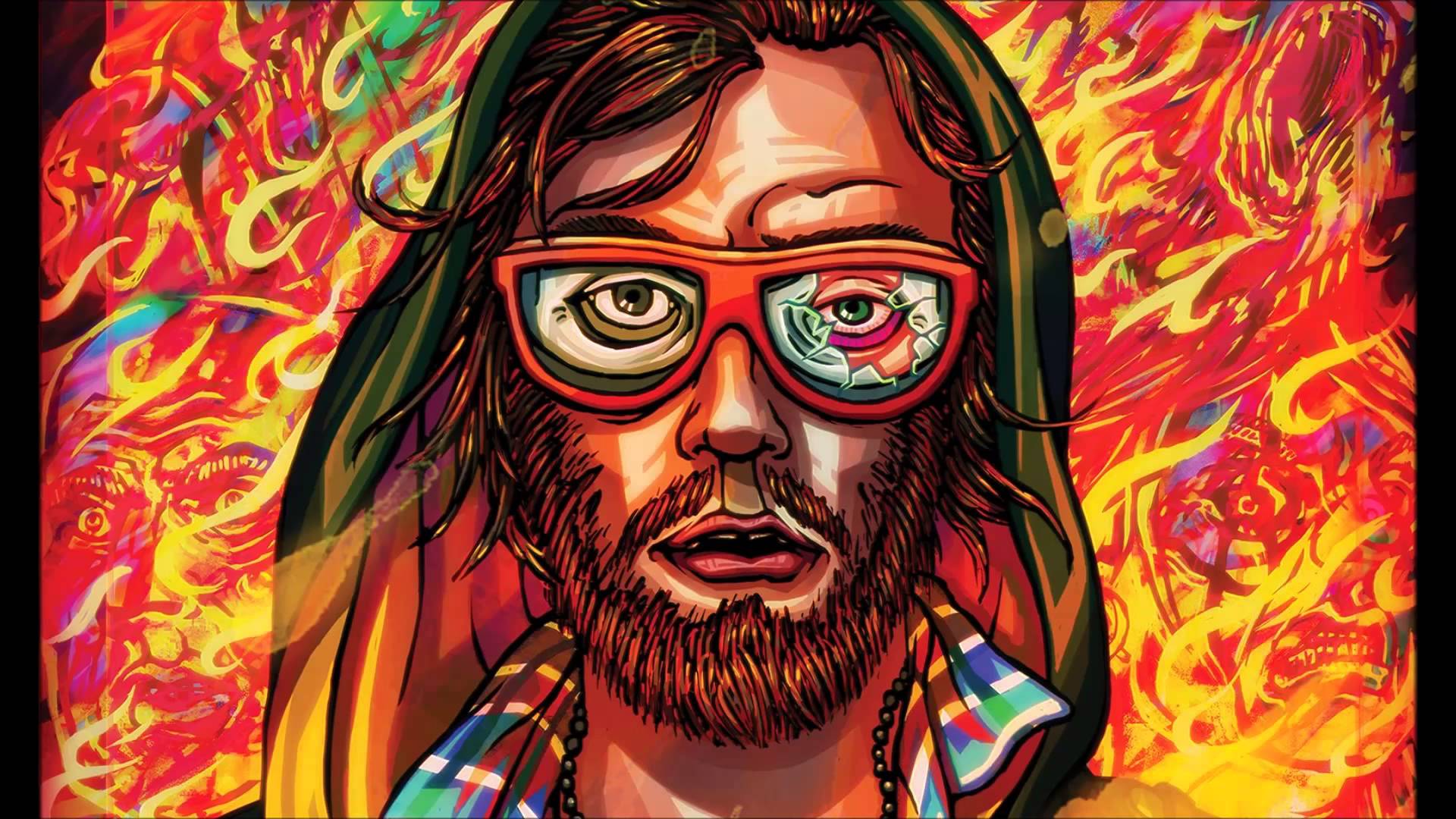
The Australian Classification Board refused to grant this neon soaked shooter a rating due to a scene depicting sexual violence. The board found the sequence to be offensive and unnecessary for the overall experience of the game. Because the developers chose not to remove or edit the scene the game was effectively banned from sale in Australia. The creators famously told Australian fans that if they could not buy it they should simply pirate the game instead. This defiant stance made the game a symbol of the ongoing battle against rigid censorship.
‘Dying Light’ (2015)
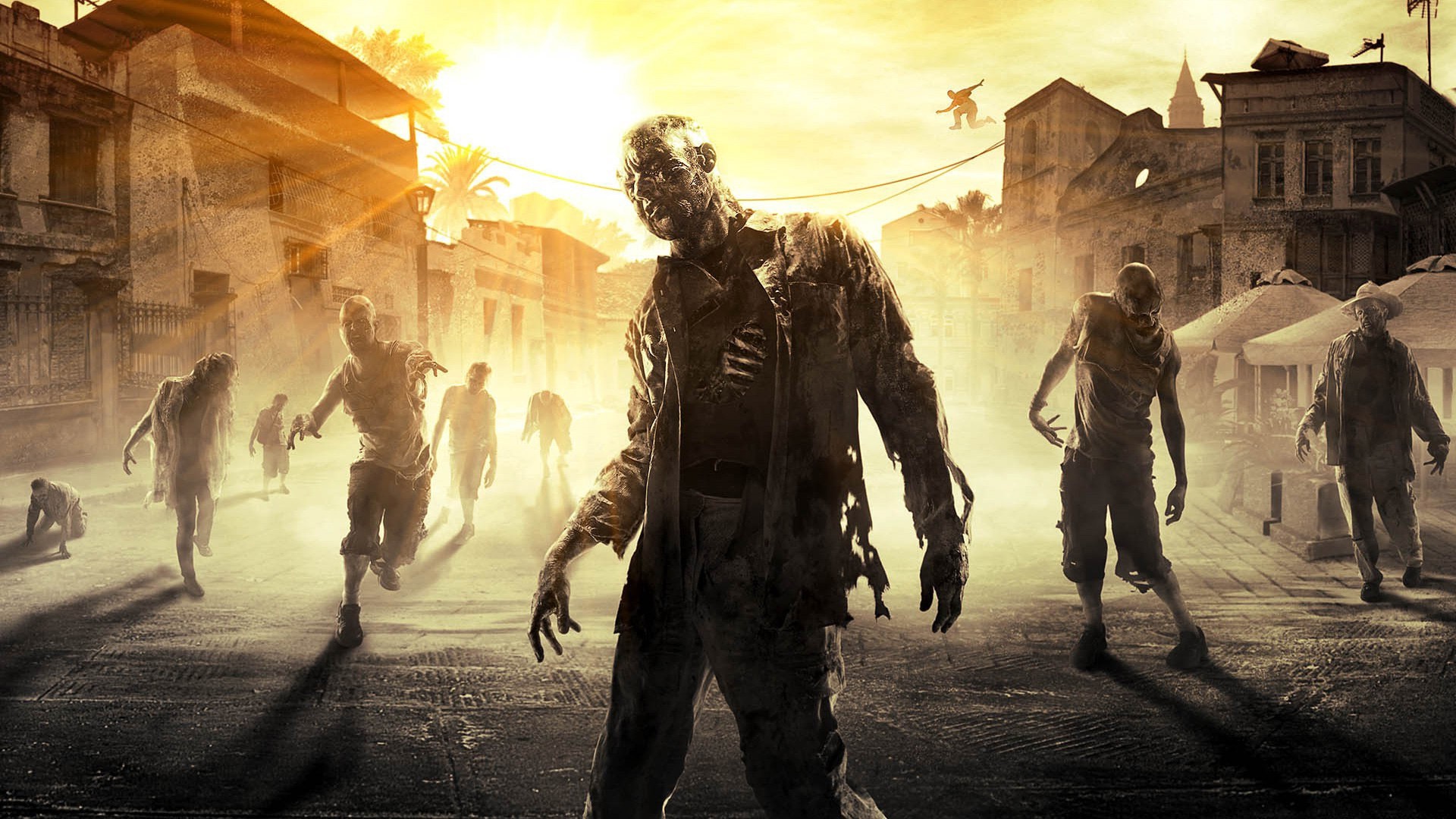
This parkour based zombie game was initially refused a rating in Germany due to its focus on brutal combat and realistic physics. The authorities were concerned with the way players could use the environment to maim and kill human like zombies. As a result the game was not officially sold in German retail stores for several years after its global launch. The developers eventually managed to get the game re-evaluated as the regulatory environment in Germany became more lenient. It is now available to adult players in the region after a long period of legal uncertainty.
Share your thoughts on these controversial game bans in the comments.