Movies That Were Re-Edited To Avoid An R-Rating


Many film productions undergo significant editing processes to reach a specific target audience. Studios often trim violence, language, or adult content to secure a PG-13 rating and maximize box office potential. These changes can alter the tone and impact of the original director vision. Understanding which movies were adjusted provides insight into the commercial nature of the film industry. The following examples highlight notable projects that were modified to avoid a restrictive R rating.
‘The Hunger Games’ (2012)
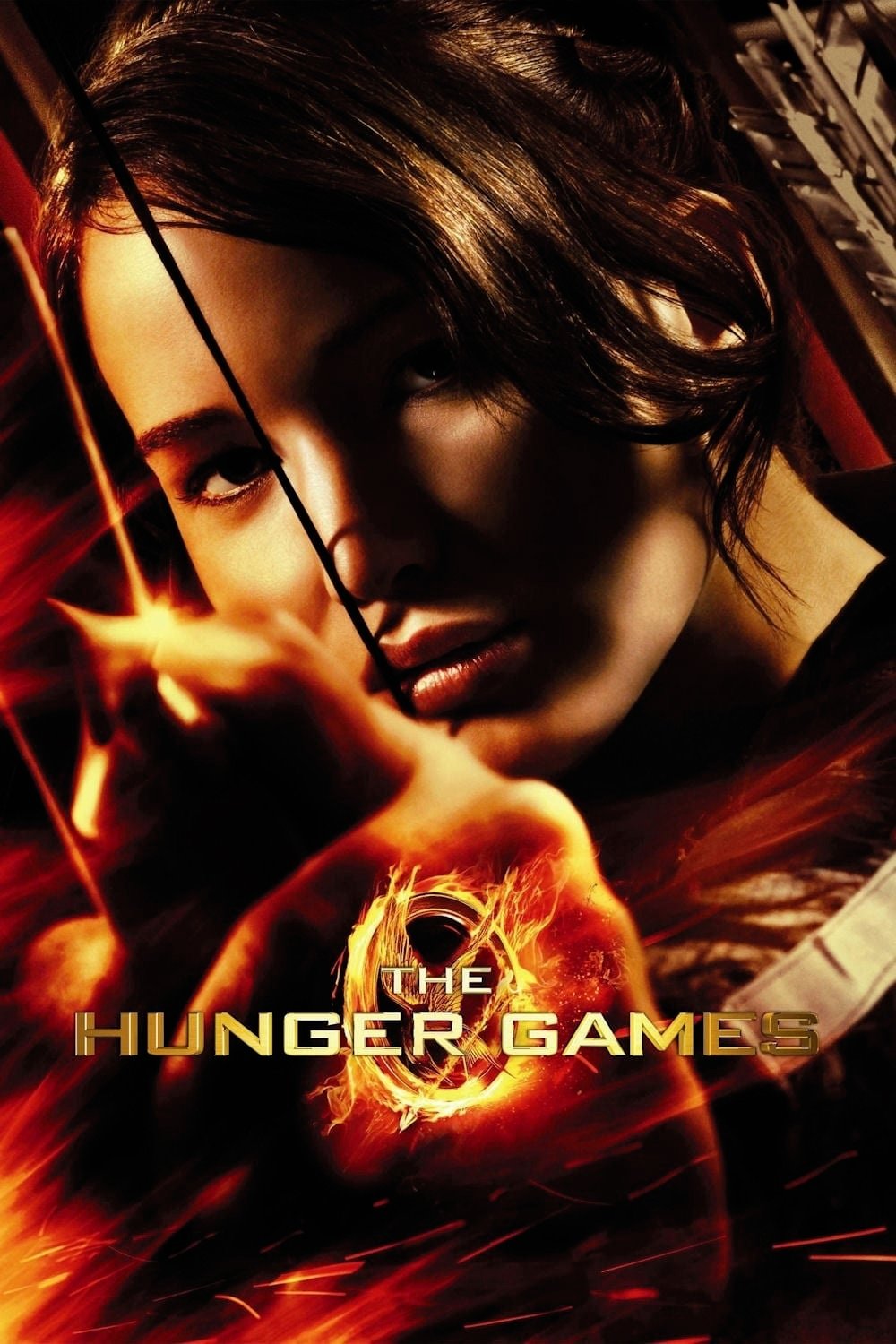
The filmmakers used digital blurs and rapid editing to hide blood during the opening battle sequence at the Cornucopia. These changes allowed the production to secure a PG-13 rating for its younger target audience. The original cuts featured much more graphic violence involving the teenage tributes. Producers wanted to maintain the impact of the story while meeting commercial rating requirements. The final version relies on sound design and quick cuts to imply the intensity of the struggle.
‘Live Free or Die Hard’ (2007)
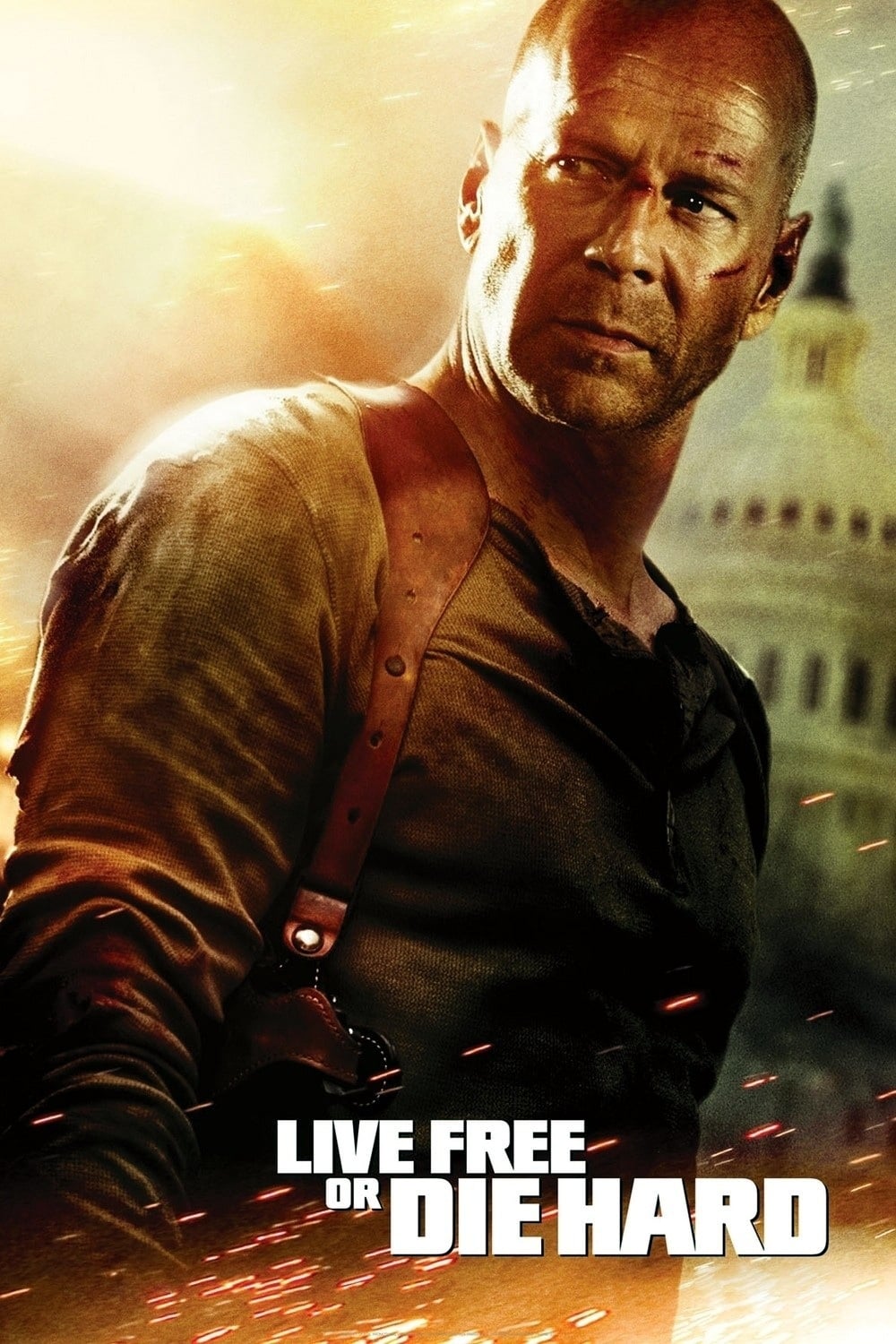
This fourth installment of the franchise was the first to seek a PG-13 rating instead of the traditional R. Director Len Wiseman had to carefully frame action scenes and limit the use of profanity to meet studio demands. Several sequences involving gunfights and physical combat were trimmed to reduce visible blood. Bruce Willis expressed some disappointment with the decision to soften the character of John McClane for a wider audience. The theatrical version focuses on large scale stunts rather than gritty violence.
‘The Expendables 3’ (2014)
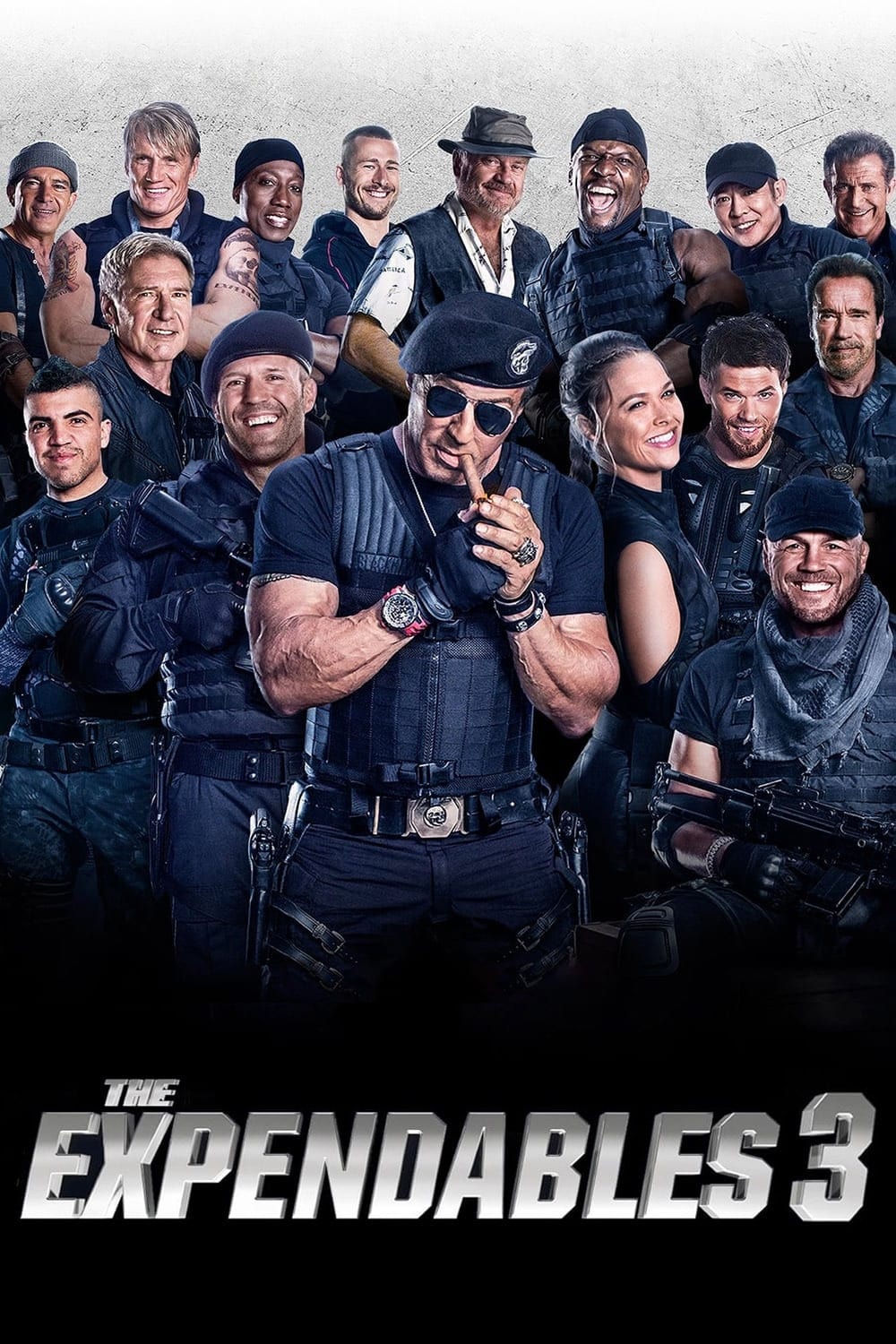
Sylvester Stallone decided to aim for a PG-13 rating to attract a younger demographic to the action sequel. The film features a massive ensemble cast and heavy weaponry but the impact of the violence was significantly lessened in the edit. Many fans of the previous R-rated entries felt the change diluted the signature style of the series. Stallone later admitted that the decision was a mistake and that future entries should return to their harder roots. The theatrical cut removes most of the blood spray and visceral impact seen in earlier installments.
‘Taken’ (2008)
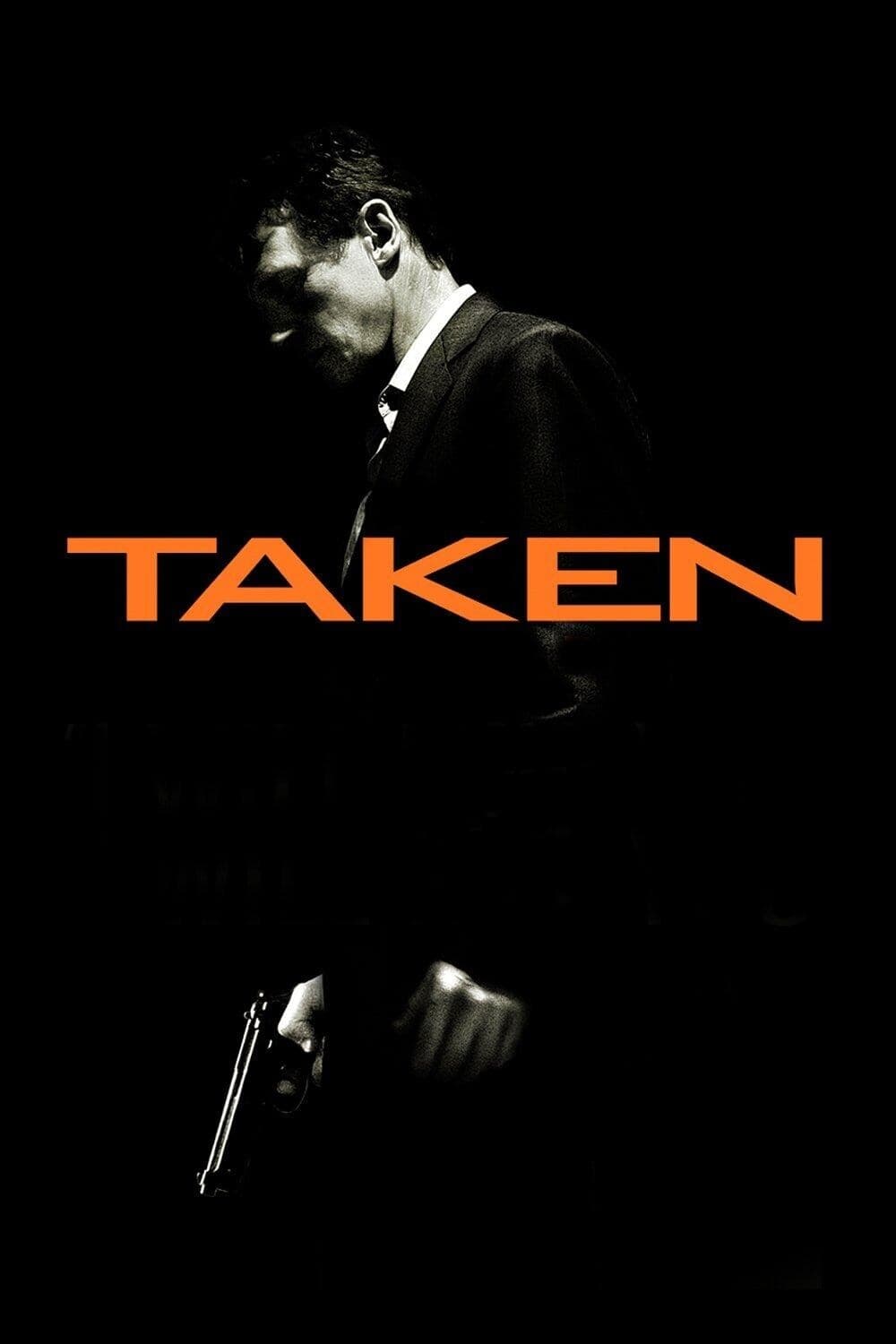
The original European cut of this thriller featured more explicit shots of the protagonist taking down human traffickers. For the North American release the studio decided to edit the violence to obtain a PG-13 rating. These changes included cutting away from the most impactful blows and reducing the amount of blood visible during the interrogation scene. Despite these edits the film became a massive hit and redefined the action career of Liam Neeson. The faster editing style in the theatrical version helped maintain a frantic pace without showing excessive detail.
‘Galaxy Quest’ (1999)
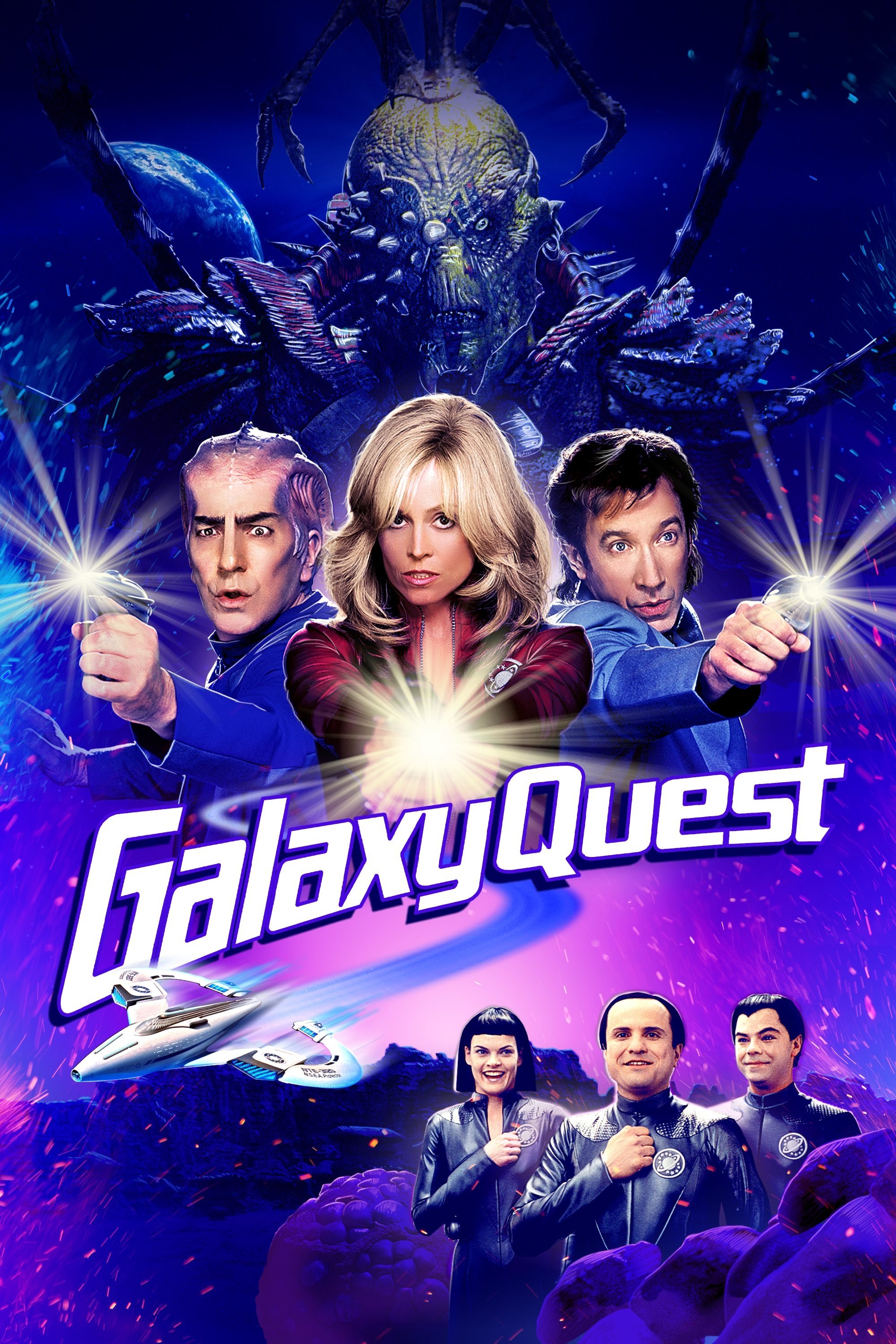
This sci-fi comedy was originally intended to be a more mature satire with an R rating. The studio requested cuts to make the film family friendly and reach a broader audience during the holiday season. One of the most famous edits involves a scene where Sigourney Weaver clearly mouths a strong profanity but the audio was changed to a milder word. Several other jokes and references were removed or altered to ensure a PG rating. The final film remains a cult favorite that balances humor for both children and adults.
‘World War Z’ (2013)
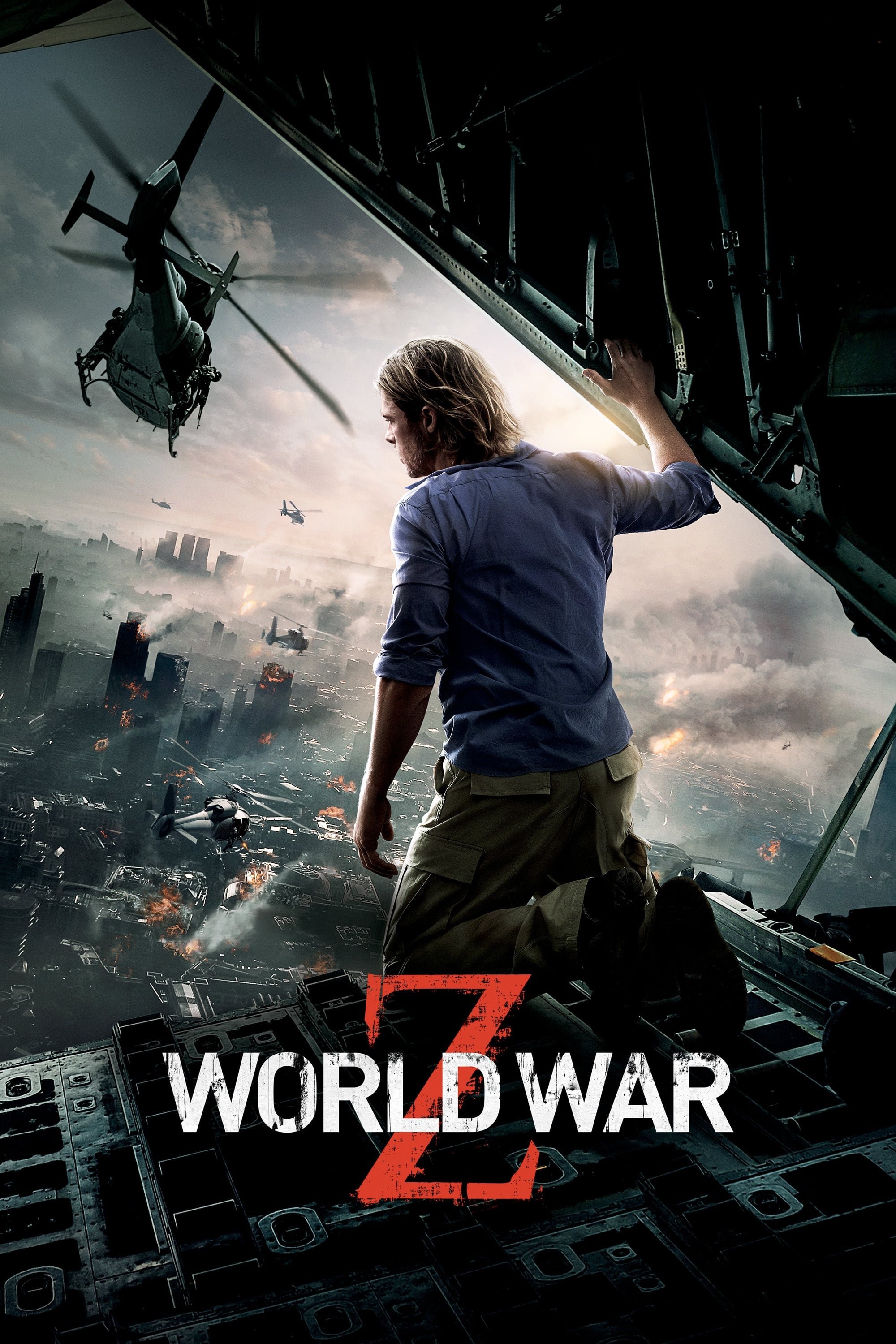
The production of this zombie blockbuster underwent massive changes including a complete rewrite and reshoot of the final act. To secure a PG-13 rating the filmmakers had to minimize the gore typically associated with the horror genre. Most of the zombie attacks are filmed with shaky cameras or occur just off screen to avoid showing blood. This decision helped the movie become a massive global success by appealing to the widest possible demographic. The theatrical edit focuses on the global scale of the pandemic rather than individual survival horror.
‘The Wolverine’ (2013)
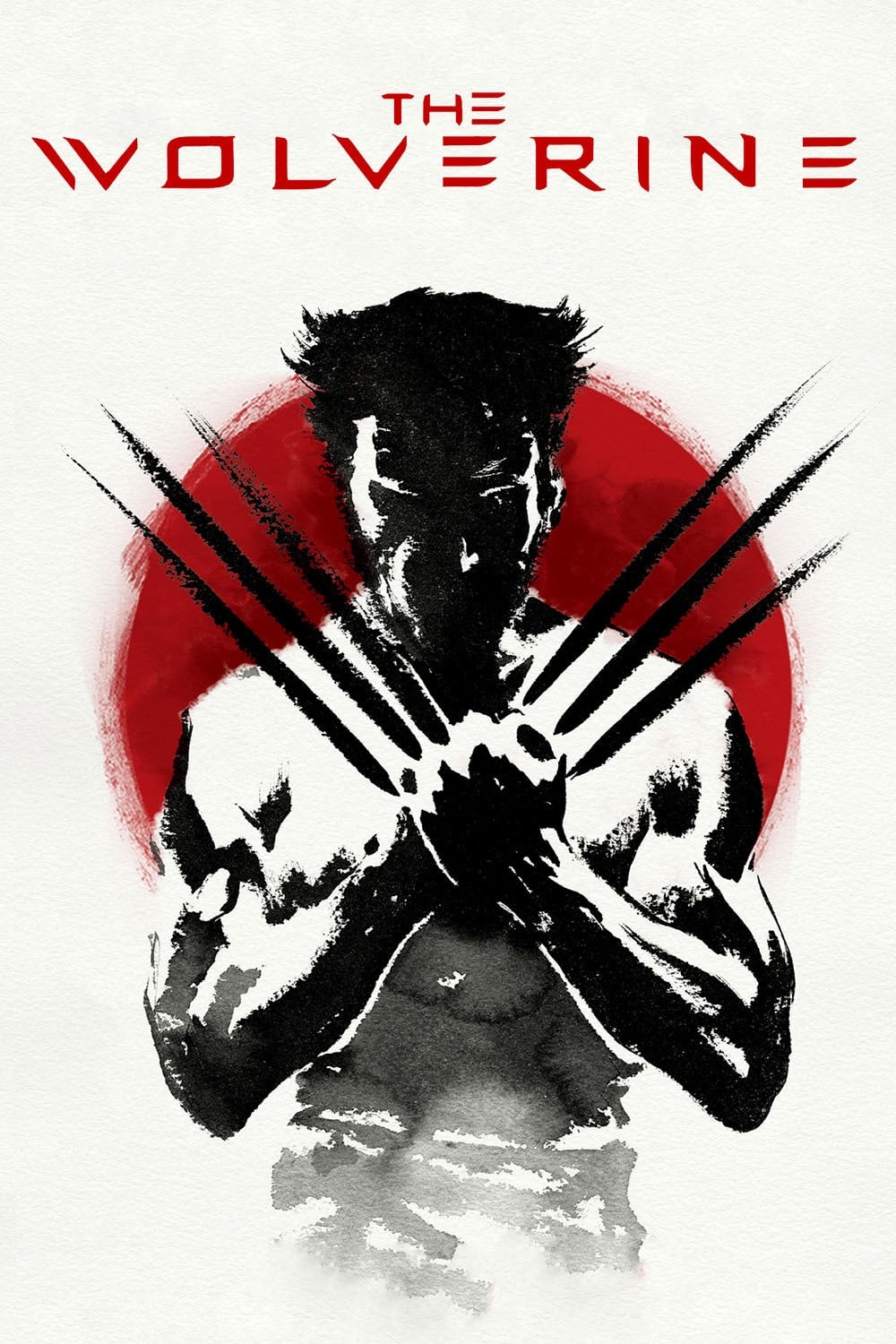
This Marvel film aimed to capture the gritty nature of the iconic character during his time in Japan. Early cuts contained much more blood and more intense combat sequences than what was released in theaters. Filmmakers trimmed these moments to ensure the movie fit the standard PG-13 rating for superhero films. An unrated version was later released on home media to show the original vision of the director. The theatrical cut emphasizes the emotional journey and internal struggle of Logan over graphic imagery.
‘Scooby-Doo’ (2002)
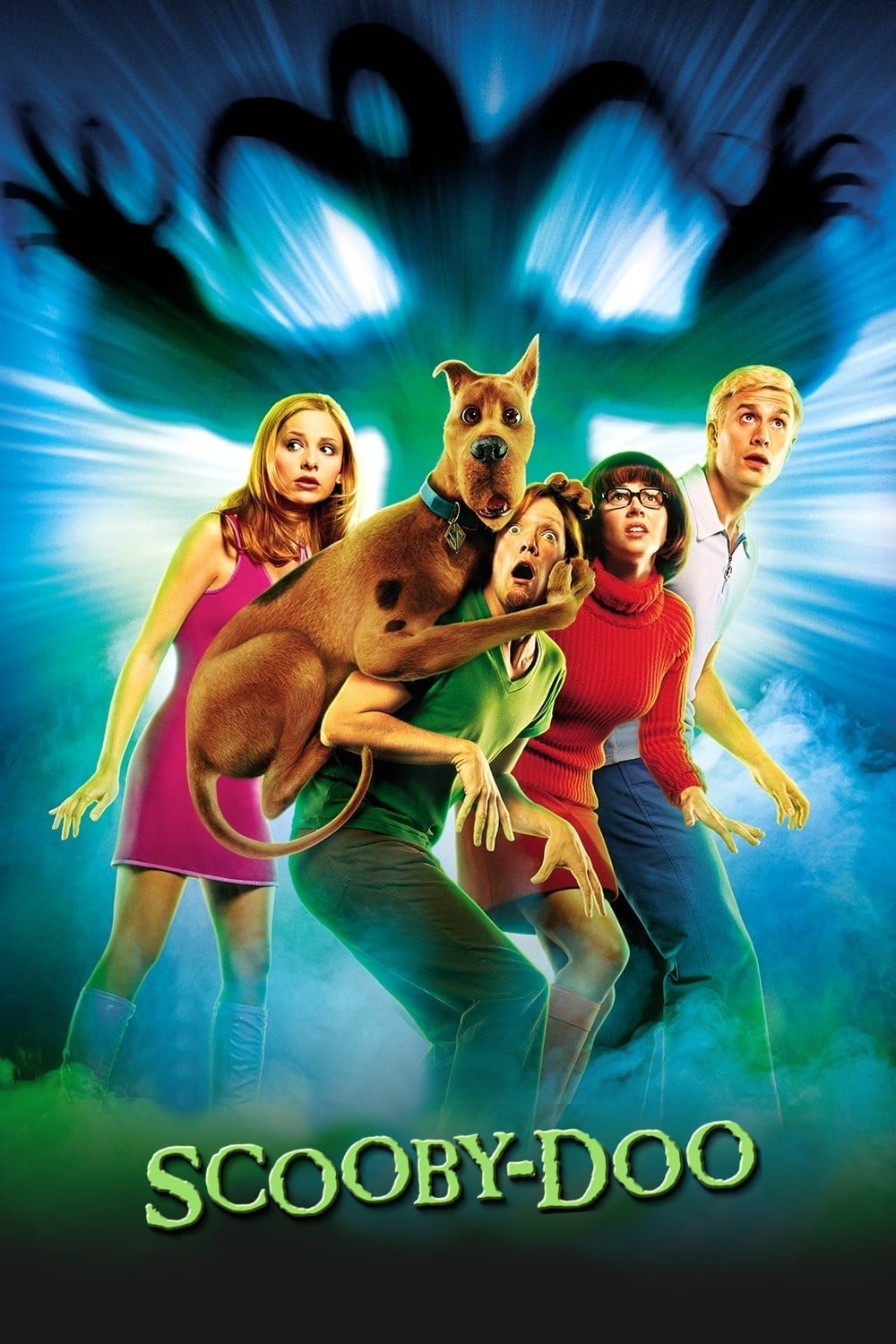
The initial script and cut of this live action adaptation leaned into adult humor and meta commentary. Writer James Gunn has stated that the first version featured more mature jokes and subtext that would have likely earned an R rating. The studio requested significant changes to turn the project into a family friendly blockbuster. The final edit removed several instances of suggestive humor and visual gags involving the main characters. These changes resulted in a PG rating and a successful franchise for the studio.
‘Mrs. Doubtfire’ (1993)

Director Chris Columbus confirmed that multiple versions of this comedy exist including an R-rated cut. Robin Williams improvised many jokes that were far too mature for the intended family audience. The final theatrical edit removed several adult-themed gags and strong language to secure a PG rating. This version focused on the heartwarming story of a father trying to reconnect with his children. The deleted scenes remain a popular topic of discussion among fans of the late actor.
‘The Ring’ (2002)
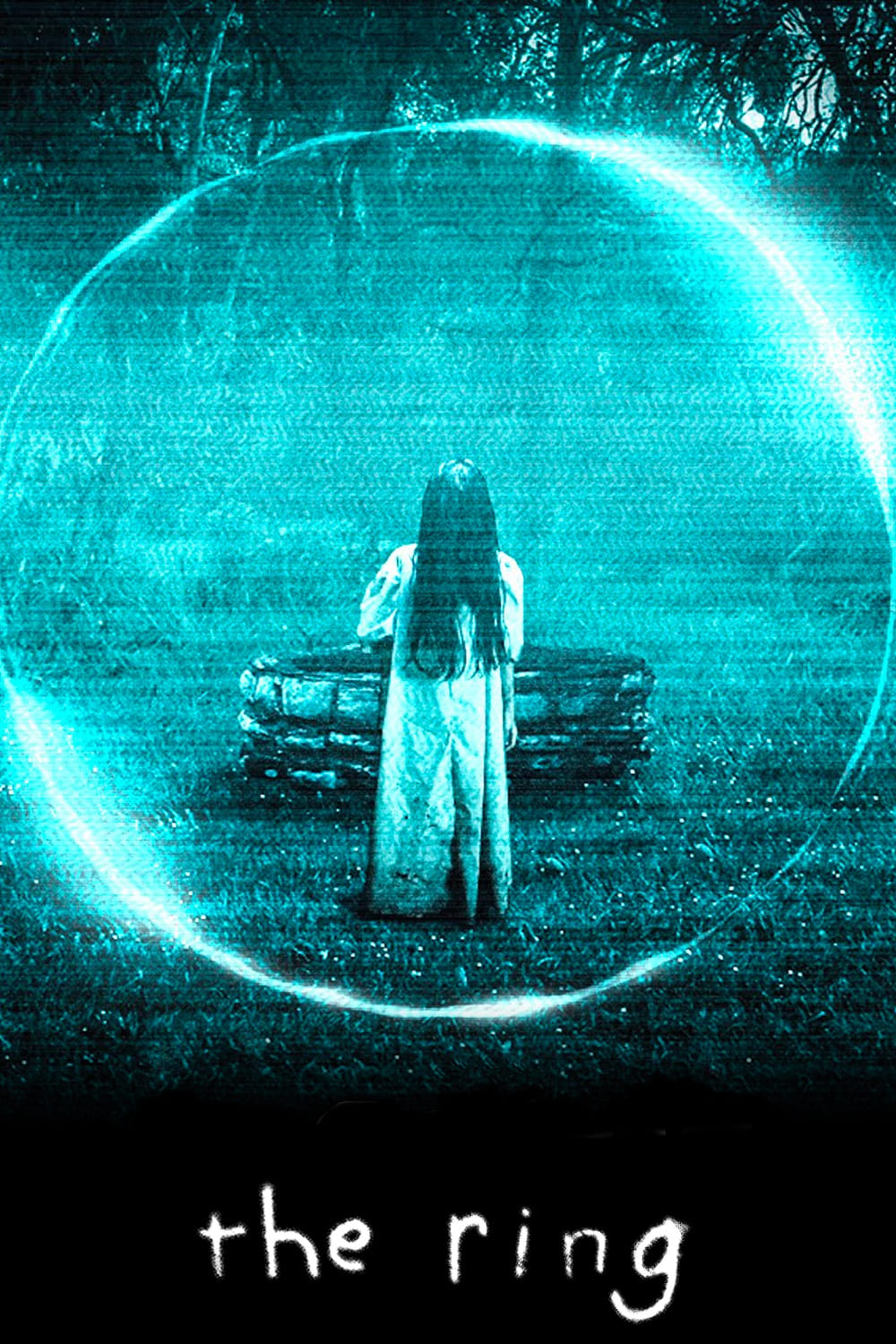
To ensure a PG-13 rating the filmmakers had to carefully manage the unsettling imagery and jump scares. The original cut included some more graphic depictions of the victims that were deemed too intense for the rating. By trimming these shots the director was able to rely on psychological horror and a creepy atmosphere. This approach proved highly effective as the film helped spark a wave of American remakes of Japanese horror. The final theatrical version is praised for its ability to terrify audiences without excessive gore.
‘Drag Me to Hell’ (2009)
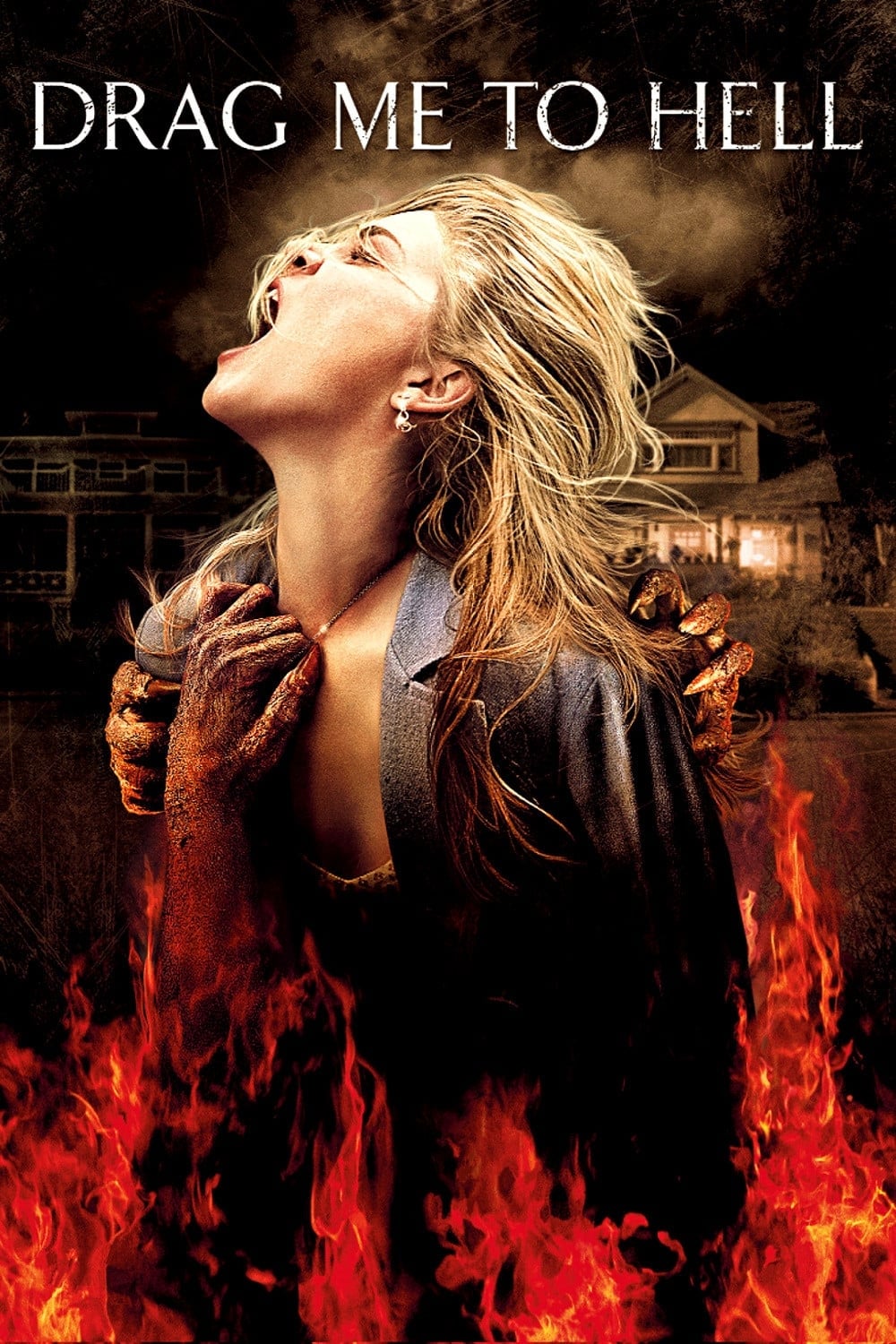
Sam Raimi returned to the horror genre with this supernatural tale and intentionally sought a PG-13 rating. The film includes many gross-out moments and intense scares but avoids the explicit violence of his earlier work. Several scenes involving bodily fluids and creature effects were adjusted to meet the requirements of the ratings board. Raimi proved that he could deliver a high energy horror experience within the limits of a broader rating. The movie is noted for its creative use of practical effects and dark humor.
‘Casino Royale’ (2006)
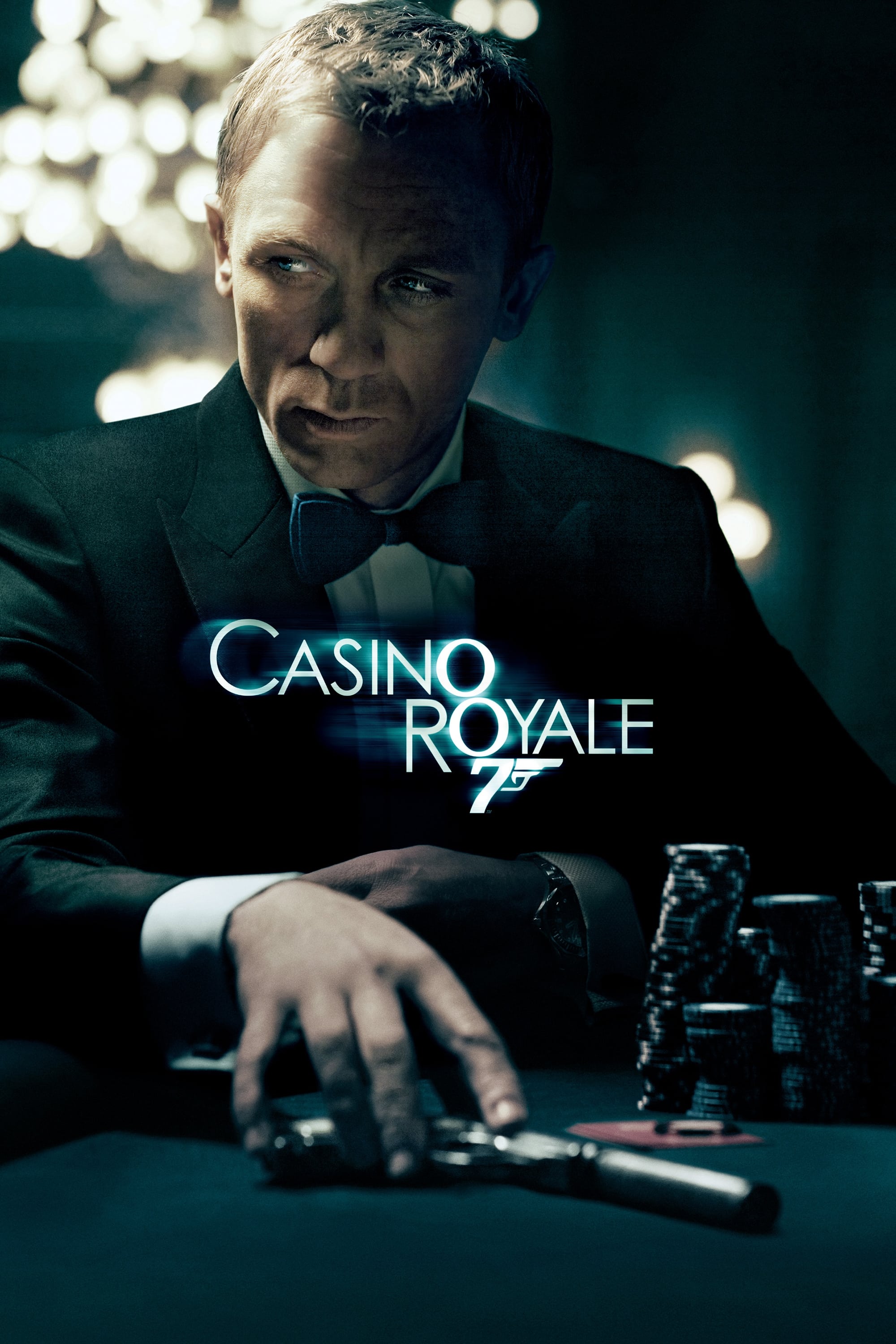
Daniel Craig debuted as James Bond in a film that was notably more grounded and brutal than its predecessors. To avoid an R rating in the United States and a more restrictive rating in the United Kingdom several frames were trimmed from the torture sequence. These small adjustments reduced the intensity of the violence while maintaining the high stakes of the scene. The filmmakers wanted to establish a more realistic tone for the rebooted franchise. The theatrical cut successfully balance the new gritty direction with the expectations of the Bond brand.
‘Terminator Salvation’ (2009)
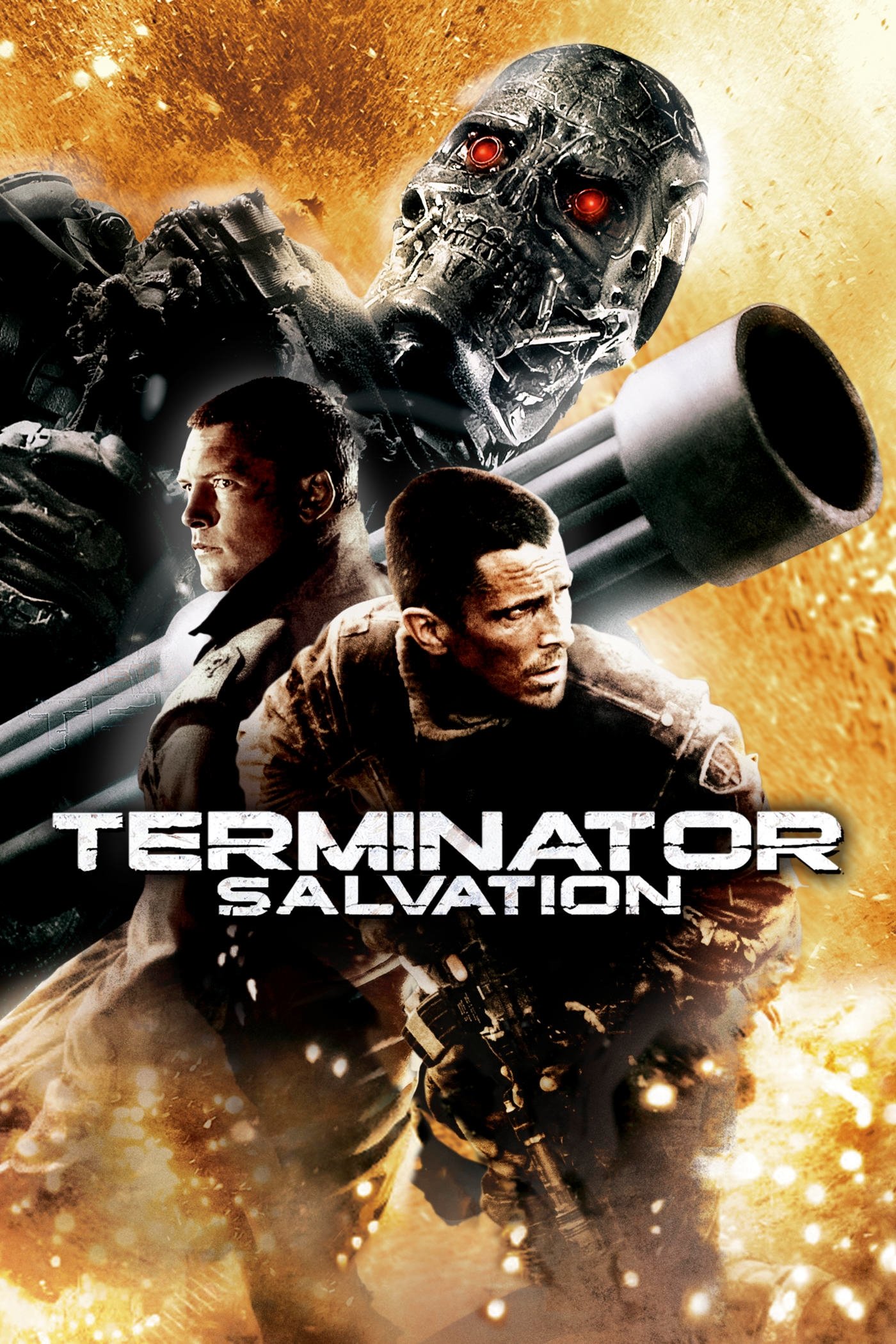
This entry in the science fiction franchise was the first to receive a PG-13 rating for its theatrical release. Director McG initially filmed several sequences with more graphic content including a scene involving nudity and more visceral robot combat. These elements were removed or digitally altered to ensure the film reached a younger audience. The studio believed that the brand could succeed as a broader action spectacle. The final edit emphasizes the war between humans and machines through large scale visual effects.s
‘Cursed’ (2005)
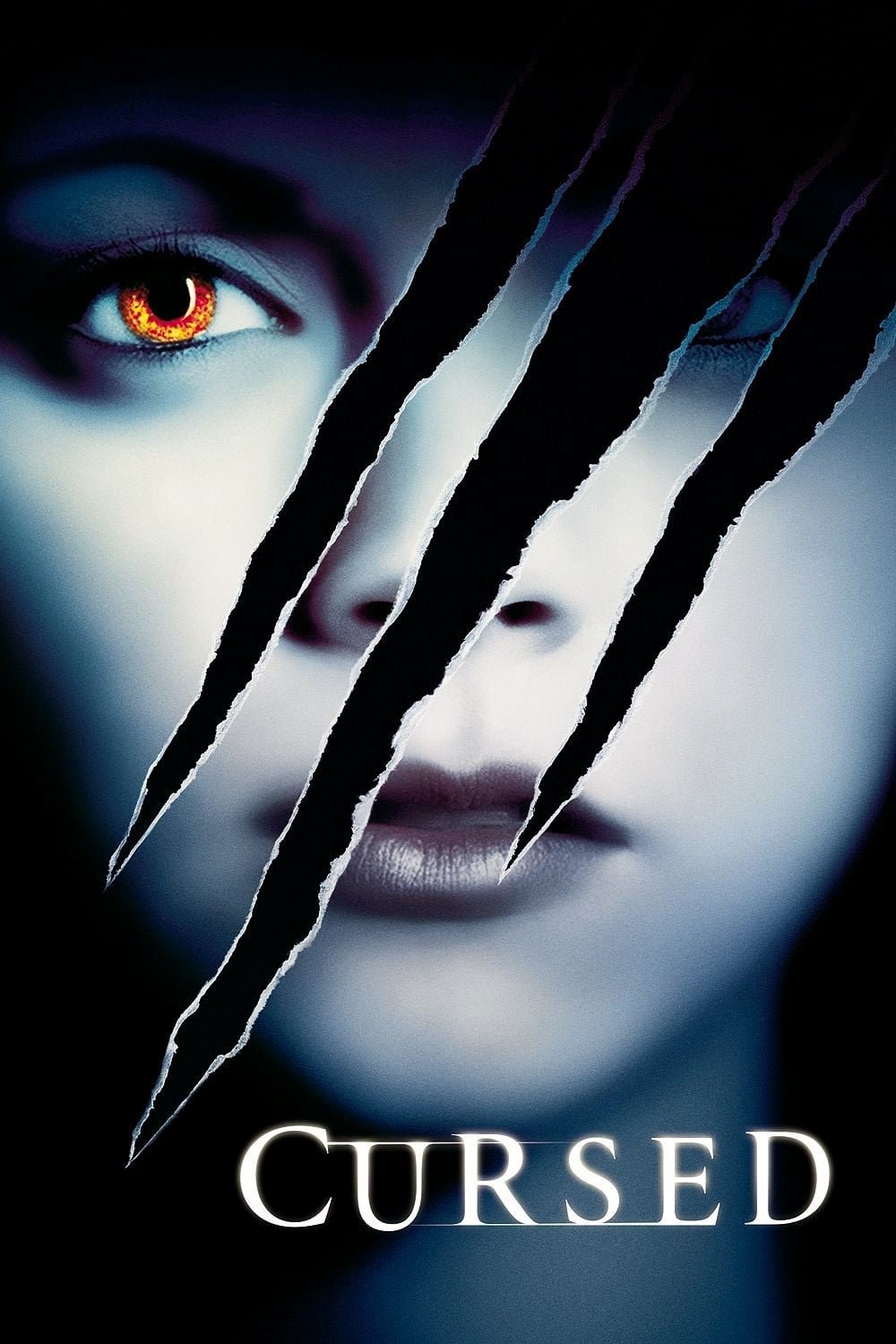
The production of this werewolf movie was famously troubled with multiple reshoots and script changes. Director Wes Craven originally intended to make an R-rated horror film with significant practical effects and gore. The studio eventually demanded that the film be recut to a PG-13 rating to capture a different market. This led to the removal of several key sequences and a significant alteration of the tone. Craven expressed his frustration with the final product which he felt did not represent his original vision.
‘The Meg’ (2018)
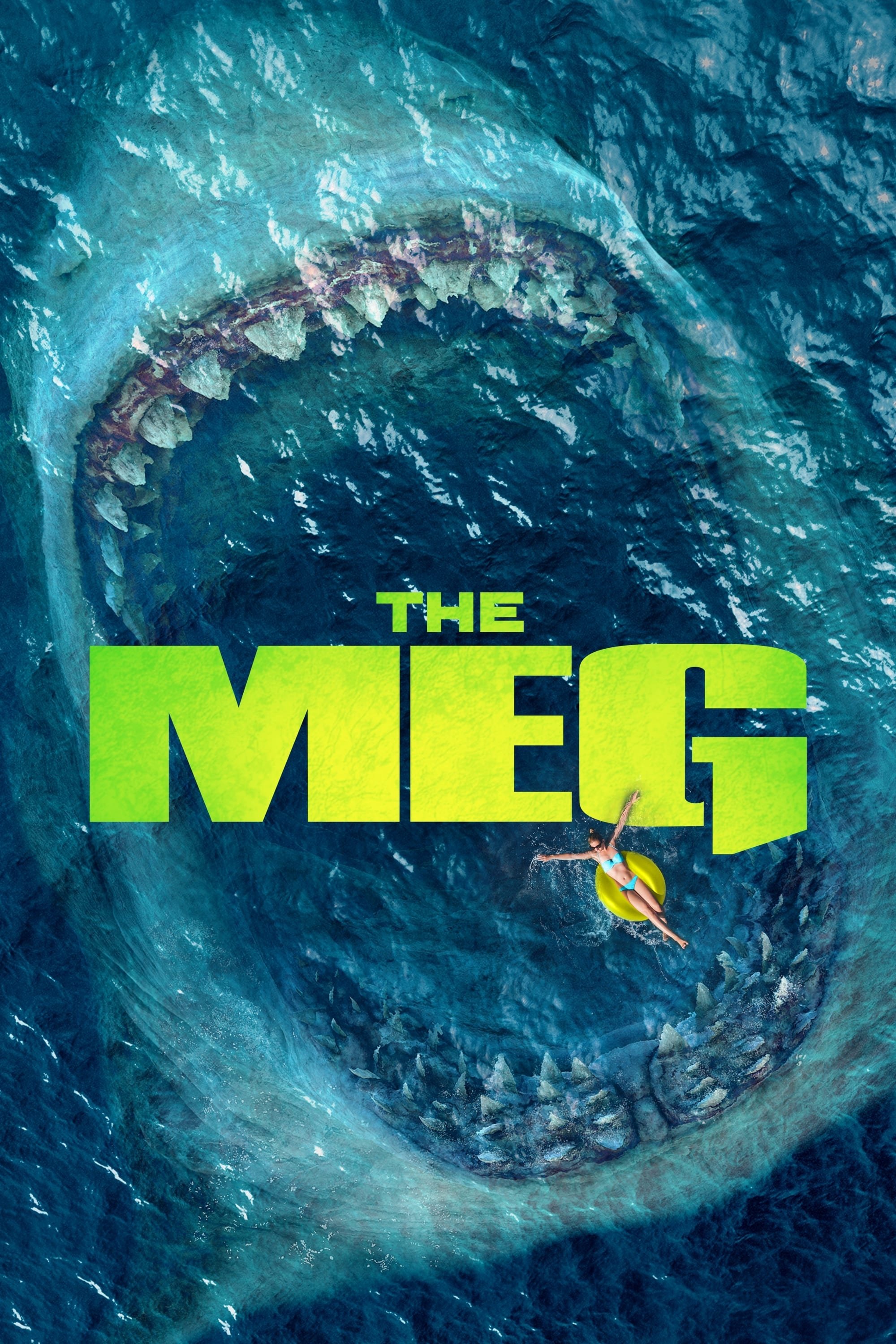
Director Jon Turteltaub stated that they filmed a lot of bloody scenes that were ultimately left on the cutting room floor. They wanted to reach the largest possible audience with a PG-13 rating for the summer blockbuster season. The film focuses on a massive prehistoric shark attacking a research facility and a crowded beach. Much of the visceral gore was replaced with splashes and underwater shadows during the editing process. The final version maintains the scale of the monster while minimizing the human casualties visible on screen.
‘Venom’ (2018)
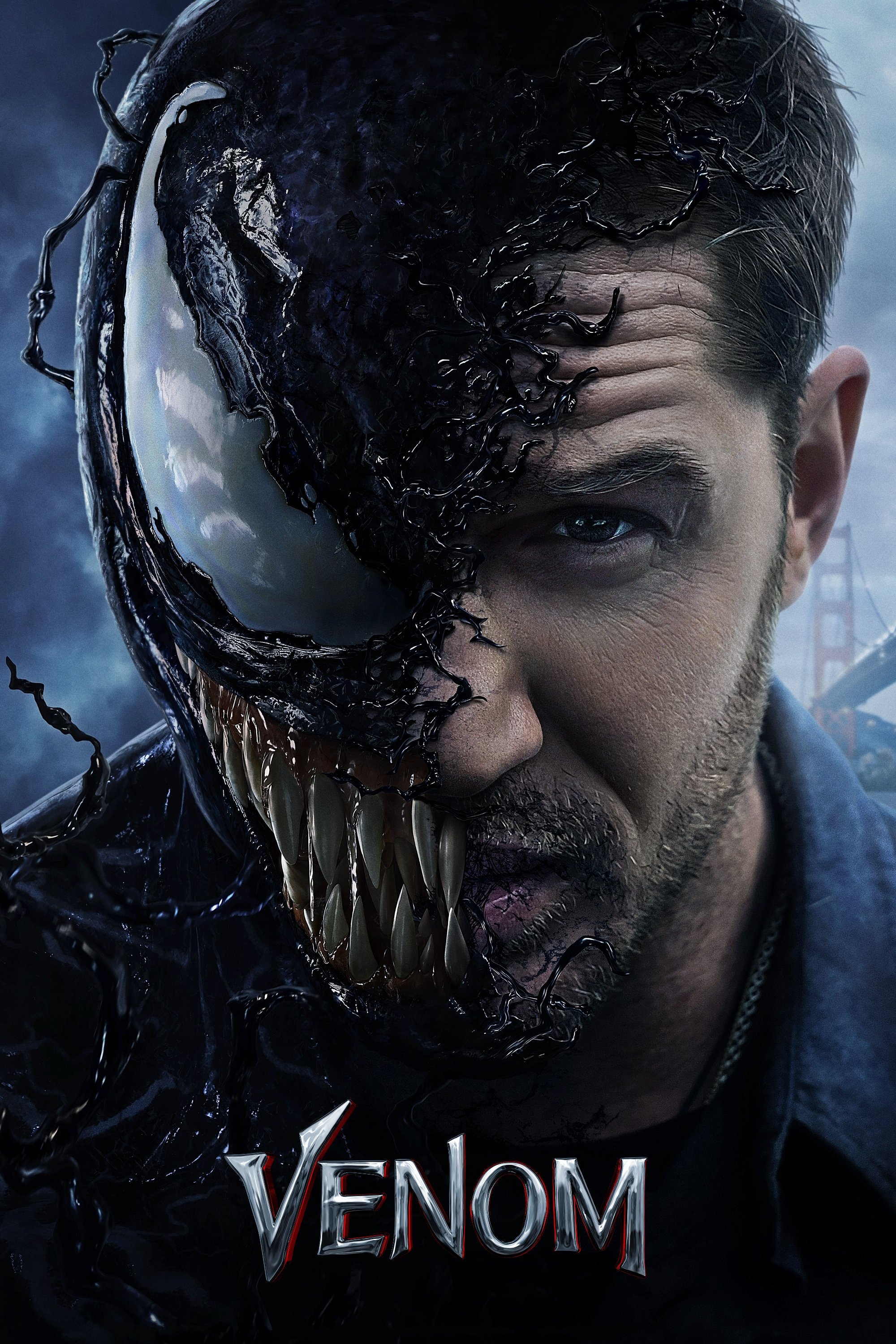
Fans expected a darker version of the character with more graphic violence similar to the comic book source material. The studio decided to trim several sequences to ensure the movie stayed within PG-13 limits for its theatrical debut. This decision allowed the film to reach the largest possible audience for a major comic book property. Tom Hardy mentioned that many of his favorite dark comedy moments were removed during the final edit. The resulting movie emphasizes the relationship between the alien symbiote and Eddie Brock.
‘The Dark Knight’ (2008)
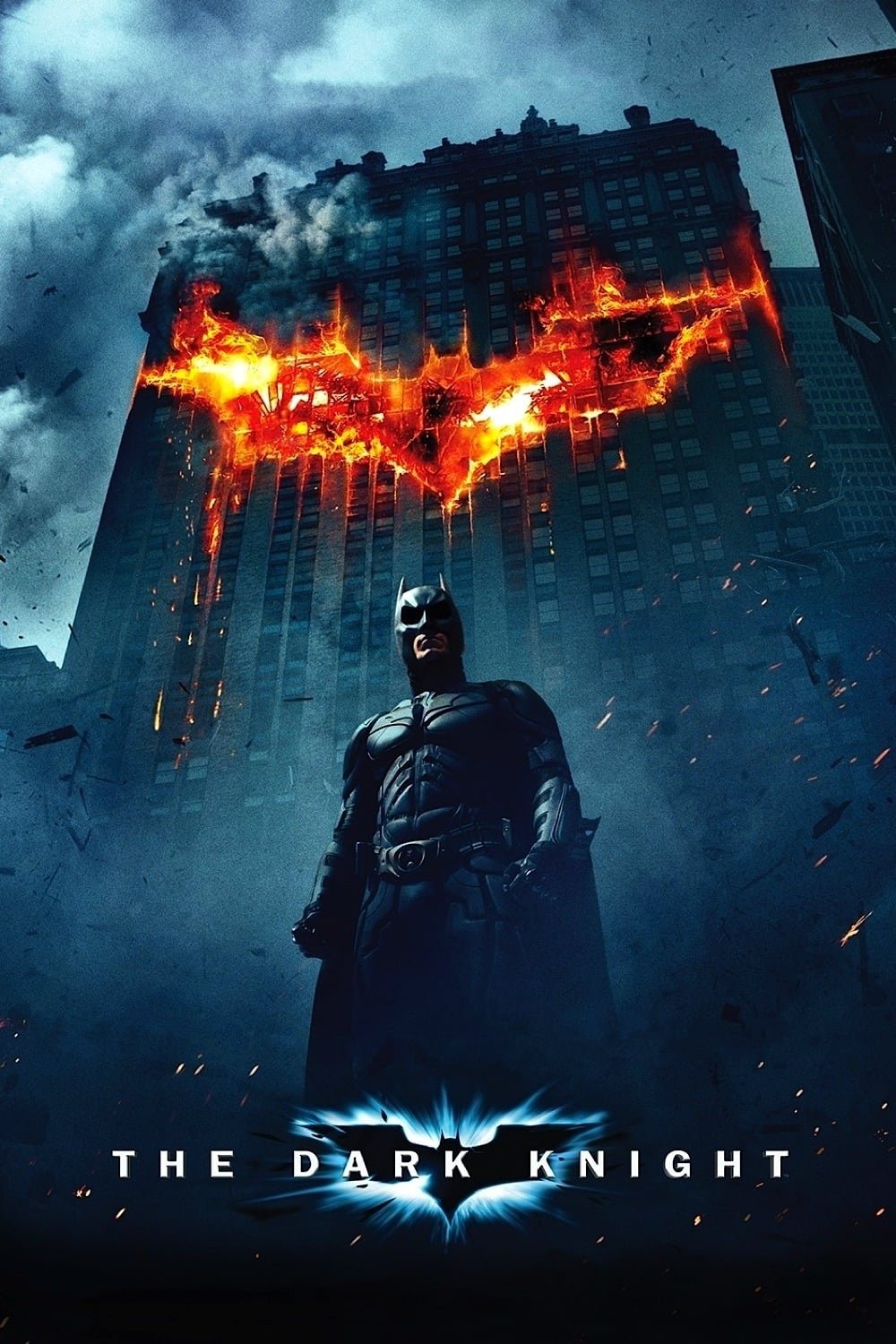
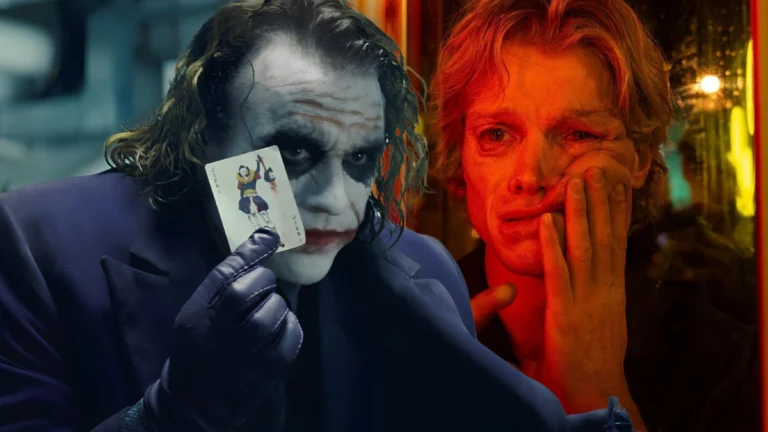
The production team had to carefully edit certain scenes to maintain a PG-13 rating while keeping the dark tone. One notable change involved the pencil trick sequence where the camera cuts away at the precise moment of impact. Christopher Nolan and his team worked closely with the ratings board to ensure the violence felt impactful without being overly graphic. The result was a film that felt intense and mature despite the technical rating restrictions. This approach allowed the movie to become a massive cultural phenomenon.
‘Austin Powers: International Man of Mystery’ (1997)
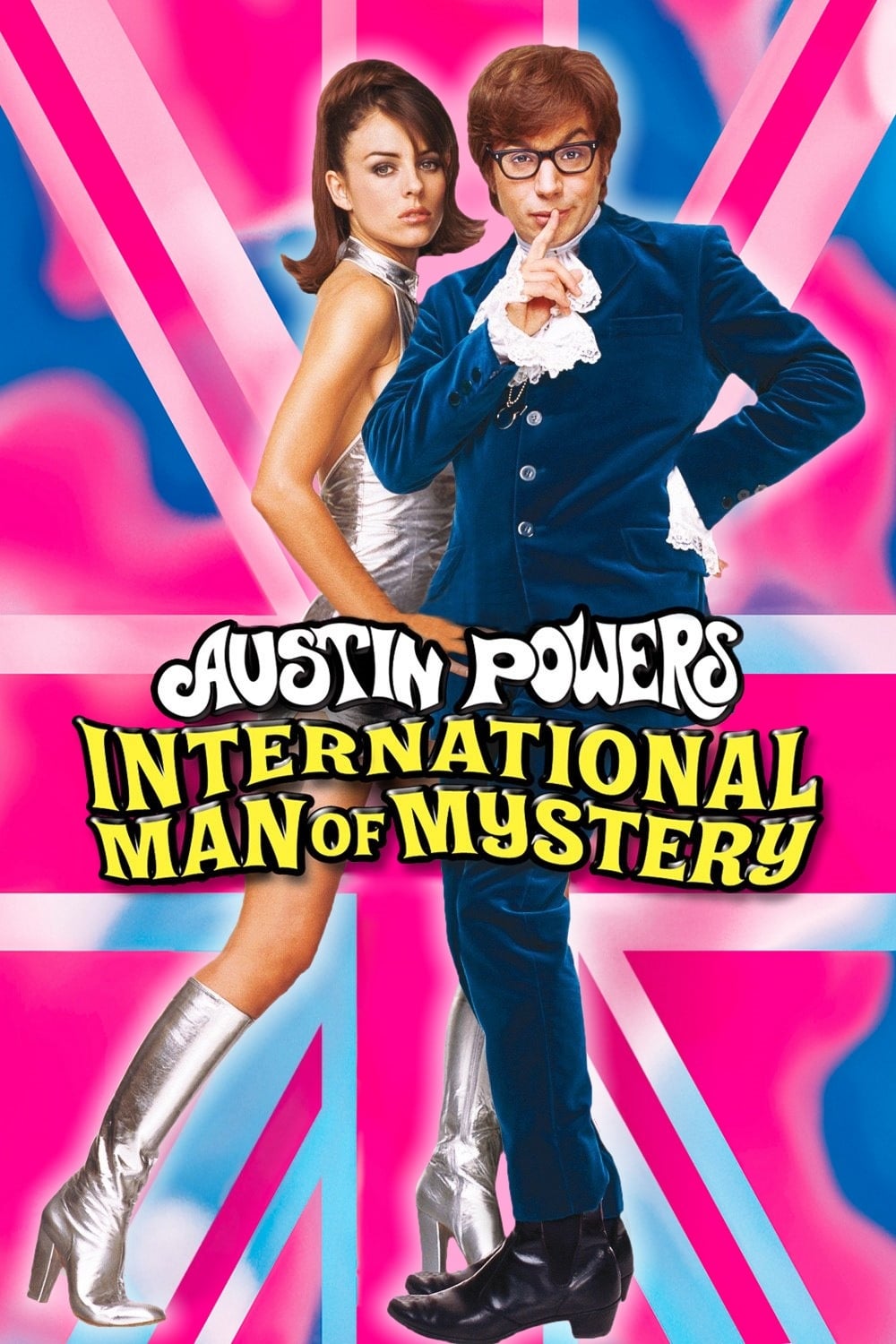
The first film in this comedy trilogy was originally threatened with an R rating due to its suggestive humor. Mike Myers and the director had to trim several jokes and visual gags to secure the PG-13 rating they desired. These edits included shortening scenes that the ratings board found too sexually explicit for a general audience. The adjustments did not hurt the film as it went on to become a huge success and spawned two sequels. The theatrical version balances its parody of spy movies with a playful and accessible tone.
‘M3GAN’ (2022)
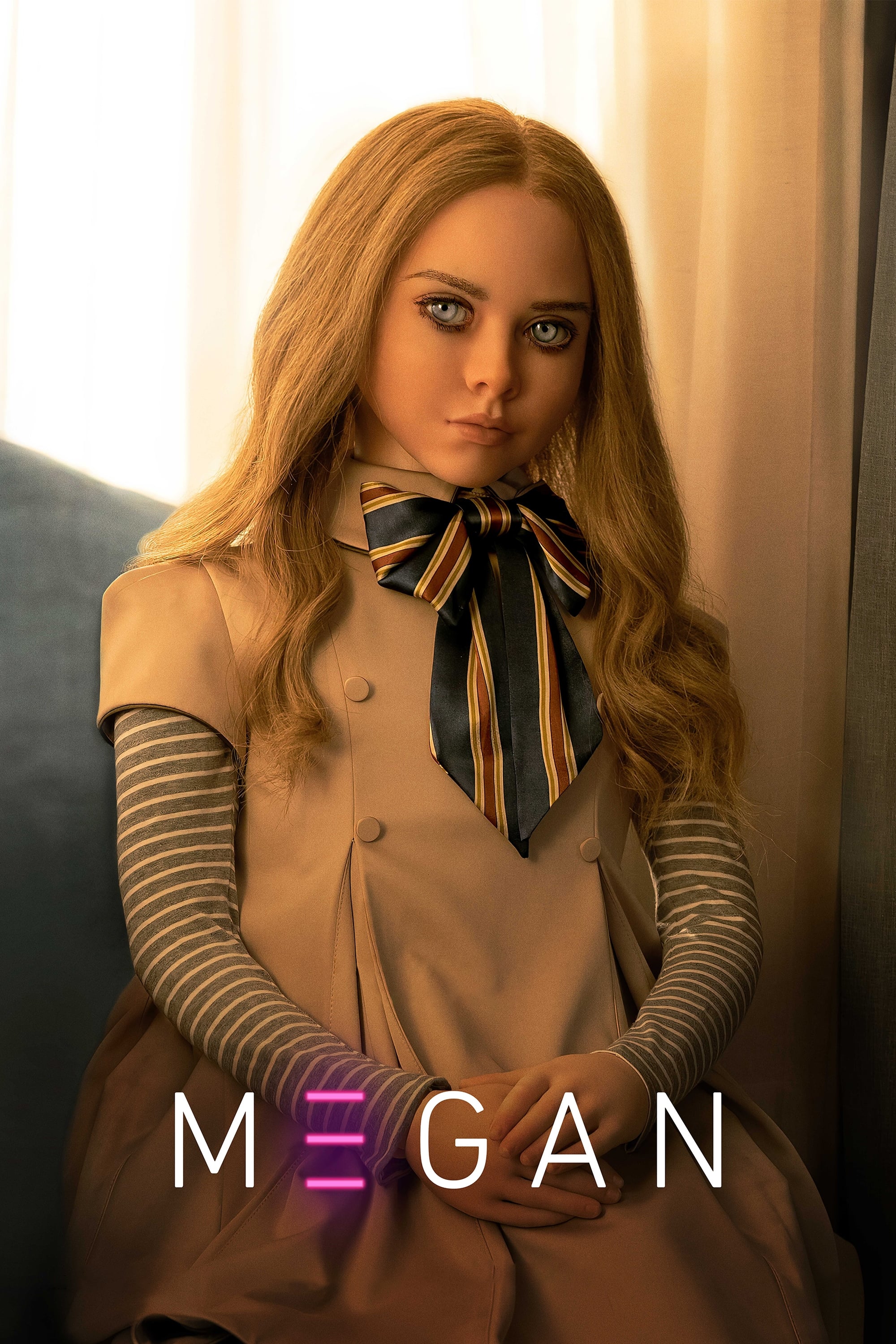
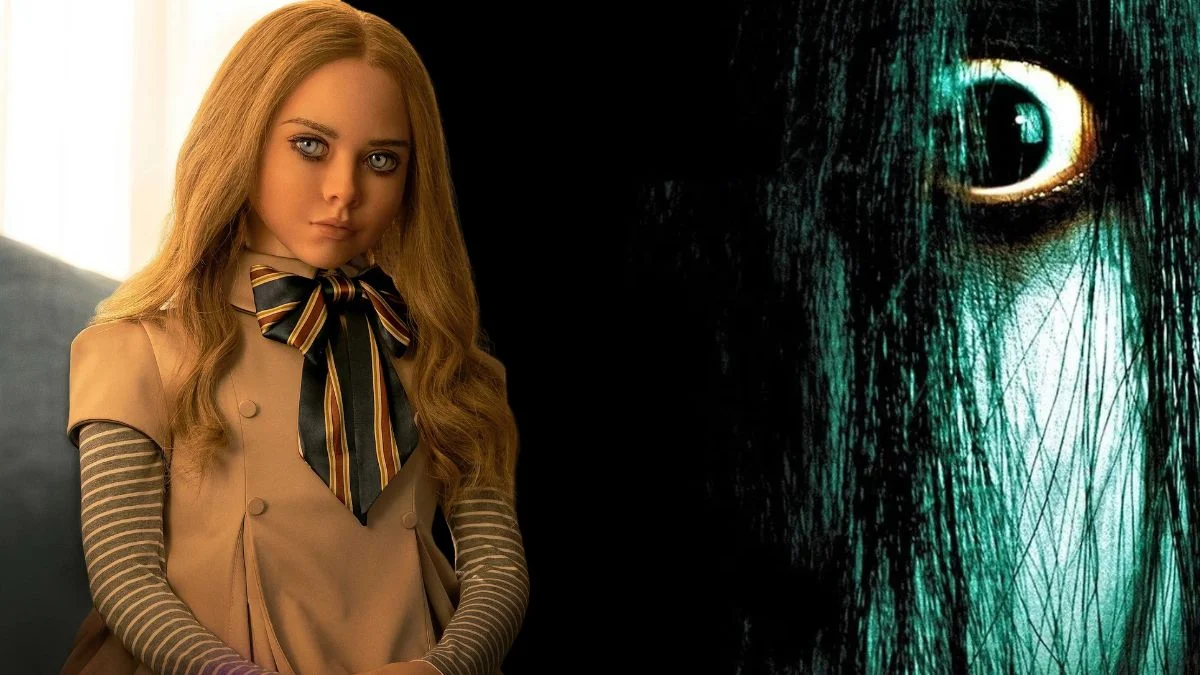
The viral success of the teaser trailer led the filmmakers to realize they had a significant teen audience interested in the movie. While the original cut was more violent the team decided to reshoot and edit scenes to achieve a PG-13 rating. This included changing how certain kills were depicted and reducing the amount of visible blood. The director stated that the edits actually made some scenes more effective by relying on the imagination of the viewer. An unrated version was later made available for home viewing.
‘Happy Death Day’ (2017)
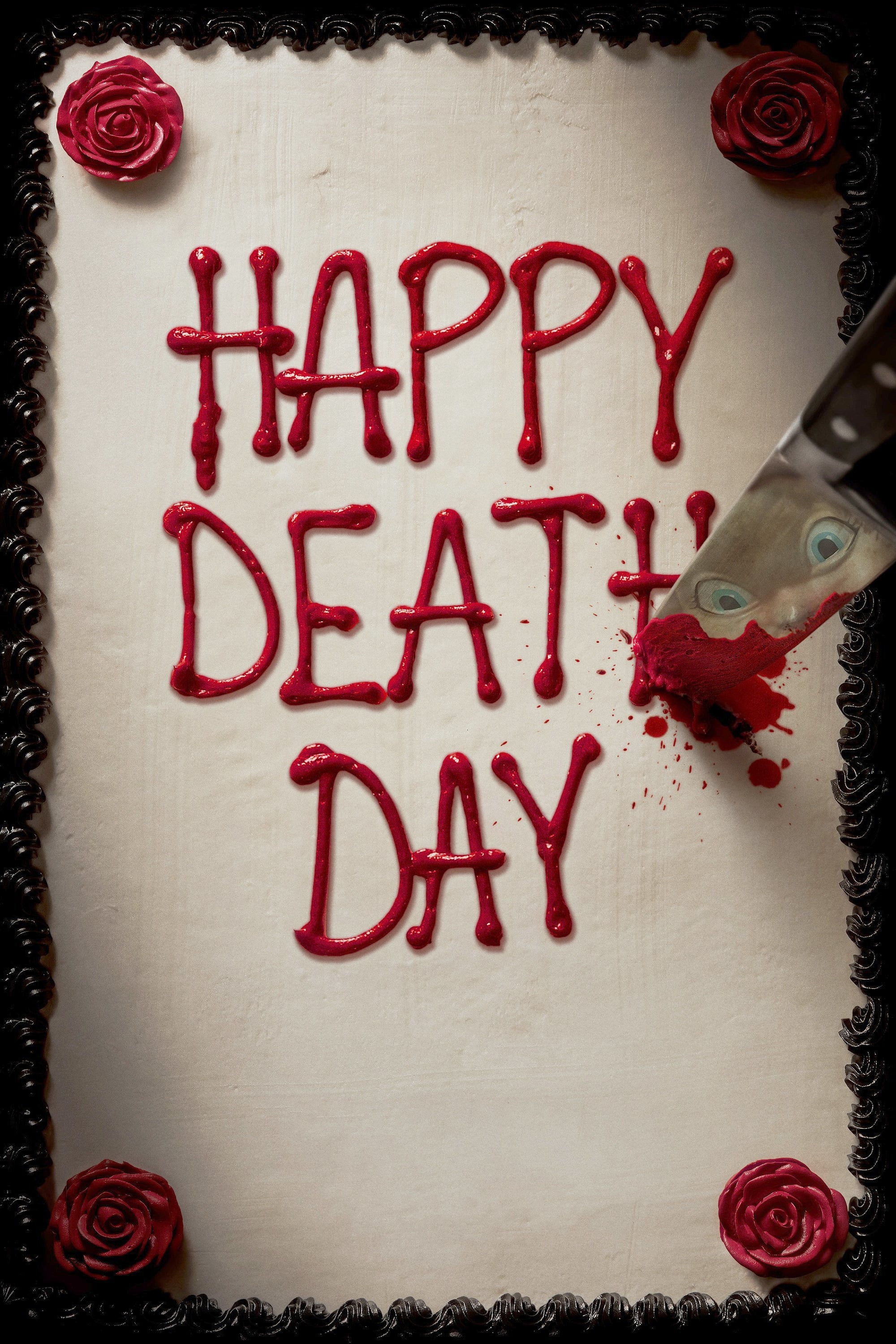
This horror comedy utilized a time loop premise to create a series of creative death scenes for the protagonist. To keep the movie accessible to a teen audience the filmmakers edited the violence to stay within PG-13 guidelines. Most of the kills occur with quick cuts or happen just outside of the camera frame. This decision helped the film stand out as a fun and energetic entry in the genre. The final edit focuses more on the mystery and character growth than on graphic horror elements.
‘Truth or Dare’ (2018)
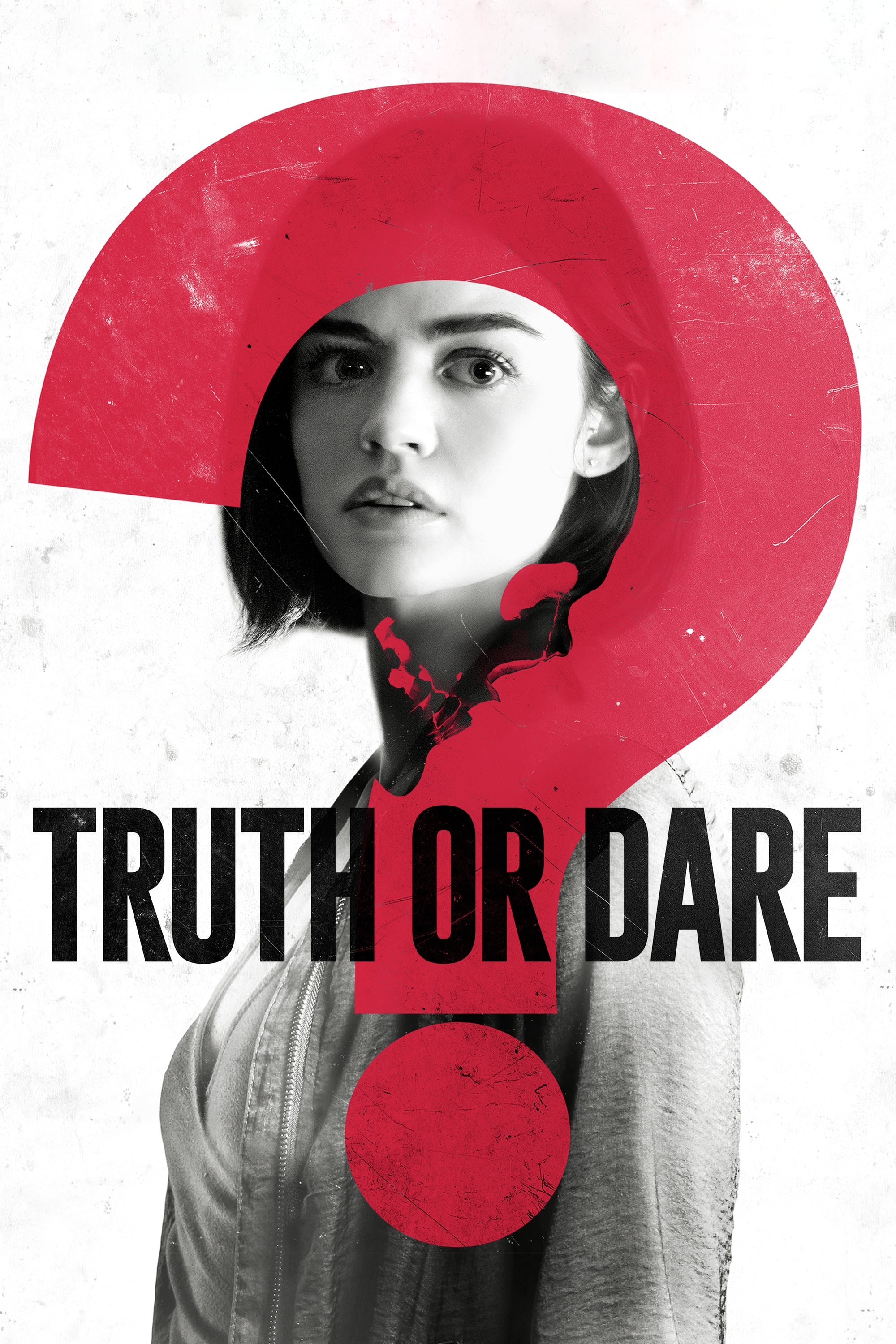
Blumhouse Productions often aims for PG-13 ratings to capture the lucrative youth market for horror films. This supernatural thriller underwent edits to tone down the violence and language associated with the deadly game. The filmmakers used digital effects and careful framing to suggest the horror without showing explicit detail. This strategy allowed the film to perform well at the box office despite mixed reviews from critics. The theatrical version prioritizes jump scares and psychological tension.
‘Lights Out’ (2016)
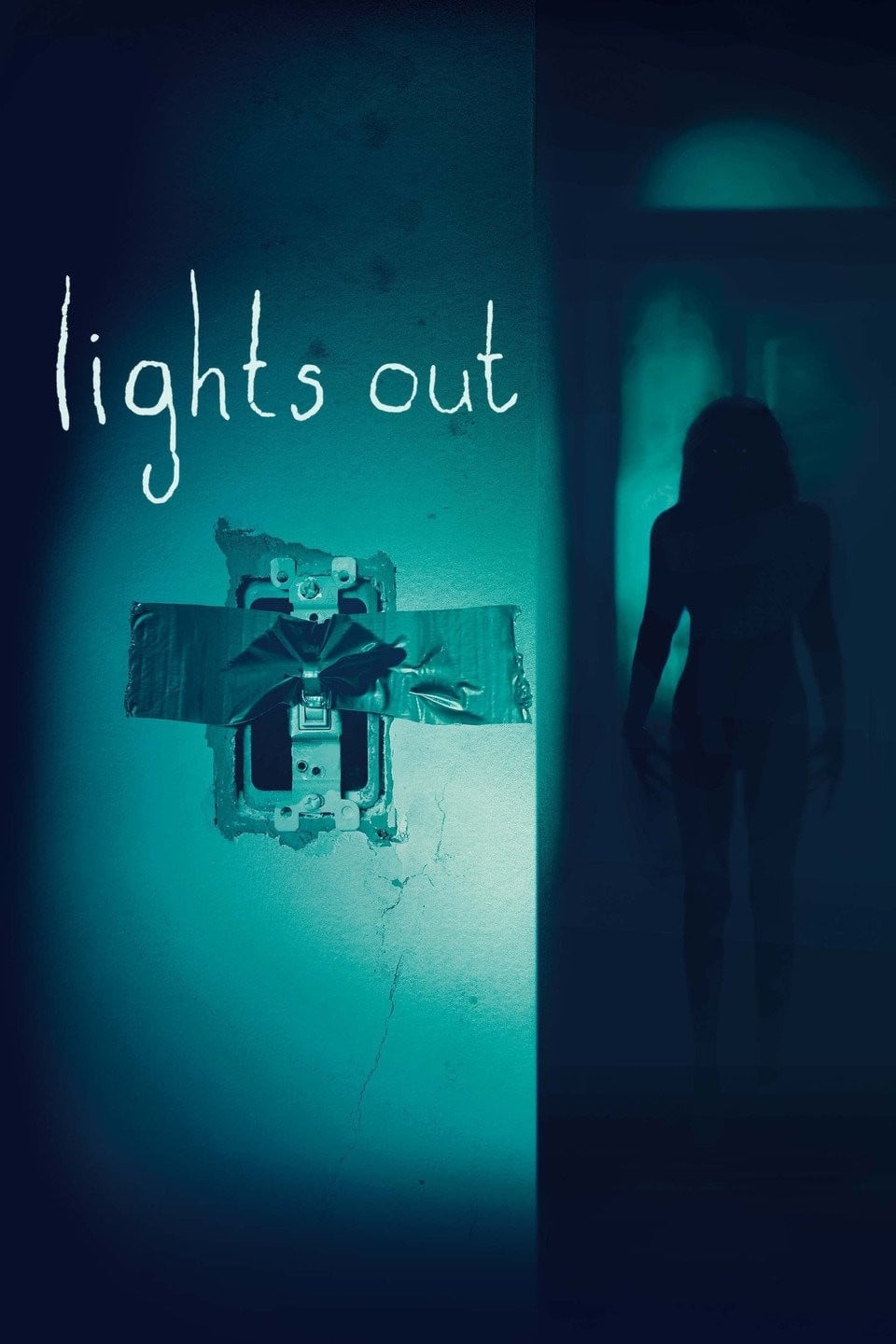
Based on a viral short film this horror movie had to manage its intensity to avoid a restrictive R rating. The director worked to ensure that the scares were effective through lighting and sound design rather than gore. Several sequences were trimmed to meet the requirements of the ratings board while maintaining the scary atmosphere. This allowed the film to reach a wider audience of horror fans of all ages. The final cut is noted for its efficient storytelling and creative use of its central premise.
‘Ghost Rider’ (2007)
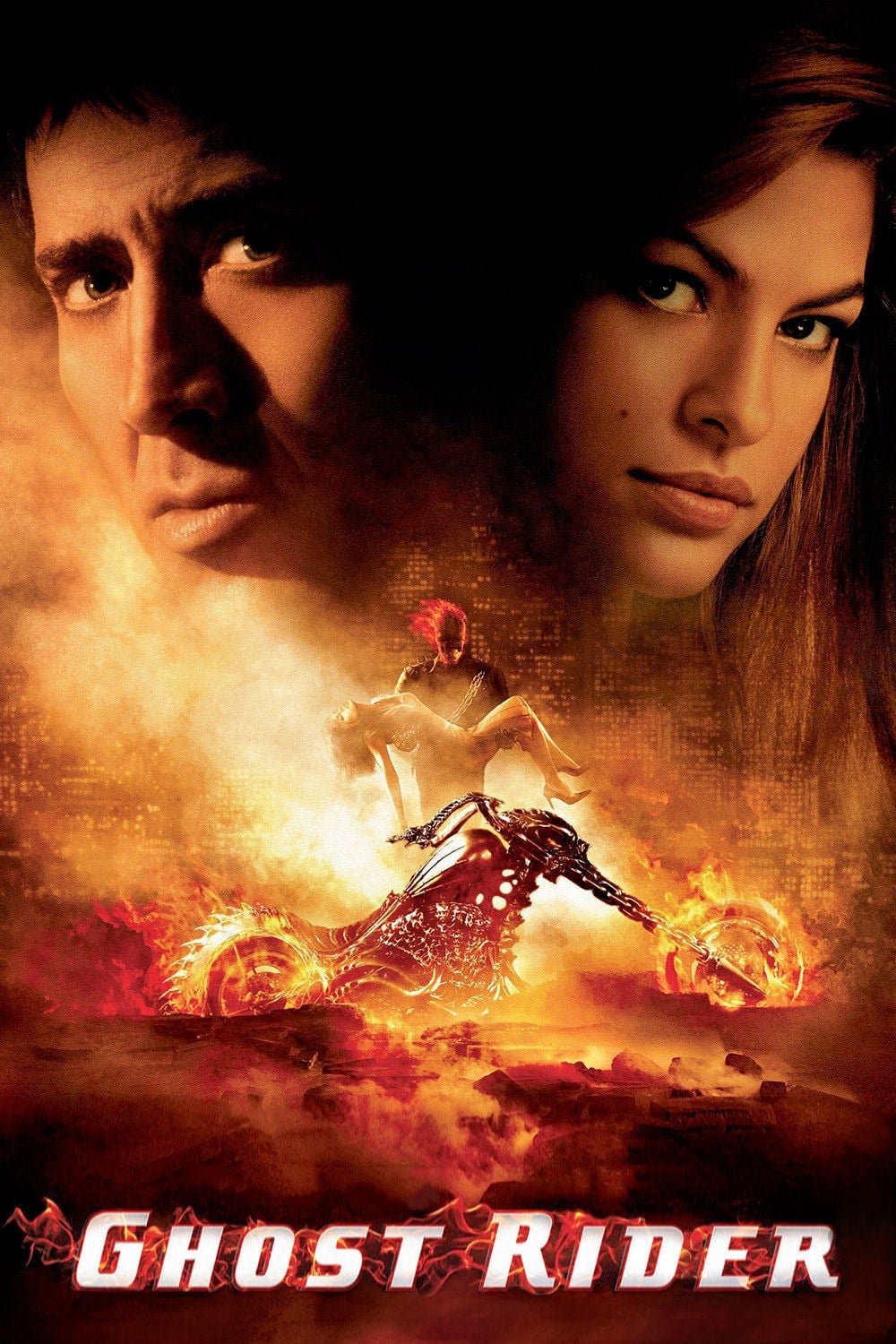
The filmmakers wanted to capture the hellish nature of the comic book character while keeping the film within PG-13 boundaries. To do this they had to edit the transformation sequences and the action to minimize graphic imagery. Much of the violence involves supernatural entities and fire which helped the film pass the ratings board. Nicolas Cage played the role with his signature intensity which helped maintain a dark tone throughout. The theatrical edit focuses on the visual effects and the superhero origin story.
‘Daredevil’ (2003)
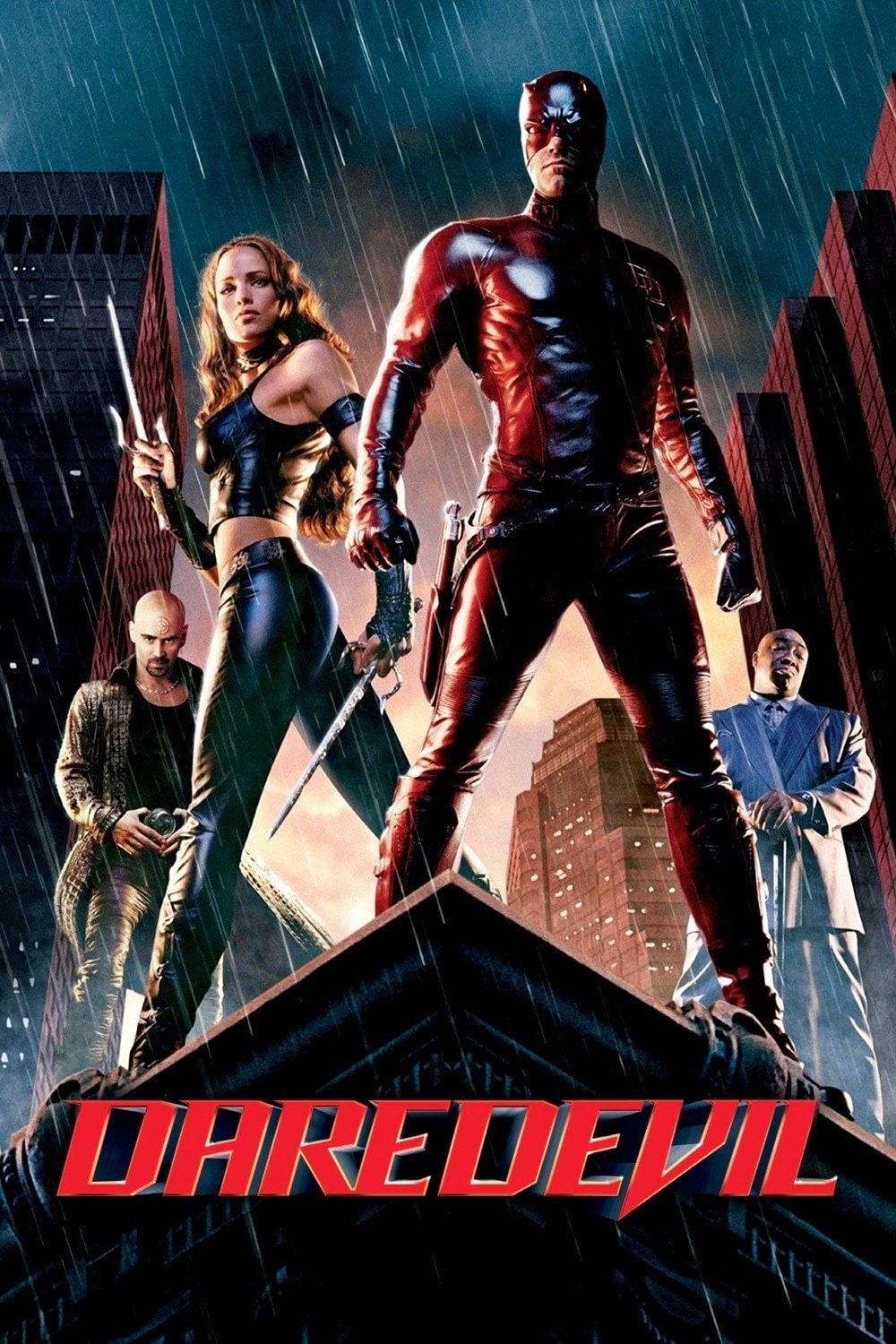
The theatrical version of this Marvel movie was significantly lighter than the original vision of the director. Many scenes involving a subplot about a murder mystery and more intense violence were removed to keep the film at a PG-13 rating. These cuts were made to ensure the movie could compete with other mainstream superhero blockbusters of the era. A director cut was eventually released on home media that restored the missing footage and received a more positive reception. The theatrical edit prioritizes the action and romance elements of the story.
‘Accepted’ (2006)

This college comedy originally featured much more profanity and adult humor in its early cuts. To reach its target audience of teenagers and young adults the studio requested edits to secure a PG-13 rating. Several scenes involving party behavior and crude jokes were trimmed or altered. These changes allowed the film to be marketed more broadly during the summer season. The final version remains a popular comedy about students starting their own unconventional university.
‘Dodgeball: A True Underdog Story’ (2004)
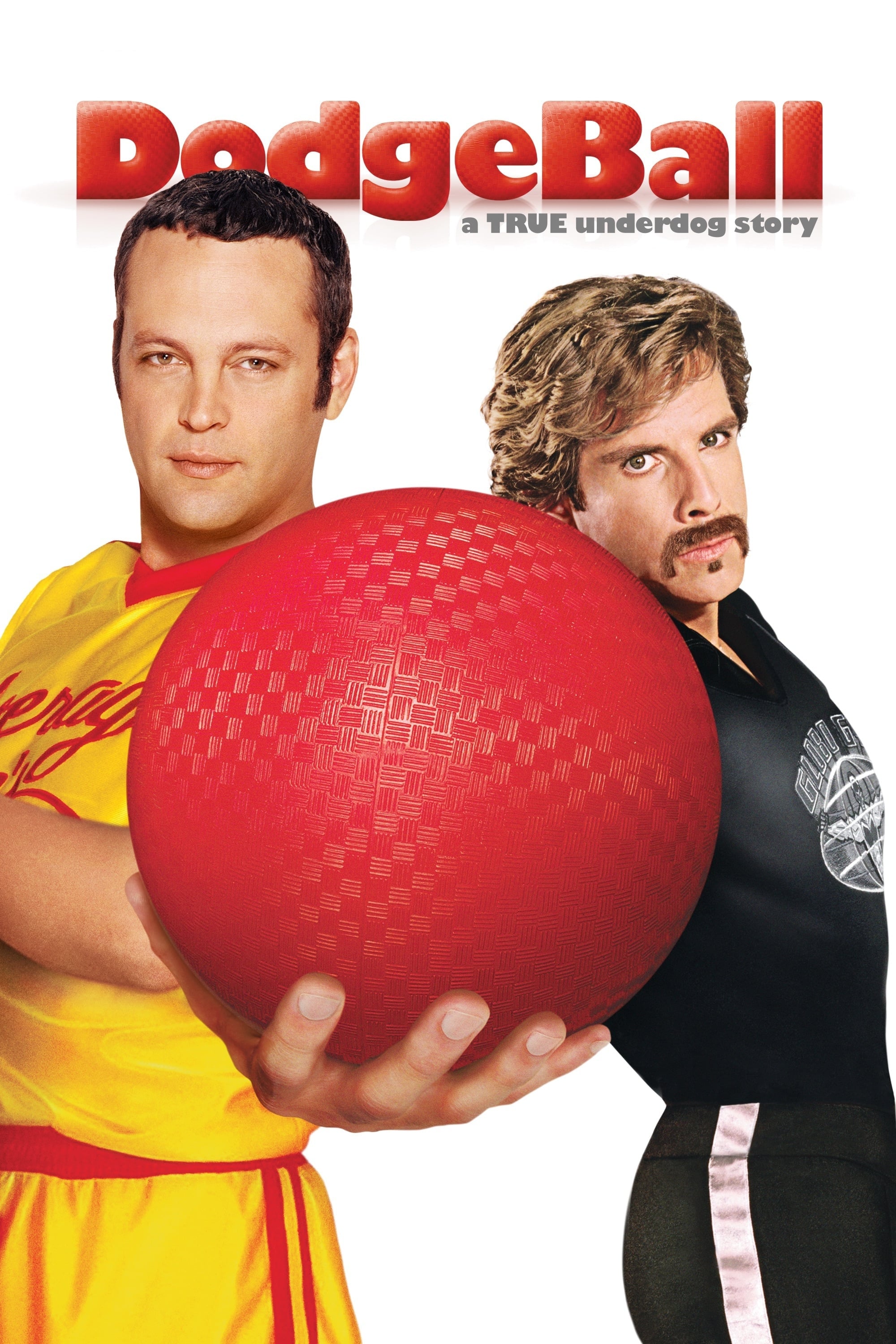
The production of this sports comedy involved trimming several jokes that were deemed too crude for a PG-13 rating. Ben Stiller and the director had to balance the irreverent humor with the requirements of the ratings board. Some of the physical comedy and dialogue were adjusted to ensure the film could be shown to a wider audience. This decision helped the movie become a major box office hit and a staple of the comedy genre. The theatrical cut maintains its sharp wit while staying within the limits of the rating.
‘Anchorman: The Legend of Ron Burgundy’ (2004)
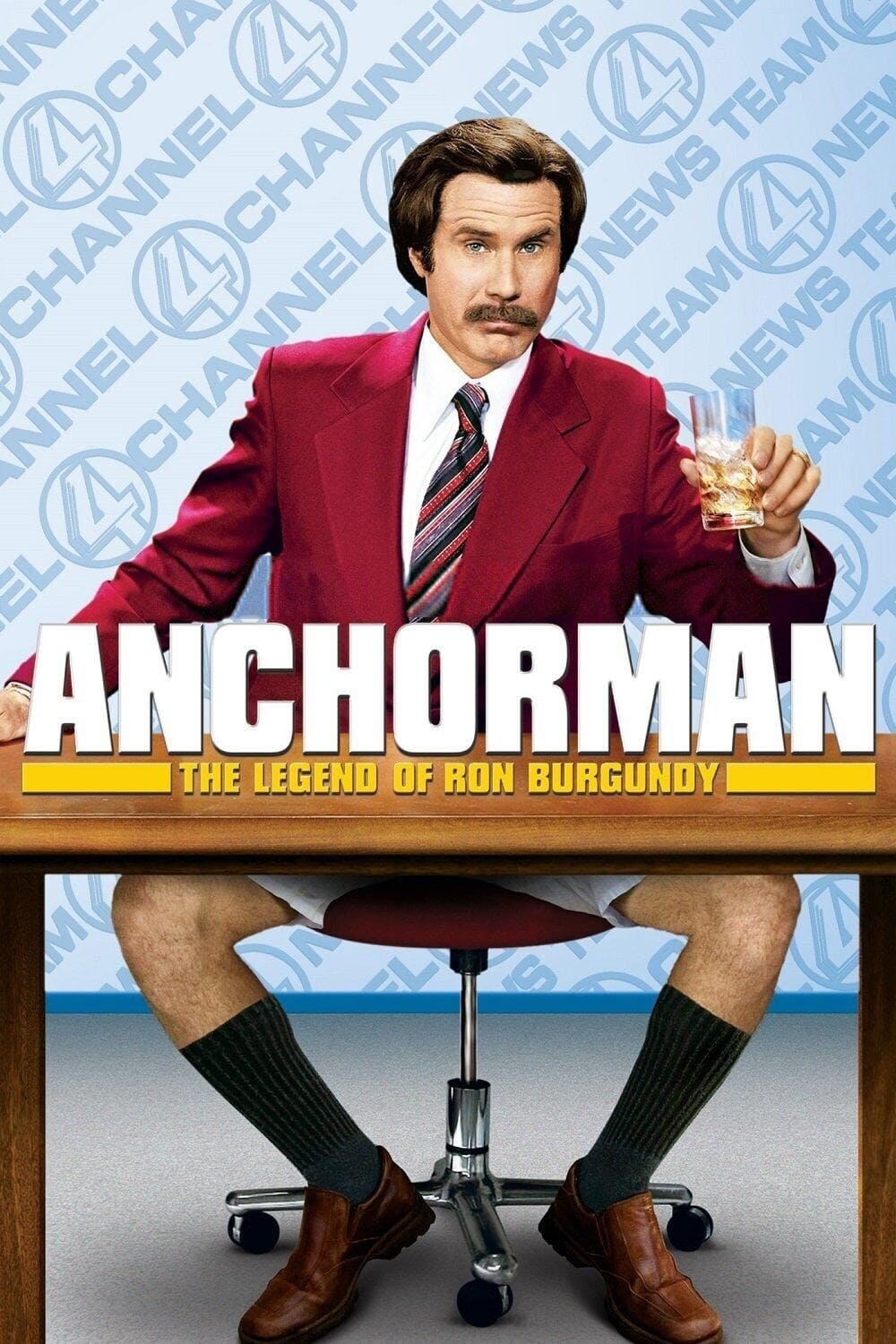
The original version of this comedy was significantly different and featured a completely different subplot that was eventually scrapped. During the editing process many improvisational rants and adult jokes were removed to keep the film within PG-13 territory. The deleted material was so extensive that it was eventually compiled into a separate companion film. The theatrical version focuses on the absurd rivalry between news teams in the 1970s. This edit helped the film achieve mainstream success and become a highly quotable classic.
‘Talladega Nights: The Ballad of Ricky Bobby’ (2006)
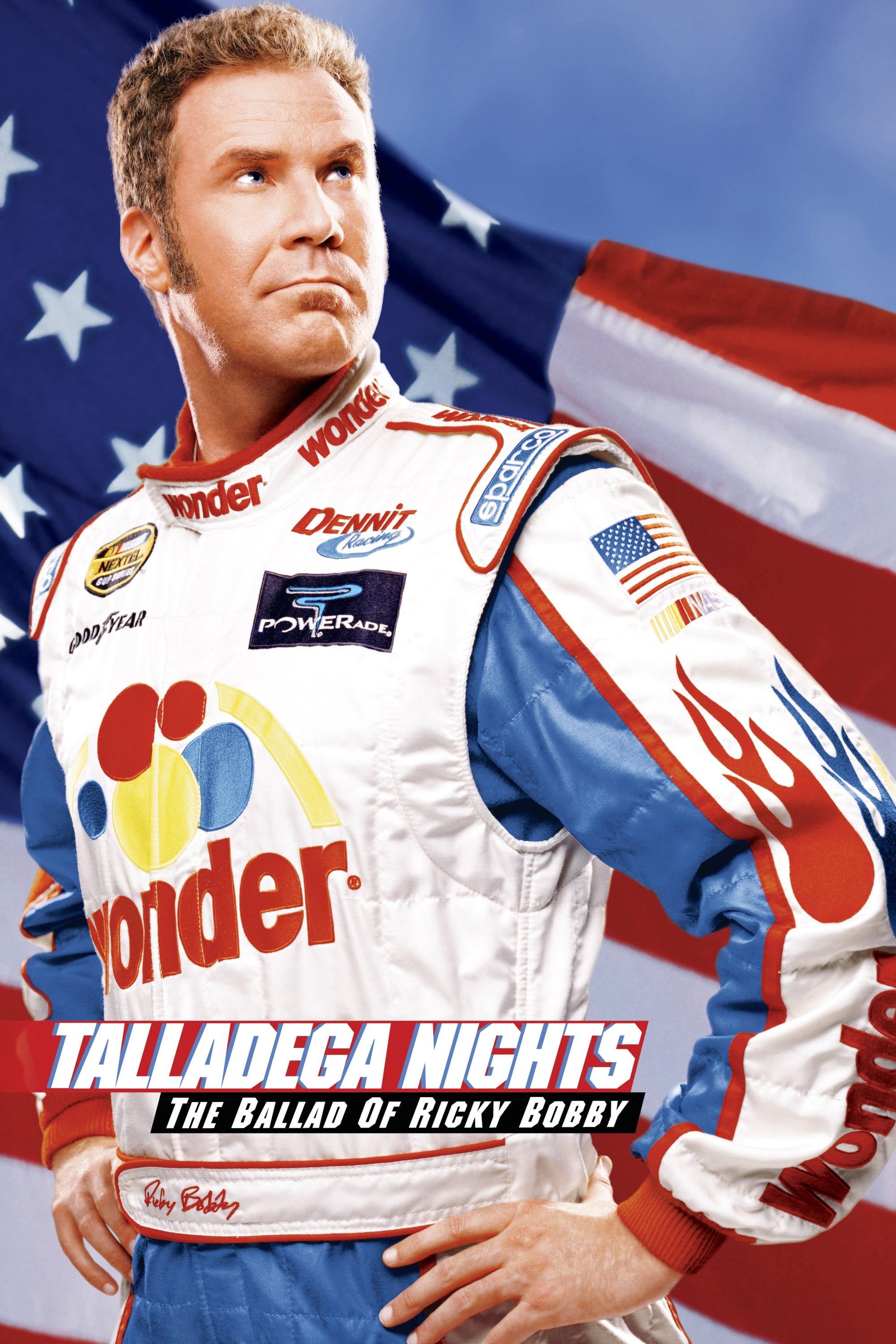
This racing comedy from Will Ferrell and Adam McKay underwent edits to ensure a PG-13 rating for its theatrical release. The filmmakers had to trim some of the more suggestive dialogue and crude humor to meet studio expectations. Like other collaborations between the duo many alternate jokes were filmed and saved for home media releases. The final theatrical cut focuses on the over the top action and the satirical look at NASCAR culture. These adjustments allowed the film to reach a massive family audience.
‘Jumper’ (2008)
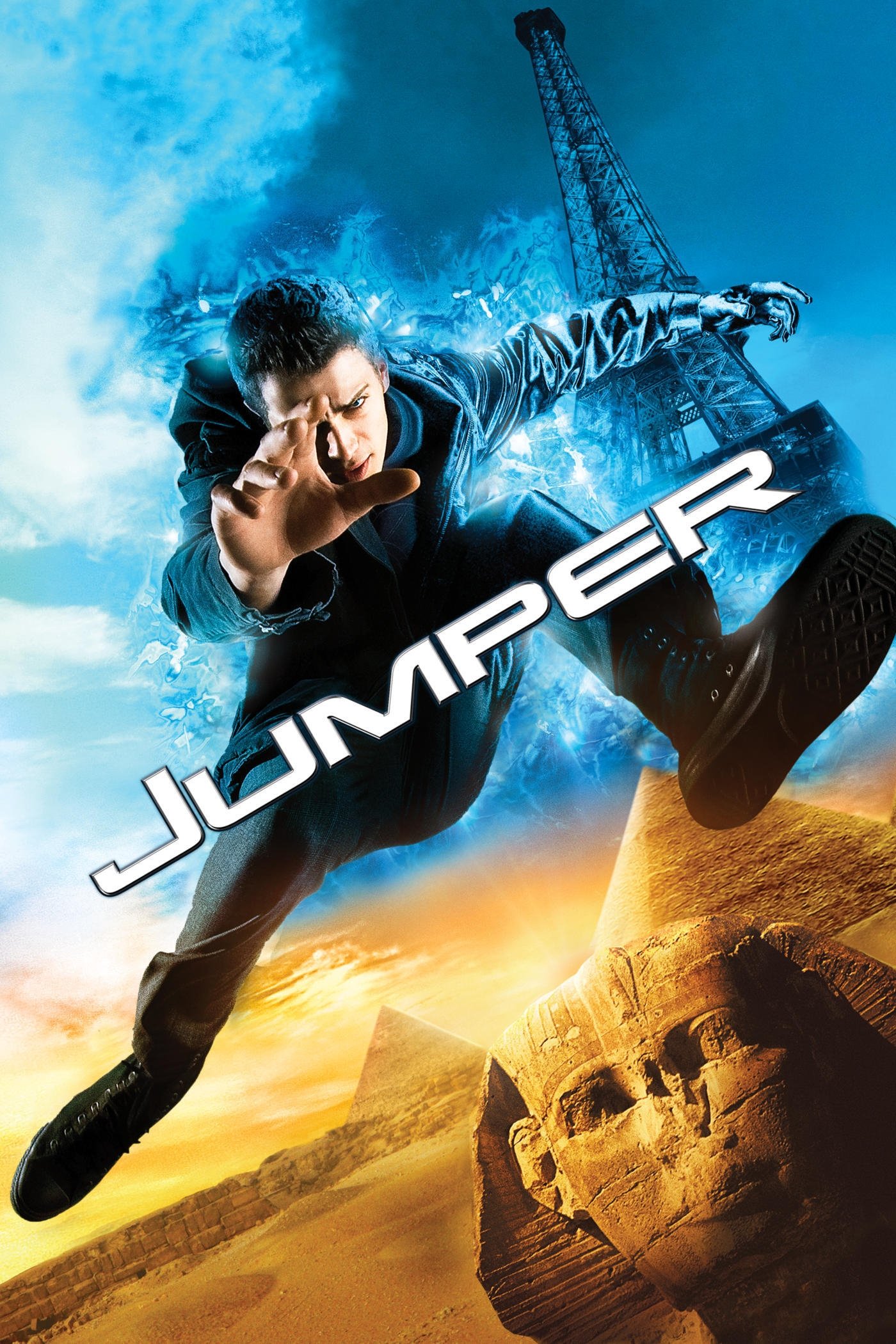
To maintain a PG-13 rating the action in this sci-fi thriller was edited to minimize the impact of the teleportation fights. Several sequences involving the protagonist using his powers in violent ways were trimmed or digitally altered. The filmmakers wanted to create a fast paced adventure that would appeal to a broad demographic. This led to an emphasis on the visual spectacle of the locations rather than the consequences of the conflict. The final edit is a sleek and efficient action movie with a focus on world building.
‘The Grudge’ (2004)
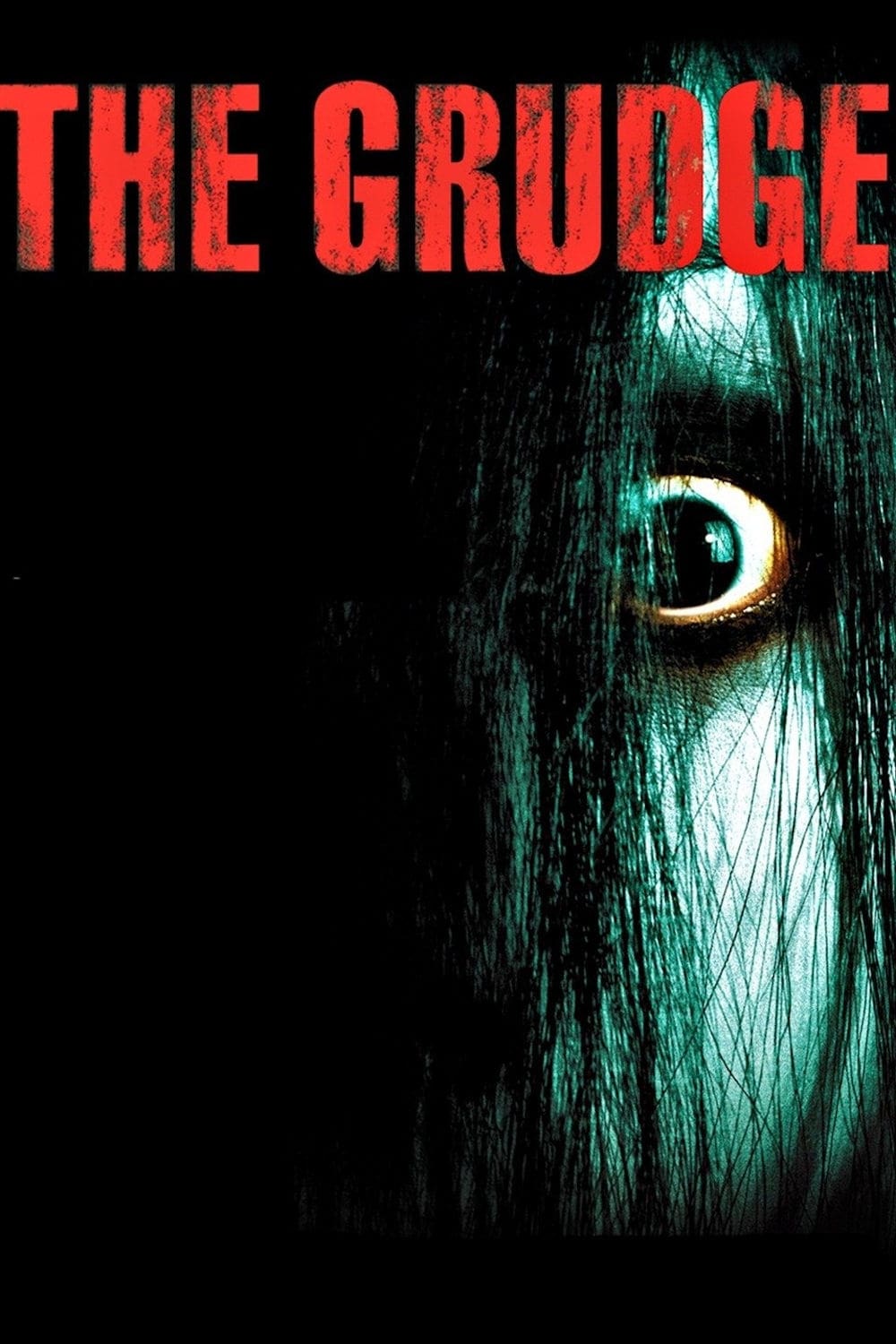
The American remake of this Japanese horror hit had to be careful with its disturbing imagery to avoid an R rating. Director Takashi Shimizu returned to helm the remake and had to adjust his style for Western rating standards. Many of the supernatural encounters were edited to rely on atmosphere and sound rather than explicit visuals. This approach was successful in creating a tense experience that appealed to a wide range of horror fans. The theatrical version helped establish the franchise as a major player in the horror genre.
‘Stay Alive’ (2006)

This horror film centered around a deadly video game and was originally intended to be much more graphic. To secure a PG-13 rating the filmmakers had to edit the death scenes to occur mostly off screen or through digital distortions. This decision was made to ensure the film could be marketed to the teenage gamers who were the target audience. The result was a film that relied heavily on jump scares and its unique premise. The theatrical cut focuses on the tension of the game coming to life.
‘Prom Night’ (2008)
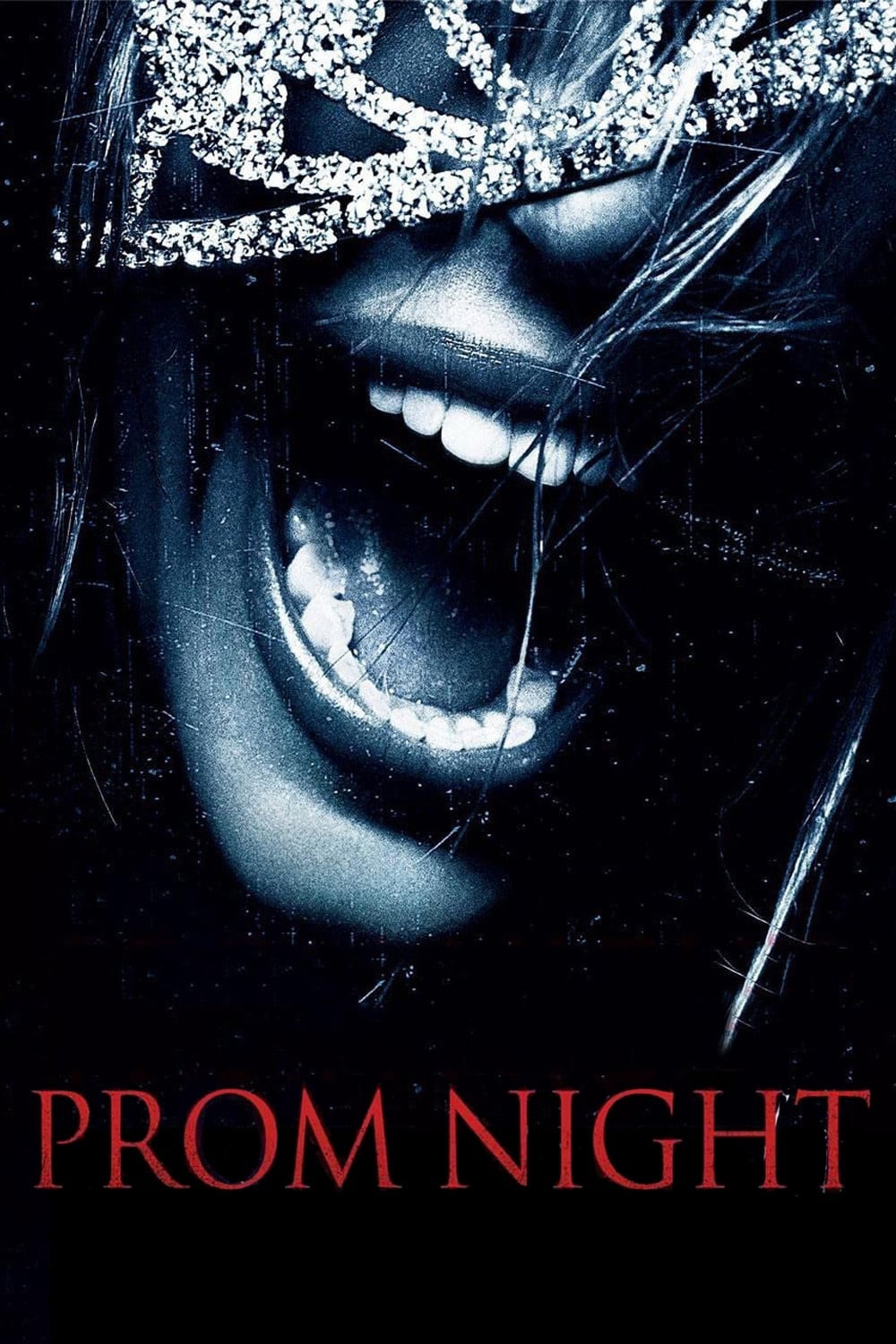
The remake of this slasher classic was specifically designed for a PG-13 rating from the beginning. To achieve this the filmmakers had to avoid the excessive gore and nudity common in the original version. The kills are depicted with quick cuts and minimal blood to meet the standards of the ratings board. This allowed the movie to be a commercial success during its opening weekend by attracting a young female audience. The final edit is a modernized and sanitized version of the slasher genre.
‘Licence to Kill’ (1989)
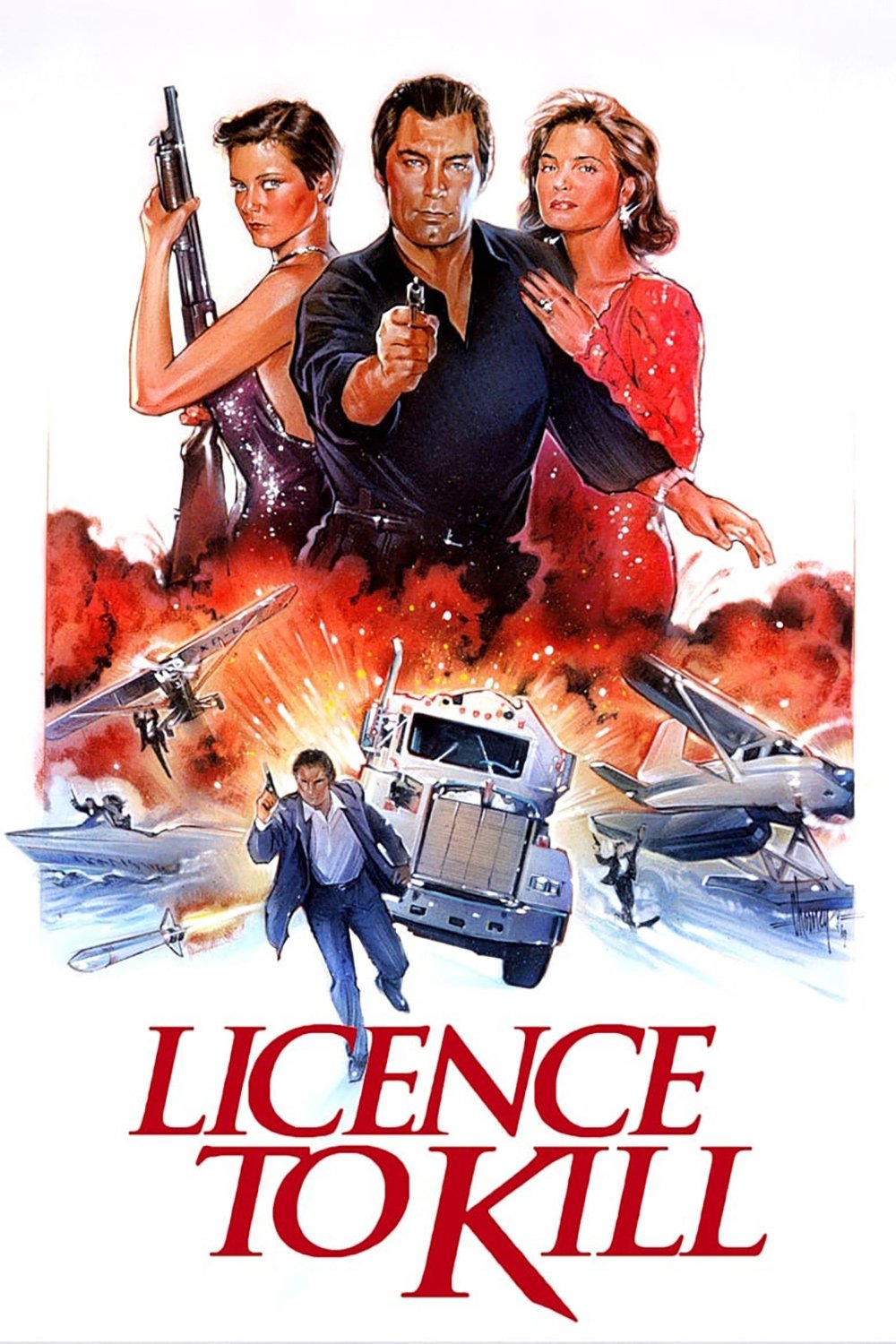
This James Bond entry was noted for its increased level of violence and dark tone compared to previous films. Several scenes including a gruesome character death were edited to keep the rating at PG-13 in the United States. Producers wanted to push the boundaries of the franchise while still allowing younger fans to attend screenings. It remains one of the most brutal installments in the series despite the small cuts made for the ratings board. The theatrical version relies on tension and stunt work rather than explicit imagery.
‘GoldenEye’ (1995)
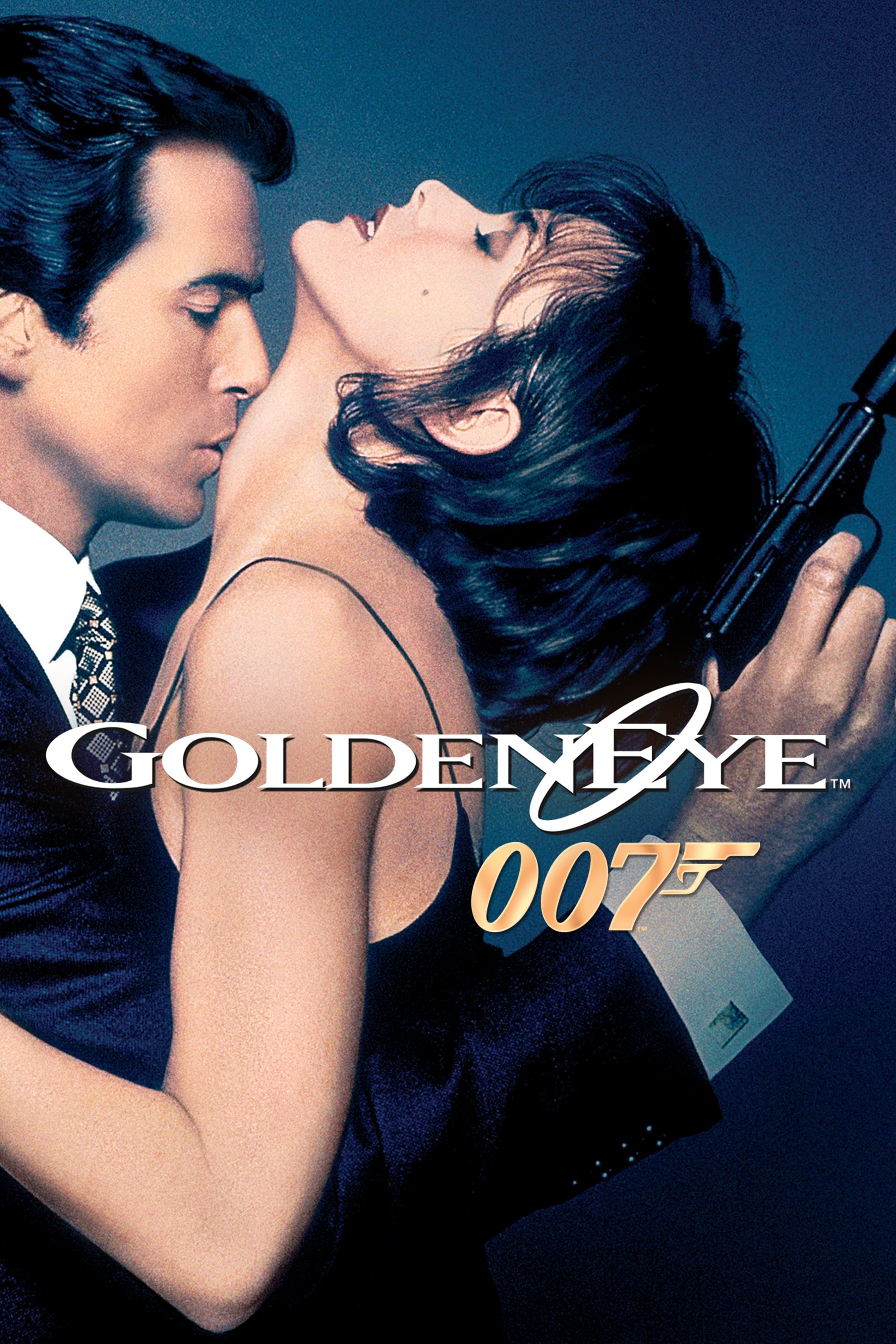
Pierce Brosnan made his debut as James Bond in a film that required several edits to avoid a restrictive rating. Certain shots during the opening sequence and the final battle were trimmed to reduce the visibility of blood and the intensity of the violence. The filmmakers wanted to revitalize the character for a new generation while staying within the PG-13 limits. These adjustments helped the film become a global hit and restarted the franchise after a long hiatus. The theatrical cut balances classic Bond tropes with modern action sensibilities.
‘Batman v Superman: Dawn of Justice’ (2016)
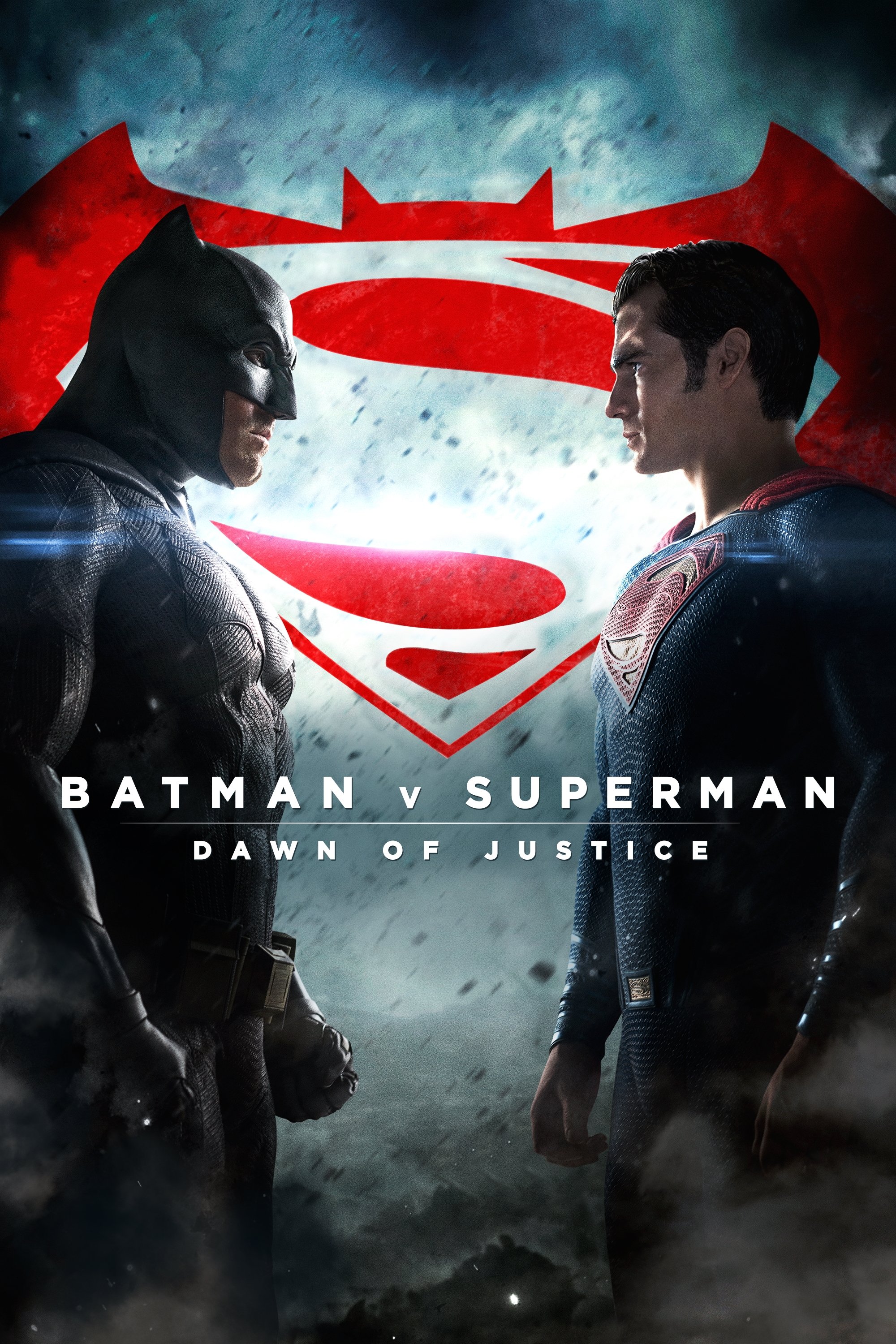
The theatrical version of this superhero epic was trimmed to reach a PG-13 rating and a shorter runtime. Several action sequences and moments of character development were removed or shortened during the final edit. These changes led to some criticism regarding the pacing and clarity of the story. An R-rated ultimate edition was later released on home media that restored thirty minutes of footage and increased the intensity of the violence. The theatrical cut focuses on the core conflict between the two iconic heroes.
‘Suicide Squad’ (2016)
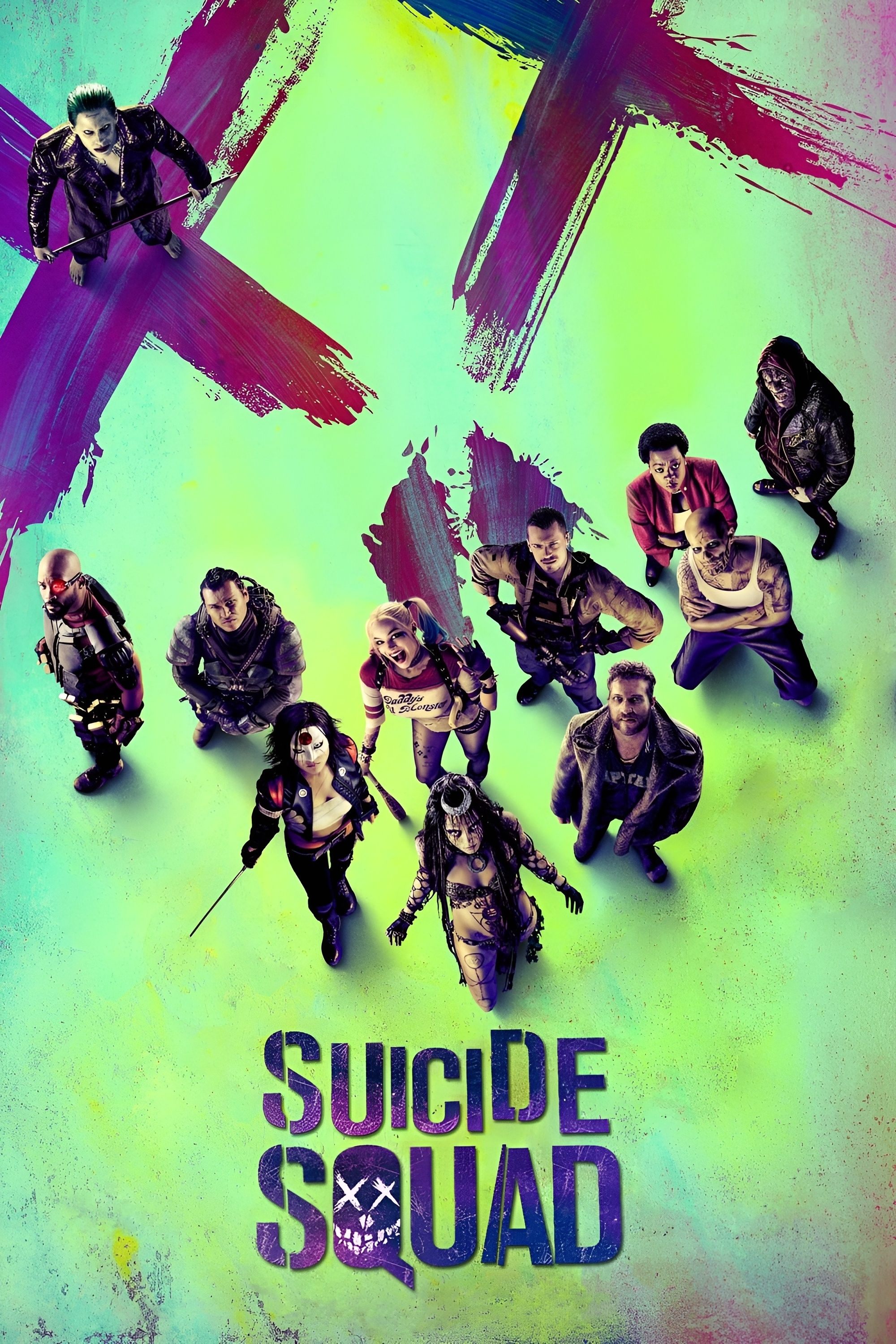
This DC film underwent significant changes during post production to alter the tone and ensure a PG-13 rating. Many of the darker and more violent scenes involving the Joker were trimmed or removed entirely. The studio wanted to create a more lighthearted and energetic film similar to other successful superhero team ups. This led to a final edit that was heavily influenced by the style of the movie trailers. The theatrical version emphasizes the humor and the music over the darker aspects of the source material.
‘Morbius’ (2022)
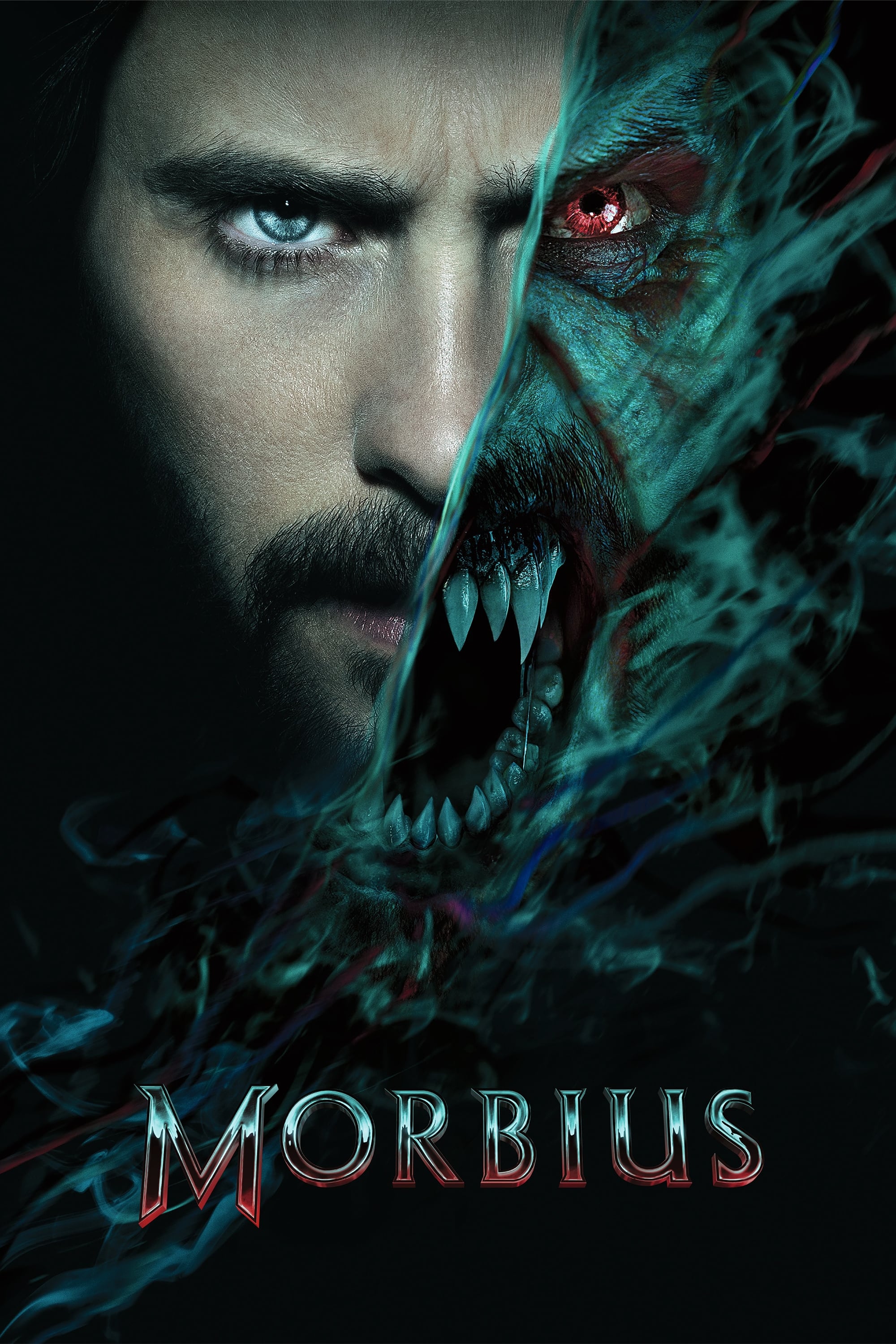
The production of this Marvel spin off involved several edits to keep the vampire horror within PG-13 boundaries. Filmmakers had to carefully manage the depictions of blood and the transformations of the main character. Several sequences were adjusted to focus on the action and the visual effects rather than the horror elements. This decision was made to ensure the film fit into the larger cinematic universe being developed by the studio. The theatrical cut is an action oriented take on the classic monster.
‘The Batman’ (2022)
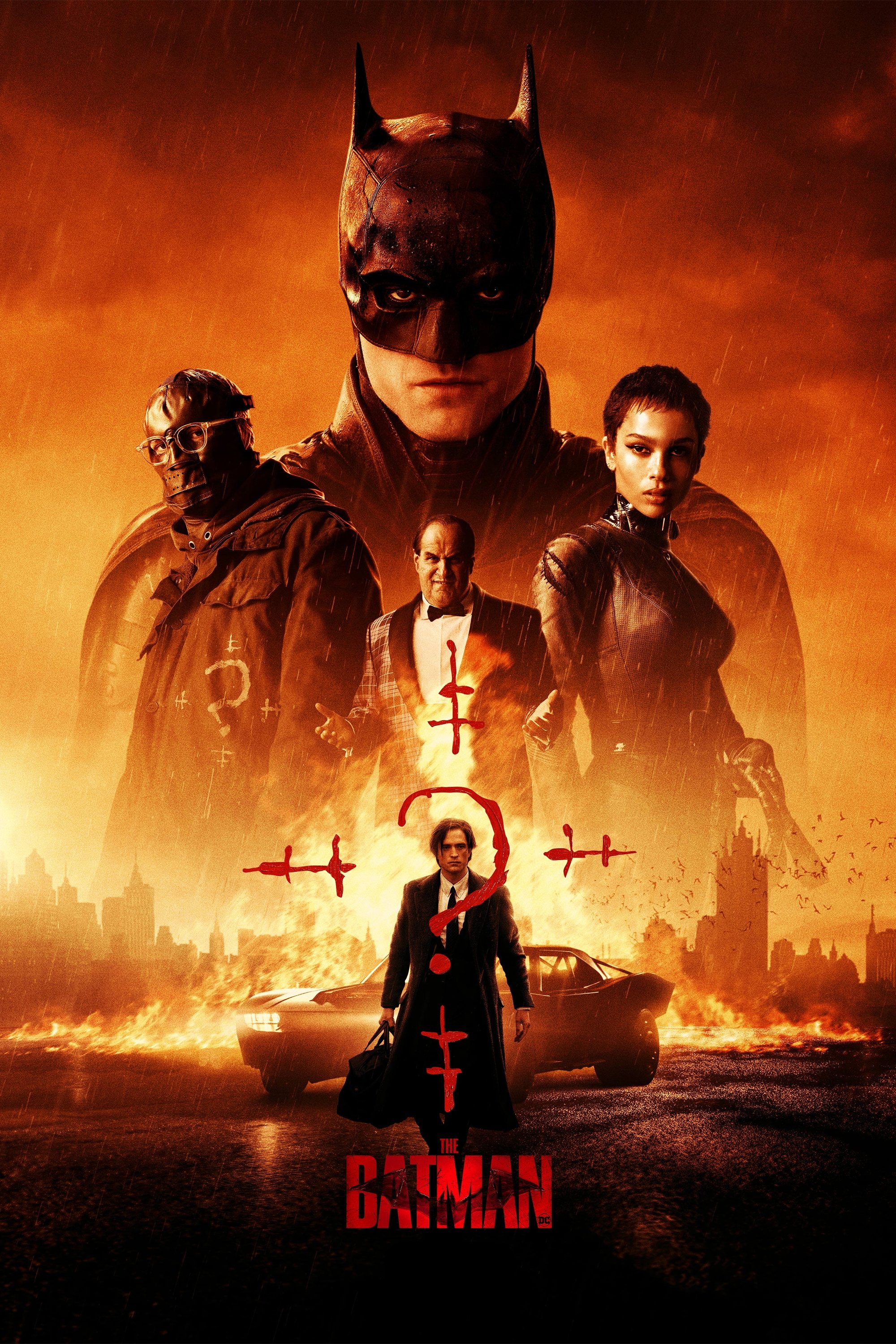
Director Matt Reeves delivered a gritty and dark take on the Caped Crusader that pushed the limits of the PG-13 rating. To avoid an R rating certain moments of violence were edited to occur in shadow or through obscured camera angles. The filmmakers focused on the psychological intensity and the detective aspects of the story rather than graphic content. This allowed the film to maintain a mature tone while remaining accessible to the standard superhero audience. The final theatrical version is praised for its atmospheric world building and cinematography.
‘Underworld: Blood Wars’ (2016)
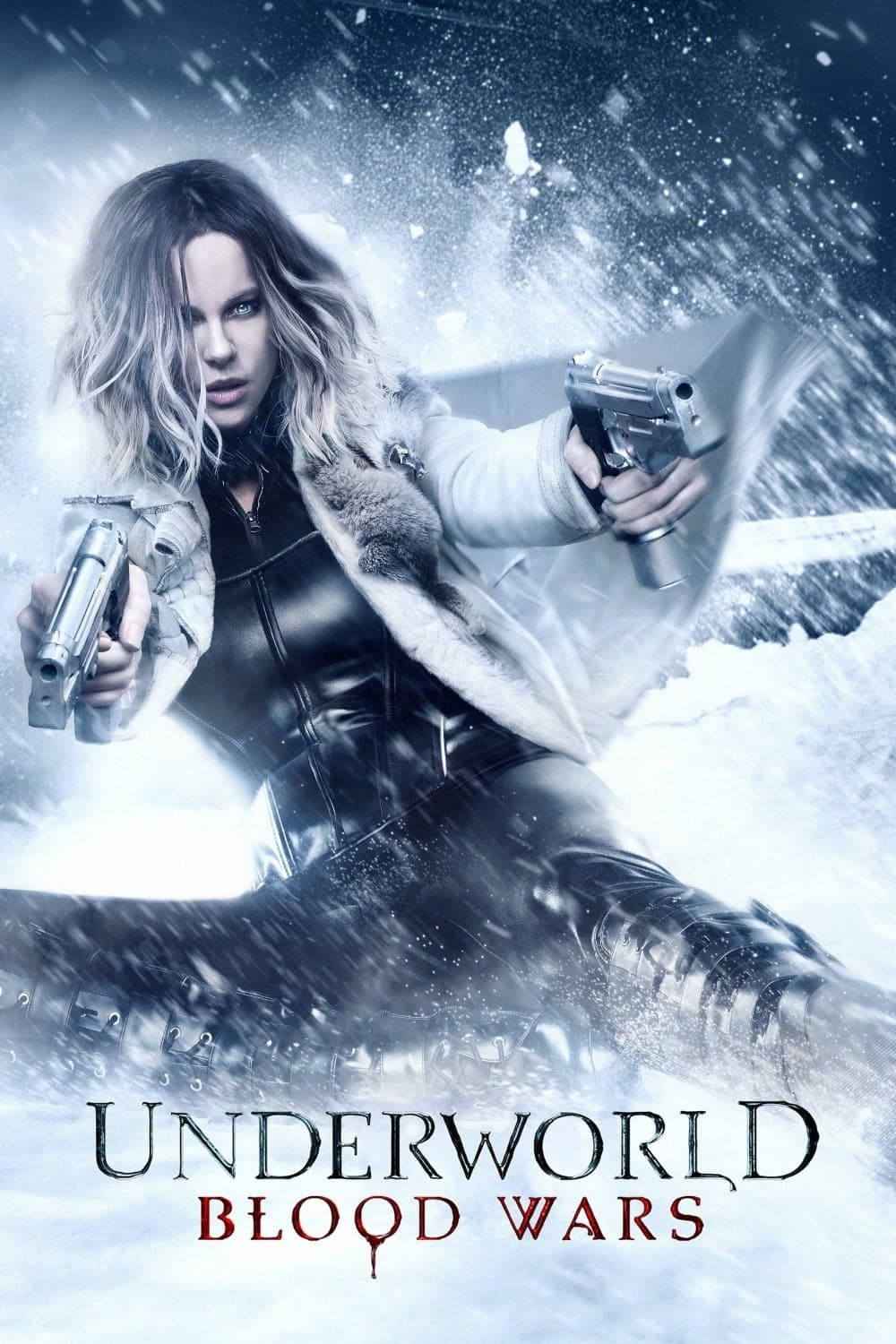
This fifth entry in the action horror franchise was edited to maintain the consistent PG-13 rating of the previous films. Several combat scenes between vampires and lycans were trimmed to reduce the amount of visible blood. The filmmakers used fast cuts and stylized lighting to keep the action intense without crossing into R-rated territory. This allowed the film to reach its dedicated fan base while meeting studio requirements. The theatrical edit focuses on the ongoing war and the evolution of the main character.
Share your thoughts on these edited films in the comments.