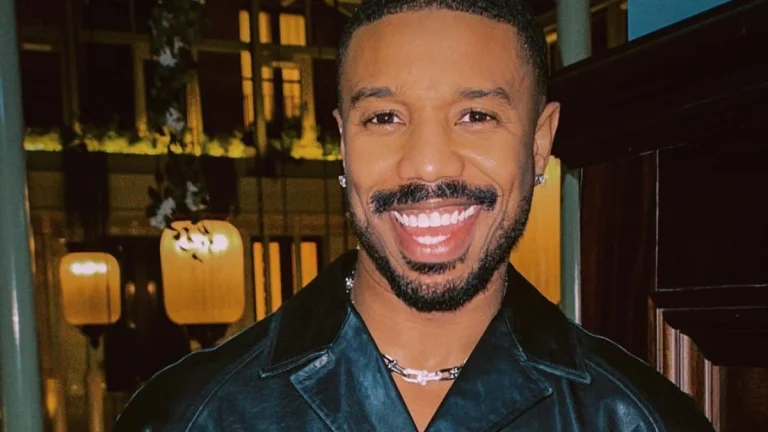
Celebs Who Are Banned From Entering Japan

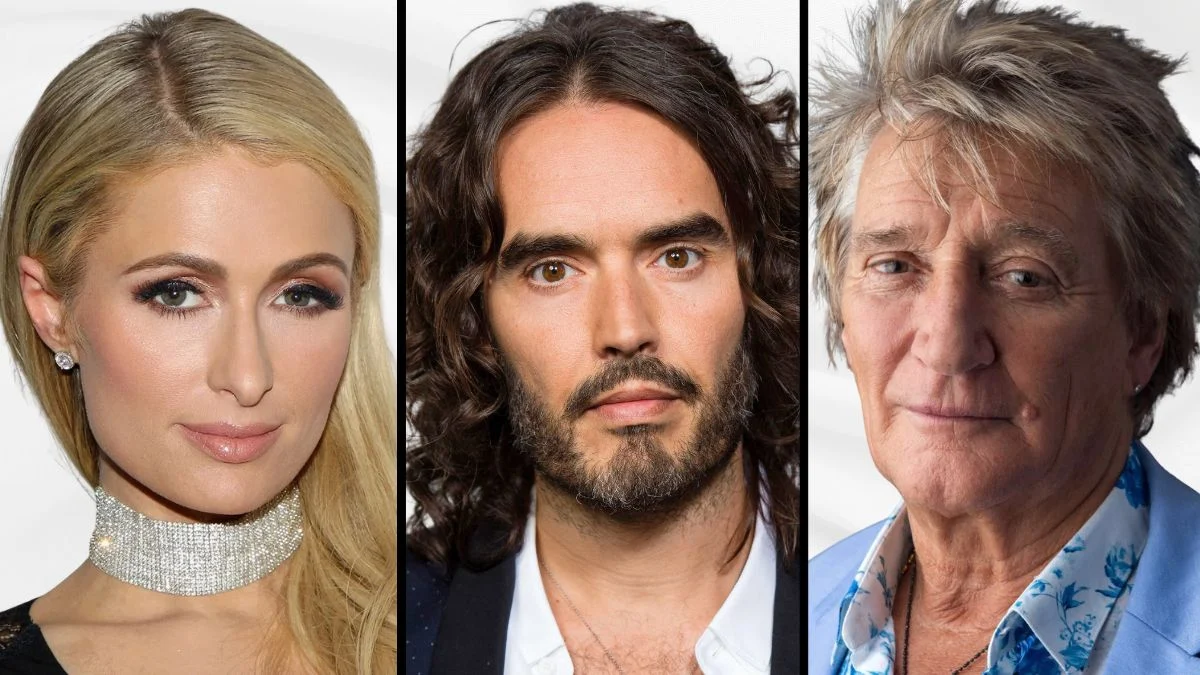

Japan maintains some of the strictest immigration laws in the world particularly concerning individuals with a history of drug offenses or major criminal convictions. The country does not distinguish between minor recreational use and more serious charges which often leads to famous international figures being turned away at the border. Immigration officials have the authority to deny entry to anyone who has spent a significant amount of time in prison or has a documented legal history that violates local standards. Many celebrities have discovered this the hard way after arriving for tours or promotional events only to be detained at the airport. This list explores the various stars who have faced entry bans or significant legal hurdles when attempting to visit the island nation.
Paris Hilton

Paris Hilton was famously stopped at Tokyo Narita International Airport in 2010 during a tour to promote her fashion line. This arrival occurred just days after she pleaded guilty to a cocaine possession charge in the United States. Immigration officials detained the socialite for several hours before ultimately deciding to deny her entry into the country. She was forced to stay at an airport hotel overnight before boarding a flight back home the following morning. Japan remains firm in its policy of excluding visitors with recent drug related convictions regardless of their celebrity status.
Paul McCartney
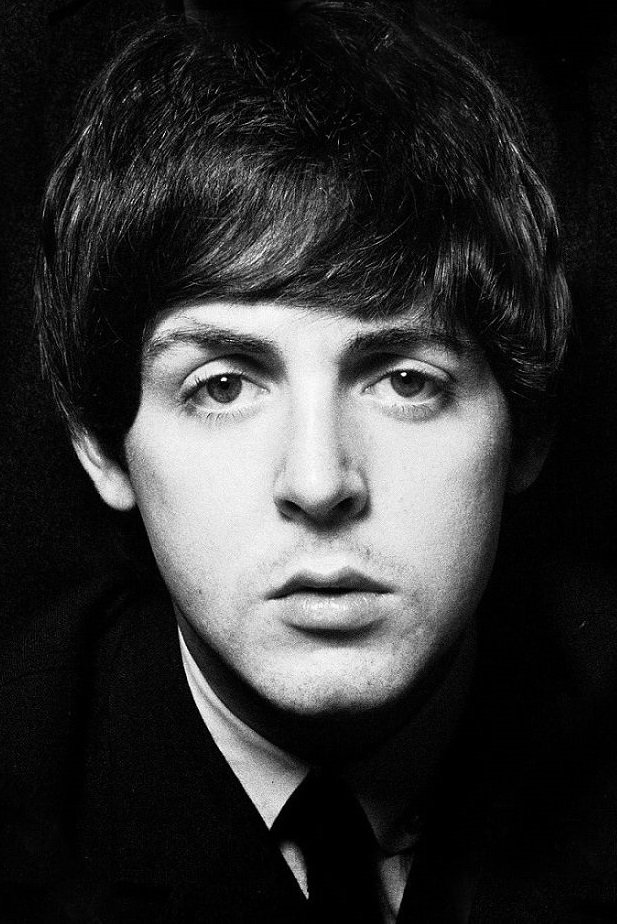
Paul McCartney faced a high profile deportation in 1980 after customs officers found marijuana in his luggage upon his arrival at the airport. The former member of The Beatles spent nine days in a Tokyo detention center while authorities decided how to handle the situation. He was eventually released and deported without the band performing any of their scheduled concerts. This incident led to a long period where he was unable to obtain a visa to enter Japan for musical performances. It remains one of the most famous examples of a celebrity being barred from the country due to narcotics laws.
Snoop Dogg
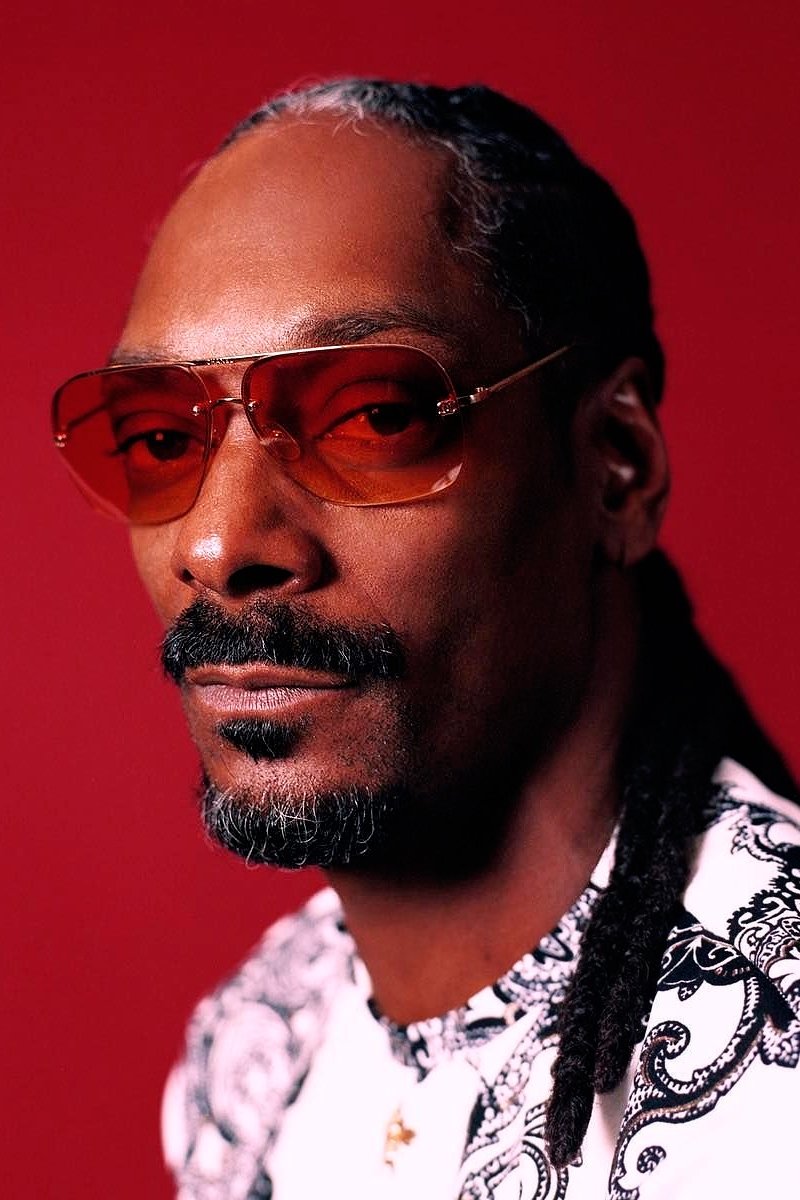
Snoop Dogg has faced ongoing difficulties with Japanese immigration due to his extensive history of drug related charges and firearm convictions. The rapper was officially banned from the country for a significant period which prevented him from performing at several major music festivals. Japanese authorities typically take a very strict stance against individuals who have been convicted of any crime involving controlled substances. While some stars eventually receive special permission Snoop Dogg has often been cited as a primary example of someone consistently denied access. His legal history continues to complicate his ability to book international tours that include stops in Tokyo or Osaka.
Russell Brand

Russell Brand was deported from Japan in 2011 while he was traveling to support his then wife Katy Perry on her concert tour. The comedian was stopped by immigration officials who cited his past criminal record and various arrests from years prior as the reason for denial. Despite the fact that his previous legal issues had occurred long before his trip the local laws allowed officials to bar his entry. Brand shared the experience with his followers on social media while being held in custody before his eventual removal. This event highlighted Japan’s commitment to vetting the backgrounds of all incoming visitors including those traveling for personal reasons.
Mike Tyson
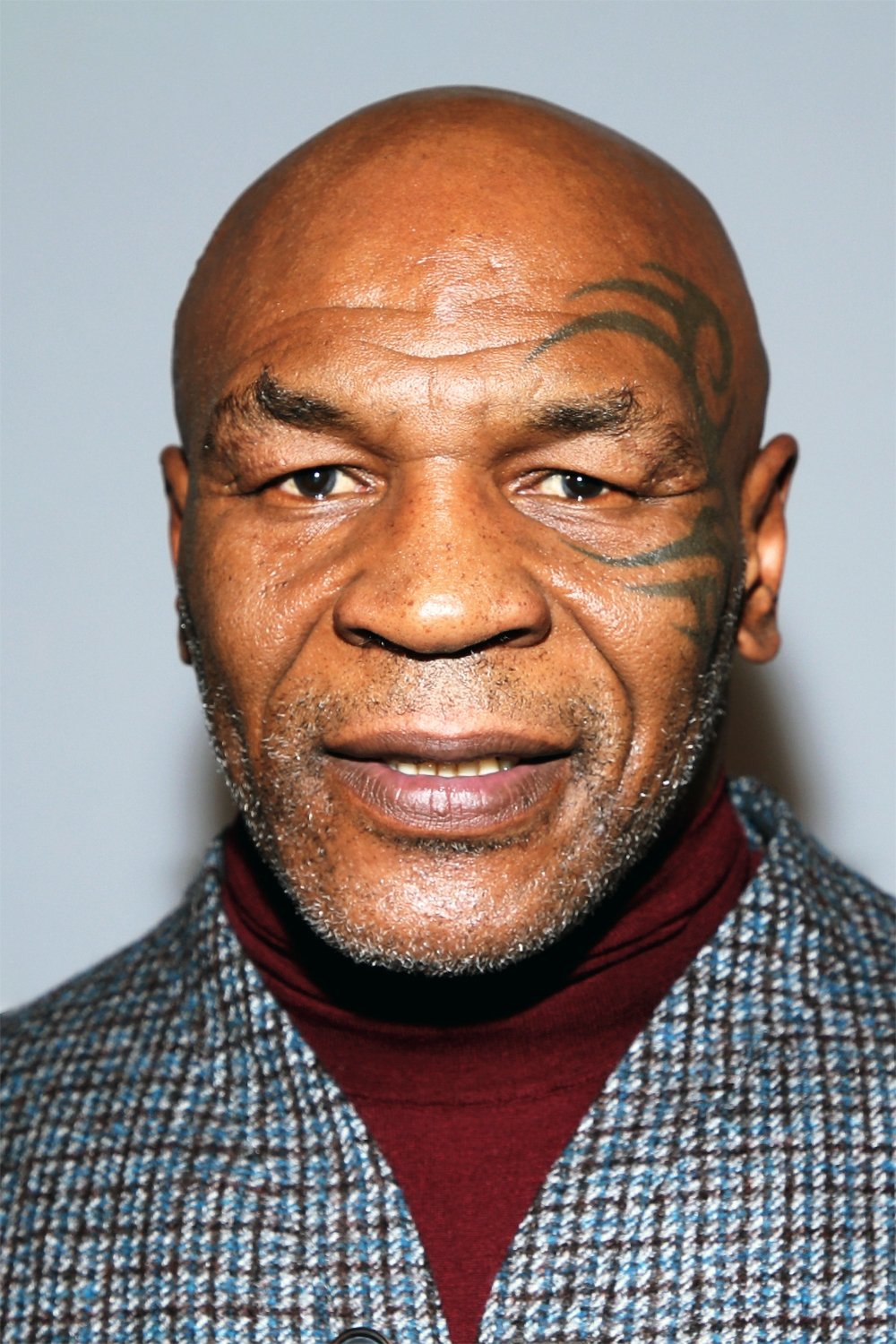
Mike Tyson has been denied entry to Japan on multiple occasions due to his conviction for a serious felony charge in the United States. The boxer was famously barred in 1990 and again in 2004 when he attempted to visit for promotional activities and matches. Japanese law states that any individual who has served a prison sentence of more than one year can be permanently excluded from entering. Although some fans campaigned for an exception the government maintained its stance to uphold its strict immigration codes. His case demonstrates that even legendary athletes are not exempt from the rigid legal standards of the nation.
Robert Downey Jr.

Robert Downey Jr. was detained for several hours by Japanese immigration officials in 2008 when he arrived to promote ‘Iron Man’. The actor had a well documented history of legal struggles and drug related arrests from the previous decade that caught the attention of the border patrol. While he was eventually allowed to enter for a very brief stay he was reportedly told that he would not be welcome back in the future. The experience was stressful for the star who had worked hard to rebuild his career after his past troubles. This encounter serves as a reminder that past mistakes can have long lasting consequences for international travel.
Mick Jagger
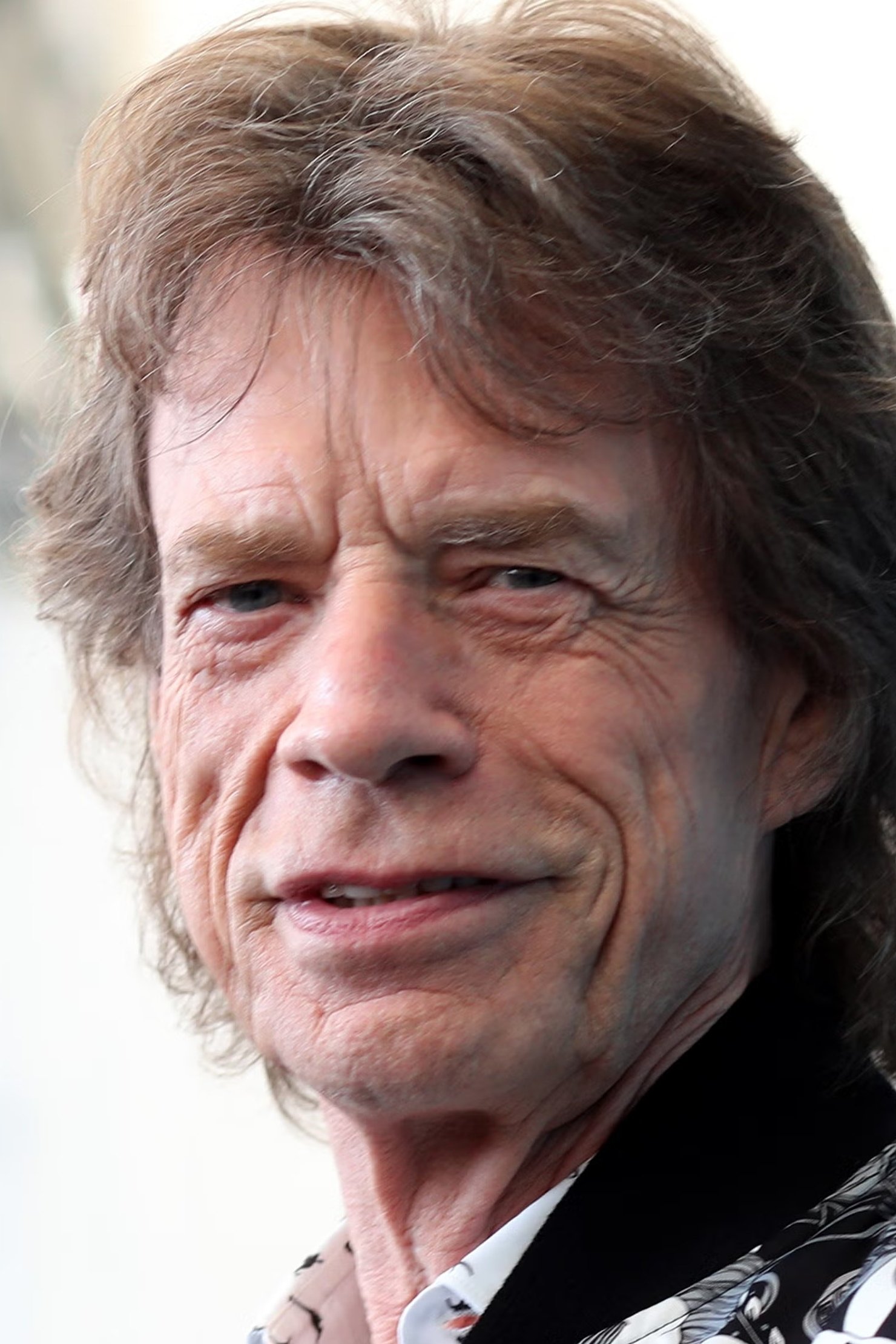
Mick Jagger was famously denied a visa to enter Japan in 1973 for a scheduled tour with The Rolling Stones. The decision was based on his prior drug convictions in the United Kingdom which conflicted with the strict narcotics laws of the host country. This forced the band to cancel their entire run of shows which disappointed thousands of local fans. It took several years of diplomatic discussions and legal reviews before the rock star was finally permitted to return. The situation showed how even the most famous musicians in the world must comply with regional legal requirements.
Keith Richards
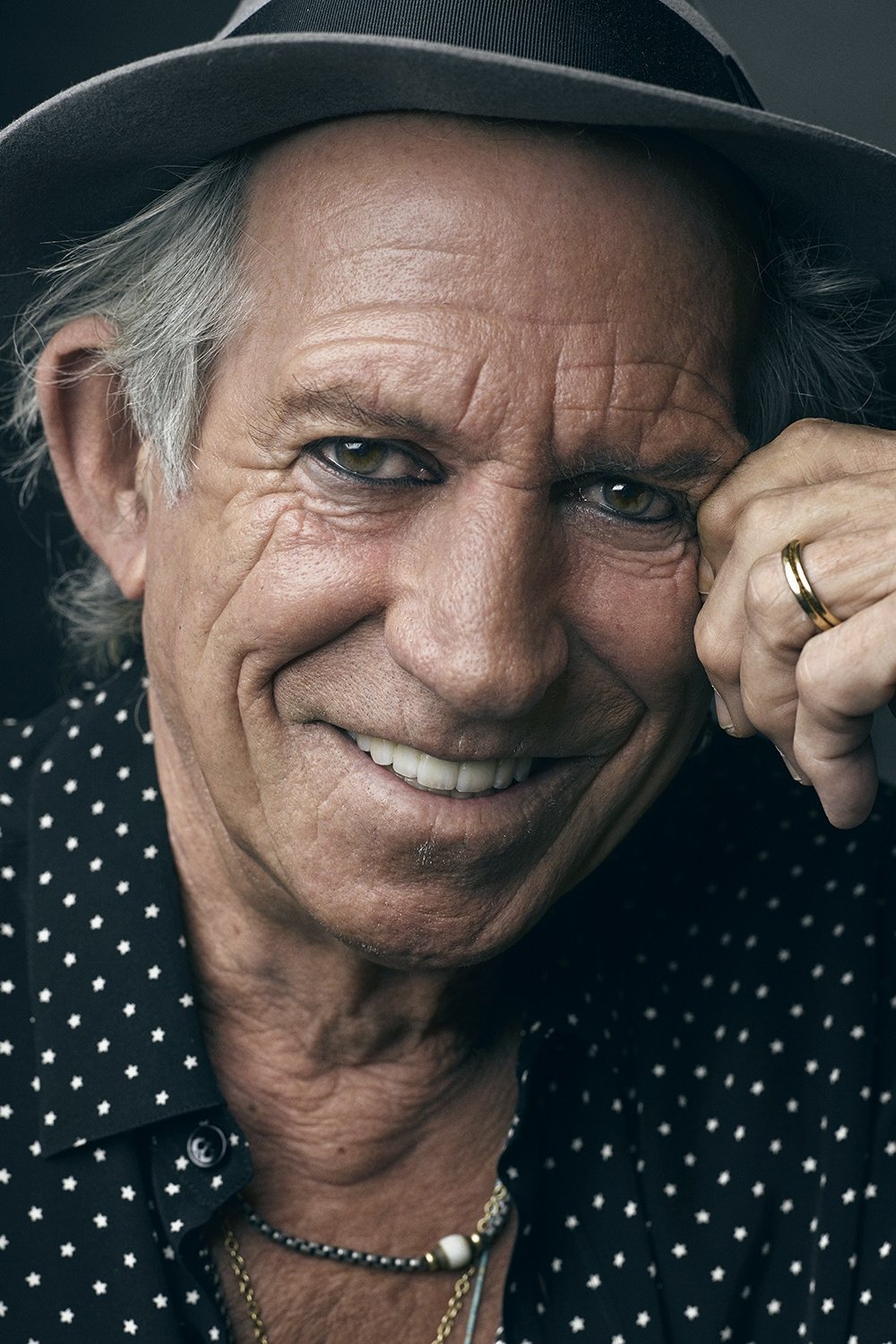
Keith Richards faced similar immigration hurdles as his bandmate due to his numerous arrests for drug possession throughout the 1960s and 1970s. For many years the guitarist was considered persona non grata by Japanese authorities who refused to grant him a travel visa. The band often had to bypass Japan on their Asian tours because Richards was unable to secure the necessary legal clearance. Eventually he was granted entry under strict conditions after demonstrating a period of clean behavior. His history with the Japanese border remains a classic example of the country’s zero tolerance policy toward drug culture.
Boy George

Boy George was denied a visa to perform in Japan in 2005 due to his legal issues involving drug possession and other criminal charges. The singer had been scheduled for a series of club appearances and DJ sets that had to be canceled at the last minute. Japanese immigration officials reviewed his criminal record and determined that he did not meet the criteria for entry. The artist expressed his frustration publicly but the government did not reverse the decision. This incident confirmed that the nation continues to apply its rules consistently to performers from all genres.
Amy Winehouse

Amy Winehouse was famously denied a visa to enter Japan for a planned performance at the Summer Sonic festival in 2008. Her well publicized struggles with substance abuse and her various legal issues made her a target for strict immigration scrutiny. Authorities cited her drug related arrests as the primary reason for refusing her request to work in the country. This denial was part of a pattern of travel difficulties the singer faced around the world during the height of her fame. Her absence from the festival was a major blow to her Japanese fanbase.
Lil Wayne

Lil Wayne was turned away by Japanese immigration officials in 2010 shortly after he arrived at the airport for a scheduled appearance. The rapper had recently served time in prison for a weapons charge and had a history of drug related incidents. Officials decided that his criminal background was sufficient grounds to deny him entry into the country. He was sent back to the United States almost immediately after his arrival. This event occurred during a period of increased scrutiny for international hip hop artists traveling to Asia.
Pete Doherty
Pete Doherty was deported from Japan in 2010 after he arrived at Narita International Airport for a concert with his band. The musician had a long history of drug convictions in the United Kingdom which alerted the local immigration authorities. After being held in a detention cell for several hours he was told that he would not be allowed to enter for his performance. The singer was forced to fly back to London while his bandmates were left to deal with the fallout of the cancellation. His case is often cited as a warning to other artists with similar legal backgrounds.
Chris Brown

Chris Brown faced a visa denial from the Japanese government in 2016 which forced him to cancel scheduled concert dates. The decision was reportedly linked to his prior criminal history and ongoing legal issues in the United States. Japan often refuses entry to individuals with convictions for violent crimes or significant drug offenses. Despite his international popularity the singer was unable to overcome the hurdles set by the immigration bureau. This incident added to the list of countries that have restricted his travel due to his past behavior.
50 Cent
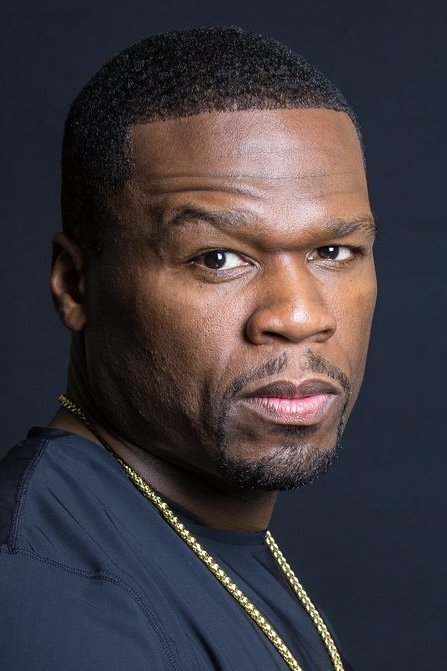
50 Cent has encountered difficulties with Japanese immigration due to his past criminal record and history of legal complications. The rapper has spoken about the challenges of securing visas for tours in countries with strict entry requirements like Japan. Officials often look closely at any individual who has a documented history of felony charges or time spent in a correctional facility. While he has been able to visit under specific circumstances the process is often lengthy and requires extensive legal preparation. His experiences reflect the complex nature of international travel for artists with troubled pasts.
Jay-Z

Jay-Z faced significant challenges when attempting to enter Japan early in his career due to a prior legal incident involving a physical altercation. The country has the right to deny entry to anyone who has been convicted of a crime that resulted in a significant sentence. The rapper had to navigate a complex visa application process to prove that he was no longer a risk to public order. This scrutiny is common for high profile figures who have had run ins with the law in their home countries. He eventually secured the necessary permissions to perform for his Japanese fans.
Diego Maradona

Diego Maradona was famously banned from entering Japan in 1994 for the World Cup due to his history of drug use and a positive test for banned substances. The legendary soccer player also faced issues in 2002 when he was initially denied a visa for the tournament held in Japan and South Korea. Japanese officials were concerned about his past cocaine use and the legal troubles associated with it. After intense diplomatic pressure and a special request from the Argentine government he was eventually granted a short term visa. His situation remains one of the most famous examples of a sports icon clashing with Japanese immigration.
Joe Cocker
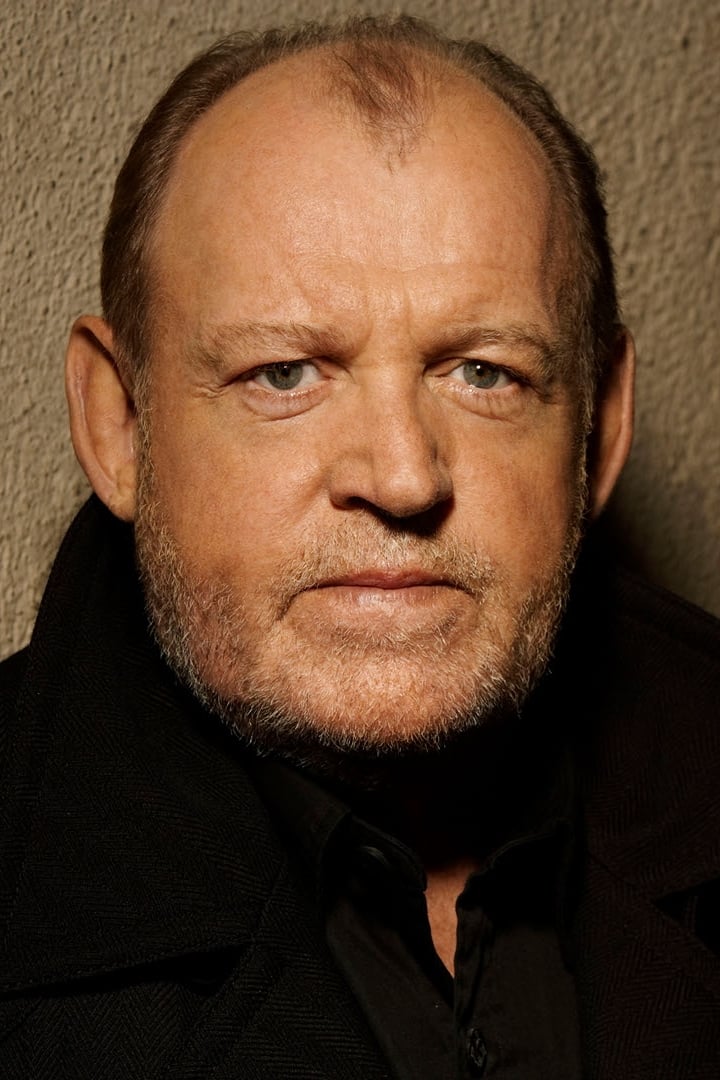
Joe Cocker was arrested and deported from Japan in 1972 after a series of incidents involving drug possession. The singer and several members of his touring group were taken into custody by local police during their stay. This resulted in a long term ban that prevented him from returning to the country for many years. The event was a major scandal at the time and reinforced the image of Japan as a nation that does not tolerate drug use among visiting celebrities. It took decades before the singer was allowed to perform in the country again.
Rod Stewart
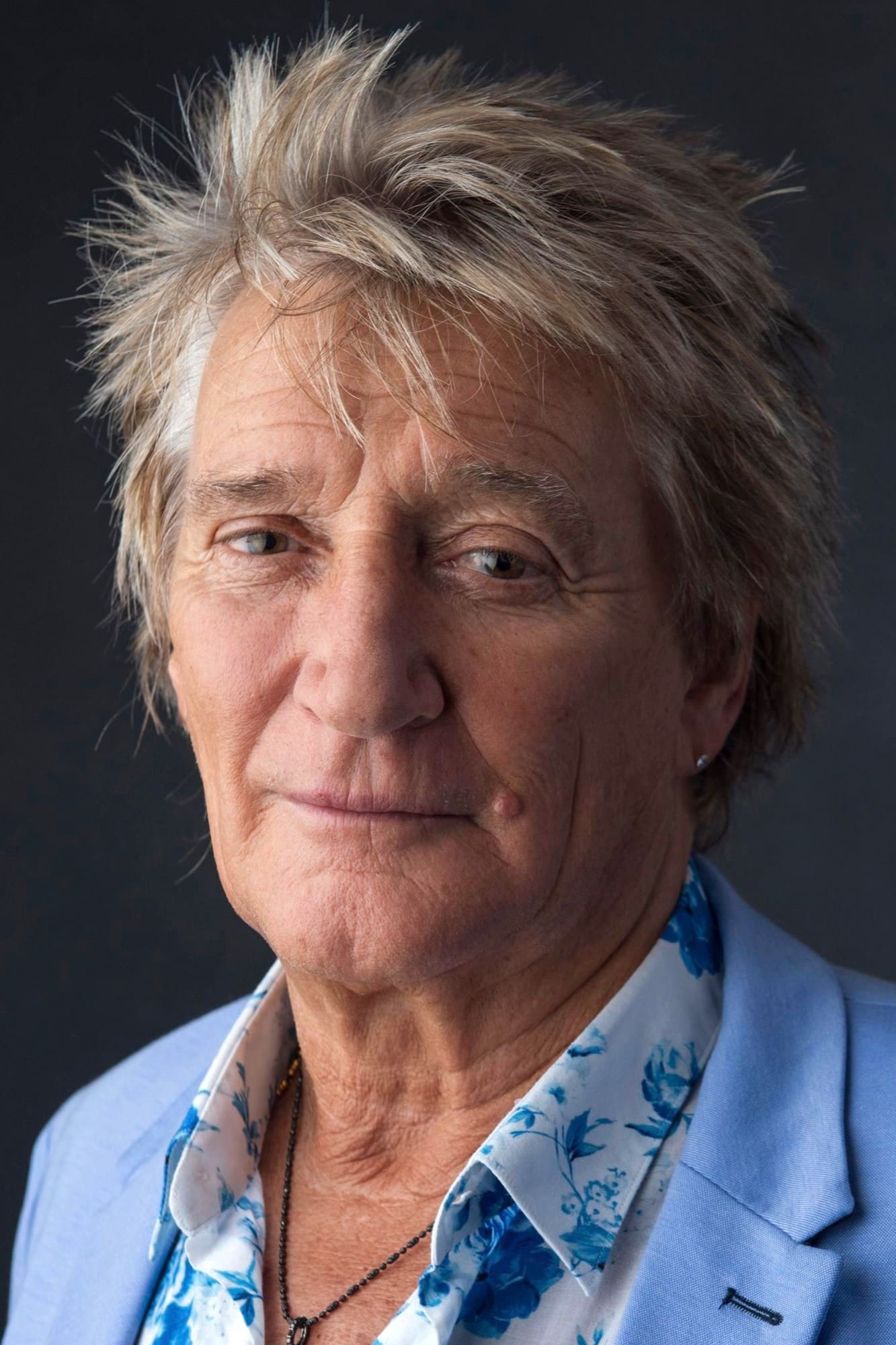
Rod Stewart faced entry issues in the 1970s due to the strict moral and legal codes enforced by the Japanese government. During that era officials were particularly sensitive to the lifestyle and legal records of rock musicians from the West. The singer had to deal with intense questioning and potential bans based on his public image and past associations. While he eventually managed to tour successfully the initial hurdles were a significant part of his international career. This period marked a time of cultural friction between the Japanese establishment and the rising rock and roll scene.
George Harrison
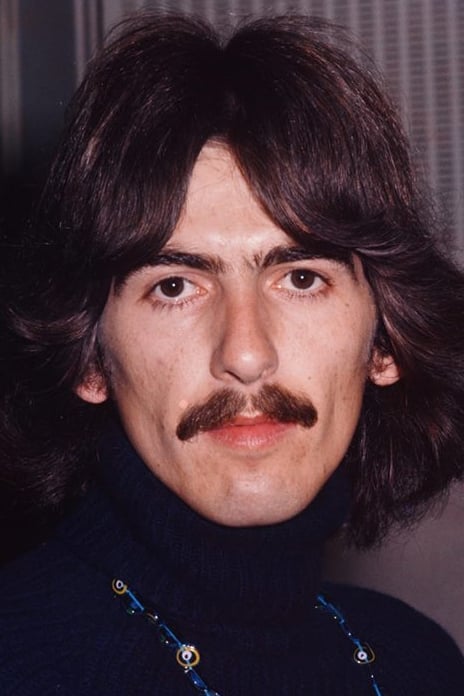
George Harrison was denied entry to Japan for a significant period due to a drug conviction from the late 1960s. Like his other bandmates in The Beatles he found that his past legal issues made it nearly impossible to secure a travel visa. This restriction lasted for many years and prevented him from engaging in solo performances or personal visits to the country. He was finally able to return in 1991 for a highly successful tour with Eric Clapton. His long absence was a direct result of the nation’s uncompromising stance on narcotics offenses.
Bruno Mars
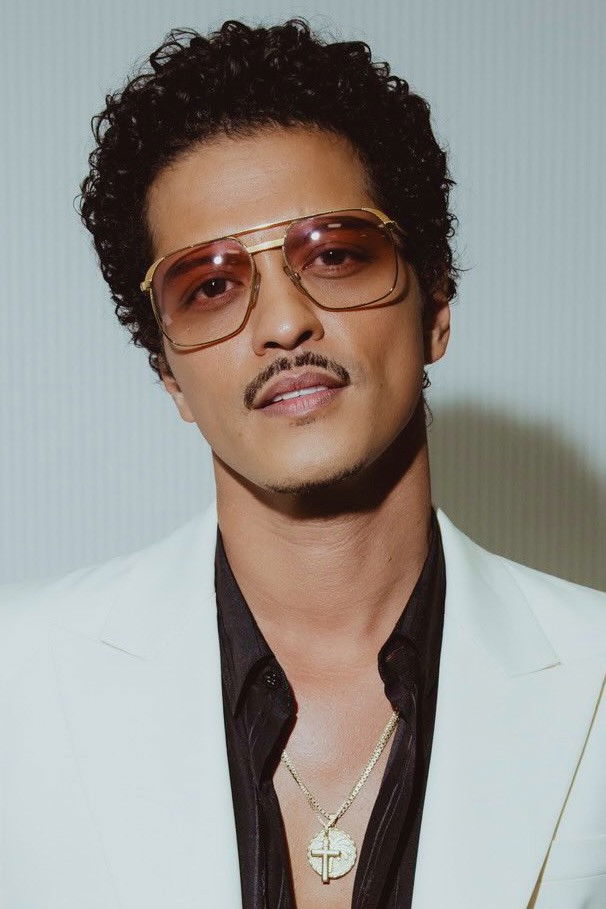
Bruno Mars faced potential travel restrictions to Japan following a drug related arrest in 2010 shortly before his career reached global heights. The singer was reportedly questioned by immigration officials during subsequent trips to ensure he complied with local regulations. Because Japanese law is very specific about visitors with narcotics records even a single incident can lead to a permanent ban. The star had to provide documentation and assurances to maintain his ability to perform in the country. He has since been able to visit but the incident remains a point of concern for his legal team.
Bobby Brown

Bobby Brown has been restricted from entering Japan on multiple occasions due to his well publicized history of drug charges and other legal troubles. The R and B singer found that his various convictions in the United States made him ineligible for a standard visitor visa. Japanese authorities are known to be especially vigilant when it comes to performers with a history of substance abuse. This has often resulted in the cancellation of planned appearances or tours that were supposed to include Japan. His legal record continues to serve as a barrier to his professional activities in the region.
Wiz Khalifa
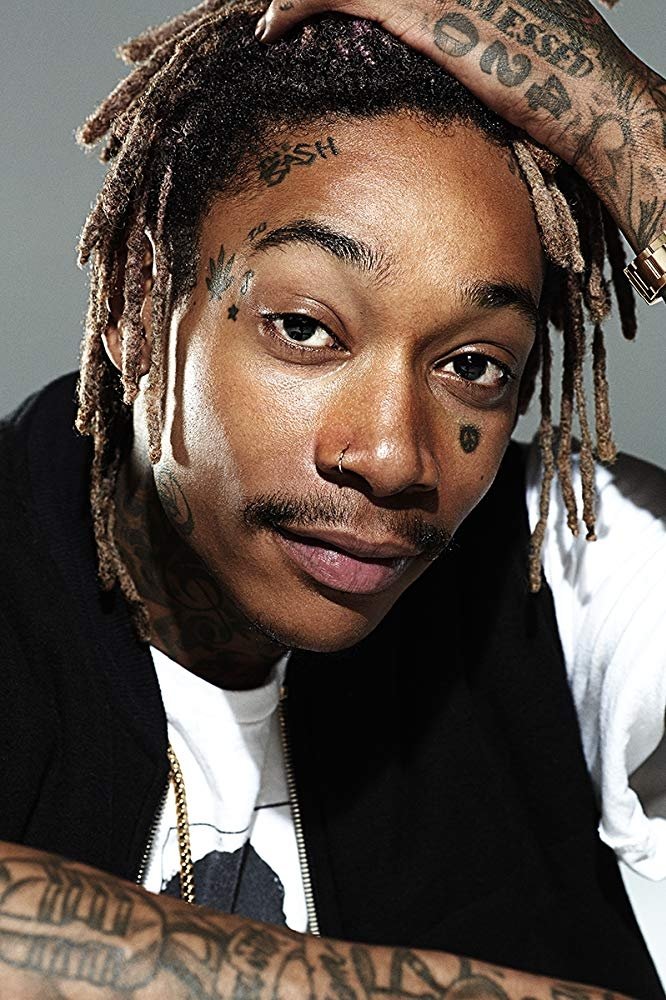
Wiz Khalifa is another hip hop artist who has faced scrutiny from Japanese border officials due to his open association with marijuana culture. The rapper has several drug related charges on his record which is an automatic red flag for the Japanese immigration bureau. Many of his peers have been turned away for similar reasons leading to a trend of rappers being excluded from major Asian tours. While he has a significant following in the country the legal hurdles often make it difficult for promoters to secure his entry. This highlights the ongoing cultural clash between the global rap scene and local laws.
Naomi Campbell

Naomi Campbell faced entry issues in Japan following her legal convictions for assault in the mid 2000s. The supermodel was reportedly warned that her criminal record could lead to a denial of entry if she did not follow specific visa protocols. Japan has the right to bar any individual who has been convicted of a crime involving violence or physical harm. This led to increased scrutiny whenever she traveled to Tokyo for fashion events or high profile parties. Her situation shows that it is not only drug offenses that can trigger an immigration ban.
Tommy Lee
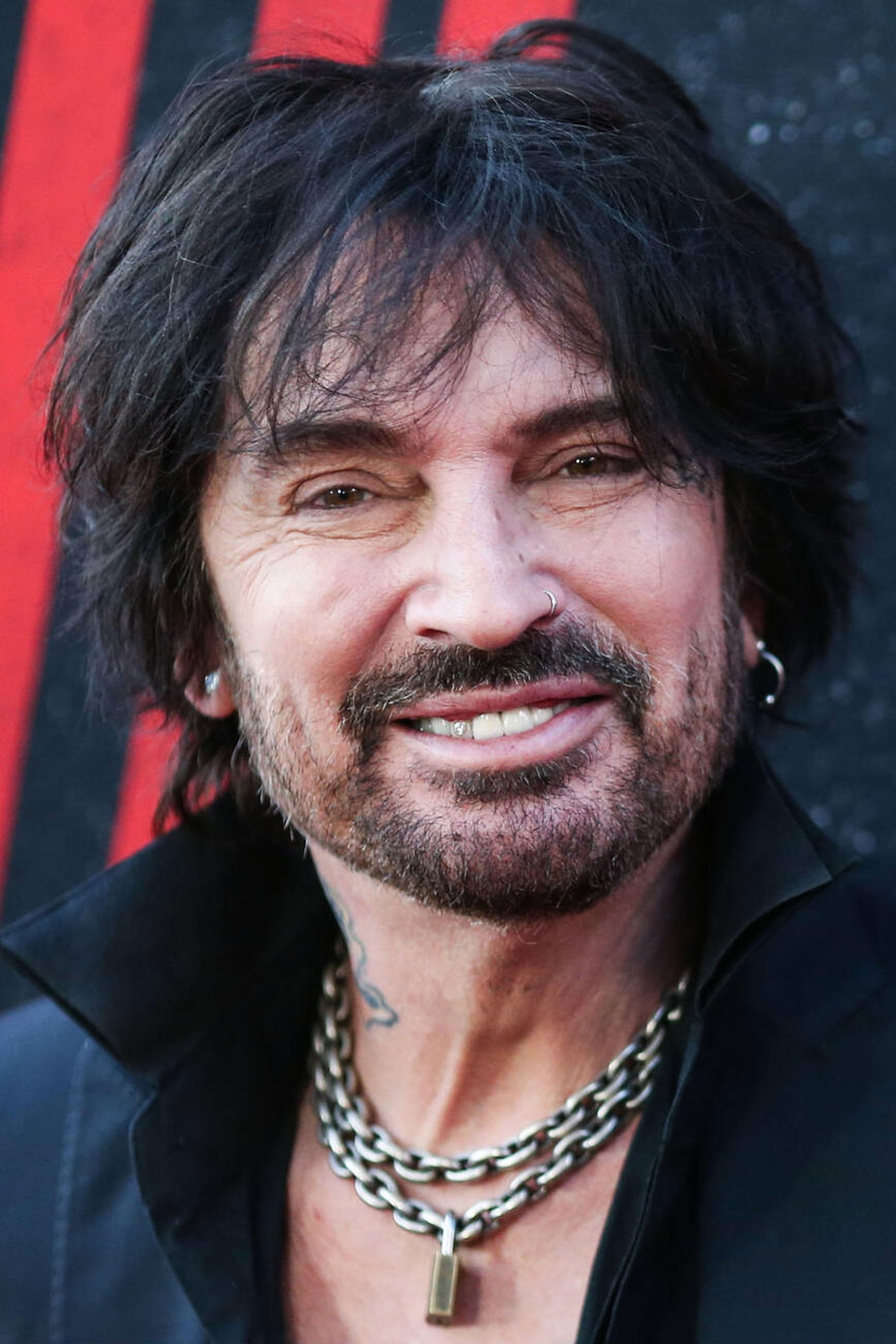
Tommy Lee has faced challenges entering Japan due to his history of legal troubles and various arrests throughout his career with Mötley Crüe. The drummer has been detained and questioned about his past conduct during several attempts to visit the country for tours. Japanese officials often look back decades into a person’s criminal history when deciding whether to grant a visa. The rock star has had to navigate these strict requirements to ensure his band could perform for their Japanese audience. His experiences are common among the heavy metal community who frequently tour internationally.
Vince Neil
Vince Neil has also encountered resistance from Japanese immigration due to his past criminal record including serious driving offenses and other legal issues. The singer of Mötley Crüe has had to deal with the same strict vetting process as his bandmates to gain entry. Any conviction that involves a significant sentence or a threat to public safety can lead to a refusal of a travel visa. This has led to complicated legal filings and delays for the band when planning their Asian concert dates. The persistence of the Japanese government in checking these records is well known among touring managers.
Slash
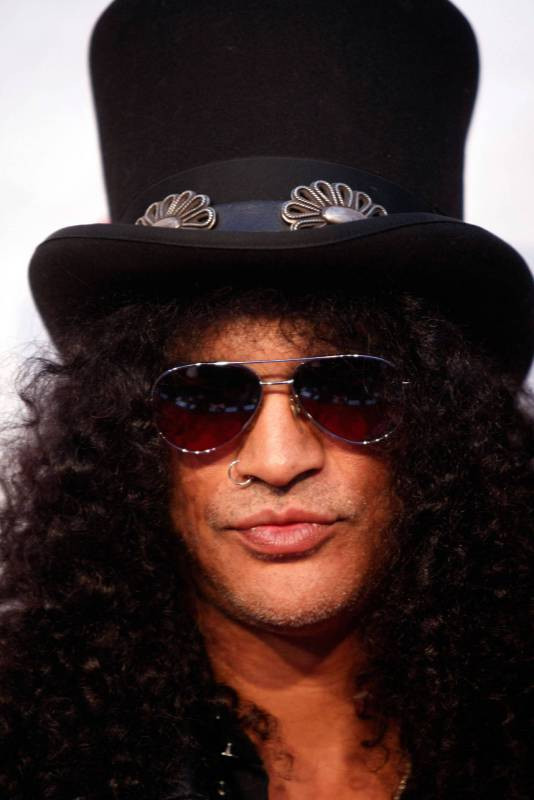
Slash has had to address his history of drug related issues when applying for visas to perform in Japan over the years. The legendary guitarist was part of Guns N’ Roses during a time when several members faced legal hurdles that threatened their ability to tour Asia. Japanese authorities often require detailed information about an artist’s past before allowing them to enter for professional work. While he has been able to visit in recent years the process was much more difficult during the peak of his early career. His success in gaining entry today is often due to a long period of documented sobriety and legal compliance.
Steven Tyler
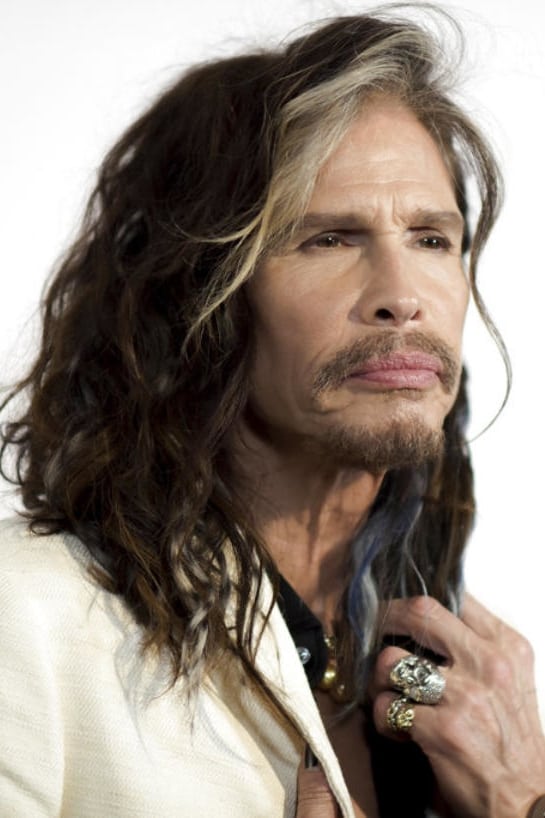
Steven Tyler and the members of Aerosmith have faced intense scrutiny from Japanese officials due to their legendary history of rock and roll excess. In the past the singer had to deal with potential bans because of the band’s reputation and prior legal encounters. Japan’s immigration policy is designed to keep out individuals who are seen as promoting or participating in illegal drug culture. The band had to prove they were compliant with all local laws to secure the necessary permissions for their frequent tours. Today they are celebrated in the country but the path to entry was once very uncertain.
Anthony Kiedis
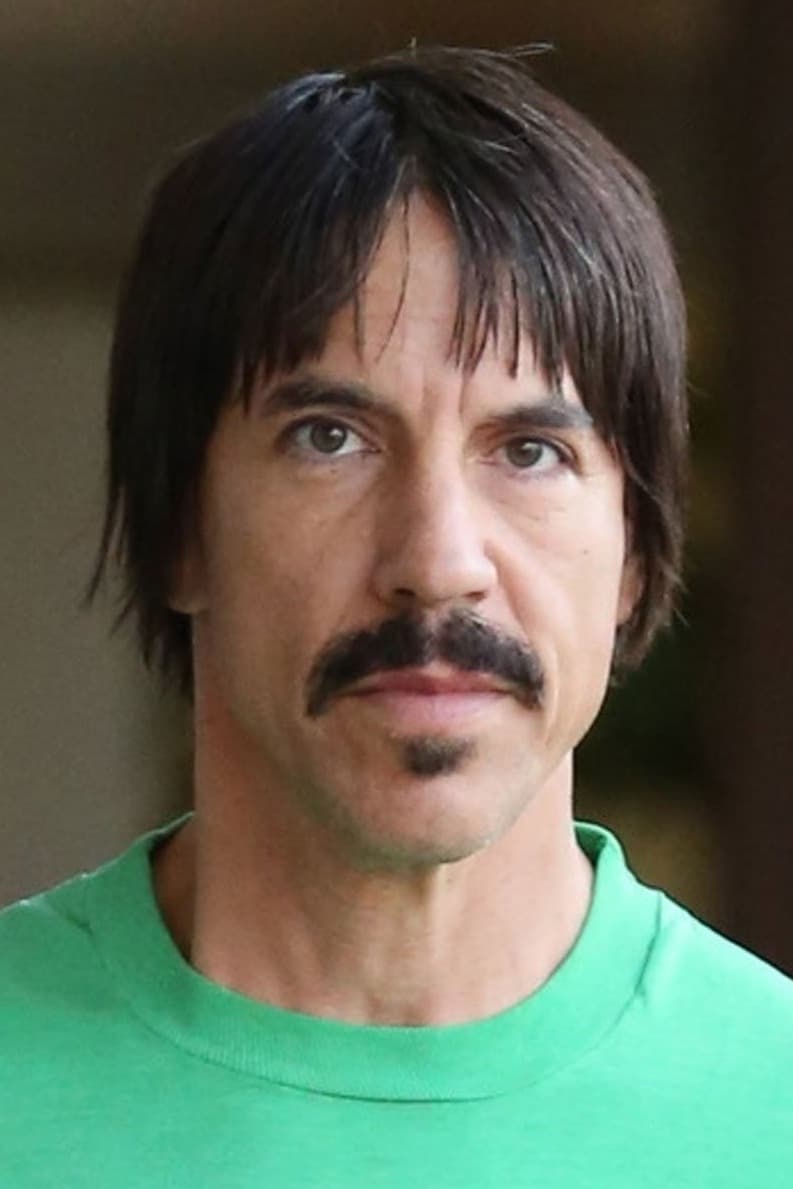
Anthony Kiedis has had to navigate the strict entry requirements of Japan due to his candid history of substance abuse detailed in his autobiography. The singer for the Red Hot Chili Peppers has a record of legal issues from his younger years that could have led to a permanent ban. Immigration officials often use public records and personal accounts to vet the backgrounds of incoming performers. The band has managed to tour the country successfully by following all legal procedures and demonstrating a clean record in recent years. This remains a common hurdle for many influential musicians from the alternative rock era.
Flea

Flea has shared similar experiences with his bandmate when it comes to the challenges of entering Japan for musical performances. The bassist has a history that includes various drug related incidents which often trigger automatic reviews by the Japanese immigration bureau. Because the country does not take these offenses lightly the band must go through a rigorous application process for every tour. They have been successful in maintaining their ability to visit but the threat of a ban is always a consideration for their management. Their story is a testament to how international stars must adapt to different legal environments.
Ozzy Osbourne
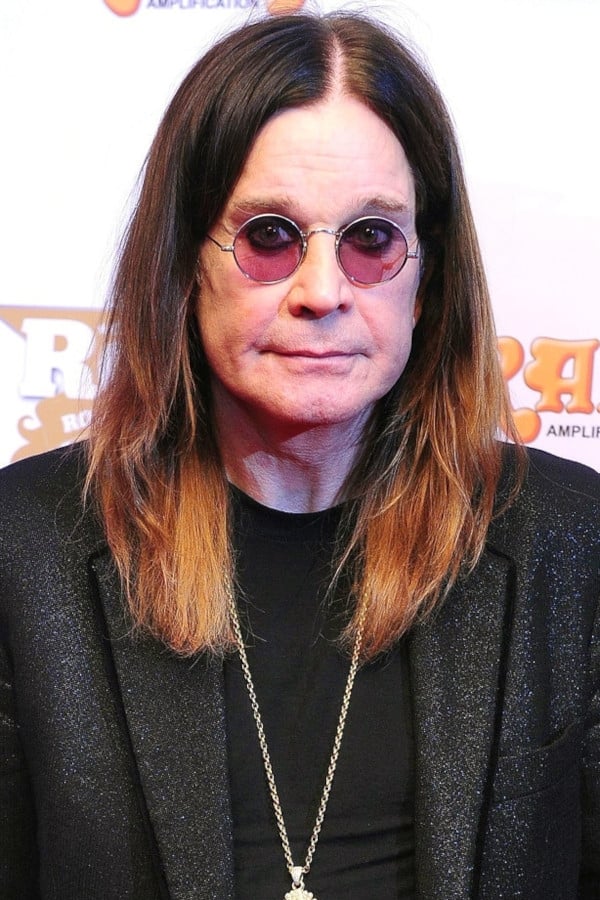
Ozzy Osbourne has faced a variety of entry hurdles in Japan throughout his long career as a solo artist and member of Black Sabbath. His well known history of drug use and erratic public behavior made him a high risk candidate for a visa in the eyes of Japanese officials. For certain periods it was very difficult for him to secure the clearance needed to perform for his many Japanese fans. Over time as he moved away from his past lifestyle the process became more manageable for his team. He remains a beloved figure in the country despite the legal barriers he once faced.
Please share your thoughts on these travel restrictions in the comments.