Disney Movies That Have Dark Origins


Disney has a long history of adapting classic folklore and literature into family friendly animated features. While many of these films are known for their happy endings and musical numbers the source materials often contain disturbing and violent elements. These original stories were frequently intended as grim warnings or reflections of harsh historical realities rather than lighthearted entertainment. Exploring these roots reveals a stark contrast between the colorful modern adaptations and their macabre beginnings.
‘Snow White and the Seven Dwarfs’ (1937)
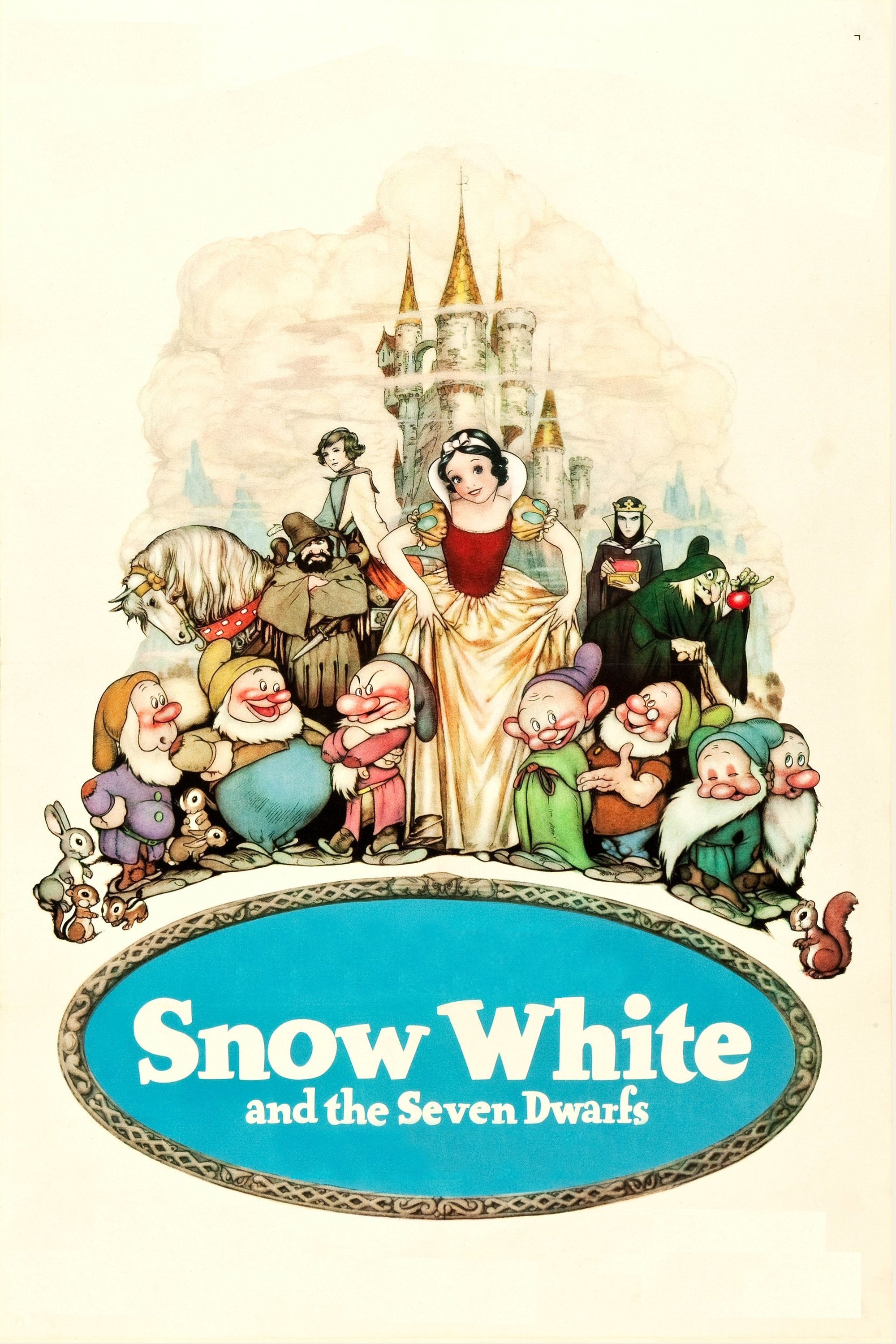
The original fairy tale recorded by the Brothers Grimm features an evil queen who demands the internal organs of the young princess as proof of her death. In the book the queen is eventually forced to dance in red hot iron shoes until she collapses and dies at the wedding of the main characters. This gruesome ending was replaced by a simple fall from a cliff in the animated version to suit younger audiences. The original text also depicts the queen attempting to kill the girl three separate times using a lace and a poisoned comb before the apple.
‘Pinocchio’ (1940)
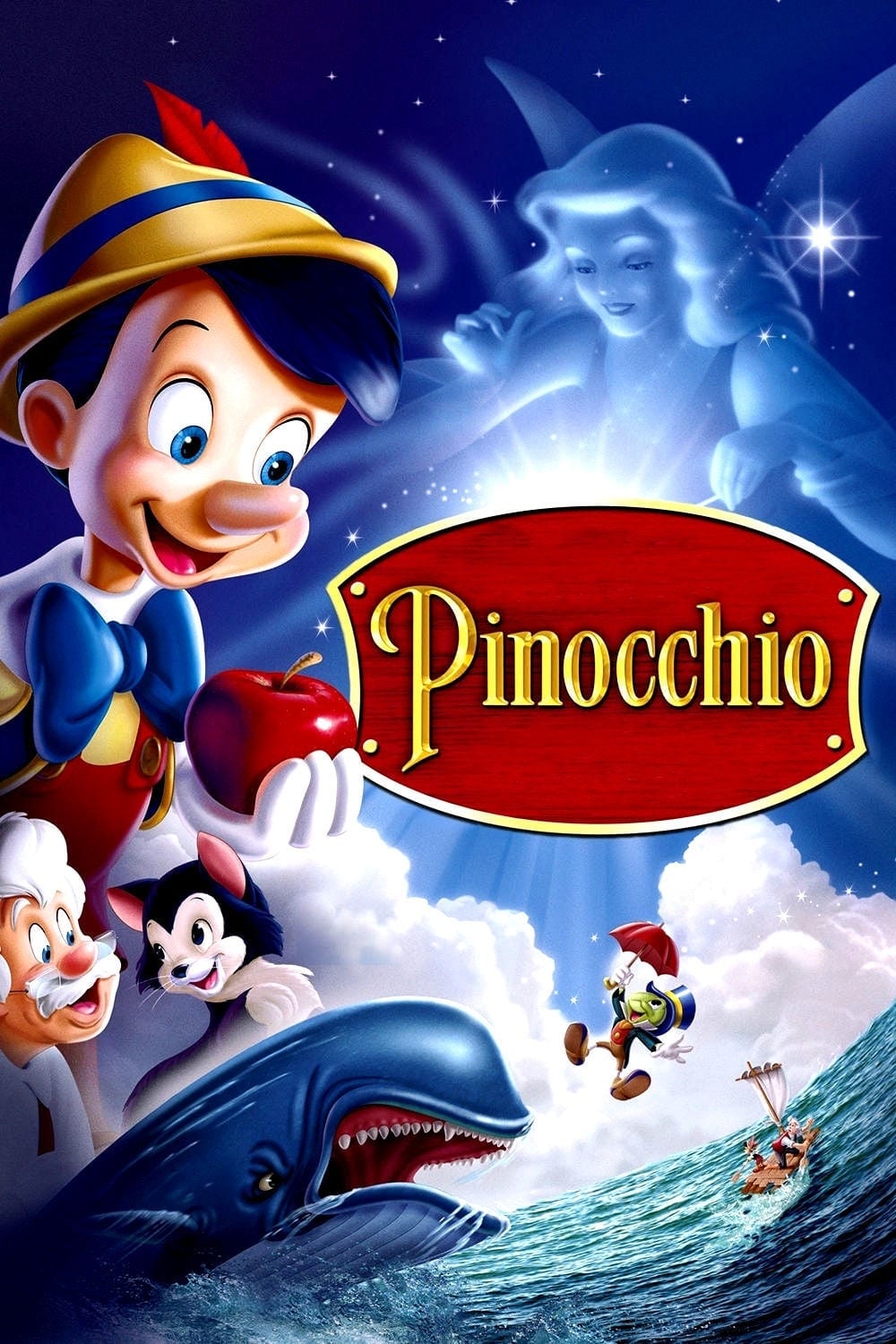
The original novel by Carlo Collodi portrays the puppet as a much more malicious and ungrateful character than his cinematic counterpart. In the book the puppet kills the Talking Cricket with a hammer after receiving unwanted moral advice. Later in the story the main character is even hanged from an oak tree by his enemies before being rescued by the Fairy with Turquoise Hair. Disney transformed this dark and often cynical morality tale into a story about childhood innocence and the journey toward honesty.
‘Dumbo’ (1941)
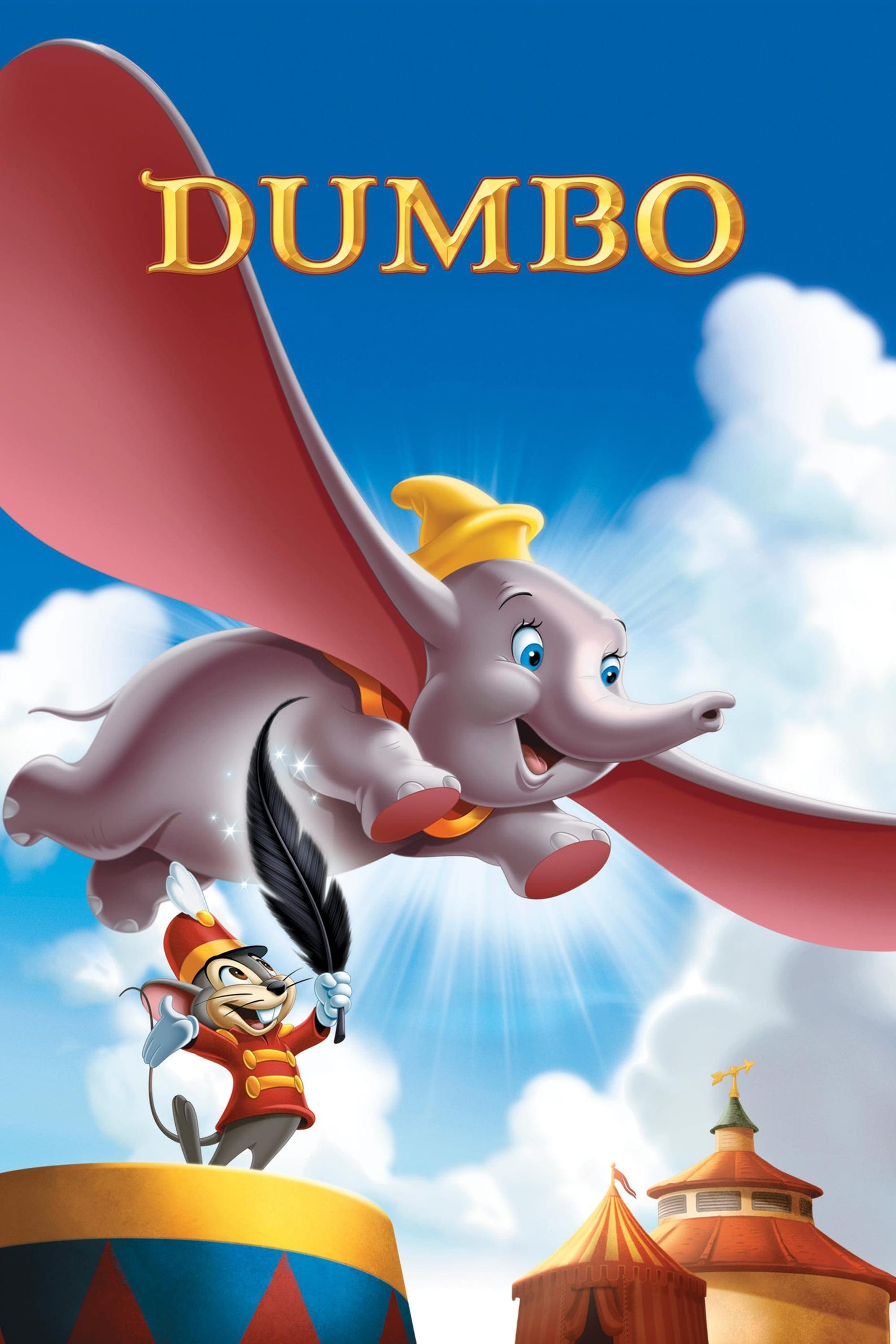
The source material written by Helen Aberson is a short story that emphasizes the extreme isolation and psychological suffering of the main character. While the film includes a triumphant happy ending the original focus was on the cruelty of the circus industry and the mockery of those who are different. The mother is imprisoned for trying to protect her child and the young elephant is forced to perform dangerous stunts for the amusement of crowds. It serves as a stark commentary on the exploitation of animals and the lack of empathy in human entertainment.
‘Bambi’ (1942)
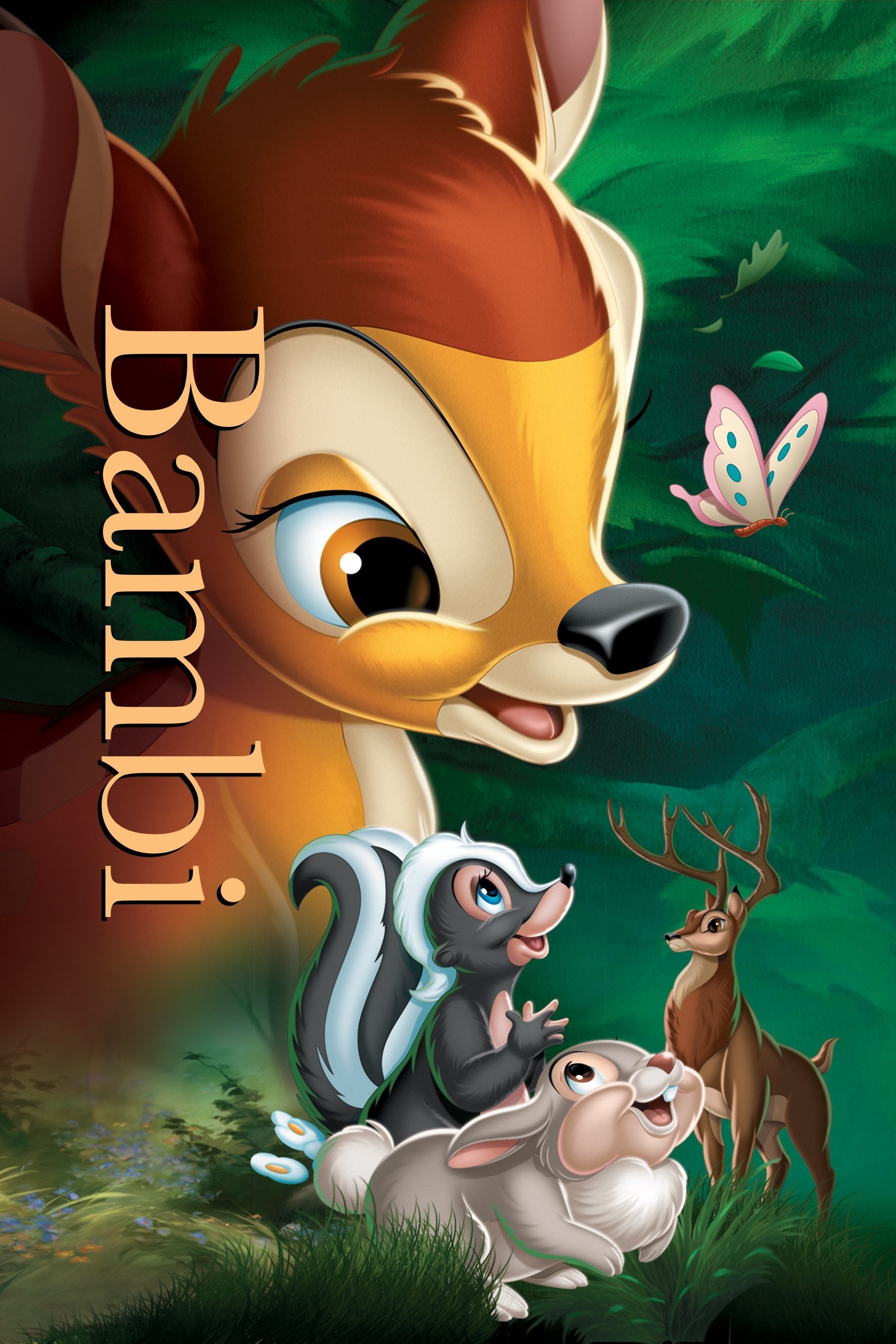
Felix Salten wrote the original novel as an adult survival story about the constant dangers of the forest. The book features a pervasive sense of dread as animals are hunted by an unseen and godlike presence known only as He. There are many scenes of violent deaths and the harsh reality of the food chain that were omitted from the animated adaptation. Disney softened the tone while still keeping the traumatic loss of the mother as a central and defining plot point for the characters.
‘Cinderella’ (1950)
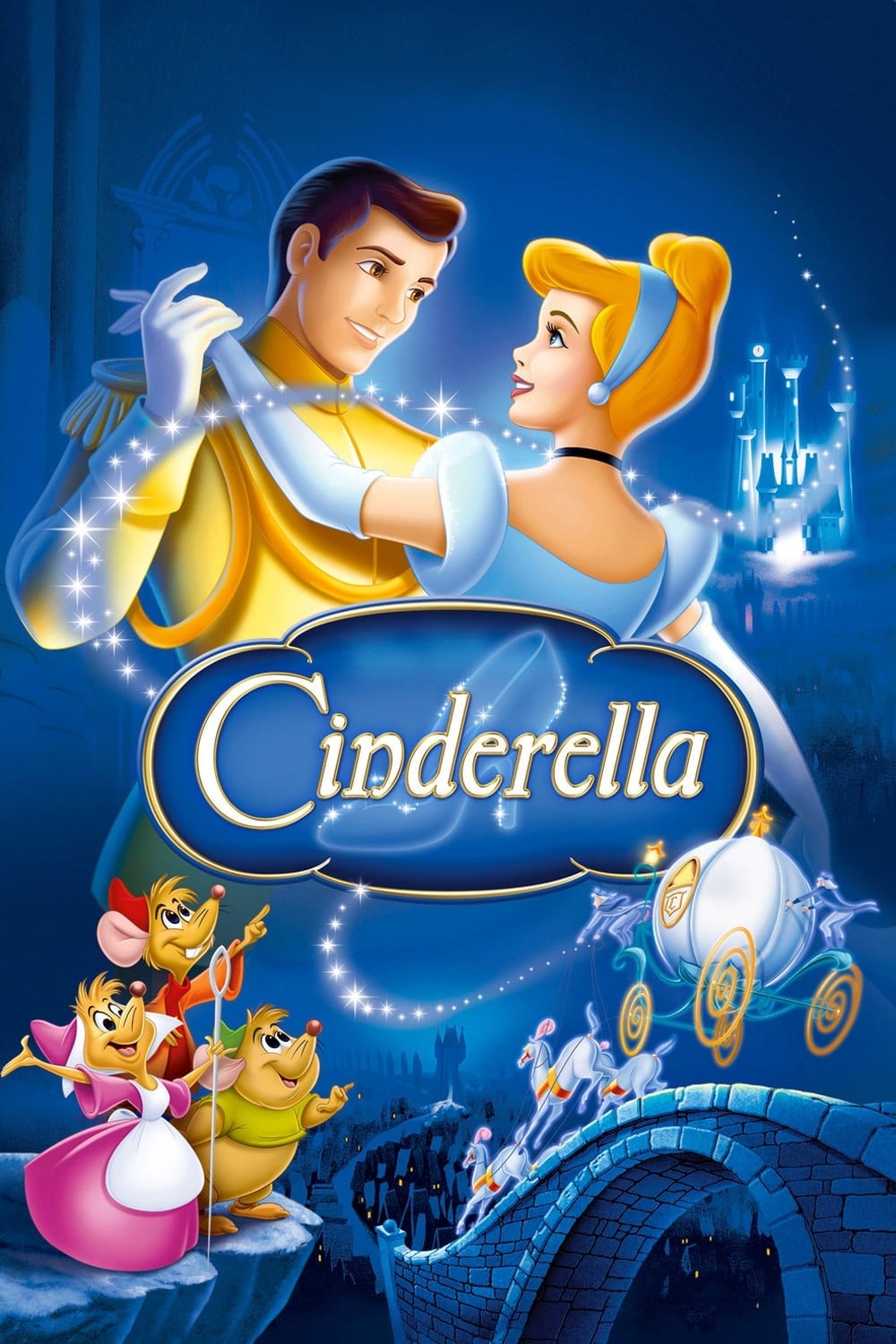
The version of this tale recorded by the Brothers Grimm includes shocking acts of self mutilation by the jealous stepsisters. They cut off their own toes and heels in a desperate attempt to fit into the gold slipper when the prince comes searching. Birds eventually peck out their eyes as a punishment for their cruelty during the final wedding celebration. The animated film removed these bloody details to focus on a more magical and family friendly narrative about kindness and perseverance.
‘Alice in Wonderland’ (1951)
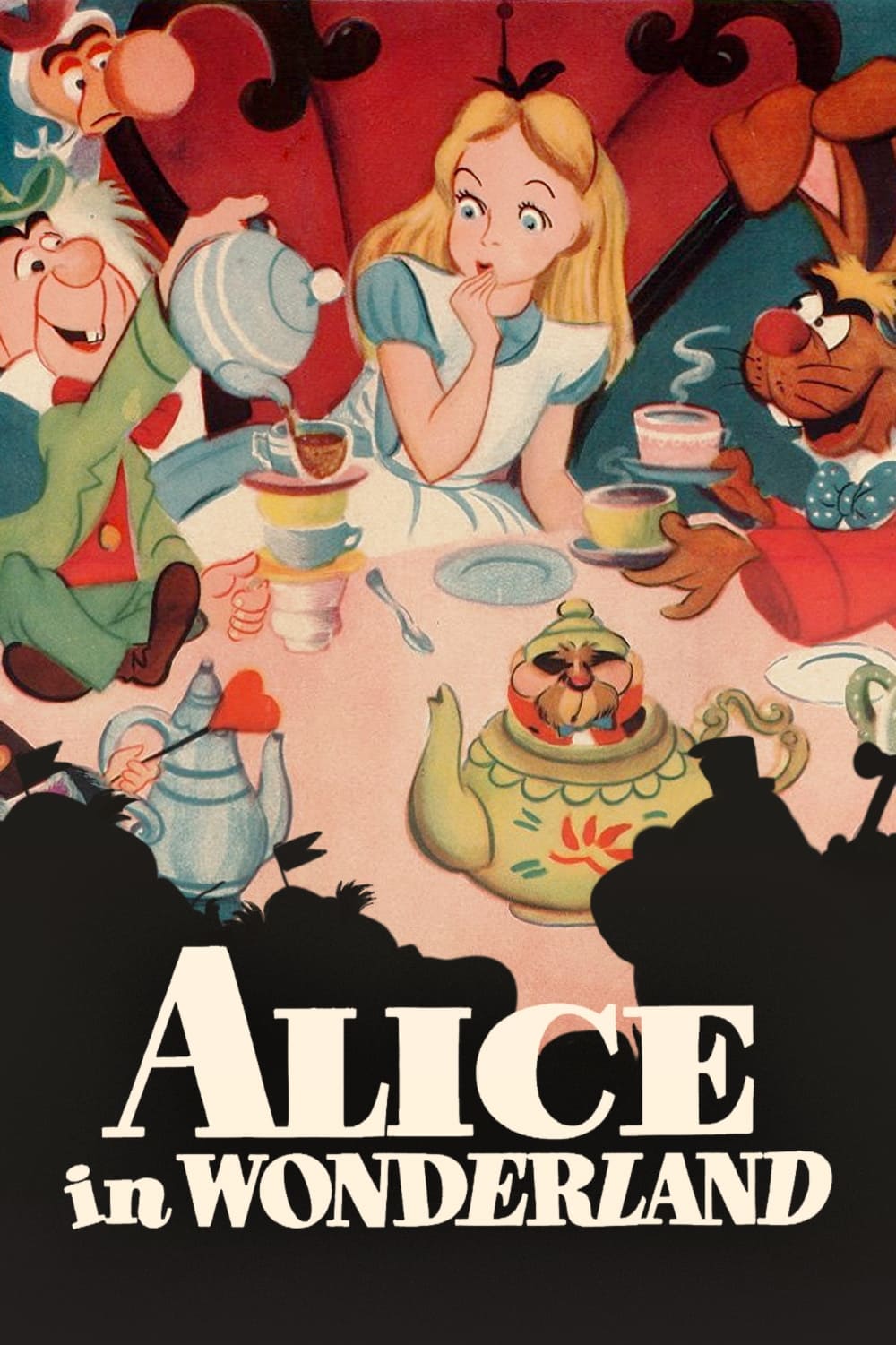
Lewis Carroll wrote the original stories with a heavy dose of Victorian satire and existential confusion that often feels unsettling. The characters are frequently rude or threatening and the protagonist faces many moments of genuine fear regarding her loss of identity. Some interpretations suggest the nonsensical world reflects the terrifying nature of growing up and losing one’s grip on logic. While the film is whimsical and vibrant the source material has a much more intellectual and haunting edge.
‘Peter Pan’ (1953)
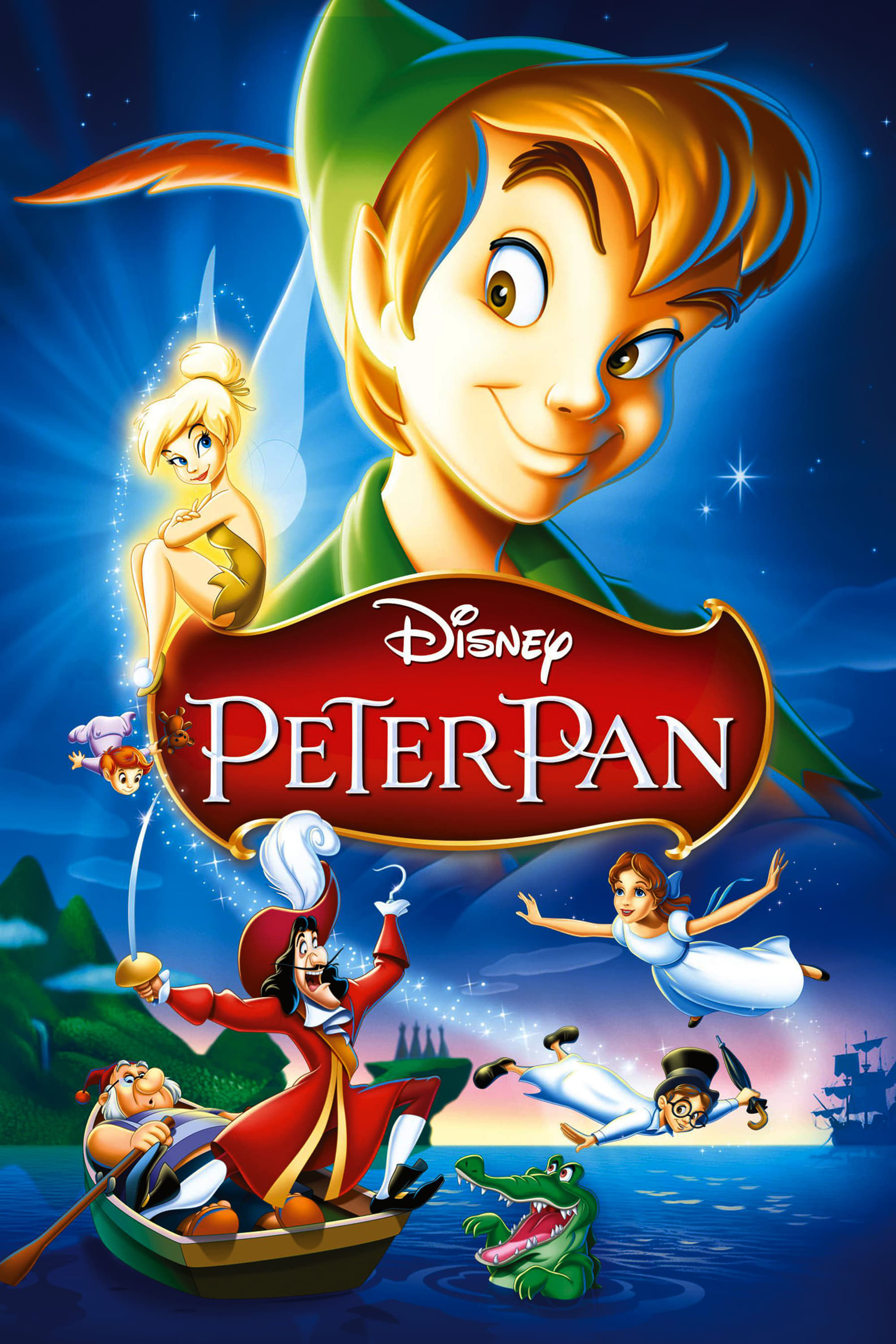
J.M. Barrie depicted the boy who would not grow up as a dangerous and cold figure in the original play and novel. In the text it is implied that the protagonist thins out the ranks of the Lost Boys when they begin to show signs of aging. He has no real memory of his past and often forgets the people he claims to care about including his closest friends. This lack of empathy and the circular nature of his existence make the character far more haunting than his cheerful animated version.
‘Lady and the Tramp’ (1955)

The short story that inspired the film focuses on the harsh realities of life for stray dogs in an unforgiving urban environment. It highlights the constant threat of the pound and the lethal dangers of living on the streets without any protection. The original narrative emphasizes the deep class divide between pampered pets and those left to fend for themselves in the shadows. Disney used this foundation to create a romanticized version of the struggle for survival and social acceptance.
‘Sleeping Beauty’ (1959)
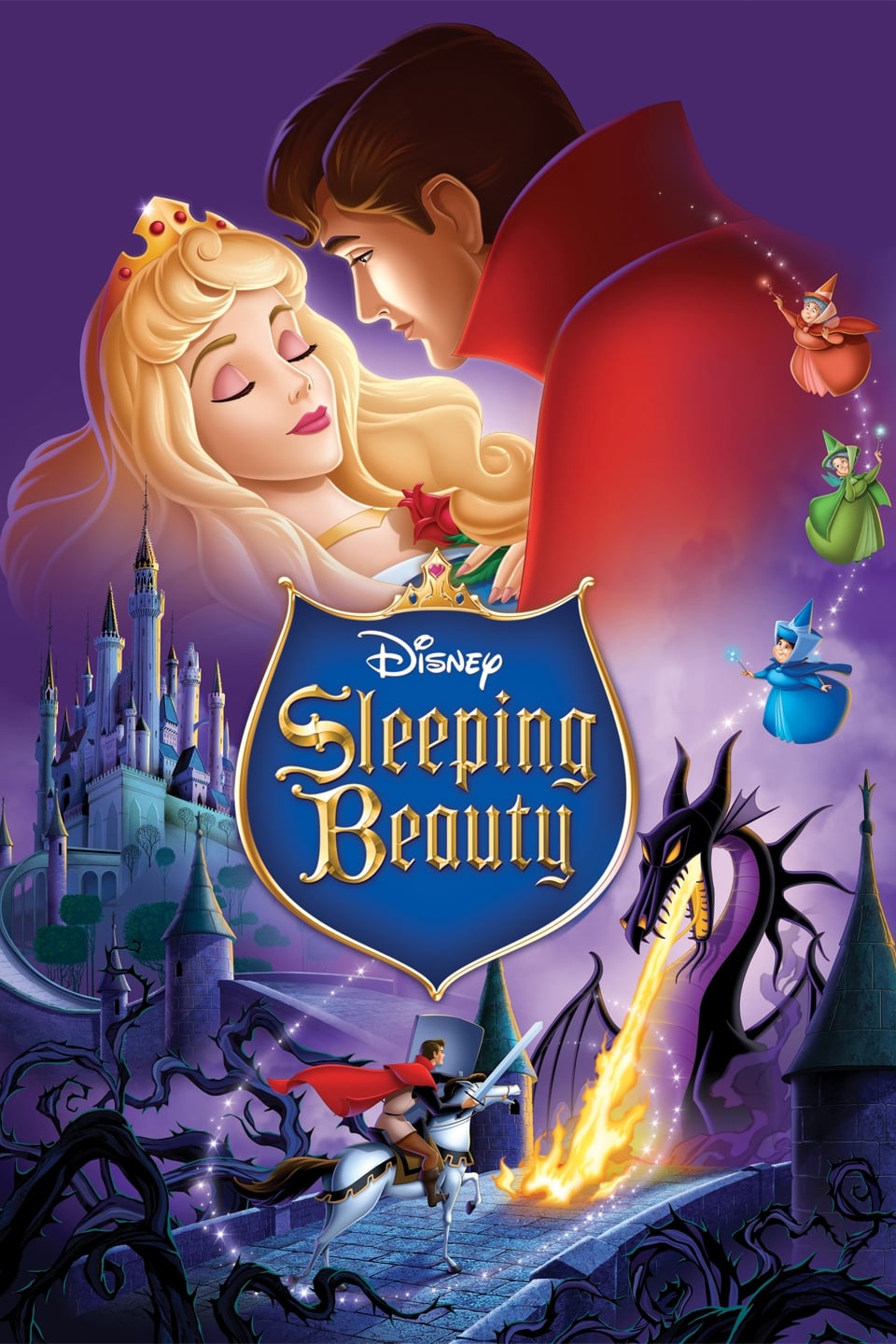
Giambattista Basile wrote an early version of this tale where the princess is impregnated while she is still in an enchanted sleep. She only wakes up after one of her twin babies accidentally sucks the poisoned flax splinter from her finger. The king who finds her is already married and his wife tries to kill the children and feed them to her husband out of spite. These horrifying elements were completely scrubbed to create the iconic and romantic 1959 animated feature.
‘One Hundred and One Dalmatians’ (1961)
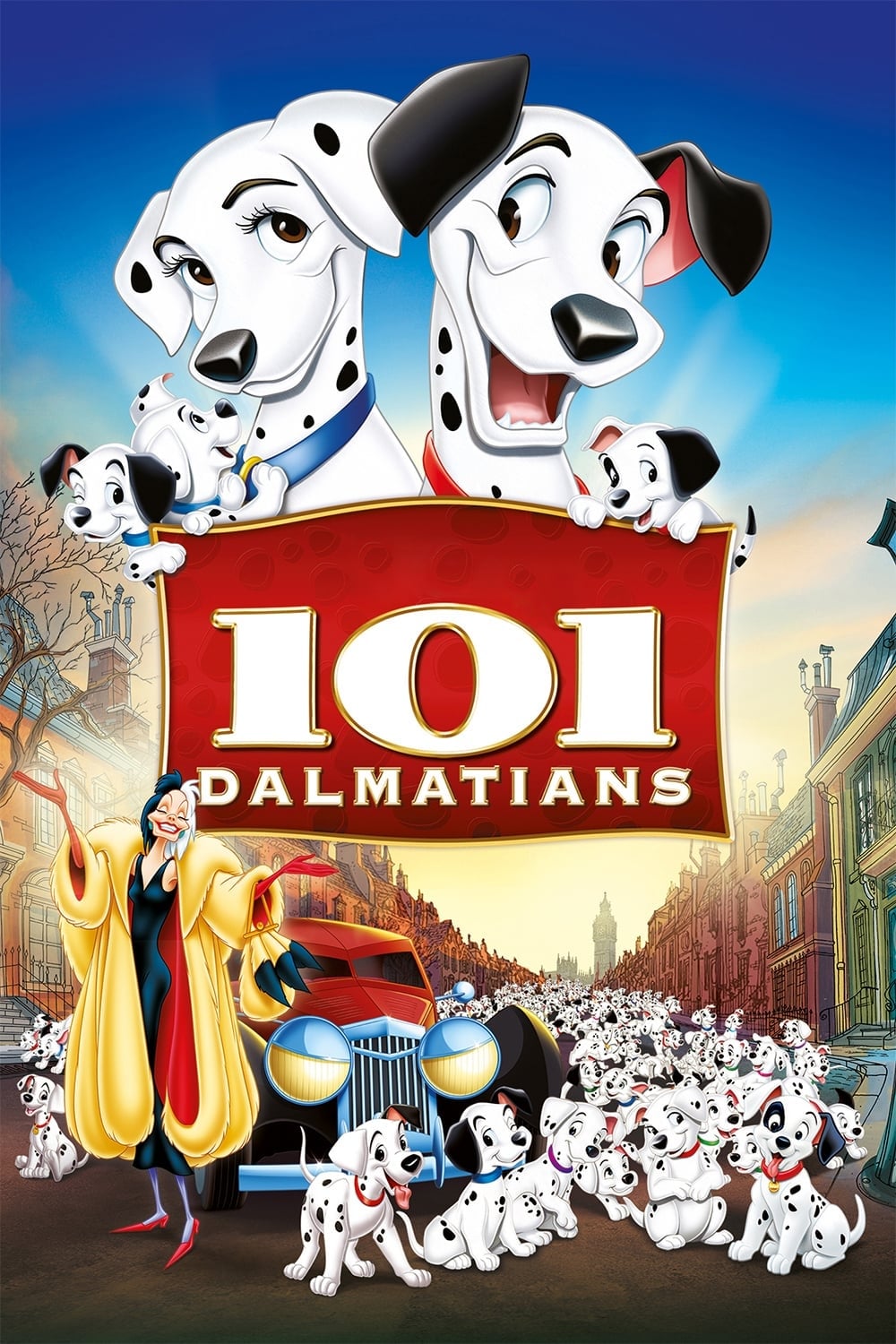
Dodie Smith wrote the original novel with a version of Cruella de Vil who is much more sinister and potentially supernatural. She is described as having a demonic appearance and an obsession with fire that makes her presence feel genuinely threatening. The danger to the puppies feels more immediate because of her erratic and violent behavior toward everyone around her. The film maintained her iconic status but lessened the more disturbing aspects of her personality to fit a comedic adventure.
‘The Sword in the Stone’ (1963)
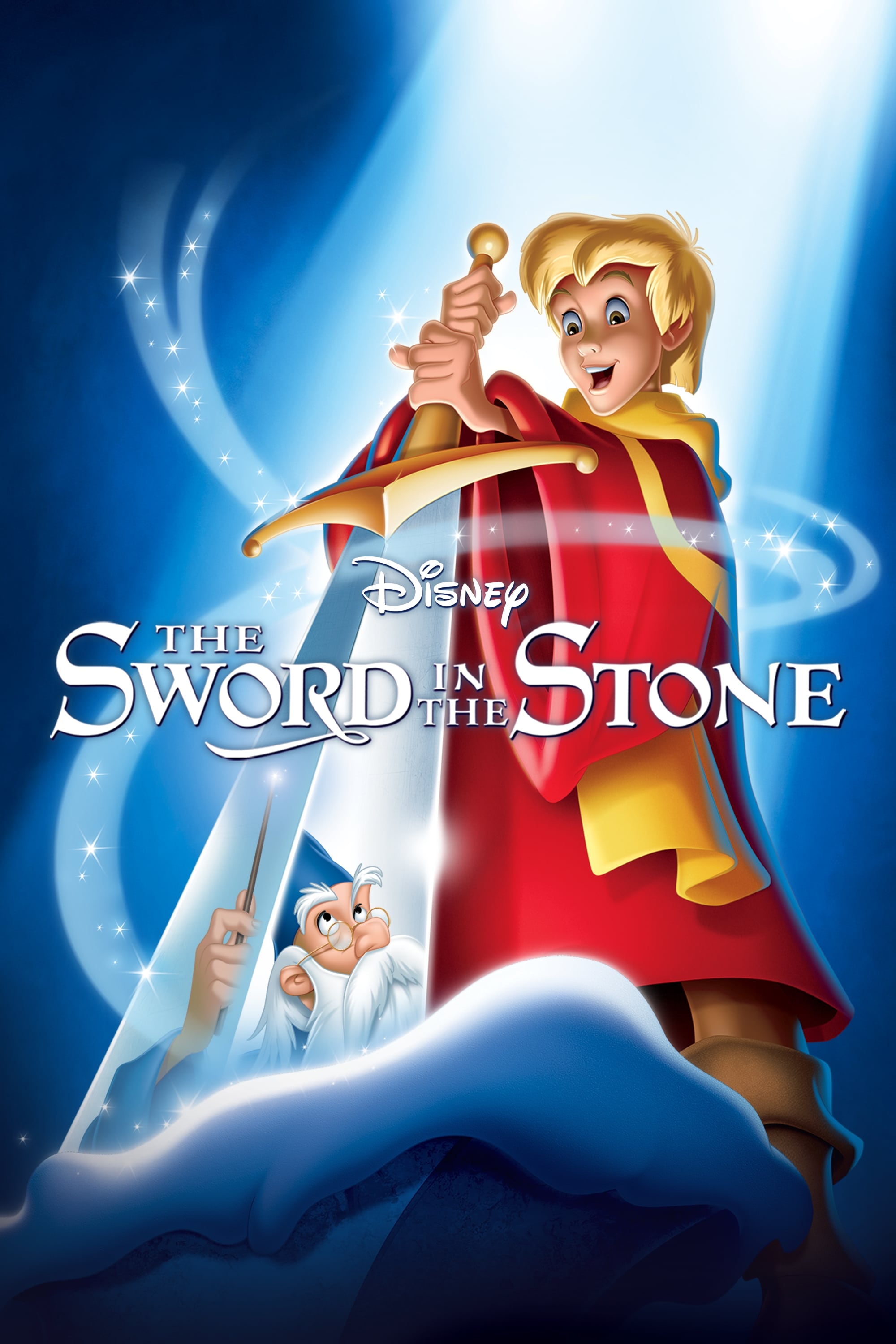
T.H. White wrote the source material as part of a larger and much more tragic Arthurian epic. While the early chapters used in the film are lighthearted the overall story leads to total war and the eventual downfall of the kingdom. The education of young Arthur is intended to prepare him for a life of heavy responsibility and ultimate loss in a world of political intrigue. The Disney adaptation chooses to focus only on the whimsical and magical training of his youth.
‘Mary Poppins’ (1964)
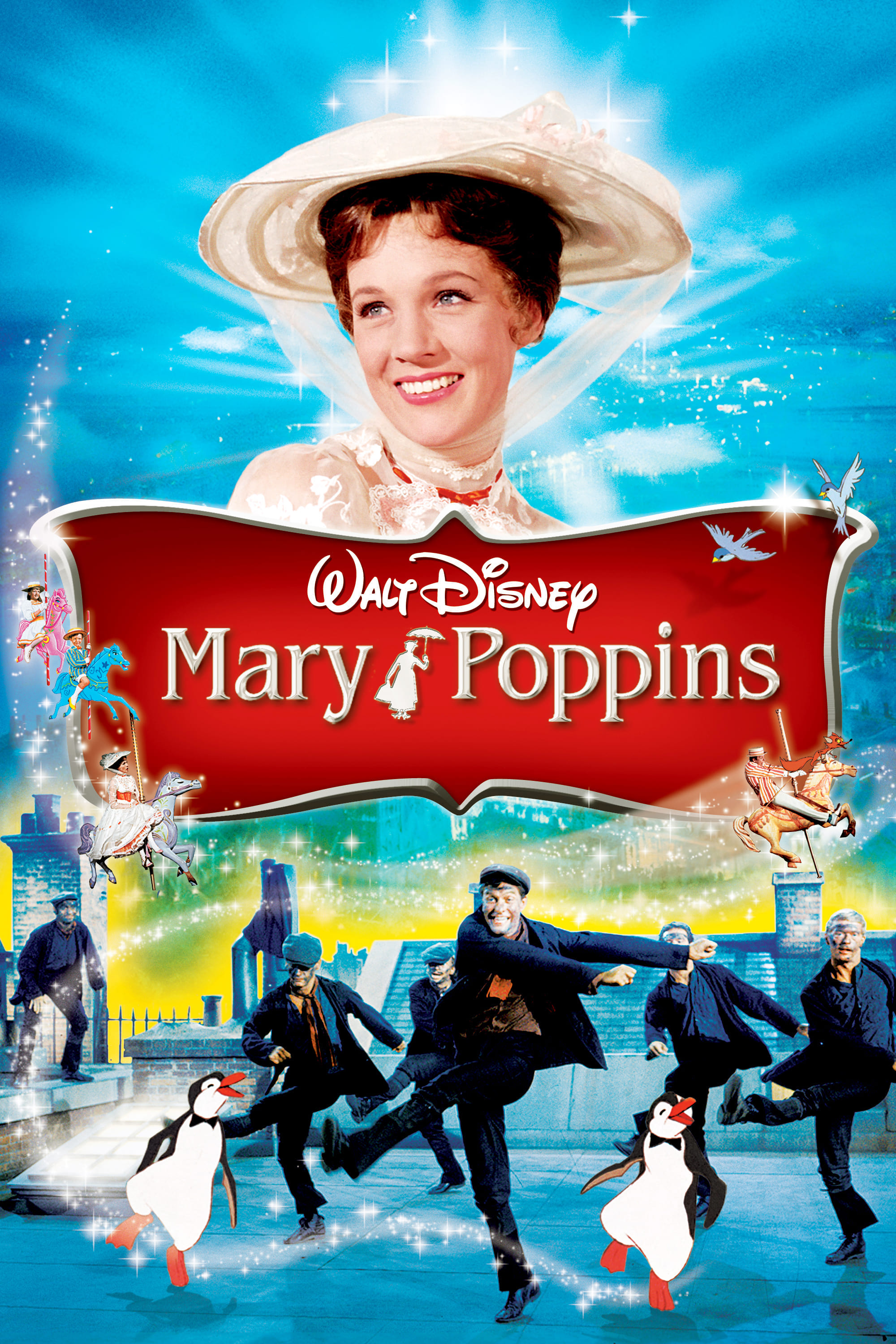
P.L. Travers created a title character who was stern and often quite frightening to the children in her care. She was not the warm and musical figure portrayed by Julie Andrews in the famous movie adaptation. The original books depict her as vain and easily offended with a mysterious and sometimes dark magical power that keeps the children in awe. The author famously disliked the way the studio softened the character for the screen to make her more likable.
‘The Jungle Book’ (1967)
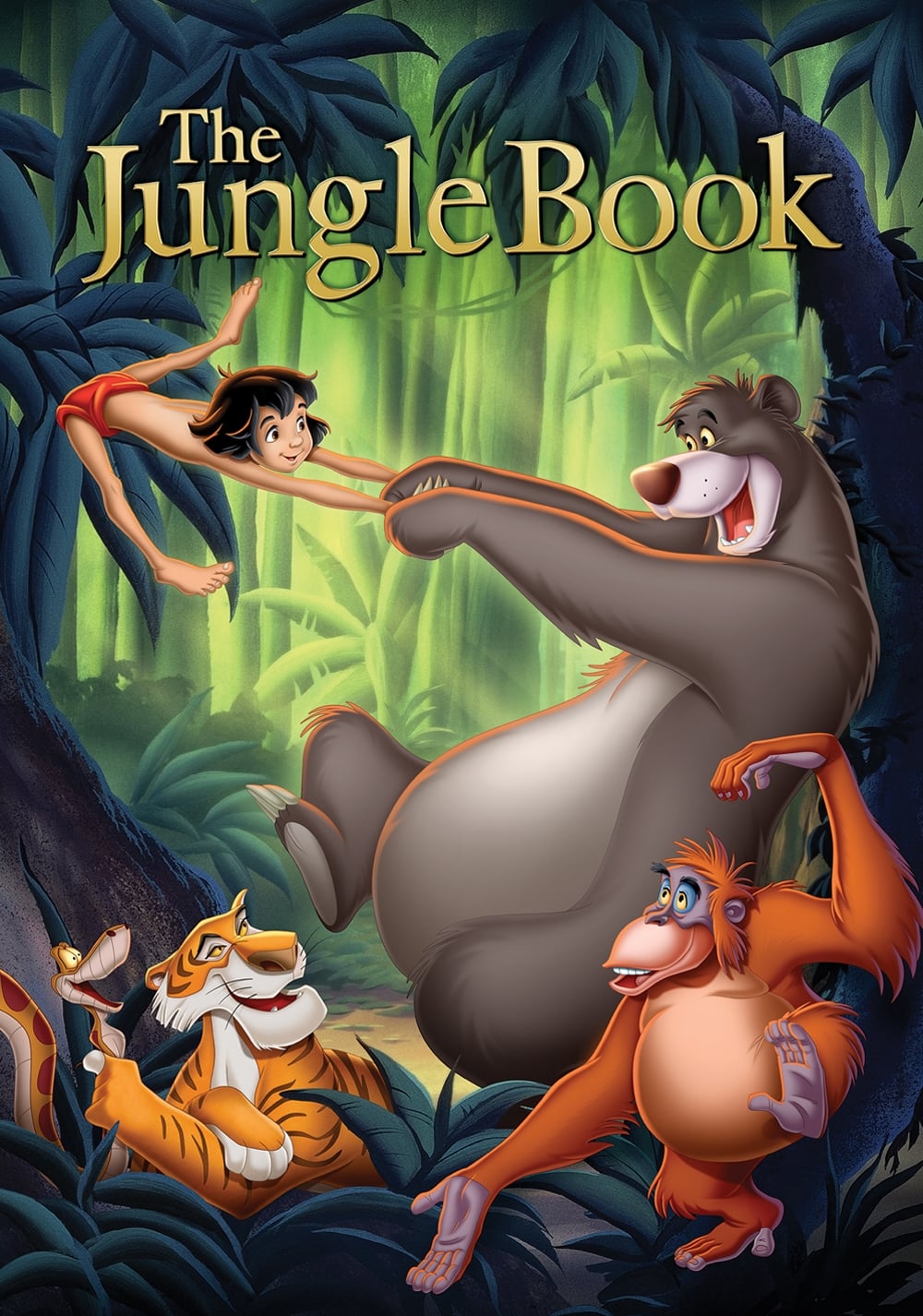
Rudyard Kipling wrote the Mowgli stories with a focus on the law of the jungle and the inherent violence of the natural world. In the original text the boy eventually leads a herd of elephants to destroy a village of humans who had mistreated him. The relationship between the boy and the animals is based on survival and mutual respect rather than singing and dancing. The film version replaced the intense conflict and revenge plot with a lighthearted musical journey.
‘The Aristocats’ (1970)
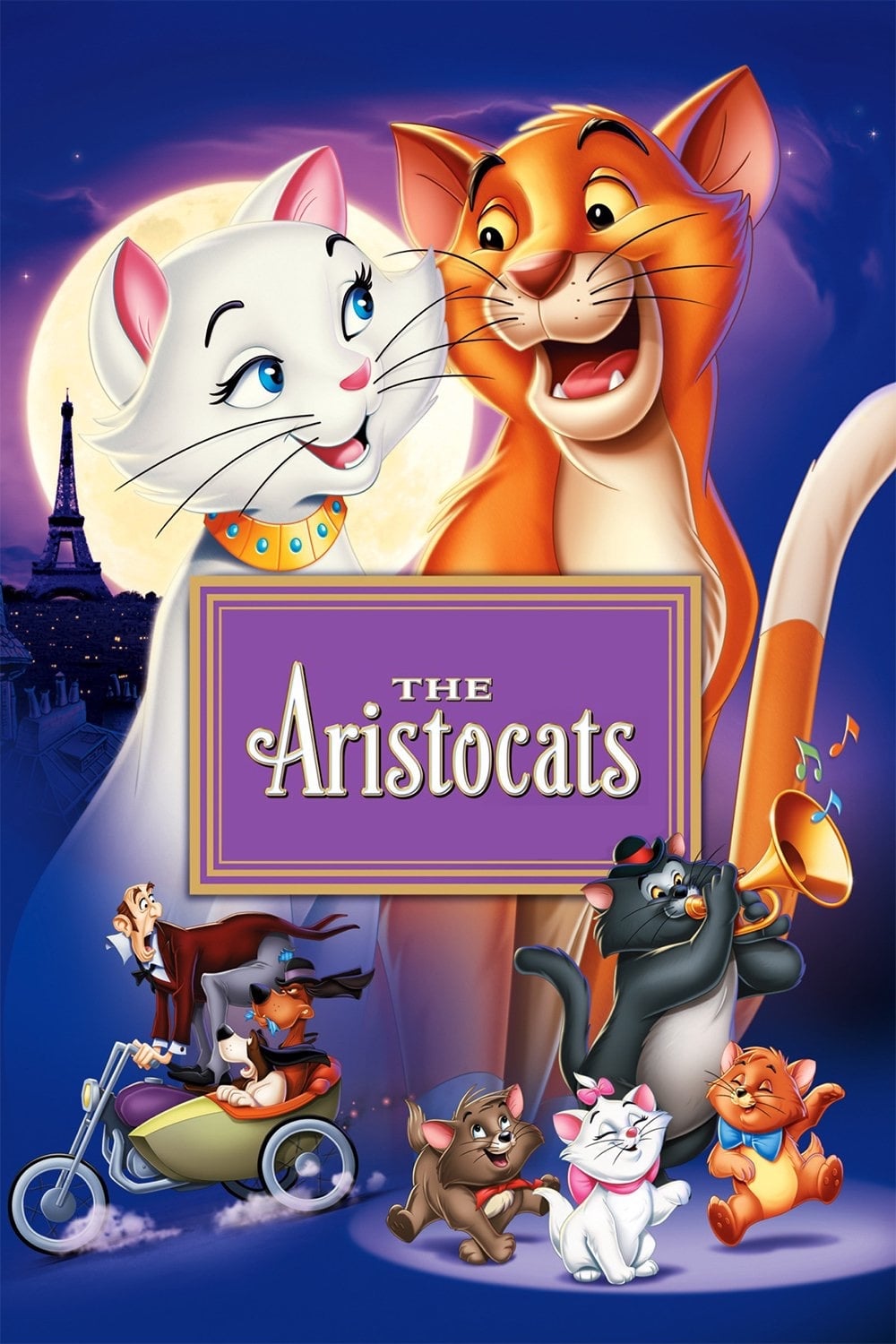
The original story idea involved a much darker plot regarding the inheritance of a wealthy opera singer in Paris. It focused on the extreme lengths a greedy butler would go to in order to secure a fortune for himself through criminal means. The abandonment of the cats was intended to be a more perilous situation with far less comedic relief for the audience. Disney turned the concept into a jazzy and fun adventure that celebrates music and the charm of the city.
‘Robin Hood’ (1973)
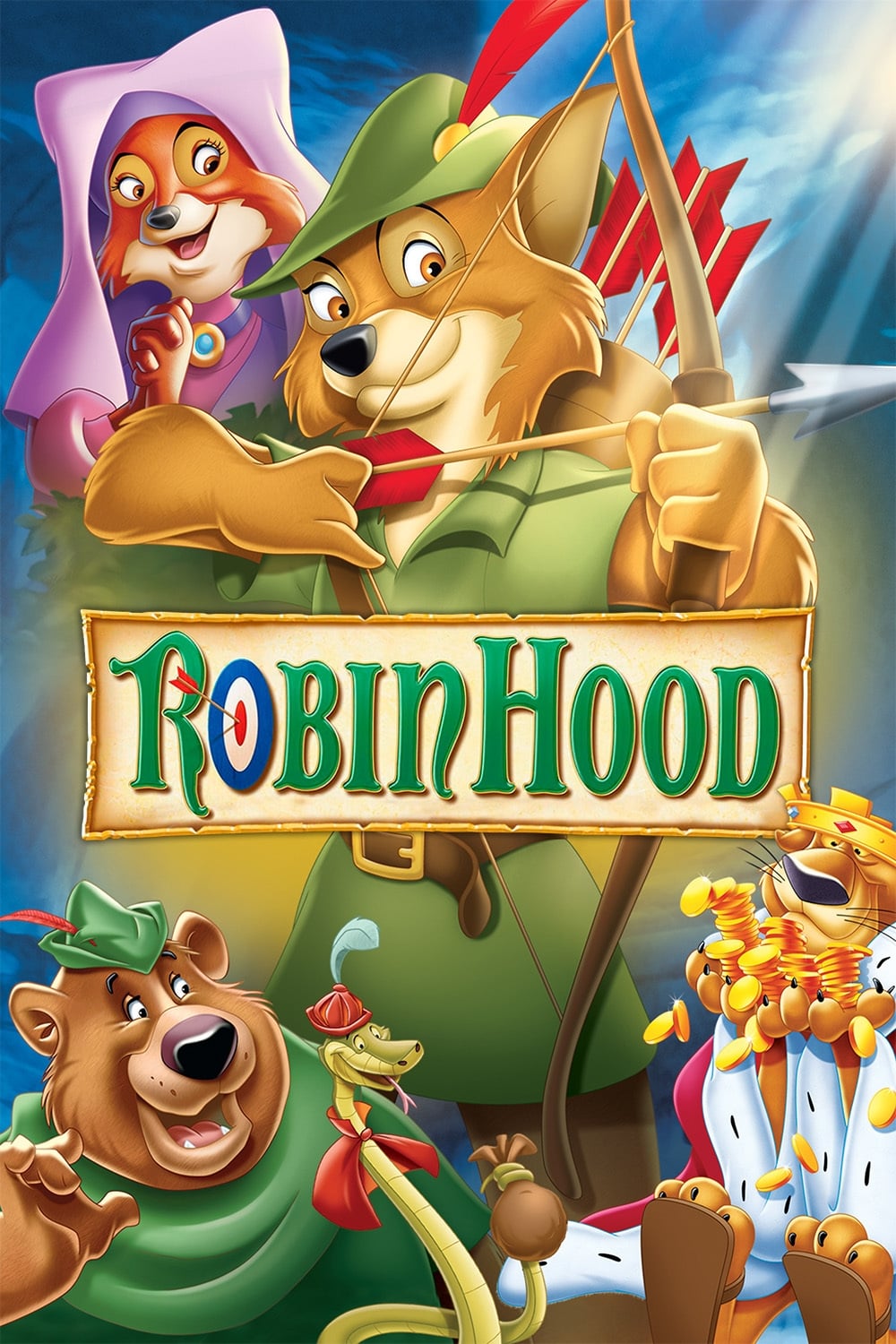
English folklore depicts the legendary outlaw as a much more violent and gritty figure in the early ballads. Many of these stories describe him killing officials and engaging in bloody battles against the authorities of the time. The tradition of his death involves a treacherous relative who intentionally bleeds him to death under the guise of medical treatment. The animated film chose to portray him as a heroic and charming fox in a vibrant kingdom.
‘The Many Adventures of Winnie the Pooh’ (1977)
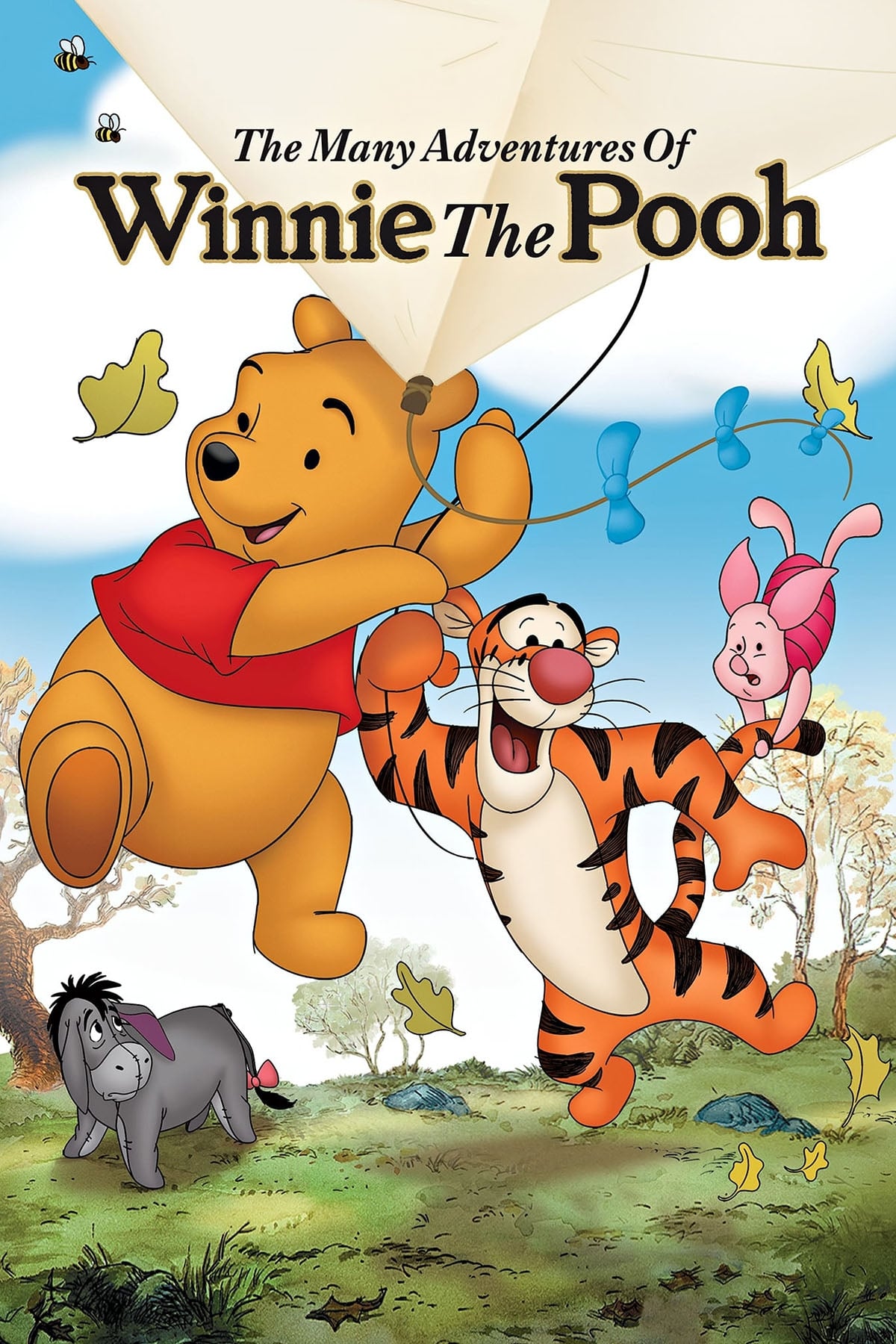
A.A. Milne based the characters on the toys of his son and many scholars find dark undertones in their specific behaviors. Each animal is often seen as representing a specific psychological condition such as chronic anxiety or severe depression. The Hundred Acre Wood can be interpreted as a place of isolation where the characters are trapped in their own internal struggles. While the stories are charming they possess a melancholy quality that the films occasionally touch upon during the ending.
‘The Rescuers’ (1977)
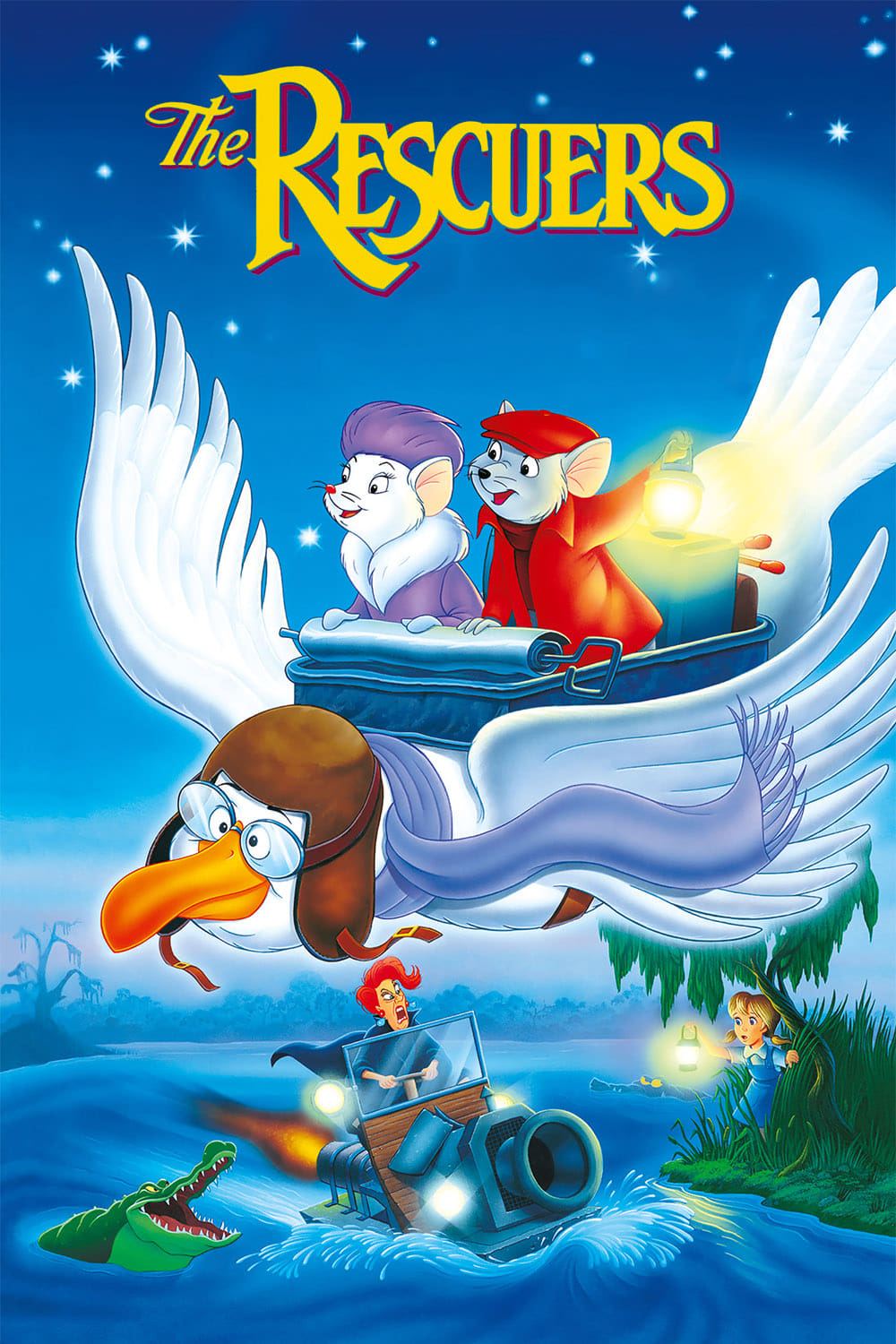
Margery Sharp wrote a series of books that featured a much more dangerous world for the small mice who act as heroes. The kidnapping of the young girl involved themes of forced labor and psychological abuse in a desolate swamp environment. The villains were portrayed with a sense of genuine malice that made the stakes feel incredibly high for such small protagonists. Disney kept the core mission but added a layer of adventure and charm to the dark premise.
‘The Fox and the Hound’ (1981)
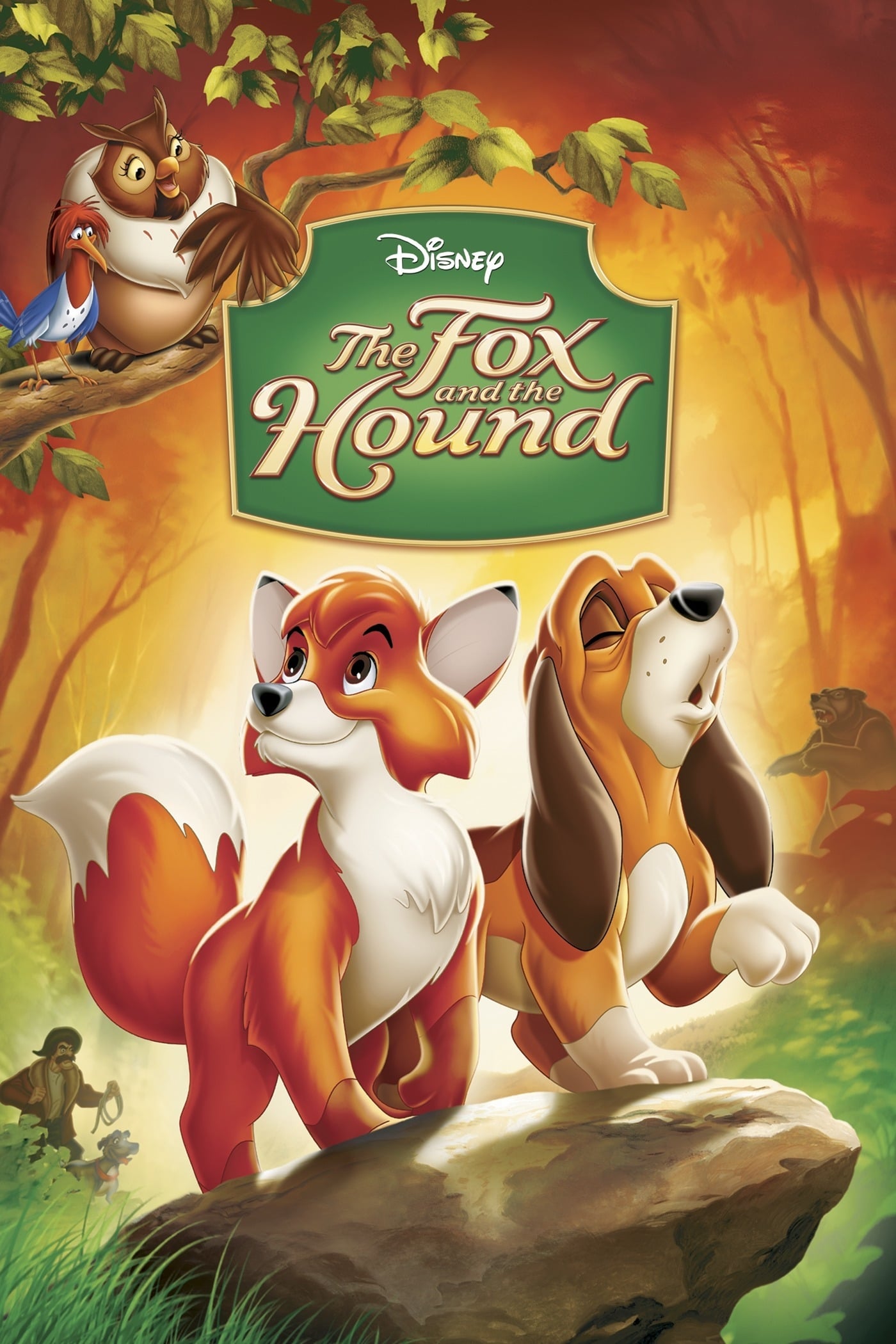
Daniel P. Mannix wrote a novel that is significantly more tragic and realistic than the animated movie adaptation. In the book the two animals are never true friends and their lives are defined by a relentless and deadly hunt across the countryside. The fox eventually dies from physical exhaustion during a chase and the old hound is shot by his master when he is no longer useful. This bleak ending was changed to a story of lost friendship and mutual respect for the film.
‘The Black Cauldron’ (1985)

Lloyd Alexander wrote a high fantasy series that includes an army of the undead and many terrifying monsters born from dark magic. The source material is filled with epic battles and significant sacrifices made by the main characters to save their world. The film attempted to capture this darker tone but had to cut many scenes to avoid a high age rating from the censors. It remains one of the most mature and unsettling entries in the history of the studio.
‘Oliver & Company’ (1988)
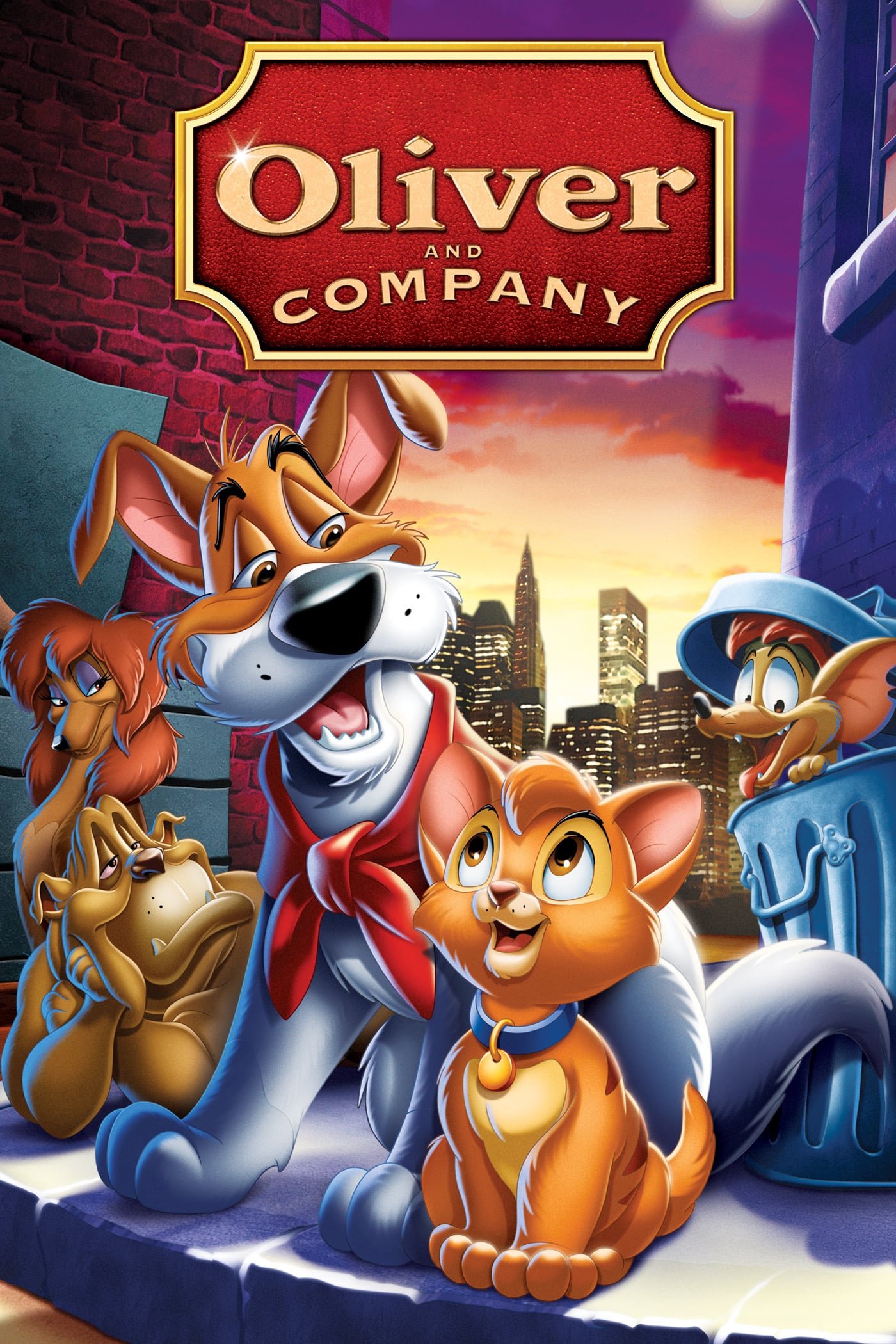
Charles Dickens wrote the original novel Oliver Twist which is a brutal depiction of poverty and crime in Victorian London. The characters live in squalor and face constant threats of violence and death from the villainous Bill Sikes. Fagin is a much more complicated and often darker figure who exploits children for his own survival and financial gain. The Disney adaptation moved the setting to modern New York and turned the characters into animals to soften the blow.
‘The Little Mermaid’ (1989)
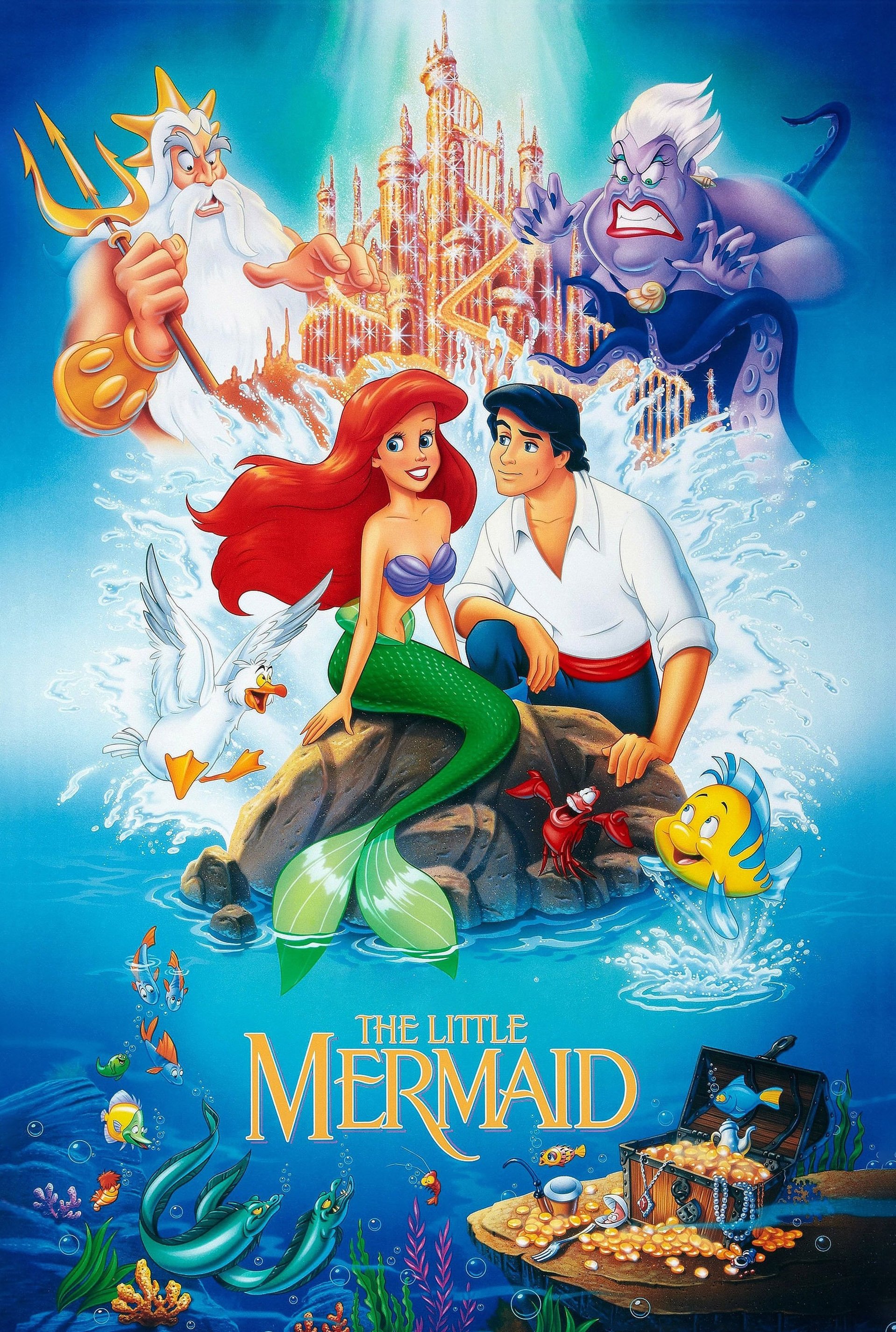
Hans Christian Andersen wrote a tragic ending where the mermaid fails to win the heart of the prince and he marries someone else. She is given the choice to kill him to save her own life but chooses to dissolve into sea foam instead. Every step she takes on land feels like she is walking on sharp knives as part of her deal with the sea witch. The 1989 film gave her a happy wedding and a triumphant victory over the sea witch to satisfy audiences.
‘Beauty and the Beast’ (1991)
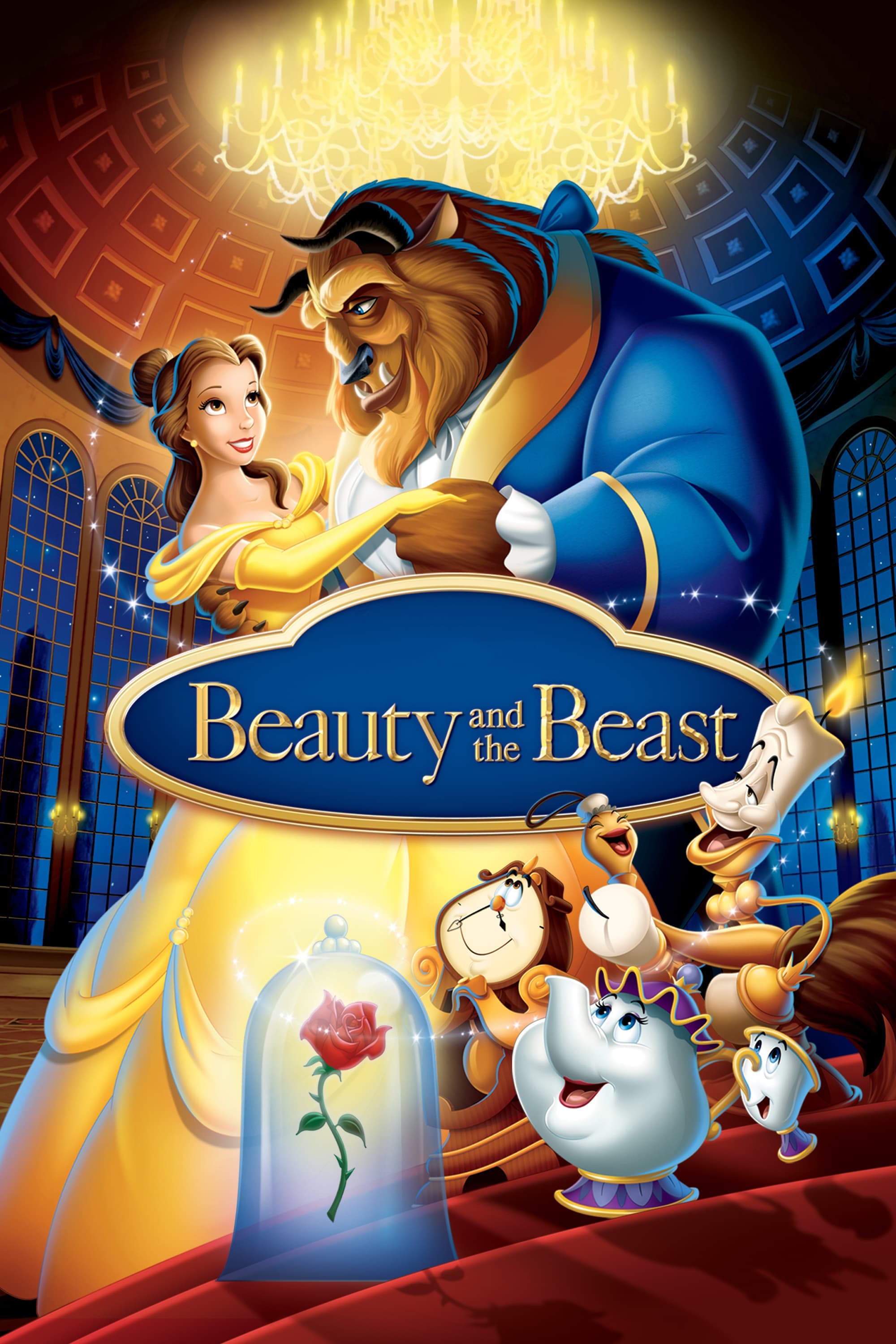
The original fairy tale by Gabrielle Suzanne de Villeneuve includes jealous sisters who plot to get the main character killed. They try to keep her away from the castle so that the Beast will grow angry and eat her in his animalistic rage. The backstory of the prince also involves a more complex and tragic curse involving a vengeful fairy who was rejected. Disney streamlined the plot to focus on the romantic connection and the redemptive power of love.
‘Aladdin’ (1992)
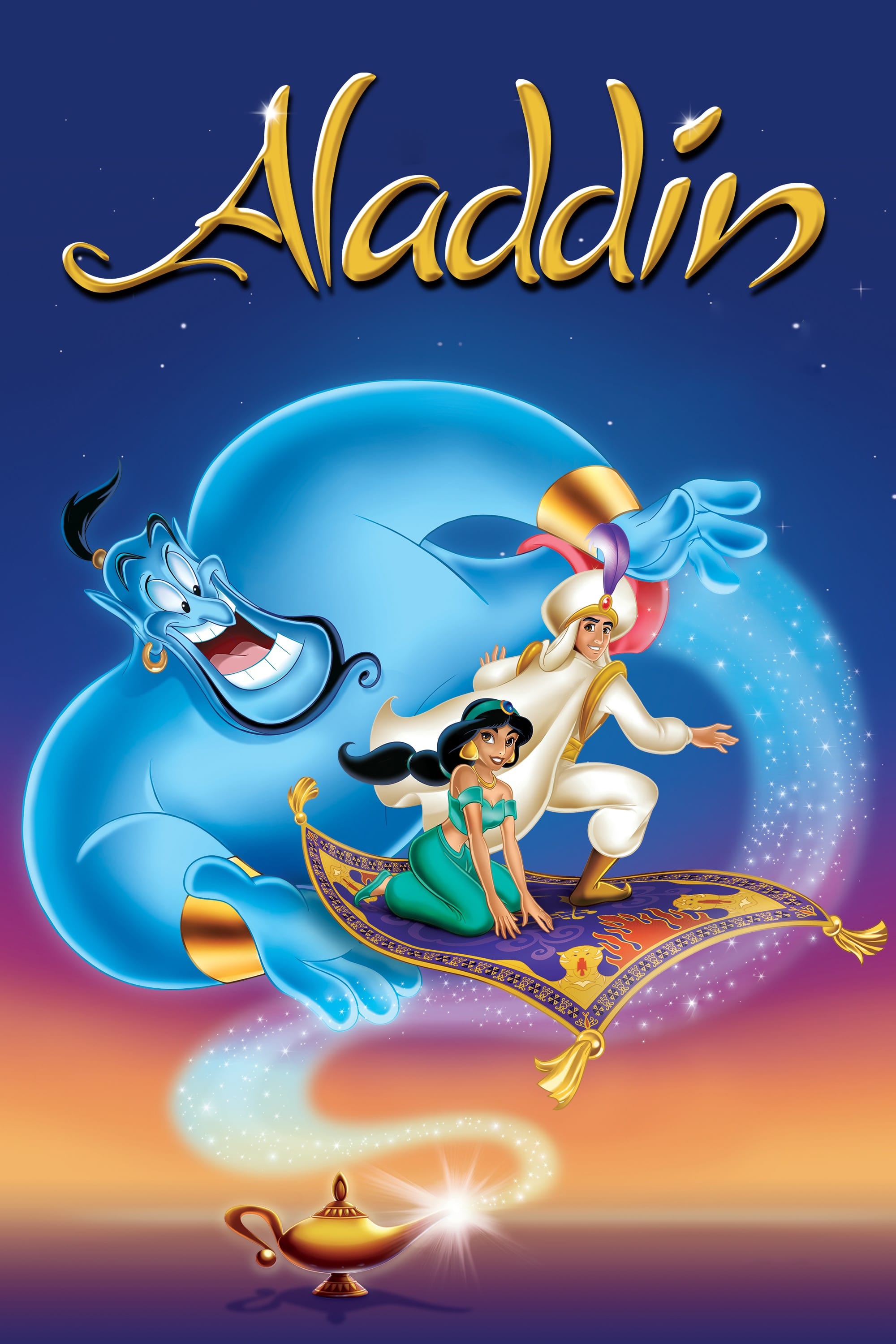
The story from One Thousand and One Nights features a much more powerful and dangerous sorcerer who repeatedly tries to kill the protagonist. In the original text the main character is a lazy youth who only succeeds through the help of two different genies. The battles involve more direct violence and the stakes are much higher for the safety of his family. The movie transformed this into a magical adventure with a fast talking genie and a focus on self worth.
‘The Lion King’ (1994)
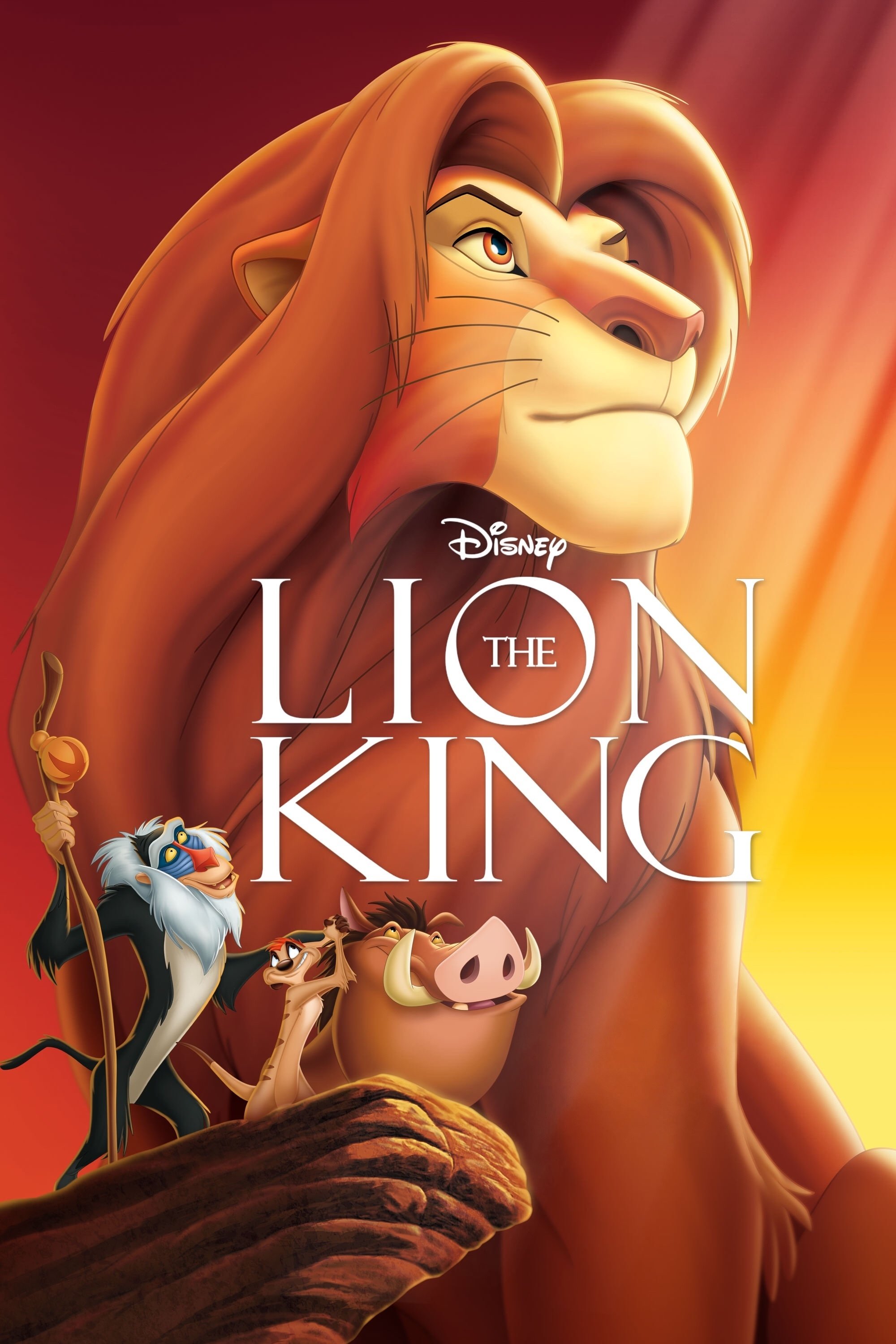
This film is famously inspired by the Shakespearean tragedy Hamlet which features a much darker resolution for all involved. In the play the uncle kills the king and the prince is driven to madness and revenge resulting in the death of nearly every character. The cycle of violence in the source material is absolute and leaves no room for a peaceful or happy ending. Disney adapted these themes into a story about responsibility and the spiritual circle of life.
‘Pocahontas’ (1995)
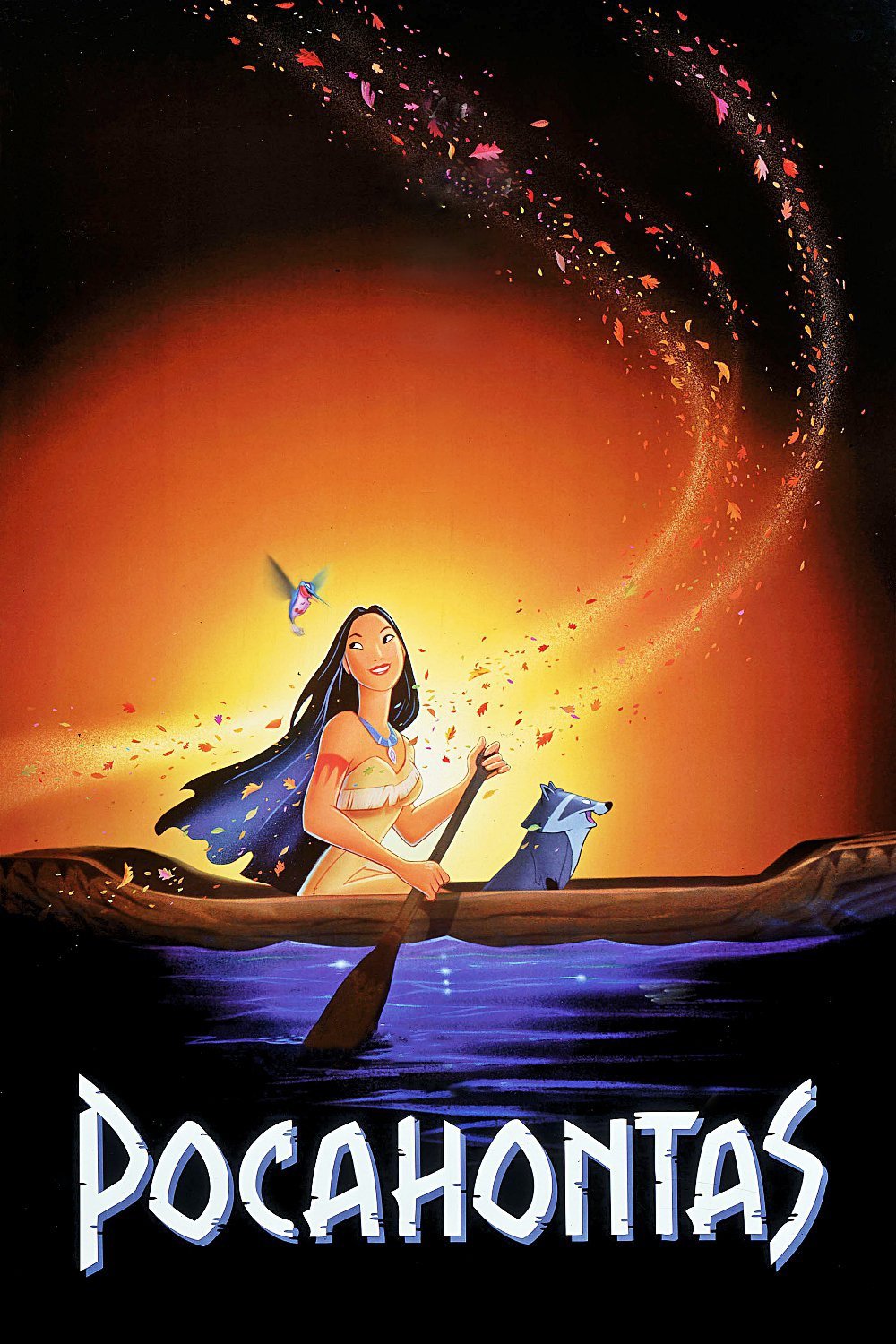
The real historical figure lived a life that was far removed from the romanticized and peaceful version seen on the screen. She was kidnapped by English settlers and forced to convert to Christianity before being taken to a foreign land. She died at a very young age from disease before she could ever return to her true home and family. The movie ignores these tragic facts in favor of a message about environmentalism and cultural harmony between different peoples.
‘The Hunchback of Notre Dame’ (1996)
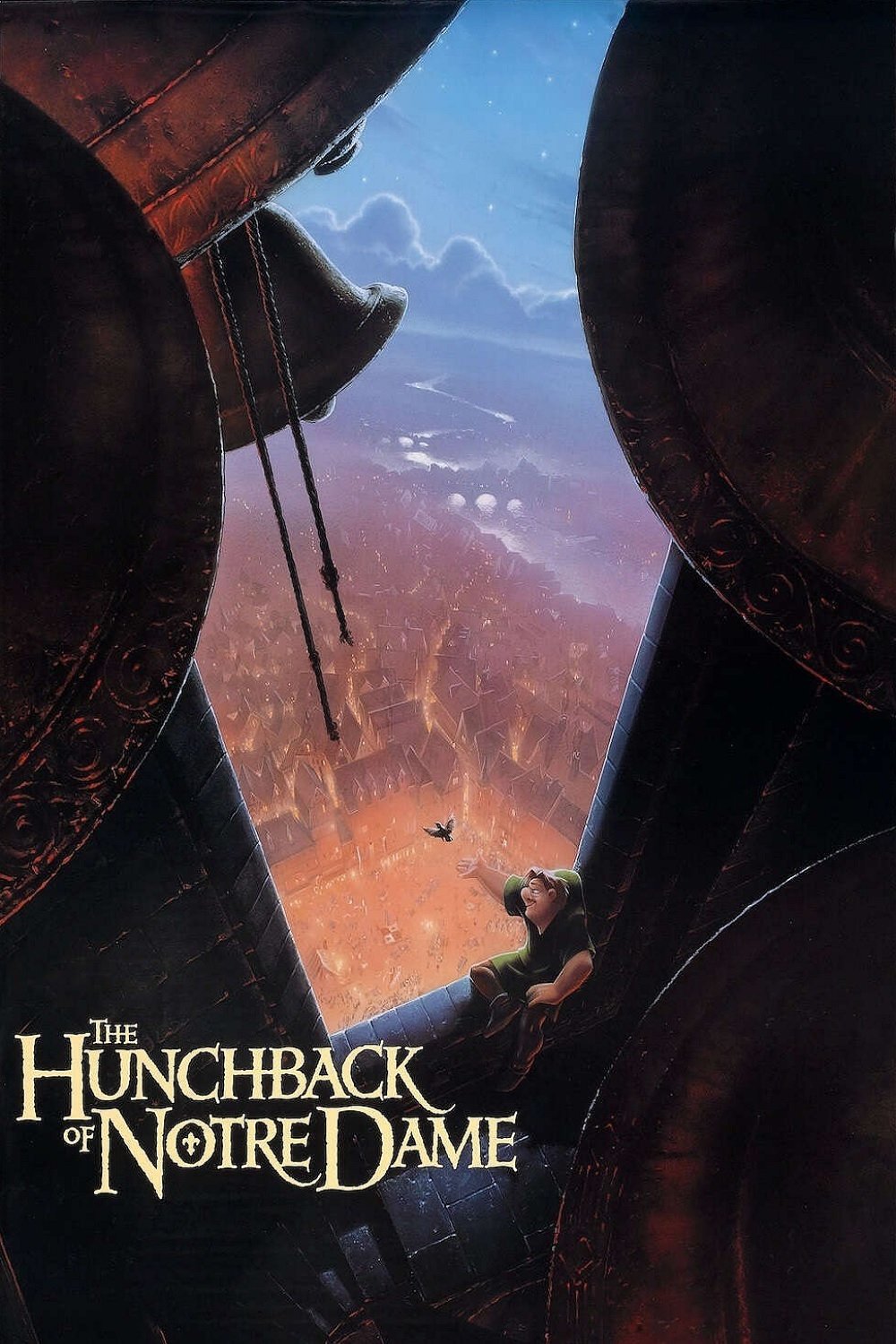
Victor Hugo wrote a novel that ends with the tragic deaths of almost all the main characters in the story. Esmeralda is executed by the state and Quasimodo eventually crawls into her tomb to die of starvation while holding her body. The villain Frollo is a much more obsessed and tormented figure whose actions lead to total destruction for the cathedral and the city. The Disney version added talking gargoyles and a more hopeful ending to the otherwise grim narrative.
‘Hercules’ (1997)
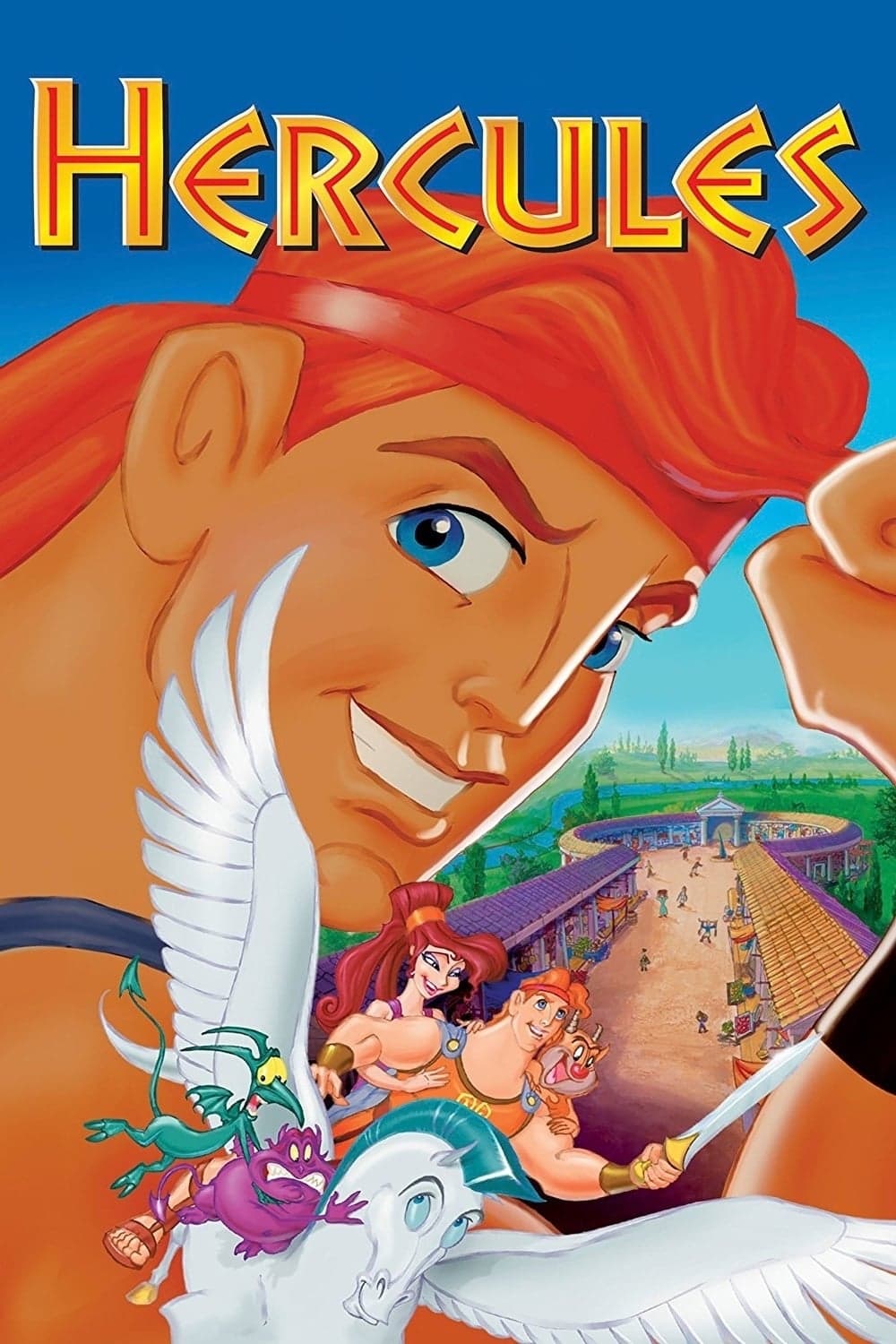
Greek mythology is filled with dark and violent tales about the famous son of Zeus and his complicated family. In the original myths the goddess Hera drives the hero into a fit of temporary madness that causes him to kill his own wife and children. His twelve labors are performed as a way to atone for these horrific crimes rather than as a simple quest for fame. The film turned this into a superhero origin story with a focus on finding where one belongs.
‘Mulan’ (1998)
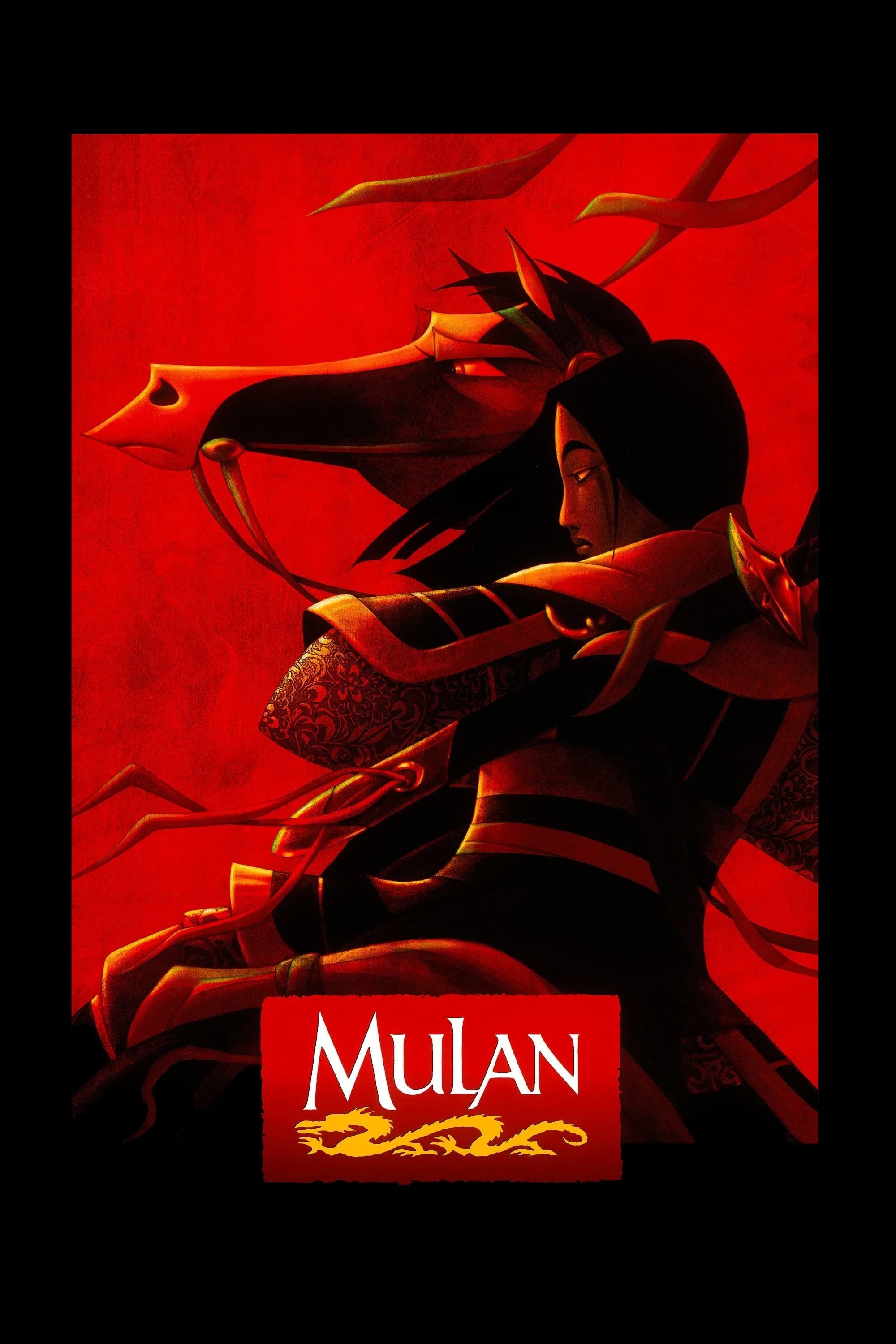
The Ballad of Mulan has many variations across history but some versions end in a very tragic and somber manner. In one specific retelling the heroine returns from war to find her family gone and is pressured into becoming a concubine for a ruler. She ultimately chooses to take her own life rather than live under those conditions after her service to the country. Disney focused on the earlier parts of the legend to create an empowering story about bravery.
‘Tarzan’ (1999)
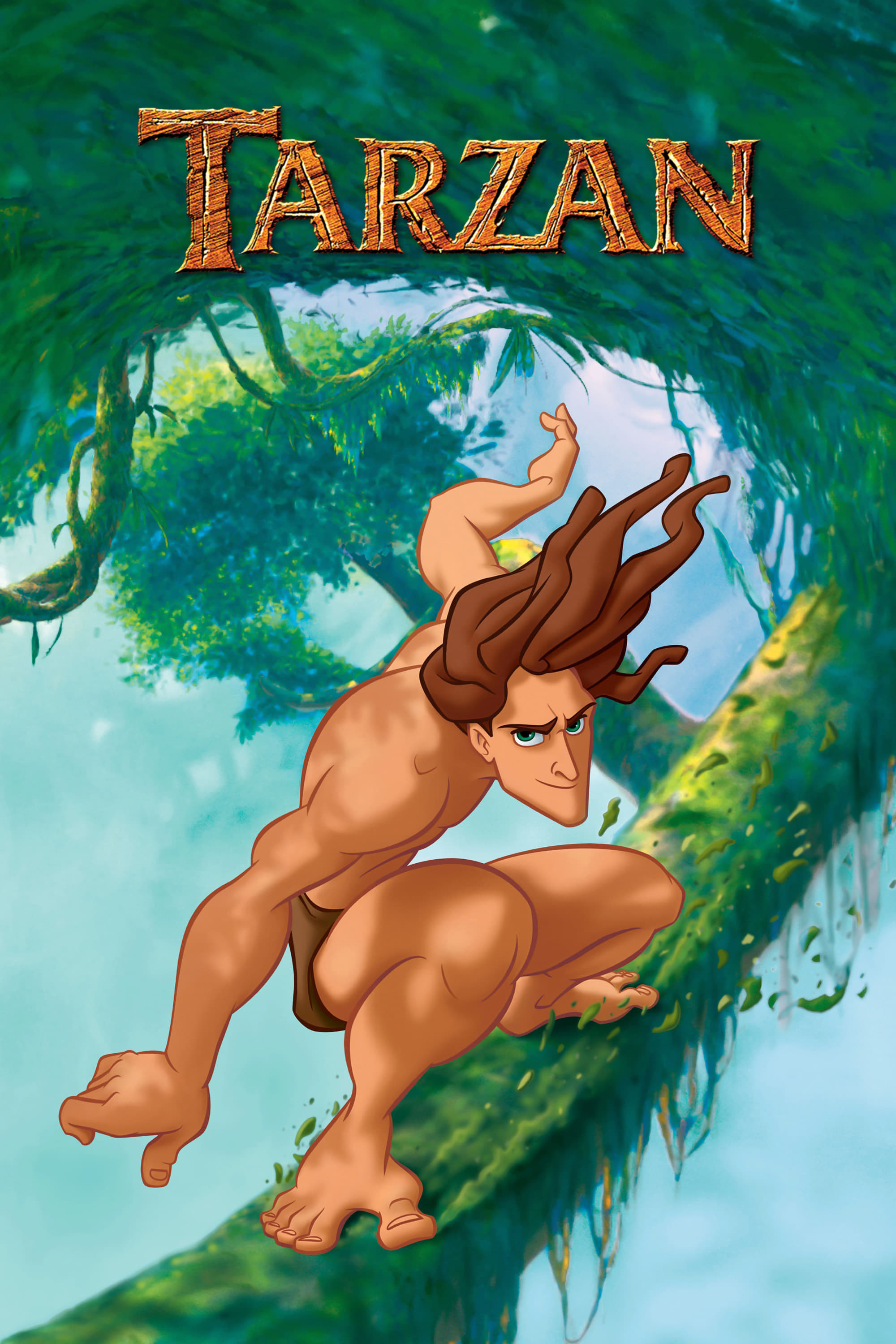
Edgar Rice Burroughs wrote the original novels with a high degree of violence and survivalist intensity in the African jungle. The protagonist is often shown killing animals and fighting off tribal enemies in a very graphic and visceral fashion. The conflict with the humans who arrive from the outside world is much more bloody and involves deep themes of revenge. The animated film focused on the emotional bond between the characters and the internal struggle for identity.
‘The Emperor’s New Groove’ (2000)
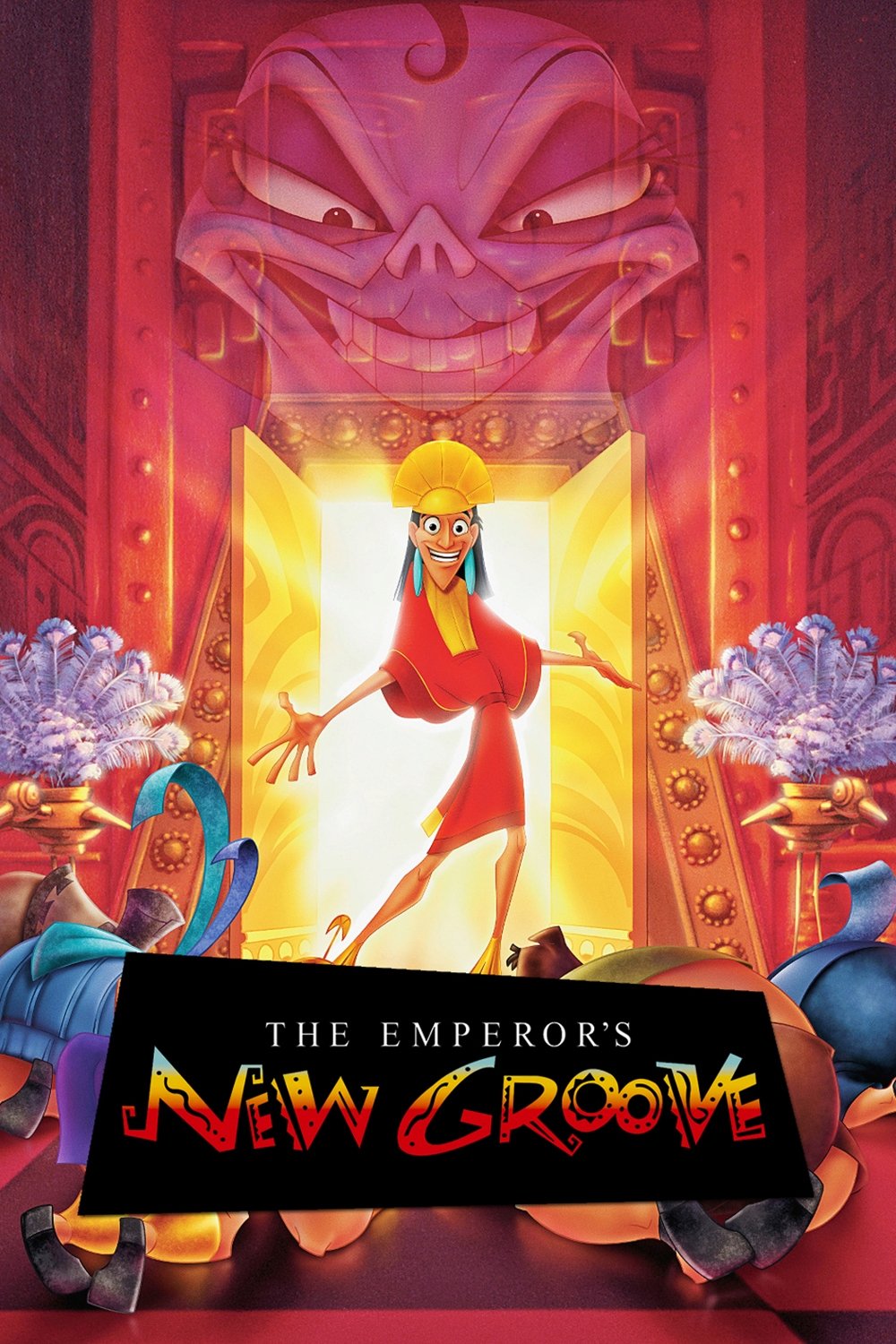
This film began as a much more serious project titled Kingdom of the Sun which featured an epic struggle for power. The original concept involved the sun being stolen and a dark plot involving the supernatural elements of the Incan empire. It was meant to be a dramatic musical before it was eventually reworked into the slapstick comedy that audiences know today. The shift from a dark epic to a comedy is one of the most famous transformations in animation history.
‘Atlantis: The Lost Empire’ (2001)

The concept of the lost city comes from the writings of Plato who used it as a cautionary tale about human pride. In his accounts the civilization became greedy and corrupt which led to its total destruction by the gods in a single day. The people of the city were not portrayed as heroes but rather as a warning about the dangers of imperialistic ambition. Disney turned this into an action adventure film about discovery and the preservation of an ancient culture.
‘Treasure Planet’ (2002)

Robert Louis Stevenson wrote Treasure Island as a gritty pirate story where the characters are ruthless and completely untrustworthy. The pirates are willing to kill anyone who stands between them and the buried gold including the young protagonist of the story. There is no sense of a genuine fatherly bond between Silver and Jim in the way the film portrays it. The movie added a science fiction twist to this classic tale of greed and betrayal.
‘Brother Bear’ (2003)
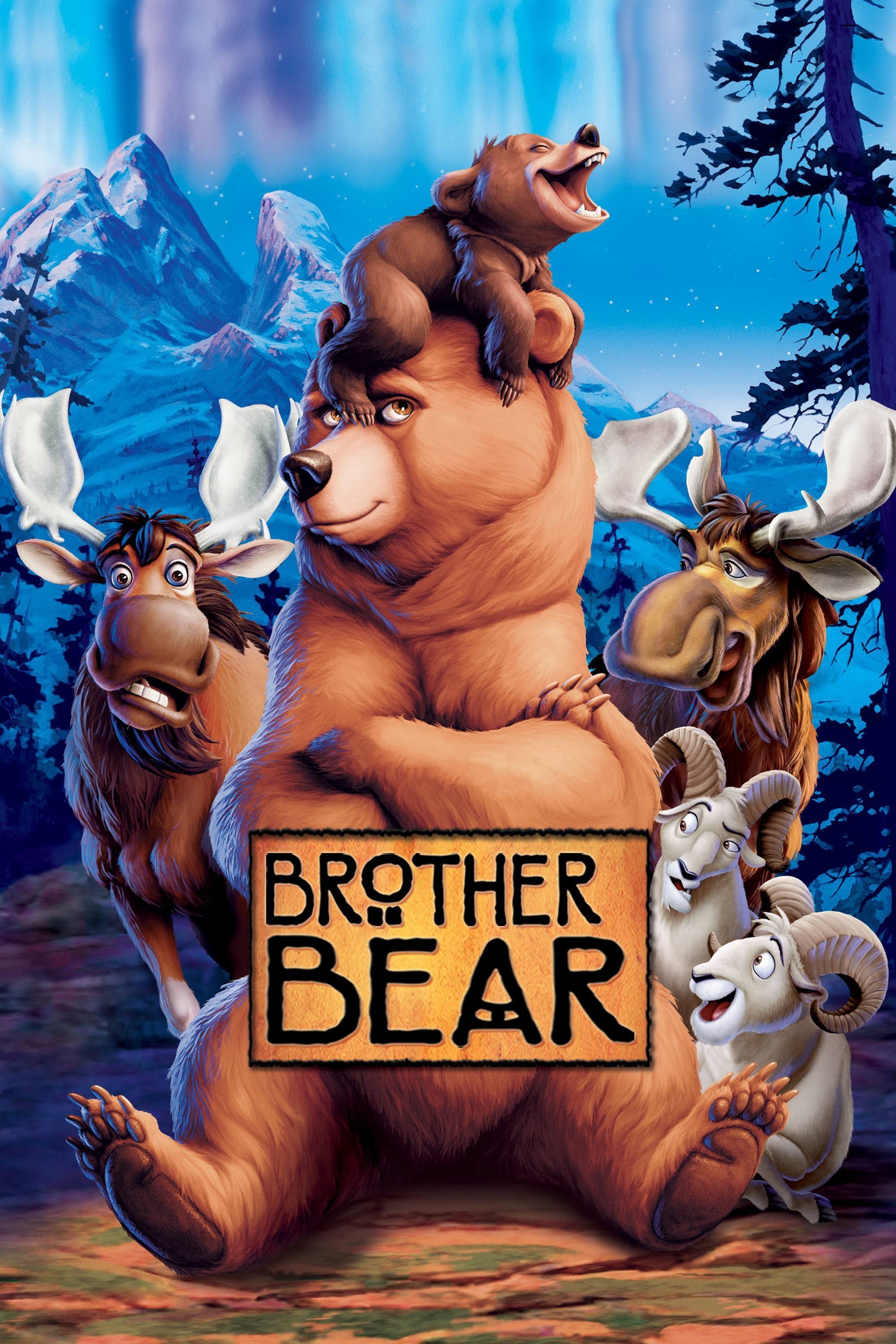
Many indigenous legends about animal transformations involve a permanent loss of humanity and a deep connection to the spirit world. These stories often focus on the heavy consequences of disrespecting nature and the weight of spiritual retribution for one’s actions. The film explores these themes through the lens of brotherhood and forgiveness but softens the potential for a more tragic conclusion. It remains a poignant look at the cost of anger and the importance of empathy.
‘Chicken Little’ (2005)
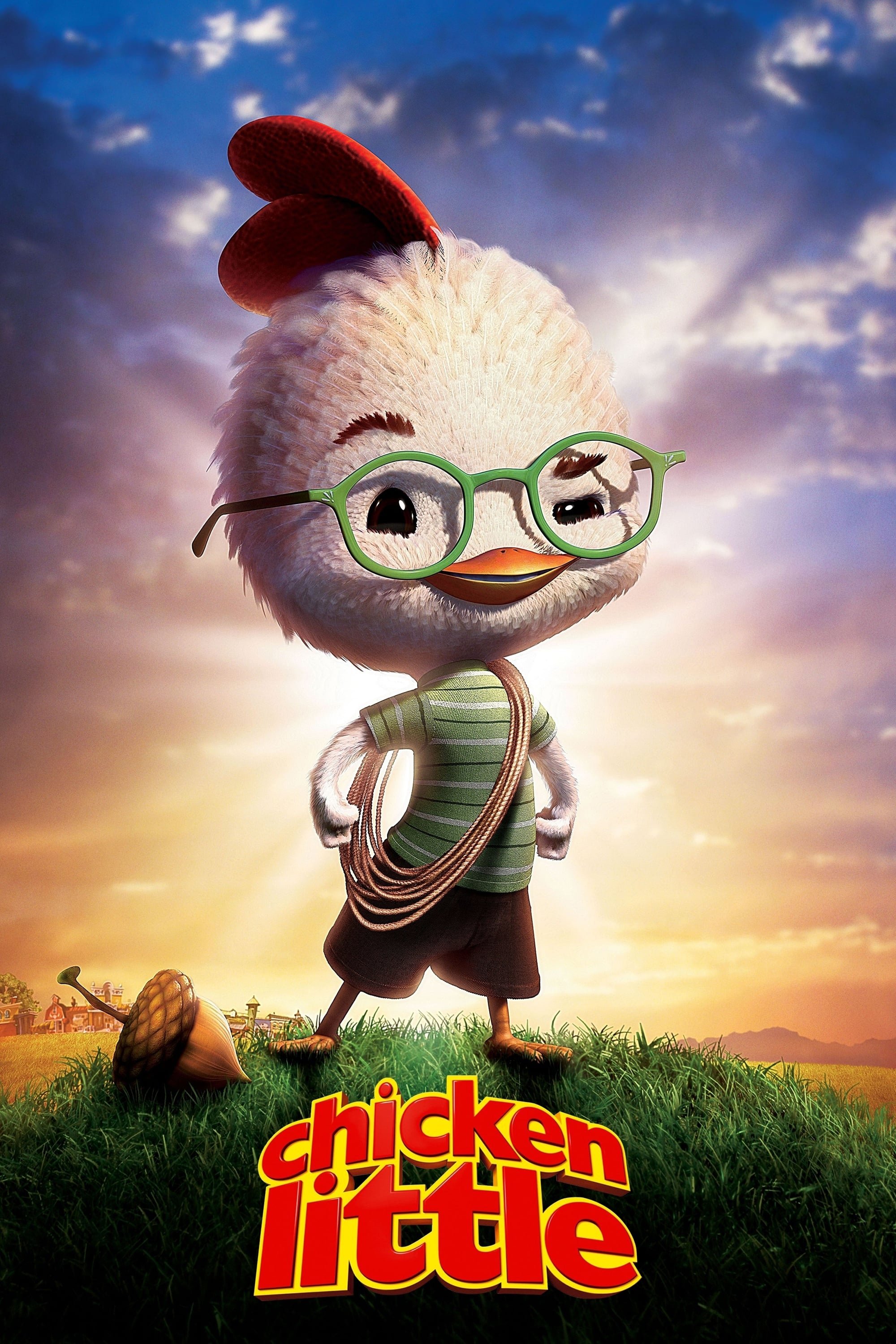
The original fable is a cautionary tale that ends with the titular character and his friends being eaten by a hungry fox. They are lured into a den under the guise of finding safety and never return to their homes in the farmyard. The story was intended to warn people against falling for mass hysteria and false alarms without checking the facts. Disney turned this dark moral lesson into a comedy about an alien invasion and a difficult father son relationship.
‘The Princess and the Frog’ (2009)
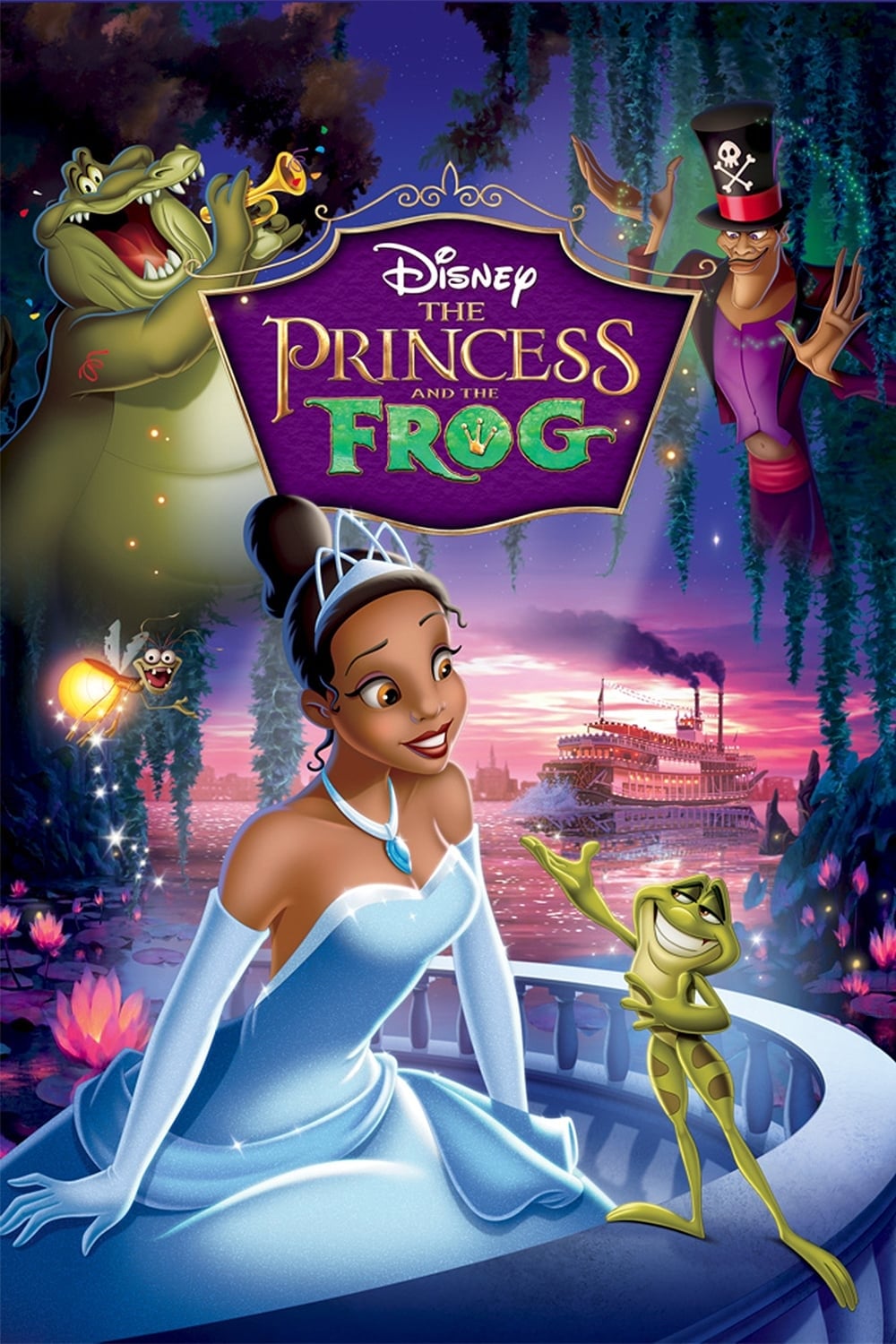
The Frog Prince recorded by the Brothers Grimm features a princess who is quite cruel to the enchanted frog during their time together. Instead of a romantic kiss she eventually becomes so frustrated that she throws the animal against a wall as hard as she can. This act of violence is what actually breaks the spell and turns him back into a human prince. The film replaced this interaction with a traditional and romantic journey through the magical Louisiana bayou.
‘Tangled’ (2010)
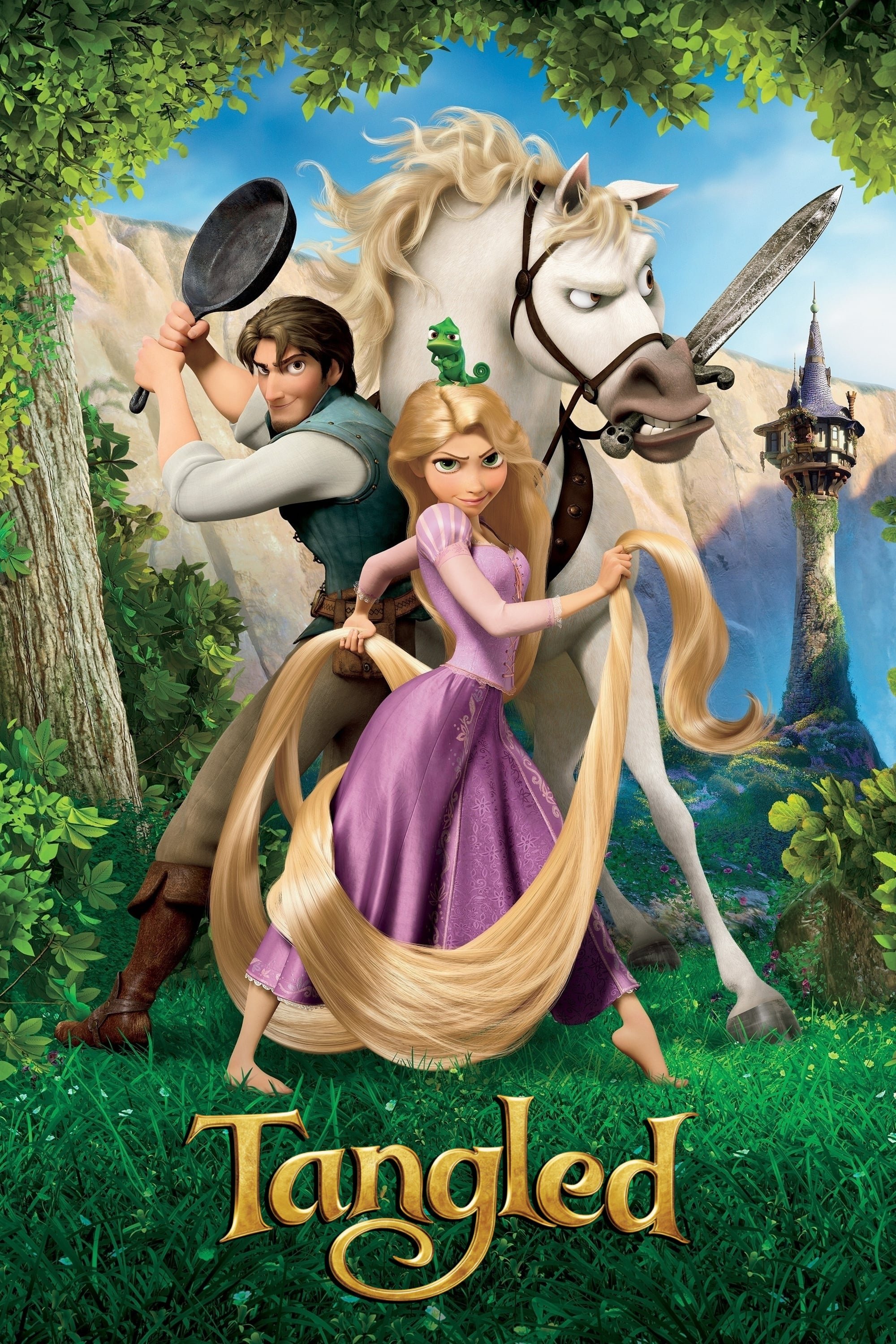
The Grimm version of Rapunzel includes a prince who falls from the tower and is blinded by thorns in the garden below. He wanders through the wilderness for years in total darkness before finally finding the main character in a desolate desert. She has been living in exile and has already given birth to twins while surviving alone in the harsh environment. The movie opted for a more upbeat adventure filled with comedy and a magical healing flower.
‘Brave’ (2012)
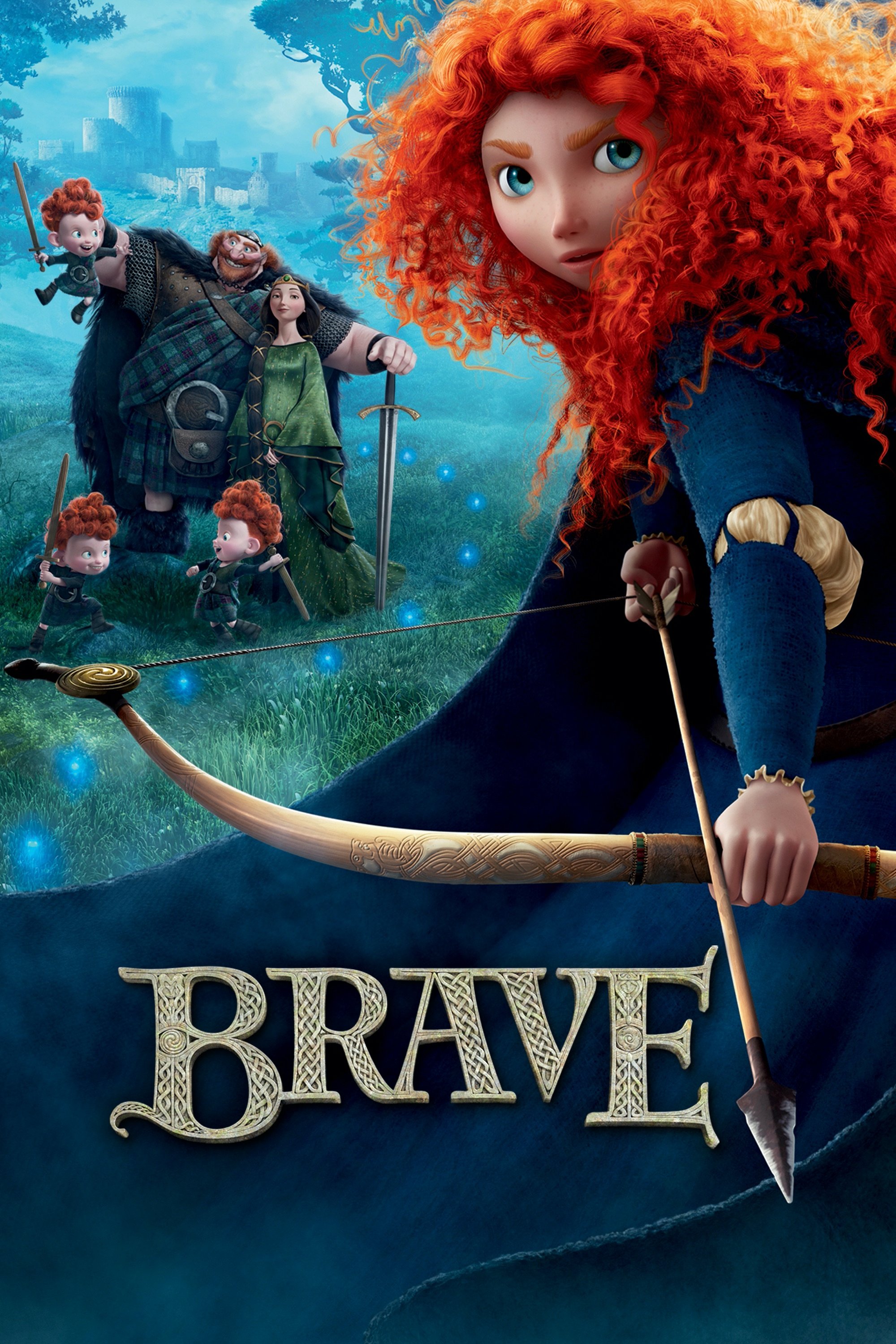
Scottish folklore is full of stories about humans who are transformed into animals as a punishment from which they never truly recover. These legends often emphasize the loss of one’s soul and the permanent isolation from human society and family. The film uses the bear transformation as a catalyst for a mother and daughter to fix their broken relationship. It balances the dark magic of the ancient woods with a story about the power to change one’s fate.
‘Frozen’ (2013)
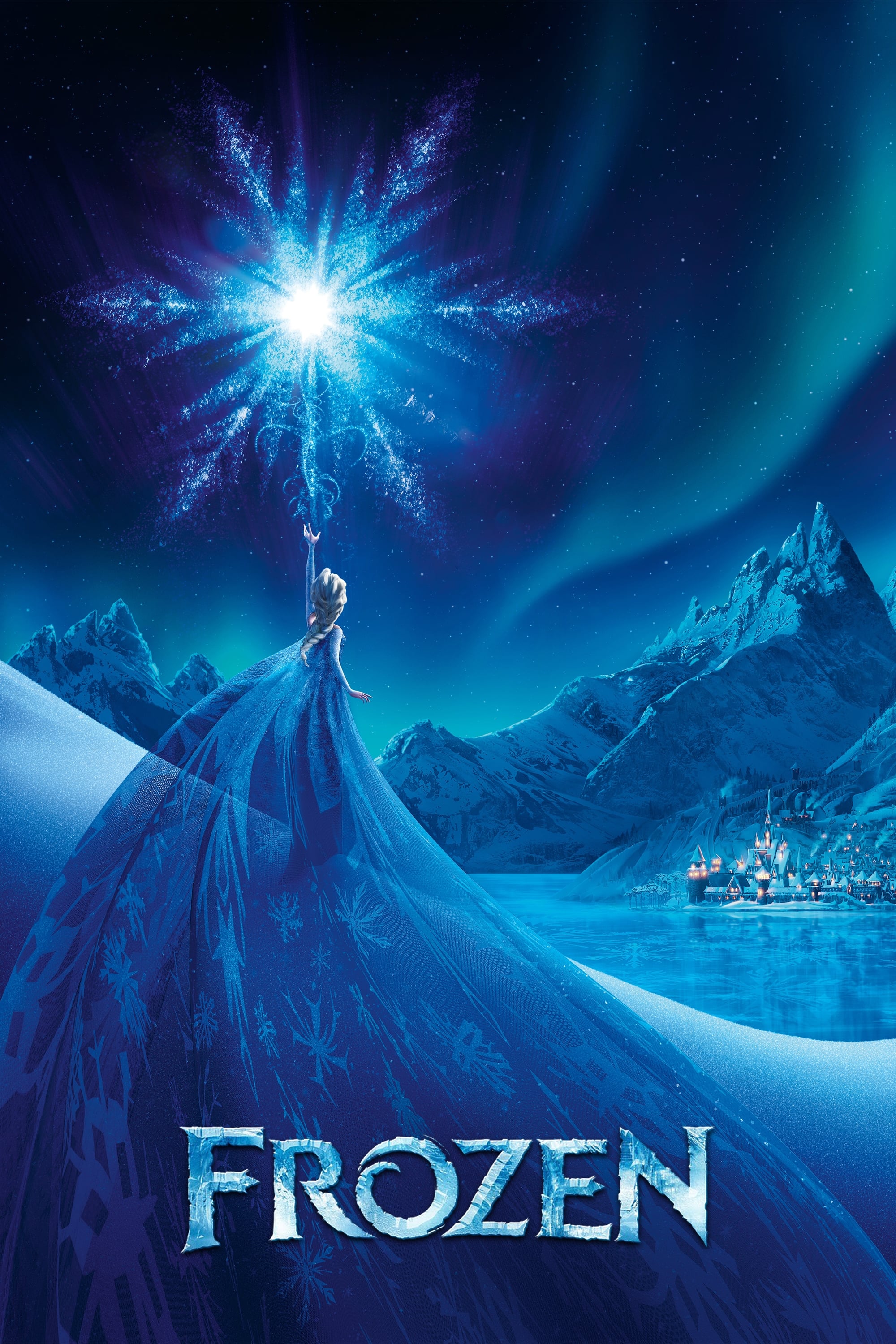
The Snow Queen by Hans Christian Andersen features a shard of an evil mirror that gets stuck in a boy’s eye and heart. This causes him to see only the bad in everything and makes his heart turn to ice as he loses his emotions. The Snow Queen is a distant and mysterious figure who kidnaps the boy and takes him to her frozen palace in the north. Disney reimagined the queen as a misunderstood sister struggling with her own dangerous and uncontrollable powers.
‘Moana’ (2016)
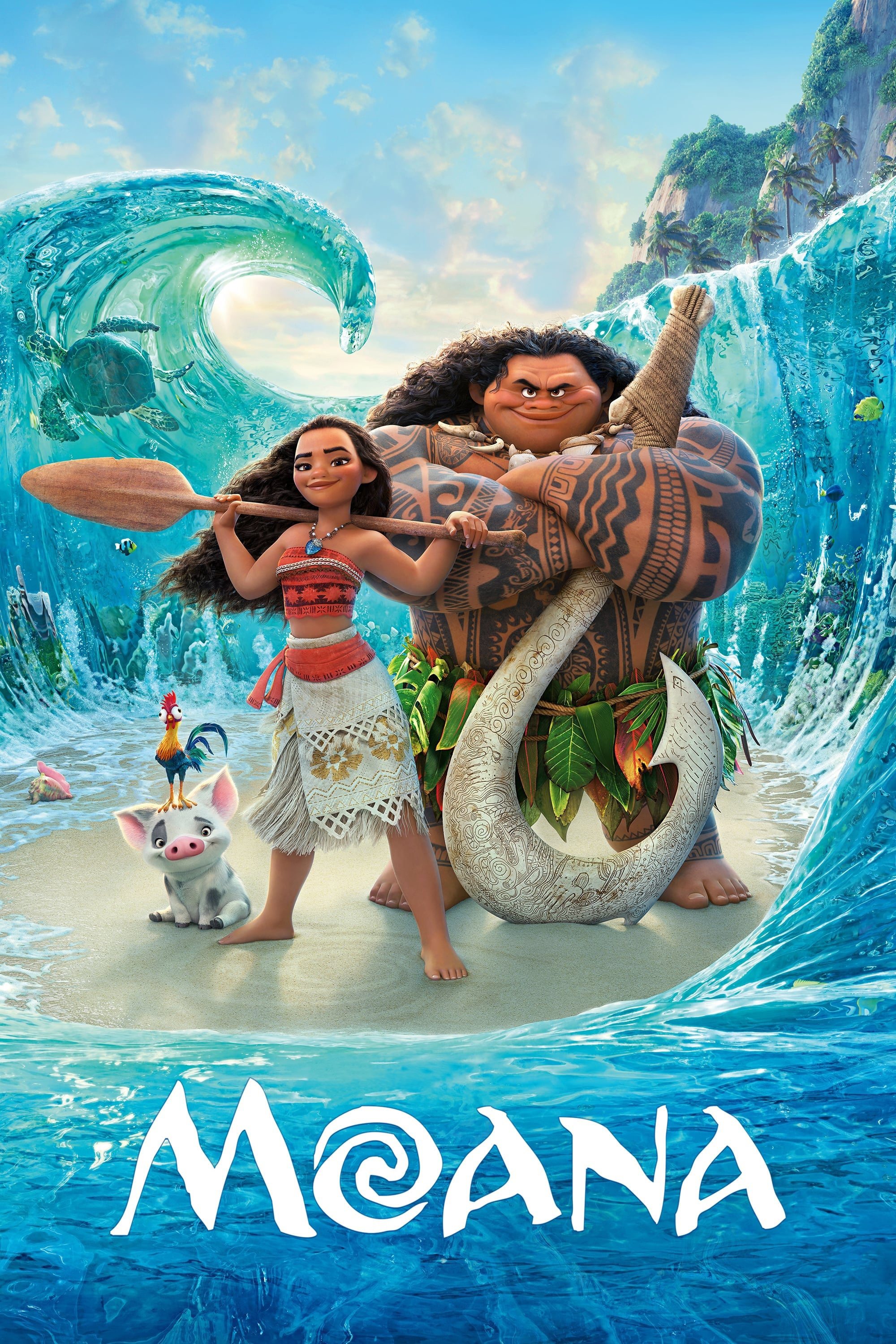
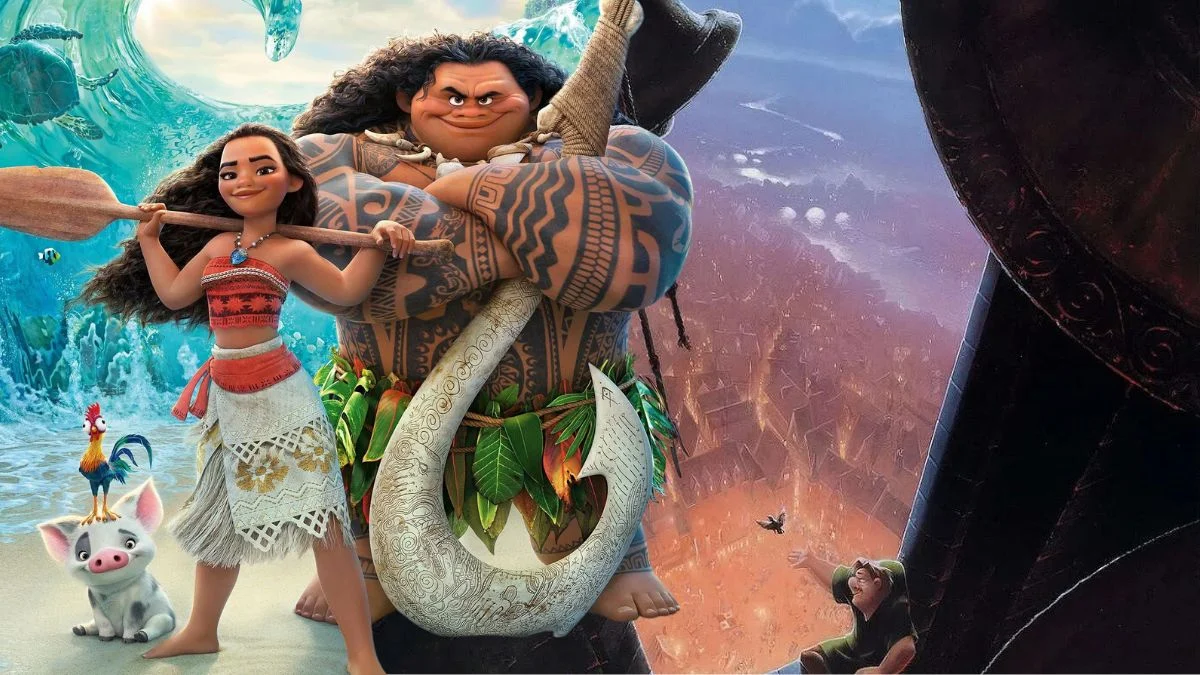
Polynesian mythology includes various versions of the demigod Maui who is often a much more complex and sometimes violent figure in the legends. Some stories detail his death during a quest for immortality that goes horribly wrong for him and his followers. The film presents him as a boastful but ultimately heroic character who helps restore the heart of the goddess. It focuses on the themes of navigation and identity while honoring the cultural roots of the Pacific Islands.
‘Raya and the Last Dragon’ (2021)
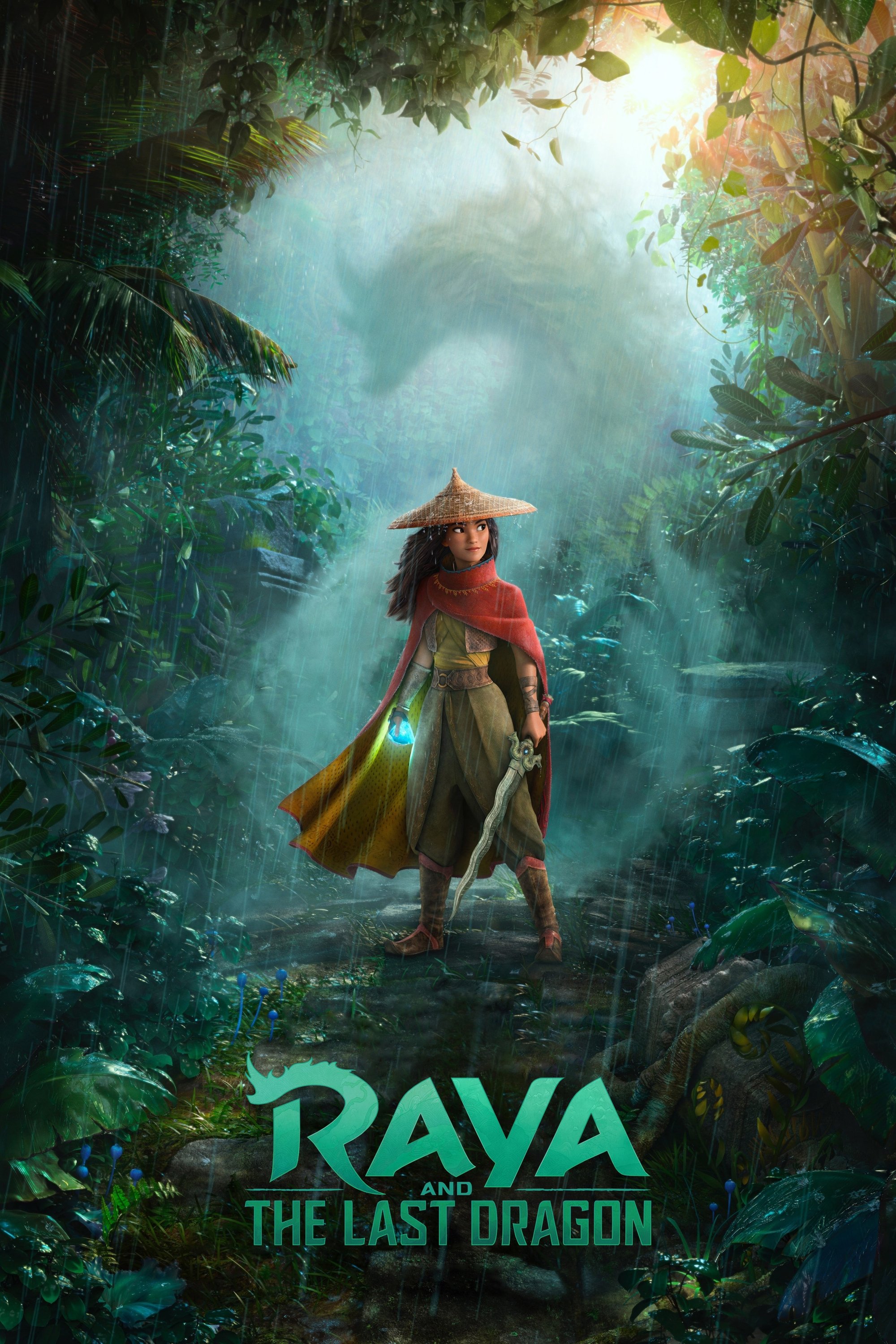
The themes of petrification and a spiritual plague draw from various Southeast Asian myths about the end of the world and societal collapse. These stories often involve the loss of entire civilizations and the difficult path to restoration through immense personal sacrifice. The film depicts a broken world where trust has been completely destroyed by fear and isolation among the different tribes. It uses these dark concepts to tell a story about the power of unity and collective healing for the future.
Tell us which of these dark origins surprised you the most by sharing your thoughts in the comments.