Movies That Were Ruined By The Inclusion Of A Forced Love Triangle


Cinematic narratives often thrive on emotional stakes but some productions introduce romantic complications that feel disconnected from the central plot. These forced love triangles are frequently criticized for slowing down the pace and diverting focus from the established stakes of the story. While romance can add depth it sometimes functions as a distraction in high stakes action or fantasy scenarios. The following films are notable examples where a romantic entanglement was viewed as an unnecessary addition to the script.
‘The Hobbit: The Desolation of Smaug’ (2013)
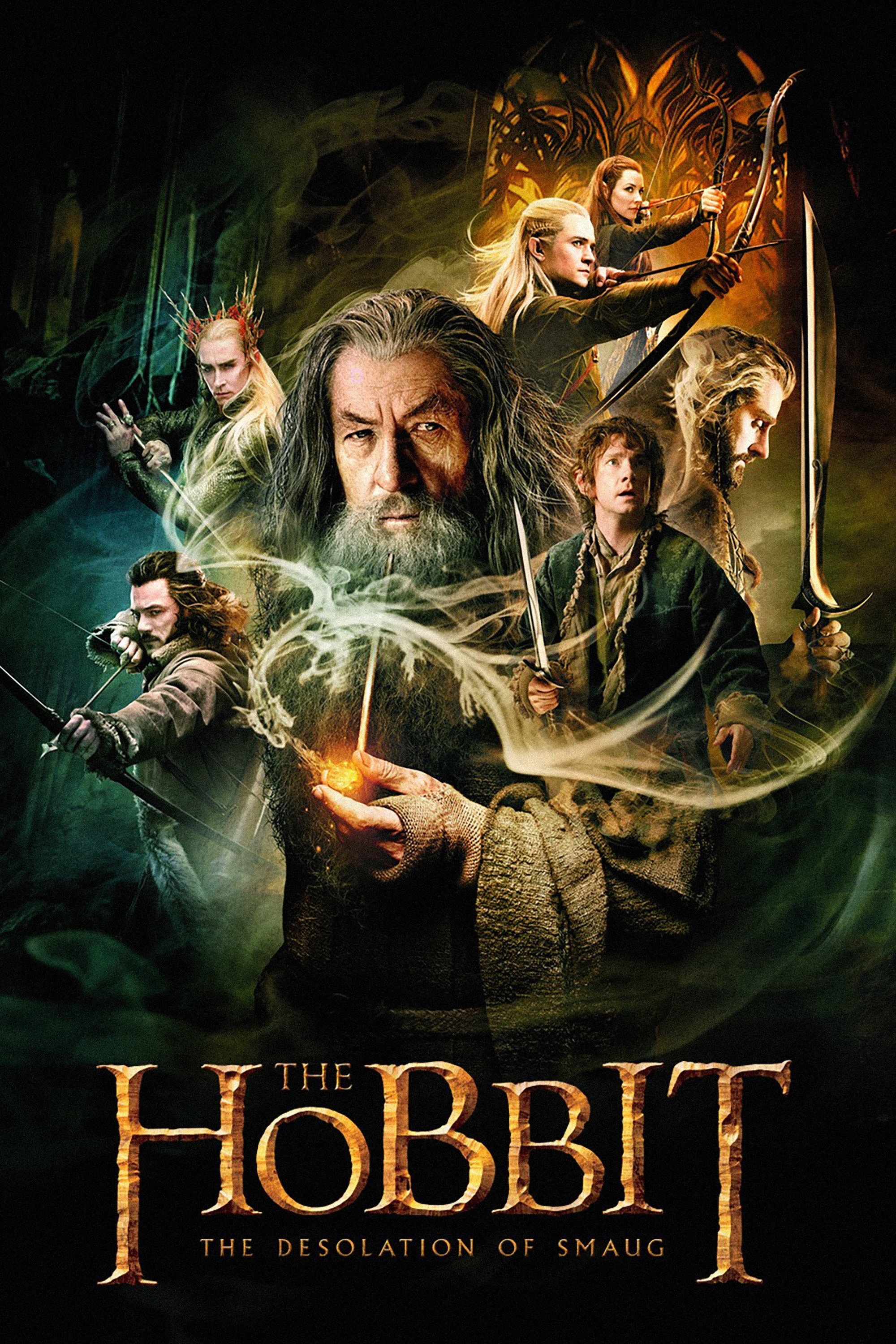
This fantasy adventure introduces an original elf character named Tauriel who becomes the center of a romantic subplot with the dwarf Kili. Legolas is also depicted as having feelings for her which creates a tension not found in the original book. Many viewers felt this addition was unnecessary and detracted from the core mission of reclaiming the mountain. The scenes focusing on this romance often felt like a departure from the established tone of the Middle-earth series.
‘The Hobbit: The Battle of the Five Armies’ (2014)
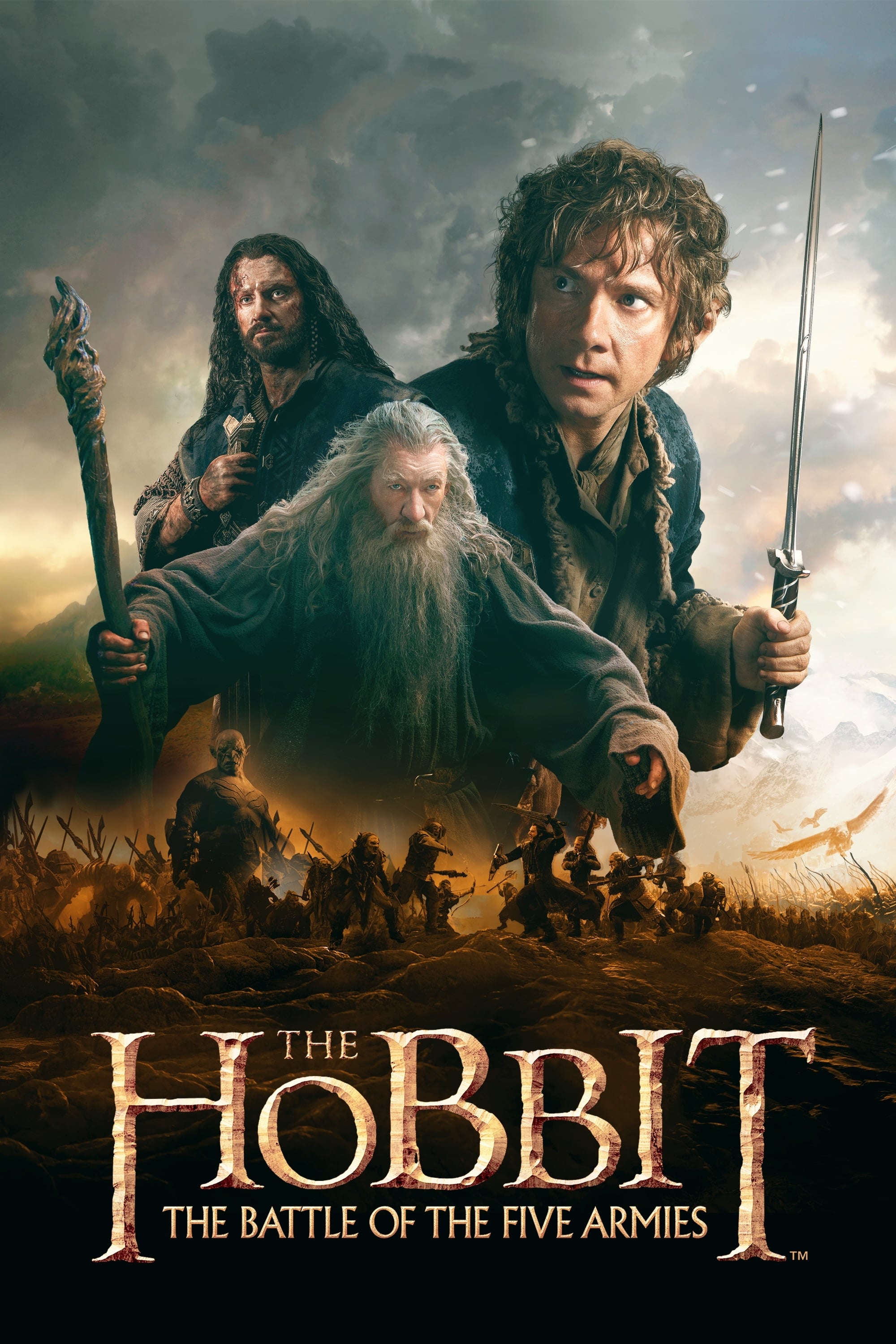
The conclusion of the trilogy continues the romance between Tauriel and Kili amidst a massive war for the Lonely Mountain. This subplot reaches a climax during the final battle while other major character arcs are fighting for screen time. The emotional weight of the film relies heavily on a relationship that was entirely invented for the cinematic adaptation. Fans of the source material frequently cited this triangle as a major distraction from the epic scale of the conflict.
‘Pearl Harbor’ (2001)
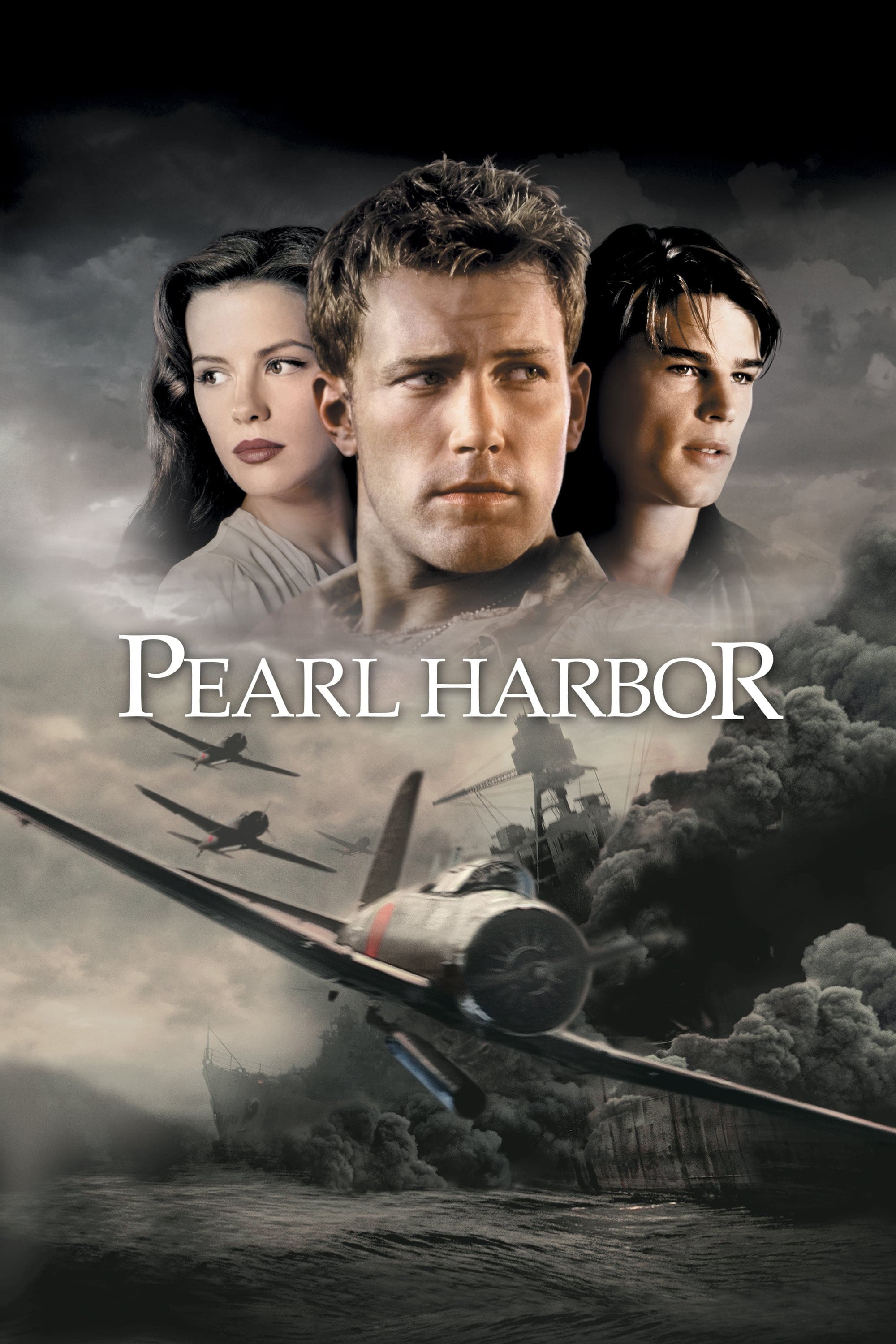
This historical drama depicts the events of the infamous attack while centering on a relationship between two best friends and a nurse. Rafe McCawley and Danny Walker both fall for Evelyn Johnson which leads to interpersonal conflict during a time of global war. The romantic drama occupies a significant portion of the three hour runtime and often overshadows the historical significance of the events. Critics noted that the forced sentimentality of the triangle undermined the gravity of the military tragedy.
‘The Hunger Games: Catching Fire’ (2013)
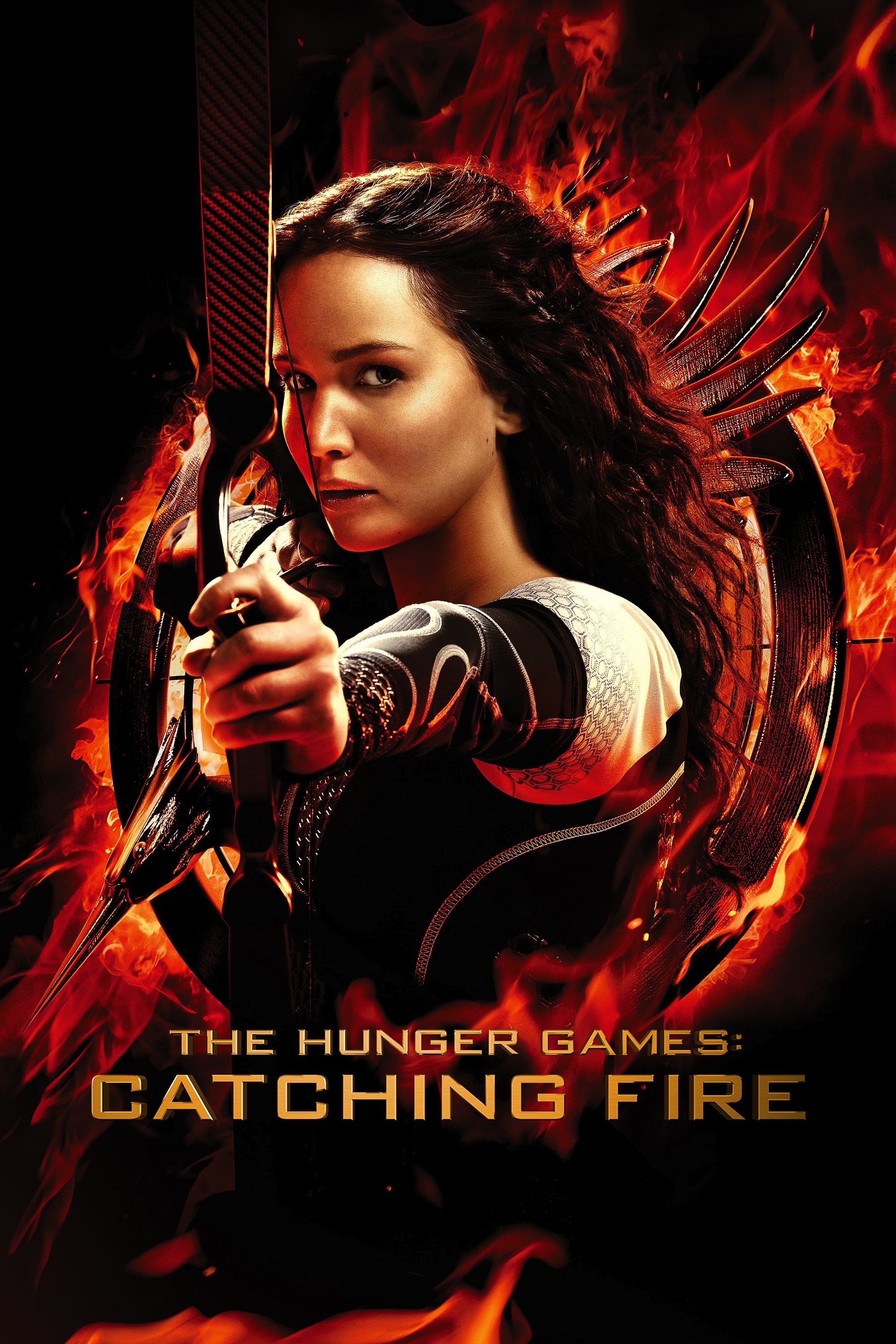
The second installment in the franchise intensifies the competition between Peeta Mellark and Gale Hawthorne for the affections of Katniss Everdeen. While the revolution against the Capitol begins to simmer Katniss is forced to navigate her confusing feelings for both men. This dynamic was often used to market the film to a younger audience through promotional materials. However the focus on which man Katniss would choose occasionally felt at odds with her primary goal of survival and social change.
‘The Hunger Games: Mockingjay – Part 1’ (2014)
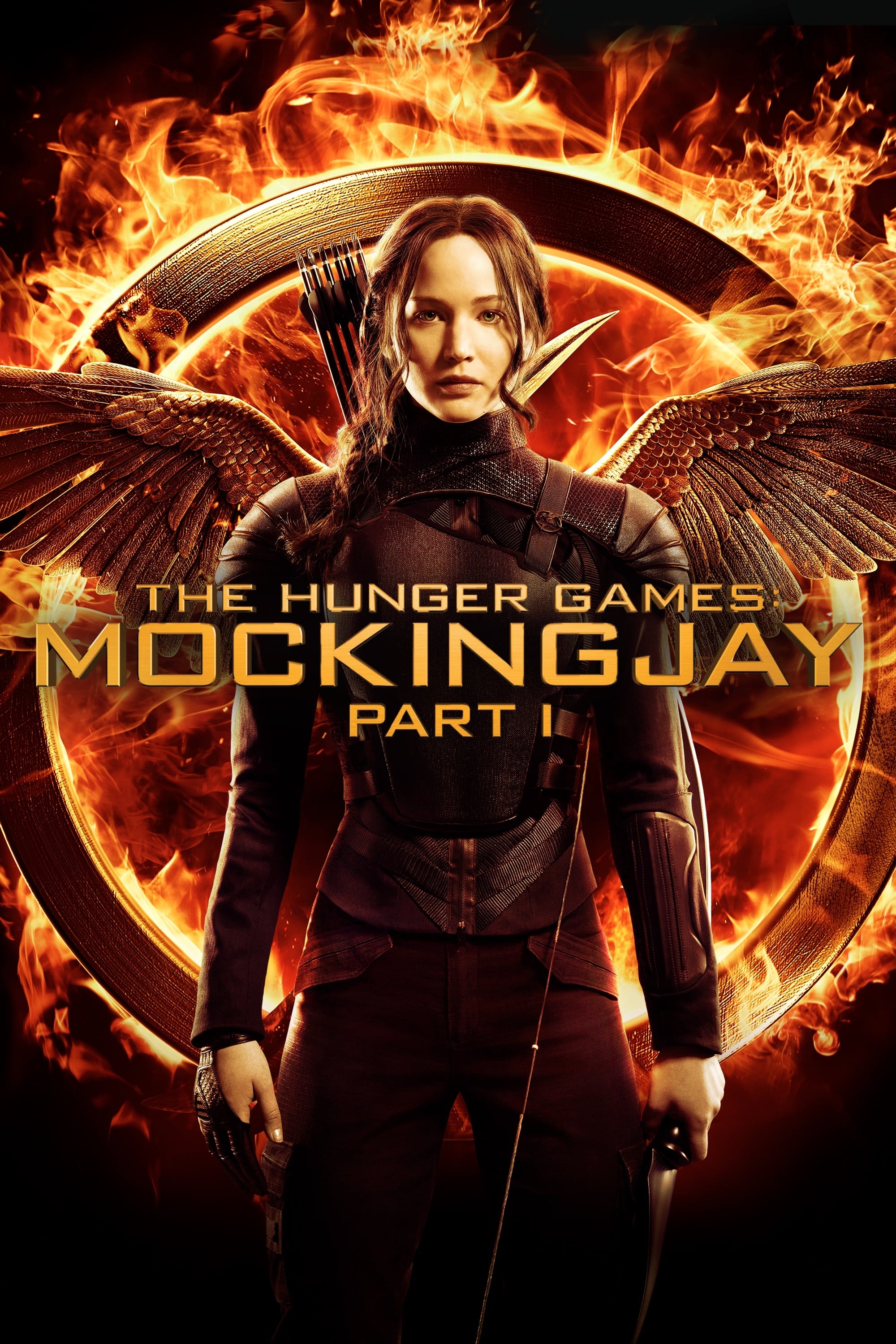
As the rebellion enters its most dangerous phase the narrative continues to emphasize the distance between Katniss and the captured Peeta. Gale remains by her side in District 13 which creates a constant source of romantic tension during military briefings. The film spends considerable time exploring the jealousy and heartbreak experienced by the characters in the midst of a civil war. This focus on the triangle was seen by some as a way to stretch the story across two separate cinematic releases.
‘The Hunger Games: Mockingjay – Part 2’ (2015)
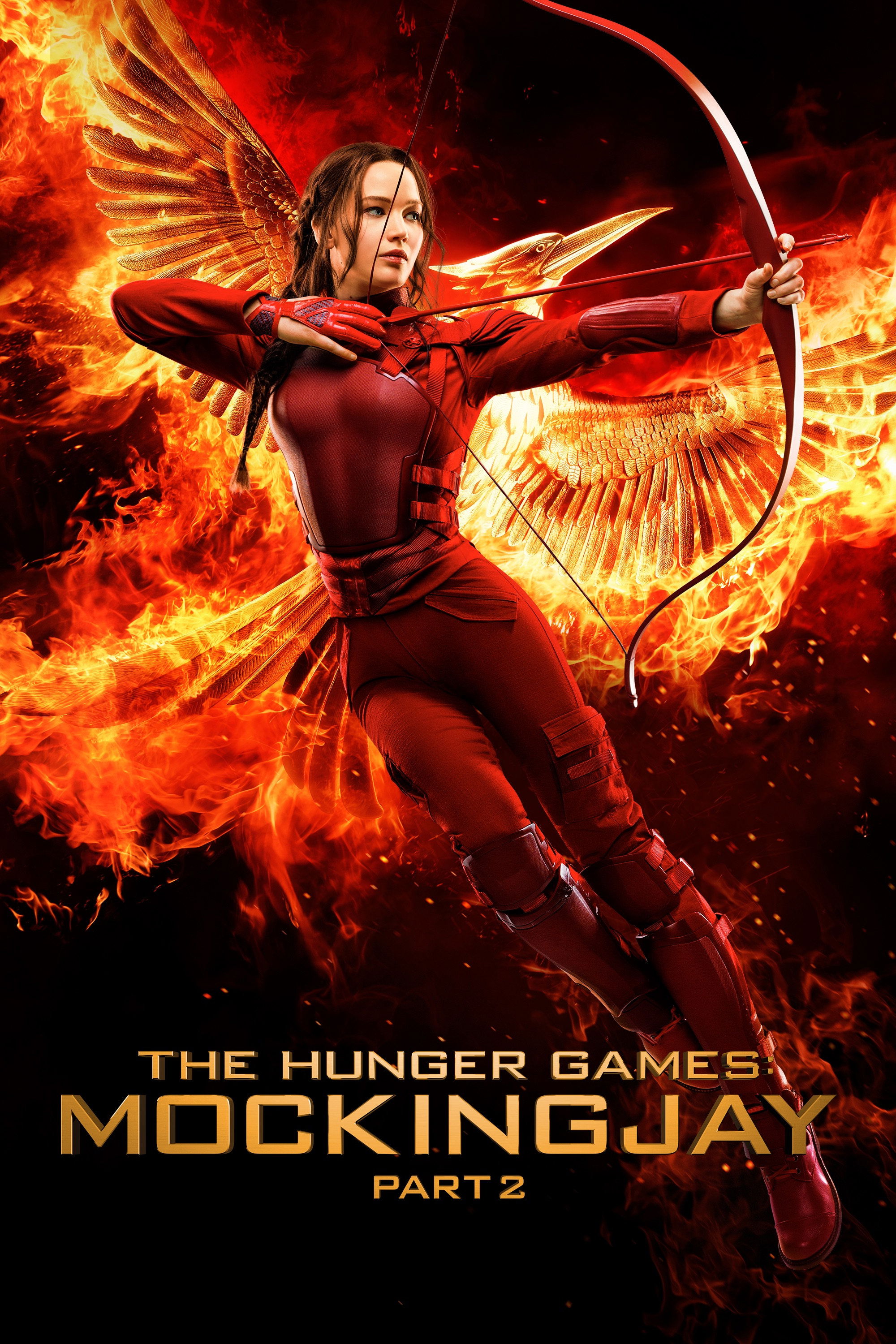
The final chapter of the saga concludes the war but maintains the romantic conflict until the final moments. Katniss must deal with a brainwashed Peeta while Gale becomes increasingly radicalized by the violence of the revolution. The eventual resolution of the love triangle is framed as a pivotal choice between peace and fire. While it provides closure some viewers felt the constant back and forth between the suitors felt redundant given the high death toll of the war.
‘Twilight’ (2008)
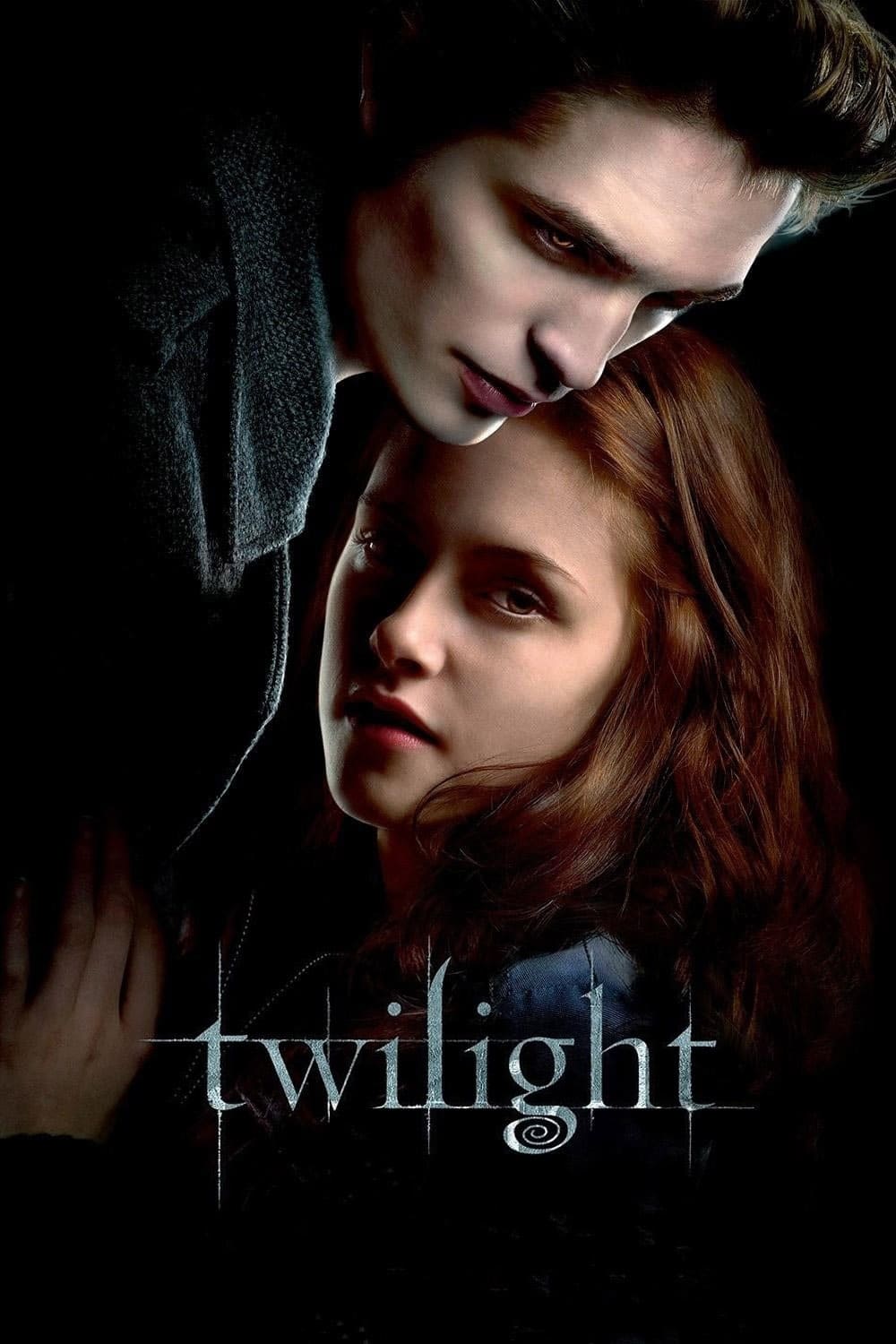
The first entry in this supernatural series establishes the core relationship between Bella Swan and the vampire Edward Cullen. It also introduces Jacob Black as a childhood friend who clearly desires a deeper connection with the protagonist. This initial setup paves the way for a conflict that would define the entire franchise. The focus on Bella being caught between two different worlds and two different men became a hallmark of the narrative.
‘The Twilight Saga: New Moon’ (2009)

When Edward leaves the city to protect Bella she turns to Jacob for comfort and emotional support. This sequel heavily leans into the developing bond between the human girl and the werewolf while the vampire remains absent. The narrative relies on the idea that Bella is torn between her soulmate and her best friend. This dynamic was frequently criticized for portraying a relationship built on dependency rather than organic growth.
‘The Twilight Saga: Eclipse’ (2010)
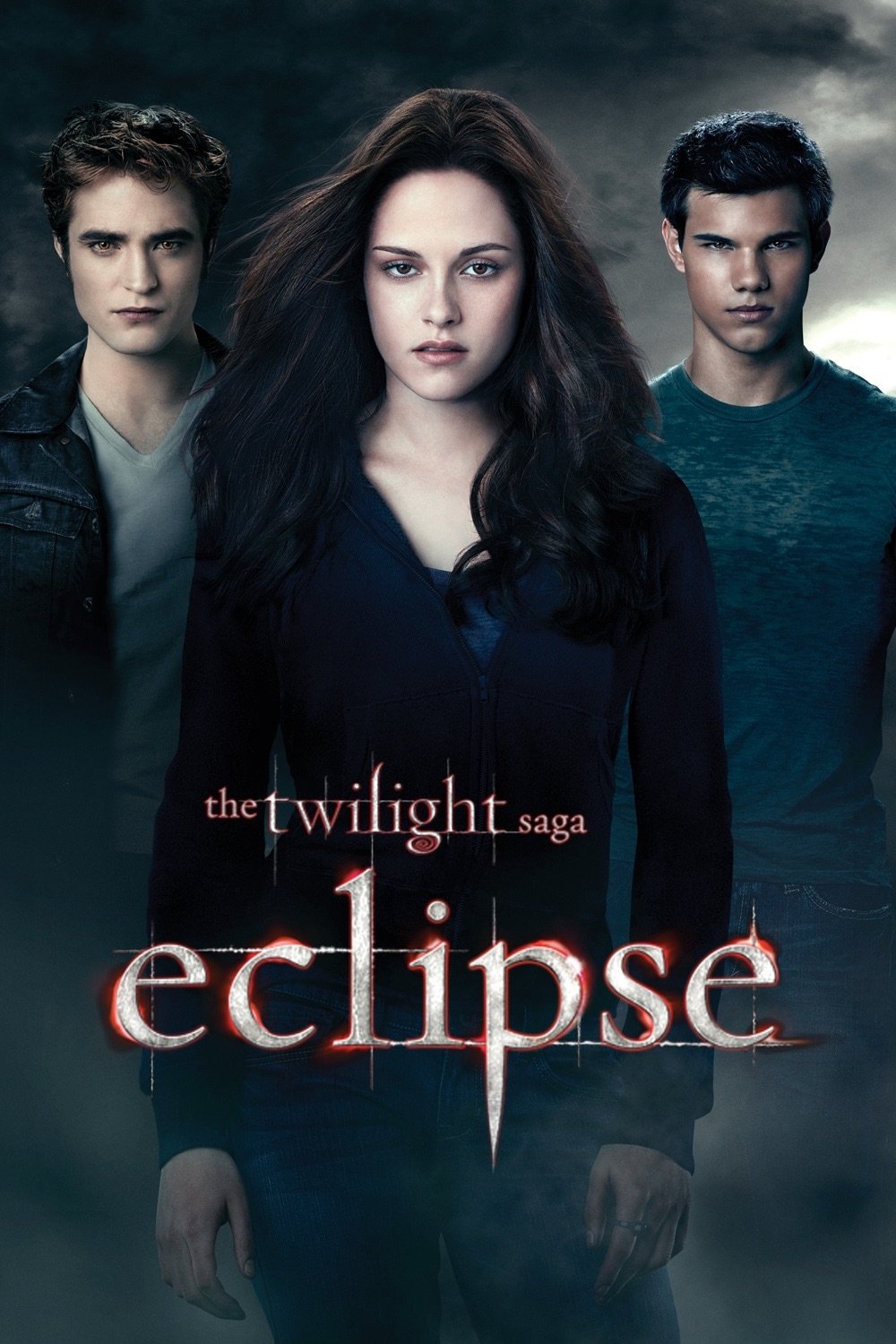
The third film brings the conflict to a head as Edward and Jacob are forced to work together to protect Bella from an army of vampires. One famous scene involves the three characters sharing a tent in the snowy mountains where the romantic tension is explicitly addressed. Bella eventually admits to having feelings for both men which complicates the alliance between their respective species. This installment is often considered the peak of the forced triangle trope within the series.
‘The Twilight Saga: Breaking Dawn – Part 1’ (2011)
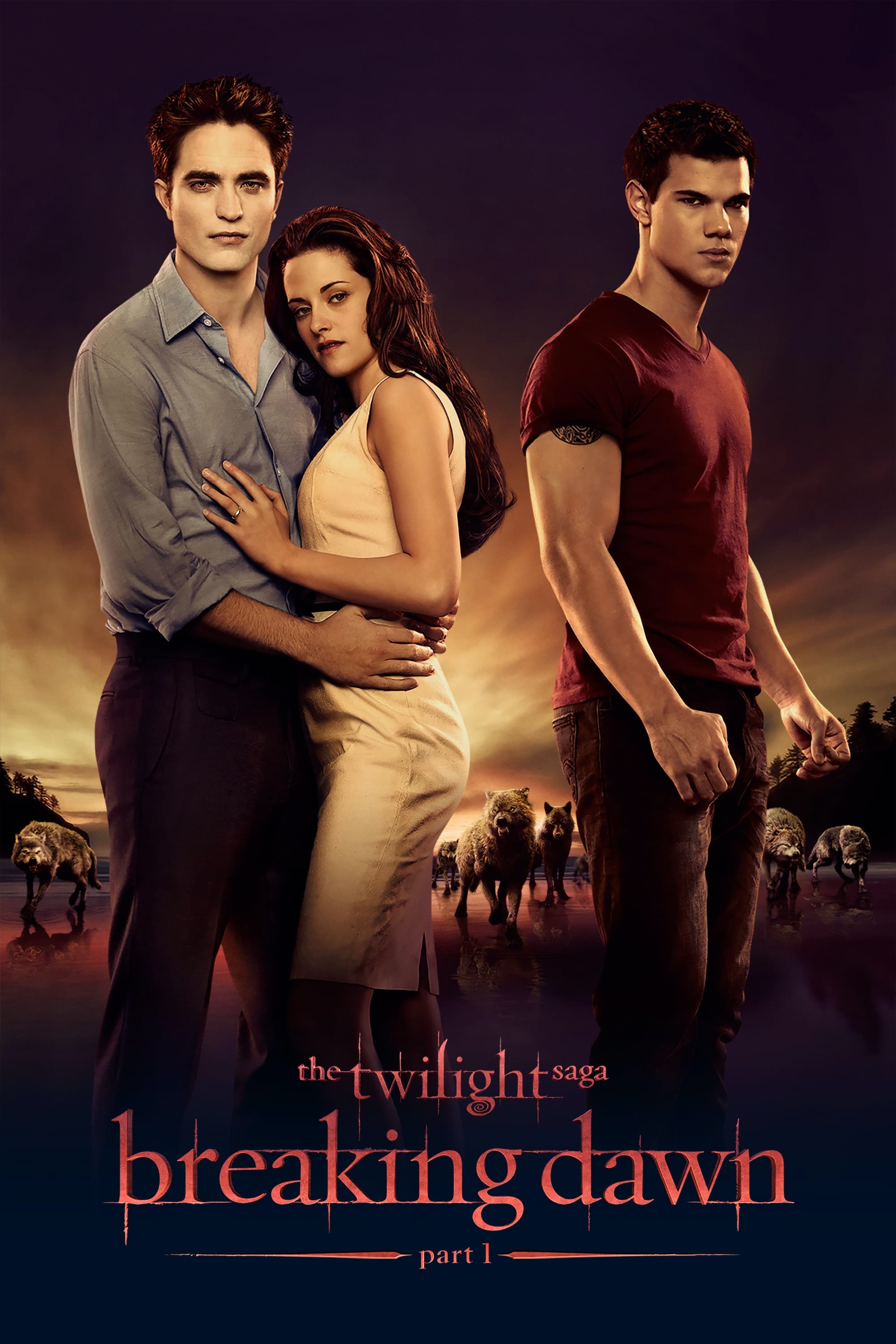
Even after Bella and Edward marry the presence of Jacob remains a major source of friction in the household. Jacob struggles to accept the choice Bella has made and continues to linger on the periphery of her new life. His reaction to her pregnancy and eventual transformation creates a subplot that many found uncomfortable or illogical. The triangle persists through a strange supernatural bond that ultimately resolves the conflict in an unexpected way.
‘The Twilight Saga: Breaking Dawn – Part 2’ (2012)
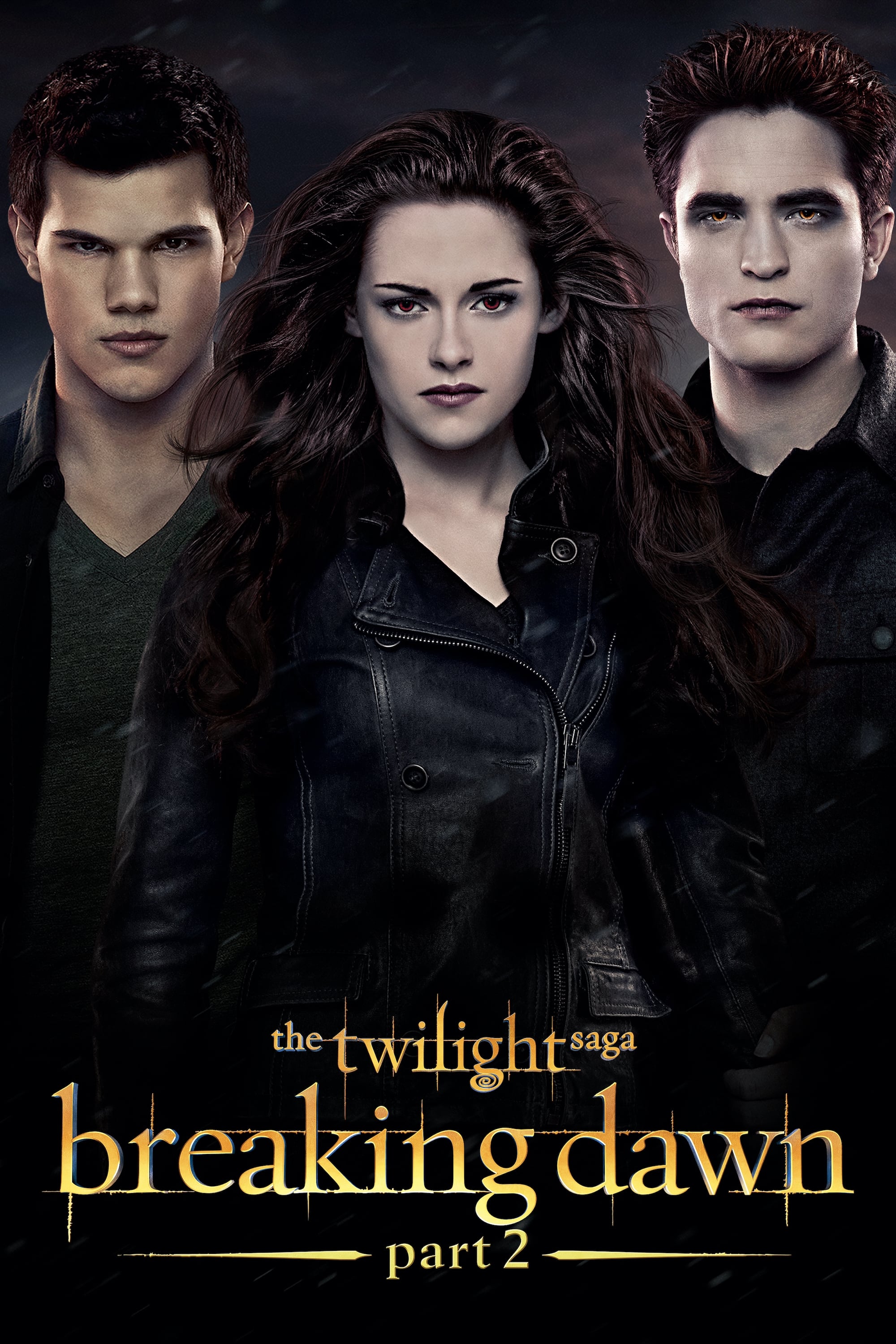
The final movie deals with the aftermath of Bella becoming a vampire and the resolution of the tension with Jacob. While the focus shifts toward protecting their daughter from the Volturi the lingering remnants of the love triangle still influence character interactions. Jacob finds a new purpose that effectively ends his pursuit of Bella. This resolution was noted for its unconventional nature and for finally allowing the story to move past the long standing romantic rivalry.
‘Spider-Man 3’ (2007)
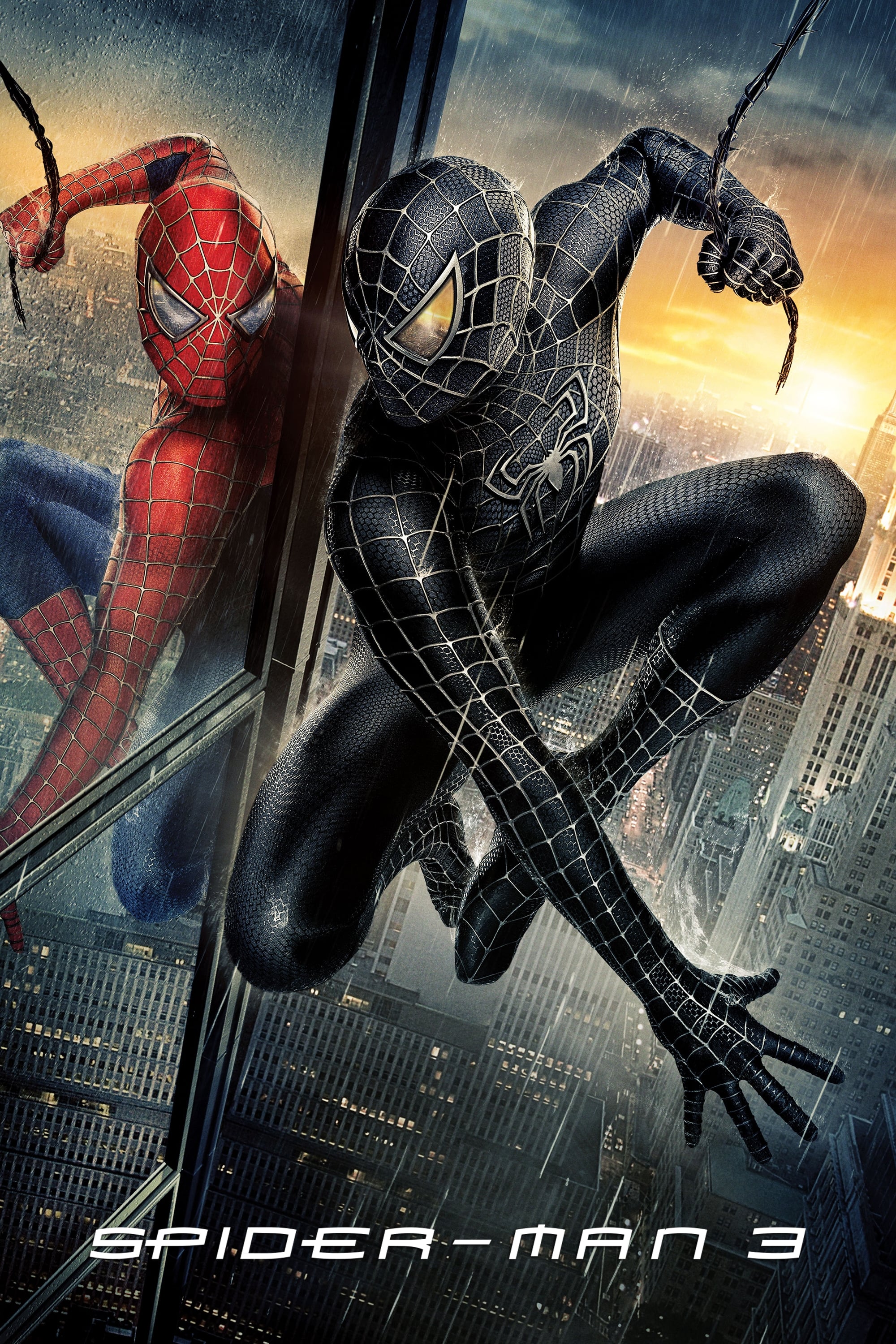
Peter Parker faces multiple villains while his relationship with Mary Jane Watson is strained by the arrival of Gwen Stacy. At the same time Harry Osborn seeks revenge and attempts to drive a wedge between the couple. The inclusion of so many romantic interests and rivals made the plot feel overstuffed and unfocused. This shift toward soap opera style drama was a major point of criticism for the final chapter of the trilogy.
‘The Amazing Spider-Man 2’ (2014)

This reboot sequel attempts to balance the iconic romance of Peter and Gwen with the reintroduction of Harry Osborn. The narrative suggests a complicated past between Peter and Harry that borders on a competitive bond for attention. While the primary focus is on the threat of Electro the film spends significant time on the deteriorating relationship of the central couple. Many felt that the forced inclusion of multiple emotional arcs weakened the impact of the tragic finale.
‘X-Men: The Last Stand’ (2006)
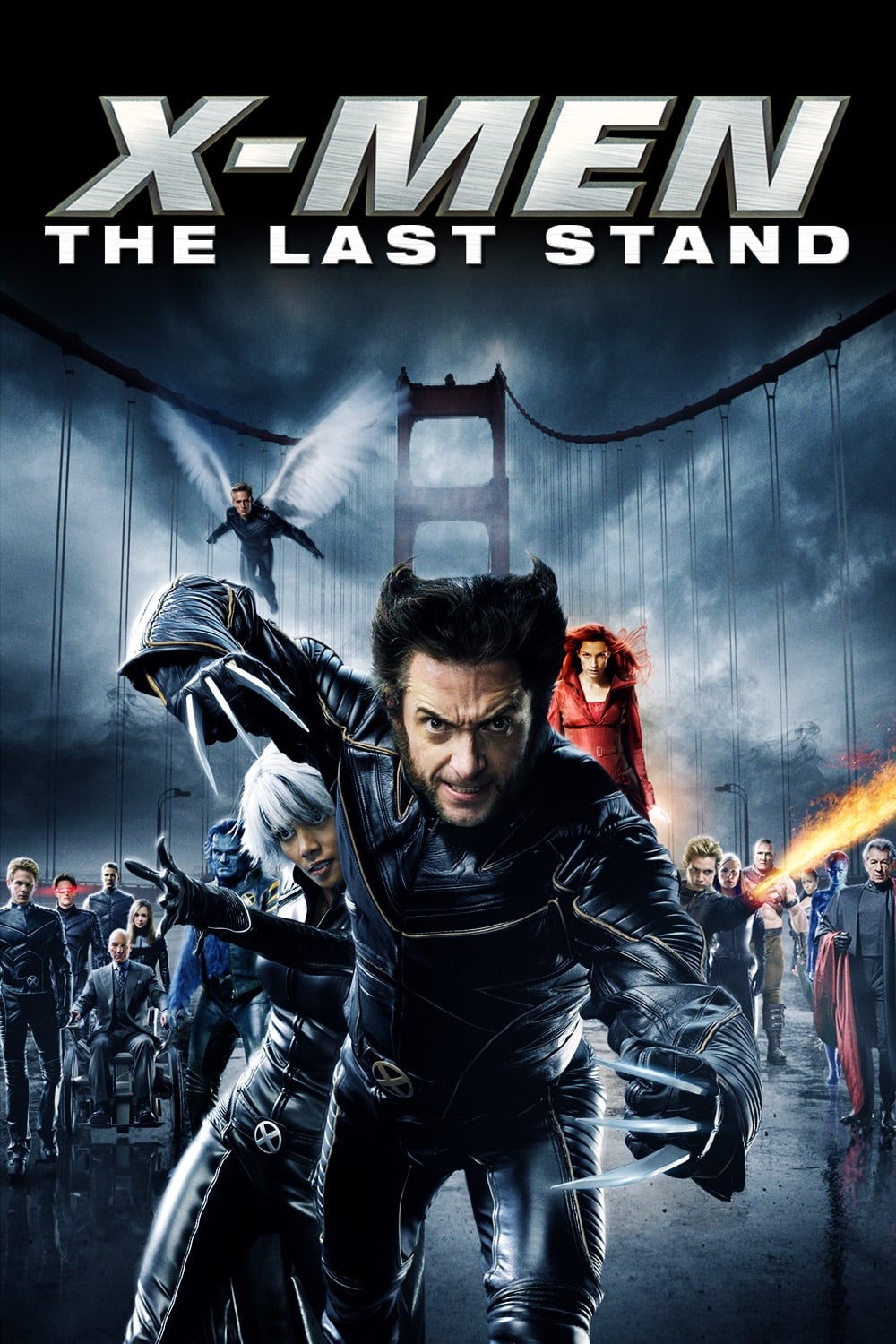
The return of Jean Grey as the powerful Phoenix creates a lethal triangle between her and Wolverine and Cyclops. This conflict leads to the early departure of one character and a lingering sense of guilt for the other. The film prioritizes the romantic rivalry over the broader political themes of the mutant cure. This approach was often cited as a reason why the adaptation of the famous comic book storyline felt underwhelming.
‘The Mortal Instruments: City of Bones’ (2013)
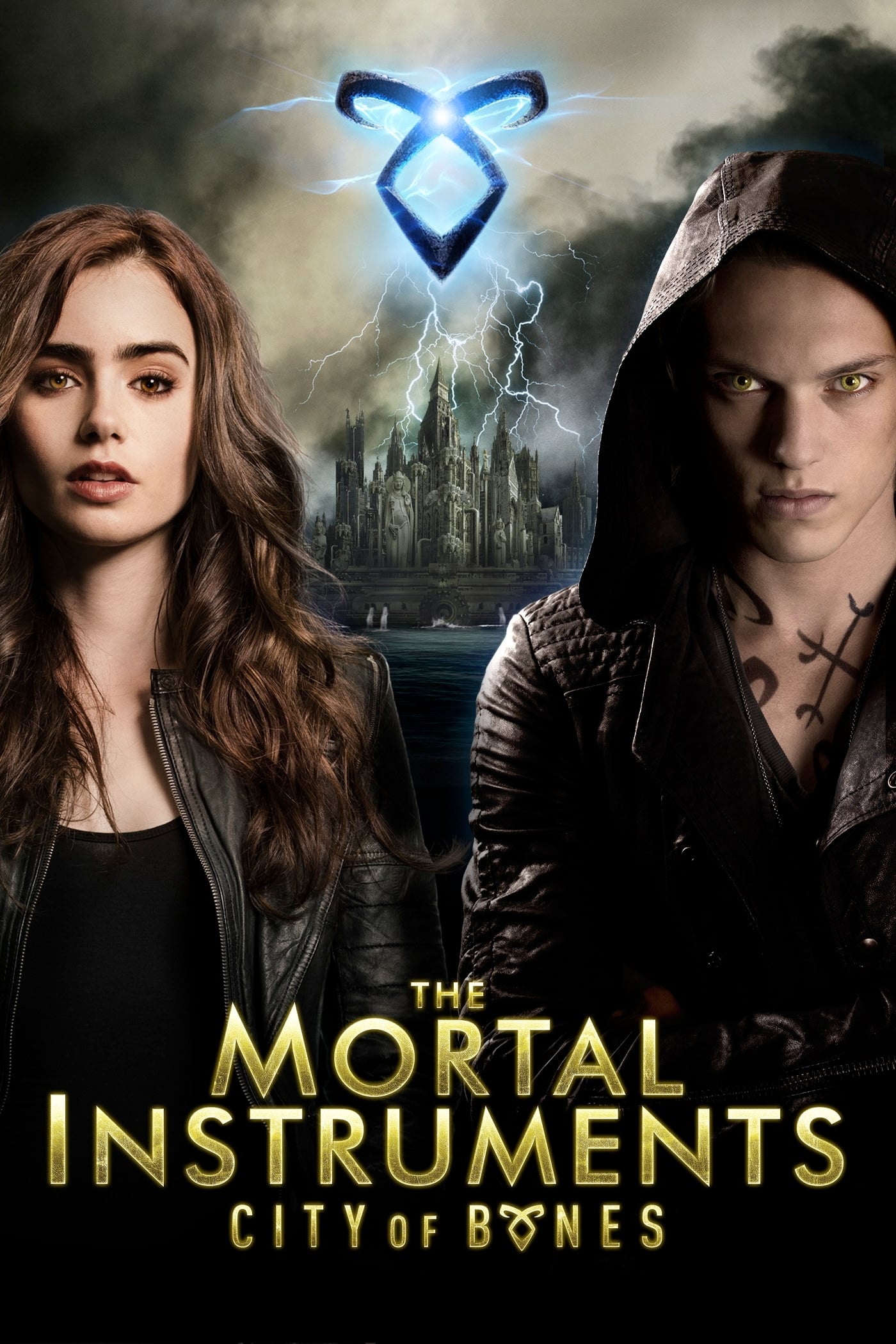
This young adult adaptation features a girl named Clary Fray who discovers she is a Shadowhunter while caught between her best friend Simon and the mysterious Jace. The plot introduces a series of complicated revelations that make their romantic interests even more problematic. These twists were intended to add drama but often left the audience confused or disinterested in the pairings. The focus on the teenage romance overshadowed the urban fantasy world building.
‘Beautiful Creatures’ (2013)
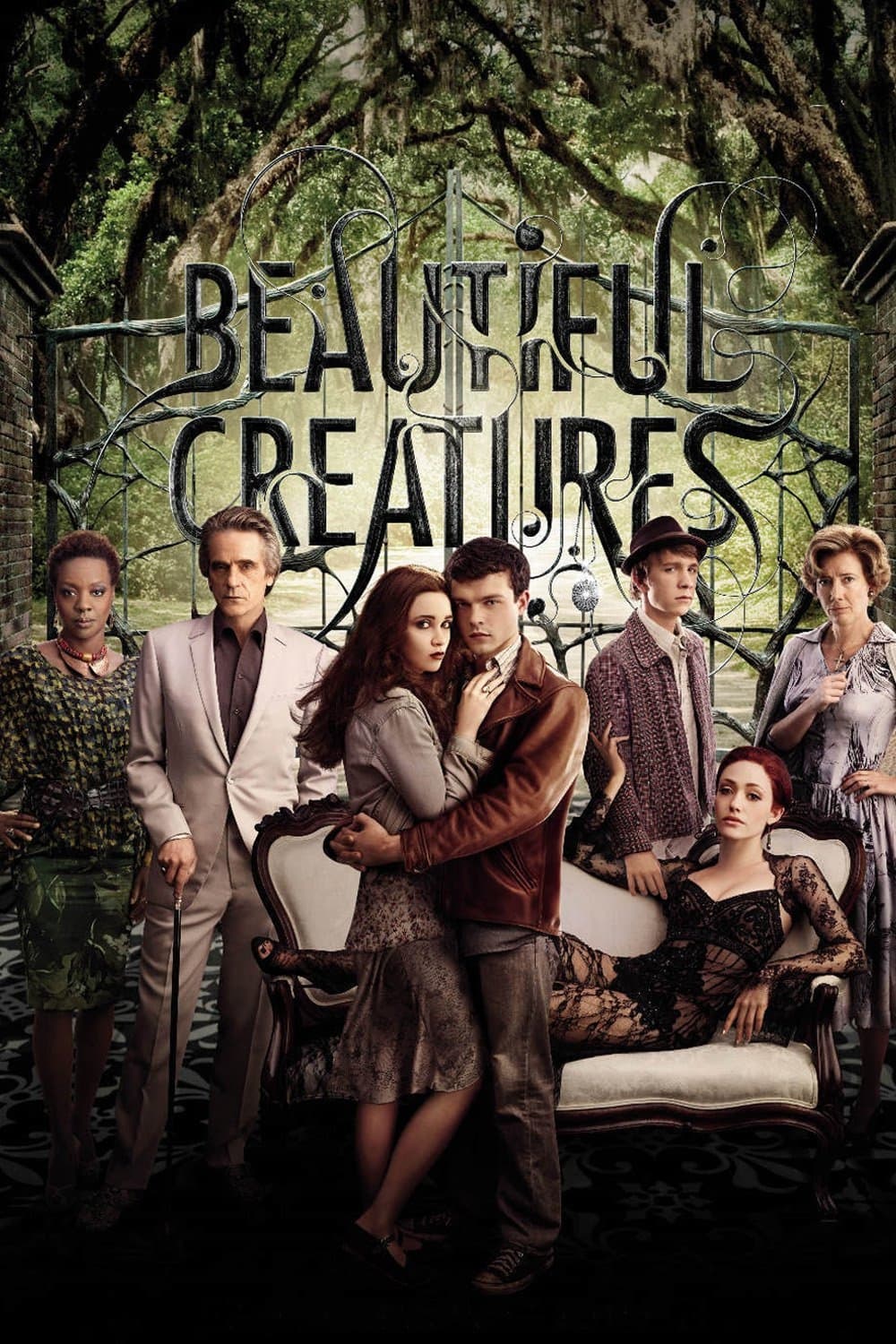
Ethan Wate is a teenager who falls for a mysterious new girl named Lena Duchannes who has magical powers. Their romance is complicated by a family curse and the presence of other suitors and dark forces. The film emphasizes the supernatural nature of their bond while trying to maintain a standard high school love triangle. This combination felt derivative to many viewers who had already seen similar tropes in other fantasy films.
‘The Host’ (2013)
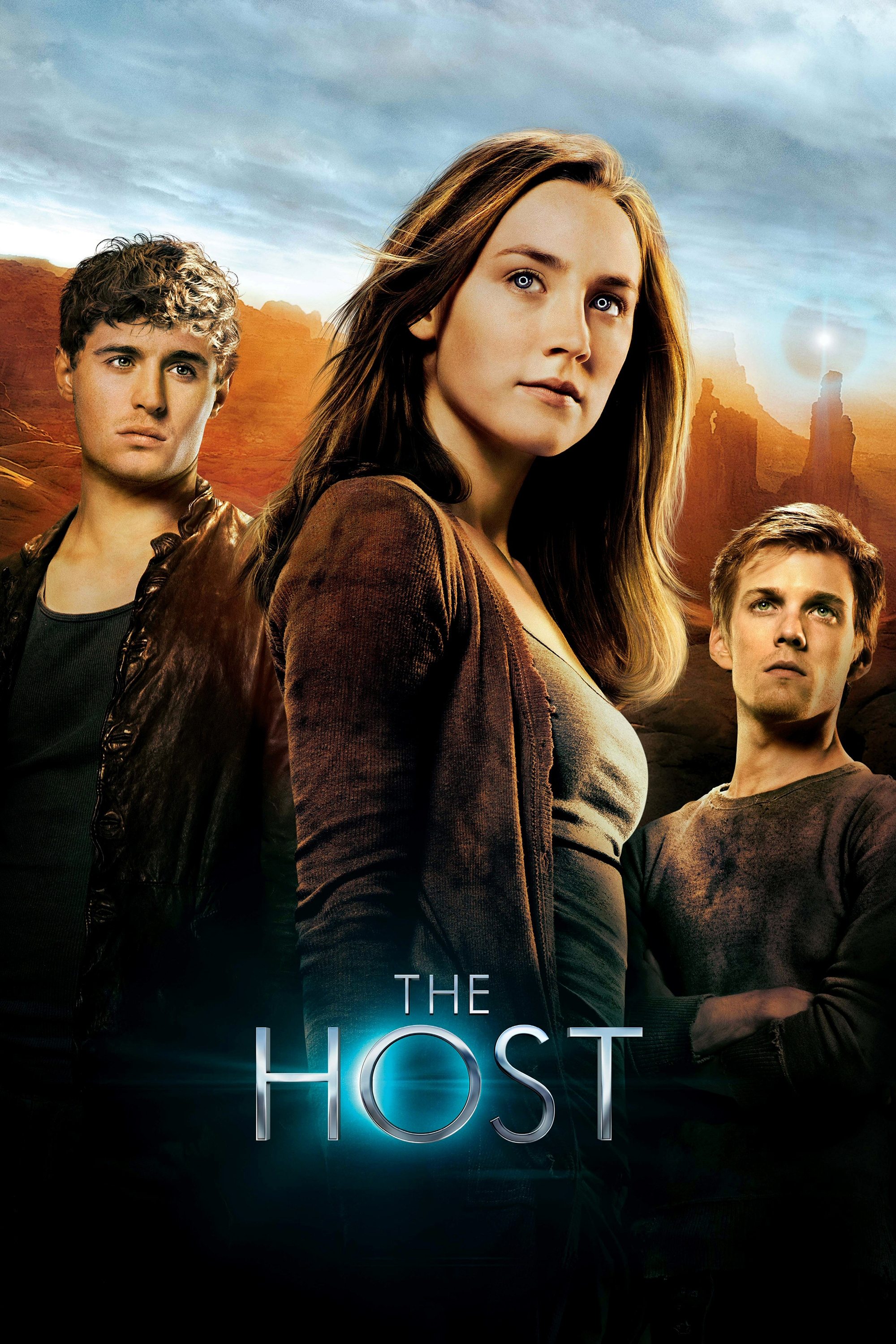
Based on a novel by the author of the vampire saga this film involves a human body shared by two different consciousnesses. This leads to a complex situation where the human girl and the alien soul inside her are in love with two different men. The resulting interactions are meant to be emotionally resonant but often come across as awkward and forced. The narrative struggles to balance the science fiction concept with the requirements of a teenage romance.
‘Red Riding Hood’ (2011)
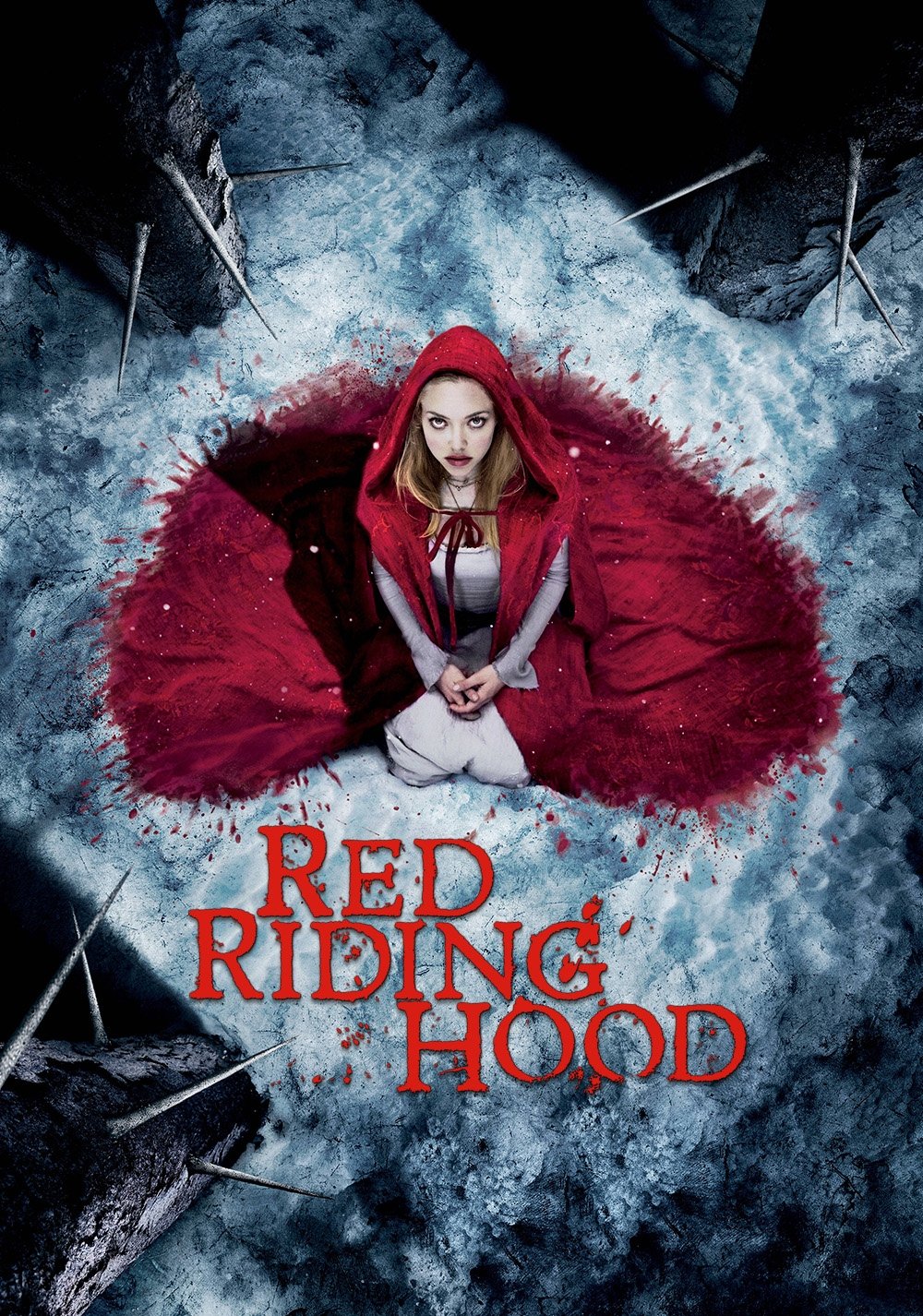
This stylized retelling of the classic fairy tale features a young woman named Valerie who is in love with an outsider but promised to a wealthy blacksmith. The search for a werewolf in their village is constantly interrupted by scenes of Valerie torn between her two romantic options. The mystery of the creature becomes secondary to the melodrama of her choosing a husband. Critics noted that the film felt more like a romance novel than a thriller.
‘Snow White and the Huntsman’ (2012)
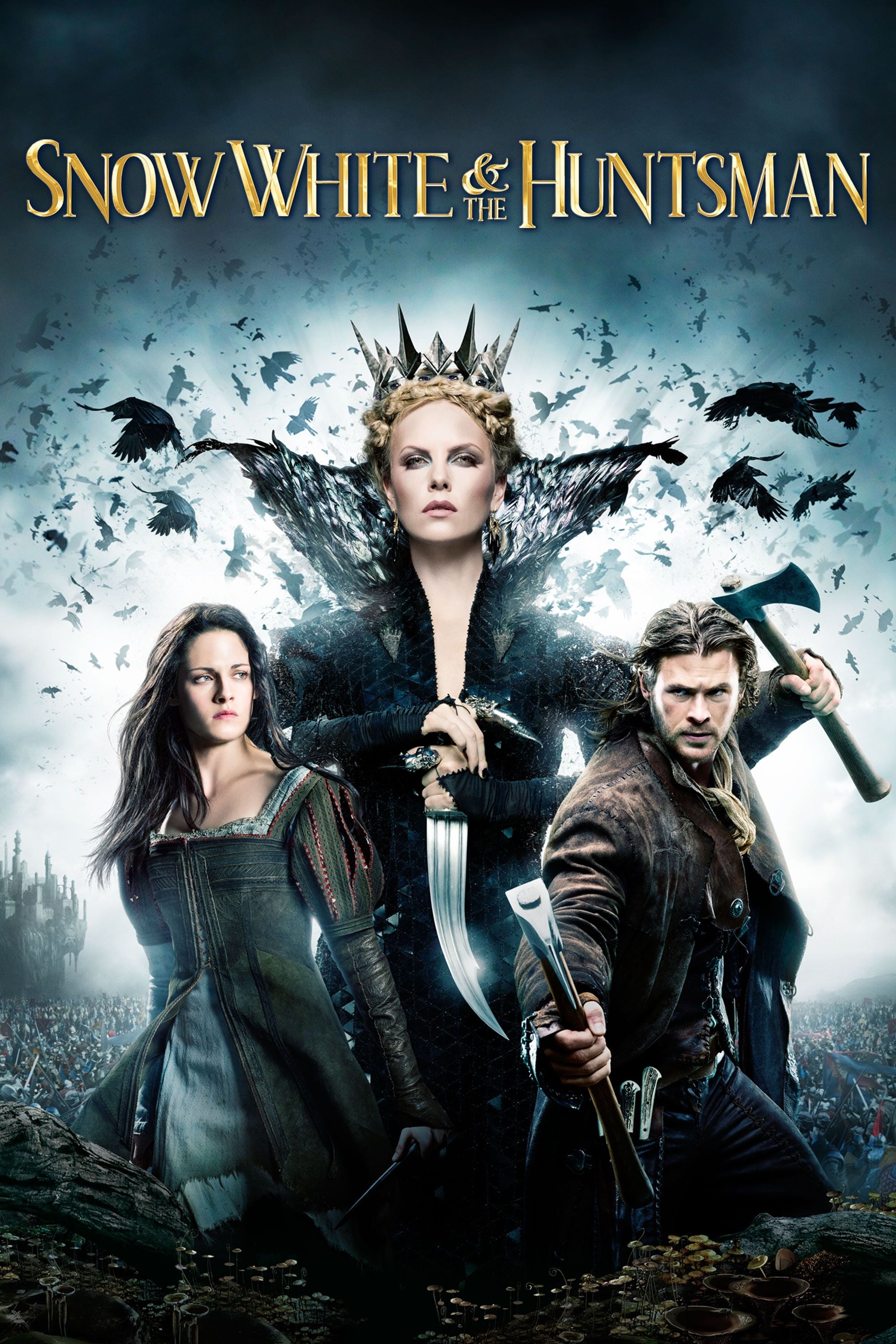
The princess is aided in her quest to reclaim her kingdom by both the Huntsman and her childhood friend Prince William. This creates a subtle but forced triangle as both men show an interest in protecting and winning her heart. The film attempts to be a gritty action epic but keeps returning to the question of which man will break the queen’s curse. Many felt that the romantic tension was unnecessary given the darker tone of the story.
‘Beastly’ (2011)
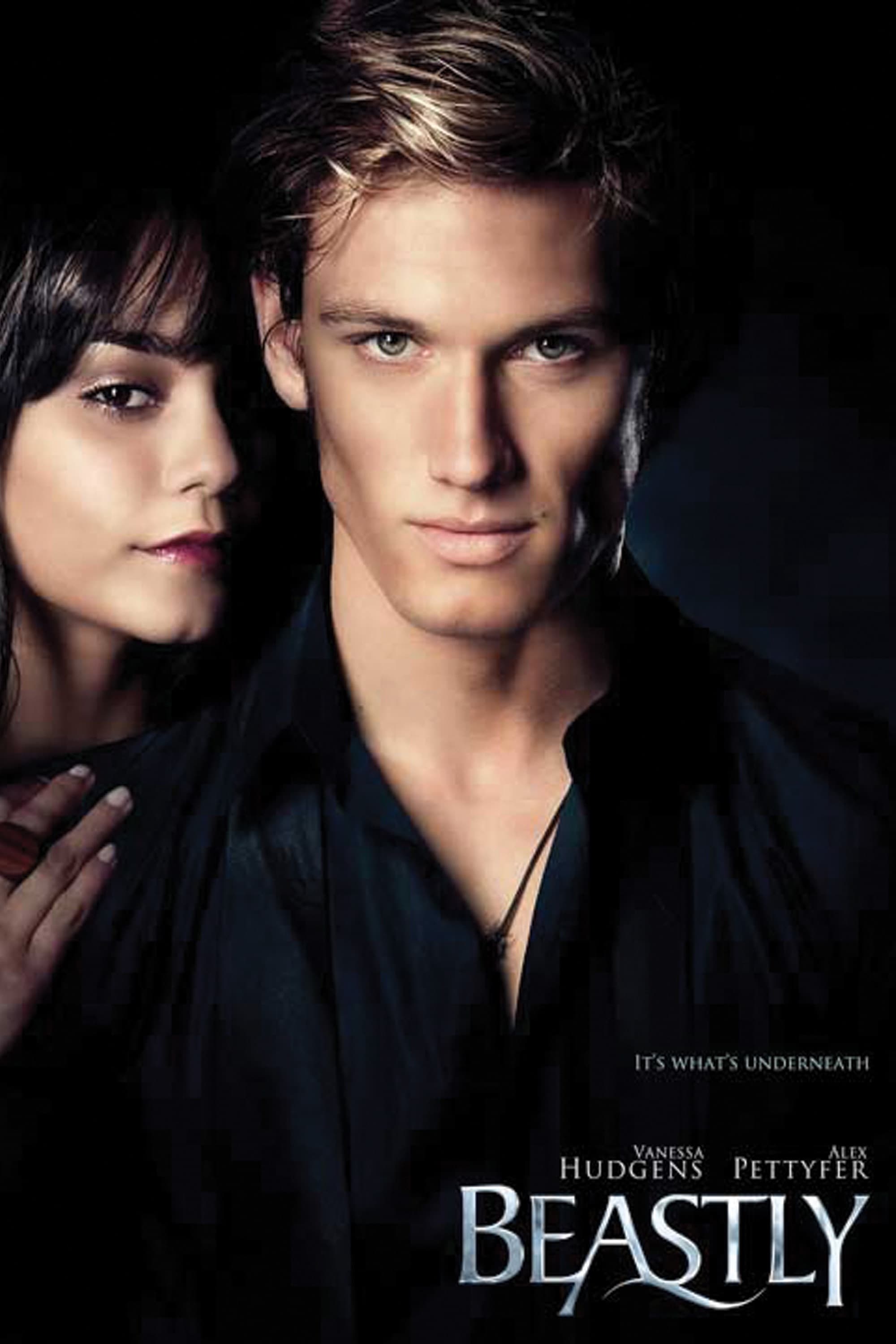
In this modern update of a classic tale a popular teenager is cursed to look like a monster and must find true love. He seeks the affection of a girl named Lindy while dealing with his own insecurities and past rivals. The film includes a forced secondary love interest to create conflict where none was needed in the original story. This addition made the narrative feel predictable and slowed down the emotional development of the leads.
‘Vampire Academy’ (2014)
Rose Hathaway is a guardian in training who finds herself distracted by her feelings for her instructor Dimitri. The story also involves her best friend Lissa and her complicated romantic entanglements with other students. The film tries to balance action and horror with a significant amount of teen romance and jealousy. This mixture resulted in a tone that many found inconsistent and distracting from the supernatural stakes.
‘Pirates of the Caribbean: On Stranger Tides’ (2011)

Captain Jack Sparrow is reunited with a woman from his past named Angelica while they search for the Fountain of Youth. The film also introduces a subplot involving a missionary and a mermaid to provide a secondary romantic interest. This attempt to replicate the chemistry of the original trilogy felt forced and disconnected from the main adventure. The narrative suffered from trying to juggle too many romantic entanglements at once.
‘Transformers: Revenge of the Fallen’ (2009)
Sam Witwicky goes to college and tries to maintain his relationship with Mikaela while being pursued by a robotic spy in human form. This creates an awkward triangle that is used for comedic effect but adds little to the actual plot involving ancient machines. The focus on Sam’s domestic and romantic problems often felt like filler between the large scale action sequences. This subplot was widely panned for its juvenile humor and lack of substance.
‘King Arthur: Legend of the Sword’ (2017)
This fast paced retelling of the legend features Arthur discovering his destiny while surrounded by various allies. A female mage provides mystical assistance and there is a hinted romantic connection that competes with memories of Arthur’s past. The film struggles to decide whether to lean into the romance or the gritty street level origins of the king. This ambiguity led to a narrative that felt disjointed and lacked a clear emotional core.
‘Robin Hood’ (2018)
The classic outlaw returns from the crusades to find that Marian has moved on with a new man named Will Tillman. This creates a forced conflict where Robin must fight for the people while also trying to win back his former love. The political intrigue of the story is frequently interrupted by the personal rivalry between Robin and Will. Many critics felt that the modern style of the film was undermined by this standard romantic trope.
‘The Legend of Tarzan’ (2016)
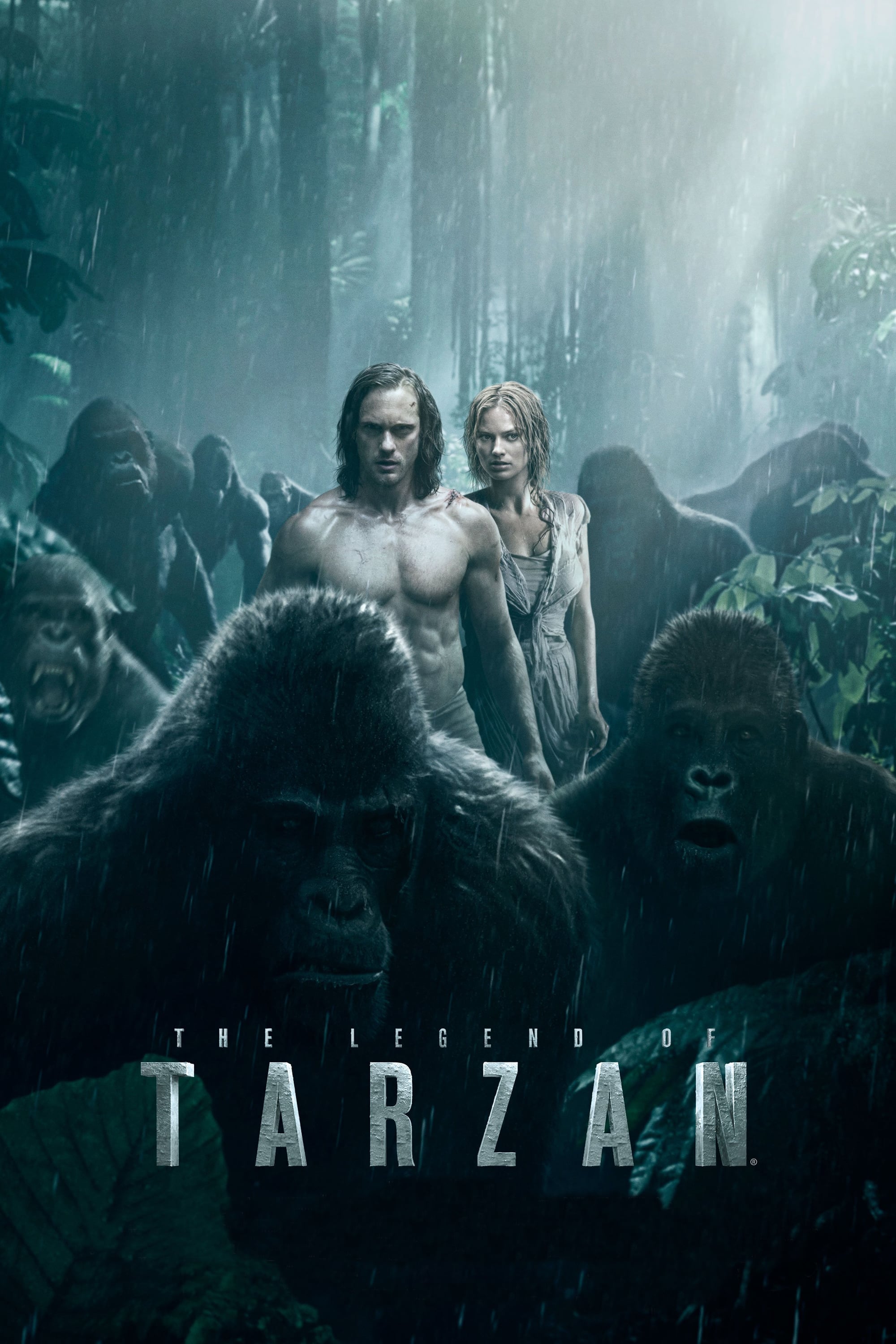
John Clayton has returned to London but is pulled back to Africa where Jane is eventually captured by the villain. A secondary character from Jane’s past is hinted at to create a sense of jealousy and history. The film relies heavily on the trope of the hero rescuing his damsel while navigating their complicated past. This focus on the romance felt dated and prevented the film from exploring more interesting themes of colonialism.
‘Pan’ (2015)

This origin story for Peter Pan features Hook as a young adventurer who works alongside Tiger Lily. A romantic tension is established between the two characters as they help Peter navigate the magical world of Neverland. This inclusion felt like a forced attempt to give the adult characters more screen time and motivation. Audiences generally felt that the romance was unnecessary in a story that should have focused on the wonder of childhood.
‘Maleficent: Mistress of Evil’ (2019)
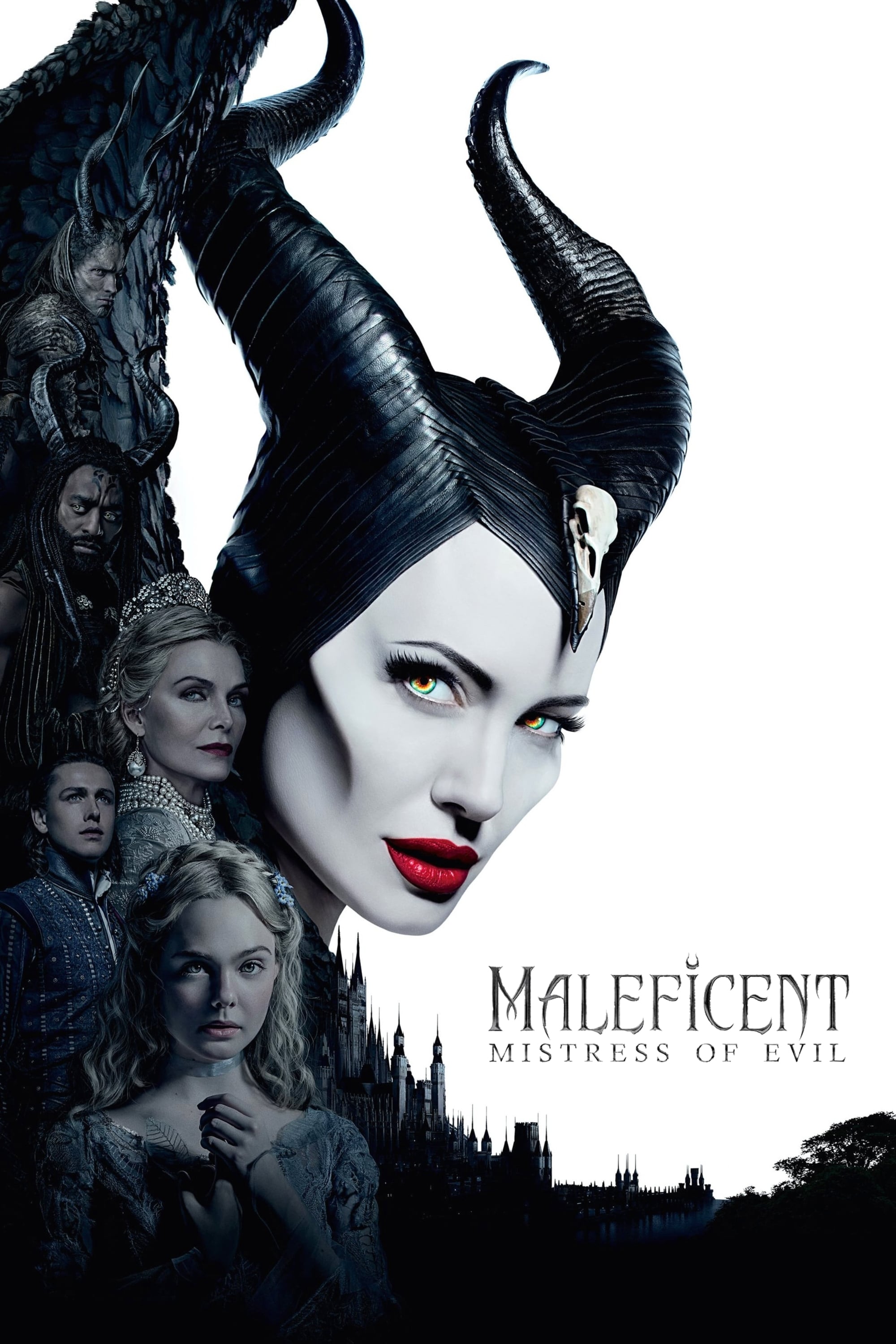
The sequel focuses on the upcoming wedding of Aurora and Prince Phillip which creates tension between various fairy and human factions. Maleficent finds herself at odds with the Queen while also dealing with Aurora’s divided loyalties. The film emphasizes the romantic drama as a catalyst for a global war between species. This approach was criticized for making the powerful title character a secondary player in a wedding dispute.
‘Pacific Rim: Uprising’ (2018)
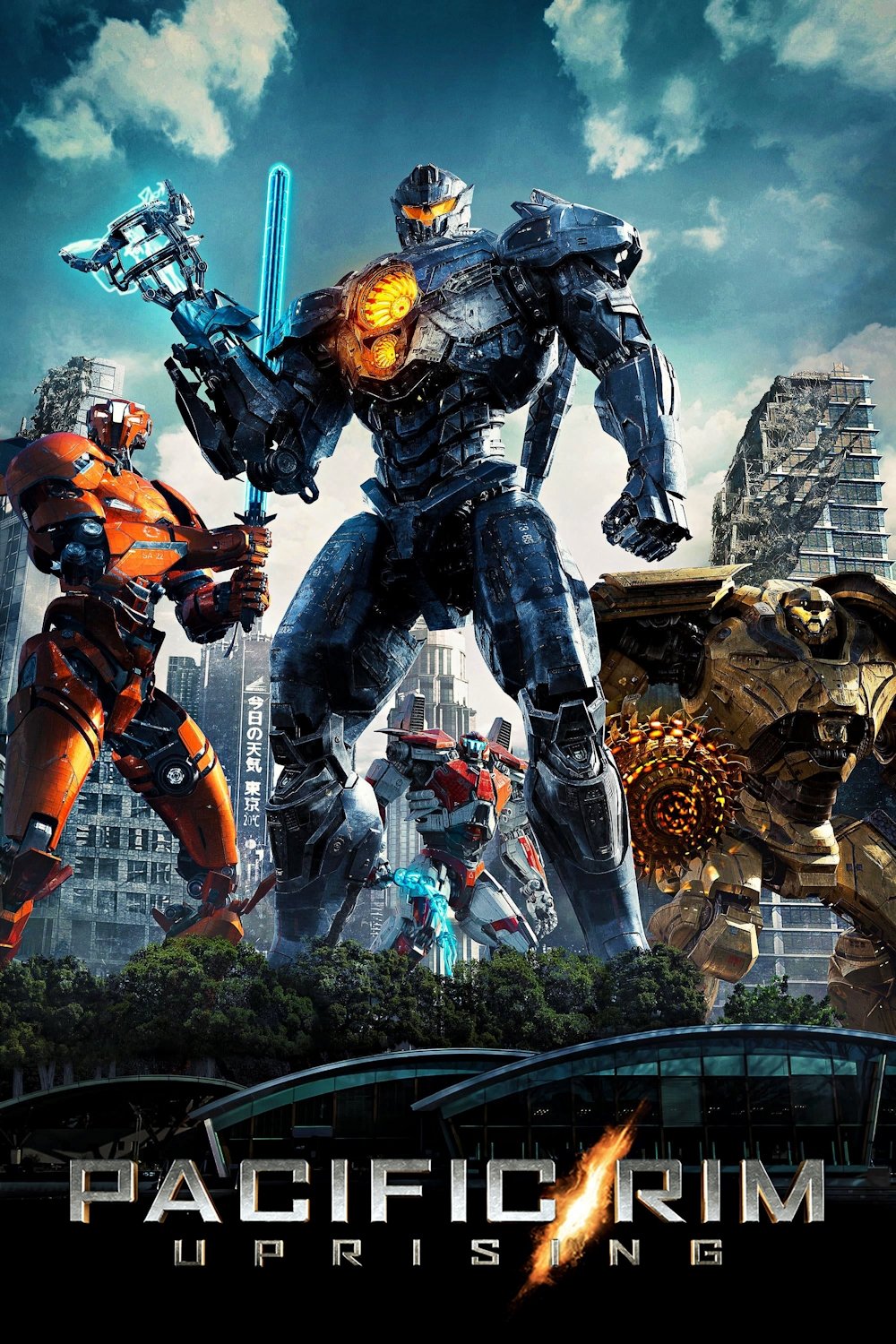
The next generation of Jaeger pilots must deal with a new threat while navigating their own personal rivalries. A subtle love triangle is introduced between the main pilots to add emotional stakes to the monster fighting action. This subplot often felt generic and failed to match the character depth of the original film. The focus on teenage romance was seen as a pivot that didn’t fit the established world building of the franchise.
‘Jurassic World: Fallen Kingdom’ (2018)
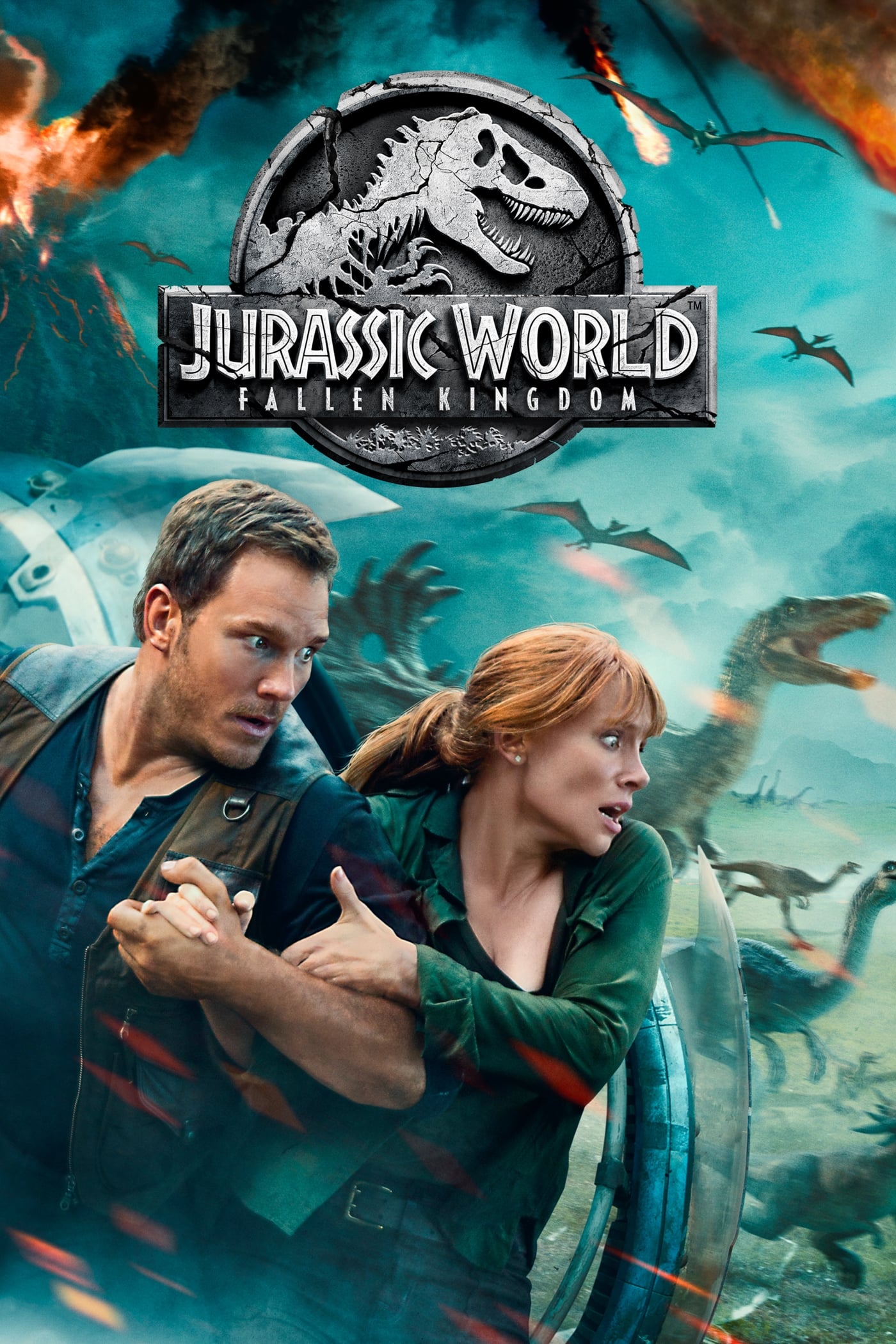
Owen and Claire reunite to save the dinosaurs from an erupting volcano while their past relationship remains a source of bickering. The introduction of a new colleague who shows interest in Owen creates a brief and unnecessary romantic complication. This drama feels out of place during sequences involving life threatening dinosaur attacks. The narrative could have benefited from more focus on the ethical dilemmas of cloning rather than the personal lives of the leads.
‘Terminator Genisys’ (2015)
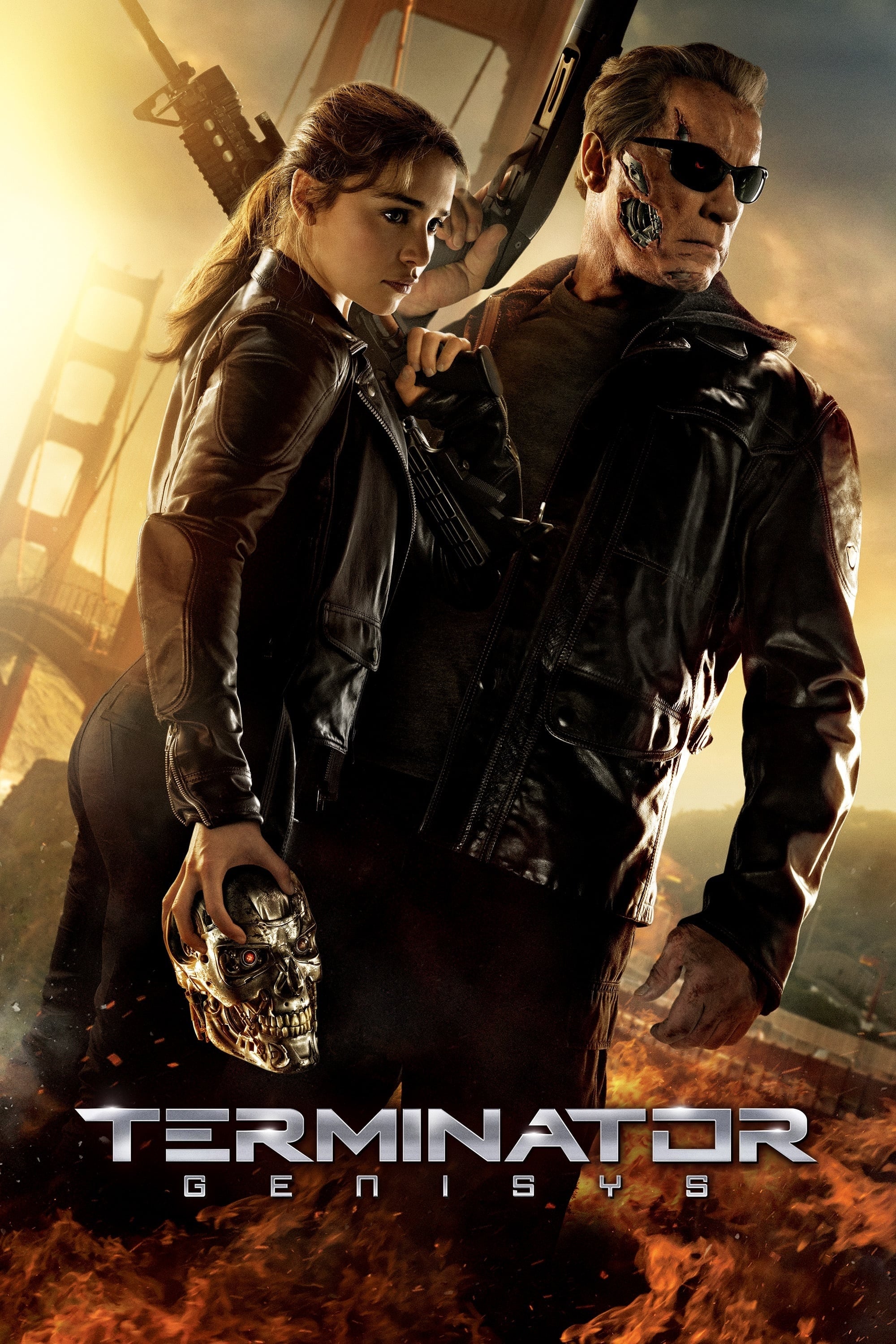
Kyle Reese is sent back in time to protect Sarah Connor only to find her already prepared for the future with a guardian. The film tries to establish a romantic bond between Kyle and Sarah while they navigate a confusing and changing timeline. Their chemistry is often undermined by the constant exposition and action sequences required by the plot. This attempt to humanize the characters through a forced romance felt repetitive and less impactful than in previous entries.
‘Daredevil’ (2003)
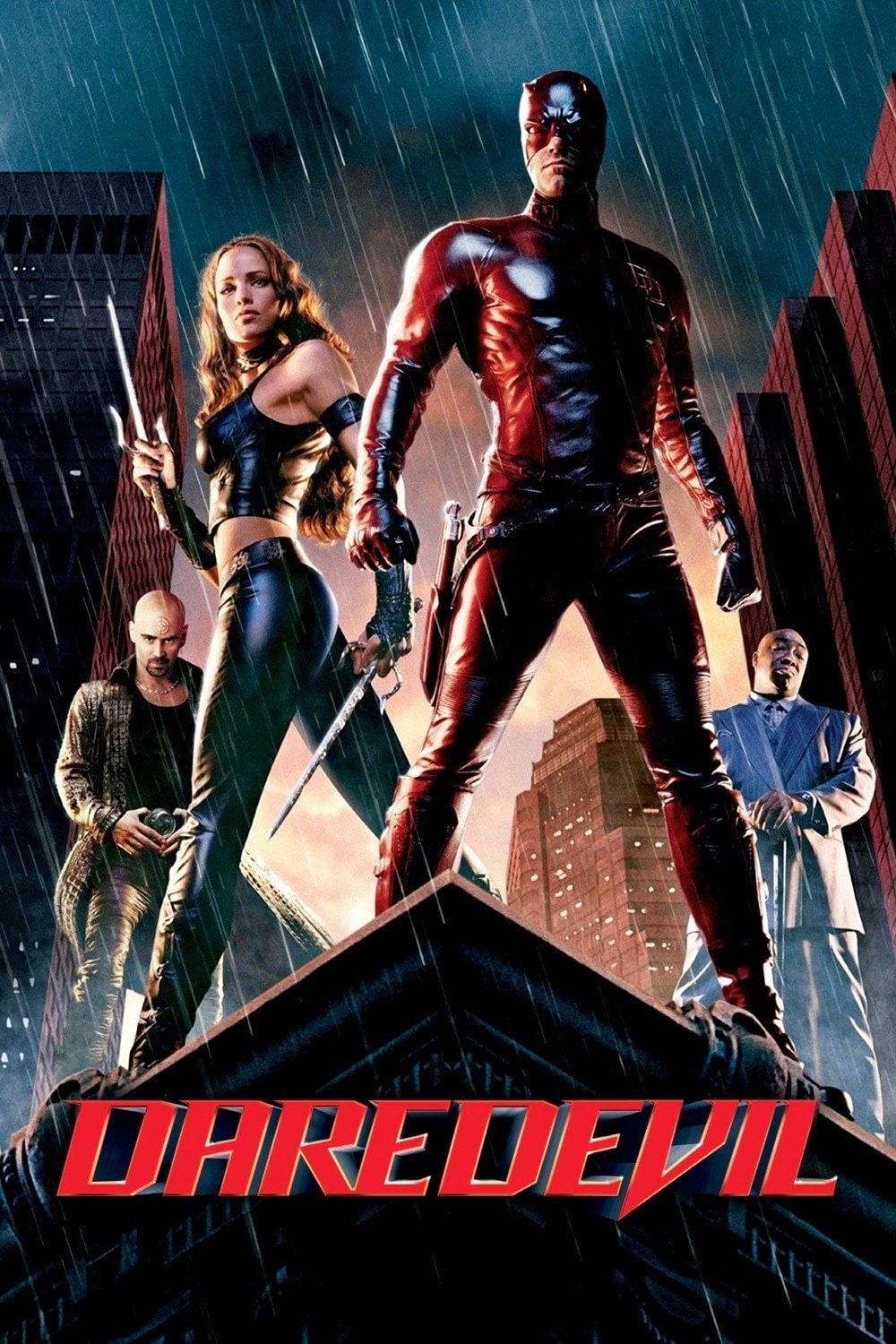
Matt Murdock becomes involved with Elektra Natchios while also maintaining a professional relationship with Karen Page. The arrival of Bullseye and the death of Elektra’s father create a tragic triangle that drives the second half of the film. The movie prioritizes the melodrama of the superhero romance over the legal drama and vigilante action. This balance was often cited as a weakness that prevented the film from capturing the dark tone of the comics.
‘The Great Gatsby’ (2013)
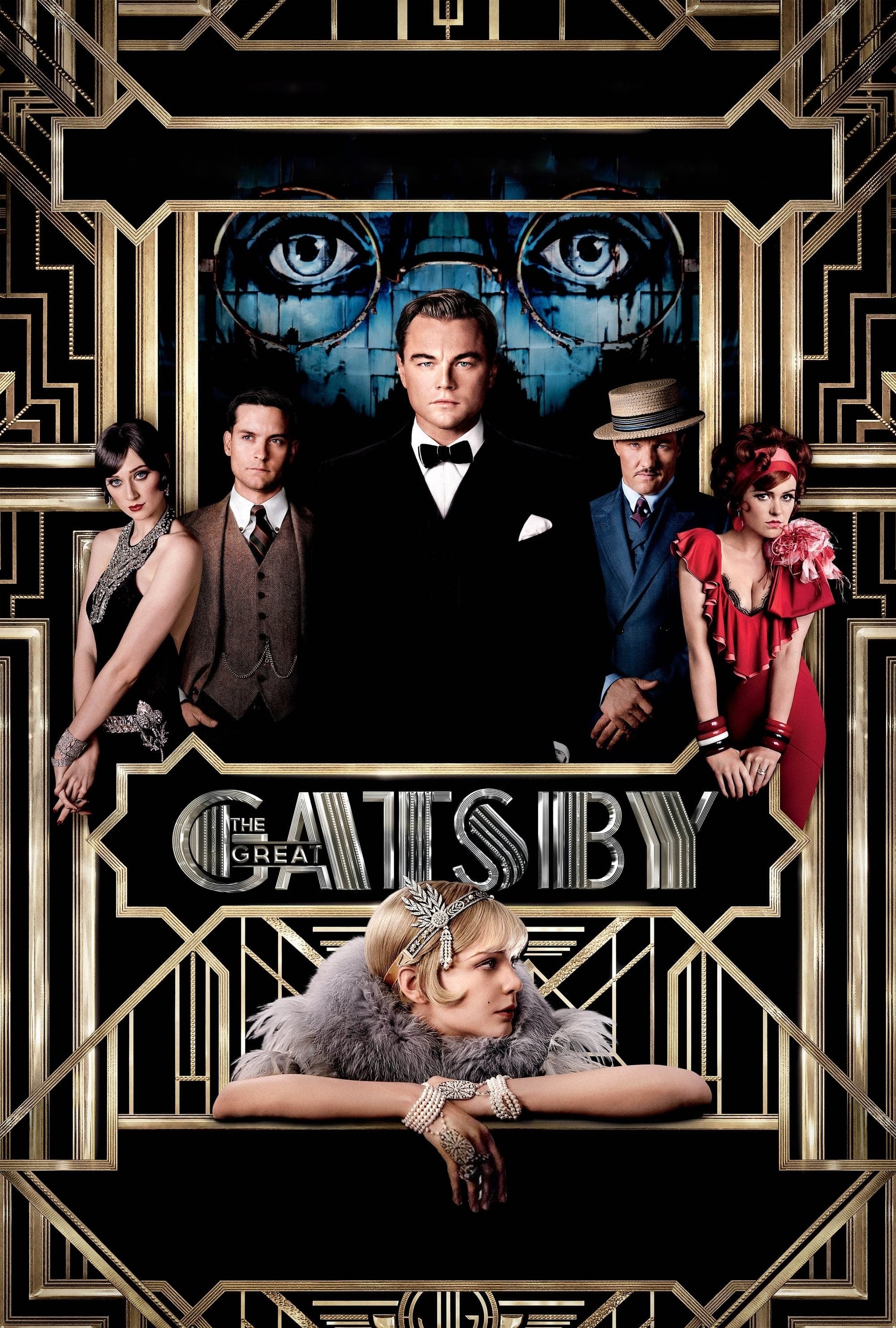
While the triangle between Jay Gatsby and Daisy and Tom Buchanan is central to the book this adaptation emphasizes the spectacle. The 2013 version uses modern music and fast editing to highlight the romantic obsession of the protagonist. Some critics argued that this focus turned a tragic social commentary into a shallow love story. The forced intensity of the performances occasionally made the classic conflict feel like a modern soap opera.
Tell us which movie love triangle you found the most distracting in the comments.