Anime That Were Completely Ruined By Their English Dubs


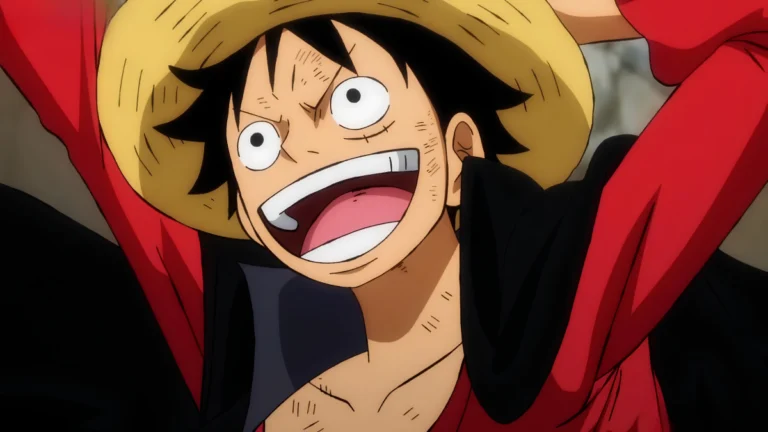
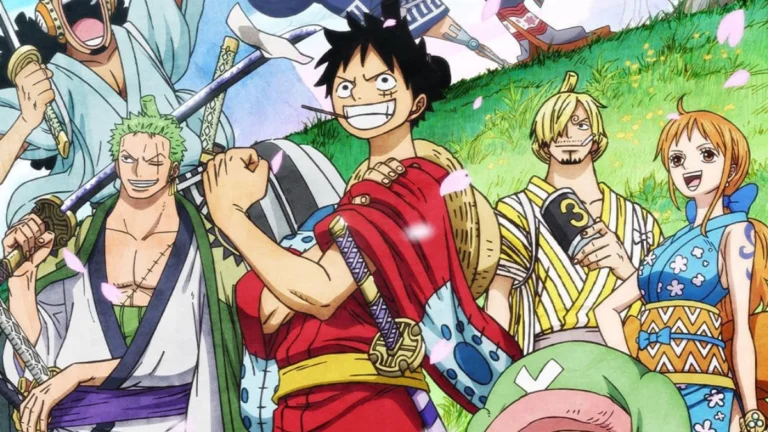
The 4Kids Entertainment version of ‘One Piece’ is frequently cited as one of the most drastic examples of localization gone wrong. The company heavily censored the content to make it suitable for very young children which resulted in the removal of entire story arcs. Character traits were altered significantly such as replacing Sanji’s cigarettes with lollipops and turning lethal weapons into colorful toys. These changes stripped the series of its emotional weight and its darker themes. The inconsistent pacing caused by skipped episodes made the complex narrative nearly impossible to follow for new viewers.
‘Sailor Moon’ (1992–1997)
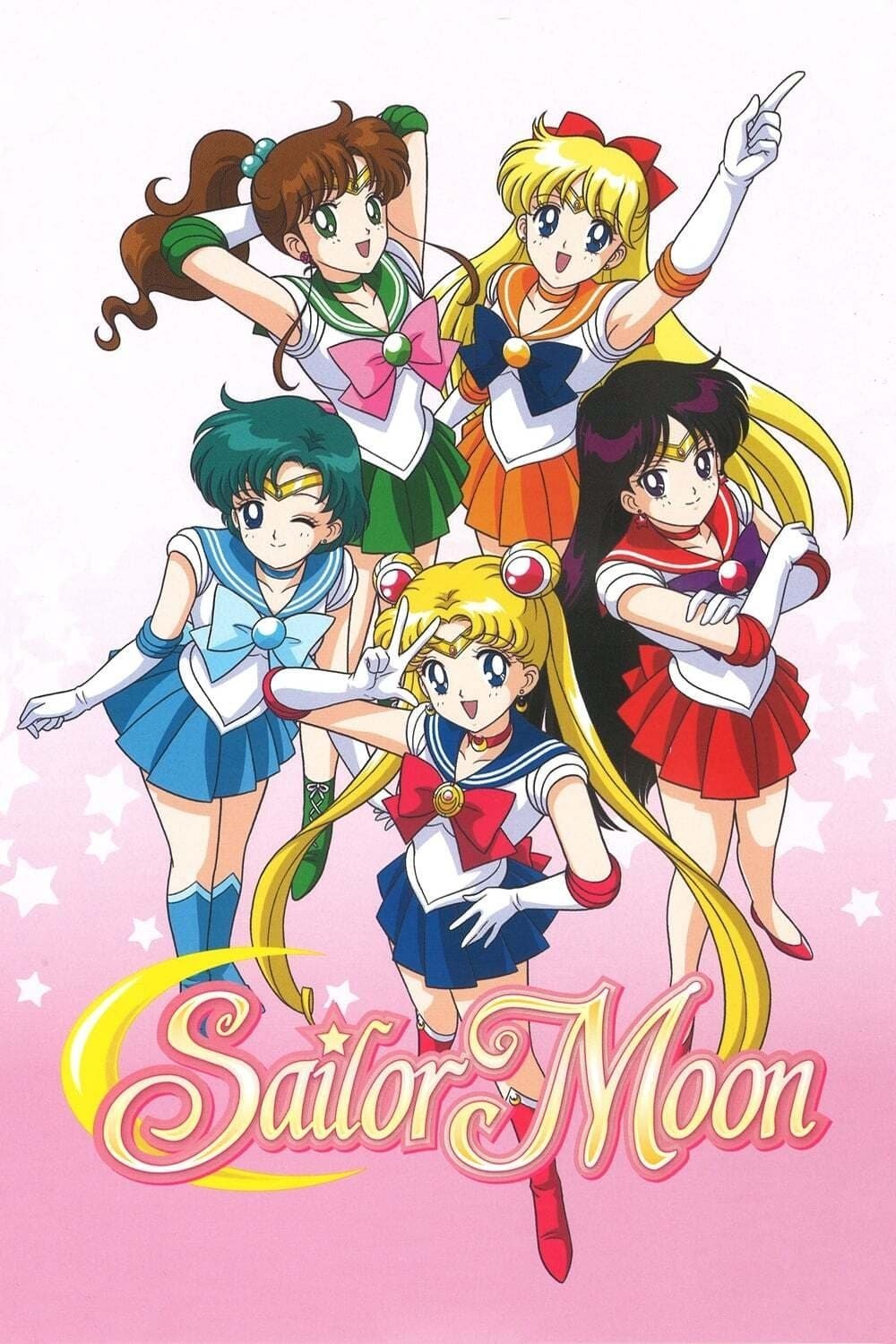
The original North American release of ‘Sailor Moon’ by DiC Entertainment faced significant criticism for its heavy handed editing. Character names were changed and their personalities were modified to fit Western television tropes of the nineties. Most notably the romantic relationship between Sailor Uranus and Sailor Neptune was rewritten to portray them as cousins. This change created several awkward moments that confused the audience and erased important representation. The removal of many episodes also disrupted the flow of the overarching magical girl narrative.
‘Cardcaptor Sakura’ (1998–2000)
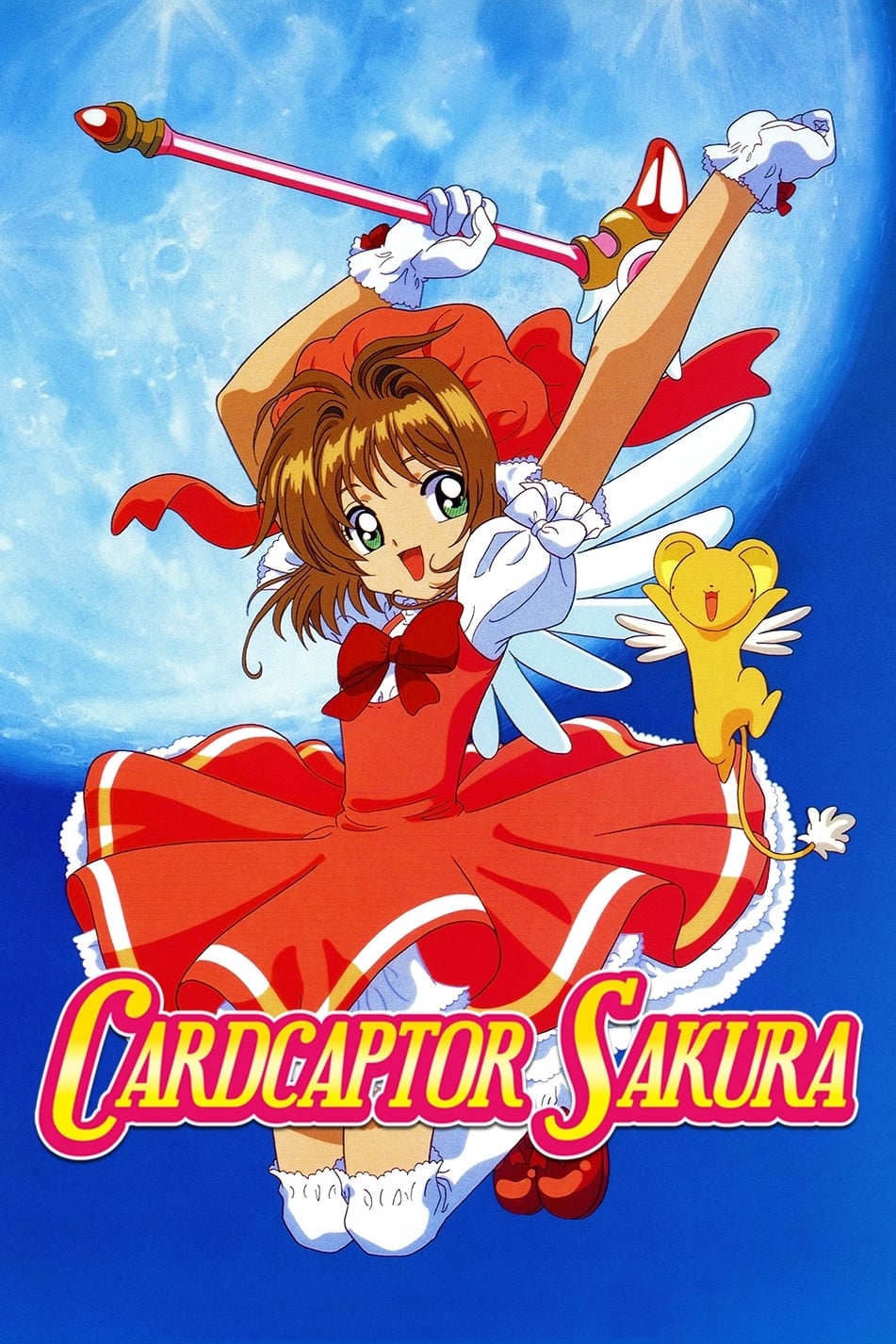
When ‘Cardcaptor Sakura’ was brought to North America it was rebranded as ‘Cardcaptors’ to target a male demographic. The localization team reordered episodes and cut significant amounts of footage to focus on the character Syaoran Li instead of Sakura Kinomoto. Many of the original emotional themes and character relationships were simplified or removed entirely to emphasize action sequences. This decision alienated fans of the original manga and confused the show’s core message. The resulting product felt disjointed and lacked the charm of the source material.
‘Yu-Gi-Oh! Duel Monsters’ (2000–2004)
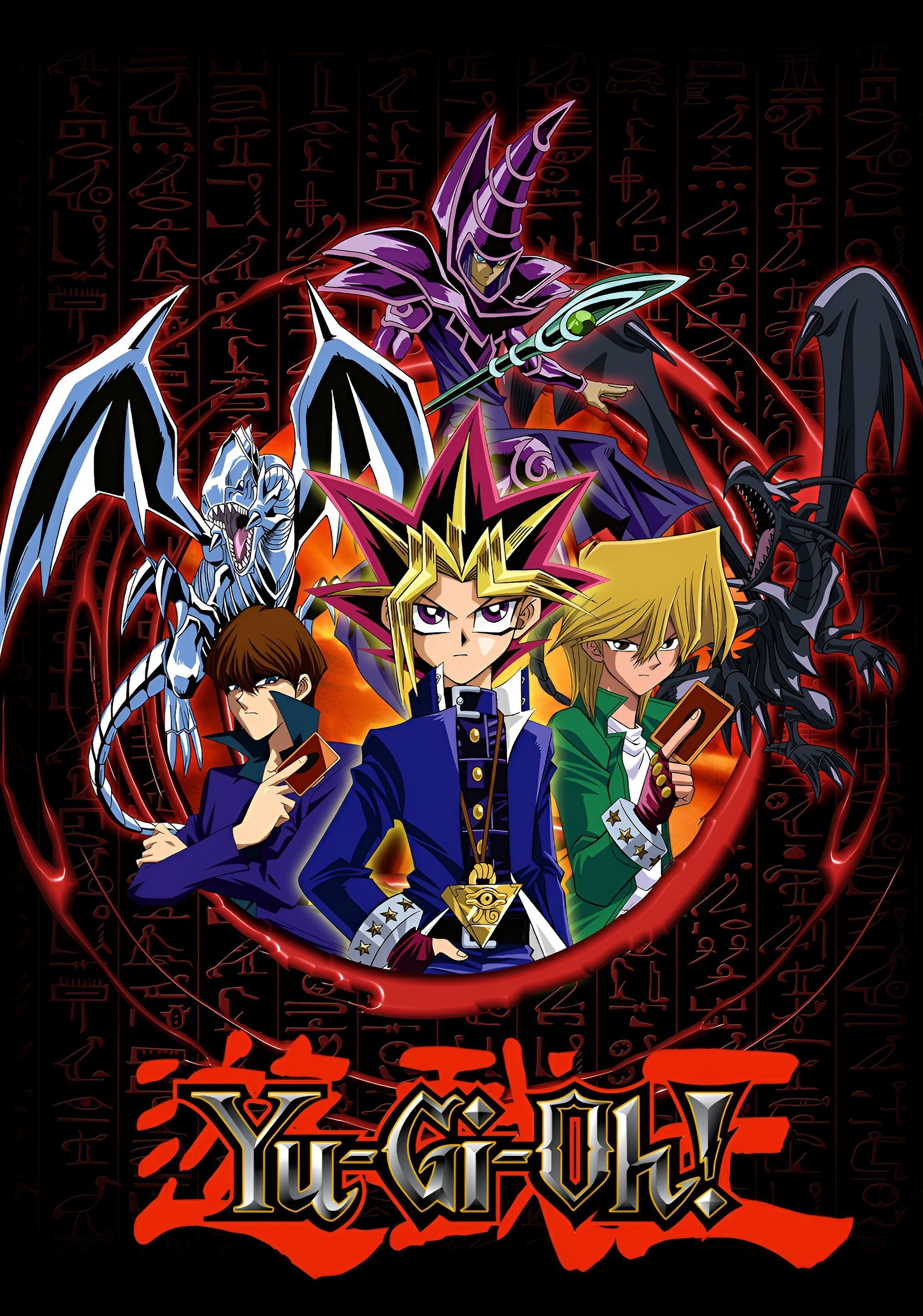
The English adaptation of ‘Yu-Gi-Oh! Duel Monsters’ introduced the concept of the Shadow Realm to avoid mentioning character deaths. Any instance of physical violence or the presence of realistic weapons was digitally edited out or replaced with glowing energy effects. The script was rewritten to include constant puns and repetitive dialogue about the heart of the cards. While the dub became iconic for a generation it fundamentally changed the high stakes atmosphere of the original series. The censorship often made the motivations of the villains seem less threatening or logical.
‘Ghost Stories’ (2000–2001)
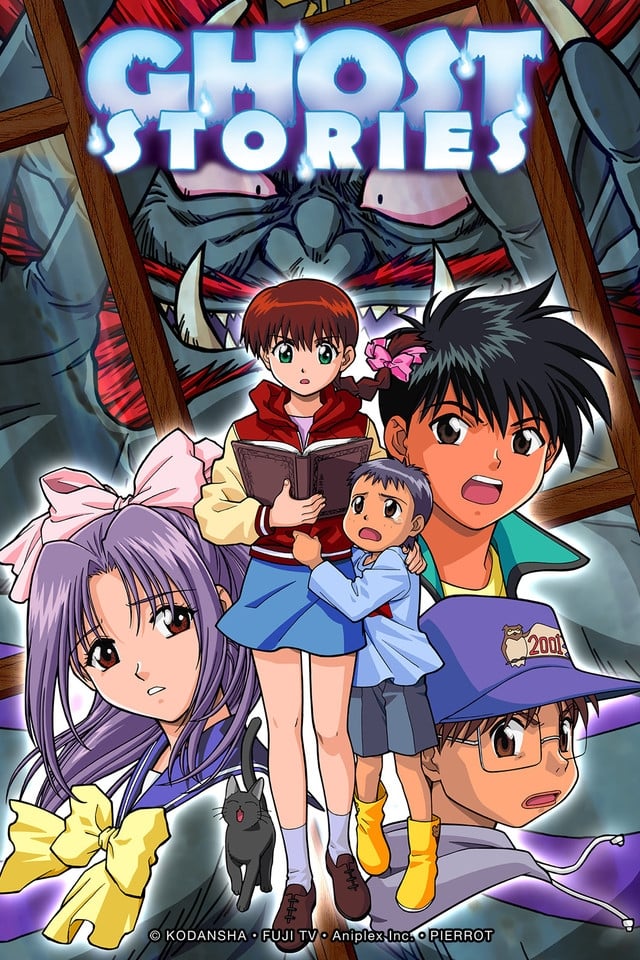
The English dub of ‘Ghost Stories’ is famous for completely disregarding the original Japanese script in favor of an improvisational comedy approach. After the series underperformed in Japan the localizers were given permission to do whatever they wanted with the dialogue. The result was a show filled with offensive jokes pop culture references and meta humor that had nothing to do with the original horror plot. While this made the series a cult favorite it completely ruined the intended spooky atmosphere and serious narrative structure. The original intent of the creators was lost in favor of a parody.
‘Initial D’ (1998–2014)
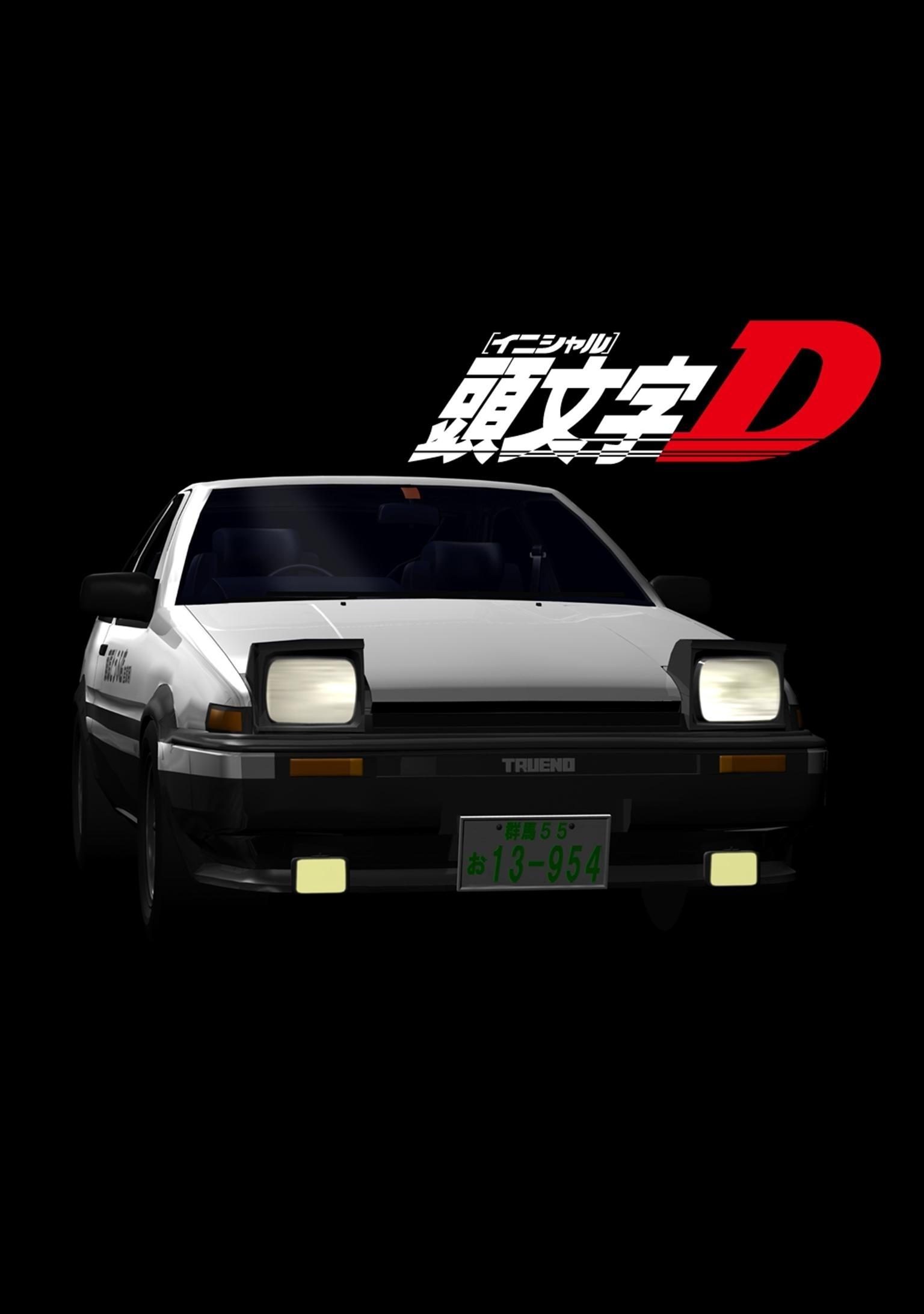
The Tokyopop version of ‘Initial D’ attempted to Americanize the series by changing the names of the characters and the soundtrack. Iconic Eurobeat music which was a staple of the original racing scenes was replaced with generic hip hop and rock tracks. The characters were given names like Tak and Iggy which felt out of place given the Japanese setting. The script was also simplified to make the technical aspects of drifting more accessible to a general audience. These changes were so poorly received that a more faithful dub was eventually produced by a different company.
‘Digimon Adventure’ (1999–2000)
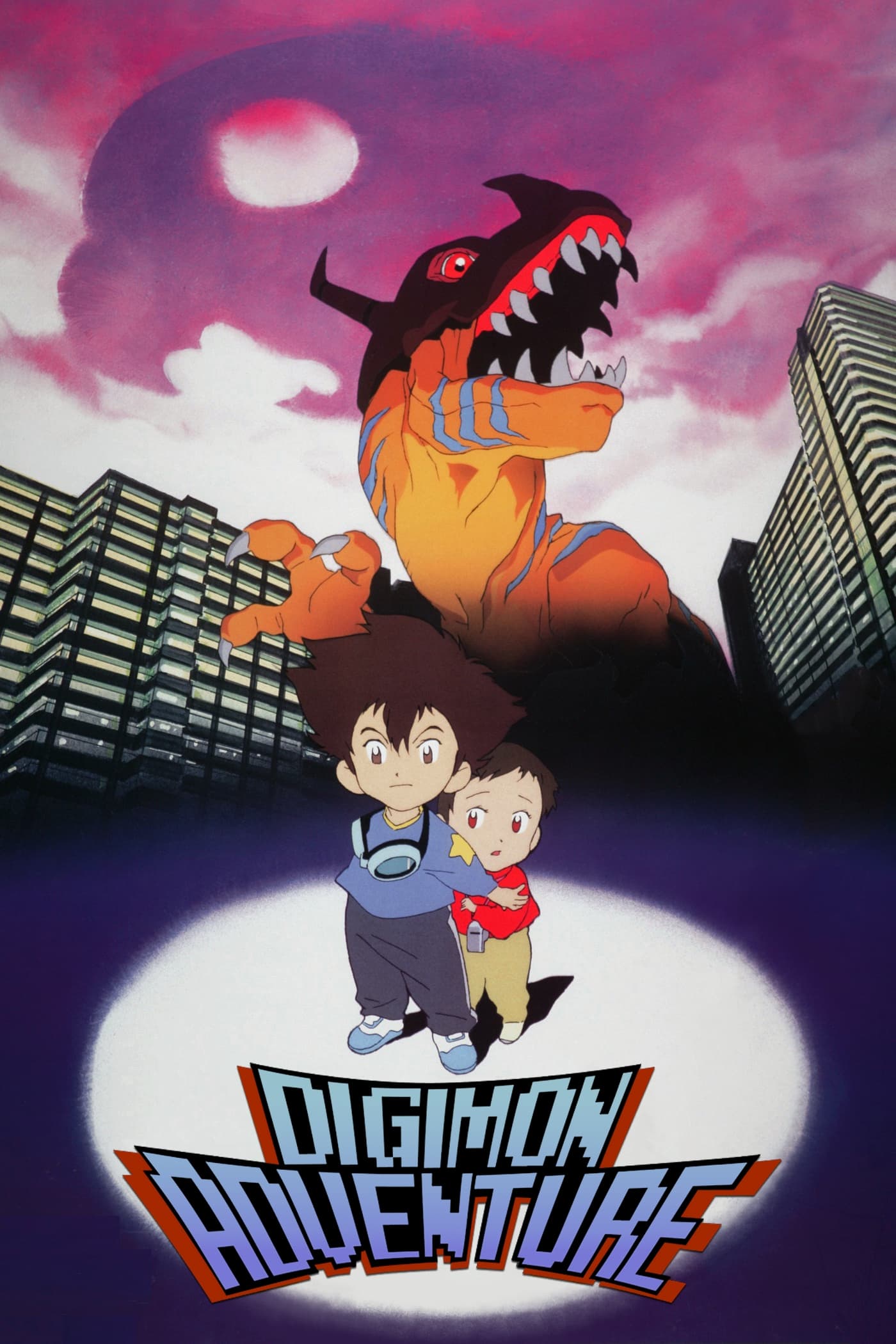
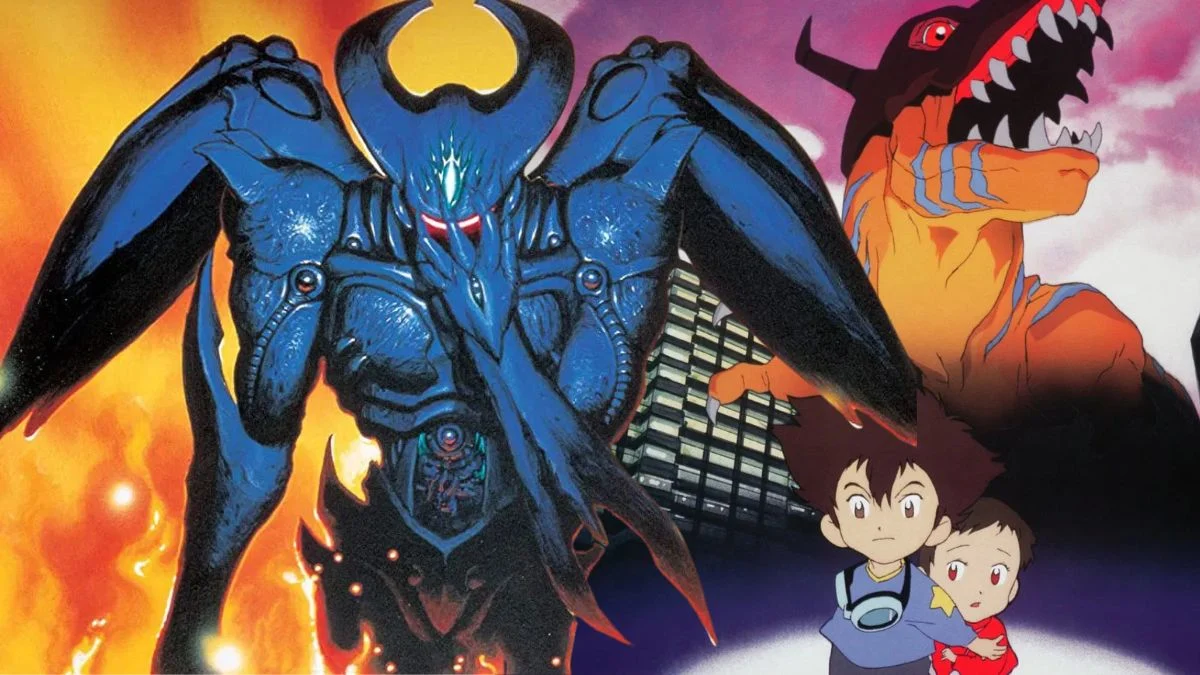
The English localization of ‘Digimon Adventure’ by Saban Entertainment added a significant amount of humor and wordplay that was absent from the original Japanese version. While the voice acting was well received the script often undermined the emotional tension of serious scenes with misplaced jokes. The musical score was completely replaced with a more repetitive and action oriented soundtrack. Some of the more mature themes regarding family and loss were toned down to suit Western broadcast standards for children. This resulted in a show that felt much lighter and less impactful than its original iteration.
‘Sonic X’ (2003–2005)
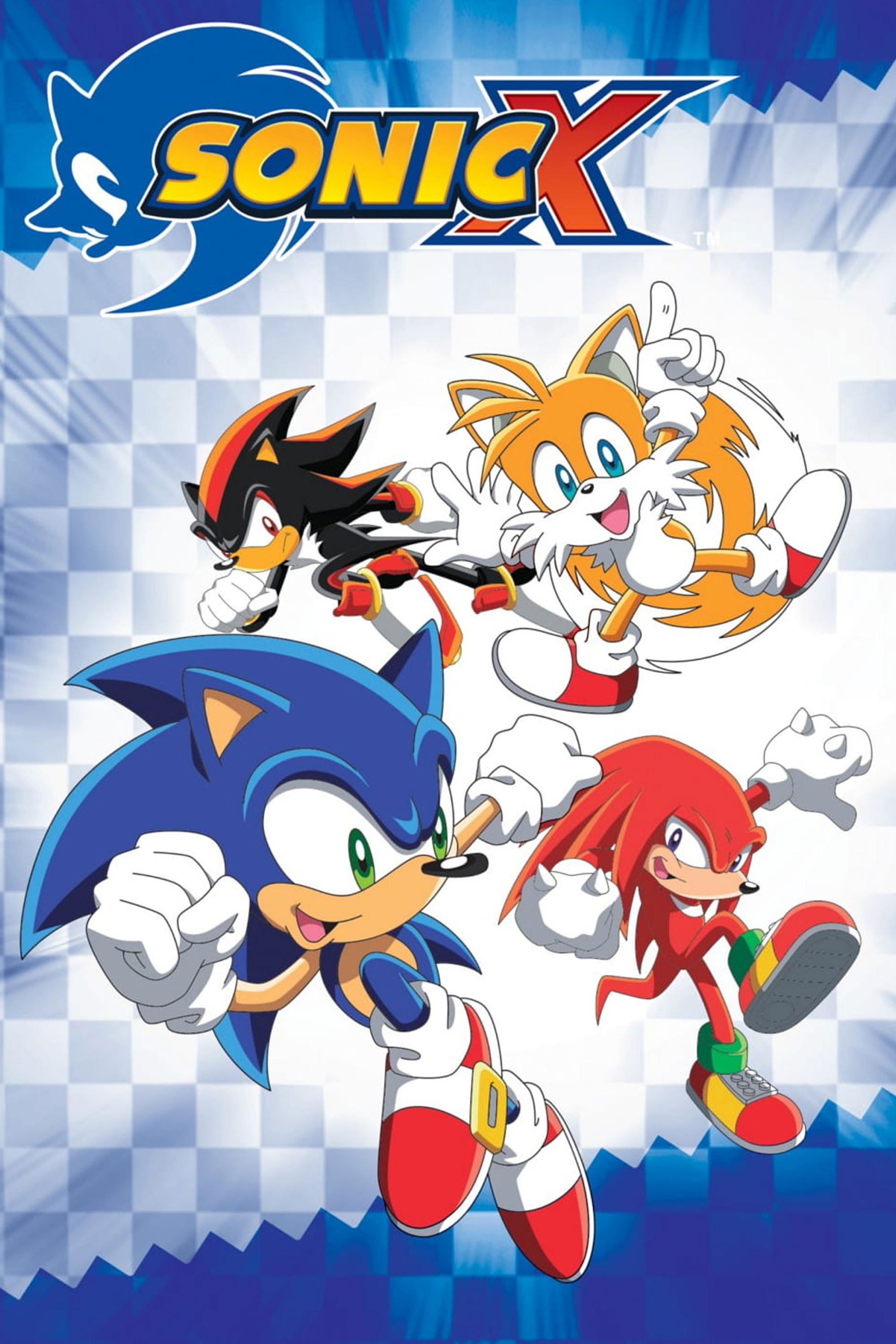
The 4Kids production of ‘Sonic X’ suffered from many of the same censorship issues as other titles from that era. Scenes involving mild violence or intense situations were cut or edited to maintain a low age rating. The background music was changed to a more repetitive score and certain plot points were simplified. Many fans felt that the characterizations of Sonic and his friends were flattened to fit standard Saturday morning cartoon archetypes. The resulting version lacked the depth found in the original Japanese broadcast.
‘Tokyo Mew Mew’ (2002–2003)
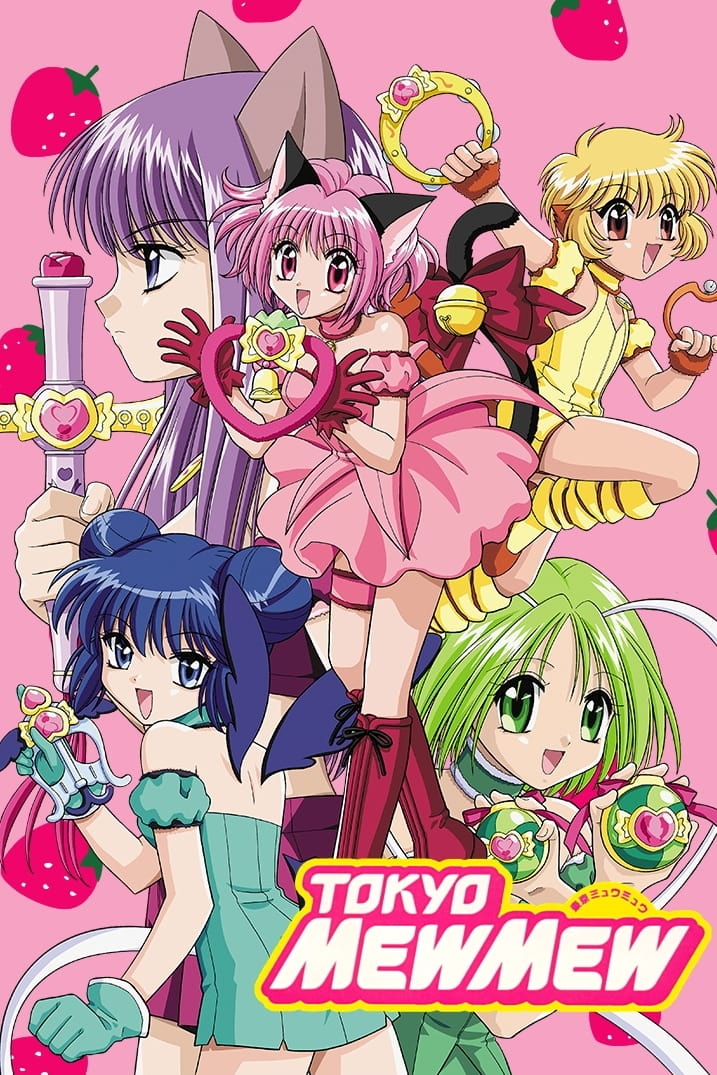
Released in the West as ‘Mew Mew Power’ this adaptation underwent massive changes that shortened the series considerably. Over half of the original episodes were never dubbed leaving the story unfinished for English speaking viewers. Character names were changed and the soundtrack was replaced with pop songs that shifted the tone of the show. The localization removed much of the cultural context and character development that made the original magical girl series popular. This prevented the show from reaching its full potential in the international market.
‘Saint Seiya’ (1986–1989)
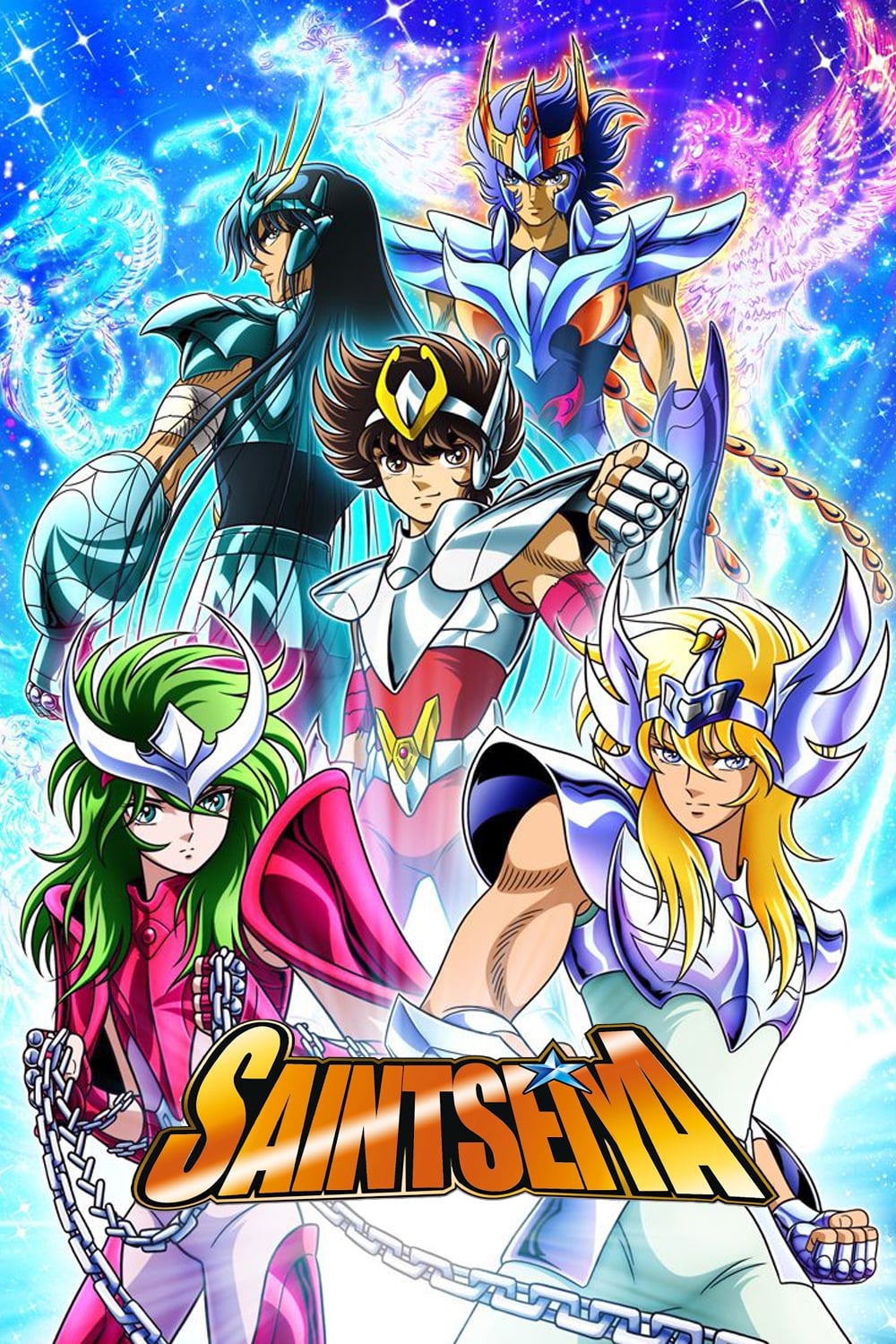
The DiC Entertainment dub of ‘Saint Seiya’ known as ‘Knights of the Zodiac’ used heavy censorship to tone down the violence of the series. Blue blood was used to replace red blood and many intense combat scenes were shortened or removed. The script was rewritten to include more modern slang and humor that did not fit the epic mythological tone of the original story. The soundtrack was replaced with a rock score that many fans felt was inferior to the original music. These changes stripped the series of its legendary status and made it feel like a generic action show.
‘Devilman’ (1987–1990)

The English dubs for the ‘Devilman’ original video animations are notorious for their excessive use of profanity and awkward phrasing. The localizers added a significant amount of swearing that was not present in the original Japanese script. This change was likely an attempt to make the series seem more mature and edgy for Western audiences. The voice acting often felt forced and failed to convey the tragic elements of the story. The resulting dub became more famous for its unintentionally funny dialogue than its actual content.
‘Voltron: Defender of the Universe’ (1984–1985)

This series was created by heavily editing the Japanese anime ‘Beast King GoLion’ to fit a Western narrative. The original show was a violent and dark story where many characters died or suffered significant injuries. The English version removed these deaths and explained away the destruction of entire civilizations as people escaping to safety. The plot was completely rewritten to focus on a more standard good versus evil conflict. While it became a hit it was a completely different show from the source material.
‘Robotech’ (1985)
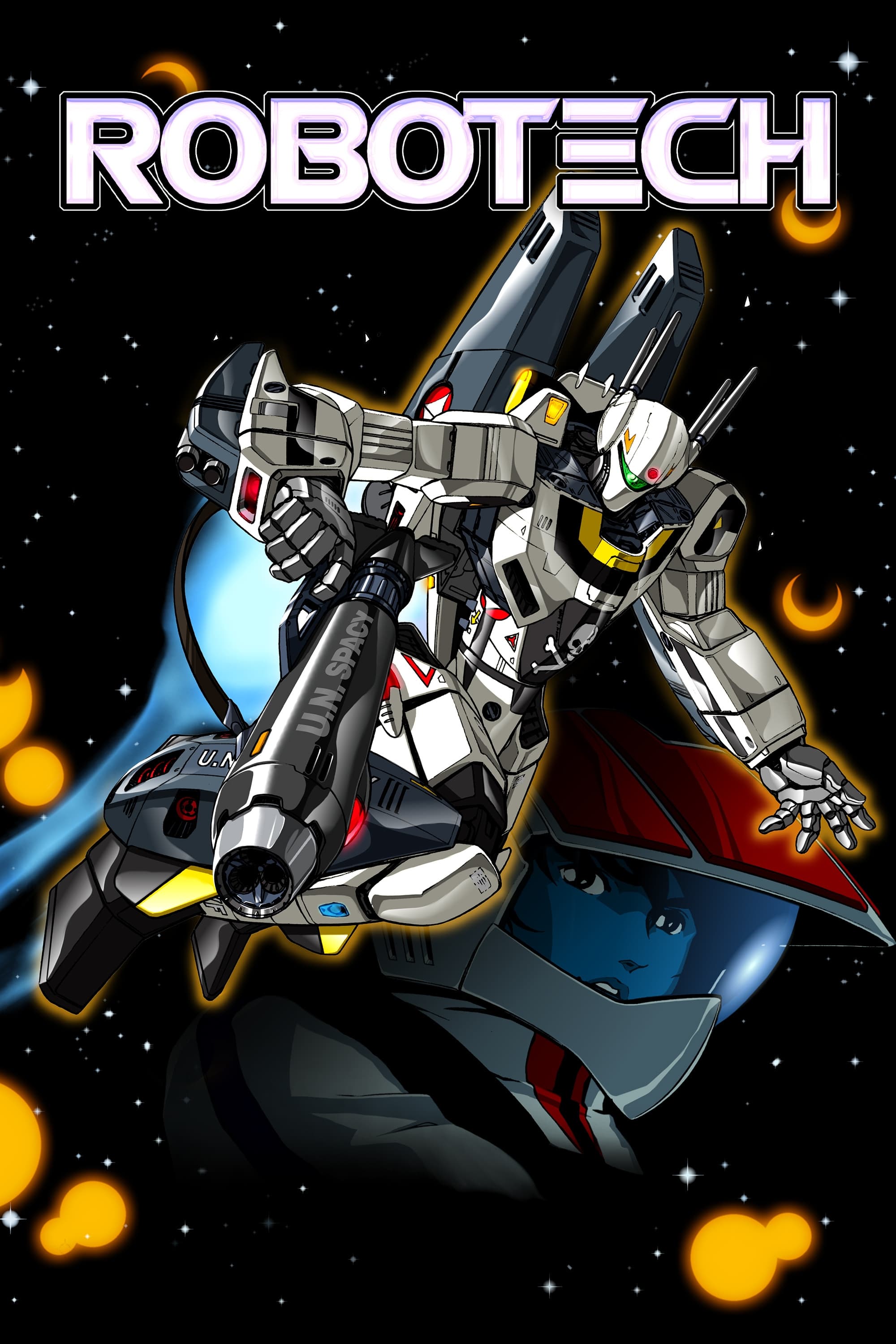
‘Robotech’ was formed by combining three unrelated anime series into a single continuous narrative. The shows ‘The Super Dimension Fortress Macross’ and ‘Super Dimension Cavalry Southern Cross’ and ‘Genesis Climber MOSPEADA’ were edited together. This required massive script changes to create a cohesive story across the three different settings and time periods. The original themes and character arcs of each individual show were compromised to fit this new structure. Many fans of the original series felt that this mashup did a disservice to the source material.
‘Science Ninja Team Gatchaman’ (1972–1974)

The English adaptation ‘Battle of the Planets’ introduced a robot character named 7 Zark 7 to fill gaps left by censored footage. This was done because the original Japanese series was too violent for American children’s television at the time. Entire battle sequences were cut and the plot was simplified to a more repetitive structure. The addition of new animation that did not match the original style created a jarring viewing experience. The serious tone of the original environmental and political themes was largely lost.
‘Ultimate Muscle: The Kinnikuman Legacy’ (2002–2006)

This series featured a dub that relied heavily on puns and wacky voice characterizations to appeal to a young audience. The localization team added constant jokes that were not present in the original Japanese script. Many of the cultural references to professional wrestling in Japan were removed or changed to reflect Western culture. While the show was intended to be a comedy the English version often pushed the humor into territory that felt forced. This changed the balance between the action and the comedy found in the original version.
‘Fighting Foodons’ (2001–2002)
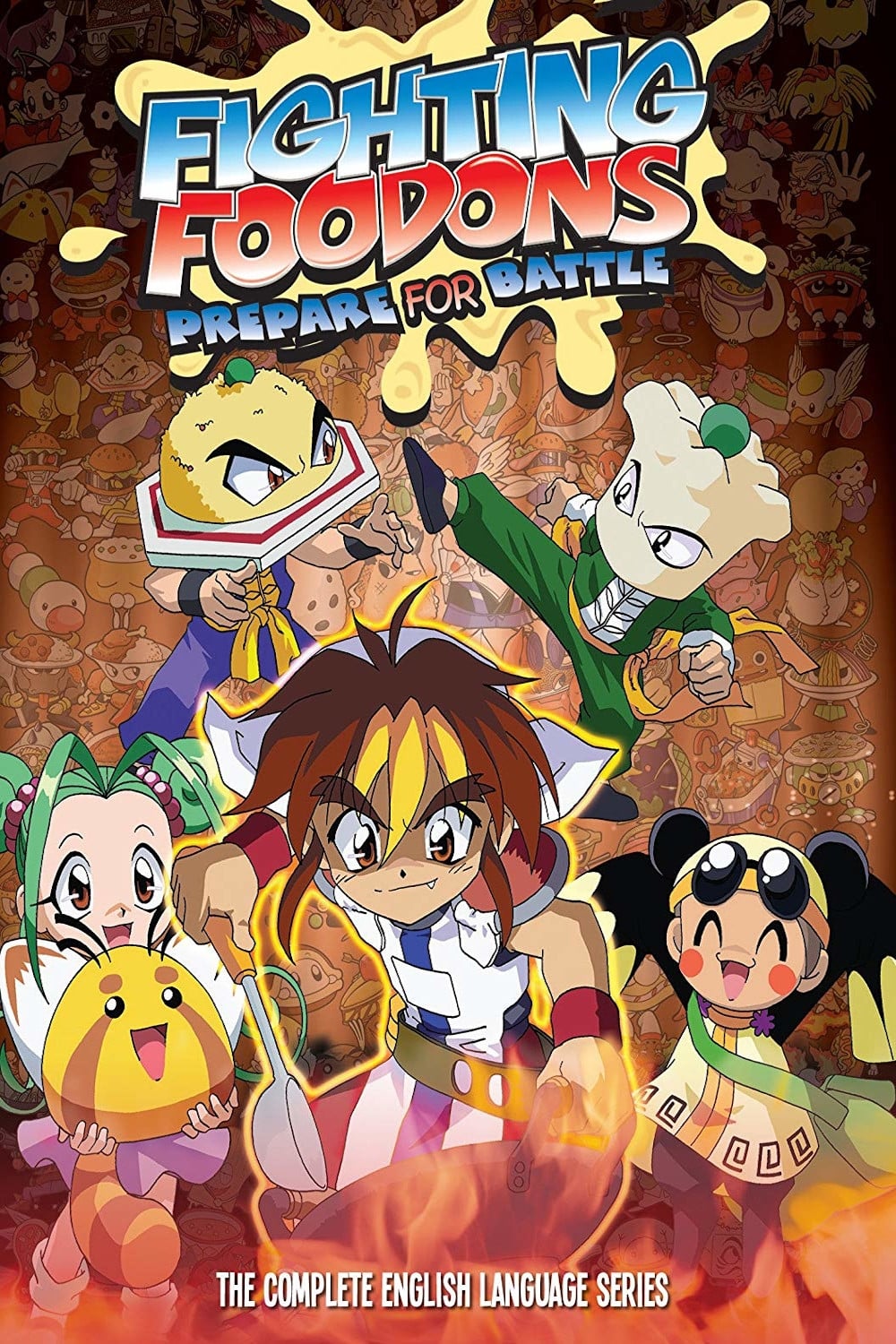
The English dub of ‘Fighting Foodons’ transformed a standard monster battle series into an over the top comedy filled with food puns. The script was almost entirely rewritten to fit as many culinary jokes as possible into every episode. The voice acting used exaggerated accents and caricatures that many viewers found distracting. This approach overshadowed the actual plot and the mechanics of the food based battles. The resulting show felt more like a parody of the genre than a sincere entry.
‘Rave Master’ (2001–2002)
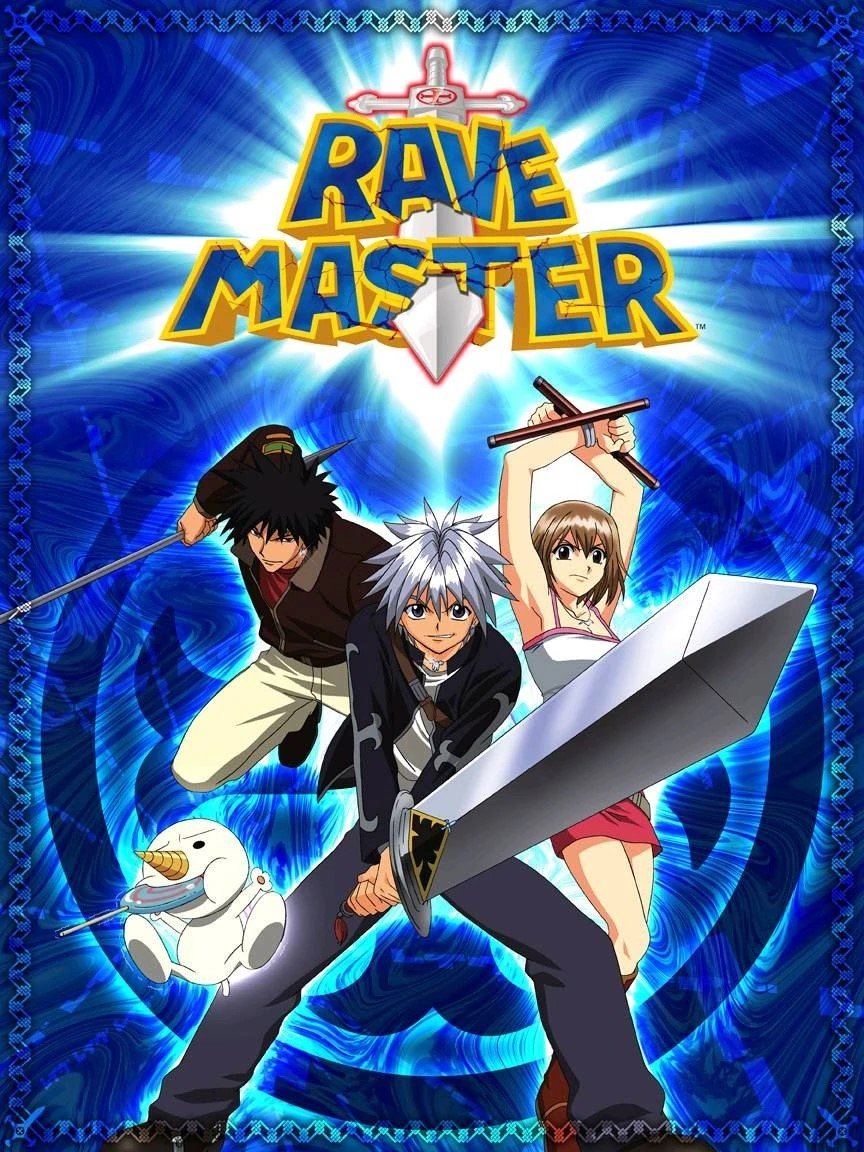
The English adaptation of ‘Rave Master’ suffered from significant cuts and a soundtrack replacement that altered the show’s identity. The localization by Tokyopop and later broadcast on Cartoon Network aimed to capitalize on the success of other battle shonen series. Many of the darker elements of the story were toned down to ensure it could air during daytime slots. The voice acting was often criticized for being inconsistent and failing to capture the growth of the characters. These changes contributed to the show’s early cancellation in the Western market.
‘Shaman King’ (2001–2002)
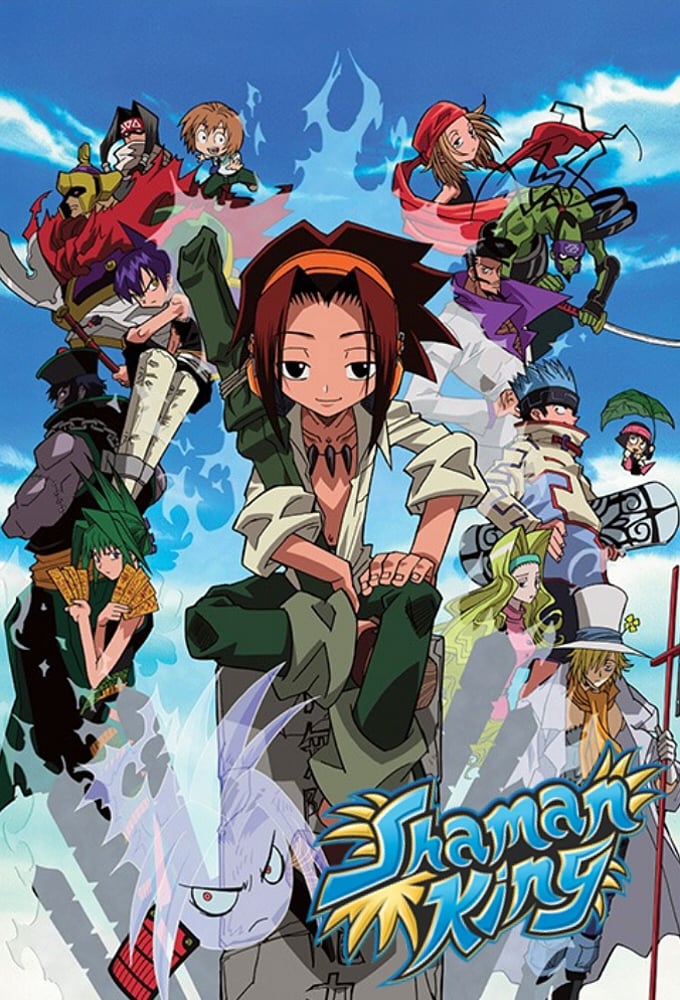
The 4Kids version of ‘Shaman King’ changed the backgrounds of several characters and heavily edited the spiritual themes of the show. The concept of spirits and the afterlife was often downplayed or replaced with more vague terminology. Many of the more violent scenes in the tournament were cut or modified to be less intense. The soundtrack was also replaced with a more generic action score that lacked the cultural flavor of the original. These modifications made the series feel less unique compared to other contemporary anime.
‘The Vision of Escaflowne’ (1996)
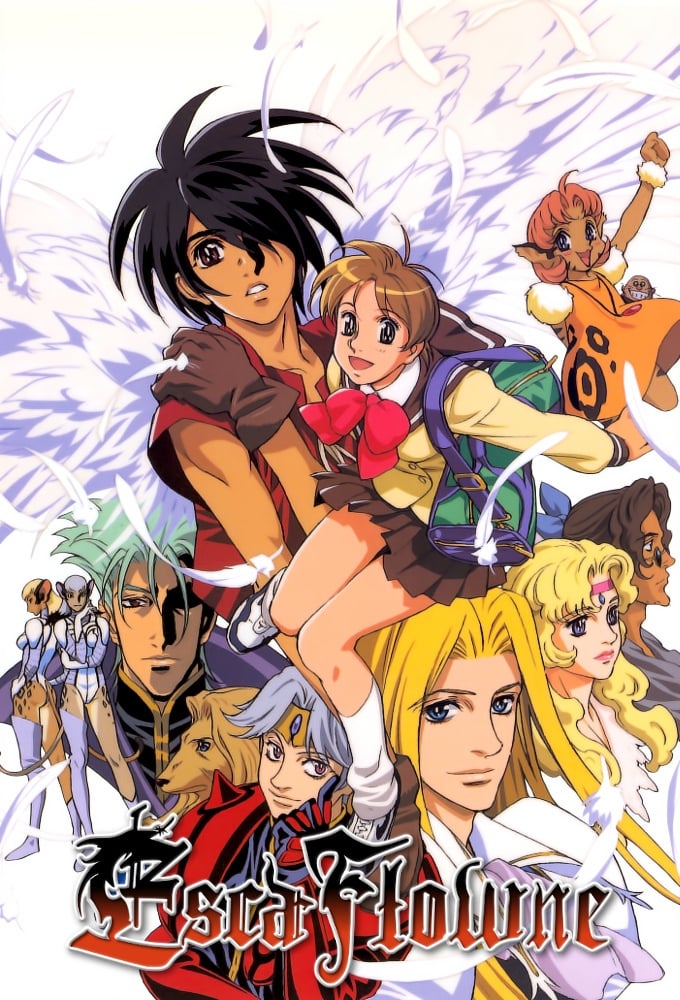
When ‘The Vision of Escaflowne’ aired on Fox Kids it was subjected to massive edits to make it fit a shorter time slot and a younger demographic. The first episode was skipped entirely to start the show with an action sequence which confused the introduction of the main characters. Many of the more complex political and romantic elements were simplified or removed to focus on the giant robot battles. The blood and violence were also heavily censored to meet broadcast standards. This version was poorly received by fans who felt it destroyed the sophisticated nature of the series.
‘Crying Freeman’ (1988–1994)
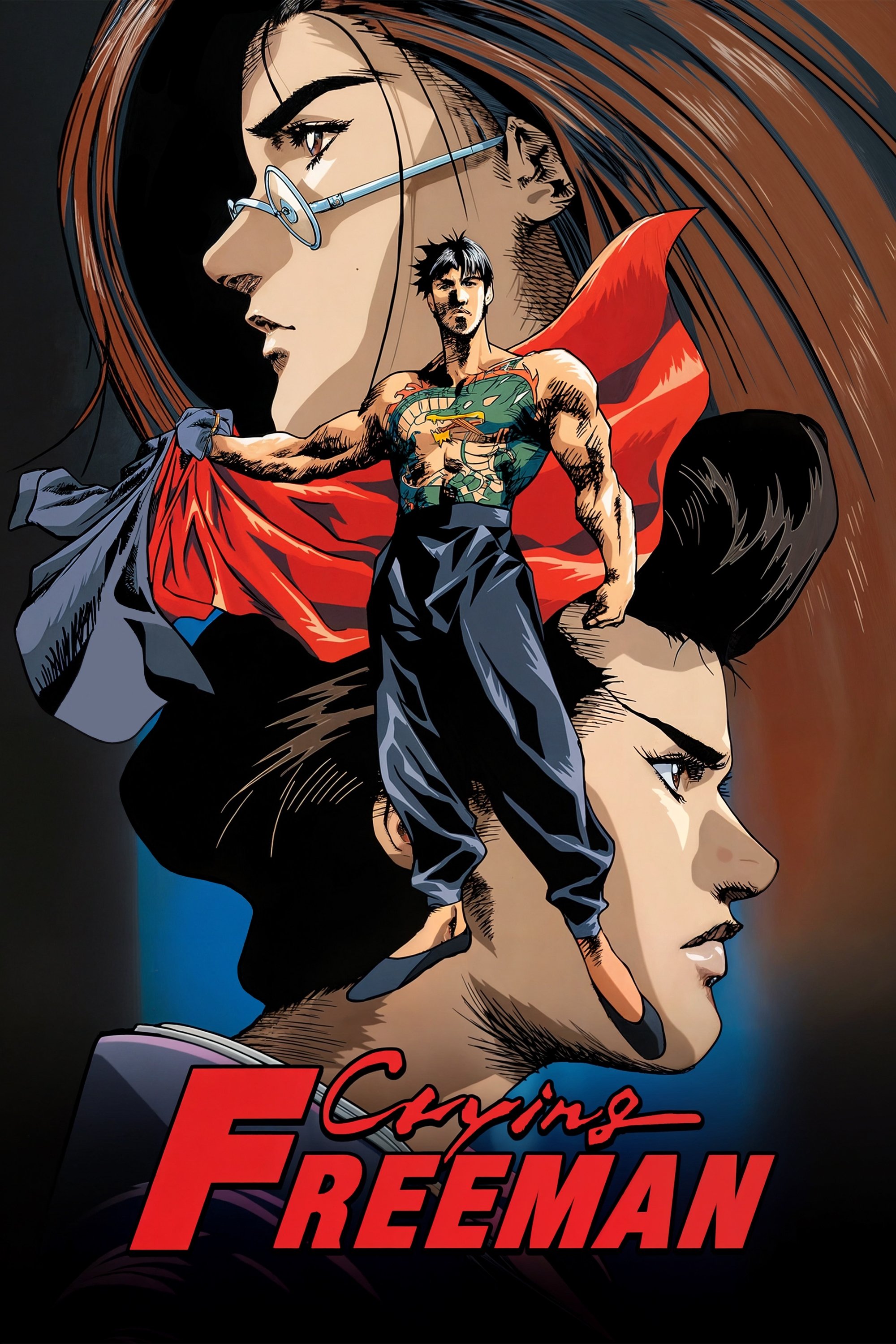
The English dub of ‘Crying Freeman’ is often remembered for its poor translation and lack of emotional depth in the voice performances. The original story is a dramatic and violent tale about an assassin who cries after his kills. The English version failed to convey the poetic nature of the protagonist and instead focused on the more sensational aspects of the plot. The dialogue often felt stiff and unnatural which hindered the romantic elements of the story. This resulted in a version that felt more like a low budget action film than a prestige animation.
‘Fist of the North Star’ (1986)
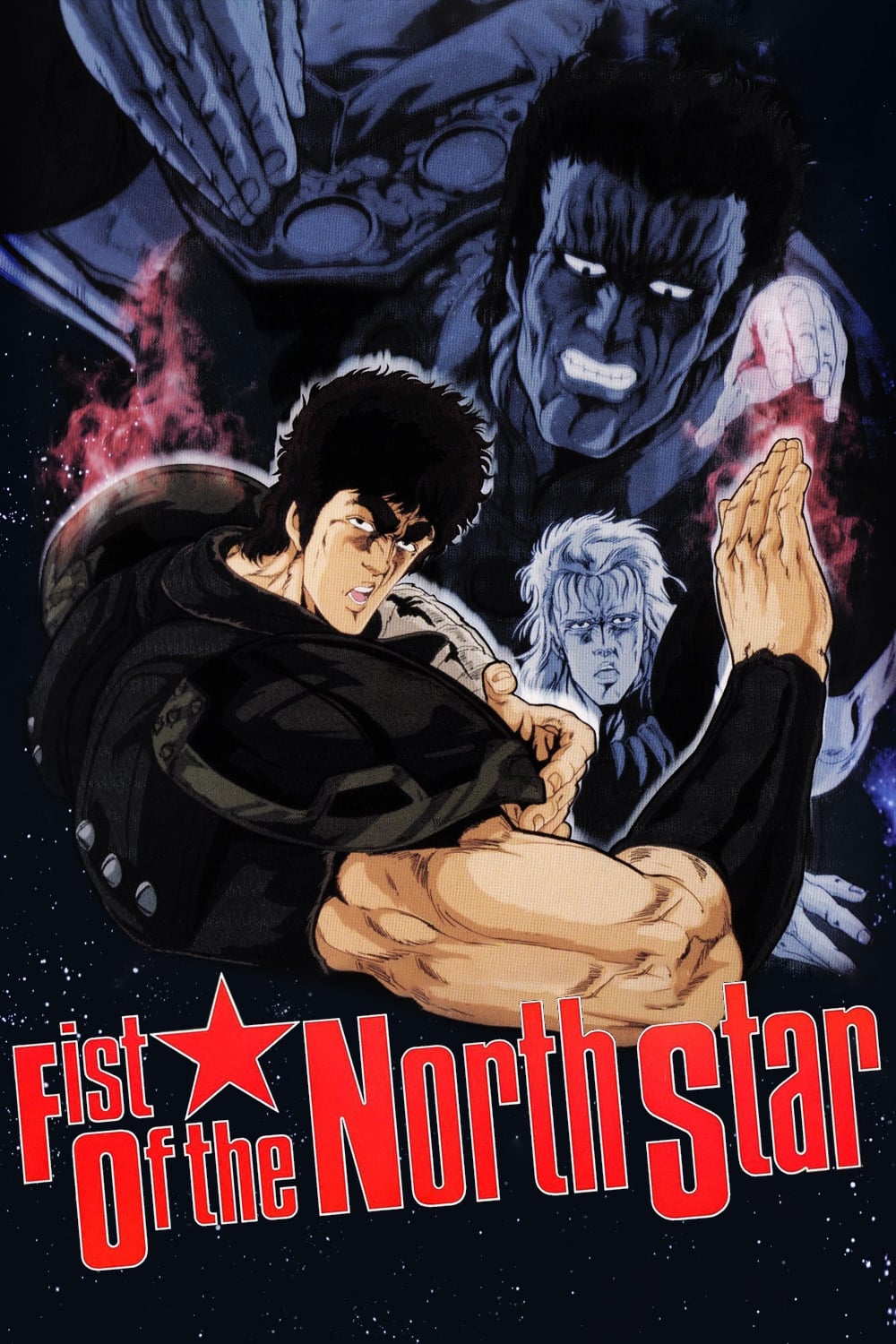
The English dub of the ‘Fist of the North Star’ movie is famous for its exaggerated voice acting and strange script choices. The voice actors often delivered their lines with a level of intensity that felt misplaced or unintentionally humorous. Some of the iconic martial arts techniques were given awkward names or descriptions that did not match the visuals. The script also added a significant amount of profanity that was not in the original version. While the movie remains a classic the dub is often viewed as a product of its time that lacks polish.
‘Mad Bull 34’ (1990–1992)
The localization of ‘Mad Bull 34’ became a cult classic specifically because the English dub was so bizarre and filled with swearing. The voice actors seemed to be leaning into the absurdity of the police drama which resulted in a very different tone from the original. The script was filled with colorful language and slang that made the characters seem like parodies of American action movie tropes. This version completely overshadowed the original intent of the creators and turned the series into a meme. It remains one of the most frequently cited examples of a dub that changed the soul of a show.
‘Cyber City Oedo 808’ (1990–1991)
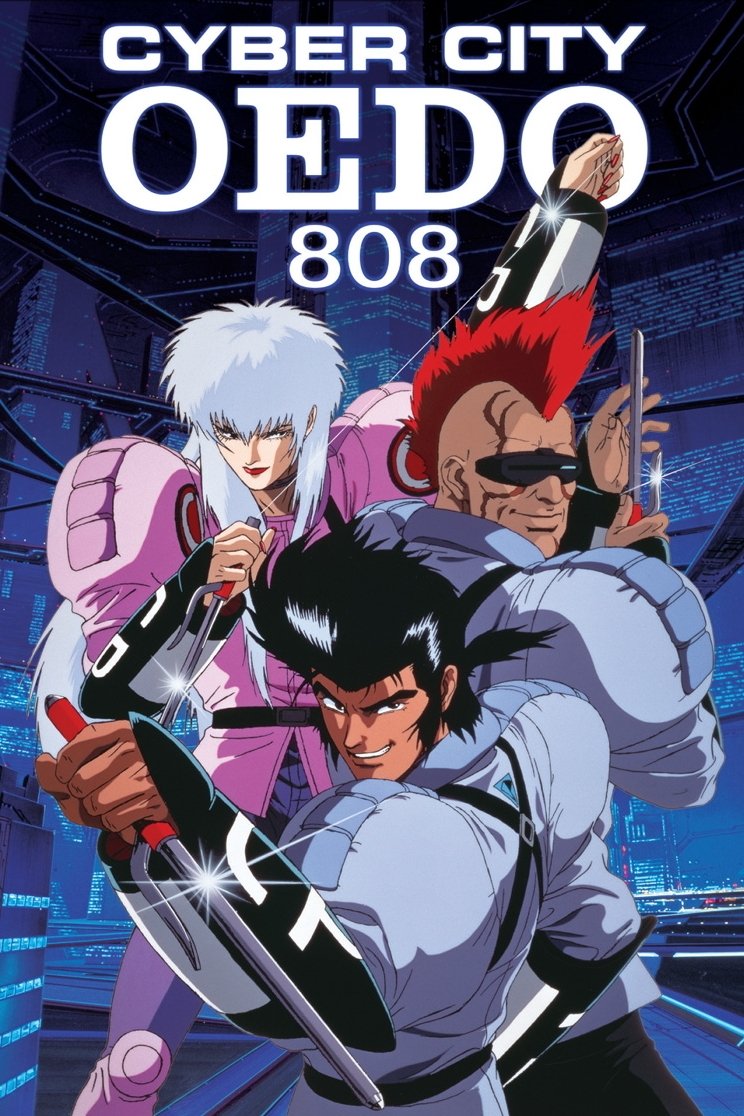
The British English dub of ‘Cyber City Oedo 808’ is well known for adding an incredible amount of foul language to the script. The original Japanese version was a mature cyberpunk story but the English localization took the adult themes to an extreme. The voice acting was generally competent but the script changes made the characters seem much more aggressive than they were originally intended to be. Many fans find this version entertaining but it undoubtedly altered the atmosphere of the series. The gritty future setting felt more like a foul mouthed action flick than a philosophical sci-fi.
‘Violence Jack’ (1986–1990)
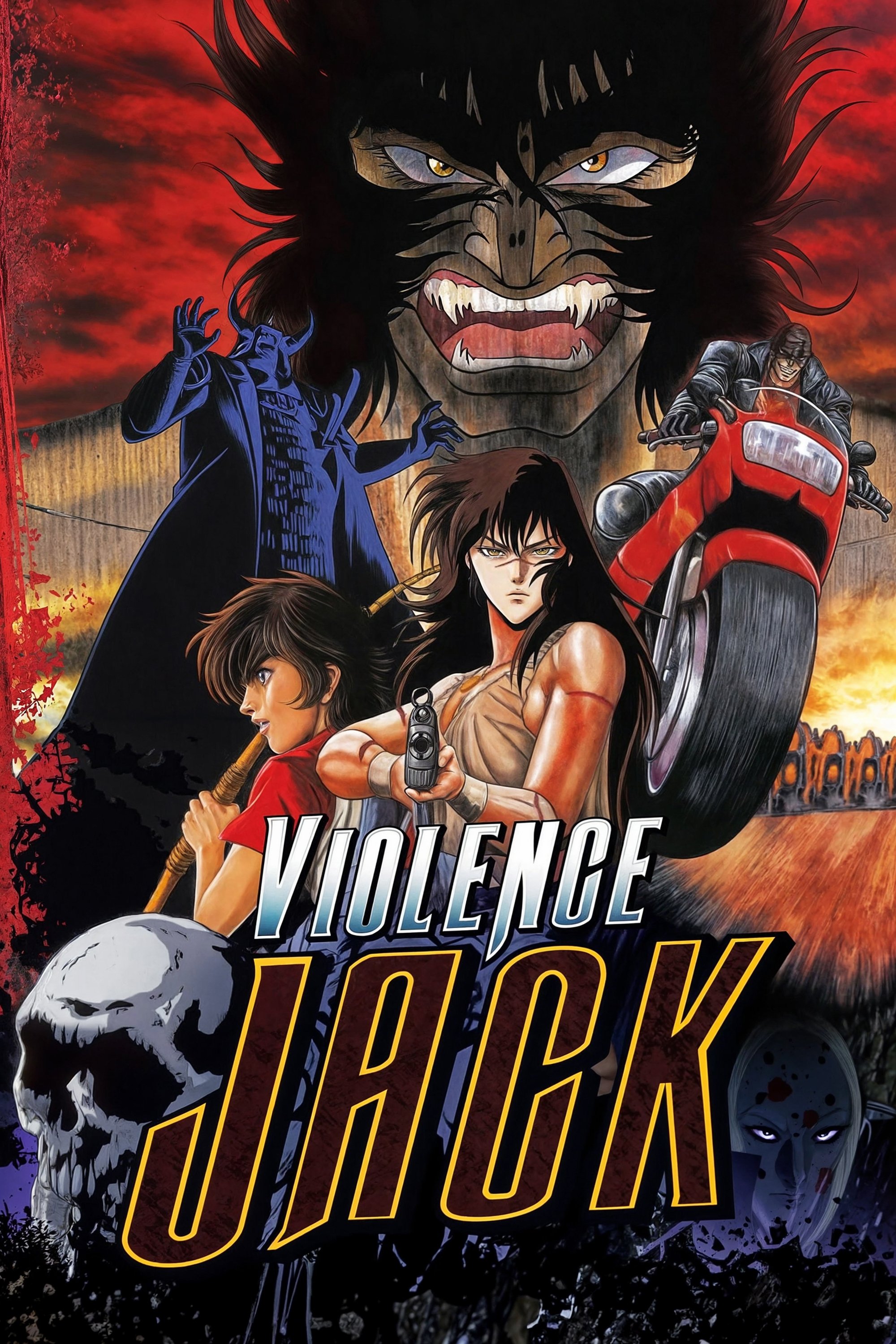
The English localization of the ‘Violence Jack’ series is often criticized for its low production values and poor casting. The voice actors struggled to bring any nuance to the brutal and dark world created by Go Nagai. The script was translated in a way that often felt clunky and failed to explain the complex lore of the setting. Much of the psychological horror was lost because the delivery of the dialogue was either too wooden or too over the top. This made an already controversial series even harder for Western audiences to take seriously.
‘Genocyber’ (1994)
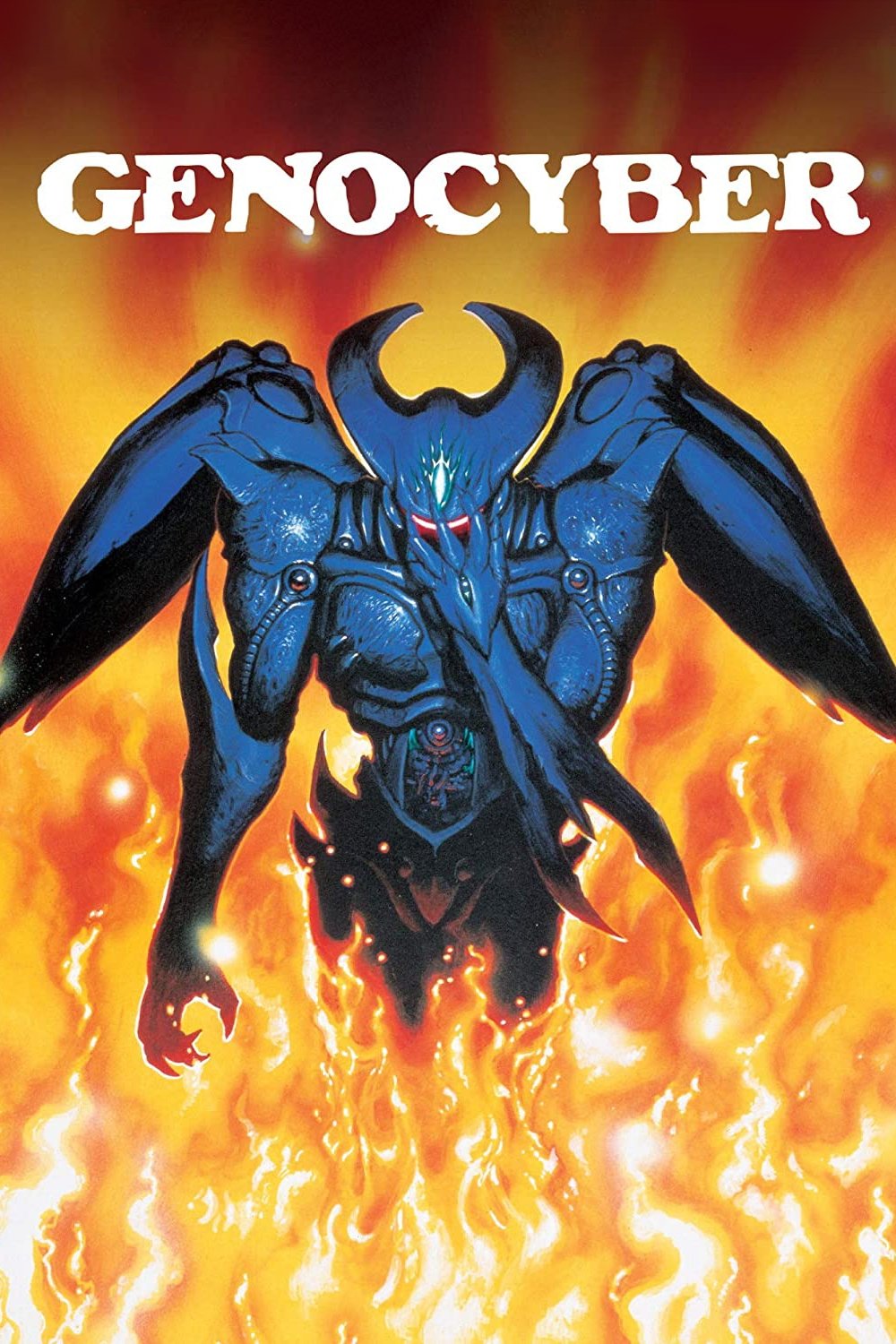
The English dub of ‘Genocyber’ is often remembered for being as brutal and messy as the animation itself. The voice acting lacked the range needed to convey the intense suffering and horror experienced by the characters. Many of the plot points were left vague or were poorly explained in the translated script. This led to a viewing experience where the graphic violence was the only memorable part of the series. The deeper themes about humanity and technology were largely ignored in the English version.
‘Zatch Bell!’ (2003–2006)
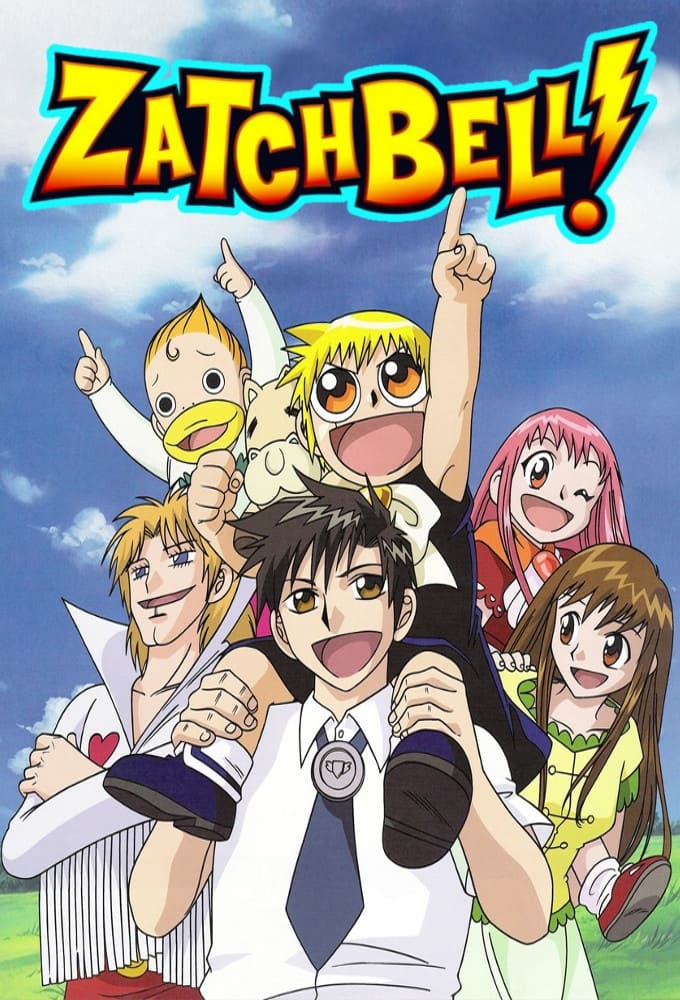
The English version of ‘Zatch Bell!’ featured several changes to character names and censored many of the more intense battle scenes. The localization aimed for a younger demographic which meant that the darker motivations of some of the villains were glossed over. The soundtrack was replaced with a different score that many fans felt lacked the impact of the original music. Some of the more unique Japanese cultural references were altered to be more relatable to Western kids. This resulted in a show that felt like a standard monster battling anime rather than a unique supernatural drama.
‘Kirby: Right Back at Ya!’ (2001–2003)
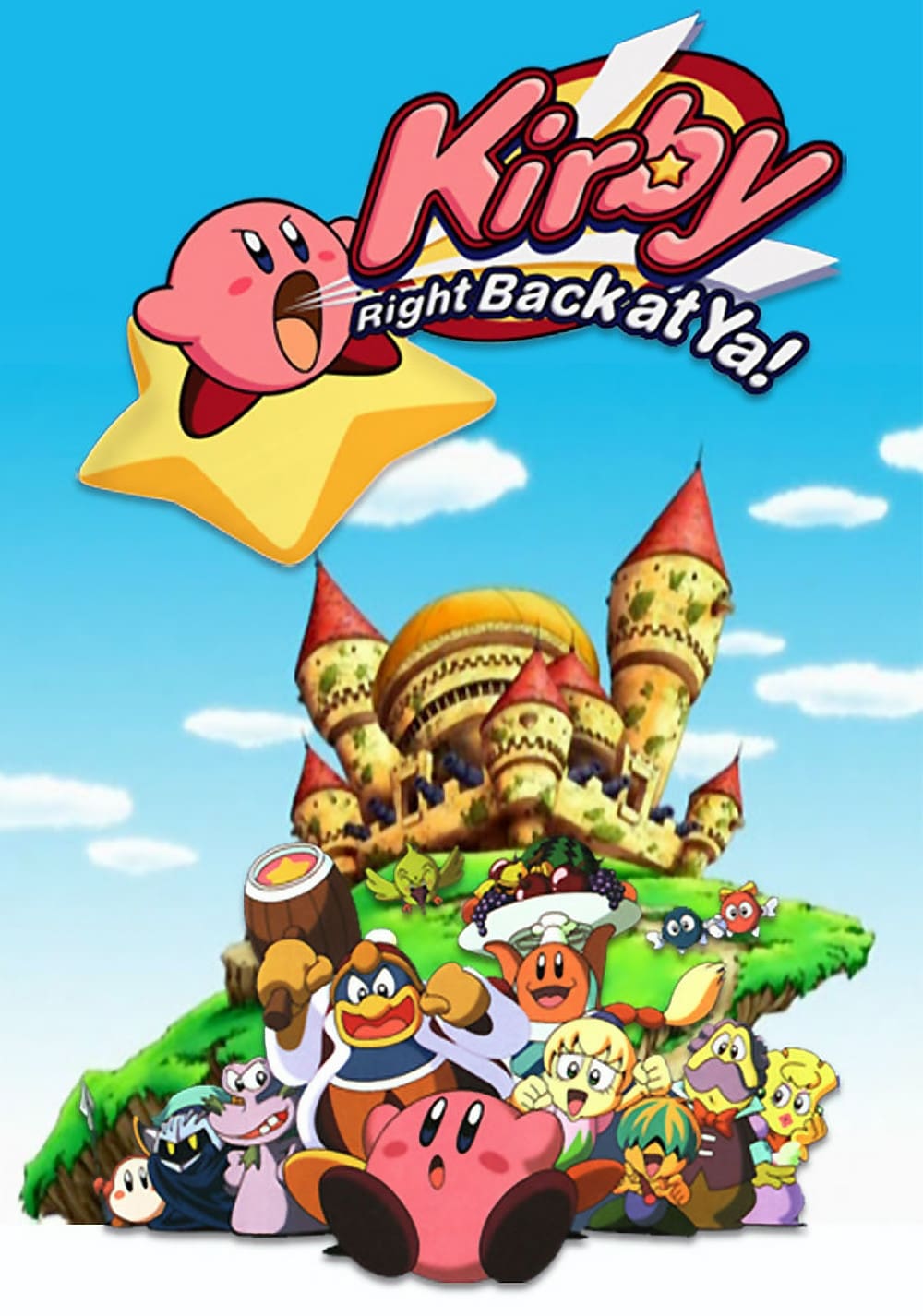
The 4Kids dub of the ‘Kirby’ anime series gave several characters distinct and sometimes jarring regional accents. King Dedede was voiced with a Southern drawl while other characters were given various stereotypical voices. The script was filled with puns and the music was completely replaced with a more upbeat cartoonish score. Many of the more serious episodes were edited to remove any sense of real danger to the characters. This version turned a fairly faithful adaptation of the game world into a more standard Saturday morning cartoon.
‘Pokémon’ (1997–Present)
While the early seasons of ‘Pokémon’ are beloved the English dub is famous for its localization of Japanese food and culture. The most notorious example is the renaming of rice balls as jelly donuts in the script while the animation clearly showed Japanese snacks. Many names of locations and side characters were changed to sound more Western. The script often added moral lessons or simplified the dialogue to appeal to very young children. These changes were a staple of the era but often felt unnecessary to the fans of the original.
‘Naruto’ (2002–2007)
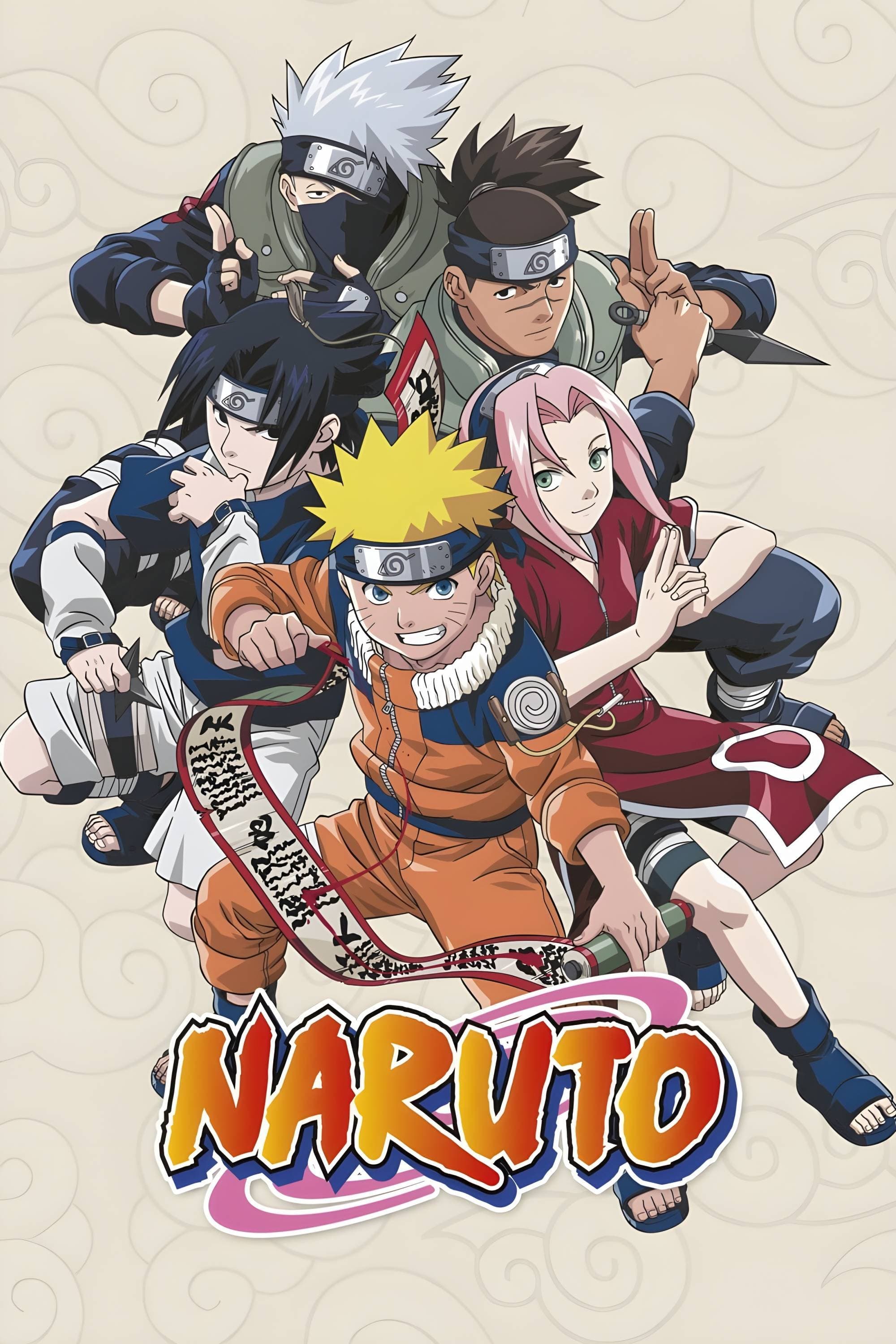
The early television broadcast of ‘Naruto’ in the West featured several edits to remove blood and tone down the violence. Some of the more intense combat scenes were shortened and references to alcohol or certain Japanese cultural traditions were removed. The script also changed some of the more complex terms related to ninja techniques to make them easier to remember. While the voice acting was generally well received these edits altered the gritty tone of the early series. Fans often preferred the unedited versions that eventually became available on home media.
‘Beyblade’ (2001–2003)
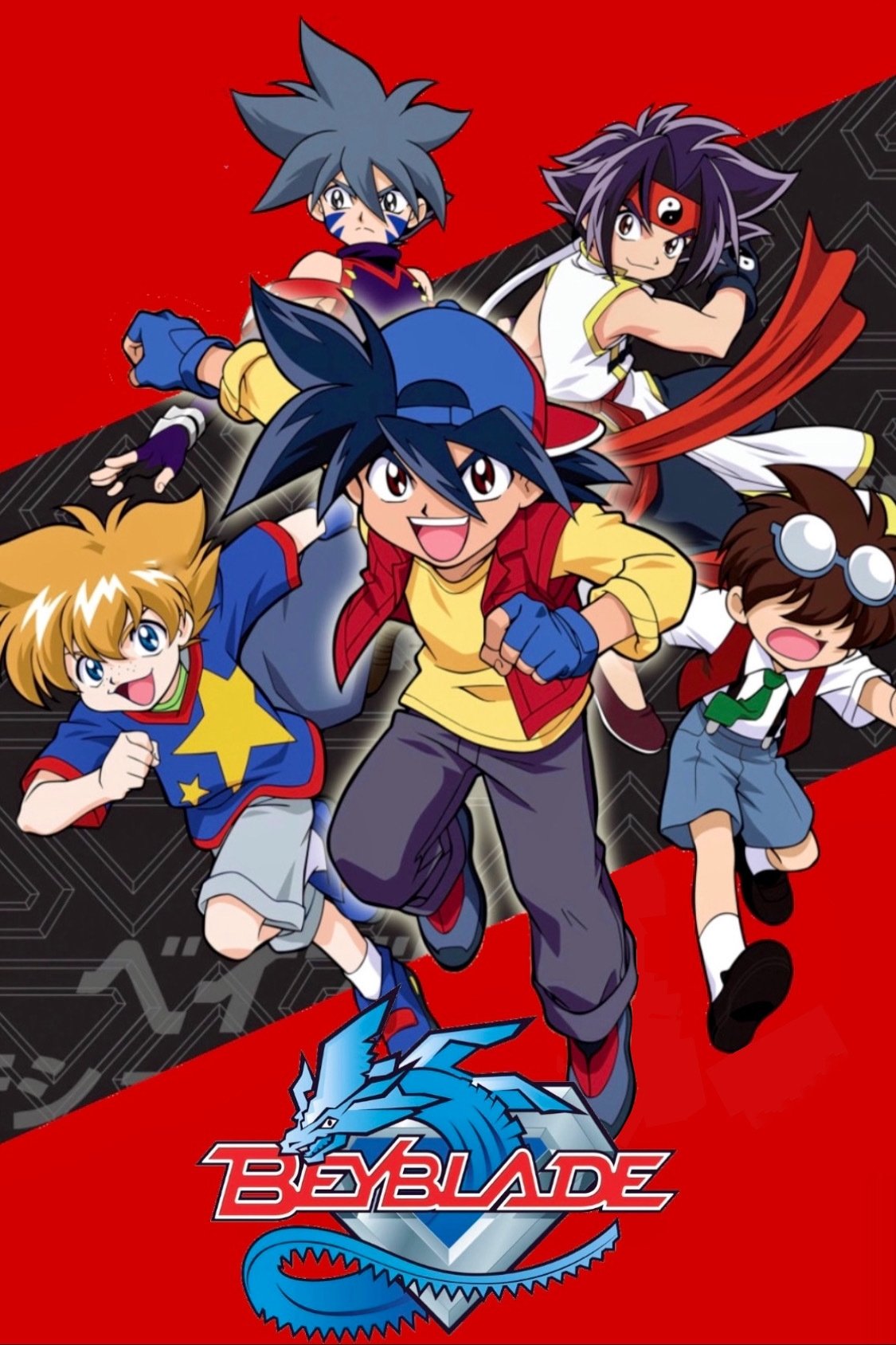
The English dub of the original ‘Beyblade’ series added a non stop stream of dialogue even in scenes where characters were originally silent. The localization team felt that children would lose interest if there was no talking during the spinning top battles. This led to the characters constantly narrating their actions or cracking jokes during serious moments. The soundtrack was also replaced with a rock and pop score that became iconic but changed the show’s atmosphere. This resulted in a version that felt much louder and more frantic than the original.
‘Duel Masters’ (2002–2003)
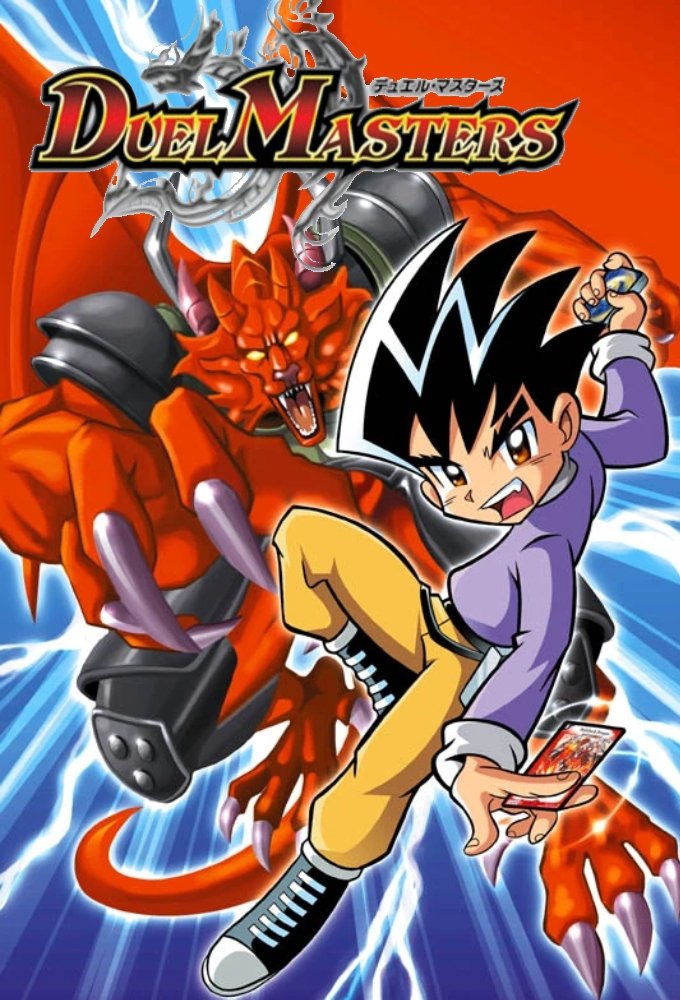
The English dub of ‘Duel Masters’ took a complete turn into self aware parody. Similar to ‘Ghost Stories’ the script was rewritten to mock the tropes of the card game genre and the show itself. Characters frequently broke the fourth wall to comment on the animation quality or the ridiculousness of the plot. While this made the show unique and funny it completely discarded the serious story of the original Japanese version. Fans of the actual card game were often frustrated that the anime was not a faithful representation of the source material.
‘Medabots’ (1999–2000)
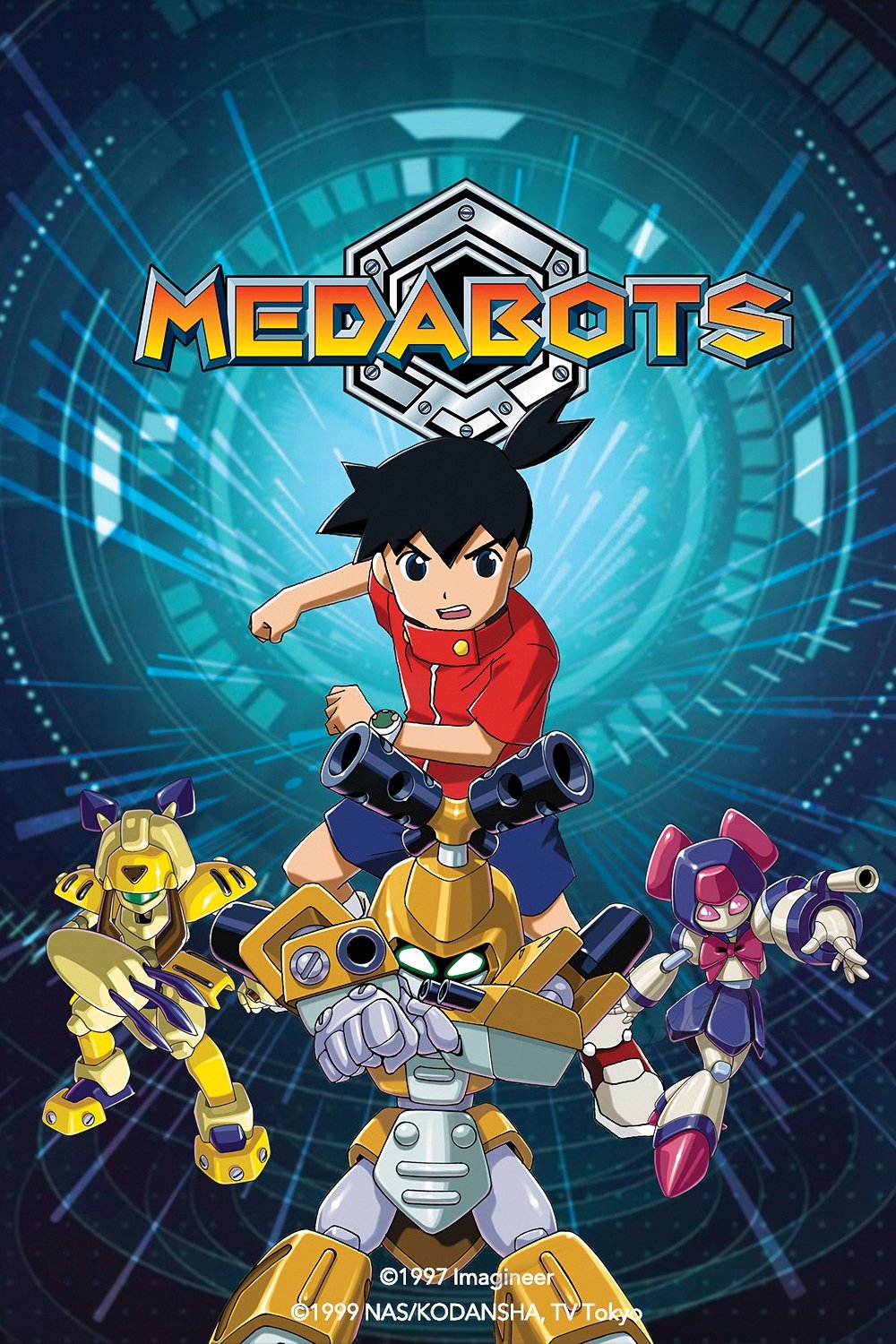
The English version of ‘Medabots’ used a script that was much more focused on comedy and puns than the original Japanese broadcast. The voice acting was very energetic but often leaned into caricatures for the supporting cast. Some of the more dramatic stakes in the robot battles were lessened by the constant humor. The background music was also replaced which changed the emotional tone of the more heartfelt scenes. This localization was successful but it shifted the balance of the show away from its original vision.
‘Shin Chan’ (1992–Present)
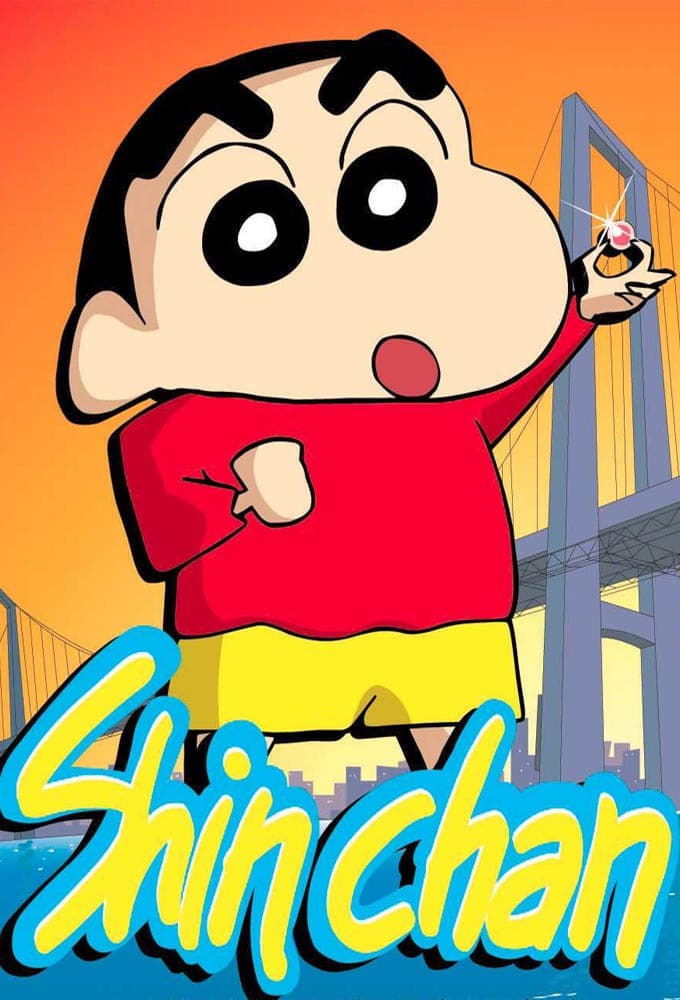
There have been several English dubs of ‘Shin Chan’ and the early versions often struggled to find the right tone for the series. One early version tried to market it as a children’s show by heavily censoring the crude humor and adult situations. Later versions like the one from Funimation went in the opposite direction and added even more adult content than the original. Both approaches failed to capture the specific mix of childhood innocence and vulgarity found in the Japanese version. This made the character feel either too sanitized or too aggressive for many viewers.
‘Doraemon’ (2005–Present)
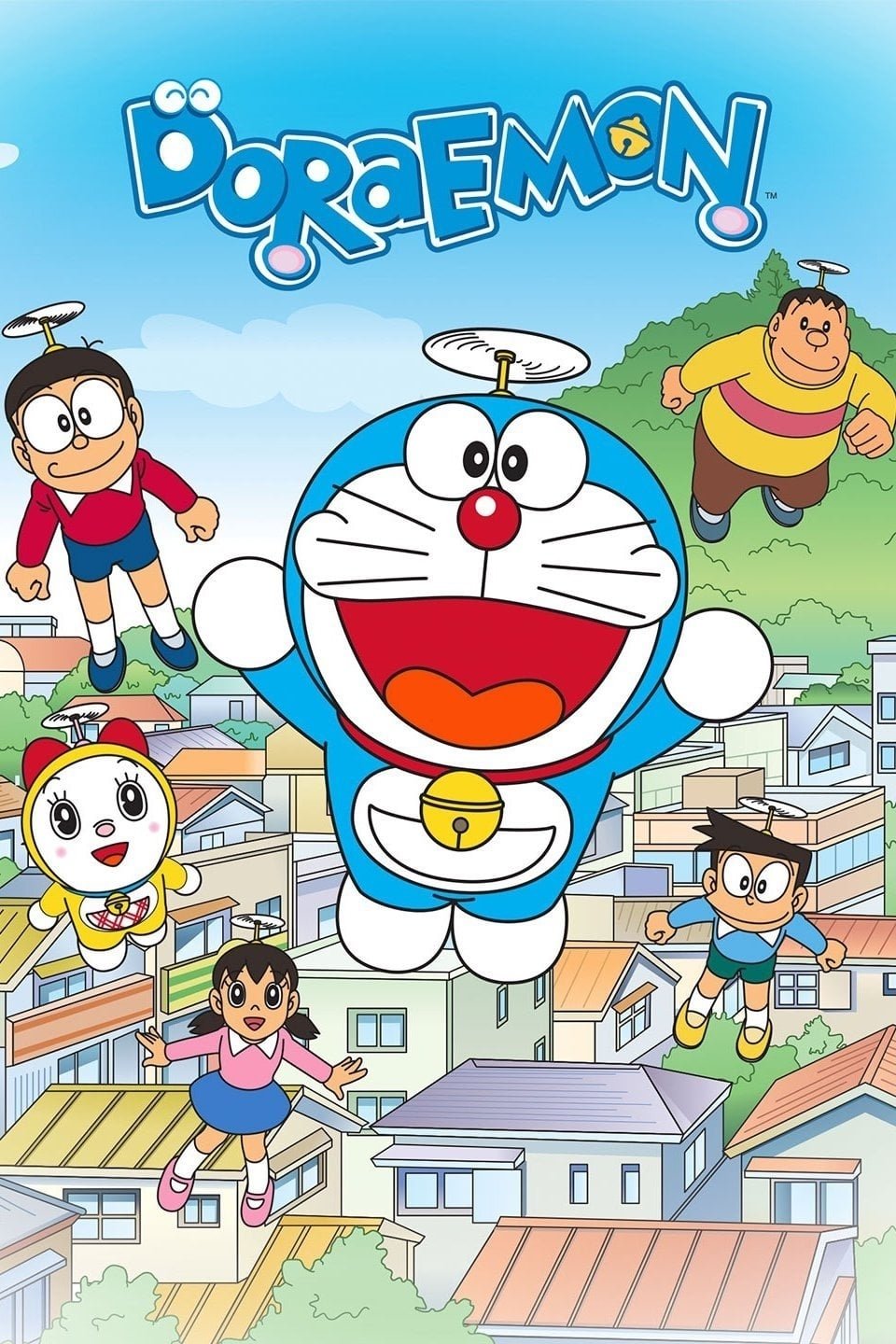
The Disney XD dub of ‘Doraemon’ made numerous changes to the setting to make it appear as if the show took place in the United States. Chopsticks were digitally replaced with forks and Japanese currency was changed to American dollars. The names of the characters were also Westernized and the plot was edited to remove references to Japanese traditions. These changes were intended to make the show more relatable to American children but they felt forced and unnecessary to many viewers. The cultural charm of the long running series was largely lost in this version.
Tell us which anime dub you think was the most disappointing in the comments.