Celebrities Who Flat-Out Refused to Memorize Their Movie Lines


The art of acting is often associated with the rigorous memorization of scripts, yet several high-profile stars have famously bucked this tradition. Whether due to a specific artistic philosophy, high production volumes, or health-related challenges, these performers opted for alternative methods to deliver their dialogue. From the use of hidden cue cards to high-tech earpieces, these celebrities prioritized the final performance over the traditional preparation process. Their reliance on these aids has sparked both admiration for their ingenuity and debate within the industry regarding professional standards.
Marlon Brando
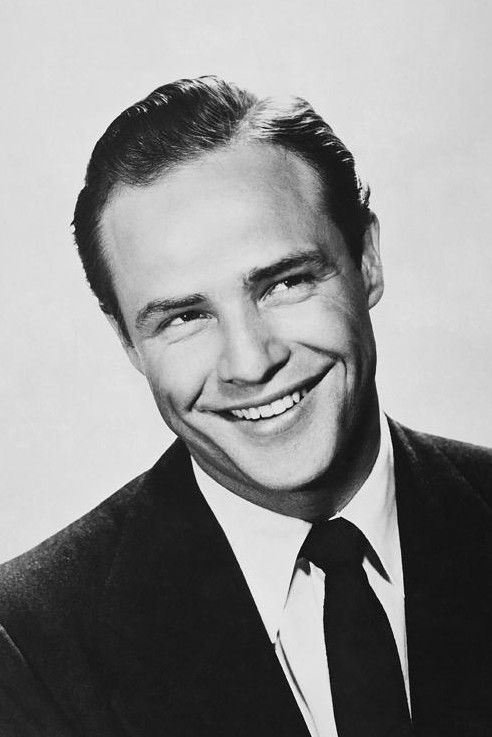
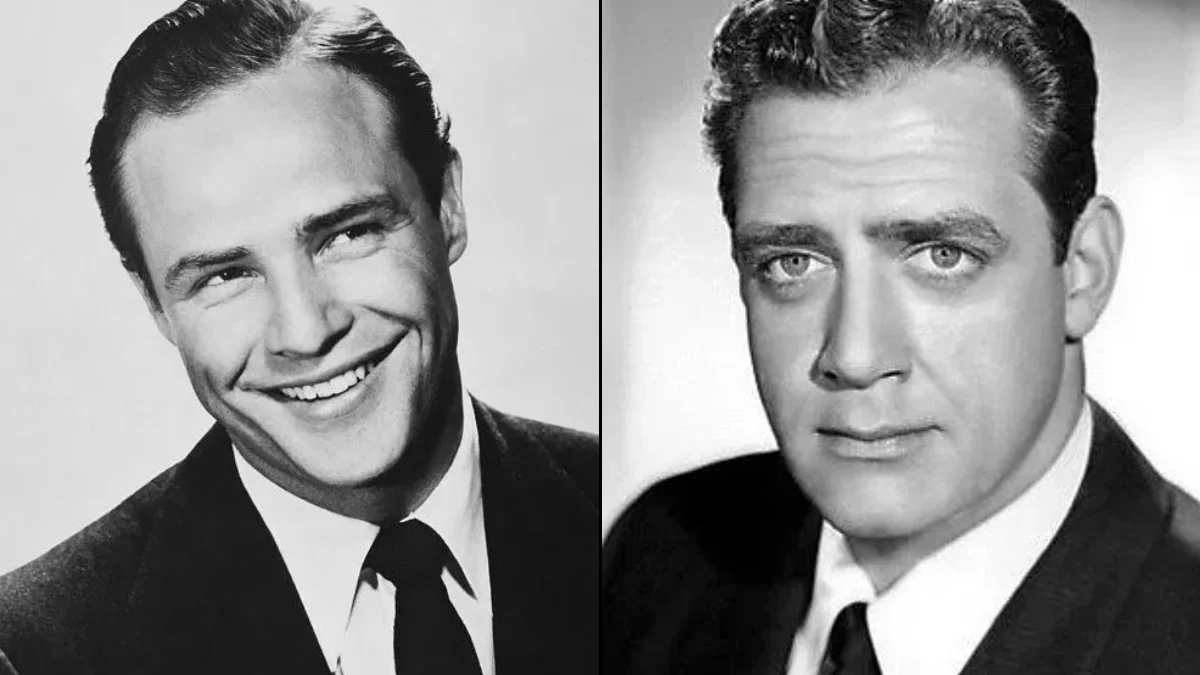
Marlon Brando was notoriously averse to memorizing dialogue throughout his legendary career. While filming ‘The Godfather’, he insisted that his lines be written on cue cards and placed within his line of sight, sometimes even taped to other actors. Brando argued that not knowing the lines beforehand allowed his character to appear as if he were thinking of the words for the first time. This practice continued during the production of ‘Superman’, where his lines were reportedly hidden on a baby’s diaper. His commitment to this method remained a hallmark of his acting process until his final roles.
Johnny Depp
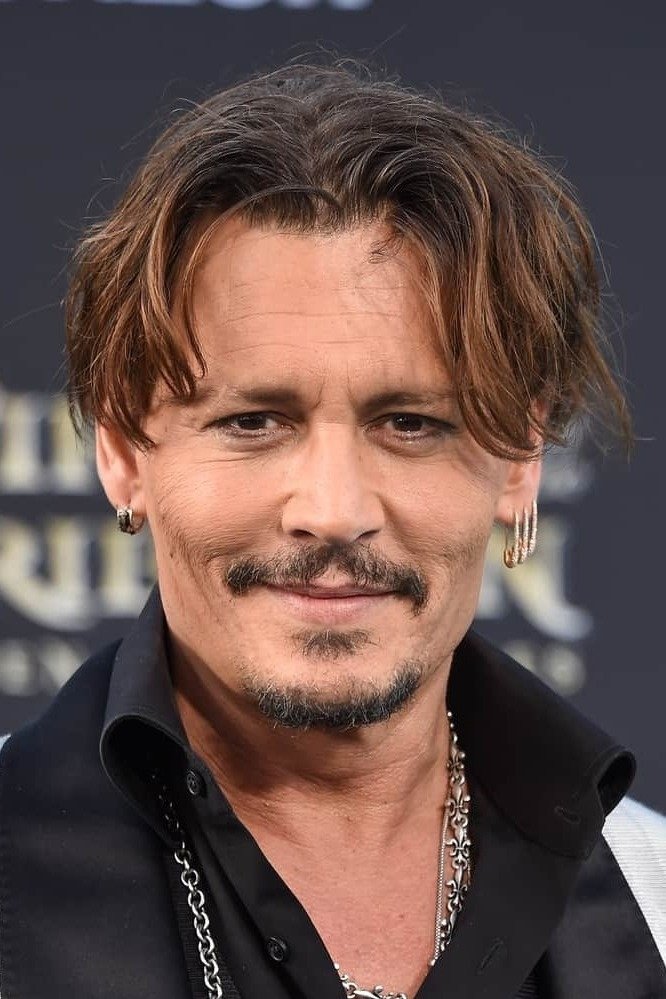
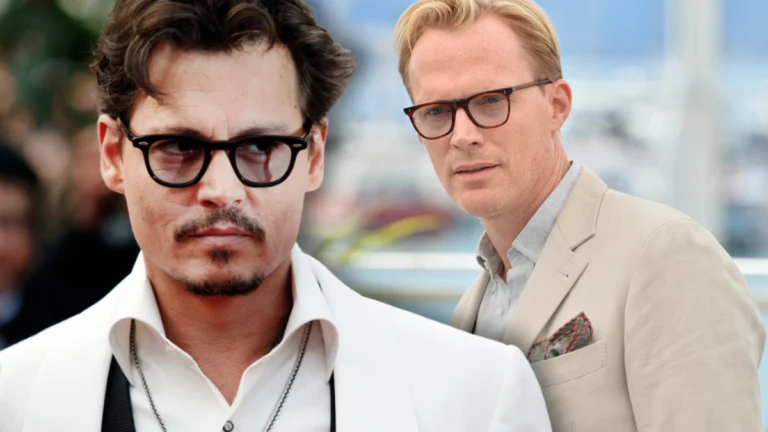
Johnny Depp has frequently utilized an earpiece on film sets to have his lines fed to him by a sound engineer. This practice came to light during a legal dispute with his former business managers, where it was revealed he paid a technician specifically for this purpose. Depp has defended the technique by stating that it allows him to focus more on his performance and eyes rather than the mechanics of memory. By receiving the dialogue in real-time, he believes he can react more naturally to the events occurring in the scene. This method has been part of his routine on various major film productions over the last two decades.
Bruce Willis

In the final years of his acting career, Bruce Willis relied on an earpiece to deliver his dialogue in numerous action films. It was later disclosed that this was a response to his battle with aphasia, a condition that impacts a person’s ability to communicate and understand language. Crew members on sets like ‘Glass’ and ‘American Siege’ noted that he required assistance to recall his lines and navigate scenes. Despite these challenges, Willis continued to work extensively until his formal retirement from the industry was announced. This accommodation allowed him to complete several projects while managing his health.
Raymond Burr
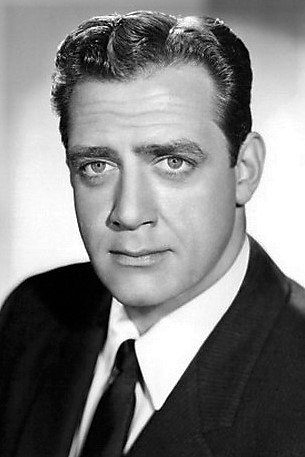
Raymond Burr was famous for his reliance on cue cards while filming the long-running series ‘Perry Mason’ and various films. He would have the script pages placed strategically around the set, often hidden behind legal pads, on the backs of chairs, or held by assistants just off-camera. Burr explained that the sheer volume of dialogue required for a weekly legal drama made traditional memorization nearly impossible for him. His ability to read these cards while maintaining eye contact and dramatic tension became a legendary skill among his peers. Even in his later work, he remained committed to this specific workflow.
Robert De Niro
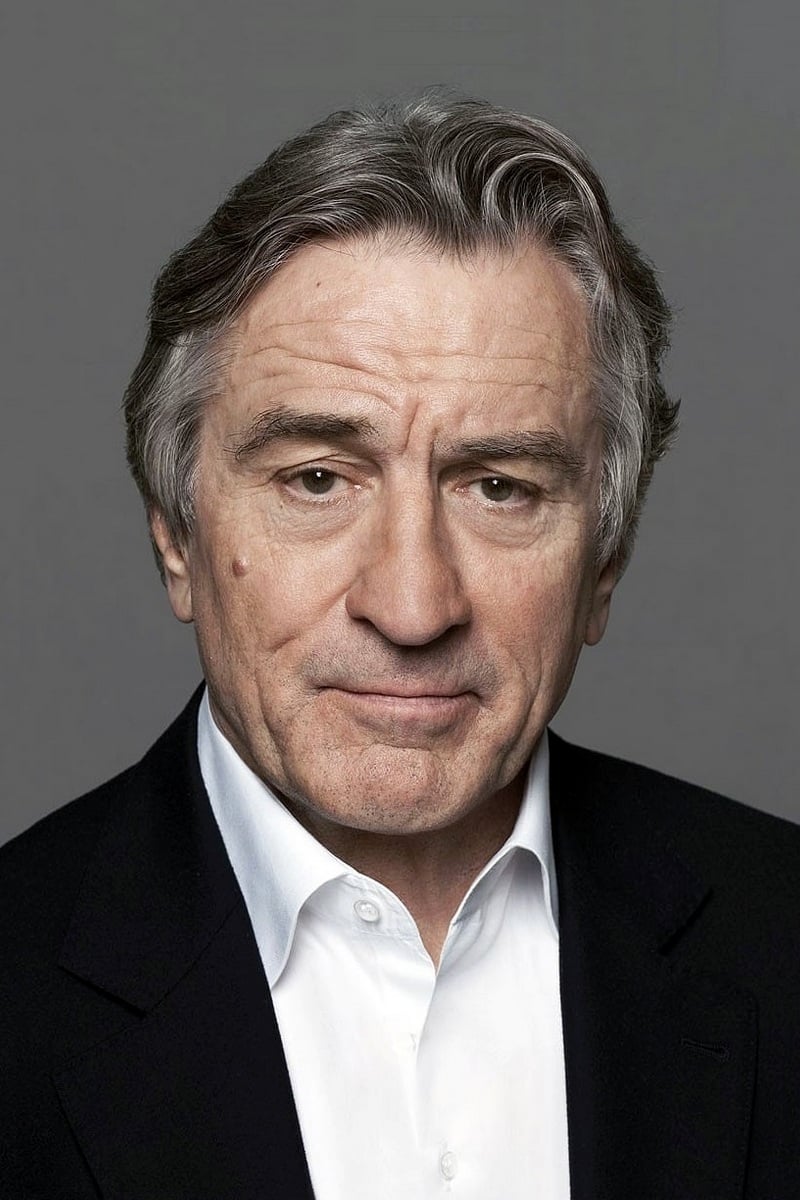
Robert De Niro has been known to use teleprompters and cue cards in his more recent film appearances to assist with dialogue. This was particularly evident during the production of ‘The Irishman’, where the complex script and lengthy scenes required additional support for the veteran cast. Filmmakers often accommodate this by placing monitors just out of the camera’s frame to help him stay on track. By using these aids, De Niro can focus his energy on the nuances of his performance and the direction of the scene. This approach has become more common for the actor as he continues to take on demanding, dialogue-heavy roles.
Bill Murray
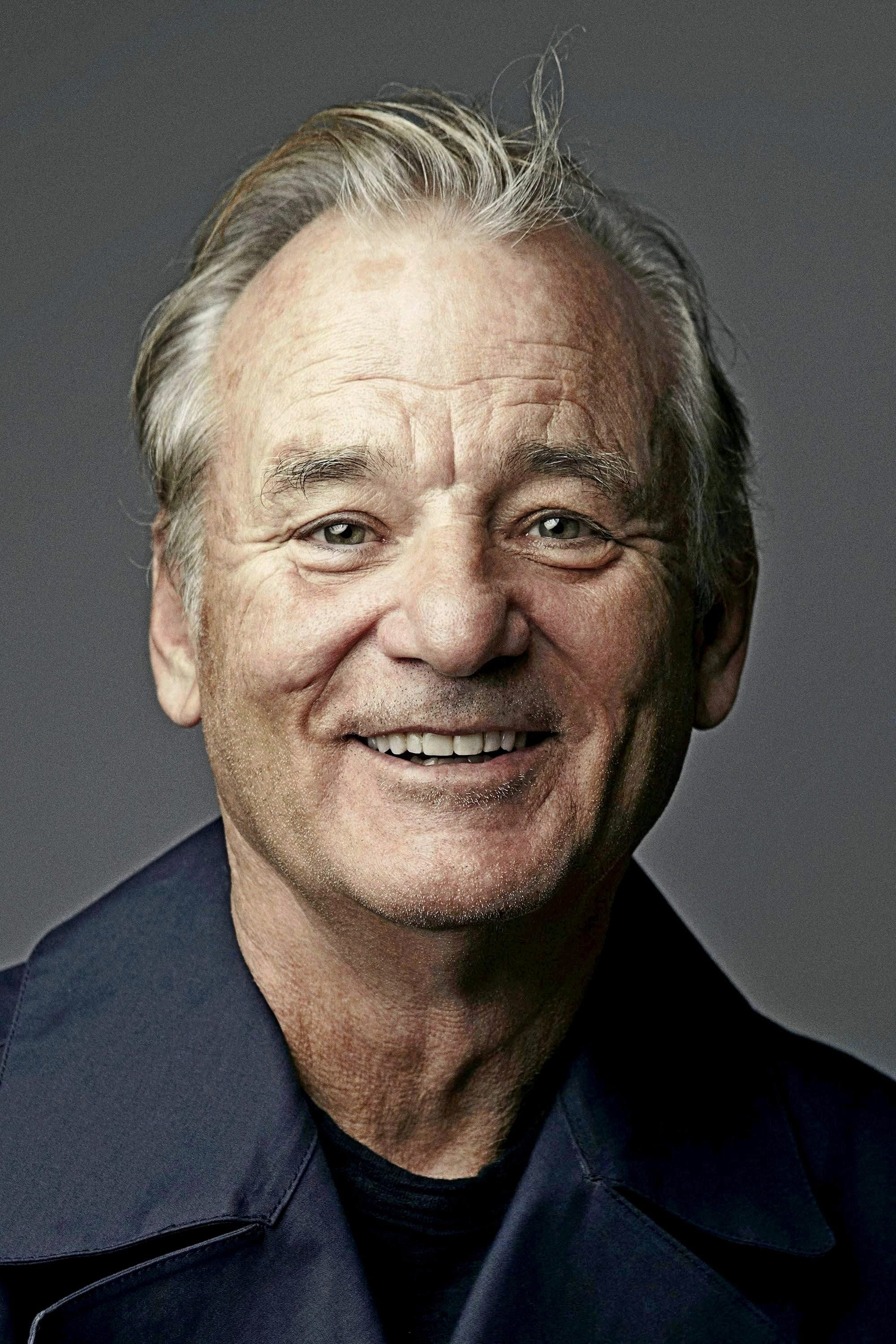
Bill Murray is well-known in Hollywood for his tendency to ignore the script entirely rather than memorize specific lines. During the production of ‘Ghostbusters’, he famously improvised much of his dialogue, leading to some of the film’s most iconic moments. Directors who work with him, such as Wes Anderson or Sofia Coppola, often provide him with the freedom to deviate from the written word. This preference for spontaneity means that his co-stars often have to react to unexpected lines during filming. For Murray, the authenticity of the moment is more valuable than adhering strictly to the teleplay.
Al Pacino
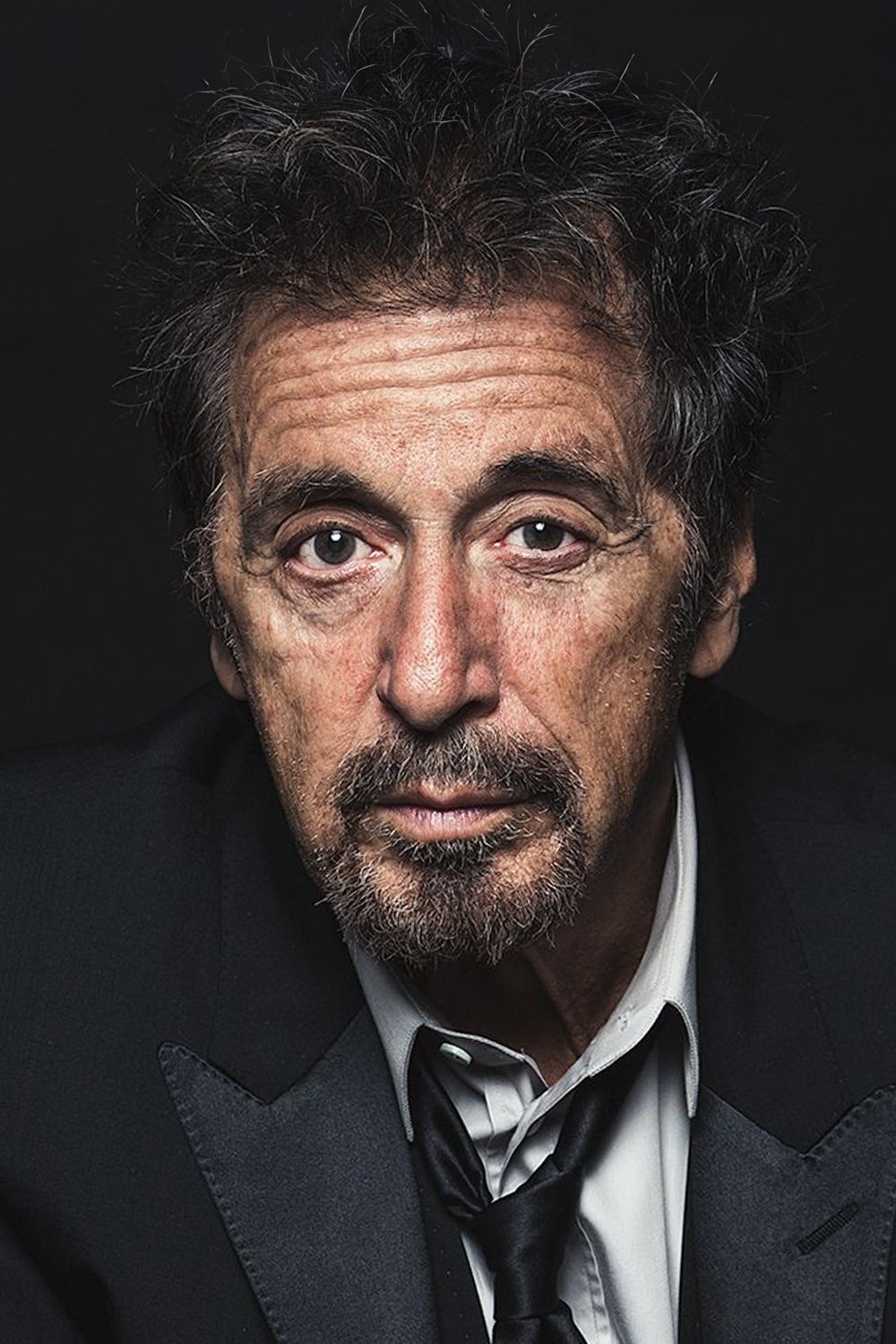
Al Pacino has increasingly used earpieces for both stage and film performances to ensure he never misses a beat. During the filming of ‘Glengarry Glen Ross’ and his later stage work, he utilized this method to handle dense, rapidly-paced dialogue. Pacino views the earpiece as a safety net that allows him to remain fully immersed in the intensity of the scene. This practice has become more frequent in his recent years as he tackles complex roles that require high precision. By using this technology, he can maintain the explosive energy for which his acting is renowned.
Harry Morgan
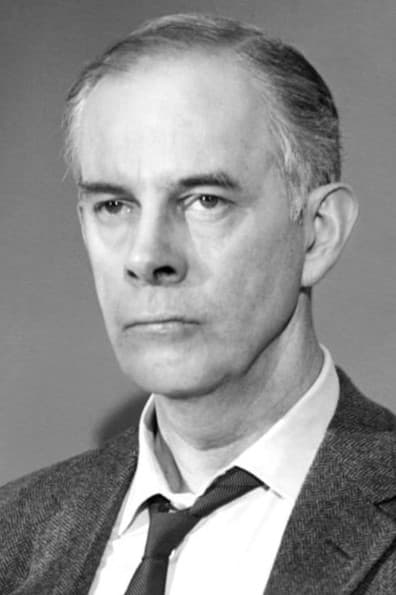
Harry Morgan, best known for his role as Colonel Potter in ‘MAS*H’, was another actor who preferred having his lines written out on set. He often had cue cards placed near the camera or taped to props to help him through long stretches of dialogue. Morgan argued that this allowed him to focus on the character’s emotional tone rather than the anxiety of forgetting a word. This technique was well-tolerated by his colleagues, who respected his long career and efficiency on set. Even in his guest appearances on other shows, he frequently requested this assistance to maintain his pace.
Please share your thoughts on these unique acting methods in the comments.