Gary Oldman Breaks Down Why Political Correctness Doesn’t Work

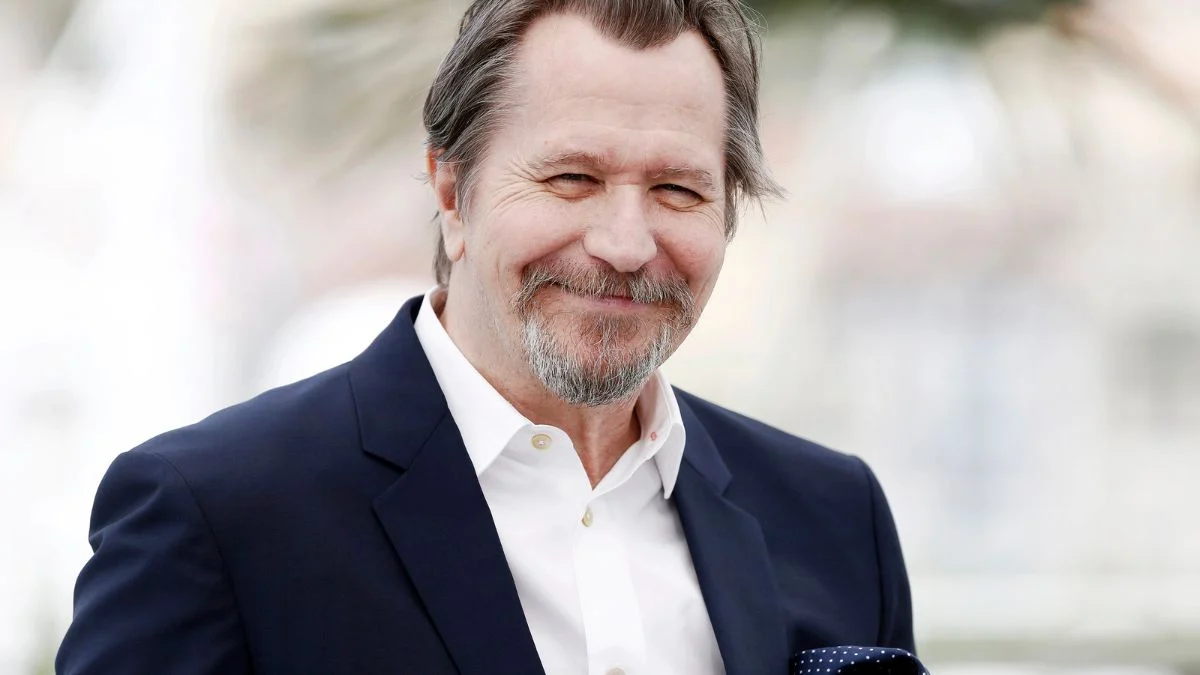

Gary Oldman rose to prominence in the film industry shortly after his 1982 feature debut. He quickly established himself as a versatile force with standout performances in projects like Sid and Nancy, JFK, and Dracula.
His career reached new heights in 2018 when he secured an Academy Award for his highly praised and transformative portrayal of Winston Churchill in the historical drama Darkest Hour.
Despite his critical success, the actor has often been known for his blunt and sometimes controversial public remarks. In a 2014 interview with Playboy, he openly criticized the concept of political correctness while defending Mel Gibson following the filmmaker’s own highly publicized controversies.
“I just think political correctness is crap,” he stated at the time. “That’s what I think about it. I think it’s like, take a f****g joke. Get over it… No one can take a joke anymore.” He went on to frame Gibson’s public struggles as a matter of industry politics, which generated significant backlash from the public and media alike.
“Mel Gibson is in a town that’s run by Jews, and he said the wrong thing because he’s actually bitten the hand that I guess has fed him—and doesn’t need to feed him anymore because he’s got enough dough. He’s like an outcast, a leper, you know?”
The intensity of the response prompted Oldman to issue a formal apology shortly after the piece was published. “I am deeply remorseful that comments I recently made in the Playboy interview were offensive to many Jewish people,” he wrote in a statement.
“Upon reading my comments in print I see how insensitive they may be, and how they may indeed contribute to the furtherance of a false stereotype. Anything that contributes to this stereotype is unacceptable, including my own words on the matter.”
Today, Gary Oldman remains a highly respected figure in the entertainment world, currently earning high acclaim for his lead role in the Apple TV+ espionage series Slow Horses.
He has returned to the London stage to direct and star in a production of Samuel Beckett’s one-act masterpiece, Krapp’s Last Tape, at the Royal Court Theatre. This project is particularly significant for the actor, as it marks his return to the stage at the very venue where his career blossomed nearly four decades ago.
While he has occasionally teased the possibility of retirement, the actor remains actively engaged in his craft and recently participated in the successful awards season, where he was celebrated for his role in Slow Horses.
He has also been involved in special theatrical re-releases of his classic filmography, including a nationwide return of his iconic role as Zorg in the sci-fi spectacle The Fifth Element.
Beyond his film and television commitments, the actor has spent recent years embracing artistic interests outside of the spotlight, such as exploring the technical artistry of 19th-century wet plate photography.
His enduring legacy as a chameleonic performer ensures that he remains a prominent, albeit sometimes candid, presence in contemporary cinema. Love him or hate him, he will always be known for his immense talents.
Have something to add? Share your thoughts in the comments.