Clint Eastwood Questions Violent Movie Classic and Its Mentally Unstable Hero

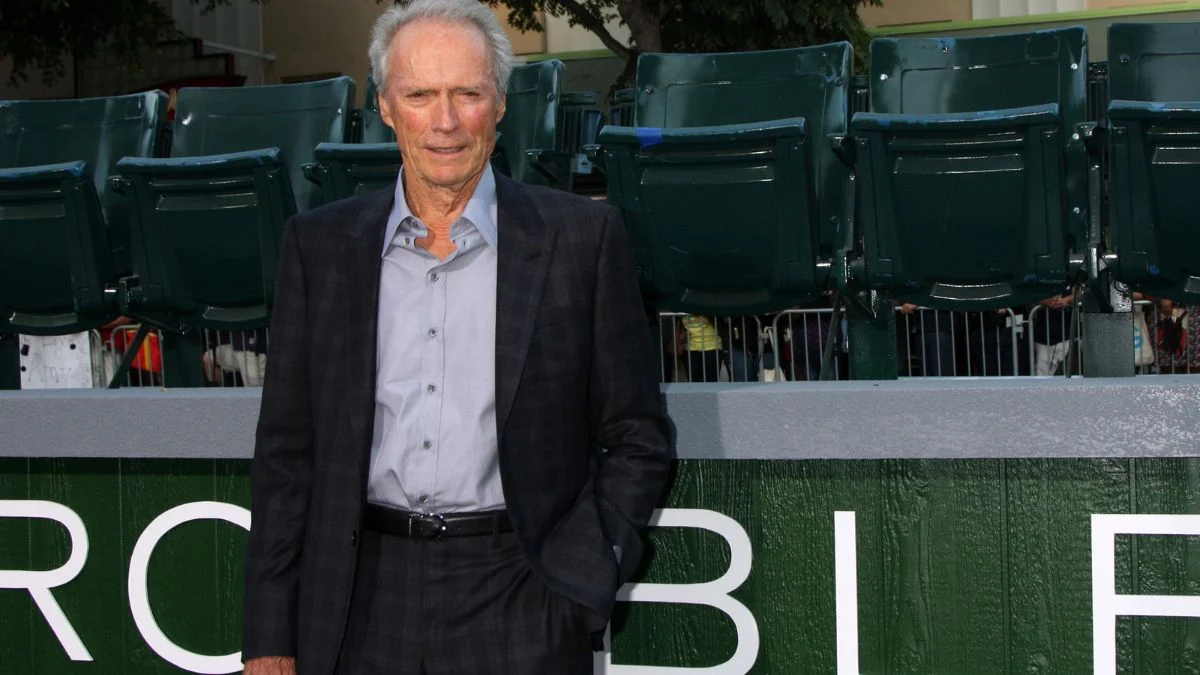

Clint Eastwood has always maintained that his most iconic cinematic portrayals were never meant to be political manifestos. While films like Dirty Harry are frequently scrutinized for their perceived endorsement of vigilantism and extrajudicial violence, the legendary actor and director has consistently pushed back against these interpretations.
He argues that audiences are primarily interested in the dramatic highlights of a narrative rather than the mundane procedural realities of law enforcement. The tension often arises when his pragmatic, rule-breaking approach to on-screen violence is contrasted with other films from the same era that took different narrative risks.
For instance, Eastwood famously questioned the artistic merit of Martin Scorsese’s Taxi Driver, expressing skepticism toward a protagonist who was openly struggling with severe mental health issues.
“I’d question a film like Taxi Driver,” he once remarked, suggesting that while it was acceptable for Harry Callahan to use lethal force as a representative of the law, the same behavior from a disturbed individual like Travis Bickle was fundamentally problematic.
This perspective reveals a distinct division in how Eastwood interpreted the moral landscape of 1970s cinema. He seemed to champion the archetype of the stoic, capable hero—a figure he often played—who navigates a chaotic world by imposing his own brand of order.
In his view, Callahan was a “hero to the everyman, middle America, the working guy who’d like to tell his boss where to put it,” whereas Bickle represented a descent into instability that he felt had “gone too far.”
Of course, the violence depicted in Taxi Driver serves as a complex exploration of isolation and societal decay rather than simple, gratuitous thrills. Eastwood’s dismissal of the film likely overlooked these thematic layers, as he was heavily invested in the established success of his own hard-edged brand.
“I think films can go overboard on violence,” he stated, while simultaneously defending his own work by noting, “We don’t use slow-motion violence, for instance, or lingering blood squirts.”
Now in his mid-90s, Clint Eastwood remains a vital, albeit increasingly private, figure in the film industry. Having celebrated his 95th birthday last spring, he continues to defy industry rumors of his retirement, famously telling interviewers that he intends to keep working as long as he is still learning.
His most recent directorial project, the 2024 legal thriller Juror No. 2, earned significant critical praise for its moral complexity and craftsmanship, proving that his eye for narrative tension remains as sharp as ever.
Eastwood has reportedly entered the pre-production phase for another new feature project. He shows little interest in the current landscape of franchises and remakes, preferring to pursue original, character-driven scripts.
Whether he appears on screen in these future projects remains uncertain, but his commitment to the craft of filmmaking continues to distinguish him as one of the most prolific directors in history.
Have something to add? Share your thoughts in the comments.