Actresses Who Are Universally Criticized for Denouncing Modern Feminist Movements


The actress known for her role in the film ‘Divergent’ sparked a significant public debate when she told reporters that she was not a feminist. She explained that she does not identify with the label because she loves men and believes the movement can be exclusionary. Critics argued that her understanding of the term was flawed and that her comments ignored the systemic nature of gender inequality. This stance led to widespread social media backlash from fans who felt her position was harmful to young women. Woodley eventually clarified her views but remains a primary example of celebrities who have distanced themselves from the movement.
Marion Cotillard
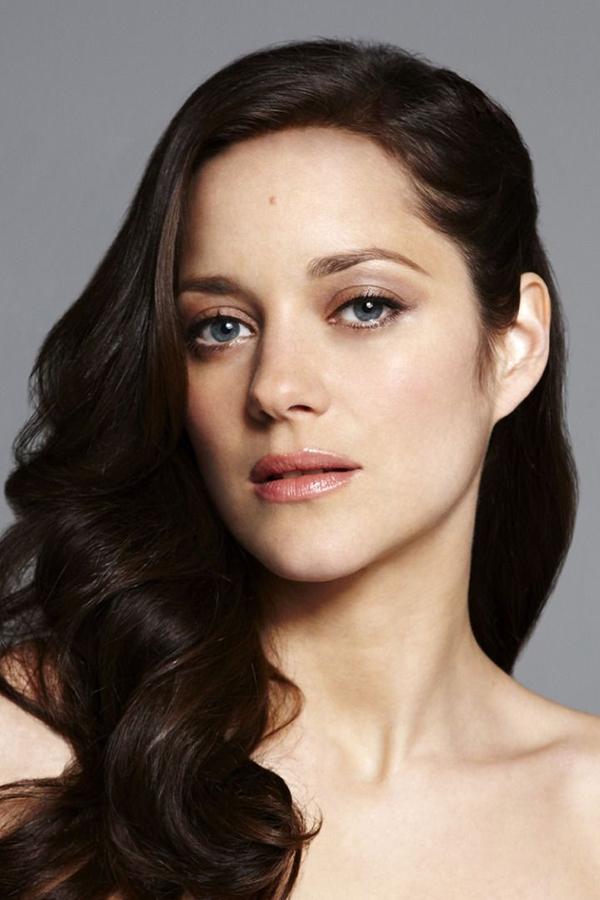
The Academy Award winner expressed her belief during a press tour that the film industry does not need feminism. She argued that the movement creates a separation between men and women that should not exist in the world of cinema. Her comments suggested that film festivals should not have categories or quotas based on gender. Many advocates for equality criticized her for overlooking the significant pay gap and lack of opportunities for female directors. Cotillard continues to state that she identifies as a humanist rather than a feminist.
Sarah Jessica Parker
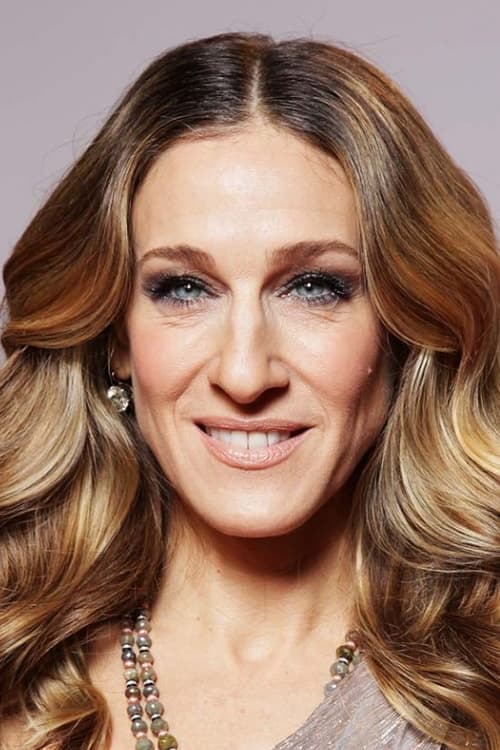
The star of ‘Sex and the City’ made headlines when she stated in an interview that she was not a feminist. She explained that she does not want to be separated from men and prefers to view the world through a broader lens of humanity. Public reaction was swift with many critics pointing out that her most famous television role was built on feminist ideals. Advocates argued that her rejection of the label ignored the political struggles necessary for women to achieve independence. Parker has since maintained that she values people over specific political labels.
Meryl Streep
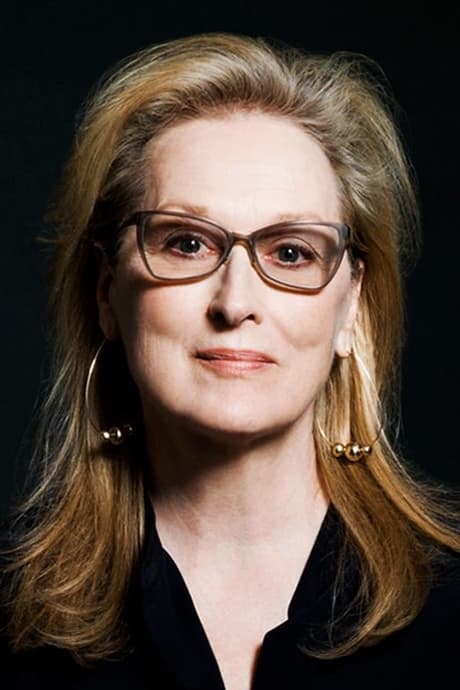
While promoting the film ‘Suffragette’ the acclaimed actress was asked if she identified as a feminist. She responded by stating that she was a humanist who prefers a nice balance in society. This statement was widely criticized by activists who felt it was a missed opportunity to support the very movement the film depicted. Critics noted that identifying as a humanist often functions as a way to avoid the political weight of feminism. Despite her extensive philanthropic work for women the comment remains a point of contention for many of her followers.
Lana Del Rey
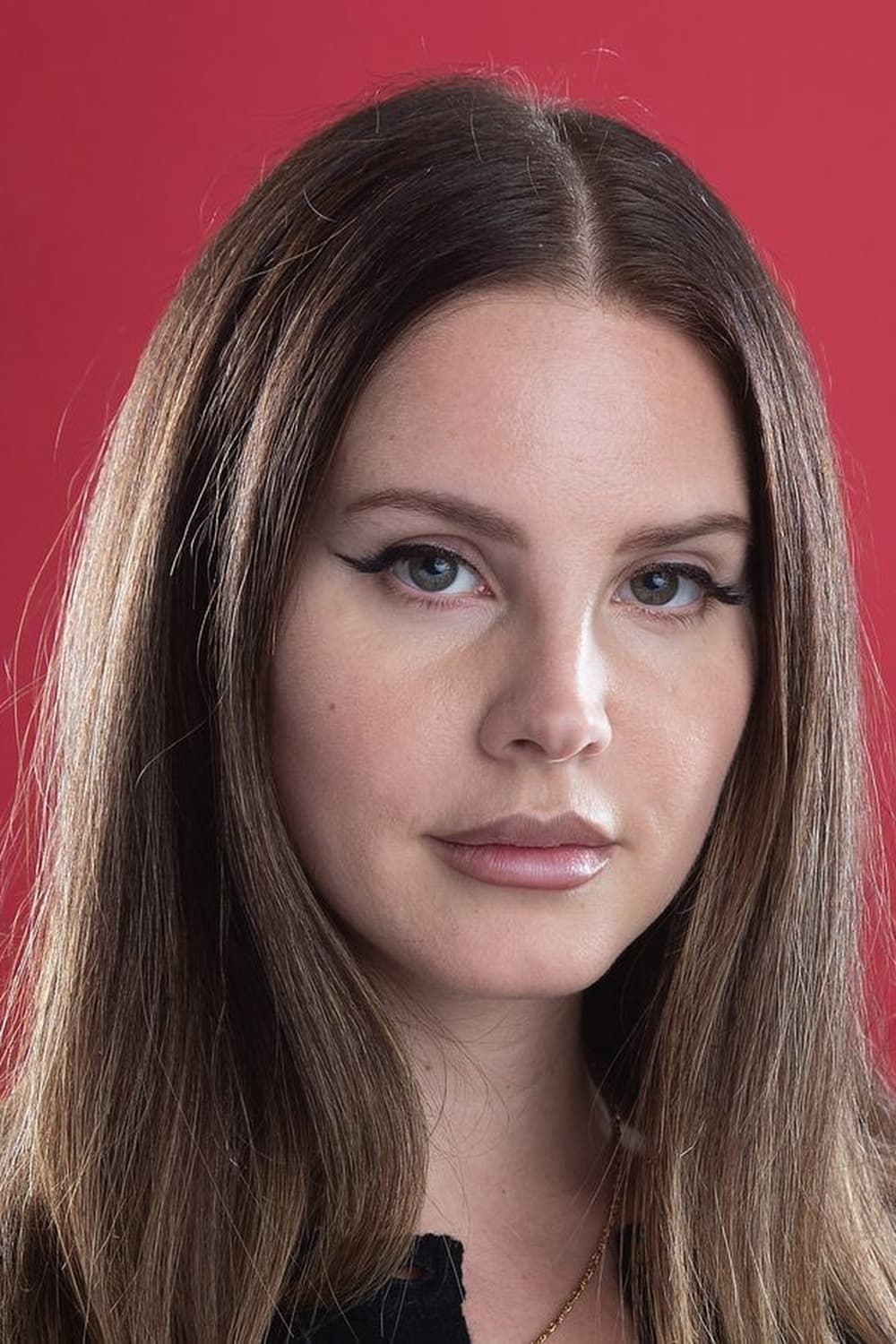
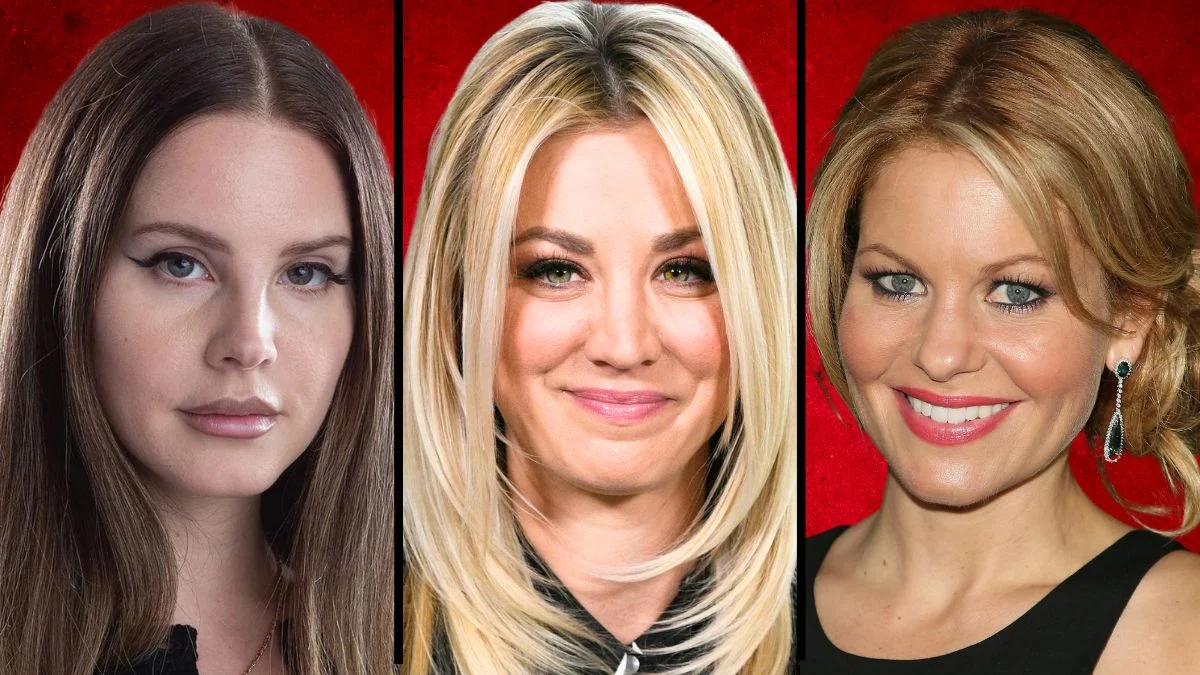
The singer and actress faced intense criticism after stating in an interview that the concept of feminism was not an interesting subject to her. She remarked that she was more interested in galactic possibilities and the future of technology. Feminist scholars and fans alike criticized her for treating the movement as a boring or outdated topic. Many argued that her lyrics often romanticized submissive roles which added to the controversy surrounding her stance. She later attempted to clarify her comments in a social media post but the initial backlash was substantial.
Catherine Deneuve
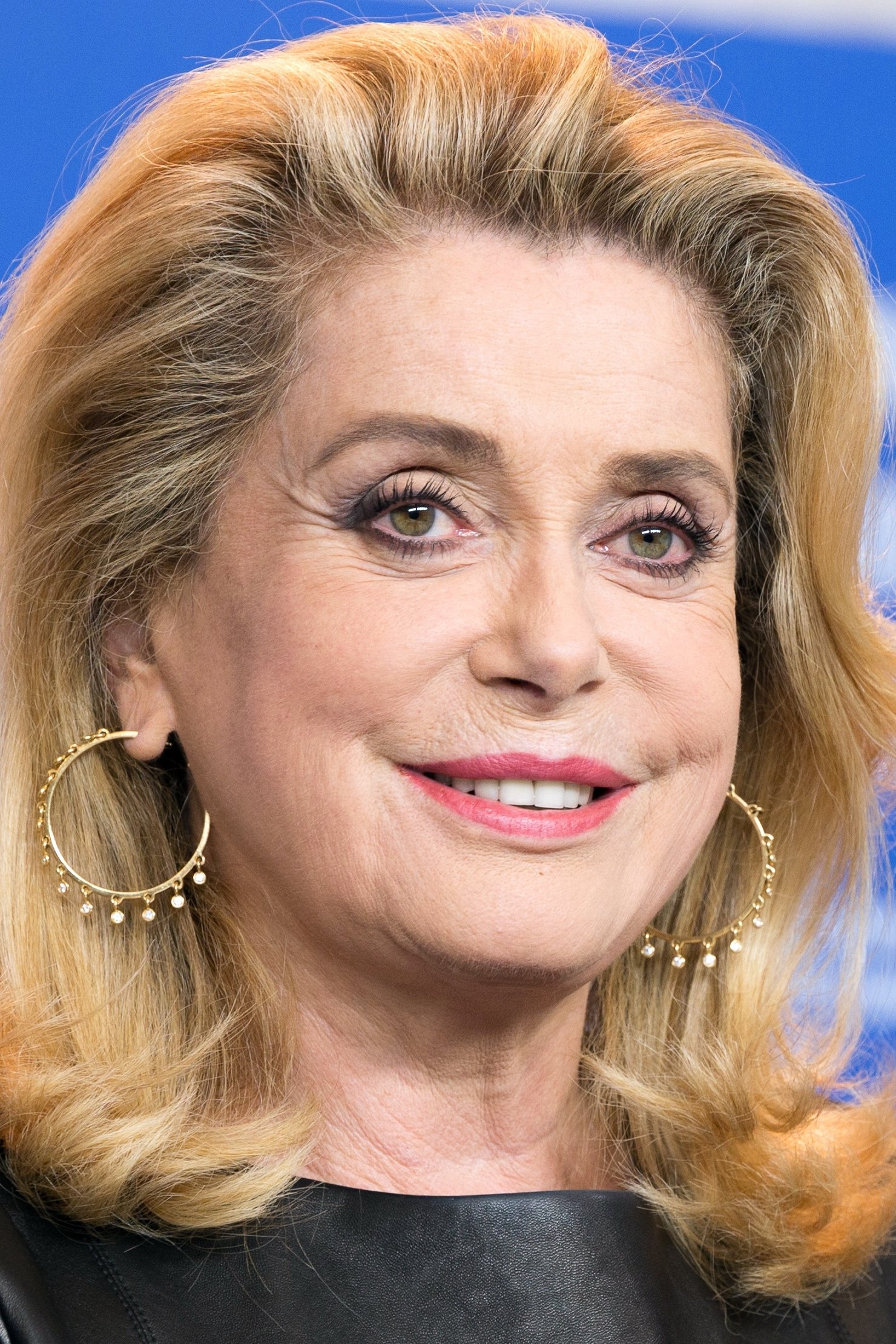
The legendary French actress became a central figure of controversy when she signed an open letter criticizing the #MeToo movement. The letter claimed that the movement had become a witch hunt that threatened sexual freedom. Deneuve and her co-signers argued that men should be free to hit on women as part of romantic gallantry. This perspective was met with global outrage from activists who viewed it as a defense of sexual harassment. She eventually apologized to victims of abuse but stood by her concerns regarding what she called puritanism.
Brigitte Bardot
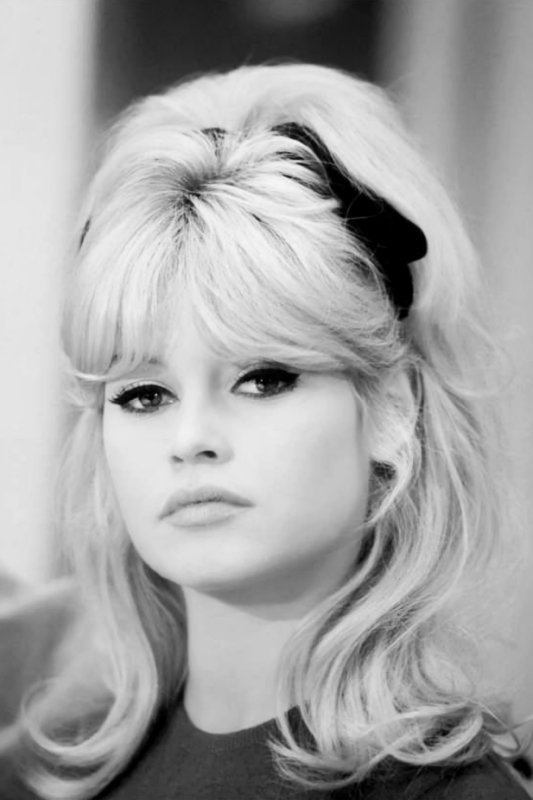
The iconic film star has been a vocal critic of modern gender movements and specifically the #MeToo era. She described the movement as hypocritical and ridiculous in various interviews with the press. Bardot claimed that many actresses use flirtation to land roles and then complain about harassment later. These comments were universally denounced by women’s rights organizations as victim blaming. Her history of controversial political statements has made her a polarizing figure in her home country and abroad.
Kaley Cuoco
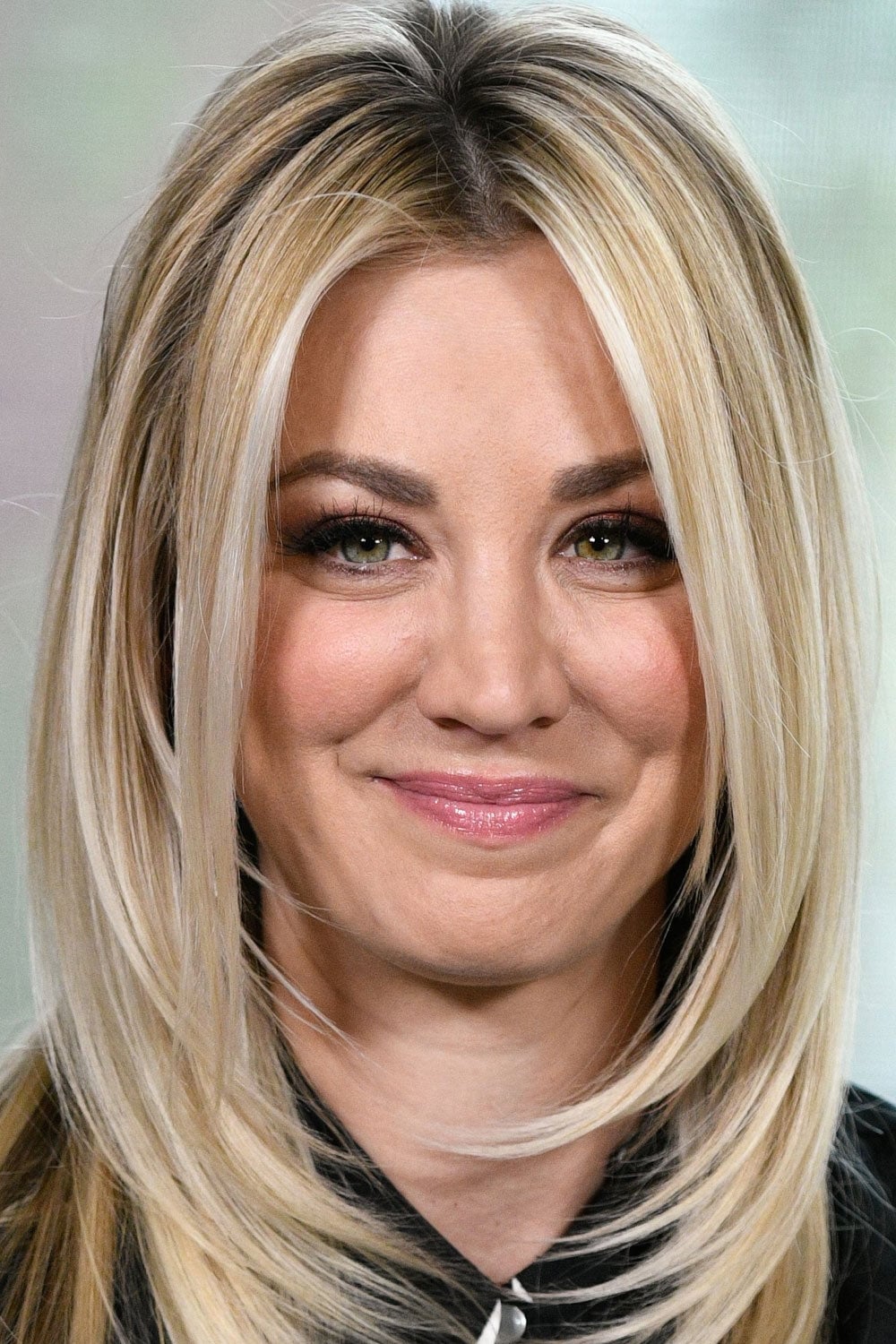
The actress from ‘The Big Bang Theory’ told a magazine that she did not consider herself a feminist because she had never faced inequality. She mentioned that she enjoyed cooking for her husband and felt that the movement was not something she needed to join. This interview caused an immediate outcry from critics who pointed out that her high salary was the result of previous feminist battles for equal pay. Many felt her comments showed a lack of awareness regarding the experiences of other women in the industry. Cuoco later apologized for her phrasing and stated that she was grateful for the women who paved the way.
Gina Carano
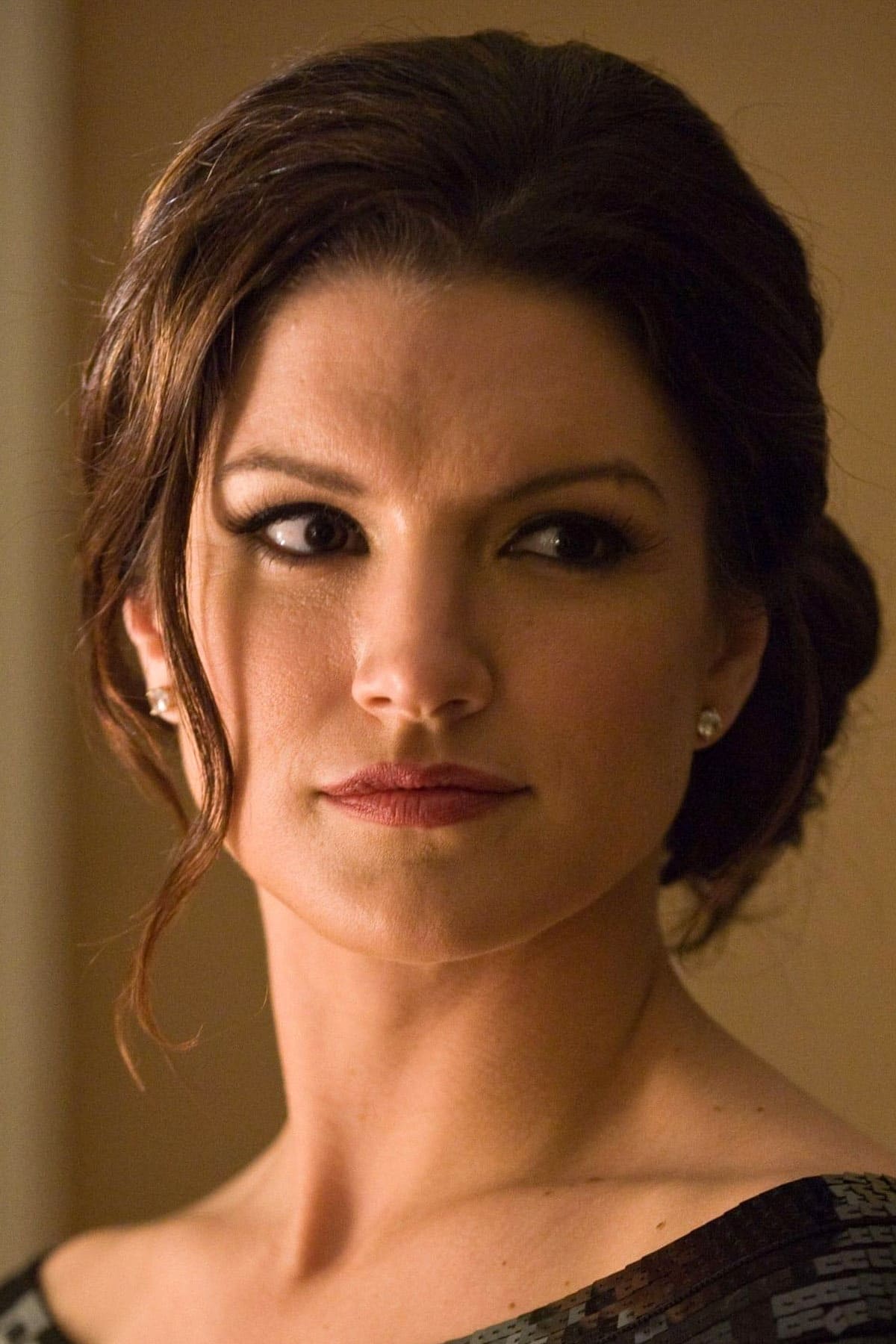
The former star of ‘The Mandalorian’ has been frequently criticized for her outspoken views on modern social and political movements. She has clashed with fans over the use of pronouns and the rhetoric associated with modern intersectional feminism. Critics argue that her stance aligns with regressive ideologies that harm marginalized groups within the movement. Her social media activity eventually led to a high-profile split from her agency and her roles in major franchises. Carano remains a vocal critic of what she describes as cancel culture and forced political narratives.
Kirstie Alley
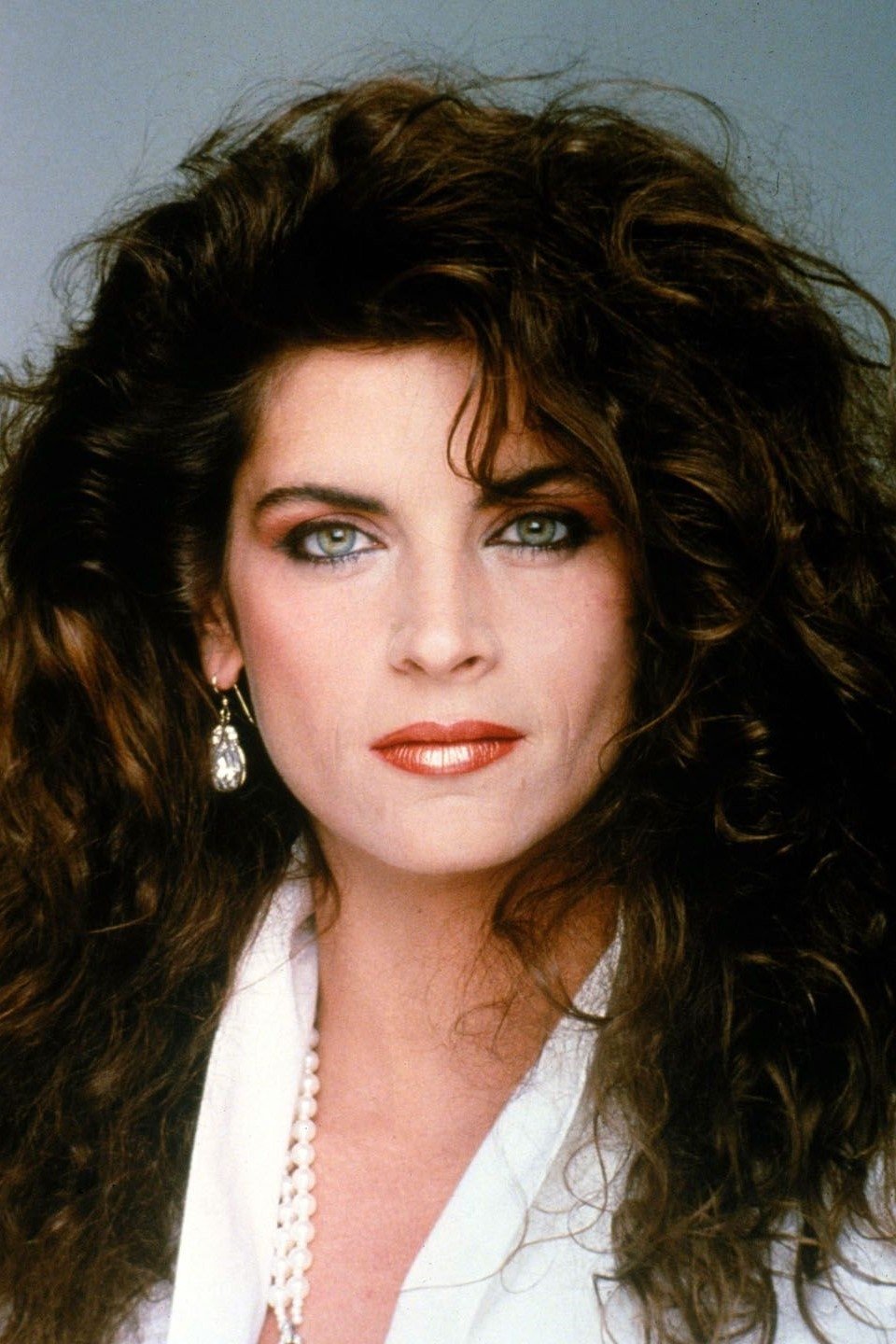
The late actress was known for her frequent social media posts that challenged modern liberal and feminist ideologies. She often criticized the #MeToo movement for what she perceived as a lack of due process for the accused. Her comments were often met with intense pushback from those who felt she was undermining the courage of survivors. Critics argued that her views were out of touch with the realities of workplace harassment. Alley remained steadfast in her opinions and frequently engaged in public disagreements with other celebrities over these topics.
Roseanne Barr
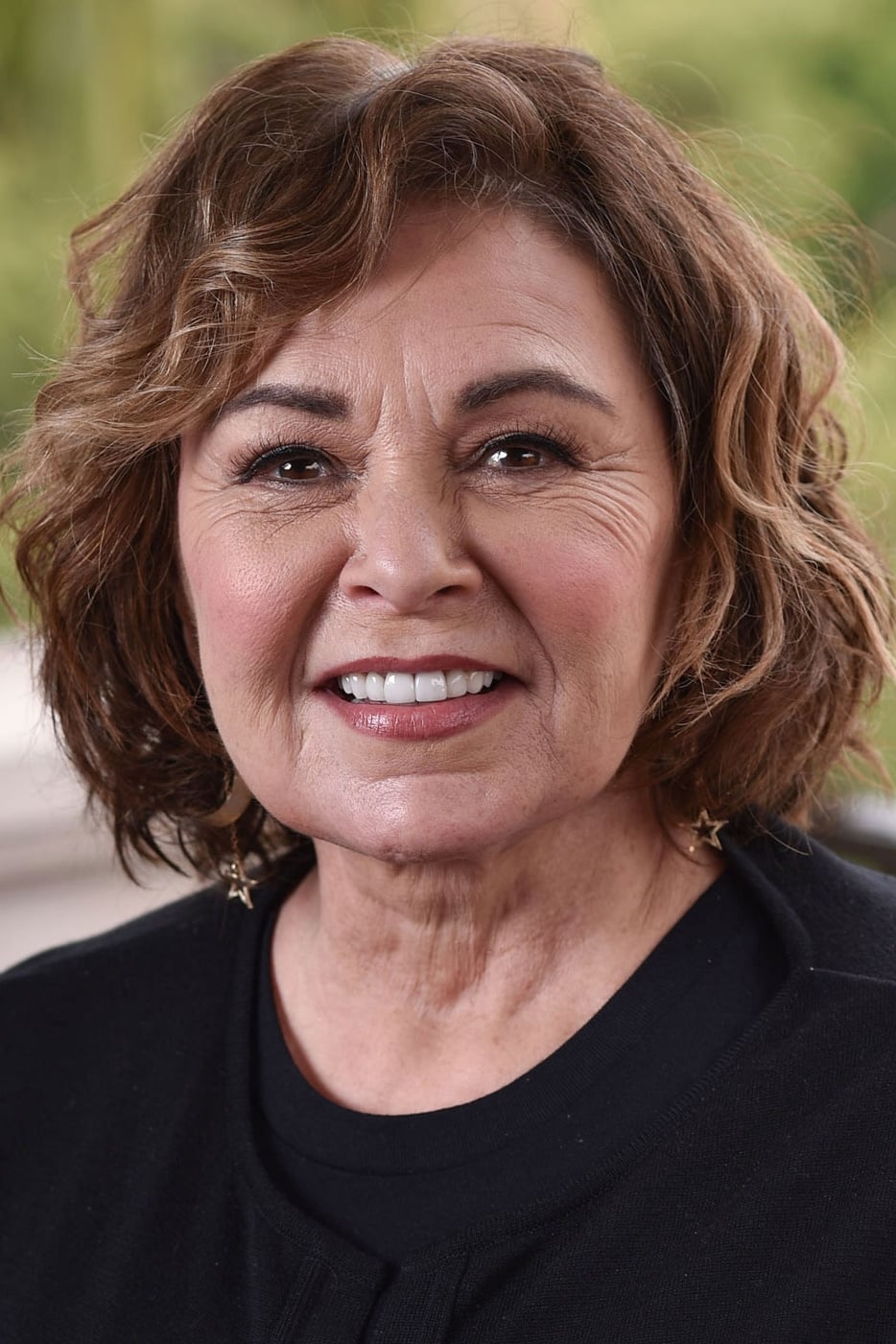
The comedian and actress has been a vocal opponent of many modern progressive movements including contemporary feminism. She has frequently used her platform to denounce the direction of the movement as being counterproductive and elitist. Public reaction to her views has been overwhelmingly negative in mainstream media circles. Critics argue that her rhetoric often crosses into conspiracy theories and harmful stereotypes. Her television career faced significant setbacks following several of these controversial public statements.
Candace Cameron Bure
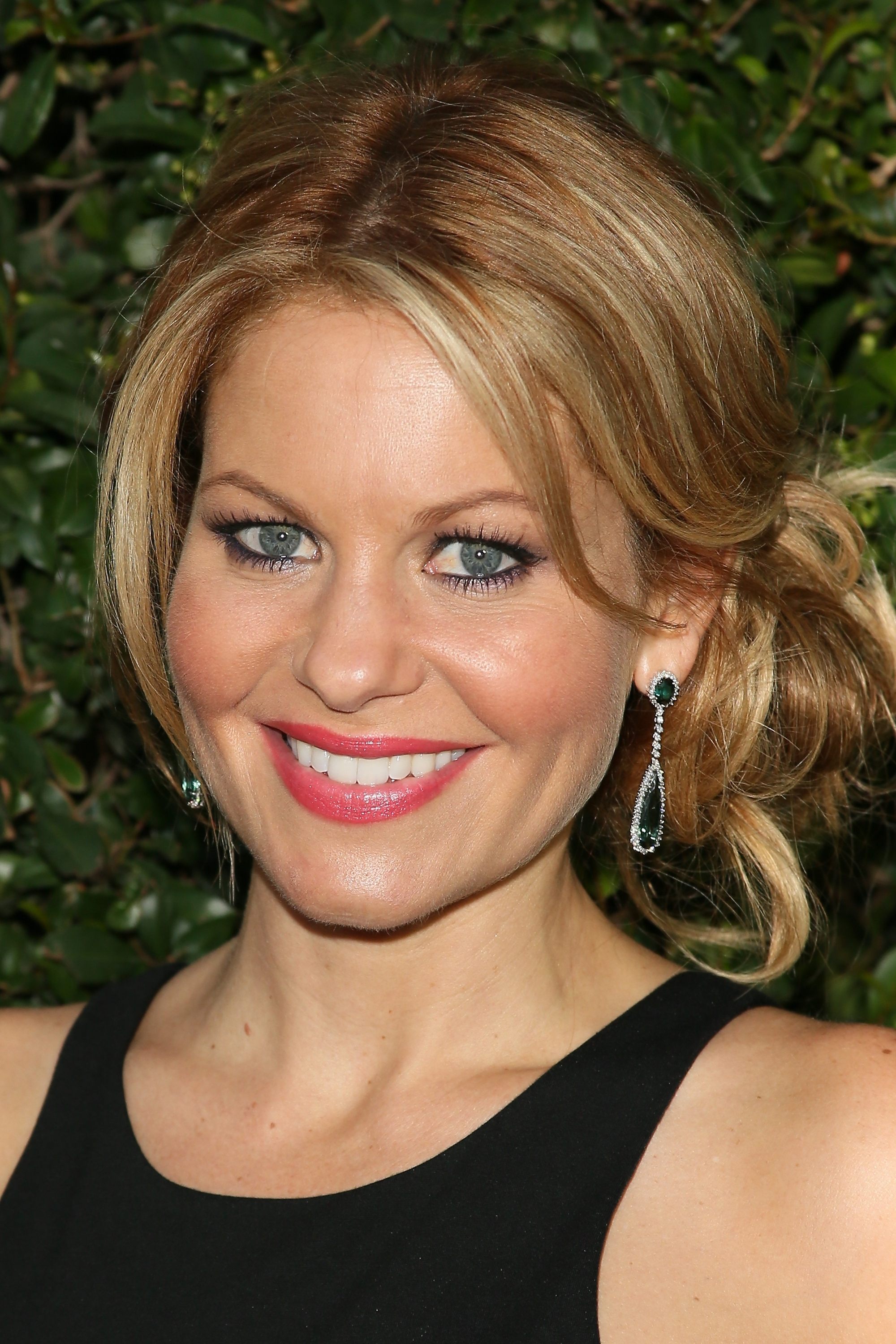
The star of ‘Full House’ has often been criticized for her views on traditional gender roles and the concept of submissive wives. She has spoken publicly about her belief in a biblical model of marriage where the husband leads the household. This stance has been interpreted by many modern feminists as a rejection of the progress made toward gender equality. Critics argue that her platform promotes a regressive view of women in society. Bure maintains that her views are personal and rooted in her faith rather than a direct attack on others.
Patricia Heaton
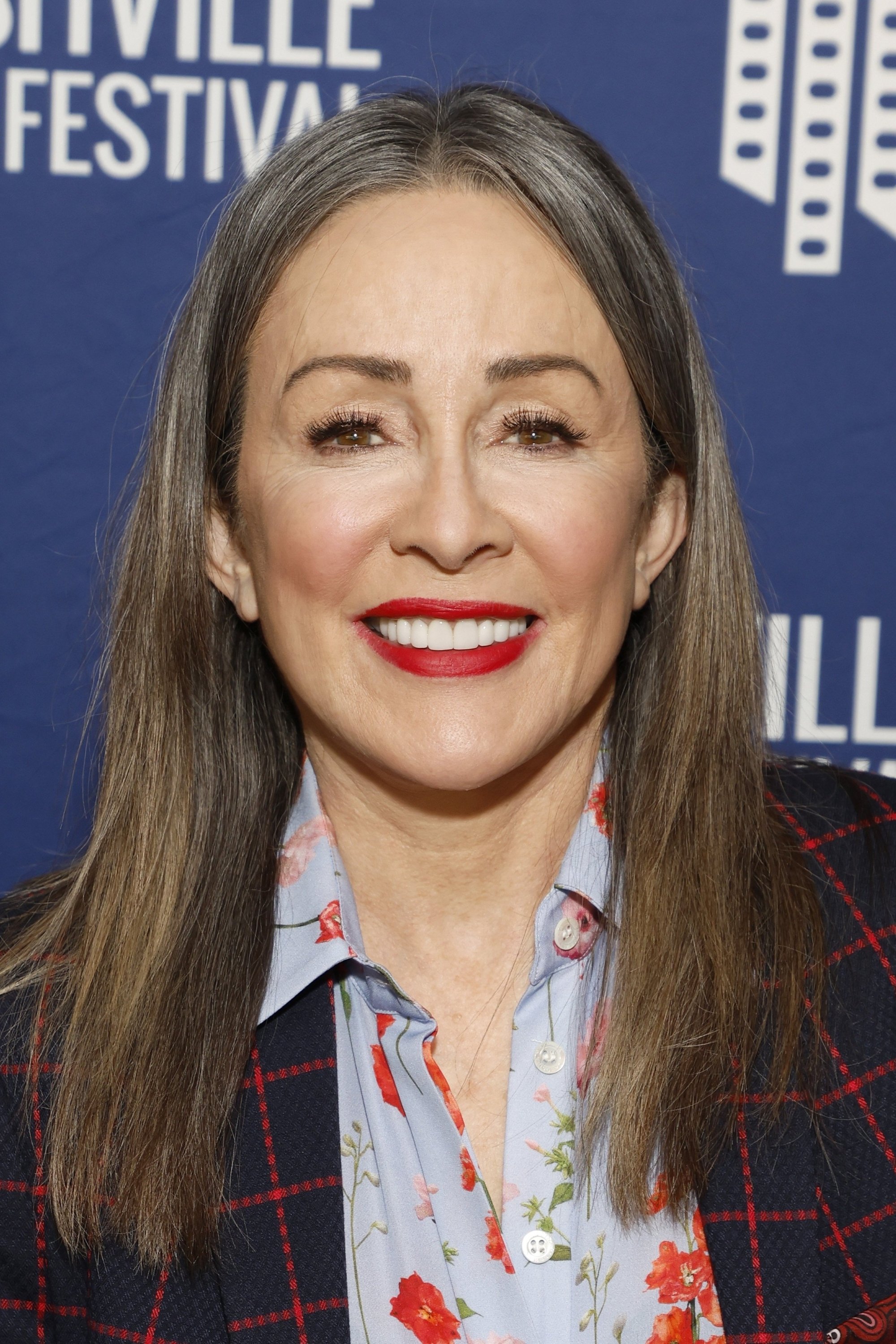
The actress from ‘Everybody Loves Raymond’ is a well-known conservative voice in Hollywood who often challenges modern feminist narratives. She has been a vocal opponent of reproductive rights which is a central pillar of many modern feminist movements. Her stance has drawn sharp criticism from activists who believe she is working against the interests of women. Critics often target her social media posts for what they describe as outdated and restrictive views. Heaton remains one of the few high-profile actresses to consistently voice these traditional perspectives.
Stacey Dash
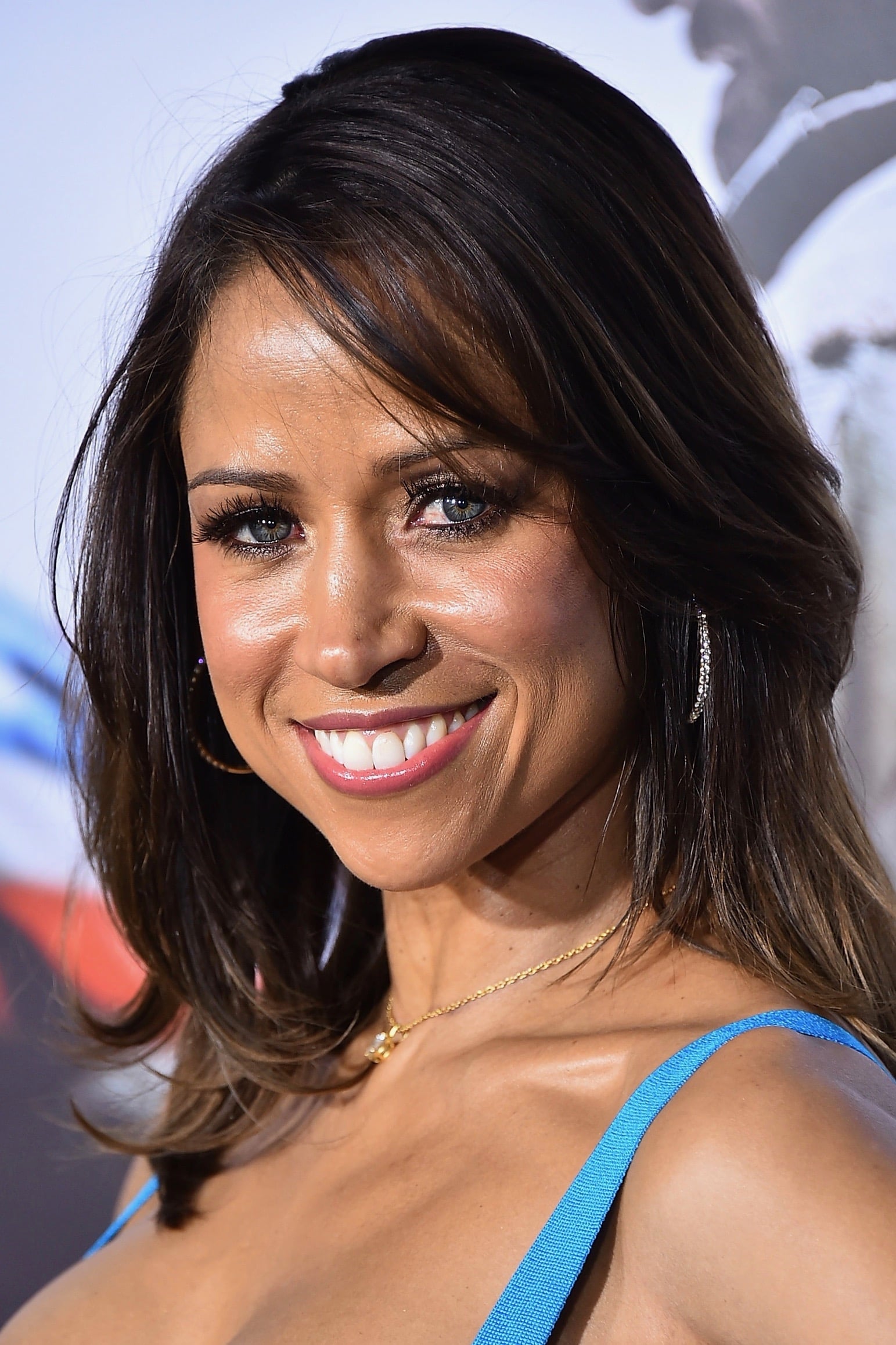
The ‘Clueless’ actress became a controversial political commentator who frequently denounced modern feminism as a war on men. She argued that the movement had moved away from equality and toward the destruction of the traditional family unit. Her appearances on news networks often sparked viral debates and widespread condemnation from feminist groups. Critics pointed out that her views seemed to contradict the empowerment she represented in her early acting roles. Dash eventually distanced herself from some of her more extreme political commentary but the criticism remains.
Kelly Clarkson
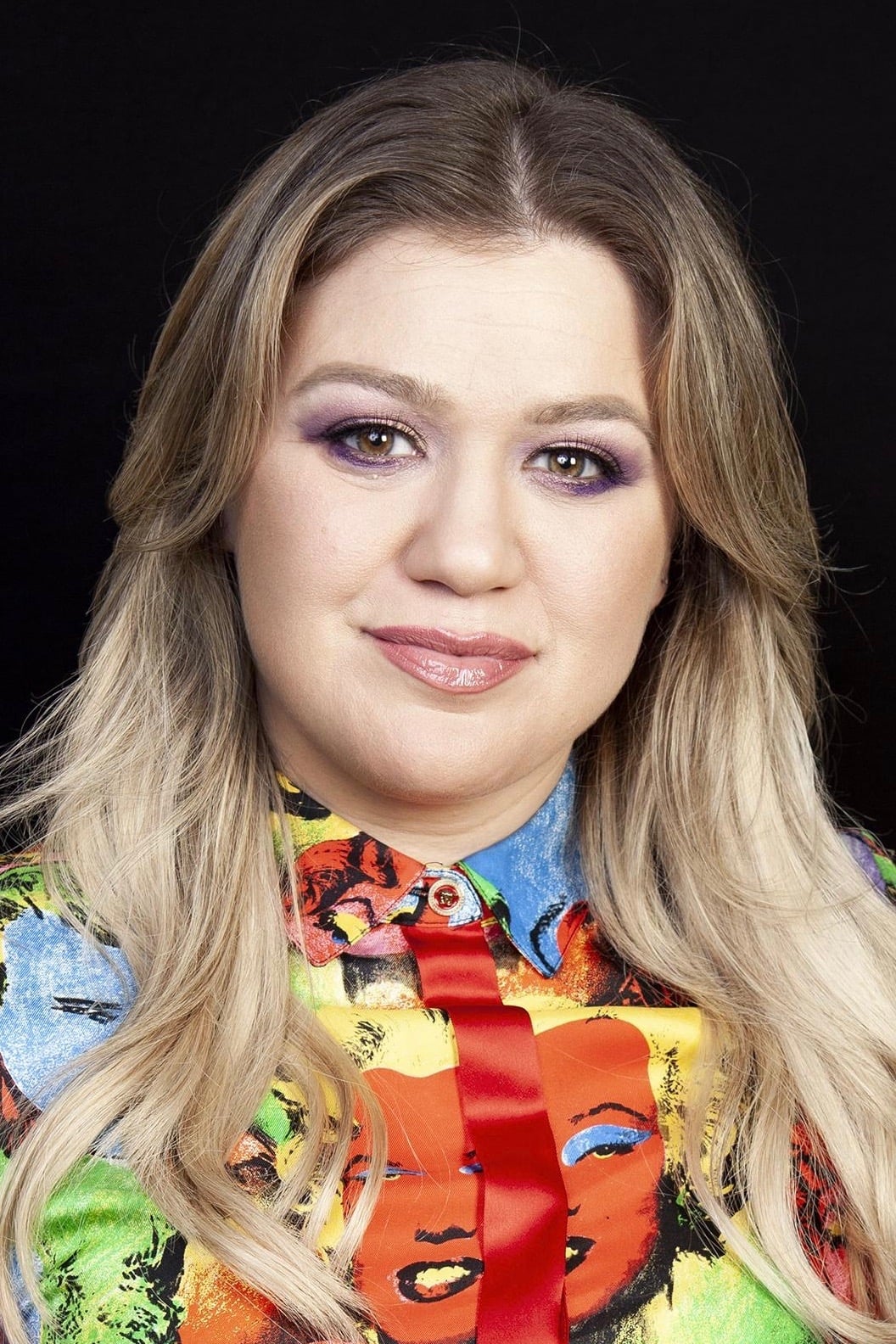
Early in her career the singer and actress stated in an interview with ‘Time’ that she did not identify as a feminist. She explained that the word often carried a negative or bitchy connotation that she did not want to be associated with. This comment led to criticism from fans who felt she was perpetuating negative stereotypes about women who stand up for themselves. Many argued that as a powerful woman in the music industry she should embrace the label. Clarkson has since changed her position and has spoken more favorably about the movement in recent years.
Carrie Underwood
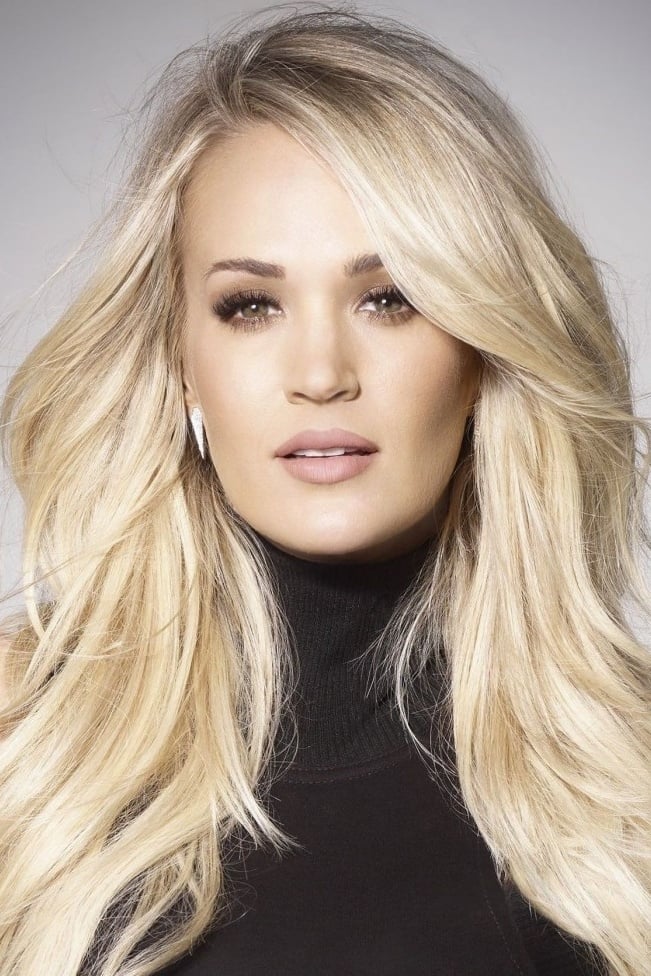
The country music superstar has expressed hesitation about using the label of feminist during various interviews. She stated that she prefers to lead by example rather than adopting a political title that can be divisive. Critics argued that her refusal to use the word contributed to the stigma surrounding women’s rights advocacy. Many felt that her massive platform could be used to more explicitly support gender equality initiatives. Underwood has continued to focus on her music and philanthropic efforts while avoiding specific political labels.
Demi Moore
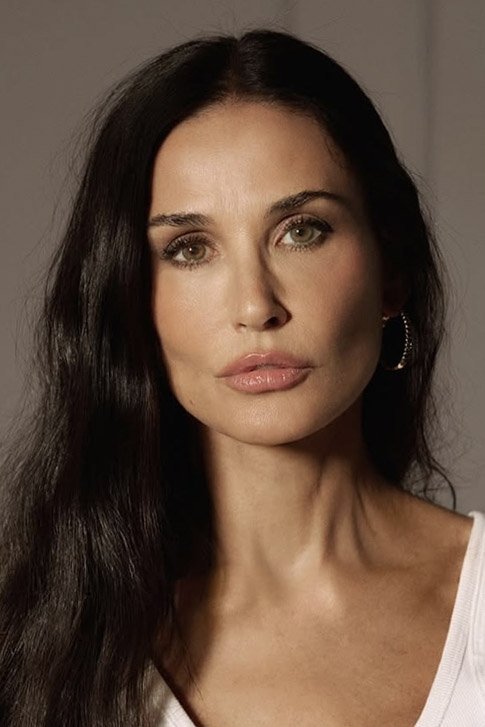
The film star has stated on multiple occasions that she considers herself a humanist rather than a feminist. She has argued that focusing specifically on women can sometimes create a divide that hinders progress for all people. This position has been criticized by those who believe that the specific challenges women face require a focused movement. Critics felt her stance was a way to avoid the social stigma attached to the feminist label. Moore has remained active in various social causes while sticking to her humanist identity.
Kim Kardashian
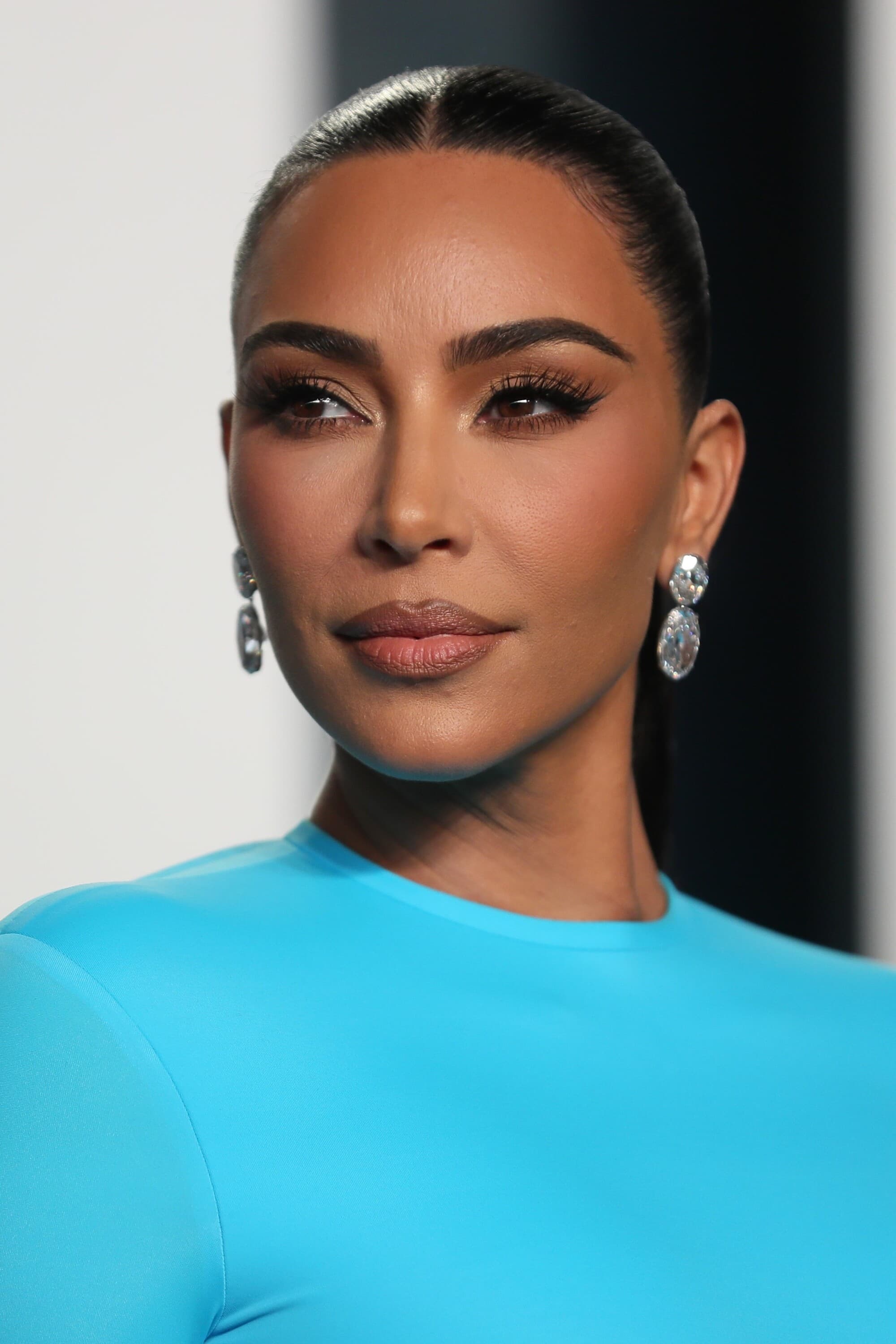
The reality star and actress faced backlash after stating in a blog post that she does not want to be labeled as a feminist. She explained that she does not like to use labels to define who she is or what she believes. Many critics argued that her entire business empire was built on a form of empowerment that she was now distancing herself from. Activists pointed out that her refusal to support the movement publicly was a missed opportunity given her global influence. Kardashian has since worked on social justice issues but often avoids the specific feminist label.
Björk
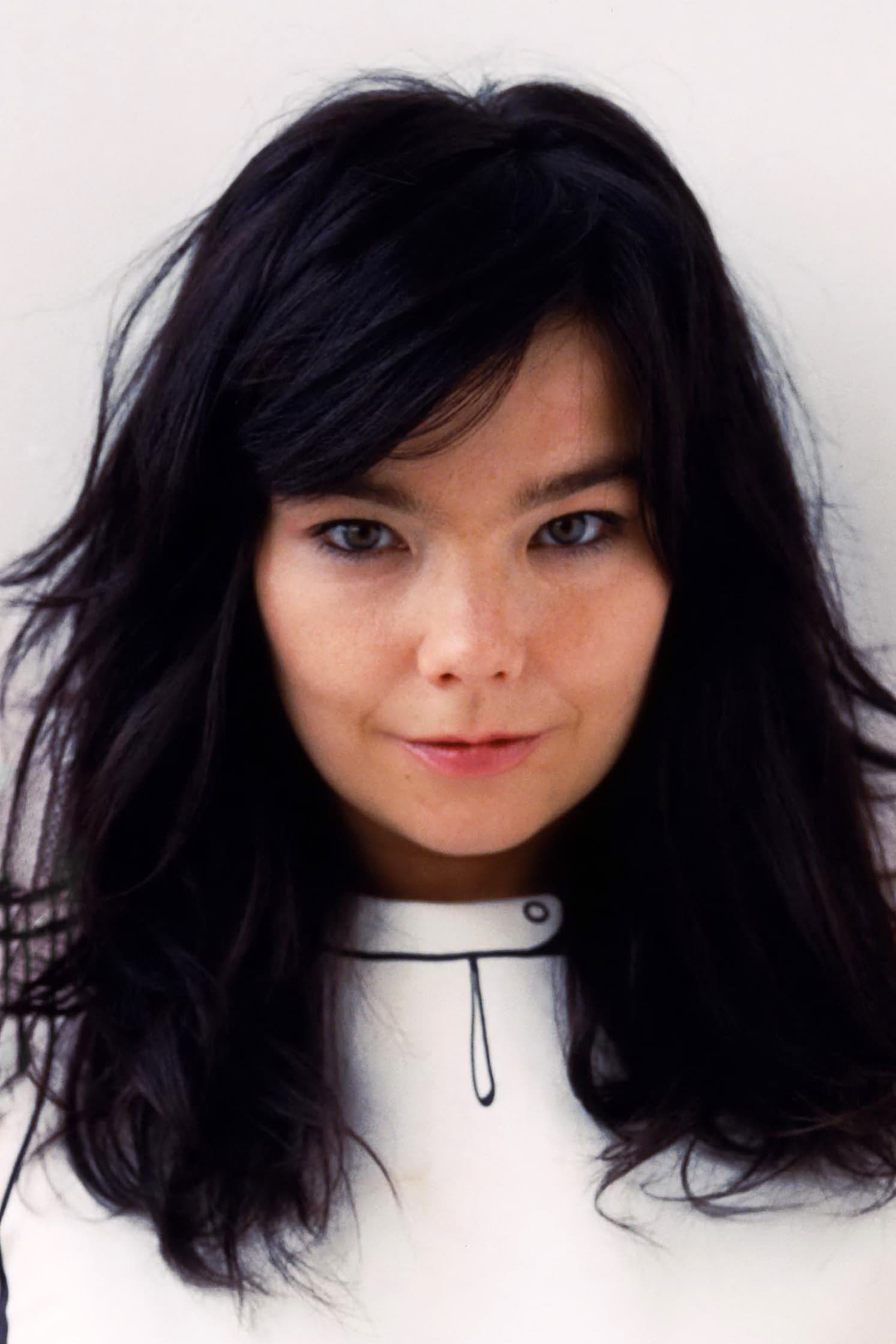
The musician and actress has expressed a skeptical view of feminism in several interviews throughout her career. She stated that she finds the movement to be a distraction and that she prefers to focus on individual creativity. Critics argued that her comments ignored the systemic barriers that make it difficult for women to be creative in the first place. Her perspective was seen as elitist by some who felt she was speaking from a position of extreme privilege. Björk has generally avoided further comments on the topic to focus on her artistic projects.
Juliette Binoche
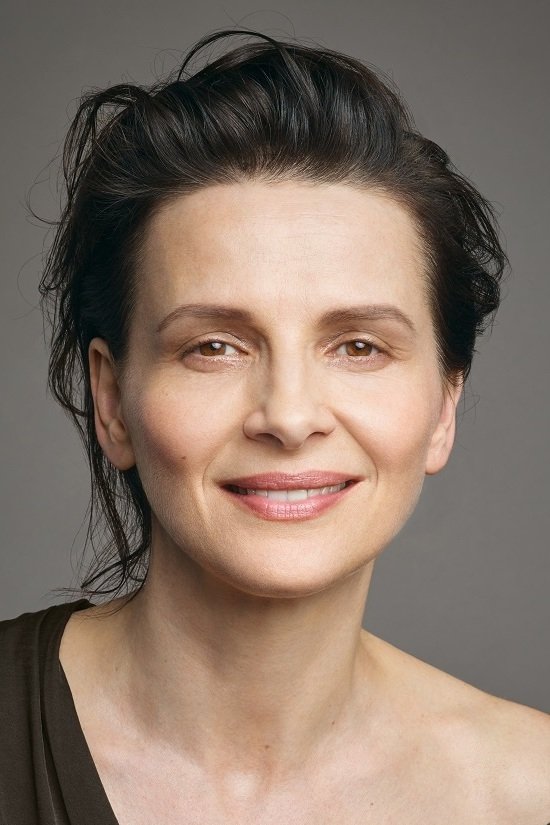
The Academy Award-winning French actress has expressed complex views on the #MeToo movement and modern gender politics. She has criticized what she calls the Americanization of feminism which she believes can be too aggressive. Binoche argued that the nuance of human relationships is often lost in modern digital activism. These comments were met with criticism from activists who felt she was defending a culture of silence in the French film industry. She continues to advocate for women in film but remains critical of certain activist tactics.
Fanny Ardant
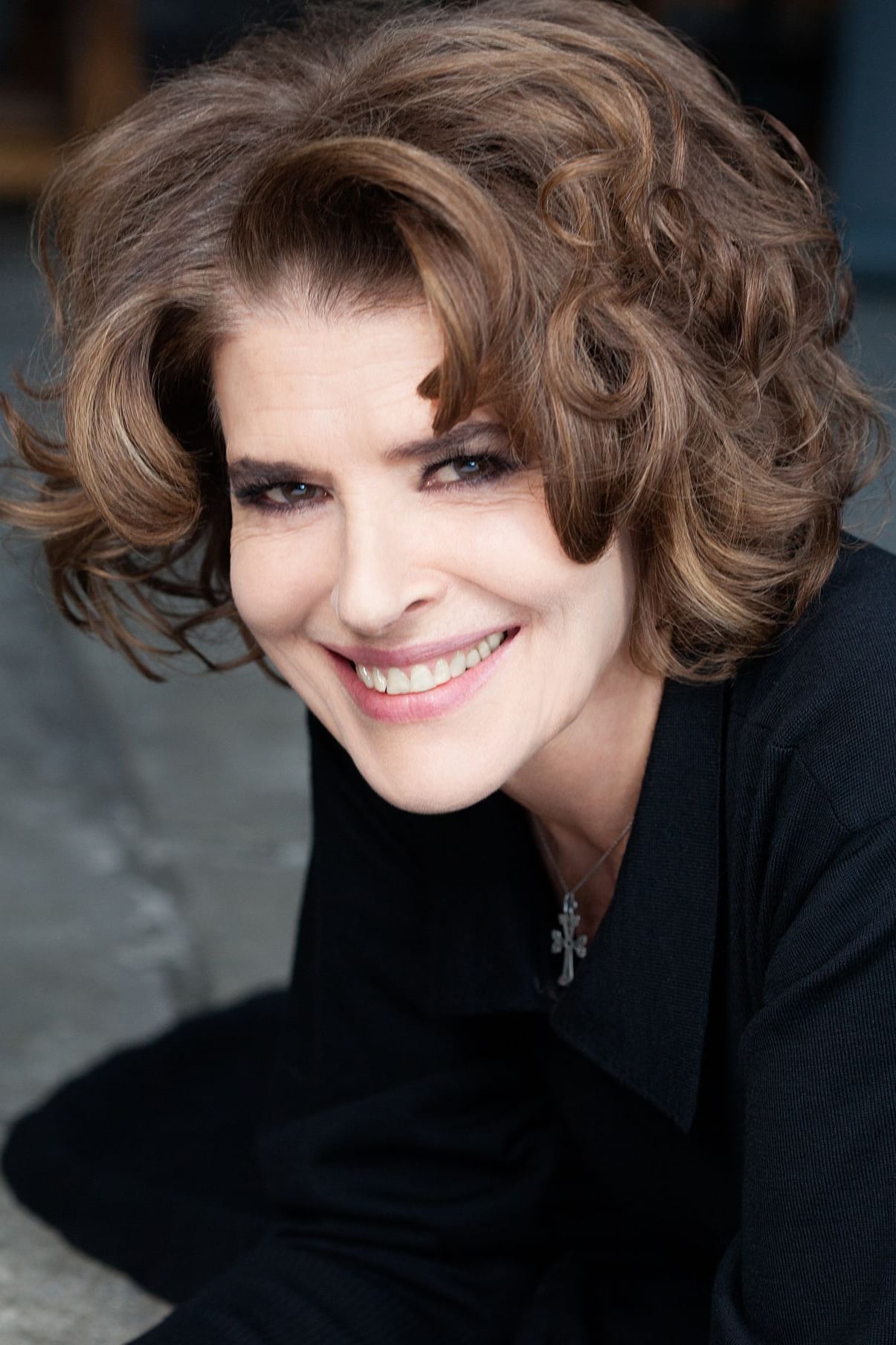
The French actress caused a stir when she publicly defended Roman Polanski and criticized the #MeToo movement. She described the movement as a form of persecution that lacked a sense of forgiveness or context. Her comments were widely denounced by women’s rights groups who viewed her stance as a defense of predatory behavior. Critics argued that her views represented an older generation that is out of touch with modern standards of accountability. Ardant has stood by her statements and continues to work in the international film industry.
Carla Bruni
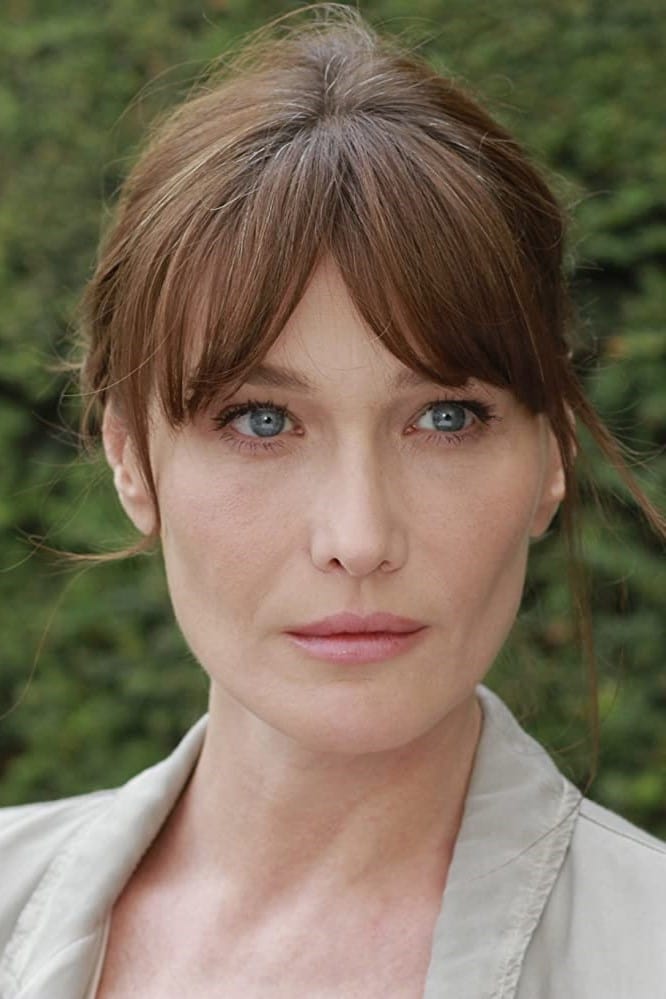
The actress and former First Lady of France once told a magazine that her generation does not need to be feminists. She suggested that the battles for equality had already been won and that modern activism was unnecessary. This statement was met with widespread ridicule and anger from women’s rights advocates across Europe. Critics pointed to the ongoing issues of domestic violence and the gender pay gap as evidence that she was wrong. Bruni later claimed her words were taken out of context but the damage to her reputation among activists was done.
Salma Hayek Pinault
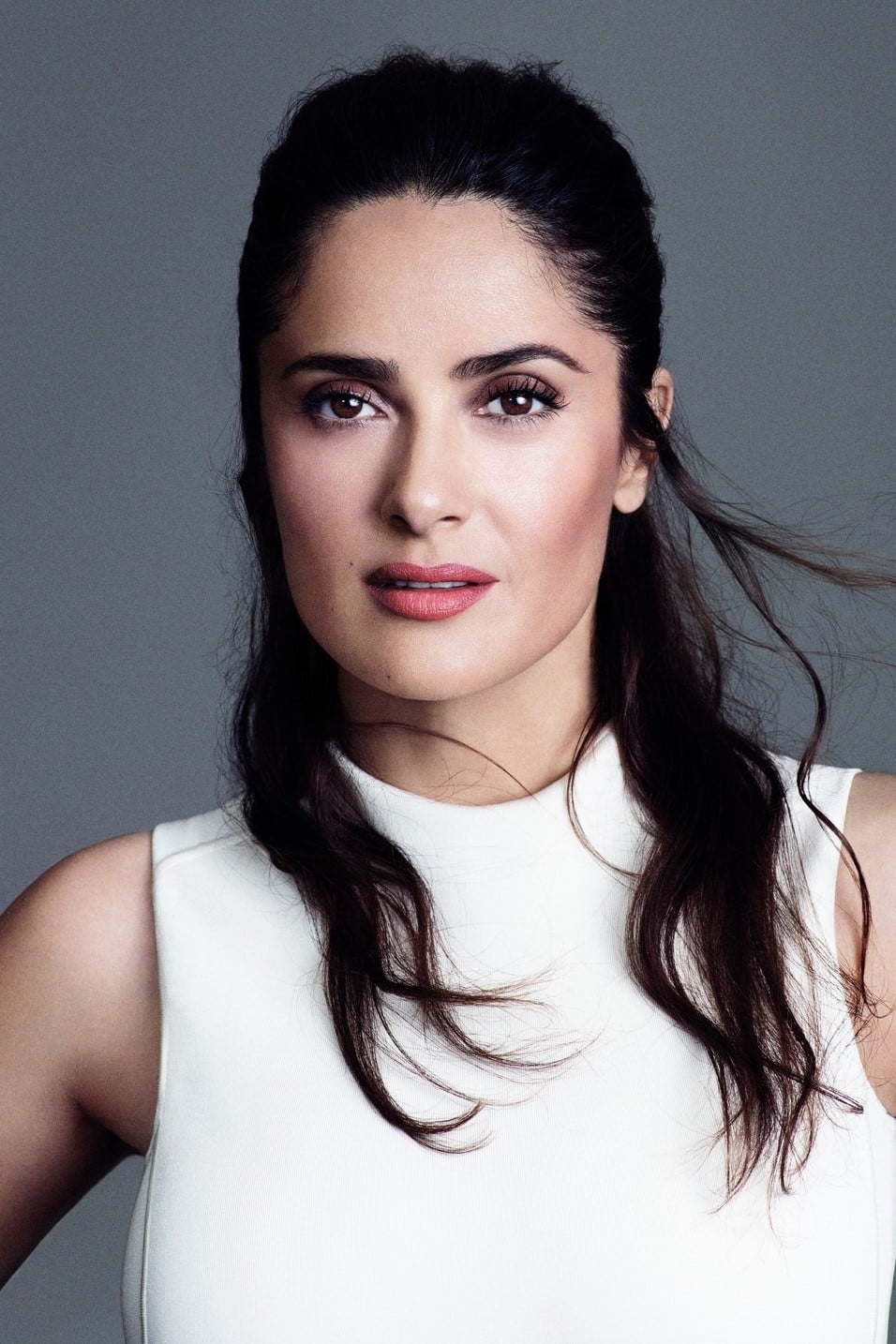
The actress and producer has been criticized for her comments regarding her identity as a humanist. She stated that she does not want to be a feminist because she believes the movement should include men and not exclude them. Many critics pointed out that modern feminism already aims for the equality of all genders and does not exclude men. Her comments were seen as a misunderstanding of the movement’s goals by many of her followers. Despite this she has been a very vocal advocate for women’s rights in the film industry and beyond.
Melissa Joan Hart
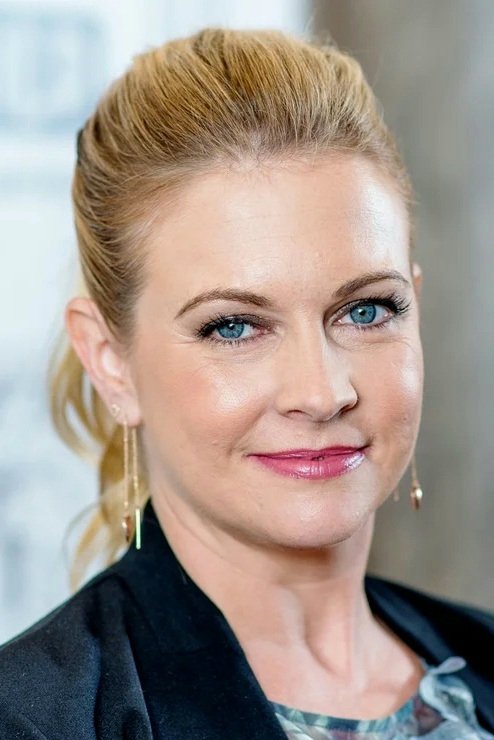
The ‘Sabrina the Teenage Witch’ star has expressed traditional and conservative views that have distanced her from modern feminist movements. She has spoken about her preference for traditional family structures and has occasionally criticized progressive political rhetoric. Critics argue that her views align with movements that seek to roll back women’s rights. Her social media presence has often been a site of debate between fans who support her and those who find her views regressive. Hart continues to work in television while maintaining her personal and political beliefs.
Victoria Beckham
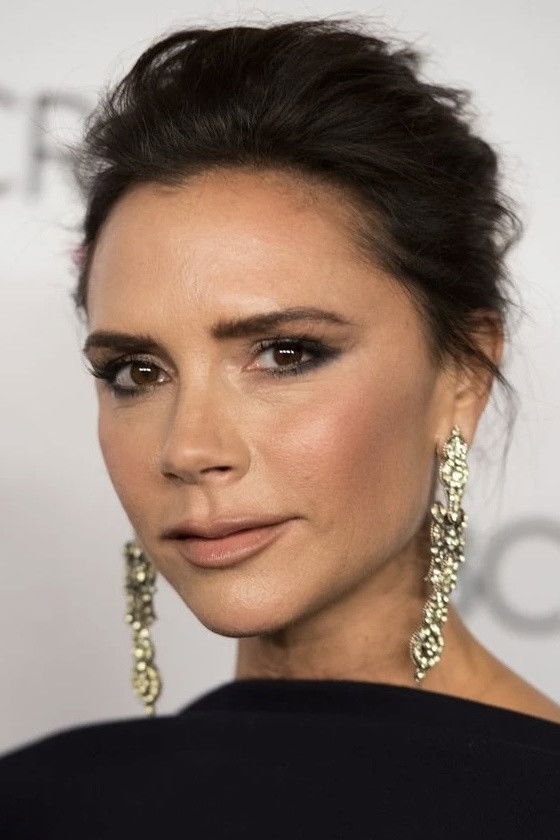
In her earlier career the singer and actress often distanced herself from the feminist label in interviews. She suggested that she was more focused on her family and career than on political movements. This stance led to criticism from those who felt she was benefiting from feminism without supporting it. Many argued that her successful transition from pop star to fashion mogul was a feminist success story she should embrace. In more recent years she has become more supportive of women’s empowerment initiatives in the fashion world.
Elizabeth Olsen
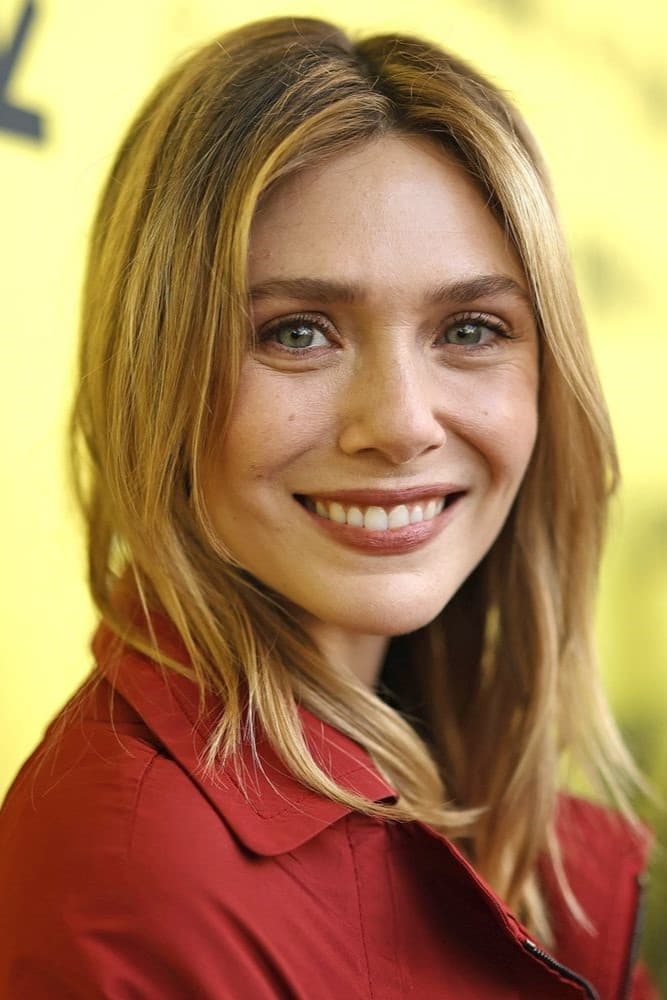
The ‘WandaVision’ actress mentioned in an interview that she does not feel the need to use the feminist label to be a strong woman. She argued that actions are more important than titles and that she prefers to live her life without the baggage of political names. Critics found this stance to be dismissive of the political work required to ensure women have the rights they currently enjoy. Some argued that her perspective was a form of “quiet” rejection that undermined collective activism. Olsen has generally kept her political views private following the initial backlash.
Mayim Bialik
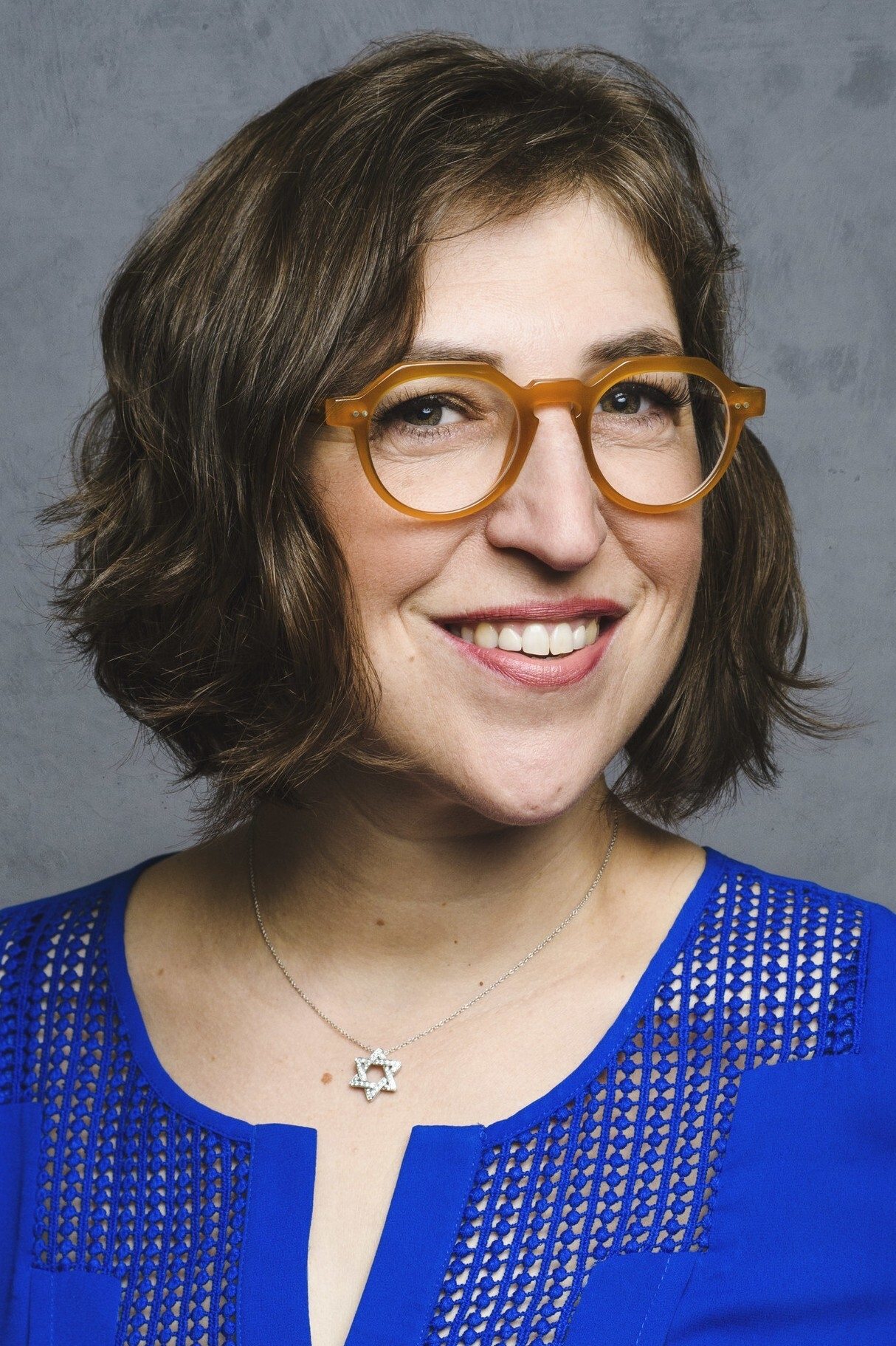
The actress and scientist wrote an op-ed in the ‘New York Times’ that many found to be critical of the #MeToo movement. She suggested that her choices to dress modestly and avoid certain social situations protected her from the issues others faced. Critics immediately accused her of victim blaming and suggesting that women are responsible for the harassment they experience. The backlash was so significant that she had to issue a public apology to clarify her intentions. Many fans were disappointed that a high-profile woman in science and entertainment would hold such views.
Evangeline Lilly
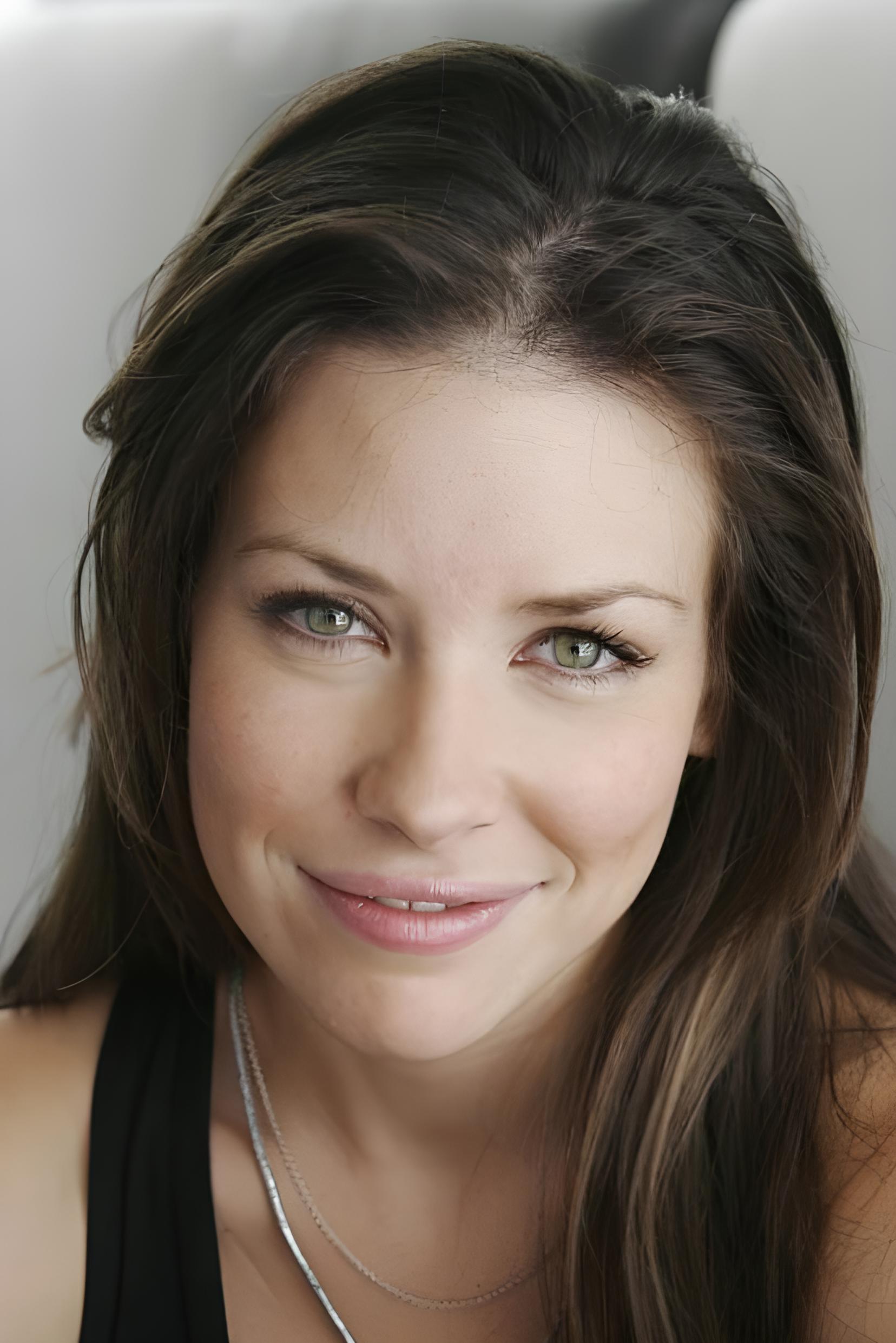
The ‘Ant-Man’ actress has been criticized for her comments regarding the rhetoric used in modern feminist circles. She has suggested that some modern movements are too focused on victimhood rather than empowerment. These remarks were met with pushback from activists who argued that acknowledging systemic issues is not the same as embracing victimhood. Her social media posts on various social issues have frequently made her a target for online criticism. Lilly continues to express her opinions despite the frequent controversies they cause.
Megan Fox
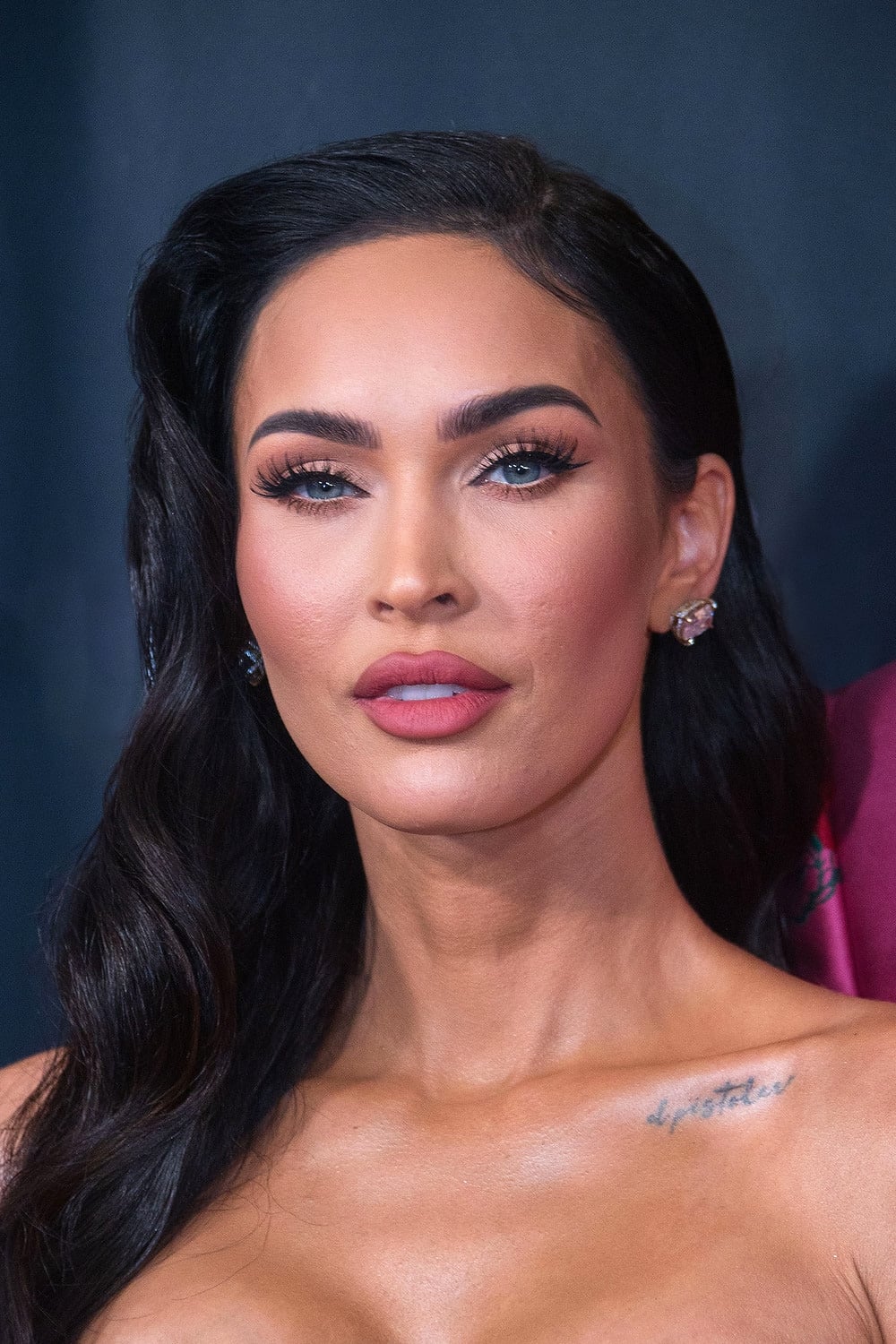
In the early stages of her career the actress made comments about her experiences in Hollywood that were initially dismissed or criticized by the media. She often spoke about the industry in a way that distanced her from the feminist movements of the time. Critics at the time found her persona to be contradictory to the goals of empowerment and gender equality. Years later the public perception shifted as many realized she was describing systemic abuse before it was widely discussed. However her initial rejection of the feminist community remains a part of her public history.
Lily-Rose Depp
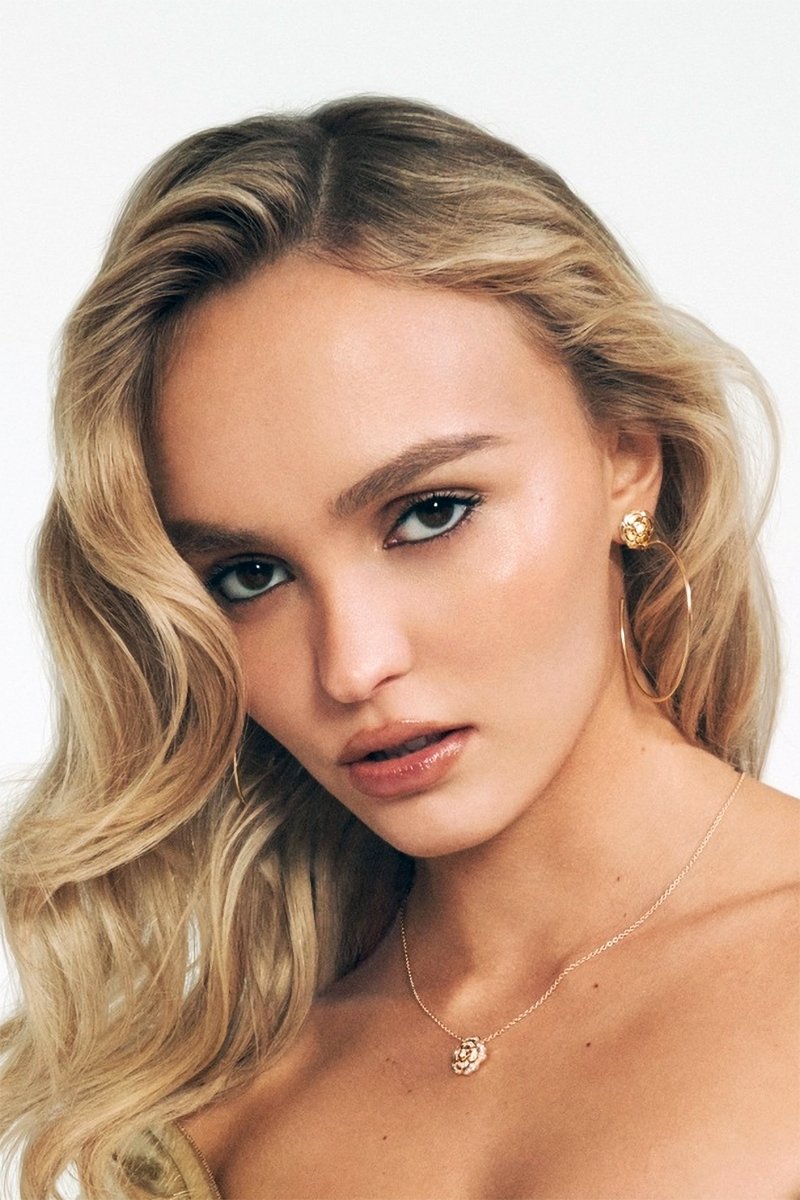
The actress and model was criticized for her comments regarding the “nepo baby” discourse and its intersection with gender. She suggested that the focus on her famous parents was sexist and that male actors did not face the same scrutiny. Critics argued that she was using feminist rhetoric to deflect valid concerns about class and privilege in Hollywood. This led to a wider discussion about how celebrities sometimes use the language of social movements for personal defense. Her stance was seen by many as a shallow interpretation of modern feminist ideals.
Diane Keaton
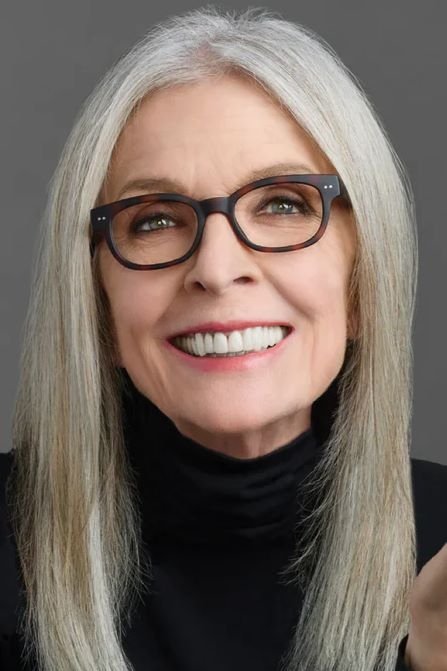
The Academy Award winner has frequently stated that she does not identify as a feminist and prefers the term humanist. She has mentioned in interviews that she does not like to be part of groups or movements that define themselves against others. Critics argue that her rejection of the label ignores the gendered struggles she faced as a woman in the 1970s film industry. Many fans find it disappointing that an icon of independence would distance herself from the movement. Keaton remains a beloved figure but her stance on feminism remains a point of critique.
Catherine Zeta-Jones
The actress has occasionally been criticized for her comments regarding traditional marriage and the roles of men and women. She has spoken about the importance of being a supportive wife in a way that some modern critics find regressive. These comments led to accusations that she was promoting a version of femininity that is at odds with modern equality. Advocates argued that her public image reinforces outdated stereotypes about wealthy women in high-profile marriages. Zeta-Jones has generally ignored these critiques to focus on her personal life and career.
Penélope Cruz

The Spanish actress has often avoided the feminist label during press tours for her various films. She has stated that she prefers to be seen as an individual and a humanist rather than being tied to a specific movement. This has drawn criticism from activists in the Spanish film community who want to see high-profile women lead the charge for change. Critics argue that her silence on certain issues is a missed opportunity for the movement in Europe. Cruz continues to work with some of the world’s top directors while keeping her political identity vague.
Gwyneth Paltrow
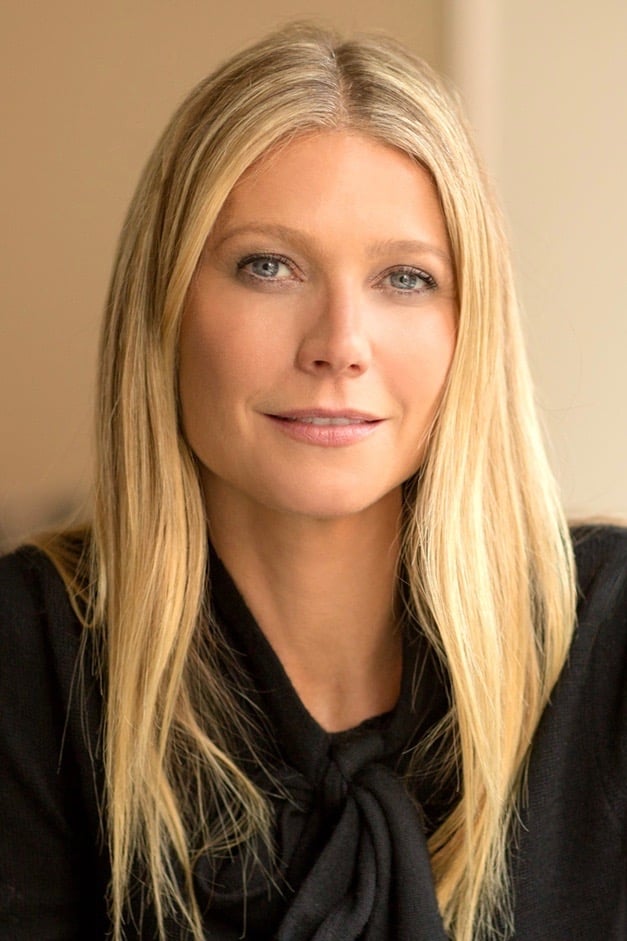
The actress and founder of ‘Goop’ has been criticized for her specific brand of feminism which many see as elitist and inaccessible. Critics argue that her focus on expensive wellness products and lifestyle choices alienates working-class women. Some activists believe her version of empowerment is more about consumerism than actual social change. Her public statements about “conscious uncoupling” and lifestyle advice are often cited as examples of a disconnected worldview. Paltrow maintains that her work empowers women to take control of their health and happiness.
Erika Eleniak
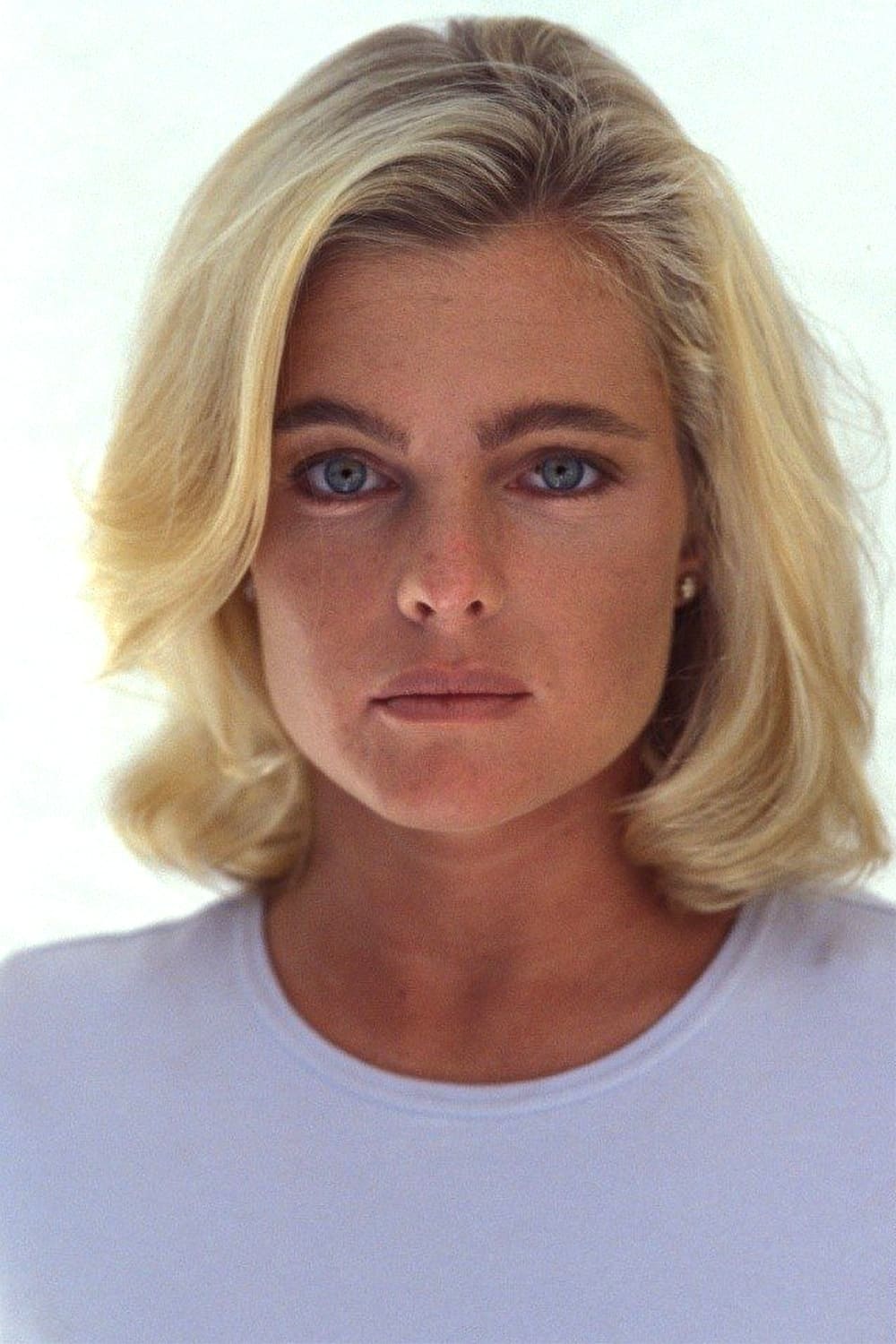
The ‘Baywatch’ actress has spoken about her preference for traditional gender dynamics in various interviews. She has expressed a belief that modern movements have gone too far in trying to make men and women the same. This perspective has been criticized by those who believe she is advocating for a return to restrictive gender roles. Critics often point out that her career was built on an industry that heavily sexualized women which adds complexity to her views. Eleniak continues to appear in various media projects while maintaining her traditionalist stance.
Lisa Kudrow
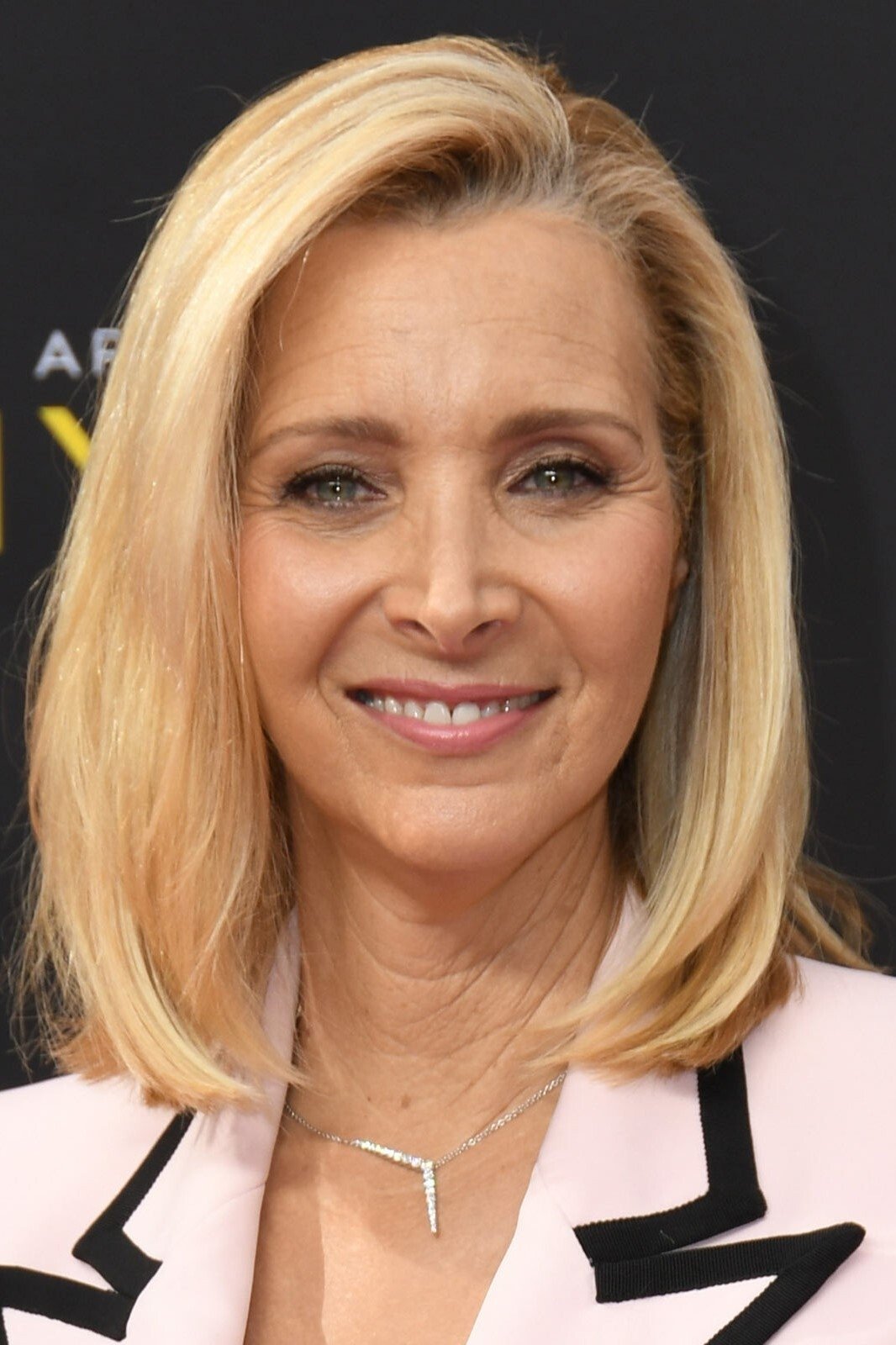
The ‘Friends’ star has faced some criticism for her past comments about gender dynamics within the context of her famous sitcom. She has occasionally dismissed modern critiques regarding the lack of diversity or the gendered jokes on the show. Critics argue that her perspective ignores the valid concerns of a new generation of viewers who find parts of the show problematic. Many felt that as a powerful producer and actress she could be more reflective of the show’s legacy. Kudrow has generally defended the show as being a product of its time.
Helen Mirren
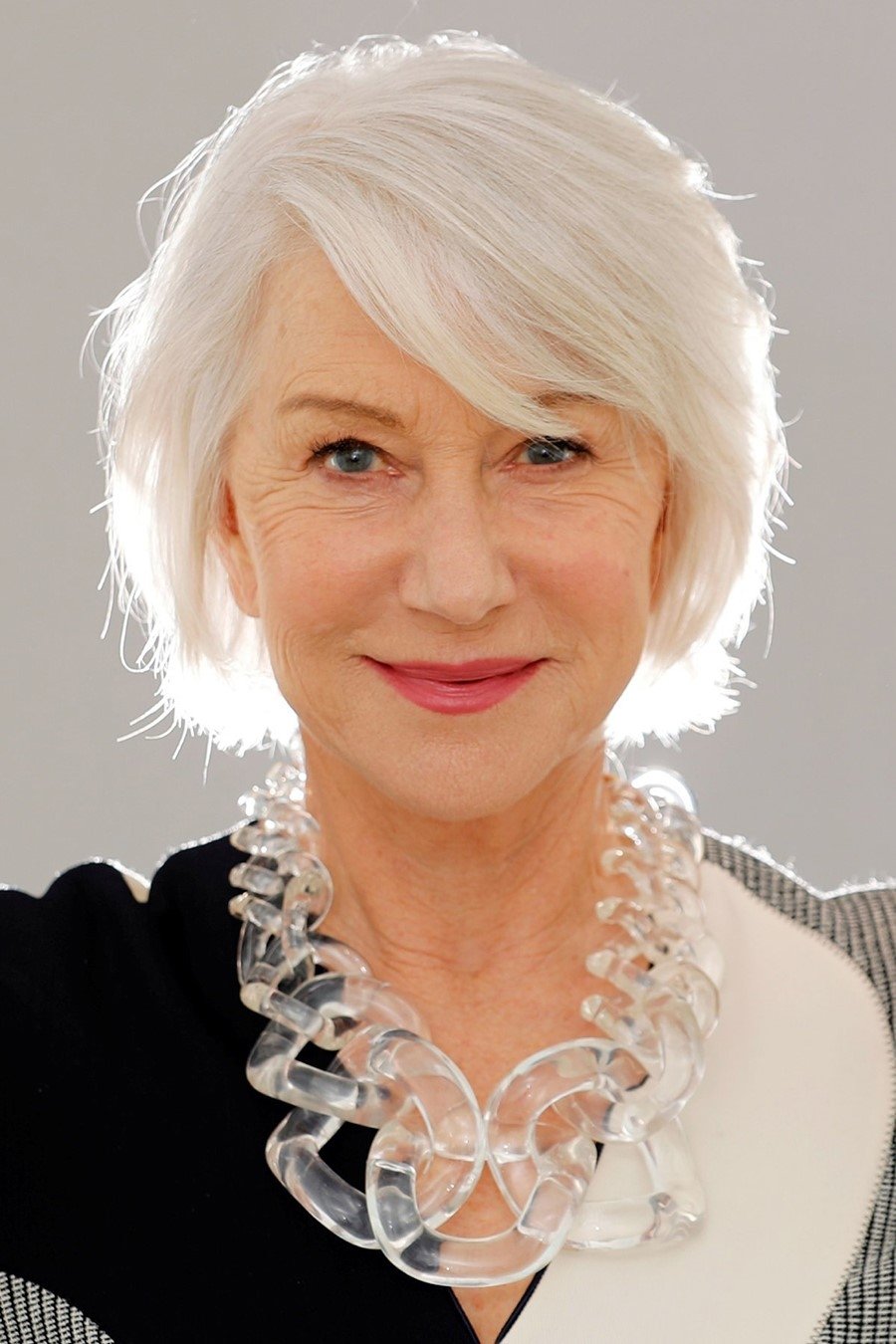
The veteran actress has had a complicated relationship with the feminist label over her long career. In the past she expressed a desire to avoid being associated with political movements that she felt were too restrictive. This led to criticism from feminists who believed her success was a direct result of the movement’s progress. While she has become more vocal about gender issues in recent years her earlier hesitation is still remembered by many. Mirren is now often seen as an advocate for older women in the industry despite her past comments.
Judi Dench
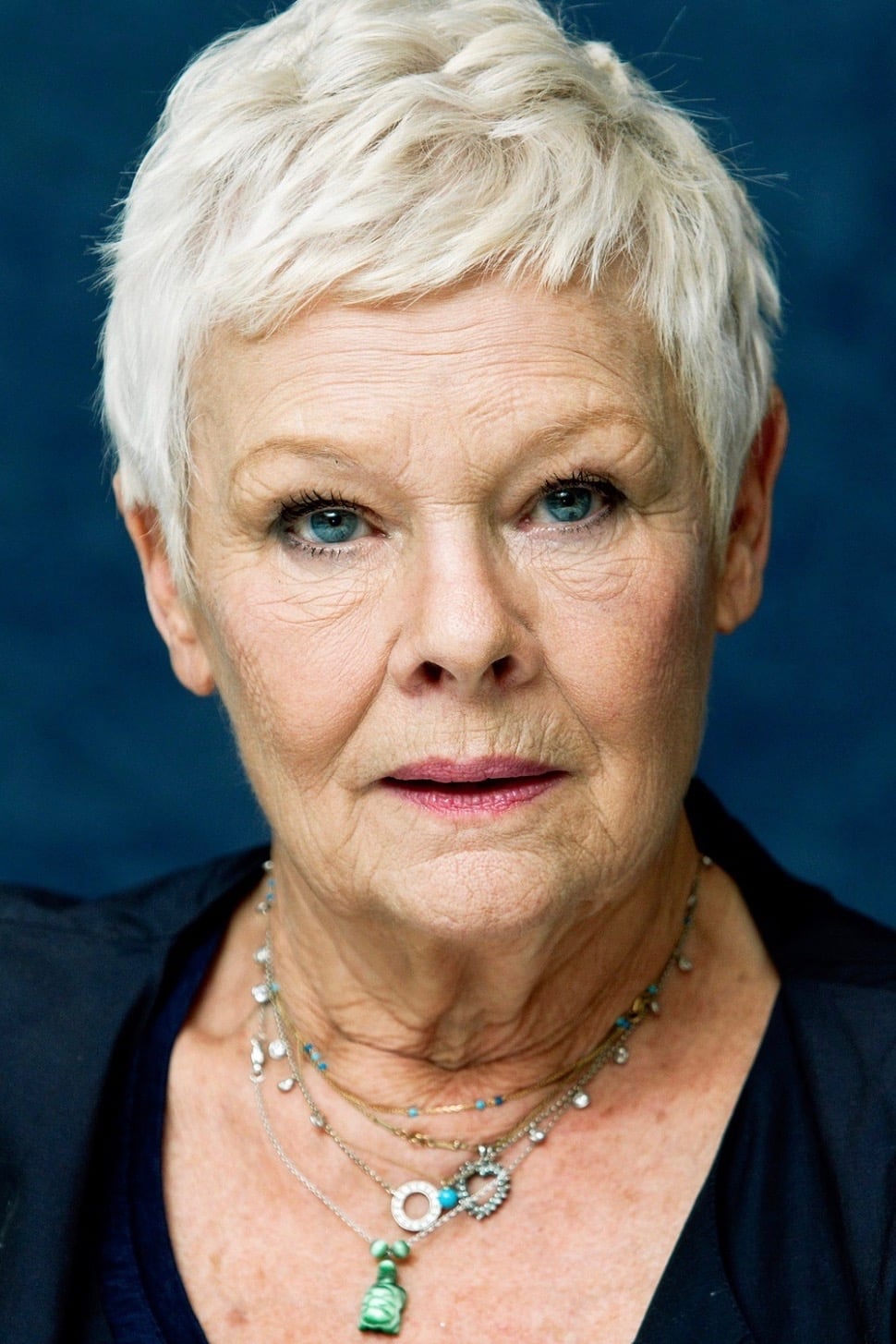
The legendary actress has been criticized for her defense of historical figures and her opposition to modern “woke” critiques of classic literature and theater. She has expressed concern that modern feminist readings of classic works can sometimes go too far. This stance has drawn the ire of younger activists who believe that re-evaluating the past is essential for progress. Critics argue that her views represent a traditionalist guard that is resistant to necessary social change. Dench remains one of the most respected figures in acting despite these ideological clashes.
Maggie Smith
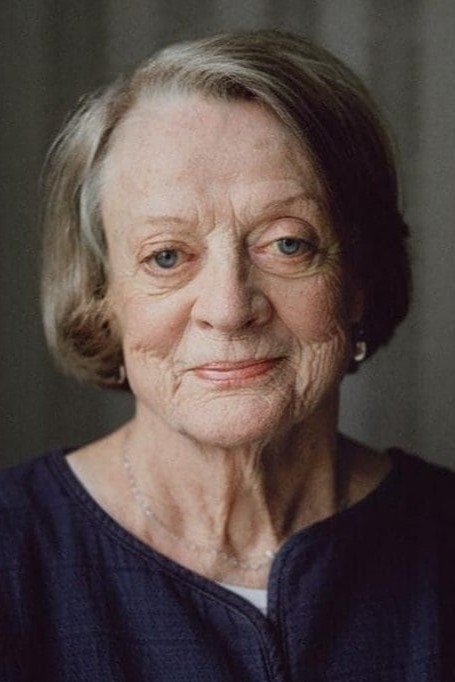
The late actress was known for her sharp wit and her occasional dismissals of modern gender politics in the arts. She often suggested that the focus should be on talent and hard work rather than on identity or social movements. Critics argued that this “colorblind” or “genderblind” approach ignores the real barriers that exist for marginalized groups. Many felt her perspective was a reflection of an older era of the British theater scene. Smith continued to be a major force in the industry until her passing while avoiding modern political labels.
Felicity Jones
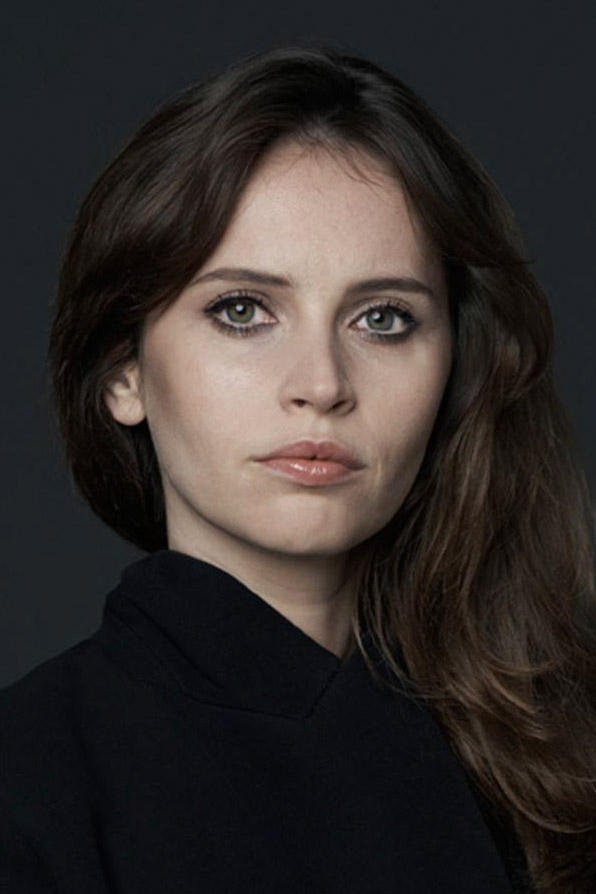
The actress known for ‘The Theory of Everything’ expressed hesitation about identifying as a feminist during a high-profile interview. She stated that she did not want to be limited by a label and preferred to be seen as a person first. Critics argued that this was a safe way to avoid controversy while still benefiting from the progress made by the movement. Many felt that a younger actress should be more willing to embrace the political nature of her work. Jones has since focused on roles that depict strong women without explicitly using the label often.
Alice Eve
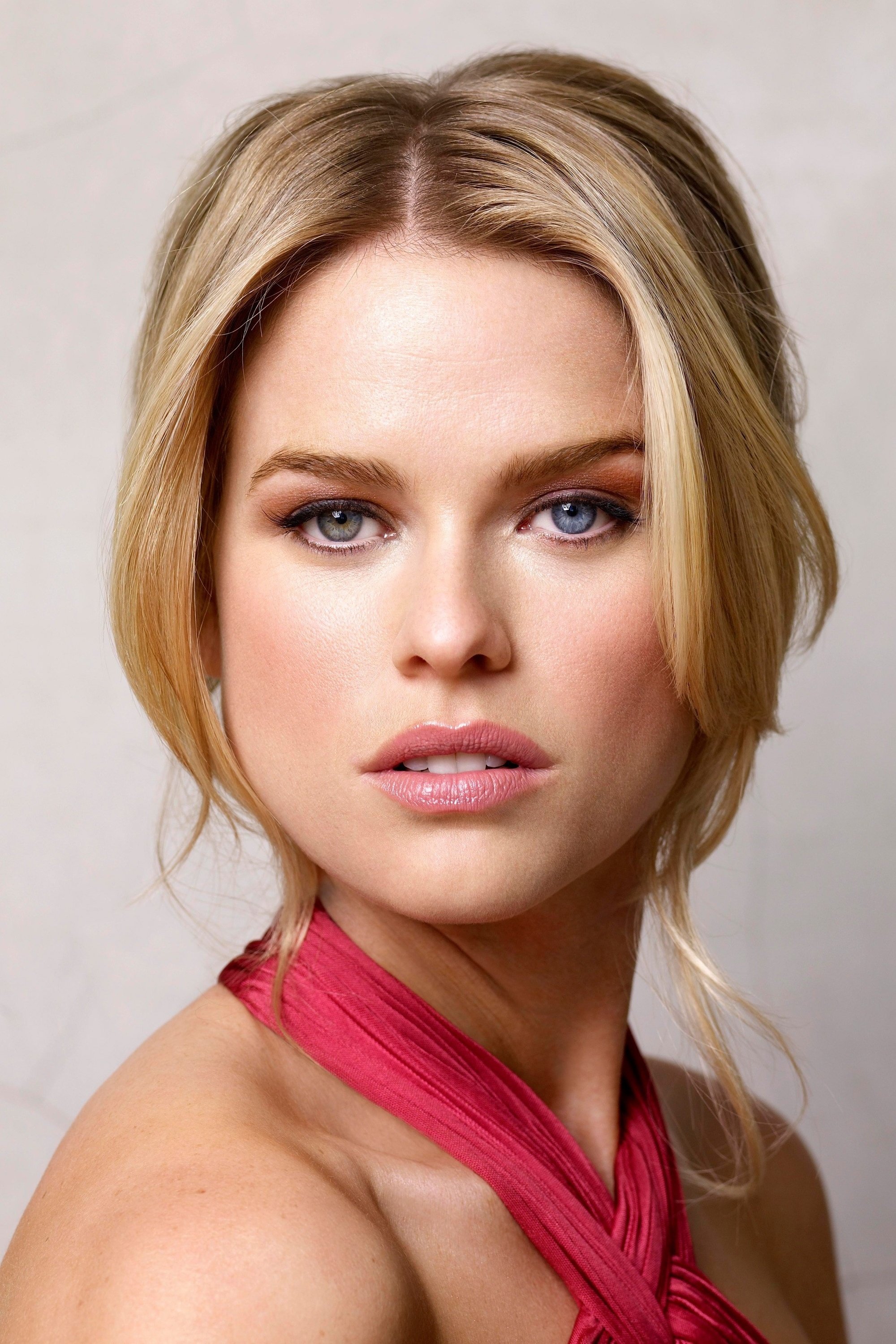
The actress was criticized for her comments regarding Caitlyn Jenner and the definition of what it means to be a woman. She suggested that having the experience of growing up as a woman is central to the feminist movement. Her remarks were widely denounced as being exclusionary to the transgender community and at odds with modern intersectional feminism. The backlash led to a public apology where she stated that she was still learning about the complexities of gender. This incident remains a significant part of her public record regarding social issues.
Keira Knightley
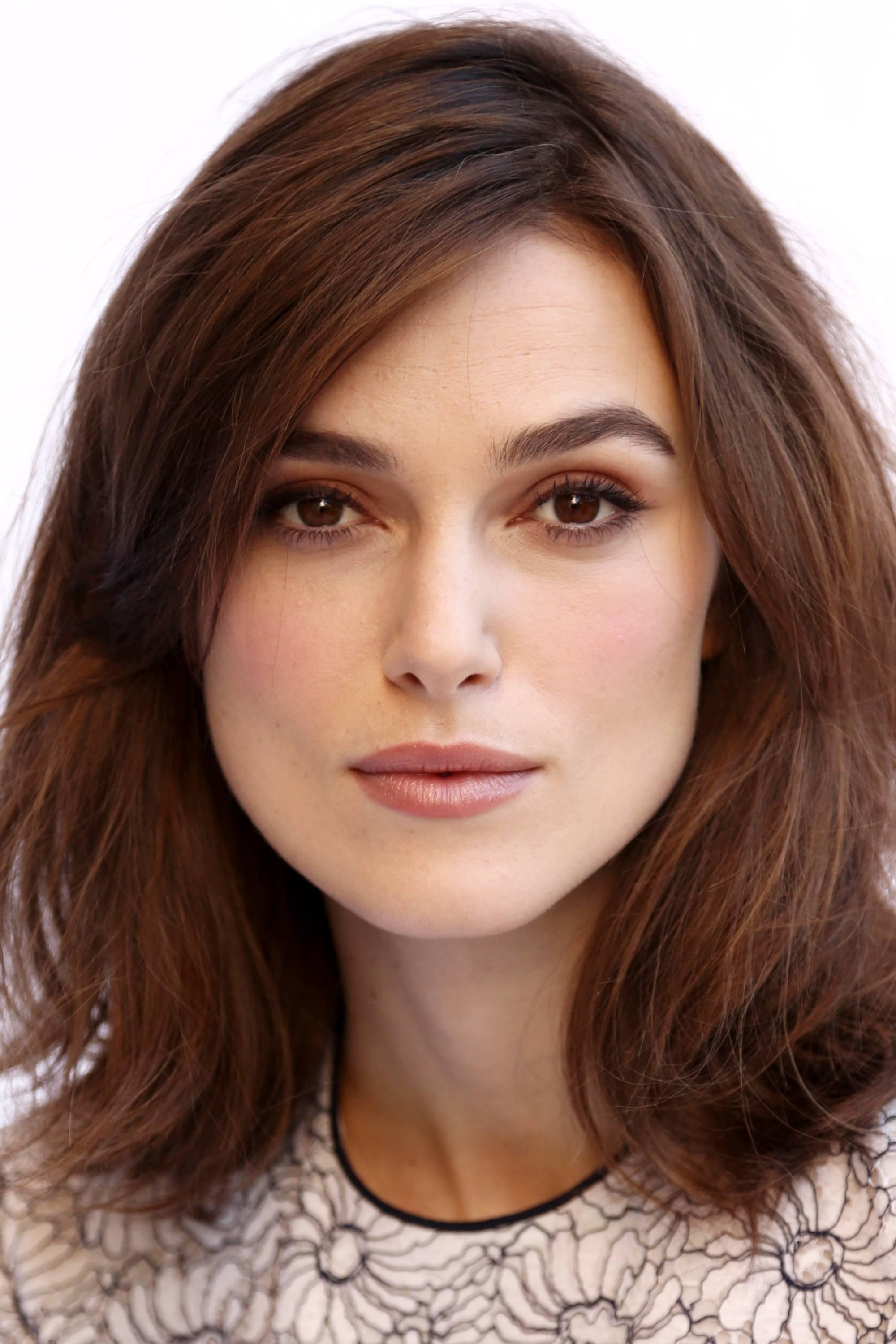
The ‘Pirates of the Caribbean’ star faced a unique form of criticism when she banned her daughter from watching certain Disney films for feminist reasons. Critics argued that her approach was too performative and did not actually address the systemic issues of the industry. Later she was also criticized for being too harsh in her critique of the Duchess of Cambridge’s public appearance after childbirth. Some felt her brand of feminism was too focused on individual choices rather than collective action. Knightley has since adjusted her public messaging regarding these topics.
Carey Mulligan
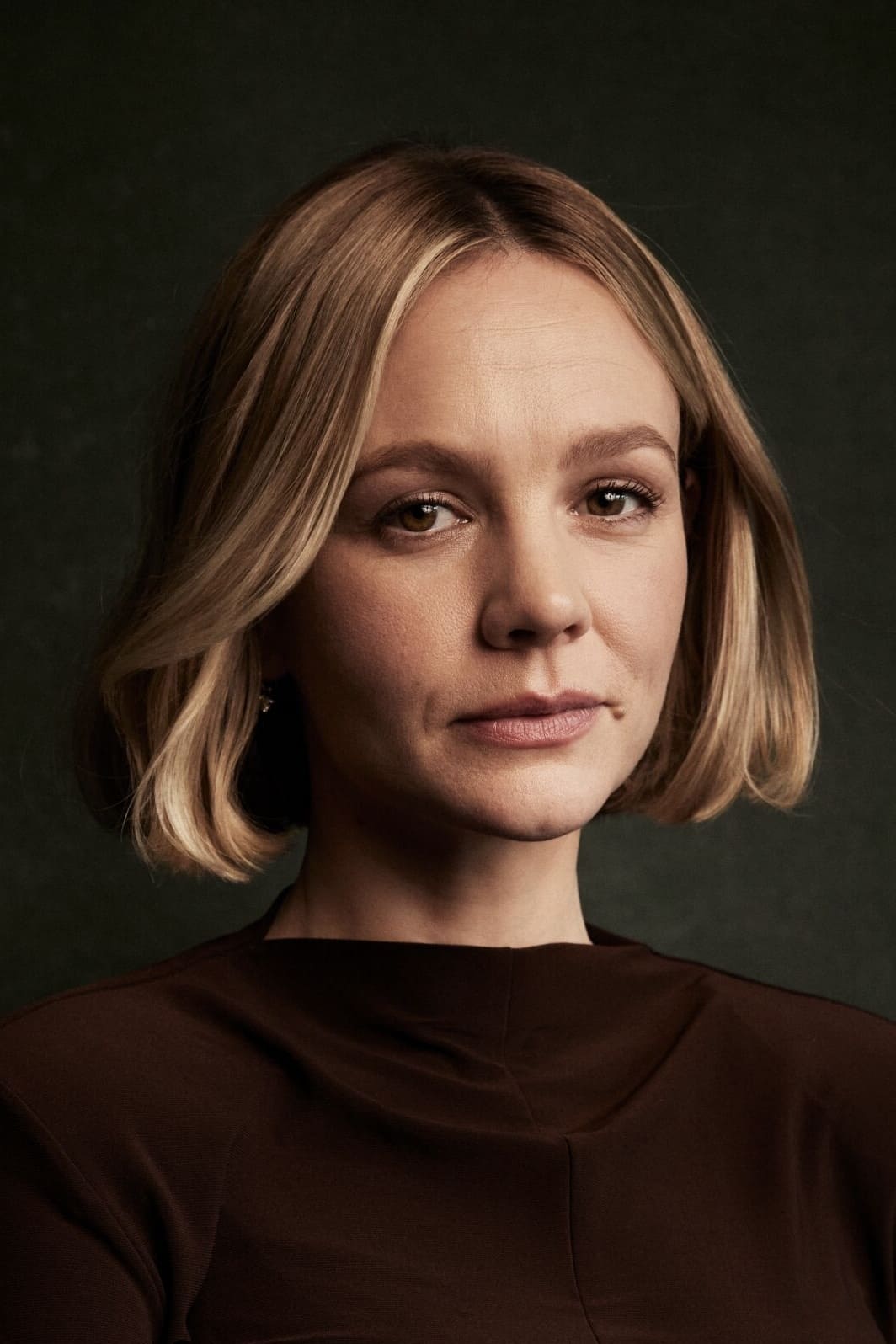
The actress has expressed skepticism about the way feminism is performed by celebrities on the red carpet and in interviews. She argued that the movement can sometimes feel like a branding exercise rather than a call for real change. While some agreed with her critics argued that any visibility for the movement is positive and her skepticism was unhelpful. Many felt that her comments undermined the efforts of other actresses who were trying to use their platform for good. Mulligan has continued to take on challenging roles that highlight the female experience.
Alicia Vikander
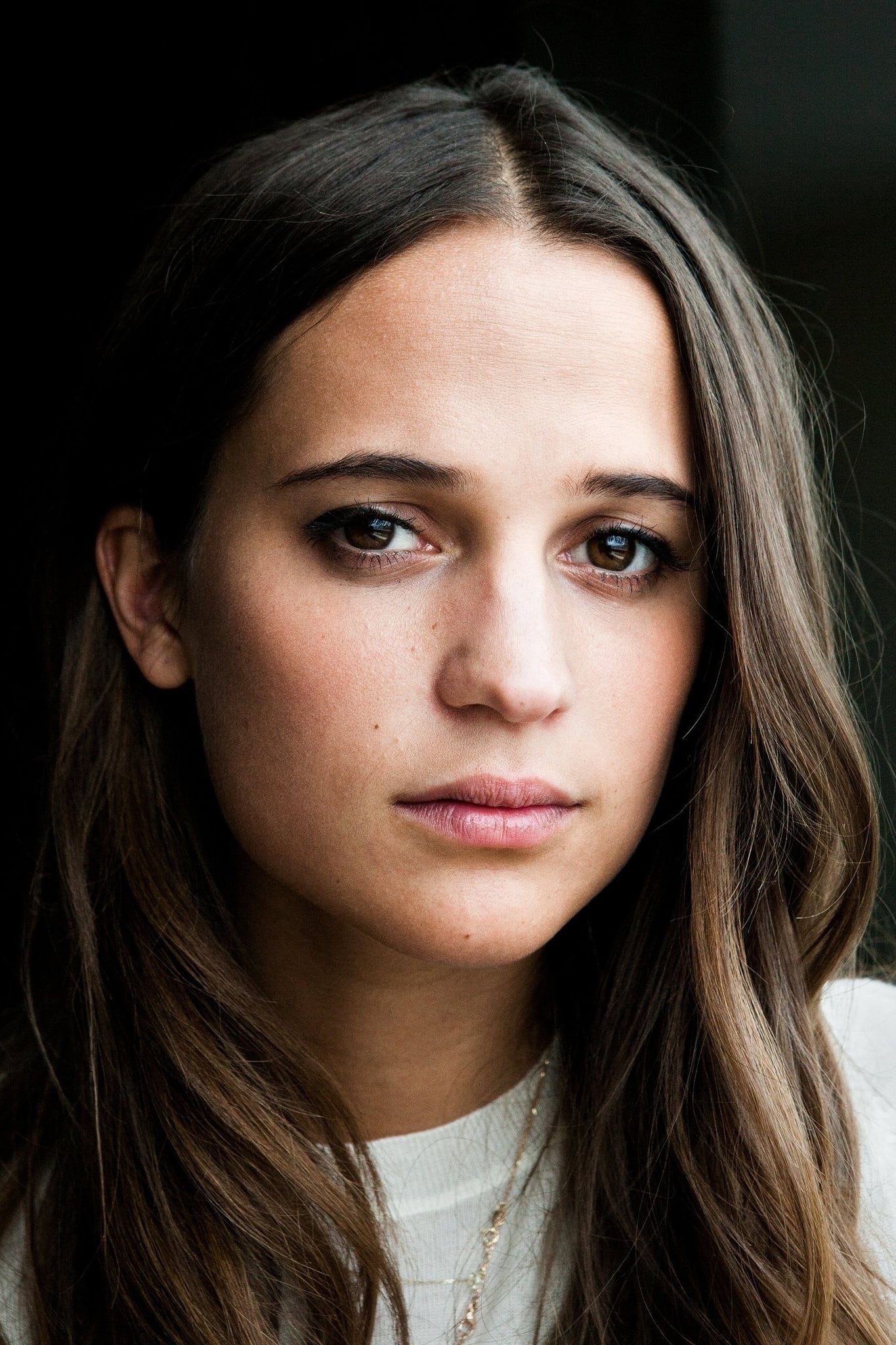
The Swedish actress faced pushback when she expressed views on gender-blind casting that some found to be dismissive of the need for representation. She suggested that the best person for the role should always get it regardless of gender which critics felt ignored historical biases. This led to a wider discussion about the importance of intentionality in modern feminist activism within Hollywood. Many argued that her stance was a form of “post-feminism” that assumed a level of equality that does not yet exist. Vikander has remained a prominent figure in international cinema despite these critiques.
Gal Gadot
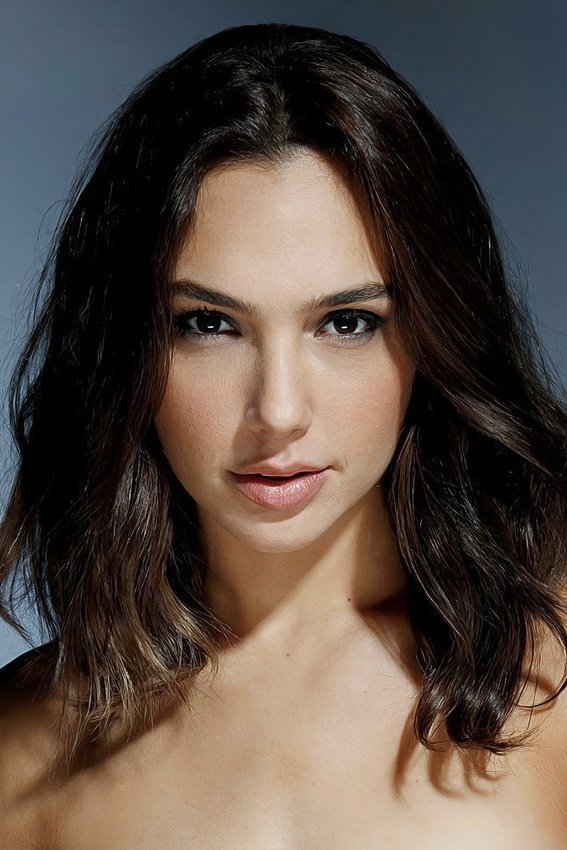
The ‘Wonder Woman’ star has been criticized for what some describe as a “corporate” or “shallow” version of feminism. Her high-profile “Imagine” video during the pandemic was seen by many as out of touch with the struggles of ordinary women. Additionally her involvement with certain brands and her political stances have drawn criticism from activists who believe feminism must be anti-imperialist. Critics argue that her public image is used to sell a version of empowerment that lacks political substance. Gadot continues to be a major box office draw while navigating these public critiques.
Susan Sarandon
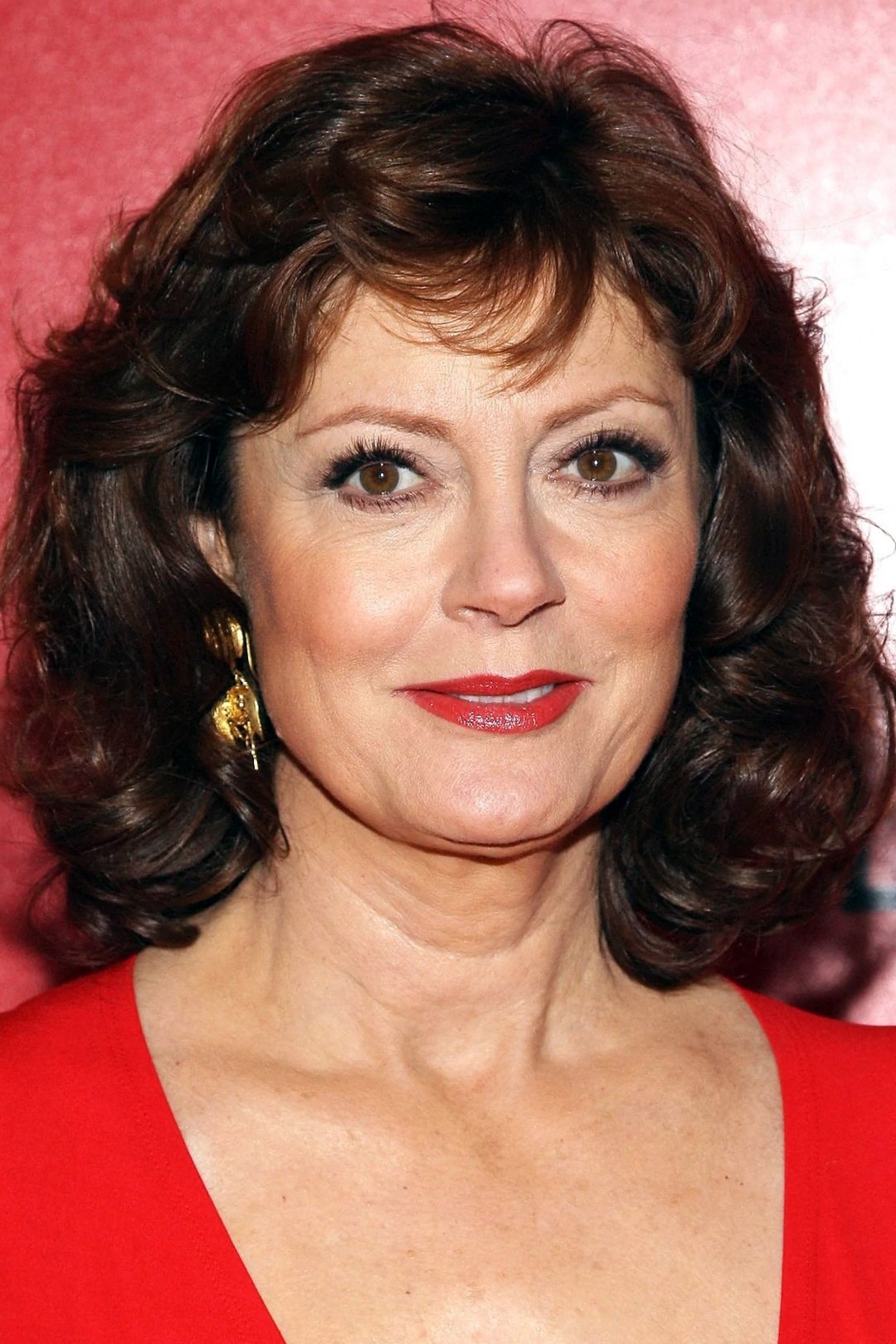
The Academy Award winner has been a frequent target of criticism for her critiques of the mainstream feminist movement in the United States. She was heavily criticized for her refusal to support Hillary Clinton in 2016 arguing that she does not vote with her “vagina.” Many feminists felt her stance was a betrayal of the movement and contributed to a political climate that harmed women’s rights. Critics argue that her brand of activism is often divisive and counterproductive to the goals of gender equality. Sarandon remains a vocal activist on many issues despite being a polarizing figure in the movement.
Isabella Rossellini
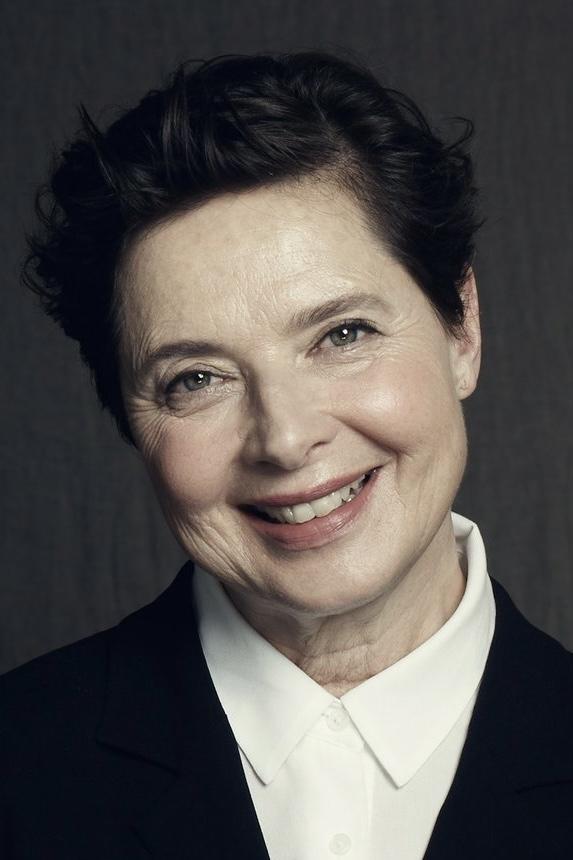
The actress and model has spoken about the biological differences between men and women in a way that some modern feminists find controversial. She has argued that there are inherent differences that should be celebrated rather than minimized by social movements. Critics argue that this perspective can be used to justify traditional gender roles and limit the opportunities available to women. Her views are often seen as a reflection of an older school of thought that clashes with modern gender theory. Rossellini continues to be an influential figure in both the film and fashion industries.
Isabelle Huppert
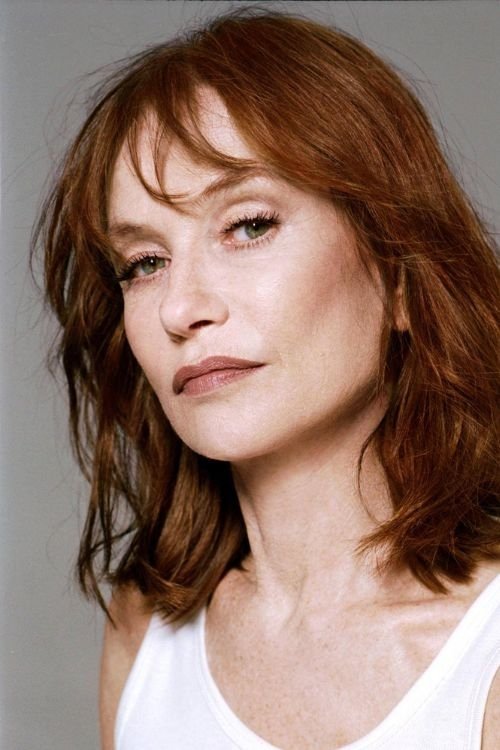
The French actress has frequently questioned the necessity of modern gender quotas and specific feminist interventions in the arts. She has argued that the quality of work should be the only metric for success and that focusing on gender can be demeaning. These comments have been criticized by those who believe that quotas are a necessary tool to break down historical barriers. Critics argue that her position ignores the reality that talent alone is often not enough for women to succeed in a male-dominated industry. Huppert remains one of the most prolific actresses in the world despite her skeptical stance.
Monica Bellucci
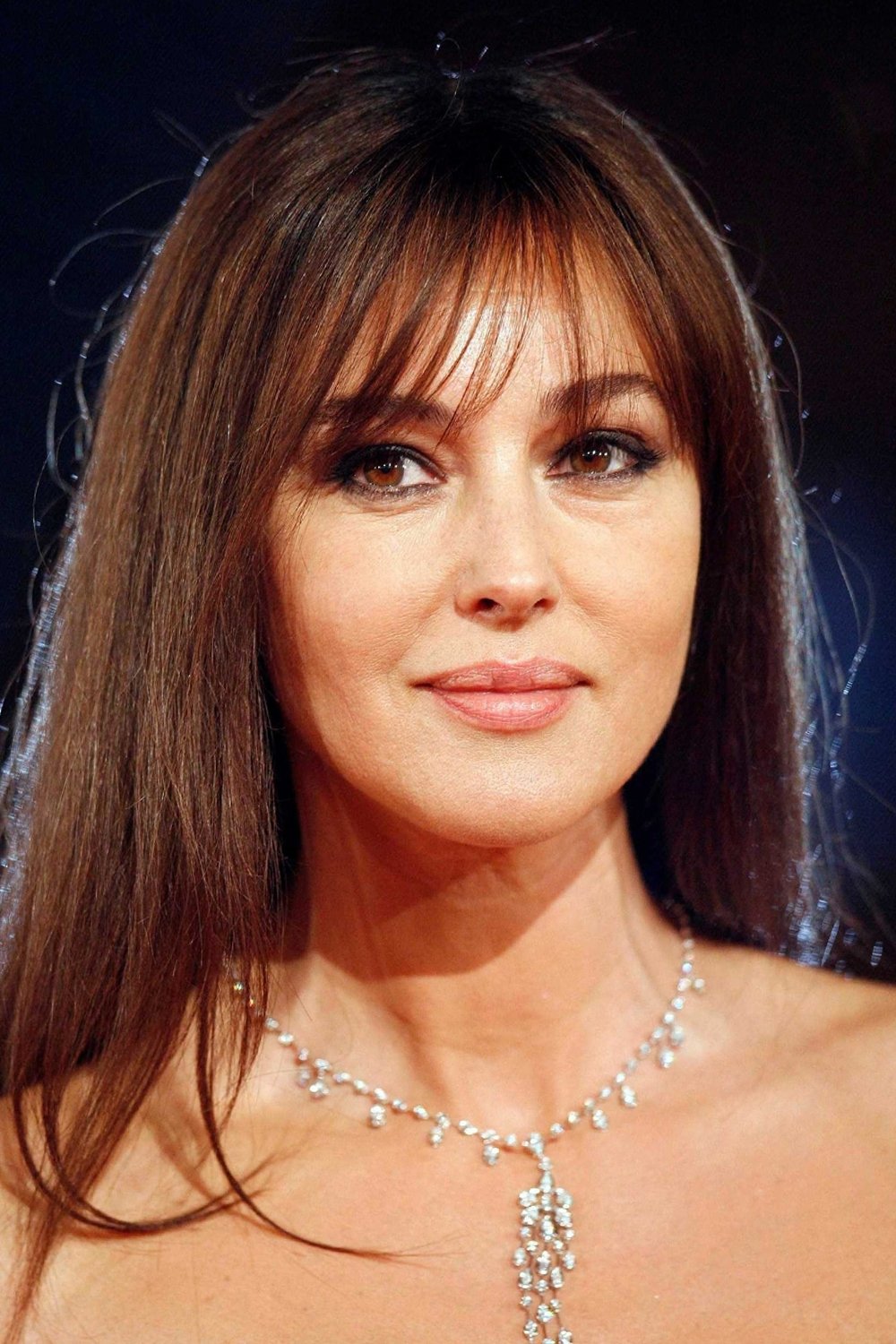
The Italian film icon has often spoken about the importance of femininity and traditional beauty in a way that modern critics find regressive. She has suggested that a woman’s power comes from her ability to be feminine and supportive of men. These views have been denounced by activists who believe they reinforce the idea that women must perform for the male gaze to be successful. Critics argue that her public statements promote a version of womanhood that is outdated and restrictive. Bellucci continues to be a major international star while maintaining her traditionalist views on gender.
Share your thoughts on these different perspectives in the comments.