Musicians Who Secretly Kicked Bandmates Out Just Before Going Platinum



The history of rock and pop music is filled with stories of legendary bands, but the path to multi-platinum success often requires difficult and sometimes ruthless personnel changes. While many lineups seem set in stone once a group reaches the top of the charts, several artists were dismissed just as their bands were on the verge of global superstardom. These departures were frequently sudden, occurring during crucial recording sessions or right before a breakthrough tour. For the musicians involved, these decisions meant missing out on the massive commercial rewards and cultural legacy that followed. Understanding these high-stakes dismissals provides a clearer picture of the behind-the-scenes dynamics that shape the world’s most famous musical acts.
Lars Ulrich

As a founding member of Metallica, Lars Ulrich played a central role in the sudden dismissal of original lead guitarist Dave Mustaine. In 1983, Ulrich and James Hetfield decided that Mustaine’s erratic behavior and substance use were detrimental to the band’s future. They famously woke him up in a New York hotel and informed him he was out of the group right before recording their debut album. Mustaine was sent back to California on a bus while the band moved forward with Kirk Hammett. Metallica’s debut, ‘Kill ‘Em All,’ set the stage for their eventual multi-platinum success.
Kurt Cobain
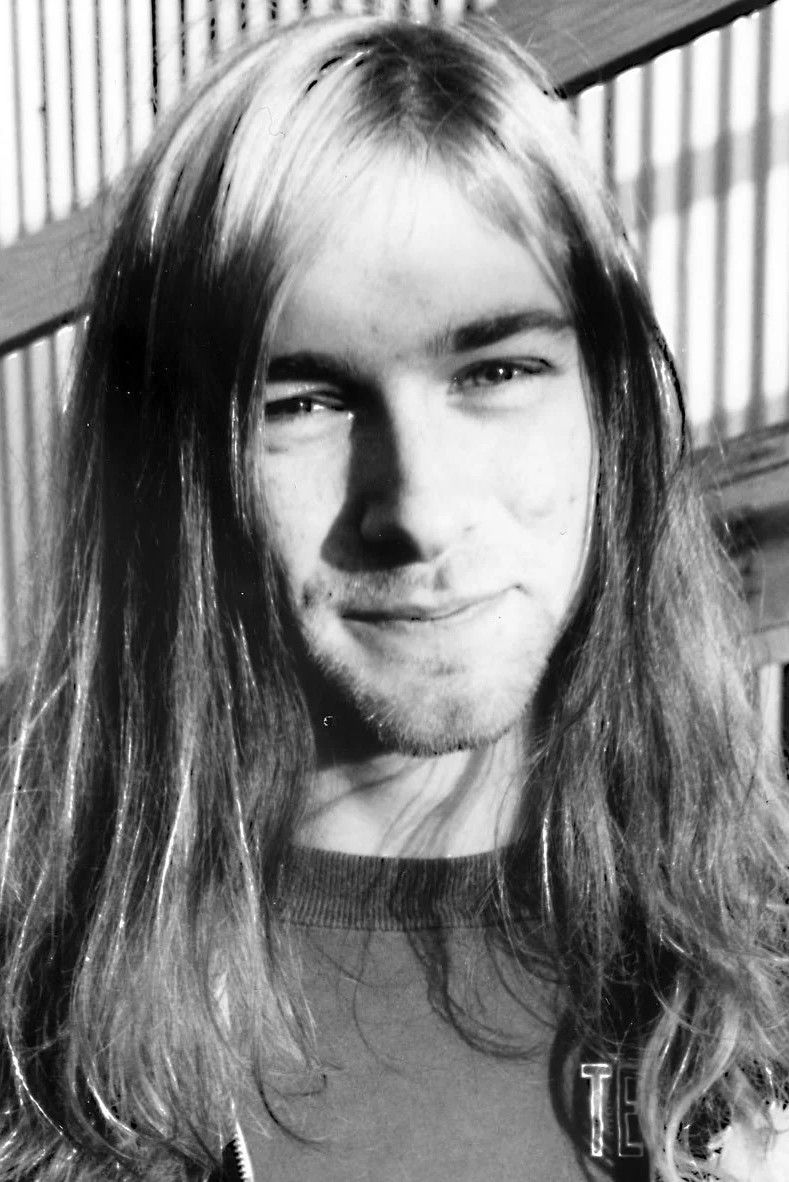
Kurt Cobain was the primary creative force behind Nirvana and made the final decision to replace drummer Chad Channing. Although Channing played on the band’s first album, ‘Bleach,’ Cobain felt his drumming style did not fit the direction of the new material. In 1990, Cobain and bassist Krist Novoselic dismissed Channing during a period of intense transition for the group. This move paved the way for Dave Grohl to join the band just before they recorded ‘Nevermind.’ The resulting album sold millions of copies and became a multi-platinum cultural landmark.
Steve Harris
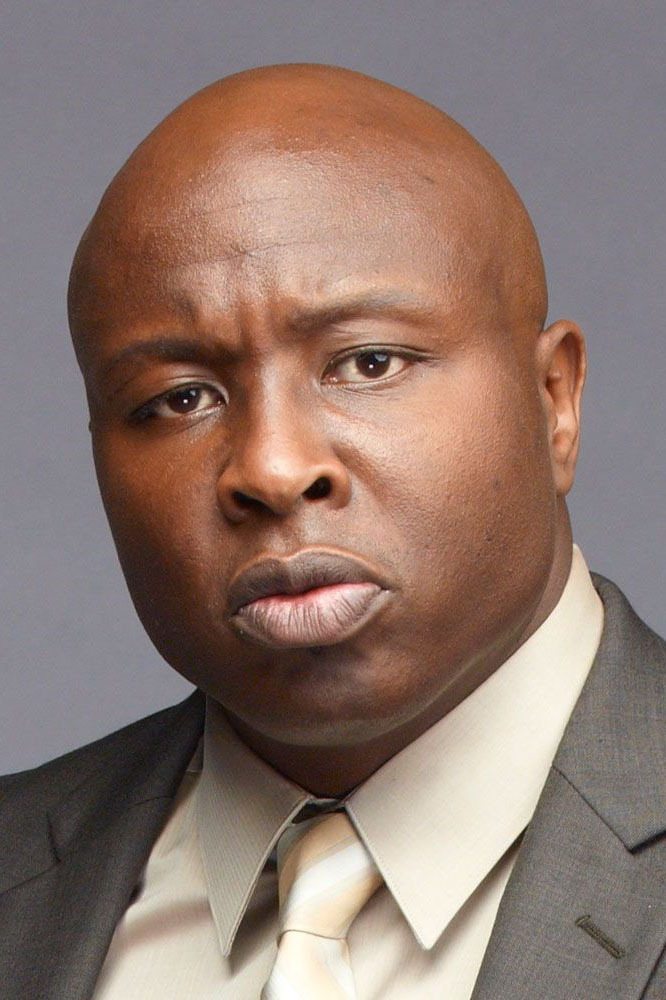
Steve Harris, the bassist and leader of Iron Maiden, was the driving force behind the firing of original vocalist Paul Di’Anno. Despite Di’Anno’s success on the band’s first two albums, Harris became frustrated with the singer’s self-destructive habits and lack of professional discipline. In 1981, Harris orchestrated the transition to bring in Bruce Dickinson as the new frontman. This change occurred just as the band was poised to record ‘The Number of the Beast.’ The album became a massive commercial hit, leading to decades of platinum-selling records for the band.
Rivers Cuomo

Rivers Cuomo is the frontman of Weezer and was responsible for the abrupt departure of founding guitarist Jason Cropper. During the 1993 recording sessions for their debut, ‘The Blue Album,’ Cuomo dismissed Cropper and reportedly required him to sign a non-disclosure agreement. Cuomo proceeded to re-record all of the guitar parts himself to ensure the album met his specific musical vision. The record became a multi-platinum success and defined the power-pop sound of the 1990s. This dismissal remains one of the most mysterious personnel changes in alternative rock history.
John Lennon
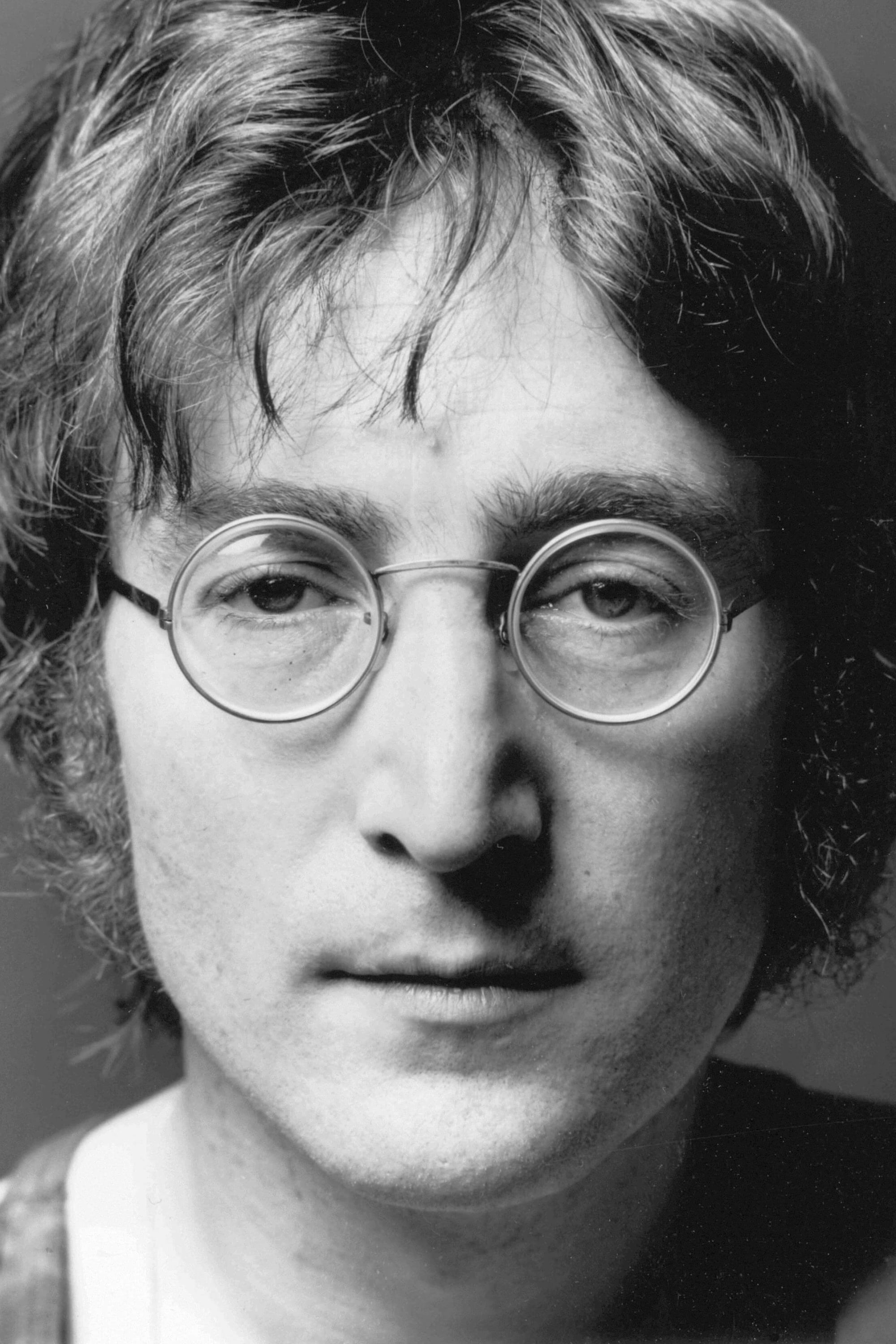
John Lennon was a founding member of The Beatles and was instrumental in the decision to fire their original drummer, Pete Best. In 1962, Lennon and his bandmates asked manager Brian Epstein to break the news to Best just before their first recording session for EMI. The decision was motivated by producer George Martin’s dissatisfaction with Best’s timing and the band’s desire for a better musical fit. Ringo Starr was brought in as the replacement, and the band released ‘Love Me Do’ shortly after. This lineup change happened just as Beatlemania began its global, multi-platinum ascent.
Mick Jagger
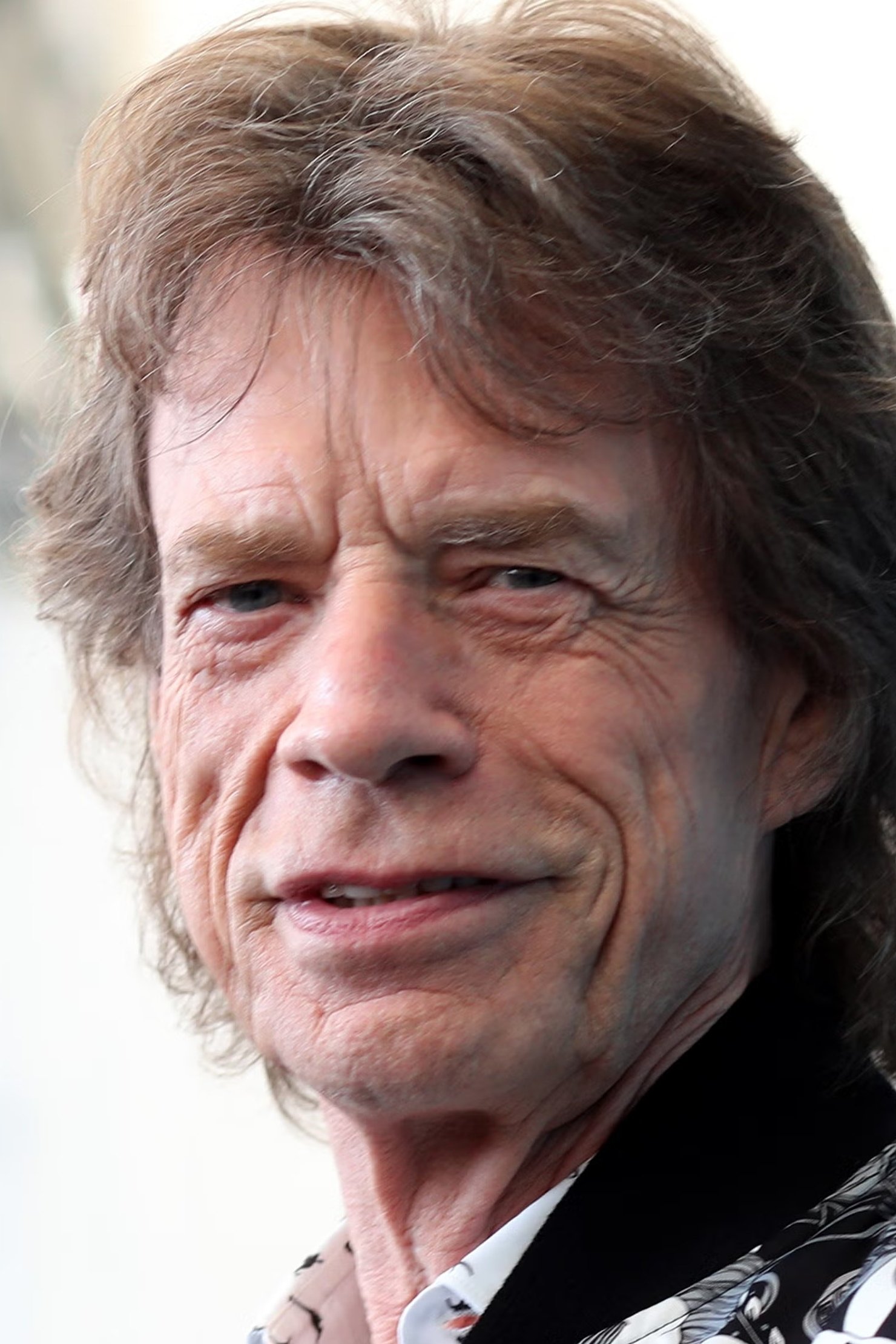
Mick Jagger was a key figure in the decision to demote original keyboardist Ian Stewart from the official lineup of The Rolling Stones. Along with manager Andrew Loog Oldham, Jagger felt that Stewart’s physical appearance did not align with the edgy image they wanted to project. Stewart was relegated to a role as a session player and road manager in 1963, despite being a founding member. He continued to contribute to their records for decades as the band achieved legendary status and massive sales. The Stones went on to become one of the highest-selling platinum acts in the world.
Pete Townshend

Pete Townshend, the guitarist and songwriter for The Who, took the lead in replacing the band’s original drummer, Doug Sandom. During an audition for a record label in 1964, Townshend grew frustrated with Sandom’s performance and eventually told him to leave the group. The band subsequently recruited Keith Moon, whose explosive drumming style helped define their signature sound. This transition took place just before the band released their first major hits and began their journey to global fame. The Who eventually earned numerous platinum certifications for their influential albums.
Axl Rose

Axl Rose was a founding member of Guns N’ Roses and was responsible for the departure of original guitarist Tracii Guns. In 1985, Rose and Guns had a falling out after Guns missed a rehearsal, leading to his exit from the group he helped name. Rose then brought in Slash, completing the classic lineup that would record ‘Appetite for Destruction.’ The album was released shortly after and became one of the best-selling debut albums in history. Rose’s decision to change guitarists proved to be a turning point that led to multi-platinum success.
Sting

Sting was the bassist and primary songwriter for The Police and made the decision to replace original guitarist Henry Padovani. While Padovani was a friend, Sting felt his punk-influenced playing was too limited for the more complex reggae and jazz-fusion sound he envisioned. In 1977, Sting pushed for the inclusion of Andy Summers, leading to Padovani’s eventual departure. This change occurred right as the band began recording the material that would make them international stars. The Police went on to achieve massive platinum sales and multiple Grammy Awards.
Mick Fleetwood

Mick Fleetwood, the drummer and namesake of Fleetwood Mac, oversaw several difficult lineup changes, including the firing of Danny Kirwan. In 1972, Fleetwood dismissed Kirwan following a backstage physical altercation and the guitarist’s refusal to perform. This departure left a void that eventually led to the recruitment of Lindsey Buckingham and Stevie Nicks. The new lineup recorded the 1977 album ‘Rumours,’ which became one of the highest-selling albums of all time. Fleetwood’s management of the band’s personnel was crucial to their eventual diamond-certified commercial peak.
Angus Young

Angus Young and his brother Malcolm were the primary decision-makers for AC/DC and orchestrated the removal of original singer Dave Evans. The brothers felt that Evans was too much of a glam-rock performer and didn’t fit their vision for a hard-hitting blues-rock band. In 1974, they replaced him with Bon Scott, who brought a much grittier persona and vocal style to the group. This move happened just before the band recorded their debut album and began their rise to international prominence. AC/DC eventually became one of the top-selling platinum artists in rock history.
Beyoncé

Beyoncé was the focal point of Destiny’s Child and was central to the controversial replacement of members LeToya Luckett and LaTavia Roberson. In early 2000, after the members questioned the group’s management, they were abruptly removed from the lineup without direct notification. They discovered their replacement only when the ‘Say My Name’ music video debuted with new members Michelle Williams and Farrah Franklin. This shift happened during the promotion of their multi-platinum album ‘The Writing’s on the Wall.’ Beyoncé and the revamped group went on to achieve even greater global success.
Joe Elliott
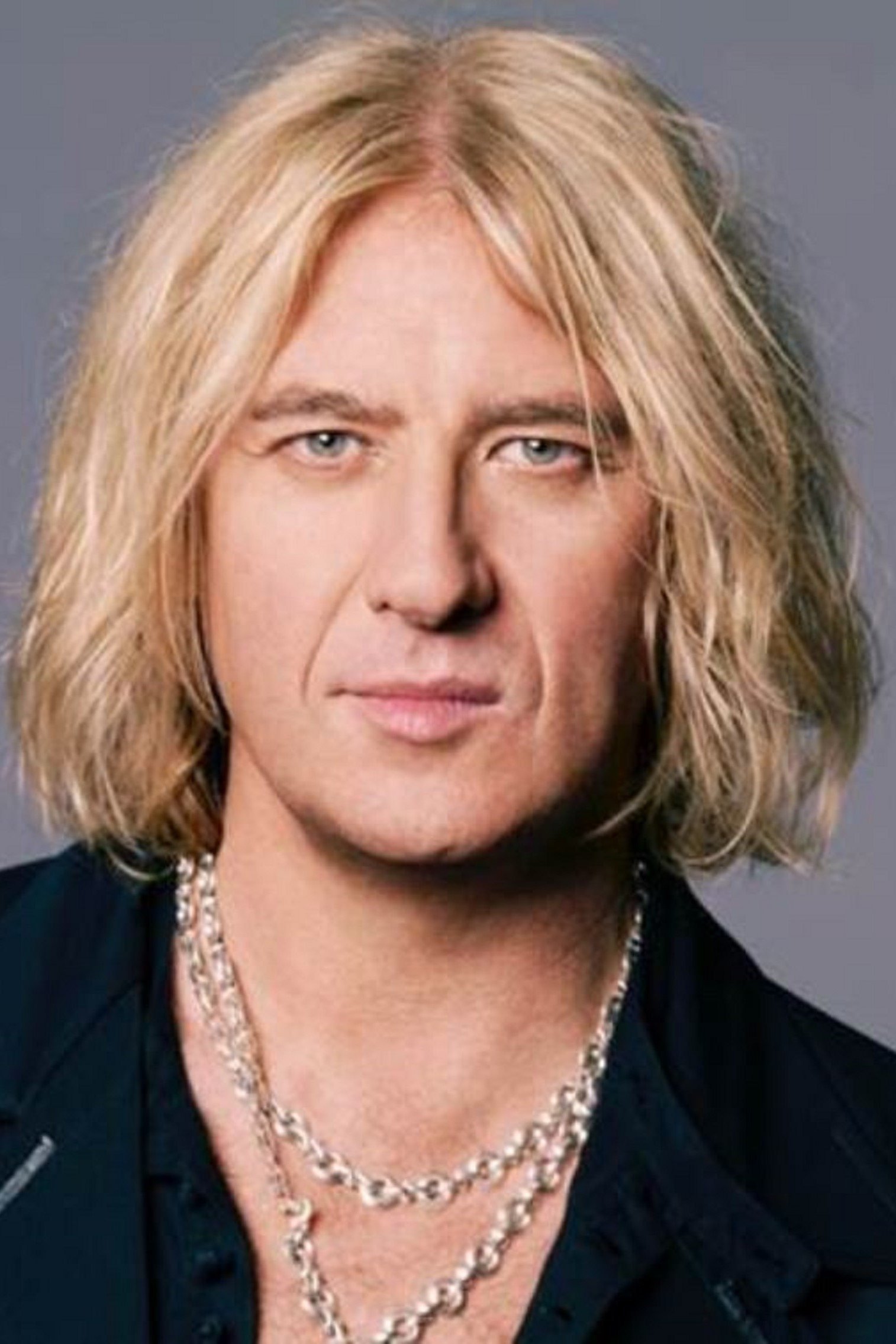
Joe Elliott, the lead singer of Def Leppard, participated in the decision to fire founding guitarist Pete Willis in 1982. During the recording of ‘Pyromania,’ Willis’s excessive drinking began to interfere with the band’s progress and relationship with producer Mutt Lange. Elliott and the other members dismissed Willis mid-session and replaced him with Phil Collen. This change allowed the band to finish the album, which went on to sell over 10 million copies in the United States. It remains one of the most successful platinum albums of the 1980s.
Gregg Rolie

Gregg Rolie was a founding member of Journey and played a key role in the transition that led to the band’s commercial explosion. In 1977, Rolie and the band’s management decided to fire lead singer Robert Fleischman to seek a more pop-oriented sound. They replaced him with Steve Perry, whose powerful vocals helped the band shift from progressive rock to mainstream success. This move occurred just before the recording of the album ‘Infinity,’ which marked their first platinum achievement. Rolie eventually left the band himself, but his decision to bring in Perry defined their legacy.
Billy Gould

Billy Gould, the bassist and a founding member of Faith No More, was a primary figure in the dismissal of original singer Chuck Mosley. In 1988, Gould and the other members became increasingly frustrated with Mosley’s unpredictable behavior and vocal performances. They decided to fire him just as they were preparing to record their breakthrough album, ‘The Real Thing.’ Mike Patton was hired as his replacement and brought a significantly different vocal range to the band’s sound. The album featured the hit single ‘Epic’ and achieved platinum status, launching the band into the mainstream.
Dave Grohl
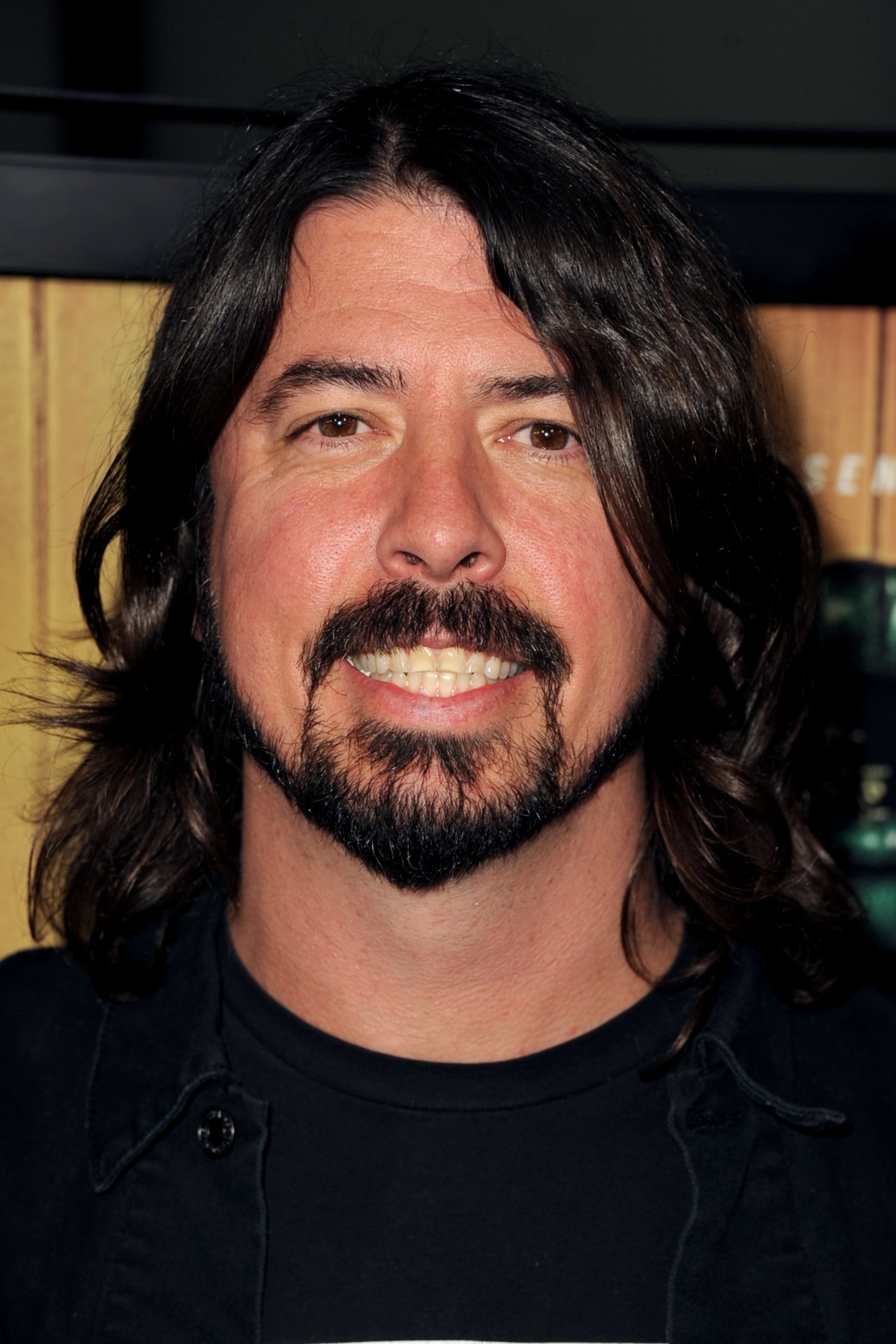
As the leader of Foo Fighters, Dave Grohl made the difficult decision to replace drummer William Goldsmith during the recording of their second album. Grohl was reportedly unhappy with the drum tracks and secretly re-recorded them himself without telling Goldsmith. When Goldsmith discovered that his work had been replaced, he felt he had no choice but to leave the band. The resulting album, ‘The Colour and the Shape,’ became a massive hit and achieved multi-platinum status. This move established the band’s commercial dominance and Grohl’s perfectionist approach to recording.
Share which of these sudden departures you think changed music history the most in the comments.