George Lucas Shares Which Movie He Thinks Remains the Greatest Blockbuster

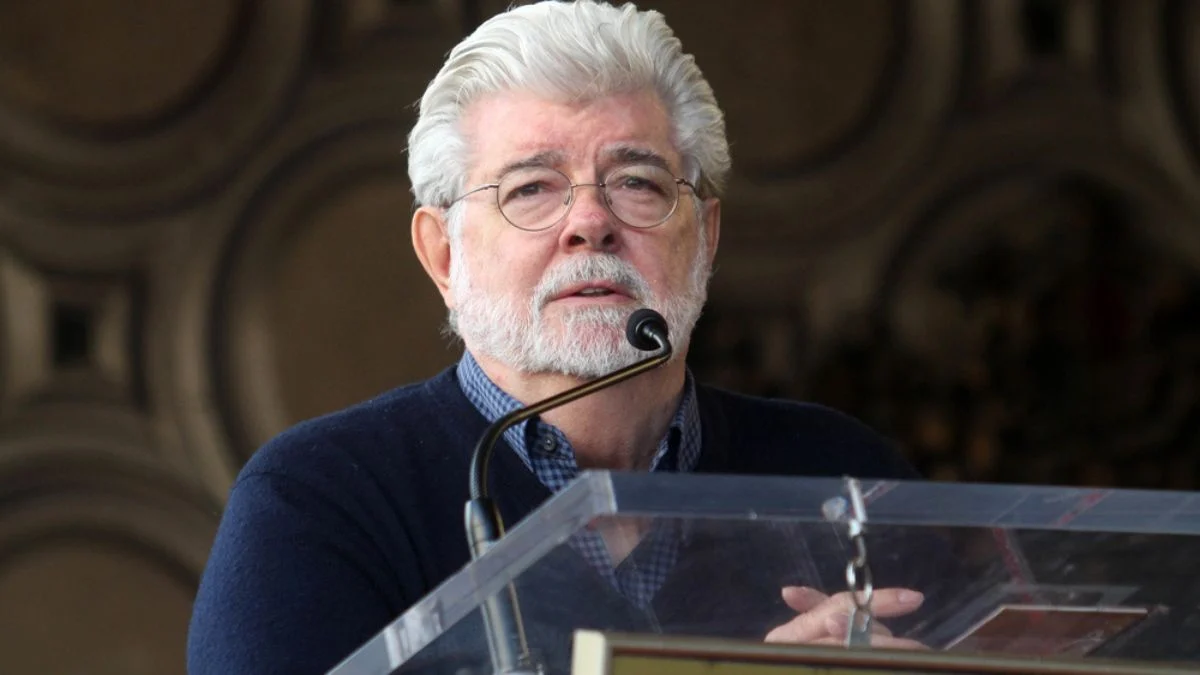

The impact of George Lucas on the cinematic landscape remains a subject of intense debate among historians and film enthusiasts alike. While his creative output has generated astronomical financial returns and shaped the childhoods of multiple generations, some critics argue that his professional choices have complicated his personal legacy.
By establishing the modern franchise model, Lucas fundamentally altered how movies are produced and consumed globally. After the initial installment of his space epic debuted, the industry shifted toward a multimedia approach that prioritized long-term profitability over individual artistic statements.
This shift created a business template that has influenced the current landscape of high-budget, profit-focused Hollywood productions. A persistent discussion exists regarding whether Lucas or his contemporary, Steven Spielberg, truly pioneered the blockbuster, though Lucas often points to earlier examples of the phenomenon.
In the book The Directors: Take Four by Robert J. Emery, Lucas expressed his belief that he followed a path already cleared by several predecessors. He mentioned that the industry had seen massive success prior to his own rise in the late 1970s.
“Closer to when I was making my films, there were the James Bond films, which were big blockbusters,” Lucas noted in the interview. He also referenced the high-grossing disaster spectacles produced by Irwin Allen as prime examples of the era’s commercial hits.
Lucas further acknowledged the massive cultural footprints left by films like The Godfather and Jaws before his own signature work appeared. “I came along after that group,” he explained, positioning himself as a successor to a pre-existing trend of massive theatrical events.
However, the director maintains that one specific 1939 classic remains the definitive example of a commercial juggernaut. According to him, “Gone with the Wind was a blockbuster in every sense of the word. Even bigger than anything I have ever done, and it’s still number one.”
When analyzed by ticket sales and cultural longevity, the Civil War drama remains the highest-grossing film in North American history when adjusted for inflation. It set the standard for cinematic escapism, allegedly selling over 200 million tickets during its various theatrical runs.
While Lucas is often credited with the invention of the modern franchise, he remains humble about the influence of those who came before him. He acknowledges that while his work established new patterns for the industry, the foundation was laid by the epics of early Hollywood.
As of March, George Lucas has transitioned into a role as a senior statesman of the industry, focusing primarily on his philanthropic endeavors and the completion of the Lucas Museum of Narrative Art. The museum, located in Los Angeles, is currently in the final stages of installation and is expected to open its doors to the public later this year.
The facility will house an extensive collection of narrative art, including thousands of pieces from the filmmaker’s personal archives and the history of cinema. This project represents his largest current commitment to preserving the heritage of visual storytelling for future students and fans.
Meanwhile, the Star Wars universe continues to expand under the stewardship of Disney and Lucasfilm with several major projects currently in production. A new feature film titled Star Wars: New Jedi Order, starring Daisy Ridley, is currently filming for a scheduled theatrical release later this year.
Television production within the franchise also remains high, with the second season of Ahsoka scheduled to arrive on streaming platforms throughout the calendar year. These projects continue to utilize the “Volume” technology that Lucas’s company, Industrial Light & Magic, pioneered.
The enduring popularity of the blockbuster format they created together is evident in this year’s box office, which has been dominated by large-scale event films and established intellectual properties. Even as the medium evolves, the blueprints established in the late 1970s continue to dictate the rhythm of global entertainment.
Have something to add? Share your thoughts in the comments.