How a Single Moment Became the Most Humiliating Experience in Quentin Tarantino’s Career

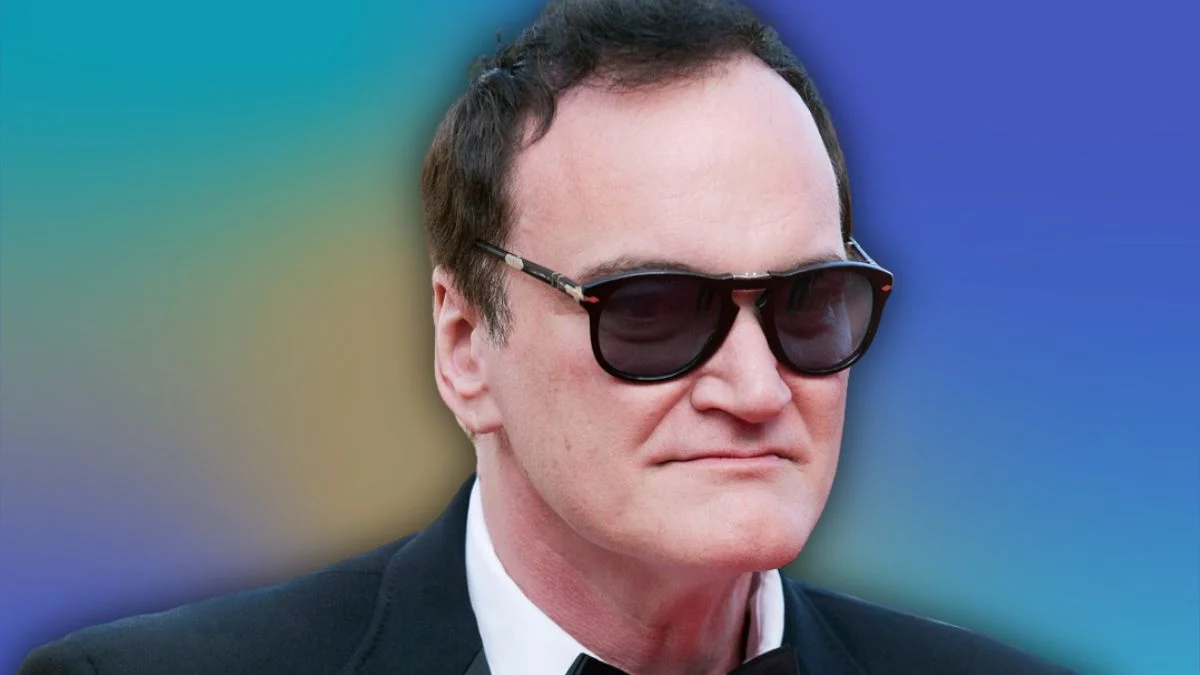

Throughout the last three decades, Quentin Tarantino has consistently broadcast his unyielding perspectives on the film industry to anyone within range. Regardless of whether one values his cinematic insights, his presence has become an inescapable fixture of modern culture.
Even during the early days of promoting his debut feature, Reservoir Dogs, he carried himself with the assurance of a seasoned professional. He leaned heavily on an extensive mental archive of film history, frequently answering inquiries by citing numerous obscure motion pictures with a sense of immense self-gratification.
While his success as a two-time Oscar winner and highly influential auteur is undeniable, there remains one specific area where his confidence appears entirely misplaced. Despite a track record of underwhelming performances in both his own work and the projects of others, he remains convinced of his own acting caliber.
This misplaced belief reached a disastrous peak when he decided to bring his limited dramatic range to the Broadway stage. In 1998, he accepted a leading role in a revival of Wait Until Dark, a move that many viewed as a bizarre and ill-fated experiment.
The theatrical community was largely unimpressed, and the production was shuttered after only sixteen weeks due to overwhelmingly negative reviews. A close associate later described the experience to Vanity Fair as a brutal wake-up call for the director.
“That was really horrible,” the source remarked, noting that it felt as though the filmmaker had been set up for failure. “He was like fodder, thrown up there to get the s**t kicked out of him,” the friend suggested, implying the casting was more about spectacle than talent.
The transition from minor cameos in independent films to a leading role on Broadway proved to be an insurmountable leap for the director. The resulting critical failure served as a harsh reality check, effectively grounding him after years of rising industry adulation.
According to the same source, the intensity of the backlash left a lasting mark on his psyche. “He was traumatised by that resounding slam that was delivered to him by the New York critics,” the friend explained, adding that the experience “scared him.”
Tarantino has spent a portion of 2026 overseeing the programming for his independent theater in Los Angeles, the New Beverly Cinema, which remains dedicated to 35mm film screenings, reflecting his ongoing commitment to the preservation of traditional celluloid projection.
While his acting aspirations have largely cooled since the late nineties, his influence as a writer and director shows no signs of waning. Even as he approaches his self-imposed retirement from the director’s chair, the industry remains fixated on how he will conclude one of the most storied careers in Hollywood history.
Have something to add? Share your thoughts in the comments.