Actresses Who Refused to Work With Problematic Directors and Were Secretly Punished for It



The entertainment industry has long been shaped by power dynamics that often left performers vulnerable to exploitation and retaliation. For decades many actresses found themselves in difficult positions when faced with inappropriate demands from influential directors and producers. While some chose to speak out immediately others faced a quiet and professional punishment that stalled their careers for years. These stories reveal the hidden costs of maintaining personal integrity in a system that often prioritized silence over safety. The following list examines the women who stood their ground and the consequences they faced for their courage.
Salma Hayek Pinault

Salma Hayek Pinault endured years of harassment and threats while working with Harvey Weinstein on the film ‘Frida’. She consistently refused his inappropriate demands and sexual advances throughout the production process. The producer retaliated by threatening to pull funding and claiming he would give the role to another actress. Her career faced significant hurdles as she was forced to navigate the influence of a powerful figure who sought to undermine her success. This experience eventually became a public example of the systemic abuse present in the film industry.
Ashley Judd
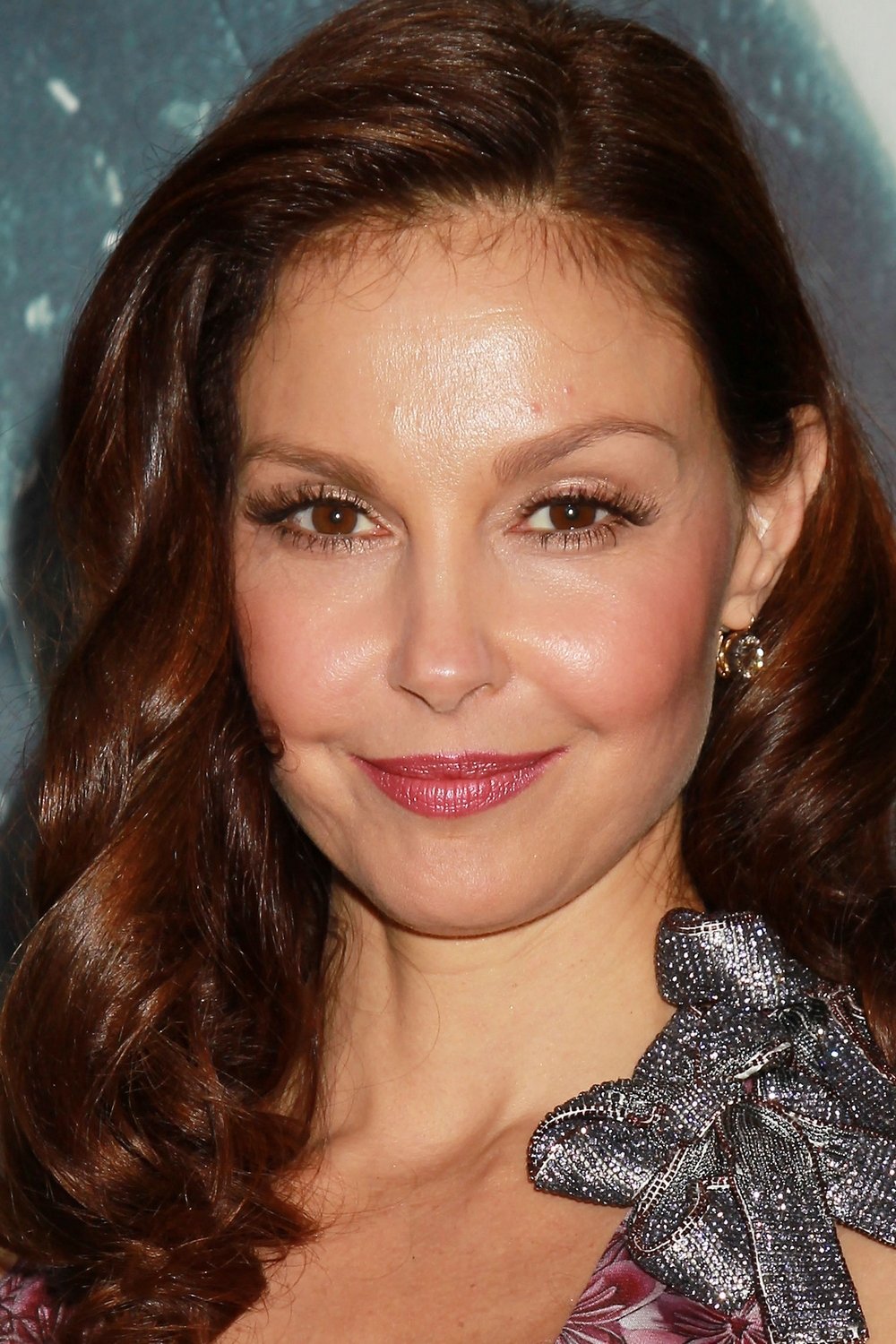
Ashley Judd was one of the first high profile actresses to come forward with allegations against a major studio executive. She rejected unwanted advances during a professional meeting at a hotel which led to immediate professional consequences. Director Peter Jackson later revealed that he was told by the studio to avoid casting her because she was difficult to work with. This secret blacklisting prevented her from securing major roles in franchises like ‘The Lord of the Rings’. Her bravery in speaking out eventually shed light on how careers were quietly dismantled by influential figures.
Mira Sorvino
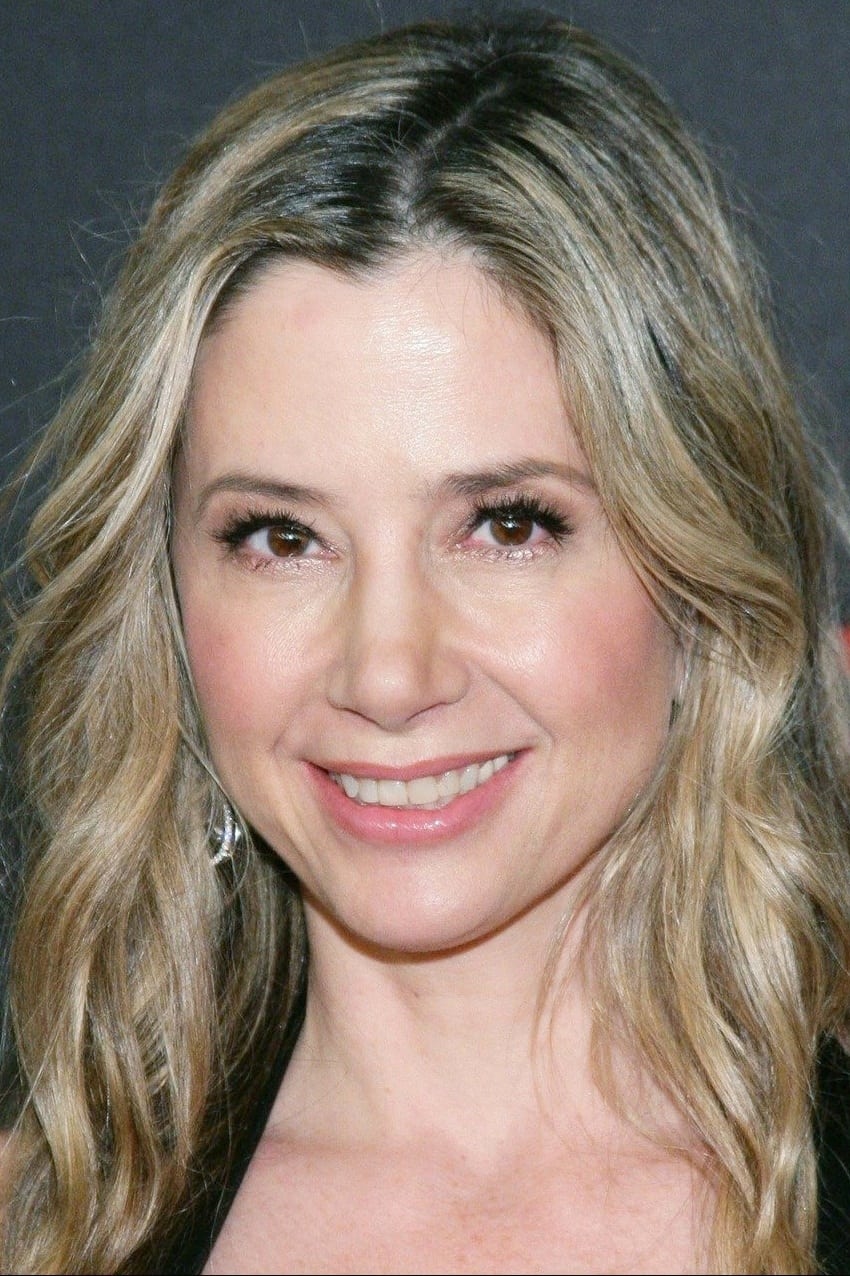
Mira Sorvino won an Academy Award for her role in ‘Mighty Aphrodite’ but saw her career stall shortly afterward. She had rebuffed advances from an influential producer who then actively worked to derail her professional opportunities. It was later confirmed that studio executives spread false rumors about her being difficult to maintain on set. These backroom conversations led to her being excluded from high budget productions for several years. She remains a prominent voice in the movement to protect actors from workplace harassment and retaliation.
Rose McGowan

Rose McGowan faced severe professional repercussions after an encounter with a powerful studio head in the late nineties. She was reportedly blacklisted from certain projects and found herself struggling to secure major studio roles. The actress has stated that her career was intentionally stifled as a result of her refusal to remain silent about industry misconduct. Her experiences led her to become a central figure in exposing the dark underbelly of Hollywood power dynamics. She eventually transitioned away from traditional acting to focus on activism and independent creative projects.
Annabella Sciorra
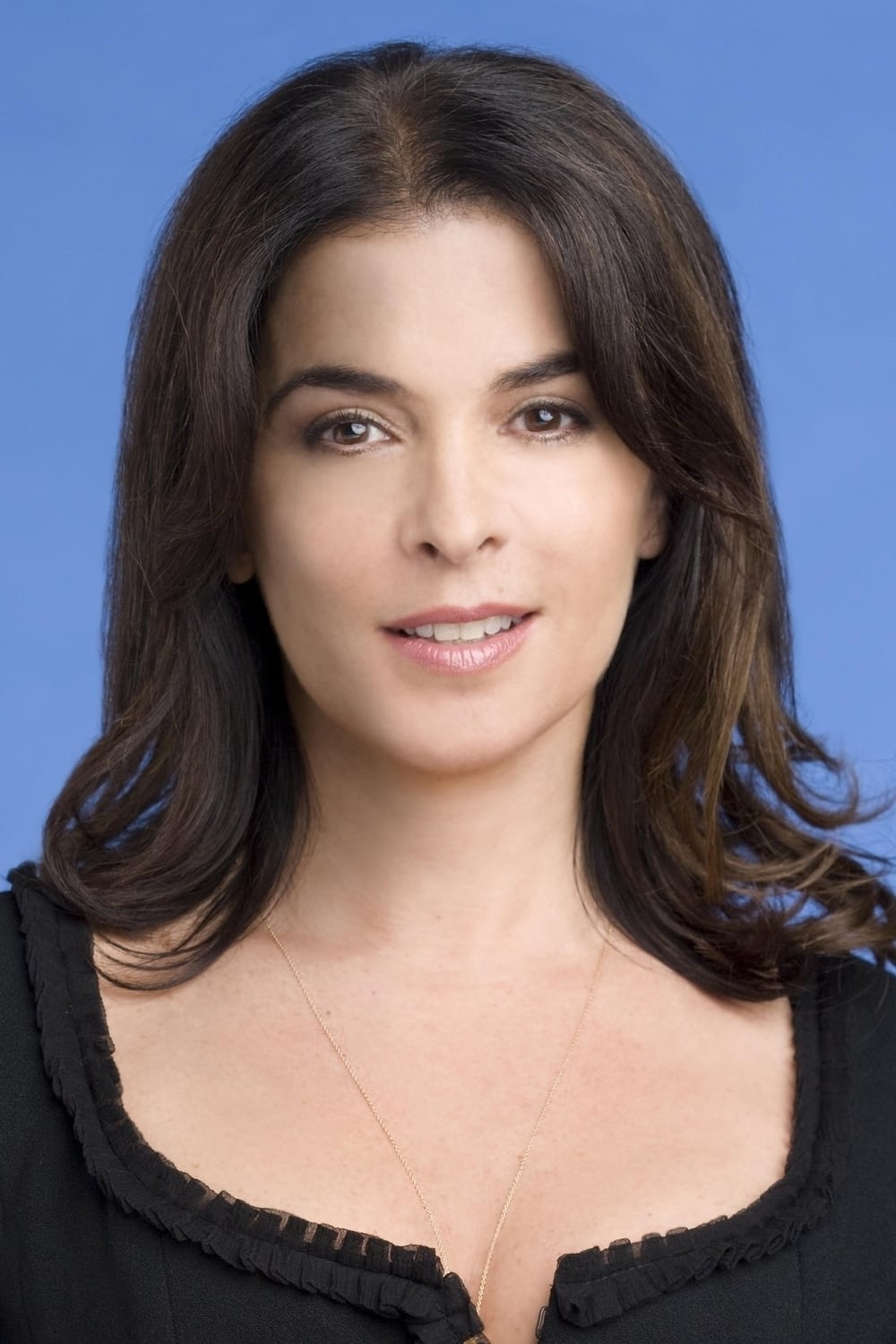
Annabella Sciorra was a rising star in the early nineties with notable roles in films like ‘The Hand That Rocks the Cradle’. After resisting the advances of a prominent producer she noticed a sudden decline in the quality of roles offered to her. She has described how she felt sidelined by the industry she once thrived in for many years. It was only much later that the full extent of the efforts to suppress her career became known to the public. Her story serves as a reminder of how talented performers were quietly removed from the limelight.
Daryl Hannah
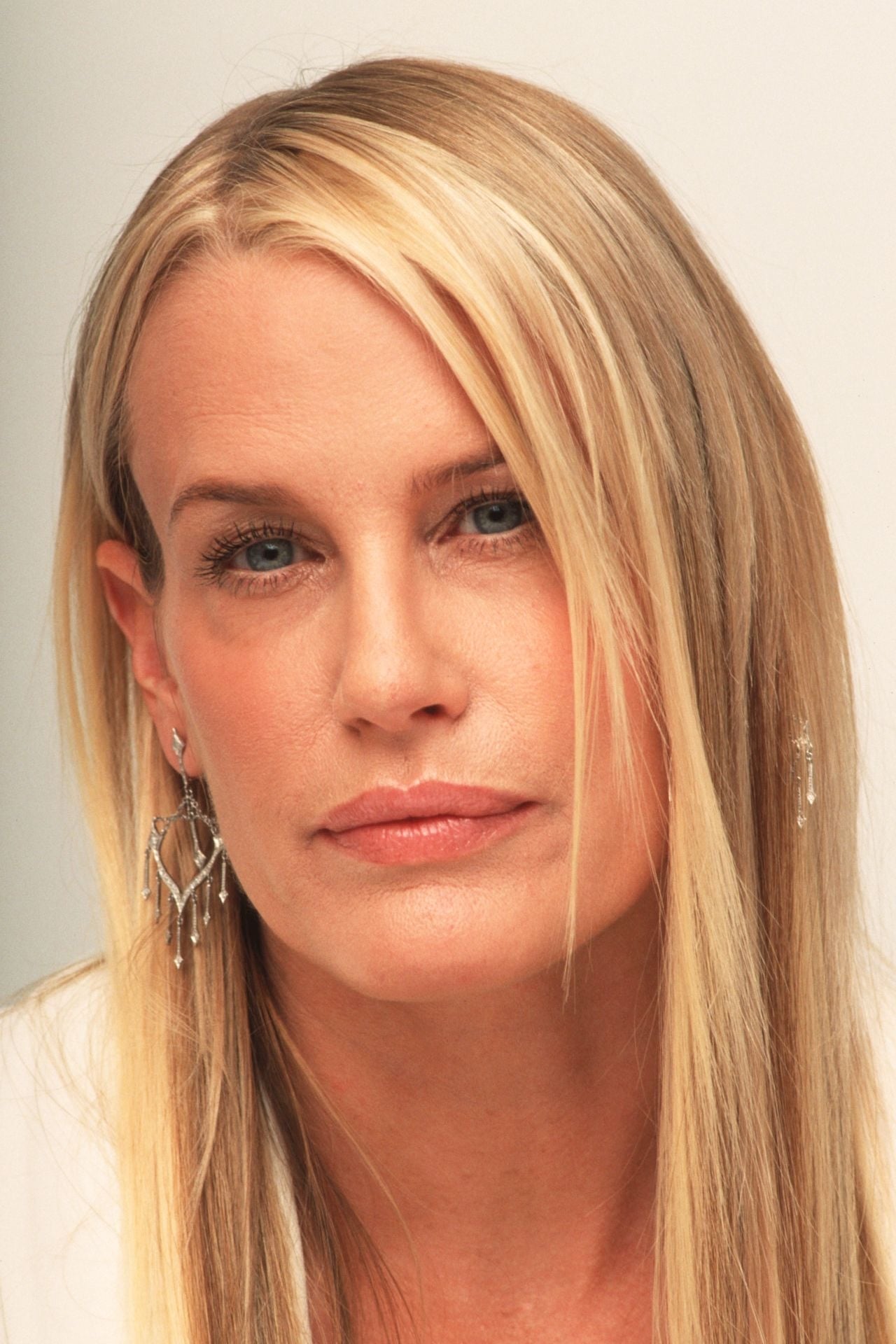
Daryl Hannah experienced significant professional friction after reporting uncomfortable behavior during the production of a high profile project. She refused to participate in certain promotional activities that she felt were tied to inappropriate requests. Following these incidents she found that major studios were less inclined to cast her in leading roles. Despite her established success in ‘Blade Runner’ and ‘Splash’ she felt a distinct shift in how she was treated by industry gatekeepers. She has since spoken about the importance of maintaining boundaries regardless of the professional cost.
Tippi Hedren
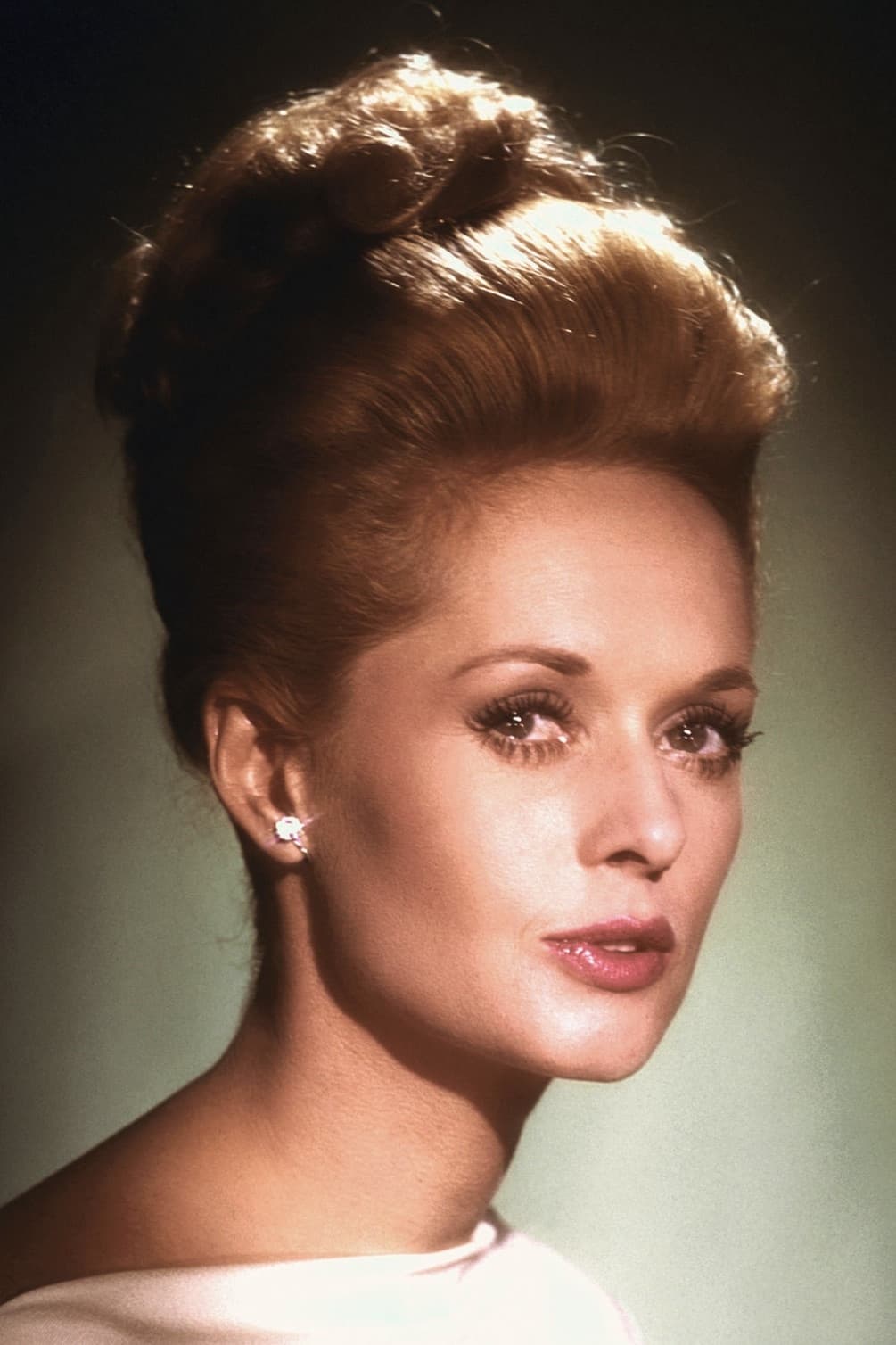
Tippi Hedren famously clashed with director Alfred Hitchcock during the filming of ‘The Birds’ and ‘Marnie’. When she refused his repeated advances he allegedly threatened to ruin her career and kept her under a restrictive contract. This prevented her from working with other directors during the peak of her fame and limited her professional growth. Hitchcock reportedly told other filmmakers that she was not available for work even when she was eager to take on new roles. Her struggle remains one of the most well documented cases of a director using their power to punish an actress.
Mo’Nique
Mo’Nique publicly stated that she was blackballed by several high profile figures in the film industry after her Oscar win for ‘Precious’. She refused to participate in a rigorous and unpaid awards campaign that she felt was exploitative. Following this refusal she claimed that directors and producers were told she was difficult to work with on set. This led to a significant gap in her filmography despite her critical acclaim and industry recognition. She has spent years advocating for fair treatment and transparency in how actors are compensated and treated.
Katherine Heigl
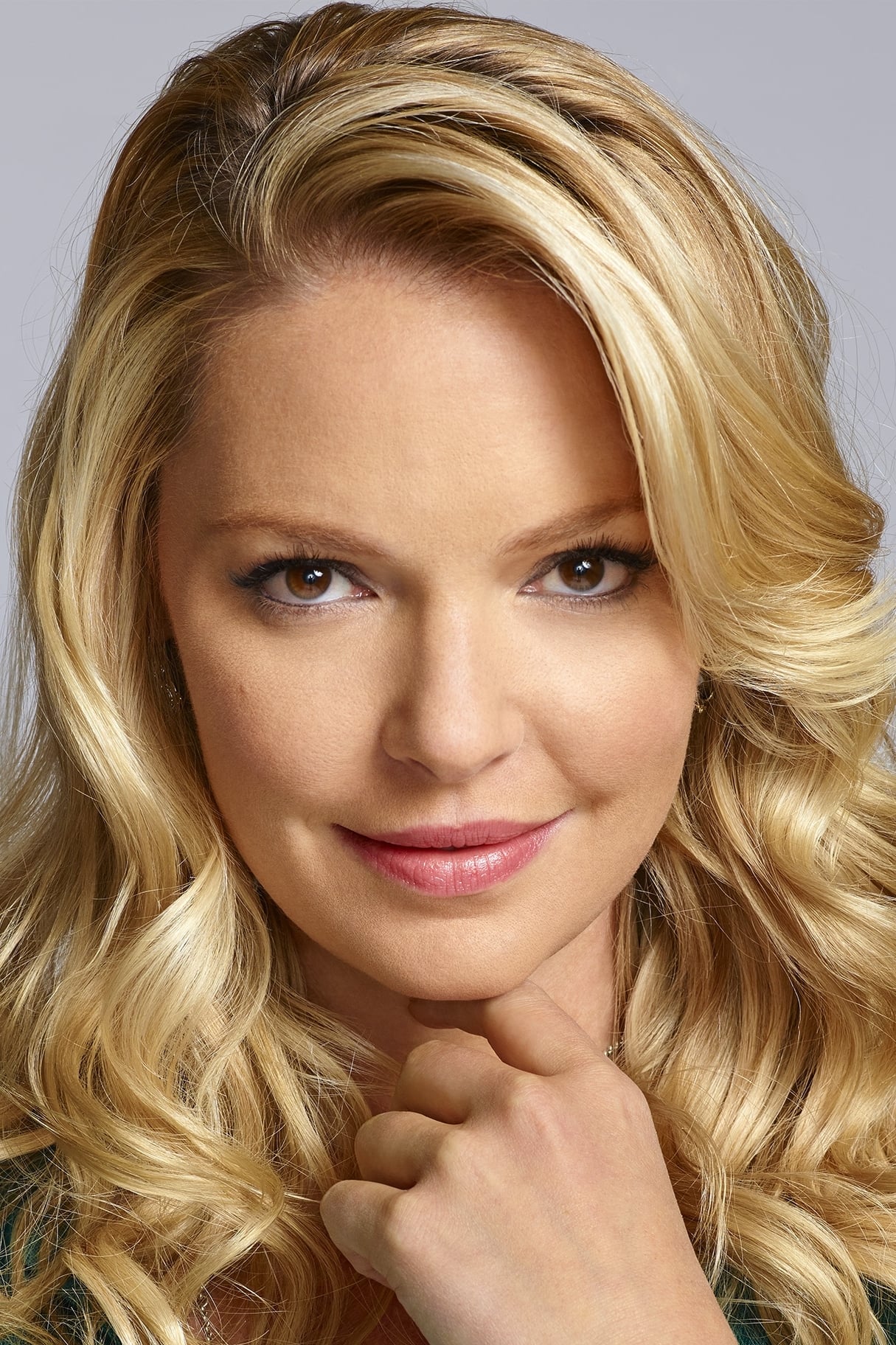
Katherine Heigl faced a significant backlash after she criticized the working conditions and writing on the set of ‘Knocked Up’. She also withdrew her name from Emmy consideration for ‘Grey’s Anatomy’ citing a lack of quality material provided by the showrunners. These actions led to her being labeled as difficult and ungrateful by several powerful directors and producers. Consequently she saw a sharp decline in the number of romantic comedies and prestige dramas she was invited to lead. The industry narrative around her persona significantly impacted her ability to secure steady work for over a decade.
Sondra Locke

Sondra Locke was an accomplished actress whose career was inextricably linked to director Clint Eastwood for many years. After their personal and professional relationship ended she filed a lawsuit alleging that he sabotaged her career by arranging a sham deal at a major studio. She claimed the studio never intended to produce her projects and only signed her as a favor to her former partner. This legal battle exposed how professional connections could be used to quietly block an individual from working. She eventually reached a settlement but her career as a director and actress never fully recovered from the conflict.
Sean Young
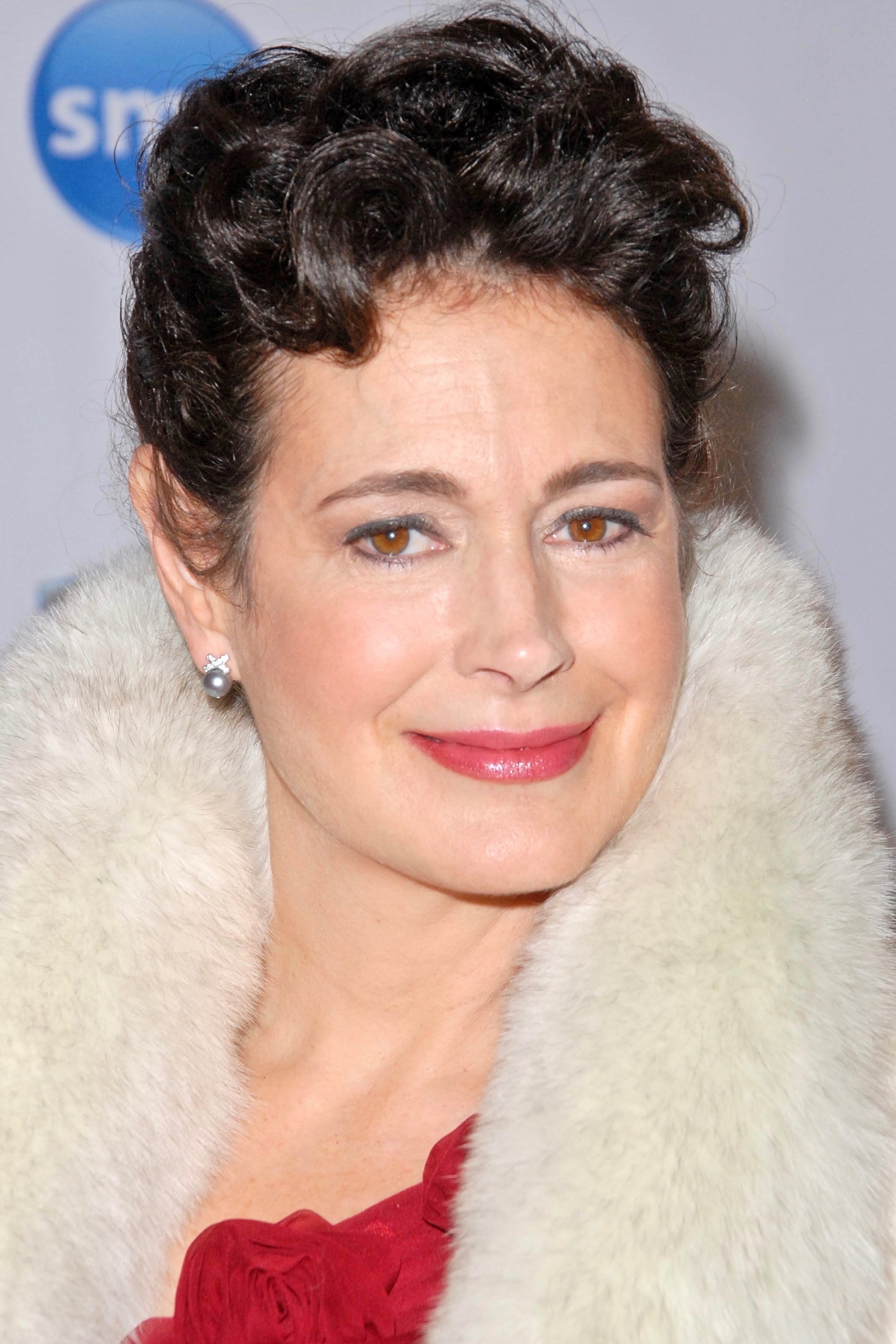
Sean Young was a major star in the eighties with iconic roles in ‘Blade Runner’ and ‘No Way Out’. Her career took a turn after she had public disputes with several high profile directors and actors. She claimed that her refusal to comply with certain industry expectations led to her being unfairly labeled as unstable. This reputation made it difficult for her to secure work in major studio productions for many years. She has since been vocal about the double standards applied to women who speak up for themselves in Hollywood.
Asia Argento
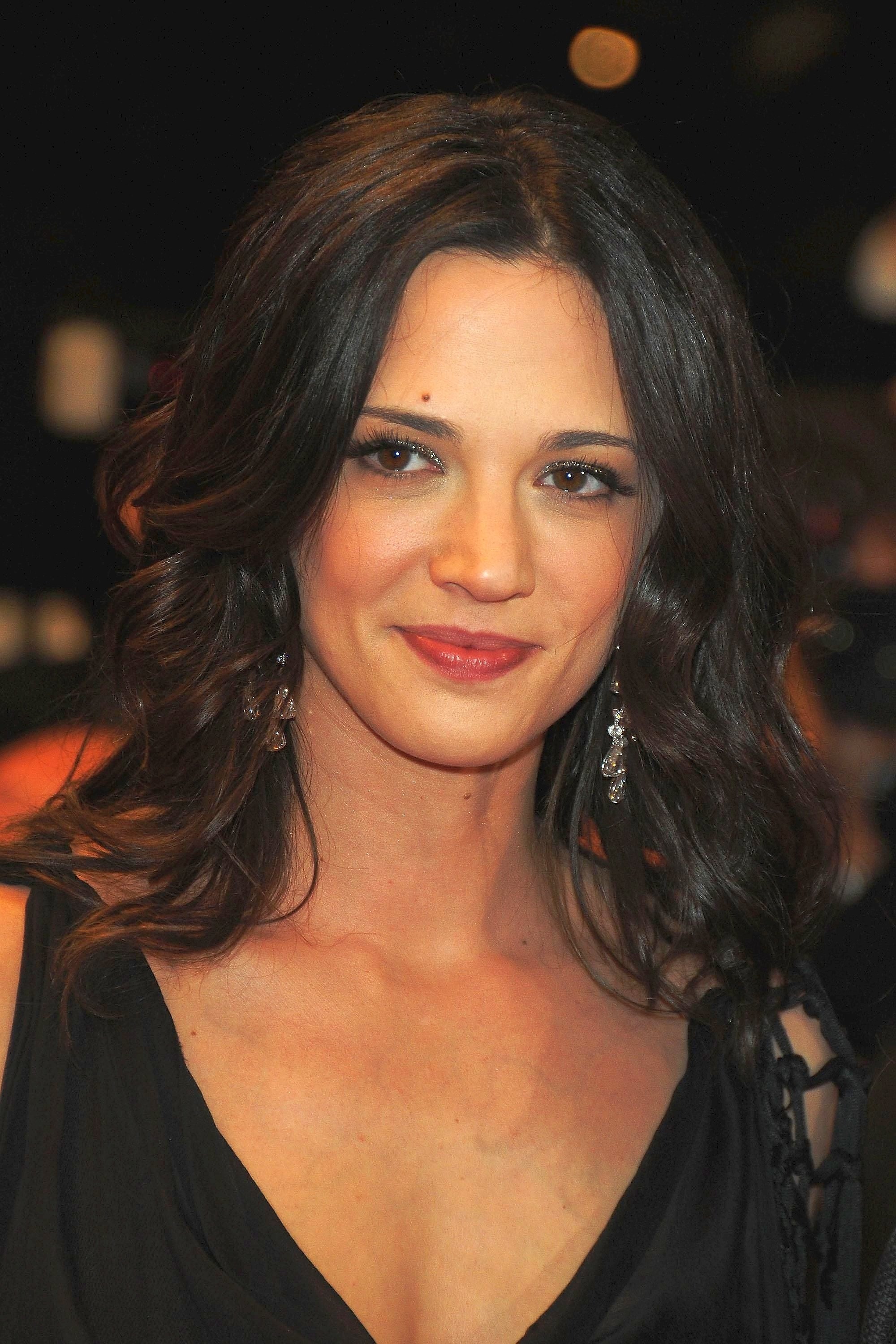
Asia Argento was one of the many actresses who spoke out about being targeted by a powerful producer early in her career. She has described how her career in the United States was affected after she resisted the established power structures of the time. The actress found that her opportunities in Hollywood were limited compared to her success in European cinema. She later became a pivotal figure in the global movement to hold industry predators accountable for their actions. Her experiences highlight the international reach of the systemic issues within the entertainment industry.
Rosanna Arquette
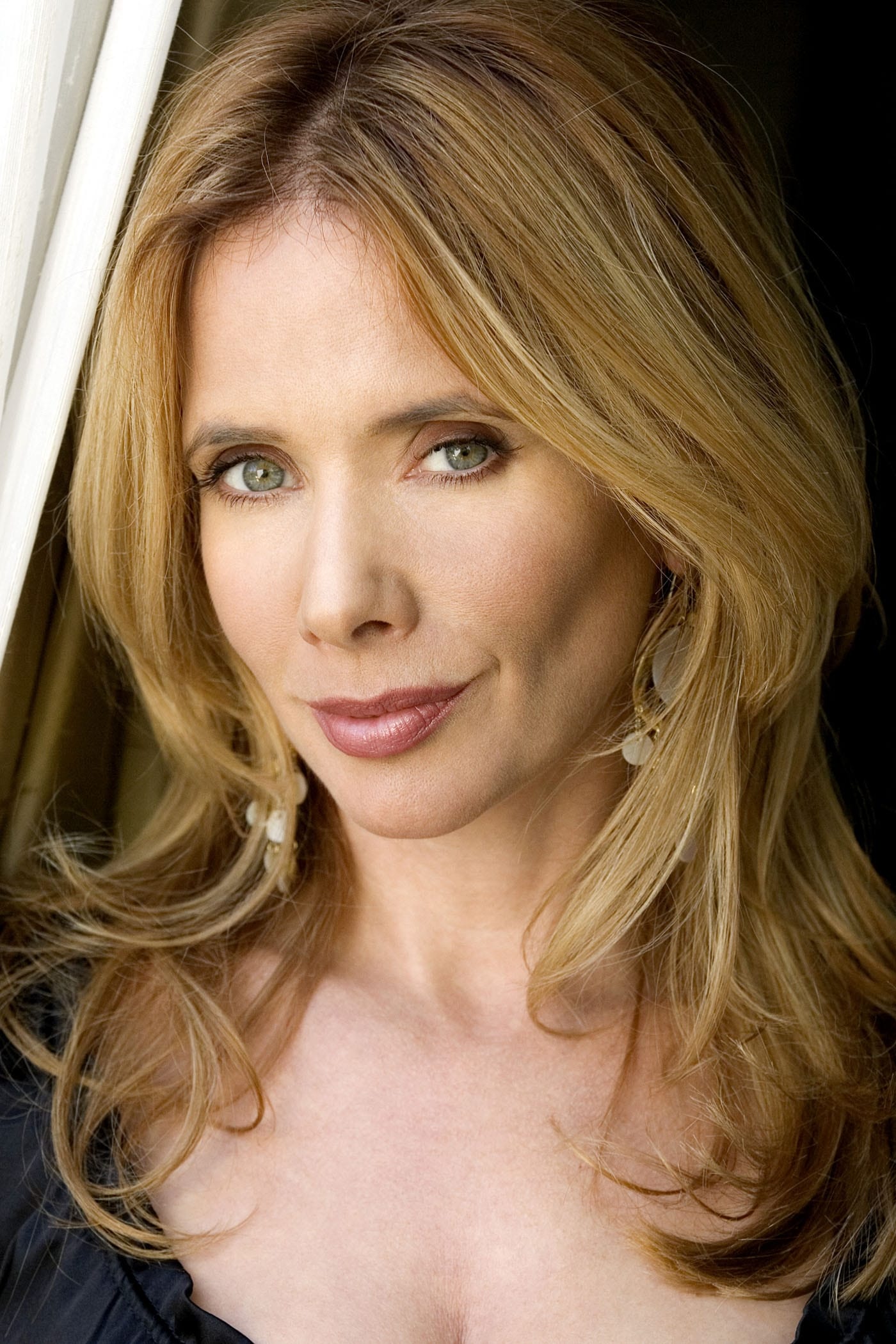
Rosanna Arquette enjoyed a successful career in the eighties but noticed a change after rejecting the advances of an influential studio executive. She found that the frequent offers for leading roles began to dwindle as she was quietly excluded from major projects. The actress has since shared how the experience impacted her professional confidence and financial stability. It was decades before the full scope of the retaliation against her and her peers was brought to light. She now advocates for systemic changes to ensure that future generations of performers are protected from such treatment.
Lupita Nyong’o

Lupita Nyong’o shared her story of encountering a powerful producer who attempted to use his influence to pressure her into an uncomfortable situation. She detailed how she had to carefully navigate these interactions early in her career to avoid professional fallout. While she has maintained a successful career she noted the heavy burden of managing such encounters while trying to build a professional reputation. Her account provided insight into how even highly talented and successful newcomers are subjected to these power dynamics. She emphasized the importance of community and support among women in the industry to combat these issues.
Léa Seydoux
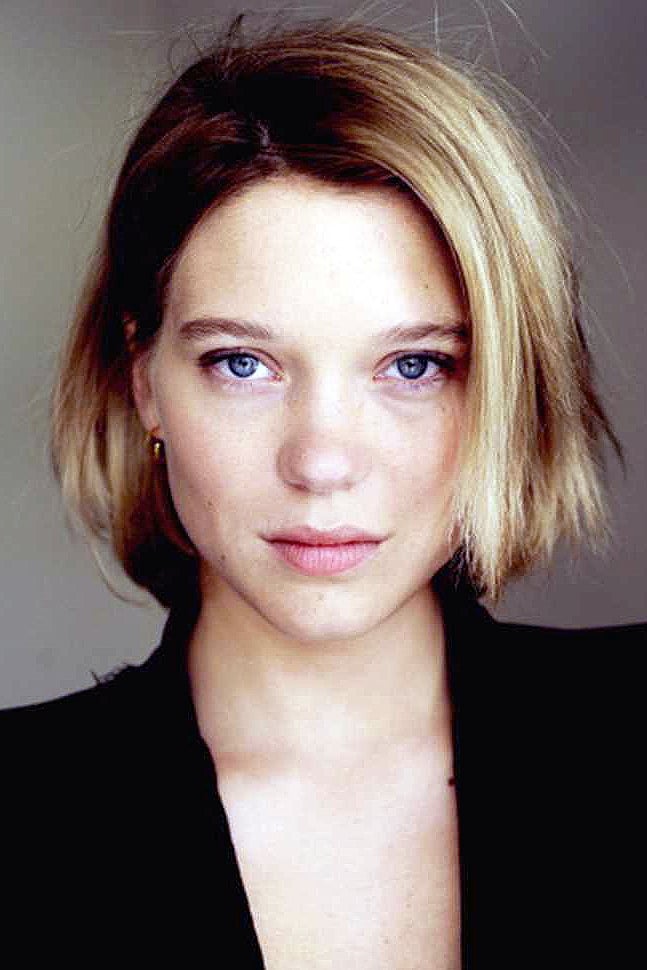
Léa Seydoux has been open about the difficult working conditions she faced while filming ‘Blue Is the Warmest Colour’ under director Abdellatif Kechiche. She and her co-star criticized the director for his demanding and sometimes insensitive approach to filming intimate scenes. Following these public comments she faced criticism from some industry figures for being ungrateful for the film’s success. Despite the controversy she has continued to build a strong international career in major franchises. Her willingness to speak out brought attention to the lack of protections for actors during the filming of sensitive material.
Adèle Exarchopoulos

Adèle Exarchopoulos also spoke out about the grueling experience of working with director Abdellatif Kechiche on the award winning film ‘Blue Is the Warmest Colour’. She described the environment on set as frequently toxic and emotionally draining due to the director’s methods. Her comments led to a public feud with the director who suggested he would struggle to work with her again. This tension created a complicated narrative around her breakout performance and her future in the industry. She has since focused on projects that prioritize a more respectful and collaborative working environment.
Megan Fox

Megan Fox was famously fired from the ‘Transformers’ franchise after she compared director Michael Bay to a dictator in an interview. Her comments about his on set behavior and management style led to immediate repercussions and a public falling out. She was replaced in the third installment of the series and faced a period of professional stagnation. The actress has since discussed how she was portrayed by the media and the industry as difficult following her departure. Her experience is often cited as a high profile example of the consequences of speaking out against a powerful director.
Charisma Carpenter
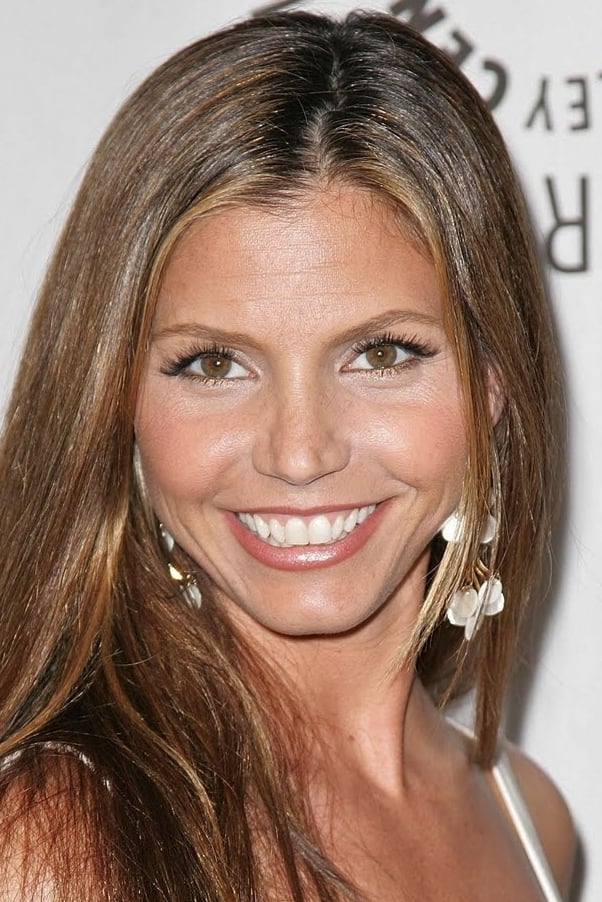
Charisma Carpenter spoke out years later about the toxic work environment she experienced on the sets of ‘Buffy the Vampire Slayer’ and ‘Angel’. She alleged that director and creator Joss Whedon behaved unprofessionally and retaliated against her after she became pregnant. Her character was written off the show in a way that many fans and critics found unsatisfying at the time. The actress detailed how these experiences affected her mental health and her desire to remain in the industry. Her courage sparked a wider conversation about the treatment of actors in long running television series.
Evan Rachel Wood

Evan Rachel Wood has been a leading voice in exposing the abuse she suffered at the hands of a high profile figure in the entertainment industry. She detailed how the trauma she experienced impacted her ability to work and her professional relationships for many years. The actress has spent significant time advocating for legal changes to protect survivors of domestic and professional abuse. Her career has been marked by a transition toward roles that allow her to explore complex and meaningful themes. She continues to use her platform to push for accountability and safety in all areas of production.
Natasha Henstridge
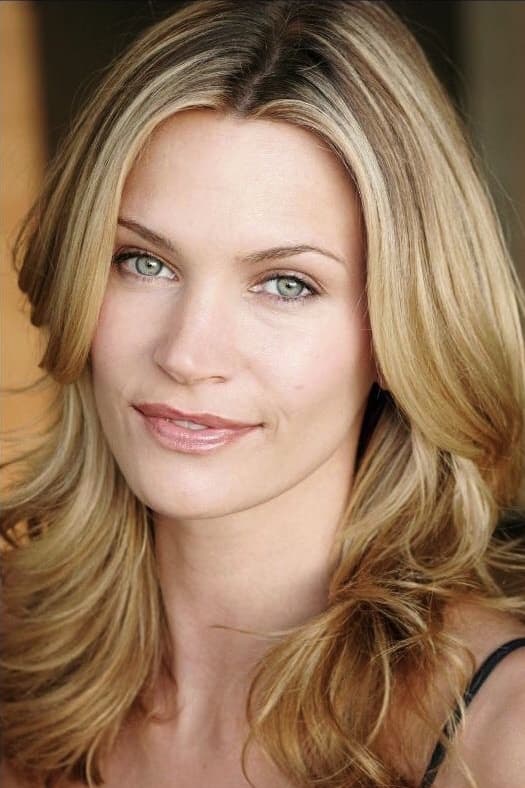
Natasha Henstridge came forward with allegations against director Brett Ratner regarding incidents that occurred early in her career. She described how the power imbalance made it difficult to speak out at the time without fearing for her future in the industry. Following her allegations she joined several other women in calling for a change in how the industry handles complaints of misconduct. Her career path was influenced by the need to navigate these challenging environments while maintaining her professional integrity. She remains active in the industry and continues to support efforts for greater transparency.
Olivia Munn

Olivia Munn faced backlash after she reported that a registered sex offender had been cast in the film ‘The Predator’. She spoke to the studio and the director about her concerns regarding the safety of the cast and crew. Following her report she noted a cold reception from some of her colleagues and a lack of support during the film’s promotional tour. The actress stated that she felt isolated for doing what she believed was the right thing for the production. Her actions highlighted the friction that can occur when an actor prioritizes ethics over industry silence.
Björk
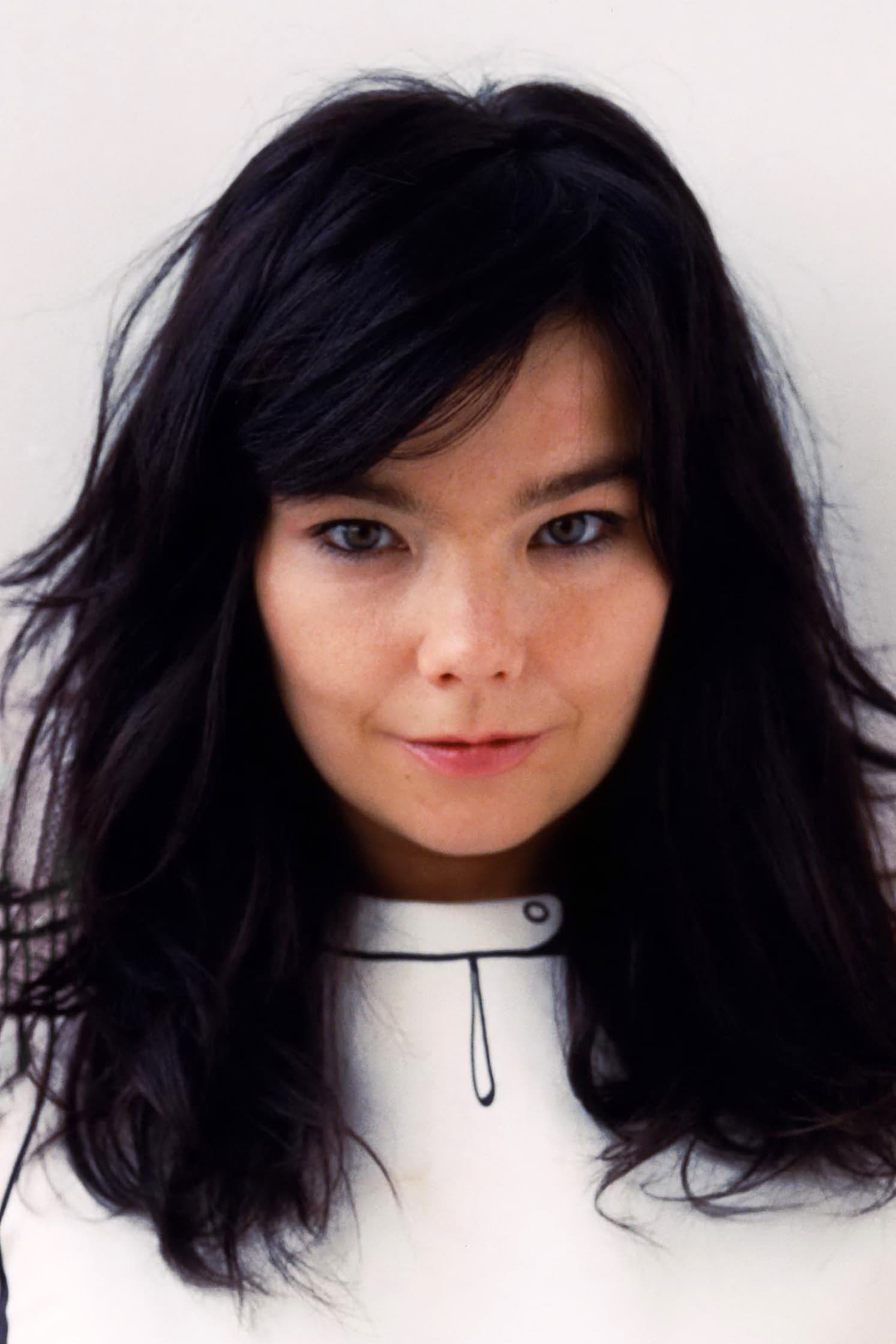
Björk had a famously difficult experience working with director Lars von Trier on the film ‘Dancer in the Dark’. She described the director’s behavior as emotionally manipulative and claimed that he made the filming process an ordeal. After the film was completed she vowed never to act in a major motion picture again for many years. Her allegations of harassment were met with denials from the director and his production company. She eventually returned to acting in a limited capacity but remained wary of the traditional film industry structure.
Nicole Kidman

Nicole Kidman worked with Lars von Trier on ‘Dogville’ but notably declined to return for the planned sequels in the trilogy. While she has remained professional her decision to step away from the project was the subject of much industry speculation. Reports suggested that the demanding and unusual directing style contributed to her desire to seek other opportunities. She was replaced by Bryce Dallas Howard for the subsequent film in the series. Her departure signaled a shift in her career toward more collaborative and varied directing partnerships.
Sophie Marceau
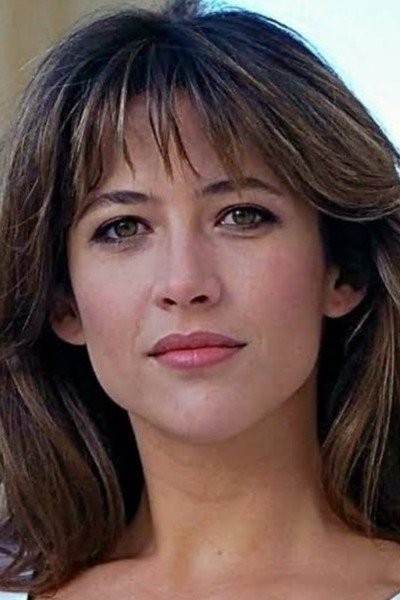
Sophie Marceau expressed strong dissatisfaction with her experience on the set of ‘Braveheart’ directed by Mel Gibson. She has spoken about the challenges of working in an environment that she felt was not conducive to her professional growth. The actress focused much of her subsequent career on French cinema where she felt she had more creative control and respect. Her decision to move away from major Hollywood productions allowed her to maintain her artistic integrity. She continues to be one of the most respected figures in international cinema today.
Isabelle Adjani
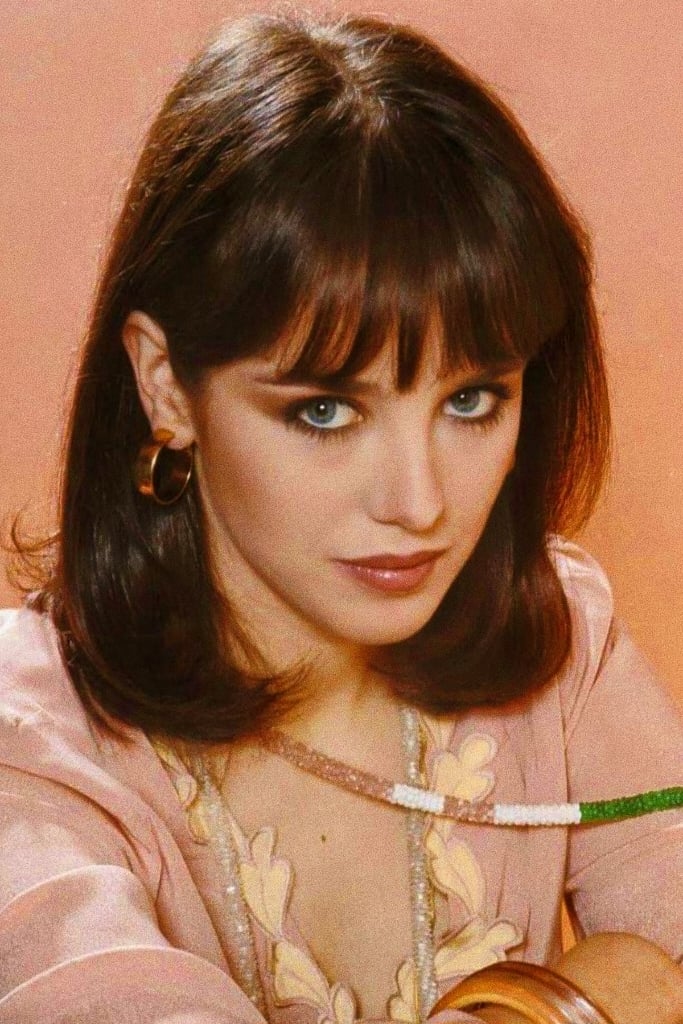
Isabelle Adjani is known for her intense performances but has also had several public disagreements with directors over their methods. She has been selective about her roles and has not hesitated to walk away from projects that did not meet her professional standards. This selective nature has sometimes been misinterpreted by the industry as her being difficult to cast. However she has maintained a legendary status in cinema by prioritizing quality and respect in her work. Her career serves as a blueprint for maintaining autonomy in a demanding industry.
Julie Delpy
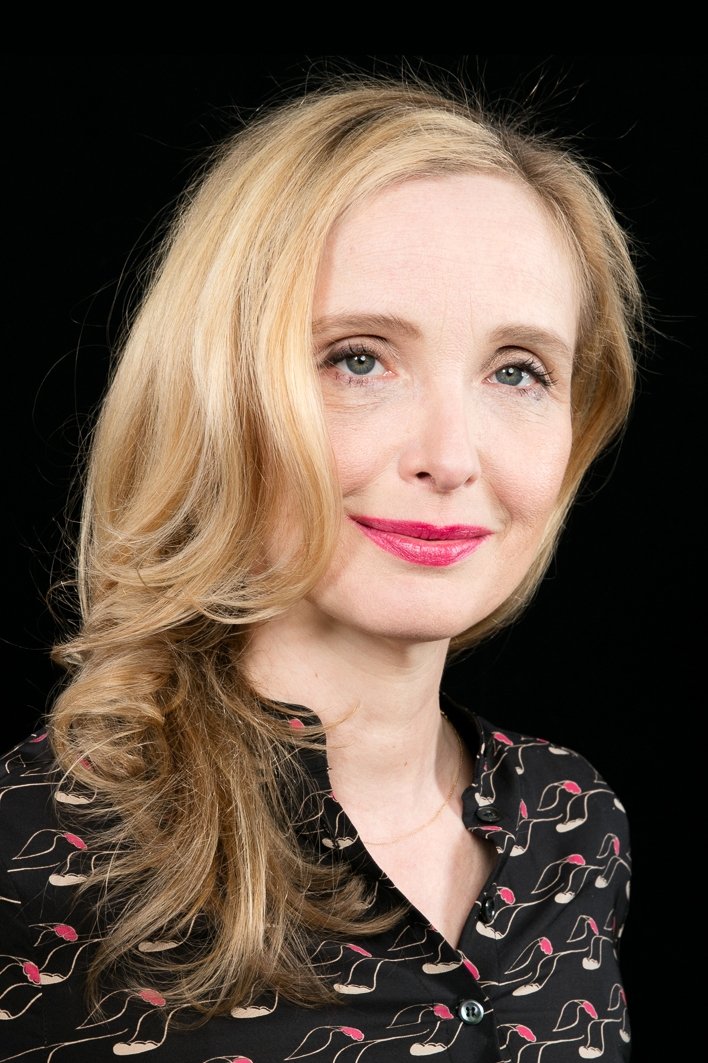
Julie Delpy has discussed her experiences with powerful producers and the challenges of being a woman in the film industry. She mentioned that her refusal to play along with certain industry games led to her being overlooked for major roles. The actress eventually shifted her focus to writing and directing her own projects to gain more control over her career. This move allowed her to create the acclaimed ‘Before’ trilogy and other independent works. She remains a vocal critic of the gender disparities and power imbalances that persist in Hollywood.
Heather Graham

Heather Graham shared her experience of being approached by a powerful producer with a proposition that she found inappropriate. She explained how she declined the offer and noticed a subsequent lack of opportunities coming from that particular studio. The actress noted that such encounters were a common hurdle for many women trying to establish themselves in the industry. Despite these challenges she has maintained a steady career across various genres in film and television. Her story contributed to the growing number of accounts detailing the quiet retaliation faced by actresses.
Emma de Caunes
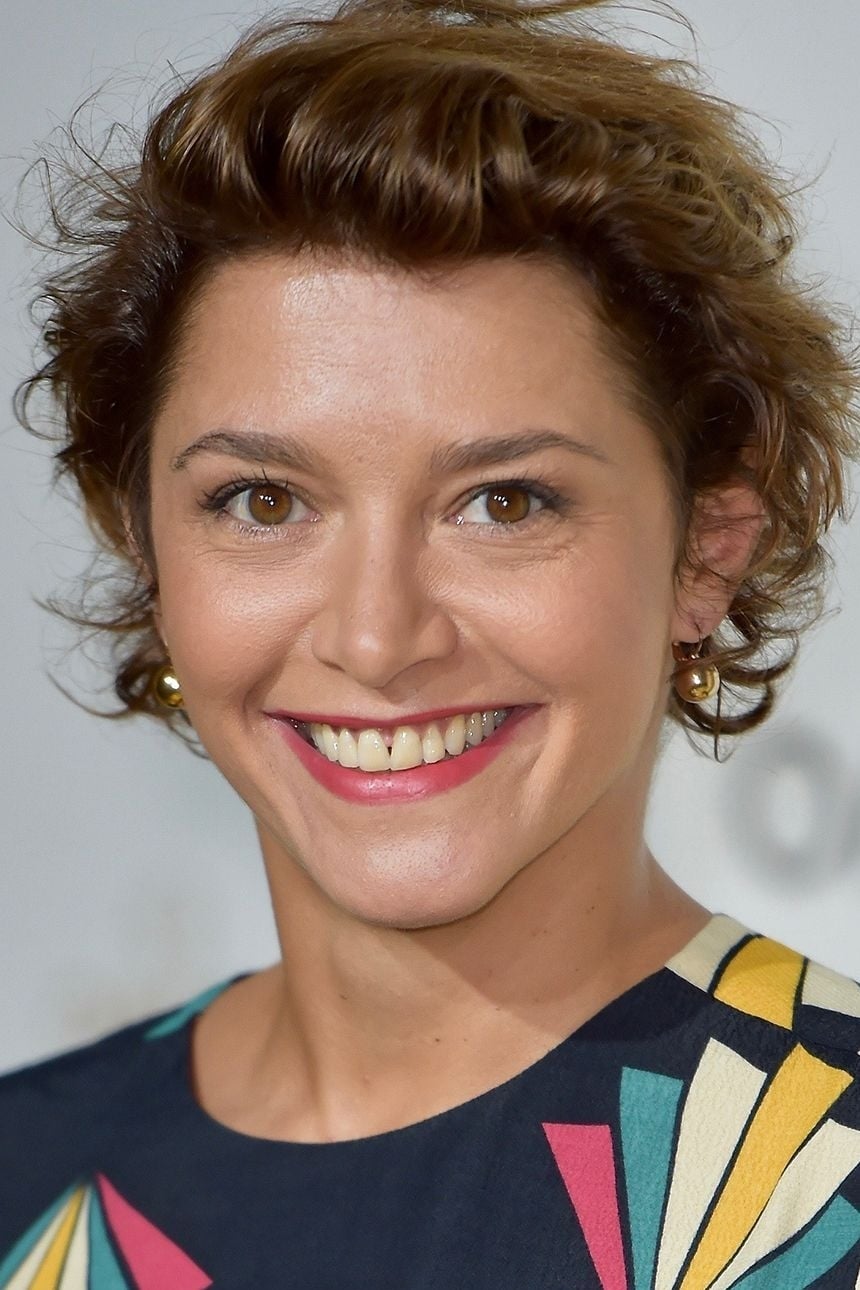
Emma de Caunes was one of the first French actresses to come forward with allegations against a major American producer. She described a meeting that turned uncomfortable and her subsequent decision to leave the situation immediately. The actress found that her opportunities in major international co-productions were impacted by her refusal to comply with the producer’s expectations. She has since been a strong advocate for the rights of actors in the European film community. Her transparency helped pave the way for other international stars to share their own experiences.
Judith Godrèche

Judith Godrèche has recently become a prominent figure in the movement to reform the French film industry. She has spoken out about the abuse she suffered as a teenager at the hands of several established directors. Her revelations have sparked a nationwide conversation in France about the protection of young performers and the abuse of power. She has detailed how her early career was shaped by these traumatic experiences and the silence that surrounded them. Her activism is now focused on creating a safer environment for the next generation of French actors.
Alice Evans

Alice Evans spoke out about her encounter with a powerful studio head and the impact it had on her career trajectory. She described how her refusal to engage in an inappropriate situation led to a sudden lack of interest from major casting directors. The actress has shared her story to help others understand the subtle ways that retaliation can occur in the industry. Her career has included various roles in television and film where she has continued to demonstrate her talent. She remains committed to advocating for better protections and accountability for all performers.
Share your thoughts on these stories of industry resilience in the comments.