LGBTQ Celebrities Who Faced Career Setbacks After Challenging Industry Norms

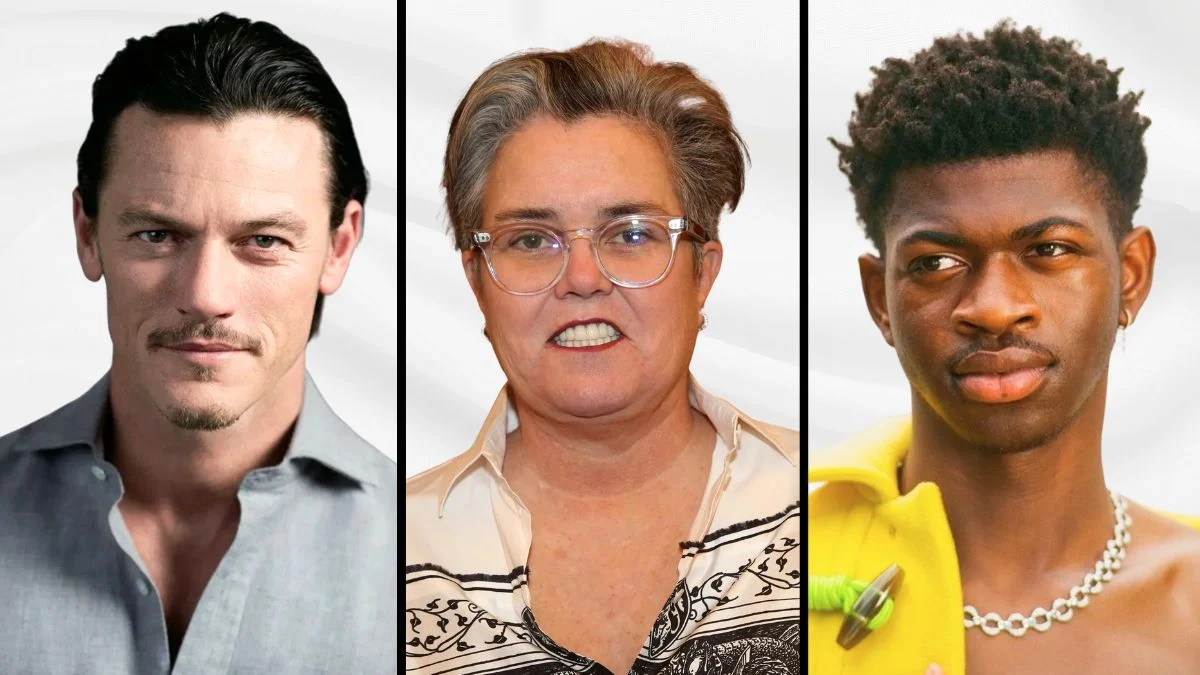

The entertainment industry has historically been a challenging environment for professionals who do not conform to traditional social expectations. Many performers have navigated career setbacks or professional blacklisting after publicly disclosing their sexual orientation or gender identity. While some have made triumphant returns others found their paths permanently altered by systemic biases and public backlash. These stories highlight the ongoing evolution of representation and the personal costs often associated with authenticity in the spotlight.
Ellen DeGeneres
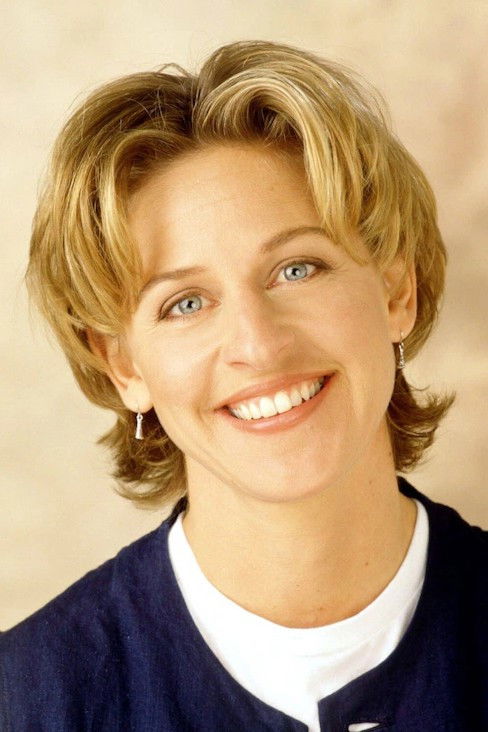
In 1997 she made history by coming out on her sitcom ‘Ellen’ and in a high profile interview. The decision led to the eventual cancellation of her show and a period where she struggled to find work in Hollywood. She faced significant public scrutiny and lost lucrative endorsement deals during the late nineties. It took several years before she successfully transitioned back into the spotlight with her talk show. Her experience remains a landmark moment for queer visibility in mainstream media and paved the way for future generations of performers.
Rupert Everett
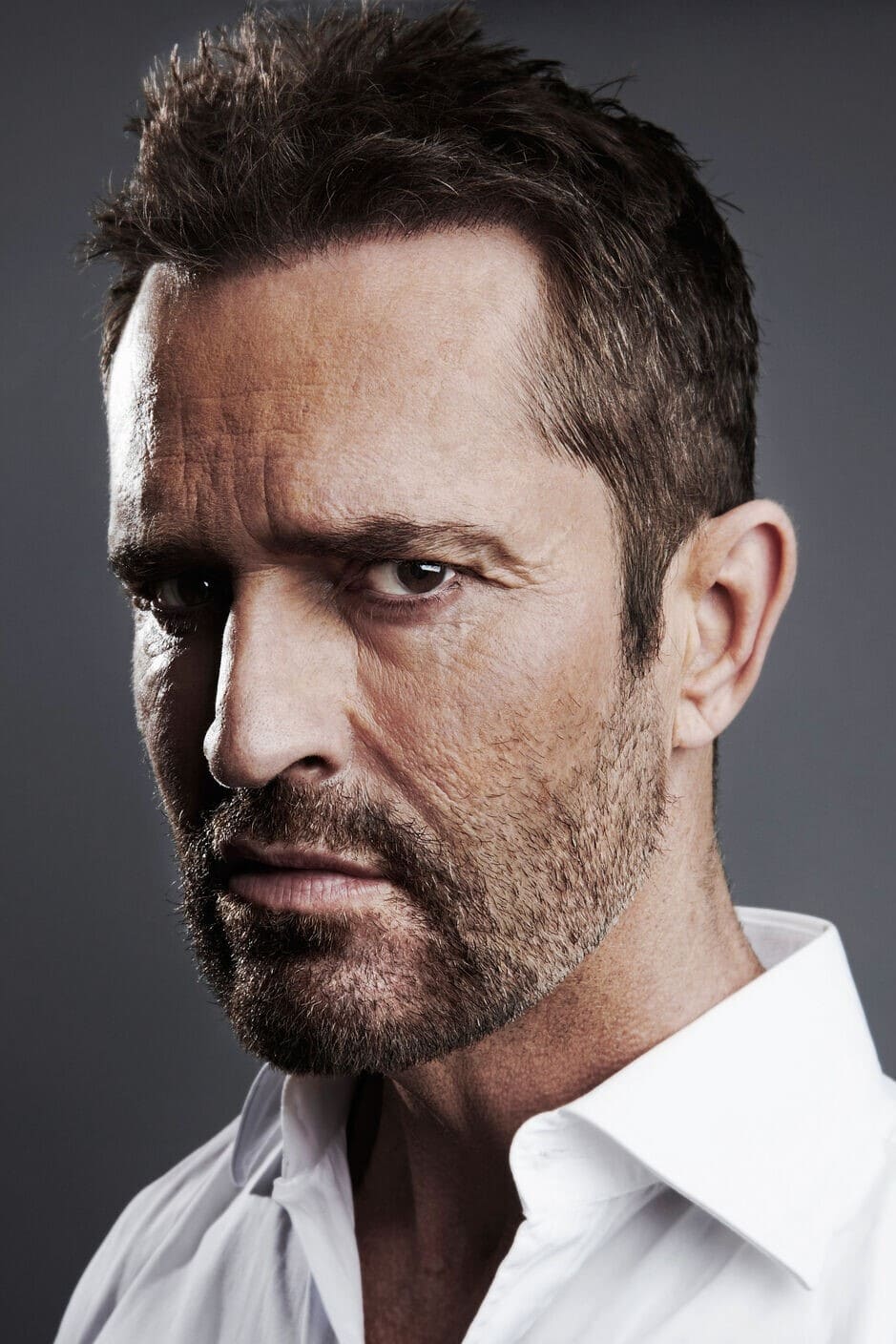
This British actor saw a significant decline in leading man roles after publicly discussing his sexuality in the late eighties. He has often spoken about how being openly gay limited his opportunities for major film parts during the peak of his career. Despite his success in ‘My Best Friend’s Wedding’ the industry remained hesitant to cast him in traditional romantic leads. He transitioned into writing and directing to maintain his presence in the arts. His candidness about the challenges he faced shed light on the pervasive biases within the studio system.
Anne Heche

After she began a high profile relationship with Ellen DeGeneres in the late nineties her film career experienced a noticeable slowdown. She later claimed that her association with the queer community resulted in being dropped from multi million dollar movie deals. Studios reportedly feared that her personal life would alienate audiences for her upcoming big budget projects. While she continued to work in television and independent films she never regained the same blockbuster momentum. Her journey served as a cautionary tale for many actors during that era.
George Michael
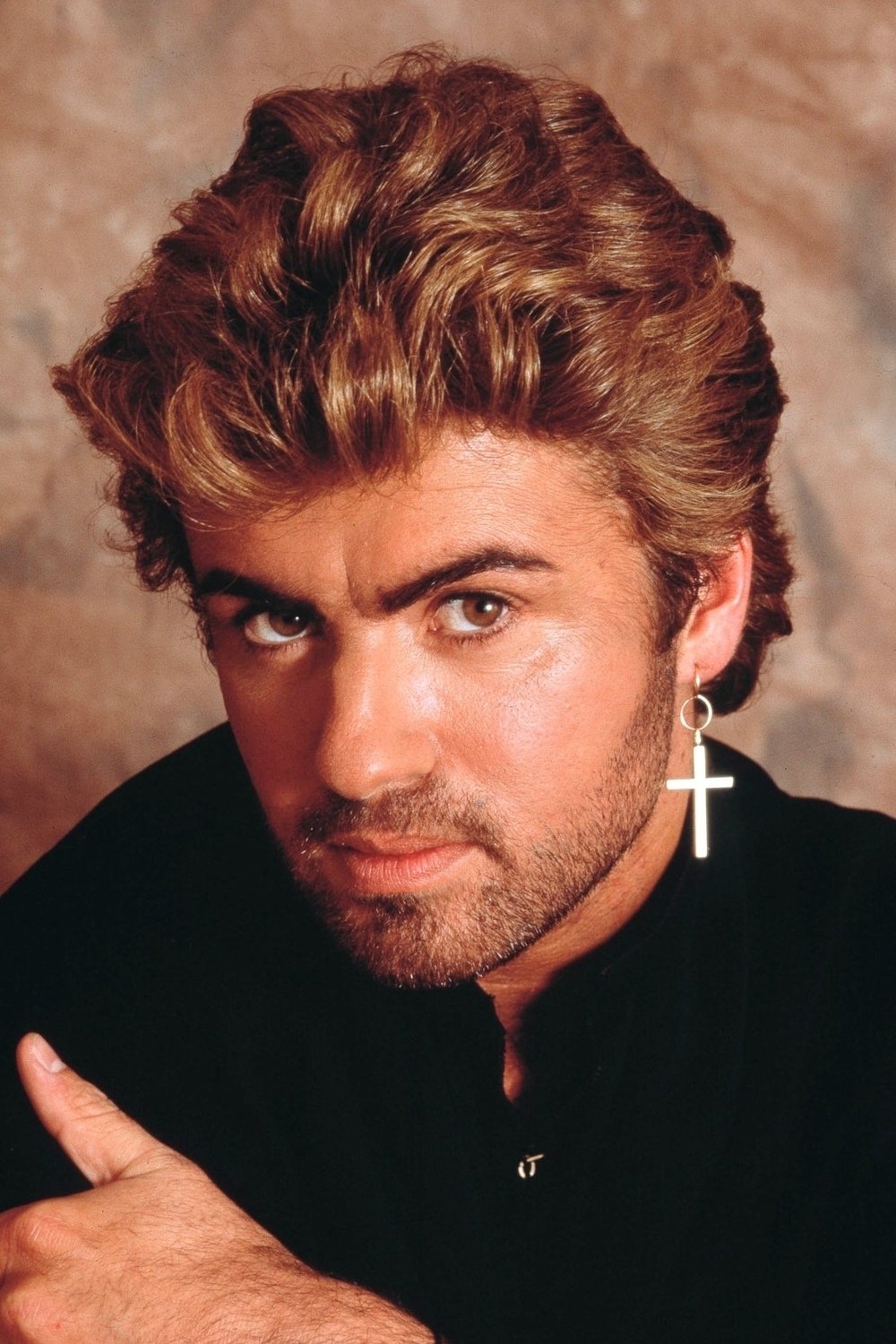
The iconic singer faced a complex relationship with the media and the music industry after his arrest in 1998. This event forced a public discussion about his sexuality that he had previously kept private for many years. His commercial success in the United States dipped significantly following the incident and subsequent legal battles. He used his platform to critique the invasive nature of tabloid culture and the policing of private lives. His resilience ultimately solidified his status as a legendary figure in both music and activism.
Rosie O’Donnell
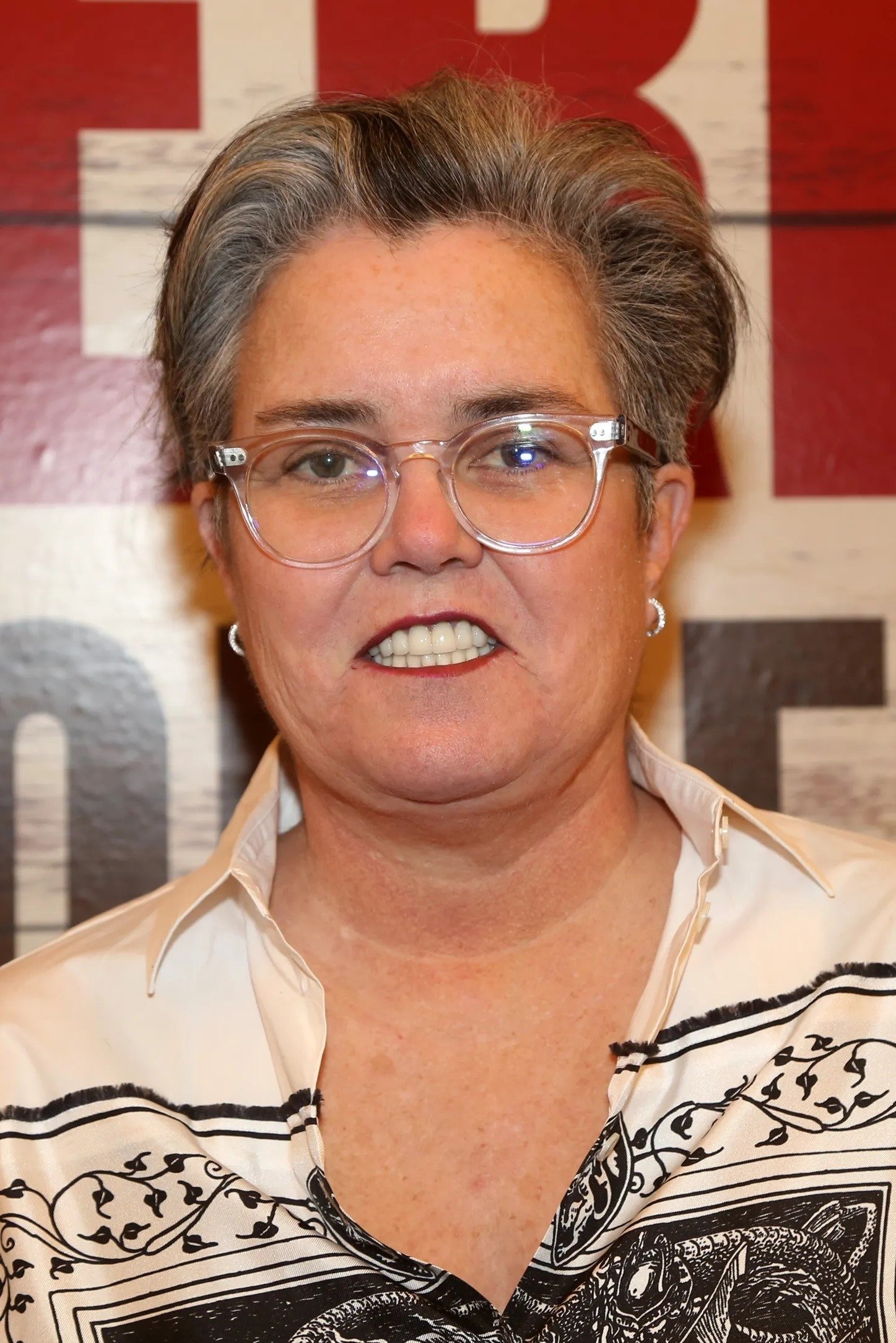
She came out in 2002 while she was one of the most prominent talk show hosts in America. The revelation coincided with a shift in her career focus and a more vocal approach to social justice issues. She faced criticism from conservative groups and a change in how the industry marketed her public image. Despite these challenges she remained a powerful voice for adoption rights and queer families. Her willingness to challenge norms helped pave the way for future queer television personalities.
Lil Nas X
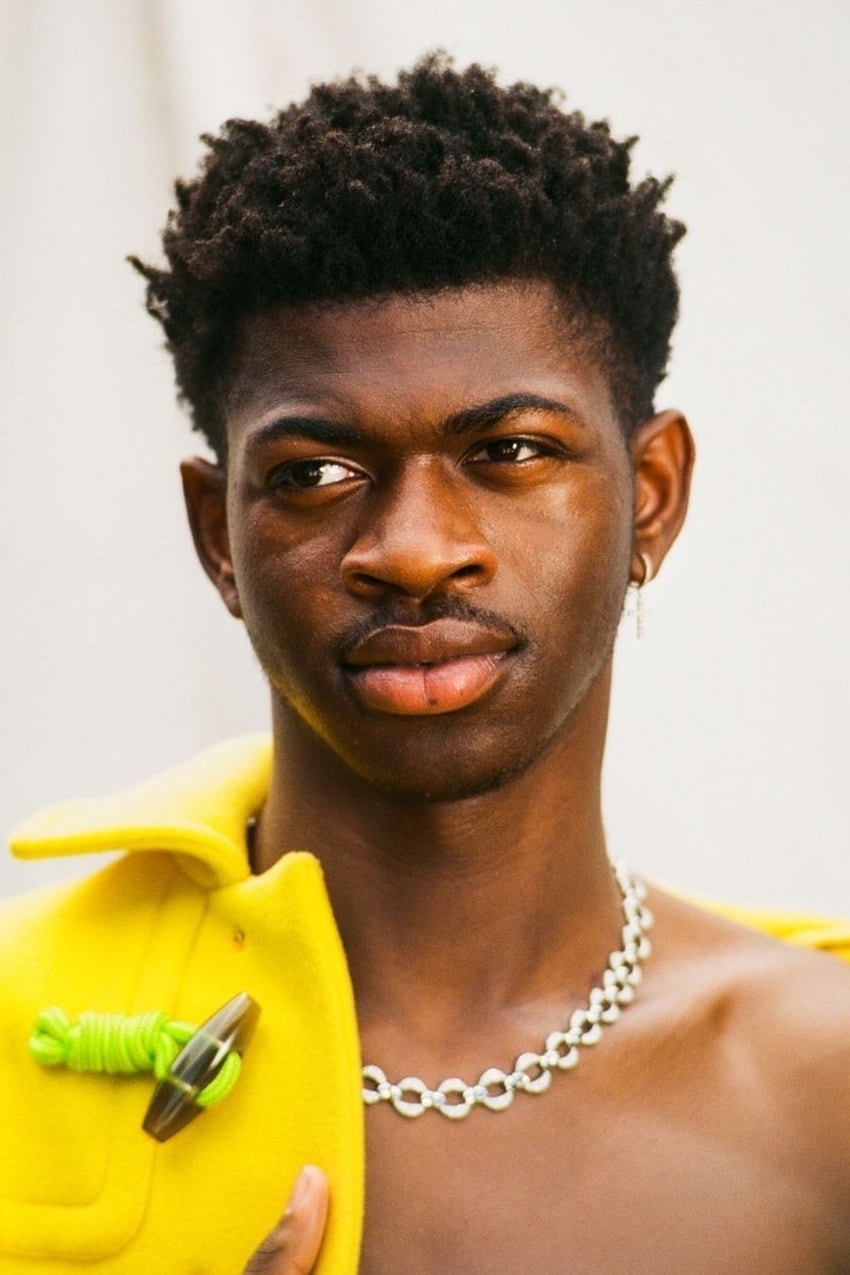
This rapper faced intense backlash from conservative audiences and the country music industry when he came out in 2019. His debut single ‘Old Town Road’ was already a massive hit when he chose to be open about his identity. Many critics questioned his longevity and tried to gatekeep the genres he participated in through social media campaigns. He responded by leaning into his aesthetic and producing even more provocative art that challenged traditional masculinity. His career continues to thrive despite early attempts to diminish his impact.
Billy Porter
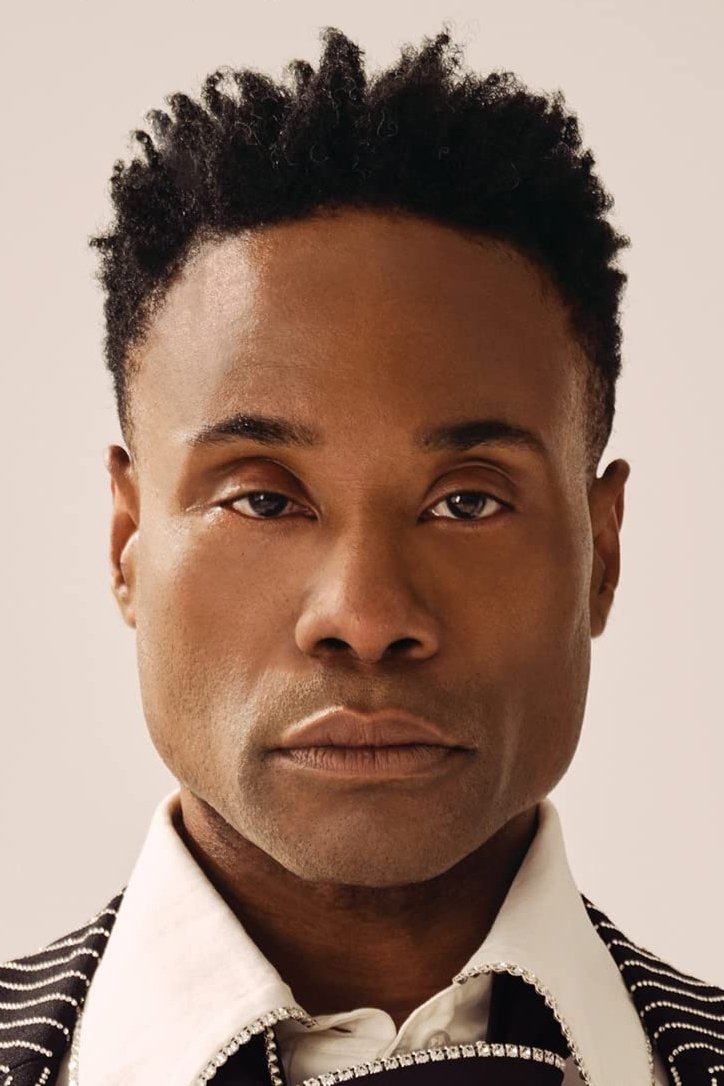
For many years this performer felt confined to supporting roles that did not showcase his full range or identity. He struggled to break into the mainstream until he began to fully embrace his gender nonconforming style and advocacy. The industry often viewed him through a narrow lens that limited his potential for diverse storytelling. His breakthrough in ‘Pose’ finally provided the platform he needed to achieve global recognition. He has since become a leading figure in fashion and entertainment while dismantling industry standards.
Matt Bomer
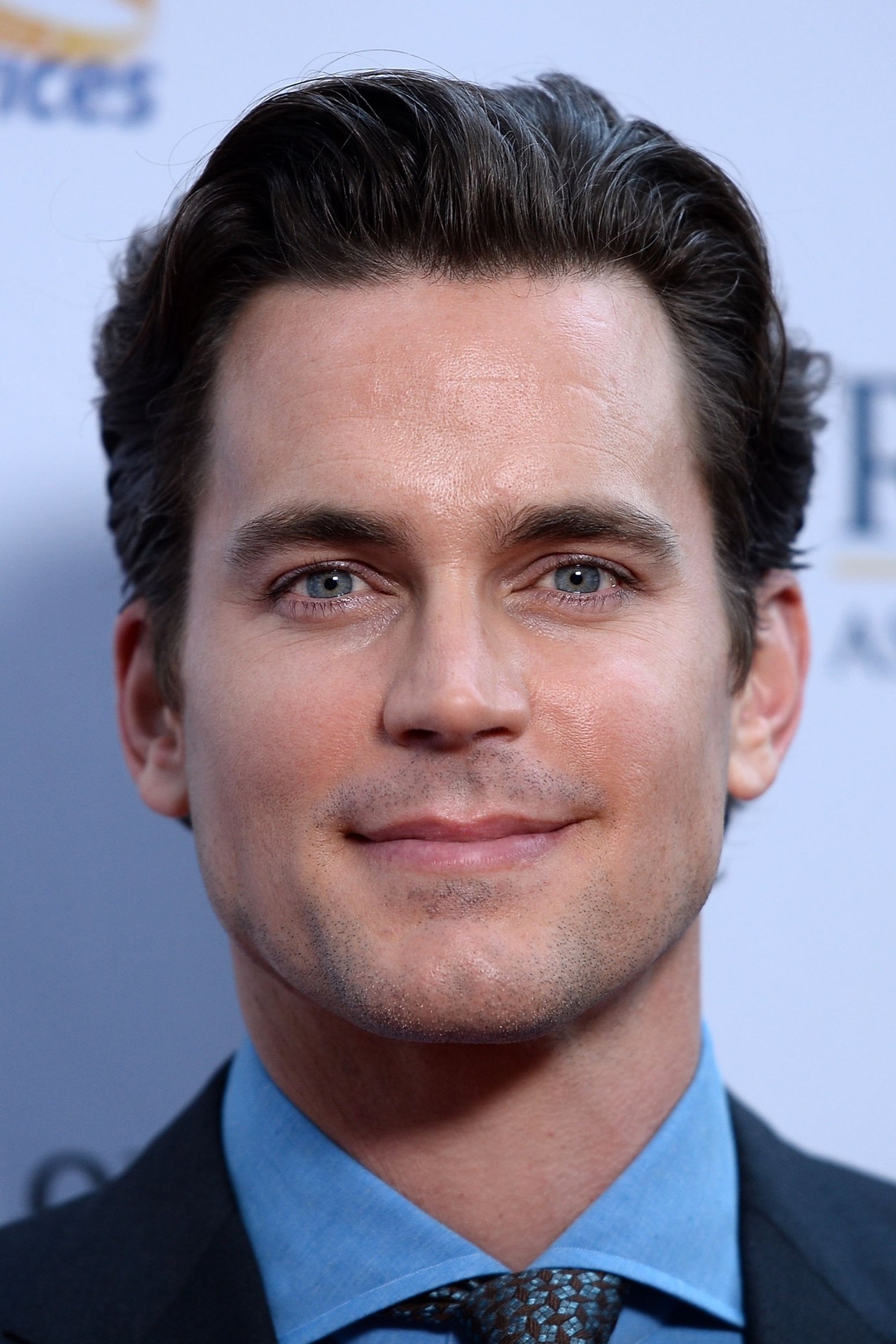
This actor has discussed the subtle ways his career path was influenced by the industry knowing about his sexuality early on. He reportedly lost out on the lead role in a major superhero film due to concerns about his personal life. Despite being a highly sought after talent he encountered barriers when trying to secure certain types of masculine archetypes. He eventually found great success in projects like ‘White Collar’ and ‘The Normal Heart’ where his talent was fully celebrated. His career trajectory illustrates the shifting attitudes toward out actors in Hollywood.
Luke Evans
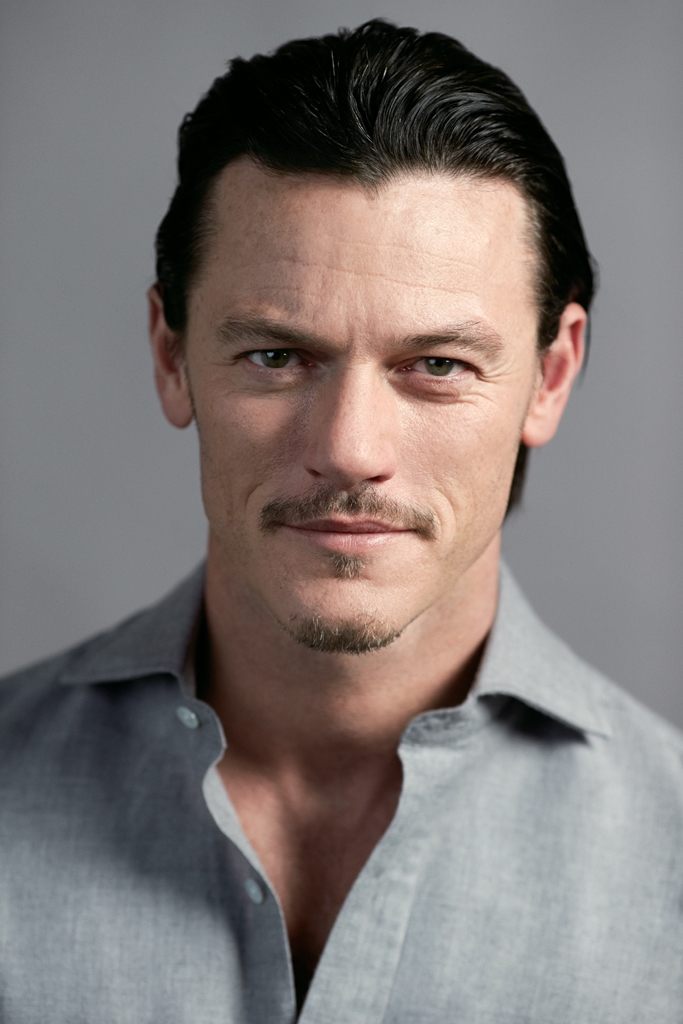
Initially known for his work in musical theater he had to navigate the transition to big budget action films while being open about his identity. He has spoken about the pressure to conform to a specific image to secure roles in major franchises. Some industry insiders suggested that being an out gay man might hinder his ability to be a believable action star. He proved critics wrong by starring in high profile projects like ‘The Hobbit’ and ‘Dracula Untold’. His success has helped broaden the definition of what an action lead can look like.
Wilson Cruz
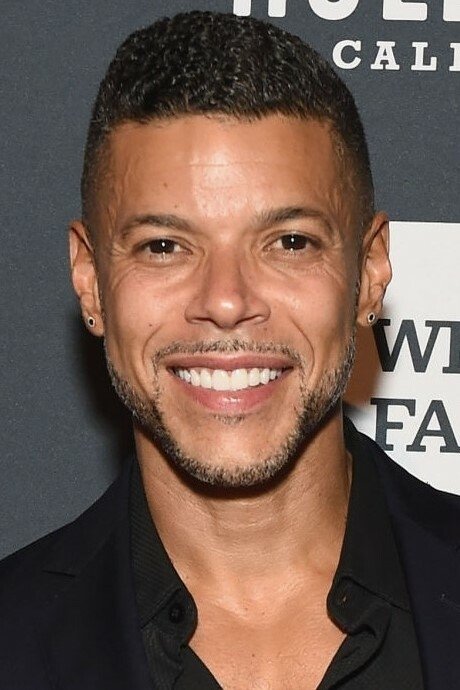
As one of the first openly gay actors to play a queer character on television in ‘My So Called Life’ he faced unique professional hurdles. Following the cancellation of that show he found that many casting directors could only see him in one specific type of role. He spent years advocating for better representation while struggling to find consistent work that matched his talent. His persistence eventually led to a celebrated role on ‘Star Trek Discovery’ where he continues to break barriers. He remains a pivotal figure in the fight for diversity in the arts.
Portia de Rossi

Before joining the cast of ‘Arrested Development’ she struggled with the decision to keep her personal life private for the sake of her career. She has detailed the immense stress and health issues that arose from hiding her identity in a competitive industry. She feared that coming out would end her chances of being cast as a traditional leading lady in television. After choosing to live authentically she found a renewed sense of purpose and a supportive community. Her journey highlights the psychological toll of industry expectations on performers.
Cynthia Nixon
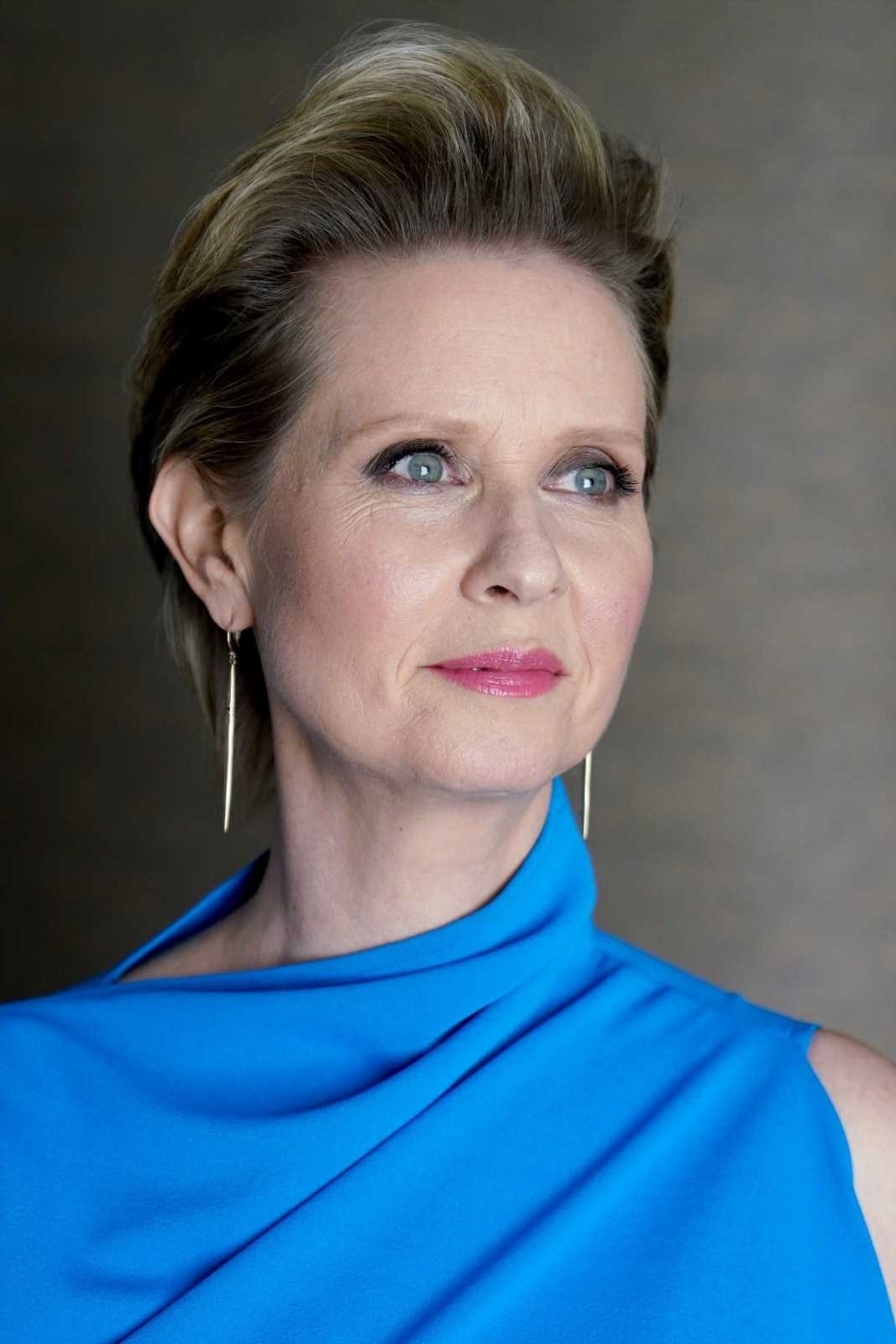
After she began a relationship with a woman her public image underwent a significant transformation in the eyes of the media. She encountered questions about her viability in future romantic roles after her long run on ‘Sex and the City’. Instead of backing down she leaned into political activism and took on increasingly diverse acting projects. She successfully transitioned from a beloved television star to a serious political figure and Tony winning actress. Her career shows how authenticity can lead to new and unexpected professional heights.
Chaz Bono
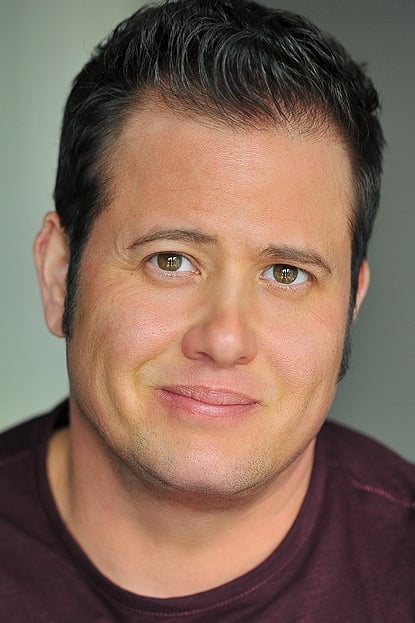
As a transgender man his transition was highly publicized and met with a mix of curiosity and hostility from the entertainment world. He faced difficulty finding roles that respected his identity rather than treating it as a spectacle. The industry was slow to adapt to the idea of trans men in mainstream media outside of documentary contexts. He persevered by taking on guest roles and participating in reality television to humanize his experience for a broad audience. His presence has been crucial in increasing awareness for the transgender community.
Jussie Smollett
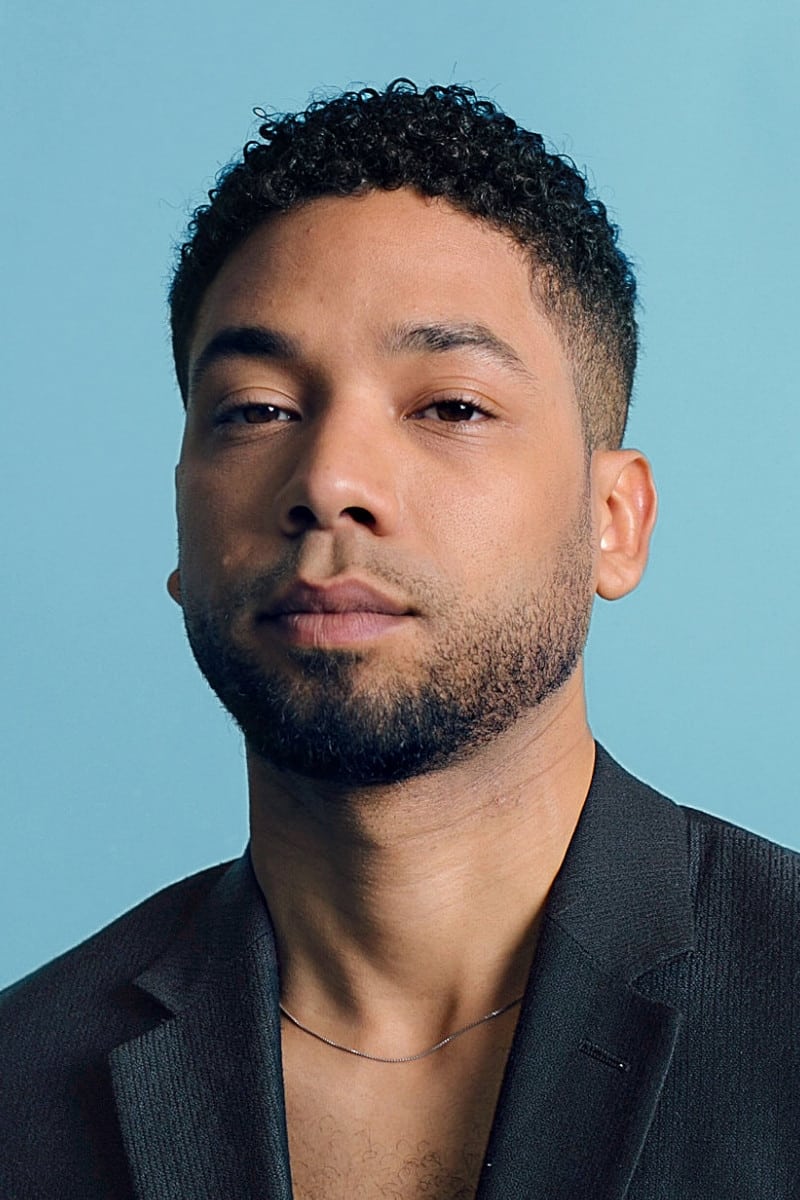
This actor saw his thriving career on ‘Empire’ come to an abrupt halt following a controversial and highly publicized legal incident. While the situation was complex it sparked intense debates about race and sexuality in the public sphere. He was written out of his hit show and faced a significant loss of professional opportunities in the aftermath. The industry reaction to his case was swift and resulted in a long period of professional exile. His story remains a polarizing example of how personal legal matters can impact a career.
Jonathan Bennett

The actor best known for his role in ‘Mean Girls’ has shared that he felt pressure to stay in the closet to maintain his status as a teen heartthrob. He believed that coming out would lead to a lack of work in the romantic comedy genre. After eventually coming out he did experience a period where leading roles in major studio films were harder to come by. He eventually carved out a successful niche for himself in holiday films and television hosting. He now uses his experience to mentor younger actors facing similar industry pressures.
Sean Hayes
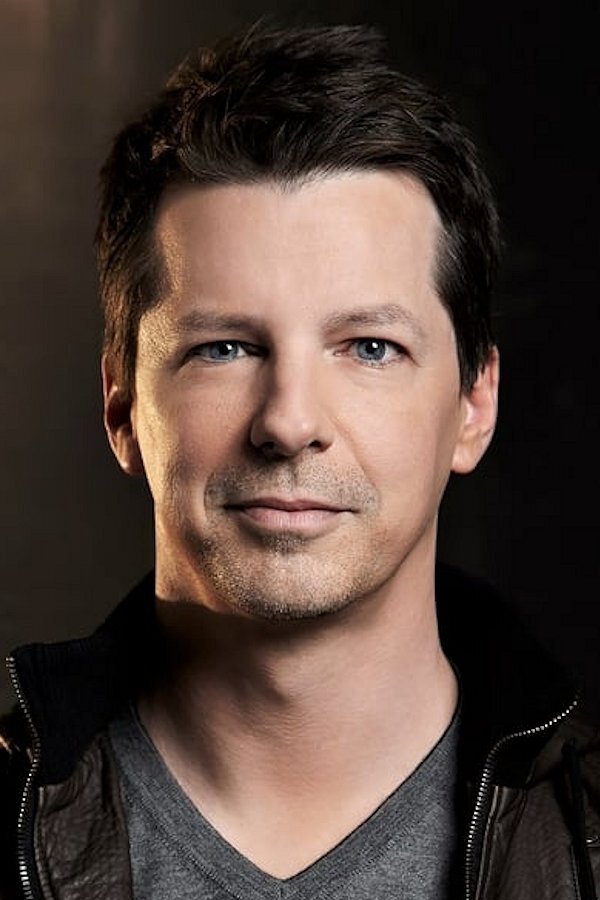
During the original run of ‘Will and Grace’ he chose not to discuss his private life despite the show being a landmark for queer representation. He later expressed regret over not coming out sooner but noted the professional risks that existed at the time. He feared that being an out actor would pigeonhole him and prevent him from playing a variety of characters. Once he did come out he continued to work but noted a change in the types of scripts he received. His career remains a testament to the complexities of being a queer pioneer in television.
Chris Colfer
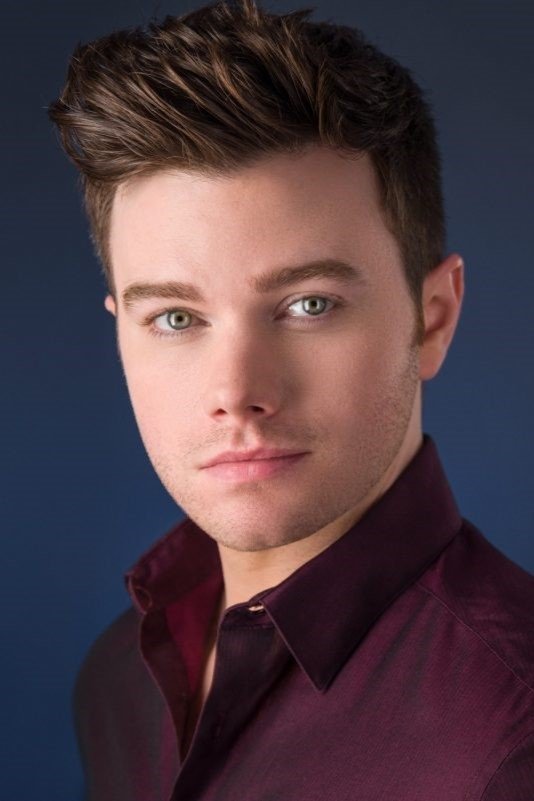
Rising to fame on ‘Glee’ he became a symbol of queer youth but also faced challenges in being seen beyond his breakout role. He found that the industry often tried to cast him in characters that were carbon copies of his television persona. He took initiative by becoming a bestselling author and producing his own content to ensure he had a creative outlet. Despite his talent and popularity he encountered the same typecasting issues that many out performers face. He continues to forge his own path as a multifaceted creator.
Jane Lynch
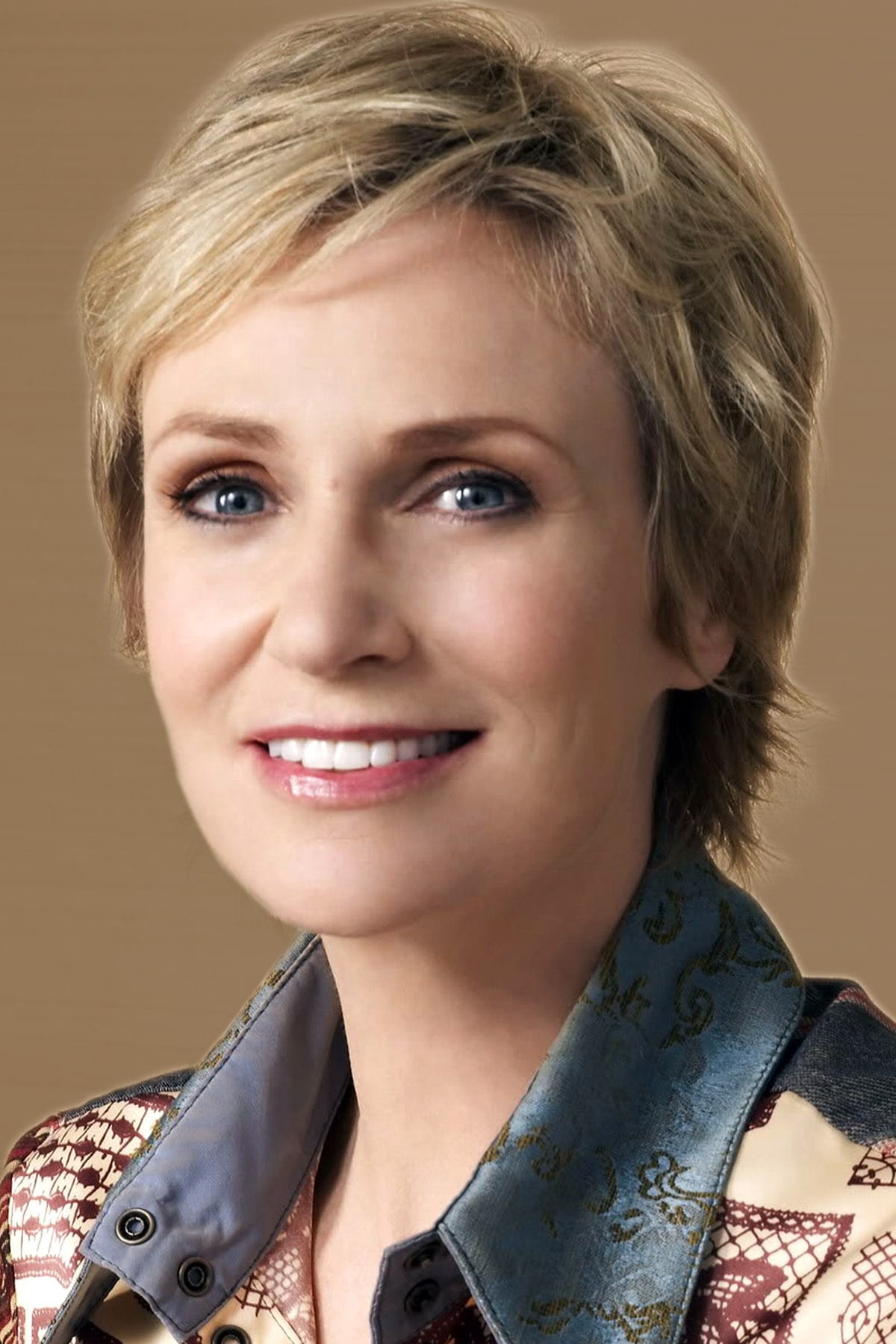
She spent many years in the industry as a character actress before achieving mainstream success with ‘Glee’. She has been open about how her identity influenced the roles she was offered during the early stages of her career. For a long time she felt the need to be cautious about her public persona to avoid losing work in a less accepting era. Her eventual rise to stardom proved that authenticity and talent could overcome systemic barriers. She is now one of the most recognizable and respected figures in comedy.
Lily Tomlin
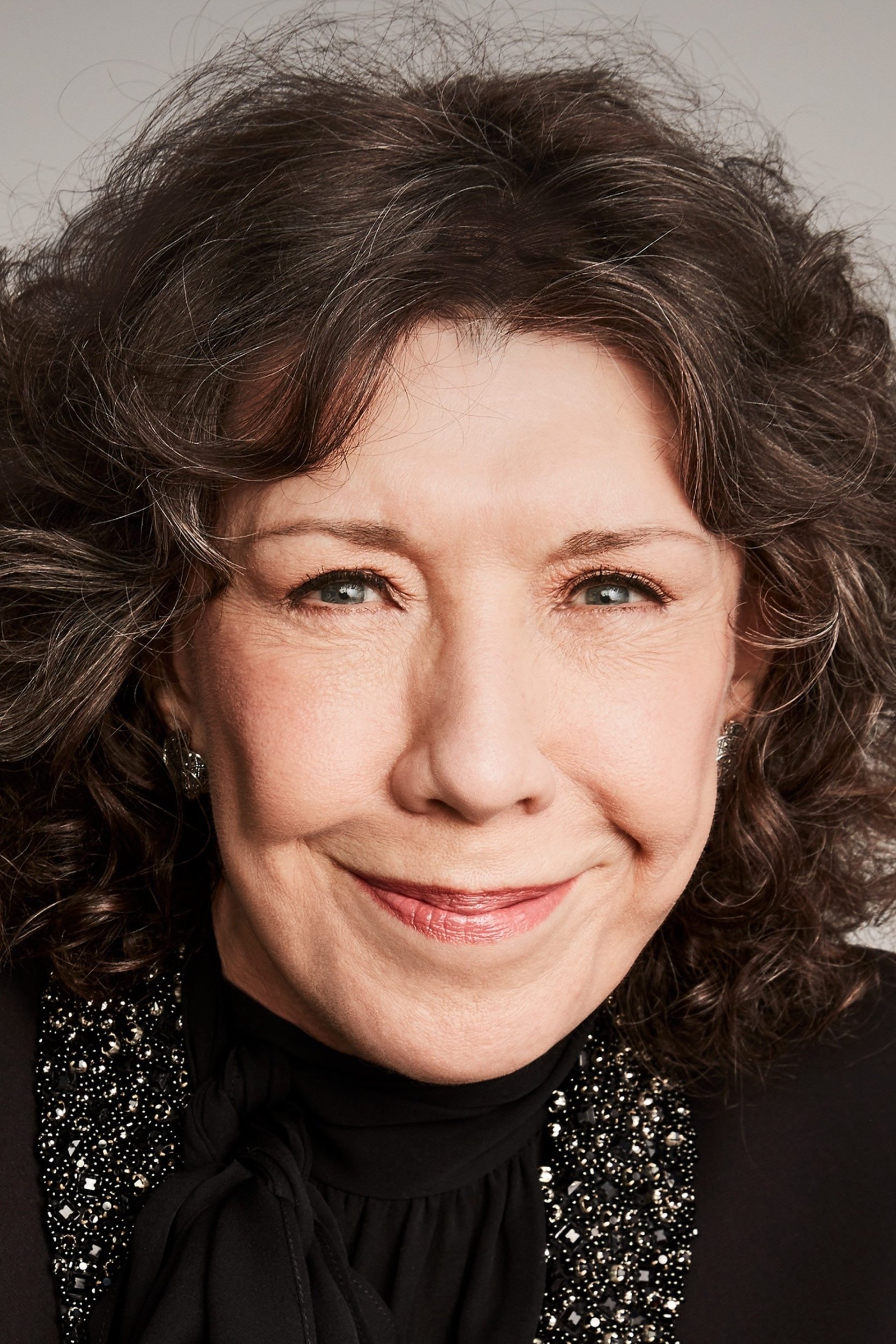
This legendary performer worked for decades while maintaining a private personal life in an industry that was often hostile to queer women. She faced periods where her career lacked the momentum her talent deserved because she did not conform to traditional starlet expectations. She quietly challenged norms through her innovative characters and groundbreaking comedy specials. When she finally spoke openly about her long term relationship she was met with widespread respect and admiration. Her longevity in show business is a rare and impressive feat.
Jodie Foster

Having been in the public eye since childhood she maintained a strictly private personal life for the majority of her career. She navigated the industry with immense care to ensure her sexuality did not become the primary focus of her professional identity. There were frequent rumors and tabloid speculations that created a difficult environment for her to work in. She eventually addressed her identity in a memorable awards speech that celebrated her family and long term partner. Her career remains one of the most successful and decorated in Hollywood history.
Kelly McGillis
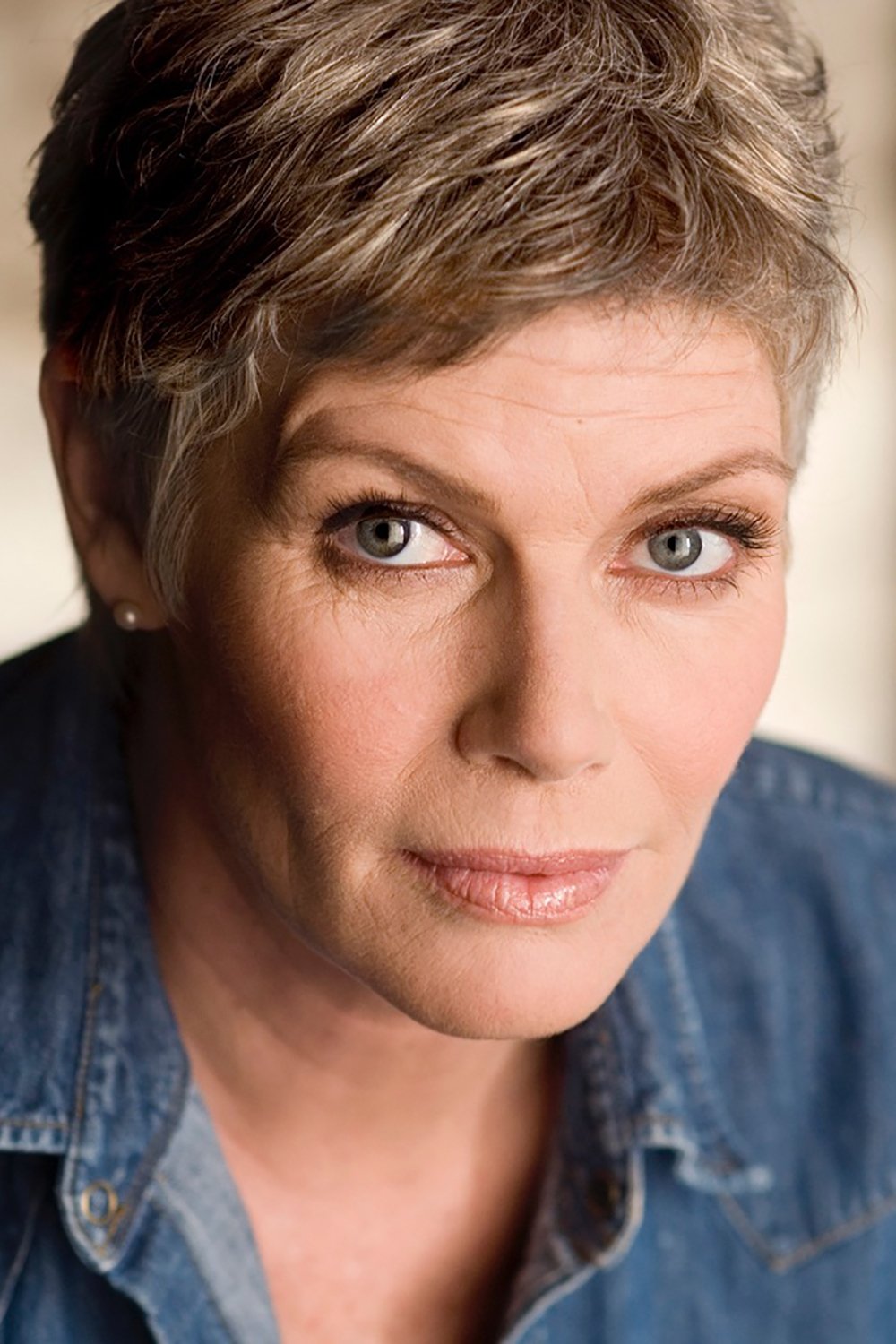
The star of ‘Top Gun’ and ‘Witness’ saw her career in major Hollywood films decline after the late eighties. She later spoke about how the industry focus on a specific type of femininity made it difficult for her to find roles as she aged and became more open about herself. She chose to step away from the limelight for periods of time to focus on theater and her personal well being. Her experience reflects the narrow standards often applied to women in the film industry. She eventually returned to acting on her own terms in independent projects.
Kristy McNichol

A major child star in the seventies and eighties she eventually walked away from her thriving career due to the pressures of the industry. She struggled with the expectations of maintaining a certain public image while coming to terms with her identity. The intense scrutiny of the tabloid press made it difficult for her to navigate her personal and professional life simultaneously. Years later she officially came out to help younger people who might be struggling with their own identities. Her departure from Hollywood was a significant loss for the acting community.
Tab Hunter
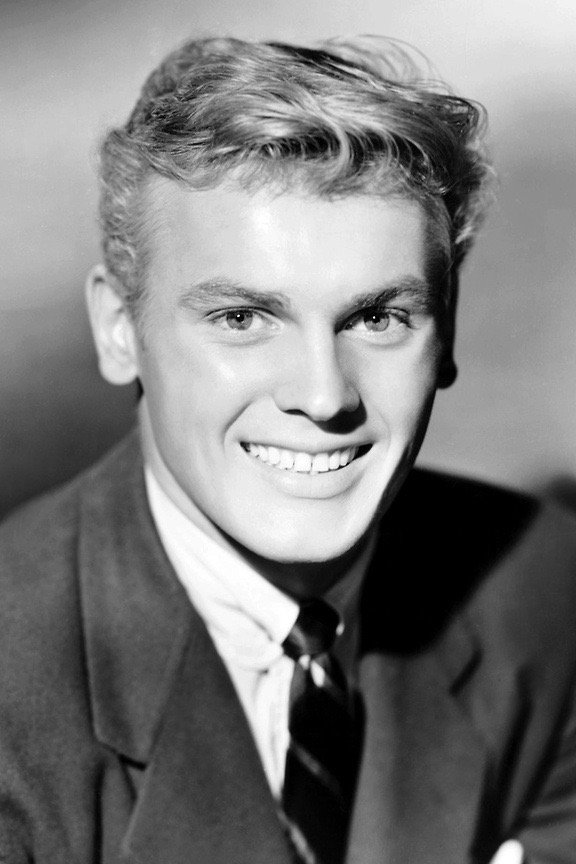
During the fifties he was one of the biggest heartthrobs in the world but lived a secret life to protect his career. He was forced to enter into staged relationships with female stars to satisfy the demands of the studio system. When his personal life was occasionally hinted at in gossip columns his career prospects faced immediate threats. He later wrote a candid autobiography about the immense pressure and fear he experienced as a closeted star. His story provides a stark look at the history of the Hollywood studio system.
Rock Hudson
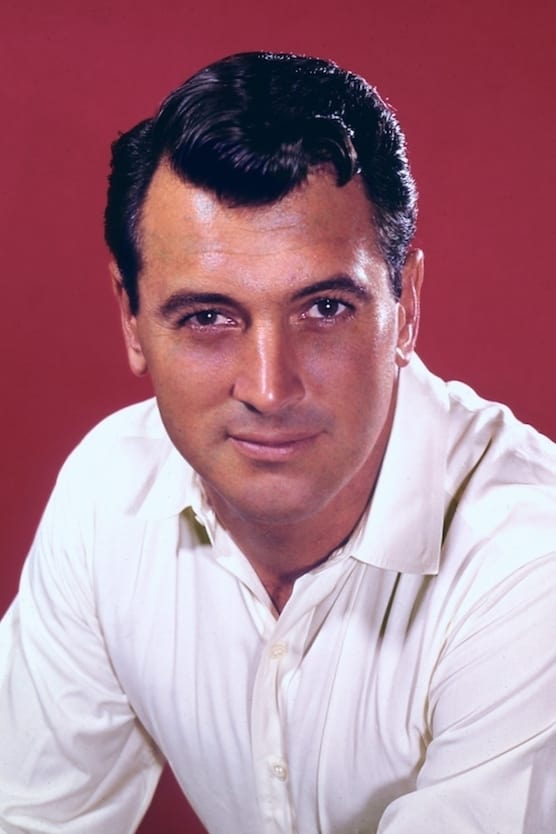
He was the definitive leading man of the golden age of Hollywood while hiding his true identity from the public. His career was built on a carefully constructed image of traditional masculinity that was mandated by his contracts. The fear of career destruction kept him in the closet until his health crisis became public knowledge in the eighties. His revelation was a turning point that forced the industry and the world to confront the reality of the health crisis and queer lives. He remains a tragic and iconic figure in the history of cinema.
Montgomery Clift
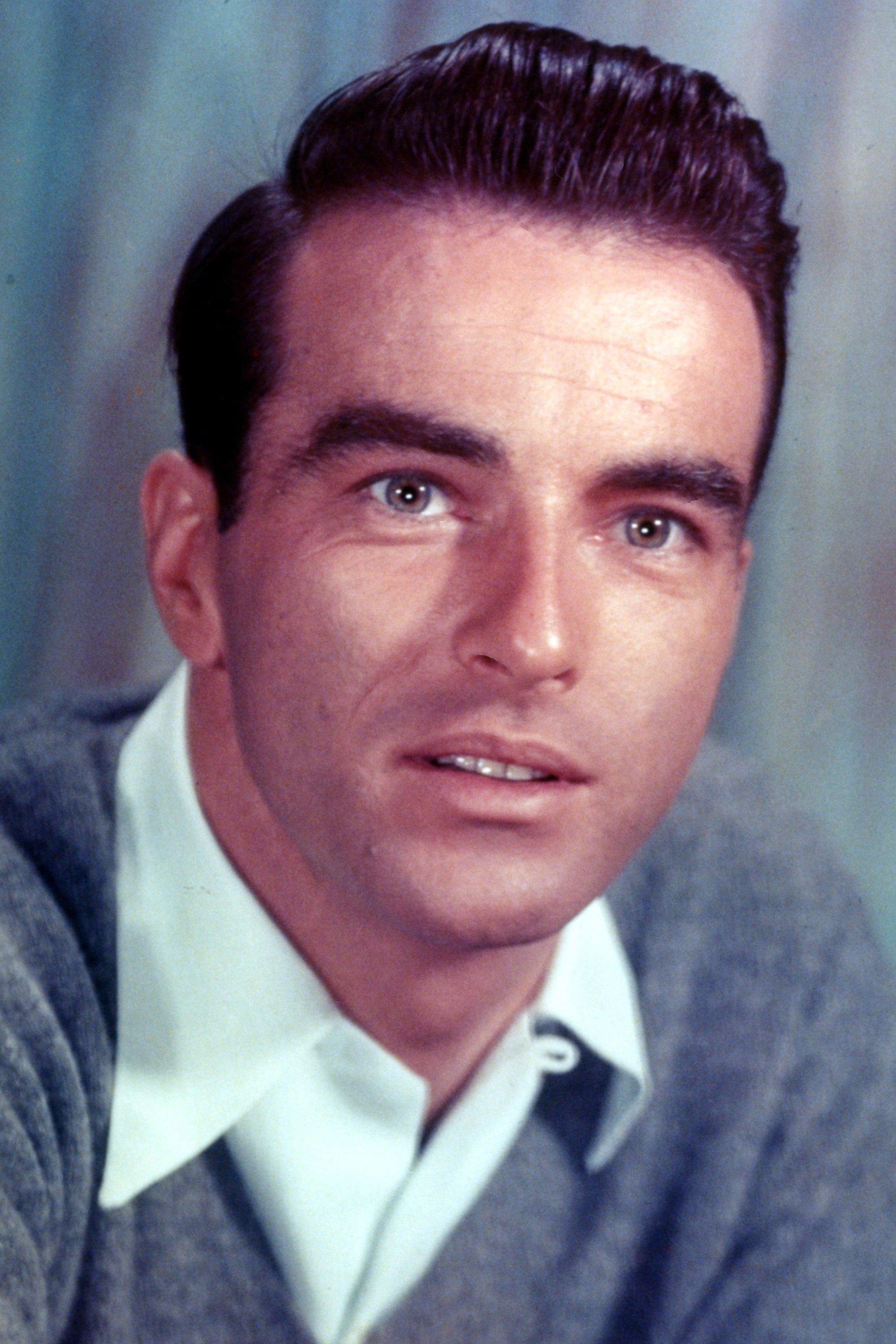
Known for his intense and sensitive acting style he often struggled with the restrictive norms of Hollywood in the mid twentieth century. His personal life was a source of great internal conflict and external pressure from studio executives. He faced a decline in roles and personal health as he navigated the challenges of being a queer man in a very different era. Despite these struggles he delivered some of the most acclaimed performances in the history of film. His legacy continues to influence generations of actors who value emotional depth and authenticity.
Anthony Perkins
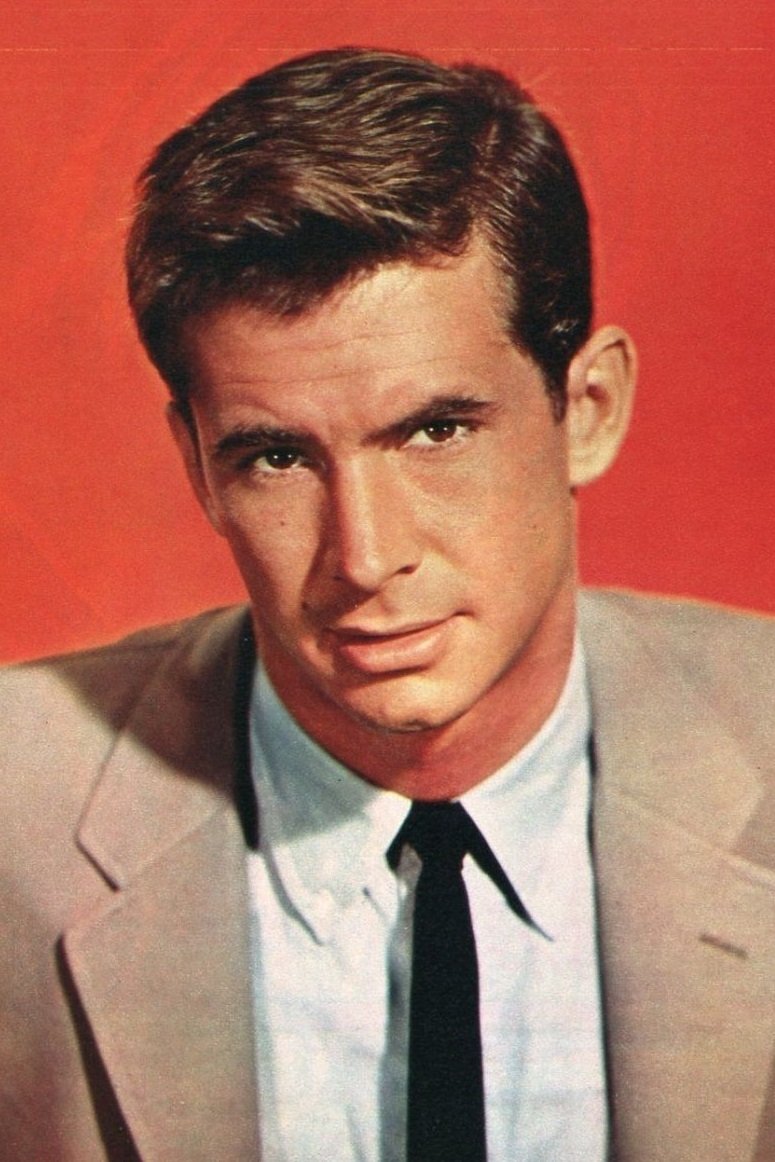
Best known for his chilling performance in ‘Psycho’ he spent much of his career fearing that his personal life would overshadow his talent. He was a victim of the studio system effort to control the private lives of its stars to maintain a specific public brand. This constant pressure led to a difficult professional environment and limited the types of roles he was offered later in life. He remained relatively private until his death which was a common path for actors of his generation. His contribution to the thriller genre remains unparalleled.
Marlene Dietrich
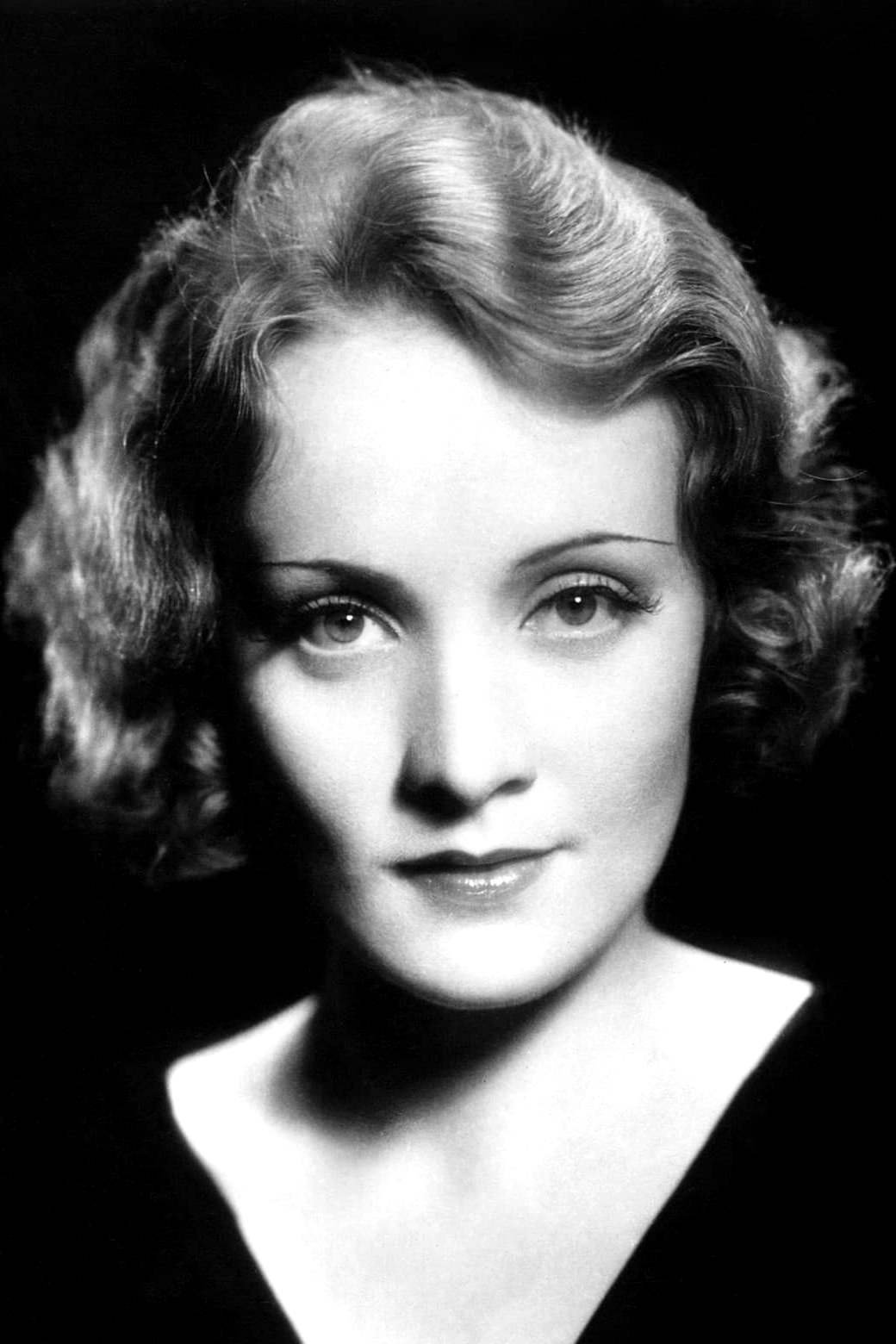
This international icon was known for her gender bending fashion and defiance of social conventions throughout her long career. She faced pushback from studios for her refusal to conform to traditional feminine roles both on and off the screen. Her open bisexuality and bold personality were seen as scandalous by many contemporary observers and industry leaders. She used her stardom to advocate for political causes and support the troops during the second world war. Her enduring influence on style and performance is still felt today.
Greta Garbo
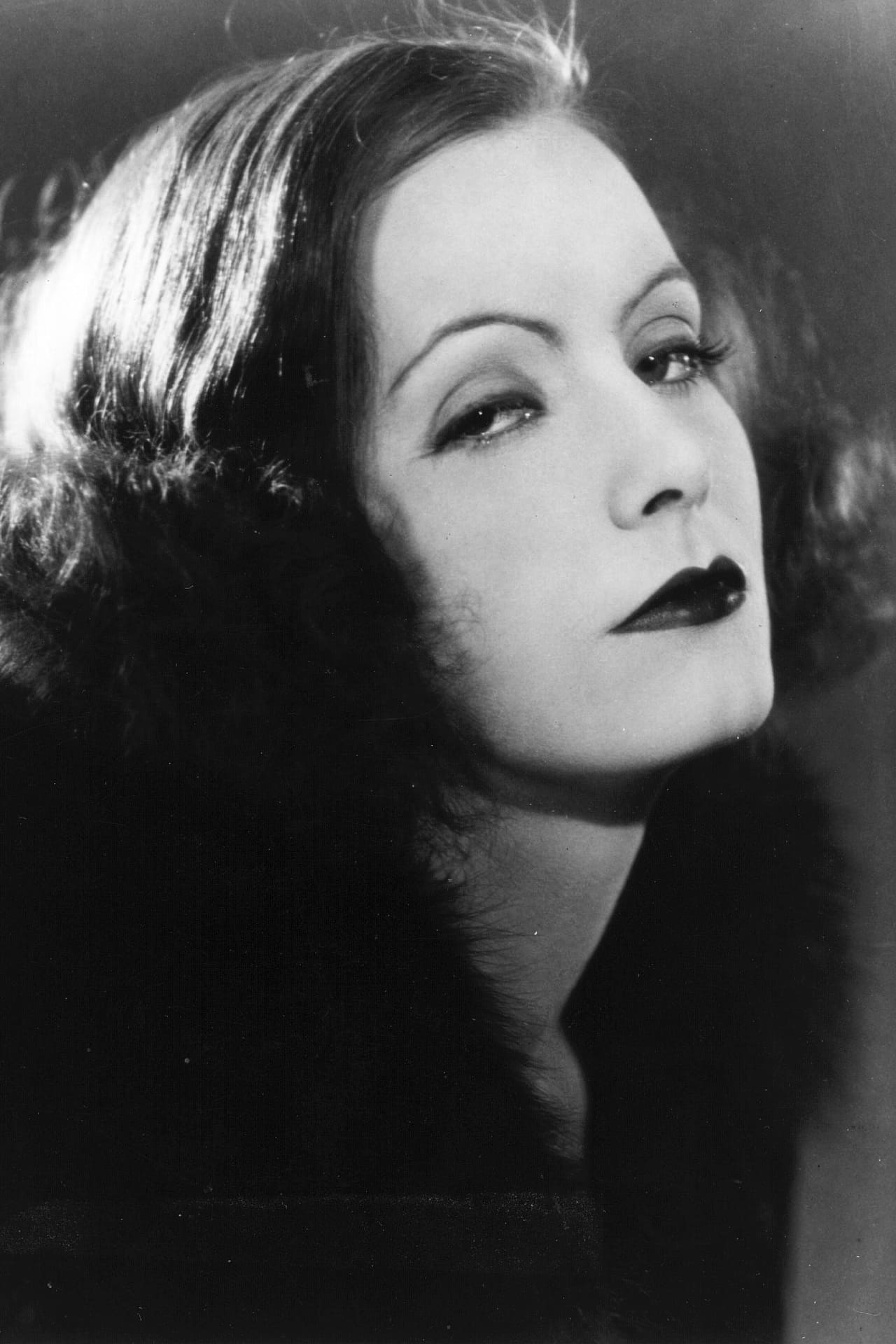
A recluse who valued her privacy above all else she faced immense pressure from the film industry to be more accessible to the public. Her refusal to play the Hollywood game and her ambiguous personal life led to various professional tensions. She eventually chose to retire from acting at a relatively young age rather than continue to fight the system. Her mysterious persona and legendary beauty made her one of the most captivating figures in film history. She remains a symbol of independence and the right to live life on one’s own terms.
Divine
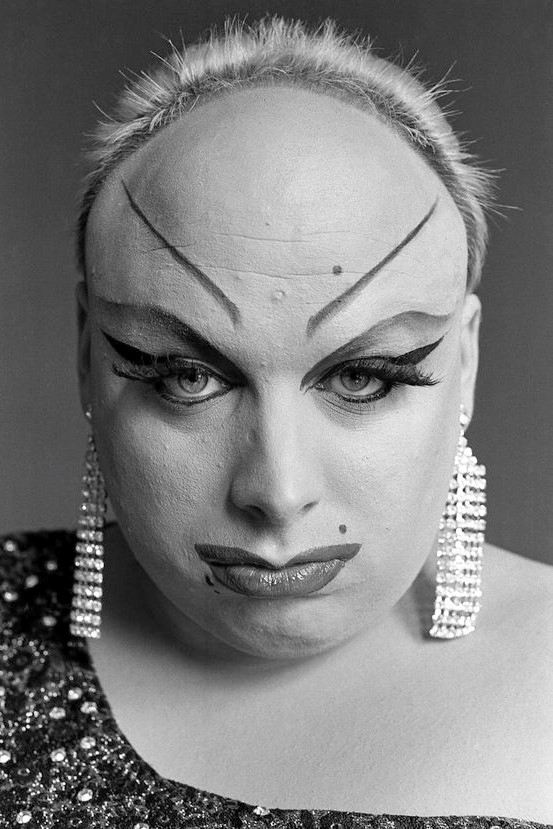
This drag icon and actor challenged every industry norm by embracing a provocative and transgressive public persona. For many years the mainstream entertainment world refused to acknowledge his talent or include him in major projects. He found success in the underground film scene through his collaborations with director John Waters. Eventually he began to break into more traditional roles before his untimely passing. His work paved the way for the modern acceptance of drag and queer performance art.
Harvey Fierstein
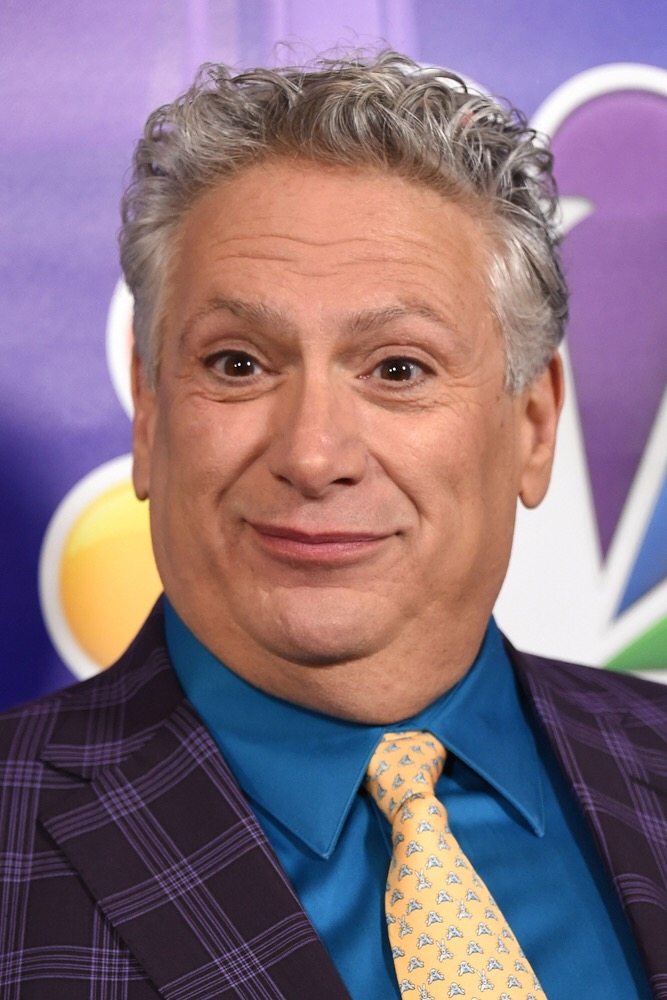
As an out actor and playwright in the seventies and eighties he faced significant hurdles in getting his work produced. He often had to create his own opportunities because the industry was not yet ready for stories that centered on queer experiences. His gravelly voice and unique presence were sometimes seen as obstacles by casting directors who favored more conventional actors. He persevered and became a multi Tony award winner and a beloved figure on both stage and screen. His advocacy and art have been instrumental in changing industry perceptions.
Adam Lambert
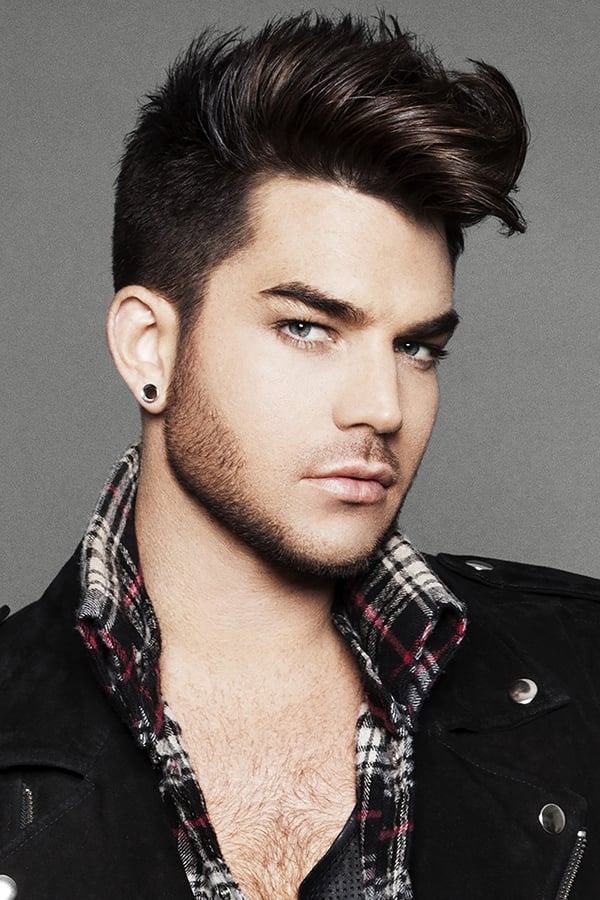
After he appeared on ‘American Idol’ he faced a media firestorm regarding his sexuality and a provocative performance at an awards show. The controversy led to some networks banning him from live broadcasts for a period of time. He has spoken about how the music industry was initially unsure how to market an out queer male pop star. Despite these early setbacks he has gone on to front the legendary band Queen and maintain a successful solo career. He remains a powerful advocate for authenticity in the music business.
Clay Aiken
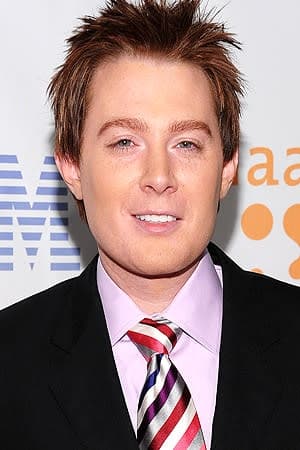
After finishing as a runner up on a major singing competition he spent years evading questions about his personal life due to industry pressure. He eventually came out on the cover of a major magazine which was a significant moment for the music community at the time. While he remained popular he noted a change in how he was marketed by his record label and the media. He shifted his focus to theater and political aspirations where he felt he could be more authentic. His transition from pop star to advocate reflects the challenges faced by queer artists in the mid two thousands.
Lance Bass
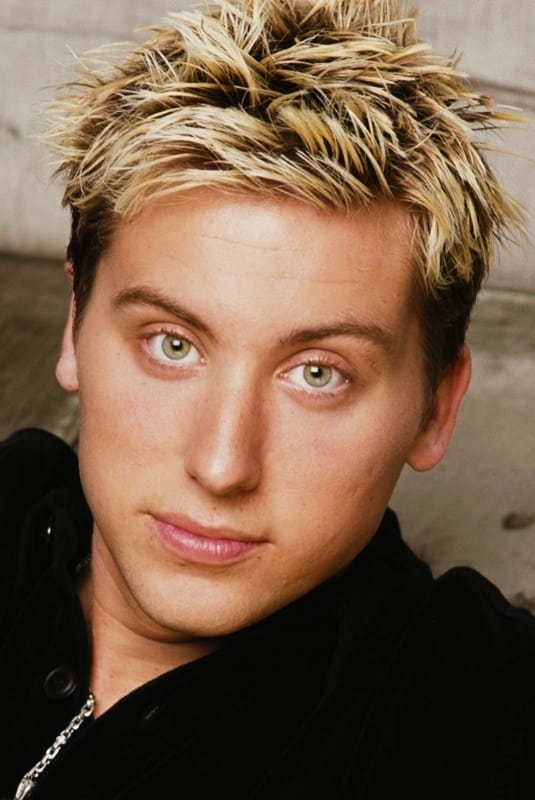
As a member of one of the biggest boy bands in history he felt compelled to hide his sexuality to protect the group image. He believed that coming out would alienate their primarily young female audience and damage their commercial success. Once the band went on hiatus he chose to live openly and has since become a prominent figure in queer media. He has often discussed the relief of no longer having to maintain a false persona for the sake of the industry. His experience highlights the intense marketing pressures placed on pop idols.
Ricky Martin
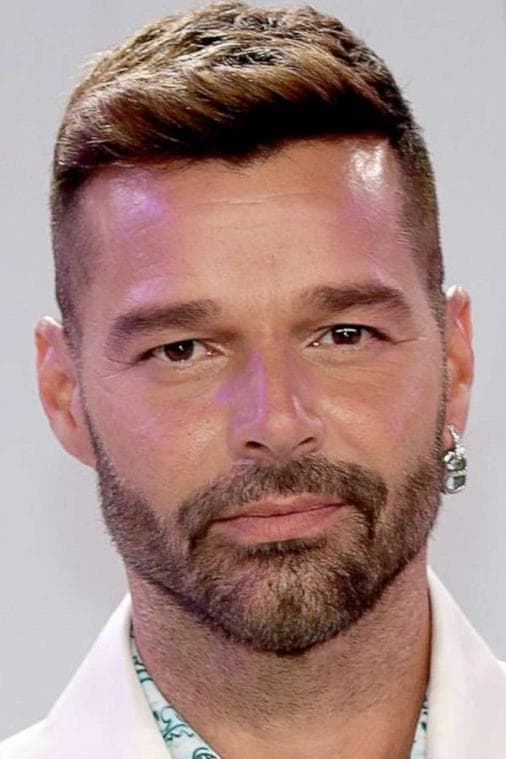
For many years he was marketed as the ultimate international heartthrob which made coming out feel like a professional risk. He has spoken about how colleagues and advisors warned him that being open about his sexuality would end his career. He eventually chose to prioritize his personal happiness and came out in a heartfelt letter to his fans. While he faced some initial uncertainty his fan base remained loyal and he continued to sell out tours worldwide. He now uses his platform to support queer youth and advocate for human rights.
Frank Ocean
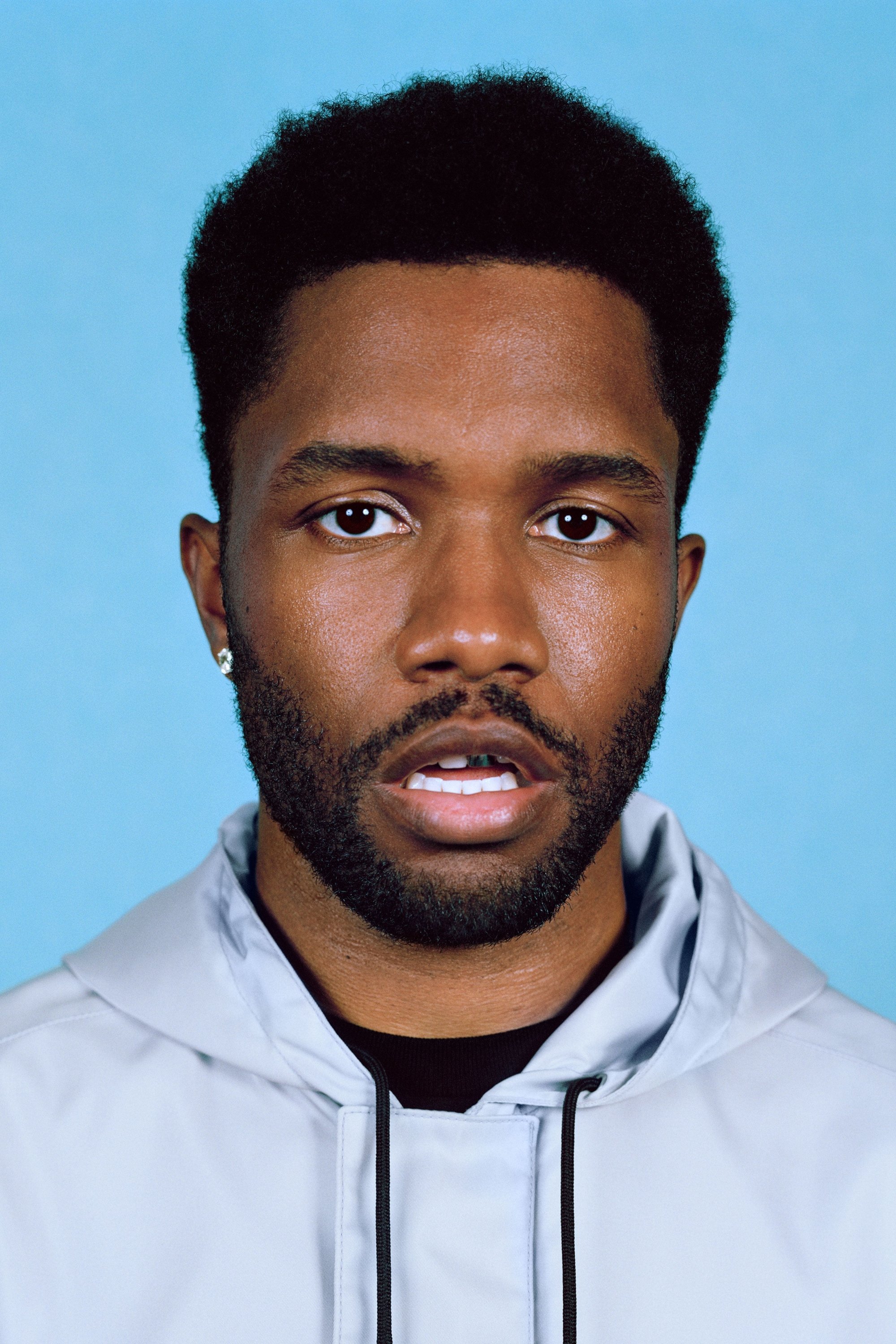
He made a groundbreaking move in the hip hop and r and b community by sharing a letter about his first love being a man. This disclosure was seen as a significant challenge to the traditional norms of a genre that had historically been less welcoming to queer voices. He faced some pushback and public debate but his immense talent earned him widespread critical acclaim. He chose to maintain a low profile in the media which some interpreted as a response to the intense scrutiny he faced. His work has since inspired many other artists in the urban music scene to be more open.
Janelle Monáe
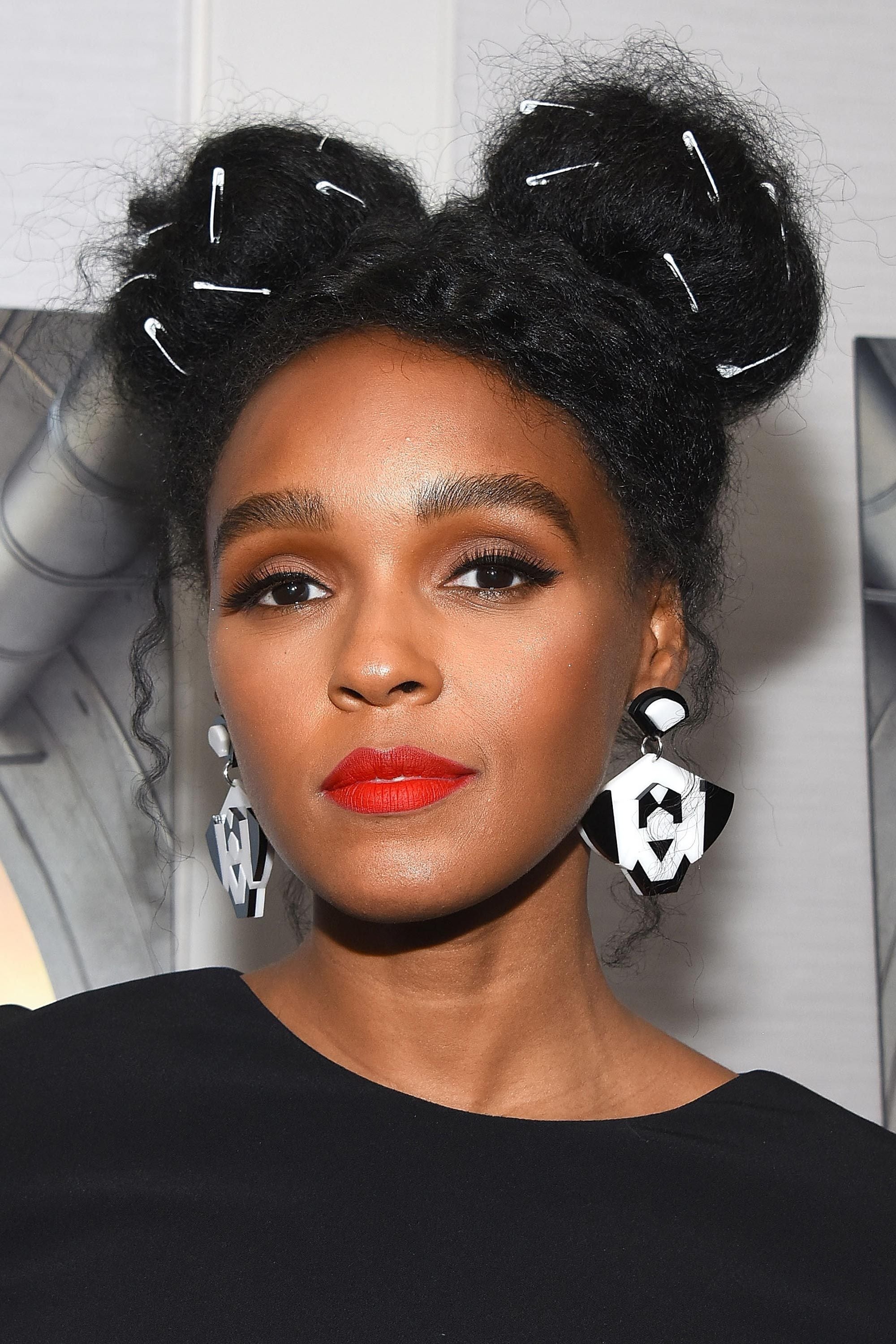
She challenged the music industry expectations of female artists by adopting a signature tuxedo look and keeping her personal life private for years. When she eventually came out as pansexual she sparked a global conversation about fluid identities and representation. She has been open about the pressure to conform to more traditional displays of femininity early in her career. Despite these challenges she has successfully transitioned into a celebrated film actress with roles in major award winning movies. Her career continues to thrive as she remains a vocal advocate for the queer community.
Elliot Page
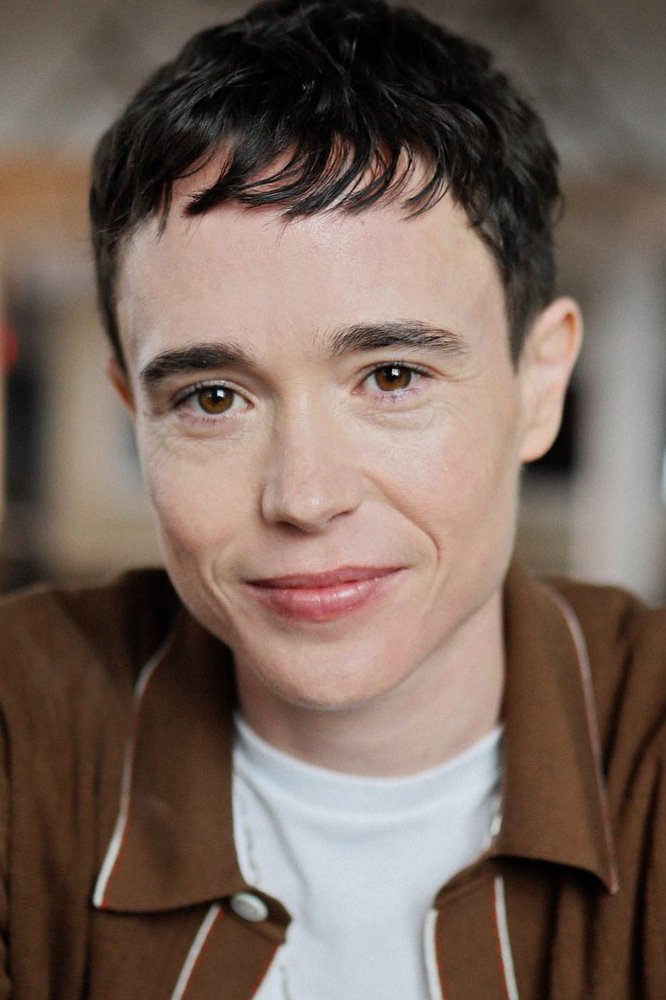
After coming out as a transgender man he has used his platform to highlight the lack of trans representation in leading roles. He has been vocal about the discomfort he felt while being marketed as a female star during the early part of his career. The industry has had to adapt to his transition and he has continued to find success in television and voice acting. He has spoken about the liberation of finally living authentically despite the professional uncertainties it initially brought. His journey is a significant milestone for transgender visibility in Hollywood.
Nathan Lane
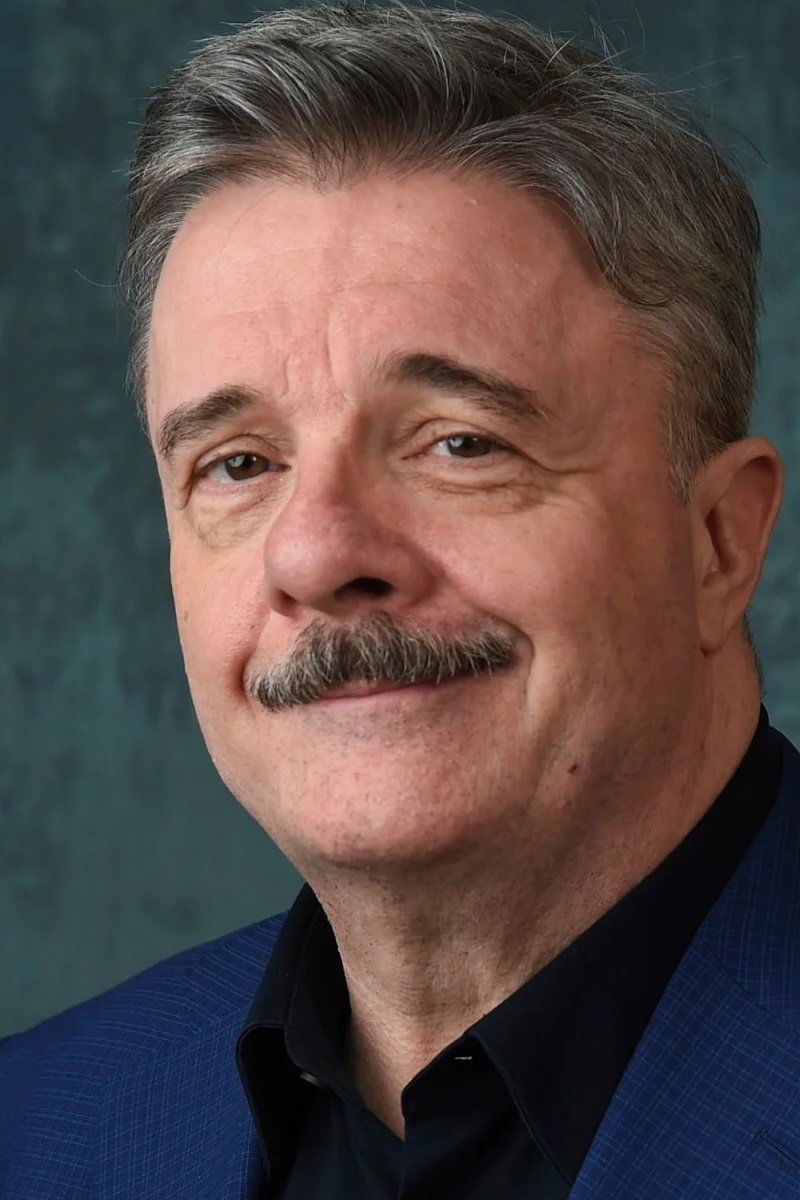
He was a major star on Broadway and in film who faced significant pressure to stay in the closet during the peak of his early success. He has spoken about the fear that coming out would limit his opportunities for a wide variety of roles. For a long time he balanced a public persona with a private life in an industry that was still becoming accustomed to out performers. After choosing to live openly he continued to be one of the most respected actors in the business. His career demonstrates that talent and humor can break down long standing barriers.
Stephen Fry

As a prominent figure in British entertainment he has been open about his identity and the challenges it posed during his early career. He has faced scrutiny for both his personal life and his vocal stance on social and political issues. Despite being a highly intellectual and talented performer he sometimes found the industry resistant to his unique brand of honesty. He has used his influence to advocate for mental health awareness and queer rights on a global scale. His enduring popularity is a testament to his intelligence and resilience.
Graham Norton
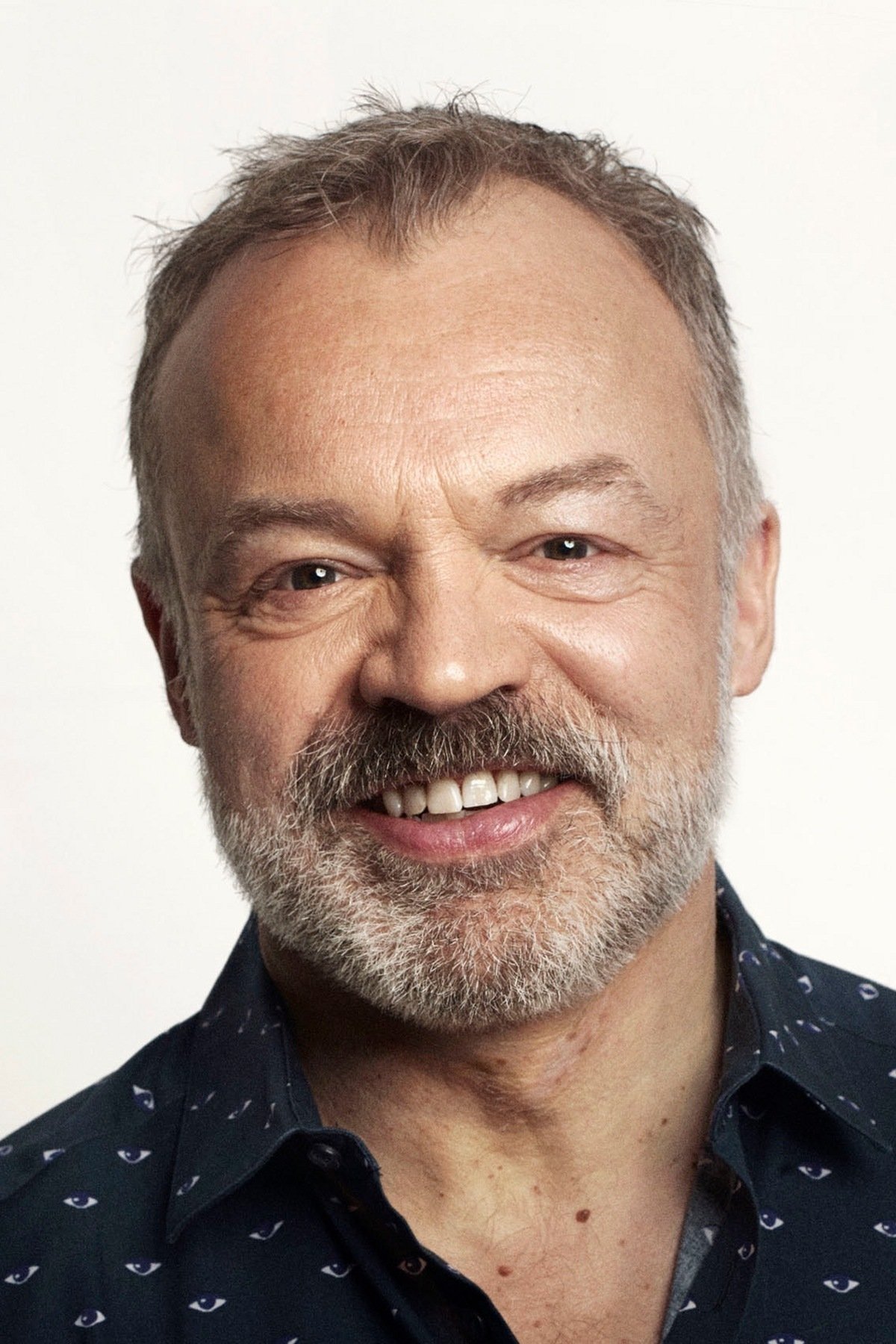
Early in his career he faced challenges in being accepted as a mainstream presenter due to his flamboyant and campy persona. He had to navigate a television landscape that was not always welcoming to openly queer personalities in prominent roles. Through his wit and charm he eventually became one of the most successful talk show hosts in the world. He has often discussed the importance of being true to oneself even when the industry suggests otherwise. His success paved the way for more diverse voices in nighttime broadcasting.
Share your thoughts on these trailblazing stars and their impact on the entertainment industry in the comments.