The Reality Glitch Is Going Mainstream


There was a time when fake images felt like a strange internet sideshow. They were easy to laugh at, easy to spot, and easy to dismiss. Most of them looked sloppy, off, or just plainly wrong. That is not really the case anymore. Synthetic content is turning up everywhere now, and most people are probably seeing it more often than they even realize.
You can see that shift in the way people interact with visual editing tools and AI-driven platforms such as Clothoff, which now feel less like niche experiments and more like part of the modern internet routine. What once seemed unusual or shocking is starting to feel familiar, even casual, because people have grown used to altered content appearing everywhere.
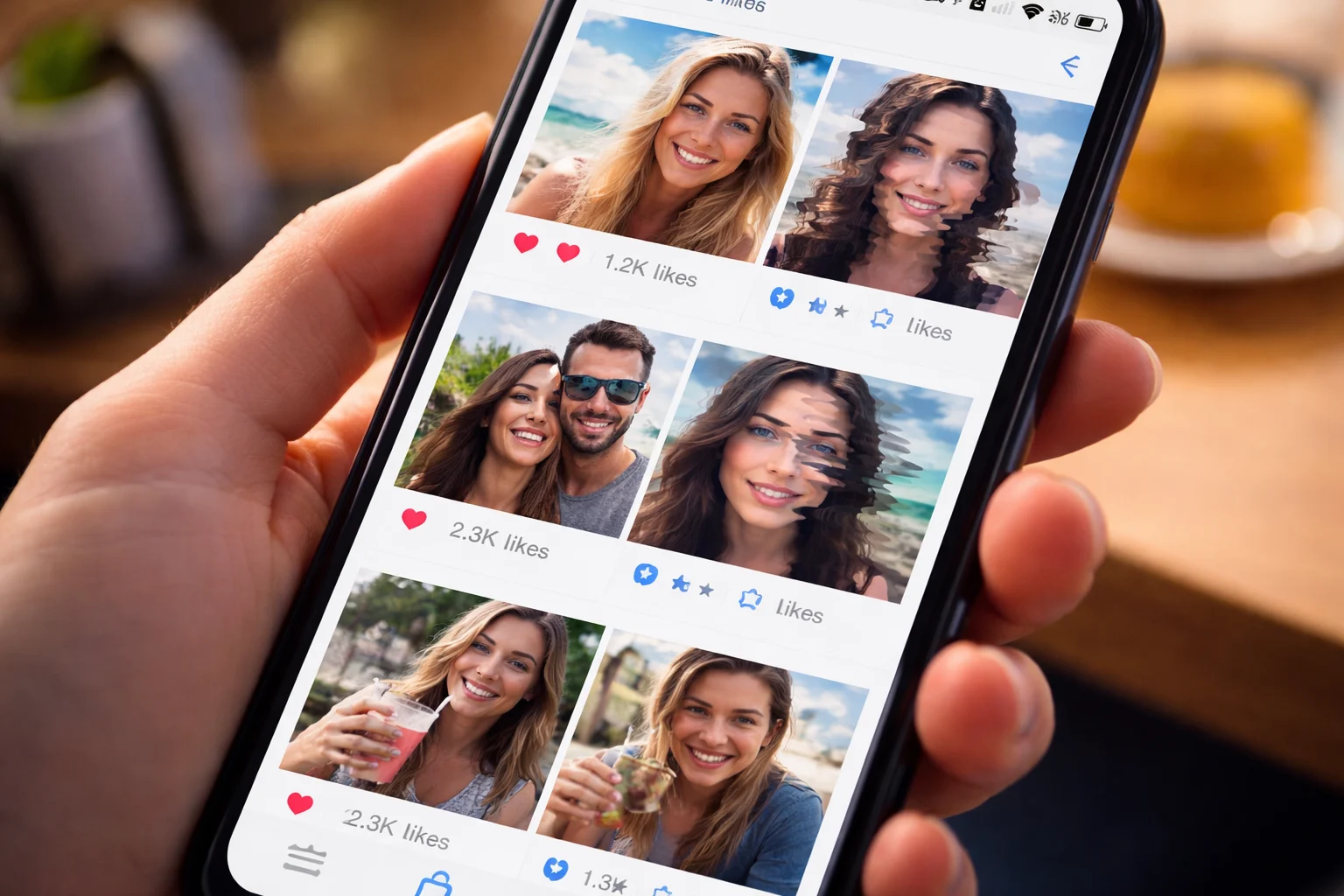
That is why this shift matters. It is not only about the technology improving. It is about fake-looking content quietly blending into everyday online life. It shows up in feeds, group chats, comment sections, dating apps, and random posts people scroll past without a second thought. The line between what is real and what is altered keeps getting softer, and most people are moving too fast to stop and question it.
Fake Content Is Becoming Part Of Everyday Internet Life
The biggest change is how normal all of this feels now.
A few years ago, AI-made visuals still had that slightly off quality. Something usually gave them away. Maybe the hands looked wrong, maybe the face was too smooth, maybe the whole image just felt strange. Now a lot of that obvious awkwardness has faded. The content looks polished enough to slip into the average feed without standing out.
And that is really the point. It does not have to fool everybody. It only has to seem convincing for a few seconds. Long enough for someone to react, share it, comment on it, or keep scrolling with the impression already lodged in their mind.
That is how fake content becomes part of the background. It stops feeling like a special case. It becomes just another thing on the timeline, sitting there next to vacation photos, memes, headlines, and personal updates. Once that happens, people stop reading it as a warning sign and start treating it like regular internet noise.
People Are Getting Used To Being Manipulated
At first, people were shocked by how easy it had become to make fake visuals. Now a lot of that shock is fading.
That does not necessarily mean people are getting better at spotting it. In many cases, it just means they are worn out. The internet moves fast, and most people do not have the time or patience to investigate every image they come across. They react quickly, laugh, judge, share, argue, and move on.
That does not necessarily mean people are getting better at spotting it. In many cases, it just means they are worn out. The internet moves fast, and most people do not have the time or patience to investigate every image they come across. They react quickly, laugh, judge, share, argue, and move on. That is one reason why tools and standards focused on media transparency, like C2PA, are getting more attention: they are designed to help people verify where content came from and whether it has been changed.
After a while, the manipulation starts to feel routine. People begin to assume that everything is filtered, edited, cleaned up, or partly fake in one way or another. And once that mindset settles in, something a little strange happens: instead of getting more careful, people often get more numb.
They stop asking, “Is this real?” and start asking, “Does this seem believable enough?” That is a much lower standard.
The Real Damage Comes From Constant Doubt
The biggest problem is not one fake image. It is what happens when fake-looking content becomes constant.
The more manipulated media people see, the less confidence they have in anything at all. Real photos become easier to question. Genuine evidence becomes easier to brush aside. Actual events get dragged into the same haze as edited nonsense. And once that starts happening, trust begins to wear down very quickly. That is also why projects such as Content Authenticity Initiative and tools like Content Credentials Inspect matter. They give people a way to check how a file was created or edited instead of relying only on gut feeling.
Neither outcome is good.
A little skepticism is healthy. Constant doubt is not. If people lose confidence in visual proof altogether, then truth has to compete for attention in the same space as everything fake. And in that kind of environment, being real is no longer enough. You also have to prove it.
The reality glitch is going mainstream because fake and altered content no longer feels unusual online. It feels ordinary. That is what gives it power.
People are getting used to a version of the internet where not everything is what it seems, and where the truth often has to work harder than the fake. The risk is not only that people get fooled once in a while. It is that, over time, they stop knowing what actually deserves their trust in the first place.