Erin Moriarty Was Secretly Losing the Ability to Walk While Filming ‘The Boys’ Season 5’s Most Personal Scene



For eight years, Erin Moriarty has built one of the most quietly compelling arcs in superhero television. When she was first cast as Annie January, the once-idealistic hero known professionally as Starlight, Moriarty was just twenty-three years old. Now, at thirty-one, she is closing out the character’s journey in the fifth and final season of ‘The Boys‘ on Prime Video. That parallel of growing alongside a character has always been part of what made her performance feel so grounded, but the final stretch of production came with a weight she never anticipated.
The final season has arrived to an overwhelmingly warm critical reception, sitting at 97% on Rotten Tomatoes, with Starlight positioned at the center of an underground rebellion against Homelander. Behind the scenes, however, the reality of bringing that performance to screen was far more difficult than anything visible on camera. Moriarty went public with her Graves’ disease diagnosis in June of 2025, roughly six months into filming the season, at which point her doctors confirmed what had been quietly unraveling throughout production, including chronic fatigue, nausea, and symptoms severe enough that a neurologist was kept on standby given their resemblance to a stroke.
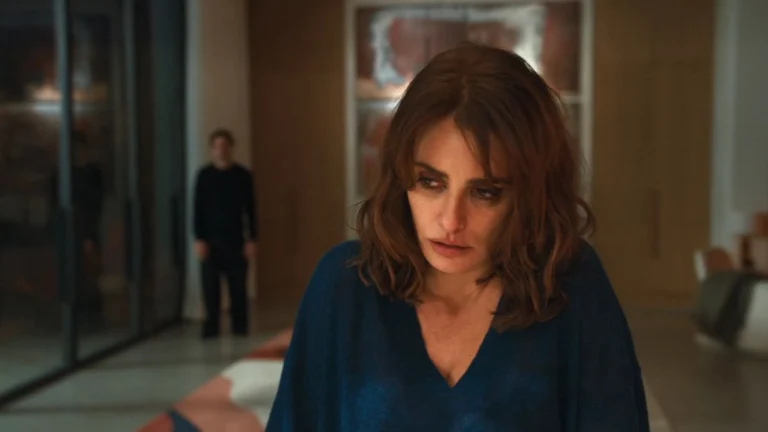
The episode that hit hardest was one Moriarty had been pushing for since long before cameras rolled. She had spent years asking showrunner Eric Kripke to write a reunion between Annie and her estranged father, citing its importance to the character’s emotional arc. When the storyline finally arrived in episode four, it became the most personally meaningful material of her entire run on the show. But her body was failing her at precisely that moment. By that point in filming, Moriarty’s symptoms had become so severe that she could barely walk, was sleeping for nineteen hours a day, and struggled to speak.
In a new interview with Cero Magazine, Moriarty described the disorienting experience of living through what she called a strange dichotomy, where all of her professional dreams were coming true while her health was simultaneously plummeting, and no one yet knew whether it was going to become something truly serious. That fear ran alongside some of the most important scenes she had ever performed, with no way to separate the two.
Graves’ disease is an autoimmune disorder that affects the thyroid gland and can cause a wide range of symptoms including tremors, weight loss, heat sensitivity, irregular heartbeat, and extreme fatigue. After receiving treatment, Moriarty described feeling the light coming back on within twenty-four hours, and urged others experiencing symptoms not to chalk them up to stress and fatigue as she had. She has said she finally felt present again by the time production reached the series finale, which at least gave her one episode to experience the show from a place of relative stability.
The toll of those months has been significant enough that Moriarty has said she has no plans to watch the final season back, not out of any dislike for the show, but because she is not ready to revisit such a debilitating period in her life. Speaking to The Hollywood Reporter, she explained that it is important for her to be vocal about autoimmune diseases, noting that people are not aware of the degree to which these conditions can impact a person’s life and functioning.
The fact that her finest, most fought-for material as Starlight was filmed while she was losing the ability to walk adds an entirely different dimension to everything on screen. Whether that knowledge changes how you watch Annie’s reunion with her father in episode four is worth sitting with.