Rue’s Final Entry in Ali’s ‘Euphoria’ Book of the Dead Hides a Detail That Changes Everything


For seven years, HBO’s ‘Euphoria‘ kept viewers white-knuckling through the fate of Rue Bennett, a teenage narrator whose addiction had already dragged her to the edge of survival and back more times than anyone could comfortably count. The series, created by Sam Levinson, built its entire emotional core around whether this one young woman would live long enough to reach something resembling peace. After a drama-packed four-year gap between seasons, the series finale delivered the answer fans had dreaded, with Rue dying halfway through the final episode after overdosing on pills laced with fentanyl.
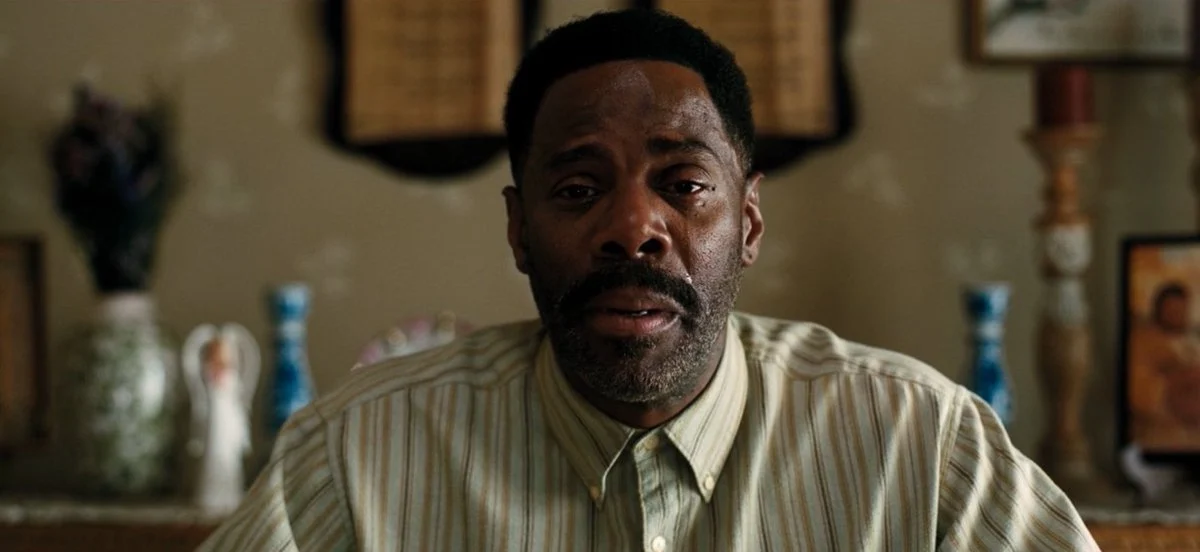
The death itself unfolds in a quiet, almost unbearably understated way. Ali comes into the room in the morning and finds Rue dead on the couch, a stark and anticlimactic moment given how many times she had narrowly escaped far more violent ends. He uses a test kit on her remaining pills and discovers they were not Percocet at all but fentanyl, confirming that Alamo had killed her in the easiest and least traceable way possible. In complete silence, Ali then writes Rue’s name in his book of the dead, one of the most gutting beats the show has ever produced.
What fans have seized on in the days since the finale aired is a detail that reframes the weight of that book entirely. The screenshot points out that Rue was the final name written in Ali’s record of sponsees he lost, and that she stands apart from every other entry in a deeply specific way. While Ali’s book holds the names of sponsors who have sadly died from overdoses, Alamo essentially murdered Rue by deliberately supplying her with the fentanyl-laced drugs. The others in that book were casualties of addiction. Rue was a target.
Colman Domingo, who plays Ali, has spoken openly about the bond his character formed with Rue over the course of the season. Speaking with Variety, Domingo described how Ali came to see Rue as a surrogate daughter, saying of his character, “He started to invest himself in Rue and got to know her tenderness and her hopes, her dreams, her aspirations, her faults. He fell in love with her. That’s like his daughter.” That context makes the act of writing her name in the book feel less like a ritual of grief and more like a declaration of something unfinished.
When Ali discovers that Rue has overdosed, he puts on his military uniform and sets out to avenge his sponsee and daughter figure. Armed with a sawed-off shotgun, he visits Alamo’s Silver Slipper club and demands a final confrontation. Alamo, who had spent the season fighting off threats from the DEA, a rival gang, and his own crew, eventually falls shot dead in that strip club last stand.
In his own interview with Variety, Domingo offered a more layered reading of the finale, suggesting there may even be a version of events where Ali died the day Rue did, and that everything after is Rue’s dream of being avenged, a version where he meets her at the Promised Land. It is the kind of interpretive openness that keeps the ending alive in conversation long after the credits roll.
The show has ended, but the argument over what Rue’s final name in that book truly means, whether it represents failure, love, or the beginning of something like justice, feels far from settled. If you watched the finale, where do you stand on whether Ali’s revenge was truly for Rue, or for himself?