Apple TV+’s ‘Cape Fear’ Is Not Based on a True Story, and the Real Origin of Max Cady Is Even More Interesting

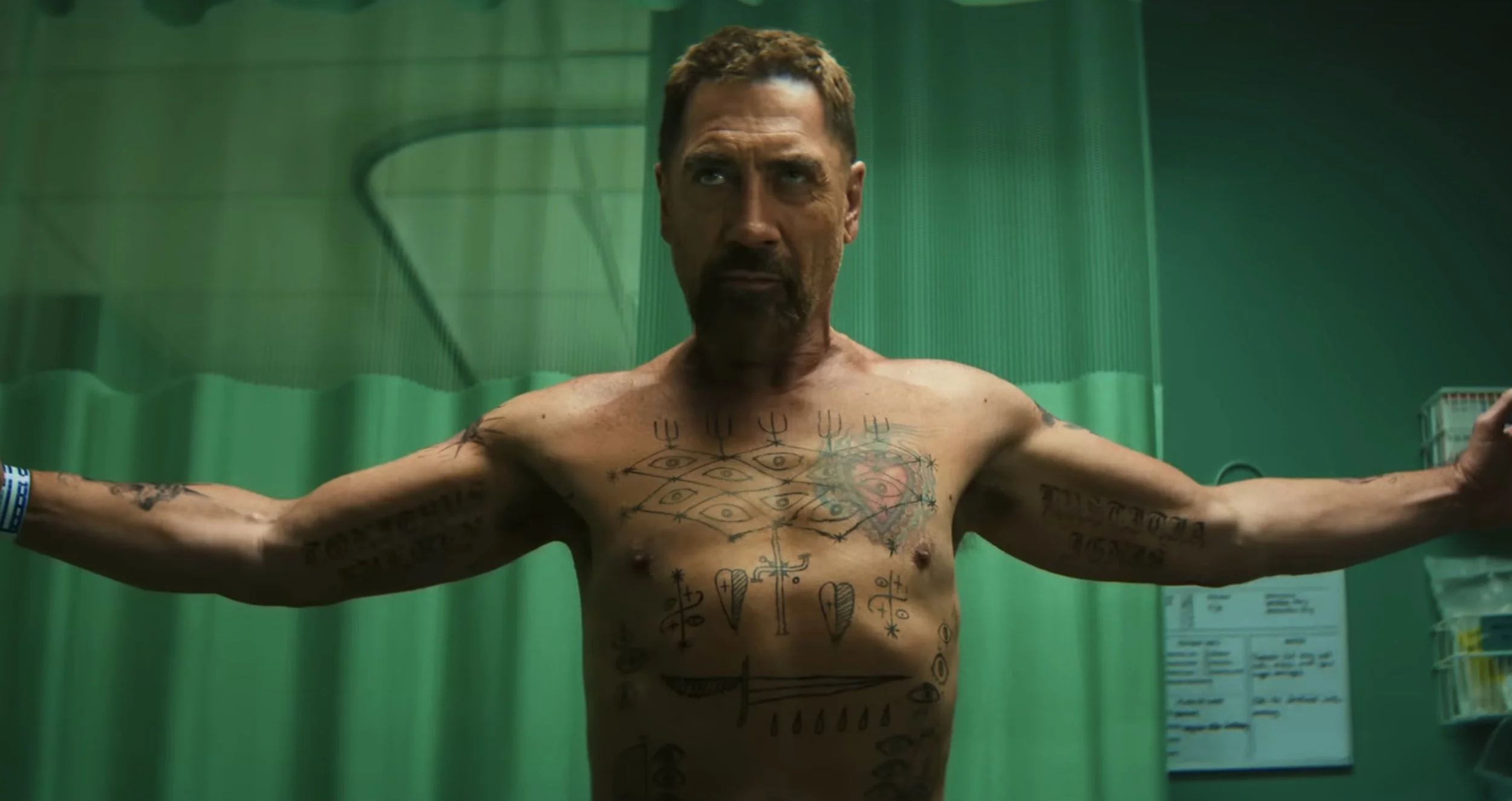

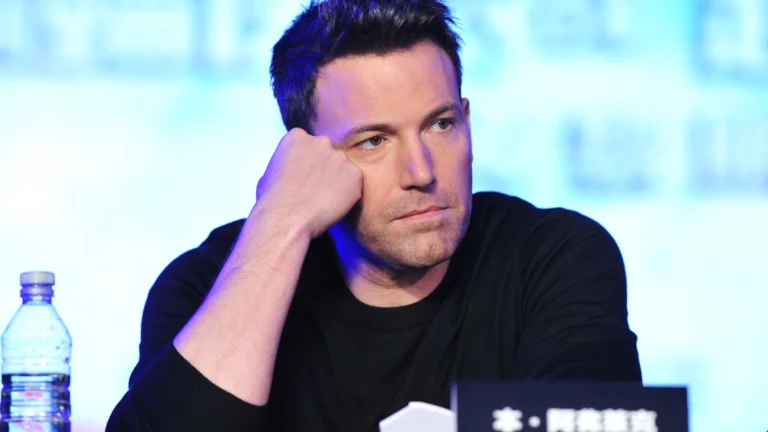
With one of the most star-studded lineups Apple TV+ has assembled, the new limited series ‘Cape Fear’ has drawn immediate attention from audiences curious about one central question: is any of this real? The answer is no, but the full story behind the material is considerably more layered than a simple disclaimer can cover.
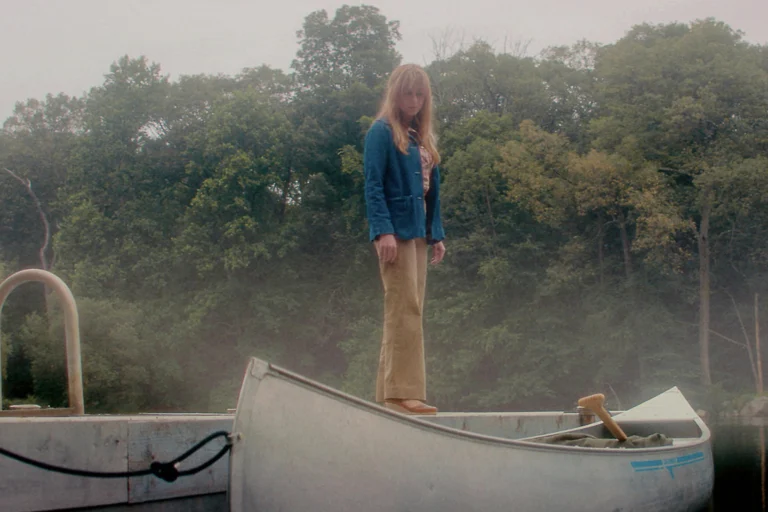
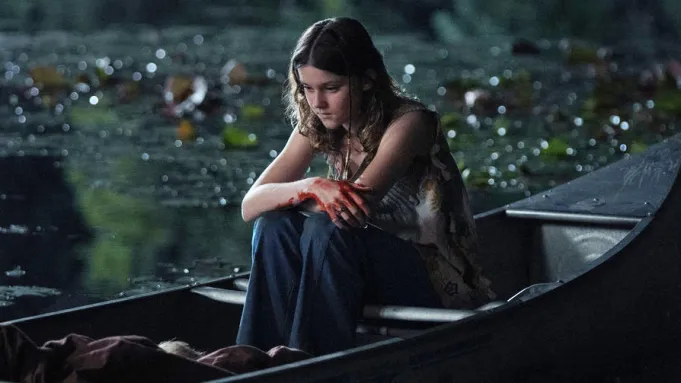
The series follows married attorneys Anna and Tom Bowden as they face the return of Max Cady, a dangerous man they helped put behind bars years earlier, who uses his knowledge of the legal system to stay one step ahead as the family becomes trapped in a nightmare threatening their safety, careers, and relationships. The premise feels grounded enough to raise eyebrows, but its roots are firmly in fiction.
The John D. MacDonald Novel at the Heart of It All
‘Cape Fear’ is based on the novel “The Executioners” by John D. MacDonald, published in 1957, which tells the story of an upstanding attorney whose family is harassed by a rapist he once helped put away named Max Cady. MacDonald was a prolific crime fiction writer working out of Florida, and the story emerged not from any real-world criminal case but from a personal challenge.
MacDonald regularly met with a group of writers in Florida, one of whom was MacKinlay Kantor, a Pulitzer Prize winner who used to needle MacDonald about the “paperback trash” he wrote. One day Kantor asked him when he was going to write a real book, and MacDonald responded by betting fifty dollars that he could write a book in thirty days that would be serialized in a magazine, become a book club selection, and be turned into a movie. That book was “The Executioners,” which became “Cape Fear.”
MacDonald reportedly came up with the idea for the novel after being challenged by a friend to break away from his usual output, and neither the book nor the subsequent film adaptations are based on a true story. The characters, the crime, and the relentless pursuit that drives the narrative are all invented.
Gregory Peck, the star and producer of the 1962 film, did not like MacDonald’s original title and picked “Cape Fear” because of its ominous tone and because films with place names as titles tended to do well at the box office. The novel has been reprinted under that title ever since.
How the ‘Cape Fear’ Adaptation Legacy Grew Over Decades
John D. MacDonald’s story has already inspired two intense films about a man who, recently released from prison, goes on to terrorize his former attorney. The first film came in 1962, starring Robert Mitchum as ex-convict Max Cady and Gregory Peck as attorney Sam Bowden. Peck’s Bowden was heroic and strong, but Mitchum’s ex-con was a playful, vengeful force of nature.
Martin Scorsese’s 1991 remake, famously acquired from Steven Spielberg in a trade for filming rights to “Schindler’s List,” starred Nick Nolte and Robert De Niro in the lead roles. That version leaned into psychological darkness and moral ambiguity in ways the original had largely avoided, and it remains the more frequently referenced of the two films.
The 1991 adaptation earned Oscar nominations for Robert De Niro and Juliette Lewis, with both Scorsese and Spielberg now returning as executive producers on the Apple TV+ series. Their involvement gives the new adaptation a direct through-line to the most celebrated version of the story, even as it charts its own course.
Nick Antosca’s Series and What It Changes
The Apple TV+ series is based on both the novel “The Executioners,” which inspired the 1962 Universal Pictures feature, and the acclaimed 1991 remake directed by Scorsese. The series is executive produced by Spielberg, who produced the 1991 film, alongside Scorsese, with creator Antosca showrunning and producing alongside Alex Hedlund for Eat the Cat.
In the new series, Antosca frames Max Cady as a recipient of a fictional wrongful imprisonment advocacy organization, introducing a tricky new dynamic that asks whether the most feared name in the franchise’s history might actually be an innocent man who is just coincidentally terrifying. By presenting this question, Antosca removes the moral superiority that the central characters have always held in previous versions.
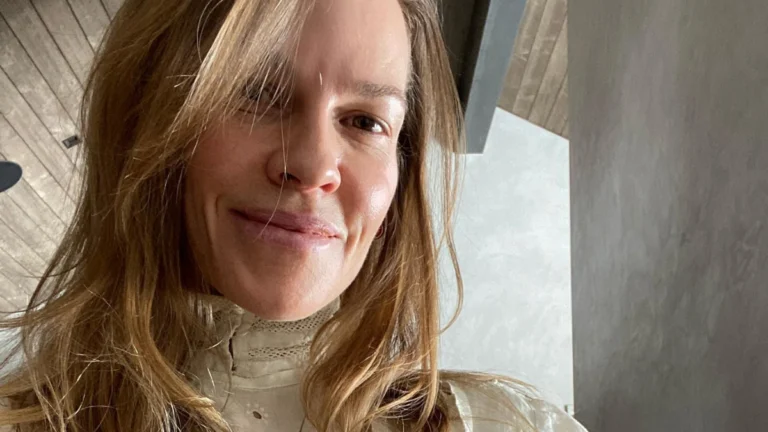
Anna Bowden, played by Amy Adams, is now a former trial attorney who works for a nonprofit trying to free unjustly convicted inmates, while Tom Bowden, played by Patrick Wilson, continues practicing law for a high-profile firm. The shift makes both leads more complicated figures than their predecessors, which is precisely the kind of expansion a ten-episode format allows.
The ‘Cape Fear’ True Crime Connection That Does Exist
While the show is not based on a true story, there is one documented instance where real events shaped a performance within the franchise. Actress Illeana Douglas, who appeared in Scorsese’s 1991 film, admitted to using the real-life case of Jennifer Levin as inspiration for her character Lori. Levin had briefly dated her murderer Robert Chambers, who ended up claiming her death was an accident. Chambers’ defense tried to use claims about Levin’s character against her, similar to what happened during Cady’s trial in the film, and Douglas drew on those parallels in her portrayal.
Rather than focusing solely on revenge, the Apple TV+ series becomes a slow-burning study into guilt, the cost of family secrets, and the price of old mistakes, expanding the story into something richer but considerably more unsettling than what came before. The series also incorporates contemporary elements, including nods to true crime obsession and Innocence Project-style criminal justice reform initiatives, grounding a decades-old story in recognizable modern anxieties.
Amy Adams has described her interest in the series through the lens of its social themes, telling EW that she appreciates how the show examines where society is now in its relationship to justice, how easy it is to divert justice, and what a miscarriage of justice can do to someone’s life. That framing, more than any real-world criminal case, is what gives the Apple TV+ version of ‘Cape Fear’ its contemporary weight.
Whether Javier Bardem’s Max Cady feels like a character you have encountered before, in a headline or in your own darker imaginings, is the question worth sitting with after the credits roll, so share your thoughts on whether the series convinced you of his guilt or left you genuinely uncertain.