‘Obsession’ Exposes the Ugly Truth About Hollywood’s Pay Gap as Jason Blum Earns $17M


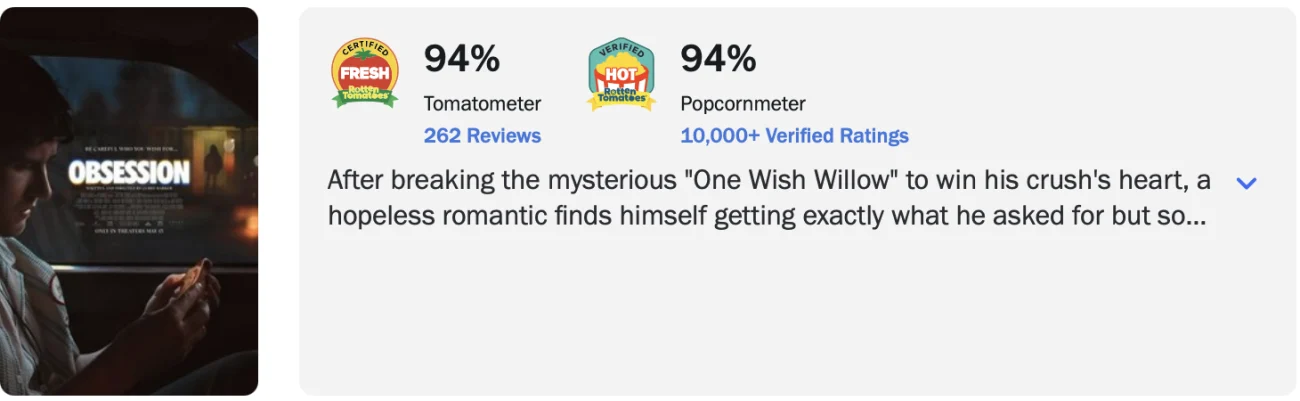
Few stories in recent Hollywood history have laid bare the industry’s financial inequities quite as starkly as the one unfolding around ‘Obsession,’ the indie horror phenomenon that has taken the box office by storm. Directed by 26-year-old YouTuber-turned-filmmaker Curry Barker, the film was made in just 20 days on a budget of $750,000, and has since become one of the most talked-about success stories in recent cinema. Audiences and critics alike have been enthusiastic, with the film earning an “A-” CinemaScore and a 94% score on Rotten Tomatoes.
The rise of ‘Obsession’ reads like a modern fairy tale. The film premiered at the Toronto International Film Festival in 2025 and quickly sparked a bidding war, eventually selling to Focus Features for around $15 million, with The New Yorker reporting it was the highest price ever paid for a genre movie in TIFF history. The feature directorial debut has since become Focus Features’ highest-grossing movie ever, crossing $224.7 million worldwide. It even became the first film since Steven Spielberg’s ‘E.T.’ in 1982 to increase its box office in both its second and third weekends.
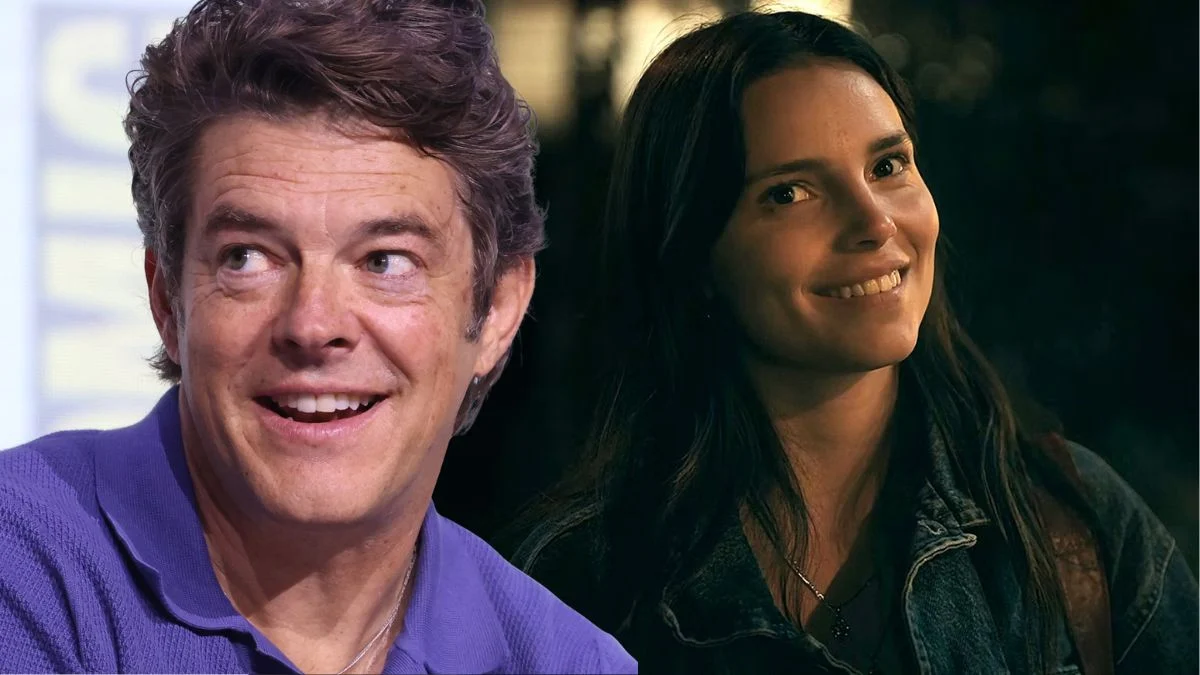
But behind that fairy tale is a pay structure that an industry insider is now calling out by name. According to an exclusive report by TheWrap, Jason Blum’s Blumhouse Atomic is set to earn $17 million in box office bonuses as an executive producer who helped market the film, and the terms of that deal are raising eyebrows. Blum was brought on a month and a half after the film’s acquisition, negotiating a bonus structure of $2 million once the film hit $25 million domestic, followed by an additional $500,000 for every $5 million thereafter. His total payout reportedly exceeds what both director Barker and producer Haley Nicole Johnson will receive.
The reaction from insiders has been pointed. As shared by @elmayimbe on X, one source put it bluntly: “He gets to brag about a movie he got put on after they acquired it, and he gets paid more than anybody else, that’s Hollywood.” The contrast becomes even sharper when placed alongside what others on the production earned. Art director Sally Choi has publicly called for industry reform after earning less than $7,000 for her work on the film as it approached $175 million globally. Below-the-line crew members on standard productions are hired on flat day rates with no backend participation clauses, a structure standard throughout the industry and largely unchanged regardless of a film’s success.
The debate has ignited a broader conversation about how the financial rewards of a breakout hit are distributed from top to bottom. Film director Joseph Kahn weighed in on the discussion, noting that crew members living in Los Angeles face high costs and that film work is feast or famine, with weeks or months sometimes passing between jobs. Others have argued that in cases of such extreme profit, where a film earns over 250 times its budget, some form of retroactive bonus structure for below-the-line workers is a reasonable ask. Financier Capstone Pictures, which fully bankrolled the original production, is expected to earn between $45 million and $50 million on the film.
‘Obsession’ has become not just a box office milestone but a mirror held up to how Hollywood rewards risk differently depending on where you sit in the credits. Whether the industry responds with any structural change, or simply moves on to the next surprise hit, remains to be seen, so share your thoughts below on whether below-the-line crew on breakout indie films deserve a piece of the windfall they helped create.