Mattel Bet Against ‘Toy Story’ and Almost Erased Barbie From Animation History

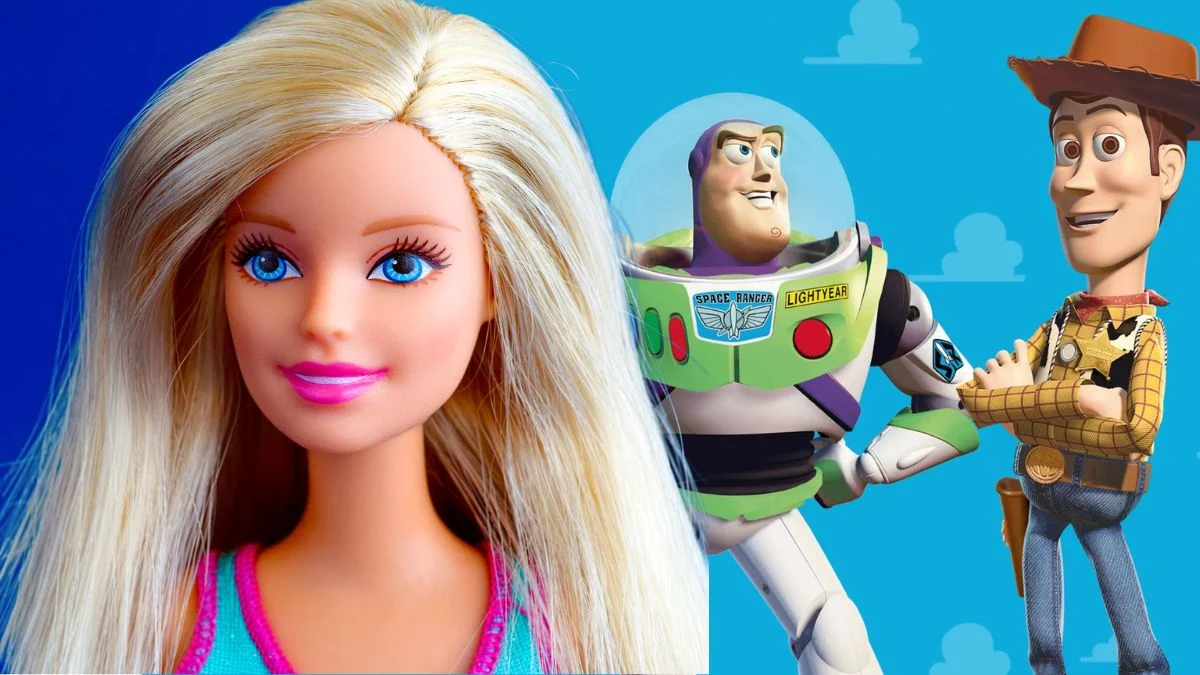

Few animated franchises have reshaped Hollywood the way ‘Toy Story’ did, and yet one of the most iconic toy brands in the world nearly sat the whole thing out. The story behind Barbie’s conspicuous absence from the original film is one of the great cautionary tales in entertainment history, and it resurfaced this week after a post from @ElaineSstark racked up 1.5 million views on X, reigniting conversation about Mattel’s now-legendary miscalculation.
Barbie was originally intended to appear in the first ‘Toy Story’ film as Woody’s girlfriend, in the role that eventually went to Bo Peep. Mattel declined to allow Pixar to use the trademark, so animators reworked the character entirely. The reasons behind that refusal were twofold and remarkably shortsighted in hindsight.
Mattel had concerns about how the film might perform. At the time, ‘Toy Story’ was still an unproven project, and there was a real chance it could fail. Mattel did not want Barbie to be part of a movie that might damage her image if it flopped. There was also another concern: Mattel wanted Barbie to stay a flexible character in the minds of children, preferring that kids imagine their own version of Barbie when playing, instead of associating her with a fixed personality from a movie.
That caution turned out to be one of the most expensive decisions the company never made. ‘Toy Story’ became the highest grossing film of 1995, making $192 million in the US and $362 million worldwide. Foreseeing its success, Steve Jobs took Pixar public days after the film’s release, resulting in a hugely successful IPO that valued the company at $1.5 billion. Mattel had passed on the ground floor of animation history.
After ‘Toy Story’ was a success, Mattel decided to put that policy aside and allowed Barbie to appear in ‘Toy Story 2’, and also with her boyfriend Ken in ‘Toy Story 3’. In ‘Toy Story 2’, Tour Guide Barbie served as a supporting character who briefly helps Andy’s toys on their adventure to rescue Woody from Al McWhiggin, navigating them through Al’s Toy Barn. By ‘Toy Story 3′, she had grown into a major presence with a full character arc, forming a central partnership with Ken that became critical to the toys’ escape from Sunnyside Daycare.
When Barbie appeared as a supporting character in ‘Toy Story 3’ and ‘Toy Story 4’, Mattel creatives emphasized that it was a significant deal for the company to cede any creative control to Pixar, even allowing the studio to poke fun at Barbie and Ken. That willingness to loosen the reins stood in sharp contrast to the company’s earlier posture, and the results speak for themselves across three beloved sequels.
Both Hasbro and Mattel also turned down a chance to make ‘Toy Story’ toys ahead of the original film’s release, with a small Canadian-based firm called Thinkaway Toys stepping in to produce Woody and Buzz dolls for Christmas 1995. It is a reminder that the ‘Toy Story’ universe was almost entirely unrecognized by the toy industry before it changed the world. Whether Barbie’s eventual inclusion made up for the original snub is a debate worth having in the comments.