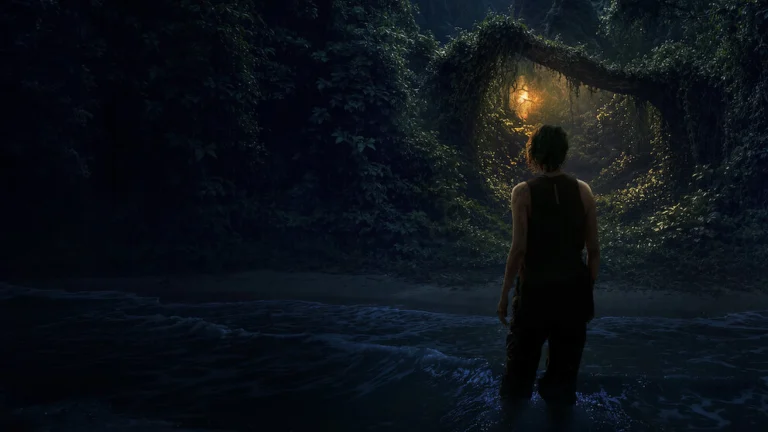
‘Kraken’ (2026): Plot, Cast, Trailer, Release Date & Where to Watch

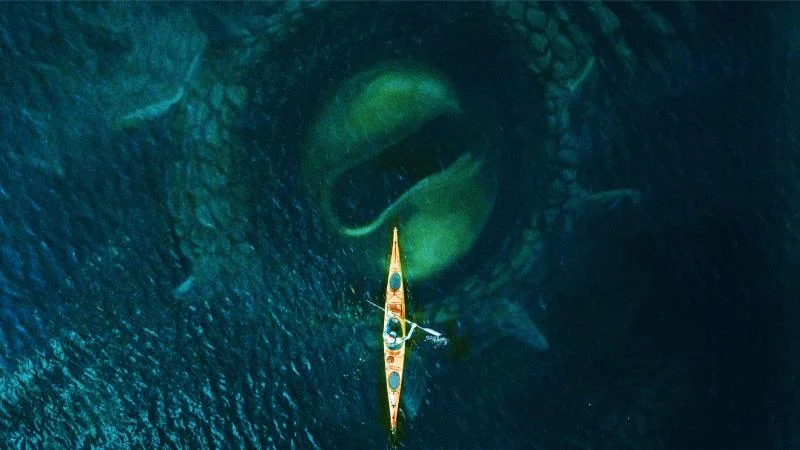

The Norwegian film industry has spent the better part of a decade building a credible track record in genre cinema, and ‘Kraken’ arrives as its latest attempt to translate ancient mythology into modern horror. Directed by Pål Øie, the film plants itself firmly in creature feature territory while reaching for something a little more grounded in the country’s deep folkloric tradition.
‘Kraken’ had its world premiere at the Tromsø International Film Festival in January before reaching wider audiences in Norway and eventually landing in the United States. The film was produced by Handmade Films in Norwegian Woods and Nordisk Film Norway, and it carries a tagline that reads, “Only 5% of the ocean has been explored for a reason.” That marketing instinct toward oceanic mystery is one the film earns at least in part.
The Plot Behind This Norwegian Creature Feature
Director Pål Øie introduces us to Johanne, a marine biologist who is tasked with returning to the fjord town of Sognefjord due to a series of mysterious occurrences. The local salmon at Western Salmon are behaving oddly, and two tourists have gone missing in the Nordic waters.
The story follows marine biologist Johanne returning to investigate disturbances caused by a sonic lice-removal system she helped create. The central mechanic is deceptively clever: crank the device high enough and it doesn’t just shake parasites loose, it calls something up from the depths. Reports of fishing nets being dragged, buoys collapsing, and a jet ski accident accumulate as signs that something is wrong long before the creature fully reveals itself.
For the first three minutes, the film begins promisingly with a brief black-and-white newsreel surrounding several different witnesses’ alleged encounters and sightings of the legendary sea monster in Norway’s longest and deepest fjord, the Sognefjord. Director Pål Øie is clearly taking a cue from ‘Jaws’, embracing the unseen underwater threat through the power of suggestion and ominous dread, shifting from calm to chaos in a split second.
Norwegian folklore is full of creatures, from trolls in the mountains to the Huldra in the woodlands to the Nøkk within fresh waters, and buried within the waters of the majestic Norwegian fjords is perhaps one of the most fearsome myths of all: the kraken. The film uses that cultural weight deliberately, framing the monster not just as a genre device but as something with deep roots in the landscape itself.
‘Kraken’ Cast and the Creative Team
The film stars Sara Khorami, Mikkel Bratt Silset, Ingvild Holthe Bygdnes, Jenny Evensen, and Steinar Klouman Hallert. Khorami leads as Johanne, carrying the film’s scientific grounding and its emotional center across a story that gradually shifts from investigation thriller to outright monster spectacle.
The screenplay was written by Vilde Eide, with additional writing by Kjersti Helen Rasmussen and Natasha Arthur. The film was produced by Nordisk Film Production’s John Einar Hagen and Einar Loftesnes in collaboration with Handmade Films in Norwegian Woods, a company specializing in genre titles based on Norwegian folklore.
Pål Øie previously directed the disaster movie ‘The Tunnel’ in 2019, and he also has experience with horror from his 2003 horror-thriller ‘Dark Woods’ and its sequel. For this monster film, Øie also co-wrote the story alongside Sjur Aarthun, who also served as cinematographer. That dual creative role for Aarthun gives the film a visual coherence that several reviewers noted as one of its strongest assets.
A Closer Look at What the Trailer Promises
When a village in the Sognefjord is struck by mysterious events, marine biologist Johanne Berge is reluctantly sent to investigate. Strange natural phenomena, strange sounds from the depths, and a tragic accident raise suspicions that something dangerous is threatening the fjord. The trailer leans into that slow-build approach, showcasing wide shots of the fjord alongside quick glimpses of the creature rather than a full reveal.
The fjord itself becomes a character in the film, vast and unknowable, and the cinematography makes full use of Norway’s natural beauty. Wide shots of still water and towering landscapes create a calm that is clearly not meant to last.
Øie hopes to merge a creature feature with disaster movie-style build-up and characterization, taking his time to get to the one thing most viewers want to see. There are technical credits to enjoy and sturdy performances to follow, but the film waits a little too long before it begins to make a mess of things, requiring some patience with the endeavor. Reception from early viewers has been mixed, with some pointing to tonal inconsistencies between the ecological thriller elements and the creature chaos of the final act.
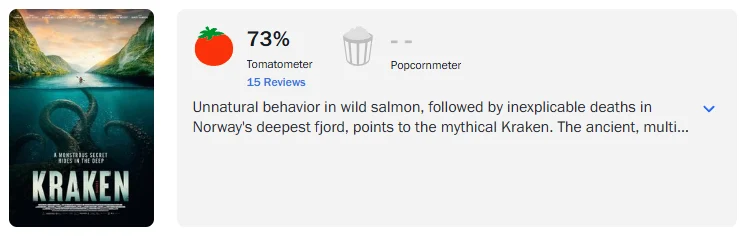
Release Dates and Where to Watch ‘Kraken’
The film had its premiere in Norway on February 6, 2026, and screened at the Gothenburg Film Festival in Sweden in January before its Oslo premiere. Its festival run gave it early exposure across Scandinavia well before its wider release.
In the United States, ‘Kraken’ arrives as a limited theatrical release on June 12, with a simultaneous digital release on the same date. Samuel Goldwyn Films handles US distribution. That simultaneous release model means viewers without access to a participating theater can still catch the film at home on the same day.
The budget was €5.3 million, and international sales rights were acquired by TrustNordisk, with Signature Entertainment handling distribution in additional markets. For a genre film of this scale, the international footprint is notable, suggesting a degree of confidence from distributors in its cross-border appeal.
Whether ‘Kraken’ ultimately lands as a worthy addition to Norway’s growing genre catalogue or settles for being a serviceable monster movie is something viewers will debate, and given the folklore roots the film is drawing from, it would be worth hearing which aspect of the story, the eco-horror angle, the mythology, or the creature itself, drew you in or let you down.