When the NFL Schedule Becomes a Movie Trailer: How Teams Turn 17 Games Into Anime, Sitcoms, and Video Games



The NFL turns a calendar announcement into entertainment every spring, giving team media departments a chance to tell a story before anyone takes a regular-season snap. Instead, franchises build animated missions, television parodies, retro games, mock documentaries, and character-driven sketches for football fans and pop culture audiences alike.
The presentation is playful, but the schedule underneath it has practical consequences. For fans following naturally also a competitive picture, professional sportsbooks, such as this website, place win totals, division markets, and season futures. The connection is natural: the video introduces the season as a story, while the markets on the sportsbook sites show how each team is assessed before opening week.
Schedule Release Has Become Its Own Genre
A Trailer for Every Franchise
The modern schedule video has two jobs. It must reveal seventeen opponents and dates, yet it must also be entertaining enough to circulate beyond a team’s usual audience. The NFL underlined that purpose on May 14, 2026, when its official roundup collected the 2026 NFL schedule release videos in one place.
Several releases translated familiar entertainment language into football:
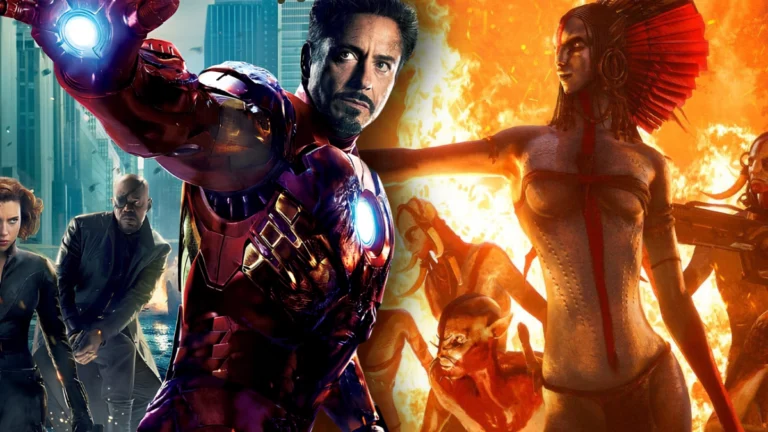
- The Los Angeles Chargers built their reveal inside Halo, presenting opponents through game-style missions and loading screens
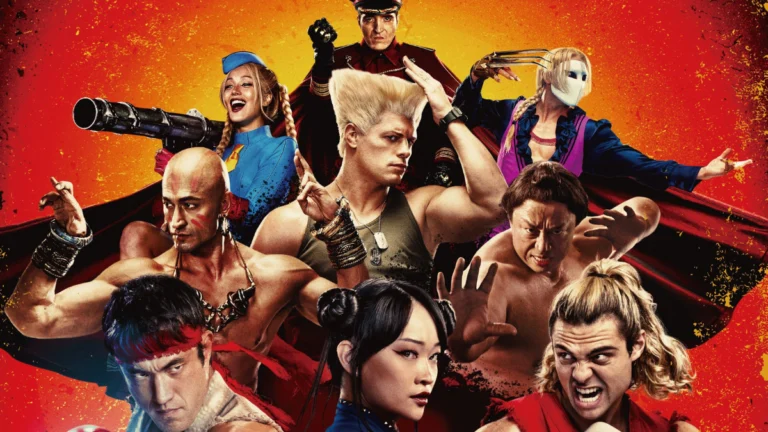
- The Cleveland Browns created Street Fighter CLE with MatPat, turning weekly opponents into arcade confrontations
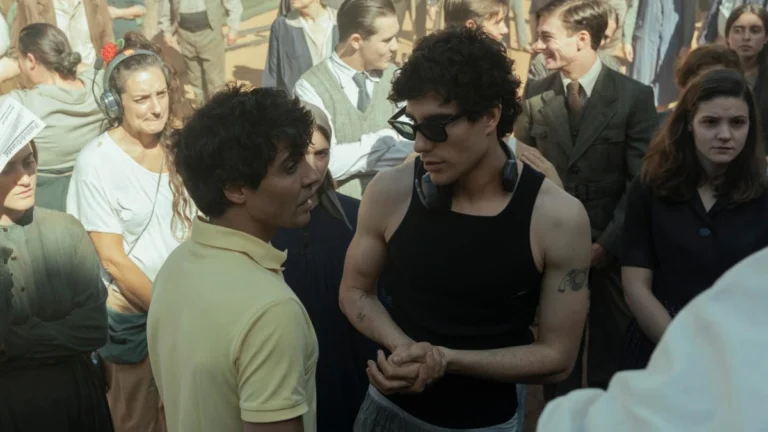
- The Indianapolis Colts toured Springfield-annapolis through a Simpsons-themed animated sequence
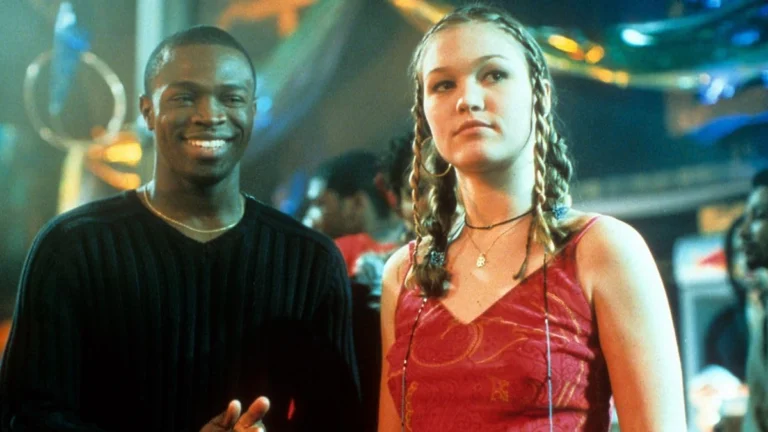
- The Baltimore Ravens framed their schedule as a Wedding Crashers spoof starring Zay Flowers
- The Chicago Bears cast Rome Odunze in a Bob Ross-inspired segment called Happy Little Matchups.
These concepts do more than decorate a calendar. Each gives the franchise a tone. Halo supports missions, objectives, maps, and hidden details. Street Fighter supplies a tournament structure. The Simpsons offers a familiar opening that can be rewritten around local jokes. Wedding Crashers makes every road date feel like another chaotic invitation. Meanwhile, the Bears used the calm rhythm of a painting program to contrast with football’s intensity.
Why Games and Animation Fit Football
Video games work especially well because an NFL season already resembles a campaign. Teams move through a fixed sequence of locations, face opponents with distinct strengths, manage injuries and roster resources, and pursue a final objective. A reveal can therefore turn a rival into a boss, a stadium into a level, or a difficult run into increasingly demanding missions.
The Chargers have also shown how one identity can develop across seasons. Their releases used anime in 2022 and 2023, The Sims in 2024, Minecraft in 2025, and Halo in 2026. That history makes the latest production feel like another entry in a series. Viewers familiar with the strongest Spartans in Halo can appreciate the science fiction framing, while NFL fans can focus on the opponent-specific references.
Animation and games also make dense information memorable. Seventeen games can blur in a conventional list, but a distinct visual device gives each week an identity. Easter eggs encourage repeat viewing, while recognisable genres make jokes understandable quickly for broad audiences.
The Real Season Beneath the Fiction
What the Calendar Actually Changes
The videos reveal dates and times, but they do not invent the opponents. The NFL scheduling formula determines most matchups through division rotations and previous season standings, and the league confirmed each team’s 2026 opponents before the full calendar arrived. Release day answers different questions: when games occur, where bye weeks fall, which contests receive prime time windows, and how travel and recovery periods are arranged.
Those details matter because the same opponents can look different once sequence and timing are added. Useful questions include:
- Does a team face several difficult opponents without a break?
- Does an early or late bye suit the roster’s likely needs?
- Are long road trips grouped closely together?
- Which divisional games arrive during the closing weeks?
- How many short weeks follow prime time appearances?
None of these points guarantees a result. Roster quality, coaching, injuries, weather, and in-season development remain more important than a trailer or an apparently favourable stretch. However, sequencing adds context to win totals and futures. It can identify demanding sections, recovery windows, and games likely to shape a division race.
Why Release Day Feels Like Opening Night
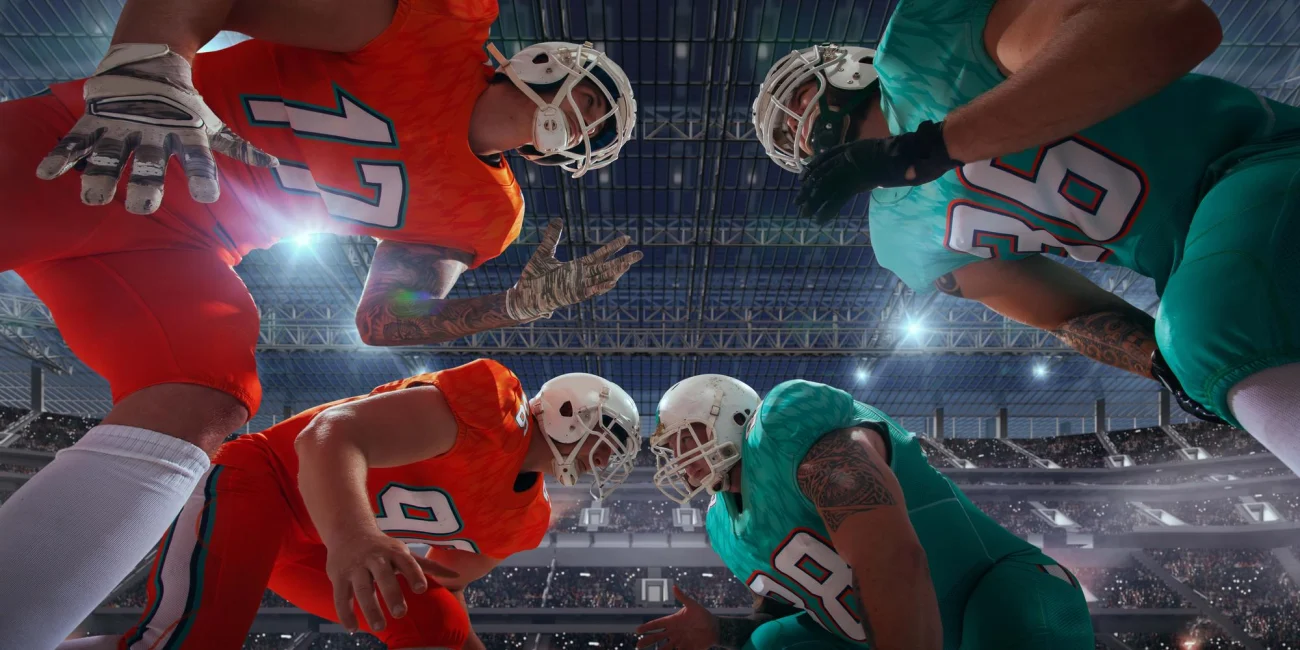
The best schedule films understand that fans are not waiting only for information. Opponents may be known, but dates transform them into plans, travel decisions, and weekly narratives. A rivalry gains a setting. A prime-time matchup becomes an event. A late divisional game acquires the possibility of a finale before anyone knows whether the standings will make it decisive.
That is why the shared universe comparison works. Every team publishes its own version of the coming season, casting itself as the protagonist and everyone else as an obstacle, villain, guest star, or punch line. Together, the thirty-two releases become competing trailers for the same league-wide story. They are not predictions and do not alter the games. Instead, they give supporters a memorable route into a complicated calendar.
Schedule release videos now, bring sport, animation, comedy, gaming, and franchise marketing together. Their value lies in converting logistical information into anticipation while leaving the real drama unresolved. That is why schedule release day now feels less like administration and more like the opening night of football season.