‘How Much of MGM+’s ‘The Westies’ Is Actually True’


Viewers tuning into MGM+’s new crime drama ‘The Westies’ have been asking the same question since the trailer dropped, and the answer is more layered than a simple yes or no. The real Westies were one of New York City’s most feared Irish American criminal organizations, operating throughout Hell’s Kitchen from the 1960s until the late 1980s. The show borrows that history as its skeleton, then builds a largely fictional body around it.
Titus Welliver’s new series is inspired by a real life Irish crime syndicate that dominated Hell’s Kitchen. What makes ‘The Westies’ compelling for history minded viewers is how closely certain plot threads track the real gang’s rise and fall, even as the show renames its central figures and compresses years of events into a single dramatic season.
The Real Hell’s Kitchen Crime Gang Behind the Show
The real Westies built a reputation for ruthless violence while competing alongside far larger Italian Mafia organizations. According to historical accounts, the gang never had more than a few dozen members at any given time, yet law enforcement linked them to dozens of murders committed between the late 1960s and mid 1980s.
Despite that small headcount, the gang carved out real influence in the neighborhood. Despite being heavily outnumbered, the gang managed to establish profitable working relationships with members of the Gambino crime family, giving them influence that seemed far greater than their actual size. That imbalance between size and power is the engine driving much of the show’s early tension.
The series also drops several real historical figures into the story under their own names. Well known Mafia bosses such as John Gotti and Paul Castellano appear within the story, helping anchor the fictional narrative inside an authentic historical setting. John Gotti, played by Hamish Allan Headley, is easily the most famous real life character in ‘The Westies,’ and Mafia aficionados might recall that Gotti took over the Gambino family in 1985, a few years after the show’s timeline, after having Castellano murdered.
That timing gap gives the series a bit of dramatic irony that history buffs in the audience will likely appreciate, since viewers know where certain characters are headed even if the show never says so directly.
Jimmy Coonan and Mickey Featherstone Anchor the Real Downfall
The gang’s collapse in real life is where ‘The Westies’ draws some of its heaviest material. Federal prosecutors spent years building a racketeering case against the gang, then used witness testimony from gang member Mickey Featherstone and RICO charges to convict Jimmy Coonan and other leading members of the Westies.
One of the syndicate’s own members, Mickey Featherstone, went on to testify against the Westies in court, and in 1988, Coonan received a 75 year sentence for racketeering, extortion, loan sharking and murders tied to his activities within the group. The judge at sentencing said Coonan was a man without any redeeming features and was guilty of unspeakable cruelty, adding that he should not be eligible for parole. He is nonetheless due for mandatory release on June 1, 2030, after he turns 83.
That real prosecutorial pressure shows up on screen through the show’s FBI storyline. Featherstone became a government informant after a murder conviction he believed had been engineered by his own crew, and his cooperation helped federal prosecutors secure the sweeping RICO case that sent Coonan away for decades.
Not every character maps directly onto a real counterpart, though. In ‘The Westies,’ J.K. Simmons portrays the group’s leader, Eamon Sweeney, a fictional character created for the show, and his underboss James Jimmy Roarke, played by Tom Brittney, is also a fictional creation. Sweeney represents a fictional blend of several influential personalities from the real gang, particularly former Westies leader Mickey Spillane, while characters including Jimmy Roarke are inspired by individuals such as Jimmy Coonan and Mickey Featherstone but with altered names and rewritten backgrounds.
J.K. Simmons and Titus Welliver Lead a Fictionalized Cast
The show’s marquee names help ground its more invented characters in something believable. The cast includes J.K. Simmons, Tom Brittney, Sarah Bolger, Titus Welliver, Jessica Frances Dukes, Stanley Morgan, Hamish Allan Headley and Allen Leach. The eight episode drama is led by Academy Award winner J.K. Simmons and promises brutal power struggles, FBI investigations and gang warfare.
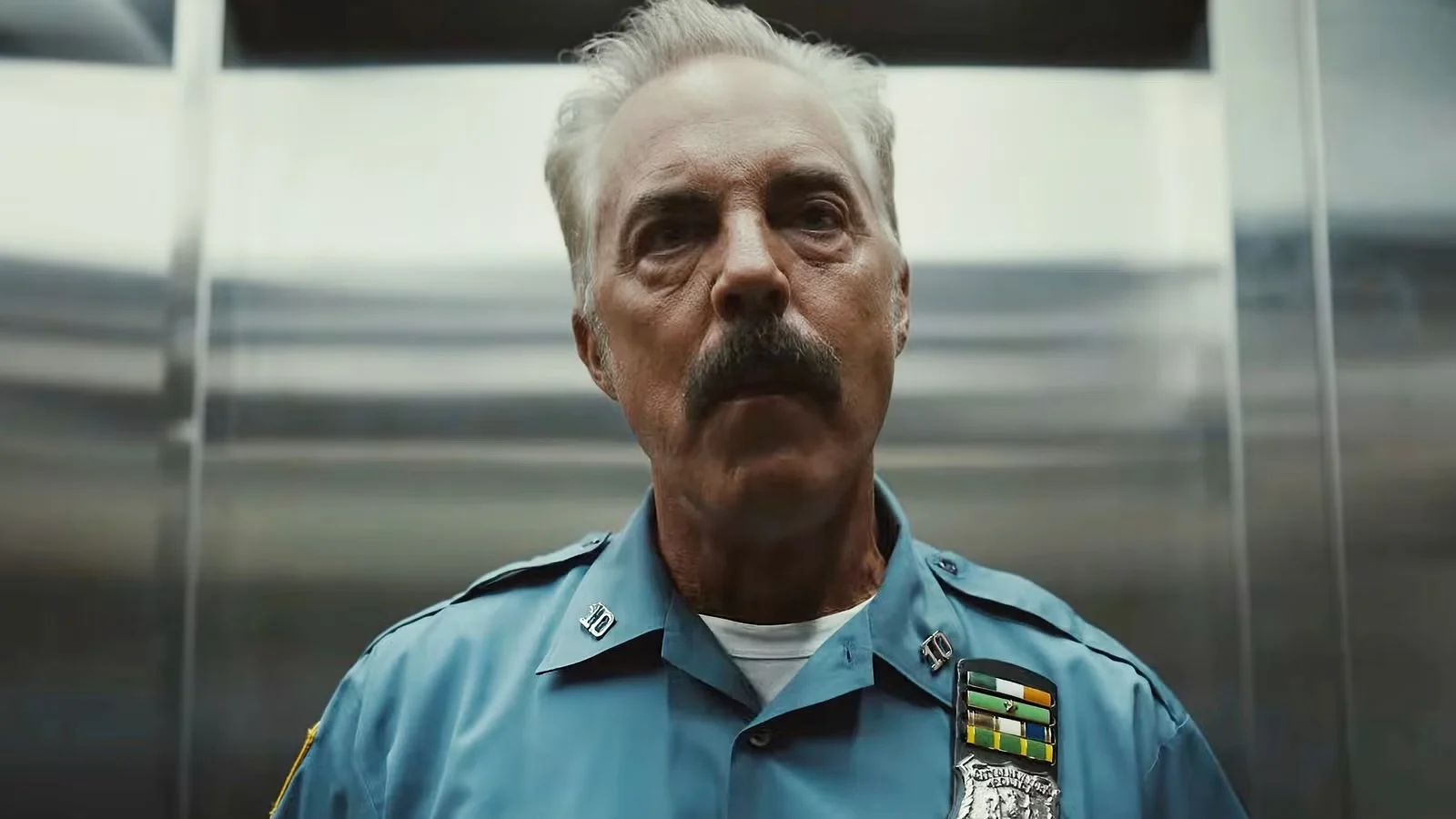
Welliver’s character carries one of the show’s more personal fictional arcs. His character Glenn, a Hell’s Kitchen beat cop and Vietnam War veteran, found refuge in the bottle and takes money as Eamon’s inside man at the NYPD, and becomes estranged from his ex wife and teenage son who runs errands for Eamon. A federal agent eventually coerces Glenn into snitching on his criminal friends, putting him in an impossible position.
How do you feel about JK Simmons' performance in 'The Westies?'
Other storylines push further from the historical record for the sake of drama. Jimmy’s girlfriend Bridget, played by Sarah Bolger, finds herself reentering the IRA fold she left behind in the old country, adding another major subplot to an already crowded season. The subplot involving the Irish Republican Army is one example where historical inspiration is mixed with fictional storytelling to increase tension and raise the stakes throughout the season.
The Jacob Javits Convention Center Plot at the Center of the Show
The construction project that sets the entire plot in motion has genuine roots in Westies history. The Westies follows the Irish gang of the same name in 1980s Hell’s Kitchen as construction on the Jacob Javits Convention Center begins on the gang’s territory. Historically, the real Westies became deeply involved in construction related criminal activity connected to the massive development project on Manhattan’s West Side, which transformed the balance of power within New York’s underworld.
The real financial scheme that unraveled the gang went beyond just the convention center. The real Westies were deeply involved in union racketeering tied to major New York construction and cultural projects during that era, including a well documented scheme that skimmed money from the Intrepid Sea, Air and Space Museum, and financial investigations into that scheme helped unravel their operation from the inside.
Critics who have already screened the series say that historical weight comes through on screen. One review describes it as vivid, reality based, if not always fact based, crime fiction that shows how far good acting and propulsive storytelling can carry standard genre themes. A separate review praised the show’s performances directly, noting that J.K. Simmons delivers a career performance and that the period recreation of 1980s Hell’s Kitchen is outstanding, with the writing bringing real intelligence to a true crime story that deserves it.
Whether the show eventually depicts the gang’s full downfall or simply covers one chapter of their story remains to be seen. It is not yet clear if the series will depict the fall of the gang or just show a chapter of their story, though the internal struggles that plagued the real Westies are already central to the season.
Between the real convictions, the borrowed names and the invented romances, ‘The Westies’ sits in that familiar space where history provides the outline and television fills in the rest, and it is worth asking which parts of Eamon Sweeney and Jimmy Roarke’s fictional rivalry you would want to see grounded in the real Coonan and Featherstone story if the show returns for a second season.