‘Stuart Fails to Save the Universe’ Ignites AI Debate With Its Strange New Opening Titles

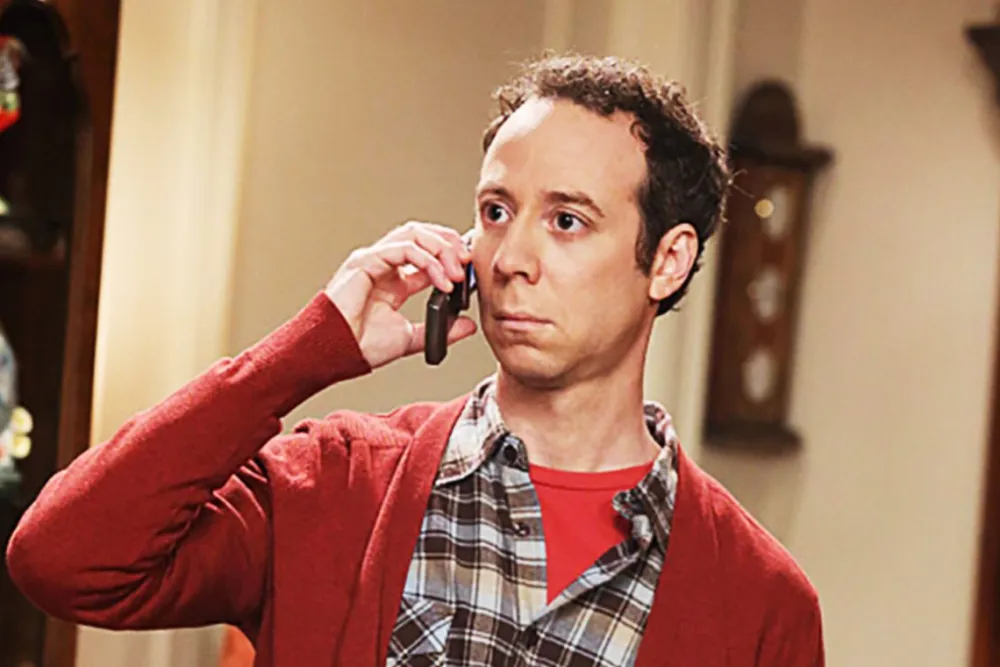

‘Stuart Fails to Save the Universe’ has only been on the air for a matter of days, and already the conversation around the ‘Big Bang Theory’ spinoff has little to do with its plot. Instead, viewers are fixated on the show’s opening title sequence, which many believe was generated using artificial intelligence.
The series premiered on HBO Max on July 23, 2026, and it did not take long for the opening credits to overshadow the story itself. What was meant to be a clever hook for the new comedy has instead become one of the most talked about elements of its rollout.
The ‘Stuart Fails to Save the Universe’ Intro Sparks Immediate Backlash
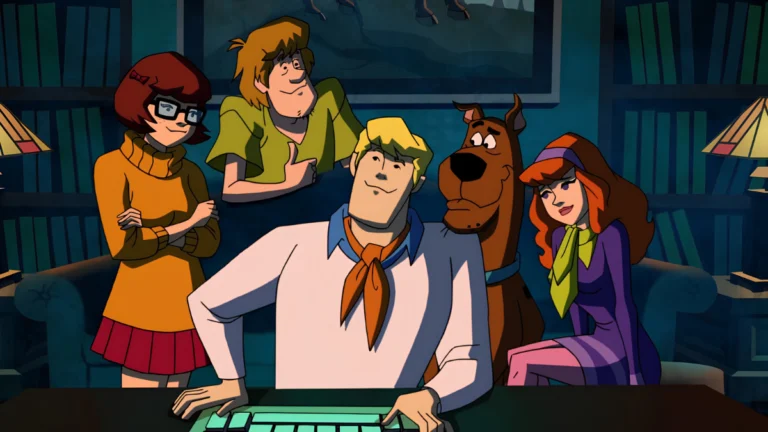
The spinoff’s opening title sequence has been criticized by viewers, with many claiming its visuals resemble AI-generated content. Fans have been openly conflicted about whether the animated sequence that opens episode one was actually built with AI tools.
The alleged AI-generated nature of the intro is apparent from the outset, carrying an odd smoothness that resembles the AI-generated videos that have become common on social media over the past few years. That texture, more than any single frame, is what convinced a large portion of the audience that something automated was involved in producing it.
The sequence even includes a billboard warning viewers not to click the skip titles button because they would be missing out, followed by a doormat reading that concludes the opening title sequence, and a sign on a door admitting the hope is that it will get better with each episode or that expectations will simply be lower. That level of self-awareness has only added fuel to the debate, since it seems to acknowledge the very criticism it was destined to receive.
One of the more pointed examples fans have circulated shows a Superman comic in the background of a shot that reads as a comment on the budget, an in-joke that critics say lands with unintended irony given how the finished product looks. The joke has not landed the way its creators may have hoped, at least not with the portion of the audience most vocal online.
Why the ‘Big Bang Theory’ Spinoff Chose a Different Title Sequence Every Week
Stuart Fails to Save the Universe does not have a single, static title sequence. The show will instead feature a new opening for every episode. Series creators Chuck Lorre, Bill Prady, and Zak Penn discussed the reasoning behind these custom sequences in interviews published in late July.
Prady explained that Lorre had told him how other productions create elaborate opening credit sequences that most viewers only watch once before skipping. Lorre reportedly described that pattern as a wasteful use of time, money and creativity. The response, according to the creators, was to build title sequences that audiences could technically skip but ideally would not want to.
Lorre said the goal was for every title sequence to be different and worth watching, resulting in something he hoped would be surprising and fun. He also credited Simpsons theme composer Danny Elfman for agreeing to write and produce a theme song with different variations for all ten episodes of the season.
Do you think the AI controversy was done on purpose?
The choice to rework the sequence for every episode may explain, at least in part, why AI tools were reportedly used, since generative animation would make it easier and cheaper to produce that many distinct versions on a television budget. Whether that practical explanation satisfies critics of the finished product remains an open question.
Stuart Bloom’s Multiverse Story at the Center of the New HBO Max Series
The premise follows comic book store owner Stuart Bloom, who is tasked with restoring reality after breaking a device built by Sheldon and Leonard, accidentally triggering a multiverse catastrophe. Stuart is aided in the quest by his girlfriend Denise, his geologist friend Bert, and quantum physicist Barry Kripke, and the group encounters alternate universe versions of familiar ‘The Big Bang Theory’ characters along the way.
Kevin Sussman reprises his role as Stuart Bloom, with Lauren Lapkus and Brian Posehn rounding out the cast alongside him. ‘Stuart Fails to Save the Universe’ marks the fourth show in Lorre’s ‘Big Bang Theory’ franchise, this time built around science fiction comedy rather than the grounded world of the original series.
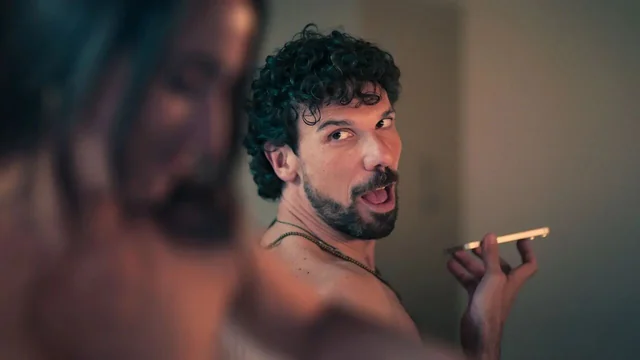
The opening credits highlight this premise by showing Stuart getting pulled into a chaotic world of bizarre visuals as the multiverse unravels around him. It is a fitting visual metaphor for a character whose entire arc is built around damage control gone wrong.
Fans and Critics Weigh In on the AI Slop Controversy
Despite the uproar over the intro, the series has drawn critical praise for the performances of its cast and its willingness to bend genre expectations. That split between reaction to the credits and reaction to the show itself has become one of the more notable storylines of the premiere week.
Some observers have suggested the production might be leaning into deliberate irony, drawing comparisons to how ‘It’s Always Sunny in Philadelphia’ once used an intentionally AI-looking poster to underscore a season’s theme. Whether that theory gives the production too much credit is still being debated among viewers who have not yet decided how they feel about the show.
The creative team has not offered technical specifics about how the sequences were made, leaving fans to speculate about where corners may have been cut given the reported budget constraints of producing ten distinct openings. That silence has done little to quiet the speculation.
Online reaction has ranged from viewers calling the sequence soulless to others taking issue with the self-congratulatory captions that appear throughout it. The strength of that reaction suggests the opening titles will remain part of the conversation for as long as the season continues to roll out new versions.
Given how much the opening sequence has shaped the early conversation around the show, it seems worth asking whether viewers think Stuart Bloom’s chaotic multiverse detour can win back the audience its title sequence may have already lost.