‘Untold’ Season 6 Episode 7: ‘Mr. T: I Pity the Fool’ Recap & Ending Explained

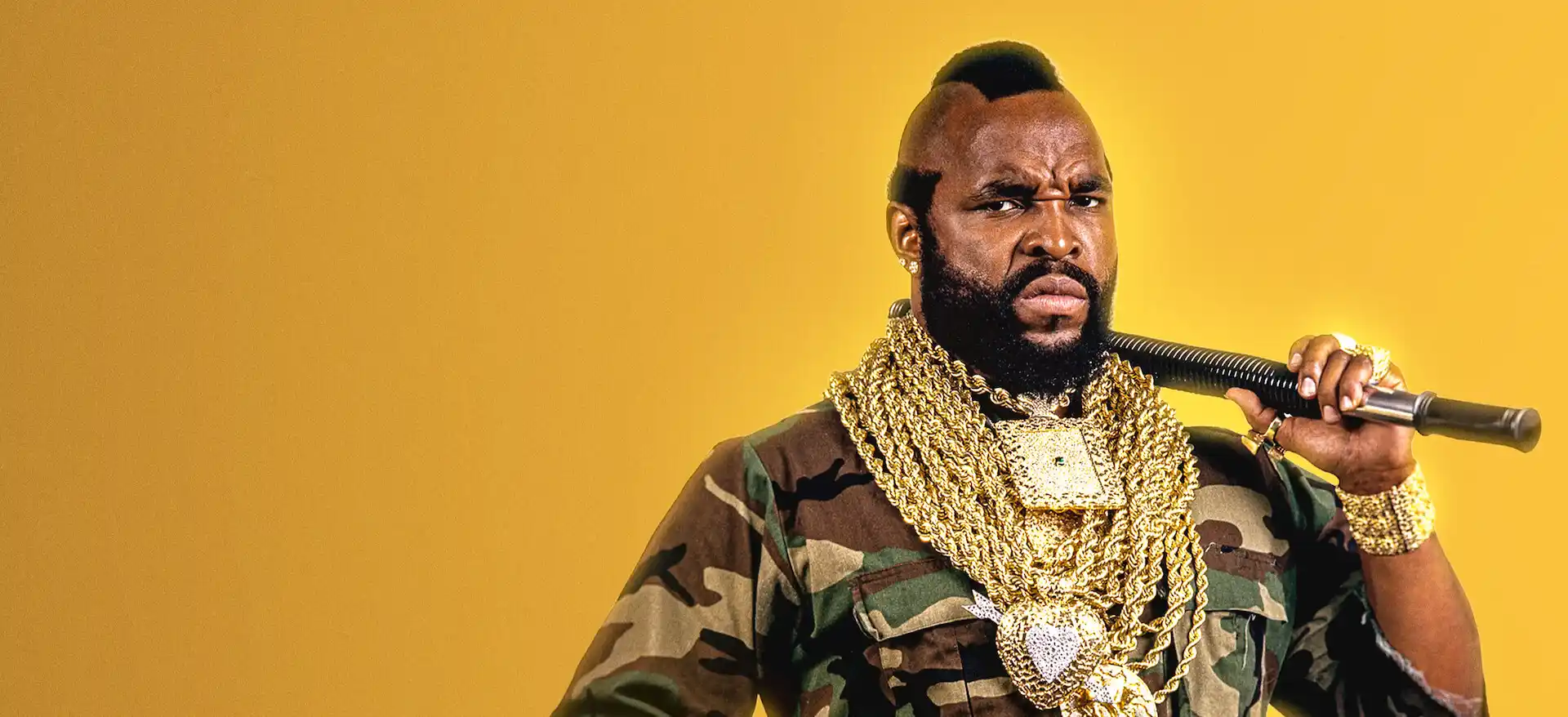

Netflix’s documentary anthology has turned its attention to one of the most recognizable faces of the 1980s, and the result is a portrait that goes well beyond the gold chains and the mohawk. ‘Untold Mr. T: I Pity The Fool’ premiered exclusively on Netflix on September 8, 2026, directed by Scott Weintrob and featuring Mr. T himself alongside Weintrob in interview segments throughout the film.
Before the gold chains, mohawk, and Hollywood fame of ‘The A-Team’ and ‘Rocky III,’ there was Laurence Tureaud, and the documentary presents itself as the extraordinary origin story behind one of the most unlikely and beloved icons in entertainment. The film closes out a busy run for the franchise this year and gives longtime fans a far more personal account of how that larger than life image actually came together.
The Story Behind the Untold Mr. T Documentary
‘Untold Mr. T: I Pity The Fool’ arrives as the third installment in Netflix’s latest trio of standalone ‘Untold’ films, following ‘Untold: The Testimony of Vince Young,’ which examines the turbulent rise and fall of the former Texas Longhorns quarterback, and ‘Untold Raygun: Breaking Badly,’ which goes inside the internet firestorm surrounding Olympic breakdancer Rachael Gunn following her viral routine at the 2024 Paris Olympics. The three films continue the format that has made ‘Untold’ a reliable staple of Netflix’s documentary slate, with each entry functioning as a self contained feature rather than a serialized season.
The series was developed by Chapman Way and Maclain Way, and past ‘Untold’ episodes have included documentaries on boxer Christy Martin and All-American football star Manti Te’o. The series remains developed by Way brothers, whose eye for character driven sports and culture stories has carried the franchise since its earliest volumes.
Choosing Mr. T bends the usual ‘Untold’ format, since there is no scandal to relitigate and no game to re-referee this time. Instead, the film treats a figure the culture had filed under cartoon as a case study in self invention, with Scott Weintrob directing and going back past ‘The A-Team’ and ‘Rocky III’ to the choices a young man made simply to be seen.
This latest batch of ‘Untold’ films rolled out on a weekly cadence rather than dropping all at once, beginning with ‘Untold: The Testimony of Vince Young’ on August 25, followed by ‘Untold Raygun: Breaking Badly’ on September 1, before this Mr. T finale.
Mr. T I Pity the Fool Recap and Origin Story
Mr. T’s journey began as a professional bodyguard around 1972, when he found steady weekend work providing security to businesses in Chicago, starting out as a doorman and bouncer at a nightclub called Dingbat’s Disco. Since visiting celebrities often needed personal protection while touring through Chicago, bouncers working the city’s nightclubs were frequently tapped to work as their bodyguards, which is how Tureaud built his early reputation.
His breakthrough eventually came after he was noticed during an appearance on the show ‘Games People Play,’ which led directly to his casting as Clubber Lang in ‘Rocky III.’ From there, the film traces how his television and film roles, distinctive look, and signature line, ‘I pity the fool,’ turned him into one of the most recognizable figures in pop culture almost overnight.
By the mid 1980s, Mr. T had become an inescapable cultural force, appearing on everything from branded cereal boxes to toy shelves. The documentary also touches on his run in ‘WrestleMania’ 1 and 2, a guest hosting stint on ‘Saturday Night Live,’ and his high profile involvement in Nancy Reagan’s Just Say No campaign, before landing his most iconic television role as B.A. Baracus on ‘The A-Team.’
In the trailer, Mr. T opens up about the personal origin of his own moniker, explaining that he was not born Mr. T and that people do not know the road he had to travel. He recalls watching his father being called boy while growing up, and says he ordained himself Mr. T so that the first word out of everybody’s mouth would be a sign of respect his father never received.
The Career Decline and Health Battle Explored in the Documentary
According to the film, Mr. T ultimately could not hold on to the extreme success he experienced at the very beginning of his career, and the work eventually fizzled out. Some of the people who worked with him at the time point to a waning determination and passion, alleging that he did not want to work as hard once he had experienced global popularity and instead shifted his focus toward advertisements and easier paydays. Directors on those projects alleged that he wanted to cut short his schedule and did not put his full effort into performances during that stretch.
He was also dealing with personal troubles at the time, including family members suing him for money. Then in 1995, Tureaud was diagnosed with T-cell lymphoma, a cancer that carried, cruelly, his own initial, and the illness pulled the loudest man on television out of view for a stretch. He returned to public life quieter and more openly religious, with the chains mostly gone.
Mr. T recalled in the documentary how he used to meet young fans while on ‘The A-Team,’ including sick children who would request him and whom he’d encourage to have faith, only for his own health to later be challenged by the lymphoma diagnosis. He frames his survival as a matter of faith rather than luck, describing the ordeal as a testimony he now feels obligated to share with others.
Untold Mr T Ending Explained and Where the Story Leaves Off
Director Scott Weintrob has said he aimed to present an honest and intimate portrait of Mr. T, and that Mr. T initially responded emotionally and positively to the finished film, which ultimately aims to inspire viewers through his journey of beating the odds and achieving extraordinary success. Weintrob has described watching Mr. T revisit the places from his own life during filming and reach the end of it, where he essentially said that it just stopped, leaving it up to the viewer to decide whether he wanted that stop or wanted it to continue.
The finished film leaves open the tension of whether a documentary can reach the man beneath the character he built to survive, or whether the character has become the truest thing about him. The subject, in the end, is the persona itself, how it was assembled, what it was built to do, and why a man would spend decades living inside a character designed for a five minute impression.
The release has not been without friction. In an interview with The Guardian, Mr. T said the finished documentary presents several false narratives about his life, specifically rejecting its portrayal of his acting career decline as the result of poor decisions on his part. He said that if he never made another dollar or appeared on television again, everything he ever wanted to do was already done, adding that his focus was never on making exorbitant amounts of money but simply on providing a home and nice clothes for his mother. Mr. T also suggested that race played a role in how the documentary framed his story, describing it as an instance of a white man wanting to change the story and control the narrative.
That disagreement between subject and filmmaker gives the finale an unusually candid coda, with the man at the center of the story publicly pushing back on the version of events Netflix chose to tell. It leaves viewers with two accounts of the same life running side by side, the documentary’s and Mr. T’s own, and invites anyone who just watched ‘Untold Mr. T: I Pity the Fool’ to weigh in on which version of the Clubber Lang and B.A. Baracus actor’s rise and fall rings truest to them.