Untold Raygun: Breaking Badly Recap and Ending Explained: Rachael Gunn Breaks Her Silence

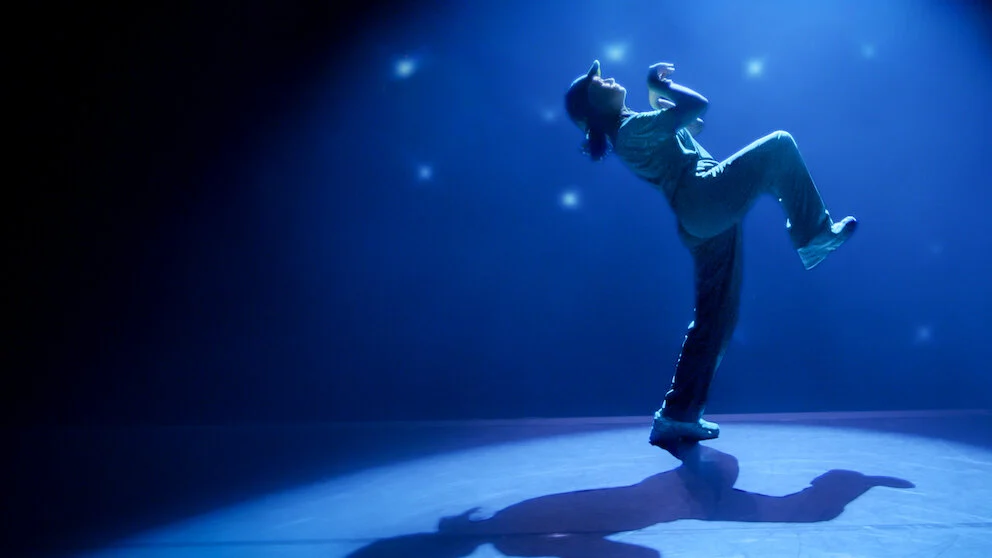

Netflix’s documentary series ‘Untold’ has returned with a new chapter centered on one of the most talked about athletes of the last Olympic cycle. ‘Untold Raygun: Breaking Badly’ is a 2026 Netflix sports documentary about Australian breaker Rachael Gunn, known by her competition name Raygun, and the events that followed her appearance at the 2024 Paris Olympics. The film is directed by Chapman Way and Maclain Way and arrived as part of the docuseries’ latest run, which began releasing new stories weekly starting August 25, 2026.
For anyone catching up after the fact, this recap breaks down what the episode actually covers and how it resolves Gunn’s story, without leaning on anything beyond what has already aired and been reported. The goal here is to walk through the documentary’s structure, its most notable moments, and how the ending frames Gunn’s life since Paris.
What Happens in the ‘Untold Raygun: Breaking Badly’ Recap
The documentary follows Gunn’s path from an academic and dancer to an Olympian, then examines the enormous online reaction to her performance, including the memes, misinformation and conspiracy theories that followed her appearance in Paris. It traces her journey from her days as an Australian scholar to becoming a global meme, with ‘Untold Raygun: Breaking Badly’ recounting her unusual route to the Olympic stage and the notoriety that followed.
Much of the early runtime plays almost like a love story between Gunn and her husband, Samuel Free, who is referred to in the film by the nickname Sammy. The two bonded over a shared love of dance, and Sammy eventually became her coach in breaking, with viewers also getting a glimpse of the couple’s wedding. Gunn’s mother describes her as having been “just a normal suburban girl,” recounting her early years in ballet, tap and jazz before she moved into breaking, while her father recalls thinking he was heading to Paris to console his daughter rather than watch her make history.
The film does not shy away from how brutal the online response actually got. In footage of her Olympic qualifier, Gunn is shown beating fellow competitor B-Girl Molly, though neither performance looks especially polished, and the documentary uses that round to set up the disastrous final stage that followed. By her own account and through the documentary’s framing, Gunn was underprepared for an Olympic level performance and knew it, having tried to compete conventionally against her peers and failed to earn a single point even while genuinely trying.
That failure is what pushed her toward the routine that made her famous, or infamous, depending on who was watching. In the final round, rather than keep attempting a style she could not execute, Gunn shifted into the now iconic performance filled with kangaroo poses and exaggerated movement, which she intended as an artistic statement inspired by Australia but which the wider public read as absurd.
Inside Rachael Gunn’s Path to the Olympic Stage
The documentary does not just recap the viral moment, it spends real time on how personal the backlash became. B-Girl Tinylocks, a fellow breaker who did not attempt to qualify for the Olympics herself, appears as one of the people who was appalled by Gunn’s routine. B-Girl Flix, who had considered Gunn a friend for around 15 years, says in the film that she was “offended” and “embarrassed” by the performance.
Those relationships give the documentary some of its sharpest tension, since breaking itself was making its Olympic debut alongside Gunn. It was not only Gunn’s first Olympic Games, it was also the first time breaking appeared as an Olympic sport at all, which added extra scrutiny to how she represented the discipline.
According to one review of the film, that dynamic is handled with more nuance than the initial online pile-on ever allowed. Rival breakers Tinylocks and Flix appear as talking heads who initially seem to delight in Gunn’s downfall, a choice the review describes as a smart tactical decision that ends up being turned on its head by the documentary’s close.
How the ‘Untold Raygun: Breaking Badly’ Ending Explained Unfolds
By its final stretch, the documentary settles into a clearer thesis about what actually happened in Paris. The closing portions argue there was no corruption or grand conspiracy behind Gunn’s performance, and instead present it as a case of Gunn realizing she could not compete on the Olympic stage and choosing to make a different kind of artistic statement instead. The film also notes that Gunn was publicly endorsed by Richard Branson, and that public sentiment gradually shifted toward empathy for a woman who had been thrust into a situation she was not equipped to handle.
The very end of the documentary leaves Gunn’s next chapter somewhat open. She reveals that she has given up her job in academia, and the film leaves things open ended as to what comes next for her career and public life. As detailed in a review from Ready Steady Cut, that ambiguity is part of what makes the ending land as more hopeful than the initial coverage of Gunn ever suggested it could.
Critics and Fellow Breakers React to the Documentary
Early reviews of ‘Untold Raygun: Breaking Badly’ have been largely favorable, with critics noting how the film reframes a story that was once treated purely as internet fodder. One review from the Sydney Morning Herald called it “wildly entertaining, if you enjoy watch-through-your-fingers TV,” while adding that it is “pretty much one-sided,” giving the film three out of five stars. A separate review noted that what begins as “the portrait of a disaster somehow morphs into a feel-good story of surprising power,” awarding the documentary four out of five stars.
That shift in tone, from mockery to something closer to sympathy, appears to be the throughline critics keep returning to. One reviewer compared Gunn’s situation to other sports-adjacent celebrity scandal subjects the ‘Untold’ franchise has covered, noting the key difference is that Gunn comes across as likable rather than being framed as a villain or a target for ridicule throughout the film.
The documentary also does not gloss over how ugly the backlash got in the aftermath of the performance. The review describes how Gunn was dragged over coals, her relatives were harassed, and the tone of the mockery quickly turned uncompromisingly nasty in the weeks following the Games. That context appears to be central to why the film’s ending resonates the way it does, framing Gunn less as a punchline and more as someone who weathered a genuinely brutal moment in public life.
Whether the documentary fully rehabilitates how the public remembers that Olympic routine or simply adds nuance to a story most people thought they already understood is likely to depend on who is watching, and it seems like exactly the kind of question ‘Untold Raygun: Breaking Badly’ viewers will want to hash out among themselves.