Paul Bettany Explains Why ‘VisionQuest’ Feels Like WandaVision’s True Successor

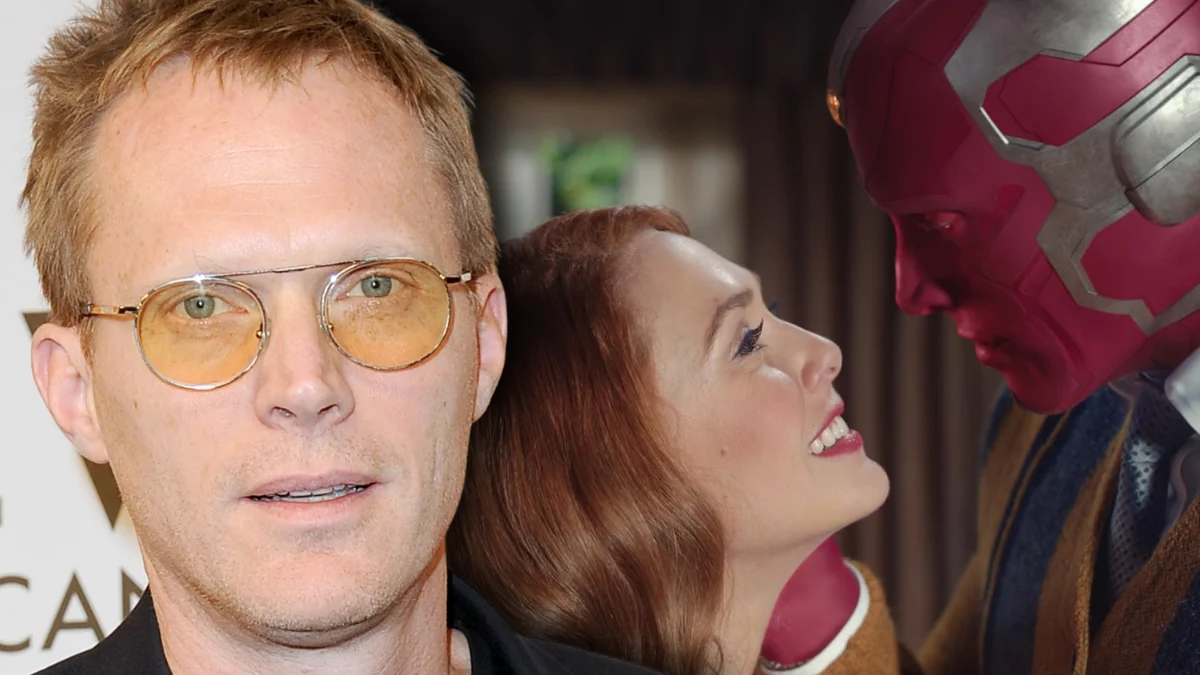

Marvel’s WandaVision trilogy has quietly become one of the most creatively ambitious corners of the entire franchise, built on a willingness to experiment that few other MCU projects have attempted. What began as a genre-bending exploration of grief through classic sitcom pastiche eventually expanded into ‘Agatha All Along,’ and now moves toward its long-awaited conclusion with Paul Bettany once again stepping into the role that helped define this era of Marvel storytelling.
That final chapter, ‘VisionQuest,’ has been years in the making, first announced back in 2022 before quietly working its way through development under new showrunner Terry Matalas after original creator Jac Schaeffer stepped back. The series picks up directly from where ‘WandaVision’ left White Vision, having just regained access to all of his counterpart’s memories, including everything experienced within the Hex, forcing him to reconcile who he is now with the emotional history he’s suddenly inherited.
With the show now closing in on its release, Bettany has been increasingly candid about how closely ‘VisionQuest’ connects back to the series that started it all, describing it as carrying forward what made ‘WandaVision’ so distinctive without simply repeating the same beats or tone.
Reflecting on that ambition, Bettany credited Matalas for understanding exactly what kind of creative risk the show needed to take. “I think that Terry realized, and agreed with me, that I feel like Marvel gets rewarded when it takes really big swings,” Bettany explained in comments to ScreenRant.
Bettany went further, explaining that Matalas understood exactly who Vision is meant to represent, a character built for the kind of kid who feels like an outsider without a clear sense of community to belong to. That framing, he suggested, is what allowed the show to become something genuinely entertaining about a character trying to figure out who he is, rather than just another retread of familiar Marvel beats.
James Spader returns as Ultron, described within the show as an internal presence living inside Vision’s own mind, appearing both in his familiar robotic form and in human guise. Ruaridh Mollica joins the cast as Tommy Maximoff, Wanda and Vision’s now-grown son, adding a generational thread that ties directly back to unresolved questions from ‘WandaVision’s’ original finale.
Bettany has previously described the show’s broader themes as centering on intergenerational trauma, drawing a direct line to how ‘WandaVision’ explored grief through its own unconventional sitcom format. That thematic continuity, paired with a returning ensemble of AI characters and familiar faces including Todd Stashwick’s Paladin, T’Nia Miller’s Jocasta, and Emily Hampshire’s human take on E.D.I.T.H., appears to be exactly what Bettany means when he describes the series as deeply connected to its predecessor without simply retreading old ground.
Matalas, best known for his work on ‘Star Trek: Picard,’ stepped in after Schaeffer’s departure due to scheduling conflicts with ‘Agatha All Along,’ with Schaeffer reportedly remaining supportive of how he and Bettany have carried the story forward in her absence.
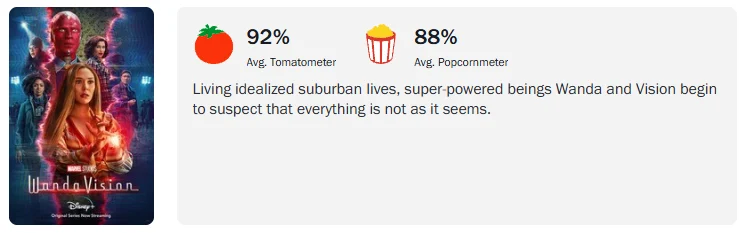
‘VisionQuest’ marks the third and final installment in the trilogy that began with ‘WandaVision’ in 2021 and continued through ‘Agatha All Along’ in 2024, giving Marvel a rare opportunity to close out a multi-year storytelling arc with the same central actor anchoring every chapter. The eight-episode series is set to premiere on Disney+ on October 14, finally bringing years of anticipation to a close.
Are you excited for VisionQuest to complete the WandaVision trilogy?
Have something to add? Let us know in the comments!