30 Volunteers Enter a Real Prison in Netflix’s Controversial New Reality Show

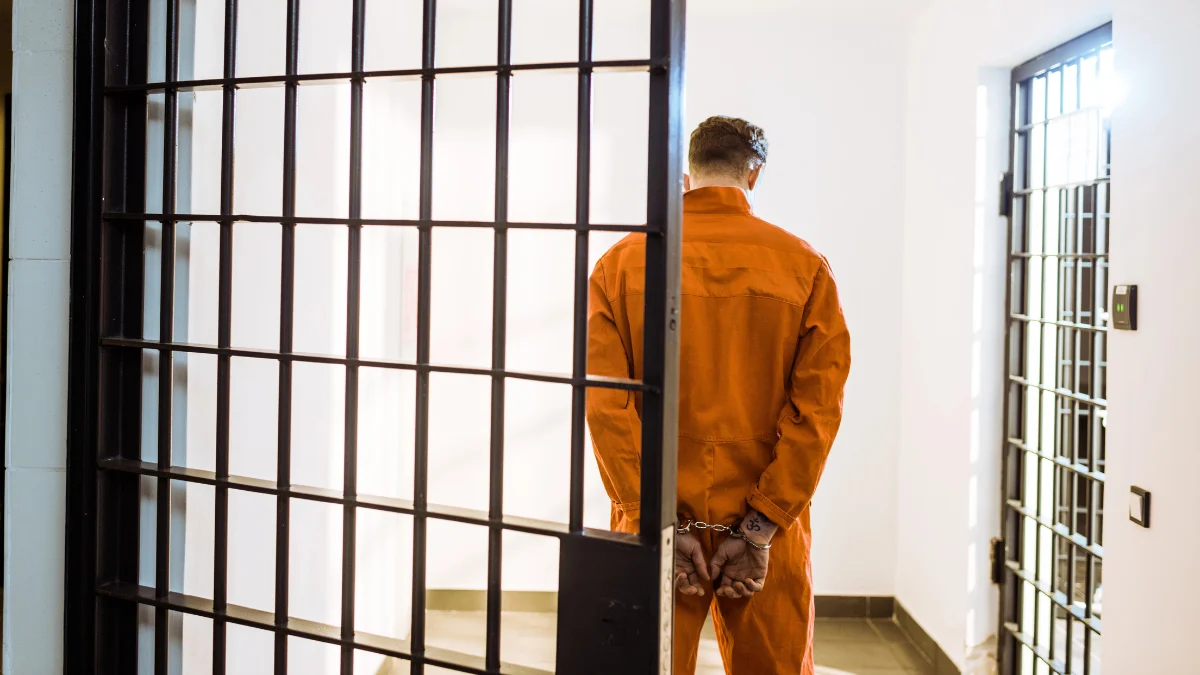

Reality television thrives on shock value, but every so often a new series announcement manages to spark genuine debate before a single episode even airs. Netflix has built a reputation over the past few years for greenlighting increasingly provocative unscripted concepts, and its newest project may be testing the limits of that strategy more than anything that’s come before it.
The streamer previously found success with ‘Unlocked: A Jail Experiment,’ which followed real inmates at an Arkansas facility as a sheriff implemented a radical program granting them expanded freedoms. That series generated its own share of ethical debate, but Netflix’s latest concept has gone even further by directly reviving one of psychology’s most infamous and widely condemned studies.
Netflix has officially unveiled “The New Stanford Prison Experiment,” a reality series premiering October 21 that places thirty willing participants inside a real prison, randomly assigning them roles as either guards or prisoners to explore whether people inevitably conform to positions of power or whether morality can withstand that pressure.
The backlash stems largely from the original study’s notorious history. Conducted by psychologist Philip Zimbardo in 1971, the initial Stanford Prison Experiment became a textbook example of research ethics failure, shut down after just six days once the simulated guards began exhibiting genuinely abusive behavior toward the simulated prisoners. For decades, the study has been taught primarily as a cautionary tale about what happens when ethical oversight breaks down, not as a format worth repeating for entertainment.
That history hasn’t been lost on social media, where reaction to Netflix’s announcement has been swift and sharply divided. Commenters have pointed out the apparent contradiction of turning a study famous for its ethical collapse into a streaming series, with some pointing out that the entire original lesson was meant to serve as a warning against ever attempting something similar again.
The series will run six 45-minute episodes for its debut season, produced by Alfred Street Industries. Executive producer Jane Lipsitz addressed the inherent controversy directly, explaining that despite the original study’s serious ethical flaws, it raised a fundamental question that feels increasingly relevant today: how does power affect ethical decision-making?
Unlike the original 1971 study, where participants weren’t fully aware of what they were signing up for, Netflix’s version features willing volunteers who understand the premise going in, a distinction the production has leaned on to differentiate the new series from its notorious predecessor. Lipsitz described the filming process as one of the most intense experiences her team has ever had, crediting Netflix for backing a project willing to take genuine creative risks.
This isn’t the first time the original study has made its way to screens. A dramatized feature film covering the experiment was released back in 2015, and a documentary series titled “The Stanford Prison Experiment: Unlocking the Truth” arrived in late 2024, featuring former participants recounting their experiences through interviews and reenactments.
With the premiere date now confirmed and social media reaction already running hot, Netflix appears fully aware it’s courting controversy with this release. Whether the show manages to responsibly interrogate the same disturbing questions the original study raised, or simply repackages them for streaming audiences, remains an open question until the series actually premieres next month.
What do you think of Netflix reviving the Stanford Prison Experiment as a reality series?
Have something to add? Let us know in the comments!