Paramount Settles Antitrust Suit as Warner Bros. Discovery Deal Nears the Finish Line

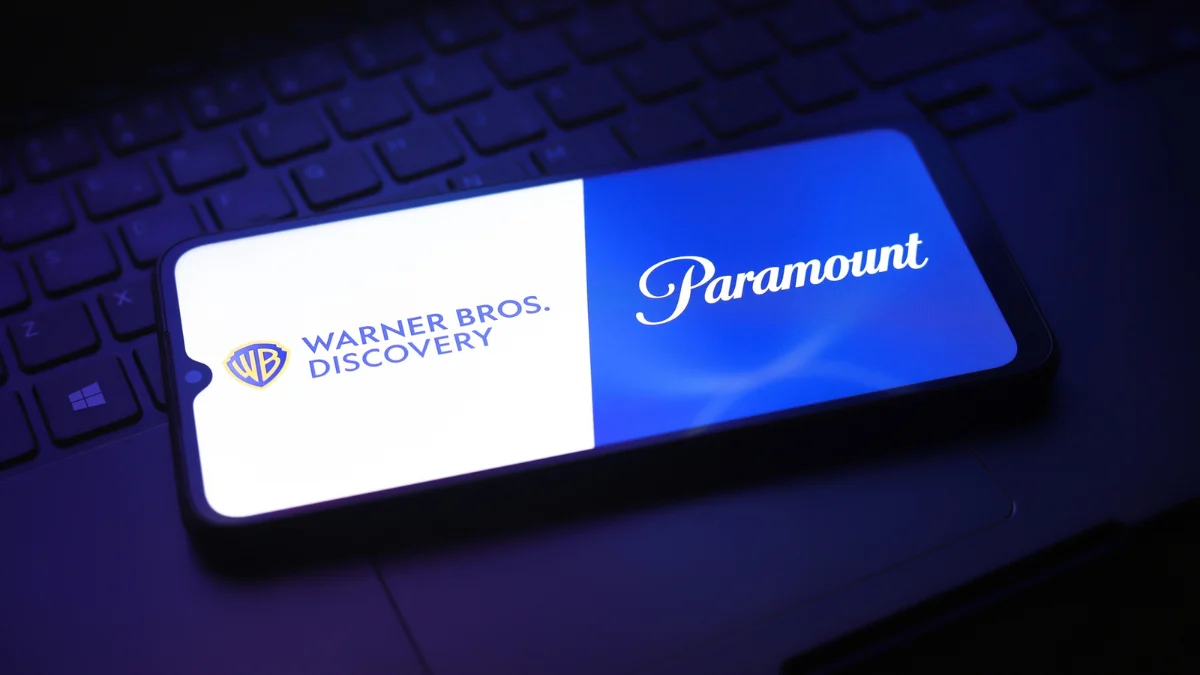

Hollywood’s biggest merger saga has had more twists than a summer blockbuster. Netflix withdrew from its takeover deal for Warner Bros. Discovery on Feb 26, 2026, and Warner Bros. accepted Paramount’s offer a day later. The deal was valued at $110.9 billion, at $31 per share in cash.
The road since then has been anything but smooth. On June 12, the Department of Justice announced it was closing its investigation without filing a lawsuit. California Attorney General Rob Bonta then led a group of 12 Democratic-led states that sued in July to stop the transaction.
That fight has now taken a dramatic turn. Deadline reported on Sep 21 that Paramount has settled the antitrust suit and is set to seal its deal for Warner Bros. Discovery. The outlet’s headline leads with a triumphant “Done!”, which suggests the long legal standoff may finally be over.
The news follows a busy few days. The Wall Street Journal reported Friday that Paramount was in “advanced talks” with Bonta to settle the suit. Reuters later reported that a settlement could come as soon as this weekend, with terms including independent content monitoring of CNN and a commitment to a certain number of theatrical releases.
Studio operations were also reportedly on the table. The two sides discussed Paramount running the two companies’ movie studios separately for a period rather than combining them immediately. CEO David Ellison has repeatedly pledged that the combined company would release more than 30 films theatrically each year.
Time was running short for Paramount. A $7 million daily ticking fee owed to Warner Bros. Discovery shareholders was due to begin on Oct 1 if the deal was not completed. Ellison had also told Paramount executives he was seriously considering moving the company’s operations out of California if the deal did not close by the end of September, and he floated Tennessee, Texas or Georgia.
A deal without major divestitures would be a notable victory for Ellison. Bonta had maintained he would only accept structural remedies, which typically involve selling off parts of the combined business, while Paramount had offered only behavioral concessions such as a pledge to release at least 30 movies with 45-day theatrical windows. Whether that gap was bridged is the key question to watch as full details emerge.
Wall Street already seems to like where this is headed. Warner Bros. Discovery shares rose 7% to $29.74 in early Monday trading, while Paramount Skydance climbed 5% to $10.76 on the settlement reports. That put the target’s stock closer to the $31 cash price Paramount has promised.
A signed settlement would not clear every obstacle. A dozen state attorneys general and the Writers Guild were described as still challenging the merger outside any California framework. Variety reported that Paramount and Warner Bros. Discovery would also need at least a week or so after any deal with the states to close, given the $110 billion pact’s intricate financing.
The stakes for moviegoers and the industry are enormous. The combination would unite Paramount’s and Warner Bros.’ film studios, a large slate of television channels, and the news operations of CBS News and CNN. A federal judge had already ordered a two-day settlement conference for Oct 14 and 15 in San Francisco.
For now, the details of the agreement are the missing piece. Hollywood will be watching closely to see what Paramount gave up to get here, and how quickly the Warner Bros. logo can start sharing a corporate home with Paramount’s.
What do you think of Paramount settling the antitrust suit over its Warner Bros. Discovery deal?
Have something to add? Let us know in the comments!