Is ‘East of Eden’ on Netflix a True Story and How Much Comes From Steinbeck’s Own Life


The new Netflix limited series, adapted by Zoe Kazan from John Steinbeck’s classic novel, starts streaming on October 1. As the premiere arrives, one question keeps surfacing among viewers, which is whether ‘East of Eden’ is a true story. The answer is more layered than a simple yes or no.
The short version is that ‘East of Eden’ is a work of fiction rooted in real family history. Its story is not autobiographical, yet it draws on Steinbeck’s memories of the Salinas Valley, the war era and his relatives. Understanding where the facts end and the invention begins helps explain what Kazan’s series is adapting.
Is ‘East of Eden’ Based on a True Story
The plot itself is invented. The novel was published in 1952 and follows the fortunes of two families, the Trasks and the Hamiltons, from the Civil War to World War I. One analysis of the book notes that the events depicted in the story are clearly fictional.
The two families are not treated equally by the author. The Trasks function as allegories for biblical characters, while the Hamiltons are based on actual people. That split is the key to reading the book, and it carries over into the series.
The biblical frame is also part of the design. Steinbeck took the title from the passage in Genesis describing Cain leaving God’s presence and settling in the land east of Eden. Using scripture as a framework signals that the Trask story is meant as parable rather than reportage.
The Hamilton Family and Steinbeck’s Family History
The real people behind the novel are Steinbeck’s relatives on his mother’s side. The Hamilton family in the book is said to be based on the family of Samuel Hamilton, Steinbeck’s maternal grandfather. Olive Hamilton was Steinbeck’s mother, and many relatives appear as secondary characters.
Steinbeck himself vouched for that side of the book. He said that all the anecdotes of the Hamilton family were true. A profile of the family adds an important qualification, noting that dates are rearranged and personalities heightened, though the Hamilton family stories are true.
The author also places himself inside the narrative. Steinbeck appears in the novel as a young boy in a minor role. That detail suits a book he never claimed as a memoir but plainly wrote from close personal knowledge, given that Steinbeck hardly knew his grandfather, who died when the author was two.
Cathy Ames and What the Netflix Series Changes
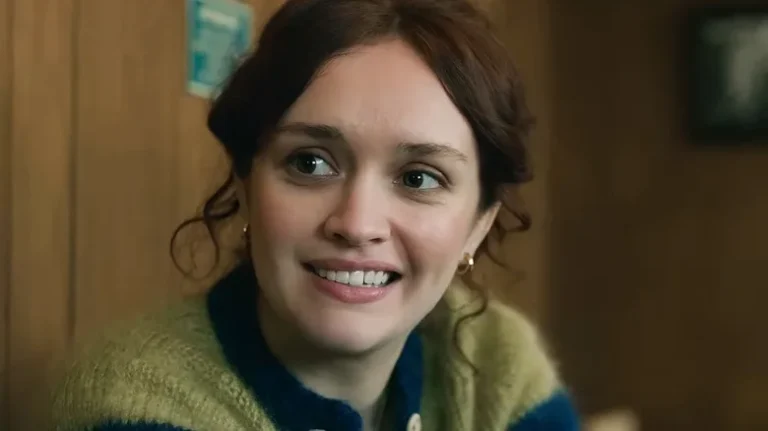
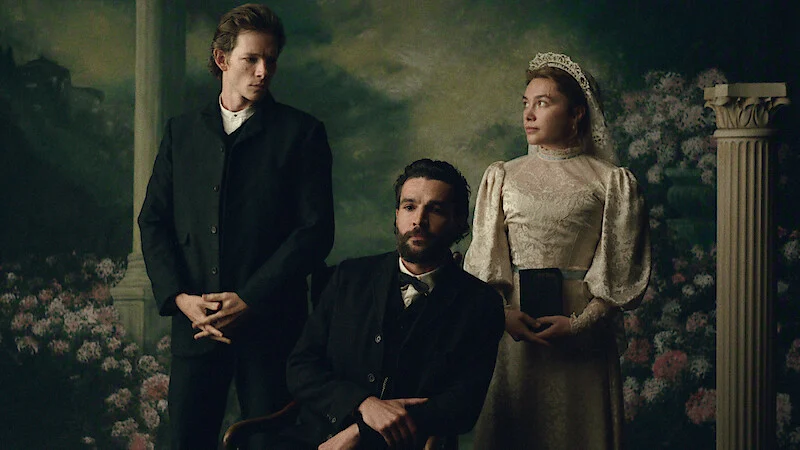
The most notable creative choice in the series is its treatment of Cathy Ames. Florence Pugh’s version of the character sits closer to the center of the story, reframing a woman Steinbeck described in monstrous terms. Pugh has described the character as the engine of this version, and she says the series is about how the choices we make reverberate across time.
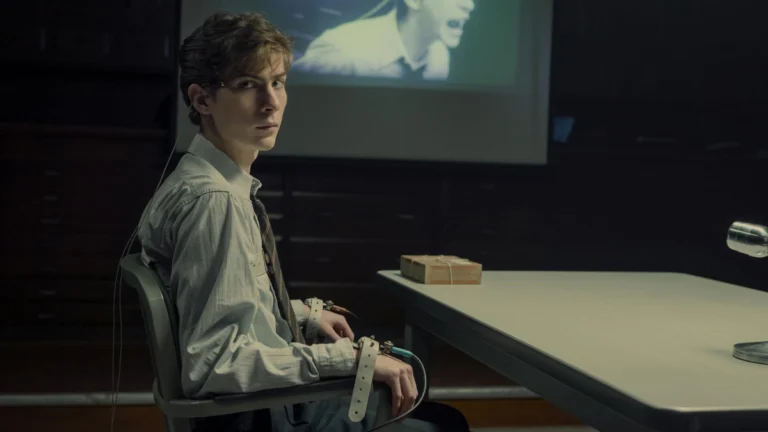
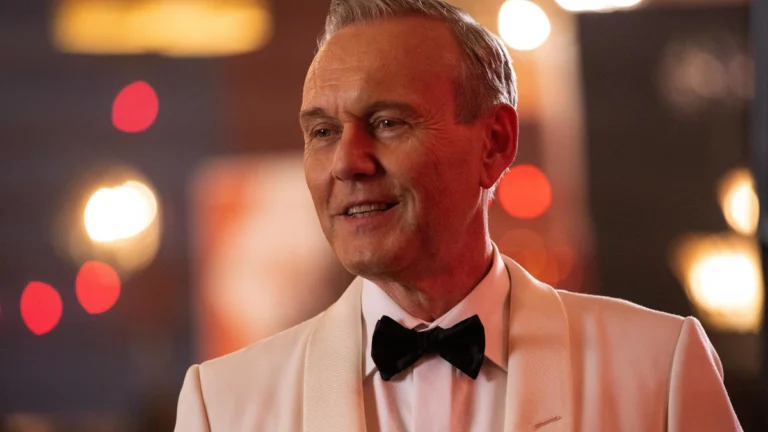
The cast surrounding her is substantial. Christopher Abbott plays Adam and Mike Faist takes on Charles. Joseph Zada plays Cal and Joe Anders plays Aron. Since Cathy belongs to the invented Trask storyline, her reimagining is an interpretive choice rather than a correction of the historical record.
The series also has to contend with earlier versions. Pugh follows Jane Seymour’s performance in the 1981 television adaptation. Production took place in New Zealand, including the South Island locations of Dunedin and Oamaru. That means the Salinas Valley on screen is a recreation rather than a filming location.
Why Kazan’s Adaptation Feels Personal
Kazan’s own history with the material adds another layer. Her grandfather Elia Kazan directed the 1955 film, and she has said she first read the novel at fifteen. Speaking to Netflix, she said that Steinbeck’s writing is what has held her attention since she first read it as a young teen.
She has also spoken about the author’s own description of the book. Steinbeck called it the story of his country and the story of himself, which convinced Kazan the adaptation needed to feel epic and intimate. That phrasing captures why the true story question has no tidy answer, because the book blends private family memory with a broader national portrait.
For viewers, the practical takeaway is that ‘East of Eden’ is fiction with a true core. Steinbeck regarded it as his greatest novel. Now that the Hamilton anecdotes and the Trask allegory are set apart, do you think Pugh’s Cathy Ames works better as a figure from a parable or as a person the series wants us to understand?